Ialands
Pacific
Monthly
January, 1959
Vol. XXIX. No. 6
Established 1930
moistered at the G.P.0., Sydney, W transmission by post as a newspaper 5t
Civilisation has come to Baliem Valley in Dutch New Guinea which became the "S hangri-la” of w artime fame, when an Ameri can aircraft crashed there.
Here, a valley native becomes acquainted with American adver tising but what he thinks about it is impossible to tell.
Bhoto: KVR, Hollandia.
Advertisements & other items, pp. 2-6 (3 items)
East
'TOST
THIS WAY'S BEST!
8 flights weekly around the world
Circle the globe with the sun or travel round the other way—B.O.A.C.-QANTAS is the best way to go.
Offering a choice of eight weekly flights, the 8.0.A.C.-QANTAS round-the-world route via Australia enables you to fly directly between San Francisco and New York without changing airlines. Experienced travellers will appreciate what it means in terms of convenience, comfort, cuisine and service to fly all the way by intercontinental airliners operating to international standards.
See your 8.0.A.C.-QANTAS travel agent.
( BOM
V THE WORLD-WIDE A
IRL/NE
J82.84.58A
Your Guarantee of Satisfaction Backed by Established Service
Depots Throughout the Islands
5
LANTERNS
lOesigned to withstand heavy usage and exposure to all weathers theses Kerosene lanterns have built in jet cleaning needles, safety air-seals on pumps and heat and shock proof globes. They cannot spill and burn safely in any position. Two sizes.
I
SOLUS STOVES
Coleman Solus Kerosene stoves are sturdily constructed with heavy brass pressure-tested tanks. The burners are of high grade brass containing a high copper content for good heat conductivity. All parts are interchangeable with similar stoves. Available in Silent and Roarer types.
"* i '
KEROMAN LAMPS
Table lamps of lasting quality finished in polished brass. Burns kerosene and gives a brilliant yet pleasant incandescent white light.
Has centre draught feature with heat resisting glass chimney. No pumping or preheating is necessary.
Height 24 in. Diameter of base 7i ins. Weight 3 lbs.
GiMmfiifiSmm
22 YOUNG ST.,
SYDNEY
ROBERT GILLESPIE Pty. Ltd.
Phone: BU 2221 Cables “Robergill”
ROBERT GILLESPIE (N.G.) LTD.
Lae, Madang, Rabaul, Port Moresby
PEARCE & CO. LTD.,
Suva for Fiji Islands
International Harvester products
4* C'- GL 226 Light rear blade
8.250 TRACTOR
AND EQUIPMENT
B-250 does best in any test moving dirt, making roads, cultivating, keeping plantations and airstrips in order, post hole digging, loading there are 101 jobs you can get the B-250 to do < for you. It's a 30 h.p. diesel tractor with the biggest range of low - cost matched - equipment' available.
Check this range of 3-pt. linkage equipment »p, i GL 227 Toolbar with furrowers
Whichever way you look at it you'll find an International truck will do your job better and at lower cost. Choose from the AA-160 series (illustrated)—the big, brawny trucks for the big jobs, or the smaller 1 ton AA-120 series or from the many medium duty models. Standard and 4wheel-drive trucks are available 'with a big range of body types.
for Agriculture and Transport
INTERNATIONAL TRUCKS
□ HI ■ , V ■ . . •,:S'& 5 Sg SSS '•Vfcx. m ■ ■ l ■ P-1.M.138
DISTRIBUTORS:
PAPUA AND NEW GUINEA: Steamships Trading Company Limited, Port Moresby and Samarai. Dealers: New Guinea Goldfields Ltd., Wau and Lae. Rabaul Trading Co. Ltd., Rabaul. DUTCH NEW GUINEA; H. Englebert n.v., Hollandia.
SOLOMON ISLANDS: Mr. K. H. Dalrymple Hay, Honiara. NEW CALEDONIA: Agence Automobile, Noumea. TAHITI: Hintze & Company, Papeete. NEW HEBRIDES: Kerr Bros. Limited, Sydney. FIJI: Niranjan's Service Station, Suva.
INTERNATIONAL
HARVESTER
International Harvester Company of Australia Pty. Ltd. District Sales Offices in Capital Cities of Australia. Works : Dandenong, Geelong and Pnrt Melbourne. Victoria.
A eat Qaistea /ludfaalia Jlitve
Passenger and Cargo Liners:
M.S. "SINKIANG"
M.S. “SHANSI"
M.S. "SOOCHOW"
S.S. "PAKHOI"
Regular services between Australia, Papua-New Guinea and Solomon Islands.
I I JAPAN, SHANGHAI, HONGKONG TO NEW GUINEA AND FIJI Regular Service with the Motorships: "CHENGTU" - "CHUNGKING" - "CHEfOO"
Japan, Shanghai, Hongkong, Borneo, Madang, Kavieng, Rabaul, Lae, Samarai, Port Moresby, New Hebrides, Fiji, Sydney, Melbourne, Adelaide. (Returning from Australia to Japan direct).
For further details please apply to agents or refer to the weekly advertisements in the “South Pacific Post’.
THE CHINA NAVIGATION CO. LTD.
(A British Company incorporated within the United Kingdom)
AGENTS:
PAPUA = Steamships Trading Co. Ltd., Port Moresby, Samarai . Cables: Steamships ".
NEW Cab?e INE "C : oly C e o ra y m'' WatS ° n (NG) Ltd ’' Ue ' Madan 9' RabauL New Guinea Co. Ltd., Kavieng. Cable: "Camohe".
FIJI; Morris Hedstrom Ltd., Suva. Cable: "Deuba".
NEW HEBRIDES: Comptoirs Francais des Nouvelles Hebrides, Vila, Santo. Cable; Comptoirs Francais". a blissements Ballande, Noumea. Cable: BRISBANE: Wills, Gilchrist & Sanderson Pty. Ltd., 400 Queen Street.
Cable: "Wilgilsand".
MELBOURNE; John Sanderson (Shipping) Pty. Ltd., 11l William Street.
Cable: "Syndicate".
ADELAIDE: George Wills & Co. Ltd., 33 Gilbert Place. Cable: "Willsandco".
JAPAN: Butterfield & Swire (Japan) Ltd., Tokyo, Yokohama, Osaka, Kobe. Cable: "Swire".
EASTERN MANAGERS: Butterfield & Swire, Hongkong. Cable: "Swire".
SWIRE & YUILL PTY. LTD.
Ii
JANUARY, 1959 PACIFIC ISLANDS MONTH II
Iv
JANUARY, 1959 PACIFIC ISLANDS MONTH LI
People
The first European wedding on the island of Daru, Western Papua, for very many years, took place on December 13 when Miss Patricia Wendy Croft, daughter of well known Mrs. Jan Croft, Education Officer at Daru, was married to Patrol Officer Desmond John Murphy, of the Department of Native Affairs.
The young couple have gone to reside at Oriomo for a few weeks; but in January Mr. Murphy will take his bride to Sydney, where he will be a student at the School of Pacific Administration for a while.
Mrs. Jan Croft —who is a sister of the late Mr. Jack Hides, and there fore a member of a Papuan pioneer family—has been Education Officer at Daru for two years, and will re turn there when her present term of leave is finished.
The Morris Hedstrom University Scholarship for 1959 has been ; awarded to a 21-years-old Fijian, ißadike Qereqeretabua. He will study ;£or a Bachelor of Arts Degree in New Zealand. Radike was educated at the Lelean Memorial School, the Queen Victoria Fijian School and the Boys’ Grammar School in Fiji. * * * Mr. Don Lane has been appointed Secretary of the Fiji Visitors’
A man who began his public service career with the New Zealand Cook Islands Depart ment has just retired from one of the top positions in New Zealand's Ministry of Works.
He is Mr. D. R. Newson (above) whose adventurous life included service with a special "aval expedition to North Russia. Mr. Newson reached the position of chief mechanical engineer for his department. His Cook Islands career began as marine engineer on the old "Hinemoa" and one of his first jobs was moving Cook Islands lepers to the Fijian leper colony of Makogai.
Bureau, which has the task of pro: moting the Colony’s fast-growinj tourist trade. He succeeds Mr. Pete White, who resigned some time ago * * * Mr. Dick Cousens and wife Palu left Tonga in October on the Fleet bank, en route to England fc leave. Planning on a cheap, shor trip to England with a Bank Lin* they did not count on the shortag of copra in Tonga and Fiji whic; meant three extra weeks loading a Tarawa and Line Islands befon continuing to Europe. After a shor holiday in England they go to Ne’; Zealand, where Dick is to take ove the management of “Atalanga”, tlr Auckland home of Queen Salot: and the hostel for Tongan student studying in NZ. * * * The first and only Tongan to gaii his wings with the New Zealarr Air Force during the war, Vae Tupou, has recently taken up dutie as Governor of Vava’u, Tonga, nephew of Queen Salote, Vaea, hs for a number of years acted as h©j Aide-de-Camp. travelling with h*j to Australia and New Zealand am although still a young man his er periences have given him a goo background for his new post.
Mr. August Hettig (see phott* graph above), of Nukualofa, Tongi has not been enjoying good healh lately. He is one of Tonga’s Euru pean pioneers.
The original Hettig—Mr. Augu?
Kettig’s grandfather—took his famn from Germany to the South Pacirc about 1875. They lived for a tini in Tahiti, Samoa and New Zealarn before settling down finally in Tomo One of the sons, Mr. William HettL lived the last 57 years of his. life 9 Tonga—he died there in 1949, agi 75. He was married twice—eae time to a Tongan. Two of William sons settled in the United Statdj a son and a daughter in New Zes land; one daughter in Samoa, as the name has been carried on r Nukualofa by Mr. August Hettigg. well known photographer, who 0 now over 60 years of age.
•1 Miss Margaret Cashmore was :married to Mr. Hans Wetzel at St. [John’s Church, Canberra, on De cember 19. They have now gone to 'New Guinea where the bridegroom will resume his teaching job with the Administration —and the bride will start one, at the Chinese School, Rabaul. * * * I Another newly married pair who me nt off to New Guinea recently, were Mr. and Mrs. Richard Hagon who were married in St. Mark’s Church, Darling Point, Sydney, on [December 22. Their home will be on a coffee plantation at Mt. Hagen.
The bride was formerly Miss Caro line Cameron-Waller.
Oliver Dudley and Everett Riley, from Suva, who were visitors to the Polynesian Associa tion's Christmas party while they were in Sydney in December.
A Tele-photo.
Mr. D. M. Kamerling, governing director of Demka Pty., Ltd., Sydney, who has just returned from a six months business trip to Singapore, Ceylon, India, England, Belgium, France, Western Germany, Denmark and Holland. He visited European factories for which his company acts as sales promotional representatives for the South Pacific.
Mr, Kamerling will be leaving Sydney again on January 28 on one of his routine trips, which will take him over the entire area covered by his company's activities, in order to vi sit his business connections.
Mr. and Mrs. C. A. Stinsoni he is a well known business ms of Fiji and deputy Mayor of Suvai passed through Sydney in Januaj on their way to Singapore and tour of the Far East. In Sydne Mr. Stinson personally inspect; various city amenities with a vie to developing ideas for the bett] government of the growing city Suva. In Singapore, he will attei (as a member of the Fiji Visiton Bureau) the annual conference the Pacific Area Travel Associatid
Heintraud Hofman and Gent Baer, who were both born at ft Lutheran Mission Station, Finsoc hafen, NG, graduated from tr Brisbane Teachers’ College in II cember. Both girls will spend a teaching in Queensland before § ing to New Guinea to teach native mission schools.
The parents of both girls s missionaries, and their fathers ww brought up in the same village 5 Germany.
Now Gerda’s people live at Hope a mission outstation between II and Finschhafen.
After the war she and her pareia returned to Germany, for five yeas
At the Cathedral of the Immaculate Conceptit[?] Apia, Western Samoa, on November 13, M Rosita Cook was married to Mr. G. A. Fepulel Both are public servants; the groom is clerk-assistant of the Legislative Assembly, the bride a stenographer at central officeo Photo: Edwards Stucb[?]
during which Gerda forgot how to speak English.
Heintraud first went to Queens land five years ago to go to St.
Peters Lutheran College. * * * ‘ Mr. John Baker, manager of Burns Philp (NG) Ltd., Lae. NG, and Mrs. Baker arrived in Sydney OL leave just before Christmas and later went on to Perth. Western Australia. They expect to return north about February. Mr. Baker is being relieved in Lae by Mr. Monty Stobo. ♦ * * I Mr. M. H. Helsen, managing director of Burns Philp (SS) Ltd., Suva, Fiji, has been elected pre sident of the Suva Chamber of Com
|nerce.
* * * i Two Tongans, John Latukefu and Jubilee Tahai, returned to Tonga in December from Brisbane where, at the University of Queensland, they gained Bachelor of Arts degrees and Diplomas of Education. They will teach at Tupou Boys’ College.
When the French Navy sloop "La Confiance" visited Sydney some weeks ago, these two lads from Papeete, Harold Ellacott and John Urima, took the opportunity to visit the Polynesian Association. —A Tele-photo.
On December 12 at the Ela United Church, fort Moresby, Miss M. Bailey was married to Mr. W. Dalgleish —Photo by Papuan Prints.
Among RAAF and RAN train pilots who graduated in a Win Parade at Pearce, WA, in early U cember was Naval Airman Noel w Hoff, who originally came from To' woomba, Q’ld., but who has had adventurous career as shearer, can, cutter and truck driver, two yese as a member of the Queenslae Police, and then as sub-inspector i the Royal Papuan and New Guin Constabulary in 1955-57. * * * Monsieur Favreaux has be ■ ; appointed French Resident Co:c missioner in the New Hebrides, ,
Mr. and Mrs. Hugh Aspinall, well-known i dents of Suva, Fiji, were at the Polyne Association's Christmas party, in Sydney December. —A Te!e-ph
The Administrative Officer in charge of District of Savaii Island, in Western Sarm is a full Samoan, Papalii Poumou. Last y he succeeded Mr. T. Robson, who had ch[?] of that Administrative District —where there over 25,000 people—for many years. Pa[?] Poumou, who is well-educated and a trai[?] administrator, is the first Samoan to be Administrative Officer. He will reach the tiring age shortly, and then he probably seek election to the Legislative Assemblyl
l, accession to M. Pierre Anthonioz.
M. Favreau represented the Min ister for Overseas France at the tubilee celebrations in New Hebrides m 1956. *. ♦ * Mr. and Mrs. S. G. Jones de started from Port Vila in November, liter a series of farewell functions.
Mr. Jones, who has been manager If Burns Philp (New Hezrides) Ltd. cor 19 years and who formerly served BP in Gilbert and Ellice fslands—received the Order of the [Jritish Empire (Officer class) in the i(ew Year Honours, for public ser iices rendered in the New Hebrides. * * * Mr. and Mrs. G. S. Hill arrived •rom the New Hebrides at the end f 1958. Mr. Hill—who gave many Bears of service to the New Hebrides -s official and business man—has Been undergoing medical treatment la Sydney.
Dr. Herbert Spencer, who made :outh Pacific friends while engaged n education work in American iamoa, and who since has been Rationed in Nebraska, USA, has ;een appointed Educational Adviser o the Government of Eritrea (East ufrica). Mrs. Spencer (who is prinof Dakota High School) may uin him there later in 1959. * * * The bride (Sister Lois Conner lon, of the Paton Hospital, Port travelled from the New debrides, and the bridegroom (Mr. druce Sharpe, a Department of s-ands official in Kavieng) came rom New Guinea, in December, to •, e married in the Methodist Church, fosford, NSW, on December 27.
'•oth belong to well known families * the Gosford district. They met the New Hebrides, where Mr. >harpe was for two years in the
[?]. Willie Quan left Sydney for Honiara (BSIP) the January "Sinkiang" after completing is education at the De La Salle OQ College, ydney, where he has been for the last seven years.
service of the Condominium Gtf eminent. They will live in Kavies New Guinea. * * * The Polynesian Association Sydney got a little astray in ones the captions it supplied tD a phoo graph last month, and had Mr. as Mrs. J. Campbell, on page 47, turning from the United Kingdoj Mr. and Mrs. Campbell had not bet to the UK (and did not say tld they had). They are spending thl leave right there in Sydney, and v return to Levuka, Fiji, some times April.
A wedding of interest to old Fiji residents place in November at the Cathedral of the Sa Heart, Suva, between Miss Beverley Joan Jen and Mr. Fintan MacManus. The ceremony conducted by His Lordship, the Very Rev.
Foley, SM, DD, who also celebrated the Nu[?] Mass.
The bride, who was a nursing sister on staff of the CWM Hospital, is the great-gr daughter of the late J. P. Storck and Hugh Hall Ragg who settled in the Colony the early 1860's. The bridegroom is engineer with the PWD in Fiji and comes f Galway, Ireland. Following the ceremony, guests were entertained at the home of Hugh and Lady Ragg at Tamavua, Suva.
Photo; G. Winkelkoeis
Mr. Sundin (right) and Mrs. Sundin, p[?] graphed in Lautoka (Fiji) with Mr. Fra (left), well-known Islands representative e[?] Gillespie's Flourmills (see page 9).
Mr. E. V. Crisp, Chairman of cSteamships Trading Co. Ltd. of c Papua, left Sydney early in Janu ary on a leisurely tour of the Far Bast, including Malaya and Thai land. He will return by air in Feb ruary from Manila to New Guinea.
Mr. Crisp travelled north with Captain A. S. Fitch, the founder t)f Steamships Trading Co., and now retired. Captain Fitch went on to itodia —he was a pilot in Calcutta oefore he became a trader in the South Pacific.
Mr. E. A, Sundin, who was Burns i’hilp (SS) Co. manager in Levuka or some years, and who has been n leave in Australia, leaves Syd ney early in February for Rabaul, lew Guinea, where he will occupy senior position on the Burns Philp :xecutive staff. Mr. and Mrs. Sundin ave not previously lived in New luinea. Mr. Sundin has spent most his lengthy Burns Philp service i the Fiji-Samoa area.
[?]fter three months leave in Sydney, the Bretts -Mr. and Mrs. W. J. and Stewart, 13, and [?]ay , 9—looked happy as they sailed for New [?]uinea on January "Sinkiang". Mr. Brett has [?]een at Bulolo, NG, for the Administration for the last three years.
I an d Mrs. A. Willis, with their son Peter onths) returned to Rabaul, NG, on the inkiang in January, after four months leave, spent mainly in Sydney.
Advertisements & other items, pp. 7-17 (7 items)
—for YOUR Savings
% f y- £ (m
The Best Protection
The Commonwealth Savings Bank offers you the best protection for your savings right throughout the Islands.
No matter where you go, you will find an office of the Bank.
There are branches at the following places: Port Moresby Rabaul Bulolo Goroka Kavieng Lae T , , Madang Wewak Norfolk Island Honiara In addition, 64 agencies operate throughout Papua- New Guinea, 6 agencies in the Solomon Islands, and others at Fanning Island, Norfolk Island, Lord Howe Island, Nauru, and at Vila and Santo (New Hebrides).
For all your savings bank needs, use the Commonwealth Savings Bank the bank that serves you best throughout the Islands and Australia.
COMMONWEALTH
BANK
Guaranteed by the Commonwealth Government of Australia 5879.84
* ap» mM Wl \\ / // « BB N*
pov
noo^
s6s^
UHO
V^6^i pnfp i d f n way
PREPARED WAX
FLOOR POLISH
FOR LINO. FLOORS. FURNITURE. LEATHER e MOTOR CARS " Twice the shine in half the time"
Piccaninny imparts a glow of youth and beauty to floor surfaces that might otherwise soon begin to show their age. There is nothing more perfect for linoleum or natural wood floors.
Piccaninny's tough wax skin protects surfaces from tropical moisture, wear and tear—saves you hours of work and gives Twice the Shine in Half the Time!
ASK FOR
PICCANINNY
BROWN STAIN FLOOR POLISH
For Jarrah, Cedar, Stained Floors & Woodwork Piccaninny Polishes are manufactured by
PICCANINNY MANUFACTURING CO.
254 Pittwater Road, Manly, N.S.W., Australia
For swift, sure three-way relief from
HEADACHE & ALL PAIN
VINCENTS A RC.
POWDERS & TABLETS
3 medicines
in one!
ASPIRIN • PHENACETIN • CAFFEINE
•* m ake
COol***
'th our AVAILABLE EVERYWHERE AT ALL CHEMISTS AND STORES^
fi DISTILLED IN AUSTRALIA AND BOTTLED IN BOND UNDER THE
SUPERVISION OF THE COMMONWEALTH EXCISE
THE UNITED DISTILLERS PTY. LTD.
MELBOURNE. AUSTRALIA.
EDWD. WATERS & SONS
Avoues aux Brevets et Marques de fabrique
422-428 Collins St., Melbourne, Australia
AVIS
L'etiquette ci-contre est la propriete et la vertiable marque de fabrique de la de Byrne Street, South Melbourne, Victoria, Australia, Societe de distillation, et utilisee par elle pour le
GIN
et les commercants et le public sont mis en garde par le presente centre toute contrefacon ou tout usage impropre de ladite etiquette.
Des poursuites legales seront entamees centre toute personne vendant ou offrant pour la vente des produits nonmanufactures par la United Distillers Proprietary Limited et portant une contrefacon de ladite marque de fabrique ou toute imitation.
a
THE UNITED DISTILLERS PTY. LTD.
MELBOURNE, AUSTRALIA
EDWD. WATERS & SONS
Patent and Trade Mark Attorneys
422-428 Collins St., Melbourne, Australia
NOTICE
IS HEREBY GIVEN that the Label shown in the margin is the sole and exclusive property and proper TRADE MARK of
THE UNITED DISTILLERS
PROPRIETARY LIMITED, of
Byrne Street, South Melbourne, Victoria, Australia, Distillers, used by them in respect of
GIN
and the Trade and Public are hereby cautioned against any infringement or improper use of the same.
Legal proceedings will be instituted against any person or persons selling or offering for sale goods, not the manufacture of the aforesaid The United Distillers Proprietary Limited, bearing any representation of the said Trade Mark or any colourable imitation thereof.
&/? , cf> . /
Jovmr&pmaL
EXTRA FINE
OLD WHISKY
28crtt/&fu&l 9
TM£ DISTILLERS CORPORATION PTY, LTD.
THE CORIO DISTILLERY. CORJO.
MANA««HC ASEHTS.
H CLBOURNE. AUSTRALIA *
NET CONTENTS
EDWD. WATERS & SONS
KOTICE
IS HEREBY GIVEN that the Label shown in the margin is the sole and exclusive property and proper
TRADE MARK of THE DISTILLERS
CORPORATION PROPRIETARY
LIMITED, of Byrne Street, South Melbourne, Victoria, Australia, Distillers; used by them in respect
WHISKY
and the Trade and Public are hereby cautioned against any infringement or improper use of the same.
Legal proceedings will be instituted against any person or persons selling or ottering tor sale goods, not the manufacture of the aforesaid The Distillers Corporation Proprietary Limited, bearing any representation of the said Trade Mark of any colourable imitation thereof.
Patent and Trade Mark Attorneys, 428 Collins Street, Melbourne, Victoria, Australia
EXTRA FINE
OLD WHISKY
J#r Sfy*
THE DISTILLERS CORPORATION PTV, LTD.
THE CORIO DISTfLtEfCY. COHJO
managing ASEHTS.
MELBOURNE, AUSTRALIA
HET CONTENTS
AVIS
L'etiquette ci-contre est la propriete et la veritable marque de fabrique
de la DISTILLERS CORPORATION
PROPRIETARY LIMITED, de Byrne
Street, South Me bourne, Victoria, Australia, Societe de distillation, et utilisee par elle pour le
WHISKY
et les commercants et le pub'ic sont mis en garde par le presente centre toute contrefacon ou tout usage impropre de ladite estiquette.
Des poursuites legales seront entamees centre toute personne vendant ou offrant pour le vente des produits non-manufactures par la Distillers Corporation Proprietary Limited et portant unp contrefacon de ladite marque de fabrique ou toute imitation.
EDWD. WATERS & SONS
Avoues aux Brevets et Marques de fabrique, 422-428 Collins Street, Melbourne, Victoria, Australia
PARKE-DAVIS
CAMOQUIN TABLETS
Effective Single Dose Treatment for
MALARIA
SPECIALLY FLAVOURED TABLETS AVAILABLE FOR
CHILDREN
SUPPRESSIVE DOSE—
For Adults: 3 tablets to be taken as a single dose once weekly, or 1 tablet three times weekly.
For Children: 1-2 years, one INFANT FORMULA TABLET once weekly or half-tablet twice weekly. 3-5 years, two INFANT FORMULA TABLETS once weekly or one INFANT FORMULA TABLET twice weekly.
TREATMENT DOSE—
For Adults: 3 tablets taken as a single dose. A second dose of 3 tablets may be given in from 24-72 hours if fever has not subsided completely.
For Children: 1-2 years, one INFANT FORMULA TABLET as a single dose. 3-5 years, two INFANT FORMULA TABLETS as a single dose.
IMPORTANT: —CAMOQUIN should be taken immediately after or during a full meal.
Obtainable from all chemists and suppliers of
PARKE-DAVIS products
PARKE, DAVIS & CO., LTD., SYDNEY
r
Cl -A 2 E BR©O* S
ratio*
Tanox
only paint with
silicone “101”
Tanox Super Gloss cleans itself every time it rains because it contains Silicone "101"; which gives it the smoothest, glossiest surface to which dust and dirt can't cling. Tanox keeps the weather out, too, because Silicone "101" has amazing water repellency. And Tanox lead-free colours retain their freshness and strength for years.
Approach us direct or our Representatives for the Pacific Islands.
DIMKA AGENCIES PIL LUOlifi
2-12 Carrington Street, Sydney, N.S.W.
21 thunky squares
rich satisfying flavour
so smooth ... so creamy LK 1* oM These are just a few of the many reasons why you’ll like Cadbury’s Dairy Milk Chocolate. Take a deep bite of Cadbury’s Dairy Milk Chocolate. Mmm . . . it’s so smooth ... so creamy ... so satisfying. There’s wonderful eating enjoyment in each of the 21 thick, chunky squares. Nourishing, too; there’s a glass and a half of pure, fresh, full-cream milk in every i lb. Buy a block today.
Cadbury’s Dairy Milk Chocolate
MD2S/HP/V
A COMPLETE
IN EVERY
BOTTLE!
Vv ft % O -
DON’T SAY GIN... SAY
THE INTERNATIONAL
FAVOURITE
/ A
IttVUf
>■ ,y \ i.: * 4.A * v-» V L 3 x 78 T
All-transistorized portable
and quality in
every priceclass of
philips radio
No matter what you consider the most important property or function of a radioset, Philips, in designing and manufacturing the set have seen to it that your requirements are satisfied. i i
In Philips sets of every priceclass
you'll find Luxury in tuning comfort ) H )l / B ti \
B 4 x 78 BT
Luxury Battery world-recefv-r' Luxury in accoustical qualities Luxury in appearance Luxury in exclusive features like Infinite electrical bandspread H Lowpriced Luxury!
H 4 x 75 BT
I Transistorized Battery , table-radiogram § ii” I|| I » f t I /5* m
PHILIPS
PHILIPS
/f 8 2 x 85 UB Mains or Battery world-receive\
VALUE FOR MONEY !
L 1 x 75 T Personal (pocket) portable.
All transistorized.
British Solomon Islands Trading Corp. Honiara, Solomon Islands.
Burns Philp (New Guinea) Ltd., Samarai.
Burns Philp (New Hebrides) Ltd., Vila and Luganville.
Burns Philp (South Sea) Co. Ltd., Nuku Alofa, Vavan and Haapai, Tonga Islands.
Burns Philp (South Sea) Co. Ltd., Pago Pago, Eastern Samoa.
Burns Philp (South Sea) Co. Ltd., Apia, Western Samoa, Comptoirs des Nouvelles Hebrides, Vila and Luganville.
Etablissements Ballande, Noumea, New Caledonia, Fiji Trading Co. Ltd., Suva, Fiji Islands, Rarotonga Wholesalers, Rarotonga.
Robert Gillespie (New Guinea) Ltd., Rabaul, Port Moresby Madang and Lae, Society Franco Oceanienne, Papeete, Tahiti.
Distributed in AUSTRALIA, I NEW ZEALAND and the
[ following PACIFIC ISLANDS:
i Australian Territories: Papua. Norfolk Island. Cocos Island. . Aust. Trust Territories: New Guinea.
Nauru.
I British Crown Colonies: Fiji. Gilbert and Ellice, t British Protectorate: Solomon Islands.
British Protected State: Tonga, i N.Z. Territories: Cook Islands. Niue. 1 N.Z. Trust Territory: Western Samoa. 1 French Territories: New Caledonia.
French Polynesia.
Anglo-French Condominium: New Hebrides.
U.S. Territories: Eastern Samoa. Hawaii.
'J.S. Trust Territory: Micronesia (Caroline, Marshall and Mariana).
Dutch Territory: West New Guinea.
Publisher:
R. W. ROBSON.
Editors:
JUDY TUDOR STUART INDER
Manager:
SELWYN HUGHES.
TELEPHONES: General Business, Editorial, Advertising, Subscriotions;
§ MA 9197-8, MA7IOI, MA 4369,
MAI 395.
G.P.O. BOX 3408, SYDNEY.
K Registered Address for Telegrams, .•Radiograms, and Cables: "Pacpub", Sydney.
SUBSCRIPTION RATES:
'ln Australia and N.Z. and ■Australian, N.Z., and British Pacific Islands .. £1 4 0 'New Caledonia, Tahiti . .. £1 7 0 Elsewhere $3.50 U.S. or . £1 10 0
BRANCH OFFICE, PAPUA-
NEW GUINEA
pacific Publications (New Guinea) Ltd., 1 theatre Building, Fourth St., LAE, New Guinea. Tel.: Lae 2577.
I. Miss Pat Robertson, Manager.
BRANCH OFFICE IN FIJI:
■iji Times Building, Gordon St., Suva.
Tel.: 4043.
REPRESENTATIVE IN N.Z.;
J. D. Whitcombe, P.O. Box 5179, Auckland. Tel.: 42.384.
REPRESENTATIVE IN U.K.:
'* Wallis, 13 Rood Lane, London, E.C.3. Tel.: Mincing Lane 8633.
'MELBOURNE
Collins OFFICE; Newspaper House, St., Melbourne, Victoria.
Tel.: 63.7053.
All main trading firms am A stores in the Pacific Islands.
FIJI TIMES AGENCY IN AUSTRALIA
Pacific Publications Pty. Ltd. .echmpress House, 29 Alberta St.
Wney (Telephone MA 9197-8), is th« '‘Ktrahan Agent for THE FIJI TIMES of Suva, Fiji.
3
p acific islands monthly January, 1959
4
JANUARY, 1959 PACIFIC ISLANDS MONTH LJ
6
JANUARY, 1959 PACIFIC ISLANDS MONTH II
7
a CIFIC ISLANDS MONTHLY JANUARY, 1959
9
4C I f I C ISLANDS MONTHLY JANUARY, 1959
10
JANUARY, 1959 PACIFIC ISLANDS MON TT
Contents:
PEOPLE: Personal para graphs of Islands’ Interest 1 Pacific Planters Did Nicely From Free Copra Market ing in 1958 13 Common Roll Was Used In New Caledonia, Tahiti Elections 14 Hotels Help to Balance Fiji Budgets 15 Death of Robert Crompton Of Fiji 15 In BSIP, Bermuda Tax De ferred 16 HOME BASE: Sydneysider Reports 16 Territorians Fear Tax-Axe About to Fall —but Fiji Swallows Its Tax Pill ... 17 Goroka Coffee Conference in January 18 Fiji Produces Another Pacific Mystery 18
Commentary; The Pub
lisher and the Editors Look At Pacific Affairs 19 The Editors’ Mailbag 21 FIJI TALANOA—Vakatawa Talks of This and That .. 23 But Our’s Was Not the First Talanoa By 66 Years .. 25 Papua’s Cut c h Industry Offered for Tender 27 Reader Says: “Cannot Deny Self Rule to Solomons Now” 31
Territories Talk-Talk
With Tolala 33
NNG Oil Is Not World Class, But It’s Useful ... 41 In Fiji It’s Holidays As Usual 47 New Light On the Bounty Story 49 NZ Is After Pacific Trade .. 55 Pacific Exhibits at Sydney Royal Show 57 The Massive Education Pro gramme in W. Samoa ... 59 An Endless Chain of Chicken Of the Sea From Pago Pago 65 Fiji’s “Works” Gets a New Home 69 Te Vega Leaves Pacific ... 71 Fiji Could Do Better With Its Cattle Industry .. .. 73
Magazine Section:
Tropicalities, 77; Becke and His Hermaphrodite Brig., 79; Do You Remember? 79; He Feeds Baby Food To Snakes, 80; More About Jimmy Malay, 82; Book Reviews 84 The Month’s News of Ships and Yachts 97
Pacific Report: Round
Up Of Pacific News and Pictures (index p. 13) .. .. ??
OBITUARY: Mr. Bill Cash; Mr. Robert Crompton; Mr.
J. S. Stubbs; Mrs. H.
Leonard Murray 147 Leonard Murray; Adi Asenaca 147 Sports Review 148 Shipping and Airways Tables 151 Commerce and Produce .. 161
Advertisements & other items, pp. 17-18 (3 items)
A Product- of Pacific Publications Pty. Ltd., Technipress
House, 29 Alberta Street, Sydney. f 29 Alberta Street is 10 yards from the intersection of Goulburn Street and ' Wentworth Avenue.)
12
JANUARY. 1959 PACIF f|C ISLANDS MONTHL
Gioss-MASTA
test for yourself this
amazing enamel!
it wears
for years!
HA - /.~t !i mm
isiillsn
?{!2' Si ■■■»* s r 'Ush Points Ud
/•"one coat coven j
• any colo
s 0 eaS '\le
0Q ANO (Il£B>o ,
was
URSJJ^
SI all colo
amazingly
brilliant!
British Paints
Gioss-MASTA
BRILLIANT GLOSS ENAMEL
FOR INTERIOR AND EXTERIOR
The only brilliant gloss enamel made that
covers any colour with one coat
★ THE MOST EXCLUSIVE AND EXPENSIVE
ENAMEL MADE YET THE MOST
ECONOMICAL BECAUSE IT CUTS
LABOUR AND MATERIAL BY HALF!
★ KNOCK-RESISTANT HARDNESS
★ SO VERY EASY TO APPLY
★ LUXURIOUS COLOUR RANGE
Gloss-Masta is manufactured to withstand the Pacific Islands’ tropical climatic conditions. It is lead free, and provides mould and fungus resistance.
Anti-Mould Solution
For MAXIMUM PROTECTION against fungus am mould growth always treat new or previous; painted surfaces with British Paints Ltd. s ANTT
m MOULD SOLUTION.
Undercoat J Surtac**’
SsaJjwfissT^
l*U COLOUR*! .J
ALL PURPOSE
UNDERCOAT
A fully guaranteed all purpose undercoat. colQ(£
PRIME MASTA
Primers For Wood & Metal Surfaces.
SkAL»f
SEALMASTA
Cement Sealer For all Porousaj Surfaces. luiries A ' V ' ' ' ' ' , lo.fr ’ y, H are invited from storekeepers in the Territory to act as authorised agents for British Paints Ltd. quality products. Write to Britti- Paints I m Rnv 43 PO Bankstown, N.S.W.
Free Marketing In 1958
It's Been a Happy New Year, Too
Pacific Planters Did Nicely From Free Marketing In 1958
British planters in the South Pacific who a year ago expected the worst when copra, for the first time in a decade, reverted to “free marketing”, found that 1958 realised none of their fears, but to the contrary, brought bigger profits. And they enter 1959 on the same wave of high prices.
IIfHEN the nine-years United ff Kingdom Ministry of Food agreement ended on December 11, 1957, planters with memories hat went back to the open-go narketing of before World War 11, lad some misgivings. It was open ;o marketing with some differences, lowever, as most producing terri ories had made some forward irrangements for disposal of pro »ortion of their production.
With the exception of Fiji, most f the arrangements included dis posal of a proportion to Unilever t a price to be based on Philip pines price.
Papua-New Guinea, which is the iggest producer in the area, rranged to sell about 20,000 tons to Fnilever, about 35,000 tons to Aus ralian crushers, 40,000 tons to the )cal crushing mill at Rabaul and le remaining 5,000-odd tons on the pen market. All these arrange lents were based on Philippines rice.
Again with the exception of Fiji, 11 the territories involved continued ) market through government or mn-government copra marketing sards.
Fiji's Simple System
Fiji, however, disbanded the copra sard that had been in existence iring the currency of the MOF greement, and planters proceeded • make their own individual *rangements.
In the event, the majority dis ced of their copra at the Suva ushing mill of one of the W. R. arpenter companies.
The mill buys at a price that is sed each week and the Fiji planter no sells his copra in this way will nerge from 1958 certainly no worse f—and probably better off—than s brother planter in, for example, 3w Guinea.
Such has been the success of the iva scheme, that producers in estern Samoa and Tonga look »on it enviously. They have con lered a mill of their own, but this an economic impossibility with ■t an output of 25,000 tons of copra r annum, which neither has at esent.
The Fiji system has the merit of simplicity. The planter delivers to the mill, is paid promptly—and the deal is completed.
In New Guinea, it is more com plicated. All copra is purchased by the Board, even that which goes to the local mill. The planter is paid a “tentative price”, which is necessarily a great deal below the final price, and it is not till well into the next year of operations that the final payments are made.
The Test Could Come Later Papua-New Guinea planters are, however, well enough satisfied with their Copra Marketing Board, which was retained after the end of the MOF Agreement at their request.
They have three of the six seats on the Board. The extremely modest “Tentative” price declared for copra by the Board in January, 1958, was partly in order that it could finance its own activities from accumulated funds.
The real test of whether a Board
i s an advantage will come when or if the copra industry falls on hard times.
The tentative P-NG price of £A47 per ton made in January, 1958, had been raised by the end of 1958, to £ASS per ton (top grade). This still
(Continued on page 140
A smiling Lady Maddocks, wife of Fiji's Governor, receives a gift of a wooden bowl and a piece of masi (tapa cloth) after she had christened the new Government cruiser and launched her with a very stubborn bottle of champagne. At the second attempt, the bottle broke and Lady Maddoeks named the vessel "Cagimaira". She will be used in administration work in the northwestern areas of Fiji, including the Yasawas.
Photo: Rob Wright, Fiji PRO.
leave a handsome sum to be paid to planters as a final price.
The final payments will probably be made in the first half of 1959.
As the Philippines price fluctuates from day to day, it is difficult to get a true average for the year. But the Philippines price, c.i.f. London, as quoted in PIM over the last 12 months, has been as follows: January 7, $lB9. July 9, $191.50.
February 5, $188.50. August 7, $l9B.
March 7, $lB6. September 6,5208.
April 8, $193 October 3, $217.
May 7, $197.50. November 4, $235.
June 9, $l9O. December 4, $265.
Pacific Report
Turn to these inside pages
for more highlights of the
month’s news: Bayly Clinic Fights Disease; Un couth Officials in P-NG, Samoa— —ll 3. Sustenance for Niue Aged; Officials Crack down on BOP Trade—lls. Tin Can Is. Re settled; Weird Weather; Wallis Islanders A’feuding—ll7.
TAl’s Paris Service; Islanders at NZ Jamboree; Matua Misses Suva—llB. Island Clothing Works bother Unions; 45 Complete ASOPA Courses—ll 9. NG Pre pares for SPC Conference; Shangri-La Gives up Its Victims —l2l. TAI and TEAL Raise Fares; That Bellona Phosphate -122.
Whence came the Oranges to Rarotonga?; W. Samoa’s Spy Hunt; Diptheria Outbreak in NNG; Subsidising Fiji Hotel Building—l 29. More Capital for Tolai Cocoa Growers; Papua’s Rubber Planters have Assured Market; New Road Regulations in Tonga; “Delos” Returns after Successful Trip—l3o.
The Shirley Baker Incident; Iwo dead in Papua War —133. Father Pays for Speedster Son; New Factor in Islands Flour Trade; New planes for PAT—I 34. Auck land Takes Kava; Pre-Christmas Fun for Islands Assns.—l3s.
Super-Constellations for Moresby; Easy Access to Australia for Fiji Bananas—l 37.
Advertisements & other items, p. 19 (1 item)
13
A ? C „ ISLANDS MONTHLY JANUARY, 1 9 9
In French Pacific Territories
Same System, Mixed Result
Common Roll Used In Elections In French Pacific Territories
From a Staff Writer In both of the large French Territories of the South Pacific New Caledonia and French Polynesia—a new Territorial As sembly was elected in December, under the Loi Cadre.
IN French Polynesia, where the leaders of the Leftist parties (which formerly had the majority and provided the Government Coun cil) have been recently in conflict with the law, a non-Leftist majority was returned.
In New Caledonia, on December 7, the same numbers of Party rep resentatives were returned, giving the Union Caledonienne Party, led by M. Lenormand, 18 seats, as against 12 for the Republican Socialists. M. Lenormand thereupon formed a Government Council of eight Ministers, and offered two of these portfolios to the Opposition— an offer that, up to December 31, had not been accepted.
It was expected, when the Fourth Republic ended and the Constitu tion of the Fifth Republic was accepted in September, that the new French Constitution would provide for the abolition of the Loi Cadre, under which a common roll was provided for the election of a Terri tor i a 1 Assembly in both New Caledonia and French Polynesia.
As is well known, the enrolment of natives as electors in both Terri tories, in equal status with Euro peans, resulted in the return in each case of a Leftist majority.
This, in turn, brought a Leftist Council of Government into power in both Territories: both Councils introduced laws which the property owning classes regarded as oppressive: and in both Territories revolts by Rightist sections led to suspension of the Governments, and resumption of authority by the French Governors—a condition which lasted until the establishment of the De Gaullist regime in France.
The action of the new French Government, in ordering new elec tions in both New Caledonia and French Polynesia, under the Loi Cadre, was unexpected: but the re turn of a Leftist majority in New Caledonia, under the Loi Cadre, was not.
One of the first acts of the new Assembly, in both New Caledonia and Tahiti, was to declare the status of the Territory—and each declared itself “Territoire d’Outre Mer” (an Overseas Territory within the French Union).
The leader of the New Caledonia
Assembly proposed to add to the declaration a provision that the Loi Cadre be retained in its entirety: but the opposition would not agree —in fact, it demanded a return to the electoral conditions which pre ceded the Loi Cadre.
No Compromise in Noumea A vote was taken, and retention of Loi Cadre was demanded, by 18 votes to 12.
The Assembly in Tahiti, on the contrary, expressed itself against the continuance of Loi Cadre.
The new Governor and High Commissioner for France’s Pacific Territories, M. Laurent Pechoux, urged the NC Assembly to approach its difficult problems in a spirit of tolerance and compromise.
M. Lenormand responded by offer ing two portfolios in his new Gov erning Council to the opposition; but the opposition made it clear that there could be neither compromise nor co-operation while the country was ruled under the Loi Cadre.
Using the common roll, New Caledonia voted 14,600 for the Lenormand group, and 9,000 for the opposition, and there was a sub stantial increase in the Lenormand vote, compared with 1957. In 1957, only 63 per cent, of the enrolled voted; but in 1958 the vote was 73 per cent, of the total enrolment.
Big Development Programme
M. Lenormand, in a brief and lively election campaign, made the following promises: • A public works programme to cost 400 million francs (about £3 million Australian), calculated to encourage new agricultural Industry in NC. • The immediate building of huge cold stores, to enable the country to hold and distribute for its own use the foodstuffs which it can grow abundantly. (At present, such Imports are called “scandalous”—carrots and cauliflowers in cans from Holland, tomato juice from Australia, and orange juice from Cali fornia, for example). • Construction of a second hydro electric station half-way along the island, and probably a third in the north. • Government, in association with private enterprise, to exploit the ex- Japanese iron mines at Goto, the ex- Australian copper mines on the Diahot
River (north NC); and to seek devele ment of a new metal treatment syst, for cobalt and nickel. • Causeway to be built over shaill water to join Noumea with lie Nou. tb making much additional building lac available and countering the operations land speculators and profiteers in Noumi where land has reached “fantastic” prio • Development of a more force? tourist policy, including encouragement improved hotel accommodation. • Establishment of a fishing industt similar to that now operating in N Hebrides.
For de Gaulle
On December 21, the persons aj institutions (including the Assembl qualified to vote for President, both New Caledonia and Frerr Polynesia, declared almost unaniu ously for Charles de Gaulle.
It was worth noting that one the four officials in charge of tic voting procedure in Noumea was Henri Sautot, the man who beca;j famous (he was in charge of t French Government in N ♦ Hebrides) as the first Fr e n Colonial Governor to declare for Gaulle and Free France in 1940
Islands Telecommunications; Mr.
A. J. Black, manager of Cable and Wire-s less Office, Suva, now on three months leave in Australia, has seen a lot of Pacific Islands service, and some in credible changes in technique.
He was at Fanning Island betweens 1937 and 1939 as cable engineer; bacWa there again as manager between 1945A and 1947; and after six years in thert head office of the engineering brancl in Sydney, he went to Suva as managei in 1955. Having visited children anen grandchildren in West Australia, Mr Black returns to Suva, for another spel of Pacific service, in March.
Since he learned the communication trade in Adelaide in 1929, Mr. Blacl has seen the bulk of the traffic turi over steadily from the under-sea wir to radio; while the actual message once tapped out by a long-sufferin operator on a Morse key, is now flashe[?] electronically from continent to conti nent by teletype.
Advertisements & other items, p. 20 (1 item)
14
JANUARY. 1959 PACIFIC ISLANDS MONTH
Tourist Hotels
They Help to Balance Budgets
Fiji Wants More
AS the years pass, and the need grows for earning overseas funds, Fiji becomes more Tour ism-conscious; and this, since War 11, has been expressed with effective ness through the Fiji Visitors’
Bureau.
Various patriotic citizens have given much time to the Bureau; and its work was done excellently by that restless genius, Bob Hewlett.
The Bureau greeted the incoming traveller at Nadi or Suva, with leis, pamphlets and. soothing words; helped him with kindly interest while he was in the country; fare welled him in Polynesian fashion— and (this most important) sent him off with a desire to tell his friends about Fiji, and distribute the appealing literature of the Bureau.
Fiji Visitors' Bureau
It was slow but sure propaganda, and its certainly paid off. It was a bad blow to Fiji Tourism when the mercurial Bob Hewlett was lured away across the world to a similar but much bigger job.
After that the Bureau learned, the hard way, one of the outstand ing facts of post-war life —that suit able executives are very hard to find.
The Bureau’s Directors appointed, to fill Mr. Hewlett’s place, a lively overseas journalist named Peter White. Mr. White, like most strangers in important jobs, felt that new methods and viewpoints were necessary; and he proceeded to point out the errors of their ways to a couple of senior citizens who had contributed much to the Bureau in ideas and honorary services. He could have been right, of course, but he was not very wise.
By November last, the Fiji Visitors’ Bureau and their new secretary-manager had parted com pany.
In December, the Bureau appointed to the job Mr. Don Lane —a young man who has been engaged in busi ness in Suva for several years, and is well and favourably known. He may be short on knowledge of public relations: but he does know the Fiji scene, and he will have the goodwill and help of most of Fiji’s business men.
New Club Hotel
Meanwhile, preparations are be ing made for a bumper tourist season in Fiji in 1959. The 1958 fall
(Continued on page 146)
TOP: This photograph, taken by J. K. Stone, shows the old Club Hotel, in Guva, just after it had been unroofed by a hurricane in January, 1952. The old building was subsequently removed entirely.
LOWER: This photograph, taken from the same spot in November, 1958, shows the new Club Hotel, erected on the same spot, and officially opened on December 8.
in exports calls for a concerted effort to sell more Tourism.
The new Club Hotel in Suva has been open since early December, and reports that, although this is the “off” season, it is selling enough of its h i g h-c lass, air-conditioned accommodation to prove the theory that there is a need for this class of costly service.
The Government has announced the terms under which it will financially help hotel-owners to build new hotels or enlarge those now functioning.
Awaiting Next GPH Move Meanwhile, Fiji travel interests are watching the Grand Pacific Hotel situation with interest.
There has been a development since the Union SS Co. announced that it would not seek to renew the lease (expiring in April) of the reclaimed land on which the hotel is built and that, under the terms of the contract made some 50 years ago, the Fiji Government is expected to take over the hotel, at current valuation.
No one has hazarded a guess at the value of the hotel, with or with out equipment. It could be anything from £50,000 to £lOO,OOO. One of three things will happen: • The Government will take over, at valuation, and sell to the highest bidder. • The Government will take over, as per contract, and will lease the hotel to some interest which will
co-operate with other Fiji interests in promoting tourist traffic. • The Government will make a mutually agreeable arrangement with Union SS Co., under which the Co. will continue to run the hotel.
On January 3, the Fiji Govern ment invited tenders closing Feb ruary 28, for a 99 years lease of the hotel, as a going concern, fully licensed, equipped and staffed. If the successful tenderer is prepared to “modernise and enlarge” the hotel, the rent will be “nominal” for the first 25 years.
Considerable interest has been shown, both in Fiji and overseas; but there will be no further develop ment until after tenders close.
This gives an average c.i.f. p of $205, which is £9l in Austrai currency.
It is, however, impossible to on those figures an average o to the NG producer, of getting co to the UK, as P-NG export c on copra rises as the f.o.b. p rises.
During 1958, freight charges v £Stg.l3/10/- R a b a u 1-London this with discounting, hand* shrinkage and insurance probu amounted to £A2O per ton.
To that has to be added the CN handling expenses (including sh doring and Government wharfs and shrinkage, which the Bo calculates at another £A3/16/-; finally, export tax and stabil tion fund contribution, which be upwards of £6. There is i change left out of £3O when all is added up.
In 1959, freight rates will. about 40 per cent, lower £Stg.BJ ton, Pacific port to UK port.
In the first week in Janui 1959, the Philippines c.i.f. pricu London was $250 —equivalent; £AIIO. The price being paid hy\ Fiji mill that week was £F7B ton —equivalent to £AB7/15/-.
Prospects for 1959 Few people in the industry commit themselves to any pro tions for 1959. The drought and oo circumstances in the Philippe and internal unrest in Indonr were big factors in the steep n rise in the last quarter of : These conditions carried into i New Year.
On the optimistic side it carj said that, with huge increases the world’s population, partica’i in Asia, there is more demandb the products of the coconut, tainly in Indonesia, and to a j marked extent in the Philippq more coconut products are tel consumed at home.
On the pessimistic side it fact that when prices rise as certain limits, buyers tend to c alternative and cheaper oils ww they can. Bumper crops of suclo seeds as groundnuts and soya bd have been predicted for the cone year.
Another factor in the situatioi the withdrawal of Norway fromrr international whaling agreens which limits the catch of whl Norway has pulled out Russians are not a party to o agreement, and with Norway ouc is useless for the other whsrl countries to limit their activity This breakdown in the agreens is likely to lead to more whaMi on the market in the next seasajE but a lot fewer whales in the fuu:
Last Of The Fiji Big Four
Death of Robert Crompton
FOUR men greatly influenced the administrative shape and SSSc Siaracte? of the Fiji which entered World War II nearly ? years ago They were James Henrv Marks, HeT/ Mtoe 5 Scott " Robert p ’ fKor-ofnrP thpv were T° a degree, 1 y the architects of modern Fiji Two were merchants (Hedstrom
C?onipTonr Each 7 S
business was highly successful, and -often unconsciously-thus exercised some control over material things But in each case, the man’s real influence came from breadth of vision, wisdom, and strength of character.
Nominally, Fiji was ruled by the British Colonial Office, through a series of Governors. But Britain very wisely, accepted advice and guidance in administering her Colonial Empire, from outstanding local citizens; and Fiji’s long record of Peace, progress and prosperity was due to the useful collaboration Fiji’s Governors, during 50 yearSi Hedstrom Marks , Scott ?nd Crom p to n.
The three first-named all passed away after World War 11, uU of honours and , nche ® „ J h ® r fo S r XX’
Robert Crompton, CBE, QC, lived longer than all the others—he died at his home in Christchurch, New
(Continued on page 145)
ealand, on December 19. He had :tained the great age of 90.
"Close of an Epoch"
“His death marks the final close ; an epoch,” said Mr. H. E. Snell, i a notable article in the Fiji imes. He describes how Hedstrom, cott, Marks and Crompton iormed a quadrumvirate which for generation virtually controlled the Jstiny of Fiji—sometimes openly, lore frequently behind the scenes.
“The quadrumvirate was basically ipported by the populace in Fiji, ad raised very little hostility—ex jpt among a section of civil ser iints who thought “outsiders” were .iking too big a part in government; ad among other politicians who
sought—with much less claim—to be representatives of the people and to dispossess the four of their seats and their power. . . . They got power, and kept power, simply by character and by force of argument.
“One of the ablest of the Gov ernors we have had in Fiji once said it was an astonishing thing that so small a country as Fiji should have thrown up four such big men as Crompton, Hedstrom, Marks and Scott.”
Tributes from all Sections
Robert Crompton was an English man, and qualified as a lawyer in England. In 1904 he arrived in Fiji, and established the large and suc cessful law business now carried on by his son, Robert.
As indicated, he took a prominent part in public life; and his family became deeply integrated with the Fiji European community. He was closely associated in business with Sir Henry Marks and Sir Maynard Hedstrom —there seems always to have been a Crompton on the Morris Hedstrom Ltd. board of directors.
The news of his death brought tributes to his character and achieve ments from all sections of the com munity.
The late Mr. Crompton was thrice married —to Roseline Allen, of Lancashire, England, who died in 1927; to Thelma Kathleen Suther land. of Suva, who died in 1933; and to Vera Crawford, of New Zea land and Suva, who survives him.
His son, Mr. Robert Crompton, has been head of the Crompton law firm for several years, since his father retired; and there are two daughters—Mrs. Rose Hedstrom, of Suva, and Mrs Ruve Donovan, who lives in Australia.
But Bsip Residents
Bermudan Tax Deferred
Pay More
Just The Same
British Solomon Islands resi
dents who have been awaiting a new Customs schedule with
some trepidation, breathed more
freely in December when they learned that television receivers were to remain at the same 1 Vi per cent, duty, and that railway and tramway cars of all kinds were to continue to be free.
AS, however, the Protectorate has no TV station, nor is likely to have; and no railways and tram ways, these concessions are not ex pected to cause any drastic reorgan isation of the domestic economy.
More serious, was the fact that duties on some goods considered unessential or luxurious —and these include butter—are to have higher The government’s intention to assess all duty on a c.i.f. value in stead of f.o.b. has been “tem porarily deferred” as a result of a concerted howl from the non-gov ernment members of the Advisory Council and businessmen in the Protectorate. (See PIM, Dec., p. 17).
But to make up for this, some reductions and exemptions which were to be announced simultane ously with the introduction of the Bermuda-type import duty, have also been “temporarily deferred.”
Secretary of State's Idea Reorganisation of BSIP’s Customs schedule came about after the Secretary of State for Colonies in sisted that more revenue be raised within the Protectorate itself. The new duties came into effect on January 1.
These are some of the new duties, extracted from a very long list; Butter, previously free, now 2i per cent.; Bacon, hams, sausages and frozen fish, previously free, now 5 per cent.; Frozen fruit, vegetables, dripping, 5 per cent.; Old newspapers, exposed cine film, refrigerators, tyres and tubes for tractors, previously free, now 17S per cent.; Watches, record-players, photo graphic materials, increased 2| per cent, to 20 per cent.
Jewellery and cosmetics, up 7| per cent, to 25 per cent.
Home Base
By Sydneysider
Sydney is the hub of the South Pacific, and its news is your news. Here are some of the things that made Dec.-Jan. headlines.
It was a record Christmas-New Year: Record spending, record road deaths, and, most of all, record lousy weather of a kind resented by Australians more than most.
Except for three fine days, holi day weather consisted of rain, gales, grey skies and drizzle. It was a tale of woe from bogged and bedraggled Xmas campers, to the 3rd Test Match, which was dampened if not washed out in the second week of January.
Only one person was happy about it —Queensland long-range forecaster Walker (upon whom the mantle of the late Inigo Jones has fallen), who said long ago that it would happen just like that. * * * Amongst the seasonal crop of accidents there were the well tried favourites—drowning, boat ing, being thrown from horses, not knowning the gun was loaded.
But there were other victims who got their names in the papers for more unusual accidents —40 who were crushed by a 60-ft high ferris-wheel that collapsed into a crowded carnival at Coogee (one woman died of her in juries, many others are still in hospital); a boy who died after being bitten by a snake; and an infant after being bitten by a funnel-web spider.
Death reaped his biggest harvest on the roads, of course.
With 31 killed between Christmas and New Year it was the biggest piece of mass suicide since the season of 1955, and brought the State’s grand total for 1958 to a record 825 road dead.
The Christmas toll was in spite of the new law that suspends licences for short periods for two traffic offences (including not giving hand signals), in spite of the threat that stiffer driving tests and full scale medical tests will be intro duced in 1959; and in spite of the fact that 300 motor cycle police were on duty in the metropolitan and near-metro politan area, and booked the phenomenal total of 4,000 motor ists for various offences during the 10-day period. * * * THE PRESS; Following in troduction of publication of free birth, death and marriage notices in the Sydney Daily Telegraph, Sydney Morning Herald prin
cipals took out an injunction against the DT. SMH alleged that the DT had been copying birth, death and marriage notices from early editions of SMH, traditionally accepted as the only newspaper in which to die, marry or be born. According to SMH, there were 73 more deaths in the second edition of DT on January 5 than in the first edition. And amongst the 73 were two fictitious names which the SMH had cunningly run in its first edition. * * * SPORT: Over 22,000 attended Sydney’s first “Twilight” race meeting (4 p.m. to 6.30 p.m.). To encourage patrons, free betting vouchers, valued from 30/- to £6 each, were distributed to 60 lucky punters. (Of the 20 in the Paddock who got £6 worth of free bets, five lost the lot, no one made a fortune, and most made a modest gain by backing favourites). The AJC promises more Twilight meetings. * * * COMING: US Evangelist Billy Graham will arrive in Australia for five weekc crusade in Feb ruary— complete with file onj Australia’s besetting sins, pro vided by advance agents. * * * COME: Ava Gardner, in early' January, en route to Melbourne 6 to co-star with Gregory Peck: and Fred Astaire in Nevil Shute’Sc On the Beach. * * * MOTOR MARKET: Statisticss show that of the new motor vehicles registered in November -7,781 or one-third were in NSWV and that Holdens still dominatea the sales field with 9,500 regis trations for the whole country.", Ford was next. * * * WRATH OF GOD: Apostolic* Delegate Archbishop Carbonil who travelled 160 miles from Syd ney to Ulladulla to bless the fish--: ing fleet on December 28, returned) displeased and without having: performed the ceremony the Italian fishermen had note turned up to the preliminary Mass. Parish Priest Father*: Weatherall finally did the job then God whipped in some colbi driving rain and dissolved ther party. The spaghetti eating championship, the greasy-polel climbing and the procession haoi to be abandoned.
Advertisements & other items, p. 22 (1 item)
16
ANUARY, 1959 PACIFIC ISLANDS MONTH
About to Fall
"Reduce, Abolish or Defer"
Territorians Fear Tax-Axe About to Fall
Most P-NG Territorians are reconciled to a belief that the Australian Government will try to introduce income taxation in the Territory in 1959—probably with the financial year begin ning July 1. But not all of them are reconciled to letting it
happen without a fight.
k NUMBER of organisations— \ including the Port Moresby v Chamber of Commerce are fighting funds, and mem “rs of these organisations are sked to send donations. A public rotest meeting will be held in Port foresby this month.
The object is to have the proposed ixes reduced, abolished or deferred.
Their fears are based on a “Review [ Territory Finances”, a report repared at the direction of the [inister for Territories some time ?o. which has been circulating round the Territory in abridged n*m for some months.
The expert who compiled the eview based his proposals on rais ig £1,300,000 from income tax but saucing customs duties by £600,000, ‘though not all at once. The in fme tax rate proposed is 4/- in the [company tax and 60 per cent, of le Australian rate for individuals.
That old-fashioned plank of istice, that there should be no tax feion without representation, has me by the board in post-war years. apua-New Guinea is now the only lajor territory in the South Pacific here income taxation does not perate. All of the other territories ave income tax, although none of lem have self-determination or any [ the social-security benefits of ich heavily-taxed countries as the hited Kingdom, Australia or New ealand, where a large slice of tax loney is directed towards pensions ad other benefits.
Taxes are Forever If direct taxation is to be intro uced in Papua-New Guinea, 1959 iems to be a most likely year. The linister has already informed isidents that, in future, greater mphasis will be placed on self ipport; the big oil companies seem to stay there in Papua for Pother year or so; and the level f prosperity due to high copra rices and reasonable prices for ther commodities, is good.
If income taxation were the only lx, it would be the most equitable lx of all. But it never is the only ix. and the risk is not in its year
of introduction, but in the years that come after.
Once on the statute books, a tax can be increased, amended and generally fiddled with. A Territory Treasurer 10 years from now, wish ing to increase revenue, will not stop to consider that import duty was originally reduced in order to make income tax less of a burden, for Territorians; or that there were once good reasons for fixing the in come tax rate at 60 per cent, of the Australian rate.
It is an historical fact that once introduced, a tax is rarely repealed and that rates are seldom reduced but are, to the contrary, increased.
Australian Sales Tax is a case in point. Introduced in 1930 simply as a temporary Depression measure, with a modest 21 per cent, tax on
(Continued on page 18)
the cost of goods manufactured in Australia, it netted in the first year £3,472,854 for revenue. By 1939 it was regarded as a permanent method of raising revenue, and was bringing in a comfortable £9,300,000 per annum.
Now, of course, it is quite in dispensible, and in 1955 (the last year for which figures are avail able) it contributed the handsome sum of £100,446,000.
The rates are no longer 2 h per cent., of course. The rate now varies from 12i per cent, for utility com modities, to 30 per cent, on those items which the Australian Tax gatherer regards as luxuries.
No Treasurer would consider quitting this lucrative field of revenue, although the purpose for which this tax was introduced was fulfilled 25 years ago.
More Pay, More Say
It is undeniable, of course, that sooner or later, Papua-New Guinea residents will have to take a bigger share in paying the Territory’s way. In 1957-58, internal revenue amounted to £4,725,031, and Aus tralia’s grant was £10,796,000figures that speak for themselves.
But whether the flat-footed in troduction of income taxation as the first step toward getting more balance into this situation is the correct step, is another matter.
Each non-native Territorian already pays something like £l2O per head in indirect taxation—but the whole of the internal revenue of the Territory scarcely pays the salary bill of its Public Servants. If the Territory had to live within its own earnings (as before the war the Mandated Territory did, and Papua did to within £40,000 per annum) and had no Australian grant, the whole fabric of administration and expenditure would have to be cut down by two-thirds.
Under the present set up. the Commonwealth Government is pay ing for two-thirds of the cost of running P-NG, but it has all the say cm how the total revenue of the Territory is to be snent. In 1957- 58, £4,296,000 went in salaries (or payments in the nature of salaries”) of Public Servants, of whom there are now about 3,000. About £4,000,000 was spent on capital works, and a large proportion of the rest went on native welfare.
The total non -native population °t P ; N o G is 18,500 Europeans and about 3,000 Asians. The real pro ducers of the Territory probablv can be counted in hundreds, but between them they exported goods valued at £10,898,000 in 1957-58. In addition, in recent years about £2,000,000 has been spent annuaffy
in Papua by the oil search com panies.
The rest of the population—that is, those other than the producers and the 3,000 Public Servants and their families —live on retail trade, and in providing services.
Territory's Unreal Economy
Which ever way it is looked at, the economy of P-NG is unreal. It never will be anything else until the people who live there have some say in how revenue is to be spent, and assume some responsibility for spending it; or until income more nearly approximates expenditure— and not even the most fantastic rate of internal taxation could do that at present.
In the meantime, as the Territory is permitted to defy all the economic laws in relation to income and expenditure, it is pointless for any official to indulge himself with futile little sums that aim to prove how much the average Territorian is paying—or should pay—towards P-NG upkeep.
Out of its own terrifying generosity, the Australian Govern ment has created a monster that is chewing up £16,000,000 to £18,000,000 per annum. All residents, native and non-native have benefited from this largesse but that doesn’t make them enthusiastic about paying more to satisfy the monster in whose creation and upbringing they have had no part.
Brilliant Student
An important milestone in the New Zealand Government scholarship scheme was reached in December when the first student (who went first to NZ to secondary school in 1948) gained a Bachelor of Arts degree at Victoria University, Wellington. He is Mr.
Metuakore Sadaraka, of Aitutaki, aged 24, who completed his university course on a part-time basis while working in Islands Territories Dept.
Mr. Sadaraka left Auckland in December to take up an appointment with the Cook Islands Administration.
Sharp Legco Discussion On
Fiji Swallows its Taxation Pill
Sharp Legco Discussion On Leave Privileges
Burma December, there were some lively demonstrations in Fiji in relation to financial and economic matters—but all seem to have ended in the air except a decision to reduce the proposed pilotage charges by half. (See p. 118).
The are the events of the period HESE are tne eveuu> u referred to— council • When the Leg N mber 21, opened its session on Novemoe , the Government v a^ U of exports, duction in the val^ e f failure of C° lon ys mal expendimeet the needs of normal expc ture, and (in consequence) an crease in persona l income tax. a m charges on all J l ™ po ™ s embers 0 f • The non-official Legco then flatly refusedi the mated expenditure m the Govern ment’s Budget, unW they we shown how the camea out the Fiscal Committees request
tha .‘ of"t
against new taxation packed the Suva Town Hall on November 26. and demanded greater economy in administration, and the develop policies which would better provide for the Colony’s needs, • A struggle between the Finance section of the Government, and the unofficial members, came to a head Legislative Council on De cember 4 |r he n Mr W. G. Johnson amend ment to the adoption of the Estimates, that the o-rant for the nrovision of leave ° n a transpor taUon for public servants be redU ced by £42.000. Johnson amendment was defeated by 2Q votes t 0 10 There “official” members (mostly
p
heads of Departments) and 14 non official members (elected and nom non-officials voted with the Departmental heads. But e ven i they had not, the Budget would have been put through by the Govern ment, using its official majority.
Search for Economics The Finance Secretary, (Mr. E. R.
Bevington) again and again chal lenged the non-official opponents of his budget to show where greater economies could be effected with out wrecking the administrative machinery. , ... .
This eventually brought the ls ?^ e down to a consideration of tne £lOO,OOO or so of annual expendi ture, represented in “leave and passage privileges”. (See special article on page 47).
Acrimonious Discussion
The non-official members turned their guns heavily upon the cost of leave privileges, and urged that all public servants should postpone their leave during the critical months of 1959, and thus save £42,000.
The official members pointed out that officials had come to Fiji on a clear understanding regarding salaries and privileges, and any such change would be a breach of con tract.
They said that it was becoming increasingly difficult to get skilled and experienced administrative officers the Fiji administration might be adversely affected.
Non-official members retorted that they thought they could take care of that.
The discussion at times became a little acrimonious.
Mr. A. I. N. Deoki, an Indian member, pointed out that the non official members had spent a week trying to effect economies; but the Government, using its official majority, was rejecting all proposals.
“Let us abolish the Select Com mittee and have an open go in the Council here, and not waste our time in the Select Committee”, said Mr. Deoki.
“. . .If the Government is going to threaten that officers, being de prived of some of their nrivileges, are likely to leave, I will make a threat myself—that we will run this country ourselves.’
Education v. Economic Needs
The discussion continued over several days, and brought out in teresting points.
The new Finance Secretary, Mr.
Bevington, meeting a steady barrage of criticism, acquitted himself well —considering that he had only re turned to Fiji six weeks before, after a lengthy period of service in Borneo; and was associated with an equally new Governor.
Mr. H. P. Ritchie, Deputy Finance Secretary, pointed out that taxation per head now was £2 above the 1956 level—and of that £2, 24/6 was absorbed by additional medical and education services. Expenditure on education had increased by 123 per cent, between 1953 and 1959.
He argued that, under present conditions in Fiji, it would be wise to give less thought to social ser vices, and more to strengthening the Colony’s economy.
Mr. Ritchie thought it unfortunate that it was necessary to increase in come tax—if possible, other ways should be found. If income tax went too high, capital might be steered away from Fiji—and that should be avoided. • Finally, on December 11, the Council accepted the controversial 1959 Budget (which provides for an expenditure of £6,712,177, and in creased taxation).
Advertisements & other items, p. 23 (1 item)
17
* A C I F I C ISLANDS MONTHLY JANUARY, 1959
Fiji Produces Another Pacific Myste
One Going Up, or One Coming Down?
From a Fiji Correspondent The authorities in Fiji have been unable to throw air further light on the tremendous explosion which was reported between Vanua Levu and Viti Levu on the night of January 2!
A BRIGHT flash and then a dull glow followed the explosion which took place in the north eastern sky.
Shortly afterwards, three white lights were visible for about half an hour and then faded altogether.
The Marine Department reported the next day that no ships were reported in the vicinity at that time.
Rumours that America’s latest satellite, the Atlas Explorer, had come to grief were not borne out by any official announcement from the United States or anywhere else.
The detonation was seen and heard at about the same time as the launching of Russia’s latest moon satellite now supposed to be in orbit round the sun—but this was no doubt pure coincidence.
Whatever it was, it’s still a mystery, and like many other happenings in the South Seas, will probably remain so.
Ng's Coffee To
January 19-22 at Goroka
Be Discussed
(See also “Commentary” page A CONFERENCE between all terested in the Papua-I Guinea coffee industry will held at Goroka, NG, between Jamu 19 and 22.
The conference is the idea of Minister of Territories. It is un the auspices of the Papua-E Guinea Department of AgricultUL Invitations have been issuedt five Australian coffee merchaf five representatives of purchanj agents, seven New Guinea cco planters and three native produo In addition, the New Guinea Adnr istration, the Department of T© tories and the Australian Depic ment of Trade will be represenn Observers from other filtered organisations may also attend.
The aims of the conference a:x • To lay a foundation for fut; marketing; • To enable producers to apprn ate the requirements of t merchants and the processors; • To enable merchants to cognise the difficulties encounter by growers in providing mas facturer’s exact requirements; • To help agents to understh how best to market coffee beano the satisfaction of merchants growers; and • To assist the administration determine the most appropm direction in which research and t tension work should be appliedb All Papua-New Guinea coffees present has to find a market in A tralia and it is vitally necessary 1 good relations should be establisi between the producers and tributers. The quantity of the bed exported increases each year, ports for 1957-58 were 826,788 8 (about 350,000 lbs more than inn previous year), valued at £225,0.( Cost of production was woio out last year at 4/2 per lb for H:B lands coffee—and as the present J price in Australia is around ate that, it is obvious that some adjtfc ments will have to be made shoo*
Advertisements & other items, p. 24 (1 item)
Ng Tax-Axe
18
JANUARY 1959 PACIFIC ISLANDS MONTH
(Continued from page 17)
At Last! Hasluck
Cpmmentary
Produces a NG Policy
FOR the first time, Australia has given us a blue-print for the de velopment of Papua and New guinea. It is contained in a state ment made to the press by Terri tories Minister Paul Hasluck, in Port Moresby, on December 15.
It is more than a coincidence that his outline of policy was made im mediately after (a) the return to jffice of the Menzies Government; ;b» the reappointment of Mr. lasluck to the Territories Ministry [with higher Cabinet rank); and |c) wide publication and criticism if examples of Ministerial fumbling n Territories administration. [Summarised, this is what the Min ster said: • For the past eight years, in ?-NG, the Government had given Irst priority to “foundation work”— lamely, extended administration, rigger and better public services, public works which would open the iray to the establishment of new and profitable industries. • High priority still would be riven to these things—but, hence forth, increasing year by year, more must be done to encourage and stimulate economic development, so ;hat the Dual Territory may eventu ally become self-supporting. • P-NG still could not take care )f the cost of capital works and ■ social development, so that funds still must be provided by Australia.
Some years still must elapse before :he Territory would become self supporting; but eventually it must lease to rely on Australia for Jconomic aid. • It was part of the plan that economic development should give lew opportunities to native people is well as to Europeans. • “We must look around for stronger economic development—if ve do not get it, opportunities for Jmployment of the natives, and means of providing the natives with ligher standards of living, just will aot exist,” said the Minister. • It was obvious that increased Konomic development could not tofce place without the direction and '■eadership of European enterprise. • Increased economic develop ment and production provided the lerritory with the long-term problem of finding markets for Territory products.
The Territory, he said, rightfully looked to Australia as its natural and logical market—but it must be ready, by keeping down its produc tion costs, to meet the challenge
from other tropical countries which wished to sell their products to Aus tralia.
The Minister—no doubt anticipat ing the kind of comment his state ment would arouse—said this was not in any way a fundamental change in the Government’s plans, nor a reversal of policy. “It simply means we are now entering a new stage in the progress of the Terri tory, in which greater attention will be paid to economic development.”
It is to be regretted that Min ister Hasluck did not describe his policy and plans (which he says are unchanged) five years ago, when he virtually “dumped” one of his brightest and most energetic Dis trict Commissioners because, in his view, the DC was too active in en couraging the kind of economic de velopment that now is advocated by the Minister.
It would have removed misunder standing and bitter feeling if Mr.
Hasluck had explained his policy on the various occasions when he was broadcasting his opinion that Europeans should not have land be cause it was all needed by the natives; or when his statements and actions gave the impression of anti- European-enterprise thinking, of a strongly Eddie Ward character.
However, there can be real re joicing over the sinner that re penteth. It does not matter much whether Mr. Hasluck is disclosing a long-term, secretly-cherished plan, or is reversing policy. The important thing is that at last we have a long term governmental plan for the Dual Territory which seems reason ably practical, realistic, and free from the absurdities of UNO ideal ism, which hitherto have bedevilled P-NG Administration. ☆ ☆ ☆
Psychological War at
NG Coffee Conference
ALTHOUGH five Australian coffee merchants and five Australian purchasing agents have been in vited to attend the Papua-New Guinea Coffee Conference at Goroka, January 19-22 (see p. 18), by January 8 only three of those in vited had signified their intention of going.
It is obvious that it ' would be a very good thing to get merchants and consumers up to New Guinea to meet the growers, discuss market ing problems, and best of all, to show them NG coffee growing on the spot. It is equally obvious that
the conference is going to be useless unless the 10 people invited from Australia —where all New Guinea coffee is sold —attend.
Some Australian coffee merchants don’t like NG coffee, and some don’t like NG planters—for reasons that were set out at length in an article in PIM in June, 1958. But what they don’t like most of all, is the fact that they have to pay their own expenses to New Guinea at a conservative cost of about £2OO per head.
They don’t see why they should do this; and for the matter of that, neither do we.
As Australia is already spending between £10,000,000 and £12,000,000 in the Territory each year, it might have been a good idea to invest another £l,OOO in paying the fares of Australian delegates to Goroka, and treating them while there as the Government’s guests.
By attacking them with such kind ness, think what a psychological ad vantage the New Guinea side would immediately establish over the visit ing team from Australia.
This is the era of the happy public-relations handout. Unfortun ately, neither the Department of Territories or the P-NG Administra tion seems to have heard of it. ☆ ☆ ☆
Too Much Haste in
Western Samoa
THE situation in West Samoa is discussed elsewhere in this issue by Mr. A. M. Gurau, who has been for 30 years a commentator on Samoan affairs.
Mr. Gurau discusses, temperately, a number of opinions expressed re cently in New Zealand by Mr. Terry Dunleavy, who was for some years editor of the Samoan weekly news paper, and who now is the Welling ton (NZ) manager of Messrs.
Wimble & Co. Ltd.
Mr. Dunleavy thinks that a com bination of New Zealand en thusiasts, UNO idealists. and Samoan nationalists is rushing Western Samoa into self-government
prematurely.
Mr. Gurau says that Western Samoa has been given a definite promise of self-government in 1960, and any departure from that under taking, at this stage, would be very Both gentlemen are right. Samoa has been hustled into self-govern ment with a haste that is politically indecent, and is not justified by any circumstances that we are aware of.
But it now is too late to do any
thing about it. . . .
The history of NZ administration in Western Samoa since 1920 is filled with examples of blundering incompetency and lack of vision; and the present situation merely
adds to the long, sad list. If the New Zealanders had shown any real knowledge of Samoan history, and any understanding of Samoan character, they would have brought Samoans along the path to self government in a much more effec tive way.
As it is, the spectacle of self government being literally dumped upon the unprepared Samoans in 1960 by the same people whose militaristic swashbuckling created the Mau tragedy of only 30 years before, is something that the true historian must view with distress.
New Zealand’s indecent haste in creating self-government is going to cause real trouble in Samoa; and the signs of it already are apparent.
Already, a large section of the younger generation of Samoans, un couth and uninstructed, is showing towards Europeans generally a very ugly temper—and, most unfortun ately, that sentiment is being directed, as well, against the large community of European-Samoans, of whom there are at least 7,000.
“We’ll chuck the part-Europeans out of Samoa, like they did with the part-Dutch in Indonesia”, was a re mark heard by this writer recently in Samoa.
New Zealand should have re mained in Samoa until the matai led Samoans and the Samoans of part-European blood had shown that they can dwell together in amity.
But now it is too late; and the blame for any cruelties and oppression that follow should rest equally upon the blundering politicians of Wellington and the myopic idealists of UNO’s Trustee ship Council. ☆ ☆ ☆
What To Do With
The Solomons
What is to be done with the British Solomon Islands? The archi pelago is the second biggest in the South Pacific —it has 14,600 square miles of land, of which a large pro portion is good and usable—and a population of only 100,000 Melanesi ans, and a few Europeans and Chinese.
The present situation cannot re main much longer. In the world’s overcrowded condition, no region so desirable as the Solomons can re main virtually unoccupied.
The matter is of growing concern to Australia (whose coastline is only 1,000 miles away), to Britain (which has the thankless and expensive task of governing the archipelago) and to the few Europeans who have in vestments in the Solomons This was said last month in a letter to the PIM from a resident of -Honiara:
“We have an Immigration Regulation which makes it more than difficult for newcomers to enter this Protectorate, especially Chinese from the over-populated Colony of Hongkong. It is my firm con viction that if Chinese rural workers and artisans were allowed to come here, in 10 years this country would be self supporting in rice and numerous other foodstuffs, instead of being a permanent financial drain upon United Kingdom taxpayers.”
There are Cor soon will be) surplus Chinese in New Guinea, next door to the Solomons. There definitely is already a surplus of Indian population in Fiji. There is (as our correspondent says) a surplus of Chinese in Hongkong.
Is there anv reason why facilities should not be provided for the transfer of these British-born Asians to the Solomons, where their enterprise and industry are needed?
It is a matter primarily for Aus tralia, the European country nearest to the Group. Such economic structure as exists in BSI is Aus tralian—the Australian £ is thr unit of currency there.
Nothing can be expected from Britain. The Colonial Office, despite its magnificent achievements all over the world, has no record of development in Britain’s South Pacific Territories (Fiji, Solomons, Gilbert and Ellice, and New Hebrides). Most of what has been done in Fiji is the work of Aus tralian enterprise and money.
Under the right conditions, what Australia has done in Fiji, and is doing in New Guinea, could be done in the Solomons. ☆ ☆ ☆
Civilisation's Getting
Dearer and Dearer
If Territorians in Papua-New Guinea need any urging to fight against the proposed income tax ation, scheduled for mid-1959, they need only take a good look at things in the neighbouring territories of Fiji and the British Solomons where recently, at a command from Lon don, a little more juice is being wrung from both sets of taxpayers.
In the Solomons since January 1,
every time someone spreads butl on his bread, eats frozen green pe; smokes a cigarette, imports a 1 of used newspaper for nath smoke-paper, he pays just a lit bit more into Government revenr In Fiji, every time a resident bu a gallon of petrol, earns an ext £, drinks a glass of beer, imp©] goods, powders her nose, takes snap-shot, just a little more of 1 or her money goes to the t gatherer.
What are the residents of the two territories getting for this ext payment? No one knows exce that they are alleged to be helpi. to “pay their way”.
None of these people are naii enough to believe any longer th there can be no taxation witha representation—but there are sig? that they are getting restive aba it.
In Fiji it took the probably qu;. irrational form of attacking Pub< Servants’ privileges. As Fiji resident for all practical purposes, are di franchised like their P-NG and BS< counterparts, they have no means telling where their tax-money go« so they attacked what was mo obvious—the leave privileges of t: public service.
The growth of the public servi in Papua-New Guinea has been matter of comment from time time—but so far there has been i concerted attack on it as there hr been in Fiji in the last couple years. There are 3,000 public sea vants in P-NG now, and in 1958their salary bill is calculated to co £4,9oo,ooo—about £300,000 less thsj the whole internal revenue of tic Territory during the same perio They don’t get leave to the UK. be they get three months leave eves 21 months, and nine months lon< leave every six years. Their fan are paid to Australia and thereafter they are on their own.
In New Guinea, before the ws there were approximately 390 pubic servants: in Papua there were 17 The increase of 600 per cent, sinr then is for the sole purpose spending the £10,000,000 to £12,000,00 that Australia gives to the Territoc —certainly no territory of the pn sent productivity of P-NG couo afford a PS of this size otherwise?
One thing is certain—the Tern' torian of the pre-war era who eie joyed a low cost of living, modes] import duties, no taxation and g§ little assistance from Australh (Papua got £40,000 per annum) wiv a much more contented person thai the average Territorian of today; j The native was less advanced socially, less educated, his healtl, services and hospitals were crude! but whether or not he is happier td day is something that will f argued in the Territories long after the up-coming tax pill is swallower and digested.
Bravery Awards
A New Guinea native. Seaman Powana Kaloga, is among three of the crew who have received awards for bravery for rescuing passengers from the “Bellbird” which foundered off New Britain over a year ago.
Powana and the master of the vessel, Capt. Cyril Boulton, each received the Queen’s Commendation. Engineer M.
G. Tarrant received the Royal Humana Society’s Bronze Medal for risking his life in attempting to save another passenger.
Advertisements & other items, p. 26 (1 item)
20
JANUARY, 1959 PACIFIC ISLANDS MONTHL
The Editors' Maillag
Correction Please: The
liquid Was Tumeric
There are indications that some Fiji Indian is going to have his knuckles rapped for giving one of PlM’s editors, Stuart Inder, some iwrong information about Indian fire-walking. (October PIM, p. 53).
The secretary of the Kaliamman Temple Naisinu has written ask ing for the name of the person so le can be better instructed in future.
It was the piece that said that as a spiritually cleansing process, “quantities of cows’ urine were swished about on the watching urowd”. It seems that the reason is correct, the swishing is correct but the cows’ urine is not— it just looks like that. It is really tumeric which is pounded and dissolved in water to produce a pale yellow liquid, lumeric is, of course, a well-known ?pice, used in curry and for colour ing generally.
It is obvious that Editor Inder’s nformant—an unidentifiable Indian spectator—did not know everything about the ceremony himself, or thought that cows’ urine made a nuch more newsworthy purifying ingredient than powdered tumeric.
Everything's Up To
Date in Moresby City
The Papua-New Guinea Overseas Frade figures, in the handsome, >ound, “Library Edition”, for the Jeriod ending June 30, 1958, arrived n this office in late November. In •ide was tucked a wee note from omeone in the Statistical Office, Port Moresby, referring to some fighting remarks that were made n PIM for July, about the time-lag •ver certain statistics. We think that mr withers were intended to be wrung.
The July remarks referred, how ever, to the Papua and the New guinea Annual Reports to the Jnited Nations—at that stage, those eferring to the year 1956-57 had ust turned up. The UN reports for 957-58 are still many months off ■o what we said about them in »uly, stands.
But we should like to say that hese Trade Figures, which are pub ished quarterly and then in an ex tended version at the end of the 'ear. are always prompt, detailed md everlastingly useful. ;As at the moment we fill the fditorial spare time in compiling the 559 edition of the Pacific Islands rear Book, we feel that we can •peak with some authority on the
matter of extracting information from Government Departments.
When it is all over we intend to write an article about it called Getting Blood From Stones—l9s9 Series.
But not yet—on the principle of no complaints, no pack-drill. Some of these statistics are not in yet.
But as it looks at present, the trade figures for Papua-New Guinea are going to be more up to date than those for most of the terri tories that appear in the Year Book.
We don’t know whether the Statistical Section or Mr. Tommy Grahamslaw’s Custom’s Department is responsible, but whoever it is can stand up and take a bow.
Moresby—With
And Without its Port
From Mr. Evan R. Gill, in Liver pool. UK, comes a middle-sized letter directed mostly at Tolala, and calculated to wring his withers.
Says Mr. Gill: “The caption, ‘Historically Casual’ in Tolala’s Talk-Talk {PIM, October, p. 33), was, I think, just a little unfortun ate. First, the Administrator is taken to task for omitting any refer ence to the historic event of Sep tember 1, 1906. Had he done so I am sure he would not have been so ‘historically casual’ as to refer to the Territory which came under Commonwealth control on that date under the terms of the Papuan (sic) Act, as ‘P-NG’!
“This pedant’s eyebrows rose when, in the next paragraph, he read what might be called an
Want a Free
Coconut?
An oddment out of the Mail bag this month was a packet of literature about a new and very glossy magazine called "Realities”, published in English or French, in London. The really interesting thing about it was the offer of a free bottle of Dior perfume to anyone who took out a year’s subscription.
This seems to be a bit excessive surely.
Inspired by it, how ever, Pacific Publications almost de cided as a New Year resolution to give away a free coconut with every subscription to the “Pacific Islands Monthly”.
‘and/or’ in the spelling of the first Administrator’s surname. As if there could be any question as to the correct spelling! This was “Mac- Gregor”, in proof of which I have several official documents bearing
his autograph.
“Forgive me if I seize this oppor tunity to air a long-standing griev ance. We are speaking of correct and incorrect appellations and we might as well be thoroughly pedantic whilst we are at it. I refer to the, to me, wholly abominable practice of referring to your Capital as ‘Moresby’. All very well, perhaps, colloquially or in conversation but in print, no, a thousand times no.
Can you—will you not —persuade your contributors, including Tolala, to write ‘Port Moresby’ or, failing that instruct your copy-readers to make the necessary alteration?”
After that we fear that Mr. Gill is not going to be pleased with the heading on the previous item—for which we claim editorial necessity: “Moresby” will fit in; “Port Moresby” will not. (The modern journalistic habit of using the irritating “probe” instead of the longer “investigation” is another sample of the same thing).
So far as Port Moresby is con cerned, there are plenty of pre cedents for dropping the Port —Vila and Darwin being just two local ones. At one time, the most import ant thing about Port Moresby was its port; this is not so any longer, and there is logically no more reason for retaining the port, than there is in hanging Port onto, say, Sydney, In any event, we much prefer “Moresby” to another version of the same theme which drops out the Moresby and simply refers to the place as “Port”.
Eugene Paul of
Western Samoa
“Kai Viti” asks for more details of Eugene Paul, the Apia business man whom “PIM” regards as Samoa’s natural leader.
Happy to oblige.
An American, E. Ripley, was one of the very early settlers in Tutuila —before 1850, we believe. His son also was E. Ripley, and was a planter and trader in Samoa; and the latter’s daughter, Caroline, married a Mr. Paul, who was a builder and contractor in Samoa in the German time.
The Ripleys and, we think, the Pauls, were wealthy, and owned a lot of land at one time. Eugene Paul is the grandson of Mrs.
Caroline Paul, who was a Ripley, so Eugene has his roots very deeply in the Samoan soil.
No one in Samoa, by the way, calls him “Eugene”. He is invariably, after the German fashion, referred to as “Huegen” (hard “g”) •
Advertisements & other items, pp. 27-28 (3 items)
21
ACIFIC ISLANDS MONTHLY JANUARY, 1959
22
JANUARY, 1959 PACIFIC ISLANDS MONTH
Morris Hedstrom Limited
Head Office: SUVA, FIJI Established 1868
General Merchants, Importers and Exporters,
Shipowners, Plantation Owners,
Commission and Insurance Agents
SERVICE IN THE SOUTH PACIFIC ISLANDS
Through our Large Establishments in Suva and our Numerous Branches, we distribute a wide and comprehensive range of General Merchandise and provide almost every kind of service. Our departments and associated businesses include:
TIMBER AND
BUILDING
GROCERY
CONFECTIONERY
DRAPERY
MOTOR SALES
AND SERVICE
TOBACCO CONFECTIONERY 1 DRUGS
SEA AND AIR TRAVEL SERVICE
HARDWARE
ELECTRICAL
j LIQUORS
Branches Through out Fiji,
There is a Branch or Agent of Morris Hedstrom Limited in every Town in the Three Territories.
We are Sole Agents in these Territories for British Drug Houses Ltd.
"Chula" Copra Dryers.
Electrolux Ltd.
General Electric Co. Ltd.
Goodyear Tyre and Rubber Co.
Imperial Chemical Industries Ltd.
Matson Navigation Company.
Max Factor and Co. Inc.
Pacific Islands Transport Line.
Ransomes Sims & Jefferies Ltd.
Vacuum Oil Co. Pty., Ltd.
Yorkshire Copper Works Ltd.
B. A. Hjorth & Co. (Primus Products).
Morris Hedstrom Limited are LLOYD’S AGENTS in Fiji and Samoa.
IN AUSTRALIA: IN GREAT BRITAIN:
MORRIS HEDSTROM (AUST.) PTY. LTD. MORRIS HEDSTROM LIMITED, "Wales House", Barclay's Bank Buildings, 27 O'Connell Street, SYDNEY 73 Cheapside, LONDON, E.C.2
fiji talanoa
Vakatawa Talks Of This And That
The new brewery at Suva is producing a draught beer which Fiji drinkers have pronounced “a very nice drop”—to such an extent that even customary spirit drinkers can be found down ing the local draught with enthusiasm. Another aspect of the new state of affairs is that methylated spirit sales are said to
have slumped.
MELBOURNE beer has always been a favourite in Fiji and the Suva brewed draught is of 1 type and quality which expert asters with whom Melbourne nemories linger say are very much ikin to those of their home towh
product.
\ There were a few dispensing roubles to begin with, through lack )f barmen skilled in the art of [rawing beer from the keg (or drum, )r firkin, or kilderkin, if you want ;o be all technical). i Fiji has had no draught beer for 1 long time —not since Sydney (rewers cut off the supply because, hey said, they found shipping costly md difficult. A few of the older rijian bar boys are still in service, mt most of them have been suc jeeded by younger men, used only p dispensing by or from the bottle. ? The local draught is to be fol owed by bottled beer in the New fear and great stacks of bottles are waiting at the brewery at Suva, fans are apparently out of the [uestion, on economic grounds, for I long time to come, i The local brew has brought the price of beer down and if the Gov srnment’s financial worries had not breed them to increase the excise [ate the reduction in price would lave been considerably greater. As t is, Suva drinkers who were paying 71 for an eight-ounce glass are now fetting their beer for lid in hotels md lOd. in most clubs. ! Outside Suva, the price is gener ally 1/-, although the licensee of the 3ot Springs Hotel, Mr. Robbie jepper, caused some comment when ie said that he would sell draught it Savusavu for lOd. after taking t the 100 miles or so by sea from Suva. • The spate of drunkenness, of Irtiich there were such dire pro phecies, has not followed the open -50 for beer-drinking by non-Euro peans and the coming of the local >rew. If anything, there seems to H: a greater degree of responsibility
and less obvious drunkenness than before .
One man wrote to the Fiji Times to say that since the draught beer had been available the local store keeper hadn’t been able to sell any methylated spirits.
GPH Offered
As Going Concern
The Government of Fiji has called for tenders for the Grand Pacific Hotel as a going concern. A lease is offered for 99 years.
The hotel has come into Govern ment hands as a result of a 40-year old agreement with the Union Steamship Company of New Zea land.
The company built the hotel as a staging point for passengers in the various Pacific shipping services at about the time of the First World War. The Government leased the hotel site for 1/- a year, and under took to take over the place “at current valuation” in 1959 if the company decided it wanted to move cut of the hotel business in Fiji.
Now the company has decided it does want to move out.
In the past 40 years, the GPH has become one of the world’s best known hotel names, but, despite the expenditure of a lot of money on furnishings and on kitchen equip ment, the hotel has, with the passage of time, fallen somewhat behind the requirements of a first-class hotel by modern standards.
The magnificent situation, the broad verandahs, the fine view, the pleasant grounds and the spacious and airy lounge are gx'eat assets, but there are few rooms with private baths or showers and the public bar is an integral (and inevitably sometimes a noisy) part of the hotel.
So the Government has promised preference to tenderers who are “prepared to modernise and extend the hotel within the next five years”.
Fiji’s Days
Of Reckoning
The Budget session of the Legis lative Council in December aroused much more than ordinary interest in Fiji.
The revelation that the Colony had been living beyond its income
One of the results of the hurricane in Fiji in early December was the destruction of these two huge trees which were blown over The banyans are much admired along Victoria Parade, particuly by tose who sek their shade as they walk along the harbour front. These two were opposite the Government buildings, not far from the Grand Pacific Hotel. The hurricane, however, was officially regarded as a minor one.
Pohto : Rob Wright.
and that a day of reckoning had arrived, should not have been a sur prise to anyone who had been study ing trends of trade and production, but it obviously was not only a sur prise but a positive shock to nearly everybody.
Some of the unofficial members of the Legislative Council admitted freely that, as far as spending was concerned, they must accept their share of blame for agreeing to ex penditure which required the approval of the council’s finance committee.
Others were less frank. They “hadn’t been told” —an attitude which is rather more typical of the politician than the responsible rep resentative of the people. (Yes, Fiji has them, too).
Out of the welter of comment and controversy about the Colony’s finances generally, there emerged a fairly clear feeling that leave and passage privileges for the civil ser vice have got out of hand and are now on too generous a scale and are more than the Colony can afford.
Some of the arguments ran: “If senior officers got six months’ leave every three years (or four, depend ing on salary) and another two months are added for travelling time to the United Kingdom, continuity of policy is impossible and the cost of maintaining a staff and a quarter (or thereabouts) when added to the cost of passages half-way round the world and back, creates a burden too great to be borne by a country the size of Fiji.
“It is reasonable to send officers whose homes are in England back to England every now and then, but why should local people and those recruited in Australia or New Zea land also go to England at Fiji’s expense?
“Anyhow, is it really necessary to leave a healthy country like Fiji every three years or so?”
It’s the Leave Not
the Work that Counts
But there was another side, and some of the arguments ran:
“The leave and passage conditio now in operation were among t: things that attracted many office to the Fiji service. If the privileg are interfered with, the Colony w lose these men, and will not be aM to replace them.
“To withdraw terms of emplcc ment accepted in good faith tantamount to breach of contrac: “Fiji is the better for the maii tenance of health and broadenLi of outlook which comes fro periodical overseas visits by sent civil servants to temperate zoc countries.
“The Government is not the on employer to recognise this. Con mercial houses offer comparaH leave conditions to attract staff a:j to keep them contented a j efficient.”
On the question of English lea tnere was a certain amount of ca fused thinking.
There were those who argued tH local recruiting would save Unitt Kingdom passages. But the moj vehement advocates of this point; view were those whose voices s heard with equal fervour again “discrimination”.
You Can’t Have
“Discrimination”
The equal-privileges-for- equ sb jobs principle now in force, is a i suit of this “non-diseriminatioo policy which is a matter of delibers' practice in Fiji.
If two men work side by sid earn the same salary, and do cok parable work and one gets eig months’ leave as opposed to tt other’s six because the first mn was born in the United Kingdol and the second in Fiji or New Zel land or Australia, odd frictions as ill-will develop.
They did develop in the past as so the present system of eqvc privileges for equal posts grew.
The periods of leave and earning service and the place wher leave can be taken and the passs? grants made, are graduated acconc ing to salary. The homeland of race or the place of recruitmer of the officer holding the post a not considered for leave purpose?
It’s a fine idea, equality of oppiq tunity and privilege, but if you hi listened in to discussions in H round about Budget session tini you would have realised that tilth are one or two practical problem that are not in the book of theoio (Fiji shouldn’t despair. With ft British Empire — pardon, Comment wealth —ever shrinking, and fern* jobs for existing Colonial Serves personnel, maybe we can yet lcn\ forward to the day when the ;obd< more important than the lean privileges. Already there are j. more potential Colonial Governor than there are Governorships ava ou able for them.—Ed. " PIM”).
Advertisements & other items, p. 30 (1 item)
Braybon Bros. Pty. Ltd.
this BRAYBON
‘MINOR 240 Volt
m*.
Mk mi Household Light & Power • Portable Tools IV s Radio ' Launches - Yachts , Projector Units , jej'ibs. weight - Lowest price on market Your enanirv «nl ir Itorl
Braybon Bros. Pty. Ltd.
I&.I8-.27 n •. JT ney • Phone MA6853 (4 lines) Telegrams; Braybonian, Sydney
Tirst Talanoa Was Produced By A Bishop,
Ours Is Not The irsf by 66 Years
Tirst Talanoa Was Produced By A Bishop, A Priest And A Bricklayer
• When “PlM’s” Vakatawa was looking for a name for his Fiji column, € chose “Talanoa”, for its meaning of “gathering together to talk or spread \e news”. But “PlM’s” was not the first “Talanoa”, in the newspaper sense: 'he distinction goes to the Marist Mission press in Fiji, which for 60 years reduced a monthly paper “A Talanoa” which was distributed amongst
ijians.
I7TTH a wit which one might fr expect from a man with an Irish name and French ationality, Father Patrick O’Reilly, le French Pacific’s most enterpris ig literary researcher and writer, ills something of the early print ig efforts of the Marist Mission in iji. And more particularly he tells I the Loreto Press, whose main )b was producing A Talanoa, from uly, 1892, until 1954, when it seems ) have gone out of existence. ; Whenever he has been wandering round the Pacific in the past 10 ears, this French O’Reilly has Elected mission publications, but it r as not until mid-1958 that, with ie help of Fr. Joseph Castanie, r ho was visiting Paris from Fiji 'here he has worked since 1903, e produced the small bibliography f the Catholic Mission publications i full. ( Imprints of the Fiji btholic Mission Including the oreto Press) .
The Marists established themselves i Fiji in 1844, but their first book
in Fijian did not appear until 1864, and then it was published in Syd ney—a sort of combination prayer book, catechism, hymnal, church history and the Gospel of St.
Matthew.
The Bishop's £5O Printing Press
It was Fiji’s first Roman Catholic Bishop, the Marist Julien Vidal, who was appointed in 1887, who set up the first printing-shop.
At a later stage, Bishop Vidal had an extra cross to bear, in the shape of the ebullient Father Rougier but in the meantime, the Bishop got on with establishing his press, first at Levuka, and finally at Loreto, some miles away on the island of Ovalau. , One of the reasons why the Bishop wanted a press, was to pub lish A Talanoa; and the reason for A Talanoa was to counter-attack against the Methodists and their Ai tuku-tuku vakalotu. . .
What kind of a press the mission printers had in the early years is
lost in the mists of history, but in 1892 the Suva Times (“faltering visibly”, says Fr. O’Reilly) merged with the Fiji Times. The Suva Times equipment became surplus to re quirements, and Bishop Vidal pur chased it, triumphantly, for £5O, complete with numerous sets of type.
A Talanoa, No. 1, Vol. 1, emerged soon after.
Father Marion was entrusted with the printing and editing of Talanoa, and in this task he was helped greatly by the versatile Brother Xavier, who went to the mission as a bricklayer but seemed to have no trouble whatever in changing his craft to typography.
In the early years of this century, Brother Xavier was transferred to the Rewa, where Father Rougier was in charge. With the Brother’s help, Fr. Rougier set up in opposi tion to Loreto, and on his printing press produced a Fijian dictionary and other works—including a book of Fijian myths, of which “pagan stories” the other missionaries dis approved.
“They appeared without the im primatur of his Bishop,” says Fr.
O’Reilly. “Bishop Vidal was too in telligent a man to take this whim seriously, but nevertheless, Fr.
Rougier’s press ceased to work.” (It was, in fact, sent to Loreto).
The mission printing is no longer done at Loreto—a much more modern printing shop was set up in Suva a few years ago, and with the move from Ovalau, A Talanoa appears to have folded up, too.
Loreto, the Marist Mission station on Ovalau, shelters under the famous Breheret Peak, hree miles from Levuka. There the mission's first printer, Father Marion, built a large hall [?] 1898 to house the press bought from the old Suva Times. In those days there was no oad from Levuka, and the missionaries had to wait till low tide to walk along the beach.
Advertisements & other items, pp. 31-32 (3 items)
25
' A C I F I C ISLANDS MONTHLY JANUARY, 1959
Rabaul, T.N.G.
& Specialising in Pacific Islands Insurances.
FIRE—MOTOR VEHICLE—MARINE
—HULLS AND CARGO-
EMPLOYER’S LIABILITY.
BONDS—in accordance with Administration Ordinances —COPRA insured from drier to buyer—and all other classes arranged at lowest current rates.
Established Agencies throughout the Territory of Papua and New Guinea.
RABAUL, T.N.G.
Managing Agents: New Guinea Co., Ltd.
Island Representative: G. D. A. Kent, Rabaul Branch.
SUVA, FIJI.
Colony of Fiji Branch Office: W. R. Carpenter & Co. (Fiji), Ltd., Bldg., Suva.
Branch Manager; R. W. Connolly.
Southern Pacific Insurance
Co., Ltd.
Head Office: The Wales House, 66 Pitt St., Sydney.
Large stocks of SPARE PARTS are always on hand for . . . . DIAMOND T and
FEDERAL TRUCKS
DIAMOND
\ JL Army-Disposal vehicles are well covered Cummins diesel, Perkins diesel and Hercules engine parts readily available for immediate delivery.
H. W. CROUCH PTY. LIMITED
112-124 Parramatta Road, Camperdown, N.S.W.
DIAMOND T
Cable Address: "CROUMOBILE", Sydney. Phone: LA 3357.
Importers and Distributors in N.S.W. for:
SEDDON DIESEL
FEDERAL
Make YOUR Holiday a Happy One
OWN YOUR OWN CAR
Buy it from usi
Each of these selected cars is covered by a written 30-day GUARANTEE-each is mechanically perfect-your costs will be considerably lower than normal hiring rates-and there is no restriction on your enjoyment.
• Use our SPECIAL HOLIDAY PLAN-
NORMAN G. BOOTH
nr, ltd. (Metropolitan HOLDEN DEALERS of Mormon)
USED CAR DIVISION
259 PACIFIC HIGHWAY, NORTH
Sell it back to us!
SAVE MONEY
Buy one of our guaranteed cars.
Drive anywhere you like.
Drive your own holiday car.
When your holiday is over
BOOTHS will buy it back.
it will cost LESS for that fascinating Holida*
PHONES
XB 8049 XB 9232
SYDNEY
The Manager, NORMAN G. BOOTH PTY. LTD., 259 Pacific Highway, NORTH SYDNEY.
Without obligation, please send me free particulars of your
SPECIAL HOLIDAY PLAN
NAME
ADDRESS
26
JANUARY. 1959 PACIFIC ISLANDS MONTH It
Papua’s Cutch Enterprise Offered
The Correspondence Course that Failed
Papua’s Cutch Enterprise Offered Where Is, As Is
• Another Papuan industry that at one time was believed to promise great things—not the least of which was that the Gulf natives were to have a means of earning money—has, like the poetical Arab, quietly folded its tent and stolen away. At the end of 1958, tenders closed for the Aird Hills cutch factory r in toto, or for individual items of equipment. And that appears to be the end of cutch manu facture in Papua.
THE parent of the New Guinea Borneo Mangrove Company, operated in Borneo for many years, producing cutch, a tanning extract made from mangrove bark.
It was then found that supplies of mangroves were giving out in Borneo and it was proposed, about seven years ago, to set up a similar [establishment at Aird Hills in the Gulf District of Papua. Mangroves are one of the things with which the Gulf country is plentifully en dowed. [ Establishing this factory was likened to setting up a small sugar anill and the difficulties encountered in the swamp lands of the Gulf fcoast were considerable.
However, the problems weren’t all ■ones of terrain. Although the com pany may have been efficient enough back in Borneo, the history of the cutch industry ps it turned out in Papua, makes it clear that all the cutch experts stayed right at the home-base, and the unfortunate Papuan factory was permitted to struggle along as best it could, in ithe charge of people who, through no fault of their own, scarcely knew khat cutch looked like.
It seemed to be done out of a Do-It-Yourself Manual, or trial and error. When the first experimental batches were turned out, samples ;were sent abroad and months went by before reports on them came back.
The bark itself was supplied to the factory by local natives who had formed co-operative societies for that particular purpose.
The 18 Months' Option By about mid-1956, when the factory seemed that it might be getting to the point of turning out acceptable cutch in commercial quantities, financial difficulties were encountered and shortly afterward an Australian financial company, Mainguard, took it over and worked it with an option to purchase for a [reported £50,000, which was probably about one-quarter of what had [already been put into the venture.
But, in December, 1957, the Main guard company withdrew, without exercising its option. The NGBM
then came back into the picture. A skeleton staff was retained at the factory and a conference was held in Port Moresby with representatives of the company and its sundry creditors.
It was decided to carry on—repair and remodel the factory (which appears to have been equipped with obsolete and used material from Borneo in the first place), to try to obtain more capital and to find new markets.
Whole or in 136 Parts Evidently this attempt failed, and the company finally went into voluntary liquidation, the plant was shut down and all personnel, except a caretaker, withdrawn. Tenders for the whole establishment, or for 136 individual lots that made up the establishment, closed, in November, 1958.
The notes that follow some of the mechanical items—such as “parts missing”; “never assembled”, “un serviceable”, “gear stripped”, “less motor” —seem to give an indication of the state of confusion that at-
Interior o. the Aird Hills fectory,showing the machinery for extracting cutch from the liquor aftrer treatment in the vats.
nded this apparently promising
(idustry from its inception. ’Those left lamenting when the .iterprise closed up finally included ite local native co-operatives which id organised to collect the bark, part from prospective petroleum induction, there is no scope for a i,sh income for these Gulf natives, id the mangrove bark business speared as a god-send.
When Mainguard took over in 56, it seemed for a time that some :.ing might yet come of the enter ise. In 1956-57, cutch valued at er £B,OOO was exported but this is a flash in the pan. In 1957-58, which there was production for Jy six months, exports were down £5OO.
The Broken Beer-Bottle Look
Most of the trouble appeared to that no one in the factory had a jar idea of what constituted good ality cutch. So-called experts in Istralia kept asking for lower and ver moisture content, and it was t until the end that the men who »re at Aird Hills trying to hieve this, were informed that for I Eastern market low moisture atent was not as important as pearance (it had to be dark and fessy “like a broken beer bottle”).
Shipments were sent to America d although apparently acceptable, ist buyers there were already hmitted to suppliers in South lerica.
Vs stated in an article in PIM March, 1957, it seemed for a while it there might be a profitable jrket for liquid cutch (the stage !ore evaporation) right in the
fritory.
Australasian Petroleum Company preached the company for lid cutch in drums to run into lir drills while boring, to facil te the removal of spoil and mud. rmally, they imported a prepara a called Murtan for this. &rge shipments of cutch were iplied, but it appears to have been satisfactory—which was not sur ging as the production staff at id Hills was never informed of tt requirements. And, although y requested it be done, none of m ever was sent to the drill sites make an investigation on the Tie CSIRO showed a great in ist in the cutch undertaking and *ked for years to perfect from it due for bonding plywood. They ieved that it would mean that n the cheapest plywood could be £rproofed with the aid of this e, at low cost.
Quantities of the glue were sent ; Commonwealth New Guinea Ibers at Bulolo for large-scale crimental production—but so far the men back in Aird Hills were cerned, that was the end of the tter.
And so ends a seven years’ fiasco, in which thousands of pounds of shareholders’ money went down the drain, the natives of the area lost their reason for Co-operating, and the men who actually were trying to make the cutch were frustrated at every turn.
Having spent so much on erect ing the premises, it might have been imagined that the hiring of an ex pert cutch-maker would be logical; instead, the whole thing seems to have been based on some crazy idea of Learning How by Correspondence.
Whatever may have been the problems, and they were consider able, the impression remains that know-how and enterprise might have saved the day.
New Airways for E. Samoa
A new company called Samoan Airlines has just announced that:— It will in April next begin building a 5-storey hotel of 150 rooms, on 10 acres, beside Pago Pago Harbour, in Eastern Samoa; It will inaugurate next month a regular air service between Pago Pago and Apia (Western Samoa)—a distance of some 90 miles, now serviced by large launches.
It will inaugurate later—if the demand is there—a weekly air service between Honolulu, Tahiti, Pago Pago, Tonga, Nadi and New Caledonia.
Announcements to this effect were made early in January by Mr. Lawrence M.
Coleman, president of Samoan Airlines.
Several announcements about new hotels and new air services in Fiji and Polynesia generally have been made in recent years; but few of these plans have taken shape.
Advertisements & other items, pp. 34-36 (3 items)
Frig ’n Freeze Line
NEW!
With EXCLUSIVE TRIPLE-SEAL AWARD
Now ... for the very first time in refrigeration history ... three experts have made possible the TRIPLE-SEAL Award—and it goes to the new A.E.I. Hi Speed Frig ’n Freeze line. Here is truly modern straight-line styling; all the latest and greatest new features and conveniences; a powerful sealed unit specially protected against extreme temperatures and humidities. Take a thrilling step into a more comfortable future with a new A.E.I, Hi Speed Refrigerator.
M M
c ‘rn
A ( s/.
A 4 % A & % M m *st Seals given by: Hugh Seelenmeyer Designer Del Cartwright Home Economist G. L. Eisler Engineer Other models also available:- H 5
HFS
HSB
H9B
HD9B
4.5 cub. ft. Refrigerator 4.5 cub. ft. Freezer 8.4 cub. ft. Refrigerator 8.4 cub. ft. Refrigerator HI 18
HDWIIB
8.4 cub. ft. Refrigerator W/-Push Button Defrost 1.1 cub. ft. Refrigerator 1.1 cub. ft. Refrigerator W/-Push Button Defrost £126/0A £l3^/10A £l5B/11A £169/15A £179/11A £199/10 A ( £2lB/8A l The A.E.I. Hi Speed Frig ’n Freeze line is qualitybuilt throughout to give many years of trouble-free operation. The sealed unit is protected by a fiveyear Warranty. And wherever you are . . . your guarantee is A.E.I.
A.E.I. HI SPEED "FREEZA-FRIG".
Top: Refrigerator, fully automatic defrost, and a host of new features. Bottom: Deep freezer, 2 separate sections in I cabinet £246/15/0
AUSTRALIAN
INDUSTRIES
PTY LIMITED
93 Clarence Street, SYDNEY 113 Margaret Street, BRISBANE Also at Rockhampton, Townsville, Cairns
WE INVITE YOUR ENQUIRIES
for "EFCO" Builders Hardware "HEATHS" Fluorescent Lightingware "LEONORA" Glass Lightingware Fittings "NITAWARE" Pottery "SUN FED" Fruit Juices (in small containers) "DAVID DAWN" Mattresses "PETTIFORD" Handy Nick Nack Furniture
"LINDEMANS" Wines
"JARMAN" Footwear "DEMA" Glassware "COOKS" Confectionery We are sole Pacific
TALLERMAN & Co. Pty. Ltd.
60-62 York Street, Sydney, Australia Cable; "FRESHET", Sydney. Phone: BX 3411
B R
COLONIAL
N So T E i s'- W »> ■ C“" r
CORNED MU
u
BRONTE" & "COLONIAL" BRANC
SPECIALLY PACKED FOR THE PACIFIC ISLANDS
CORNED BEEF CORNED MUTTON SHEEP TONO
CORNED BEEF with CEREAL ROAST MUTTON OX TONGUE
MINCED BEEF LOAF CURRIED MUTTON
ROAST BEEF
CURRIED BEEF
Available in 12-ozand 2-1 h. cans.
Products of THE COLONIAL WHOLESALE MEAT CO. PTY. LTD.
Canning Factory:
STATE ABATTOIRS, HOMEBUSH, SYDNEY
N S W., AUSTRALIA
TELEPHONE: UM 8436. CABLES: "WOOLMILL," SYDNEY
29
CIFIC ISLANDS MONTHLY JANUARY, 1959
30
JANUARY, 1 9 5 9 PACIFIC ISLANDS MONTT
[?]Amoans Now
ne Reader's Views
[?]Annot
[?]Elf-Rule To
[?]Amoans Now
Mr. A. M. Gurau, long-time resident and businessman of Apia, Western Samoa, is one of \the Europeans of that Terri tory who feel that the Samoans are now capable of running their i own affairs. Although not every one agrees with him, all will admit that he sets out his arguments admirably in this \letter to the editor.
MR. T. J. Dunleavy, former (1 Editor of the Samoan Bulletin, who left Samoa beginning of ovember, after seven years’ resid ue in the Territory, has lost no ne on his return to New Zealand F voice in the Press his strong ►position to the granting of Self overnment to Western Samoa, and [ suggest that Self-Government ould be postponed to 1970 at the xliest.
Mr. Dunleavy bases his views on e assumption that New Zealand [pushing Western Samoa toward dependence in 1960 or 1962, when je mass of the Samoan people do understand and may not even int Self-Government.
He claims that it is difficult to tain a clear expression of Samoan blic opinion as political rights are nfined to Samoans of chiefly rank latais); and as there are no
litical parties.
He also claims that demands for iependence made to the United itions and the New Zealand Gov iment were made by relatively .all groups of higher ranking chiefs d ambitious politicians seeking litical powers, indicating that such mands lacked support from the iss of the Samoan people.
Hr. Dunleavy cites the fact that •tain measures submitted by the moan Cabinet Ministers were de ited by the Legislative Assembly ■proof that Cabinet Government this stage of political develop :nt has failed.
Bulletin Policy
fhe views expressed by Mr. uleavy have been propounded by a in the Samoa Bulletin for years, en he continuously criticised and acked Samoan leaders and the mbers of the Legislative Assembly o had different opinions and he S concentrated his attacks on the -tai System, the traditional chief tern of the Samoans which, in his w, is the root of the evil and be abolished. ?he Samoan people, however, pgly oppose any change in their ditional way of life at the pre
sent time though there will almost certainly be modifications of the matai system and the land tenure system connected therewith, in years to come.
The claim that the matai system and the present land tenure system are harmful to the agricultural pro gress has been convincingly dis proved in 1958 when the Samoans under the matai system doubled banana production and banana ex ports to New Zealand.
There has been no demand voiced by any body of Samoans and par ticularly by the untitled Samoans, for whom Dunleavy pretends to speak, that the matai system should be abolished or that universal franchise should be introduced in Western Samoa.
Many of the untitled young Samoans are in fact potential matais or chiefs who will be title holders of the future and for this reason they are not opposed to the matai system.
Apart from this it is the un titled young Samoans and women who elect one of their number matai, and therefore the matai is actually the spokesman for the whole family, which, if so inclined, can also dis place him.
When the Legislative Assembly recently rejected the introduction of a Customs amendment to provide for increased import duties, it was proved right, when, without this revenue, the Government found sufficient means to carry on— additional revenue from higher cocoa prices, a better than average cocoa crop and vastly increased banana exports, combined with higher imports, provided sufficient revenue to cover Government ex penditure.
It is true that, as Mr. Dunleavy points but, the Samoans were wrong
when they refused to sanction the levying of a direct tax, as in former years, in the form of a head-tax for the sole benefit of social services, roads, etc., in the outside districts and villages.
Mr. Dunleavy is also right that Self-Government could and should not be granted without insisting on full guarantees of security and rights of the European minority including Part-Europeans in the Territory.
However, Mr. Dunleavy’s campaign in Samoa and his statements in the New Zealand Press have undoubtedly increased a previously non-existent antagonism to Europeans and Part- Europeans amongst the Samoans, and have caused considerable con cern amongst the Europeans.
Breach of Faith Moreover, the Samoan public is practically unanimous in believing, as the New Zealand Prime Minister, the Hon. Mr. Nash, and the Minister of Island Territories have stated in their comments on Mr. Dun leavy’s articles in the New Zealand Press, that a postponement of the establishment of Self-Government in 1960 would be considered a breach of faith by the Samoans and would, make a continuance of the present Trusteeship system by New Zealand wholly unworkable, as the Samoans would refuse to co-operate.
New Zealand has given a solemn undertaking and promise to grant Self-Government in 1960 and cannot go back on this undertaking. Apart from this, the Trusteeship Council of the United Nations has frequently expressed full agreement with New Zealand Policy and intentions and the coming visit of a Trusteeship Council Mission will undoubtedly favour the granting of Self-Govern ment in 1960.
Advertisements & other items, pp. 37-38 (3 items)
31
HLY JANUARY, 1959
» C I F I C ISLANDS MONT
Captain W. L. Kennedy
(Established 1831)
SHIPBROKERS, BUSINESS Cr REAL ESTATE
63 Pitt Street, Sydney
’Phone: BU 3797. Cables: “CAPKEN,” Sydney.
LISTING:
DIESEL CARGO VESSEL, 912 tons dwt., built 1956, 2 large hatches, 3 winches:/ derricks, engine aft. delivery Pacific. Consider £90,000 Stg. Terms.
DIESEL CARGO VESSEL, 113 ft. x 23 ft. x 8 ft., 170 tons dwt., 2 winches/ derelcks, 2 la?ge hatches, cubic capacity 8,200 cu. ft., in Survey. £33,500 Stg.
UCllltAO. 4 laigt *uvii lARV TRADING KETCH, 85 ft. x 22 ft., built 1946, wood, copper sheathed, 120 hn heavv duty diesel, has carried 100 tons dwt. cargo, accommodation for crew and several passengers. £lB,OOO. Consider offer.
CARGO VESSEL. 66 ft. x 18 ft., in Survey and working. 100 h.p. diesel installed 1952. £7,000.
LVU4 . Jo 4 ,UUV.
TRAWLER, 40 ft. x 13 ft., G.M. diesel, well kept, echo sounder, radio, etc £4.750 rfou. . FT. WORKLAUNCH, twin cylinder Simplex marine engine, large cockpit.
E 750. shall he nleased to obtain Independent Surveys of any craft we offer and SbsequanOy arrange delivery either on ship’s deck or sea as desired.
DAK
BY APPOINTMENT TO THE ROYAL DANISH COURT
BRAND
DANISH CANNED MEATS
COOKED BONELESS HAMS and SHOULDERS
LUNCHEON MEAT
CHOPPED HAM
CHOPPED PORK
CHOPPED HAM & TONGUE
COCKTAIL SAUSAGES
VIENNA SAUSAGES
FRANKFORT SAUSAGES
READY MADE DISHES
PORK IN JUICE
SLICED HAM
DEVILED HAM
PATE DE FOIE
SLICED BACON
LUNCH TONGUES
SMOKED SLAB BACON
SMOKED HAMS
...and many other SPECIALITIES
SUPERIOR QUALITY IN ATTRACTIVE PACKINGS
APPROACH US DIRECT OR THROUGH OUR
REPRESENTATIVES IN THE PACIFIC ISLANDS
DEMKA AGENCIES Ply. limiled
2-12 Carrington Street, Sydney, Australia
SREAKFAST
fi ACON.
m if Wi
Manufacturers:
DAK MEAT PACKERS LTD. Roskilde Denmark
Telegrams: DAK Roskilde - Telex: 5949 - Telephone: Roskilde 2500
KOWLOON DOCKS, HONG KONG
■ •is* m m u - ■ m 1 s m ■TTh- » 1 I «8 ■ Gilbert & Ellice Islands Government vessel "Ninikoria" on trial in Hong Kong, December, 1958.
For Inter - Is
Passenger - Cargo
Vessels
FIVE BUILDING BERTHS.
FULL FACILITIES FOR ALL TYPES
OF SHIP AND MACHINER V
CONSTRUCTION AND REPAIRS
HONG KONG & WHAMPOA DOCK CO. LTD( HONG KONG (Founded 1863) Telegrams: "KOWLOONDOCKS", Hong Kongp
32
JANUARY, 1959 PACIFIC ISLANDS MONT HH
by Minister for Territories Mr. Hasluck, in December. Mr. Hasluck told
Territories Talk-Talk
By Tolala
Papua-New Guinea this month starts off a brand-new year, filled with a varied collection of potentialities, and lumping along a few left-over liabilities from past years: Bits and pieces of Unfinished Business such as Liquor Ordinances and the Navu neram Incident.
AND then there’s the Independ ence Date Line to be determined if we are going to pay heed to the Trusteeship Council; which I hope we don’t treat too seriously, despite the growing strength of the Afro-Asian bloc and the echoes reaching us from the “Dark Con tinent” of the United States of Africa, as voiced by Ghana, Guinea ind Company.
I Once again we have with us Min ster Hasluck who, in the new Cabinet formation, has received pro notion and whom we welcome back, Respite the many unkind words de ivered in the past on his steward ship.
He has to carry the baby for all fie actions of his bureaucratic lenchmen—and that is no sinecure b view of the power wielded by these [entry. (Kent Hughes recently ex posed the strength of the chair prne autocrats of Canberra —if any ixpose were needed by an already
houghtful public).
• But Paul Hasluck seems to have I fairly good grip of the situation ind I think is becoming more human n his approach to matters which lo not directly affect the native. lAt least he is realising that the territorial economy, which must be Idvanced, is dependent upon the to-ordination of the non-native ferritorians, and this cannot be Obtained by blunderbuss methods. {Anyway, here’s hoping a happy ssue out of all our afflictions in *-NG and may the tempo of pro fess become more realistic.
he Booze Question
A by no means minor problem, fhich must be squarely faced this cming year, is whether selected latives are going to be allowed egally to drink alcohol.
At the beginning of last month, be Administrator announced the •roblem was no nearer to being olved. Keith McCarthy had had his ar to the ground and his finger 2 the pulse of native opinion. The aicial statement added: “There has €en no clamorous demand for liquor * , om the people.”
The report would be studied by the Minister.
And right here it might be sug gested that the Canberra controllers could bear in mind the unfortunate Namatjira incident Namatjira, a world renowned water-colour artist— in which a VIP abo., having been granted the privilege of imbibing the cup that cheers, now has a gaol sentence hanging over him for supplying liquor to others not so blessed.
How often is that same story likely to be repeated in P-NG, if liquor permits were issued to a select few?
As a solatium to public opinion, the Minister has stated that Namat jira will not serve any possible sentence behind bars.
Having created such a precedent it seems only reasonable to expect that P-NG native VIPs would re ceive the same consideration, if permits were granted, and thus make the whole matter of penalties a farce.
And who is to decide the offend er’s status? A native might be a Very Important Person amongst his own people, yet only an “also ran” so far as Canberra is concerned.
An NT aboriginal, Willy, was re cently sentenced to 18 months after the jury found him guilty of man slaughter. He had killed his lubra in a drunken brawl, hitting her over the head with a piece of ant-bed.
Said Mr. Justice Kriewaldt: “This is a sad example of the evil effects of alcohol on aborigines. Taking into account the effects of liquor on Willy there is no necessity to be unduly serious in the penalty.”
If drunkenness mitigates a crime committed by a native then surely we should not be eager to lower the legal slip-rails, enabling him to obtain liquor more easily.
I suggest the Liquor Ordinance file be marked; “P/A... B/F 1967.”
The £ 500,000 native hospital which was opened at Nonga, near Rabaul, by Minister for Territories Mr. Hasluck, in December. Mr. Hasluck told new hospital was part of the Administratins £7,000,000 health service plan for the Territory. Nonga is the third of the big native hospitals to new Nonga hospital replaces the shocking old war-time relicthat has been doinag duty for 12 years, but hardly had the congratulations died down than Rabaul residents were complaining that it was “too far out . and that it was difficult for natives to get there “over an unsealed ". Nonga is on the North Coast Road, just opposite Watom Island, which can be seen on the horizon in the picture. photo; c H. Meen
Why ... No Clamour?
■ The fact that there is reported to be no “clamorous demand” by 1 the [native] people is somewhat ominous. In view of the reported 1 clamping down on metho. and the unusual increased sales of Aus tralian whisky it would seem to in dicate that those natives who have acquired a taste for what the Tolais used to term tava na long long tcrazy water) have made suitable arrangements to satisfy their alco holic appetites.
I In other words they have gone underground, and all the King’s horses and all the King’s men won’t bring them to the surface again.
It could cause a spot of bother, of course. Not among the Really Influentials but amongst the lower orders who would become jealous of those in the higher bracket.
I In parenthesis, I must say I am astonished at some of the names of the present-day Really Influential People in privileged positions who, in the pre-war years, were anything but persona grata.
But Time moves along, I suppose, and policies undergo a change; though I very much doubt whether the indigene —in this instance — differs vastly from the leopard.
No Colour Bar
Fairfax Ross, MLC, can take a bow for his forthright statement Concerning the absence of a colour bar in the Territory, J “There is a bar,” he said to a local newspaper, “but not of colour.
It’s a bar of achievement.”
In other words it’s a cultural bar and it cuts both ways The native is just as quick to adopt this cultural bar, if a white man does not conform to the native standard, as is the white towards a native who does not obey the demands of civilised living.
Unfortunately, the white seldom bothers to acquire knowledge of
native tradition, far less to conform with their customs. How often have ignorant whites violated native iambus and shown crass disrespect for age-old lores and procedure?
This pronounced disregard for native customs has been most general in the more recent years. In earlier days incoming whites were screened and received tuition in native protocol and realised the value of observing it—or else.
Can we expect that, when they have attained their independence (which will come at some future date), the native culture will be entirely replaced by that of western standards? I should say the answer is in the negative, and, furthermore, there is every possibility that
the government of that day will be found to be far more tyrannical and despotic than any foisted upon them by a paternal and benevolent white administration.
And then the sparks will begin to Ay- History does repeat itself, and there’s no reason to think that an independent New Guinea will be different to all the others, Pioneers Something I read recently turned my mind down Memory’s Lane, and brought back those days when radio, refrigerators and aeroplanes were unknown and even motor-powered seacraft deemed a luxury, It was only in 1914 that wireless
;elegraphy came to Rabaul, then the capital of the German Territory— :dth the erection of the Bitapaka station. Before that, urgent messages •tere sent by steamer to Yap, the cable station in the Carolines, or 0 Australia.
Ice was never a problem in Rabaul ownship. Louri’s ice-works were established well before War I. Life ras easier for the town dweller, but ne plantation people, and those in iie outports, had to contend as best ney could with greasy butter, and inned meats, warm beer and lonths’ old news.
Lack of refrigeration was the aast of a planter’s worries with his wn fowls, pigs, fish from dynamite [looting and balus from a good noot-boy; even beer was made more salatable with the aid of a tub and rashing-soda.
And as for aeroplanes: I remember Ihen the USS Milwaukee arrived 1 Rabaul in the middle twenties, ley put up a couple of seaplanes ut only just. The humid atmos :iere affected the carburettors (or anething) and they had to be rounded.
The biggest bugbear was the lack I speedy transport in cases of ■ergency. We all have our nemories of lives that could have Jen saved had we only had planes ■ auxiliary vessels to take sufferers I medical aid.
I wonder whether present-day erritorians stop to realise what the (-timers had to contend with? ot for a moment would I deny the Swcomers all the modern amenities I life. Good luck to them! But I auld like to see perhaps a modicum ■appreciation shown to the people ho “blazed the trail” and thus ade it possible for the present
lite settlement.
ade Boosting
Auckland Correspondent Shortall :IM, Dec., p. 53) starts a line of Inking for P-NGites. But I fear at with Australia scraping the (torn of the tin for overseas arkets to keep the wheels of in istry turning, P-NG is going to get fie support from the government, ■ambers of Commerce or manu feturers.
JPS puts forward some good fgestions—his return of giant ails to Japan was even featured I “Granny” in the SMH. He also tv e s an appropriate list of •tential products which easily uld become best sellers in some arkets.
To this list I would like to add e always-popular Buin Basket (or ten referred to, incorrectly, as the Basket). Unlike most Islands d other baskets it is most durable; Buka Basket is a lifetime job.
P r °P er organisation this aid become a real money-spinner, d does not cut across any Aus «ian manufactured article.
Another item is cane furniture. 3st of this commodity used to
come from Manila, Hongkong or Singapore. Over thirty years ago I remember buying reasonably well made cane chairs, lounges, tables and book-cases made in TNG native villages, more especially from Buka.
Admittedly the finish was a bit crude at that time, but it improved and with technical guidance I see
no reason why P-NG natives should not produce a cane article com parable to anything from anywhere.
Cane and fibre are grown locally.
And who says that light, cool cane furniture is not to be preferred to tubular stainless steel structures at exorbitant southern prices?
Over to you, SPC experts. (Over)
The Chinese community in Rabaul built this new Kuo Min Tang building some months ago and opened it with all the fireworks and fun on Double-Ten Day—that's October 10 to you, and marks, we think, the anniversary of the Sun Yat Sen revolution. Photo: C. H. Meen.
ils or Sales
:’he arrival of Mr. and Mrs. Pence i their six-months-old son in iney from the US, en route to v Guinea, was reported at the I of last month in the Sydney >*ss, referring to them as “linguist sssionaries”. le had completed a Commando isrse in Mexico to fit him for the tors of the jungle life ahead of 4. The Pence’s missionary organ :;ion is said to be non-denomin onal and is called the Summer jtitute of Linguistics said Mr. ice and explained that the mder —a Mr. Cameron Townsend rent a Guatemala in 1940 to sell Ues to the natives, but discovered y could not read, so he stayed jleach them to read and write ir dialect and then he sold them T Bibles written in their own
iuage.
:t‘s surprising how well these rkers in the Lord’s Vineyard are anising themselves these days 1 one can be excused if one fders at times, exactly what their ;get may be: Saving souls or sell
r Bibles?
lur e 1 y the establishment of jsionary organisations in NG has xhed saturation point. Or is this npetitive confusion to continue ad
biitum?
ring Poor?
n the December issue of the ly a 1 Commonwealth Society’s Inal, Outlook, appears a letter m a native clerk employed by Native Land Commission at baul. He writes; “As I am un e to pay any subscription fees, it ('Useless to beg for continuation |his wonderful magazine, but I )w you have been very good to lin sending them to me for the t five years free. If it is all right you to continue my copies, I uld be very glad as I am very Irested in reading them from time time as they come. . . Thanks I your wonderful work in the yal Empire Society, and now all I best for the new title, “The yal Commonwealth Society”, in editorial note says; “Despatch Outlook will be continued.”
Certainly a very generous gesture the part of the RCS, and one * understand the Society’s in est in what the heading states; Papuan’s Appreciation of tlook”. iut it does give the impression it there is a member of the xiliary Division of the Papuan w Guinea Public Service who is ively struggling to make ends et on a salary inadequate to isfy his aesthetic tastes. have repeatedly heard from >ple in Australia, who have >pted P-NG natives as Pen ends, how readily their corre •ndents “put in the nips” for vari * little items which they claim ; y are unable to secure in P-NG.
Advertisements & other items, pp. 39-40 (3 items)
33
ACIFIC ISLANDS MONTHLY JANUARY, 1959
34
JANUARY, 1959 PACIFIC ISLANDS MQNTHLJ
British Aluminium
MARINE ALLOYS
mmm ■ , ... :-»V- -m ■' m m m m : ■ m I : m . gr M i m m ■W'? ■ : . m II a ip® This fast 15-footer by Albatross Marine is built of British Aluminium sheet and extruded section, combining strength with durability. Deck fittings and trim are Super Purity aluminium, “Brytal” treated and anodised for lasting brightness in salt water.
Powered by a 38b.h.p. motor, this light hull reaches 32m.p.h.and can carry 6 passengers.
The BRITISH ALUMINIUM Co Ltd
NORFOLK HOUSE ST JAMES’S SQUARE LONDON ENGLAND
OFFICE OF THE PACIFIC AREA REPRESENTATIVE:
BOX NO 7022 GPO SYDNEY NEW SOUTH WALES AUSTRALIA agents: FIJI; W. R. Carpenter & Co. (Fiji) Ltd., Suva.
NEW GUINEA: New Guinea Co. Ltd., Rabaul, Lae, Madang, Kavieng.
PAPUA: Island Products Ltd., Port Moresby.
Seventeen Years Ago
This month of January is always a time when pre-War II Territorians make a special pilgrimage hack through the past.
It was on January 23, 1942, that Nippon’s forces landed at Rabaul, when hundreds of our soldiers became POWs and other hundreds of civilians were in terned; when the NGVR was creditably “blooded” and proved its right to proud memories of brave deeds in action.
May Posterity remember this day as a pivotal point in the country’s history, when brave deeds survived the disgrace of defeat and Top Brass bungling.
Advertisements & other items, pp. 41-44 (4 items)
years
E
aA« s
of me
lV\e
to
vjatcr
pa'” \a"* s So simple I Hang a Lysaght TECT-A-TANK unit inside each tank before the first filling. So effective! It releases a corrosion-inhibiting film on inside walls. Guaranteed not to affect water.
Never needs replacing. So economical! Costs only a few shillings! Insist on .. ■
LYSAGHT
(-rode inquiries to: JOHN LYSAGHT (AUSTRALIA) PTY. LTD., Sydney, Melbourne, Brisbane, Adelaide. Fremantle.
You can qualify for
a big future through
Merchants, Bankers and business organisations are always seeking the fully qualified man. YOU can be that man successful prosperous, with a bright future simply by studying at home in your spare time. The Hemingway Robertson Institute will gladly assist you in your ambition. Since 1897, H.R.I. has been preparing ambitious men and women for all business positions. Our tuition is simple, practical and modern and up-to-the-minute with the latest, thus ensuring success. f nder floff.l. V«m finite Experiment v V ' C. r a;;iv' To H.R.l.—Please send me informative literature FREE!
Mvstetnytnttj Siohvrison Institute
H.R.I.
Consulting Accountants - - - Professional Tutors 126 BANK HOUSE - BANK PLACE - MELBOURNE Offices all Capital Cities, Neiccastle and Launceston e r Tra' 1 "'"' 9 care er H.R>- S“ cee!
Co»' Aon
t%af'r®ur^' eS BooV< eeP Da' T Y ® ..v
l°\'c.° COUrie
'^ l ""'w\crcV'a'' ,1 '" n Sv.b\ eC ' s a 9^ en
A. H. BUNTING LTD.
SAMARAI and POPONDETTA
Buntings
LAE and GOROKA
WHOLESALE AND RETAIL MERCHANTS SHIPOWNERS IMPORTERS AND EXPORTERS. PLANTERS SHIPPING, CUSTOMS, AND INSURANCE AGENTS
SAMARAI & POPONDETTA
Vacuum Oil Co. Pty. Ltd.
South British Insurance Co.
National Mutual Life Association.
Webley & Scott Ltd.
Ekco Radio.
Davison Paints Ltd.. N.S.W.
LAE
South British Ins. Co.
Ekco Radio.
Webley & Scott Ltd.
Davison Paints Ltd.
GOROKA
Vacuum Oil Co. Pty. Ltd.
Mandated Air Lines.
South British Ins. Co.
Ekco Radio.
Webley & Scott Ltd.
Agents: BUNTINGS BISCUITS LTD. RABAUL
WRAP. IT IN SISAIKRAFT m/f A
DO IT
YOURSELF
One home handyman ... a roll of Sisa llcraft, and look at the endless possibilities you get! Sisalkraft wraps anything protects against all conditions. Take home a roll to-day!
S&AIKMWTt
At leading stores everywhere.
M-NIVENS
c"3i«ICE creari
/Vow airfreighted by QANTAS to
the PACIFIC
Write to-day for particulars of this new air service. McNiven's famous Ice Cream forwarded to you in special airfreight containers including disposable cans tor bulk Ice Cream. • ROCKETS ON A STICK • BRICKS • FRESH FRUIT SLICES • COMETS ON A STICK
• BUCKETS • BOOMERS (ICE BLOCKS)
IfNIVENS
"BEAUTY CONES AND WAFERS"
The largest selling Ice Cream cones in the Southern Hemisphere
MCNIVEN’S
"RAINBOW OR PLAIN DRINKING
STRAWS"
Quality Drinking straws in gay, attractive colours.
Thoroughly tested to withstand a lengthy immersion in hot water, fruit juices or aerated drinks.
Ask your Store for supplies or write to your agent
McNIVEN BROS. LTD.
47-51 Salisbury Road, Camperdown, Sydney, Australia Telephone LA 3781-8
36
JANUARY, 1959 PACIFIC ISLANDS MONTH
37
A CIFIC ISLANDS MONTHLY JANUARY, 1959
38
JANUARY, 1959 PACIFIC ISLANDS MONT
Nickel Trouble And Now Bad Flour
AS it faces the New Year, New Caledonia is not happy in its economic prospects.
International Nickel reports a new process for refining nickel by electrolysis, shortening and ing the present process, as employed here. It also permits the easy recovery of such by-products as sulphur and selenium. If the use of this process (the development of which has taken eight years) allows North America to seriously under-cut the New Caledonia price, the effect here could be bad.
The bakers, newspapers, flour im-
porters, Chamber of Commerce, as well as the general public, are joined in a growing outcry against the edict of the French Ministry for Colonies, which has forced France to buy all its flour from France, Hitherto, NC has brought its A° u f m its nearest neighbour, Australia, even although this created d lopsided trade balance, because Australia buys so little from NC. Recen t shipments of flour from France have arrived in a very bad £ 0 n J? 1 on ‘ j We . an( * °f her troubles have developed on the long voyage. A good deal of bread lately has been unfit for consumption.
Advertisements & other items, pp. 45-46 (2 items)
39
lC 1 F I C ISLANDS MONTHLY JANUARY, 1959
I idea!
...whenever milk is required!
It’s really marvellous what you can do with Ideal and it’s marvellous what a wonderful difference Ideal makes to all your meals. Use it, straight from the tin, on cereals, on fruit, or with Nescafe . . . use it for cakes, pies and for making ice cream. Be sure to specify Ideal Full Cream Evaporated Milk because Ideal is creamy-rich—so creamy it whips just like cream. And . . . it’s backed by the famous Nestle’s name. jL; •SI
IMiliß
f or ice cream
and 3 11 dcsserfs!
■lor fruit
„ pull cream
Ev APORATfi
<«T WIISHT 11 OZ‘\
t- M *AR£O in AUSTBAI
So creamy If- ivhips
—Jusf like, cream!
AVAILABLE IN 6-oz.
AND LARGE
ECONOMY 12-oi. TINS
for all your do
if it’s Nestle’s
it’s good .. .very good!
' ■ , -3C A 17
Invest in
m c Assets exceed £50,000,000 The longest-established hire-purchase company in Australia Registered First Mortgage
DEBENTURE STOCK
Capital and interest are free of exchange to residents of Papua and New Guinea.
AUSTRALIAN GUARANTEE
Corporation Limited
c/o E. A. James & Co., Port Moresby; c/o M. W. Fishwiclc, Mango Avenue, Rabaul.
Sydney • Melbourne • Brisbane • Adelaide • Perth • Hobart A.G.C. operate in New Guinea and Papua as A.G.C. (Pacific) Ltd.
6 to 10 years 7%
4 years ... 6V2%
3 years 6%
2 years ... 5Va%
Short Term Stock from 3 months at 3y% Application Forms and Prospectus from • A.G.C. (Pacific) Ltd. • Your Stockbroker. • The Bank of New South Wales.
PI A
X 9$ & * o 'P Oy -A CO -J O sees Over 60 Years Experience as
SHIP OWNERS - ISLAND MERCHANTS -
IMPORTERS & EXPORTERS
*V Merchandise Purchased For Clients From All Parts Of The World At Best Factory & Wholesale Prices.
Cocoa Beans, Coffee, Trocas Shell and All Island Produce Sold on World Markets At Best Prices.
Original invoices supplied—Quotations on request.
SOLE AGENTS FOR:
Skandia Diesel Engines.
Archimedes Outboard Motors.
Aster Canned Fish.
El Trust Shot Guns.
Avrika Axes.
New Hudson Bicycles.
DISTRIBUTORS OF:
• Trade Blankets. • Bush Knives. • Cotton Piece Goods. • Rayon Piece Goods. • Copra Sacks. • And All Trade Requirements.
Take Advantage of Our Branch Office: NELSON & ROBERTSON PTY. LIMITED, Stanley Street, South Brisbane—Cables: “Ivan,” Brisbane. or our N.G. Representatives RABAUL TRADING CO. LIMITED, Rabaul and Lae, New Guinea—Cables: “Ivan”, Rabaul; “Ivan”, Lae.
NELSON and ROBERTSON PTY. LTD.
PLANTATION HOUSE, 197 CLARENCE ST., SYDNEY. BOX 5316 G.P.O.
Cables: “Ivan”. Sydney.
New Guinea Border
Not World-Class, But Useful
Oil On The Netherlands Side Of The New Guinea Border
By G. A. V. Stanley
If they can find it, why can’t we? That has been the carrot in front of the donkey, so far as Papua-New Guinea is con cerned, ever since the Klamono field was discovered in Nether lands New Guinea, in 1940.
If many ways the search for oil lin the British, German and I Dutch parts of the great island :S run in parallel. In 1910, as if design, oil-seepages were found jeach of the Territories. In Papua, A. Thomas and Lewis Lett, then Biters near the mouth of the Uala River, found gas-blows and ns of oil, first at Opa, on the bank not far from the mouth, i then at Akauda, on the west ik, about 20 miles upstream. ii German New Guinea, very live oil-seeps were found in 1910 ir Matapau, on the coast about f-way between Wewak and ifape, which are 100 miles apart.
German mining engineer, Dr. R. iilenzig, visited the seeps, which in Wakip Creek, about a mile land; and his report was one of £ documents which fell into Aus lian hands when Rabaul was cap ed in 1914. t is commonly said that a drill- I plant intended to probe at tapau was en route to Rabaul at outbreak of World War I, and -t the ship carrying it was in cepted at Capetown, n Dutch New Guinea, oil-seeps •e found by Lieutenant Binnehdyk the Teer River, a tributary of Biri River, which enters the on the north coast, about 100 es west of Hollandia. They are md, about 20 miles from the sea dine) and were found during the rse of the systematic military lloration of their part of the nd by the Dutch. •r. P. Hubrecht, the geologist at aed to the Army survey parties, orted that in all probability oil xe rocks were widespread in New inea, and in 1914, Dr. W. van st Pellekaan (a Shell geologist) le a preliminary examination of iff localities on the north coast, he Geological Survey of NEI an work on the north coast in Y, 1917. After a year the survey westwards to the Vogelkop.
J work on the north coast was eluded between September, 1920, January, 1922. By that time ay other shows of brine, gas and ’Were known, but over such a vast J, the geology had been done only
■reconnaissance fashion.
Australian Search
In the Australian part of the island the search for oil had been taken over by the Commonwealth, with Dr. Arthur Wade as Director of Oilfields. A number of holes were drilled at Upoia and Orevi on the Vailala River, but Papua was denied the stimulus of an early dis covery, which is almost vital to the rapid development of an oil industry in a new area.
In ex-German New Guinea affairs stagnated until a geological survey was made at Matapau and in the hinterland by H. T. Mayo, J. N.
Montgomery and J. P. de Verteuil, geologists of the First Anglo-Persian party to visit Papua and New Guinea.
In 1924, both Papua and the Man dated Territory were thrown open to private enterprise, with the ex ception of a reserve in Papua be tween Yule Island and the Lakekamu River (roughly), retained by the Commonwealth Government to be exploited by drilling at Popo.
On NNG Side The three producing oilfields of NNG are all situated in the Vogelkop (map p. 45). All are characterised by cil seepages, which were discovered first by the Army surveyors between 1910 and 1916. Surveys by geologists of the Geological Survey by 1924 had
AT RIGHT: On the Australian side, ot Puri, tool-pusher Geoffrey Taylor samples the dinkum oil. Behind him stand other barrels of crude oil that came from the well. (Photo: Geoffrey Luck).
BELOW: On the NNG side, at Niengo No. 1.
A barge with drilling rig is shown, and a derrick being erected. Photo: G. A. V.
Stanley.
efined three areas of immediate in vest—namely, the areas of the [aturi and Kaitero Rivers, on the corth and south side (respectively) nd at the eastern end of McCluer’s j>ulf. and at the headwaters of the :eraur River, about 25 or 30 miles m'east of Sorong. Of these areas, vo have proved to be of commercial fiterest. ’ The oil seepages on the Klangana mticline in the Upper Beraur area :d eventually to the discovery, in 336, of the Klamono oilfield, which ’ visited last September.
I The oil seepages of the Sura Creek mticline led to the discovery in >I4I of the Wasian oilfield and the >[ogoi oilfield nearby. But the seep ges in the Suanara Creek, a jibutary of the Kaitero River, are .tuated in a steep-dipping, isoclin- Jly folded area, and a hole drilled :e-World War II at Kasira, near fabo, failed to produce. [Exploration in Dutch New Guinea I entirely in the hands of the Netherlands New Guinea Petroleum o. (NNGPM), which is a combine I Shell, Stanvac and Caltex. Drill g at Klamono began in 1935, and i in commercial quantities was Tuck during 1936 in Klamono 1 at depth of 100 metres (325 ft). [production is from a small buried [ffal-reef limestone of Pliocene age, id the entire field is not much :ore than 1 mile by 2 miles. The ■break of war halted exploration
tiling.
Japs Produced Some NG Oil
I was told that the Japanese dually produced some oil from the lamono field, but how and in what ;nount is uncertain. It could not ive been much, since there was, 1 1942-45, no pipeline to Sorong, id the crude had to be taken ■mstream in small lighters to the a at the mouth of the Beraur iver.
After the war, drilling was re ined, and a 6-inch pipeline, some Imiles long was laid to connect lamono to the sea at Sorong. By e end of 1951, Klamono 27 had «n drilled, and the field was cen tered to be “drilled-up”. [Nevertheless, a good deal more illling has been done round and "out. searching for other small ef-units which might be expected produce oil, and Klamono 39, for istance, was drilled to a depth of •89 feet, but was a dry hole.
Actual production began in 1948. ; 1949, the daily average from lamono was 4,777 barrels per day, th a total for the year of 1,743,588 [Pels. In 1957, the daily rate was 05 bpd and the total for the year 17,479 barrels. As a rough estimate, Was told, the nett profit from amono is £AU million per annum.
Wtogoi and Wasian oilfields are tner different. Discovered in 1941, ? production is from Upper !|jcene limestones at depths of 'OO ft and 2,760 ft respectively,
with a deeper producing zone, dis covered at Wasian at the end of 1955.
The war stopped exploration, of course, and when work was resumed in 1946, engineers were faced with the problem of getting the oil from the fields to the sea.
Eventually, in April, 1954, a pipe line was opened. (Refer Inset in map). From each field a 6-in. line runs for about 5 miles southward to Tembuni (on the Tembuni River).
Thence an 8-in. line continues sou’eastward 22 miles to Steenkool, which is situated on the edge of the delta and swamplands, but can not be reached by ocean-going tankers.
It is necessary, therefore, to con
tinue the 8-in. line eastwards for a further 9 miles to Muturi Hill, from whence the oil is taken 7i miles in a 24-in. line to a deep-water point on the Muturi River near the mouth of the Awasiai River.
Production Not
World-Beating
This last part is notable because the pipe is laid on a steel and wooden causeway built across the mangrove and Nipa palm swamps, and the same causeway carries a rail-motor, which continues past Muturi Hill to Steenkool, which is connected by road to the oilfields.
Resuming exploitation drilling at Mogoi after the war, three wells were drilled in 1951, and seven in
2, production being got at depths the order of 1,300 ft.
Wasian, three wells were corn ed in 1952, production being 01 depths of around 3,000 ft.
Hogoi has been a disappointment, ■fting in 1954 with a production ly of 5,656 bpd, edge-water has ckly encroached, and in 1957 pro- Jon had declined to 523 bpd. me yearly total fell from 2,064,463 jjels in 1954 to 190,655 barrels in IJasian, on the other hand, Jted with a daily production, in 'r. °f only 639 bpd, rising to 1,328 to the discovery jthe deeper producing zone ’fcdy mentioned. However, in 1957,
production fell off to 1,020 bpd. The yearly figures were: 233,237 barrels in 1954; 486,162 barrels in 1956; and 372,293 barrels in 1957.
Production figures like these are scarcely in the world-class, but nevertheless they are quite useful.
From time to time, one hears talk that unless new discoveries are made by 1960, NNGPM will close down.
How much reliance is to be given to such stories in anybody’s guess.
At NNGPM headquarters at Sorong, one finds a strong and vigor ous body of experienced geologists and geophysicists re-working over almost the whole of Dutch New Guinea on a regional scale. Since 1946, over 50 exploration tests have
A sketch map o f V ogelk op area of Neth erlands New Guinea, and, inset, a large scale ot the area described in this article. '
This is the now famous Puri No. 1 site, deep in Papua’s Gulf country 1 hush, and the well from which on November 4, 1958, oil was flowing at the rate of 1,000 barrels a day. There followed a minor boom in Oil Search shares but when water started to flow as well as oil, there was a slump. \(Shares that reached 26/- in November were down to about 8/6 in January) Since Vacuum and BP announced that they would continue in Papua there has been very little further information from them. It is understood that APC is now, however, preparing to drill new wells 1 around the Puri area.
been drilled, quite apart from ex ploitation holes.
They are located mostly in the -vogelkop area, on other known anticlinal structures; but some are as far afield as Aripu 1 (on the IDigul River, below Tanah Merah) and Merauke 1 (on the south coast, about 75 miles nor’west of the Aus tralian border), while Gesa 1 and 2 'Mamberamo X and Niengo 1 are on me north coast, around and west of the mouth of the great Mam
•beramo River.
Niengo 1 is notable in that it is Pemg drilled from a floating plat i°rm, after the style of the rigs used jor offshore drilling in the Gulf of [JJexico and elsewhere, but moored rather than resting on extensible ,le gs. (See photo p. 41)
Again, about 35 miles sou’sou’west of Sorong is the Sele oilfield, where, up to the end of 1956 no less than 49 holes had been drilled, to depths of 3,898 ft. (in the case of Sele 42), which was dry. A number of holes has produced oil from varying depths: for example, at 2,520 ft (Sele 41), 2,238 ft (Sele 43), 2,526 ft (Sele 44) and 2,247 ft (Sele 48).
Presumably, Sele is now drilled-up, and its capacity to produce is known.
Some day it may be put on to pro duction.
Speculating, it may perhaps not be expedient to bring in and de velop oilfields at present in this part of the Southwest Pacific.
Maybe even Puri ( PIM for De cember) must wait.
Advertisements & other items, pp. 47-52 (7 items)
41
Clp IC ISLANDS MONTHLY JANUARY, 1959
42
JANUARY. 1959 - PACIFIC ISLANDS MON’
Mobiloil
fl if) a* '& O sK *S S s
'w/fA
r C
new
twee
From the first start of your car yo 1 can rely on Mobiloil Special to provid instant lubrication . . . protection ffi every moving part of your engine. Mobd oil Special more than pays for itself I overcoming the three main causes engine wear mechanical wear, com sive wear and abrasive wear. Mobile!
Special is better for all cars ... a mini for new, because it keeps engines ner far longer.
Mobiloil
M 584
SpeclaC
The one oil for all cars all year round
PRESBYTERIAN AND METHODIST SCHOOLS' ASSOCIATION
THORNBURGH
AND 1
BIAOKHEATH COLLEGES
CHARTERS TOWERS, NORTH QUEENSLAND
For BOYS AND GIRLS—PRIMARY-UNIVERSITY MATRICULATION
Courses available:—ACADEMlC, COMMERCIAL, INDUSTRIAL, HOME SCIENCE.
MUSIC and ART OF SPEECH taught.
Excellent sporting facilities, swimming pool, good climate.
First term of 1959 commences on Tuesday, February 3.
Prospectus from the Principal, G. E. Thomson, 8.C0m., or Secretary, City Mutual Bigs., 90 Queen Street, Brisbane, Queensland.
Established Cable Address:
1870 “ WEYSEAS, SYDNEY
Place yourselves in the hands of Specialists for your requirements in
FRESH FRUIT & VEGETABLES
POTATOES & ONIONS
★ We invite your enquiries WEYMARK & SON (Overseas) Pty. Ltd.
14 18 STEAMMIU STREET, SYDNEY, N.S.W.
Live comfortably with
ALSYNITE
Fibreglass corrugated sheets and panels.
Alsynite
ideal for is Yes, you can watch your home take on new beauty with colourful, translucent Alsynite, the revolutionary building material that is completely weatherproof and will not shatter, crack, craze, dent or shrink.
Enjoy out-door living at its best without enduring the discomfort of heat and glare.
Alsynite provides a soft, natural illumination that is always so cool and comfortable and its wide range of fashion colours always remain radiantly beautiful under any climatic conditions.
Rattle-proof, adjustable Ray-O-Lite Awnings are ideal for tropical conditions, absorbing the sun's rays, yet transmitting a soft, cool, diffused light to keep interiors cheerfully bright.
Patios Carports Sunrooms Partitions Screens Skylights Awnings 1 W / -r
b,STIH« ,V *'
Quality controlled
Alsynite is . . . k Strong Translucent Shatterproof Light in Weight Weatherproof Economical Rot-proof Made in Australia
BUILD IT
WITH
IHE ORIGINAL TRANSLUCENT FIBREGLASS PWffi
Alsynite is the ideal for carports, sun shelters. material patios, £s* Alsynite is weatherproof, shatter - proof, , permanent. Transmits ; light, reduces glare t and heat.
Wholesale distributors 7 enquiries invited Alsynite can be installed b at minimum cost. Saws 2 and nails like wood, .i It needs no special li framing.
Keeps htt hu tow-t-
-toiofa&gUw/
ALSYNITE (Australia) PTY. LIMITED
BOX 59, P. 0., SPIT JUNCTION, N.S.W., AUSTRALIA Please send details on Alsynite and Ray-O-Lite awnings Name Address
AIR PHOTOGRAPHS
Every city and town in New Zealand, Including rural and scenic areas.
Norfolk Is., Lord Howe, Noumea, Suva Lautoka, Nukualofa. Apia, Aitutakl, Rarotonga, Papeete, Moorea, Kermadecs, Rabaul. Port Moresby, Lae.
Size 10 by 8 inches—7/6 (N.Z.) ea fnvfJ/% PaCk , and Post - Enquiries invited for colour or larger sizes
WHITES AVIATION LTD.
P.O. Box 2040, Auckland, New Zealand.
The Pacific Islands Society
(Founded 1937) Visitors from the Pacific Islands to Sydney, or persons interested in Islands affairs, are invited to communicate with the Honorary Secretary of the above Society which was formed to constitute a social and cultural centre for those interested in the Pacific Islands.
Regular meetings and social gatherings, with lectures, are held at the Feminist Club Rooms. 7th Floor, 77 King St..
Sydney, on the fourth Thursday of each month, at 8 p.m.
Address for correspondence:—
THE PACIFIC ISLANDS SOCIETY,
Box 2434, G.P.0., Sydney.
QUEENSLAND
INSURANCE
CO. LTD.
(Incorporated 1886 in Australia) Assets Exceed £11,000,000 Head Office:
QUEENSLAND INSURANCE
BUILDING, 80-82 PITT STREET,
SYDNEY.
Specialists in South Sea Fire, Marine & Accident Insurance Apply to:— FIJI. —Branch Office: J. P. Drury, Manager.
Burns Phllp (South Sea) Co. Ltd.
VlLA.—Burns Philp (N.H.) Ltd.
Comptoirs Francais Des Nouvelles Hebrides.
NOUMEA.—L. & W. Johnston.
NEW GUlNEA.—Manager for the Territory of Papua and New Guinea, R. D. Kennedy.
PORT MORESBY—SAMARAI—LAE
—MADANG—KAVIENG—RABAUL,
Burns Philp (New Guinea) Ltd.
Resident Officer at Rabaul: K. Johnson.
Resident Officer at Lae: D. J. Granter.
PAGO PAGO.
Burns Philp (South Sea) Co. Ltd.
G. H. C. Reid & Co.
OTHER SOUTH SEA ISLANDS
Burns Philp (South Sea) Co. Ltd.
Also to any of the Company’s Offices in Australia or N.Z.
JUST ONE BRUSHING WITH
Colgate
Dental Cream
o *
while it CLEANS
YOUR TEETH
CLEANS
YOUR BREi
-x m: Your very first brushing with Colgate’s each morning removes up to 85% of the bacteria that cause bad breath! Yes, scientific tests prove that Colgate Dental Cream stops bad breath instantly in 7 out of 10 cases that originate in the mouth! When you brush your teeth with Colgate Dental Cream, you can actually feel how smooth and clean they are. \ '/ 1 Scientific tests over a 2-year period show a startling reduction in tooth decay for those who brushed their teeth with Colgate’s right after eating! In fact, X-rays showed no new cavities whatever for almost 2 out of 3 people.
GET THE FAMILY ECONOMY SIZE
AND SAVE!
,s#V ./■ -V-
-STOPS
TOOTH DECAY
BEST
KEEPS CHILDREN'S TEETH HEALTHY
Scientific tests showed that the Colgate way of brushing teeth right after eating stopped decay for more people than ever before reported in all dentifrice history.
Your teeth are whiter—brighter—and you are assured of round-the-clock protection against decay-causing enzymes.
COLGATE DENTAL CREAM IS AUSTRALIA’S LARGEST-AMERICAS LARGEST —THE WORLD’S LARGEST SELLING DENTALJREAW
43
ACIFIC ISLANDS MONTHLY JANUARY, 1959
44
JANUARY, 1959 PACIFIC ISLANDS MONTH II
45
CJFIC ISLANDS MONTHLY JANUARY, 1959
46
JANUARY, 1959 PACIFIC ISLANDS MONTH
Vote Is Mightier
In Fiji: Holidays As Usual
Vote Is Mightier Than The Sword
From a Staff Correspondent
FIJI'S Official Members of Leg
islative Council took their
swords of office into the Cham
ber, as usual, during the Novem
ber session. They did not have
to use them, however, in defence
of their sacred leave privileges
(which non-official members had
suggested should be temporarily
suspended during 1959). They
had something much better than swords: An Official Majority.
Fiji has been living beyond its means, and so the Fiji Government, to balance the Budget, has increased the taxes paid by the people of Fiji.
Fiji’s citizens —who provide the revenue which the Government spends, but have no real power in the spending of that revenue—have given voice to strong protests.
The Government laid the Budget, in detail, before a “Select Committee” of the non-official members of Legco (that is, the members who are there because they are elected or nominated, and not there because they are Departmental heads, by whom they are out-numbered and out-voted) and said to them; “All right—show us how we can economise and avoid the need for more taxes!”
The non-official members, know ing practically nothing about the v/ays in which Departmental ser vices are organised and directed, so as to take care of the country’s administration, flapped through the voluminous papers helplessly, and, being mostly intelligent men, they realised their helplessness.
Paring Down Privileges
But most people—street debaters and club-room critics, as well as non-official members know that the Public Service personnel of Fiji, which absorbs a lot of Fiji’s revenue, is selected and directed and paid and pensioned by the British Colonial Office, without much refer ence to the citizens of Fiji. So, in this time of taxation strain, the protesting taxpayers naturally ignored most of the Estimates, and fastened their attention on Public Service emoluments and privileges.
Thus they returned to an ancient grievance namely, the leave privileges enjoyed by the civil servants sent to Fiji by Whitehall — and these are remarkable.
They are apparently based on the assumption that Fiji is a hot and fever-ridden hole in some remote part of the British Colonial Empire; and that the unhappy wights who are there immured for a period of service, with their worn-out wives and suffering children, really are entitled to a long period of recuper ative rest in cool old England every few years.
For decades, Fiji’s British appointed public servants have gone, with their families, at first-class steamer rates, to enjoy the four months’ rest every three years—and travelling-time (often six weeks, each way) was not counted as leave.
Fiji, of course, paid for the lot.
In quite recent years, Fiji rebelled.
There are thousands of Europeans who live all their lives in Fiji, and suffer no more ills or discomforts than do Queenslanders, and attain healthy old age.
In 1957, the Colonial Office did amend the Leave Regulations, in a minor way. The travelling time was altered to five days each way— and all officers arriving newly in Fiji after June 1, 1957, are thus penalised. Officers there before that date presumably carry on as before and go by ship, if they wish.
Officers on salaries of £750-£1,300 get four months’ leave after three years’ service; those paid more, or who have had 15 years’ service, get an additional three weeks. But if officers are prepared to take leave in Australia or New Zealand, they can get passage grants and three months’ leave after two years’ service —or four months’ leave for three years’ service.
Fiji taxpayers are not impressed with these changes, and have said so. One gets the impression that the career men of the Colonial
Office are resentful of the changes, and scornful of the views of the Fijian rough-necks who question their privileges.
Value for Money
Actually, the emoluments and privileges of the Public Servants represent only one angle of the politico-economic problem that is developing in Fiji. Fiji is not really deeply concerned with the cost and quality of the public servant.
Probably, a sound analysis would show that, for the money, a more competent and less venal public service than that of Fiji could not be found in the world. But what Fiji is doing, with growing insist ence, is demanding a larger voice in the allocation and spending of the revenues which Fiji provides.
Fiji, like so many other “Crown Colonies”, is growing up and has leached the stage when it is en titled to a larger voice in its own government.
On Friday, November 21, two classes of Members ceremoniously took their places at the opening of Fiji’s Legco. One class was in plain, civilian dress —Fijians, Europeans and Indians, who had been either elected or nominated.
The other, more numerous class, was attired in the white uniform of the British Colonial Service, com plete with topis, white gloves and shining swords —heads of Depart ments, lined up there ex officio to provide the British Colonial Office with a majority, so that Legco would carry out the will of the Colonial Office should any real dispute arise between official and non-official members.
Another Boston Tea-Party?
Those swords were more than an
anachronism.
A minor crisis did arise. The no official members moved to suspei the public servants’ leave privileg during 1959, so that the Treasu might save sufficient expenditure avoid some of the new, planned taj ation. But the 16 official membe were lined up, to support the Budg and the official Estimates. (See elsewhere for report of c bate).
That was the end of that incidei The new taxation was imposed.
But it is only the beginning a definite trend. If Fiji is going be taxed on the present scale — direct seizure of incomes, as well by quite heavy imposts on impo:i generally Fiji must have authoritative voice in the expem ture of the country’s revenue.
That is elementary justice, as is known to the Western world.
Tonga
They're Skating In
They were rolling on—and off —skates in Tonga in De cember.
A new floodlit asphalt-sur faced skating rink was opened at Mu’a village, Tongatapu, late in November, and was proving a popular but bruis-ing attraction as Tongans \ educated themselves into the\ knack of remaining on their feet and progressing in the : right direction.
Loudspeakers were provid ing the necessary lilting tunes..
The rink was constructed by\ Mr. Speck, the local cinemas proprietor.
Advertisements & other items, p. 54 (2 items)
48
JANUARY, 1959 PACIFIC ISLANDS MONTH
Pis for Timbrock
HARDBOARD
.. . the inexpensive, versatile building board. Grainless, it won’t split or splinter. Easy to saw, easy to paint. It’s flexible enough to bend around curves. TIMBROCK the only hardboard that is always white-ant proofed.
Builders and handymen use and recommend TIMBROCK for interior linings and scores of home building projects.
Manufactured by The Colonial Sugar Refining Co. Ltd., Building Materials Division, Sydney Sole Export Agents for the Pacific Islands
DEMKA AGENCIES PIXU^!™
<5
CSR9I3
2-12 Carrington Street, Sydney, N.S.W.
Christian And His Men Searched
New Light on the Bounty Story
Christian And His Men Searched Nine Months For A Home
The most dramatic period of the Bounty story was per haps the time between the mutiny off Tofua in the Tongan Group, and the settlement on Pitcairn nine months later.
TIO much has been written on the ‘5 mutiny of the Bounty and its sequel the Anglo-Polynesian iiettlement of Pitcairn Island — [jhat, at first glance, it seems nardly possible that anything new ixmld be said on the subject.
If one delves a bit deeper, how ever, most of the accounts turn nit to be largely uncritical re netitions of standard works by iarrow (1831), Brodie (1851), Murray (1853) and Lady Belcher ;:i870), which were themselves based m little more than the reports of 1 few Naval officers, with some naditional information obtained from the islanders of the second jeneration.
To the modern historian these accounts are somewhat suspect, largely because the early chroniclers vere too often enthusiastic partizans n the unending Bligh versus Shristian controversy: or else anxious to paint an edifying picture )f moral regeneration in a Poly nesian Eden. [Furthermore, and no doubt hrough lack of accurate informa tion, they are conspicuously silent in what is perhaps the most event ul period in the whole Bounty latcairn story: the months which
Immediately succeeded the mutiny itself.
All authorities agree that this event took place off the island of Tofua, in the Tonga Group, on April 28, 1789; and most of them that Pitcairn was not reached by Fletcher Christian and his crew until January, 1790 (we now know that, despite local tradition, it was, in fact, first seen on the evening of January 15).
But what happened in the nearly nine months in between has hitherto been dismissed in a few sentences in which the dearth of fact is apt to be disguised by pious platitudes on such themes as the alleged degeneration in Christian’s character after Bligh had been abandoned to his fate.
The Stories of
Morrison and Jenny
The story of what happened dur ing this blank period in the chronicles, is now told for the first time in a documented research study by Pacific historian H. E.
Maude, in the current (June, 1958) issue of the Journal of the Poly nesian Society.
That it can be told at all is due
to two fairly recent discoveries (or more properly re-discoveries) : the Journal of James Morrison, which after disappearing for half a century eventually turned up in the Mitchell Library in Sydney, and
The headstone, on Pitcairn, of John Adams' grave—he died in 1827. Beside it stands Ada Christian, his great-great-grand-daughter. This photograph was taken in the 1930'5. In 1937, the headstone fell down and was broken. It was repaired with cement but fell to pieces again the next year. The "PIM" of that time said: "Historical landmarks on Pitcairn are in danger of being lost . . . The grave of John Adams' is the only one of the mutineers' definitely known. The approximate location of Fletcher Christian's burial place is known, but nothing marks the spot".
.te two narratives of the Tahitian, i sehuteatuaonoa (better known as i>nny), one of which was published . the Sydney Gazette for July 17, 119. and the other in the Calcutta vagal Hurkaru for October 2, 1826. : These informants had one in common: they were nth unwilling travellers on the ounty. Morrison deserted at the j ,'st opportunity—at Tahiti; where mny was shanghaied, initially to the consort of John Adams, and ter of Isaac Martin.
Jenny too deserted as soon as le could; but this was not until 1:17, when the whaler Sultan called f Pitcairn and took her to South merica, from whence she »ntually found her way home.
IMorrison is described as “a born server and recorder with a iaiuine and sympathetic interest in ie island peoples”, who with but t;tle training would have made a )lod anthropologist; while Jenny as a woman of unusually strong naracter, intelligent as well as retty. Her accounts, though they ck Morrison’s detail, are credible id consistent, and accurate where 'er they can be checked.
The two narrators fortunately rerlap and between them cover ie entire period from the mutiny I settlement at Pitcairn. Using >iem as a basis, but checking and nplifying from every other source tat has come to light as a result I several years of studying (Icairn’s history (including nine Onths spent on the island itself), aude has reconstructed the linerary of the Bounty’s final wage. This completely changes te traditional picture of a quick wage back to the delights of ahiti, followed by a direct run to llcairn, which Christian had from :e beginning selected as his
Ijture hideout.
ie Tubuai Experiment
Ipeality was indeed far different; id makes fascinating reading as ie dramatic tale takes us to the iflstral Group, and the island of :übuai, where Christian had ready decided to settle and where lie mutineers were met by 18 girls: ill young and handsome having ie long hair which reached their faists in waving ringlets” (but who •xned out, alas, to be decoys).
The story of Christian’s expon ent in colonisation on Tubuai is aced in detail. The initial battle ith the islanders at Bloody Bay as followed by a visit to Tahiti I procure women for wives, men r interpreters and workers and restock to augment the limited of the island.
Jhey returned from Tahiti, with 0 Pigs, 50 goats and the bull and left by Cook, but the amorous «in Adams lamented that: “We Q not find as many women as s wanted. Nine only came on )ard; and with them, eight men about 10 boys”.
Not long afterwards he was to lose his trousers on Tubuai in another escapade in search of the fair sex.
Despite successful negotiations for the purchase of land, and the construction of the formidable Fort St. George, whose remains may be seen to this day, friction with the local inhabitants led to an abandon ment of the colonisation scheme after less than three months.
Even if the other mutineers had shared Christian’s unusually pro gressive views on native rights they still could never have maintained harmonious relations in the heavily populated and faction-ridden Tubuai of the time.
Our hindsight shows failure to have been inevitable, but at all events, it enabled Christian to learn the lesson that in the end
pointed to Pitcairn: that the only island on which he could safely make his future home must be uninhabited.
The final decision that they should “go to Tahiti and there separate, where they might get women without force” was made by majority vote, 16 to nine, and Christian’s dramatic appeal in the cabin of the Bounty has come down to us through the years between; Gentlemen, I will carry you, and land you, wherever you please. I desire none to stay with me, but I have one favour to request, that you will grant me the ship, tie the foresail, and give me a few gallons of water, and leave me to run before the wind, and I shall land upon the first island the
ship drives to. I have done such an act that I cannot stay at Otaheite. I will never live where I may be carried home to be a disgrace to my family. *’he Isles of Solomon But Christian was not to venture ento the unknown alone; his loyal iriend Edward Young volunteered o accompany him, with seven of he seamen.
Leaving the others in Tahiti as iigreed, the little band sailed from Uatavai Bay: but not for Pitcairn, or Christian’s plan was apparently o rediscover and settle one of the fabled “Isles of Solomon”, never Eeen since their discovery by Mendana and Quires two centuries jtefore.
Jenny and the other women were •n board, but asleep below, and ?hen they woke up to what was Hoot they were a mile beyond the feef, and only one had the courage o swim ashore which, she says, several of them were inclined to o, as they were much afflicted at feing torn away from their friends md relatives”.
Later, after choosing partners, he remaining women who, in enny’s words, were “rather ncient”, were landed on Tetiaroa ;nd the course laid for the west. {Space here forbids more than the riefest mention of the eventful :oyage of the Bounty right across he Pacific; which incidentally re ciilted in the discovery of Raro (Dnga, in the Cooks, where an stonished islander who visited the hip reported that “it was a float ing island; that there were two ivers of water flowing on it; that wo large taro plantations, with
mgar-cane, bread-fruit, and other
fees, were growing there” (pre iumably the vessel’s pumps were :feing used, while she was known •3 have had on board “plants of II kinds that are common in these slands” for growing in the in vaded settlement). t From the Cook Islands on to ;onga, where Jenny saw the horned iattle left by Cook himself: and ihence even farther east as far as nji, where Christian would have ■Jttled in the Lau Group if only ihese islands h~d been found :sstitute of inhabitants.
It may well have been about this tags of the voyage, when any wither search of King Solomon’s .« es seemed hopeless, that l-nristian turned to the copy of ■ [awkes worth’s Voyages left by I'bgh in his cabin and read there lie description of Pitcairn given by ’■arteret, its discoverer; for, as laude states, “the high, tree uvered island, with its running ? ;ater, apparently uninhabited and itearly difficult of access, must ave appeared the solution to his oubles”.
At all events the Bounty’s bows ere now pointed towards it and ,le Pacific crossed for the third
and last time. Two weary months ensued, plugging into the south-east trades, during which Jenny says: “All on board were much dis couraged; they therefore thought of returning to Tahiti .
But it was worth it in the end, for when the island was eventually sighted Christian landed alone to prospect. Two days later he re turned, Adams reported, “With a joyful expression such as we had not seen on him for a long time past”.
The island had, in fact, exceeded his most sanguine hopes; in its fertility, its beauty, its temperate climate and, above all, in its now demonstrated inaccessibility, Pitcairn was ideal for its purpose. And, in addition, the race which had planted it ready for their use had apparently died out or departed, for the traces they found of their occupation were all old.
The Bounty’s long search for a home was over. Three days later she lay under the sea in the bay named after her; burnt to the water-line.
The full text of the paper “In Search of a Home”, on which this article is based, has now been reproduced by the Polynesian Society in its Reprint Series and is obtainable through any bookseller, or direct from the Secretary of the Society, Box 5195, Wellington. NZ. for 2/6 (NZ currency).
Advertisements & other items, pp. 56-60 (6 items)
50
JANUARY, 1959 PACIFIC ISLANDS MONTH
t
ILK
ilk nsn.
The Famous "ANCHOR" Family includes . . .
• ANCHOR UNSWEETENED (EVAPORATED)
CONDENSED MILK
• ANCHOR FULL CREAM MILK POWDER
• ANCHOR SKIM MILK POWDER
• ANCHOR PAT BUTTER
• ANCHOR CHEDDAR CHEESE
Also ACORN BUTTER (in tins) and SNOWFLAKE
UNSWEETENED CONDENSED MILK
SOLE DISTRIBUTORS; AMALGAMATED DAIRIES LTD., AUCKLAND, N.Z.
Ist Prizes
Royal Show
K
OTHER
1957 & 1958
FAMOUS
FOUNTAIN
PRODUCTS
sponges
& scones
ZESTED
by won
FOUNTAIN
SELF-RAISING FLOUR
The high prize-winning standard set at last year's Royal Easter Show is maintained in special tnple-sealed-for-thetropics 2-lb. packets and in 2-lb. and 7-lb. tins.
Try this Prize-winning Recipe for Scones: 3 cups Fountain Self-Raising Flour 1 teaspoon of salt 1 teaspoon of butter Sift flou°r f three times with salt added Rub in butter with fingertips. Mix with a knife. Knead well and bake for 15 minutes in a moderate oven.
fountain
W. C. Douglass Limited, Feueaux St.. Sydney. Australia Rich, Red Fountain Brand Tomato Sauce is vacuum sealed to retain its freshness of flavour.
Vitamin-fHled Fountain Brand Tomato Juice, served chilled, is a delicious, thirstquenching drink.
M m
GROVE
Btiit&tKCS
i ! ill 1«
mm m *m
W. H. GROVE
& SONS LTD.
Established 1896.
P.O. BOX 490, AUCKLAND,
NEW ZEALAND.
ISLAND
MERCHANTS
REPRESENTING
MANUFACTURERS
THROUGHOUT THE
PACIFIC ISLANDS
In Fiji as:
W. H. GROVE & SONS
(FIJI) LTD.
Bank of New South Wales Chambers, Suva, Fiji.
Office and Sample Room
Tew4rma*M
\ 32y y n r
lUnf^iy
ivvtfcr
T*Jn*^
%am G M# ’4m £ Hamel i<y inter .•5* «**
otctnlcft dncC tmidz
• Sparkling Enamelised BUTEX Luxurious practical REVELITE • Wonder interior matt ffi .resists sun and sea air. Lead- WALL ENAMEL lasts for years GAYDEC can be washed ae free! longer. and again.
Sole Distributing Agents: —and they’re both lead-free.
NEW GUINEA: NEW GUINEA CO. LTD. Kovieng, Roboul, Kokopo, Madang, H PAPUA: STEAMSHIPS TRADING CO. LTD. Port Moresby and Samarai.
The Fiji Times
Established 1869 Published Every Morning Except Sunday, The Fiji Times is the only English Language Daily Newspaper in the South Pacific Islands. It is Distributed by Fiji Airways and Road Bus Services, Every Day, all over Fiji.
Details of this Effective Advertising Medium May Be Obtained at The Fiji Times’
Australian Office PACIFIC
PUBLICATIONS PTY. LTD.,
Technipress House, 29 Alberta St., Sydney, and Newspaper House, Collins St., Melbourne.
Proprietors:
FIJI TIMES AND HERALD LTD.
Gordon St, Suva, Fiji
MUNGO SCOTT PTY. LTD.
Established 1894
AUSTRALIAN
OC UJ mm
SYDNEY
AUSTRALIA
FLOUR MILLERS
SUMMER HILL, NEW SOUTH WALES
Cable & Telegraphic Address: SUPERB, Sydney
Gitkipi&iffli Stfwcc
Buying Agents for all Pacific Territories
and Authorised Agents for
LOTUSLAND
INNERSPRING
MATTRESS
COLEMAN
LANTERNS
AND STOVES
MASSE
DRY-FRESH
BATTERIES
The Lotusland "40"
Winker Innerspring Mattress has soft, flexible prebuilt borders which cannot sag or break down with use; attractive, uniform button tufting. The spring unit is manufactured entirely in the Lotusland Factory. Look for the "40" Winker label.
Coleman Appliances, Lamps, Lanterns, Irons and Stoves have for many years been bringing better ways of living to people everywhere. They bring greater comfort and happiness with better light, easier and faster ironing and better cooking.
They're One-Pak. Everything including dry-charged battery, polythene bottles, each with its own pourer, containing acid of correct specific gravity ready to pour.
Springs into life immediately acid is added. Has Permassep Separators and Massaloy Plate grids.
ROBERT GILLESPIE PTY. LTD.
22 YOUNG STREET, SYDNEY
Phone: BU 2221 Cables: “Robergill’
Associate Companies ROBERT GILLESPIE (N.G.) LTD. ROBERT GILLESPIE (FIJI) LTD.
Lae, Madang, Rabaul, Port Moresby Victoria Parade, Suva
51
*CIFIC ISLANDS MONTHLY JANUARY, 1959
52
JANUARY, 1959 PACIFIC ISLANDS MONTH
53
ACIFIC ISLANDS MONTHLY JANUARY, 1959
54
JANUARY, 1959 PACIFIC ISLANDS MONTH 1
Pacific Trade
[?]ovt. Leads [?]he Way
Nz Goes After
|N a trade drive calculated to I show that Australia’s favour able exchange rate is not what t seems, the New Zealanders are out after business in the Eas tern Pacific.
I Spearheading the attack is the few Zealand Government, through ts Department of Industries and ijommerce. [The Department announced in mid-November that Mr. K. W.
')avies, head of the Auckland branch, has been appointed to the lew post of Trade Commissioner or the Pacific.
I His headquarters will be at Auck land and he will make Island sorties tom there. Several months ago Mr.
Davies made a very close survey of ifew Zealand trade possibilities in ? iji- He was able to tell importers 'here exactly what New Zealand manufacturers have to offer, and iince his return to Auckland he has »een very busy telling New Zealand exporters what Fiji wants, who Yants it, and how they want it.
NZ's Unhappy Balance
The present drive for Islands “fade, as for overseas trade gener ally, has, of course, been inspired by 'few Zealand’s unhappy foreign ex- Ifcange situation, and the Depart ment of Industries and Commerce las some proof that the drive is mready bearing fruit, so far as Fiji ■ concerned.
The principal NZ stumbling block, in recent years, has been Australia’s more favourable rate of exchange as compared with New Zealand. (Australia is 25 per cent, below Sterling; Fiji 12s per cent, below; and NZ on a par with Sterling.) The Department says, however, that the adverse effects of this are often more imaginary than real, for there are some distinct advantages to Fiji importers in dealing with New Zealand.
There is, they say, a much more frequent shipping service from New Zealand to the Eastern Pacific islands than from elsewhere; and the freight rates are often lower.
Moreover, the customer gets fresher products, which is imnortant
in the tropics where deterioration of packages and produce is rapid, The Department urges Islands importers, in whatever part of the Pacific, who are interested in in vestigating New Zealand’s potenti alities as a source of supply, to contact Mr. Davies at CPO, Box 1637, Auckland, and they will be put into touch with interested exporters, At the same time, for the benefit of New Zealand exporters, the office of the Trade Commissioner for the Pacific is compiling extensive files of potential Islands customers in the whole Pacific area, Indications are that the Islands are going to be hearing a good deal more about New Zealand products and manufactures.
Mr. K. W. Davies
Advertisements & other items, pp. 61-62 (2 items)
Thanks To Glaxo Baby Food
r e * I’M A HEALTHY CHILD . . .
Glaxo milk-food gave me the right start to a healthy, happy childhood.
It's pure, nourishing and easily digested. There's no check to baby's steady progress with Glaxo.
PERFECT WILK-FOOD FOR BABIES
full cream
§£ssS>
HILK FOOD
’ H ‘ C0 »"«CT SECOND 9000 »<>•
!‘° ON SUNSHINE GLAXO AND
* U| * GEE AM MILK EOOO I*
(NRICHCO WITH
Jamin O and Glaxo Laboratories (N.Z.) Ltd., Palmerston North, N.Z.
STEAMSHIPS TRADING COMPANY LTI
PAPUA, PORT MORESBY and SAMARAI
Wholesale Cr Retail Merchants, Shipowners, Planters, Sawmillers, Slipway Proprietors, Engine* Cordial Manufacturers, Bakers and Pastrycooks, Cold Store and Ice Manufacturers, Shippi
Customs and Insurance Agents.
MANAGING AGENTS for:
AGENCIES:
COCOALANDS LTD.
ACME BAKERY COMPANY
MARIBOI RUBBER LTD.
RUBBERLANDS LTD.
KEREMA RUBBER LTD.
NEW GUINEA-AUSTRALIA LINE
CHINA NAVIGATION CO. LTD.
LOLORUA RUBBER ESTATES LTD.
HARVEY TRINDER (N.G.) LTD.
SOLE DISTRIBUTORS for:
INTERNATIONAL HARVESTER CO. OF AUST. L
ARMSTRONG-HOLLAND PTY. LTD.
Earth Moving and Logging Equipment.
FOWLER ENGINEERING PTY. LTD.
Transportation and Material Handling Equipment.
WILLYS-OVERLAND EXPORT CORPORATION
Jeep Vehicles.
HILLMAN, HUMBER AND SUNBEAM CARS
International Motor Trucks.
International Industrial Tractors and Equipm McCormick-International Farm Tractors Equipment.
Australian Agents:
NELSON & ROBERTSON PTY. LTD., 197 Clarence St., Sydney and Stanley St., South Brisbane
GILLESPIE'S
Gillespie’s Anchor Floor milled from selected hi quality Australian wheats as is entoleted for parity, consistent high quality I made it the best-known, mn asked-for brand of flour in Islands. (Entoletion is a special n purifying process which duces the risk of Insect fection).
NCHOR
FLOUR
GILLESPIE BROS. PTY. LTD., ANCHOR FLOUR MILLS, SYDNEH Cable Address: Gillespie. Sydney. 0.11.
56
JANUARY, 1959 PACIFIC ISLANDS MONTH
[?]t Sydney
[?]hy Not?
Pacific Industries [?]t Sydney coyal Show
(TITHIN the area of Australia’s tropical territories New Guinea, Papua, Nauru, Norfolk (and and Northern Territory be especially noticed —there now established a number of im ftant industries and the Council fthe Planters’ Association of New itinea has advanced the interest ( idea that those industries are Tthy of an exhibition, or trade r.
Would it not be possible (say some fjthe Councillors) to get the co tlration of other Territories bodies, 1 the active help of the Aus- Jlian Departments of Territories, i Trade and Commerce, and jfenise an exhibition of Australian tritories’ products, at the annual fal Easter Show, at Sydney? is Show has become Australia’s ifional exhibition.
Within the Territories, and liable of providing highly in *sting exhibits, the following in iltries are establish 2d: loconut planting, producing copra, I coconut oil, coconut meal, coir I fibre. locoa planting, producing high-
Iquality cocoa.
toffee planting, producing high j quality coffee. production of sugar, peanuts, rice land other crops. i|awn timber and ply-wood manu-
Jfacturing.
fold-mining. [fciosphate mining (Nauru) and uranium mining (Northern ■Territory).
With a little enterprise and im magination, the Territories’ display could be made one of the most colourful and interesting exhibits at Sydney’s Royal Easter Show—and it would gain most valuable publicity for the Territories’ growing in dustries.
Some of the products are dis played at the Territories Depart ment’s Sydney office but few Sydneysiders would consider going there, even if they knew the office existed. Hundreds of thousands visit the Show each Easter.
Heating
With Built-in Heating
IN the foreground, in front of this new building (below) of the new Burns Philp store at Savusavu, Fiji, is a petrol pump. It is the centre of argument and some re crimination.
A little while ago, a small gang of Fijian labourers, digging a large deep hole for the petrol tank, com plained of the heat. The matter was not taken seriously—they were told to get on and finish the job.
The job was finished, and the tank and pump installed. In due course, cars backed in for fuel. Then the people concerned woke up: The petrol coming out was so hot that the nozzle could not be held. The loss from evaporation was startling.
Hurried investigation showed that the pump had been installed right over the underground channel by which the water from the Savusavu hot springs (100 yards away, on the right) reaches the harbourside (50 yards away, on the left).
The pump closed down and a harassed engineer went over from Suva, in December, to see how the unique situation should be handled.
Advertisements & other items, pp. 63-64 (2 items)
57
F * F I c ISLANDS MONTHLY JANUARY, 1959
HffllTO
Mihmi
breathe or sleep well due to Asthma, Catarrh or Bronchitis attacks, get MENDACO from your chemist or store today.
MENDACO works through the blood and bronchial tubes to dissolve and remove offending phlegm congestion. Then your cough Is curbed, you can breathe freely, sleep like a baby, and regain natural energy. Satisfaction or money back is guaranteed. Save this notice.
SKIN ITCH
Mi/Nh
Don’t let ugly, disfiguring Pimples, Eczema, Acne, Ringworm, Psoriasis, Blackheads or Itching, Cracking, Peeling, Burning Skin Troubles make life miserable and spoil your fun.
Don’t be embarrassed and feel inferior because of a bad skin.
Now every chemist has a new American Hospital Discovery called Nixoderm that stops the itch in 7 minutes, kills germs and fungus and in 24 hours begins to heal the skin clear, soft and smooth. No matter how long you have suffered or what you have tried, get Nixoderm from your chemist to-day under positive guarantee to return your money if not entirely satisfied.
Stop Kidney
PbisoningToday
If you suffer from Rheumatism, Sleepless Nights, Leg Pains, Backache, Lumbago, Nervousness, Headaches and Colds, Dizziness, Circles under Eyes.
Swollen Ankles, Loss of Appetite or Energy, you should know that your system is being poisoned because germs are impairing the vital process of your kidneys.
Ordinary medicines can’t help much, because you must kill the germs which cause these troubles, and blood can’t be pure till kidneys function normally.
Stop troubles by attacking cause with Cystex—the new scientific discovery which starts benefit in 2 hours. Cystex must prove entirely satisfactory and be exactly the medicine you need or money back is guaranteed. Get Cystex from your chemist or store today.
Ammo Andy says
%■ L
“WHATEVER
YOU SHOOT...
“Grand Pnx' 9. 9) “ Maximum * * TK Duxbam ? / AM4399 "Special Trapshooting"
...THE CHOICE IS EASY!”
“Idl Special Whether it's pests or game, for consistency and accuracy always choose ICI SPORTING AMMUNITION.
Take Ammo Andy's tip and stock up now, before your next shooting trip ICI SPORTING AMMUNITION is available in shot sizes and loads to meet the needs of every shooter.
IMPERIAL CHEMICAL INDUSTRIES OF AUSTRALIA & NEW ZEALAND LIMITED i c:
Some Criticism But Mostly ,
The Massive Education Programme of W. Samoa
Some Criticism But Mostly , For Efforts Of Last 10 Years
From R. W. Robson, In Apia
In that land of controversies, Western Samoa, there is no more controversial subject than that of education. The whole population of 100,000 which includes about 7,000 part- Europeans —is reaching out after it.
IfpHE critics say that, while some A remarkable advances have been made in providing education, I the system is not sufficiently shaped —that there is too great a tendency rto provide purely academic train ting, while the Territory’s primary meed is technical training in things [like agriculture, animal husbandry 5 and the commoner handicrafts. 1 “State-trained children in Samoa rvery definitely lack discipline,” said ) one resident, discussing social trends iin the Territory. Said others: “The teachers do not seem to me to accept responsibility for the icharacter-training of their pupils.
There is going to be trouble here i among the young men—these teen iage youths are growing insolent and i arrogant.
“I fear that the things we are (taking away from them —especially t the traditional courtesies of the 1 Samoans —are things they can ill ! afford to be without.
A “Why has the South Pacific • Commission, which has had dis i-cussions on all sorts of other things, mot organised a forum of practical l teachers on these subjects—espec ially the effect of a village school education on a country’s social out ilook and customs? This is a matter :of importance in every Administra- Ition that is taking the job seri- I ously.”
Achievements of K. R. Lambie But that was only one side. The other side is seen in the statistics : and in the provision of schools and school-teachers, and both are a little overwhelming. They are the result of the introduction of K. R. Lambie ( to the Samoan Directorship of (Education some ten years ago, and of a happy and fruitful partnership between Mr. Lambie and the present Samoan Minister for Education,
■ Tuatagaloa.
This PIM writer incautiously said to Mr. Lambie that he would like to see something of the Samoan : education system. Thereafter, in (four breathless hours, in the com pany of that dynamic New Zea lander, he was shown: • The Samoa College, a sub ■ stantial, commodious, cool building
standing amid lawns where, five years ago, there was only a derelict plantation. Mr. Lambie somehow got 130 acres out of the Repara tions Estates; induced the Mormon leaders to bulldoze the site ready for lawns and buildings; planted trees; organised a staff; and last year put through about 430 students. His last job, before retiring, was to make plans whereby dormitories may be provided at the College for country students. • The Technical School, where I saw teams of boys being taught
carpentry, motor engineering, elec trical wiring, and various other trades. Mr. Lambie, with some official backing, just grabbed an old build ing and had it converted into a technical school; put a new build ing beside it; and now about 700 boys go through those busy class rooms every week. . . And this is not all—there are two other similar technical training establishments —
ABOVE; Mr. and Mrs. K. R. Lambie, in front of Samoa College Building. BELOW: The new building of the Avele Agricultural College, established by the Departments of Agriculture and Education in a valley near Vailima, and officially opened by the Samoan Ministers and the Directors of Agriculture and Education on November 14. This is a handsome building in a lovely setting, at a height of about 700 feet above sea-level.
FOOT OF PAGE; A group of the Samoan and Cook Islands trainees at the Agricultural College, who concluded the opening ceremonies with songs and dances.
e e over in Savaii. Education is co eerating with Agriculture to teach e young Samoans to grow food tiffs Mr. Lambie says the Samoans’ [□sumption of green vegetables is
■•easing steadily.
«• The official opening of a new nool at Afega Village—one of :>res of such well-built, tidy estab hments provided all over Samoa Trecent years, so that primary ideation now is available to every ,lage in the Territory. <| The official opening of the new iTicultural College at Avele (out ar Vailima), where some 200 boys ►m Samoa and the Cook Islands ve become the joint charges of :ucation and Agriculture Depart lints, for accommodation and in isive training.
It Happened in 10 Years ft was difficult to keep pace with t story of what has happened in ijst Samoa education in the last l years.
The most dismal chapter was pro ved in the preparations being made T “farewell” Mr. Lambie, then •jut to retire to a farm and a ision in New Zealand. It seemed stupid waste. He still is a man ;the prime of life, and still afire rt h enthusiasm in his work, herein he has had spectacular )(cess.
The system of retiring public ifcials at 50 or 55, just when they ve achieved maximum usefulness een especially in Fiji and Samoa las little to recommend it now. dical science has completely mged living conditions in these inds; and few men want to give their life-work in their ’fifties.
Mr. Parham is the highly-trained and dedicated agricultural expert who was driven away from Fiji, a few years ago, by official indifference.
Some of the top officials who have stimulated educational progress in Western Samoa in very recent years.
From left to right: Maiava, Senior Samoan inspector of Schools; Hon.
Tuatagaioa, Minister for Education; Mr. K. R. Lambie, Director of Education, 1948-58 ; Mr. L. Silcock, Chief Inspector of Schools ; Mr. R.
Bishop, Officer in Charge of Dis trict Schools.
Well, what was Fiji’s loss is Samoa’s gain. The work which Mr.
Parham is doing will simplify Samoa s task of creating a new and extended economy, based on the
dbil, to take care of an expanding ■jopulation. tOn that station, a score of ex ijeriments are in progress, to show he Samoans other crops which may >e grown profitably for food or export.
Juv. Parham thinks they may aave the banana leaf spot disease iy the throat —a thing that is Djornmon to the Pacific Islands, and sfauses much loss in Samoa. Science nas produced an oil which, though >iot a fungicide, when used as a ipray does kill the leafspot. Only wo gallons to the acre are required ♦they now are trying to find out )|ow many sprayings a year are deeded.
I They are trying to establish the itrus as a common foodstuff in Upolu. Oranges are grown to a limited extent in Savaii—but, for :cme reason, not in Upolu.
IThe Agriculture Department arries out spraying of cocoa trees or private growers at so much per mndred. This is part of the cam »aign against black-pod, a fungus i&sease of the cocoa plantations, ipocoa trees, if well cared for, will iiear for 80 years in Samoa.
Over-age Palms
lOne of the real problems of Samoa s the age of the coconut palms.
The Department now is assisting he people to plant more palms, to ake care of the increasing popula ion. The target is 5,000 new plant -112 per week, for at least a year II two.
I There is much controversy in lamoa over the washing of cocoa.
Samoa has a high-grade export ]©coa, and it is washed. But big ©ncerns like Cadbury will not buy Samoan cocoa because it is washed, file Department is preaching against lashing— it argues that if a dif ferent technique were followed, Samoan cocoa could establish Accra ijuality and prices. [The Batiki blue grass of Fiji has <»een established in Samoa, and has iirovided an excellent pasture for Cttle. But Samoa at present does 1 lot run many cattle. It is hoped hat the more important sections of he Trust Corporation Estates will develop cattle-farming to a greater <ktent.
Advertisements & other items, p. 66 (2 items)
60
JANUARY, 1959 PACIFIC ISLANDS MONTH
Generators
BUYERS OF ISLANDS' PRODUCE
Exporters catering to South Pacific Areas with branch offices in Fiji and New Guinea
NEW
i n. ■ tW IP-s '^,._ft. price £9B/10/
ViTROL BLBCTR/C
GENERATORS
• MODEL 500 12 volts 40ow. D.C • MODEL 600 32 volts 400 W. D.C.
Press button start generators providing powem for . . . Homes, Farms, Weekenders, Camps,; Caravans, Yachts, Battery-charging, or Emergency Lighting anywhere any time.
Will operate many electrical accessories, viz.,: Fans, Elec.-shavers, Vacuum Cleaners, Powers Drills, etc. Light, compact, sturdy can beseemed by one man.
New Features
* shielded spark plug, shielded stop switch—Lotone muffler. Variable output open type switch panel, improved cylinder head giving greater heat dissipation, etc.
Manufactured in Australia by . . .
Write for illustrated pamphlet
AMPLIONumPTY. LTD.
Camperdown, Sydney. N.S.W.
[?] Agriculture
[?]ruise, Too, for [?]arhunt'S Work [?] Agriculture
:EFORE I went to the official iopening of the new Avele Agri cultural College (in the Vailima •■“let, behind Apia), on Nov mber 14, I spent an hour with the 3‘ector of Agriculture, Mr. B. E. V. hnam, QBE, at his agricultural i experimental station, in the le fertile valley.
Advertisements & other items, pp. 67-68 (2 items)
61
C I F I C ISLANDS MONTHLY JANUARY. 1959
HccU off to
• •• • •• • •• B / The range o; “Chula”
Copra Dryers includes models to suit any sized plantation, and the machines—which operate continuously in all weathers—need virtual!/ no maintenance.
Highest grade copra is produced.
Write now for details of these wonderful machines, including power driven, natural draught and oil fired.
AND IF YOU GROW RUBBER . . write for details of the latest Huttenbach Rubber Machinery.
IYMESIDE
OUNDRY fc
ENGINEERING Co.,Ltd.
SKINNERBURN ROAD, NEWCASTLE UPON TYNE, ENGLAND
Agents ■ Papua; The B.N.G. Trading Co. Ltd., Port Moresby.
New Guinea: Burns Philp (New Guinea) Ltd., Port Moresby, Rabaul. Lae, Madang and Kavieng.
Fiji, Samoa, Tonga: Morris Hedstrom. Ltd.. Suva. Fiji.
Solomon Islands: Mendana Pty. Ltd.. P.O. Box 73. Honiara.
Distinguished
i 7 £ r in n n n r» «n *
AOS Hom suit
of course
Tailored to perfection by the Tailoring Division of G. B. Hari and Co. Ltd., Renwick Road, Suva. Whether it’s lounge suit, tuxedo, dinner suit or sports wear, for tropical or temperate climate, G. B. Hari can satisfy your requirements.** If you live outside Suva you can order by mail. Write now for G. B. Hari’s self-measurement chart.
Moscow Interferes
With ABC Short-Wave
[The short-wave news transmissions iom Australia, listened to by many People in the South Pacific, now are jeing interfered with by a trans mission, in English, from Radio Moscow. |The Russian station comes through ■'cry clearly, and is almost on the ABC wave-length, and strong mough usually to blot it out. Our Noumea correspondent says he has [fcmself suffered under this inter ference, which usually is noted be- 6.15 and 7 p.m., Noumea time.
A Case Of Battered Culture
It would be interesting to know whether the sad dilapidation of the library of the well-found Union Company’s Islands liner Tofua is the result of the tropical climate, or of rough handling by passengers who do not like the books.
The books occupy a couple of large cases in the lounge of the liner— but their appearance and titles suggest that they have been recently removed from some second-hand shop in Surry Hills, Sydney. The bindings—which were not impressive in the first place—are mostly in a state of collapse, and an examination of the titles suggests that they
were more or less popular in grand father’s day.
However, all the indications are that travellers of the present time do not care much for books, any way—so presumably the Tofua’s library is arranged simply so that the directors of the Union (SS) Co. may not be charged with complete lack of culture, The same applies to all Islands ships, of course. A small cupboard of battered books constitutes the library on BP ships. We remember when libraries were bigger, and when BP ships carried real, live musicians, for passengers’ entertainment.
Advertisements & other items, pp. 69-70 (2 items)
Millers Limited
G.P.O. Box 296, Suva—Cables: “LUMBA”, Suva
SHIPWRIGHTS AND SAILMAKERS
ENGINEERS AND BOILERMAKERS
MOTOR DEALERS AND MECHANICS
HARDWARE MERCHANTS
JOINERY AND FURNITURE MANUFACTURERS
TIMBER MERCHANTS
BUILDING CONTRACTORS
PLUMBERS
No job is too big nor too small for
A KEEN PRICE AND FIRST-CLASS WORKMANSHIP
GUARANTEED
Sole Distributors for: —
Suva and Lautoka
Fiji.
us to tackle Firestone Tyres Vesta Batteries Vauxhall Cars Bedford Trucks Chevrolet Cars Rover Cars Land Rovers Frigidaire Refrigerators Johnson Outboard Motors Allis Chalmers Tractors Priestman Excavators Galion Graders Broomwade Compressors Ruston & Hornsby Engines Hoover Appliances B.A.L.M. Paints G.E.C. Radios S.K.F. Ball Bearings
LOGS TO LUMBER
atAAIMIAAUAAcost:
CM /.
M % ▼/ All Caterpillar track-type Tractors are available with Hyster Towing Winches, for increased pull and easier logging even across hills or swamps. The further addition of a Hyster Logging Arch allows a greater volume to be hauled faster and cleaner. ff o 1
CATERPILLAR
Caterpillar and Cat are Registered Trademarks ol Caterpillar Tractor Co. U, For loading logs, Caterpillar builds log and lumber lift forks, interchangeable with the buckets of its Traxcavators. The buckets are useful in road building, sawdust handling and many other jobs.
Whether powering a tractor or a sawmill, a Cat Diesel Engine is a real profit-maker. It burns non-premium fuel without fouling, and it responds quickly to load changes. Its component parts are made for the most severe duty.
The proper choice, application and maintenance of machinery help the logger to operate at minimum cost. Our equipment specialists will gladly supply the facts for your consideration.
S.A.
Full information
HASTINGS
(NEW GUINEA)
& prices from
PEERING
PTY. LIMITED
HD437 Milford Haven Road, Lae, New Guinea Box No. 61 Telephone: Lae 2487 Blanche Street, Rabaul, New Guinea Port Moresby, Papua Box No. 138 Telephone: Kone 4328
64
JANUARY, 1959 PACIFIC ISLANDS MONTH
sgered£g “SSTi
An Endless Chain of "Chicken of the Sea"
How Canned Tuna Saved American Samoa
By a Staff Writer
He never planned it that way—but it was the enterprise of the late Mr. Harold Gatty, famous navigator and founder of Fiji Airways, which saved the economic life of American Samoa.
TK)R over 50 years—from the l partition of the Samoan archipelago until after World War ll—American Samoa lived nostly on the American funds distributed through the American laval station at Pago Pago.
I Then the naval station was Closed, and no more Navy funds vere distributed therefrom. The Air Age deprived the sheltered, deep water harbour of much of its s'alue.
Suddenly, American Samoa had o live on its fat—and it had no at, only a little copra. Its plight, or a few years, was desperate.
Meantime, Harold Gatty had or ganised his huge tuna-fishing laiterprise, based on Suva and his ►relief that his fleet could catch the south Pacific’s tuna, and can and export them. ♦Everything went according to Jlan—except the tuna. For some “eason never yet explained, the tuna 'f the seas around Fiji will not be g-aught by the rod-and-line methods
which are effective with tuna else where.
Gatty’s company collapsed, and the assets were sold. The great American corporation of Van„ ?l P bought the canning f a ct°ry a sembled by Gatty, and put it advantage that it is a safe
sgered£g “SSTi
e erl Jf n el ffi t ow so that Its pro diSe when offered for sale in USA, carries no tariff penalty. ,
Jap Deep-Line Technique
The exper ienced Van Camp or ganisation did something that Harold Gatty presumably never thought of. It brought in the Japanese deep-line tuna fishers.
When Gatty made his plans, the Japanese deep-line technique had scarcely been heard of. Now, it keeps the huge Van Camp canning factory going in Pago Pago.
A fleet of 40 small, diesel-enginea Jap fishing-boats, based on Pago
Pago, ranges over the whole of the South Pacific, from the Equator to 24 degrees South, and from the Australian coast to the other side of French Polynesia.
Pago Pago people say the Japs have “a sixth sense”—they seem to know just where to go, at any time, to put out their tens of miles of lines.
The surface lines are buoyed.
Fastened to them, at intervals, are lightly-weighted lines not less than 300 fathoms (one mile) long, baited with a special fish bait brought from Japan by the fishermen.
When they get onto the schools, every hook captures a big fish — usually tuna.
The little ships carry masses of crushed ice, and special equipment to retard the melting of the ice.
The fish are gutted, and placed among the ice. The ships remain out until they get a load. Travel ling time and fishing time often involve an absence of several weeks.
Living conditions on the fishing ships are primitive. The handling of those lines represents ceaseless labour. The crew-fishermen have no amenities —they just lie down and sleep on the hard decks. But those I saw in Pago Pago in November seemed well and happy.
The ships lie beside the factory’s wharves, and swing their big fish ashore. The fish go straight onto travelling belts, which carry them into the factory.
Quiet, Well Behaved The emptied ships move off to spelling and re-victualling wharves, and the crews are allowed some time in pleasant barracks, near the port.
Europeans, on such occasions, might be expected to “play hell”.
Residents say the Japanese are quiet and well-behaved. Some have made alliances with Samoan women, where both sides seem content. (Over)
Tuna (on the right) and other fish being discharged at Pago Pago Cannery from Japanese fishing boat.
Samoan girl operatives resting during morning break outside the canning factory.
There are between 300 and 400 cSamoans employed in the factory, land the majority are young women.
IThey are clean, uniformed, deft and /well-behaved. Their pay averages (50 cents (4/- Australian) an hour.
According to my calculations, the Wan Camp concern is distributing (between £3,000 and £4,000 Australian (each week in Pago Pago, and the /whole Territory looks well-fed, well clothed and prosperous. The value of the canned tuna exported each 'year now from American Samoa is iabout six million US dollars.
The factory is most modern.
Tractically every process is auto onatic —within the factory is two (million dollars’ worth of machinery. i The operatives start in on the (big fish, preparing it for cooking, ;as soon as it enters the factory on the endless belts. Thereafter — (except for a spell in the huge (boilers —it never stops moving. It (pomes out of the boilers on an end less chain; as it passes along, its rhead, fins and undesirable parts are 'removed and started on a special •journey, in which they end up as •fertiliser; while the cooked white [flesh is directed along other moving (belts, where it is graded, and directed into the cannery. ■ The whole canning process is
Automatic.
i Cooked fish goes in at one place, strips of tin at another; they meet rn the middle and connect with a supply of vegetable oil; and after M)ng journeys on innumerable end less chains, they clatter into the •packing sheds as thousands of little sealed cans, attractively labelled thicken of the Sea.
Rarely Stop
■ The process rarely stops. The ilittle Jap ships come in fairly •regularly with their fish; hundreds )f Samoans weekly collect their thousands of dollars: and freighters :some into Pago Pago and take iway cargoes of canned tuna —and nome other fish—for the American markets.
J Governor Coleman sits in his }Ovely residence on a bluff over ooking the sea and the harbour, md his smile reflects the feeling his little empire.
I described, to a small gathering, i-he politico-economic moves in Western Samoa, preparatory to •self-government. “Isn’t it about ijime that Eastern and Western damoa began to think of union— )f a united Samoa?’’ I asked. (They sneered at me.
Advertisements & other items, p. 72 (2 items)
66
JANUARY, 195 9 PACIFIC ISLANDS MONTH
C Hammond
The Ultimate in Radio Communications
m ■ *
CRAMMONDS “CTR 14”
This transclever provides amazing results when used on coastal fishing boats and pleasure-craft. Most suited, too, for inter-island communication. It will receive and transmit up to and over 300 miles.
Operated on 12 volt D.C.
CRAMMOND “TROPIC EAGLE”
Range is unlimited with a “Tropic Eagle”. Completely tropic proofed—available in 7 valves, 240 volts, 50 cycle A.C.—6 valve Vibrator—6 valve, 1.4 volt with heavy duty batteries. Continuous coverage of short wave lengths 16 to 150 metres, also BROAD-
CAST BAND 540-1.600 Kc’s.
CRAMMONDS “CTR 8”
Range of more than 500 miles. Most powerful and operates under most hazardous conditions. Twelve volt D.C. Can be supplied with 1 to 4 fixed frequencies for transmitting.
CRAMMOND “Karphone”
RADIOTELEPHONE
SHIP-TO-SHIP . . . SHIP-TO-SHORE
INTER-ISLAND COMMUNICATION
The ideal unit for all mobile transport. Designed for V.H.F. Systems. Can be used in 6 or 12 volt vehicles (interchangeable) models 70-80 MC/S and 100-108 MC/S bands. Also 156-160 MC/S bands.
Range approximately 20 miles. Measurements 10 in. x 10 in. x 5 in. Weight 18 lbs.
When it’s equipment for communication you can’t do better than rely on CEAMMOND’S experience in this field. You can RELY and DEPEND on
CRAMMOND,
FOR FULL DETAILS WRITE TO
CftAMMONfi m m gm
103 WICKHAM ST., VALLEY,
QUEENSLAND
CRAMMOND RADIO MNFG. CO. PTY. LTD.
Bulk Oil for Noumea
The Vacuum Oil Co. will soon Impend £A200,000 on modernising its storage facilities at Duc o s ■ eninsula, Noumea Harbour; three lew pre-fabricated reservoirs will constructed—one to hold jet aircraft fuel.
Set-back for Cooks' Re-housing Scheme
The Cook Islands government loan scheme to encourage the building of new houses appeared to suffer a set-back in November when the Legislative Assembly rejected a proposal that land laws be revised.
The revision would have permitted a Maori to or mvp tn lZTfor^hrmrD r o eStrl f te b ° f land for the purpose of building a house, and would have overcome present difficulties of lack of clear title to land by persons keen to take advantage of the scheme.
Loans can be made only where clear title exists, and the persons often in most need of new housing —landless persons in Rarotonga from other islands of the groupf re at P resent unable to obtain a J A . xt was announced at the As-
Zealand 1 was ‘prepared
to make available a fund of up to £150,000, but by a majority of four the Assembly, after a three-day de bate, rejected the proposal to modi fy the law.
Advertisements & other items, pp. 73-74 (2 items)
67
JANUARY, 1959 PACIFIC ISLANDS MONTHLI
Greenlites
MODERN, WATERPROOF
SAFETY MATCH -
m s $ U: X.
GRtt
for 0 Go
NOW! NO MORE SOFT,
UNSTRIKABLE MATCHES
NO MORE MOISTURE RUINED BOXES .
★ Greenlites give a quick, bright flame first strike under all conditions. ★ Greenlites match heads and striker are waterproof. ★ Greenlites boxes are unaffected by perspiration, sticky hands. ★ Greenlites are ideal for tropical climates.
PRODUCT OF BRYANT AND MAY, MELBOURNE, AUSTRALIA
W. H. GROVE & SONS LTD.
Established 1896.
Island Merchants
16-18 FANSHAWE ST., AUCKLAND
Telegraphic and Cable Address: “Grove,” Auckland. P.O. Box 490, Auckland, New Zealand Entrust your requirements to the firm with more than 60 years 7 practical experience in the Island trade.
REPRESENTING MANUFACTURERS
THROUGHOUT FIJI, SAMOA, TONGA, NEW HEBRIDES, NEW CALEDONIA, SOLOMON ISLANDS, SOCIETY ISLANDS, COOK ISLANDS, NIUE, PAPUA,
NEW GUINEA, ETC.
SHIPPERS OF ALL CLASSES OF NEW ZEALAND MANUFACTURES AND PRODUCTS SPECIALLY PREPARED FOR THE ISLAND TRADE WE HANDLE ALL KINDS OF ISLAND PRODUCE IN FIJI as: W. H. GROVE & SONS (FIJI) LIMITED Office and Sample Room: Bank of New South Wales Chambers, Suva, Fiji.
Energetic in the
tropics ?
OF COURSE •
What a wonderful difference daily ‘AKTA-VITE makes to the whole family ! And it costs so little !
Delicious ‘AKTA-vbte* contains the vitamins you need for bounding health—A, 819B l9 C, D—with calcium and phosphorus for sturdy growth. Chocolate and malt flavoured, 'AKTA-vite* can be taken in hot or cold milk, on fruits, desserts and ice-cream, in sandwiches or straight from the jar. «akta-vbte» makes life in the tropics a daily joy.
Made by Nicholas Pty. Ltd., Melbourne , Australia,
AEIS/2048
o o X mm
Public Works Progress In Fiji
The Mechanical Engineer's branch of the Fiji Public Works Department in early 1959 will move from its present cramped and gloomy workshops at Walu Bay, Suva, to a site, two and a lalf times bigger, next to the Royal Suva Yacht Club. These pictures show a drawing of the fiy-out of the new site; and the interior of the biggest workshop, 345 feet by 225 feet. Vehicles ind heavy equipment, such as tractors and bulldozers, will be overhauled and reconditioned in his building.
Some of the hostile criticism of the financial policies of the Fiji Government is concerned nth the operations of this Department—it is argued that some of its activities could have been Earned out by private enterprise, on contract, at much less cost. (Photos by Stinsons).
Advertisements & other items, pp. 75-76 (3 items)
69
ACIFIC ISLANDS MONTHLY JANUARY, 1959
Yoouwi
LAGER
GOLDEN
m/rro*
WAVS
anJy*"* 0 ** fa different*
BEANSTALK. . .
the F-A-S-T-E-S-T erected shelving
m
fit
m r%
For Shaps 9 Homes* Office,
Stores 9 etc . AH chrome
finish . Sold in 70 countrie.
The picture on top is merely a variation o the unit below. BEANSTALK can be dismounte and reassembled in a few minutes. No nuts o bolts or angle bars or cross braces.
Here is a 6-tier unit measured against a cigarettepacket. % % m Erected in a twink it will make a bay 3 feet wii and six feet high. Additional tiers can be addf to meet expanding trade. Backing sheets of whir plastic impervious to climatic conditions brii fresh bloom to tired or faded walls.
From 8 simple components it is possible to changeable displays in your windows —or com ters —around pillars—against walls—make islae counters where the customers cannot help seeii: your slow moving lines.
Write for illustrated lists and prices to
C. SULLIVAN (EXPORT) PTY.
66 Pitt Street, Sydney, Australia Sydney. Phone: 8L5071
LTD,
C. SULLIVAN (N.G.) LTD.,
Rabaul, New Guinea Cables: “CHASULL’
C. SULLIVAN (P. 1.) LTD.
Suva, Fiji
70
JANUARY, 1959 PACIFIC ISLANDS MONTH
like Again
[?]arewell "Te Vega"
We Will Not [?]ee Her like Again
r'.E South Pacific is losing its largest and most elegant schooner. Mr. Omer Darr, ormerly of Honolulu and lately of sapeete, has disposed of his >lerman-built, Liberian-registered 12-ton steel passenger schooner Te i fga to Puerto Rico interests.
'iThe vessel was to clear Papeete 'Scond week in November, with a weal crew which will be repatriated.
I Te Vega was built as Vega in »iermany in 1930 and saw service Ath the US Navy as a weather Atrol craft during the war. [She first came to the South icific under the ownership of Mr. iprnelius Crane, Chicago invest iient broker, in 1951. The 134-ft, yo-masted schooner made a really .ppressive sight at that time, being jiff-rigged with topsails, and carry lig a sail area far greater than j|at of any other vessel of this [fpe to be seen in the South Pacific :>r many years.
'ton November 24, 1951, Te Vega, :Dder command of a former French Aval officer, Captain Peaucellier, ifeared Papeete on the inaugural iyage of a regular passenger ffrvice between that port and
jpnolulu.
'{Two hours later she was dis tasted and crawled back to port [depressing sight, indeed. There le lay pending insurance settle ment until about August, 1954, when le was purchased by Mr. Omer Eferr.
JTe Vega was jury-rigged for the iyage to Newport, Cal., re-rigged as H3ermudan schooner with greatly isduced sail area and a much less Jautiful, though still elegant fofile. iShe was transferred from French (Liberian registry and sailed again t Tahiti on June 10, 1955. From len until last year, the schooner berated between Papeete and Honolulu. -Lately, after sailing as far west ISuva with an American film unit, e Vega has made commercial iluses in the French Polynesia iOok Islands area. She was under ood to be doing reasonably well 1 this luxury trade—fares averaged o per day and only twelve issengers were carried, plus a crew I about 19, mainly Islanders. an ornament to the South facific seascape, Te Vega will be lissed. She belongs to a virtually 'ainct type. In fact nothing J)roaching her type and size, with )l ch a spread of canvas—or nylon Jjxists in the South Pacific today, * probably ever will again.
Te Vega —the South Pacific’s most elegant schooner. She has been sold by Mr. Omer Darr to Puerto Rican interests.
Advertisements & other items, pp. 77-78 (3 items)
71
ACIFIC ISLANDS MONTHLY JANUARY, 1959
A. B. Donald Ltd.
AUCKLAND, NEW ZEALAND
Cables and T'grams.: "KINGDOM" Auckland. P.O. Box 1509.
Fruit, Grain & Produce Merchants. General Merchants. Shipowners & Island Traders
PACIFIC ISLANDS BRANCHES
General Merchants (Wholesale & Retail) & Shipowners Importers & Exporters
EIABLISSEMENTS DONALD TAHITI
QUAI DU COMMERCE, PAPEETE. Telegraphic address: "DONALD, PAPEETE"
Branches throughout the Marquesas Islands.
A. B. DONALD LTD.
RAROTONGA COOK ISLANDS
Branches throughout the Cook Islands.
Pacific Service by New Zealand’s largest bank Whatever banking service or facility you require in the Islands whether for trade or travel—you can rely on the Bank of New Zealand, The Bnz has well established branches and agencies throughout the Pacific Islands, It has been serving the Islands (New Zealand's northern neighbours) ever since 1876, For complete commercial and personal
banking service.
r.^‘u &
BANK OF NEW ZEALAND
Full Branches at: SUVA, LAUTOKA, LABASA, NADI, BA (Fiji), APIA (Samoa).
Agencies in Fiji at: MARK ST. (Suva), NAUSORI, NADI AIRPORT, TAVUA.
BAN
BNZ
pm
fayePcts/Mfike &/
How refreshing to sit at ease with a glass of sparkling cool K.B. Lager . . . truly "lager as you like it" . . . truly the favourite of men and women everywhere!
Tooth's
Lag*
BREWED AND lOTTLED BY TOOTH & CO. LIMITED
KB.IBB. 8
72
JANUARY, 1959 PACIFIC ISLANDS MONTH
Cattle Industry
Fiji Should Have A Better Cattle Industry
• Over 50 years ago, Mr. K. P. Wright, now a grazier of Quirindi, NSW. went to Fiji as a settler. He left there in 1917 and did not return until last wear when he made a short visit. The changes that he noticed after an \ibsence of 40 years, were naturally phenomenal—but not always on the \redit side. What he has to say here about the past and the present should make interesting reading for that section of the Fiji community which constantly, and with anguish, concerns itself about the future.
My interests, when in Fiji, were, at first, growing bananas, cocoa and rubber at Nai Koro Koro some 10 miles west of Suva, and later in rearing sheep and cattle on the Sigatoka River—the business to which I was reared, in Australia.
FOUND in 1957 that the Fiji 1 sheep industry appeared to be I extinct and that residents had orgotten that it was ever carried n.
I. with my father, imported 1,298 cheep in January, 1908, and the msiness was quite successful until e sold out and left in December, 017.
Nearly 2,000 of our she*ep were (horn at Sigatoka each year, and I told the surplus sheep to the > ! SR Co., and the wool in London. {Today the property has deterior ated beyond recognition. Homestead, (aeds, yards and paddocks have dis :ppeared and the land is a wilder ness.
Banana Bunches 4 ft. High The same, more or less, applies to iy once flourishing banana planta on at Nai Koro Koro and other lantations once known to me. )}iey are defunct, non-existent, here were several big, flourishing finana plantations on the Sigatoka, dipping magnificent bananas to :ew Zealand and Australia—bunches iur feet high and more. :At Korolevu, at that time, was Mr. Bucknell, producing sisal and attle; Yarawa, Quara-ni-Qio, omeri and Wai-ni-doi all grew ibber; there was also the big Van ouver-Fiji Sugar Mill at Navua. All fiese are gone.
In 1907, the late Mr. Mason mambers, of Hawkes Bay, New cealand, visited Fiji with the pur pose of investing £240,000 in graz ig, and erecting a meat works.
The Government of the day tifered him land on Vanua Levu the conditions and rent were : °t acceptable to him. He then en iged me to procure land from the tatives on long lease—a minimum r t 40,000 acres. I did this at Siga >ka, with frontages to the sea at Jjvi and Korotoga. I already held 000 acres at Rasikulu, on the
sfeatoka.
Governor in Council de ined to ratify my agreements, owever, and I then interviewed the
Governor himself, Sir Everard im Thurn, in August, 1907.
Sir Everard granted me 8,000 acres fronting Sovi, but the area was not sufficient for Chambers’ purposes and eventually, in June, 1909, under his instructions, I arranged to lapse the lease, and Chambers invested his funds in Malaya.
He did, however, finance me to import sheep and stud bulls, and I stocked my 4,000 acres at Sigatoka, then beautiful open country.
The undertaking was very sue-
cessful and Chambers would pos sibly have come back into the pic ture, but his only son was killed on Gallipoli so he told me to carry on, pay off what he had invested and then do as I wished.
This I accomplished and then sold out in 1917 to Messrs. Bryce and Howard, of Brisbane, who appear to have just faded out.
Strange Men in Strange Places The reason why I sold out was lack of Government co-operation.
When cattle men began to estab lish a market for cattle by shipping them alive to Sydney, which was very profitable, the Fiji Government prohibited their export for fear of raising meat prices locally. This happened during 1915 or 1916. I was in England at the time and obtained an interview with the late Mr. G. W. Johnson, CMG, at the Colonial Office, in April, 1916, and asked him to lift the embargo. He refused.
When I returned to Fiji I had no option but to sell my interests and leave the Colony.
The late Mr. Johnson’s obstructive tactics have been put on record by two prominent men: Sir Reginald St. Johnson, one time of Sigatoka and later of Lau, Fiji, and still later Governor of various Colonies, in his
Coastal Planter's Phenomenal Fish-Trap
This is a fish-trap, built in a lagoon off the southeast coast of Vanua Levu in Fiji. It probably is the most valuable fish-trap m capHvitu—some reports say that it returns its happy owner (Mr Freeman Jackson,a planter, from whose front lawn this photograph was taken) an average of £ 2O per week, from the sale of fish.
It appears that, some 30 years ago, a Fijian plantation hand, from Bau pointed to this channel (which lies between a point on the plantation foreshore and a reef island) and said that it was a famous fish-run The fish always used this short-cut between the lagoons
along the coast, on either sibe.
So the fish-trap was constructed of wood. It proved to be a phenomenal catcher"of fish, and it never ran dry. The wooden fences a perushed, in due course, and galvanised netting wire was put in, but it made no difference-the habit-bound fish still use the short cut.
book, Strange Places and Strat Peoples, and Sir Arthur Grimblei A Pattern Of Islands.
The country which I operated now a huge Guava scrub, althou I had kept this under control.
Also, when I was in England d. ing World War I, I visited Everard im Thurn. He remarked,, I said good-bye: “I have alw: regretted that I and my Gove:; ment did not ratify those leases you and Chambers in 1907.”
The many excellent roads on t Levu were quite new to me, ano great credit to those who built th« Generally, they seem to follow tracks laid out by, I believe, the II A. B. Joske, 70 years ago.
New also to me were the ru dispensaries, which, under tc charge of Native District Nur: appear to be doing an excellent : But for some reason sanitation s cleanliness in villages have deteri ated. I visited several villages v known to me, where no atten appears to be made to keep gn cut and villages clean, as in past. Some of these are at Sigato and others on the south coasj including Nagaloko which was oc a delightful village but is now ■ a bog.
Trace Elements Work Miracll
Fifty years ago, the late C..
Knowles, who was then in chs of Agriculture, carried out so< pasture improvement experimej on my own banana plantationr Nai Koro Koro —where the land now reverted to sour bog. Neither us knew very much about this today the knowledge is availil and production could be lifted! as much as 300 per cent.
The future of Fiji must lies agriculture and grazing and soc as grazing is concerned, the prohJ does not lie so much in the quam of food but in the nutrition it o tains.
I say this with years of expj ence in raising sheep and ca: one mile up stream from Coco II 40 to 50 years ago, and my m recent experience in New So£ Wales, as a sheep farmer and S Hereford breeder, where lae otherwise of little value for site and cattle, can be made highly : ductive.
At Sigatoka the early grsi (when the land was virgin) T highly nutritious but deteriorates; other varieties crept in. In e years my cattle, 1,000 head, ' always fat and sheep “dressed"! to over 70 lbs weight.
During my rush 1957 tour roi Viti Levu I saw the CSR i Yaqara Estate which I knew in : j and had the luck to see their i Herefords —a branch of industfc carry on myself in NSW anon which, perhaps, I am qualifier speak.
There is a quantity of lush g pasture but the cattle, by Austrai
standards, are undernourished, ’fifty-four years ago cattle at Taqara were fat.
I feel quite certain this can be overcome by agricultural science.
There is a deficiency in Fiji [pastures which can no doubt be traced to “trial and error” methods. (Distributing superphosphate from rhe air at 1 cwt per acre may achieve what is required; or it may be necessary to add 1 or 2 oz per acre if zinc or molybdenum or some Jither “trace” elements.
If the soil lacks nitrogen, it can jie made good by sowing legumes, n Australia, clovers mixed with juperphosphate are sown from the :ir. The clear, mountainous land on Fiji’s northern slopes may be able o be treated similarly. In tropical Queensland, lucerne is grown on the lopes but I should like to see ex periments carried out with subter ranean clover in Fiji. [lf Fiji could achieve success in fusing good beef cattle, her :conomic difficulties would be largely solved, as it would be an fdustry suited to native village mterprise. Fiji imports about 400,000 bs of fresh beef per year and over 00,000 lbs of canned beef (as well is about 2,000,000 lbs of other meat [Q various forms). [So there should be plenty of :pope for growing more at home.
Advertisements & other items, pp. 79-80 (2 items)
73
* C I F I C ISLANDS MONTHLY JANUARY, 1959
recommended by
SIL ROHU 143 ELIZABETH ST., SYDNEY —MA 3540 To our many Friends and Clients in the Islands. We invite you to consult us in your problems and wants in Shooting requirements—Rifles, Ammunition and Accessories, etc.
Also Fishing Tackle to tackle your Ashing—large or small. Queries, etc., promptly answered.
Underwater Spear Fishermen also very adequately catered for.
Mail Orders Our Speciality Write For Our Catalogue
ri: %
She's wise.. • she fights tooth
decoy and bad breath
with
the toothpaste
recommended by
8 out of 10 dentists
Yes, she's following sound advice indeed when she uses Ipana tooth paste, because Ipana contains WD 9 (sodium lauryl sulphate)—the antienzyme which destroys decay-causing bacteria better than any other. And Ipana's refreshing flavour leaves the mouth clean and breath sweet for hours.
Be wise and always use Ipana, the tcothpaste recommended bv 8 out of 10 dentists.
A product of Bristol-Myers. 8M.12.57
Britain Sees Changes
[?]ikely in Far East
{There were interesting deductions be drawn from statements made i a private lecture in London itely by Sir Alexander Grantham, |CMG, a very able Governor who as retired from Hongkong and fho at one time was Governor of Iji. The ex-Governor did not irectly make the statements which flow —but these things are in icated by what he did say.
Hongkong, like Formosa, will resently become part of the huge tommunist State of China. Britain freconciled now to that probability -and accepts it as an eventual ifcrtainty. The old British naval : ase at Hongkong is being dis lantled—although the dockyards re still being maintained.
It is significant that while Hong kong is theoretically being prepared )r return to China, the British kayal base at Singapore is being laintained and strengthened, ;espite the fact that the Admini [Jative control of Singapore is ‘sing handed over to the Singapore an Chinese.
It is significant, however, that mile Singapore is still regarded as ipart of the British naval or janisation, the excellent harbour of : enang (on the coast of Malaya, W miles northwest of Singapore) tfepears to be undergoing changes ■ hich could make it more suitable )r navy purposes.
Advertisements & other items, pp. 81-82 (3 items)
75
C I F I C ISLANDS MONTHLY JANUARY, 1959
Rose
Pistols, Revolvers
Rifles Cr Shotguns Ammunition Cr Accessories (Licenses required for Handguns)
HANDGUN REPAIRS BY EXPERIENCED
LICENSED PISTOLSMITHS
Australia's Finest Service for Firearms and Equipment
P. G. MORTON FIREARMS
Box No. 28, P. 0., Port Kemblo, N.S.W., Aust.
FREE LIST. Write today for Free List and your requirements.
BE SURE OF THE BEST!
'7 \
WHBTE
ROSE
5L Refect 3iour
WHITE ROSE FLOUR MILLING
CO. PTY. LTD.
Ultimo, Sydney, N.S.W. BA 4027 Cables: “WHITEROSE”, Sydney.
the WORLD'S DEADLIEST
INSECT KILLER
PRESS-BUTTON
! I
for everything
except the pest it kills
KAN-KIL WILL
NOT HARM
FOOD
2CrL
HOSPITALS
USE KAN-K[L,
r •>■> No fly, mosquito or other insect pest can survive Kan-Kil! It’s so easy to kill all insect pests in your home—just spray the rooms for 3 seconds with the Colgate Aerosol Press-button Kan. The penetrating mist of pleasant Kan-Kil floats about the rooms for hours, killing every insect that flies through it. Buy Kan-Kil in 12 oz. or 6 oz. Press-button Kans.
LIQUID SUPER KAN-KIL is also
available for use with spray gun in 10 oz. Kans and giant, economy 20 oz. Kans. Buy Kan- Kil to-day.
Kan
Ki / <2s)
ANTIY KRfjjt
TES Af
■TPftESS T „
OTHER INSECT pci
o- El 4411-
76
JANUARY, 1959 PACIFIC ISLANDS MONTH L.
Tropicalities
Pacific Islands Monthly
Magazine Section
Courteous Minister and
Baffling Turtle
\ i s Mrs. Noakes, a Tofua round el. tripper, strolled through Apia’s I streets, she saw a small Samoan lierishing a small turtle. After much haggling—he did not wish to ell his pet—she purchased the reptile, for removal to Auckland.
She learned that a regulation overns transportation of such tings. There must be a “permit”. >So Mrs. Noakes called upon the new Minister for Agriculture, a lurtly Samoan, and made formal jpplication for permission to take Jherub, a small turtle, to NZ.
The Minister was staggered. He :ould deal with live stock, ranging torn horses to cats. But a turtle? ■;He consulted authorities —some written, some very vocal. It was [fine point, full of argument, and :he Samoans loved it. Finally they :ecided that Cherub was live stock, nd might be exported under permit.
The Minister beamed. A happy lerk began to fill in the form.
But the form wanted to know Whether the animal was male or ■anale. The argument was resumed.
I high official insisted that, failing iDmpletion of the form, no permit :ould be issued. A very unhappy Qnister tried to placate Mrs. Noakes. iTwo clerks were sure that Cherub 'as female. Minister and staff Jared at the tiny creature, and ipressed doubts. Finally, the Ayes ad it. Official permission to export {female turtle was issued.
Before she was landed in Auck md by her proud owner, Cherub iscame the pet of the ship. None I the round-trippers, apparently, ad read the dictum of the in imous Ogden Nash: The turtle lives ’neath plated decks Which practically conceal its sex — I find it clever of the turtle •In such a fix to be so fert’le.
And it Will Probably be the
Last, Too
'pHE following official hand-out, 1 released by the Papua-New J Guinea Administration on No !smber 27, is here published in full lit deserves:
I Internal Audit Of Admin
•TRATION financial activ-
ITIES. (Statement by the Treasurer — Mr. H. H. Reeve). In order to carry out approved Inspection pro grammes covering audit examina tion of all Administration financial procedures in the field, Treasury Inspectors must display a high de gree of drive and penetration.
As an example of this keenness, energy and drive the Treasurer, Mr.
Reeve, today instanced a recent visit by one of his Inspectors to the loma Sub-District, The journey of
the Inspector from Popondetta to loma included not only a consider able amount of travel by Land- Rover but a very difficult 13 hours swampT 6 ° f “ thr ° Ugh Wa ‘ St ' deep On the return trip the Inspector travelled by canoe for about 12 hours from loma down the Tamata P r ? e k anc * Mambari River, to Mam* ba £i tu ’ . on Mambaru Bay. * Tbe J° urn ?y from Mambaru Bay
workboat in'e^ht^oum—tbe'work
boat extr^melv
bad weather and Weh self V s ,° f “t.tAote tliat this particular audit inspection is be lieved to be the first at loma since the patrol post, then called Tamata, was opened by the British Admin istration in October, 1895.
The Officer-in-Charge of loma
MEN OF SUBSTANCE When the South Pacific Tuberculosis Conference was held at Page Pago recently there were kava cermonies to hnour the visitors. At one of the ceremonies, photo graphed here from Ieft to right, were newky-titled chief Tuita Faumuina, Eastern District Governor Tuli Le'iato, and Manu'a Islands Kistrict Governor Lefiti. Kigh Chief Faumuina is a retired mem ber o f the fita Fita Guard, and now High Chief of Saole County, Eastern Dustrict. He was also recently honouted by his lesser chiefs, who elected him Senator in the American Samoa Legisla ture on Nvember 20.
Patrol Post has expressed his appreciation of the effort made by the Treasury Inspector to carry out this inspection and for his guidance and help in ensuring correct Treasury procedures at loma.
Just An Old Volcano WHAT was at first thought by officers of the MV Aros in No vember to be a rain squall, and then a burning ship, turned out to be the submarine volcano off Vangunu Island, Western Solomons, being active again. The last reports of activity there were in February.
Watching the Tuna's
Table Manners The US Fish & Wildlife Service has lately been taking a sort of below-the-table view of the tuna’s table manners.
It is all part of their Pacific Oceanic Fishery Investigations pro ject, designed mainly to assist American tuna fishermen—and par ticularly the Honolulu-based tuna fleet—to make better year-round
hauls using their traditional live bait surface-fishing methods.
PIM has reported experiments with Tilapia pond-fish, and with a variety of sardine found in Mar quesas waters as a suitable live-bait fish for this industry. Hawaii is short of such suitable bait, and the kind normally used, Nehu, will not remain alive in the bait tanks long enough to permit voyages as far south as the equator, where it has been proved that tuna are abundant at the time when they are absent from nearby waters of Hawaii.
F & WS research vessel Charles H. Gilbert took along a special observation diving bell on an Oc tober-November cruise to the Line Islands, and from it observers saw exactly how different varieties of tuna behave when their gastro nomic interest is stirred by dif ferent kinds of live bait—and also how the bait-fish themselves behave when tossed into the sea from the fishing vessel. Experiments were also made with dye in the water, simulating the disturbance normally caused by a shoal of bait-fish.
Very good observations we: obtained and are being analysed, preliminary report says that general skipjack tuna swam abc 10 feet below the yellowfin tu;j during surface feeding and mai dashes upwards to snatch a tilap or mullet. A movie camera was us underwater to record the feedii habits.
When is an Evil Not an Evil? rE printing factory of the F.
Times, in Suva, is a one-ston building, with a very high ro of corrugated iron. Mid-summ sun, playing on the iron roc created intolerable heat inside ti factory.
So the roof got a coating aluminium paint, and the facto* was perceptibly cooler.
But anew evil was created.
The top floor of the new Bari building, next door, is occupied the Commissioner of In 1 a i Revenue—which, in less refin language, means the Taxatd Department. The rays of the s’? deflected by the shining new pas from the Times roof, now liters blaze through the numerci windows of the Taxation office, 83 the industrious tax-gatherers hsi become somewhat vocal on ’ subject.
But is it an evil? The officic complain that the sun’s glare s making it difficult for them to rtn the complicated taxation return-
Such is Fame
AT least one New Guinea schd teacher has the doubtful saU faction of knowing that soo; of her words are heeded.
The particular teacher—an Territorian—has always emphasih to her classes that it does : matter whether a scholar cone first or last, so long as the studb tries. To make her point i picked up a pound note, poinn to one of the signatures on it, s said, “Now I went to school wj this man. He wasn’t particulsl brilliant, but he tried, and M where he is today”.
Later, two of the schoolchildb were shopping. Seen to be the pound note they were overhesi to say. “Miss so-and-so says went to school with that man. S said he was the biggest dill knew, yet look where he is todab Anyhow, some of the messas
had got across,
Pat.
Advertisements & other items, p. 83 (1 item)
77
ACI F I C ISLANDS MONTHLY JANUARY, 1959
Ckossqiiz
Across
I. —What is measured with a geiger counter? 7. —What is the fluid residue remaining after butter has been taken from cream? 8. —What area is the industrial heart of Germany? 9. —Of what province of India is Cal cutta the capital? 10. —To what tribe does the aboriginal artist Albert Namatjira belong? 11. —Which millionaire was known as "the landlord of New York"? 14. —What is the German word for "no"? 15. —What is the term for a vulgar or provincial dialect?
(Solution on page 89)
17. —Who succeeded Washington as presi dent of the United States? 19. —What range of hills in Tuscany has given its name to a red wine? 20. —ln which city in Burma is the famous Shwe Dagon pagoda situated? 21. —On which mountain did Moses re ceive the Ten Commandments?
Down
1. —From which of Jerome Kern's musicals does "Smoke Gets in Your Eyes" come? 2. —What is the term for a sale in which the article is offered at a maximum price and gradually lowered until a bid is made? 3. —What is the name of the language
spoken by South-Africans of Dutch descent? 4. —Who committed suicide with Pyramus at the tomb of Nimus? 5. —Which Scandi n a v i a n sea - rovers plundered the shores of Britain from the Bth to the 10th centuries? 6. —What is the name of the large shinbone? 11. —Which disciple at Damascus did Paul cure of blindness? 12. —What type of conveyance is "the Golden Arrow"? 13. —Who composed the opera "William Tell"? 15. —What English player won the Wim bledon Men's Singles in 1934, 1935 and 1936? 16. —What is the term for a mass of gold or silver cast in a mould? 18. —What skin com plaint mostly affects teenagers?
Advertisements & other items, p. 84 (2 items)
Tropic Topic
When Philip tours the “out-bac.
Isles He’ll break some old traditions, You see, he’ll meet the local folk ’Cause there ain’t no politicians /'
T
78
JANUARY. 1959 PACIFIC ISLANDS MONTH II
when A Hermaphrodite
Maiden Ladies And The Clergy Had Becke Under Fire
when A Hermaphrodite Brig Was A Naughty Word
By Lew Friday
Louis Becke, the most authentic of South Sea writers, was at one stage of his career under fire from elderly maiden ladies, clergymen and other admirable and highly respectable readers in Britain, for being too down-to-earth in describing the life he had lived, the things he had seen and the people he had associated with during his adventurous career as a supercargo, trader and labour recruiter.
[T so happened that at this time he had cause to refer in one I of his stories to a hermaphrodite Brig—which was a brig of the type ;een in the accompanying sketch, i But just before the story about he brig was due for publication, iJecke was rather more disconcerted ban usual when a London pub lisher’s reader sent him a proof ruerying his use of the word ihermaphrodite”—in the belief that lecke was trying to put over mother of his raw, indecent, fords, filthy even when applied to I ship, a word likely to annoy sensitive readers. jßecke, naturally, sent the proof ack marked “stet” (“let it stand”) md forgot all about it. But the iroof came back a second time for wise, with further query asking he author to verify whether hermaphrodite” was a permissable nd printable nautical term.
He wrote back that “a iermaphrodite brig was a ;ermaphrodite brig, neither more or less”, and there was no other i*ord that could take its place. [Yet even when the brig appeared i print under its rightful classifica on, Becke received a letter from a hendly clergyman regretting that e had thought fit to apply an nproper term to a vessel whose he seemed out to :uestion.
Why, he was asked, could he not ;ave called the brig unkempt, decayed, even rotten—although the ist word, it is true, was somewhat i|lgar!
What It Looks Like Becke had first seen the vessels pown as hermaphrodite brigs Wing down the Californian coast men he was a lad of 15; later on, jb had met them, and their crews, l the Pacific. »Here is a description of a ■frmaphrodite brig from Dana’s iseaman’s Friend”, 1841; ‘‘Square-rigged at her fore mast; she has no top, and only fore
and-aft sails at her main mast.
Hermaphrodite brigs sometimes carry small square sails aloft at the main; in which case they are called brigantines, and differ from a full-rigged brig in that they have no top at the main mast and carry a fore-and-aft main sail instead of a square main sail and trysail.”
Hermaphrodite brigs, like other vessels of the time, varied in build, some of them being clipper-built, and others full and bluff.
Readers of Two Years Before the Mast will remember that the armed vessel which chased the Pilgrim on
her outward voyage was a chpper built hermaphrodite brig, while the Loriotte, of the same rig (men tioned by Dana among the vessels trading on the Californian coast), w *f a lump of a thing; what the sailors called a butter box.
Becke was a man quite capable °f correctly sketching the types and rigs of his day, for he had a re markable visual memory and was capable of turning out accurate sketches of native villages, vessels under sail, and remembered land and seascapes. He had a fine eye for detail, as anybody knows who has read his stories, _. . - Becke s Correct.ons In the Mitchell Library, Sydney, is a copy of the fascinating book
A hermaphrodite brig—a combination of square, and fore-and-aft rigging.
by F. J. Moss, Through Atolls and Islands in the Great South Sea with notes, and in some cases corrections, in Becke’s handwriting.
Below a picture in the book of a “Coast scene, Niue, Savage Island, photographed by Mr. Andrew”, Becke had written: “From a draw ing by Louis Becke”.
Becke corrects another picture which was labelled “Jameston Harbour, Ponape”, to “Scene at Jakoits, Caroline Islands”. (It was on Jakoits that the Dutch cook who killed “Bully” Hayes had settled, soon after that dramatic incident).
The Moss book Becke, during his London days, lent to Sir Basil Thomson, and inside it may be seen the following note: Dear Basil Thomson, “You as a late South Sea islander, Prime Minister of Tonga, and Governor of Dartmoor, will see many analogies in this book of Moss’s with your own experiences with your Dartmoor clientele.
Please return it to me to the Savage Club.”—Lß.
With one or two of the artists whom London publishers invited to illustrate his stories, Becke had experiences as hilariously tragic as with the unnamed proof reader.
One artist completely ignored a sketch Becke sent him as basis for a picture of a whaleboat stuck fast in a whale and naturally tearing through the water like mad in its wake. Instead of relying on the author’s first hand knowledge, the artist drew something resembling a Thames barge with a crew in uniform!
Another artist, to whom Becke sent “a perfect drawing of a Ladrone Island proa under sail”, drew the vessel with the outrigger on the wrong side and the mat sail upside down.
He Let Off Steam When such things happened, Becke cannot be blamed for letting off steam in his old Pacific style.
In one of his “Sketches from Normandy” which, under the name “Tom Denison (the name under which he himself figures in some of his stories), he contributed to the Pall Mall and Westminster Gazette, he comments somewhat wryly: “I seldom swear now, although I was taught excellently to swear when I first went to sea But I have not really indulged in the luxury of swearing since I be came respectable and was invited to dinner by a member of the Athenaeum Club”.
Re-reading these sketches, written during his three or four years in France, one gets the idea that Becke would have proved a good illustrator of his own work.
How much more valuable even than they are today his books would be if the publishers had encouraged his latent abilities as an artist instead of using on them the “Boys’
Own Paper” type of illustrator
Do You Remember?
Readers of the Pacific Islands Monthly of January, 1939, would have got the impression that the South Pacific was at last beginning to climb out of the doldrums of the previous years. There appeared to be increased activity everywhere—in all industries, including some new ones—except copra, but hopes were being raised even with that. Here are extracts from that issue:
Following a recently concluded sale to the G. and E. Islands Colony of BP s lease of the Phoenix Islands, headquarters at Tarawa sent off District Officer G.
Gallagher to establish Government offices in the Phoenix. * * * New Guinea people were complaining, even in those days, that the air service to Australia was inadequate. On most occasions bookings had to be made ma y weeks in advance”. * * * The New Guinea Government schooner “Sirius” sailed on January 4 from Kabaul to the October and Sepik Rivers Junction —to pick up ADO Jim Taylor and his party after their patrol right through the centre of NG, via Hagen. 5J5 $ There were reports of droiifht from right across the Pacific—from New Game* to the distant islands of French * with the Marquesas the worst hit. in Gilbert and Ellice did not escape. * * *
There was a minor stir in Apia at the activities of a small group of Germans said to have an admiration for Nazism, and who asked publicly for the return of Samoa to Germany. But the older Ger mans did not take the matter seriously. * * * Mr. S. H. Wilson, of Savusavu, Fiji, suggested in an article that it was time for Government protection of the copra industry, which had always had a raw deal in the Pacific. The time would come, he said, when Governments would realise that copra was a mainstay of Islands' economy, and if they wanted to make the South Pacific safe against aggression they would have to help residents make a safe living. Britain, he suggested, should give preference to British copra. * * * Well-known Papuan planter, the late Mr. T. L. Sefton, told reporters in Sydney that the Dutch had done little to develop their side of the Territory, and that Aus tralia should try to take Dutch New Guinea over and develop it.
Advertisements & other items, p. 85 (1 item)
79
•ACIFIC ISLANDS MONTHLY— JANUARY, 1959
On Beef Liver And Baby Food
Often Bitten, But Never Shy
His Poisonous Snakes Thrive On Beef Liver And Baby Food
From William Gasson, AAP-Reuter Correspondent in Port Moresby Babies, taipans and Papuan black snakes all thrive on thK same type of baby food in Port Moresby—tins of beef liver soup..
FEEDING the soup to a baby might be vexing, but to two of the world’s deadliest snakes it calls for a sharp eye, a quick and 8/ strong hand.
“Father” of the snakes at the Kila Kila Agricultural Station is Ken Slater who, for years, has been chief custodian of this poisonous brood. He milks them of their poison every two weeks.
This venom is sent to Australia to the Commonwealth Serum Laboratories, where it is used for making antivenene.
Although a dangerous occupation, it is quite a valuable one in the number of lives it might save and its monetary value. About £A4OO worth of venom was last year sent tn Australia to Australia.
Grab it by the Tail
Mr. Slater, who once spent four paralysed days in hospital as the result of a bite from a taipan which turned too quickly as he went to pick it up by its tail, treats these beautiful looking reptiles with an
air of casual confidence, To hook a six-foot taipan out) a box, grab its tail and swings clear, keep well away from tongue and the spitting, sensuti. weaving head before trapping it j the ground with a stick. It’s simn to watch, but a work of art.
From then on the operations simple. Mr. Slater takes the snsr at the base of its head, forces one its jaws at their base, like you ; a cat’s jaws, then entices snake to bite into a rubd membrane that covers a smi beaker, This the snake is all too willll to do, and as the fangs pieice rubber the clear pearl like driJ of pure poison drip down frn them, so gently but so deadly, All this time the snake’s bale!
Salter 613 " lneffectually at Force feeding the snakes cone next. Because many of his snasi will not eat the bandicoots s rats that they usually live on, wHv. in captivity, Mr. Slater feeds thl: by forcing a long tube down thf
Close-up of one of Ken Slater's taipans about to strike the rubber diaphragm drawn tighl over the top of a sterilised glass beaker. The tongue flicks out of the way, and the [?] backward-pointed fangs prepare to pierce the rubber. Taipans have a slim small head, rather thicker body, can be readily identified by the orange stripe down the middle the black back.
Photo: Geoffrey Luc[?]
[throats into their stomachs, while ia native squeezes the beef liver ;soup down the tube from a syringe.
Great care is taken with the snakes. After feeding, their mouths fare gently wiped with a piece of cottonwool on a stick.
Mr. Slater says the tissues round ;their mouths often become bruised tand inflamed, and a type of canker [forms which kills the snakes.
After giving their poison the snakes tare then unceremoniously dropped :back into their concrete pit.
Plenty to Choose From Mr. Slater has eight taipans and ■three Papuan blacks. One other ]Papuan black was brought up in a :bag by a native who proudly claimed he had just caught him. [This captive was dumped pn the aground, taken by the tail and imilked there and then.
J Of the two species the Papuan Jblack, for which there is as yet no ;antivenene, is the more aggressive.
IHe really shows his feelings by •striking hard at the rubber imembrane, then refusing to let go.
I The black, oil-like flow of his icoils writhe as the venom, some- Itimes up to as much as a small Iteaspoonful, dribbles harmlessly into Ithe beaker. [ Mr. Slates keeps the two species iof snakes apart. Although a taipan can not poison ;another taipan unless a concentra ted amount of venom is admini
stered into the nervous system, a taipan can die from the bite of a Papuan black.
The snakes have been kept in captivity for about a year but so far Mr. Slater has been unable to breed them. One taipan hatched some eggs shortly after she was captured and some of these off spring are now in the New York Zoo.
While the copper-colour of the taipan glistens in the sun as it writhes about in the undignified position of hanging upside down from Mr. Slater’s hand, the Papuan black is dull and uninteresting in comparison.
However, the most interesting of the snakes was a brown Papuan black—almost the snake equivalent of a red head.
Dozens of snakes have bitten Mr.
Slater during his lifetime but only two—a death adder and a taipan —have been deadly poisonous types.
Although the taipan bite nearly proved fatal, Mr. Slater shows no fear of these reptiles.
His wife was perhaps the more nervous as she took close up movie shots of the snake just as it was about to strike, while her husband held both snake and a beaker a few inches from his face.
Since the taipan biting incident though, there is always a vacuum flask handy beside Mr. Slater.
Inside, keeping cool, if hfe-saving antivenene for a taipan’s bite.
Just in case.
Slater, the first snake handler in Australasia to succeed in keeping tai pans alive in captivity, developed his own system of force feeding, shown in operation here. A rubber tube is greased and forced between the snake's jaws. The other end is connected to a simple veterinary syringe filled with a tin of baby food. The native assistant pushes down the plunger, and that's enough to last for a fortnight!
Advertisements & other items, p. 86 (1 item)
80
JANUARY. 1959 PACIFIC ISLANDS MONTH
Sea-Borne
Supercargoes
Trail-Blazers
Of Yesterday
By One Of Them
A Supercargo, according to the dictionary, is a “ship’s officer or other official agent who takes care of the ship’s cargo”. But, for the South Pacific variety, duties extended farther than that —as explained in this article.
It is a term not much heard these days, away from the by ways of commerce, and conjures up memories of an era now gone, when the Flag followed Trade.
There are still supercargoes, of course, particularly in the inter island fleets of New Guinea and New Hebrides. Now, as in the past, there is no better business training than a spell as super cargo, who is the spearhead of the seaborne invasion of the world of Islands trading.
I SUPPOSE the origin of the word “Supercargo” is lost in antiquity.
Wherever new trade routes were opened up—whether in India, the West Indies, the Spice Islands, the East Indies or the Pacific—we read of the supercargoes.
They were the agents of the Ship ping or Trading Companies charged with the duty of selling or bartering their cargo for the products of the country to which they travelled or traded.
The real supercargo very often carried with him a Power of Attorney, which enabled him to speak for his Company when negotiating with Governments.
In the years before and after the turn of the century, in the Marshall Islands and the Gilbert & Ellice Islands, Burns Philp & Co.’s super cargoes were the only ones who had that power entrusted to them. Those v/ere the Groups where BP had no branches.
The vessels trading to those two Groups were fitted out like universal providers. We carried every conceiv able kind of hardware, groceries, softgoods, drugs, etc.
BP Took on Germany, China
When BP entered the Gilberts trade, practically every trader already was bound, either to the pany, or Hamburg, or to On Chong & Co., of Sydney. .
The traders there consisted of Chinese, Danes, Norwegians, one Russian, one Finn, Germans, one American, and three British.
But in many of the Islandsthere were no traders, and we dealt with the natives direct. .
I had the good fortune to be sent
f Continued on page 95.)
from the Island Department as assistant to D. O’N. Flood, who had been a supercargo, with Henderson Macfarlane and, later, with the Pacific Islands Company—a man who knew the business of a super cargo from A to Z.
When he was sent to open the Marshall Islands trade, I was again very fortunate in having as a “boss”
Arthur F. Hayes, who was probably the best supercargo that BP ever had.
At the end of 1905, I was again lucky, because Flood came to an arrangement with Burns Philp to take over the station of a trader (H. Miller) who had died at Butaritari. Hayes was transferred to the Marshalls and I, who had just turned 21, was promoted to super cargo of the Gilbert & Ellice Service, where I remained until June, 1914.
In those far-away Islands, where the visits of vessels were few and far between, most of the white traders had been castaway sailors.
The Chinese were mostly those who had been running country stores in New South Wales and could not pay their accounts to On Chong; and so they were dumped by On Chong in the Gilberts till they had made good the loss.
A supercargo’s life was a very hard but a most interesting one, because of the rivalry between us and the German and Chinese companies.
A lot of the older generation will remember Billy Harden, who was supercargo on the Mambare and Tambo; also Etheridge.
Mr. James Burns (the present Chairman of the Company) was at one time a supercargo in the New Hebrides Service.
Many will remember Mr. Walter H. Lucas, for many years manager of the Island Department, a super cargo in the early days of Burns Philp opening up in the Pacific.
The ships of the 1880 : 1914 period were the vehicles which carried Australia’s new trade thrust into the Southwest Pacific Islands; but it was the hardworking supercargoes who provided the spear-head. One is reminded of those famous lines of last century: Merchandise, merchandise!
England’s fame was made By her ships, and her men, And her overseas trade.
Advertisements & other items, p. 87 (1 item)
81
IACIFIC ISLANDS MONTHLY JANUARY,
'Jimmy Malay'
Toaguba’s Memories of a Colourful Trader
They Tried. But They Couldn't Catch 'Jimmy Malay'
memories of my very good friend Jimmy are pungent. He was a much-loved man. In my day he had an open bungalow on one of the numerous tidal streams which feed into the sea via Galley Reach, north of Port Moresby—an open bungalow in the full sense because no matter at what hour you arrive at the house he was always pleased to see you.
AND there was always plenty of home-brewed “cratur” avail able, despite the fact that he did not drink or smoke himself, being a strict Mahommedan, He was an excellent cook and would prepare a first-class meal.
Jimmy had a fairly large family, all Roman Catholics, and the girls had been well trained at the Yule Island convent school.
They were clever, excellent house keepers, and very good-looking Handsome Harry,” who lost his me in a fracas in Moresby, was very “gone”’ on Wilhelmina. How ever, she did not return his affec
tion, and did not mourn his demise.
Jimmy was friendly with most of the hill tribes, especially those up on the main range. Each year he gave a big party, and upwards of 100 men and women would be his guests. They came from several villages, principally in the Mariboi area.
The women were among the finest of Papuans. Their legs were just one mass of muscle, and their general build was really mag nificent.
Jimmy explained why these hill women were such amazons. He told me they had in the past (this was
PIM in July published a colourful story of Papua Jimmy Solien (or “Jimmy Malay”) and his e ploits at the end of the last century, when 1 did a roaring trade in skulls and birds of paradi plumes. This has brought some reminiscena from Toaguba”, an old Islands hand who kne: Jimmy Malay.
the year 1911) been subject ■ attacks by other hill men, from across the dividing valley, and tb only prisoners taken were women.
Killed the Men
In the early days the village were on the slope of the hill an their gardens up above. Thu situated, it was apparently an eas matter for the raiders to swocc down on the workers, kill the me and carry off the women.
Later, some chief got the ide of havmg their gardens below ttr villages. This meant that tlr women went down the hill emptv handed, but had loads of up to 8 lbs to carry back. Those loam made stalwarts of the girls am women, and their legs and shoulden were very strong.
The principal dance, when thr hill people visited Jimmy’s kabun was given by the men. In thr centre of the padang was a huge pole about fifty feet high. Attache* to the pole, 10 to 15 feet from thr ground, were small bundles cn various commodities, such as ku-ku biscuits, matches, and lava-lavasj and even canned fish and meat.
To get these prizes, the men hau to run up the pole and, if they goa near one of the parcels, thee claimed it as a “something”
Among spectators of this exx hibition I remember Guy C 2 Manning, Archie McAlpine, Tom Nevitt, Surveyor McLean.
Money From Plumes
In addition to the skull tradimr activities (to which PI M’s articld; refers) Jimmy was a past master at the game of Reggiana plumes —as a mattter of fact, his incom.r was mostly from that source. It i;i not known how many traps wern laid for him. But it is not on. record that he was ever caught J and he was never without readvf cash.
Jimmy Malay was very open-r handed and, although he had only! one hand (the other was lost wheru he was dynamiting fish in ther Reach) he could handle a boah: with ease.
He had many agents in the Siren of Paradise business—some businessa men of Port Moresby were associa-£ ted with him in this.
One of his bush agents was as Malay-Chinaman who lived at as place named Sansineena, on anothena
There was big money in birds of paradise plumes for Jimmy Malay but that was ma a y years ago. Today you see few out side of NG, where they are still used in head-dresses like the one this High lands girl is wear ing.
Branch of the Reach. Most of the natives were helpful, so he had ittle trouble in obtaining any lumber of plumes.
His method of getting rid of them was known to very few people; but when you saw Jimmy in Port, waiting for the Post Office to open, t was a hundred to one he was expecting a registered letter con saining a bank draft.
A Gentleman Jimmy was a gentleman. All the Sors brothers were good friends of lis —Walter and Arthur in particu far. Leo, being a respected official, would not appear too friendly, but le had a fair idea of what went IHowever, when Leo Gors retired, lis successor was determined to Batch Jimmy, and tried all sorts of stratagems. One shipment, for uondon via Batavia, was on board Ihe Van Linschoten (Captain Ichletter). Although a thorough search of Ihe freight loaded at Moresby was :nade, the cases containing the flumes were not discovered, and jver 2,000 reached the Paris market.
J One of the searching officers ictually sat on one of the cases containing the contraband, but was cither unaware or did not want to jive the show away The cases were ill marked “Natural History speci mens”, and were addressed to an appropriate organisation. This con signment, however, was about the fist of any size.
I The export of skulls was (ventually stopped by J. H. P.
Murray, the Lieut-Governor, after
•jeing carried on for years in a Inall way. The KPM ship Van (Continued on page 95)
Heemskerk had a few cases aboard in August, 1910. Like the ship ments of plumes, they were marked “Natural History Specimens”, and got past the Collector of Customs.
Not all the skulls were supplied by Jimmy. Some came from a village about five miles west of Arthur Gors’ plantation. It was said the shipper was able to send them away by a boat which never cleared at Moresby, but put into the creek, and then sailed away for Java or some other place in the Orient.
Such things did happen, because the coastal ports were a long way from Moresby or Daru and, as the natives were in those days not yet “civilised”, the appearance of a small vessel would arouse little official interest.
However, all good things come to an end, and, with the war of 1914-18, the trade in skulls and plumes disappeared and Jimmy Malay likewise passed on.
When American Samoa Wasn't
By Edward W. Johnson, in Pago Pago
The United States possessions of Tutuiia, Manu’a, Rose and Swains have been called American Samoa now for 46 years. But the old days when nobody knew just what to call them are still remembered by some—and those were the days of real confusion.
In 1904, shortly after Manu’a joined Tutuiia, under US protection, the commandant of the US Naval Station at Tutuiia, Commander E. B. Under wood. recommended that the title of this Pacific station be changed to (1) American Samoa, (2) Eastern Samoa, or (3) Tutuiia and Manu’a.
The Navy Department made no decision, and for almost eight years, various titles were used, none too satisfactory. For instance, succeeding Governors were called “Governor of Tutuiia’’, with Manu’a left out. When new Governor and commandant C. B. T. Moore checked the legality of this omission he was in formed by the Secretary of the Navy in June, 1905, that his commission not only made him governor of the island of Tutuiia, but gave him jurisdiction over all possessions of the US in Samoa.
In 1911 the Monthly Navy List and Directory used “Naval Governor of Samoa”. An Executive Order of February, 1911, relating to civil service rules, used these words, “And the island of Samoa”, presumably referring to Tutuiia and Manu’a. A Department of the Interior map of the US showed Tutuiia and Manu’a as, “Tutuiia group of the Samoan Islands”. , Germany at this time presided over Western Samoa and called her part of the group “Samoa”. Even in 1926 the postage stamps for the ex -0 ®””*? territory bore the title “Samoa”. Governor W. M. Crose, Commander, then presented this situation to Washington on May 15, 1911, recommending either “American Samoa” or “Eastern Samoa”. The US President issued ni™ a new commission as “Governor of American Samoa”, dated October 24, 19 Thus “American Samoa” became the official title of all the Samoan Islands under the jurisdiction of the United States.
'Pardon Me, Miss Simpson!’
R. W. Robson Employs a Social Device Among Fiji Pioneers
One evening in November the residents of Savu Savu ( Fiji’s most promising new port) assembled in large numbers in Messrs .
Lepper’s modernised hotel, to enjoy a dance.
THE array of European and part- European beauty was remark able, and the gentlemen of the party enjoyed themselves
thoroughly. The reasons? They are naturally a very happy community in this area of Southeast Vanua Levu; and the young women con siderably outnumber the young men.
Consequently, dancing partners were in some demand. I am no dancer but, in the circumstances, my aged legs were put to un accustomed use. So I used a new technique.
Every time I trod on a feminine toe, or got out of step, I said to my various, miscellaneous partners: “Please pardon me, Miss Simpson!”
In 70 per cent, of cases I was right —she was a Simpson. • In the Savusavu area, there are several family groups—especially Simpsons, Leppers, Fentons and Whippys—which stem from pioneer planters and traders of 60 or 70 years ago; and one meets members of these families all over Fiji. I was especially intrigued with the Simpsons—the prettiest girls, the heartiest drinkers, and the liveliest musicians seemed in nearly every case to belong to that clan.
Finally, I met a lively lady who, despite a healthy accumulation of years, danced with irresistible zest, and told stories in a way that filled me with envy.
When I discovered that she was the senior Mrs. Simpson present— mother, or aunt or cousin or in-law to half the people in that big lounge—l “dated” her for a photo graph the following morning—and the above is the result.
Mrs. Ethel Anne Simpson is an active shipowner—in fact, I may describe her as the woman who took the hoodoo off the Joyita.
After the notorious little ship had been refloated and repaired, in mid -1958, she was purchased by Mrs.
Simpson, to be run between Suva and Savusavu alternately with the Taviani. She was only six weeks in service when she again ran on a reef. Mrs. Simpson’s son, Sidney, came over from Australia and salvaged and repaired her, and she resumed the service late in October, Savusavu is on the way to great ness. It awaits only the opening up of the new country around the Hibiscus Road, the completion of the deep-water wharf in that sheltered harbour, and the com pletion of a new road link with Labasa.
And the descendants .of those famous pioneers who went to Vanua Levu before the dawn of 1900 will have a lot to do with the new era.
Mrs. E. A. Simpson.
The Month's New Reading
With Judy Tudor
The great majority of Australians go through life without having come into personal contact with one aborigine or part aborigine. The “aborigine problem” is something that makes copy for newspaper editorials; forms the basis of statements for the Minister of Territories, the Protector of Aborigines, or missionaries. It is not a personal problem for most white Australians; and it is unlikely that it ever will be.
IF asked to search his soul, our Australian would probably admit that the aborigines have been badly done-by in the past—he has had the fact shoved down his throat often enough in recent years; and that his father and grandfather did to the blackfeller much the same as the early Americans did to the Indian: Pushed him off his tribal lands and destroyed his incentive to live.
But even if the private conscience remains pretty elastic on the subject, the public conscience has been aroused for a long time on the question of aborigine rights and conundrums. It has been nudged along by writers of fact and fiction but seldom as skilfully as Elizabeth Webb in one of the most interest ing, most entertaining and readable novels of the year —lnto the Morning.
She deals with a separate depart ment of the problem—the half-caste who usually belongs wholly to neither world and is forced by cir cumstance to inhabit the unhappy void between the two.
The Unhappy
Void
Elizabeth webb was bom on a cattle station in Western Queensland: she has written magazine stories, newspaper columns and produced her own programme for some years for the ABC. Although now living abroad, she still has an Australian radio programme, recorded on tape and sent back weekly.
She has written one other novel (Mine is the Kingdom), and if we have not happened to have heard of it, that does not detract from the excellence of the present one The moral in this story is, as it should be, of secondary importance to the story itself. There is no
tear-jerking, no wither-wringing;
none of the devices of the writer riding the hobby-horse of a dedi cated mission. It goes without saying, however, that Toddy Vine was no ordinary half-caste.
He was the son of an English station-hand and the station cook who was almost all black—there
was some white somewhere, but it was a long way back.
The first of many crises in Toddy’s life came in his 10th year, when the station changed hands and the new mistress could “not stand a black handling food”.
His mother went, and with her his father, Toddy, and his sister, back to the rail-head town. Toddy went to school but when his father died his mother took them back to her family in the black’s camp at Parala. Toddy might have been more content with that shiftless existence if he had remembered less of his father and his school teacher; if he had been more black and less white.
A kick on the head from an un broken filly landed him in hospital and started him reeling into the white world, but not all at once.
At the end of a droving trip, found himself marooned in tumbledown isolated station wi the owner and his crazy son. Scar out of his wits when the son trii to rape him, Toddy took to t: bush and got lost ... “I kept thinking in a kind of dazed par (says Toddy) : ‘lf I were a f blood, I wouldn’t be scared andl wouldn’t be dying in the bush’, could hear my father telling r blacks read the bush like a wh:. man reads a book, blacks find fot and water where white men peril . . . but I wasn’t a black. I w; a part-educated half-caste whc belly ached with hunger, and w 1 was scared to hell because he hj been reared in the white mai shadow. Knowing how to spe; properly and in what order kin and queens had sat on the throe of England wasn’t much help to n now. If I’d been a full blood I have been digging for grubs a;j ants to eat. The bush around n teemed with food and the gras roots under my feet would ha* eased by thirst. I only knew I w/ going to die for sure”.
Toddy didn’t die. He was fouu by Werrinalli, the child-wife of o Maritjimi. He lived with the trii for months, content at first only be alive, but his white-half finaj drove him back towards civiliss tion. After him went Werrinaj and after Werrinalli w e i Maritjimi, with a spear.
Before long Toddy found turns* involved in the intricacies British law, and at a later dai taken into the protection of ; ambitious and ignorant Member Parliament, whose idea was exhibit the young half-caste on tit coast as a living example of H own benevolence.
On the coast, Toddy meets An the white woman who, first as : interesting diversion and later ft other reasons, introduces the you:i man to her own society, and con pletes his assimilation.
As a novel this book stands * its own merits; as a piece of Am traliana it is equally excellent. (INTO THE MORNING. Published Wm. Heinemann, Ltd. Australian prir 20/-.)
Pacific
Interlude
READERS on the South Pacili: cruising yachtsmen’s rouli may remember meeting, a fei years ago, an unassuming youn.
American with the 18-carat name j Rockefeller. At the time he ww cruising in his yacht Mandalay.
Mandalay was eventually sold the New Hebrides, and James Rockefeller, Jr.—P ebb 1 e to Id friends —returned home by moot orthodox means, married (tIJ former wife of Thor Heyerdahl) am wrote a book about his experiencor —Man On His Island. (Ove?
AIROPLANE. That's her name —Airoplane—and she's a schoolgirl attending the Evangelical Mission in Lugos, Manus district of New Guinea.
She is in standard 5, but she also helps teach standard 2.
■ In it Pebble does not tell all that happened on that cruise, but what is told he tells pleasantly. Missing from it are the passages that are Standard equipment in most sea jtories—frail craft pitted against the [Blight of the ocean, and the perils Suffered by the sailors. As the title ■suggests, it concerns men more than llements—and perhaps women more |han either. The title has a more subtle meaning as well —in the sense that each man has to find his own particular dunghill. [ The American edition was pub lished some time ago; the English edition more recently. Some extracts from the book—notably the visit of Mandalay to Suwarrow, where Tom Neale had voluntarily cast himself away—appeared over a year ago in the Australian magazine People. Between Maine and Panama, Rog and Bob succumbed; at Papeete, Tony left the ship; from Papeete until, the end, another Bob was Pebble’s sailing mate. This Bob, so VIM records show, was Bob Grant, who last year was badly burned in an explosion on Ve Tega, in the Hebrides. [ We seem to remember that after several months in hospital in Auck land, NZ, he married his nurse and they recently sailed away in the 16-ft Typee , bound for the Caribbean.
In his book Rockefeller romanticises the story of Bob, and fixes him up with a different happy ending.
This is a young man’s story of Pacific adventure, told by a young {nan who seems to have difficulty m divorcing himself from the role of observer and promoting himself to that of participant. ■ Technically it is a competent
piece of writing. It is amusing, entertaining—with a serious note in the minor key, based on the author’s belief that a man must move out of his environment to find what he wants—even if what he wants is back home, anyhow.
Presumably, Rockefeller was one of the poor, mixed-up Americans we hear about; if so, he didn’t let it get him down. (MAN ON HIS ISLAND. Published by Jarrolds.)
God-forsaken
r:E bush-pilots of northern Canada have much in common with the pilots of New Guinea.
The hazards are about the same; only the climate is different. In the one, sub-arctic cold, snow and
ice; in the other tropical heat, humidity, rain.
Hammon Innes’ new adventure story, The Land God Gave to Cain, is based on thg building of the 400 miles of railway from the St.
Lawrence River across the Labrador Plateau to the rich iron deposits at Knob Lake. But although the story is based on what might be North America’s last big rail roading effort, it concerns also the bush-pilots who hop from lake to lake in their small float-planes: the errand-boys of big development— the helicopters and their pilots; and, finally, ham-radio operators.
All play a part in this story of adventure and mystery in one of the grimmest countries in the world.
On impulse, lan Ferguson hitched a ride with a pilot friend, from
England across the Atlantic to find :out why his father, a ham operator, had received a radio message from the centre of Labrador long after the sender was supposed to be dead.
The receipt of this message had dulled Ferguson Snr., who was an Invalid.
The reception lan Ferguson got from the railroad men who wanted no mysteries solved, was calculated to deflate the diffident Britisher; Instead it got his dander up, with (Somewhat extraordinary results.
I (THE LAND GOD GAVE TO CAIN, published by Wm. Collins, Ltd. Australian irice. 18/9.)
Sugar, Spice, All
Things Nice
NOW in the atomic age more than ever, a good old-fashioned wallow in make-believe is a tonic and what more pleasant way to do it than with a Georgette Heyer, Regency romance.
I This writer is a veteran at her craft—it must be 30 years since These Old Shades gave readers of light literature a new kind of historical romance.
The 1958 model of the Heyer art, I Venetia, is as fresh and entertain ing as that first best-seller. This author, of course, also writes modern thrillers, which are as (excellent in their own way as her romances. Unfortunately, she does not produce these as often as readers would like.
Venetia was beautiful, of energetic wit and unconventional mind but she had not been more than a few miles from her Yorkshire home and at 25 seemed set to devote her life to her delicate brother. At that advanced age, in Regency England, one trembled on the brink of the shelf.
I This state of affairs was altered When the wicked Lord Damerel, who had begun his life as a rake many years previously by seducing
a lady of title and running away with her to the Continent, arrived to take up residence next door.
With anyone else but Heyer, this would be pure corn; instead it is an exotically decorated sugar-cake— delicious to nibble between heavier meals. (VENETIA. Published by Heinemann, Ltd. Australian price, 16/-.)
When the Shark
Alarm Goes
THESE days people certainly write popular books about the darndest things. One of the Christmas offerings is Shark Attack (opportune enough for the Southern Summer) by Dr. V. M. Coppleston, a well-known Sydney surgeon who is an adviser to the Surf Life Saving Association and has made a serious study of attacks by sharks. The oddest thing about the book on such an unhappy subject, is that it is exceedingly interesting.
Although the book primarily con cerns Australia, it covers the whole field of recent shark attacks on humans—the Pacific Islands, West Indies, Mediterranean, Africa, America. And from his vast cover age of the subject, Dr. Coppleston has been able to trace certain behaviour patterns of sharks until he has produced a calendar of highest attack periods for certain localities.
He also proves to his own satis faction, that it is frequently the rogue shark which causes the trouble; once having tasted human blood the man-eater waits deliber ately for further victims.
This certainly isn’t the book for timid migrants, such as those who recently have been frightened away from Australia and make big head lines in London newspapers with a chronicle of the perils of Down Under: Red-backed spiders, and paspalum grass. But it does prove how small the risk —considering the vast numbers who swim and surf in Australia —of ever being attacked by a shark.
Since 1919, 57 people have been victims of shark attacks in NSW —an infinitesimal number in com parison with the annual death roll on the roads. .
One of the most interesting sights on a Sydney metropolitan beach on a summer day is to see the reaction of swimmers when the shark bell goes. From far out beyond the breakers they come streaking in, in a mass demonstration of first class swimming. Within 20 minutes they are usually all back in the water again. „ . , There have been fewer shark alarms in recent years—a fact that is usually attributed to the practice of meshing off metropolitan beaches.
Meshing consists of setting sq ft nets at night, at an angle to tho surfing beach, and removing them by trawler in the nrnrnmg■ on the recommendation of the sun
Life Saving Association that this method of shark protection was tried—first in 1937.
In the 20 years since something like 3,200 sharks have been taken and as the years have passed the number has decreased showing that sharks are now tending to avoid these areas. (SHARK ATTACK, Published by Angus and Robertson, Ltd. Australian price 32/6.)
Idriess Again
AUSTRALIA’S marathon writer, lon Idriess, can be guaranteed co come up with yet anothe/ pioneering adventure at regular intervals —although after so many years, and so many books it might be imagined that he would have written himself out long since.
Latest of the “works” (Back O' Cairns ) can be regarded as a continuation of the usual process and should not be read with the hope that the author is going to strike any new notes, anywhere.
It has its points as a history of the development of Queensland’s tropical north, Townsville to Cook town; and narticularly of the development of the rich tablelands behind Cairns, Atherton, and the problem of getting access to it from the coast. (BACK O’ CAIRNS. Published by Angus and Robertson, Ltd. Australian price, 22/6.)
Jonahs and Jordan
HUMFREY JORDAN has pro duced a couple of scores of books since he began writing as a serious career in 1910.
He has become the unofficial scribe of the Merchant Navy, and nis customers probably come from
i amongst the less sophisticated arm :chair adventurers who think ships iromantic, and travel of any :dimension, wildly exciting.
For our meat, his writing seems distinctly schoolboyish; his characters are uncomplicated creatures, all nice or all nasty, wiin mo subtlety, and the pace of the l Story is set to that of a tramp ESteamer nosing around foreign }parts.
However, people who have been Heading Jordan since 1910 are un- Jlikely to give up now, and will no doubt welcome Spoiling For Mis chief, which concerns a voyage to Australia and back to the UK via !Malaya and Ceylon, with a couple of Jonahs on board.
B (Spoiling For Mischief. Published
;by Hodder and Sloughton, Ltd. Australian
:£rice, 15/6.)
Teddy-boyism
HAVE you a Bodgie in the family? If so, it is apparent that you are no worse off than the parents in Ancient Greece, who also suffered considerably from iSimilar social phenomena.
I This seems to be the opinion of A E. Manning, an Auckland psychologist who has given consider able study to the subject of bodgies
and their female counter-parts, widgies, on both sides of the Tasman.
In a small publication called The Bodgie, he discusses the cult of the poor-mixed-up kid and seems to settle the cause at social maladjust ment and a general feeling of “not belonging”.
Mr. Manning does not seem to suggest any real solution —nothing that has not been tried already, at all events.
These frustrated teenagers may have found an outlet in the Hitler Youth Movement of Kilter's Germany; but whether Totali tarianism is the solution is problematical as Russia, too, is re ported to have something akin to a bodgie cult. (THE BODGIE. Published by Angus and Robertson, Ltd. Australian price, 10/6.)
Christie Unlimited
WITH well over a quarter-century of crime fiction behind her, plays that run for years in the West End, and motion picture rights, it isn’t likely that Agatha Christie any longer writes for her bread-and-butter. Even the jam on the buttered-bread must be adequately taken care of. Pre sumably she keeps on producing^
From Wildest New Guinea
This Netherlands New Guinea native conies from the so-called Casuarin Coast (near the Cook River, on the Western coastline norm of Frederik-Hendrik Island, and Merauke). He and his fellows are supposed to have had virtually no contact with Europeans, out, remarks the sender of the photograph, fudging by the carving, mis one must have met up with a missionary at some time.
The NNG has recently set up a patrol post in this area.
ibooks only to please fans whose year would not be complete without a mew Christie.
In the latest of these Appease ments for Fans (Ordeal by Innocence ), we note that she has (formed herself into a company, Agatha Christie Ltd., and one un fortunately forms the impression [:hat the Ltd. part of the outfit nad more to do with this newest oook than Agatha.
It lacks entirely the old Agatha Christie style; missing also are both Miss Marple and Hercule Poirot. :ff this had been the first offering )f a newcomer it would have been :jood. As a Christie specimen it is liisappointing.
Jacko Argyle died in prison Hospital six months after he had <)egun to serve a life-sentence for [he murder of his mother. Eighteen months after that, a stranger [.Timed up and substantiated Jacko’s ilibi, leaving no possible chance lhat he could have committed the [Time.
The stranger had expected the family to be jubilant. They were far from it: They had accepted facko’s guilt as the most satis factory explanation of the murder, mt if he had not done it, then ibviously it must have been one of Ihe seven other members of the Household. Suspicion springs up in ill directions and wrecks the peace »f Sunny Point. [(ORDEAL BY INNOCENCE. Published y Wm. Collins, Ltd. Australian price, 1/6.)
luvenile Dept.
|T is an odd fact, upon which we 1 have remarked before, that most I of the adventure stories pub ished are for boys—which probably urns them into arm-chair adven- Urers at an early age. It is equally rue, that it is the girls, in late pens (and not the boys), who lerhaps maddened by the fact that ewer people are writing books for hem, set off across the world on forking holidays or to drive uperannuated taxi-cabs across [Europe into the by-ways of Greece «nd Turkey, It is the girls of this generation fho are the true adventurers. The "oys must just read about it.
River of No Return is a boy’s story; a true story of the Ipanish conquest of Peru and the iiutcome of a tussle with the imazon. j The author is Ronald Syme who ias a long string of juvenile books o his credit. Whether he is the ame Ronald Syme who lived in the 'Ook Islands for a few years, we ! o not know.
I(RIVER OF NO RETURN. Published by fodder and Stoughton. Australian price,
Novel With
History
r[E 10th item ( Robina ) in the E. V. Timms’ saga of Australia’s foundation concerns the settle ment of South Australia, which leaves only one other State to go —Tasmania—and then we will be finished with the business. We hope.
Mr. Timms is one of several Aus tralian writers who feel some sort of divine mission to get their country’s early history down on paper. There is nothing wrong with the idea; it is the execution that is so tedious.
The present novel concerns a couple of 1837 migrants, Charles and Robina Daventry, who, pre
paring to sail for the new colony of South Australia, find virtually at sailing time that they have mysteriously acquired amongst their luggage, a wicker basket. In the wicker basket is a six months’ old child. For the purposes of the novel, Robina decided to take the child with her and her obsession over the boy provides the motif of the story—against a background of early South Australia and its influx of German migrants.
As in all Timms novels—and the writings of some other Australians we could mention —the reader is forced to swallow large slabs of school-book history served up like slabs of mutton and boiled potatoes. (ROBINA. Published by Angus and Robertson, Ltd. Australian price, 17/6.) (Over)
What's New in Paper Jackets
THE PAN BOOK OF CATS and THE VAN BOOK OF DOGS by Rose Tenent and Catherine Fisher, respectively. Even Down [Jnders who know how besotted the English ire about their domestic animals, will get few surprises from these small books, iach excellent in its fashion.
From the Cat Book I read to Bill, my Id black tom, such bits as this: “Of «ourse. you will never in any circum ,lances turn your cat out at night. It jL strange that many people who would ‘ever dream of putting out a dog at night iill cheerfully put the cat out. even in ihe worst weather. Apart from the fact nat the cold and rain are a cat’s worst loemies, there is always the fear that it (ill be stolen or pick up a disease from a way.” ; Bill said that he couldn’t agree moro, nd that it is a wonder he hadn’t got lorse than a chewed ear from those inter nights in the laundry, or gazing I the summer stars from the front lirrace. [lt is obvious that being owned by a cat r a dog in England is a very different reposition to owning a domestic pet in iDstralasia: It sounds like a full-time icupation instead of an incidental
gnostic pleasure.
The little books tell you how to choose pet, how to train it, feed it, attend to ailments. They tell how to go about itering your dogs and cats in shows, and •ie business of breeding kittens and nups ir sale. However, it seems to me that •P books are best read after acquiring a :t. than before—they are inclined to lake the simple business sound as com icated as adopting an orphan.
FOOTNOTE; Registrations at the Kennel ub between 1954-57 show that in England nodles in each of the years topped the I most popular breeds—lB,34o in 1957, th Welsh Corgies coming a bad second 17.900. (Both books are GREAT PAN).
THE GOLDEN PRINCESS, by Alexander iron: A romanticised version of the ij*nish conquest for Mexico in the 16th ntury, founded partly on fact and partly j legend. The conquest and subjugation the Aztec empire and Hernan Cortes io led that conquest are real enough; ilinali, or Marina, the Indian girl who ilped him in his task and who gained eat personal power is probably based rfact, also—but interwoven with a great al of legend. A novel that combines, rtory, adventure and romance. (FON iNA, pink), THE ORACLE, by Edwin O’Connor: her was a mid-twentieth century enomenon: Every night his 5.000.000 tisfied listeners tuned into his news immentry where he put the world’s iders back in their places and sorted I the world’s problems to his entire tisfaction. Then he went out and led sordid little two-bit life of his own. aders who have had overmuch of radio »cles who know the lot, will probably i some savage satisfaction out of this ce of satire. (GREAT PAN).
THE FLOWERING THORN, by Margery arp: First published in 1948 but prob 1} written before that date as it con ■ns a 28-years-old sopisticate of the aring Twenties who adopted a five »rs-old orphan for a “new experience ’ found herself banished to the wilds Buckinghamshire. (FONTANA, yellow).
SCORPION REEF, by Charles Williams, ose people who have been overworking 9r brains trying to find solutions to Joyita” mystery and the “Melanesian ’ ■stery and sundry other mysteries of * South Seas in recent years, may get due or two from this Whodunit of the
A (Great Pan).
•ARTNERS IN CRIME, by Agatha nstie. Another vintage model from this
doyen of crime writers. Of pre-Poirot period. (FONTANT, blue).
BOWMAN AT A VENTURE, by Hartley Howard: Glen Bowman, in his own estima tion. was “A name on a door of a dingy office, a reputation for drink and women, a precarious bank balance, a restless urge that carried me from one case to another In short, an American private detective. There are numerous beautiful females, some with husband trouble, a body in a phone box and a sour taxi driver with this little lot. (FONTANA, yellow).
The Courting Of Susie Brown, By
Erskine Caldwell: The third in this series in three months—the others were “God’s Little Acre” and “Tobacco Road”. This Is a collection of short stories. (GREAT
Pan).
CHARMED CIRCLE, by Susan Ertz.
This writer, born of American parents, has lived in England since 1923, but still writes of America. This story, first pub lished in 1956, is of a New York family who had too much of everything. As usual Miss Ertz excels at characterisation and the interplay of family life. (FONTANA pink).
HMS “THULE” INTERCEPTS, by Alistair Mars; This is the second of Mars’ sub marine books (the first was “Unbroken”); and concerns the underwater war against the Japanese. It was after this service that Mars served for a while in the peace time Pacific and made numerous friends around Fiji and Samoa. At a later stage still he had an argument with the Lords of the Admiralty and left the Navy (he wrote about that, if we remember cor rectly, in “Court Martial”). Since then Mars appears to have spent a lot of his time writing—both fact and fiction. He is one of the few sailors who don’t write like one. (GREAT PAN).
The Bright Face Of Danger, By
Lawrence Meynell: This is big-time racketeering in the wilds of Mayfair and the less salubrious London around Soho.
A well-written thriller. (FONTANA, yellow),
The Passionate Summer, By Richard
Mason. When this first appeared in 1949, its title was “The Shadow and the Peak” —since then it has been made into a film with the same title as the Fontana edition. It was the writer’s second novel (the first, “The Wind Cannot Read”, has also been filmed, and in 1957, he pro duced “The World of Suzie Wong”). All three are equally excellent. The first book was about India; the third about Hong kong; “The Passionate Summer” takes place in Jamaica. (FONTANA, yellow). (Our copies are from W’m. Collins (Overseas), Ltd. Australian prices: FON TANA. yellow spine, 3/6; pink spine, 5/-.
Great Pan. 3/6.)
Advertisements & other items, pp. 90-92 (4 items)
84
JANUARY, 1959 PACIFIC ISLANDS MONTHL
85
ACIFIC ISLANDS MONTHLY JANUARY, 1959
Burns Philp (&.) Ltd.
GENERAL MERCHANTS, GENERAL AGENTS
SHIPPING, CUSTOMS
Known everywhere as The sign of service
DISTRIBUTORS OF:
T rucks, cars, motorcycles and all automotive equipment.
Tractors, machinery fertilisers and chemicals for production and processing copra, rice, coffee, peanuts, cocoa, rubber.
Building Materials.
Tools, radios, stationary engines, motors, lighting plants.
General hardware Photographic materials, piecegoods, drapery and native trade lines.
Wines and spirits and groceries, etc., etc.
HEAD OFFICE:
PORT MORESBY,
BRANCHES:
Port Moresby
Somoroi Modong Kovieng Kokopo Wewok Gorok a Rcboul Bulolo Dam Wau Lae
AGENTS FOR:
Burns Philp (South Sea) Co. Ltd.
Burns Philp (New Hebrides) Ltd.
Burns Philp Trust Co.
Ltd.
Queensland Insurance Co. Ltd.
The Shell Co. of Australia Ltd.
Lloyds of London.
AUSTRALIAN
AGENTS:
Burns, Philp & Co.
Ltd.
All States
LONDON AGENTS:
Burns, Philp & Co.
Ltd., London House, 35, Crutched Friars, London, E.C.3.
SAN FRANCISCO
AGENTS:
Burns-Philp Co., of San Francisco, 510 Matson Building, 215 Market Street.
San Francisco 5.
Exporters of Island Produce
COCOABEANS, COFFEEBEANS, PEANUTS,
RUBBER AND TROCAS SHELL
OVERSEAS TRADE ENQUIRIES
INVITED
BURNS PHILP (&.) LTD.
for service
GENERAL MERCHANTS PLANTATION PROPRIETORS
SHIP OWNERS
Direct- Exporters of Cocoa, Coffee, Trocas and green Snail Shell to world markets
Agents for
The China Navigation Co.
New Guinea Australia Line Ltd.
The Hong Kong New Guinea Line Lombard Insurance Co. Ltd.
Union Assurance Society Ltd.
Distributors of Chrysler Cars, Dodge Trucks Humber and Hillman Cars Commer Trucks Willys Jeeps, Trucks V.B.W. Tools Coventry-Victor Engines Bentall Coffee Machinery British Ropes Ltd.
Pental Soaps G.E.C. Refrigerators Charles Hope Refrigerators Primus Appliances Erres Radios Vaughan Radio-Telephones Sherwin-Williams Paints Robbialac Paints Killrust Paints Lodge Spark Plugs Nordex Hardboard Panelyte Ushers Green Stripe Scotch Whisky
COLYER WATSON (cSSLJ LTD.
RABAUL, MADANG, GOROKA, LAE
Associated with
COLYER WATSON PTY. LTD., Sydney,
Melbourne, Brisbane, Fremantle COLYER WATSON & CO. LTD, Wellington, Auckland, Christchurch
IP
SWEETENED^
p ULL CREAM
CONDENSED
milk
R °DUCE OF AUSTRALIA
TOORALAC
Tooralac quality milk products are made from pure, fresh, pasteurised dairy milk. For flavour, nourishment and creamy richness use Tooralac milk products.
Also manufacturers and distributors of
FRESH and TINNED BUTTER
Manufactured by:
BRITISH UNITED
DAIRIES PTY. LTD.
33-35 King Street, Melbourne, Australia Cable Address: “Handbury”
Your enquiries would be appreciated either to us direct or through our export representatives for the Pacific Islands:
DEMKA AGENCIES PL' Limited
2-12 Carrington Street, Sydney, Australia
86
JANUARY, 1959 PACIFIC ISIANDS MOXTHL
Memoirs of Micronesia
Micronesia
The English edition of Among the Savages of the South Seas, by Captain Alfred Tetens, I has just been published by the Oxford University Press.
The American edition (pub flished by Stanford University 1 Press) was reviewed in PIM I last May, page 91.
This book is interesting to all § students of Pacific events, as lit tells of Captain Tetens’ ex periences in Micronesia in [ 1862-68, at a period when all I the Great Powers were interested tin trade and colonies —but be- I fore the Pacific had been carved r up and apportioned.
E One of the most interesting aspects ol this book is its I account of the great Hamburg f firm of Godeffroy, which was I responsible for the expansion of I Germany into the Pacific.
■ (Among The Savages Of The
■SOUTH SEAS. Australian price, 40/-.)
Advertisements & other items, pp. 93-95 (3 items)
For Quality and Flavour
be sure it's
MEATS
Famous in the Pacific
for over 80 years
P U AKATORO
APINGA TIKAI
PISUPO 10 LO to
TELE
fUW HtLIABY LTD.
AUCKLAND
NEW ZEALAND
BULAMAKAU
VI NAKA SARA
PUAATORO
R A
MONT BLANC
MILK PRODUCTS
Yours For Quality Flavour and Value
Pasture fresh Products from one of Australia's
most modern Milk Food Producers.
MONT BLANC and JERSEY COW Sweetened Condensed MILK.
Prepared rrom pure, creamy cow’s milk, keeps its wonderful flavour right to the bottom of the can.
MONT BLANC Evaporated unsweetened MILK.
It’s richer, creamier and retains all its smooth, farmfresh flavour right to the last drop.
MONT BLANC. Natural pure whole MILK.
Use straight from the can. Sterilised for added purity and long lasting qualities.
MONT BLANC CHOCREAM.
A delicious blend of milk and chocolate that may be used for iced drinks or as a topping for Ice Cream or desserts.
SWEETENED condensed MILK in TUBES.
Stops waste. Just the thing for picnics, boating, camping. Keeps for a long period, stays fresh.
TONGALA MILK PRODUCTS LIMITED
MELBOURNE AUSTRALIA
MONT BLANC Reduced Cream.
It’s rich—it’s pure—it’s wholesome— Serve it straight from its flavour-saving gold-lined can.
Associate of BERNESE ALPS MILK CO.,
SWITZERLAND
T MB/240
88
JANUARY, 1959 PACIFIC ISLANDS MONTHL
(Crossquiz Solution From
PAGE 78)
Thrillers
Best Of The
Incredible situations against an authentic background of a ski resort in Switzerland make Legacy of a Spy by Henry S.
Maxwell, the most entertaining thriller of the month.
Bill Slater—or Carmichael or Montague—is called in to un ravel some mysterious doings in the US Consulate at Zurich, and in doing so provides suspense and entertainment for the customer and an excellent description of Switzerland dur ing the height of the ski season.
This is an example of how to impart information to the reader without letting it show.
This is Maxwell’s first novel.
He should be worth watching. fLEGACY OF A SPY. Published Heinemann. Australian price, 18/9.)
Advertisements & other items, pp. 96-117 (7 items)
90
JANUARY, 1959 PACIFIC ISLANDS MONTHL
keep 'ASPRO'
Keep your family FREE from PAIN
6673 Without warning, in only seconds, pain can strike father, headache can overcome mother, the children can suffer painful toothache. Without ‘aspro’ the pain or headache will surely continue.
Be wise, have ‘aspro’ handy and take 2 tablets at the first sign of pain. From headache, pain and toothache ‘aspro’ brings swift relief, relief that not just lessens the ache, but relief that is
complete, soothing and comforting.
‘ASPRO’—THE FAMILY MEDICINE
USED BY ALL THE WORLD
‘aspro’ is in the homes of happy families in over 100 countries. You’ll find ‘aspro’ in clinics and hospitals. To save your family from the misery of headache, pain, colds, ’flu, you should have ‘aspro’ handy, too.
BE WISE, BUY ‘ASPRO’ TODAY
handy!
m i V>* b § i C 2 v AL t
THE CRACKER BISCUIT
exactly right in size, shape and crispness for perfect savoury servings Made by DAVID WEBSTER & SONS PTY. LTD., Annerley Rd., Sth. Brisbane. Phone: J 1253.
EARN
9%
PER ANNUM
INTEREST WITH SAFETY
Why Take Less?
INVEST IN A GOOD SAFE
HIRE PURCHASE COMPANY
ISSUE OF
£50,000
REGISTERED FIXED DEPOSIT NOTES
1. Your money earns interest from the day of investment. Your interest rate is a fixed rate, not a variable dividend. You have a regular income, your interest is
paid quarterly.
2. Your capital repaid in full at maturity, no market fluctuations, as with shares, to lower the value of your investment. Your money always remains intact. 3. Your interest is paid quarterly direct into your local account or into your account in Australia, as required by you. 4. "Fixed Deposits" have first preference over all share capital. 5. Bank references can be directed to our Australian Bankers A. & N. Z. Bank Ltd., Windsor Branch, Victoria, Australia. 6. A safe and conservative investment.
Deal With A Company Established Many , Many Years
OUR INTEGRITY
IS YOUR PROTECTION
WESTERN ACCEPTANCE
HOLDINGS LIMITED
Hire Purchase Financiers “Western House” 162 Greville St., Prahran, Victoria Please send me without obligation particulars of your issue.
NAME
ADDRESS
beer in
handy cans
% 1:11
FOSTER’S LAGER
VICTORIA BETTER
Enjoy the convenience of beer in cans. HANDY CANS are ideal for all occasions, especially out-of-doors, because they’re light to carry, compact, and unbreakable. HANDY CANS are quick to chill, too, and retain all the world famous flavour of Foster’s Lager and Victoria Bitter. You’ll like them.
Distributed throughout the Pacific Islands by: — Burns Philp fir Co. Ltd., W. R. Carpenter fir Co. Ltd., Morris, Hedstrom Ltd., Nelson fir Robertson Pty. Ltd., Steamships Trading Co. Ltd. m*..
t
The Test of Time . . .
Manufacturers for over 50 years of tough, reliable "S. & L" PIPES and FITTINGS specially made for GAS, WATER, STEAM and other purposes.
Distributors, also, of GALVANISED IRON —plain or corrugated—NUTS and BOLTS,
ELECTRODES AND WELDING EQUIP-
MENT—JOHN VALVES AND SAUNDERS
VALVES (SPECIALLY SUITED FOR
DIFFICULT FLUIDS.)
STEWARTS AND LLOYDS
(DISTRIBUTORS) PTY. LIMITED
Agents for New Guinea Territory: Burns Philp |N.G.) Ltd.
Attention, Essence Users !
"BLUE ARK” ESSENCES WILL PRODUC
A BETTER PRODUCT !
Established 1882 V* ' G ff * cP O -A <4. i •n kt r -7 v
Our **
Unsurpassed for—
★ AERATED WATERS AND CORDIALS
★ SYRUPS
★ CONFECTIONERY
★ CAKES, BISCUITS AND PASTRY
Orders should be placed through your usual Islands' Agents.
ALFRED LAWRENCE
& COMPANY LIMITED
439 Kent Street, Sydney, Australia World-wide Suppliers of Essences and Edible Colours
SINCE 1890, SUPPLIERS
AGENCIES:
Jo & Europe To ath. A* rlca 68
TO THE PACIFIC ISLANDS
I Vj Associated with W. S. TAIT (Hong Kong) Co.
YEARS
o From KO Japan t» **a to
' THROUGH
W. S. TAIT & CO.
PTY. LTD.
SYDNEY N.S.W.
Canadian Salmon.
Japanese Textiles.
Japanese Fish, Crab & Oysters.
Dutch Herrings & Sardines.
Dutch Canned Hams & Meats.
Dutch Condensed Milk.
British Mining Hand Tools.
British Garden Tools.
Etc.
New Hebrides To the To New Caledonia for AH Your
Requirements
W. S. TAIT & Co. Pty. Ltd.
S Spring Slrtiij S>dncy, NSW/ A list rail.i
TAIKOO DOCKYARD, HONG KONG
SHIP AND ENGINE
BUILDERS AND REPAIRERS
(DOXFORD AND SULZER LICENCEES)
SALVAGE OPERATORS
Above: M.V.
"HERVAR", one of two motor cargo vessels built for Messrs.
Bruusgaard Kiosterud, Drammes, Norway.
Left: M.V.
"TARAWERA", all
refrigerated motor vessel built for the Union Steam Ship Co. of New Zealand Ltd. 1 ■ m - * in Right: "LUNG SHAN", one of the two bunkering vessels built to the order of Shell Tankers Ltd. For use in Hong Kong supplying fuel and lubricating oils to ships at harbour moorings.
AUSTRALIA:
General Representatives:
NEW ZEALAND:
SWIRE & YUILL PTY. LTD.
6 Bridge Street,
SYDNEY
C. W. F. HAMILTON & CO., LTD.
Limns Road, Middleton,
CHRISTCHURCH
91
P c I F I C ISLANDS MONTHLY JANUARY, 1959
94
JANUARY, 1959 PACIFIC ISLANDS MONTH!
"Jimmy Malay"
95
Trail Blazers (Continued from page 81)
"Jimmy Malay" (Continued from page 83)
ifCIFIC ISLANDS MONTHLY JANUARY, 1959
96
JANUARY. 1959 PACIFIC ISLANDS MONTH
aHHSfsSS
PACIFIC SHIPPING AND CRUISING YACHTS
r -.rxu , , ,• £ it-. , .
In spite of the owner s belief, in early December, that the schooner, lan Crouch, would still turn up, at the end of the month she still had not, and a solution to her disappearance ,c u * , was still as far away as ever, although men thought to be sur vivors from her were reported picked up in the South China Sea by a junk about December 9. (See map page 103.1 J 3 v r r fe
CHE vessel was an auxiliary schooner, built in Hongkong by the Cheoy Lee Shipyard, which Lipplied Mieco Queen a couple of ago for the Marshall Islands mport-Export Co.
This company also built Wongala -a photograph of which appeared j| the company’s advertisement in \IM in October.
Wongala, like lan Crouch, was jgged as a three masted schooner, iith rather limited sail area. No hotograph of lan Crouch is avail :ble; probably she was the same rpe of vessel as Wongala, but about I ft longer. lan Crouch left Hongkong on her ■el i very voyage on September 26, id has not been sighted since. As {ported in December PIM, she was ;tpected in her home port, Ade ;,ide, SA, about the end of October.
Around November 7, an airline lot and a skipper of a local vessel ported seeing a vessel they thought Ibe the lan Crouch, off the south last of New Britain. At the end that month, wide air and sea larches were made in the New luinea area but failed to locate ly sign of her.
About 10 days after this search as called off, a RAF Shackleton limber, based on Singapore, re nted while on a routine anti ixate patrol, that it saw a group ' 13 men on an atoll and had irected a junk-like vessel to them id that it had picked them up. hen the Shackleton itself dis ipeared; so did the junk and the
men it had rescued.
The biggest air-search in the history of the area began and on December 16, something was sighted on a reef about a dozen miles from where the junk had picked up the men.
The New Zealand Navy ship Rotoiti went to the reef and found
the body of an airman buried there in a shallow grave There were two r?ce bowls on the grave, and the Shackleton’s identification number, marked out in stones. .
A further search in the vicinity by the Navy, located a junk master who, by signs, explained that the Shackleton had crashed in the sea near the reef. The body of only one man of the 8-man crew surfaced, and the men on the junk buried him on the reef.
Presumably the authorities were satisfied with the explanation, the only odd thing about it being that a non-English speaking operator should mark the spot with the plane’s identification number—
a&F ?s=
aHHSfsSS
Of course, that they were from the Inn Crouch. If they were, the schooner must have struck trouble early in its voyage, and certainly a very long way from where she was supposed to have been sighted off the south coast of New Britain in , .. .
As PIM said in December, it might B
have saved everyone a great deal of trouble if a more precise idea of the vessel’s delivery route had been given before she left Hongkong,
• SDA THE BIGGEST: The
seventh Day Adventists claim to be operating the biggest Mission small in south Pacific.
According to Pastor L. C. Naden, w j lo was addressing a SDA Confer ence near Newcastle, NSW, in De- C ember, the delivery of the 45-ft motor vessel Ka-Seli to New Britain ma de 22 ships of the SDA Line, The fleet of sma n ships is used to carry medical stores and other sup plies to SDA stations all over the g ou th Pacific. „ „ rnnK rack IN BSIP: ™ ”|> Fc“2£.“.“
Afewwr.
The decommissioned French naval patrol craft, "Tiare", now for sale in Noumea. This photograph was taken some years ago, while "Tiare" was in Suva.
Guadalcanal, from Visale to Beau fort Bay.
On previous occasions, survey has [been carried out near Honiara, and Gizo in the Western Solomons.
• ANOTHER BOFFINS PLAY
GROUND; With a very large ex panse of the high seas in the Marshall Islands area at present continuously restricted to free navi gation, and another huge area in termittently restricted in the Christmas Island region, there are indications that yet another huge zone bounded by Johnston, Christmas and Tarawa may also be restricted from time to time in the future.
Unlike the existing restricted areas, the new one will not be a nuclear testing ground, but a “re covery area” for “space vehicles” — including the first vehicle to be shot out into space with a man aboard.
The above ocean area is the one favoured by the US Navy for this [purpose. A large area of open ocean is called for, due to the present in ability to bring space hardware down with any degree of precision.
ICBM’s fired from Pt. Canaveral, Florida, have been lobbed across the West Indies into the South Atlantic towards St. Helena, but [future models are to be fired from California in a direction at right angles to the Earth’s poles, for ;which the Atlantic is not quite roomy enough in its equatorial legions.
• GEIC WEATHER BROAD
CASTS: Not included in our October summary of South Pacific R/T weather broadcasts was information for the Gilbert and Ellice Islands Colony area.
The Harbourmaster at Tarawa advises that Tarawa Radio-VSZ transmits weather information daily at 0400 GMT on 4413.8 kc/s. This station maintains watch on 4108.4 kc/s for local shipping daily from 1800 GMT through to 1200 GMT, with traffic-calls immediately after the 0400 GMT weather broadcast and at 2000 GMT.
Ocean-VQK, Canton-ZIT, Arorae- VSZ3I, Funafuti-ZJU, and Christmas Island-VQN23 will make R T con tact with ships in their areas at 0445 GMT and 2130 GMT.
Request for such schedules may be made through Tarawa to estab lish Initial contact. These stations use the same frequencies as above with the exception of Christmas Island, which replies on 7000 kc/s.
It is also possible to arrange R/T schedules with either the Govern ment station or with the Fanning Islands Plantations station at Fan ning Island, according to informa tion from other sources.
• INVITING THE UNINVITED:
At about the same time that Fiji’s DMS was issuing a stern warning to yachtsmen and others to make no contact with outer islands before clearing the ship at a Port of Entry, as reported in December PIM, some interesting sidelights on
"Rundoe", ex-pilot boat of Oslo, mentioned I December, which with owners, Brunberg and nderson, should now be around French Polynesia.
lis same subject were being tought to light at the annual meet g of the Cook Islands Legis itive Assembly at Rarotonga.
'There it was stated that a few ;tses of polio which had occurred Tthe Northern Cooks were almost Wtainly due to the unauthorised -Sits of ships. The danger of in duction of plant diseases by aiilar means was also stressed. (Commenting on this, the Resident •mmissioner said that he had und evidence that Japanese fish g vessels from Pago Pago had en visiting Pukapuka. There had, Tact, been such a vessel close in sure when his ship arrived at ikapuka recently.
An Island Councillor there had ited that they liked the Japanese, d it was not denied that the local ople had been trading coconuts r fish and had encouraged the •its. Further, one young Puka ikan had been away in a Japanese ssel for a month, according to the lief Medical Officer, and it was ought that this was not an I'lated case. ilhe CMO had seen a polio victim ;sre which may have been the re ft of such contacts.
The Island Council is now being ced to co-operate, and the matter (also being taken up through the w Zealand Government with the ♦vernment of Eastern Samoa to 'Ve pressure brought to bear on ■i Japanese fishing boat operators .cease such infringements.
The only authorised Ports of try in the Cooks are Rarotonga a Aitutaki; there are none at all the Northern Group.
» WANTED: A FISHERMAN:
me fish-traders who break
(Top, Right; Tokyo Fisheries University's trim Jmitaka Maru", showing dredging control idge, aft. Above, the channeled stern of the me vessel. (See page 107).
Photos: P. Shortall
quarantine are warned off, there is ■jvery indication that one fishing vessel, equipped with refrigerated nolds and staffed by men with the mow-how, could do very well in the CZtook Islands, possibly based on Penrhyn where there is sheltered anchorage, or on Suwarrow.
There is a big demand for fish at Rarotonga alone. The Administra tions refrigerated retail store is in the market for fish —and, incident ally, for any sound private enter prise from outside to come and operate this store on lease. - The store could greatly increase :ts business with the outer islands f there was more refrigerated ttargo space offering in local vessels. ; The suggestion that a fishing lessel be acquired and men trained 0 operate it was discussed at the recent Legislative Assembly meet :ng, but it appears probable that en couragement would be given to any rmtside fishing boat owner who, for ihe present anyway, would have the ield to himself. He might be "ranted a monopoly license for a imited period.
Alternatively, a small refrigerated Ihip operator might obtain regular mpplies of fish other than tuna at 1 reasonable price from the Pago '*ago fishery base for delivery to the Sooks. It is possible that Japanese delivery to Rarotonga could even be uranged. The difficulty might be n currency of payment. • NOW AT WORK: The last of he three medical patrol ketches •uilt in Auckland at Lepers’ Trust ;Joard expense, Mala Twomey reached Honiara on delivery voyage im December 9, ten days from Auck land with a call at Vila en route. ; The ketch was there handed over o Rev. Father D. Moore, SM, by Auckland yachtsman Mark Anthony vho, with a small New Zealand irew, had delivered each of the (etches to the three Missions con lerned.
The Catholic Mission will build • slipway in the Solomons to service 'iala Twomey.
• DOBIRI REACHES RARO
TONGA: Also delivered against trong opposition of the elements— vas Captain Hugh Williams’ Port Moresby-purchased Dobiri, which .rrived at Rarotonga on November a after a hard slug against head vinds and seas on the passage from Suva.
I'The 135-ton shoal-draft, single crew wooden vessel left Port Moresby September 2, arrived at >uva October 3, and after under ling some alterations sailed again l.bout November 17 for the Cook islands.
A few days after arrival at Raro fnga, the Noumea-built 84-ft vessel nade her first voyage—to Aitutaki— Q the Cooks inter-island trade, jCaptain Williams says he’s still ttmappy about Rarotonga’s poor harbours, and unless they are made
safer within a reasonable time, says he will leave
• FLOATING UNIVERSITY: “A
crack in the back of the sacroiliac”— to borrow the words of a popular sone—mieht be an apt description of the most notable physical feature of the Tokyo University of Fisheries’ training and research ship Umitaka Maru This l 4.52-ton distinctive looking vessel arrived at Wellington, NZ on December r 34 days out from Tokyo on thp TGY trail She went on later
AlittraJip
been"m*ad| S dmvn jrK S 2
FongtoTeVTe thence
south-eastwardl through
l sh “ There
an T d n f ,f„Maka would
I? Pottle. shin except
pass for a Peeeenger snip excepr u°T V S « y r Vr stern The stern 6 vlew is Zch less orthoXfx a channef-way slants from a Uttle abOTe the water-line up to the after deck similar to that of a whahng factory ship, except that it’s
a channel and not a tunnel, as the photo (page 101) shows.
Its purpose is for the easier re covery of trawls and special fishing and sounding equipment. These operations, and, the powerful winches employed, are controlled from the special bridge.
Umitaka Maru is the mobile half of the Umver sity which has a roll of almost 1,000 students and about 300 staff. Normally, Umitaka Maru puts to sea with 60. students and seven professors or instructors for the Practical section of the courses, Inductors amongst the total corn t °f 8° tQ the Antarctic with the Japanese Maru expedition ship Soya last year, is commanded by 35-year-old Captain Keijiro and the senior lecturer is Professor Chinkichi Ogino.
The ship is one of three operated by this university and the largest of seven owned by the Japanese Ministry of Education. Ti7~iij no .
During the week spent at Wellmg-
Map showing general area where Shackleton bomber was wrecked, and 13 men picked up by a junk in the South China Sea. The Australian Government announced on December 30, that it had been seeking information about the missing "lan Crouch" in the countries bordering the China Sea The Chinese Communist government had replied promptly that it had no information about the schooner or the men. (See story page 97).
:on. Captain Ozawa co-operated with the NZ Oceanographic In ititute by taking his ship out into 3ook Strait and lowering some of :;he Institute’s gear into 400 fathoms where in recent years some ex :;remely rare and interesting sea iife has been brought up with very limited equipment and the co operation of local fishermen. On this occasion there were no sensational iauls.
• SHE MAKES THEM MAD; No
one apparently denies that the 87- !- Singapore-built twin screw motor acht Ra Marama is an eminently well-built and elegant vessel; but a ot of Fiji taxpayers are still hotly ienying that such a vessel was ever equired for the official use of Fiji’s Governor, or that even if she had •een required, that there was any lecessity to look further than the ocal Suva shipyards for the con traction of a completely adequate f not so well finished vessel.
Suva yards are not equipped to landle steel vessels—or if they ire they have not demonstrated I in recent years. But they are ;apable of turning out wooden craft, ind they were in need of work men the Singapore order was Haced.
Perhaps Fiji’s new Governor sees >ye to eye with the critics, for it fas announced, late in November, nat the vessel was being transferred 3 the Public Works Department— nough this may be purely an ad iiinistrative move.
Whatever the reason, the secretary ii the Fiji Visitors’ Bureau lost no ime in suggesting that Ra Marama tiould be used for the transport of 'Jurists between Suva and Levuka, i) the advantage of tourist and tax ;ayer.
• TUNGARU FOR TENDER:
Ine GEIC Wholesale Society’s 230-
ton Tungaru is for sale. Originally designed as a naval OL (oil lighter) Tungaru and Tuvalu were pur chased in Australia in 1946 and modified as dry-cargo carriers and for the copra, general cargo, and deck-passenger trade in the Gilbert and Ellice Islands.
There may be others of the type in the New Guinea trade but these are the only two east of there. They measure 120-ft by 24-ft by 8-ft and are said to have a general cargo capacity of 140 tons. Tuvalu was sold to Morris Hedstrom & Cos., Fiji, two years ago, soon after the new ketch Te Matapula was com missioned by the Wholesale Society.
• IT’S ALL DONE WITH FLAGS;
Oliver Mac, ex Ai Sokula, ex Manam, ex Hotu Maru —the Japanese-built ocean tug which W. R. Carpenter & Cos. converted to cargo carrying and operated in the Fiji inter-island trade for a time, is now owned by Hong Kong Rolling Mills Ltd., still under the name of Oliver Mac.
The vessel is managed by the Hongkong firm of Wheelock, Marden & Cos. Ltd., which also operates the vessels of a number of ether companies. Among these is the Hornbeam Steamship Cos. Ltd.’s Panama-registered Francoise.
Francoise will mean nothing in the South Pacific, but Rose Pearl, her previous name, may ring a bell.
This was one of the vessels of that
flag-of-inconvenience organisation
which made a brief incursion south of the Line two years ago. Rose Pearl—a, little earlier known as Storm on the New Zealand coast — was arrested at Darwin and eventu ally sold. She sailed from there as Amonea, receiving her latest name on arrival at Hongkong.
The name of Amonea was then handed over to the Union Steam Ship Co.’s freighter Wainui, which
The "Dobiri", safe home in Rarotonga (but here partly obscured by "Taveuni"). See story page 103.
Photo: D. C. Berry
tilled to load scrap at the Solomons mder that name last July as she beaded north under Chinese captain nd crew, and under Panamanian jag, bound for that name-shuffling ort of Hongkong. l Another member of the Pearl umily—the former New Zealand oaster Holmdale, which became lacific Pearl at Wellington on about ue same day as Storm become Rose 'earl —was seized in Japan. iShe now sails in the Inland Sea :ade under the name of Pacific )’aru and under the ownership of sCarusa Sempaku KK, a one-ship Dmpany domiciled at the port of momichi. She naturally flies the ipanese flag.
• READY FOR BUSINESS:
here will soon be a 500 hp ocean oing salvage tug stationed in Western Polynesian waters, and isady to go to the aid of any vessel cabled in the Tonga-Fiji-Samoa [Ooks-GEIC area—or more distant necessary. The Tonga Govern ment’s new Hifofua, launched some :tne ago from a Dutch shipyard, nderwent successful trials in mid :ovember when she attained 10.8 uots under a 6i ton pull, manoeuvrability was said to be of ue highest order. The vessel was • be handed over on November 28 • should be nearing her new home >rt of Nukualofa by the time this opears. Delivery was by contract, r a Dutch company, as was the ijse with the Aoniu. • RARE VISIT: Meanwhile the d Hifofua —the 108-ton auxiliary ;espatch Vessel—made a special ►yage in November to Ata, the [.rely visited uninhabited southern most outlier of the Tonga Group. • was the first visit by a Tongan issel—and perhaps by any vessel ith the probable exception of ipanese tuna fishermen — since *mce Tungi went down for a look 1952. Until blackbirders frightened ie people away from Ata it ipported a small community and . a fertile and attractive little land rising steeply from the sea ith the only habitable land on a ny plateau 1200-ft above sea level.
Passengers on the present visit to ta included the British Agent and :onsul, Tonga’s Deputy Premier, ie Commander of the Tonga De mce Force, the Shipping Superin indent, and the Radio Supervisor.
Whether the visit was in connection ith some new project is unknown, it the fishing off the island was [ported to be very good indeed, ta—formerly known as Pylstart— is about 90 miles SSW of :ongatapu.
• THUMBS DOWN ON SLOW
OATS: When Captain A. Conejero •ought the tug Cahrilla into Jickland at the conclusion of an i-day voyage from Hongkong with ie Fiji vessel Degei II and the pckland Harbour Board hopper Irges, he made it quite clear that us wasn’t the life for him.
But much more isolated on this voyage was Captain Verrall and his skeleton crew of Chinese aboard Degei II at the tail end of the tow.
They had no radio transmitter and only emergency flag or lamp communication with the tug during the long days at sea.
The only personal contact be tween these groups was at Tarakan and again at Rabaul where the tug bunkered. At the latter port the tow was changed so that it could be readily slipped by Degei II without any assistance. The slipping took place off Erromanga and from there on to Auckland the
long towing span which was slipped, simply trailed behind the second hopper barge.
Outside Auckland it took a whole day to take in the towing gear, and prepare the barges for berthing.
After a week-end in port, Cabrilla departed for Nelson, and left there on the long trail north on Decem ber 11 with the coasters Rata and Murray in tow. The return run was to be inside the Great Barrier Reef and through Torres Strait rather than by the more direct route which passes through the South Pacific hurricane zone at this time of the year. (Oven
• PACIFIC’S BIGGEST GA
BAG: According to a Cook Islan report the Pacific’s biggest gasb may soon be sailing in a local era Walter S. Johnson, Jr., owne master of the two-masted wood! 121-ton schooner Tiare Maori whii has been running cargoes petroleum products in drums fro Papeete to Rarotonga in rece months, is said to be contemplate purchasing a huge plastic or rubb bag to fit the vessel’s hold and which oil could be carried in bu instead of in drums. The idea h been employed overseas and is us in New Guinea, in aircraft, to cai bulk petroleum to the Highlam The bag would presumably conta perforated plastic baffle-plates 1 maintenance of stability. EarlJ it had been reported that a tot able plastic sausage-type contain was being considered.
Shipping journals recently gss details of a rubberised nylon b of this type called a dracone whi was developed by Professor W Rede Hawthorne, of Cambric University, England. The test mot( is 100-ft by 5-ft diameter at weighs a little over a ton empty^ It carries 10,000 gallons of and rides with a free-board of inches. It cost £2,000 to make at the project had the backing Esso Petroleum Cos. Ease of towiii especially in heavy weather or he seas, and the fact that the bag o be rolled up and shipped ba empty are features which sugg* that the dracone might have grr possibilities in the Pacific Island!
• CLARADALE LEAVES BU
RELUCTANTLY; The old cc burner Claradale, previously of t James Patrick Steamship Comnas and now owned by Hongko interests, made a call at Honiae BSIP, during November to load : tons of brass scrap for Hongkoni A prolific user of coal and wati the vessel took on 300 tons water before clearing from Honias Doubts as to the seaworthinc of the 38 years old vessel were co when the Chief Engineer would i start the engines, claiming t vessel to be unsafe. However, aft: an inspection by a Marine Enginn of the BSIP Government and t Chief Engineer of the Fengniu then in port, the Claradale saih for Ra’:aul after 10 days in ' Protectorate.
• THEY WERE RELUCAIL
TOO: The Beechcraft aircraft tlj was repatriating the Chinese cre which delivered the BSIP’s new vese Coral Queen, experienced a bit 3 tail wheel trouble in Rabaul J mid-December. Local engine: patched the plane up by borroww a small wheel from a metal stsj used to service aircraft engines s the Beechcraft was able to proceo The aircraft belongs to a Mam company and was chartered to tsJ the Chinese sailors home. TFI delivered Coral Queen to Honigji
[But from Rabaul, the plane did not 3go to Manila —not directly, anyway. [lt appears to have got lost, landed iat Finschhafen (about two hours 1 flight from Rabaul) and then i caused a flap at Lae when it was j overdue there. It finally arrived, JQantas got its improvised wheel jback and the plane a real tail-wheel.
Then something like an inter
national incident developed when
Jthe Chinese seamen declared the plane unsafe and refused to go on in it.
The acting Collector of Customs, with the moral support of five Euro pean police officers, went to the air port and ordered the Chinese into ihe plane (the official reason for this attitude being that they “hadn’t >a permit to land in the Territory” which can scarcely be expected to sount if the plane really was in •trouble). t The seamen were finally per suaded aboard, the plane took off, beaded for Hollandia, NNG. Pre sumably it made it.
• CORAL QUEEN AT HOME;
t!oral Queen is a steel vessel of 'IOO gross tons, and is described as :he “High Commissioner’s personal iessel”. She will accommodate an official party of about six, so she can- Got be said to be any substitute for Melanesian, lost last year in mysteri ous circumstances. She cost 1,094,000 HK dollars—or 1A.86,600 at the current rate of ex
change.
• NINIKORIA ON HER WAY:
The new 160 DW ton vessel, built *>y the Hongkong and Whampoa Oock Cos., for the Gilbert and Ellice ■s. Government, left Hongkong for aer new home on December 26.
I Captain McAdie was in command md he had a crew of Gilbertese vho had arrived in Hongkong dur ng the fitting out of the vessel.
A special feature of the new Vessel is the comfortable and well ippointed suite designed for the ise of the Resident Commissioner )f the G & E when on tour, t The vessel is powered by two Gardner diesels, each developing 144 )hp at 900 rpm with reduction gear ■o give 300 rpm to the propellers
News of Cruising Yachts
[SEARCH AND RESCUE—if you want it: retty soon now deep-water yachtsmen , 0 w . ant to be rescued when in trouble, >re going to have to co-operate with the i'Orld-wide Search and Rescue organisation, here have been searches which have been innecessary because the vessel concerned ias been safe at anchorage at some iso lated place; there have been other searches fhich have cost the lives of searchers: md all searches have been costlv to the taxpayer.
There are several conflicting schools of nought on the subject of yacht searches -and some yachtsmen themselves don’t ?ai }t U But at the P rese nt time, so fa»- •s the South Pacific is concerned, whether be yachtsman wants a search or not, me will always be made if Auntie Joan
back home suddenly panics about the absence of letters that Nephew is too busy to write as he dallies at some off-the track island.
And as Nephew may have left few friends at his last port and has none at his next, no one knows a thing of his plans or whereabouts. . New Zealand and Fiji, to meet this situation, are now presenting departing yachtmasters with a questionnaire which they are urged, if not compelled, to com plete before receiving clearance. This may be at least a partial answer to the prob lem, and it would be a very good thing, indeed, if the authorities in charge of all South Pacific clearance ports would in stitute a similar procedure—with certain reservations. Governments should not have the right to demand the filling in of this form as an essential clearance formality—there are already far too many restrictions on free movement about the face of this planet. But such a question naire should be presented to yachtmasters
at time of clearance as an essential docu ment; they should be urged to supply details requested, or to write “Declined” above signature. This form should decide whether or not a search is instituted.
Yachtsmen are usually people of inde pendent spirit and they are reluctant to tie themselves down to a statement of their intentions—they like the right to dally, or to change their course.
Again, a yachtsman with the best of intentions might give an ETA then be becalmed for days, or blown far off course or experience contrary winds.
So even the most scrupulously answered questionnaire will never be a complete guide to searchers, although details asked for will be invaluable—such as motor, fadio facilities, whether a distress trans mitter of the Gibson Girl self-contained type is carried, the colour, rig, and shape of the yacht for air identification, and so forth.
Most Pacific territories would no doubt be glad to co-operate with Fiji and NZ
Meanwhile and until such a question aire system is properly organised, yachts men who do like the idea of being rescued, re strongly urged to give the next iarbourmaster, radio station, or other .uthority the fullest details of yacht and ■atentions before starting on each leg of tieir cruise across the South Pacific. •TASMAN RACE: There’s still time lo I’hip an entry in for that Auckland irisbane sixth Trans-Tasman Race which I scheduled to start February 21 with itttries closing January 31. Prizes for the !, 275-mile event are numerous and good, icluding 100 guineas in cash and a num er of fine trophies for the winner. Royal Ikarana Yacht Club of Auckland ‘is (lonsoring the event.
MYSTERY DISTRESS CALL: Wellington adio intercepted a R/T distress call on 182 kc/s on the evening of December 12 □t the sending station was not identified, he Search and Rescue organisation went ito action and next day Mr. Norman W. homas’s motor sailer COONGOOLA, which fas had mention in these columns, was int out and directed to a small craft, the fdney 28-ft. cutter JANIS, with lone-hander nton Slovacek aboard. He was towed lto Wellington by COONGOOLA, with •me sails damaged, and some water 'board. But Slovacek denied all know ledge of the distress call and said that e had no radio equipment capable of making it. He knew nothing of the march, and had not been in distress. The leather was bad so he had been lad of the tow in. A Union Cos. ■sssel had passed him and given him some i'esh bread that morning—and had re •*rted to Wellington that the distress call l# d originated from JANIS. Further in i«iry revealed that another Union Cos. tssel had spoken to a yacht about two i»nrs prior to the distress call, but had '*t identified the yacht, and as far as
could be determined, no New Zealand yachts were missing. • WHITE SQUALL of Auckland, in which Ross Norgrove and his wife cruised Polynesia several years ago, is being fitted with anew auxiliary. There may be a cruise to the US in 1959. Meanwhile Ross is skipper of an Auckland tug. • ZONDA Ill’s former crewman Carlos Paiva, also serving in an Auckland tug, has his eye on a 24-ft. canoe-sterned cutter and blue horizons. Hilary Chiswell, who sold ZONDA 111 at Auckland, seems firmly settled there. • FLYING WALRUS, of the US, still lies snug at Whangarei, NZ, but a child born there to John and Diana Wells some time ago died when only a month old.
The cruise may resume this Autumn. • RANGINUI, of Auckland, still lies at Port Moresby but a former crew member, Harry Pope, is busy building a 36-ft. ketch in Auckland with the intention of some deepwater cruising in about two years’ time. • DIANA, of England, with Norman Young and crew was reported at Mauritius early December. Former crewman Ralph Sprague is currently fitting out a rakish looking 36-ft. shoal-draft sloop at Whan garei with the intention of heading Island ward in 1960. • KOCHAB, of England, has been re located at Auckland where Dr. Franklen- Evans is attached to a hospital (PIM inquired for the yacht when a bottle message was found in New Caledonia — December PIM, page 147). • PATSY JEAN, home-built 28-ft. ketch, launched in December, is scheduled to move off from Auckland for Canada in March with Mr. and Mrs. D. Silk and 18month-old daughter aboard. • ARAWA, a 36-ft cutter at Whan garei, NZ, owned by Gerry Hunter, who formerly owned CIMBA, of Auckland (“Saga of Cimba”) is being readied for cruising. • MIRANDA, of Auckland, recently back from Polynesia, has been sold locally by John O’Donnell. • CRUSADER, of Auckland, recently purchased from a South Island, NZ, owner by Mr. W. Endean, is to sail for San Francisco in a few months time.
Included in the crew then may be Major W. S. Moss, author of “HI Met By Moonlight”, who helped sail the 15-ton ketch up from Lyttelton in December. • MARINER, of the US, which George Karl and James Robinson sailed through the Islands to Auckland three years ago, has been sold. • SALMO. of Scotland, immobilised awaiting the stork these past few months —though we cannot trace exactly where we left her—signed on anew crew T mem ber last September. To owners Peter and Jill Hamilton: a daughter named Gail. We think SALMO is at Honolulu or a US West Coast port. There was a diversion from French Polynesian waters when that Bird was sighted. • TE MATANGI’s Fergusons and crew had the daylights scared out of them last July 3 when the bomb-boffins fired the Aurora Special from Johnston Island.
That bomb caused the aulrora which was seen as far away as Fiji and the Cook Islands and seriously d,s rupted Pacific radio communications.
What it looked like at midnight from a point only 700 miles away can be imagined. The yacht was then bound for Papeete and is still in French Po y nesian waters. • NELLIE BRUSH and Forrest Nel son. lately in the Galapagos, was re ported heading back for Panama and due there early November. • SOLACE, of England, with Com mander Victor Clark, RN (Rtd.) and
Stanley Mathurin aboard, which cleared Port Moresby last May for Bali in con tinuation of world cruise, arrived at Cape Town in mid-December—to find half a ton of the London “Times” awaiting in the Post Office! When this voyage commenced in September, 1953, Com mander Clark expected the circuit to take three years; that was before the 30-ft yacht went ashore on Palmerston atoll in the Cooks and was there for a year under repair. Later, there was some back tracking from Auckland to the Cooks and return, and Commander Clark flew to England and returned from Auckland. • D’VARA—Some publicity was given in early December to a Perth, W.A., couple Mr. and Mrs. Stan Bradfield who planned to sail their 30-ft ketch to anew job in Port Moresby. Whether the voyage was to be north about or south about was not stated although it would presumably be the latter at this time of the year. Mr.
Bradfield worked in Papua about nine years ago. • SONCY, which was to undertake a four months’ cruise in French Polynesia— partly for the US Fish and Wild Life Service—returned to Honolulu three weeks after leaving Honolulu. Owner Rockne Johnson had taken along his new bride, but Mrs. Johnson became very seasick. e LADY ELLEN: The big Australian yacht reached San Pedro, USA, on De cember 7 after a 15 days’ run from Hono lulu. • FOUR WINDS got back to Honolulu.
Dec. 1. with owner skipper Ellis R. Cross, Mrs. Cross and six crew members after a cruise to Tahiti and French Polynesia, • MANAWANUI: This 55-ft ketch from Auckland, New Zealand, arrived Honolulu December 18. On board were skipper-owner Athel Rusden, Unga Kolomatangi of Tonga, Brian Neill and Mr. and Mrs. lan Johnson of Auckland, and Mr. and Mrs.
David Millar of American Samoa. The cruise started for Auckland on September 23 and calls were made at Tonga, Northern Cooks and Fanning Island—where all hands and the cook ate poisonous fish and were laid low for some days. • SHIRALEE, with veteran ocean cruisers, Jack and Peggy Bourke, reached Honolulu on December 14. These two lost their “Venturer” in a North Queensland cyclone in May, 1958. • MARCO POLO, delayed on the voyage from French Polynesia by bad weather was expected to reach Honolulu before Christ mas. • FOUND SAFE: A yawl which was re ported from Melbourne on December 18 to be “missing” between Australia and Fiji was, in fact, safe, in the Yasawas in eastern Fiji. The yawl “Mary K” is owned and sailed by Geoffrey Rawson.
Rawson’s father asked police in Aus tralia to help him find his son, whom he thought might be in trouble.
Rawson arrived in Suva in the “Mary K” on December 29.
After working on the Mary Kathleen uranium field in Queensland. Rawson and his sailing companion Graeme Tait, went to NZ and bought the yawl (then called “Wayward”) at Wangarei. Rawson lived aboard her for a year there and then sailed for Fiji via Auckland.
During early December’s hurricane, they sheltered at Nadi and then left for Suva via the Yasawas. where they had engine trouble. It was while Rawson was in Lautoka getting engine spares that he saw the newspaper reports that he was "missing”.
In spite of it being the hurricane season Rawson plans to sail back to New Zealand this month, via Tonga, the Cooks and Samoa. “Mary K” Is designed after the “Islander”, the famous yawl owned by the late Harry Pidgeon who made history in the 20’s by sailing twice around the world in her lone handed.
In The News This Month
•awa ibrilla aradale >ral Queen f’nsader •Ibiri !gei II tmadora del Mar Yara •ur Winds ying Walrus I fofua h Crouch nis l-seli ->na »chab >dy Ellen ala Twomey inawanui »rco Polo
•ionfleet
wanda
Mariner Nellie Brush Oliver Mac Pacific Pearl Patsy Jean Ra Marama Rose Pearl Ranginui Rundoe Soncy Shiralee Salmo Solace Te Matangi Tungaru Tavula Te Matapula Tiare Maori Tiare Umitaka Maru White Squall Zonda 111
Later News:
It was announced on January 8, by Australian Minister for Shipping, that an inquiry would be held into loss of “lan Crouch”, probably in Hong kong. According to information from Australian representatives in Singa pore, the men picked up from a reef were not from the schooner, but Chinese fishermen. Last radio message from the schooner was when she was day out from Hongkong.
Advertisements & other items, pp. 103-116 (12 items)
97
a CIFIC ISLANDS MONTHLY JANUARY. 1959
98
JANUARY. 1959 PACIFIC ISLANDS MONTH
Cargo Vessels
✓fN Wt)
SINCE 1924
Rich Creamy
"COLUMBINE" CARAMELS
made by
Macßo bertsons
The Great Name in Confectionery Factory Fresh. Available at all leading Stores and Confectionery Bars Throughout the Pacific Export Agents for Pacific Islands: S. E. TATHAM & CO. PTY. LTD. 178 COLLINS STREET, MELBOURNE Cables: “Set", Melbourne ★ Buyers and Shippers ★ Pacific Island Traders
CARGO VESSELS
Photo shows the 60 feet K Class Copra Vessel, built by us for Steamships Trading Co. Ltd. of Port Moresby, here carrying 420 bags of copra on a draft of only 5 feet 6 inches These vessels and also 40 feet Army Workboats are in regular production in our yards.
For all types of Island vessels
BJARNE HALVORSEN LTD.
John Street North Sydney, N.S.W. Cable Address: "BERRYSBOAT", Sydney. • ' ■ m
Parifir Islands Shipbuilding Co. Ltd.
■long Kong
SPECIALISTS IN THE DESIGN
AND CONSTRUCTION OF:
© Trawlers • Steel Tugs • Barges Backed by sound experience and early prompt delivery service to any point.
New Zealand & Pacific Islands Representative: • Dredges • Coasters • Pilot and Buoy Vessels • Launches and Small Craft Zinc sprayed as desired
CAPTAIN G. W. DUNSFORD
Marine Surveyor, Nautical Adviser, Assessor-Adjuster, Broker, Navigation Correspondence Courses.
F.A.C. BUILDINGS, CUSTOM STREET
EAST, BOX 3269, AUCKLAND, N.Z.
Cable and Telegraphic Address: "Dunship PHONES: Business 34-043; Private 547-637. a
6/8 H.P. GREYHOUND.
for over 50 years Blaxland
Chapman Marine Engines
Renowned for over 50 years for long, unfailing service in all climates and under all conditions. Nine precision built models from 2 h H.P. to 20 H.P., each completely equipped and fitted with patented, vertically mounted “Bounce” start magneto.
Sole Pacific Distributors:
KERR BROTHERS PTY. LTD.,
4 O'Connell St., Sydney, Box 3838, G.P.O.
Cables: “Carefulness”, Sydney.
A 200 TON
TWIN-SCREW COASTAL FREIGHTER
t f n « m
AGENTS:
NEW ZEALAND &
PACIFIC ISLANDS
Captn. G. W. Dunsford P.O. Box 3269 Auckland, N.Z.
Cable Add. "Dunship"
AGENTS:
AUSTRALIA & NEW
GUINEA
Henderson Trippe
Shipping (Aust.) Pty. Ltd. 76 Elizabeth St.,
Sydney
Cable Add. "Hetriship"
S One of the two 180 H.P. Diesel Engines Cargo Winch This vessel can be constructed and delivered to your order within 120 days. Take advantage of today’s low steel prices to expand or replace your fleet.
Generator windlass and winches all powered by same make of diesel.
Spare parts minimised.
Generator and Service Pump Tugs, Barges, Dredges, Coasters, River Craft, Launches, Yachts, Hopper Barges,
Harbour Craft, Buoy Vessels.
PACIFIC ISLANDS SHIPBUILDING CO., LTD.
Kowloon, HONG KONG
P-0* Box 8321, Sham Shui P.O. Cable Address: "Pacshipco"
The most Popular Outboard Motor
in the South Pacific
gnujumijEs
tnilUitßJl i
A6O-A
10.07 cu. in. (165 c.c.) 700 r.p.m.
DISTINGUISHED in SHAPE and COLOUR-a joy to operate Archimedes now introduce motors of an entirely new design —sturdy utility motors with the most modern refinements of
really practical value.
PROPULSION POWER,
DURABILITY, FUEL ECONOMY
. . . have always been typical features of Archimedes motors.
These new motors have a large cylinder capacity and moderate r.p.m. Their sturdy construction enables them to stand up to the specified performance. Gear housing and propeller are made of bronze 100 per cent, resistant to seawater and very resistant to shocks and blows.
Archimedes outboard motors are available in a range of eight different models—from 2 to 10-12 H.P.—all of them designed for continuous run at full load.
Sole Agents:
NELSON & ROBERTSON PTY. LTD.
Plantation House, 197 Clarence St., Sydney
Cables: “lean”, Sydney Tel.: BX 287!JI 0
MARINE DIESEL
ENGINES
FOR DEPENDABILITY, ECONOMY
AND LONG LIFE
Tried and Proved for over 20 Years in the
LW SERIES
GARDNER MARINE
42 B.H.P. at 1300 R.P.M.
WITH
REVERSING &
REDUCING GEARS.
New Rating for Heavy Duty Commercial Use:
28-42-56-70-84 B.H.P.
AVAILABLE FROM
STOCK & SHORT
DELIVERY.
* m i ■ 1717/1 Sales, Service and Spare Parts, Catalogues From
FERRIER & DICKINSON PTY. LTD.
SOLE AGENTS FOR PAPUA-NEW GUINEA & SOUTH WEST PACIFIC ISLANDS Herbert St., St. Leonards, N.S.W.
Telecrams: “FERREOUS”, Sydney Telephone: JF 1215
HIGH-FIDELITY RECORD REPRODUCTION
All you need for Hi-Fi reproduction is a good turntable and pick-up arm, a good amplifier and one, two or three good loudspeakers. Even with your old records, Hi-Fi brings out
qualities previously hidden.
ROGERS
AMPLIFIER AND CONTROL UNIT
Since it was first introduced, the R.D. Junior has achieved and maintained world leadership in the medium-priced amplifier field.
Lower Frequency Response: 30-20,000 c.p.s.
Switched bass and variable treble controls. • Four record characteristics. • Independent low-pass filter. • Peak output 14 Watts.
ANY INFORMATION OR ADVICE YOU NEED. CONTACT: United Radio Distributors OR Tropical Radio, 17S Phillip Street, Sydney. Musgrave Street, Telegrams: URD Sydney. Port Moresby.
WE CAN SUPPLY YOU WITH ALL YOUR OTHER HI-FI NEEDS, TOO.
Goodmans Speakers and Cabinets.
Quad II Amplifier, Control Unit, A.M. Tuner.
Connoisseur Pick-up and Transcription Motor.
Ferrograph Tape Recorders.
HALVORSEN
FAMOUS FOR MARINI
ENGINES for EVERY type of craft...
B.M'C. (British Motor Corporation). Successor to the popular Morris Marine engine.
Vedette 4 cyl., 8/20 h.p.; Navigator 4 cyl., 12/30 h.p.
B.M.C. DIESEL Unsur-
passed for economy and smooth running. Prices from £542.
Commander 4 cyl., 22/46 h.p.; Commodore 4 cyl., 38/52 h.p.
CHRYSLER America’s No. 1 marine engine.
Ace 6 cyl., 95 h.p.; Crown 6 cyl., 115 h.p.: Royal VB, 155 h.p.; Imperial VB, 225, 275 h.p.
Spare parts for all models; also Chrysler industrial engines. • Good selection from stock and all models available on TERMS. r-
Hire a
1227 Bobbin Head, Sydney. Phone JJ
ISEJV
Cruiser
LARS HALVORSEN SONS
PIY. LTD.
Waterview Street, Ryde, N.S.W. WY 0251 Telegrams: Halvorsens, Sydney
LH.33.HPMa
MARINE SPARES
diesels, benzine, outboards, Suppliers of all marine equipment, spare parts for etc., new and secondhand.
Prompt service. Marine Spares, 57 Railway Parade, Marrickville, N.S.W.
YOUR NEXT
LEAVE
Modern up to the minute homes between Dee Why and Palm Beach available to Island Residents for Holidays.
Write for information to:—
J. T. STAPLETON
PTY. LTD.,
ESTATE AGENTS,
133 PITT STREET, SYDNEY.
BL 5305, BL 1737.
or any of the Branch Offices located at Dee Why, Narrabeen, Mona Vale, Avalon or Palm Beach.
The UNITED
Insurance Co. Ltd.
(Inc. in New South Wales) mm & m Sc fig
FIRE, MARINE AND ACCIDENT
INSURANCES EXPERTLY
ARRANGED
LAE. T.P.N.G.
Branch; Eighth Street, Lae.
D. B. Killeen, Manager.
PAPUA, T.P.N.G.
Chief Agents: John Stubbs & Sons (Papua) Ltd.,
PORT MORESBY.
FIJI
Branch: McGowan Building, Thomson Street, Suva.
C. H. Cornish. Manager.
■> i m 9*. > i ■ ■ ■ ■ =k3 and 1 ■ *1 a K - ■ - ■ . «* «“• m m m m m ■
WOOD AND STEEL
SHIP BUILDING, SHIP
REPAIRS AND ALL
FORMS OF MARINE AND
GENERAL ENGINEERING
Cargo, copra, island vessels fishing boats and yachts.
Cargo winches and windlasses, etc.
Quotations invited.
Ballina, Richmond River, N.S.W. mmmmm m iru m m rnmM M.V. "Southern Cross" built for the Melanesian Mission, 1958.
Ships slipped up to 300 tons
Owned bv:
S. G. WHITE PTY. LIMITED
WORKS:
10 Lookes Ave., Balmain N.S W Phones: WB 2170, W 82171, W 82119.
Diesel and General Engineers
SYDNEY
CITY OFFICE:
30 Grosvenor St., Sydney.
Phone; BU 5062.
All over the world Smart people — START the day right with a Kiwi Shine
Specialists in Building all Kinds of Vessels
Up to 300 feet in Length
f ■ i M V "AKTINA" —Lighthouse and Buoy Vessel for the Federation of Malaya, Penang Del ' vered t 0 Penan 9 on 25/6/1958.
Since the War over 270 vessels and small ships have been built for; Singapore, Thailand, B. N Borneo, Brunei, Solomon Islands, Korea, United States of America, Malaya, Indonesia, Sarawak, Vietnam, Australia, Marshall Islands.
STOCK VESSELS (NEARING
COMPLETION) FOR SALE
2 steel cargo vessels, 320 DWT Lloyds Class 1 steel cargo vessel, 900 DWT B. V. Class.
CHEOY LEE SHIPYARD
KOWLOON, HONG KONG
Cable Address: "CHEOYLEE", Hongkong.
REPRESENTATIVE IN AUSTRALIA
F. H. Stephens (Vic.) Pty. Ltd., off 544 ers Street, Melbourne C.l, Victoria, Australia
/TX r. 1 \> 2
Hotel Cedi
Offers fine food, fine services and every modern facility to make your holiday a dream of tropic ease.
There is a magnificent swimming pool for your FREE use and pleasure. It's safe, too —fully filtered for your protection.
Make your reservations
NOW
Manageress:
MRS. DOROTHY M. STEWART
Tel.: Lae 2321 Cables: “MORTEL”, Lae
PIMMS
4*
CUP
1 No
BASE
g\n
THE
W\TH
No 4
CUB
k Wit H *HB Basp u 4* Available:— Hotels. Clubs & Stores
lamps
burn
brighter
longer!
★ 100% BRITISH.
★ SOLID BRASS CONTAINER.
★ HIGHLY-POLISHED PLATED FINISH.
★ BURNS 12 HOURS ON \\ PINTS OF KEROSENE.
★ 300 BRILLIANT CANDLEPOWER.
★ FEW SPARES NEEDED.
If you have on - difficulty in obtaining TILLEY Products , pUese contact your nearest representative for further information. representatives Mr'. K. WITHERINGTON, 2 Burns Philp Buildings, SUVA.
AUSTRALIA & NEW GUINEA:
T. H. BENTLEY Pty. LTD. I0»2 Mt, Alexander Rd„ E.«ndon. Victoria
ELECTROLUX
... the refrigerator
with a difference ...
ELECTROLUX
the universal
refrigerator
for every
household need.
• Trays with easy release handles for ice cubes, ice cream, frozen desserts. • Rustless food shelves with special provision for upright bottle storage. • Vitalises to keep fruit and vegetables fresh and dewy crisp. • Glacier blue porcelain enamel lining with oven-baked enamel exterior in Cream or Polar White. • A special compartment in the door for butter or cheese . . . racks for eggs and for bottles. Chrome plated cover strips protect the front edges of these racks. • The cabinet interior is illuminated with an electric light which comes on and goes off automatically when the cabinet door is opened or shut. The light can be connected to a 6v. or 12v. battery ... to your own homelighting plant ... or to a town supply.
Motorless, ever-silent freezing unit has no moving parts and is guaranteed
for FIVE (5) YEARS.
See your local Electrolux agent now: NEW GUINEA CO. LTD., Rabaul, Madang, Lae, Kavieng, Kokopo. ISLAND PRODUCTS LTD., Port Moresby. 5.C.1.E., Noumea. R. C. SYMES PTY. LTD., Honiara. F. J. R. SIMMONDS, Norfolk Island
W. R. CARPENTER & CO. LTD.
THE WALES HOUSE, 27 O'CONNELL STREET, SYDNEY, NSW PHONE BL 5421
MODEL L 25
100
JANUARY, 1959 PACIFIC ISLANDS MONTHL
101
iCIFIC ISLANDS MONTHLY JANUARY, 1959
102
JANUARY, 1959 PACIFIC ISLANDS MONTH
103
' A C I F I C ISLANDS MONTHLY JANUARY. 1959
104
JANUARY, 1959 PACIFIC ISLANDS MONTH
106
JANUARY, 1959 PACIFIC ISLANDS MONTH L
108
JANUARY, 1959 PACIFIC ISLANDS MONTH II
109
ACIFIC ISLANDS MONTHLY JANUARY, 1959
110
JANUARY, 1559 PACIFIC ISLANDS MONTH
How Kona Became Moonfleet
Paul A. Blackford, once part-owner of KONA writes from Suva that we apparently are (Nov. “PIM”) in a bit of doubt as to what had happened to that yacht. We did sort some of it out (Dec. “PIM”), but here’s the S rest of the story, told by Paul: KONA was sailed from Honolulu through Polynesia and Fiji to Auck land in 1953-54. Part-owner Bob Houtz and crewman Roger Skolmen left her in Auckland but Houtz re ; turned to Fiji to become geologist with a Fiji mining company in May. 11955. Since March, 1957, he has been staff geologist with the Fiji Govern ment Geological Survey and is in £ charge of the seismograph set up in r Fiji as part of the IGY programme— he is, in effect, key man in Fiji’s [ tidal-wave warning system. Skolmen returned to the University >of California and will soon get his Master degree in Forestry.
Blackford sailed KONA back to Suva ; in July, 1955, with Mr. and Mrs.
Frank Robinson as crew. He became mine superintendent and engineer at [ Fiji’s biggest manganese mine and I recently bought into Hawaiian Lumber 1C ?;. which is now the sole owner of Fiji Woods Ltd., a company started by the late Harold Gatty.
In 1956 he sold KONA to Chief Petty-Officer A1 Gray, instructor to the FVNR, who renamed her MOON FLEET. He still owns her but she is up for sale. For the record, Houtz and Skolmen are still bachelors, but Blackford married Kuina Taylor, of Auckland, and they have a two years old son and a two months old daughter.
Advertisements & other items, pp. 117-118 (3 items)
111
ACIFIC ISLANDS MONTHLY JANUARY, 1959
112
JANUARY, 1959 PACIFIC ISLANDS MONTH
Burns Philp (South Sea) Co. Ltd.
Registered Office: SUVA, Fiji
Code Address: “BURNSOUTH.”
GENERAL MERCHANTS AND SHIPOWNERS
BRANCHES:
Fiji:-
Suva.
Levuka.
Lautoka.
Labasa.
Savu Savu.
• Queensland
Samoa
Ba. Apia.
Sigatoka. Pago Pago.
Tavua.
Rotuma Island.
Taveuni.
Norfolk Island. Niue Island.
Agents for:—
Tongo:-
Nukualofa.
Haapai.
Vavau.
Insurance Co. Ltd. • Burns Philp Trust Co. Ltd.
Shell Company (P. 1.) Ltd.
ALSO AGENTS AND REPRESENTATIVES FOR:
• N. V. Appelton Pty. Ltd. (Naco Sunsash Louvres). • Ardath Tobacco Co. • Brush International Ltd. • A. J. Caley & Sons (Confectionery). • Dunlop Rubber Co. Ltd. • General Motors-Holden's Ltd. • Charles Hope Ltd.-Cold Flame
Refrigerators.
• Hercules Cycle & Motor Co. Ltd. • Huntley & Palmers Ltd. (Biscuits). • Joseph Lucas (Exp.) Ltd.
Shipping, C ustoms
• Massey-Ferguson (Export) Ltd.
• S. Maw Son & Sons (Surgical
Dressings).
• McAlpine Refrigeration Ltd.
• McLeay Duff & Co. (Whisky). • Mullard (Overseas) Ltd. (Radios). • O'Cedar Ltd. (Oils & Mops). • S.F. Appliances Ltd. • Slazengers (Aust.) Pty. Ltd.
• Sleepmakers Pty. Ltd.
• Standard Motor Co. • Stewarts & Lloyds (Aust.) Pty. Ltd.
and Forwarding
Shipping Agents for
THE NEW ZEALAND SHIPPING CO.
LTD.
(Regular First Class, One Class and Tourist Class Passenger Services from NEW ZEALAND
PORTS to UNITED KINGDOM, via PANAMA.)
SHAW SAVILL & ALBION CO. LTD.
(Regular First Class, One Class and Tourist Class Passenger Services from NEW ZEALAND PORTS to the UNITED KINGDOM, via PANAMA; and
via AUSTRALIAN PORTS and SOUTH AFRICA.)
PORT LINE LTD.
Class Pas senger Services from NEW ZEA-
LAND PORTS TO UNITED KINGDOM, via
PANAMA.)
Also INTERNATIONAL AIR TRANSPORT
Q ANT AS EMPIRE AIRWAYS LTD. ::
TRANSPORTS AERIENS
BLUE STAR LINE
(.Regular One Class Passenger Service to UNITED
KINGDOM.)
CUNARD LINE
(General Passenger Agents for Trans-Atlantic Services, Canada and U.S.A., to and from Europe.)
COMPAGNIE DES MESSAGERIES
MARITIME S
(Regular First Class and Tourist Class Passenger Services from FRENCH OCEANIA to MAR-
SEILLES, via PANAMA.)
BANK LINE LIMITED
BRITISH INDIA STEAM NAVIGATION
CO. LTD.
ASSOCIATION REPRESENTATIVES for
TASMAN EMPIRE AIRWAYS LTD.
INTERCONTINENTAUX
Pacific Report
The month’s round-up of news and pictures of people and j events, from PIM correspondents in the South Pacific.
“.link Fights Poverty,
disease in Suva
TT is four years since Mr. J. P. i Bayly made a gift to the Suva community of the Bayly Clinic, lesigned to assist people suffering Tom sickness, poverty or distress.
The Clinic is run in conjunction iith social workers of the Anglican ihurch, an Indian Committee led by llrs. Bhasin, and voluntary workers, has found more than enough to :o.
There is a good deal of sickness md distress among the poorest masses in Fiji, and there are practic- Jlly no social services provided by ne Government. Indigent Fijians usually are taken care of by their family groups. Indians —especially romen with children who have lost ;ieir husbands —provide most of the falls for help.
Medical service is provided by Dr. f. R. Hemming, who is in charge f the Clinic, and he has a number 3f partly-trained helpers. He is an «perienced mission doctor, with a record of long service in Solomons md Fiji. Dr. Ram Lakhan provides sgular dental service, free of charge.
Foodstuffs—especially milk and :ther foods for children—are dis ributed regularly by a hardwork ng committee, led by Mrs. W. F. itevenson and Mrs. S. K. ;iabhadwal.
“A lot of this distressing poverty ;ould be avoided, if only the Gov rnment would really make an ffort to provide the poorer Indian workers with a plot of land —say an icre or so—where they could grow [jodstuffs for themselves and their (unifies,” said Mr. Bayly. “By a :oncerted effort, I am sure that iioney could be found for this pur :ose at around 3 per cent., and lese people encouraged to help iiemselves. Under present condi tions, they are pretty well helpless, :nd the problem of their poverty ? growing all the time, especially n the urban areas.
“When we first started, there jppeared to be plenty of food com ng along for distribution. Now, it » much harder to get supplies.”
iapanese Tuna Boat
Wrecked
A Japanese fishing vessel, Tsuru 'laru No. 2, went on the reef at ifassau Island in the northern :jooks on November 6. All 24 crew itembers reached shore safely. •The Tsuru Maru was abandoned 1 a total loss. Her crew and re
moveable gear were transferred to two rescue ships which then sailed directly for American Samoa, where they are based.
During the last two years, Japanese fishing vessels have been active in the northern Cook Group and have often fiished within the three-mile limits.
They are believed to have made several unauthorised visits to Nassau.
It is reported that very few tuna were caught off Pukapuka by local fishermen in 1958. Previously, tuna was plentiful in those areas. ...
Value of Fiji Museum
, . , The Fiji Museum, which now is maintained in Suva under the direction of Mr R. A. Derrick, has received world-wide recognition.
An authority on such matters, referring to the value of the collection in Fiji, said that there were only three institutions in the world which made any pretence to cover that particular field—namely, the Peabody Museum in Massachusetts,
USA; the Museum in Cambridge, England; and the Fiji Museum in Suva.
Uncouth Officials in
P NG and W. Samoa
The Fiji Legco’s discussion about leave privileges (first-class trans portation each way, between London and Fiji, for officials) developed some quaint angles.
Mr. W. G. Johnson (born and spent his life in Fiji) presented the argument that there was little climatic difference between Australia (or New Zealand) and England. His point was that leave-time recupera tion south of the equator could be so much less burden on the tax payers than long leave in Europe, north of the equator.
“That is correct, of course,” re plied Acting Colonial Secretary J. A. C. Hill. “But, in addition to the climatic equator, there is a cultural equator. I do think the Old World has a little to offer which is not obtainable elsewhere, and officers —even by a visit only once in their service to the Old World —may gain something, not only for them selves, but indirectly for the service.”
The PlM’s sympathy is extended to Australia and New Zealand.
Those benighted countries are obliged to carry on quite important
TOP- The Bayly0 Clinic building, near Waimanu Bay, Suva LOWER: Worers at the Clinic j(left to right)- Mrs. S. K. Sabharwal, Mr. J. P. Bayly
islands Administrations with the products of their own lands, most lif whom never have had a chance 0 acquire the cultures of the Old World.
lustenance for the
Aged in Niue
The Niue Island Council has approved the levying of a tax of \/6 per annum, payable by all males between 18 and 60, for the establish ment of a fund for the care of the eland’s aged.
A number of old people have been iving under conditions of poverty, necause no one seems prepared to aare for them. The matter has re ceived some local publicity in recent months and the Council decided hat something must be done about t.
Officials Cracking Down
On BOP Trade Revival
! There have been reports that the niquitous Bird-of-Paradise trade ias become active again in Papua :md New Guinea; and the Admini stration is taking extraordinary pleasures to stop it. : In the years between 1870 and 1.910, these unique and beautiful lirds were slaughtered in thousands 4y natives working for traders, and »y professional BOP shooters, and »ent to eager markets in North America and Europe—mostly as .lecorations for women’s hats, and ilso to meet the demands of iiuseums.
The Governments of Papua and Wew Guinea finally stopped the traffic, by providing heavy penalties.
There was much illicit trade, how-
ever, until the fashions changed.
By 1920 it was stamped out. But the BOP population had been greately reduced the creatures now are found only in the more remote interior.
Officialdam is revising laws, to better protect the BOP sanctuaries.
A person trading in BOP plumes can be fined £lOO, or gaoled for six months.
At the same time, steps are being taken to more strictly protect the Goura pigeon—an edible bird which, because of its poor flying qualities, is easily taken. The Goura has disappeared from most settled areas.
Fifty years ago, it could be found all over New Guinea.
The resurgence of BOP trade is
a result of the pacification of the Territory. The plumes are not for export—but for the decoration of natives.
At one time, a native stayed in his own restricted area, and did little damage to the native bird population with his primitive weapons. Now he can safely wander over a large area without fear of being knocked-off by his traditional enemies.
At the same time, publicity has made eloborate feathered head dresses more desirable. Some natives employ other natives to hunt BOP for them.
It is suspected, also, that some Europeans trade BOP skins with the natives. (Over)
A former Suva resident, MR. E. E. Corrie, [?]hotographed at November meeting of the Polynesian Association in Sydney. —Tele-Photos.
'Tin Can' Island
ißeing Resettled
Niuafo’ou, once known as “the Tin Can Mail Island”, and later Abandoned because of volcanic eruptions, is being resettled. It is the most northerly part of Tonga, and near Fiji and Samoa. * In late September, over 200 people, mainly ex-inhabitants, returned on l;he Aoniu after 12 years’ absence, md started to rebuild their homes md villages.
“Following the last big eruption in i. 946, when a couple of villages were levastated, all the people were re no ved by the Tongan Government, md settled in Tongatabu and Eua. - Shortages of garden land, and of coconuts have led to poverty and liscontent among some of them. :)thers seem happy and show no de lire to return to their former isle md live literally on the edge of a I'olcano.
Periodically, work teams went back o Niuafo’ou to make copra, and ihe money from this was divided imong the evacuees, according to |eed. by the Niuafo’ou Welfare Hoard, a semi-Government body.
However, the intervening years lave been difficult and some 'fvacuees decided that, even with its iery dangers, their own island had more attractions. The Tongan Gov ernment, after receiving their as surances that they would go at their " Wn risk, gave them permission to »:o. [During the last 100 years there nave been nine big eruptions on Niua o’ou. On a number of occasions, linages were destroyed and, in one iruption, 25 lives were lost.
Wallis Islanders Feud
, , . reUO
MDOUt Their Kina
y Wallis Islands (a French Territory north of Fiji, which is governed from Noumea) has been having Royal Family troubles.
Under socio-political pressure, the queen—a member of the Briale family—resigned the office. -rv,o woiiic .
The Wallis people find their monarch by popular vote. They elected a king. The new king was not generally approved. Partisans came to blows.
There are a considerable number of Wallis Islanders in Noumea.
They have s P ut into partisan groups over the qualities of the king, and B °,. a - fe uding; and the Noumea police have to be called occasionally to restore peace,
Wpird Wpathor in
vve,ra VVeamer m
Fiji's Capital
m -r . llke , mos t of , th< r Pacfllc Territories, has been having some phenomenal weather, On one day, November 13, no less than 81 inches of rain fell in Suva Every river and stream and getaway gutter was choked with the amaz ing volume of water, November rainfall for the previ
ous 14 years averaged 8.76 inches.
In November, 1958, it was 20 inches.
On November 2, Suva had the coldest November day (55 degrees) ever recorded in the Fiji capital.
TAl's Paris Connection
Now Once Per Week
The French Air Line, TAI, which increased its South Pacific service in 1958, has decided to reduce the service, somewhat, as from January 1.
Henceforth, only one plane, in stead of two, will arrive each week in Noumea from Paris, via South east Asia and Brisbane.
The plane will go on from Noumea to New Zealand: return to Noumea;
fly from Noumea to Tahiti; and then fly from Tahiti to Noumea and make the return journey to Paris.
The French South Pacific air fields are steadily improving.
Lancasters of the air arm of the French fleet now regularly use the new airfield at Santo, in the New Hebrides.
Islanders at
NZ Jamboree
Twenty scouts from Fiji flew to New Zealand on December 31 to represent the Colony’s scouting organisations at the Pan-Pacific jamboree held in Auckland from January 3-10.
The contingent—a jamboree in it self —was made up of scouts of all races, including Europeans, Fijians: Indians, a Chinese, a Samoan and a Gilbertese.
Eliki Seru, MBE, was in charge of the contingent and Ilaisa Cavu was his deputy.
The most significant thing about the visit to New Zealand was that each scout raised his own monev to make the trip, about £lOO each. "
The contingent, the Fijian mem bers particularly, made an impressive picture as they boarded their TEAIJ DC-6 airliner at Nadi airport. AIJ the scouts wore scarves of a mas; or tapa design, with the wore “Fiji” at the back. The Fijians wore their traditional sulus and the resi; of the party wore shorts.
The Fijians aroused much interest and enthusiasm in the Dominion v/ it h their natural charm ano friendliness.
Ten thousand scouts from all ovei; the Pacific, as well as from England! attended the Auckland jamborees which was held at One Tree Hill..
Matua Misses Suva
As Port Rates Rise
It was announced on New YearV Eve that the Union Steamship Co.’:' Matua would now call at Suva fronr Auckland, on the northbound voyage only. The reason given for cutd ting out the southbound call, aftee visiting Polynesia, was recent heavy increase in port charges.
Waterfront opinion, however, ii that the charges are only a conr tributing factor, and the real cause is the falling off of the banana tradl since Fiji production was hit b;c droughts, hurricanes and threatened quota cuts in New Zealand.
Matua —Fiji’s only link with thrl outside world during the Pacific wac years—has been making two calls as Suva on each of its round trips foo about 20 years. Obviously, say thd experts, the company wouldn’t sa;r direct to NZ from Apia if there wen: good banana cargoes to be picket up.
The new port charges have noi been popular with shipping comrr panics operating in and out of and their howls have for once beee heeded by government so far as thd proposed pilotage rates are corrn cerned. They will be only half o what was originally announced. Thi' maximum pilotage will now be £Tj each way, in an out of port, instead of the proposed £150; the minimum, rate will be £3 instead of £5, am the intermediate rates 3d per too instead of 6d per ton.
However, this is still a great dess more than it was before January 1 1959. The old maximum was £l5.
The increased wharfage, light anrr port dues, announced in Novembesc were not given second thoughts, amj came into effect on January 1, Thesr
are expected to increase Colony revenue by about £40,000.
Even critics admit some reason for the increases, in that Fiji’s port charges have not been increased to any degree since 1924, while cost of port services has risen by 400 per cent.
Shipping companies argue that Suva does not possess facilities found at overseas ports and that there is no basis for the comparison made by the government between NZ ports like Lyttleton and New Plymouth.
It remains now to be seen whether, as the shipping companies predict, Suva will be by-passed by some of the big overseas passenger ships.
Island Clothing Works:
And Some NZ Howling
The establishment of small manu facturing industries in the Islands Territories, to provide an income for growing populations which can not subsist on primary products like coconuts, is the ambition and aim of most Administrators. But a recent experience of Cook Islands, as disclosed in newspaper dis cussions in New Zealand, shows what the Islands Governments can get up against.
Rarotonga (Cook Islands) estab lished a clothing factory and a kind of synthetic jewellery factory; and wages distributed among the native workers there were between £20,000 and £30,000 per annum—not much, but a distinct help to the island’s economy. Value of clothing and jewellery exported was between £BO,OOO and £90,000 per annum.
Some time in 1957 a Mr. R. A. Hill visited Rarotonga and, from the manifestations of distress which he exhibited on his return to NZ, it appeared that he represented the NZ Clothing Trade, and that he was upset by “shockingly low wages”. (The female workers in these factories were getting about 8/4 per day—since raised by 10 per cent.) Hill, various union bosses, repre sentatives of employers, and Gov ernment officials joined in the argu ment. Union bosses declared that these poor islanders were being ex ploited to allow certain employers to under-cut the clothing trade in New Zealand. The employers retali ated that, while there was some ad vantage in establishing Islands factories —otherwise they would not do it —the gain was small, because of the islanders’ lack of skill.
Officialdom, anxious to retain the alternative industries for the Islands, defended the set-up, and pointed to the absurdity of these union bosses trying to draw economic and in dustrial parallels between the well endowed workers of NZ, and the Rarotonga workers, whose standard of living was entirely different.
They said that the importation of Rarotongan goods to NZ had no
effect whatever on the clothing trade; but it did help the Cook Islands economy.
This sort of thing has happened
rv,cnv times in Islands history. A J union organiser, who knows nothing of living standards outside his own country, will always find social and industrial evils in the
tropical Islands. We can remember the furore in New Guinea in the ’Thirties when a gentleman named Arthur Blaikeley (formerly a
Socialist Minister in Australia) visited the goldfields and demanded that the native labourers get the same wages and privileges as AWU workers in Australia. (Over)
P NG Preparing For
South Pacific Conference
As part of its preparations for the Fourth South Pacific Conference organised by the South Pacific Commission, the Administration of Papua and New Guinea has pub lished its list of Advisers and Delegates to the Conference.
The Conference will open in Malaguna, Rabaul, on April 29 next.
All South Pacific Territories, and Micronesia, will be represented.
P-Ng Advisers
Mr. J. K. McCarthy, Executive Officer for Districts in the Depart ment of the Administrator, Port Moresby.
Mr. Elliott-Elijah, senior in structor at the Co-operative Train ing Centre, Port Moresby.
Mrs. Lila Matelau, teacher, Buin, Bougainville District.
Mr. Reuben Taureka, who has served in various parts of the Terri tory since graduating as an Assist ant Medical Practitioner in 1952.
P-Ng Delegates
Mr. Kai Kai Ivasi, Papua (Ex tension Officer with Department of Agriculture).
Mr. Raymon, New Guinea (secre tary of New Ireland Native Societies Association).
Mr. George A. Kassi, New Guinea Kmember of Rabaul Town Advisory 'Council and vice-president of the Kambiu Community Society).
Miss Nancy Gire, Papua (in •charge of Hanuabada Infant Wel fare Clinic).
Brother Peter Hilary, Papua (of the De La Salle Teaching Order now teaching on Yule Island).
I Mr. Tovin Tobaining, New Guinea
(president of the Vunamami Native Local Government Council).
Mr. Kondon-Akau’undo, New Guinea (Luluai of the Naregu com munity since 1938).
Miss Philo Gamauri, New Guinea (midwifery assistant graduate of Koki (Papua) Maternity Hospital).
Shangri-La Gives
Up its Victims
The remains of the 21 victims of the 1945 US plane crash in the Baliem Valley, NNG (Dec. PIM, p. 19) have now been recovered.
The huge valley (which, of course, got the tag of Shangri-La), was dis covered by the Archbold Expedition in 1938 but was virtually unknown
when the American plane crashed in the mountains surrounding it during a joy-ride flight. Of the 24 occupants, 5 survived the crash but two WAC’s subsequently died. The three survivors, including WAC Margaret Hastings, were got out some weeks later by glider.
A mission station was established on the floor of the valley in 1955 and in 1956 the NNG Administration established a patrol post at Wamena.
In October, 1958, a patrol went to the scene of the crash but discovered only a couple of human bones near the wreck but could not locate the remains of the 21 who were said to be buried near the crashed plane.
The US Government sent two men.
Lieutenant Frank J. Riley and Sergeant Hank Paolille, to Hollandia
in December. They flew to the valley to join the second patrol, but Lieut.
Riley sustained a knee injury and it was Sergeant Paolille who accom panied Controleur Gonsalves to the wreck.
Just before they left Wamena, a Cessna of the Missionary Aviation Fellowship flew over and dropped a cable from Hawaii, indicating the approximate location of the graves.
With this the remains of all 21 victims were recovered in a matter of hours from graves situated in three spots—a mass-grave for 13 victims, the grave of the only officer amongst the 1945 party, and finally
ABOVE; The forward part of the fuselage of the American plane that crashed into the Baliem Valley, NNG, at the end of the war and caused the death of 21 Americans.
A member of the Netherlands Administration patrol which visited the area in October is seen examining the wreck. LEFT: The Baliem Valley and the patrol post, marked X, from which the two patrols, in October and De cember, set out and eventually recovered the remains of the 21 victims. See story this page. KVR Photos.
that of the two WACs who died after the crash.
The plane itself was broken in three parts. The front, from which the cockpit had entirely gone, was lying on a small plateau. Molten aluminium indicated that a fire had raged there after the crash. This part of the fuselage was split in two.
The rear end of the fuselage was intact and it was probably from this that the original five survivors escaped. It was lying below the forward portion, on a level piece of ground. Fifty feet below that again were the remains of one engine and the tail of the aircraft.
Personal gear, such as rings, watches, etc., were also recovered.
The party returned to Wamena after
an absence of a week.
Another patrol, which had set out to locate the Short Sealand aircraft, which crashed in 1955, had to turn back without reaching its objective owing to bad weather and inability to locate the spot. This aircraft, which was owned by the American Christian Missionary Alliance, crashed at the north-eastern entrance to the valley and lies in very difficult country of naked cliffs and steep ravines, 10,000 feet above sea level.
Tai And Teal
Raise Fares
The two Pacific Islands airways operators, Tasman Empire Airways,
of New Zealand, and Transports Aeriens Intercontinental, of France, have agreed to raise the airways re turn fares between Fiji and Tahiti, as follows (the old fares being shown in parentheses) : Auckland-Western Samoa: First class, £lll/12/- (£99/18/-) ; tourist class, £B9 6 - (£79/19/-).
Auckland-Cook Islands: First class, £l6B/6/- (£154/6/-); tourist class, £134/13/- (£123/10/-).
Auckland-Tahiti: First-class, £206/2/- (£193/10/-); tourist-class. £164 18/- (£154/16/).
Even with the higher rates, the services will be run at a loss. There is not enough population in the widely separated archipelagoes of Polynesia to provide sufficient air traffic to cover the heavy cost of running planes and providing safe equipment and airports.
Tasman Empire Airways recently published the results of its trading in the year ended March 31, 1958.
It showed a net profit of £286,775 — more than £20,000 better than the previous year.
TEAL operates in three fields — between Australia and New Zealand; between New Zealand and Fiji; and: between Fiji and Tahiti. The first; two sections are generally profitable t —the third (Fiji-Tahiti) always— despite subsidies —shows a 1055£47,943 £47,943 in 1957 and £16,773 in 1958.
TEAL is owned by New Zealand! and Australia, and is regarded as aj very good investment, and profitably managed. A Min isterial statement from NZ says: ; “TEAL is in a high state of vigour,, fully ready for the traffic expansion! which re-equipment will bring. Itsg finances are buoyant.”
TEAL is paying a dividend of 4f per cent., transferring £200,000 toe general reserve, and has repaid (twoc years before due date) the £450,0000 loaned it some years ago by thee State Advances Corporation of NZ.
That Low-Grade Phosphate
On Bellona, BSI
A Ministerial statement in Can berra recently said there were am estimated 8,000,000 tons of phos-; phatic rock on Bellona Island, one?; of the British Solomons group: andb there was a suggestion that this de posit might be of great benefit tco Australia and New Zealand, whose; foreseeable supplies of fertiliser om Nauru, Ocean and Christmas (Indiam.
Ocean) islands are steadily dwind-1 ling.
A couple of recent pamphlets by/( Geologist J. C. Grover, of the BSIc Administration staff, indicate that£ the Bellona Island deposits are note of high grade, and are not readily! accessible The two southerly islands of Ren-r. nell and Bellona were closely ex-x amined in recent years by Mn] Glover. He found phosphate de-9 posits on both.
Bellona, in uplifted coral atolKL
about 100 miles south of Guadal canal, is six miles long and two miles wide. After a scientific in vestigation, Mr. Grover wrote of it; “All of these factors, together with the size of the island, suggest that the chances are good that an economic deposit of phosphate will be found on Bellona.”
Reports, since that was written, suggest that the Bellona deposits, which have been known for 30 or 40 years, are so low grade as to be of doubtful value.
But phosphatic deposits are being increasingly sought by agricultural countries, and recovery techniques are constantly improving; so it is possible that Bellona yet may give to the Solomons Islands economy the mineral shot-in-the-arm that it so desperately needs —and for which J C. Grover has worked so hard.
NTs Problem of
Domestic Help
The problem of domestic help is proving just as much a headache to Norfolk Island Administrator R. S.
Leydin and Mrs. Leydin as it was to their predecessors.
Government House, an Norfolk Island, is a beautiful stone building, set beside a fine swimming beach, with good fishing spots. The staff quarters are commodious; there is a minimum of entertaining: and no one could have more consideration for staff than Mrs. Norman and Mrs.
Leydin. Ideal jobs, one would say— but the right people do not seem to want them.
Fiji Crayfish As
Planned Industry
A proposal to establish a crayfish industry in Fiji has been put forward by an American company.
The company says that it is pre pared to advance capital for equip ment, to teach the Fijian people modern methods of catching cray fish, and to purchase the fish for processing and shipment to the United States.
The company estimate that there is a market in America for more than 1,000,000 lbs of crayfish a year.
To buy this quantity, and to process, pack and ship it would cost 400,000 dollars a year. (Over)
HE LIKES TO FILL UP THE CRACKS Strolling through the main street of Nukualofa, Tonga's capital, I stopped in a busy little shop for a word with Tali Palavi, who proved to be an alert trader and planter.
"I grow bananas for New Zealand," he said. "Under the regulations, I must not pack bananas under a certain length. The cases are all of standard size.
"Often, the average size of the bananas, packed in two tiers in the case, leaves a space of an inch or more wide, between the ends of the tiers.
Why cannot I fill that space with bananas, put in lengthways? Those smaller bananas are of excellent quality, and would be gladly bought in New Zealand.
"What's the sense in a regulation like that? The "PIM" should Jake it up with the authorities. I buy two copies of the "PIM" every month," he added, cunningly.
I took his photograph and promised to publicise his plea for the admission of smaller bananas, to fill the spaces.—
Rwr.
The Fijians say that, many years ; ago, parties which used to go cray : fishing in Fiji used to average 100 » crayfish a night and sometimes, in (good conditions, they would get 200 f to 300 in a night.
Little is done now with Fiji cray tfish, even as a local article of food.
‘"Last Witness" For
IRLS of Samoa
When the American writer, Mrs. lEisie Noble Caldwell, returned from IFiji to California in 1950, after visit ing Samoa, she planned to write a :book about old-time Samoa; and when she called upon her friend “Teuila”, at Santa Barbara, she told her so.
“Teuila” was the old family name ;of Robert Louis Stevenson’s step daughter, Mrs. Isobel Strong, who was formerly Miss Osborne, and who dved with the Stevenson family in Samoa, and acted as amenuensis :or RLS. In 1950, she was about 90 years old, and bed-ridden, but alert iind interested.
Mrs. Caldwell told her that she Planned a long chapter about RLS md Vailima. She promptly reversed ihe plan. “I have much to tell you ibout my mother (Fanny Osborne) md Louis before I go,” she said, and you must speak for me.”
Elsie Noble Caldwell now has yntten the book, and it will be pub ished shortly by University of Oklahoma Press, on a foundation rant. It is called Last Witness For iobert Louis Stevenson —the “last witness, of course, being Mrs. Isobel
Strong.”
ndians Rush in Where
.SR Will Not Tread
The majority of people in Fiji who an’t see others succeeding where he mighty CSR has failed, have ooh-poohed the new company egistered at Suva in December with he aim of manufacturing and pre facing sugar from cane grown t Nausori.
Headed by the astute Mr. Vishnu Jeo. the oldest member of the olony’s Legislative Council, and ith 14 other Indian shareholders, le new company has a nominal apital of £F1,000,000.
Mr. Deo knows, of course, that Jf, Colonial Sugar Refining Co., ith its huge resources of money, Jchmcal staff and experience, has Hind it uneconomical to continue perating its mill at Nausori.
The comply announced in 1957 lat it would close Nausori mill iter the 1959 crushing season, is the CSR’s oldest mill in iji, but experience over the years as shown that the Rewa is too wet >r high yields of sugar. The com ity s other mills are all in the iry zones of Fiji. many Indians have -en inclined to treat the company’s
decision to close the Nausori mill, with a certain amount of scepticism.
These farmers have ignored the Company and the Government’s advice to discard cane after this season and plant other crops.
The Company and the Govern ment have started a large re orientation programme for the dis trict to equip the farmers for the time when the mill closes down.
But Mr. Vishnu Deo and his shareholders are certain that they can make a go of their venture in spite of what the CSR Co. thinks.
He says that a German firm has offered to seek sugar markets for his new company. Ceylon and Japan were interested in any surplus sugar the new company might have and the Japanese market looked promis ing. (Over)
Marked with letters that size, no one who seeks the United Island Trading Co.'s store in Rarotonga should have any difficulty in finding it. Opened in December by the managing director, Mr. Willie Watson (seen in the left-hand doorway), it replaces the store destroyed by fire a year earlier. It was built almost entirely by Cook Islands labour, and the 6,000 sq. ft building cost only a modest £lO,OOO. Although it is not likely to win any prizes for fcrchi tectural beauty, the interior is laid out on American super-market lines and has come in for a lot of admiration from Rarotonga shoppers. The U.I.T. has always catered for Maoris on low incomes and the Rarotongans regard the new super-market as "their" store. Photo: B. C. Berry.
/Most sugar is sold under agreeof one sort and another — ;d Fiji is party to these agree ents. There is no shortage of 'gar—to the contrary; and it might imagined that if there were new -enues to dispose of it they would rve been explored long ago by mntries that can produce sugar at cheaper price than Fiji has [iherto been able to.
ise of Inspector
xNaught, of P NG
Sharply differing points of view jarding the most effective way of ndling difficult classes of natives New Guinea—like the Tolais— ire expressed in New Guinea in sent months in relation to the > e of Police Inspector Randolph array McNaught.
The Inspector had to deal with a live crime, in the course of which interrogated a native named m, of Daio. Someone complained it his treatment of John had been necessarily harsh. His defenders listed that it was impossible to do ythmg with sophisticated natives less the police were really “tough”.
Anally. Konedobu put the matter :o the hands of one of its senior igistrates. Sir Colman O’Loghlen, inquire as a Commissioner and oort. The Commissioner, report ’ on December 20, said that In ictor McNaught “had not gone he ld the bounds of moral pro ety”. K Commissioner, however, said it John had been unlawfully de ned during the investigation. 3 , think McNaught was com ply genuine in his desire to solve serious and nasty crime,” Sir Iman O’Loghlan said.
He went beyond his legal powers dealing with a person in custody, 3 lost his case as a result.”
Ie found that Inspector McNaught 3 questioned John on eight sasions over four different days, er he was already imprisoned. ‘ Ine Commission’s report has gone the Commissioner of Police for isideration.
a-Water Distillation
uld be Valuable
'Vhy does not the South Pacific tnmission maintain, on behalf of cific Islands Governments, a tchmg brief on scientific develop ints which could affect the shape Islands life?
Vhat has the Commission done, example, in reporting to the lous member countries on efforts ng made, all over the world, to t sea-water distillation upon a icticable basis? i supply of fresh water, from .-water, could make large Islands las— especially in the south-east capable of carrying larger popula-
tions and establishing new in dustries.
In recent years, the New Zea land Government—and no doubt
other governments similarly placed —has spent many thousands of pounds on rainwater catchments and storage tanks in its atoll islands.
Mr. John Webb, relieving Resident Agent at Aitutaki, in the Cooks, in 1957-58, has now been appointed Agent at Mangaia. His attractive wife, Bonnie, is a Rarotongan.
A sea-water distillation system would make such expenditure un necessary.
A year ago a Sydney engineer named Reg Brunt, of Wycombe IRoad, Neutral Bay, invented a sea water distillation machine which gained some publicity. Mr. Brunt [claimed —and still claims —that his machine will turn out 1,000 gallons :Df fresh water per day and provide steam sufficient to drive a small turbine generator at a cost of 1/-, in an average sunny climate such as that of Sydney.
According to Mr. Brunt, the cap ital cost of the machine would be between £BOO and £9OO for the dis tillation plant, and an additional 21,000 if the turbine generator is added.
A small motor is used to get the distillation process started; after which, so long as the sunshine lasts, ;he motor is not required, unless diere is a prolonged break in the Tunshine.
Whence Came the Oranges
of Rarotonga?
Fifty years ago, in the valleys be nind Avarua, in Rarotonga, there vere groves of orange trees; and [he fermented juice of the oranges, :ept in a suitable place in the 'alleys until there was enough “kick” n the beverage, was the source of Ihe “bush beer” parties for which ilarotonga is still famous (or notorious).
Whence came the orange trees? [There were many theories to account for their presence on ilarotonga.
Mr. Harry E. Maude, fn his recent ustorical researches which have tow given us the details of the /anderings of the Bounty, between he mutiny and the arrival in Pit cairn, supplies the answer.
Seeking a home for the section of nutineers who followed Christian, Ihe Bounty called at several islands -and it now seems clear that ilarotonga was one of them. The all was very brief Christian /anted an uninhabited island, and Ilarotonga was well populated. While he ship lay off the reef, she was
visited by the natives, and one pur loined a box in which were some oranges.
A man named Gosset, who lived in the Cook Islands, 1899-1904, found among the natives a story which indicated that the Bounty had called there (confirming various material unearthed in Mr. Maude’s researches), and that “the first orange-trees grew from the seeds of the fruit found in the stolen box”.
The Bounty must have brought the oranges from Tahiti. How did oranges first get to Tahiti?
Diptheria Outbreak Kills
90 NNG Natives
In the Jafi district of Netherlands New Guinea, 60 miles south of Hollandia, and close to the Aus tralian border, a diphtheria epidemic has continued since mid-1958 and has cost about 90 native lives.
Several Dutch medical teams are now working in the area immunis ing the people.
As Jafi is almost shut off from the coast by mountains it is not ex pected that the epidemic will spread to Hollandia.
However, the Dutch authorities have informed the Papua-New Guinea Administration of the out break as natives on both sides of the border trade with one another.
To Subsidise Hotel
Building in Fiji
Giving effect to a promise made by Governor Sir Ronald Garvey in 1957, that Fiji Government would financially help in constructing
tourist hotels, the Fiji Legislative Council in December, passed a Bill under which hotel-building will be subsidised.
Builders will receive 10 per cent, on money spent on building materials, equipment, wages, etc., and will be allowed to write off (for taxation purposes) the whole of the cost (except land, and concessions in customs charges) against any five of the following seven years of opera tion.
To qualify for the subsidy, how ever, builders will have to spend £75,000 if within the Suva or Lautoka districts, or £60,000 elsewhere.
Mr. Gibson and Dr. Sahu Khan argued in favour of subsidy of a £50,000 expenditure instead of £75,000, as otherwise only big in vestors would be attracted, and monopolies could be created.
The Finance Secretary (Mr.
Bevington) said he did not think there was available capital in Fiji for hotel-building—they would have to look outside for investors. If they could make provision for another 200 beds in Fiji, he added, he was sure they could be filled with tourists.
Tonga Now Has
Radio Telephone
Although Tonga has not yet got a broadcasting service of its own, it now has a public radio-telephone service within the Tonga Group.
The service was officially in augurated by Queen Salote on No vember 24, and it is now possible for telephone subscribers in Tongatabu, Vava’u, Ha’apai, Niuatoputapu, Eua, Nomuka, Ha’afeva, Hunga, and Falevai to speak directly with one another at a cost of 5/- for the first
These six pretty debutantes were presented to the Minister for Territories, Mr. Paul Hasluck, at the Red Cross ball, held in Edinburgh Hall, Rabaul, in December. Shown here with their escorts (Messrs. Kevin Corox, David Leong, Bob Goldsmith, Len Seeto, Hal Matthies and Larry Chin), they are (I to r): Miss Wendy Fishwick, Miss Ann Peng, Miss Penny Green, Miss Lana Lee, Miss Jane Morgan and Miss Kathy Lam.
Photo: C. H. Meen
three minutes, and 1/6 per additional minute, A more limited service has been in operation for some time but it was necessary for callers to make their calls from the radio station building.
There is not yet a radio-telephone connection with overseas countries, but this will come before long.
In opening the new service, Queen Salote spoke to the Governor of Vavau from her palace, and re ception was reported as excellent at both ends.
More Cocoa Capital For
N. Guinea's Tolais
A request by the Tolai cocoa growers of New Britain for more capital, to finance their rapidly growing industry, is now receiving consideration.
No other native race in New Guinea has made the progress in production of cocoa that has been achieved by the Tolais of the Kokopo- Rabaul areas.
When they were induced to begin cocoa growing under the Tolai Cocoa Project, they were slow and suspicious. But, under direction, they produced good cocoa in what is probably the best cocoa country in the Territory.
Then they began to get the results
in hard money—and became really interested.
Now, between 4,000 and 5,000 native growers are engaged on cocoa —some as individual planters, but the majority through native village councils. In the five months ended November 30, their production, com pared with the similar period last year, nearly doubled. They now wish to plant up new areas, and they want fermentary equipment.
The Tolais, in Administration eyes, are the problem boys of New Guinea. Who has forgotten the Ralu a n a and Navuneram “in cidents”?
These natives already own 14 fermentaries which they financed with a loan of £BO,OOO from the Bank of New South Wales. Negotiations for a loan of another £40,000 has been going on for most of 1958.
Papua's Rubber Planters
Have Assured Market
The gentlemen’s agreement be tween the Papuan Rubber Pool and the Australian manufacturers is to be continued during 1959.
This means that the whole of the Papuan rubber output, which this year should be 4,400 tons, worth about £1,000,000 at current prices, will find an assured market.
It is a continuation of the tradin. arrangement that operated throng. 1958 and is based on the Australia: government’s 1957 concession to thi Papuan industry when duty wa fixed at 2d per lb for Papuan bu 4d per lb for all other —but wit. the proviso that some foreign rubbe could come in at 2d when all c Papua’s output was placed satis factorily. The manufacturers got tc gether with the producers’ repre sentatives and placed all the Papua, rubber so that all the foreign rubbe could also come in at 2d.
This arrangement continued eve; after September, 1958, when, follow ing a trade agreement with Malays all rubber was admitted duty free;
'Delos' Returns After
Successful Mission
Australia’s trade ship Delos, o the Australia West Pacific Line, re turned to Australia in early Januan with about £2,000,000 of busines; written up or in prospect, and menu bers of the trade mission enthusi; astic about the reception the travel; ling shop-window had got in thi Far East.
The vessel visited Islands port als© — Lae and Rabaul in Ne£ Guinea, and Honiara, in the BSIP C In Honiara there was a certaii
amount of disappointment that not more people were invited to see the exhibits, but those who did professed themselves most impressed.
At the official reception, Mr. R. S.
Colquhoun, Leader of the Mission, said that he regretted that all 12 members were not present to wel come Sir John and Lady Gutch to the exhibition (some had flown back to Australia). Mr. Colquhoun out lined the activities in the Far East and said that the outcome was be yond the organisers highest ex pectations.
Sir John, in reply, welcomed the Mission and its members to the Pro tectorate, but his speech had a sting in its tail. He said that although the Solomons could not offer a high market potential for Australian pro duce and metals, he had one ques tion for the Mission—Could freight rates be reduced between Sydney and Honiara?
New Road Traffic
Regulations for Tonga
The Traffic Act, 1958, under which there is a tightening up and modernising of traffic regulations to meet modern needs, came into force in Tonga on January 1.
One of the provisions of the new Act requires that a person selling or transferring ownership of a vehicle to another person, must notify the police in writing within seven days of the transaction.
They're Still
Chasing Scrap
Les Ellis, of Auckland, who flew to Papeete some months ago to supervise the loading of scrap metal at various Island ports, will be winging his way Tahitiward again m January to load another Japanese fship for the big Japanese metal
firm of Marubeni-lida Co. Ltd. who have imported a large part of the South Pacific scrap in recent years.
This time about 2,500 tons is to be picked up at Papeete and Noumea, and with that job over, Mr. Ellis will make a close survey of war-dumped scrap in New Caledoma to see whether it is economically recoverable.
Meanwhile discussions are proceeding on the possibility of reopening the Walpole Island-Auckland guano trade following a survey of the Walpole deposits made by Mr. Ellis and New Caledonia interests who hold the exploitation rights jointly with the New Caledonia Government.
Captain Emile Savoie, whose Del Mur ships have been a feature of the post-war scene, and who is now master of Daviodora del Mar, is f“ d with Cal6d ° nia
Why Not Federation
of SW Pacific Planters?
The possibility of arranging a con ference of the copra producers of the Southwest Pacific area is being investigated by the Council of the Planters’ Association of New Guinea, whose headquarters are in Rabaul.
In the world there are three areas to which the copra buyer looks for most of his supplies—namely, Philip pines; Indonesia and Malaya; and Ceylon. In addition, supplies come from some smaller tropical areas, of which the South Pacific is one.
It is thought that, if the majority of the coconut planters of New Guinea, Solomons, New Hebrides, Fiji, Gilbert and Ellice, Tonga and Samoa could be brought together in one organisation, they could not only exchange valuable information about processing, freights, taxes, planta tion conditions, husbandry, and so forth—but they might also discover some means of standing together when collective bargaining is called for in regard to copra marketing In other words, instead of the South or Southwest Pacific being
AT LEFT: Currently investigating the Walpole island guano deposits with a view to reopening the industry with New Zealand is Mr. Les Ellis, of Auckland, formerly of Tonga, here (left) with Mrs. Ellis, and with George Tsutsui, of Agence Tsutsui, Noumea, representing the Noumea interests involved.
With them here is Mr. Goro Nakagawa repre senting the Japanese metal firm of Marubeni lida Co. Ltd. which has purchased and arranged shipment of a lot of Islands scrap.
Mr. Ellis was to load a ship in Papeete and Noumea on behalf of this Japanese firm in January-February. (See story this page).
This photo was taken at Whenuapai Airport as Mr. Tsutsui returned to Noumea per TAI after visiting Auckland in December.
Photo: J. P. Shortall
;ist “another group of copra-grow iig districts” in the eyes of world jjyers, it might be established as definite copra-producing area, [ipresenting a definite standard of iiality, and expecting a better price. iAny South Pacific planter, or roup of planters, interested in the libject, should get into touch with ;.e Secretary, Planters’ Association New Guinea, PO Box 14, Rabaul, sw Guinea,
vicfion of Shirley Baker,
j<-Prime Minister
lln the possession of Mr. J. D. (hitcombe, in Auckland, is a diary, “itten apparently by his father in ;90. It gives some very interesting Jielights upon the Shirley Baker icident in Tonga, of nearly 70 iars ago.
Whitcombe, Senior, had been en :ged to take charge of the Tongan •liege, and he arrived in Nukualofa )th his family in fateful July, 1890, :actically on the very day that lUghty Sir John Thurston, Gov :ior of Fiji, had arrived in Tonga dethrone the Missionary-turned iime Minister.
The Tongans still were very well jposed towards the Rev. Shirley ,ker, but high officialdom would we none of the so-called Dictator, d the visiting British Governor iered him to depart by the Wainui i which Mr. Whitcombe had 'ived). Amid some lamenting, and monstrations that came within ;hes of civil war, the Baker family ired from the scene of their umphs. vlr. Baker himself had appointed I Whitcombe to the College job. the anti- Baker faction proceeded wnptly to sack Mr. Whitcombe, pre he even assumed office, iturally, Mr. Whitcombe fought ! 'k—and he confided his opinions
of Thurston, each day, to his diary in words that, in those Victorian times, slightly scorched the paper.
However, he apparently won the battle—there were Whitcombes in Nukualofa for many long years after 1890.
Mr. J. D. Whitcombe has been urged to send the little book to the Turnbull or Mitchell libraries, where so much Pacific Islands history is stored.
Two Dead in
Rubber Plantation War
Two natives were committed for trial for murder at the court of Petty Sessions, Port Moresby, on January 6. The charges arose out of the full-scale riot that took place at Itikinumu rubber plantation, Sogeri, on December 16, when 150 Chuave and Kainantu natives forgot that they were supposed to be civilised wards of the United Nations and had it out in good old fashioned style with bows, arrows and clubs.
As a result of the fight two natives were killed.
About 500 natives are employed on this big rubber estate (it is about 30 miles from Port Moresby)
but only the Chuaves and Kainantus (both -imported” labour from the NG Eastern Highlands) were in volved.
The incident that triggered the fight was an argument earlier that day between a Chuave labourer and a Kainantu boss-boy over washing a plate in working hours. The argu ment seemed to be settled. But just at dusk bows, arrows and spears appeared and the war was on in the western section of the planta tion.
It lasted an hour and the noise could be heard two miles away at the house of the manager, Mr. J.
Grimmer. Mr. Grimmer, who has been on Itikinumu since 1945, said that it had been quite impossible for the small European plantation staff to stop 150 natives fighting over a large area of plantation.
One of the dead men had been clubbed to death; another died from an arrow wound in his side. The most seriously wounded man had three arrows in his back, but will recover.
Those natives not involved in the fighting made themselves scarce and some locked themselves in their quarters and would not come out even the following morning. Quite a number —including both Chuaves and Kainantu s—fled to Port Moresby, but most of them were rounded up within a few days and returned to the plantation.
On December 17, Assistant District Officer James Humphries, accom panied by native police, went to the plantation and questioned about 200 natives. As a result, 16 natives were taken into Port Moresby. Some appeared before the Court and were charged the next day.
Since the riot, measures to be
Droughts and floods had already reduced the banana output of Fiji when along came the hurricane in early December, and although it was officially regarded as a minor one, this is what happened to the banana producing area. This photo graph was taken near Nausori which suffered badly.
Fiji has had a big struggle to get within 50,000 cases of its NZ quota this year, and next year it seems that the struggle will now be even harder.
Photo: Rob Wright, of PRO
taken in similar cases have been much discussed by Territorians.
Everything, from tear-gas to providing movies by way of diversion, has been suggested. The best idea of the lot is no doubt Mr. Grimmer’s —that these things are “best nipped in the bud”. When they cannot be nipped—and short of keeping a contingent of armed police on every plantation there appears to be nothing to do but let nature take its course The law, as it stands at present, gives no encouragement to planters —and no protection—who interfere in riots, even when it is physically possible for them to do so.
Most of the riots that have occurred amongst labour in P-NG, have occurred amongst labour on
rubber plantations—probably be cause of the huge gangs of labour that are used on this work, and the fact that for most of these natives it is their first job away from primitive native communities.
Father PaVS For
Speedster SOB
\ Last y ear an Army doctor, bath ing at Bai des Citrons, near Noumea, was run down and killed by a speed boat driven by a boy of 13.
A New Caledonian Court held the boy’s father responsible. The father was sentenced to six months’ im prisonment (s ente n c e suspended under certain conditions) and
ordered to pay compensation i 600,000 francs (about £3,600 A tralian).
New Factor in
Islands Flour Trade
The old-established Austras milling company, Messrs. White I Flour Milling Co. Pty. Ltd.,, Ultimo, Sydney, has been purcha in recent weeks by Messrs. WV Carpenter & Co. Ltd., or associi; interests and it now appears that Co.’s well-known brand of fii White Rose, may get a bigger slg of the Pacific Islands flour trsr Australian flour, worth mill!, of pounds annually, goes out W the South Pacific Territories, especially to Fiji.
Hitherto, three or four nrmn leading Australian flourmillea notably Gillespies, Bruntons, Mrl Scott, White Rose —have sharedbi trade pretty equally; but Carpenter interests—always stte in the Islands, and stronger that they control Morris Hedstg.
Ltd. (of Fiji, Tonga and Samooi may be expected to put on s pressure in favour of White E The other well known millers a not take it with folded hands! some lively flour-selling may be a in the Islands in 1959.
Papuan Air Transport put its DCS into service recently. P has a programme for three of [?] aircraft to go onto its Territ routes to centres with suito dromes, and will use smaller airc[?] such as Beavers for strips that C not take the DCSs.
On the first flight of the DC Kokoda, Popondetta, and En Chief Pilot Captain Hank Santen (above), stands proudly the cargo hatch as foodstuffs co out at Embi. P.A.T. had been w ing for a long time to be abl& unload goods from the side like t instead of putting them through doors of Ansons to share cabin s[?] with passengers.
Photo: Geoffrey
Nineteen tuberculosis and public valth officers from 13 Pacific 'erritories, attended the tuber miosis conference held under SPC uspices in American Samoa in No ember.
The Commission’s main purpose i arranging the conference was to ssemble a group of medical prac itioners specially qualified to con der and recommend the best means t controlling and possibly eradicat ig tuberculosis in the region.
The Conference report will be üblished this month.
The photograph (by Pan-Ameri in Prints) shows the delegates and ther officials of the conference.
Aelanesian Mission
Aartyrs' Church
The Martyrs’ Memorial Church of t. Andrews was dedicated at Cohimarama, Auckland, on No ember 30, as a memorial to the ine men who have suffered martyrs’ ‘eaths in the service of the Anglican lelanesian Mission and to 18 other ussion workers who have died pcmgh sickness or accident in the eriod since Bishop John Coleridge
Patteson was murdered at Nukapu, Solomons, in September, 1871.
The dedication ceremony was performed by the Rt. Rev. A. T.
Hill, Bishop of Melanesia, and the
chaplain was the Rev. Leonard Alufurai, rural dean of Malaita.
The Rt. Rev. S. G. Caulton, one time Bishop of Melanesia, now Bishop-assistant to the Bishop of Auckland, read the commemora tions and gave the benediction.
Included in the large gathering was Mr. H. W. Bullen, general secretary for the Mission, now stationed at the Auckland office, who was in the Solomons during the Japanese occupation and at the time when the Rev. John Barge, last of the martyrs, was killed by Jap rnese at Moewe Harbour, New Britain, in 1943.
Auckland Has Kava
The recently formed Auckland Samoan Community Organisation held a kava ceremony in honour of the Minister of Immigration, Mr.
Hackett, at Auckland in mid-De cember.
The Minister was accompanied by his wife, and other guests included Mr. E. Paul, Prime Minister of Western Samoa at present visiting New Zealand, and Mrs. Paul; Mr.
T. P. Paikea, MP, for Northern Maori, and the Auckland Town Clerk, Mr. F. G. Gwilliam and Mrs.
Gwilliam.
Pre-Christmas Fun
For Islands Assns.
Residents and ex-residents of Papua and New Guinea met to gether in the capitals of Eastern Australia for pre-Christmas festiv ities.
In Melbourne, about 100 attended the Christmas party of the New Guinea Women’s Association, held in Dennis’ Banquet Hall, Hawthorn,
nn December 16 and spent a happy /vening talking over old times.
The Queensland-New Guinea Association’s Christmas party in Brisbane in December brought to gether a couple of score of Terri tories old-timers, and all enjoyed a Measant evening. Among those pre- Eent were Senator Roy Kendall (be- Qg congratualted on re-election), i'at and Mrs. Holmes, Mrs. Hawnt, md Sydney Chance. Ex-Territorians ire invited to attend the Associa i.on’s first 1959 meeting—on the first Phursday in February, at Finneys ;:afe. Brisbane.
In Sydney, the Pacific Islands jociety which is growing and giv ng pleasure to more ex-islands folk mder the cheerful and enthusiastic ‘adership of President Foxcroft, save a cocktail partly on De ember 18.
In the previous week, the New tuinea Women’s Club (President: )Irs. N. H. Foxcroft) gave two parties—the cocktail party on De ember 12, and the children’s nnual party on the afternoon of :ie 15th. This latter, when about 50 children attended, was pro duced “even better than usual”.
Friends of the Club who helped mancially to make the children’s •eat a success, included the follow ig: Mrs. A. Innes, £5/5/-; Mrs. E.
'auchope. £2/2/-; Mrs. L. Northam, .2/-/-; Mrs. N. Parer, £l/-/-; Mrs. E. ood, £4/4/-; Mrs. P. Muller. 10/-; Mis. . G. Edgell, £3/3/-; Messrs. Burns Philp Company, £3/3/-; Mrs. F. Stewart, 5/- -; Mrs. R. Pye, £l/-/-; Mrs. K. ennie, £l/-/-; Mrs. N. Laws, £2/2/-; rs. B. Perriman, £5/5/-; Mrs. Hopkins. »/-: Mrs. A. Green. £2/2/-; Mrs. M. •stello, £3/3/-; Mrs, Nott, 8/-; Mrs.
McGennicken, 5/-; Mrs. Draffin, £i/-/-; Mrs. L. Roberts, £5/-/-; Mrs. J. Keenan, 18/-; Messrs. Robert Gillespie, £5/5/-: Mrs e cidand, £i/i/-; New Guinea ciub, £lO/10/-; Mrs. C. Haviland, £2/2/-; Messrs. W. R. Carpenter, £3/3/-; New Guinea Company Ltd., £5/5/-; Mrs. G.
Thomas. £5/-/-; Mrs. Symmington, io/-; Mrs. n. Lowe, £i/i/-: Mrs. j. Jones, £2/-/-; Mrs. and Mrs. h. r. Whiteman. 10/-; Mrs b. Meares, 8/-; Mrs. g.
Gmman, is/-.
Ciinor C rmnioc All
jUper-V-OnnicS MM
c n * *n (In t n Mft jei TO wO TO lw Papua-New Guinea’s long lookedfor Super-Constellation service to Sydney is all ready to go on January 20, when the first plane will leave Sydney northbound carrying a party which will be travelling as the guests of Qantas.
The first flight will not return from the territory on the same day as arrival, but will stay around Port Moresby for a couple of days to introduce the big plane to local residents.
Like most good things, the intro- Auction of the Super Constellations to this service has a couple of things about it that are not so ZT The chief one is that there will now be only (our flights per week to the Territory (and thus only four deliveries of mail, newsnaners and freight) instead of the ByS or She that has been normal in recent years Another demerit, so fir as the New Guinea side is concerned, will be that as the big plane cannot be accommodated at
Lae and will terminate its flight at p o rt Moresby, the Centre Of air transport gravity will tend to shift f La e, where it has been for 30 vp „ rt; ’ thp r a n itnl
t 0 t f ie Capital.
The rest Of New Guinea Will continue to enjoy the same kind 0 f service as it has in the past—a skymaster will be used for the shuttle service between Port Moresby and Lae, with DC3’s and lighter types of aircraft beyond.
On the credit side, New Guinea j S going to at last enjoy the kind of air travel that the rest of the world has had for years—quicker flight, above the weather and out of the bumps travel in the pressurised comfort that only a big plane can provide.
The flights ex-Sydney will be on Tuesdays, Saturdays, Thursdays and Sundays, with the southbound services leaving Port Moresby on the following day.
The Thursday and Sundays flights ex-Sydney, and southbound ex-Port Moresby on Fwday and Mondays, will carry Tourist class as well as first class passengers^ Tourist fares will be about 10 per cent, less than Ist class fares, The Super-Constellations will cut from 21 to 3 hours off flight time, Passengers (rom the north will now arrive in Sydney at about 830 p.m.. instead of in the small hours oi the morning.
A call once per week will be made at To wn s vil 1e but not any longer at Cairns which cannot accommodate the bigger plane, And this is only the beginning
Miss Nancy Seeto, of Rabaul, who has been siting relatives in Sydney in the last three tnths.
Photo: C. H. Meen
These young Chinese people of Rabaul were amongst a group who received their Australian citizenship at a ceremony conducted in Rabaul recently by Stipendiary Magistrate Hall (shown in centre). The new Australians are (I to r): Vincent Chan, Lucy Chow, Agnes Chow, Margaret Chue, Mrs. Simon Chow and Anthony Chan. The number of naturalisation certificates presented to New Guinea residents, up to the end of 1958, was 131. There are about 270 others who have applied for naturalisation, but whose applications are being considered by Canberra or who are passing through the six months waiting period between lodgment of application and issue of certificate Photo: C. H. Meen
for improved flying for Territorians.
Sometime next year the new turbo prop Electras will be flying the Bird of Paradise Service.
Easy Access to Australia
For Fijian Bananas
There is no legal reason why Fiji should not maintain and enjoy a good market for Fijian bananas in Australia except that at the moment Fiji, owing to droughts and hurricanes, has not got the bananas for sale, and is not likely to recover banana production for another year.
Even then, New Zealand will take 200,000 cases of Fiji bananas in 1959 —allowed by import quotas just announced —which represents more than all the bananas Fiji can pro duce in the coming year.
New Zealand is Fiji’s natural banana market. Last year, Fiji was fretting because it seemed likely that NZ could not take all Fiji’s produc tion —and Fijian merchants’ eyes were turning towards possible new markets in Australia and North America.
But the weather altered all that.
Fiji cannot supply NZ’s banana needs now; and Western Samoa and Tonga have stepped up their production and are trying to fill the demand.
Meanwhile, the Fiji-Australia banana position has been clarified by Australian Trade Commissioner H. C. Menzies. He says that, if Aus tralia is prepared to buy Fiji bananas, Fiji may send Australia up to 40,000 centals (4,000,000 lbs) in any one year, subject to an import duty of only Id. per pound (2/1 per cental), and any quantity over 40,000 centals subject to a duty of Id. per lb (8/4 per cental). There is no primage tax against Fiji bananas' any importer with a B Category quota may import them; and the quarantine regulations are simnle and easy. * “The Commonwealth Government does not restrict the importation of Fijmn bananas into Australia,’’ said ‘The annual quota (40,000 centals admitted on Id. per lb duty) is a special concession applying to Fiji only.”
Many times, over the years, the PIM has pointed out that provision existed for the sale of Fijian bananas in Australia; but this is the the situation has been
officially clarified.
The concession was arranged over 25 years ago, when Fiji was search ing for a wider banana market.
The fact that Australia sold Fiji millions of pounds worth of flour per annum, and bought nothing from Fiji in return, was publicised in PIM-, and the Fiji Government then took up the matter with Australia with a gentle hint that if Australia were not interested, a duty might be put on Australian flour. It was
then that the concession was arranged.
Some shipments of Fiji bananas were made —and were eagerly pur chased in Australia. Persons in NSW and the southern States, who are obliged to eat the produce of the NSW coastal banana plantations, do not know what a real banana tastes like. But the new trade was quickly killed by certain monopol istic interests in Sydney, acting for the NSW banana-growers; and it never has been revived.
A recent survey of banana marketing possibilities in North America’s west coast shows two dif ficulties —the high cost of freight from Fiji, and the hostility of the monopolistic United Fruit Company, which controls both the United States and Canadian markets.
However, the subject is not likely to be revived until the Fiji banana growers recover production and NZ cannot take all their produce. Then that Australian market should be worth attention, if shipping and other difficulties can be overcome.
N. Guinea Cattle-Owner
Claims Big Damages
Much public interest has been shown in the hearing of the case bi ought by Mr. Michael J. Leahy, of Zenag, in the Lae District of New Guinea, against the New Guinea Administration and its officers. He claims damages amounting to £18,625 for damages done to his herd of cattle, and losses suffered therefrom, as a result of careless or inefficient handling of an anti-tick campaign on his farm, conducted by officials of the Department of Agriculture in or about 1955.
The claim was presented, on be half of Mr. Leahy, by Mr. Dudley Jones, the Rabaul barrister, and was heard in Port Moresby in De cember by Chief Justice Mann.
Judgment was reserved.
The case for Mr. Leahy was that the Department forced him to
accept a tick eradication campaig which extended over ten month that the men to whom the Depar ment delegated the work had n done the work properly; and that a result he lost 53 head of cati from red-water fever, caused ticks.
Evidence was given in support Mr. Leahy’s claim by A. G. Howai who was employed as a stockman plaintiff at Zenag, and who kept; diary in which he noted the pn cedure followed by the officials; J Maunder, veterinary surgeon a:, a specialist in the treatment Queensland cattle tick; and othe Mr. Leahy said that he wanted carry out a tick eradication cai paign himself, so as to be sure get his herd cleared from an it festation that was the result muddling, for which he was not i sponsible; but the Department hr insisted on itself carrying out tf campaign—and ten months later tf cattle began to die from red-waj fever.
Mr. Leahy sued the Administr tion, claiming breach of contras and, alternatively, he sued thu prominent Departmental officii for breach of warranty of author!' The Department of Agriculture,, defence, through Crown Law Office O’Connell and McLachlan, claim that Mr. Leahy himself inoculatj a herd; that there never w a contract; that no payment w made to the Department and su a payment was needed to establl a contract; that the officials wv merely helping Mr. Leahy to era* cate tick; that the officials narrr had no authority to bind the Admr istration to a contract; and tl; there was frustration by weatli broken machinery and illness of servants.
Catching Beche-de-Mer
With Rabbit Traps
Australian rabbit-traps are bea used in Papua-New Guinea to cae
One of the first stages of the £2½ m. project for the reconstruction of Nadi Airport, was the provision of working and living quarters. Rapid assembly of Arcon prefabrini buildings speeded up the site development programme, for which the main contractors are TT Woodrow (Overseas) Ltd., London, in association with Messrs. D. B. Waite ,of Auckland, M The photograph shows some of the ten quarters provided for married staff.
>e slug-like beche-de-mer, in 40 :et of water.
Successful experiments have been rrried out of Porebada village, near art Moresby.
'With few modifications to the inverted rabbit trap, beche-de-mer sapping is likely to become a :gular industry along the Papuan sast.
The man behind the idea is the gistrar of Native Co-operatives, r G. Morris. He has been work g on it for several weeks, despite ;e ribald remarks of unbelievers.
IMr. Morris said some apparatus is needed to bring up the huge ■che-de-mere that live on the sandy •ttom of the sea. In most areas, e biggest beche-de-mere were und in water too deep for native vers. Sharks were also a danger some areas.
Although an unappetising sight lien dried, beche-de-mer is readily Id for Chinese consumption in ingkong and Singapore.
With a market price of 7/6 a lb, itive fishermen need catch only r e or six large beche-de-mer a day make a good living. Although e fat sloppy sea-slugs weigh metimes up to 10 lbs, they dry out only a fraction of that weight.
They live off plankton, which they Itch by eating sand and passing through their bodies. One 5 lb iche-de-mer disgorged 2 lbs of md.
To catch the beche-de-mer, the bbit trap is held upside down. On :ch jaw two 8-in. steel arms are Jlded, to increase the sweeping :ea of the paws when they close, ylon thread is tied to each jaw, to ep them open while the trap hangs •side down and is lowered over e side of the outrigger canoe.
IFive natives, swimming round a moe, sighted the beche-de-mer t Mr. Morris who, equipped with ce-mask and snorkle, floated over :e sea slugs and lowered the trap i to them. He could see through e clear greenish water.
soon as the plate of the rabbit trap struck the slug it slammed shut, scooping the slug up in its arms.
Five times Mr. Morris trapped beche-de-mer of all sizes. He said that with a few more modifications the trap should be completely cperative in water too deep for native divers.
N r.ninoa l*rJ
V7Oiq Liq.
FinHc a Mow Poof rmub d Mew l\eei There was a flare of excitement in mid-December, in New Guinea, and, in some degree, in the Australian Stock Exchanges, when it was reported that New Guinea Goldfields Ltd.’s miners, working 900 feet in from the mouth of a tunnel at Andersons Creek, over two miles from Wau, had struck a rich reef.
Some people proclaimed that this discovery would revive the life of this (Wau) section of the Morobe goldfield.
Mr. Roy McConnon, well-known
manager of the successful Koranga Sluicing Company, said the rich gold of Bulolo flats and of the Koranga, Edie and Anderson Creeks area, must have been washed down from rich reefs somewhere; and there was always a possibility that New Guinea Goldfields Ltd., con stantly drilling into the mountain sides of its leases thereabouts, would come upon an important lode.
But the excitement soon died down. Mr. John Hohnen, managing director of NGG Ltd., and Mr. F. J Leydin, the general manager, both said that there was a new reef, but it had no sensational values, and a great deal of expensive ex ploratory work still had to be done before its real or potential value was known.
At present, the revenues of NGG Ltd. come from several sources — deep mining in the tunnels of the mountain-sides, which feed the Golden Ridges mill; the sluicing of the ridges on the other side of the mill; receipts from various tributers; and receipts from timber-milling.
At St. John’s Church of England, rt Moresby, on November 7, Miss onie Watts married Mr. Jim ayton.
Papuan Prints Photo.
meral trading and coffee-planting.
After the war, the Co. spent a t of money in restoring the olden Ridges mill and planning Jep-level mining, but results were sappointing; and in the last year ■ two the tunnelling operations ere reduced to a minimum, while iiicing operations were considerably :creased.
There is a possibility that, as long NGG deep-drilling and ex oratory work go on, NGG Ltd. luld strike a mother lode which ouid change the whole goldfields cture around Wau.
Mr. Hohnen, when interviewed, Iprecated the excitement. He said e find of a new reef had been lamourised” by sensational news iper stories, IThe ordinary shares of NGG Ltd , i-mmally worth 3/6, had been oted in the vicinity of 2/- for a Jg time. They strengthened in •vember as the result of a 3d. per
share dividend; and, since the re port of the new reef, they had been quoted close to 3/-.
New Cocoa Production
In Dutch New Guinea
The shipment of nearly three tons of cocoa, from Hollandia to Rotterdam, in mid-December gave evidence of the establishment of an important new industry in Dutch New Guinea, and of an improving economic situation there.
The Dutch Administration, 3 1 years ago, began to instruct the people of Japen (a very large island in Geelvink Bay, south of Biak) in cocoa cultivation. At first, they were not helpful and progress was slow.
But now the natives are interested and co-operative. About 350 in dividual planters, from 22 separate villages, have planted 1,600 acres in cocoa—and the 3 tons just shipped are the result of their effort. It is first-class cocoa. It is expected that in ten years, Japen will have 3,200 acres under cocoa, producing 1,000 tons annually. Two other areas are interested in cocoa-growing.
On Japen Island the cocoa grows with remarkable rapidity and the beans are of outstanding quality.
Trade Between East
and West N. Guinea
The possibilities of trade between Dutch New Guinea and Australian New Guinea are being investigated by trade interests in both Terri tories. It is thought that potatoes and peanuts could be sent from the Wewak-Madang area to Hollandia and Sorong; commodities to be brought the other way are being sought. The Dutch say that trade possibilities are there, but are handicapped by the absence of a shipping service between, say, Hollandia and Madang.
The coaster Arfak, which was at Hollandia, has been chartered by a Dutch industrialist to go to the western end of the Territory for six months, to gather pearlshell and similar products.
Mr. Lotze and the BSI
'Trade Scheme'
Mr. Rupert Lotze, who some months ago resigned the important position of General Manager of the Solomon Islands Government’s Trading Corporation, which he had held for years, was offered—and accepted—a high executive position in the W. R. Carpenter & Co. Ltd. organisation, as soon as he returned to Sydney. Back before World War 11, he was a trusted executive of the Carpenter interests, which he represented in the Far East.
Sydney rumour has it that the parting in Honiara actually came when the Trading Corporation’s posses (mostly Departmental heads) tried to persuade the General Man ager that the prices at which he sold goods were too high; while the General Manager insisted that if he was to take responsibility for the solvency of the Corporation, he must be left alone to fix the price at which the goods he imported were distributed to the public.
The High Commissioner (Sir John Gutch) was absent from Honiara at the time. Mr. Lotze was gone when he returned. Rumour says that Sir John was not pleased.
The BSI Government, faced with the need to fill the job quickly, asked their Sydney agents (Burns Philp & Co. Ltd.) for a recom mendation. BP’s spoke highly of the qualifications of Mr. D. M. Eden, famous for the success he made of Western Samoa’s Reparations Estates, and idle in Sydney since he retired from Samoa three or four years ago. (Early in life, Mr. Eden was a BP manager in the Solomons).
Honiara offered the important job to Mr. Eden, and the latter was at work in Honiara a very short time after acceptance.
The attitude of the British Colonial Office (then under Socialist direction) towards private enter prise in the British Solomons after World War II was so unfriendly
Even though he is sitting on a beach in Hawaii—which should be easy to take —this handsome young man doesn't look too happy. He is Carl Ropati Hebenstreit, son of Johnny and Carl Hebenstreit, of Honolulu, and grandson of the late Robert Dean Frisbie, whose stories of the Cooks and other parts of Polynesia delighted thousands of fans from the 30's until his death a few years ago. Johnny has written the story of her father's life, and this will be published by Doubleday this year; and a movie company is showing interest in her first book, ' Miss Ulysses of Puka Puka".
that Burns Philp and Carpenters did not resume trading there; and the BSI Government filled the gap with a Government-owned “Trade Scheme” (now called the Trading Corporation), which buys goods wholesale and distributes them, wholesale and retail, within the Pro tectorate. It never has appeared that the BSI resident is any better off under the “Trade Scheme”.
While Australian Socialist Eddie V/ard was Minister for Territories after the war, he planned something similar for New Guinea —but he soon gave it away.
The official agents of the BSI Government in Australia are Burns Philp and Co. Ltd.; but the buying agents in Australia for the BSI Gov
ernment’s “Trade Scheme” always have been Morris Hedstrom Ltd., the big Fiji corporation—now owned by the Carpenter group.
Fijians' Benefit From
Fijian Production
The total amount in the Fiji De velopment Fund (administered by a Board of Trustees on behalf of the Government and the Fijian com munity) on September 30, 1958, was £607,567.
There was £614,800 in the Fund on July 31. During August and Sep tember the cess deductions from amounts earned (mostly by native Fijian planters) in the 14 Adminis
tration Provinces of Fiji totalled £23,063. In the same two months, the expenditure from the Fund, for the benefit of the Fijian communitiesi was £30,295.
Report on Tolai Shooting
At Navuneram, NG
The report of Mr. Justice Manri (acting under a special Commission) to the Australian Minister foj Territories, concerning the shooting of a number of Tolai natives in th« Rabaul district of New Guinea las: August, will be tabled in the Aus; tralian Parliament in February, anc then will become public.
Already, it is in the Minister" hands —eight volumes, seven repre; senting evidence and one thi Judge’s findings.
Because the shootings occurred in the course of native tax collec: tion, and there is much difference of opinion in the Territory com cerning the principle of the tax and the methods employed, the re port is awaited with much interest
These Are Nuns
With a Difference
In November, 39 sisters, most o them Papuan, took part in a* open-air profession ceremony ii the presence of His Lordship, Bishco Andre Sorin, MSC, Vicar ApostoliJ of Port Moresby.
The ceremony took place outsio the Mother House of the Handmaio of Our Lord at Nazareth, in thl Laloki Valley. Of the 39 Sisten four—including the Superior, Mothf.
Genevieve —are French. Two au from Melville Island, three froic Thursday Island. The remainder au Papuans from both coastal an mountain districts.
Thirteen of the younger Sistes took their vows for a period of oni
It was an all native affair when I) (left) married the very coy lanillie at Rabaul Methodist Church recently, ceremony was performed by a native mimsin the Rev. Kapiniar. That's the bestman, Paulu at the right of the photograph.
Photo: C. H. AM
year or three years. However, for [;he older Sisters, this was a unique occasion as it was the first time that any of them had been per mitted to make perpetual vows. It indicates that the Papuan order of [he Handmaid of Our Lord has now :cme of age. The senior Sister, Sister Annie from Thursday Island, had ilready been a member of the con jugation for 38 years, renewing her f ows each year.
Because it was a special occasion, ill the Sisters had been called in ;o Nazareth from Mission Stations throughout Papua, where their work xonsists of cooking, gardening, Icmestic work, teaching and the pare of the sick.
In some of the more remote areas heir work is not without hazard, lot only because of the rugged ravelling involved but also, on iccasion, because of the primitive nustoms of the people among whom hey work. Recently, at Jongai, in he far mountains of the North lastern District, Sister Germaine, me of the French nuns who has forked in Papua for many years, T as called out to attend a woman i childbirth. She had to clamber i own steep native tracks to a river ank as the women in this district ilways choose a site near running mter for their confinements.
The baby was an unwanted girl, ;nd the native women who had been ittending the mother tried to throw le infant into the river. She was ifescued by Sister Germaine, who in :irn was rescued from the hostile, touting women by a group of moolgirls who had helped her down ie mountain side.
It is interesting to note that, Ithough the school at Jongai was mly started in 1954 when the Little listers first arrived, their presence as attracted a large number of iris. In a school of over 200, they utnumber the boys—an unusual frcumstance among recently con
noted people.
When they returned home after the November ceremony, Sister Germaine and her company flew to Woitape, then made a two-day trek across the Neon Valley (10,000 ft) and Murray Pass (11,000 ft).
Several Little Sisters returned to coastal stations by boat. Others flew to Tapini to walk or ride to Kerau and Kamulai in the high in terior of the Goilala Sub-District.
Two remained at the new house, Noblet, at Koki, to continue a course in midwifery at 'the St. Marie- Therese Maternity Hospital.
In New Year
Honours List
The following New Year Honour awards were announced in Fiji by the Governor, Sir Leslie Maddocks:
Obe
(Officer of the Order of the British Empire) Mr. John Neil Falvey, MLC —a well known barrister, of Suva, who has given distinguished public ser vice.
Mbe
(Member of Order of British Empire) Mr. John Amputch—Senior Labour Officer in the Administration—for valuable public service.
Mr. Claude Samuel Israel, well known Suva businessman, for valu able public service given voluntarily over many years.
Ordinary Seaman Isimeli Racika, of the Fiji Royal Naval Volunteer Reserve, for special service on HMS Resolution at Christmas Island.
In Solomon Islands
The High Commissioner, Sir John Gutch, announced that niem bership of the Order of the British Empire had been conferred upon: OBE—Mr. John Hamilton Allan, Administrative Officer recently transferred as Assistant Resident Commissioner, New Hebrides.
OBE—Reverend Mother Marie Irenee, Roman Catholic missionary.
MBE—Stanley Gordon Jones, lately manager for Burns Philp Co.
Ltd. at Vila, New Hebrides. (Over)
Masta Ben . . .
. . . and Buka
lew Guinea's Peanut
Irowers Disturbed
The rapid-growth of the peanut Arming industry in the Markham 3 alley area of New Guinea was down in mid-December, when the nexpected announcement that Nut oods (Aust) Pty. Ltd. had decided ot to purchase any further New luinea peanuts until after June, )59, brought all the growers into : .ae, to discuss united action. There rere at least 30 growers present at meeting of the Morobe District jlanters’ and Farmers’ Association.
However, by the time the meeting issembled, a radiogram from Aus ralia announced that the buyers jould take all New Guinea’s bea uts ready for export up to Jan ary 31. It was stated that the ureatened close-down had been due 4 lack of storage space in Aus ralia.
It is expected that the Markham rowers will have 400 tons for ship lent by January 31. The market ontinues firm.
Territories Minister Paul Hasluck ias passing through the Territory i mid-December, and the meeting Tranged for a delegation (Messrs. . Jacobsen, T. L. Leonard and J.
TcHenry) to meet him, and seek iie help of the Department in pro ving this young industry.
It is estimated that in 1959 Aus ralia will require 30,000 tons of bea uts. Queensland (Kingaroy) pro uces about 17,000 tons, and the ustralian buyers seek the balance ■om overseas countries, including hina and South Africa.
On the facts as disclosed there lems no reason why Australia nould not buy all the peanuts that le Markham Valley can produce »r some considerable time.
Advertisements & other items, pp. 119-122 (3 items)
113
MiFIC ISLANDS MONTHLY JANUARY, 1959
114
JANUARY, 1959 PACIFIC ISLANDS MONTH
u cra^
• TUGS
• PUNTS
• BARGES
• LAUNCHES
• COASTERS
• PONTOONS
• WORKBOATS
In full technical collaboration with:
THE FAIRMILE CONSTRUCTION CO. LTD.
ENGLAND
Enquiries welcomed—advice freely given.
WALKERS LIMITED
P.O. Box 211, Maryborough,
QUEENSLAND, AUST.
One of four Dumb Barges 60 ft. long by 20 ft. beam.
u cra^
by m One"of two 150 H.P. Pusher tugs for service in N.G.
fraeK AND HWV
MS2l' POWERED
ON THE DAY IT'S SOLD
DUNLOP
Dry-charged baifery
Every Dunlop battery is dry charged ... its life and guarantee does not begin until your dealer adds the acid. It can’t deteriorate on the shelf. You can depend on DUNLOP for a fresh power-packed battery.
Can’t get old
before it’s sold.
DUNLOP bs
CO u»
tfLOP
No other tread looks like it. .. grips like it.. . wears like it. B’ss exclusive cold rubber tread cuts a quarter off your tyre costs.
High Quality Oxfords for men and boys
DUNLOP
"WBLDOMS"
Sturdy, long wearing shoes with pressure welded soles that will not scuff at the toes Black or Tan.
Men’s sizes 5-11.
Youths’ 2-4.
THE
gjOiMlO
Cuts fine lawn and jungle
with equal ease!
Automatic Height Adjustor
Foldaway Handle
Safety Ring Guard 3.6 H.P. Victa Engine Obtainable from: SUVA MOTORS LTD., Suva, Lautoka.
ISLAND PRODUCTS LTD., Port Moresby.
MEW GUINEA CO. LTD., Rabaul, Madang, Lae, Kavieng, Kokopo. m
Because
VACUUM PACKED
f 1 $ U A v< c» w o % H
WAPS-UV*
HGtH
SIRE
* / VACUUM PACKED, your Capstan fine cut Tobacco is always fresh in the new Vacuum Sealed Tin.
TO OPEN, TWIST A COIN. The patented sealed lid is easily opened by merely inserting a , coin and twisting. ... its dependable
CAPSTAN
FUKE FINE CUT S NAVY CUT —FRAGRANT VIRGINIA
TOBACCO
Sputnik W eather in Port Moresby, Too
Port Moresby, Too
The crazy 1958 weather pattern in New Caledonia and Fiji was followed by Port Moresby, too.
Port Moresby got an un seasonal l3h inches in Sep tember, in what seemed to be an early beginning of the wet.
There followed three months of very dry weather and if it had not been for 21 inches right at the end of December, 1958 would have finished an almost record dry year. As it was, it was just a couple of inches under the average 47.55 inches for Jack son’s airstrip. At the other end of Port Moresby, at Government House, the rainfall is an aver age nine inches lower than that.
Port Moresby is in the rain shadow of the Owen Stanley Mountains and is at the bottom of the rainfall list of P-NG, which is generally bountifully endowed.
Advertisements & other items, pp. 123-124 (2 items)
117
’ACIFIC ISLANDS MONTHLY JANUARY, 1959
FlyTox Aerosol
Insect Killer
kills more insects
more economically
With FlyTox Aerosol Insect Killer you simply press the button for only a few seconds and enough deadly FlyTox mist is released to kill all the flies in the room; and because FlyTox Aerosol Insect Killer is stronger, less spray kills more insects.
FlyTox keeps on killing long after you've finished spraying. For the utmost in economy from FlyTox Aerosol Insect Killer, use it according to the instructions on the container.
MARINE DIESEL ENGINES
We offer a range of Marine Diesels—l 2 to 145 H.P. 16 B.H.P. 2-cylinder. Robust, positive, 2-1 Reverse Reduction gear. Simple Automatic Hand Starting. Fresh Water Cooling. Very accessible. CAV Equipment.
Economical and easily operated. Accepted by Lloyds
& M.O.T.
This 100 per cent. Marine Diesel engine has been based on the design of the Worldfamous Handybilly petrol kerosene engine which has proved so successful over the past 20/25 years and retains all the most desirable features and characteristics. Ideal for Islands operation.
Type RJD2
GOOD DELIVERIES. GOOD SERVICE.
AMPLE SPARES AVAILABLE.
1
StuarT
MARINE ENGINES
l i 4 BBNP
Stuart Generating Sets for both marine and land operation a r e popular in the Pacific Islands. Quiet and vibrationless they range from 300-3,000 watts in all voltages.
THORNYCROFT (Aust.) PTY. LTD.
80. 2622, G.P.0., Sydney. FF 4224. Cable,: "Tbornmolor", Sydney.
45 Complete Courses At ASOPA
Eighteen young men and women Education Officers, and 27 Patrol Officers successfully completed courses at the Australian School of Pacific Administration, Mosman, Sydney, in 1958. On December 11, the Minister for Territories, Mr.
Paul Hasluck, presented certificates to the graduates.
Patrol Officers:
Allwood, M. 8.. Credit in Law; Andrews, R. J.; Ayling, D. J., Credits in Anthropology; Geography, Law, History and Govern ment: Ball, G. F.: Booth, G. F., Credit in Anthropology and Geography: Bridges, L. G.; Browne, R. C.; Burnet, I. D.; Cavanagh, N. J.; Conroy. P. C. A.; De ath, C. E., Credit in Geography; Elder. D. A., Credit in History; Focken, R. E.;
Grant, N. J.; Hanrahan, K. J., Credit in Geography & Law; Hill, R. C., Credit in Anthropology; Lucas, N. D.; McGrath, W., Credit in Geography; Macintosh, A., Credit in Anthropology; Macnamara, N. G., Credit in Geography & Law; Mulcahy, B. H.; Oakes, G. D.; O’Farrell, G. 8., Credit in Government; Pitt, A. D.; Pople, G. H. J.; Redwood, A. L., Credit in Anthropology, Geography & Law; Swinton, A. R. A., Credit in Anthro pology, Geography & History.
(The R. W. Robson prize for Law for 1958 and the R. W. Robson Prize for General Proficiency for 1958 were both awarded to Mr. D. J. Ayling.)
Education Officers:
Barnes, B. F.; Campbell. A. F., Credit in Anthropology; Cashmore, Miss M. A.; Dobbyn, Miss A. B.; Gill, Miss H. M.; Gray, Miss M. A., Credit in Anthro pology ; Guthrie, Miss A. R.; Hannan, A. L.. Credit in Anthropology;
Hatton, N. G.; Hiob, P.; Lea, Miss R. A. R.; Lowenstein, Miss S. J.; McCluskey, N.; Reilly, J. F.; Ritchard, R. F.; Rixon, P.; Young, Miss, D. L.; Wiseman, Miss S. E.
Advertisements & other items, pp. 125-134 (8 items)
frigate
If it s a
BETTER RUM
you're wanting..
nza
frigate
Overproof, underproof, in U* /i/finf/pr/ quarts, pints and 5 oz. flasks OtenCfW ty
NEW
DOUBLE-WRAPPED
MOISTURE-PROOF
PACKETS
m % % 0 0 ft w •s** 0 o si £ % f* 0 I £ m
WHEN NOT IN USE,
KEEP IN A CLOSED
TIN TO MAINTAIN
CRISP FRESHNESS.
Qrnott's
Biscuits
There is no Substitute for Quality
X/EXS/2
Choose the Trustee
Time cannot trip
If your Will creates one or more Trusts, the effectiveness of this step will be determined by your choice of Trustee. The same holds good should you decide to immediately settle property on members of your family who are minors or who reside outside Australia. With Burns Philp Trust Company Limited acting as Trustee, all concerned are assured of maximum security and tireless co-operation.
As the Company is an enduring and soundly-financed institution, you can authorise it to act for any length of time—a positive safeguard, that no private Trustee could possibly offer. “Hands That Never Leave The Wheel”—a most informative, 20-page booklet —explains the Company’s services in detail. Your complimentary copy is available from any branch of Burns Philp (South Sea) Limited. Burns Philp (New Guinea) Limited, Burns Philp (New Hebrides) Limited, or from the Trust Company’s nearest office.
DIRECTORS: James Burns Joseph Mitchell P. T. W. Black Eric Priestley Lee MANAGER: L. S. Parker
SECRETARY: E. R. Overton, F.A.S.A.
BURNS PHILP TRUST COMPANY
LIMITED
Executor • Trustee • Attorney Head Office: 7 Bridge Street, Sydney Telegraphic Address: "BURNSTRUST”. Box 543, G.P.O.
Also Registered Offices at Melbourne, Brisbane, Port Moresby (Papua), and Vila (New Hebrides) \HA7v The
INQUIRIES ARE INVITED
Concerning the Distribution and
Sale of All Types of
Merchandise in the
Pacific Islands
WE ARE AUSTRALIAN FOR —
MILLERS LTD., Fiji.
8.5.1. TRADING CORPORATION
G. & E.I.C. WHOLESALE SOCIETY, Tarawa.
MAX HALECK, Pago Pago, American Samoa.
Original Invoices Supplied. Quotations on Request. ☆
Morris Hedstrom (Aust.) Pty. Ltd.
ISLAND MERCHANTS
Wales House, 27 O'Connell St., Sydney Box N.. 2512, 0.F.0., Sydney. C.M. Address: “MORSTROM”, Sydney.
BANKERS: BANK OF NEW ZEALAND, SYDNEY.
It's FASTER and
EASIER with a...
BRUSTAND
CONCRETE MIXER
The Britstand 7DT 1-Bag Mixer with ease of handling and mobility is the ideal unit for contractors who change location frequently.
High Pressure Water tank holds 15 gallons, always discharges the exact amount set by the gauge—means perfect proportioning for efficient mixing.
Fast Trailing Speeds cut moving time to a minimum, boosts production time to a maximum. Send coupon below for full details and illustrated literature.
No obligation.
Fast Trailing Speeds
MODEL 7D
I
lAKD
i?i Combines all the features of the model 7DT but is mounted on four steel wheels. The ideal unit for builder or contractor who doesn’t change location frequently.
SPECIFICATIONS;
Send coupon for full details and illustrated literature.
Mm m. .VP'** 1 B
BRITISH STANDARD MACHINERY CO. LTD.
520-530 Gardeners Road, Mascot, N.S.W., Australia Please wUhDut obligation, full details on Model 7DT Mixer [ ].
Name Address SN 6781
3i B.T.L.
Here’s a i-bag mixer designer to give contractors and builde;? extra profits on all mixing jobfr The Britstand 3i B.T.L. had extra features which assure lone life, quick mixing, bettor concrete, and ease of operatic! —Get bigger profits now wittr Britstand Mixers.
FREE and post free!
AUSTRALIA'S LARGEST SHOE CATALOGUE
Offering a big range of styles in Men's, Women's and Children's Shoes. Good value at low prices.
Send for your copy now to —
FAY-GARDINER
BOX 4048, G.P.0., SYDNEY, AUST.
ECONO
ALUMINIUM
BUILDINGS
CUT
BUILDING
COSTS
ECONO—Frameless Aluminium Store ECONO—Frameless Aluminium, 5-room Cottage Kingstrand Frameless Aluminium Buildings by ECONO are designed for erection on any level foundation, quickly and easily, by unskilled labour—a spanner and screwdriver are tbe only tools required.
Specially formed aluminium sheet walls are load-bearing, thereby eliminating all • precision cut for simple, speedy erection • structural members eliminated • standardised sections give added economy • lightweight—easier and cheaper to transport columns, studs and framework. Constructed entirely of standard sections and parts that do not require painting means i reduced material, erection and main- ■ tenance costs. And transportation costs« are considerably less —a typical 750 sq. ft.. unit packs into a single crate weighing x less than 2,000 lbs. gross, measuring 39 cu. ft. Termite proof, corrosion resis-i tant, ECONO Frameless Aluminium n Buildings are ideal for houses, stores, f « hospitals, garages, etc. Write for full! details and prices.
ECONO STEEL COMPANY!
\ Division of Tulloch Limited
AUSTRALIAN MANUFACTURERS OF KINGSTRAND FRAMELESS BUILDINGS
Concord Rood, Rhodes, N.S.W.—UF 1231 • 140 Robinson Rood, Geebung, Q'ld.—LX 3021; DOWSETT ENGINEERING (AUSTRALIA) PTY. LIMITED, 12 Crescent St., Hunter's Hill.
Distributors for Australasia, Papua, New Guinea & South Pacific Islands.
ITCHING
due to sunburn, insect bites, napkin and cosmetic rashes prickly heat, or other minor irritations.
QUICKL Y RELIEVED
WITH
CALADRYL
Relieve Itching- Get Caladryl from Yoor Chemist
Have you looked into
4%
tubular steel •
i Actually if you do look into< tube there’s nothing much to si What you don’t see are all tl advantages that tubular steel stru tures offer . . . lightness and es of handling . . . strength and res tance to stresses and shock los ings . . . durability, adaptabif and economy. Add to these t aesthetic qualities and you agree it will pay you to “lo into tubular steel” for your n i project. And who better qualift than “Cyclone,” with their half century experience in tubular fabrications, to further your plas Architect in Chiefs Dept. Workshops, Netley, Adelaide. Twin 60 span x 516' x 16' high. Floor area 62.000 square feet. m m Melbourne City Council, Nth. Melb. Transport Depot. Twin t. span x 180' x 14' high. Floor area 27,000 square feet. :
FOR A BETTER BUILDING JOB
FOR LESS MONEY
contact your nearest branch of
BURNS PHILP (New Guinea) LT
or
Caclone
Screen for Hoyts Drive-in Theatre. Campbellfield, Vic. 68' high x 108' long.
CYCLONE COMPANY OF AUSTRALIA LIMIT
Morley Avenue, Rosebery, N.S.W.
121
A C I F I C ISLANDS MONTHLY JANUARY, 1959
122
JANUARY, 1959 PACIFIC ISLANDS MONTHLV
124
JANUARY, 1959 PACIFIC ISLANDS MONTHL
125
ACIFIC ISLANDS MONTHLY JANUARY, 1959
126
JANUARY. 1959 PACIFIC ISLANDS MONTH
127
I C I F I C ISLANDS MONTHLY JANUARY, 1959
128
JANUARY. 1959 PACIFIC ISLANDS MONTH II
Spy-Hunt Off
Western Samoa had a touch of spy-fever recently (and it spread as far as Hawaii) when the coconut-radio broadcast that a Mormon missionary had been captured on Savai’i, had been proved to be a foreign spy, and that he was in gaol.
So strong were the rumours that the W. Samoa Government issued an official denial at the request of the Samoan Mission Presidency of the Church of Latter Day Saints.
Advertisements & other items, pp. 135-146 (12 items)
129
I A CIF I C ISLANDS MONTHLY JANUARY. 1960
Colour
pU\U2
I* pA nth
•Ml Designed specially for the outside
Tested and Used
for many years
in the Tropics
Dulux Hi-Gloss House Paint is the hardest-wearing, longest-lasting paint you will ever use. It resists tropical sun and rain . . . flows on easily and smoothly . . . retains its rich colour and gloss for years and years.
f you buy tyres
You cannot buy BETTER QUALITY than
HARDIE
the BEST TYRE for miles.
Prices ore keenly competitive and the range includes passenger, truck, tractor, grader and industrial tyres in all wanted sixes.
Write for details!
Sole distributors throughout the Pacific Islands:
KERR BROS. PTY. LTD.
4 O’CONNELL STREET, SYDNEY
O. Box 3838, G.P.0., S y d„e r . Cable Address: ••C.ref...s,’
NEW
BP
Berger
Paint
LEAD-FREE
OIL PAINT
FOR THE
FRsE
ecpH’t °
MAXIMUM
DURABILITY
□ m Made from the highest quality materials, B.P. is the paint to protect and beautify outside surfaces. If is ideal for interior decoration, too! ★ Flows on so easily. ★ Ready for use. ★ Lasting popular new colours.
Z z c\\^ z ★ Tropic tested in Berger world laboratories.
NEW SUPER-GRADE
A plastic mixes with one penny sealer or surfaces, every wall. emulsion paint that water. Costs less than per square foot. No undercoat on most Lovely colours for ' YOU'LL GET U GALLONS FOR ”
THE PRICE OF ONE
Take a bucket from the laundry.
Mix new Kem-tone and water in proportions of one gallon Kemtone to \ gallon of water; use, then wash the bucket and brushes out in water. No one will ever know they have been used.
He SfAfS
Keep Your Shirt On—Hide Your Feelings
and wparinif r f* tei v is to be said for being civilised X Zf thinking ' Y ° Ur Stomach then doesn ' t ° ive ~.T only amusing thing in the recent native murder riot at Was the b v the Plantation’s
It was useless looking at their faces, which were wooden • but when frightened and aroused, their stomachs kept quivering.
133
CIFIC ISLANDS MONTHLY JANUARY, 1959
134
JANUARY, 1959 PACIFIC ISLANDS MONTH
They grow so fast
Inch by inch the children grow year by year their needs increase. You can prepare for the years ahead by opening a “Wales” savings account. It’s easy to save when you bank something every week.
Start saving now. You'll be welcome at the “ Wales ”.
BANK OF NEW SOUTH WALES
SAVINGS BANK
LIMITED
incorporated in new south wales)
SBSBOI
NEW BOOKS
We search the world successfully for rare and out-of-print books SPAN. An Adventure in Asian and Australian writing (edited L Wlgmore) Fascinating anthology of more than 80 Asian & Australian writers. £l/5/-. Post 1/6.
SONGS AND TALES OF THE SEA KINGS. (J. Frank Stimson). Interpretations of the oral literature of Polynesia. £3/14/6. Post 1/6.
INSECT i ifE IN THE TROPICS. (T. W. Kirkpatrick). An introduction to the natural history of tropical insects. Illustrated. £2/17/-. Post 2/-.
THE NEW ILLUSTRATED FLORA OF THE HAWAIIAN ISLANDS BOOKS. 1-4 (O.
Degener). Illustrated. £4/10/-. Post 4/-.
THE GOLDEN BOUGH (J. G. Frazer). Penguin-Abridged edition, 2 vols. 18/6. Post 9d.
Also New and Secondhand booh.on Pacific Art Natural History, Gardening. Orchids, Biographies and General Literature. Lists free
N. H. SEWARD PTY. LTD.
457 BOURKE STREET, MELBOURNE, AUSTRALIA. MU 6129
* Ml THE
$ $
latest
news from
New Season's "MORAY PARK" Canned Fruits
NOW AVAILABLE!
STOP PRESS
Mr. Grocer,
“M oray Park”
Peaches are available in Clingstone and Freestone varieties.
Please specify variety required when you re-order.
Summer desserts made with "Moray Park" Canned Fruits are really delicious! A very comprehensive range of delightful "Moray Park" quality canned fruits is now available at your retailer.
These fruits, grown and processed in the lush irrigation area at Renmark, South Australia, contain all the natural sunny goodness of top quality Australian Canned Fruits.
The "Moray Park" range of delicious canned fruits now available is as follows: • 16 oz. Apricots • 30 oz. Apricots • 16 oz. Two Fruits • 29 oz. Two Fruits • 16 oz. Peaches • 30 oz. Peaches • 16 oz. Pears • 30 oz. Pears • 16 oz. Grapefruit Segments • 16 oz. Grapes • 30 oz. Grapes They are delightful when chilled and served topped with smooth "Mont Blanc" cream in the double-size gold-lined can.
Be sure to specify "Moray Park" and "Mont Blanc" cream.
Keep a stock on hand and you'll be mighty glad.
Distributed by
tOSKSHH
JNSYRUP
W. ANGLISS & Co. (Aust.) Pty. Ltd.
RIVERSTONE MEAT CO. PTY. LTD. "Imperial" House, 255-257 George Street, Sydney, New South Wales.
REDBANK MEAT WORKS PTY. LTD. 154-206 Stanley Street, South Brisbane, Queensland.
View of the Ranges from the Goroka Hotel For a cool, exhilarating holiday visit the Eastern Highlands of New Guinea.
Goroka Hotel offers all those amenities that will make your stay a happy one.
The cuisine is excellent and the tariff moderate.
Qoroka Motel
Under the management of Tom Abberton.
TELEPHONE: GOROKA 18. CABLES: “MORTEL”
Bookings may also be made by writing P.O. Box 91, Port Moresby A Unit of Morobe Hotels
Wherever it’s used-
GENUINE WARDEN PROOFED DUCK
Genuine Warden Proof Duck is Australia's best protective covering. Best because genuine WARDEN is conditioned against sun, rain and mildew. Best because WARDEN is fully waterproof, rotproof and colourfast.
Genuine Warden Proof Duck is always available from your usual canvas goods supplier, who will advise the type of cover best suited to your job. Be sure of protection specify Genuine Warden Proof Duck.
IT'S BRANDED
WARDEN
ON THE SELVEDGE
Manufactured by BRADFORD COTTON MILLS LTD.
414 Collins Street, Melbourne, Vic. Parramatta Road, Camperdown, N.S.W.
135
ACIFIC ISLANDS MONTHLY JANUARY, 1959
136
JANUARY, 1959 PACIFIC ISLANDS MONTHL
137
ACIFIC ISLANDS MONTHLY— JANUARY, 1959
138
JANUARY, 1959 PACIFIC ISLANDS MONTH
139
ACIFIC ISLANDS MONTHLY JANUARY. 1959
140
JANUARY, 1959 PACIFIC ISLANDS MONTH
Can You Spare
Native Women's Clubs
Can You Spare An Hour?
An appeal to European women to help in organising and assisting at local Women’s Clubs was made in Lae recently as part of a drive for the advancement of native women of the Territory.
Most educational, social and sport ing activities have been directed towards the men and the children— although the native community of P-NG is not going to advance very far until such time as the women are playing a vital part in the advance ment.
Two young women who were both born in the Territory, Miss P. Ure and Miss Lois Niall, were appointed some time ago as Welfare Officers and their job has been mostly visiting Women’s Clubs that have already been estab lished—about 20 around the Port Moresby area, and some in other Papuan centres.
But the demand far outruns the capacity of these two girls to deal with it, and it is essential that some of the work now be taken on by other European women in a voluntary capacity. The native women want to learn how to sew and cook, something about hygiene, games such as basket ball. child-care, English—and even how to set a table. All of these things are elementary in our domestic set-un but they constitute the first step towards advancement for these native women. As the clubs meet only once a week, a group of volunteers—anyone who can cut out a pattern or cook a custard—would have to attend only once every few weeks.
The Clubs are useless and simply fall apart without the guiding hand of some European woman who will give a little of her time to this work. Some missionaries, who already have more than enough to do. have given their time. The need now is for other women to make a contribution. Any one interested should inquire at the local District Office.
Advertisements & other items, pp. 147-152 (7 items)
141
1 C I F I C ISLANDS MONTHLY JANUARY, 1959
142
JANUARY, 1959 PACIFIC ISLANDS MONTH LJ
—beauty a its best
of home and setting
the home is gracefully and naturally protected with a Wunderlich Corrugated Asbestos-Cement roof.
Modern living
is achieved when
to its surroundings —
casual or formal—one more reason why the specification is for Asbestos-Cement Corrugated Roofing manufactured by Wunderlich.
Appropriate
Write to Dept. "AC" for architect-designed home plans — Wunderlich Limited , Box 474, G.P.0., Sydney.
Manufacturers of the largest range of Quality Building Materials throughout Australia.
Sydney • Newcastle • Brisbane • Melbourne Adelaide • Hobart • Launceston 62.CR.1
CAINE'S STUDIOS
FOR
Kodak Films, Developing, Printing, Enlarging, Colouring, Cameras, Projectors etc. etc.
Mail Orders Solicited
CAINES STUDIOS
(P.O. Box 8) Suva, Fiji
THE
YORKSHIRE
INSURANCE
CO. LTD.
(Incorporated in England)
ALL CLASSES OF
INSURANCE
Including Fire Accident Guarantee Motor Workers Marine
PAPUA AND NEW GUINEA BRANCH
James Arcade, Cuthbertson St., Port Moresby.
Manager, 0. S. Pudney.
CHIEF ISLAND REPRESENTATIVES
Port Moresby . . . E. A. James & Co.
Rabaul . . . A.S.P. (Overseas) Pty. Ltd.
Lae Paul Hyman Madang Roy Macgregor Manus ... Edgell & Whiteley Ltd.
Honiara, 8.5.1. P. .E. V. Lawson, Ltd.
Suva Williams & Gosling Ltd.
Noumea R. Laubreaux Norfolk Island A. E. Martin Apia E. A. Coxon & Co.
m
HASTINGS PEERING
(NEW GUINEA) PTY. LTD.
Lae Port Moresby Rabaul
ARE NOW DISTRIBUTORS FOR
These world-famous British power units are now available to you from stock for pumping, power or lighting on your property or in your home. The Lister range as illustrated is now available as well as other models. Contact Hastings Peering (New Guinea) Pty. Ltd. for genuine Lister parts and service by
trained personnel.
an m
&Riti sh
LISTER Engines have been operating in Australia for almost 50 years, providing nearly 1-million h.p. for all industries. PETROL and DIESEL in 1* to 80 h.p.
MODEL "HA3"
30 h.p. (illustrated) Aircooled Diesel.
Also "HA2* 1 20 h.p.
I wm mm
MODEL "D'
(Petrol) 2 h.p.
MODEL "FRI"
(Diesel) 9 h.p.
WRITE TO HASTINGS DEERING
WITH LISTER ENQUIRIES
& m
MODEL "SU"—
4( h.p. (illustrated) Aircooled diesel Also MODEL "SL2'—By h.p.
MODEL "SL3"
-m h.p.
MODEL "6/1"
(Diesel) 9 h.p. ii—it
MODEL "FR6"
(Diesel) 54 h.p.
llll!
mm
Brighten
your day
Chew delicious Hwmmy Gum.
Its clean lively flavour cools and refreshes % you.
143
ACIFIC ISLANDS MONTHLY JANUARY, 1959
144
JANUARY. 1959 PACIFIC ISLANDS MONTH
Fiji Swallows Its
145
Fiji Swallows Its Tax Pill (Continued from page 17)
ACIFIC ISLANDS MONTHLY JANUARY, 1959
Last of Fiji Big 4 (Continued from page 15)
ACIFIC REPORT
j Continued from page 143)
Hotels Help Budgets
146
Planters Did Nicely (Continued from page 13)
Hotels Help Budgets (Continued from page 15)
JANUARY, 1959 PACIFIC ISLANDS MONTHS
Deaths Of Islands People
Mr. Bill Cash
The death occurred at Mt. Kaindi, Ilorobe, NG, in December, of one 5f the few remaining old-time gold niners of the Territory. He was Mr. till Cash, who was 72.
He had apparently died while get ting an evening meal and was found iy one of his boys the following jiorning. The boy reported his death 0 a road-master working on the lit. Kaindi road, and a party went ,ut from Wau to bring the body in.
Bill Cash had been in New Guinea □r about 30 years and his fortunes luctuated with those of the Morobe toldfields. He worked on the Edie n its hey-day and at the time of iis death was living in his camp on :ie summit of Mt. Kaindi.
Mr. Robert Crompton, Cbe
QC The death occurred on December .3, at his home in Christchurch, IZ. of Mr. Robert Crompton, one :f Fiji’s best known citizens, at the ;ge of 90.
An article about Mr. Crompton’s Ife and work appears elsewhere in :iis issue.
Mrs. H. Leonard Murray
The death occurred suddenly late 1 December of Mrs. H. Leonard lurray, wife of Mr. H. Leonard lurray, who was a member of the idministration staff in Papua from i)O9 until 1942, and Administrator om 1940 until the war-time evacu tion in 1942. When she married Mr. lurray in 1915, she was Miss Pauline ierbert, a daughter of the late Mr. ustice Herbert. As her husband was rivate secretary to his uncle, the ite Sir Hubert Murray, and Official ecretary to the Government, for iany years, the late Mrs. Murray ;as closely associated with Govern lent House, Port Moresby, for 25 ears, and became well known and rade many friends. Mr. and Mrs. iconard Murray resided at Manly, ydney, since World War 11.
Imr. Joseph Sidney Stubbs
Mr. Joseph Sidney Stubbs died at ;ie Rarotonga sanatorium on No ember 28, aged 43.
He was born in England and went ) New Zealand in 1939, joining the üblic Service and serving for a lort period in the Railways and ducation Departments before tak ig an appointment at the Cook ilands Treasury, to which depart ient he was attached up to the me of his death except for a short eriod in Western Samoa.
Mr. Stubbs was a foundation tember of the Cook Islands Public i€rvice Association. He held a Lon
don Chamber of Commerce Short hand Teachers’ Diploma, with a speed of 180 words per minute. He is survived by his wife, a Cook Islander, a daughter at school in New Zealand, and a young son.
Mr. W. C. Gee
The death occurred in Brisbane General Hospital on October 4 of
Mr, W. C. Gee, Frsa, Miee,
SMIRE, who was Chief Department of Posts and Tele graphs, Territory of Papua and New
Guinea, from December, 1954. Prior to this he was Divisional Engineer from October, 1950.
Mr. Gee had a distinguished career in both World Wars and attained the rank of Major. He entered the British Colonial Service in 1924 and served in Hongkong, Malaya and British Gold Coast. After the cessa tion of hostilities in the Second World War, Mr. Gee played a pro minent part in rehabilitation and reconstruction of radio stations and services in Malaya as Controller Malaya (Radio). He retired from the British Colonial Service on May, 22, 1948.
He was aged 61 years and is sur vived by his widow and four children.
Advertisements & other items, p. 153 (2 items)
147
ACIFIC ISLANDS MONTHLY JANUARY, 1959
Mcilrath's
Always send your grocery order to
Sydney s leading grocery house for
QUALITY, PRICE AND SERVICE
Mail Ordering Made Easy !
Write today for our extensive
"SHOPPING GUIDE” and
ORDER LIST
Specially prepared for your convenience Available post free by return airmail •
McILRATH'S PTY. LTD.
202 Pitt St., Sydney, Australia Cable Address: “ROTUNDA”, Sydney
Spaorts Review
They Went South
To Sail
FOR the first time, Port Moresby sent an entrant to the Com monwealth VS sailing cham pionships, held near Cronulla, Syd ney, over the Christmas holidays.
The boat, “BH”, sailed by Arthur Roberts with the assistance of lan McDonald and Max Kennedy did not win the championships, but everyone had a lot of fun and gained competition experience hard to acquire in the home port.
The yacht was sent down from Port Moresby on board the Shansi in December.
Tongan Tiger Is
Homeward Bound
Heavyweight Tongan boxer Kitione Lave has sold up his share in a motor garage in Don caster, England, and is on his way home to Tonga with his 21-years old English wife and 17-month-old daughter.
Lave said before leaving England by air that he intended to go into solid training on arrival at Nukua lofa to make a come-back in the ring.
He is at present under penalty in the United Kingdom for plan ning to take part in a bare-fisted fight which was halted by the police.
Surprise End To
Halafihi—Pompey Fight
TONGAN light-heavyweight boxer Johnny Halafihi beat Yolande Pompey (Trinidad) in an elimination bout for the British Empire championship on a foul in the 10th round of a scheduled 12round contest at Birmingham (UK) last month.
It was a disappointing end for the crowd, as both boxers were fairly evenly matched and had, according to reports, turned on a grand fight.
This win brings Halafihi into calcu lations for a fight with world-rated Canadian Yvonne Durelle, who holds the British Empire title. Durelle re cently fought world champion Archie Moore in a title bout but lost the fight when Moore made a sensa tional recovery after having been battered by Durelle in the early rounds.
If Halafihi can beat Durelle and take the Empire title he must be considered as a world title contender.
However, Halafihi might find the going hard as the light-heavy division carries many experienced
boxers. One of these who could uo set the Tongan is South Africa Mike Holt, who has an record of knockouts to his crecb He is well remembered in Austral!, where in a matter of a few weels he slaughtered just about eve light-heavyweight in the markets
Soccer Revived
In N. Britain
AFTER a lapse of several yeaijs the Soccer Association of Net Britain was given a new leae of life in 1958, and 16 native team and two European teams played a premiership competition which hr! recently ended.
Good coaching and strict ccntm by European referees resulted in n remarkable improvement in tH standard of play. This was demoio strated during a recent visit of tlf Royal Navy. The RN fielded thru teams against combined Rabae( teams in which only two European
This fierce-looking Fijian is In Bukavuru, a sprinter, one of foo athletes who left Fiji on Januarys for a tour of the Wairarapa d[?] trict, New Zealand, under t sponsorship of the Masterto Amateur Athletic Association.
The team will he under the mat agement of Mr. Stan Meeks, w has been an active executive of t Athletics’ Association of Fiji sim the early 1930’S. He was manag of the first team to visit New Ze land in 1954, when the Southla[?] Association sponsored the visit that district.
sayed. Two of the local teams were :ctorious; the RN won only one ' the matches. .A challenge round between the jur leading soccer teams in the ;srritory —Mor o b e, North-East, inka and Finschhafen —was played tfew weeks ago; Morobe and Buka eere eliminated and the final be veen North-Easts and Finschhafen as a worthy battle. [ln the season’s district competi on, Morobe built up a points score uat ensured them the victory as B premiers.
hese Were The
Ihemps In 1958
NHE Rarotonga Boxing Association . decided its champs for 1958 at a big elimination contest re intly. (Final results were as follows: fiavyweight: Tauri of Ngatangiia. ight-heavyweight, Arthur of gatangiia. Middleweight, Parau of gatangiia. Welterweight, Matapo of rorangi. Lightweight, Rima of urekura. Featherweight, Tutangata Parekura. Bantamweight, Holi iy of Parekura. Paperweight, ;amaka of Ngatangiia.
Chance For Some
few Blood
From Norman Baxter, in Suva Fiji Cricket Association . showed refreshing enterprise at its annual meeting when it 9 y ed to inaugurate a local Easter icket carnival, the first to be held 1959, in Suva.
Instead of the usual airy talk >out tours which haven’t a hope coming off because of the present ck of top-class players and to a sser extent of finance, the associa m got down to plans to promote te game here in Fiji.
The plan, briefly, is that 10 teams ke part in a three-day carnival f the Crompton Cup, the premier ter-district trophy, the donor of lich (Mr. Robert Crompton) died cently in Christchurch, NZ, at the ;e of 90.
If some district associations cannot >nd teams, Suva will put in extra ies to bring the total to 10.
A carnival is likely to unearth uch new talent and Fiji cricket idly needs new blood to replace e ageing stars who have been on «k too long.
For those who make the grade «re is a possibility of a tour of sw South Wales in 1959-60.
Fiji initiated the move some
months ago and the NSW cricket Association, no doubt remembering the financial and playing successes of Fiji’s Rugby tours of Australia in 1952 and 1954, has shown more than passing interest.
Ratu Edward Cakobau, president of the Fiji Cricket Association, was to discuss a possible tour this month (January) with NSW cricket officials in Sydney and report back to Suva.
The North-East Soccer team which won the Rahaul 1958 premiership.
Advertisements & other items, pp. 154-156 (4 items)
148
JANUARY, 1 9 5 9 PACIFIC ISLANDS MONTHL
Turners Supply Company Limited
TURNERS & GROWERS LTD.
AUCTIONEERS FRUIT & PRODUCE MERCHANTS
AUCKLAND NEW ZEALAND
WE SPECIALISE IN THE EXPORT TO THE TROPICS
OF NEW ZEALAND PRODUCE, POTATOES, ONIONS,
APPLES AND FRUITS IN SEASON
All Inquiries to our Export Organisation:
Turners Supply Company Limited
Box 1370, Cables: Auckland, N.Z. “Tusco,” Auckland
Til rc&it uxuf'to HANDLE •
FIT THEM WITH A
The replacement tool handle with a 73-year reputation
ac or
SPECIALLY SCLECiea
SPOTTED GUM
HANDLE
Warnock Bros. Limited
AUCKLAND, N.Z.
Manufacturers of well known brands of Laundry Soap
KIA ORA" AND "NAIURU"
★ Obtainable from Auckland and Island Merchants
n Next to myself I like B.V.D. best/ m
ifeiiill
WWflll*
nttnm
N &>4 <WZ 2 Jfco o*; .*•: :>*&»s #>:•s &> &*>&£
149
ACIFIC ISLANDS MONTHLY JANUARY, 1959
150
JANUARY, 1959 PACIFIC ISLANDS MONTH
Shipping Time-Tables
All sailings are approximate and may vary by as much as two weeks.
Sydney-Papua-N. Guinea
MV Montoro sails from Melbourne for JSydney, Brisbane, Port Moresby, Samarai, [Rabaul, Madang, Lae, Port Moresby (optional). Last Sydney sailing Jan. 30. [Next sailing early April.
MV Malekula sails from Sydney for Bris bane. Port Moresby, Samarai, Rabaul, r Wewak, Alexishafen, Madang, Lae, Sydney. [Last Sydney sailing Jan. 19. Next sailing learly March.
MV Malaita sails from Sydney for Bris bane, Port Moresby. Samarai, Rabaul, [Kavieng, Lombrum, Lorengau, Madang, [Lae, Samarai, Sydney. Next Sydney sail ting about Feb. 10.
MV Bulolo, modern liner, sails about ievery six weeks: Sydney, Brisbane, Port [Moresby, Samarai. Lae, Madang, Lombrum, [Rabaul. Next Sydney sailing approx. [Feb. 20.
Details from Burns, Phllp & Co. Ltd., 7 Bridge Street, Sydney.
MV Pak Hoi: Leaves Sydney for [Brisbane, Port Moresby, Rabaul, Lae. Next Sydney sailing Feb. 10.
MV Soochow: Leaves Sydney for Bris bane, Port Moresby, Samarai. Next Sydney sailing Jan. 28.
MV Sinkiang: Leaves Sydney for Bris bane, Honiara (BSIP), Rabaul, Madang and Lae. Next Sydney sailing Feb. 7.
MV Shansi: Leaves Melbourne for Sydney, Brisbane. Port Moresby. Samarai, Lae. Madang, Kavieng, Rabaul. Next Sydney sailing Jan. 17.
Details from Swire and Yuill Pty., Ltd., 6 Bridge St., Sydney.
Sydney-Dutch N.G.
Three weeks service by MV’s Sigli, Silin doeng, Sibigo and Sinabang carrying pas sengers and cargo from E. Australian ports to Hollandia and Sorong, DNG (with Biak and/or Manokwari if inducement), thence Borneo, Bangkok, Singapore, thence Australia direct. Next- Sydney sailings: Sigli Feb. 7, Silindoeng Mch. 14, Sibigo April 7.
Details from Royal Interocean Lines. 255 George St., Sydney.
Far East-S.W. Pacific-Fiji-
Australia
(Calling S.W. Pacific ports on south-bound journeys only.) Chengtu: Departs Japan Feb. 2, Hongkong Feb. 9, Sandakan Feb. 15, thence New Guinea ports, Santo. Suva, Lautoka. Noumea, arrive Sydney Mch. 27.
Chungking: Dep. Japan Mch. 2, Hong kong Mch. 10, then Sandakan, Tarakan, New Guinea ports, Suva, Lautoka, Noumea, Australian ports.
Chefu: Dep. Japan Mch. 31, Hongkong Apr. 8, thence Sandakan, Tarakan, New Guinea ports, Vila, Suva, thence Aus tralian ports.
The three vessels call at all four Australian ports, Brisbane, Sydney.
Melbourne and Adelaide, and load there cargo for Far East including Shanghai
Australia - New Zealand - Canada - USA Sailings of Orient and P. & O. Line Passenger Ships 1958-59
where a call is made (if inducement) on the southbound voyage between Japan and Hongkong.
Details from New Guinea Australia Line (Swire and Yuill Pty. Ltd., agents), 6
Bridge St., Sydney.
The Australia-West Pacific Line motor vessels Aros, Cltos. Delos and Milos main tain regular services between Australian
Himalaya
Orcades
Orsova
Oronsay
Sydney
depart Mar. 18 Apl. 28 May 22 June 23
Auckland
arr/dep Mar. 21 May 1 May 25 June 26
Suva
arr/dep Mar. 24 May 4 May 28 June 29
Honolulu
arr/dep Mar. 20 May 9 June 2 July 4
Vancouver
arr/dep April 4 May 15 June 8 July 10
San Francisco
arr/dep April 6-10 May 17-18 June 10-11 July 12-13
Los Anoeles
arr/dep April 11 May 19 June 12 July 14
Honolulu
arr/dep May 24 June 17 July 19
Suva
arr/dep Different May 31 June 24 July 26
Auckland
arr/dep Route June 3 June 27 July 29
Sydney
arrive Return June 6 June 30 Aug. 1
:iorts and Japan. Northbound vessels call ,t Manila, Hongkong and Japan; south bound vessels call at any or all of ihe following: Hongkong, Manila, Sanda s:an, Rabaul, Lae. Brisbane, Sydney, Melbourne and Adelaide, with quarterly falls at Gizo (opt.), Honiara and Vani -3;oro, in BSIP; and at Santo and Vila, i lew Hebrides.
Citos: Dep. Rabaul Feb. 12, Honiara Feb. <5, Vanikoro Feb. 20, Santo Feb. 23, Vila )'eb. 25, thence Australian ports; dep. ?ydney northbound Mch. 25.
Arcs: Dep. Lae Feb. 6 for Australian :orts; dep. Sydney northbound Mch. 7.
Milos: Dep. Rabaul Mch. 5, Lae Mch. 9, or Australian ports; dep. Sydney north round approx. Apr. 8.
Delos: Northbound from Sydney Jan. 29.
Details from Wilh. Wilhelmsen Agency :ty., Ltd., 30 Pitt St., Sydney, or Islands 'gents (R. Tebb, Lae; Town Transport, )abaul; A. Strachan, Madang. BSIP Trad ig Corp., Honiara: Messrs. D. J. Gubbay Co., Santo; Wm. Breckwoldt & Co., ilia.)
IN. Zealand-Fiji-Tonga-Samoa
MV Tofua maintains a service from Auckland to Suva, Nukualofa. Vavau. lue, Pago Pago, Apia. Suva and return Auckland. Next sailings from Auckland; in. 27, Feb. 24.
MV Matua maintains a service from mckland to Lautoka, Suva, Apia, Lyttle m, Wellington, and return to Auck :nd. Next sailings from Auckland: m. 15, Feb. 12. [Details from all offices of Union Steam nip Co. of NZ.
Sydney-New Hebrides-BSI-
Bougainville, Etc.
IMV Tulagi, 10 passengers, makes a round .p Norfolk Is., Vila, Santo, Honiara id BSI ports, Bougainville ports, leaving ’dney about once every six weeks. Next '•dney sailing, Jan. 15. Feb. 12.
Details from Burns, philp & Co., 7 Bridge Teet, Sydney.
Sydney-N. Caledonia-Tahiti
Vessels of Messageries Maritimes Line, tnlng from Marseilles, via West Indies d Panama, call about every six weeks Papeete. Vila (New Hebrides), Noumea d Sydney, and return by same route. present on this run are the motor ips, Tahitien and Caledonien and a ftrtered vessel, Melanesien. Next dney sailings: Tahitien Feb 17, slanesian Apr. 1, Caledonien May 17. »4V Polynesie (Messageries Maritimes) lintains about monthly passenger sail is between Sydney and Noumea and s New Hebrides. Next Sydney sailings: i. 30, Feb. 20, Mch. 13. details from Sydney agents: Messageries irltimes. 36 Grosvenor Street. Sydney.
Sydney-S. Africa-UK-Pacific
Ports-Sydney
lhaw Savill’s one-class all-passengei er Southern Cross makes four round-the rid voyages per year, two west-bound, :n two east-bound, calling at Suva 1 Papeete every trip. Current voyage; ives Southhampton Mch. 3, via Panama Sydney calling at Papeete (Mch. 28), Suva (Apr. 2), Sydney (Apr. 11). 3 Sydney bound Southhampton via ith Africa Apr. 13.
'details from agents: Shaw Savill & •lon Co., Ltd., 8a Castlereagh Street,
Sydney; Burns Philp (SS) Co., Ltd., Suva Fiji; Etablissements Donald Tahit Papeete, Tahiti.
N. Zealand-Cook Is.
The passenger vessel Maui Poman maintains a regular service betwee Auckland and the Cook Islands.
Details on application to NZ Govern ment Department of Island Territories Wellington, or to any office of the Unio: SS Co. of NZ Ltd.
N. America-Fiji-Hebrides, etc
Pacific Islands Transport Line’s vesse; Thorsisle and Thorshall maintain regular service from Pacific Coast Nortt American ports, with sailings over 35-4 days. Some ports depend on cargo# offering.
Thorshall: Dep. New Westminster Mai 17, San Francisco Mar. 24, Papeete Ape 8, Pago Pago Apr. 14, Apia Apr. 16, Suv Apr. 21, Noumea Apr. 26, Pago Pago Ms 2, Los Angeles May 16.
Thorsisle: Dep. New Westminster Ape 18. San Francisco Apr. 25, Papeete Ms 9, Pago Pago May 14. Apia May 16, Suv May 20, Noumea May 25, Pago Pago Jun 1, Los Angeles June 16.
Details from General Steamships Cox poration Ltd., 432 California St., Ss Francisco, USA, and Island Agents.
US-Tahiti-Pago Pago-Fiji-
Australia
Matson-Oceanic Line of San Francisie operates a regular five-weeks passenges cargo service from Los Angeles with tl; Ventura, Alameda, Sierra and Sonomo Southern terminal ports vary with cargoo offering. Vessels call at Papeete. Pafi Pago and Suva, depending on cargos.
Next sailings approx., Sonoma: Di( Sydney Feb. 24. Ventura: Due Sydnir Mch. 5. Alameda: ex-Australian pon Northbound Jan. 16. Sierra: ex-Brisbaix Northbound Jan. 23.
American Pioneer Line has eight shll. (Pioneer Gem, Isle, Glen, Reef, Cove, Sts; Tide, Gulf) on Australia - Panama - U Atlantic Coast service with calls Papeete on southbound voyage. Sailinn approx, every 3 weeks.
Sydney-Fiji-Vancouver
Pacific Shipowners, Ltd., of Suva (suu: sidiary of W. R. Carpenter & Co.) operar a service three times yearly with M 10,000 ton. 08-passenger vessel Lakemn along the above route. AccommodatiiJ is entirely First Class, two-berth cabiiil with calls at Suva, Lautoka and Honolulu Next sailing from Sydney about May : Details from American Trading & Shin ping Co. Pty., Ltd., 19 Bridge St., Sydmn
Sydney-(or NZ)-North
America
The cargo vessels, Waihemo aa Waitomo, owned and operated by tt Union Steam Ship Co. of NZ, Ltd., maie tain a monthly service across the Pacific from Sydney to Vancouver and USA pono via Suva, Lautoka, Nukualofa, and Apq; as cargoes offer. Occasional calls are masn at Fanning Island. They have limiti: passenger accommodation. Waitomo, evo rently northbound. Next Sydney sailrli Waihemo late March.
1 The Waitemata, from NZ ports, makes -4 trips yearly to Vancouver (via Raro imga and Papeete).
I. America-Hawaii-Fiji-Samoa-
Tahiti-N. Zealand-Australia
C Matson Line’s Mariposa and Monterey sake round passenger trips from Pacific corth Coast American ports to Australia, ea Pacific Islands ports and New Zealand. [Monterey; Dep. Los Angeles Jan. 12, apeete Jan. 20-22, Auckland Jan. 28-29, vdney Feb. 1-4, Auckland Feb. 7, Suva ;b. 10, Pago Pago Feb. 11, Honolulu Feb. -1-17, San Francisco Feb. 25; Los Angeles }b. 26, Papeete Mar. 6-8, Auckland Mar. Sydney Mar. 17.
IMariposa: Dep. Sydney Jan. 7, Auckland :m. 10, Suva Jan. 13, Pago Pago Jan. 14, conolulu Jan. 19-20, San Francisco Jan. -'Feb. 4, Los Angeles Feb. 5, Papeete ;b. 13-15, Auckland Feb. 21, Sydney Feb. Auckland Mar. 2-3, Suva Mar. 6, Pago Ago Mar 7, Honolulu Mar. 12-13. San i-ancisco Mar. 18. [Details from Matson Lines, Berger touse, 82 Elizabeth Street, Sydney.
United Kingdom-Australia-
Port Moresby
The Federal Steam Navigation Co., Ltd., is extended its regular quarterly UK ustralia service to Port Moresby.
The vessels sail from Liverpool via Suez Sydney, Brisbane, Townsville, Cairns, •rt Moresby.
IKildare: Left Liverpool Dec. 23, due irt Moresby Feb. 27. iSydney agents: Birt and Co. Pty., Ltd., [Bridge St. Port Moresby agents: Burns iiilp (New Guinea). Ltd.
Tonga-Fiji Shipping Service
[The Tonga Shipping Agency, as agents ■r the Tonga Copra Board, operates a igular monthly cargo and passenger rvice between Nukualofa and Suva with V Aoniu, 500 tons gross. Sailings itm Nukualofa are scheduled for Feb Mar. 14, Apr. 11, May 9. Departures to Suva are about two days later, and Agents there are W. R. Carpenter &
Advertisements & other items, pp. 157-160 (4 items)
Linking the
Pacific
Islands with
EUROPE
WEST INDIES
NEW ZEALAND
AUSTRALIA AND
SOUTH AFRICA
The 20,000 tons all Tourist Class liner 8.8. Southern Cross emphasises the modern trend in travel with the latest in amenities: • Every cabin air-conditioned • Two swimming pools • Unencumbered sports decks • Children’s play rooms and deck • Spacious lounges • Air-conditioned Dining Room • Orchestra • Cinema Theatre • Stabilisers /. t V £
5.5. SOUTHERN CROSS
m mm rr For full particulars apply a J rU» ny TA^^TI-—EtabHssement^ U Donald li^Tahm, 11^ Papeete^ 0 cJble Address. Donaid. ipeete.
Fly to Europe
direct from
Biak
and
save Interested? Of course . . . especially when you travel Super Constellation by KLM, the World's First Airline. Your saving by this direct route may be up to £lBO on the round trip to London. • Your local travel agent or KLM will gladly tell you all about this moneysaving route. • KLM also provide direct services from Biak to Manila and Tokyo as well as Bangkok and all ports en route to Europe.
KLM
lOTAI DUTCH
AIMIIMiS
KLM ROYAL DUTCH AIRLINES
68 MARGARET STREET, SYDNEY
A
v ■ ■ 9KI c * #** 0 0
fell?
*s* .€ \so -* s «.; *S tW
ss/ -ki^ «■
Q# *WS
*s?** , renw -
|" m agA.
io% ‘O' * fe n
LONDON-SUVA
•DIRECT
VIA
PANAMA
For Sailings and Further Particulars Apply To: — BETHELL, GWYN & CO. LTD., BURNS PHILP (SOUTH SEA)
138 LEADENHALL ST., CO. LTD.,
LONDON, E.C.3. SUVA, FIJI
hi *
BURNS PHILP (New Hebrides) LTD.
Registered Office: VILA, NEW HEBRIDES Branch office at SANTO
Exporters, Importers and General Merchants
Commission, Shipping and Customs Agents
Representatives for BURNS PHILP TRUST CO. LTD., QUEENS- LAND INSURANCE CO. LTD., and LLOYD’S OF LONDON, Agents for SOCIETE DES PETROLES SHELL DES ILES FRANCAISES DU PACIFIQUE, and numerous overseas manufacturers of all classes of merchandise.
Sydney Agents: BURNS PHILP & CO., LTD.. 7 Bridge St.
San Francisco Agents: BURNS-PHILP CO. OF SAN FRANCISCO INC., 215 Market St.
London Agents: BURNS, PHILP & CO., LTD., 35 Crutched Friars, E.C.3.
PACIFIC ISLANDS TRANSPORT LINE
Owners: Thor Dahls Hvalfangerselskap A/S Sandefjord, Norway Motor Vessels "THORSISLE" and "THORSHALL"
Regular Freight and Passenger Service between Pacific Coast Ports of U.S.A. and Canada and TAHITI - SAMOA - FIJI - NEW CALEDONIA -
NEW HEBRIDES - NEW GUINEA
GENERAL STEAMSHIP CORPORATION LTD.
General Agents 432 California Street, San Francisco 4, California, U.S.A.
PAPEETE —Etablissements Donald Tahiti.
SUVA —Morris Hedstrom Ltd.
PORT VILA —Comptoirs Francais des Nouvelles Hebrides.
APlA—Morris Hedstrom Ltd.
NOUMEA—Etablissements Ballande.
LAE —Burns Philp (New Guinea) Ltd.
SYDNEY—Birt & Co. (Pty.) Ltd.
me
COMEJ 4 mm
Supreme in the Skies!
m First and finest across the Atlantic with a “pure jet” service, the BOAC Comet 4 Jetliner is the most tested airliner the world has ever known. And BOAC has more years of experience with jets than any other airline. Consider the record . . . one hundred and twenty BOAC pilots have logged a total of 15 million Comet flying miles.
In 1958 alone, BOAC Comets logged 3,700 flying hours and made some 50 more trans- Atlantic jet crossings than any other commercial jet airliner.
Now BOAC invites you to fly Comet 4 —on the incomparable “Monarch” service between New York and London.
Soon the Comet will operate on other BOAC world routes.
And remember —on the Comet or the magnificent jet-prop Britannia —it costs no more to fly by BOAC.
Information and bookings from all leading Trawl Agents , Qantas Empire Airways {BOAC General Agents for Australia).
World Leader in Jet Travel me BRITISH OVERSEAS AIRWAYS CORPORATION WITH QANTAS, TEAL, S.A.A. AND C.A.A.
A3/AU
152
JANUARY, 1959 PACIFIC ISLANDS MONTHL
153
ICIFIC ISLANDS MONTHLY JANUARY, 1959
154
JANUARY, 1959 PACIFIC ISLANDS MONTH LI
Airways Time-Tables
Transpacific Services
IL Australia (or NZ)-Fiji-
Hawaii-N. America
(First and Tourist Class available all Services)
By Pan-American Airways
Vith Super 7 Clippers, using Sleeperettes and Berths*) n , Tue., Thurs., Fri.: Dep. Melbourne for Sydney, Nadi, Honolulu, San Francisco or Los Angeles, n., Tue.: Dep. San Francisco for Hono lulu. Nadi, Sydney and Melbourne. 2d., Fri.: Dep. Los Angeles for Melbourne (same route). * PAA Skymasters are used on a con :cting service between Auckland and idi (see table 18); and also twice ♦nthly between Nadi and Tafuna, oerlcan Samoa (see table 20).
By Qantas Empire Airways
(Super Constellation Service)
Northwards
Tues. and Sat.: Melbourne, Sydney, Nadi (Fiji), Honolulu, San Francisco, New York, London.
Wed.: Melbourne. Sydney, Nadi, Honolulu.
San Francisco.
Fri.;, Sydney. Nadi. Honolulu, San Fran cisco, Vancouver.
Sun.: Sydney, Nadi, Honolulu, San Francisco.
Southwards
Tues. and Fri.: London, New York, San Francisco. Honolulu, Nadi. Sydney, Mel bourne (Tues. service only).
Thurs.: San Francisco, Honolulu, Nadi, Sydney.
Sat.: Vancouver, San Francisco, Honolulu.
Nadi, Sydney, Melbourne.
Mon.: San Francisco, Honolulu, Nadi, Sydney. (Note: International Dateline crossed be tween Nadi and Honolulu).
Qantas Super-Constellation aircraft, under charter to TEAL, from Melbourne and Auckland connect at Nadi on Sundays with Qantas northbound flights, and on Mondays with southbound flights (see table 17).
TEAL Super DC6 aircraft from Auck land, NZ. connect with the Qantas north bound flights at Nadi on Tues. and Fri.; and on Sat. and Wed. at Nadi for the southbound flights.
Qantas Wed. and Fri. services ex- Sydney connect with BOAC London services at San Francisco (dep. Thurs. and Sat.).
BOAC services ex-London Tues. and Thurs. connect at San Francisco Thurs. and Sat. with southbound Qantas ser vices.
By Canadian Pacific Airlines
(W’ith Super DC-6B Aircraft—Britannia on Vancouver-Amsterdam Service) Every Wed.: Sydney (dep 11 p.m.), Nadi.
Honolulu, Vancouver, Amsterdam.
Every Fri.; Dep. Auckland 10.45 p.m. for Nadi, Honolulu. Vancouver, Amsterdam.
Every Sat.: Dep. Amsterdam at 11.15 p.m. for Vancouver (dep. 10.30 a.m. Sun.), Honolulu, Fiji and Sydney.
Every Mon.: Dep. Amsterdam at 11.15 p.m. for Vancouver (dep. 10.30 am. Tues.) for Honolulu. Fiji and Auckland. (Note: Crosses Dateline en route).
Sectional Services In
Pacific
2. Sydney-New Guinea
Service by Qantas Empire Airways
(Super-Constellations)
Northbound
First Class Tues. & Sat. Wed. & Sun.
Dep. Arr Sydney, 10.30 p.m. Brisbane, 12.45 a.m.
Wed. & Sun.
Dep. Arr.
Brisbane 1.30 a.m. Pt. Moresby, 6^° r am ‘ Pt. Moresby*, 7.20 a.m. Lae, 8.40 a.m.
First & Tourist Class De . ThUr ' Fr ‘ Arr, Sydney, 10.30 p.m. Brisbane, 12.45 a.m.
Fri. n Arr.
Brisbane, 1.30 a.m. Pt. Moresby. 630 a.m. non Arr.
Pt. Moresby*. 7.20 a.m. Lae, 8.40 a.m.
First & Tourist Class Sun.
Dep. Arr, Sydney, 9.15 p.m. Brisbane, 11.30 p.m.
Mon.
Dep. Arr.
Brisbane, 12.15 a.m. Townsville 3.05 p.m.
Dep. Arr.
T’ville, 3.50 a.m. Pt. Moresby, 6.30 a.m, Dep. Arr.
Pt. Moresby*, 7.20 a.m. Lae, 8.40 a.m.
Southbound
First & Tourist Mon.
Dep. Arr.
Lae*, 9.20 a.m. Pt. Moresby, 10.40 a.m.
Dep. Arr.
Pt. Moresby, 11.30 a.m. T’ville, 2.10 p.m.
Dep. Arr.
T’ville, 2.55 p.m. Brisbane, 5.45 p.m.
Dep. Arr.
Brisbane, 6.30 p.m. Sydney, 8.30 p.m.
First Class Wed. & Sun.
Dep. Arr.
Lae*, 9.20 a.m. Pt. Moresby, 10.40 a.m.
Dep. Arr.
Pt. Moresby, 11.30 a.m. B’bane, 4.30 p.m.
Dep. Arr.
Brisbane, 5.30 p.m. Sydney. 7.30 p.m.
First & Tourist Class Frl.
Dep. Arr.
Lae*. 9.20 a.m. Pt. Moresby, 10.40 a.m.
Dep. Arr.
Pt. Moresby. 11.30 a.m. B’bane, 4.30 p.m.
Dep. Arr.
Brisbane, 5.30 p.m. Sydney, 7.30 p.m. * Between Lae and Port Moresby pas sengers are carried in DC4 aircraft.
PORT moresby-cairns-townsville Port Moresby—Townsville—Port Moresby, Douglas DC4. Dep. Port Moresby Wed. 11.45 a m., arr. Cairns 2.35 p.m., dep.
Cairns 3.20 p.m.. arr. Townsville 4.30 p.m.. dep Townsville Thur. 9 a.m., arr. Cairns 10.10 a.m , dep. Cairns 11 a.m., arr. Port Moresby 1 50 p.m.
3. P NG Internal Services
Operated by Qantas LAE-HOLLANDIA (Dutch New Guinea)
(Dcs)
Alt. Wed. (Jan. 21, Feb. 4, 18. etc.).
Departs Lae 11.00 a.m., calls at Madang and Wewak. and arrives at Hollandia 215 pm. Every alternative Thurs. (Jan. 22, Feb. 5. 19, etc.) departs Hollandia at 10 a.m.. and, with calls at Wewak and Madang, arrives Lae at 3.50 p.m.
Port Moresby-Kikori-Baimuru
(DH Otter) Via Yule Island, Kerema, Baimuru. Kikori, alt. Mon., returning same day via Baimuru, Kerema. Yule Is. (Jan. 26, Feb. 9, 23. etc.).
Port Moresby-Kikori (Dh Otter)
Via Yule Is.. Baimuru: Alt. Mon., return ing same day (Jan. 19, Feb. 2. 16, etc.).
Via Kerema, Baimuru: Alt. Thurs., return ing same day (Jan. 29, Feb. 12, 16, etc.).
Port Moresby-Daru (Dcs)
Via Baimuru: Alt. Thurs, returning same day via Balimo (Jan. 22, Feb. 5. 19. etc ) Via kerema, Baimuru: Alt. Weds. (Jan. 23 Feb 6, 20, etc.) returning alt.
Fri. (Jan 30, Feb. 13. 27, etc.).
Port Moresby-Samarai (Dh Otter)
Port Moresby, Abau, Samarai each Tues. and Sat., departing Port Moresby 7.45 a.m. On alt. Sats. extends to Esa’ala.
Alt. Sat.; Esa’ala. Samarai, Abou, Pt.
Moresby, dep Esa’ala 12.30 p.m., arr.
Moresby 4.40 p.m. (Jan. 24. Feb. 7, 21. etc.).
Tues. and alt Sat.: Dep. Samarai 11 a.m. arr. Pt. Moresby 2.40 p.m. (alt. Sat.
Jan. 31, Feb. 14, 28. etc.).
Lae-Madang-Wewak-Manus
Kavieng-Rabaul Service
(Dcs)
Mon.: Dep. Lae 6.30 a.m., Madang arr. 7.35 a.m. Wewak. Manus, Kavieng.
Rabaul, arr. 3.45 p.m.
Tues.: Dep. Rabaul 6.30 a.m., Kavieng.
Manus. Wewak. Madang, Lae. arr. 3.55 p.m.
Thurs.: Dep. Lae 6.30 a.m., Madang, Awar, Wewak, Manus, Kavieng, Rabau), arr. 4.05 p.m.
Fri.: Dep. Rabaul 6.30 a.m. Kavieng.
Manus, Wewak, Madang, Lae. arr. 3.55 p.m.
Central Highlands (Dcs)
Fri.: Lae (7.45 a.m.) to Baiyer River, calling at any of: Goroka, Nondugl.
Minj, Mt. Hagen, Baiyer R., Kainantu.
Arrival back at Lae dependent on stops.
Lower Highlands
(DH Otter) Fri.: Lae (7.30 a.m.) to Goroka, calling at any of Nadzab, Kaiapit, Gusap, Aiyura, Rintebe, Bena Bena, Kainantu, Goroka, Arena. Arrival back at Lae depends on stops made.
Lae-Bulolo-Wau
(DH Otter) Mon.: Dep. Lae 7.30 a.m., arr. Wau 8.10 a.m.
Mon.: Dep. Wau 8.25 a.m., via Bulolo, arr.
Lae 9.25 a.m.
Wed.. Sat.: Dep. Lae 9 a.m., arr. Wau 9.40 a.m.
Wed., Sat.: Dep. Wau 9.55 aim., via Bulolo, arr. Lae 10.55 a.m.
Pt. Moresby-Wau-Bulolo (Dcs)
Wed., Sat.: Dep. Pt. Moresby 7.45 a.m., arr. Bulolo 8.55 a.m.
Wed., Sat.: Dep. Bulolo 9.25 a.m., arr.
Wau 9.40 a.m.. dep. Wau 10.10 a.m.. arr. Pt. Moresby 11.15 a.m.
Madang-Goroka- Madang (Dcs)
Fri.: Dep. Madang 7.45 a.m., arr. Goroka 8.20 a.m., dep. Goroka 8.50 a.m., arr.
Madang 9.25 a.m.
Goroka-Lae (Dcs)
Sat.: Dep. Goroka 8 a.m., arr Lae 9.10 a.m.
Pt. Moresby-Mt. Hagen-Madang
(Dcs)
Mon.; Dep. Pt. Moresby 7.30 a.m.. via Goroka, Minj, arr. Mt. Hagen 11.10 a.m.; dep. Mt. Hagen for Madang (either direct or via airfields as re quired) 11.40 a.m.
Fri.: Dep. Pt. Moresby 9.30 a.m., via Goroka, Minj, arr. Mt. Hagen 1.10 p.m.; dep. Mt. Hagen for Madang (direct or via airfields as required) 1.40 p.m.
Madang-Pt. Moresby (Dcs)
Mon.: Dep. Madang 7 a.m., via Mt. Hagen,
Minj and Goroka, arr. Port Mor» 11.40 a.m.
Fri.: Dep. Madang 8 a.m.. via Mt. Ha Minj and Goroka, arr. Pt. Moresby p.m.
New Guinea-New Britain
(Dcs)
Mon., Sun.; Dep. Rabaul 6.45 a.m., dii to Lae, arr. 9.25 a.m.
Mon., Sun.: Dep. Lae 11 am.. Fin; hafen noon, Rabaul 2.10 p.m.
Wed.: Dep. Rabaul 6.45 a.m., Fin; hafen 9.10 a.m., arrive Lae 9.45 i Wed.: Dep. Lae 12 noon, Pinschhi 1 p.m.. Rabaul arr. 3.15 p.m.
Fri.: Dep. Rabaul 6.45 a.m., Madang, ; arr. 11.20 a.m.
Fri.: Depart Lae 1.30 p.m., Finschhs 2.20 p.m., arrive Rabaul 4.30 p.m.
Rabaul-Buka-Rabaul (Dcs)
Alt. Thurs.: Dep. Rabaul 9 a.m., arr. E 10.20 a.m.; dep Buka 1.40 p.m., Rabaul 3 p.m. (Jan. 20, Feb. 3,, etc.).
Rabaul-Hoskins-Rabaul (Dcs:
Alt. Thur.: Dep. Rabaul 9 a.m., Jacquinot Bay, arr. Hoskins 10.50 s dep. Hoskins 11.15 a.m., arr. Raj 12.20 p.m. (Jan. 15, 29, Feb. 12,, etc.).
Services By Mandated Airlini
Scheduled flights with DCS Aircrafl Mon.: Depart Lae at 7.30 a.m. for Gon Madang, Wewak, Madang, Rabas remaining overnight. Depart Lae a.m. for Goroka, Wau, Port More Wau, Goroka, Lae.
Tues.: Depart Rabaul at 6.30 a.m.
Madang, Wewak, Madang, Goroka,
>'ed : Depart Lae 7 a.m. for Madang, Wewak, Momote, Kavieng, Rabaul.
Depart Lae 7.30 a.m. for Goroka, Wau, Port Moresby, Wau, Goroka, Lae.
Optional call at Goroka on this flight, itturs.: Depart Rabaul 7 a.m. for Kavieng, Momote, Wewak, Madang, Goroka, Lae. [•i.: Depart Lae at 7 a.m. for Madang, Wewak, Momote, Kavieng, Rabaul—re maining overnight. Depart Lae 7.30 a.m. for Goroka, Wau, Port Moresby, Wau, Goroka, Lae. fit.: Depart Rabaul at 7 a.m. for Kavieng, Momote, Wewak, Madang.
Goroka, Lae.
4. Aust.-Dutch N. Guinea
By KLM Royal Dutch Airlines (Super Constellation Service) A weekly service between Sydney and rnsterdam with a call at Biak (DNG) )d Manila (Philippines). :DC3 aircraft link Biak with Hollandia, jrong. Merauke, Tenah Merah, Manok iri. Niemfoer, Ransiki, Genjem, and ikonao.
5. N. Guinea-Solomons
By Qantas with DCS Aircraft sery Monday depart Lae 6 a.m.: Rabaul Buka, Munda, Yandina, Honiara (BSI), arriving 5 p.m. fery Tuesday depart Honiara 7 a.m.: Yandina, Munda, Buka, Rabaul, Lae, arriving 3.45 p.m.
6. Paris-Saigon-Noumea-
Auckland
By Transports Aeriens Intercontinentaux DC6B aircraft depart Paris every Thurs. for Cairo, Karachi, Saigon, Djakarta, Darwin, Noumea, Auckland. Leaves Auckland every Mon. on return.
7. Sydney-Lord Howe Is.
By Ansett Airways Pty., Ltd., with Sandringham Flying-boats Return flight usually each Tuesday and Saturday.
8. Sydney-Norfolk Is.
(By Qantas, with Skymaster) Alt. Fri. (Jan. 16, 30, Feb. 13, 27. etc.): Dep. Sydney midnight, arr. NI 6.45 a.m. Sat.; dep. NI 5.30 p.m. same day for Sydney, arr. 9.30 p.m. (Flight ex tends NI-Auckland-NI. See table 12 below).
9. Sydney-Noumea
By Qantas, with Skymasters Dep. Sydney 7 a.m., arr. Noumea 2.15 p.m. Dep. Noumea 3.45 p.m., arr.
Sydney 9.15 p.m. Service will operate on Jan. 22, Feb. 5, 19.
10. New Caledonia-New
Hebrides
TAI with DC3 Aircraft Tue. and Sat.: Dep. Tontouta (N. Cal.) at 8 a.m., arr. Vila 10.15 a.m., dep.
Vila 10.45 a.m., arr. Santo 12 noon, dep. 1.30 p.m., arr. Vila 2.45 p.m., dep. 3.15 p.m., arr. Tontouta 5.30 p.m.
11. New Caledonia-Fiji-
Wallis Is.
TAI with DCS Aircraft Dep. Noumea 6 a.m. second Wed. each month (Jan. 14, Feb. 2, etc.), arr.
Wallis Is. (via Nadi, Fiji) at 3.45 p.m. dep. Wallis 7 a.m. second Fri. each month (Jan. 16, Feb. 13, etc.), arr.
Noumea 2.45 same day
12. Norfolk Is.-Auckland
TEAL, by Qantas (charter) Alt. Sat. (Jan. 17, 31, Feb. 14, 28, etc.); Return flight Norfolk (dep. 8 a.m.) Auckland (arr. 11.45 a.m., dep. 1.15 p.m.) Norfolk (arr. 4.15 p.m.). (See Table 8 above).
13. Auckand-Sydney
Tasman Empire Airways, with DC6 aircraft Daily Service (Except Feb. 21); Dep.
Auckland 9.30 a.m., arr. Sydney 1.15 p m.
m. Wed.. Fri., Sun. (Except Feb. 1,8): IDep. Auckland 6 p.m., arr. Sydney 9.45 cp.m.
Uy Service (Except Feb. 17. 21): Dep.
Sydney 3 p.m., arr. Auckland 9.50 p.m. id., Fri., Sun. (Except Feb. 1,8: Dep.
ESydney 11.30 p.m., arr. Auckland 6.20 ji.m. following day. :*s.: Dep. Sydney 7 a.m., arr. Auckland .1.50 p.m.
14. Christchurch-Sydney
Tasman Empire Airways, with DC6 aircraft „ Sun.; Dep. Christchurch 5 p.m., arr.
Sydney 8.55 p.m. >s.. Thur.: Dep. Christchurch 7.45 p.m., arr. Sydney 11.40 p.m. n. Wed., Fri., Sun.; Dep. Sydney 8 а. arr. Christchurch 2.50 p.m.
5. Christchurch-Melbourne
Tasman Empire Airways, with DC6 aircraft n.. Wed. (Except Feb. 2. 16); Dep.
Christchurch 5 p.m., arr. Melbourne 4.55 p.m. is., Thurs. (Except Feb. 3 & 17): Dep.
Melbourne 10.15 a.m., arr. Christchurch б. p.m.
16. Auckland-Meibourne
Tasman Empire Airways, with DC6 aircraft irs.: Dep. Auckland 8 a.m., arr. Mel oourne 12.45 p.m. ir. : Dep. Melbourne 2.30 p.m., arr.
Auckland 10.15 p.m.
17. Melbourne-Auckland-
Nadi (Fiji)
By Tasman Empire Airways, with Super Constellation aircraft chartered from Qantas Dep. Melbourne 7.30 a.m., arr.
Auckland 3 p.m., dep. Auckland 4 u.m., arr. Nadi 9 p.m. Return, 'ame •oute, following day. ote: This service connects with Qantas ier Constellation service from Sydney US.
18. New Zealand-Fiji
man Empire Airways, with Super DC6 ;raf* •nd Qantas Super Constellations is. Fri., Sun.: Dep. Auckland 4 p.m., Nadi 9 p.m. ii., Wed., Sat.: Dep. Nadi 10.30 a.m, irr. Auckland 3.30 p.m. jnday flights ex-Auckland, and Monday nts ex-Nadi are operated by Qantas ier charter to TEAL (see above). in-American Airways, with Skymasters Tues., Thurs.; Dep. Auckland 10.50 u.m., arr. Nadi 5.50 a.m. .. Tues., Thurs.: Dep. Nadi, 5.30 a.m., irr. Auckland 12.50 p.m.
19. Fiji-W. Samoa
Tasman Empire Airways, with Solent Flying-boats (Service Fortnightly) i. Suva alt. Thurs., 9 a.m., crosses Dateline, arrives Satapuala (Western iSamoa) Wed. 1.55 p.m. . Satapuala alt. Mon. at 8 a.m., crosses Dateline, arr. Suva Tues 10.55 u.m.
IP Suva Jan. 22, Feb. 5, 19, etc.
Additional services will also leave Suva m Feb. 2.)
20. Fiji-American Samoa
Pan American Airways with DC4 aircraft Alt. Sat.: Dep. Nadi 7 a.m., arr. Tafuna 12.30 p.m. (Fri.).
Alt. Fri.: Dep. Tafuna 2.30 p.m., arr.
Nadi 8.5 p.m. (Sat.). (Note: This service crosses International Dateline—the two-way flight is actually made on the one day.)
21. Fiji-Tahiti
Tasman Empire Airways, with Solent Flying-boats Dep. Suva 9 a.m. alternate Thurs., crosses International Dateline, arr. Satapuala (W. Samoa) 1.55 p.m. alternate Wed.; dep. Satapuala 2 a.m. alternate Thurs., arr. Aitutaki (Cook Is.) 7.30 a.m.; dep. Aitutaki 9.30 a.m. arr. Papeete (Tahiti) 2 p.m.
Services dep. Suva Jan. 8, 25, Feb. 5, 19, etc.
Dep. Papeete 7.30 a.m. alt. Sun., arr.
Aitutaki 11 a.m.; dep. Aitutaki 12.30 p.m. arr. Satapuala 5 p.m.; dep. Sata puala 8 a.m. alt. Mon., crosses Inter national Dateline, arr. Suva 10.55 a.m. alt. Tues. Services dep. Papeete Jan. 11, 25, Feb. 8, 22. etc.
22. New Caledonia-Tahiti
TAI with DCOB aircraft and Sandringham Sun.; Dep. Paris for Athens, Karachi.
Saigon, Djakarta, Darwin, Brisbane.
Noumea. Immediate connecting flights by DC6B for Nadi. Bora Bora. Trans fer to flying-boat for flight to Papeete.
Dep. from Papeete on return flight every Thur.
23. Fiji Internal Airways
Fiji Airways. Ltd., Drover aircraft Suva-Nadi-Suva: Two flights—Mon., Tues..
Wed.. Thurs.. Fri. Three flights— Sat. One flight—Sun.
Suva-Nadi: One flight—Wed., Fri., Sun., afternoon.
Nadi-Suva: One flight—Mon., Thurs., Sat., morning. (The three Suva-Nadi and Nadi-Suva flights are additional to the above return flights.) Suva-Labasa-Suva: Two flights—Tues., Thus., Fri. One flight—Mon.. Wed., Sat.. Sun.
Suva-Savu Savu-Suva: One flight—Mon..
Tues., Sat., Sun.
Suva-Taveuni-Suva: One flight—Mon., Fri., Sun.
Labasa-Taveuni-Labasa: One flight—Mon..
Fri., Sun.
Labasa-Savu Savu—Labasa: One flight Tue., Thurs., Sat., Sun.
Labasa-Taveuni-Labasa: One flight—Mon., Fri.
Suva-Tavenui-Savu Savu-Suva: One flight —Wed.
Suva-Savu Savu-Taveuni-Suva: One flight —Thurs.
24. N. Caledonia-loyalty Is.
Internal Service
Societe Caledonienne de Transports Aeriens (TRANSPAC), with Heron and Rapide aircraft.
Noumea-Mare: Tues. (dep. Noumea 2 p.m., Mare 4 p.m.) and Fri. (dep.
Noumea 8 a.m., dep Mare 10 Noumea-Ouvea: Wed., Fri. and Sat. (dep.
Noumea 8 a.m., de*). Ouvea 10.30 a.m.).
Noumea-Lifou: Tues.. Wed., Sat (deP- Noumea 8 a.m., dep. Lifou 10 a.m.), Thur. (dep Noumea 11 a.m., dep. Lifou (lsle of Pines): Mon.,
Sat. (dep. Noumea 10.30 am., dep.
Kounie, noon).
Noumea-Koumac; Mon., Sat. (dep. Noumea 1 p.m., dep. Koumac 4 p.m.); Wed. (dep. Noumea 2 p.m., dep. Koumac 5 p.m.). Note: On this flight a call will be made at Plaine des Gaiacs if re quired.
25. French Polynesia Inter-
Island Service
Reseau Aerien Interinsulaire with flying-boats Twice weekly service to the Leeward Group.
Wed.: Papeete, Huahine, Raiatea, Bora Bora, Raiatea, Papeete.
Fri.: Papeete, Huahine, Raiatea, Bora Bora, Raiatea, Papeete.
Booking agents in Papeete: Messageries Maritimes.
26. Micronesia
Trans Ocean Airlines Using Grumman Albatross twin-motored amphibious flying-boats, TOA operates a service throughout the Trust Territory of ment. Deta'ls from Trans Ocean Airlines.
Micronesia on behalf of the US Govern- Agana, Guam.
Advertisements & other items, pp. 161-166 (5 items)
155
ACIFIC ISLANDS MONTHLY JANUARY, 1959
156
JANUARY, 1959 PACIFIC ISLANDS MONTH
Boroko Hotel
FIRST-CLASS HOTEL ACCOMMODATION
IN POUT MORESBY
The New, Modern, Bungalow-Type Hotel Established in the New Port Moresby Suburb of Boroko Caters for Every Need. • m m m* w Well - Appointed Dining - Room, with Trained and Courteous Service.
A Glimpse of One of the Hotels Cool and Pleasant Lounges.
BOROKO HOTEL
Phone: Port Moresby, 5181 Under the Personal Management of Mr. and Mrs. Wal. Morrisey.
SPECIAL DINNER PARTIES ARRANGED :: ORCHESTRA
EVERY WEDNESDAY AND FRIDAY EVENING
m ms » m
A Great, New British Fleet
on the Pacific
The combined resources and experience of two of the world’s leading Shipping Lines Orient and P & O now provide the largest shipping service ever to operate in the Pacific, vast new travel horizons . . . maintaining the trans-Pacific service to Canada and U.S.A. via Fiji and Hawaii . . . forging an exciting new link between Australia and the Philippines, Hong Kong and Japan . . . and completing a wide-flung Pacific triangle by finking those Far Eastern countries with North America, via Honolulu.
Orient & Pacific
LINES
P&O S. N. CO. (Inc. in England with limited liability) ORIENT S. N. CO. LTD., Incorporated in England. - w y t
KCIPSEN3 sss-
V bI" V SPECIALISTS
AILSA CRAIG MARINE DIESELS
* - St' *
III: if
i
NOW A VAILABLE
INCLUDING THE NEW "R.K."
MODELS WITH TWIN DISC
REDUCTION GEAR.
Solid, heavy duty diesels for continuous daily use. You can rely on Ailsa Craig always. Attractive under bond prices—catalogue available.
ALUMINIUM BOATS
• NON CORROSIVE • UNSINKABLE
• LIGHT • STRONG • DURABLE
• BORER PROOF
DINGHIES SPEEDBOAT
8 ft., 10 ft., 14 ft. 12 ft., 14 ft.
PORT LIGHTS, ALOIS SIGNALLING
LAMPS, CLEAR VIEW SCREENS,
ANCHORS, CHAIN, VENTILATORS,
SEARCHLIGHTS, MARINE TOILETS,
NAVIGATION LAMPS, COMPASSES,
BAROMETERS, ETC.
■HI I K m Agents
"SIMPLEX" MARINE ENGINES
"PENTA" MARINE ENGINES
W. KOPSEN & CO. PTY. LTD.
6331 (11 lines) 376-380 Kent St., Sydney "KOPsVn' 1 '! 5 Sydney
Classified Advertisements
Per line, 3/-; Minimum, 4 lines.
ACCOMMODATION
HOLIDAY FLATS, at famous Manly Beach.
Sydney. Comfortable two bedroom units with all facilities and handy to Sydney.
Regent Flats, P.O. Box 92, Manly, N.S.W..
Australia.
FURNISHED FLATS, Cremorne, Sydney Water frontage, large, comfortable, two bedrooms, linen and cutlery, 10 minutes to city. Enquiries: Nelson & Robertson Pty. Ltd., G.P.O. Box 5316, Sydney, Aust.
BOOKS, MAGAZINES
ALL BOOKS AND JOURNALS ON AUS-
TRALASIA AND THE PACIFIC BOUGHT
AND SOLD. Catalogues issued and sent free on application. Correspondence invited. Berkelouw, 114 King St., Sydney.
Telephone: BW 7874.
PENFRIENDS WANTED
WORLD-WIDE REGISTRATION SOCIETY,
a non-profit organisation, offers you the opportunity to meet friends of all ages anywhere in the world. Many of our members in U.S A., Canada and South America will shortly be visiting Australia.
New Zealand and the Pacific Islands. For membership, send full particulars by airmail to: Secretary, 11 Sutherland Ave..
Toronto 13, Ontario, Canada.
FIJI—“The Crossroads of the Pacific”.
Headquarters. World’s leading Society (Est. 19331 providing world-wide correspondents interested in British Colonies and Pacific Islands study and friendly exchange of ideas and hobbles as Philately, Conchology, etc. Write for specimen copy Club journal “Island Life” and application form, to Secretary, South Sea Island Correspondence Club Natuvu, Fiji Is.
DRIVE YOURSELF CARS
DRIVE TOURSELF CARS—At your sei vice in Brisbane. Lloyd-De Laurier Pt; Ltd., Rowes Cafe Lane, Edward St Brisbane. Queensland. Phone- FA 109 Enquiries invited.
FOR SALE
COPRA ESTATE. The “Naqilai” freehold copra plantation on the beautiful island of Taveuni, Fiji, comprising 303 acres, is offered at £25,000 cash. Copra output 100 tons, soundly built homestead, plentiful piped water, outstanding copra dryers, store premises, labour lines, IV 2 ton truck, cattle, etc. Further particulars are available from Messrs. Munro, Warren, Leys & Kermode, Solicitors, Suva, Fiji.
ISLAND VESSELS under construction. 40 ft. army-type workboat, wheelhouse and accommodation fwd., and large open cockpit. 40 ft. raised-deck workboat wheelhouse. and large hold for cargo below decks. 45 ft. raised-deck workboat, for cargo and personnel. Above vessels are of sturdy construction, built to rigid specifications. Delivery at short notice.
Specifications, price, etc., will be supplied on request. Builders: Wynne S. Breden Pty. Ltd., "Phoenix Shipyards”, Newcastle,
N.S.W.
FLEETS.—IB ft. cabin carvel launch, £450. 30 ft. flush-deck workboat, built 1956, 24 h.p. diesel, beech main deck, 2-way radio, etc.. £2.450. 34 ft. diesel sloop, coppered, ready for sea. £2,000. Also schooners, ketches, etc. Fleets, 525 Stanley Street, South Brisbane, Queensland, Australia.
TRADE ENQUIRIES
C. S. & JOHNSON YOUNG CO.. P.O. Box 3038, Hong Kong. Cable address; “Cisij”.
Hong Kong Manufacturers’ Representatives. Inquiries cordially solicited. Prices on application. Samples available.
AGENTS WANTED
TRADE WITH HONG KONG. Hong Kong
Exporting House handling all Hong Kong products wish to appoint Agents in various Islands of the Pacific. Free samples supplied. Interested parties please write direct to; P.O. Box 3446, Hong Kong.
SERVICES
WATCH REPAIRS to all brands of watches. Send your repairs directly to the only Swiss watchmaker giving service to the Pacific Islands. Rapid service—all work guaranteed. Swiss - Clox Watch Service, 9 Garner Avenue, French’s Forest.
Sydney. Australia.
EDUCATIONAL
BARKER COLLEGE, HORNSBY, N.S.V
Church of England school on healthy near Sydney. Boys boarded 5 to 18 ye; Particulars from J. G. Dewes, M.A., He master, Barker College, Hornsby, N.S.W
POSITION WANTED
EX. MASTER, PAPUA-NEW GUINI
coastal ticket. 12 years at sea. se suitable position master or mate Island Group. Replies: R. W. Mun c/o Box 3408, G.P.0., Sydney, Aust.
BOOK FOR SALE
PRIMER OF POLICE
MOTU
BY PERCY CHATTERTON, LCP
New Edition Now Available— For Use in Papua and New Guinea Price, Postage Paid, 4/6 From Bookshops in Por' Moresby and Lae or from the Publishers Pacific Publica-j tions Pty. Ltd., 29 Alberts Street, SYDNEY. (The Dialect of Motuan which vat adopted for use by the Papuar Police is extensively used in Paputi instead of Pidgin English; and thii Primer, by the Rev. Percjo Chatterton, contains an outline oc Grammar and Sentence Conn struction. with lists of th<d commoner words).
AMERICAN DOLLARS.
FOR BUTTERFLIES
From all islands in the Pacific
Any boy or girl scout, student, teacher, hobbiest or nature lover, in fact anyone on anyn island in the Pacific can earn American dollars from this fascinating hobby. We woulok like to receive butterflies from any Islanders who are now collecting and know how tot send perfect butterflies. Specimens from New Guinea, Indonesia, Borneo and Malayas, especially required. Will pay for any perfect specimens received. Write for free instrucau tions, concerning collecting, packing, etc.
BUTTERFLY ART
289-297 East 98th Street, Brooklyn 12, N.Y., U.S.A.
CAHILL'S
DRIVE YOURSELF CARS
93 GEORGE ST., BRISBANE
B 0505—8 0506—8 4132
1958 HOLDEN SEDANS
Unlimited Insurance Cover Available.
Open Sat.-Sun. 8 a.m. to 12 noon.
AFTER HOURS, PHONE NOS.
38.1596—98.3414 91.4323 6.2476 Write or Phone for Price List.
157
ICIFIC ISLANDS MONTHLY JANUARY, 1959
158
JANUARY, 1959 PACIFIC ISLANDS MONTH
Pacific Air Fares
(Approximate Only)
NOTE: To obtain the equivalent of Australian currency in other currencies (Sterling, Fiji, New Zea land, French Pacific francs) see page 171.
Fares quoted are First-Class. Cheaper Tourist Class fares (approx. 20 per cent, lower) are available to most ports. Fares nection to Suva by Fiji Airways to points east of Nadi include air con-
From Sydney (Anst.
currency) TO— Single Return Table £ S. d. £ S. d.
No.
Moresby . . . 51 5 0 92 5 0 2 Lae ... . 62 15 0 112 19 0 2 Rabaul . . . . 72 9 0 130 9 0 2. 3 Noumea . . . 51 4 0 92 4 0 9 Honiara . . . 94 5 0 169 13 0 2, 5 Norfolk Is. . . 27 10 0 49 10 0 8 Lord Howe . . 12 15 0 25 10 0 7 Nadi ... . 76 0 0 136 16 0 1 Suva ... . 81 3 0 147 2 0 1. 17 Auckland . . . 52 10 0 94 10 0 13 Christchurch . 52 10 0 94 10 0 14
From Sydney (Anst.
currency) TO— Honolulu . . . 252 5 0 454 1 0 1 S. Francisco . 312 10 0 562 10 0 1 Vancouver . 312 10 0 562 10 0 1. 17 Apia ... . 109 5 0 197 14 0 Papeete . . . 183 15 0 331 16 0 1, 21 Aitutaki . . . 150 0 0 271 0 0 1. 21 Biak ... . 90 0 0 162 0 0 4
From Auckland (Nz
currency) TO— Apia ... . 61 17 6 111 12 0 18, 19 Aitutaki . . . 92 16 0 168 6 0 18. 21 Nadi ... . 39 7 0 70 17 0 18 Norfolk Is . 19 15 0 35 11 0 12 Papeete . . . 113 7 0 206 2 0 18, 21
From Suva (Fiji
currency) TO— Apia ...
Aitutaki . . . 25 . 57 0 15 0 0 45 103 0 19 0 0 19. 21 17. 21 Papeete . . . 82 14 0 148 18 0 17, 21
Advertisements & other items, pp. 165-166 (2 items)
159
CIFIC ISLANDS MONTHLY JANUARY, 1959
160
JANUARY. 1959 PACIFIC ISLANDS MONTH
Pacific Commerce and Produce
:ome Sniping At
he Apinaipi Meeting
XHE annual meeting of Papuan Apinaipi Petroleum Co. Ltd., held in Sydney two days before .iristmas, provided again, as it has the past, some entertaining fire [irks that gave a lot of copy to s newspapers.
The man who set alight to the reworks was Mr. Rupert Richard 1, who continued his war against :2 present board; but there was bit of sniping from other dis oisfied shareholders.
Mr. Richardson first became pro inent in the company in 1951 when opposed the proposal that the mpany be wound up. Later he be me chairman of the company, and nd e r this leadership Papuan linaipi’s prospecting area was in eased. He also became research uiager.
Before the annual meeting at the d of 1956, considerable internal irest developed in the manage ;nt of the company, and the iird dismissed Mr. Richardson as search manager and sought his agnation as a director. He refused :resign and was voted out of office a ballot.
Towever, Mr. Richardson has ver given up and gone quietly, the contrary he has never missed -opportunity to attack the present section of the company and has 3n an enthusiastic writer of cular letters and similar mani i-toes. in the latest of the letters, cir iated just before the December seting, he claimed, amongst other mgs, that the well the company died last year (drilling and gen ii exploration cost £176,132 for the rttr) was in the spot least likely be successful, while other, more fourable, spots were ignored, tie also demanded an investigation shareholders into the affairs of 3 company.
At the meeting, other sharehold -4 attacked the payments to the lie directors. Mr. D. Rees said the ts should be halved; another that 3y should be cut out altogether.
Chairman of Directors, Mr. B, W. iTiham said that directors had despread problems—and a motion -s carried continuing payment of 3 £4,000 directors’ fees.
During the meeting, Mr. Richard i claimed that drilling had located in Papua in 1957, but that the ard had withheld this news from lareholders. The chairman denied It was stated in the annual report
that a party of oil experts will shortly go into the area held by Papuan Apinaipi within nine miles of where oil was struck by APC at Puri in November.
At the meeting, shareholders de cided to approve the proposal to increase the company’s capital by authorising an additional 20 million 5/- shares.
Another Dividend For
NG Goldfields Ltd.
HAVING made a profit of £20,000 from gold-mining, and £64,000 from trading, New Guinea Goldfields Ltd. shows an over-all profit of £84,654 for the year ended June 30 last.
It is paying a dividend of 3d. per stock unit, which calls for £55,904, and carrying forward just under £30,000. This will leave £124,718 in the P/L Appropriation Account, and about £168,000 in the Gold Mining Profits Reserve over £290,000 altogether. There was over £lOO,OOO in cash and bullion on hand when accounts closed.
It is significant that less and less of this 30-years-old Co.’s revenues come from gold-mining and more and more from trading.
The 3d. per unit (nominal value, 3/6) represents less than 7 per cent, p.a.—but as the units are valued at 2/4 in the stock markets, and as the Co. looks as if it will continue to earn between £60,000 and £lOO,OOO per annum, the units should be worth buying as an investment returning about 11 per cent. Mining prospects are poor, but trading and planting (the Co. has been planting a lot of coffee) prospects are good.
NGG Production
The production from New Guinea Gold fields Ltd. in the last two months of 1958 was as follows: Golden Ridges mill, November, 741 fine ozs gold and 719 ozs fine silver from 3,815 tons of ore treated: December, 859 ozs fine gold, 971 o/s fine silver, from 3,538 tons of ore vreated.
Golden Ridges Alluvials, November 10-, ozs gold bullion; December, 115 ozs bullion.
Golden Ridges Overburden, November, 47 ozs bullion; December, 76 ozs bullion.
Koranga Alluvials, November, 479 ozs bullion from 41,296 cubic yards; December, 993 ozs bullion from 39,148 cubic yards.
Tributes, November. 139 ozs bullion; December, 87 ozs bullion.
Timber, November, 162,809 super feet; December, 172,351 super feet.
ARC Flow Tests at Puri
Reports issued by the Australasian Petroleum Company Pty. Ltd. in December indicated that in continuous production, Puri No. 1 would produce only small quantities of oil. However flow tests were continuing.
The company is making extensive plans for a future drilling programme of the Puri structure and adjacent areas.
Drilling at Kuru No. 3 has been suspended owing to the extremely difficult conditions encountered and in order better to concentrate on the Puri area.
Enterprise Directors
Were Staggered
Directors of New Guinea Gold and Petroleum Development NL were “com pletely dumbfounded” when the New Guinea Administration informed them in June, 1958, that the usual annual extension of their permit covering their Oil Permit Area No. 21, on the Sepik, had been re fused. Since that date, much corres pondence had been exchanged between the directors and the Administration of P-NG and the Territories Minister. The Board has since applied for a new permit over the same area.
Since 1954 when the Permit was first granted, the company has carried out geological and geophysical surveys in the area under arduous conditions and four years of time and £175,000 of th.' com pany’s money has been expended on the project.
At the annual general meeting held in Sydney on December 15 it was stated by the chairman that geological and geonh vsical surveys in the permit area have proved the existence of a 300 square mile sedimentary basin, containing rock tynes which could form source or reservoir beds.
Although the gravity survery pattern has not yet revealed conclusive indications of structures suitable for accumulation of oil or gas, it does show interesting features well worth further examination, they add On the goldmining side, the chairman’s reports showed that a considerable amount of development work had been done during the 12 months under review. Development work from Enterprise No. 13 had yielded 576 ozs of gold bullion from 350 tons of development ore.
Alluvial workings above No. 1 Level had been commenced and 71 ozs of gold had been recovered therefrom. A further three heads of stamps had been added to the existing two more recently, and thre« to tour tons of ore can now be treated ner day.
Fiji's Brewery Looks
A Good Thing
Mr. R. F. G. Fogarty, director and general manager of Carlton and United Brewery Ltd., and Mr. G. C. Coulter, a director, attended the opening of Carlton Brewery (Fiji) Ltd in Suva in December.
The Fiji brewery has been established as a joint venture by Carlton United and W R. Carpenter & Co. Ltd. .I?™ 11 * ha * combination behind it. plus Fiji s thirst, and the open-go no-permit, beer drinking of all races that came into force in Fiji last year, the company should be a good money spinner once it has settled down to full production.
Plans for Emperor
And Loloma
At the annual general meeting of Loloma (Fiji) Gold Mines NL on December 12, shareholders were told that the market value of investments held by the company equalled 40/10 per Loloma share.
The Loloma profit for the year ending June 30, was £A93,914 and came almost entirely from investments. A dividend of 2/- per share, of which 1/7 was tax free, was declared. This absorbed £A82,500.
Mining operations for the year disclosed a loss of £7,430 —almost £A22.000 less than in the previous year. The affairs of Emperor and Loloma represent something of a financial paradox in that Emperor is still mining and doing very well but for reasons of policy does not frequently pay a dividend; while Loloma, which ceased underground mining in 1957, pays a hand some dividend from the £1 Vi million that the company has invested.
Loloma has mining interests in Aus tralia—mostly at the development stage; and in company with Emperor plans ex tensive exploration on jointly held ground in Fiji.
New Capital For
Guinea Brewery
Guinea Brewery, Lae, New Guinea, which began production in the middle of 1958, was in December seeking £20,000 more capital for an expansion programme.
In order to provide some reward for the confidence of the original investors, share holders have been asked to subscribe to resolution issuing a bonus of 5/- to make their 15/- shares £1 paid up value.
Norfolk Is. Whaling
Co. Prospects
Following the reaction of overseas markets to copra and other oils, the directors of Norfolk Islands and Byron Bay Whaling Co. see more favourable prospects for the company in the next year.
No dividend was paid last year as profits would have permitted only a small one and it was decided not to impair the company’s liquidity.
The whale oil market has improved re cently and increased production of whale oil and whale meat has been achieved by the company’s two establishments, at the same time that operating costs have been lowered.
G.A.V. Joins P.A.P.
Mr G. A. V. Stanley, well known P-NG geologist, who was associated with Australasian Petroleum Company for over tv years, hut who recently parted from them, has become con sultant to Papuan Apinaipi Petroleum Company Ltd.
He will shortly lead a party to the company’s permit area, ad jacent to APC’s Puri area.
Advertisements & other items, p. 167 (2 items)
161
14 CIF I C ISLANDS MONTHLY JANUARY- 1950
GlandsMadeYound
GOLD, SILVER
Purchasers at Full Market Prices on Assay Value of
and PLATINUM
Also Platinum Group Metals Some of Our Services:
ASSAYERS & ANALYSTS.—Assays
of Bullion, Ores, etc. Analyses of Metals, Minerals, Alloys, etc.
SCIENTIFIC AND INDUSTRIAL
METALLURGISTS.—Our range of precious metal manufactures covers all industries Gold and Silversmiths, Electrical Trades, Dental Profession, Glass Silverers, Electro- Platers, etc., etc.
REFlNERS.—Purchasers and Re flners of Bullion, Scrap, Mining By-Products, and Trade Residues of every description carrying Precious Metals.
GARRETT, DAVIDSON &
MATTHEY PTY., LTD.,
824 George St., Sydney. Works: Surry Hills & Chippendale, N.S.W.
Official Assayers to Bank of N.S.W.
Gazetted Agents of Commonwealth Bank, under the Gold Regulations of the National Security Act.
GlandsMadeYound
Vidouii Renewed
WITHOUT OPERATION
If you feel old before your time or suffer from nerves, brain and physical weakness, you will find new happiness and health in an American medical discovery which restores youthful vim and vigour quicker than gland operation. It is a simple home treatment in tablet form, discovered by an American doctor. Absolutely harmless and easy to take, but the newest and most powerful invlgorator known to science. It acts directly on your glands, nerves and vital organs, builds new, pure blood, and works so fast that you can see and feel new body power and vigour in 24 to 48 hours. Because of its natural action on glands and nerves, your power and memory often improve amaalngly.
And this amazing new gland and vigour restorer, called VI- Stim, has been tested and proved by thousands in America, and is now available at all chemists here. Get Vi-Stlm from your chemist to-day. Put it to the test. See the big improvement in 24 hours. Take the full bottle under the guarantee that it must make you full of vim, vigour and energy, and feel 10 to 20 years younger, or money back.
To restore l Vim and
I Vigour
The Stock Market
As investment experts were quick to point out, the threat of income tax In Papua-New Guinea, now being talked about and about, has so far had little effect on the shares of the companies which have all or a large part of their invest ments in the Territory.
Into this category come Burns Philp, W.
R. Carpenter, Bulolo Gold Dredging Steamships Trading Company and a whole assortment of smaller plantation and other companies quoted on Australian stock exchanges. Investors are apparently adopting the “it hasn’t happened yet’’ attitude.
So far as the plantation companies are concerned, of course, income taxation might be offset by a reduction in whole or in part of export-tax.
In Australia, the new year began as the old one had ended, with investments buoyant in spite of low prices for wool and other primary produce. The new idea persists that Australia is now big enough and industrially well-enough ad vanced as to no longer depend for her prosperity on good prices for primary products. The pessimists have been
waiting for the expected effects of prices to seep down through the econ So far they have been disappointed that is the word.
Helping things out on the home 5 at present is the bumper wheat har especially from NSW where the ha. will be about 67,000,000 bushels. Gro are guaranteed 14/6 a bushel, from w a first payment of 11/- a bushel is 1 made.
The only catch is that the W Board still has to find customers for wheat on an overseas market tha already over-supplied.
Share index for ordinary shares January 8 was a healthy 228, six pt above that quoted in December “PUS month ago.
It is pointed out that hire-puro business is booming (the country’s HP indebtedness is around £320 mil and that new car registrations (all regarded as a sure indicator of prospe are close to the 1955 all-time recordE
Sydney Sales Prices
Dec. 4 Jan. !
Burns Philp ... 60/6 61/6 i Burns Philp (SS) . . 45/6 48/- £43 £42!
Dylup Plantations 15/- 16/- Hackshalls 48/6 48/9f Kauri Timbers . . . 21/1 Vz N.Q.!
Kerema Rubber . . . 10/9 10/6J Koitaki 13/- 13/3E Lolorua 6/10 6/91 Mariboi 8/- (s) 7/- Norfolk Is. Whaling 2/6 2/9 ( Queensland Insurance 65/- 68/-- Rubberlands ... 5/6 5/i:j Sthn. Pac. Insurance 16/- 16/-- Steamships Trading . 51/9 50/-- W. R. Carpenter Hold. 16/6 17/- Timor Oil 6/7 6/3E
Oil And Mining Shares
Fiji
July 9. ’58 Dec. 4. ’58 Jan.
Emperor . b5/9 b9/- S9/-’
Loloma . . b30/b30.C
Papua-New
Guinea
Bulolo . . . b35/b32/b33E N.G.G. Ltd. bl/9V 2 b2/3 b2A Oil Search b2/6 b9/9 b8A Ent. of N.O. b7d slid b6db Papuan Apln b9d b4/6 b4A do. opt. . b6V 2 d b2/2V 2 b2/\ Placer Dev. b86/6 b91/b91I Sandy Creek b4d b6d b3cb
Islands Produo
{Unless otherwise stated, quotationsg In Australian currency. Aust. £ eis approximately 16/- Stg., NZ, or i Samoa; 18/- Fiji; 20/- Tonga, Solomoo WPHC areas: 168 Pac. Frs.; SUS 2.20-2-
Copra
The British Ministry of Food 9-;,- Contract, which governed Copra p? in Papua and New Guinea, Fiji, Weis Samoa, Solomon Islands, and Gilberti- Ellice Colony (and, to some extents Tonga and Cook Islands) expired onn cember 31, 1957; since when each IT tory has made its own arrangements! collection and marketing of copra.
Papua-New Guinea:—Aii Produu
is delivered to Copra Marketing B<a controlled by six members, including t planters’ representatives; and the H directs distribution and sales, and mn payments to the producers. Produxj; goes mainly to (a) Unilever (under i tract covering 1959), (b) Australia x local consumption) and (c) crushinggi in Rabaul. Prices generally arranges: accordance with ruling rate in Phillpiq market, with premiums for hot-air db
“Tentative” Price For New Guinea [from Jan. 1, 1959, P-NG Copra Board ifiounces new ‘‘Tentative Prices”, for nra delivered main ports: Hot-Air Dried, U 55 per ton; FMS, £AS4 per ton; coke-Dried £AS3/7/6. These prices will [>ly to whole period, from January 1. >B, and thereafter. The necessary back yments were made in December, 1958. :*UI:—No Government control—producers t where they wish. Bulk of copra goes : crushing-mill in Suva, whose price wharf, Suva, is announced each week.
January 5, prices were, HAD.
T7B/10/-; Fmi, £F77/5/5; Fm2,
1*75/17/6.
WESTERN SAMOA:—Official Copra ,ird receives all production, and sells ne and makes payments to producers.
Cge proportion goes to Unilever, at Elippines FM grade rates, plus pre urns up to £Stg.3 per ton for hot dried Prices announced December, !8, to operate till further notice; Hot dried £8.61/10/6 per ton; sun-dried 1, £8.59/0/6; sun-dried, No. 2, ..55/10/6. i’ONGA:—Sales are under Government i.trol. Part of production goes to Europe, ier arrangement with Unilever con iled by Philippines prices, and part •to open market.
WDLOMONM: —All production marketed rough official Copra Board, at prices red on Philippines market. Price de red January: Ist grade, £A6B; 2nd rde, £ A 66; 3rd grade, £A62 per ton, b , BSIP ports. 41LBERT AND ELLlCE:—Production irketed in Europe through official Copra ard, at prices based on Philippines :es, less ‘‘stabilisation fund” charges, . SAMOA;—Producers receive 4 cents lb. f 589.6 or £A4O approx, per long ton), ilodic bonus, if average proceeds exceed ft. buying price and expenses. :lEW HEBRIDES:—On December 15 Sore devaluation) prices was 10,200 Pac. ■tics (£AS9/12/11) per ton, delivered a/Santo. lOOK ISLANDS:—LocaI price is based £NZSO per ton, f.0.b.. Rarotonga, ii premium of 50/- (NZ) for top grade i dried. Shipping, handling, shrinkage i storage charges reduce the outer :.nds price to about £NZ3O per ton. ic rate. (Negotiations for price second if of 1958 continuing—but expected to higher).
Other Produce
lOCOA: —lslands prices are based on the ;e for Ghana cocoa which, on Jan. 9, t £Stg.292/16/- per ton, c.i.f., London, large W. African crop is expected this ;son. 7. SAMOA:—Price quoted end of Dec. :315, f.0.b., Apia, but believed to have i£n considerably since, in line with lana. ..-N.G.: January 9: £A34O, £A3SO ex »rf. Sydney, market falling. 40FFEE: —P.N.G.: Jan. 9, 3/8 to 4/2 per •c.i.f. Sydney, was generally quoted, ■plies continue plentiful. t«st quotes for Kenya Arabica were in i November when they were, A grade, q., £Stg.47s; B grade, f.a.q., £Stg.4lo; [grade, f.a q., £Stg.37s; undergradings How as £Stg.32o; all per ton, and c.i.f. stralian ports. These rates were still #rox. correct Jan., 1959.
PEANUTS:— P.-N.G.: Jan. 9: Kernels 1,8 11/9 into store; virtually no sale at went for nuts in shell. iUBBER;—P.-N.G. price is based on (gapore rate, which on Jan. 9. was; * 1 RSS, spot, 86% Straits cents per
>|(30.07d Aust.).
VANILLA BEANS: Victor Karp, Tulk & Co., Sydney, reported on Jan. 9: New crop, c.l.fSydney, Tahiti White and Yellow label, processed standard packs 70/-, Green 68/-.
RICE (Australian): —Price from May 1, 1958—P.-N.G.: Dry brown and dressed, 112 lb bags., 5 tons and over, £6l/10/per ton, f.0.w.; under 5 tons £62 per ton. Vltamlsed and enriched white, 112 lb bags, 5 tons and over, £6B per ton, f.0.w.; under 5 tons, £6B/10/- per ton.
Other Pac. Islands: Dry, brown, etc., £7O per ton, f.0.w., Sydney or Melbourne.
PEARL SHELL.—January quotation by independent pearlers for: Sound. £A7SO; D, £ASSO; E, £A225; EE, £AISO (in store Sydney). Manihiki, £Stg.soo f.o.b. Rarotonga, nominal.
TROCHUS:—Supplies now plentiful but little demand: nominal £A325, ex-wharf, Sydney.
GREEN SNAIL: —Supplies light and could be increased to meet demand. £A3SO per ton, ex-wharf quoted.
London and US Quotations
Copra: London January 9, Philippines in bulk S2US c.i.f. per ton, Jan.-Feb.
Straits/Borneo, FMS, del. weights, c.i.f..
UK/North European ports, £Stg.93 (Jan.-Feb.). New York: Jan. 9, Philippines $247.5, per ton c.i.f., US Pacific Coast ports. (£1 Australian is about equal to 2.25 US Dollars.) Coconut Oil: London, Jan. 9. Ceylon in bulk, UK/North European ports. £St.l33 per ton c.i.f. Straits/Borneo, £Stg.l34 per ton.
Rubber: London. Jan. 9. RSS No. 1,
spot, 25d Stg. per lb; April-June, 25V2d Stg. per lb; Dec., ’59, 24%d Stg. per lb.
Advertisements & other items, p. 168 (1 item)
162
JANUARY. 1959 PACIFIC ISLANDS MONTH
Exchange Rates
FlJl.—Through BANK OF NSW, ANZ BANK and MNK OF NZ. Australia on Fi j‘- basis 100 Fi J i: Buying, £Alll/2/6; selling. £AII3. Fiji-London, basis £lOO London: B. £llO/15/-; S. £ll2. NZ-Fiji, basis £lOO B £lll/11/9; s. £llO/4/3.
SAMOA, (through BANK OF NZ, Aus tralia on bamoa, basis £lOO Samoa: B. £AI23/12/6; S. £124/10/9. Samoa- London, bass £lOO London: B. £99/7/6; S. £lOl/10/ Samoa-NZ, basis £lOO NZ; B. £100; S. £lOO/10/-. Samoa-Fiji, basis £lOO Samoa: B. £111; 8. £llO.
NORFOLK IS.—Commonwealth Bank quotes exchange rate Australia - Norfolk island: 5/- per £AIOO
Papua - Ng.—Commonwealth Bank
(Pt. Moresby, Lae, Rabaul, Goroka. Bulolo, Kavieng, Madang, Wewak), BANK OF NSW (branches: Port Moresby, Lae, Bulolo, Rabaul, Madang, Samarai, Goroka; agencies; Wau, Boroko, Kokopo), ANZ bank (Port Moresby, Lae, Rabaul) and ™ ATI 9 N . AL BANK OF A/ASIA. (Port Moresby) quote exchange rate Australia- Papua-NG. 10/- per £AIOO.
FR. PACIFIC COLONIES.—Pacific francs, most valuable of the three franc groups in French Union, are used in New Cale dnnia. New Hebrides, and Pr. Polynesia.
FRENCH BANK (Comptoir National D’Escompte de Paris) in Sydney Jan. 1959, quotes: Selling, Noumea, 195 Pac. francs £ Aust.; Papeete, 194 Pac. francs to £ Aust.; 246 Pac. francs to £ Stg.: 8 9.05 Pac f rancs to US $. Selling 13.76 heavy francs (1,376 ordinary Metrop. francs) to £ Stg.
Advertisements & other items, pp. 169-170 (2 items)
163
•I CIF I C ISLANDS MONTHLY JANUARY, 1959
Ventura Trading Co. Pty. Ltd.
RALPH W. KING & YUILL
RALPH W. KING W. KEITH YUILL K. C. PHILLIPS
lAN C. WALTON GORDON G. KING
Members of The Sydney Stock Exchange
113 PITT STREET, SYDNEY. BL 5771-2-3
Cables and Telegrams: “Ralphking” Sydney Branches at Grafton and Armidale
VENTURA TRADING CO. PTY. LTD.
247 GEORGE STREET, SYDNEY
Island Merchants and Buying Agents
SOLE AGENTS FOR;
• ARMSTRONG SIDDELEY DIESEL ENGINES
• AJAX MARINE DIESEL ENGINES
• NORMAN PETROL ENGINES
• SALDANHA CANNED FISH
• V.T.C. CORNED BEEF
Distributors for all plantation, farm, trade requirements and merchandise.
Highest Prices obtained for Cocoa, Coffee, Shell and other pro handled on consignment.
Write direct to our Islands Export Manager with over years experience in the Islands.
CABLES: VENTURA SYDNEY
More and more
they're asking for
mk m w
Quality PRODUCTS
SWEET
MUSTARD
SAUCE
H94/QP
FOR SALE
I
25 K.V.A. SOUTHERN CROSS, 415/240
p°*l' phase, 1,000 R.P.M., electric start, d.G.C. diesel plant. Running time has not exceeded 800 hours.
Price: £685/-/-, f.0.b., Sydney
BRAYBON BROS. PTY. LTD
27-33 Washington St., Sydney, Aust.
Cable: "Braybonian", Sydney. Phone: MA 6853.
Index to Advertise
A. 28 Akta-Vite ... 68 Amal. Dairies . 50 Amplion ... 60 Angliss, W. & Co. 136 Arnott, Wm. . .120 Aspro ... 90 Aust. Guarantee . 40 Ballina Slipway . 106 BALM Paints . . 130 Bank of NZ . . 72 Bank of NSW . 134 Berger Paints . 132 Bethell, Gwyn . 153 Blaxland-Rae . . 99 Booth, N. G. . . 26 B. 154 Boroko Hotel . . 156 Bradford Mills . 140 Braybon Bros. 24, 164 Bristol Myers . 74 British Aluminium 34 British Paints . 12 British United Dairies ... 86 Britstand . . .124 Brunton & Co. . 93 Bryant & May . 67 Bunting, A. H. . 36 Butterfly Supply 160 B. 85, 112, 122, 153 Cadbury ... 8 Caine's Studio . 143 Carlton Breweries 92 Carpenter Ltd. . 110 Cecil, The Hotel . 108 Cheoy, Lee . . . 107 Colgate . . 46, 76 Colonial Meat . . 30 Colyer Watson . 86 C'wealth Bank . 1 Crammand Co. . 66 Crouch, H. W. . 26 C. Co. . . 48 Cyclone Co. . .128 Cystex ... 57 Dak Meat Packers 32 Donald Ltd. . . 71 Douglass, W. Co. 51 Dunlop Rubber . 114 Dunsford, Capt. G. 99 Econo Steel . .126 Fay-Gardner ... 125 Frigate Rum . .119 Gardner Eng. . . 102 Garrett, D. ‘ & M. 161 Gilbey, W. & A. 9 Gillespie Bros. . 56 Gillespie, R. . i, 54 Glazebrooks Paints 7 Glaxo Lab. ... 55 Goroka Hotel . . 139 G.P.H. (Suva) . . 152 Grove Ltd. . 52, 68 Halvorsen, B. . . 93 Halvorsen, L. . . 104 Hari, G. B. . . . 62 Hastings Diesels . . 64, 144 Hellaby Ltd. . . 87 Hemingway Robert son Institute . 36 Holbrooks . . .164 Hong Kong Dock Co 32 1.C.1 58 International Harvester . ii, iii Kennedy, Capt. . 31 Kerr Bros. . . .131 King & Yuill . . 163
Kiwi Polish . .
K.L.M
Kopsen & Co. .
Lawrence, A. . .
Lysaght, J. . . .
Mcllrath's , . .
McNiven Bros. .
Manning & Osborne . . .
Marine Spares .
Mendaco . . . .
Millers Ltd. . .
Morton, P. G. .
M. H. Ltd. . 22„ Mungo Scott . .
Nathan & Wyethi Nestles . . . .
N. & R. . . 40„ N.G. Aust. Line .
Nile Products . .
Nixoderm . . .
Orient Line . .
Pac. Shipbuilding Co Parke Davis . 6,, Philips P. I. Line Piccaninny Wax .
Qld. Insurance . , Rohu, Sil . . .
Scott & Bowne . , Seward Ltd. . .
Shaw Savill . . , Sisalcraft . . . ,
S.T.C. Co
Stapleton, J. . .
Stewarts Lloyds .
S. P. Brewery .
Sthn. Pac. Ins. £ Sullivan Ltd. . 60D Taikoo Dockyard , Tait, W. S. . . .
Tallerman & Co.
Tatham, S. E. .
Taubmans Ltd. .
Thornburgh College ...
Thornycroft Co. . .
Tilley Lamps . . , Tongala Milk . ..
Tooth & Co. . ..
Tulloch Ltd. . .
Turners & Growers . . .
Tyneside Eng. . United Insurance ■
U.R.D
Vacuum Oil . . .
Ventura Victa Mowers Vincent's APC .
Vi-Sfim Walkers Ltd. . . .
Warnock Waters, Edwd. . * Webster, D. . . .
Western Accept. ..
Weymark Pty. Ltdbl White Rose Flounc Wills Ltd W. J. Manufactur-u ing Co Wrigley's . . . .
Wunderlich Ltd. . .
Yorkshire Ins. .
Advertisements & other items, pp. 170-172 (4 items)
Published PUBLICATIONS PTY. LTD., 29 Alberta Street, Sydney. (Telephone: MA9197). Wholly set up and b
p * usiraua by the Sydney and Melbourne Publishing Co. Pty. Ltd., 29 Alberta Street, Sydney.
_ Jog, Pacific Islands Monthly
jog, PACIFIC ISLANDS MONTHLY
JANUARY, 1 9 ® *
New Zealand's International Airline
EXOCOETUS VOLITANS
COVERS THE SAME GROUND!
EXOCOETUS VOLITANS, the flying fish; in the Polynesian tongue “Maroro.” A familiar sight in South Pacific waters.
Familiar also are the airliners of TEAL, covering, in a sense, “the same ground” but in a more regular and predictable fashion, bringing the blessing of modern transportation to the Pacific Islands.
Significantly the “Maroro” is the TEAL emblem symbolising the airline’s function of serving the South Pacific.
X
New Zealand's International Airline
SERVING THE SOUTH PACIFIC
, . TEAL office. In association with Qantas and BOAC Enquiries or reservations your Travel Agent or nearest l £ JJ •
I dS •p
oENERAL MERCHANTS
m
Capital . £2,500,000
ESTABLISHED 1914
GENERAL MERCHANT
and
PROVIDORES
<s> > '3 -< A’
QD J O 5 ■t
TRADE THROUGHOUT THE PACIFIC
OVER FORTY YEARS OF PACIFIC ISLANDS DEVELOPMENT AND SERVICE
WHOLESALERS AND RETAILERS
BUYERS AND EXPORTERS OF ALL KINDS
OF ISLAND PRODUCE, COPRA, COCOA,
M.O.P. SHELL, TROCAS SHELL, ETC.
AGENTS FOR AUSTRALIAN, EUROPEAN
AND AMERICAN MANUFACTURERS.
DISTRIBUTORS OF EVERY DESCRIPTION
OF MERCHANDISE.
Through cur Sydney office, branches and agents, we distribute a wide and comprehensive range of general merchandise
W. R. CARPENTER & CO. LTD
Head Office THE WALES HOUSE, 27 O'CONNELL STREET, SYDNEY, N.S.W Cable Address:
“CAMOHE.”
Telephone: BL 5421 Postal Address: G.P.0., Box 168, Sydney.
In London: w. R. Carpenter Cr Co. (London) Ltd., 13 Rood Lane, London, E.C.3.
ASSOCIATED COMPANIES THROUGHOUT THE PACIFIC:
IN NEW GUINEA: IN PAPUA: IN FIJI: Island Products Ltd., Morris Hedstrom Ltd., Suva.
New Guinea Company Limited, Rabaul, Lae, Madang, Kavieng, Kokopo.
Port Moresby.
W. R. Carpenter & Co. (Fiji) Ltd., Su z
*Aci F I C Islands Monthly— January, 1959
Page scans (172)
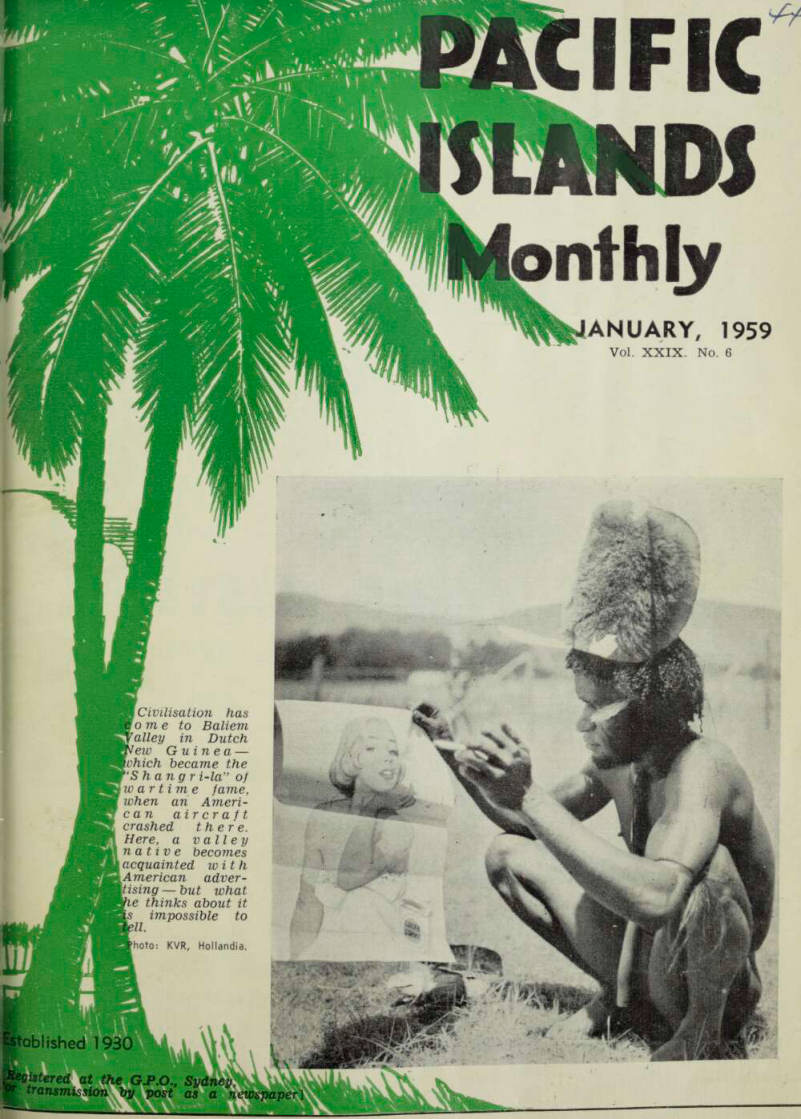 1
1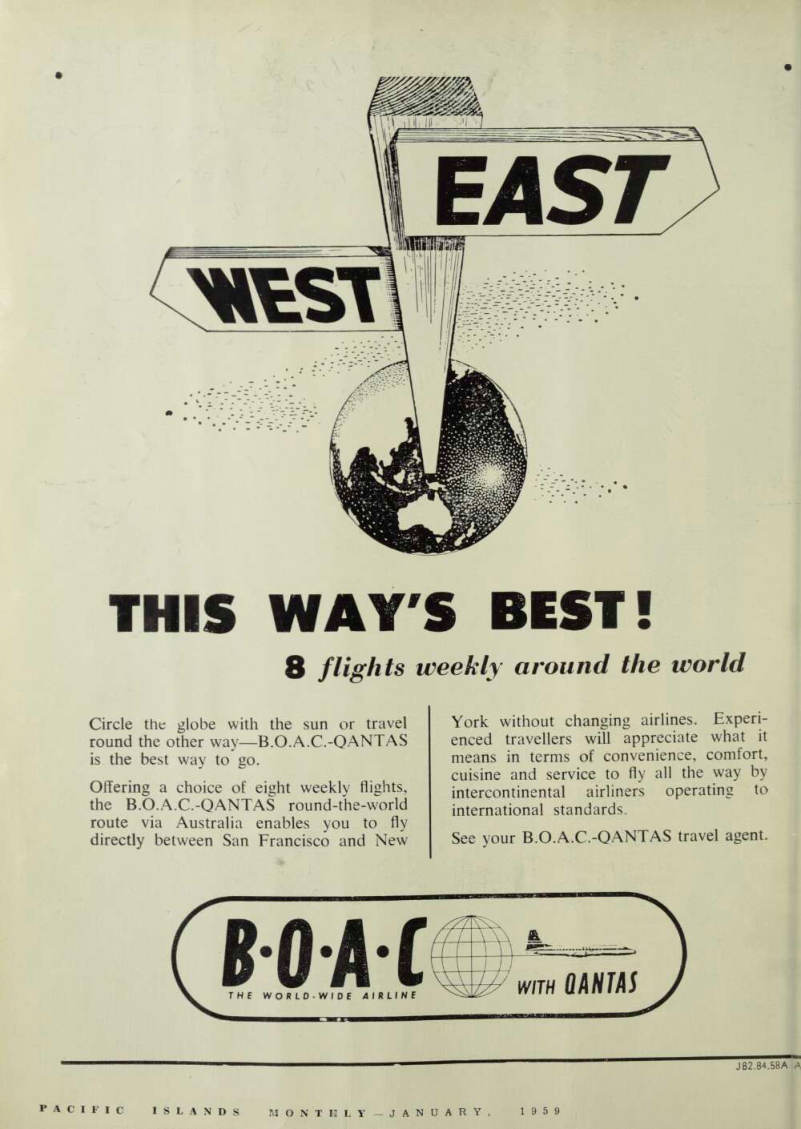 2
2 3
3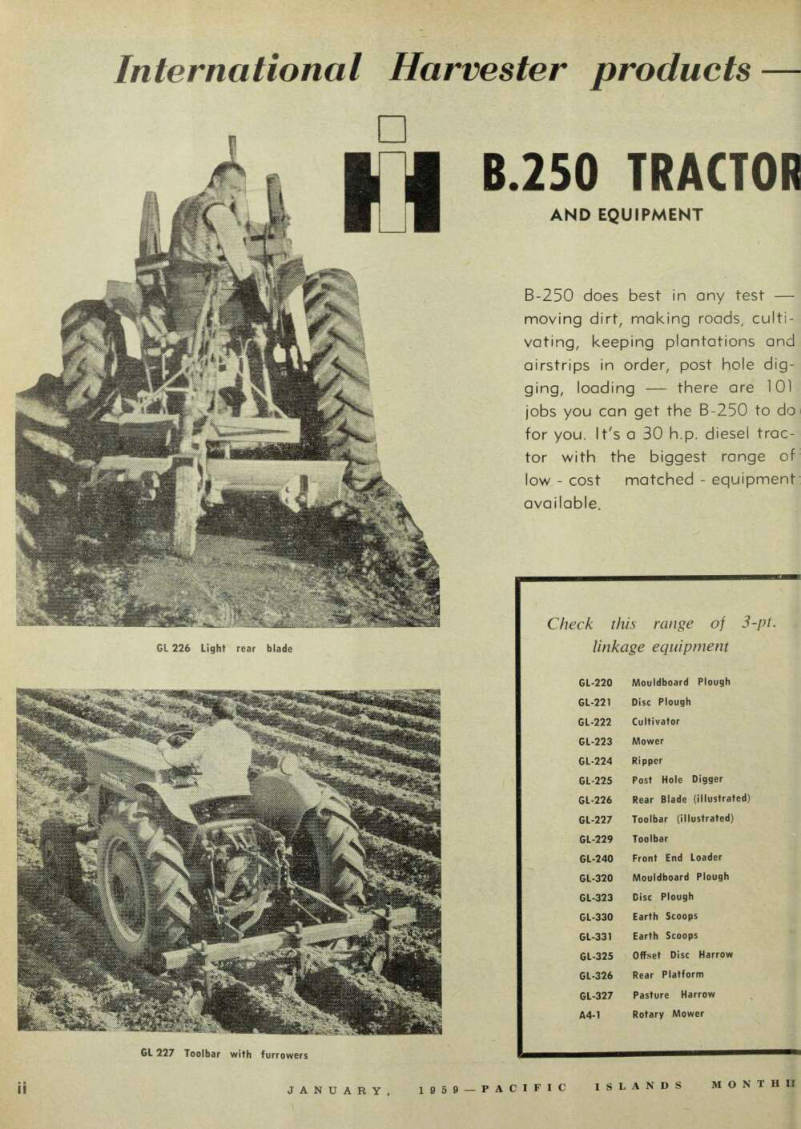 4
4 5
5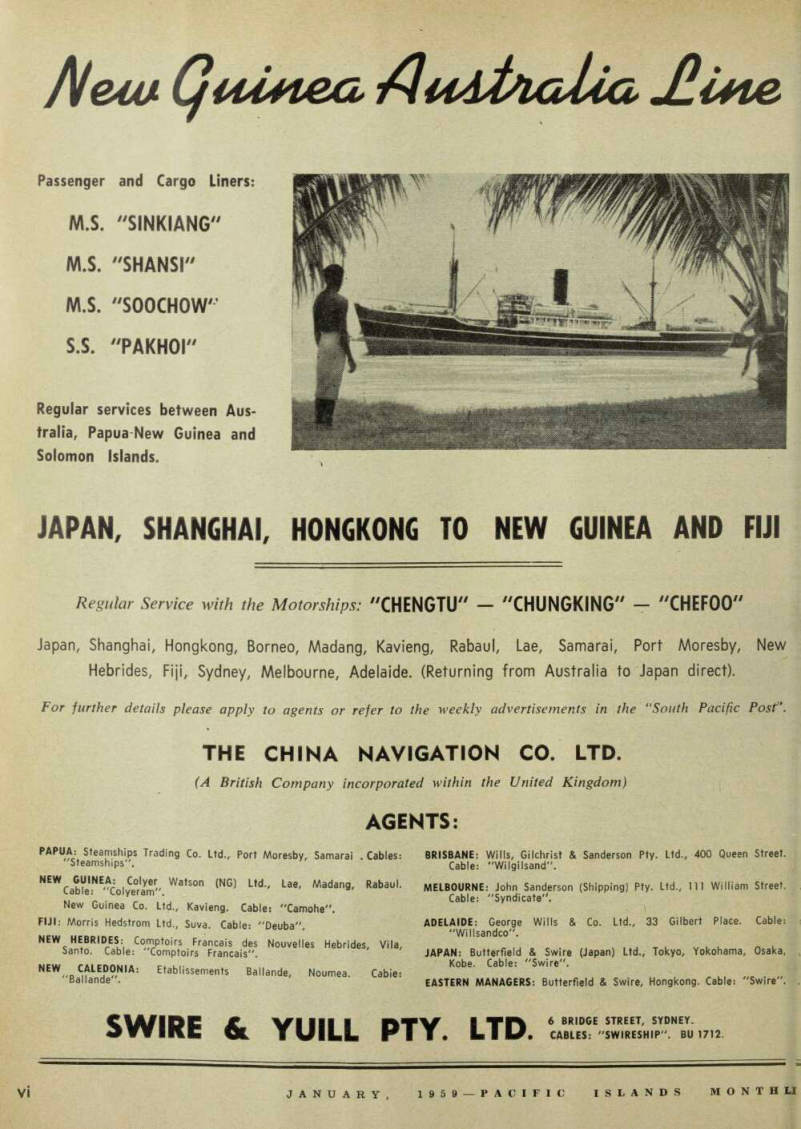 6
6 7
7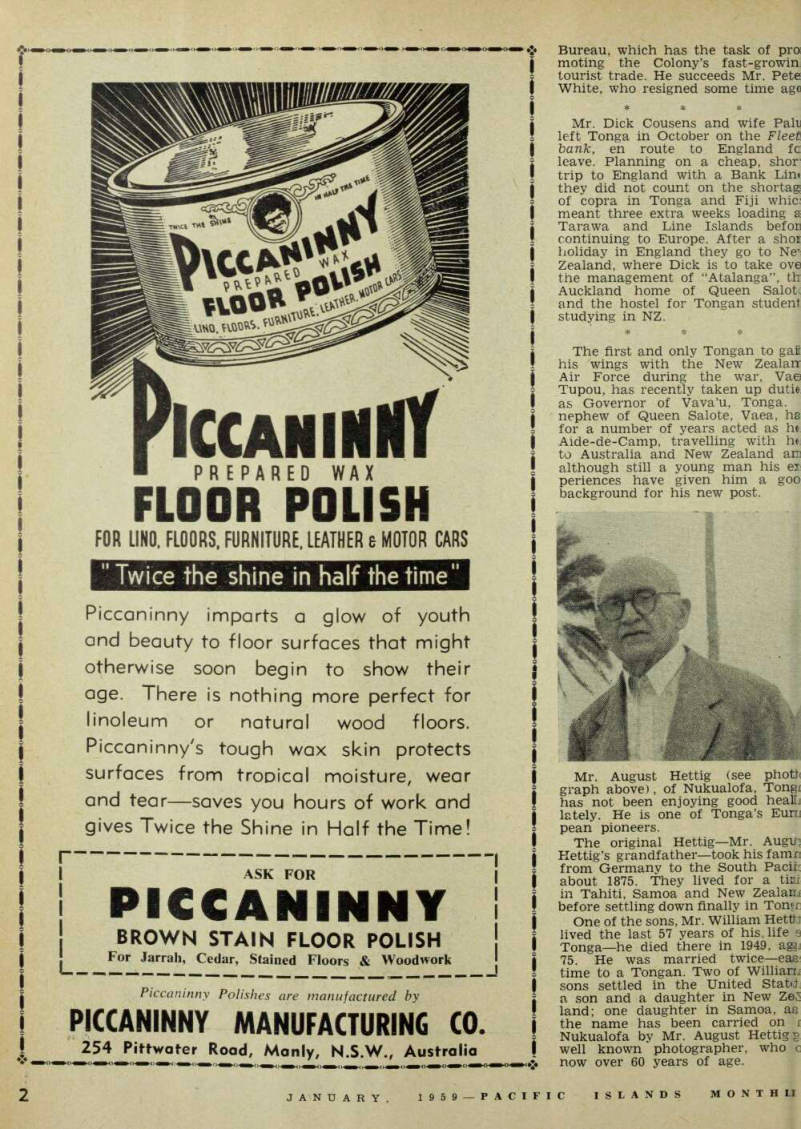 8
8 9
9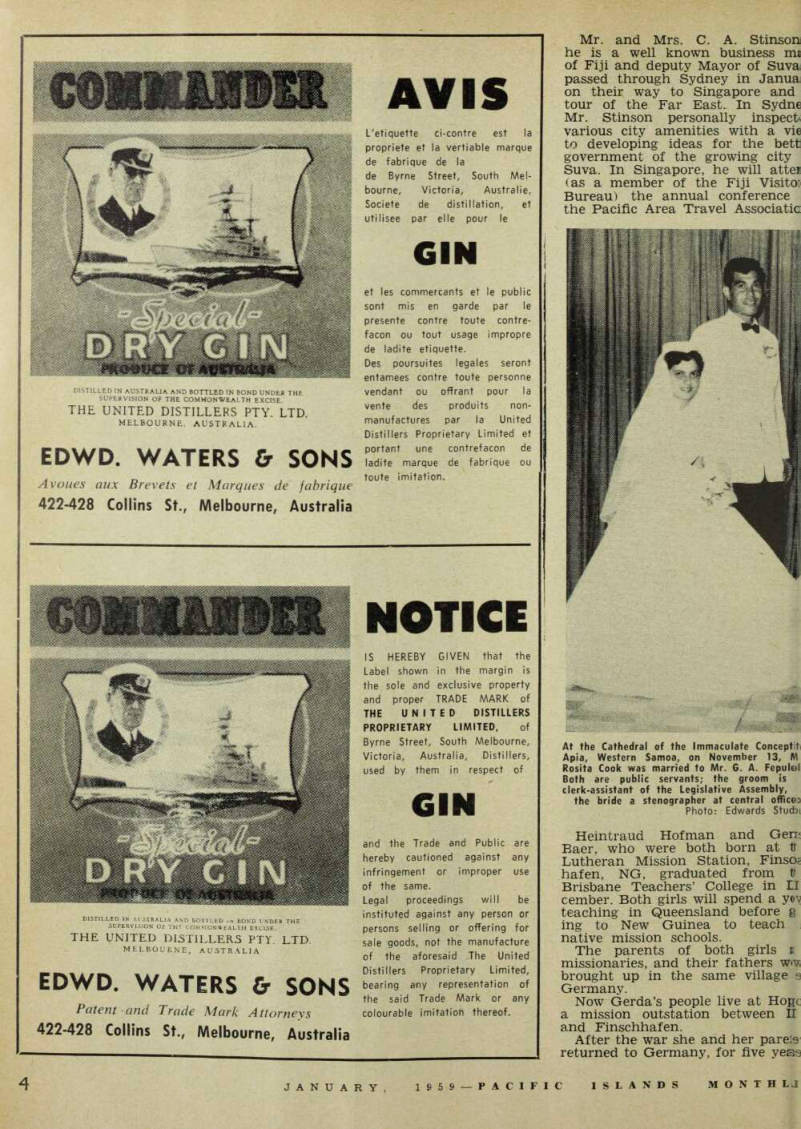 10
10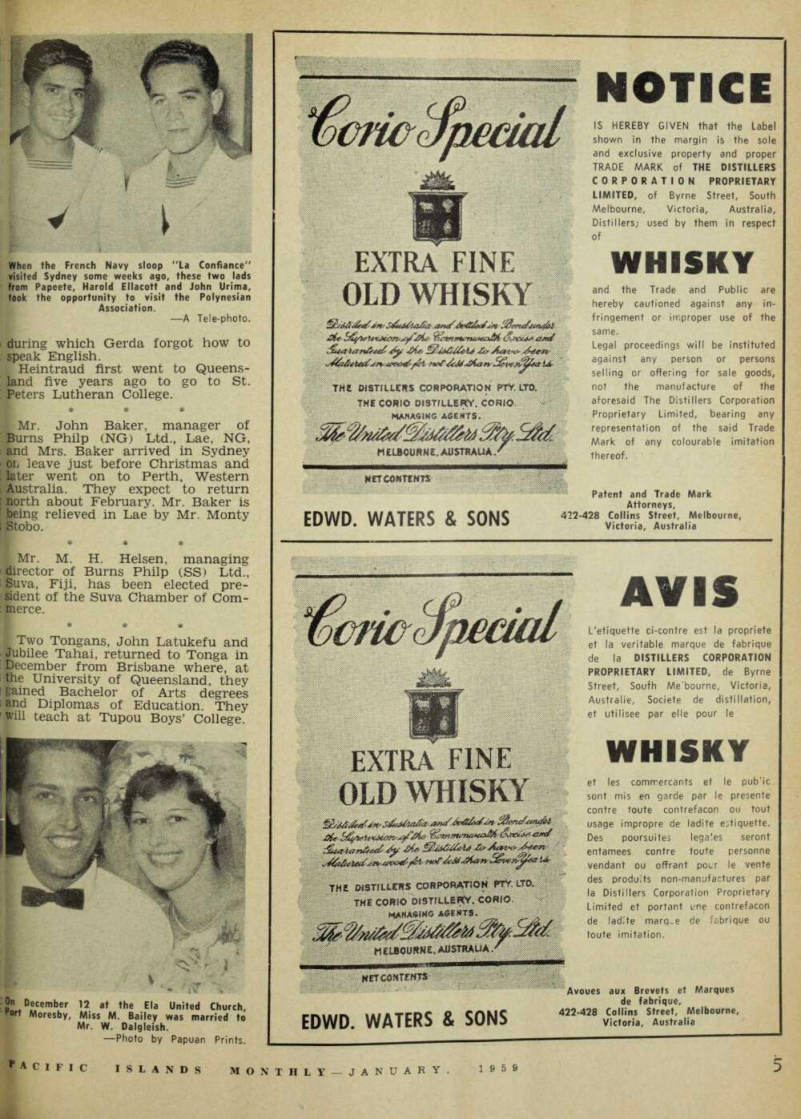 11
11 12
12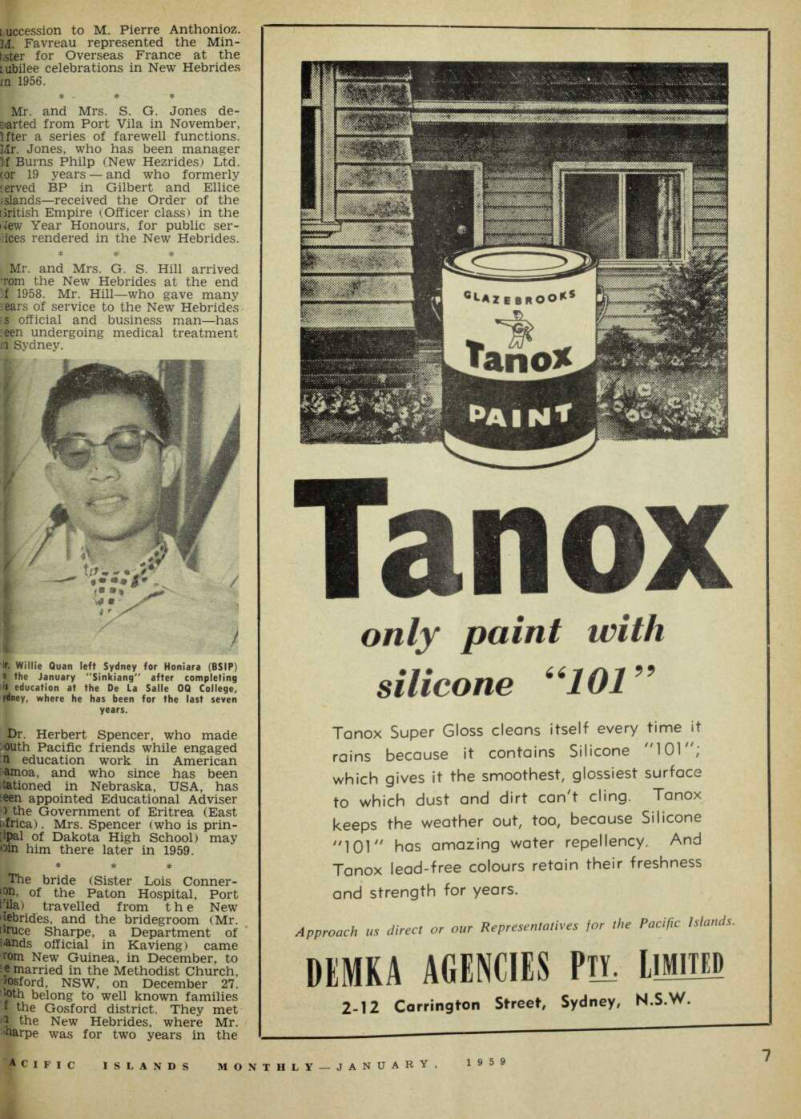 13
13 14
14 15
15 16
16 17
17 18
18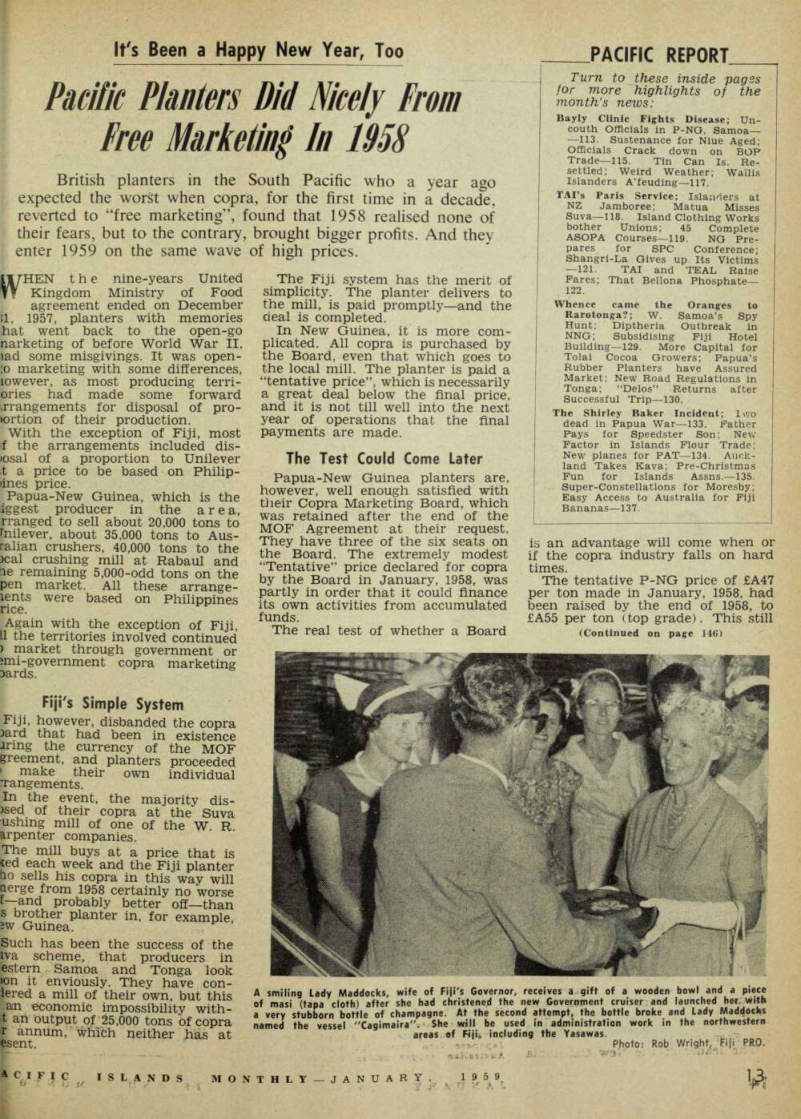 19
19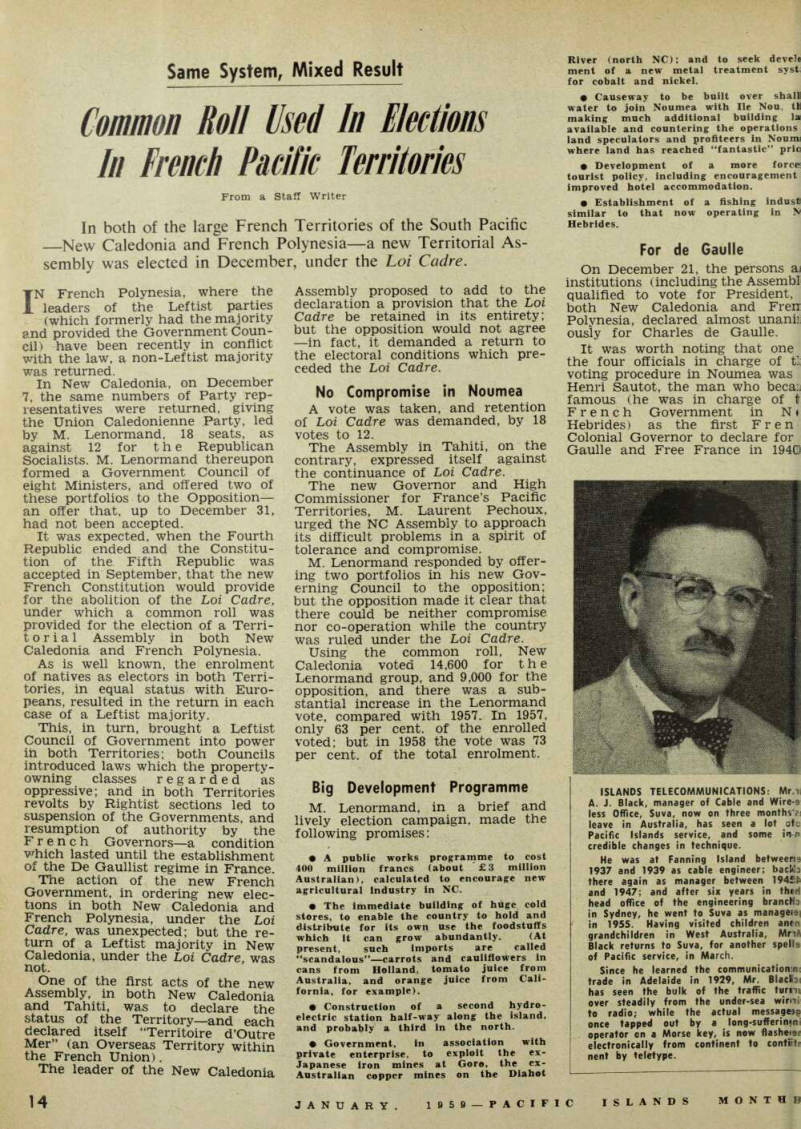 20
20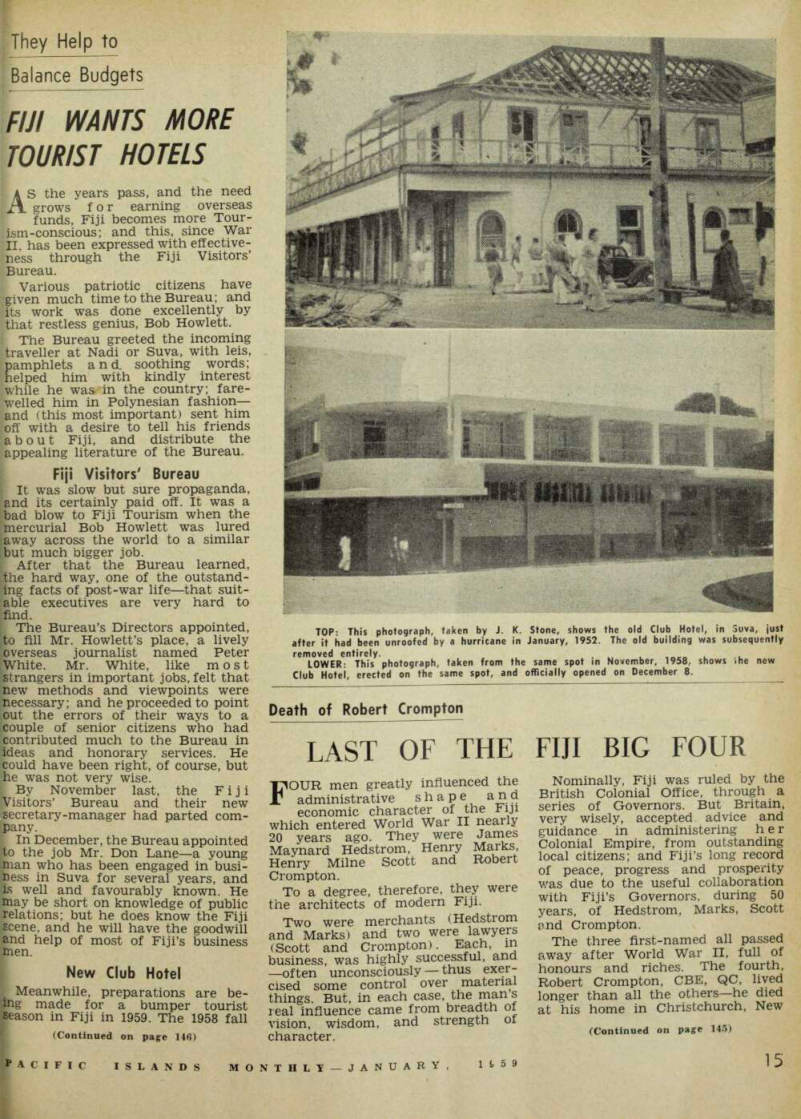 21
21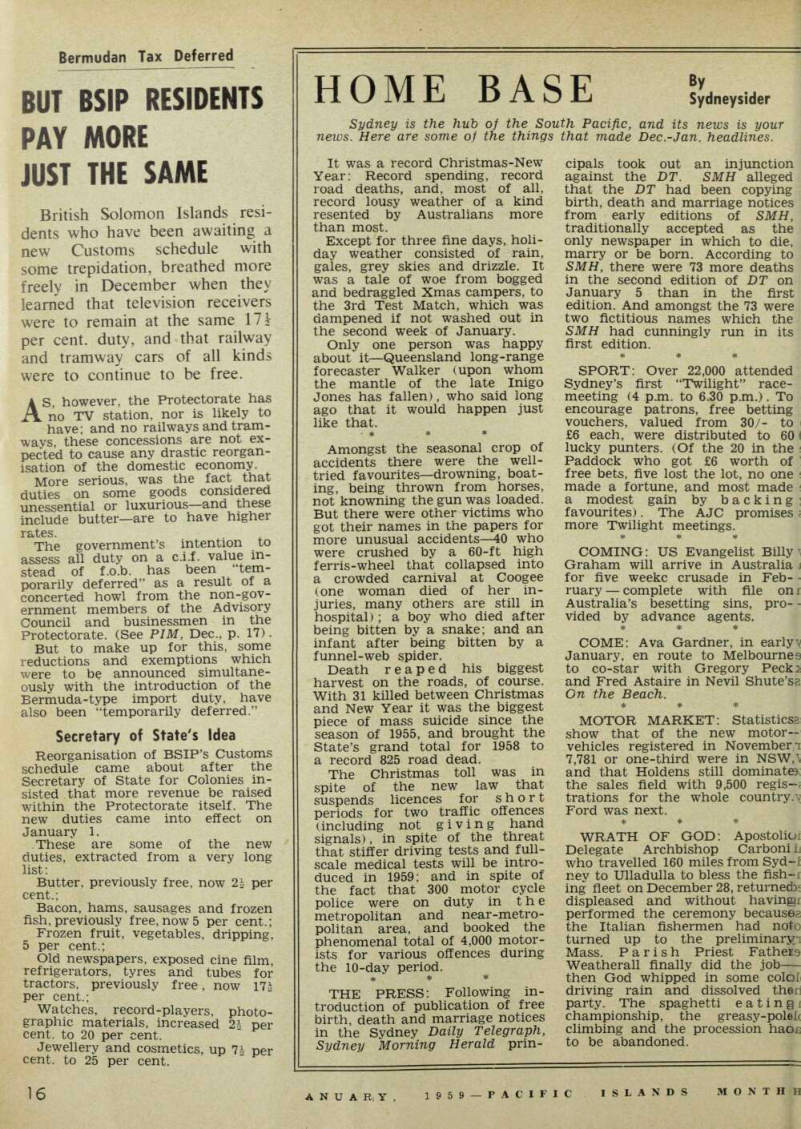 22
22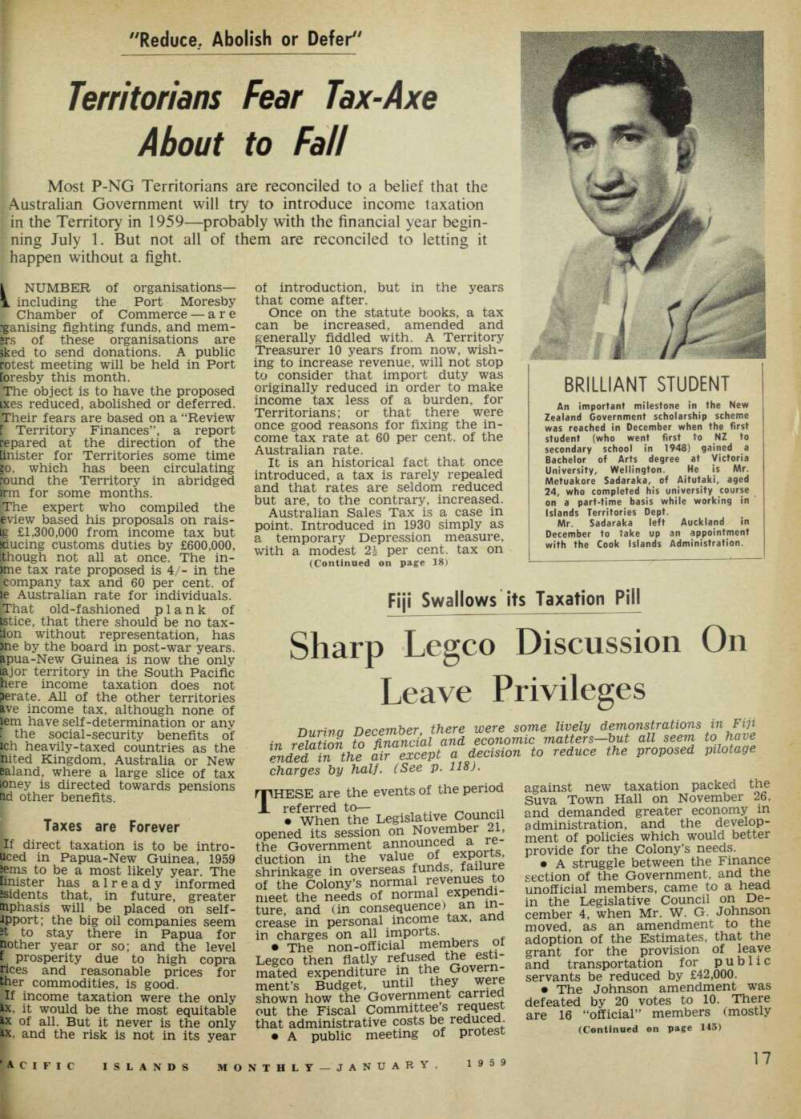 23
23 24
24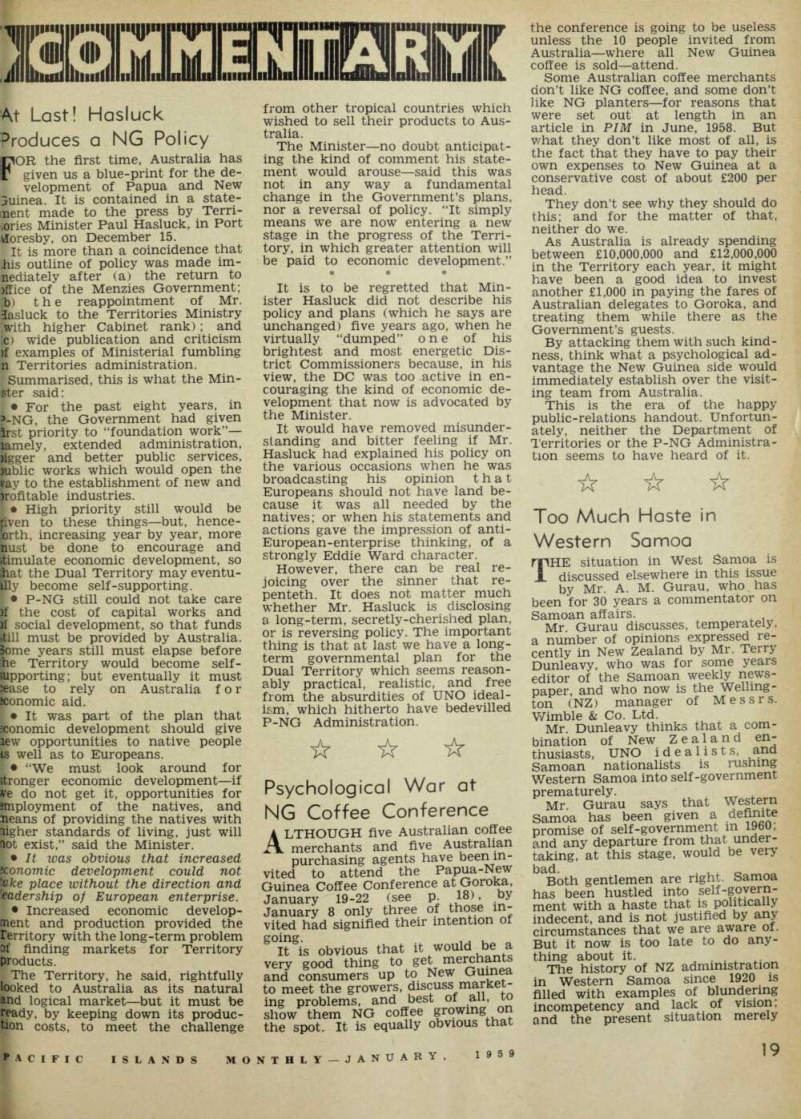 25
25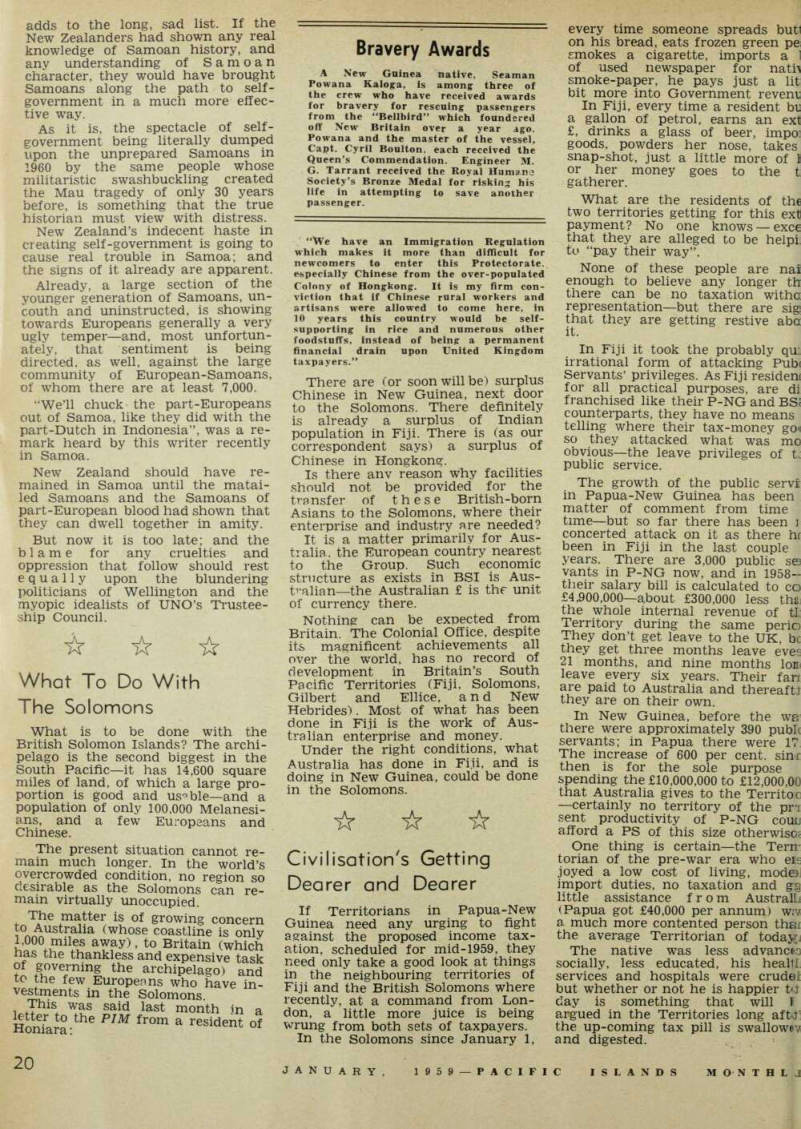 26
26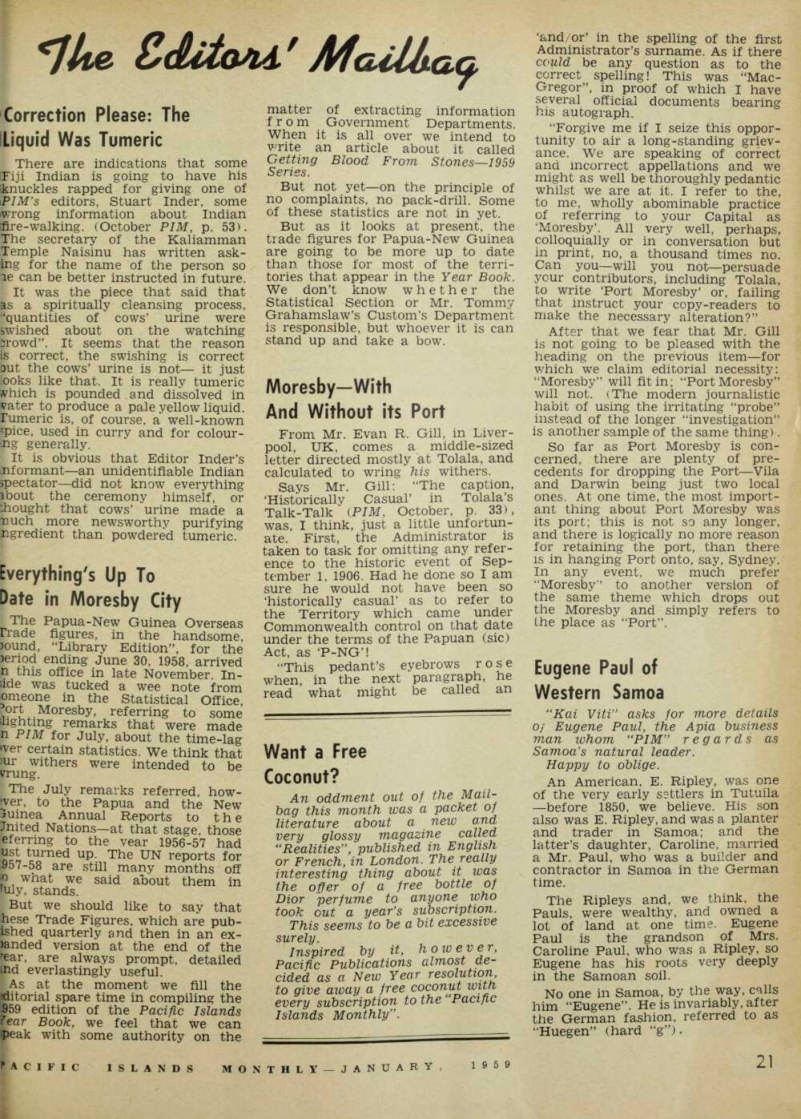 27
27 28
28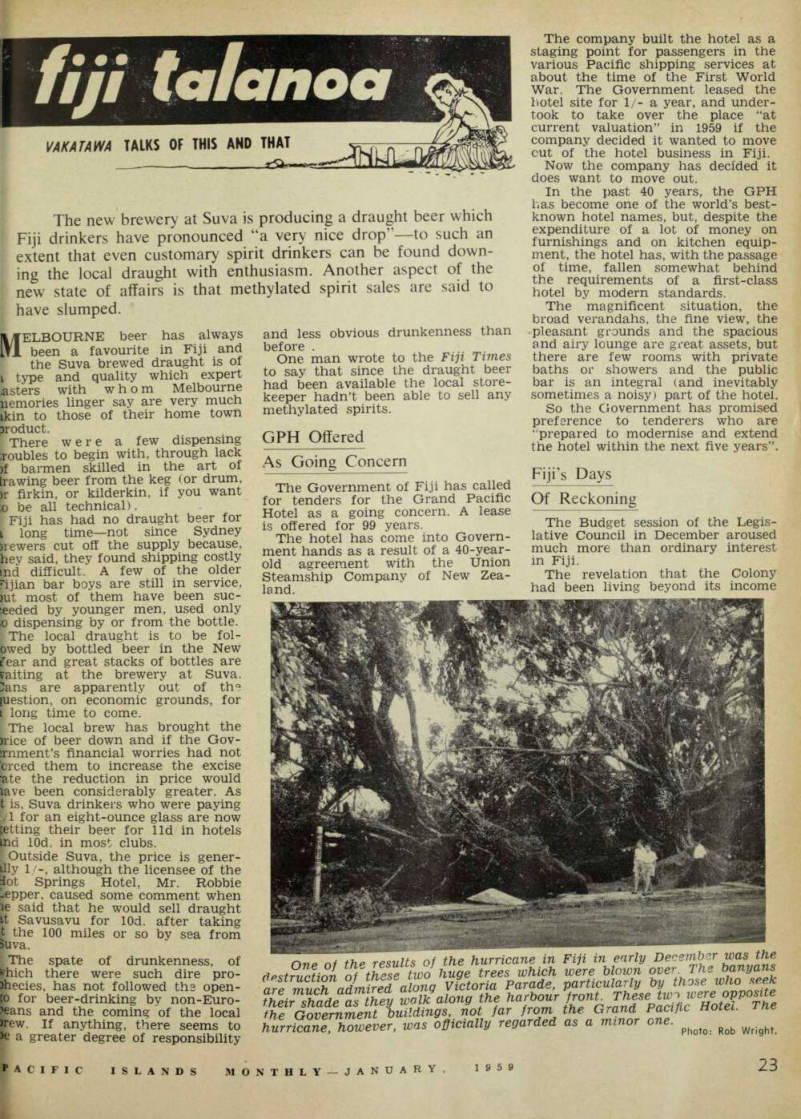 29
29 30
30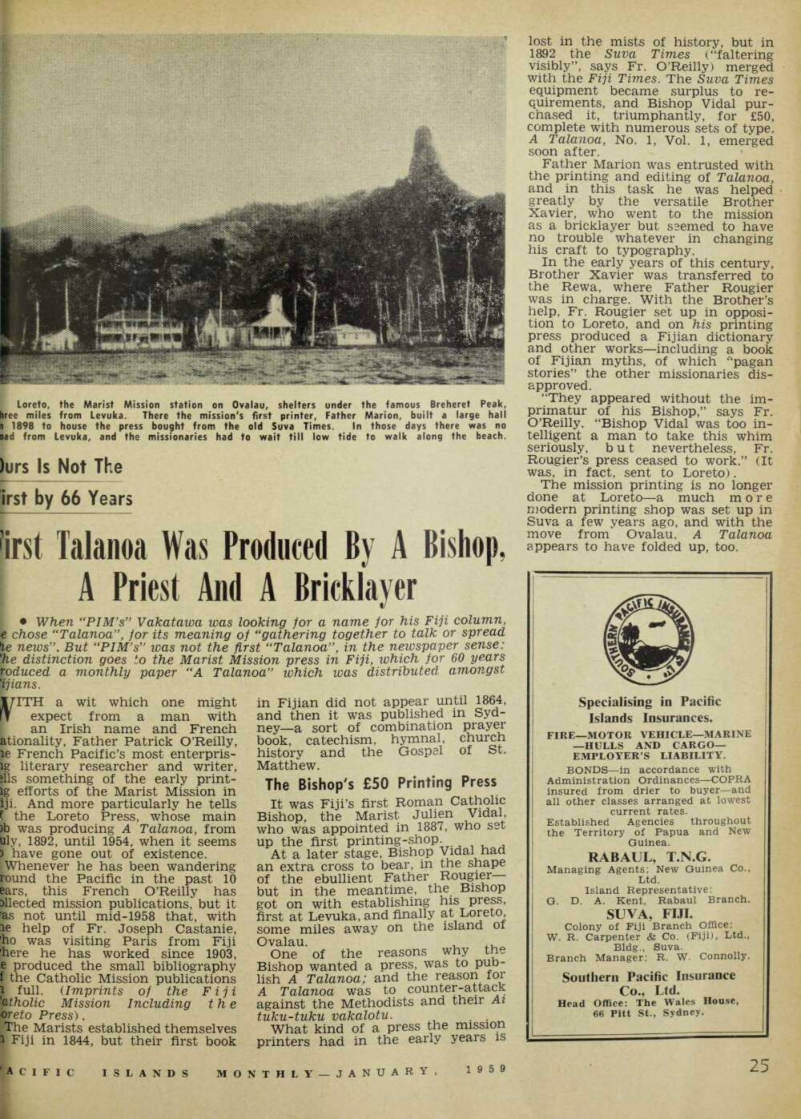 31
31 32
32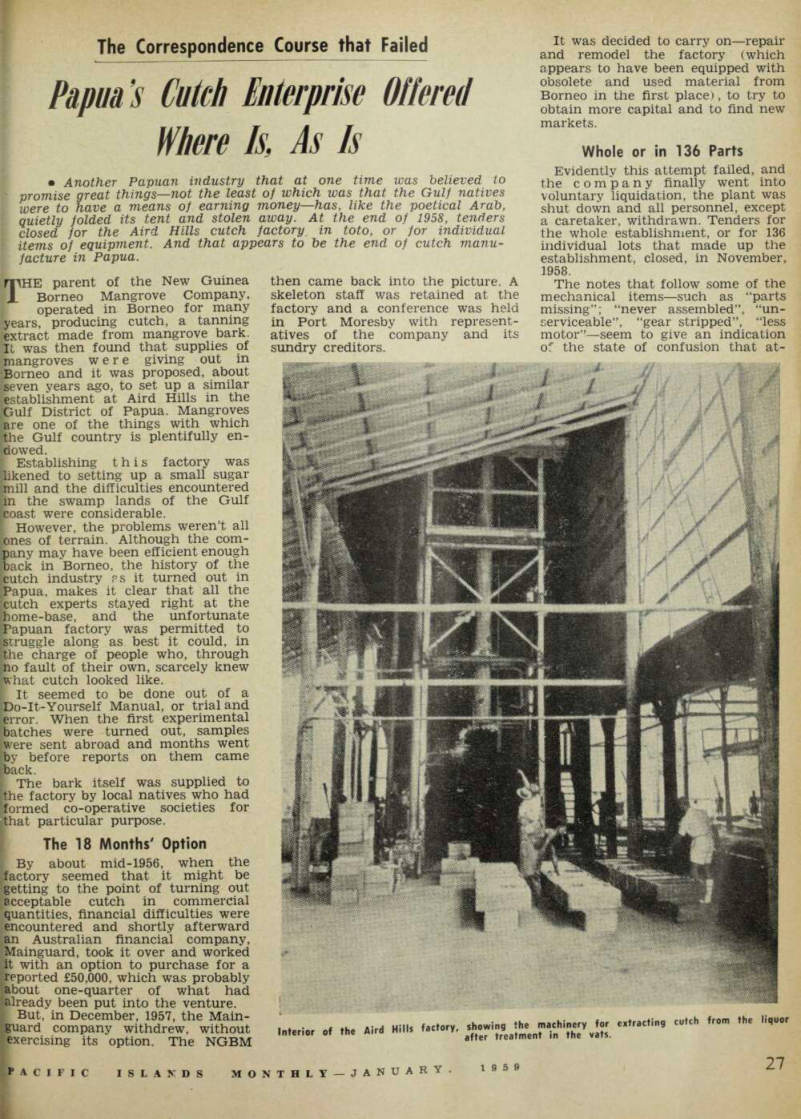 33
33 34
34 35
35 36
36 37
37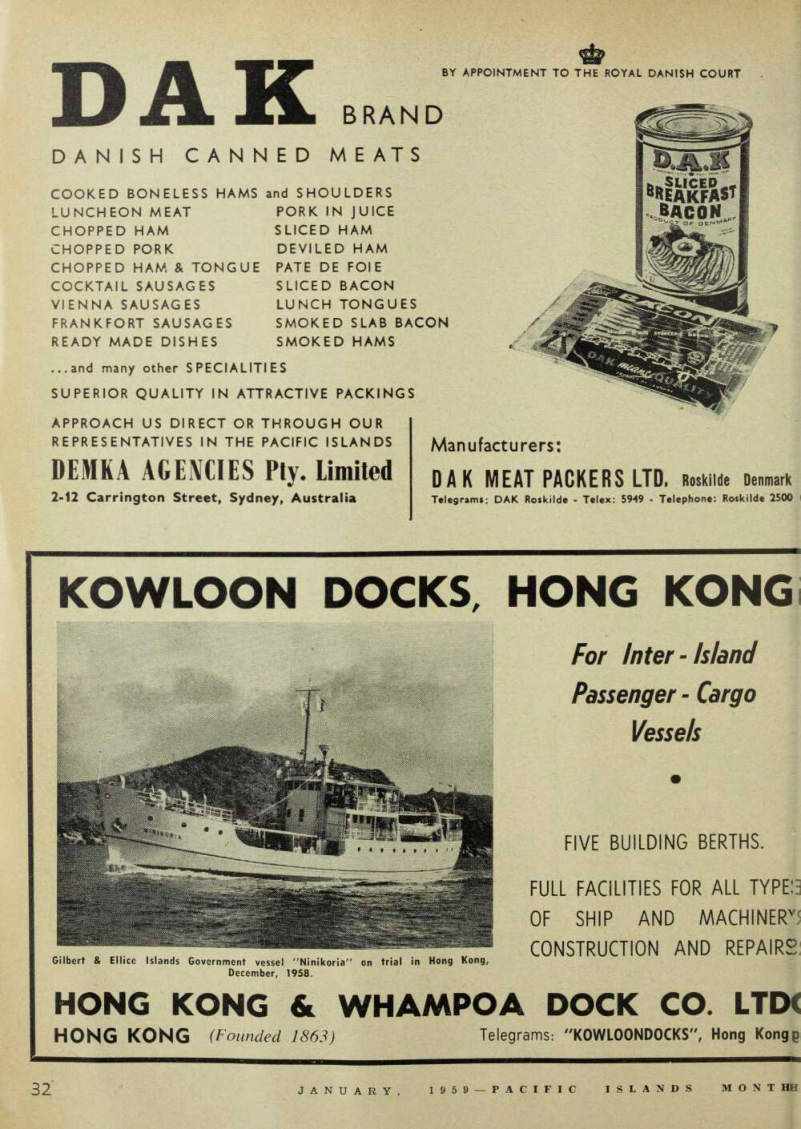 38
38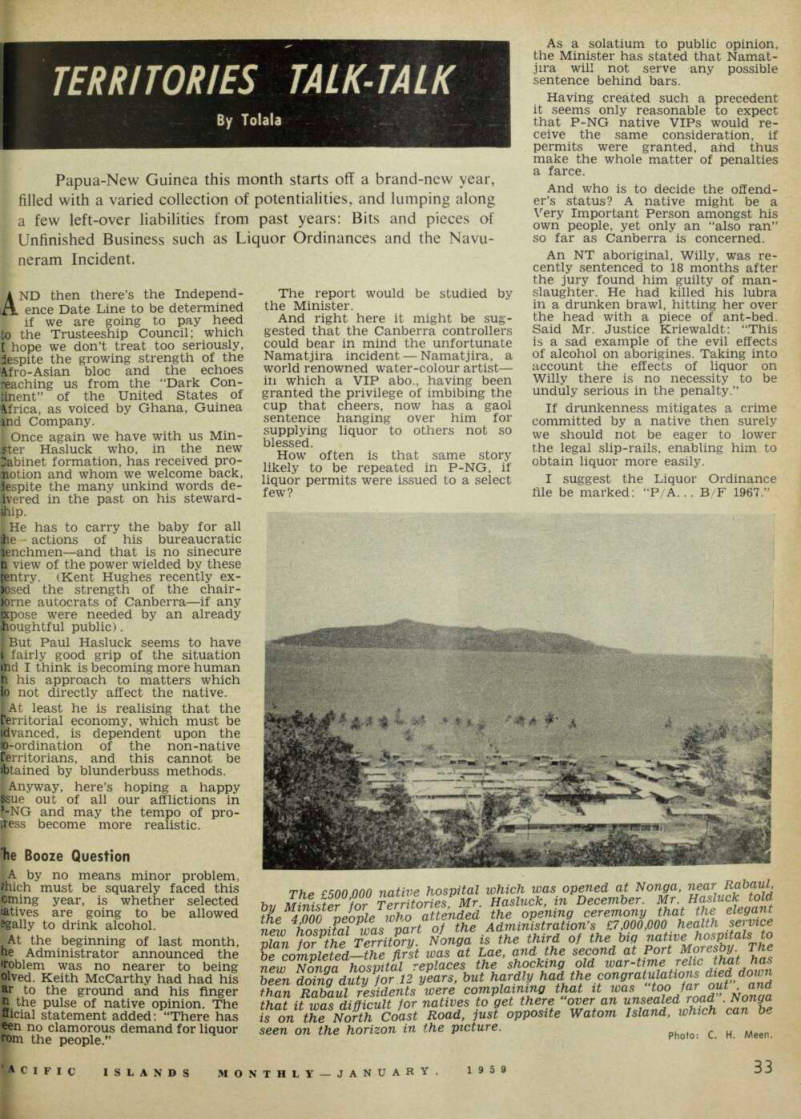 39
39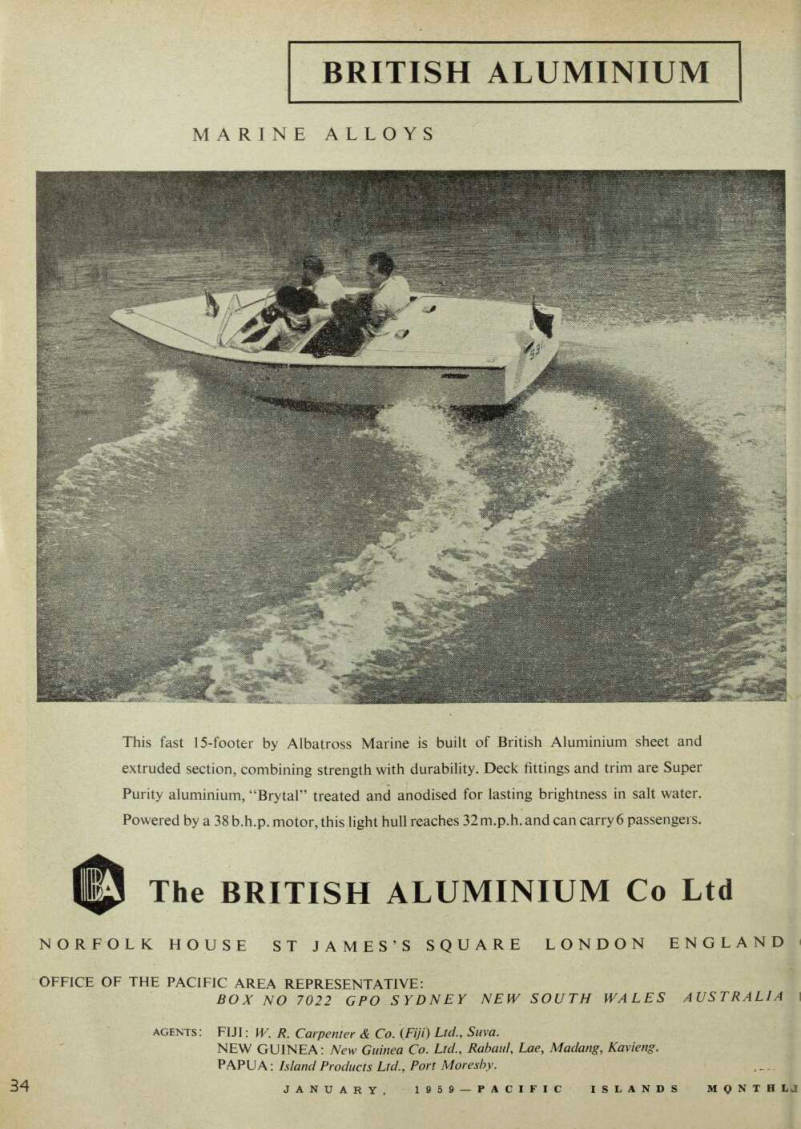 40
40 41
41 42
42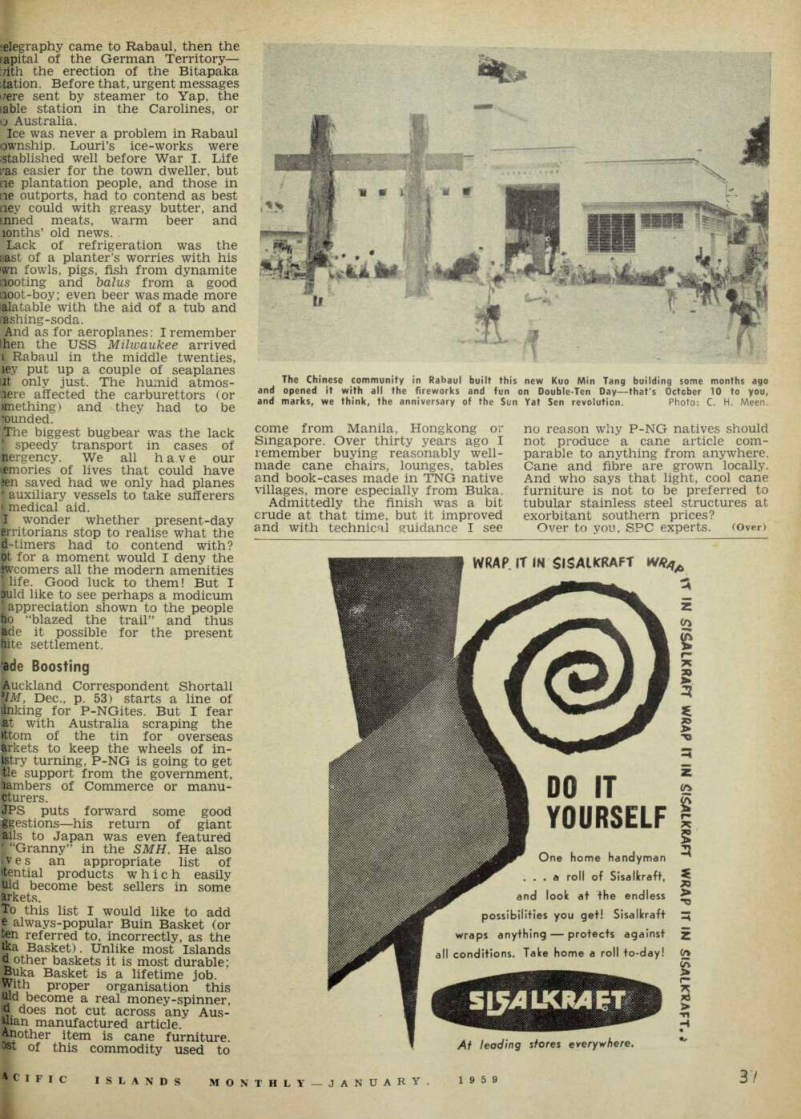 43
43 44
44 45
45 46
46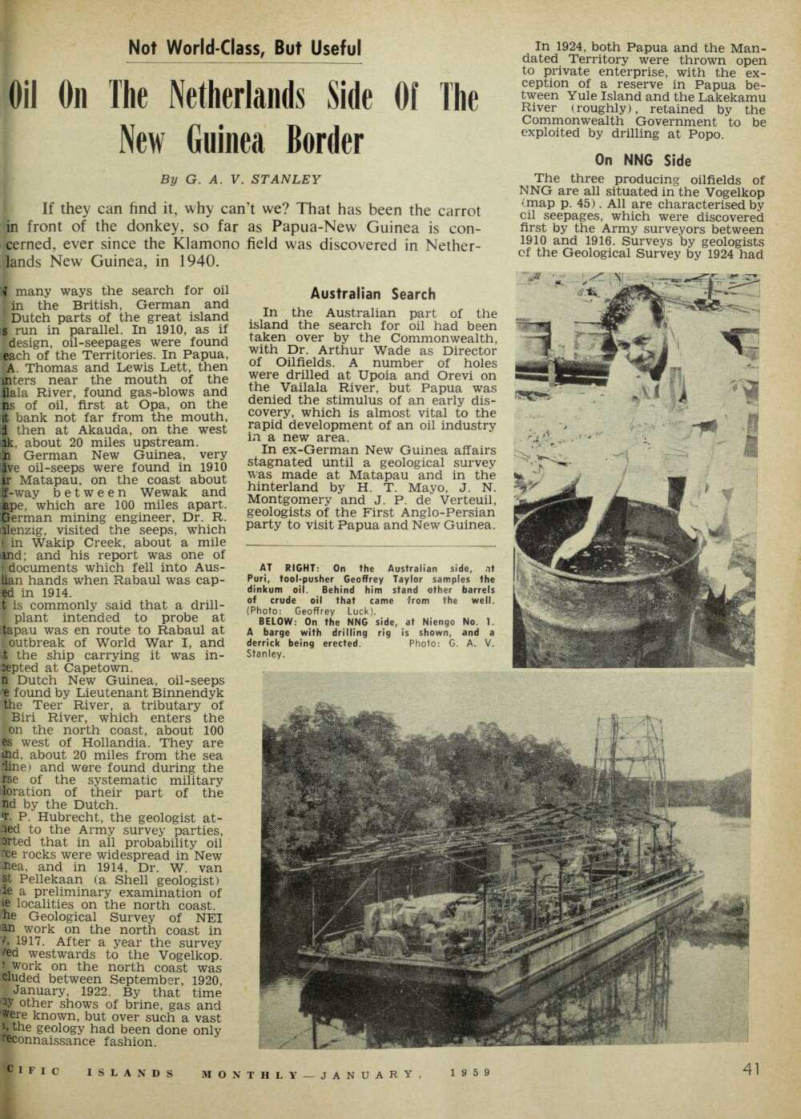 47
47 48
48 49
49 50
50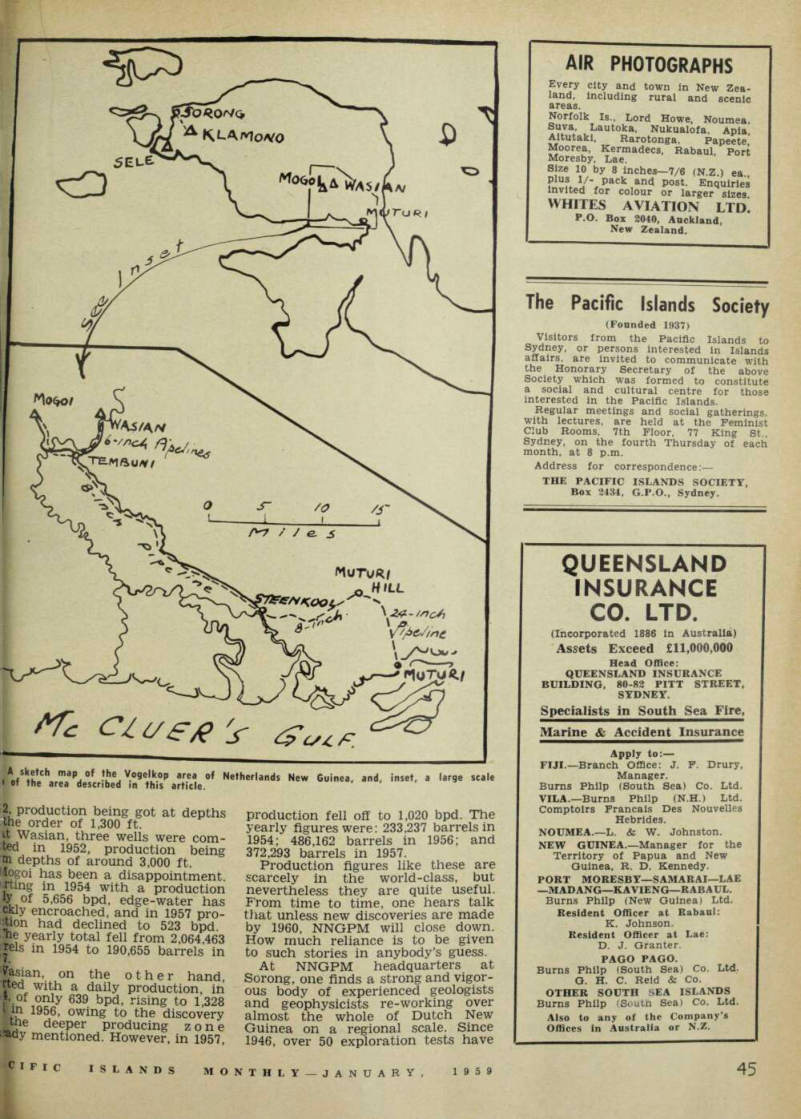 51
51 52
52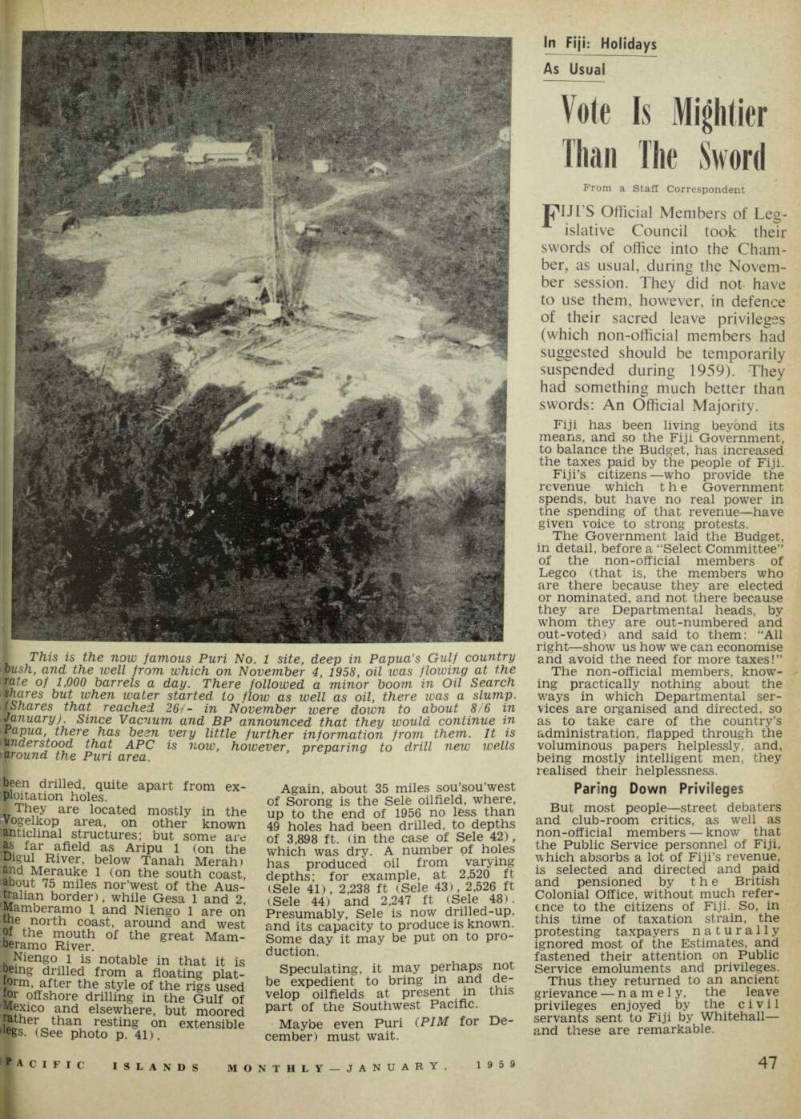 53
53 54
54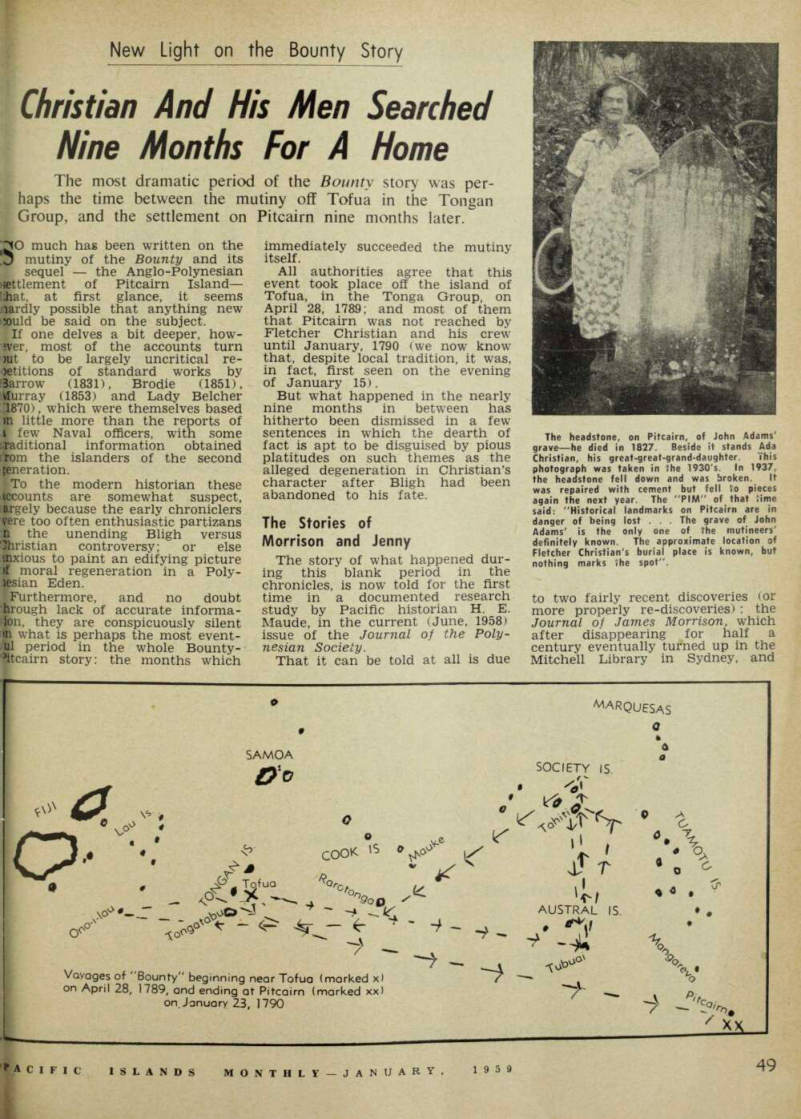 55
55 56
56 57
57 58
58 59
59 60
60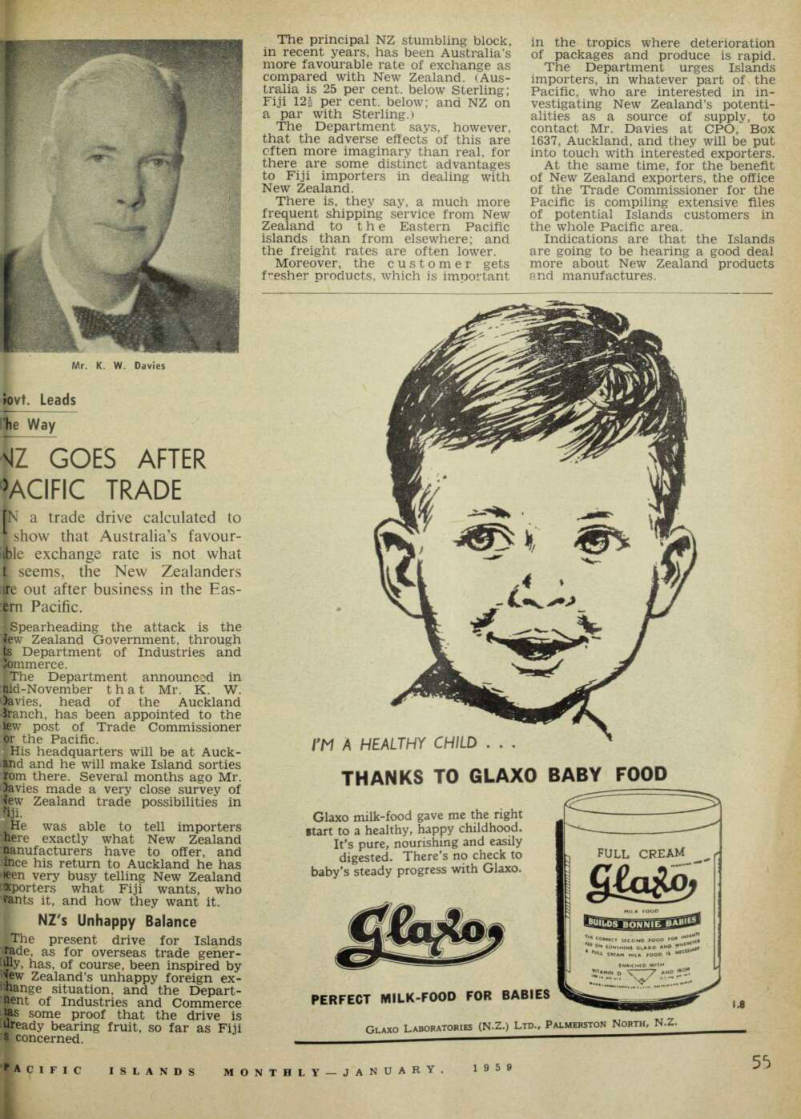 61
61 62
62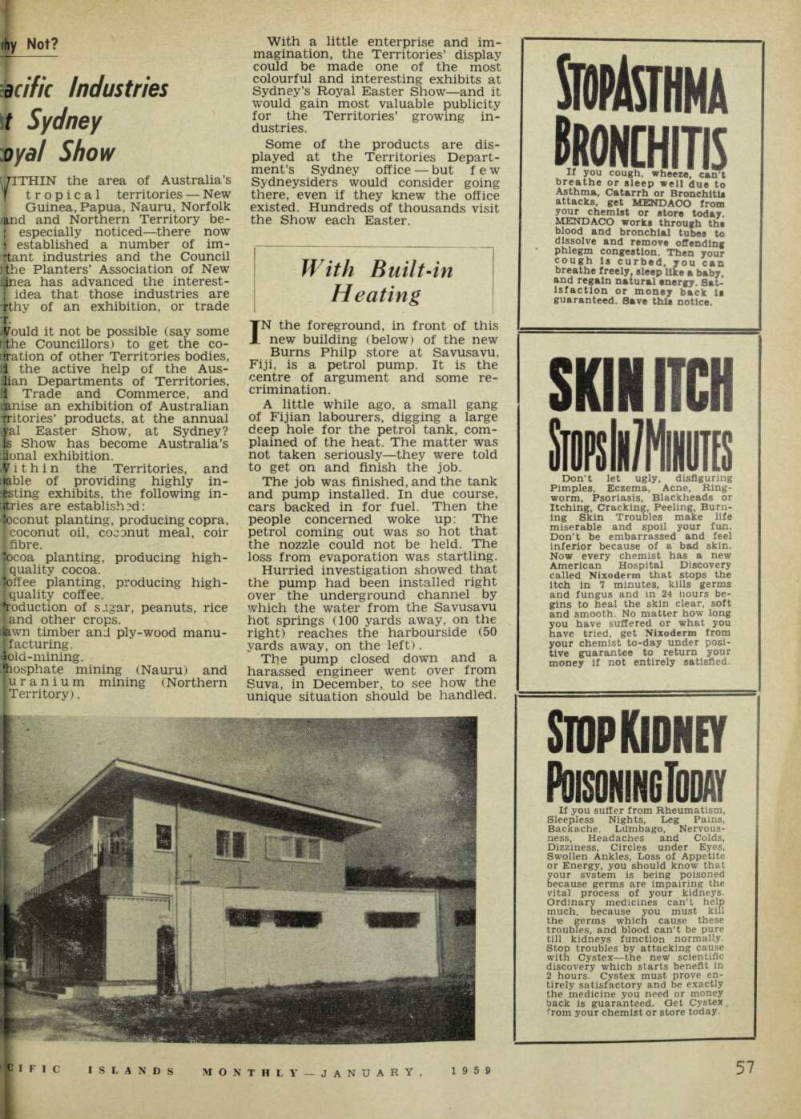 63
63 64
64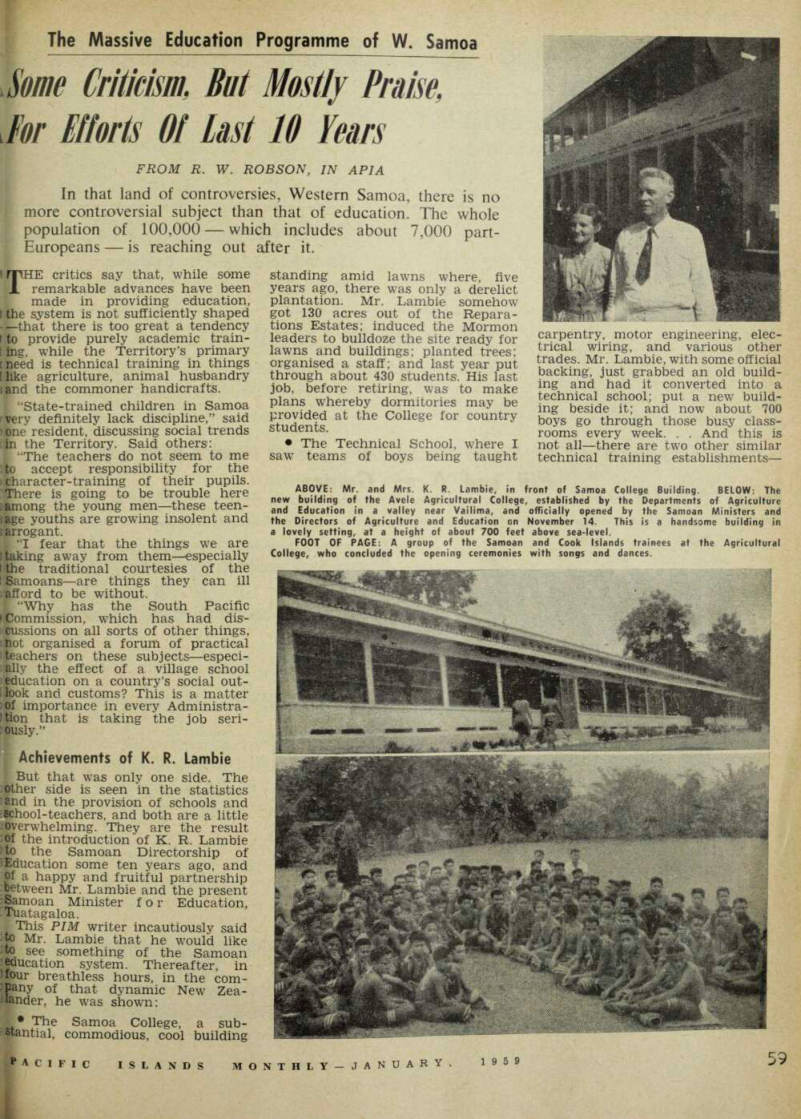 65
65 66
66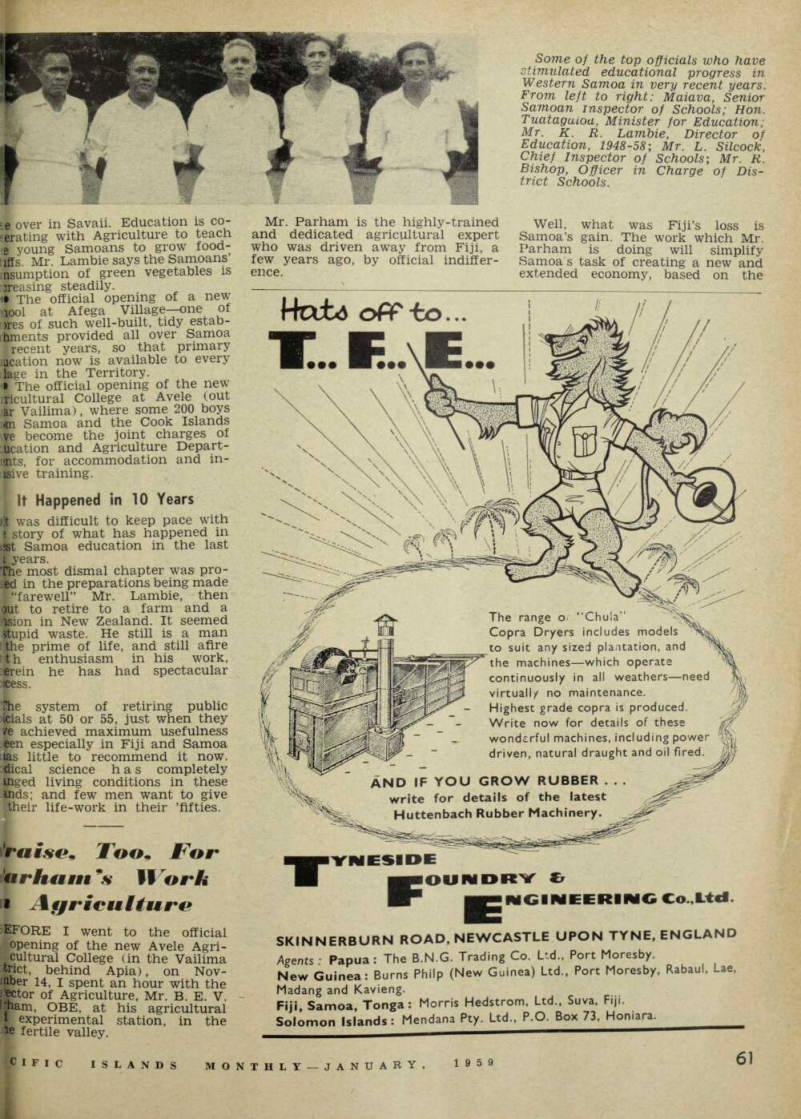 67
67 68
68 69
69 70
70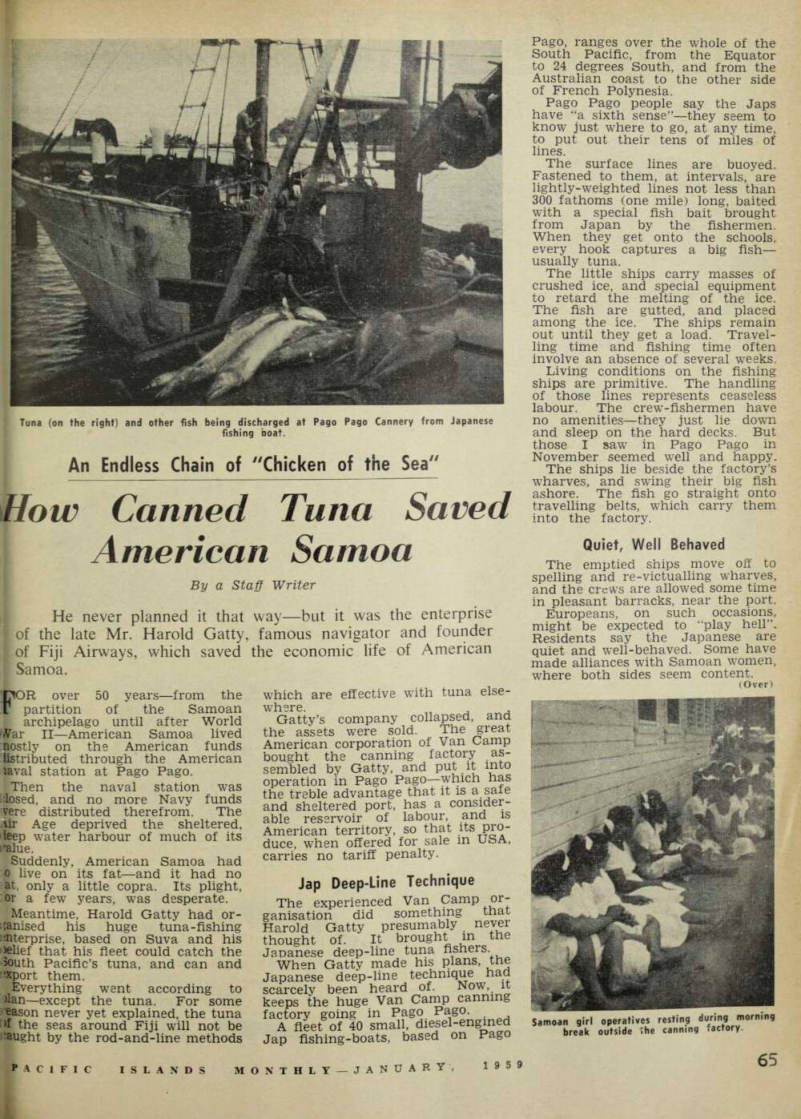 71
71 72
72 73
73 74
74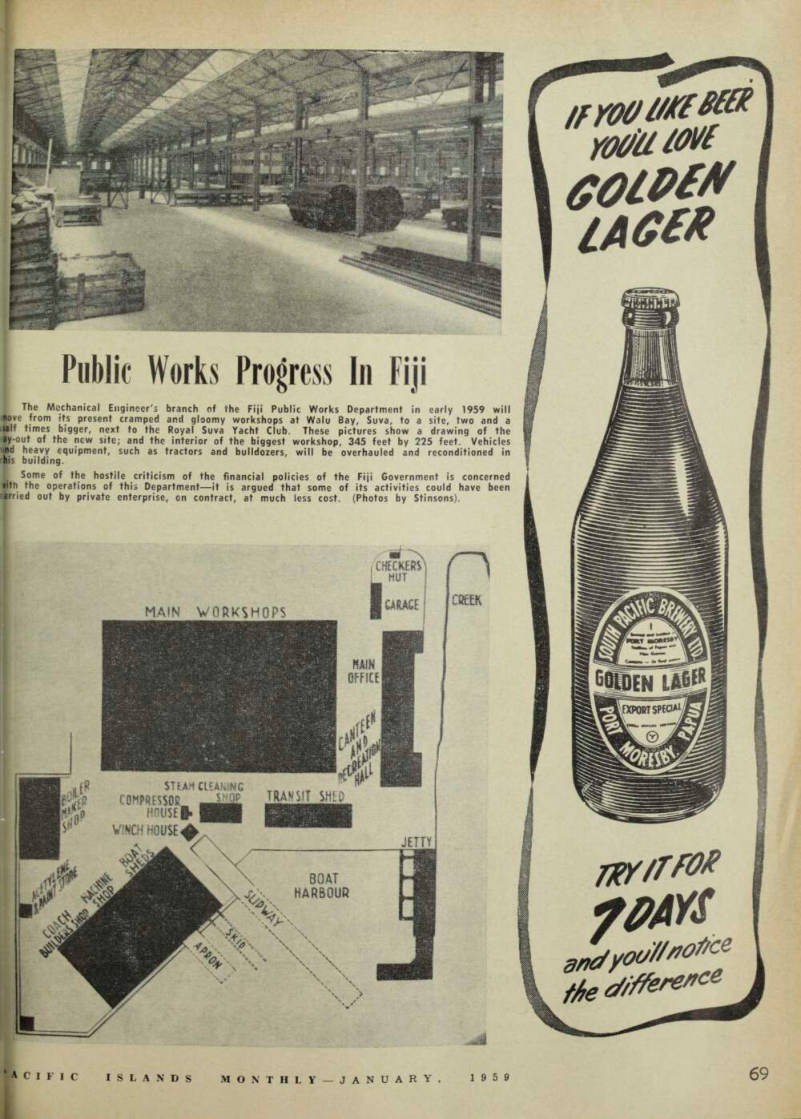 75
75 76
76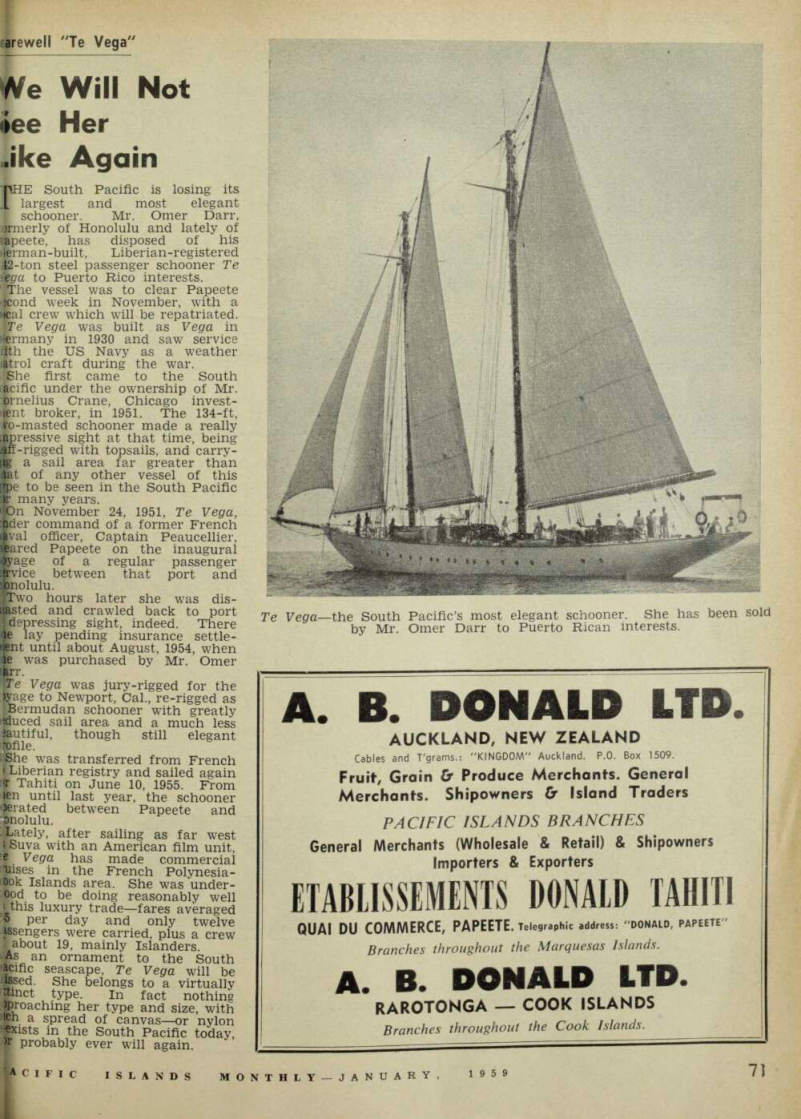 77
77 78
78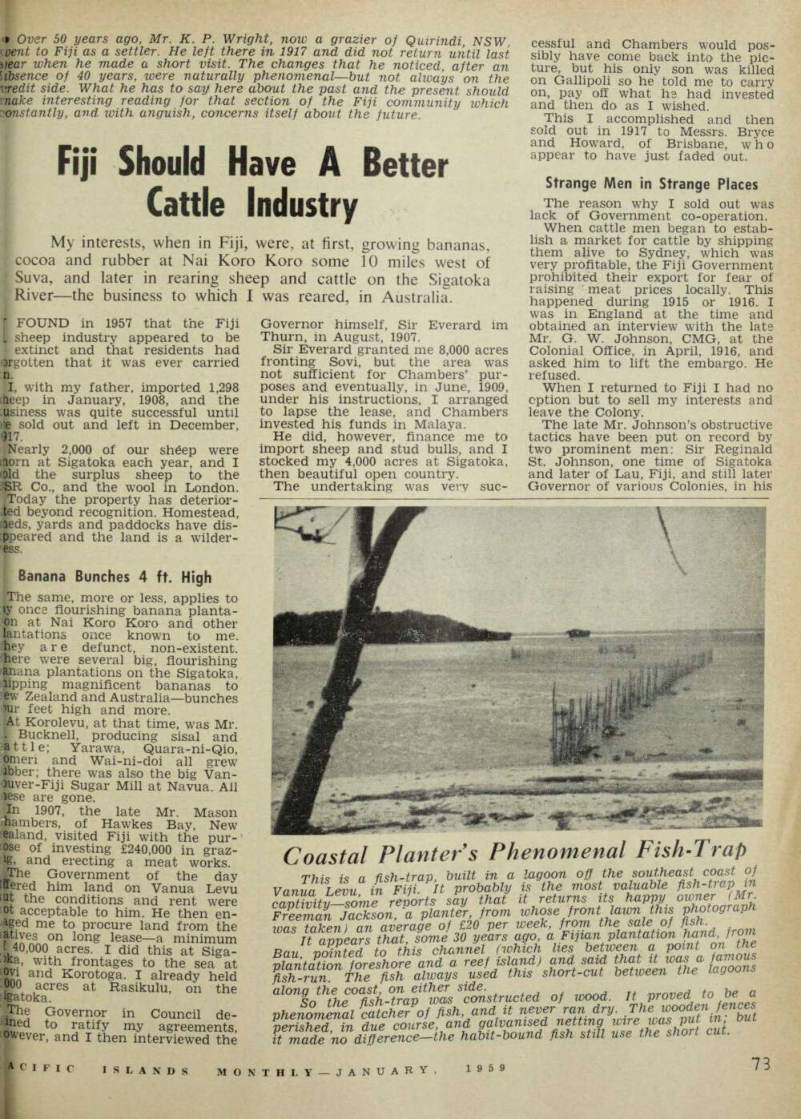 79
79 80
80 81
81 82
82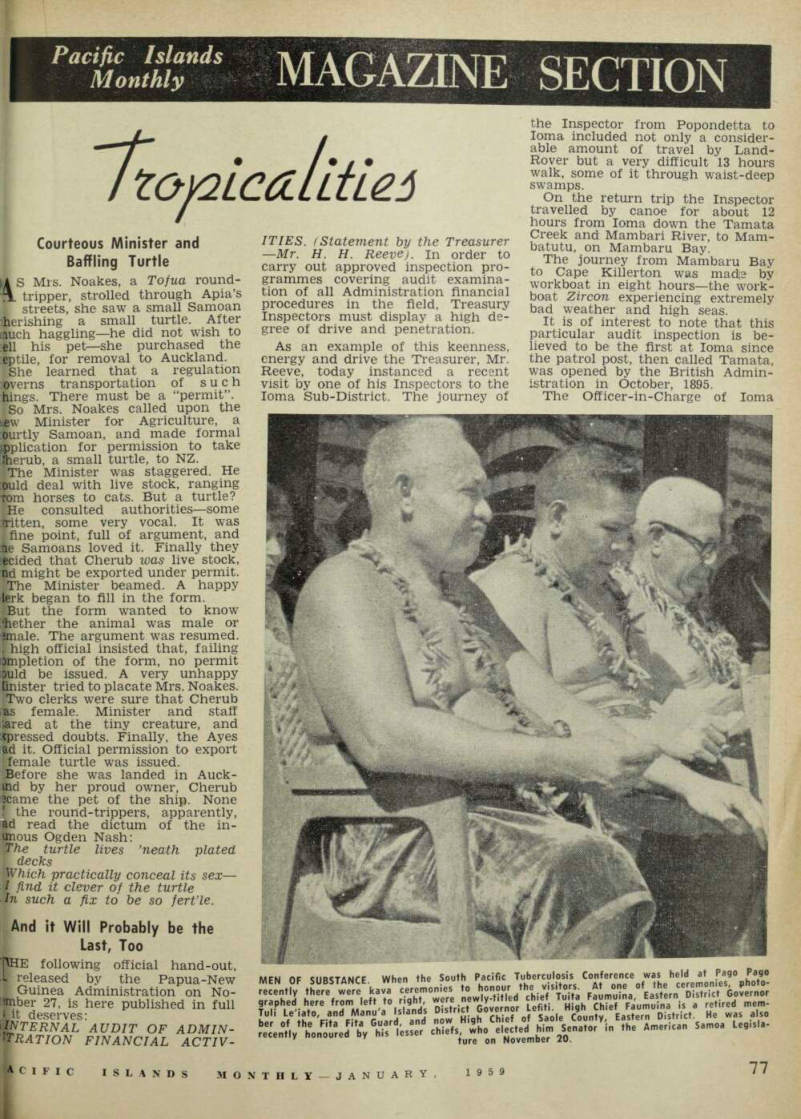 83
83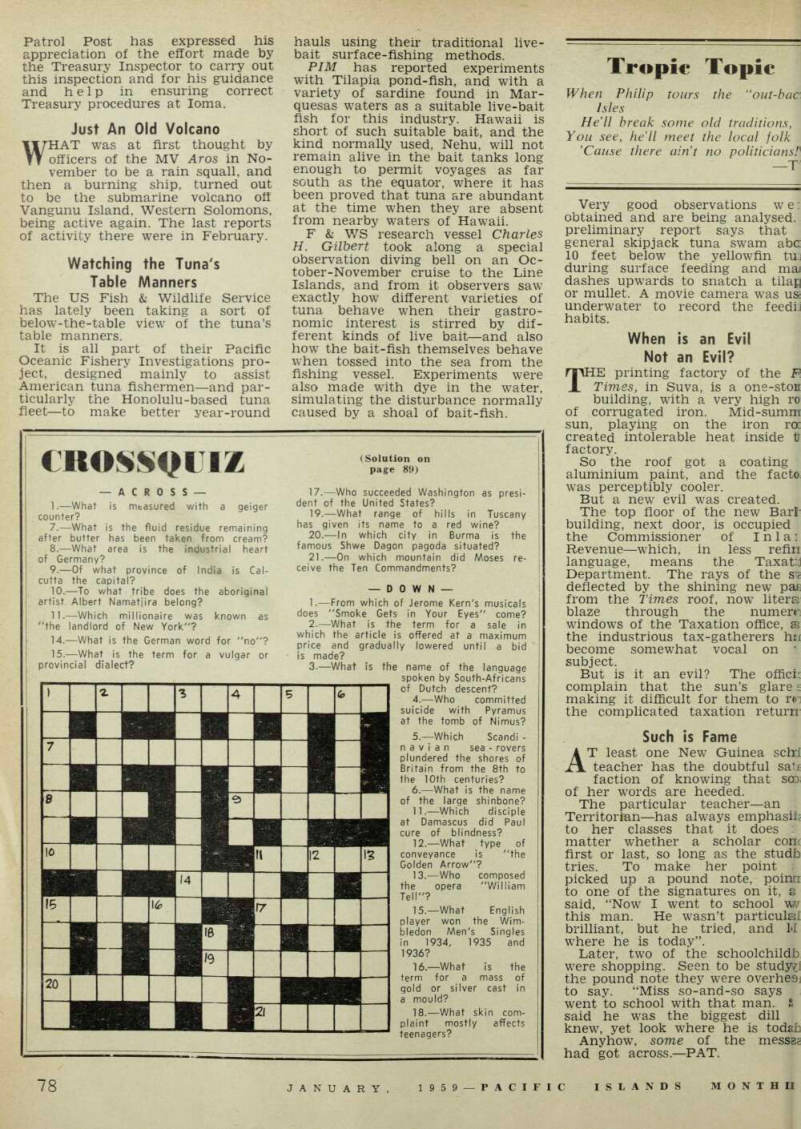 84
84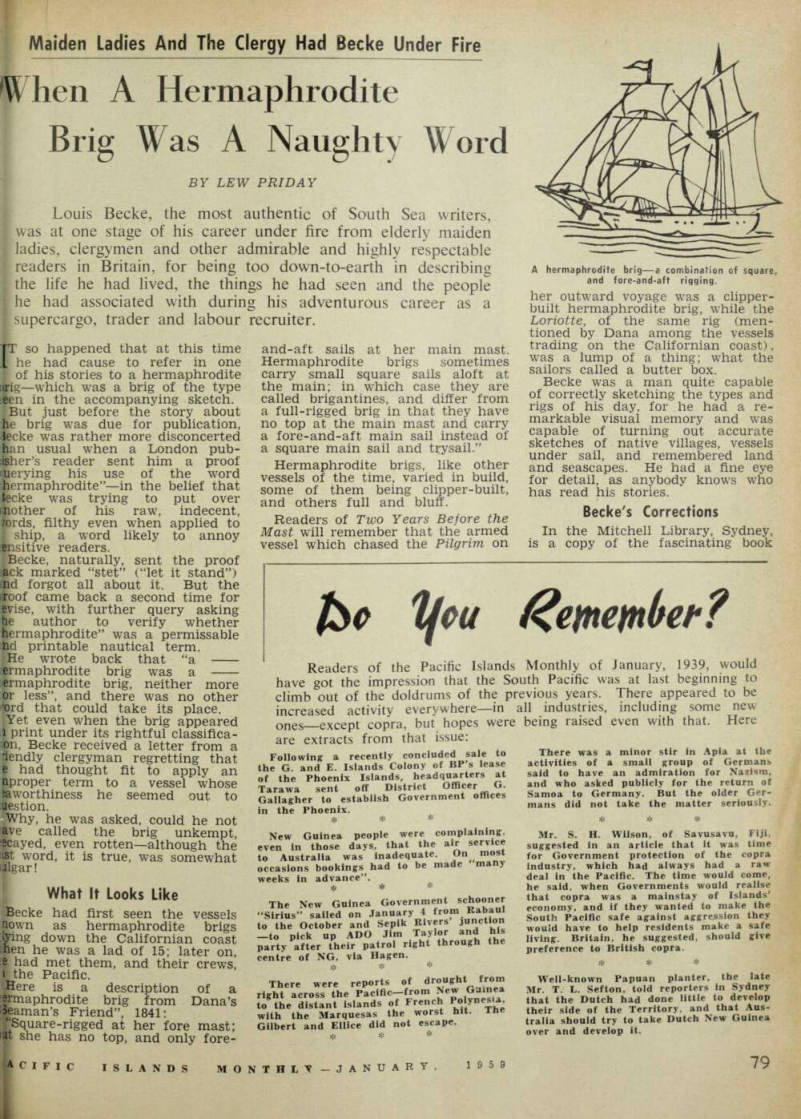 85
85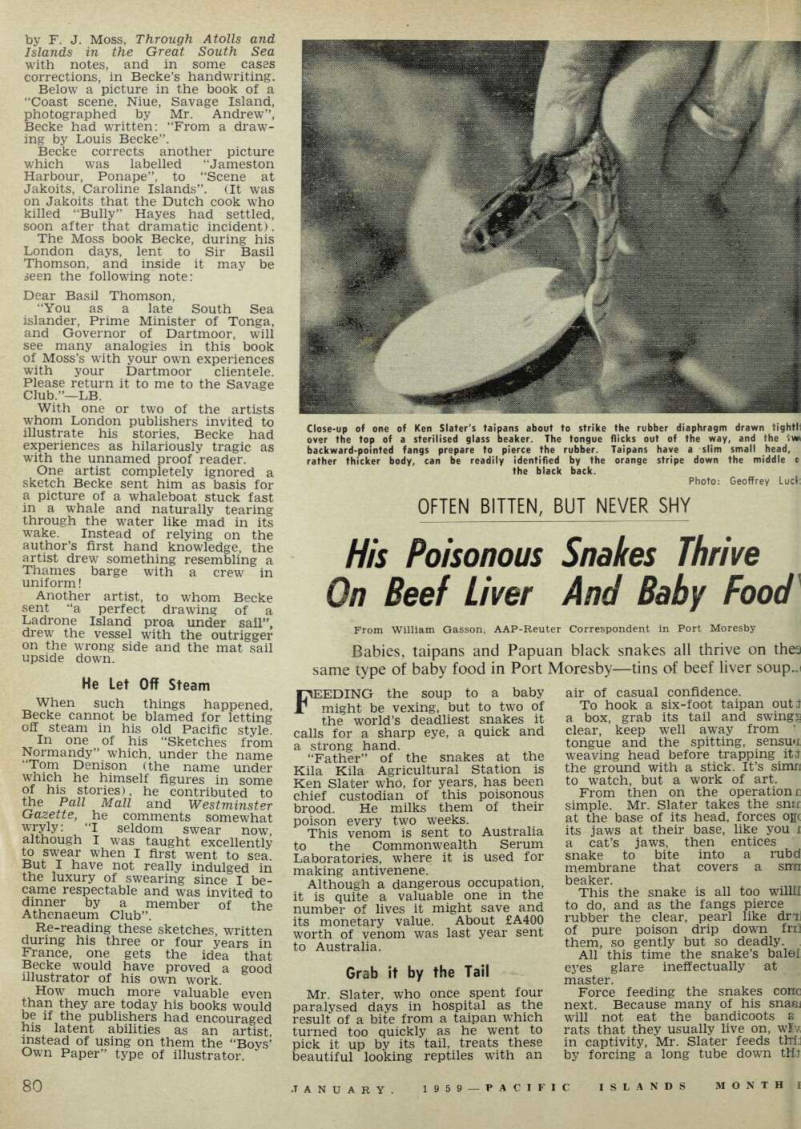 86
86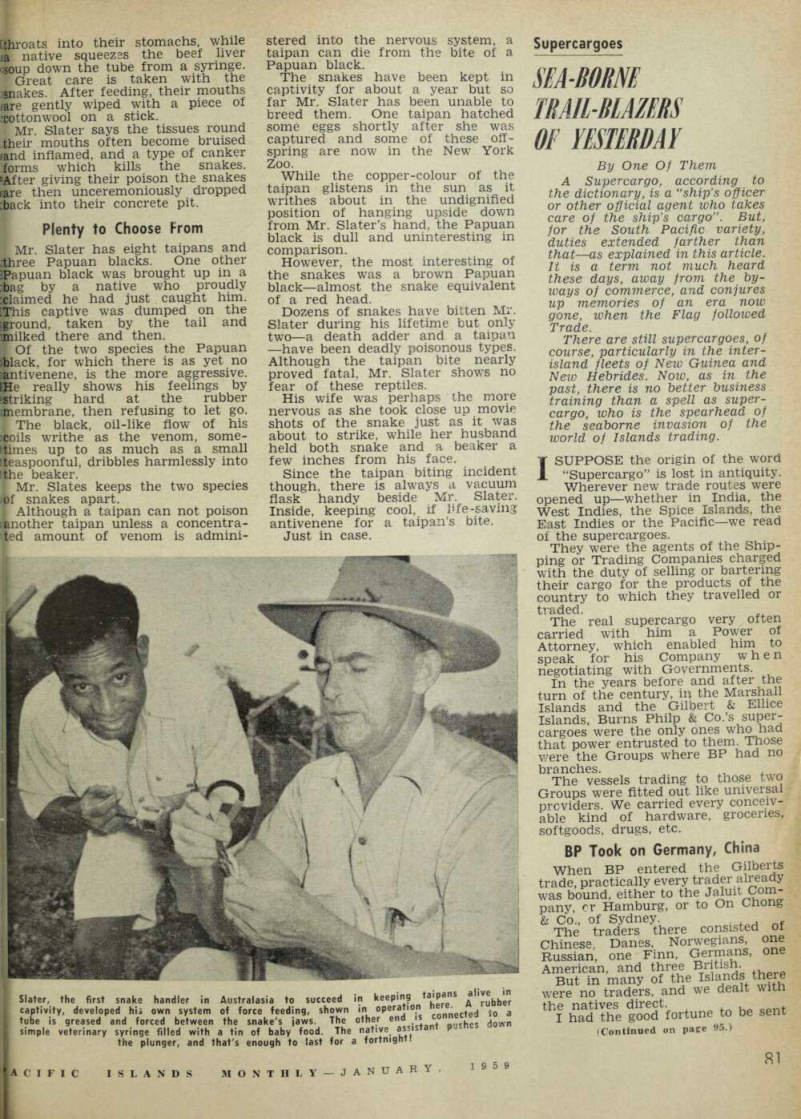 87
87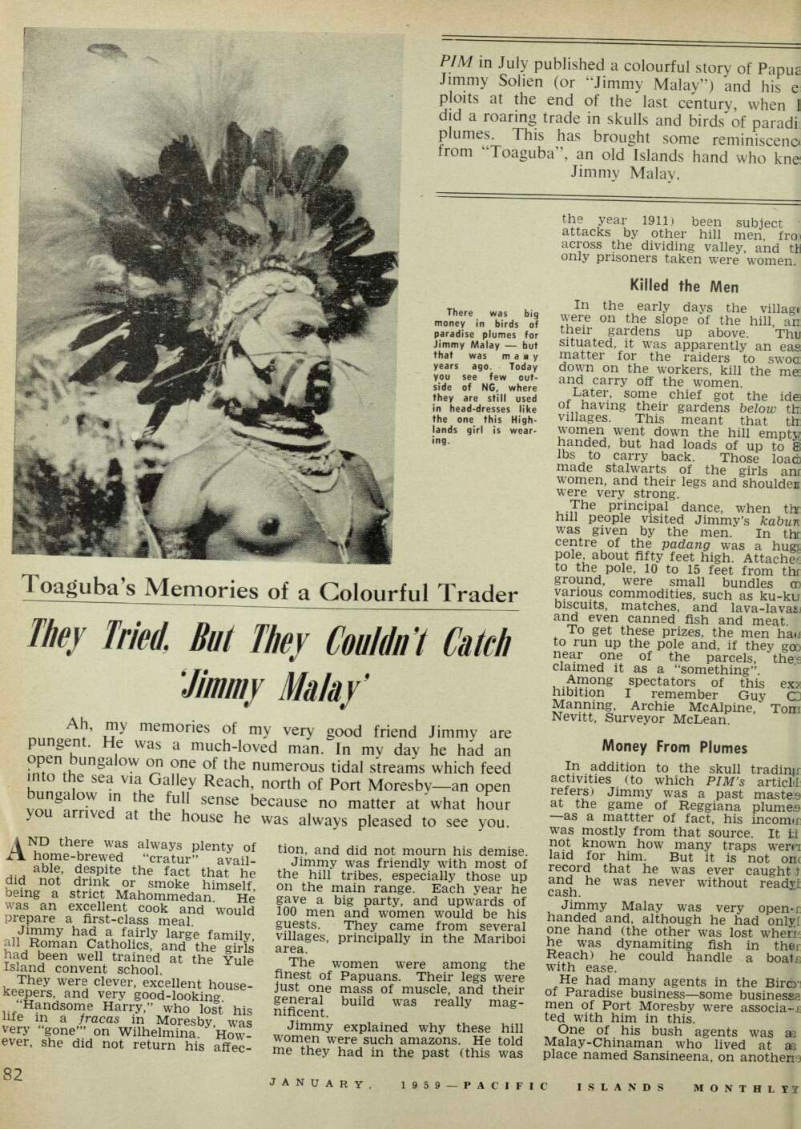 88
88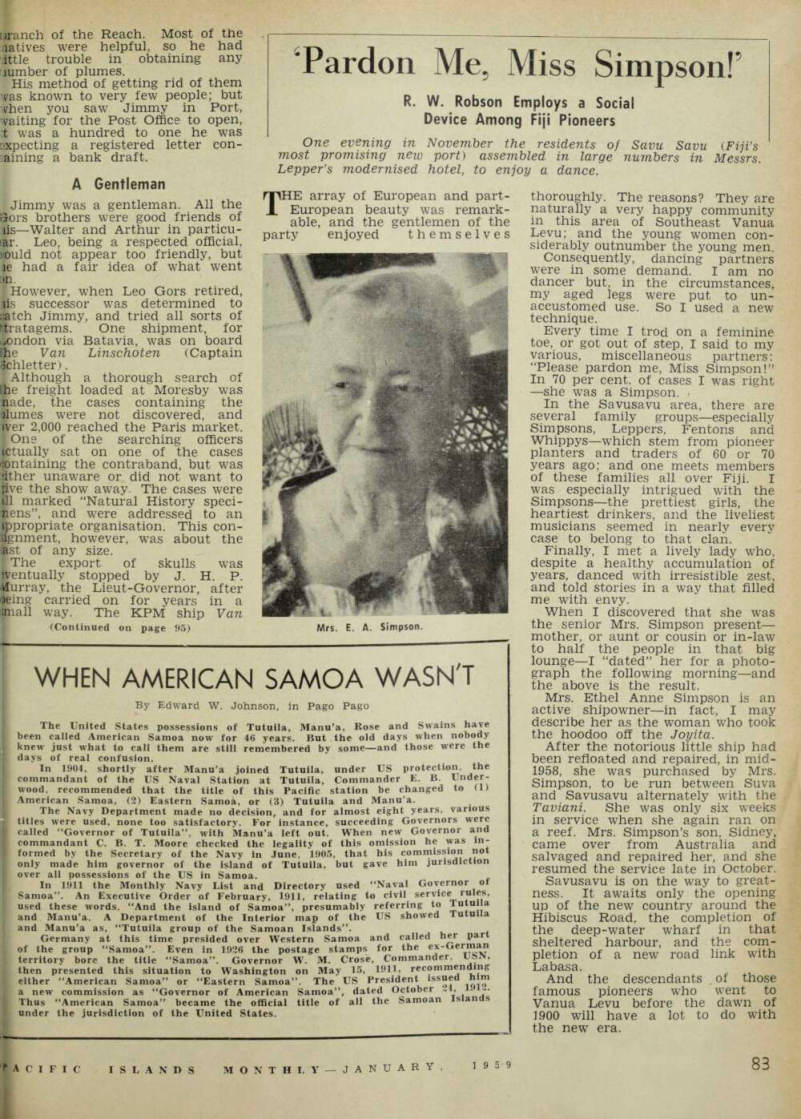 89
89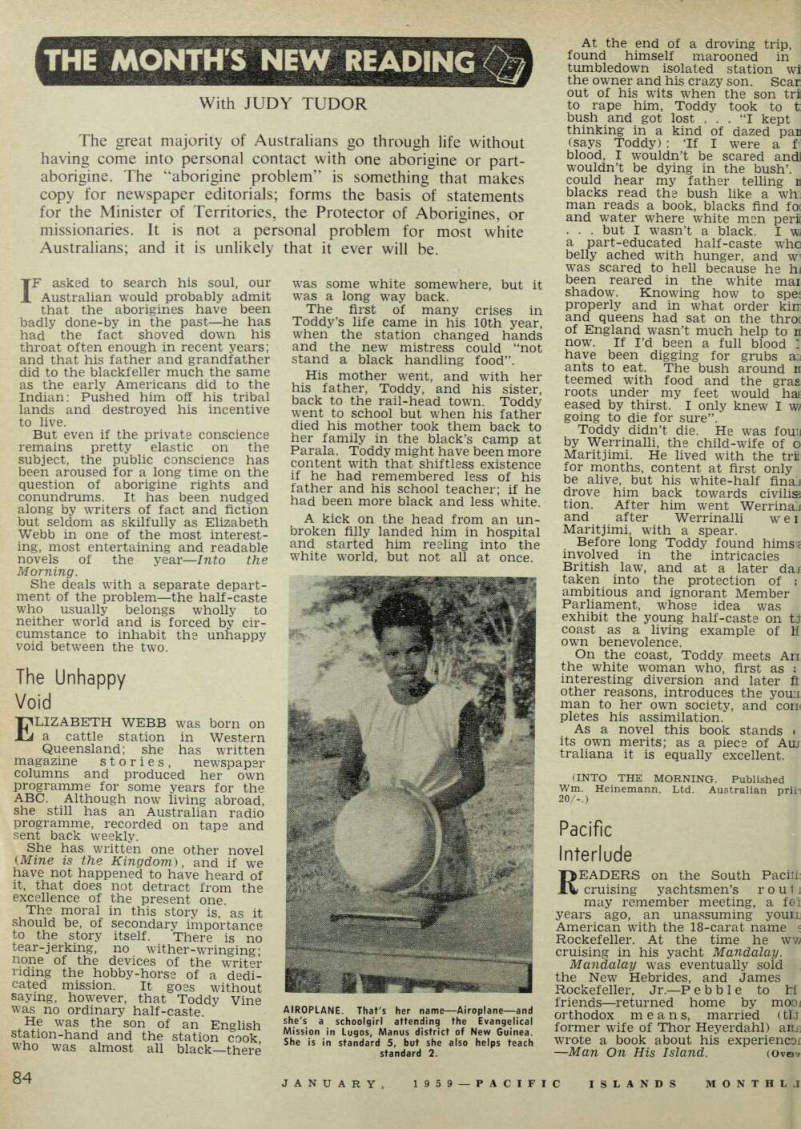 90
90 91
91 92
92 93
93 94
94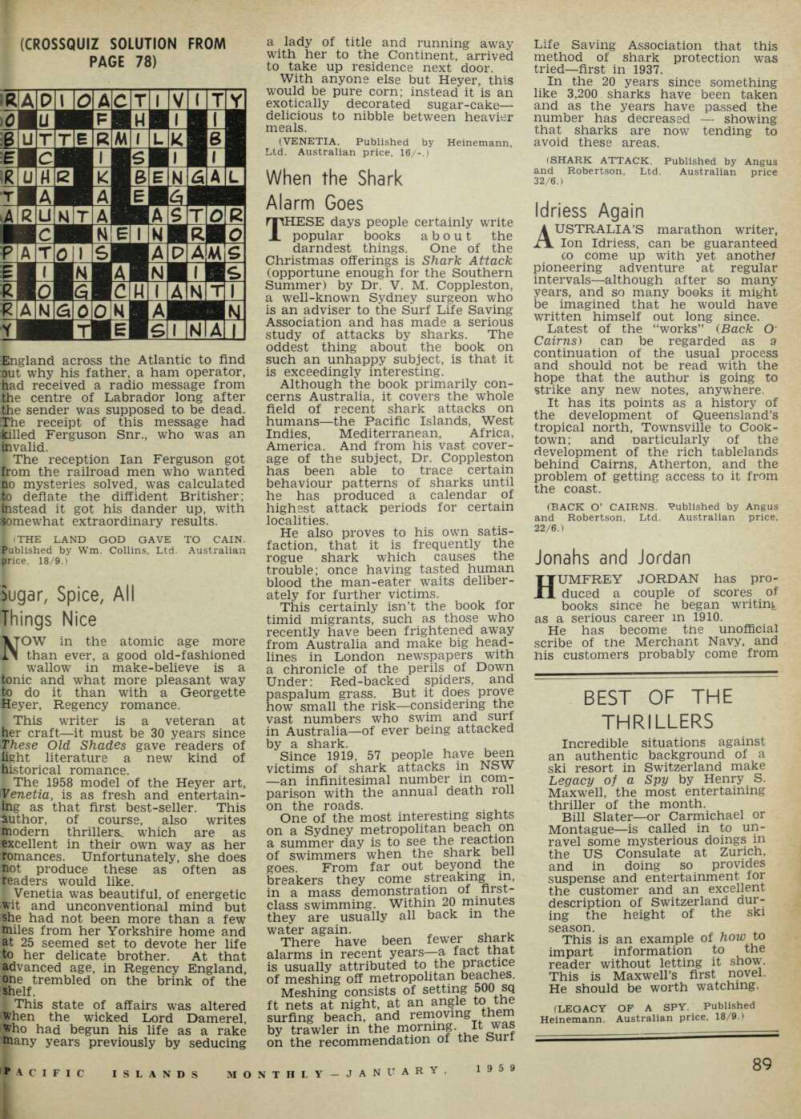 95
95 96
96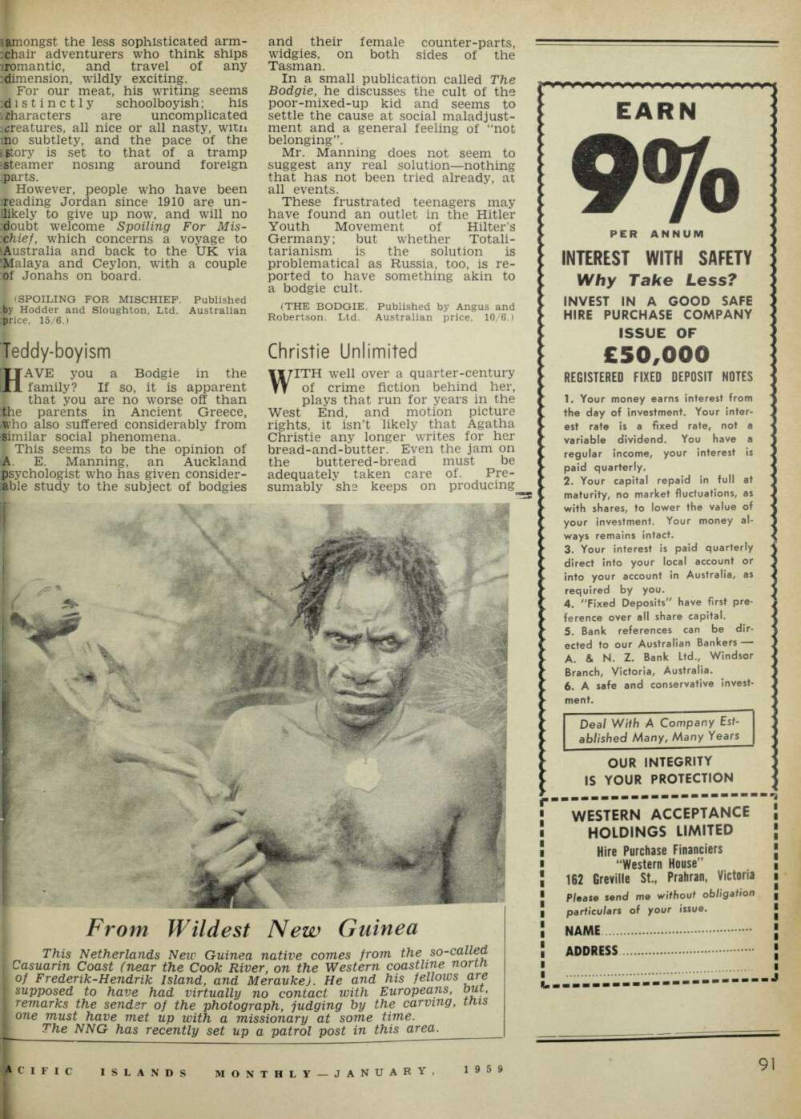 97
97 98
98 99
99 100
100 101
101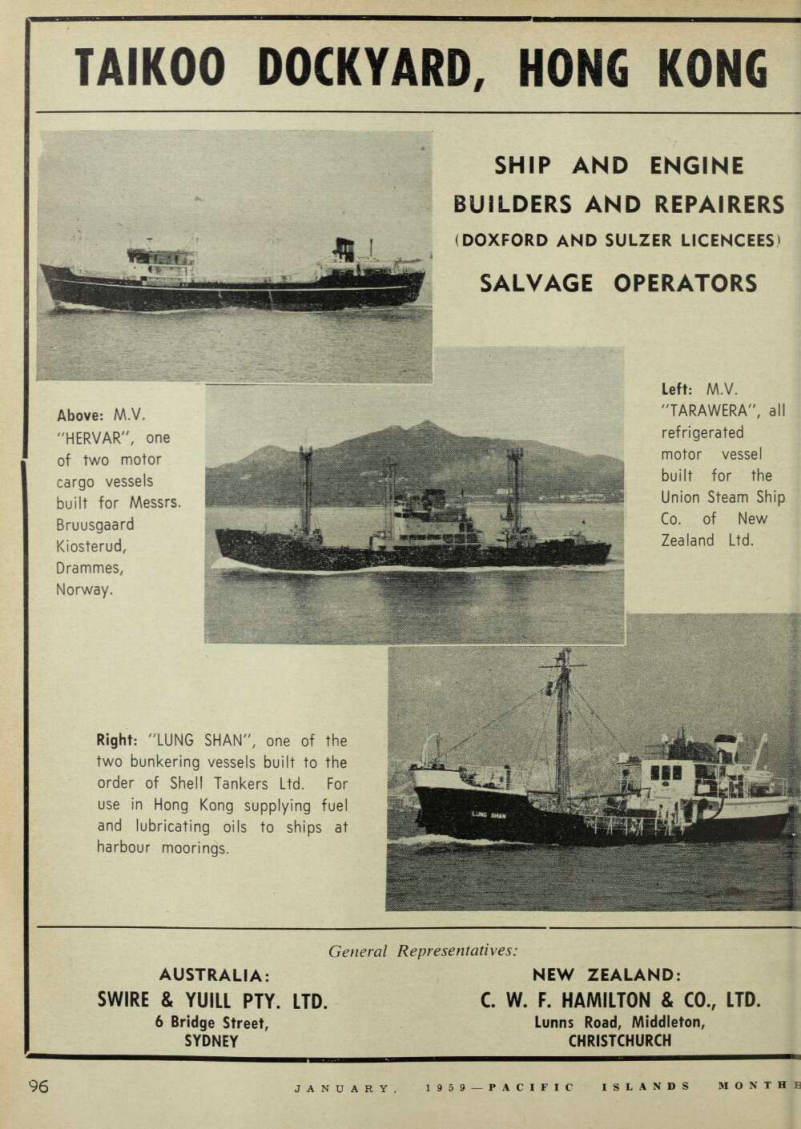 102
102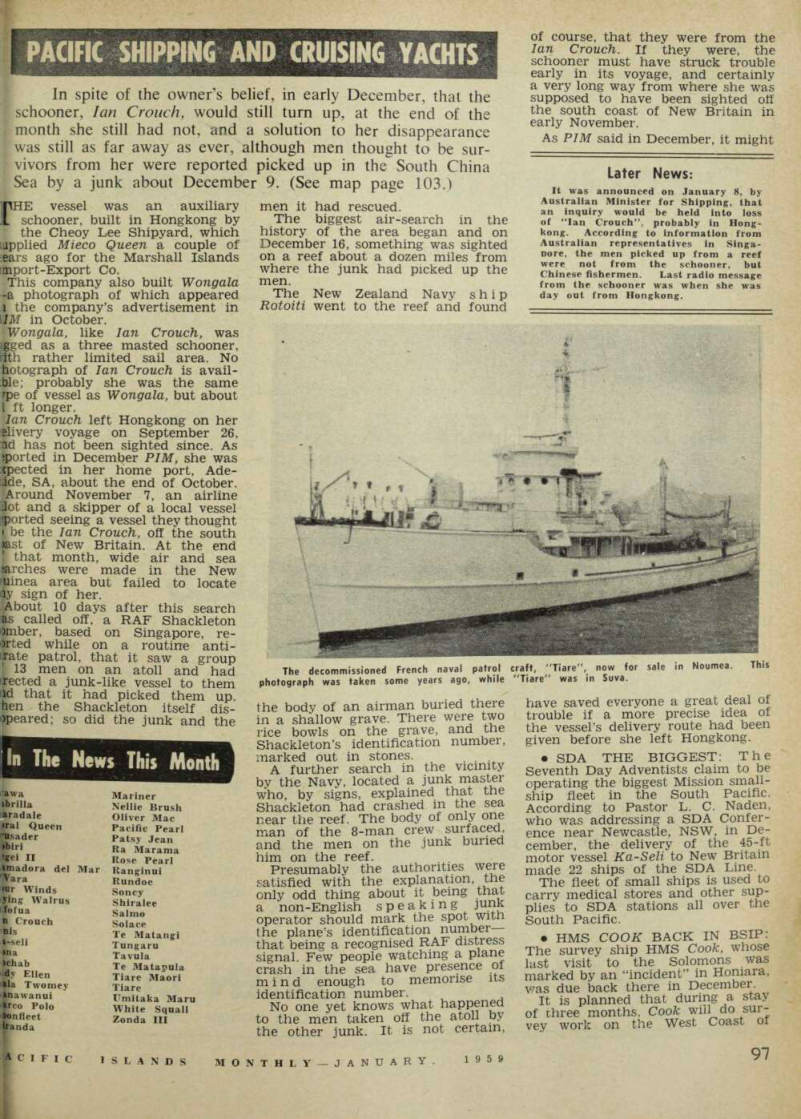 103
103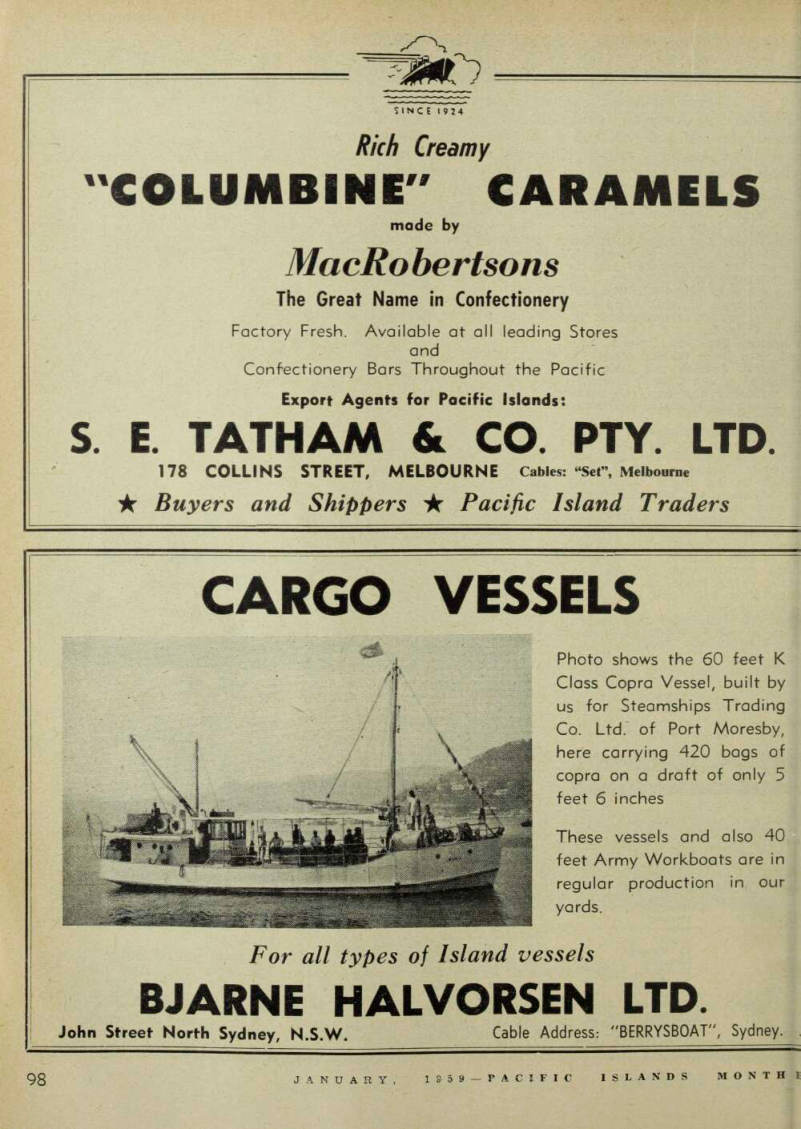 104
104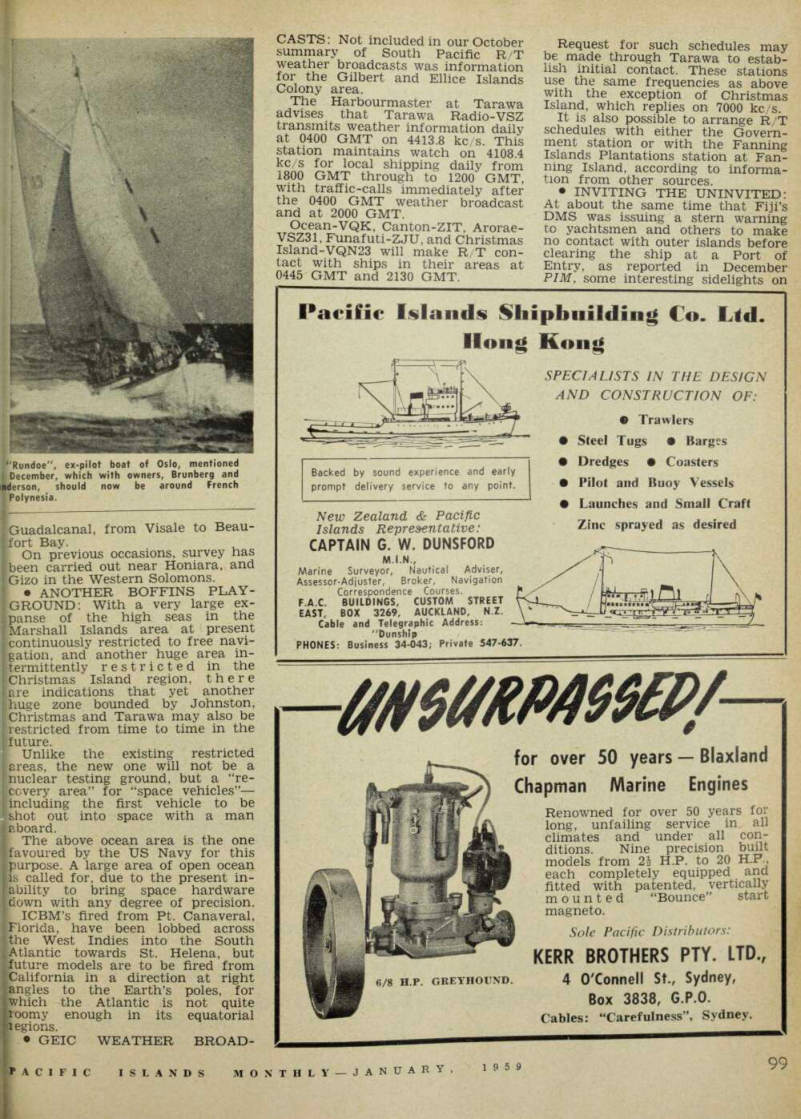 105
105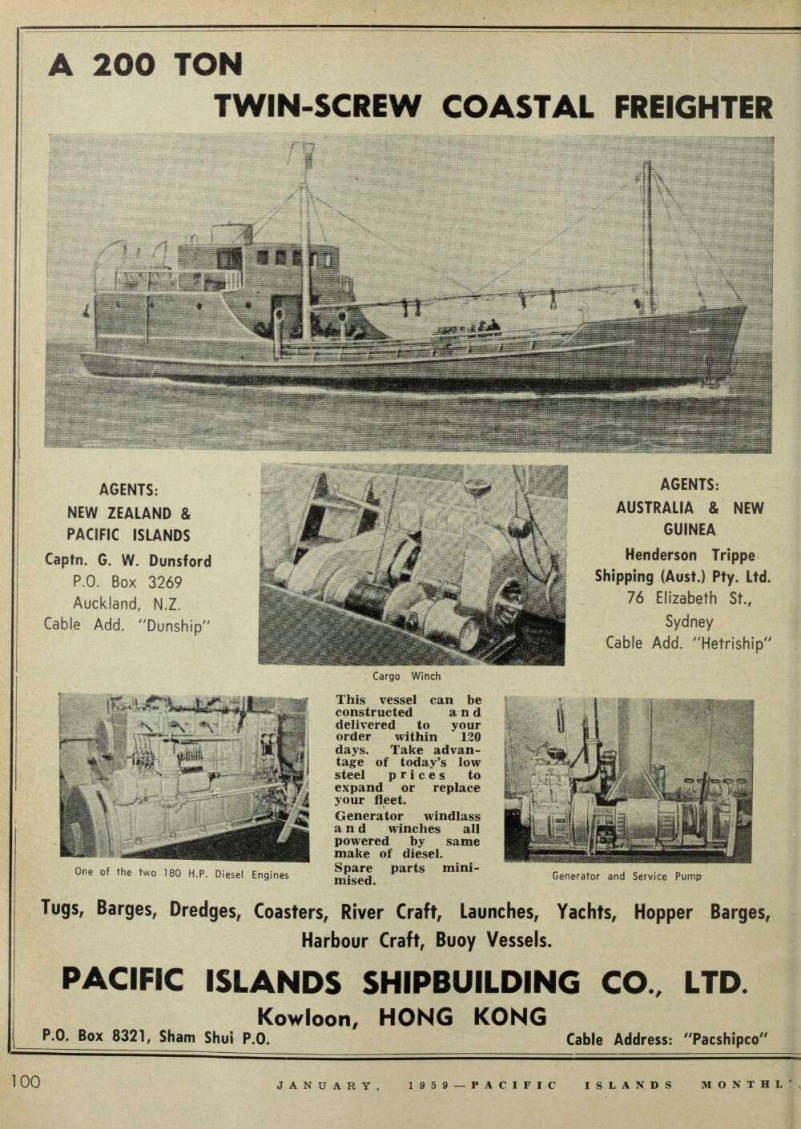 106
106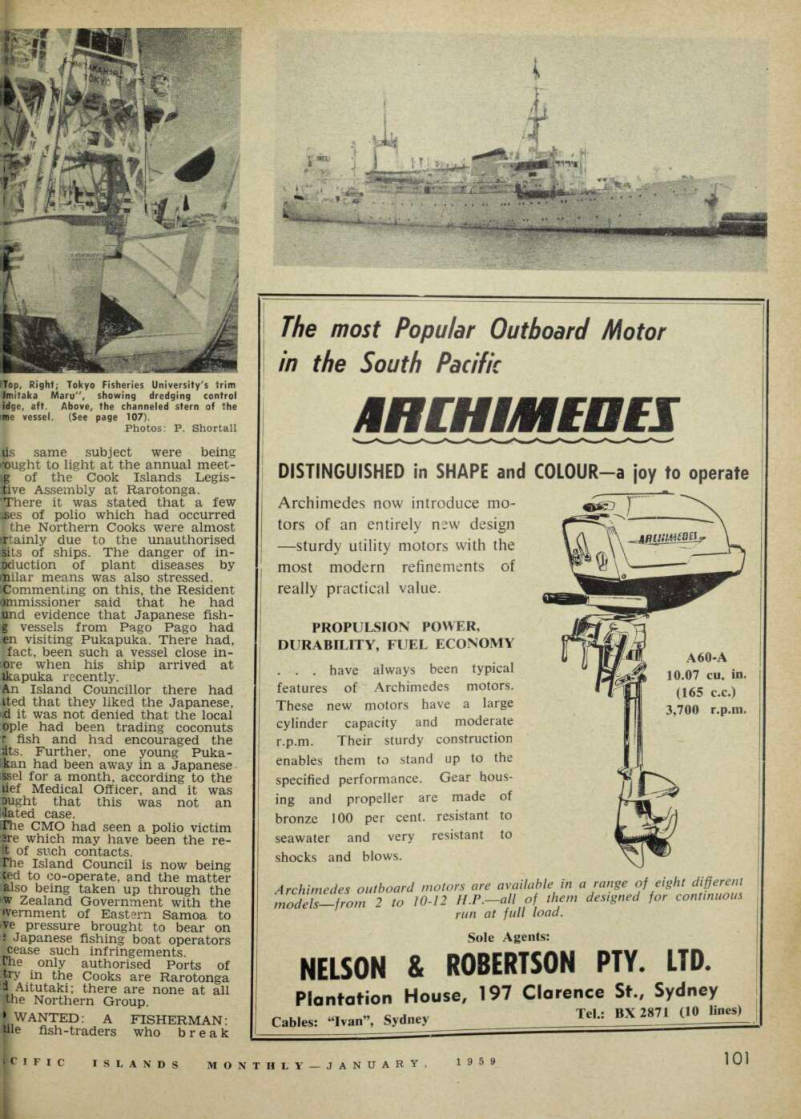 107
107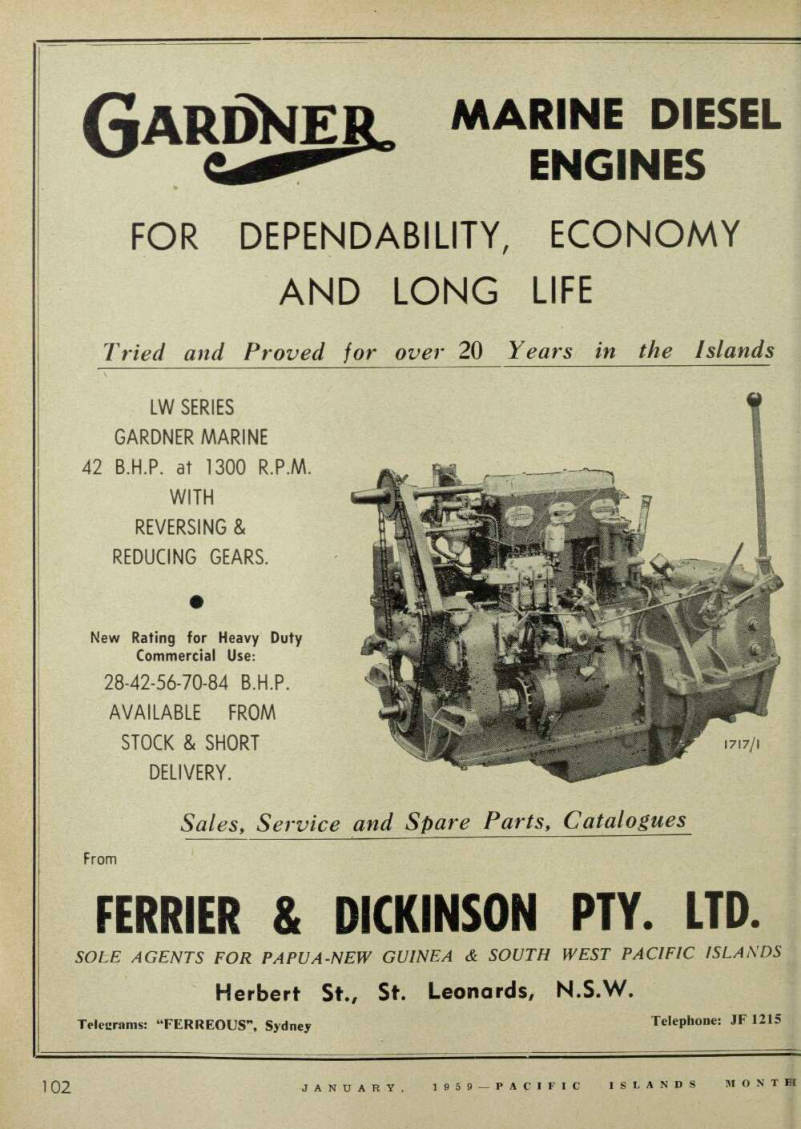 108
108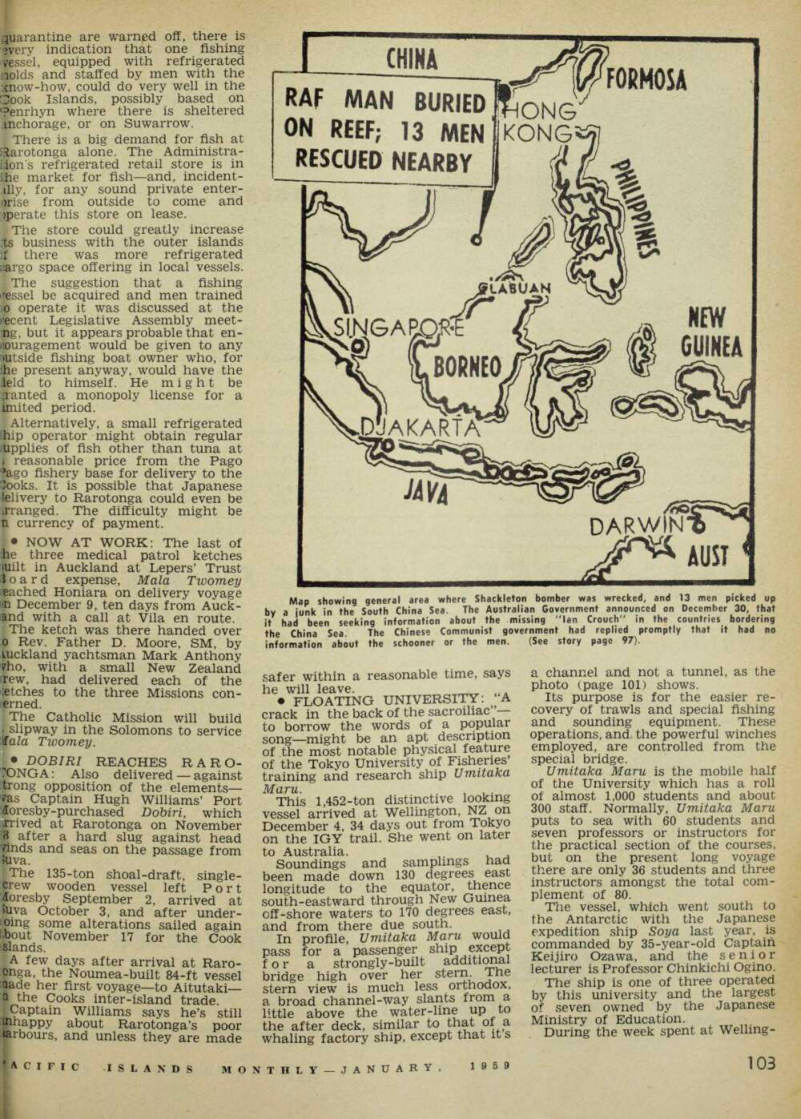 109
109 110
110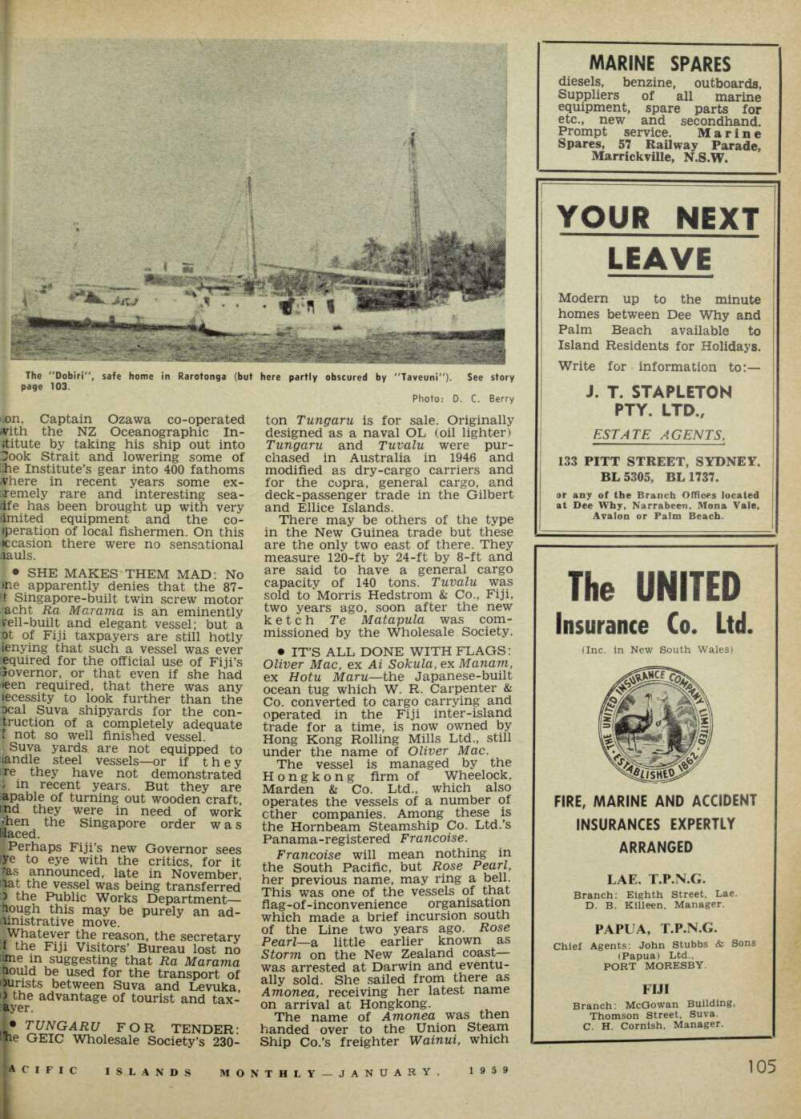 111
111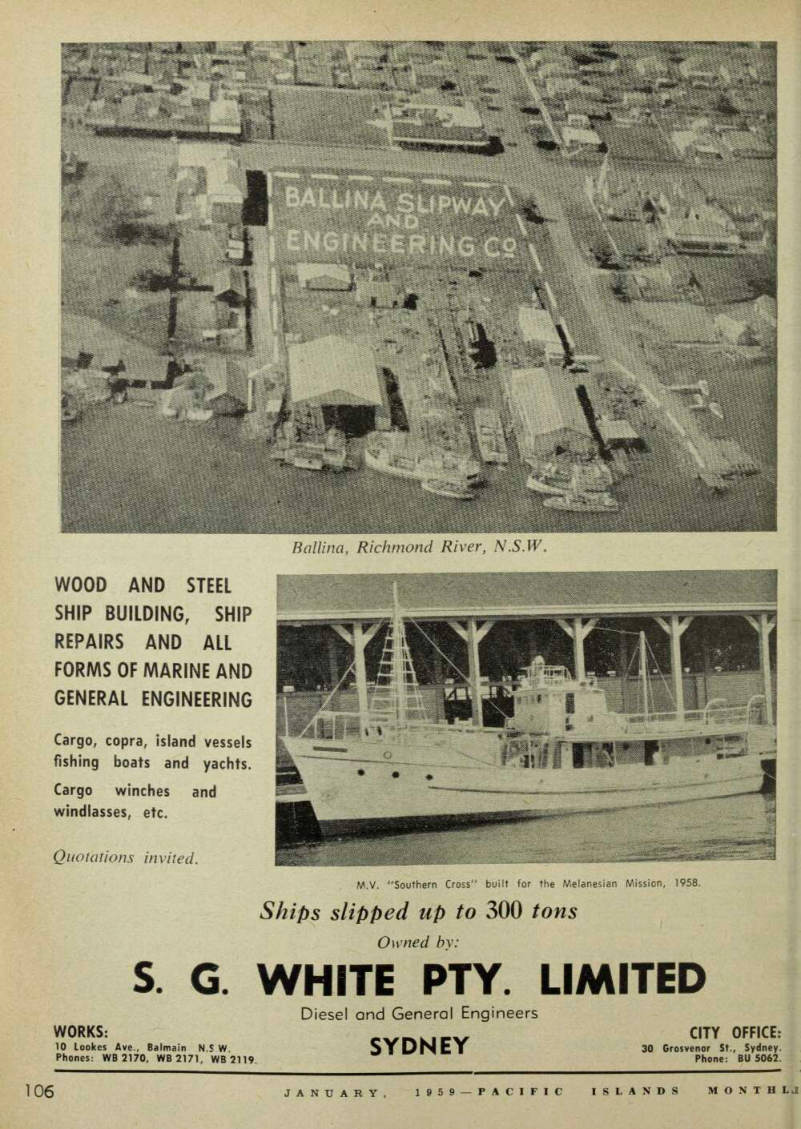 112
112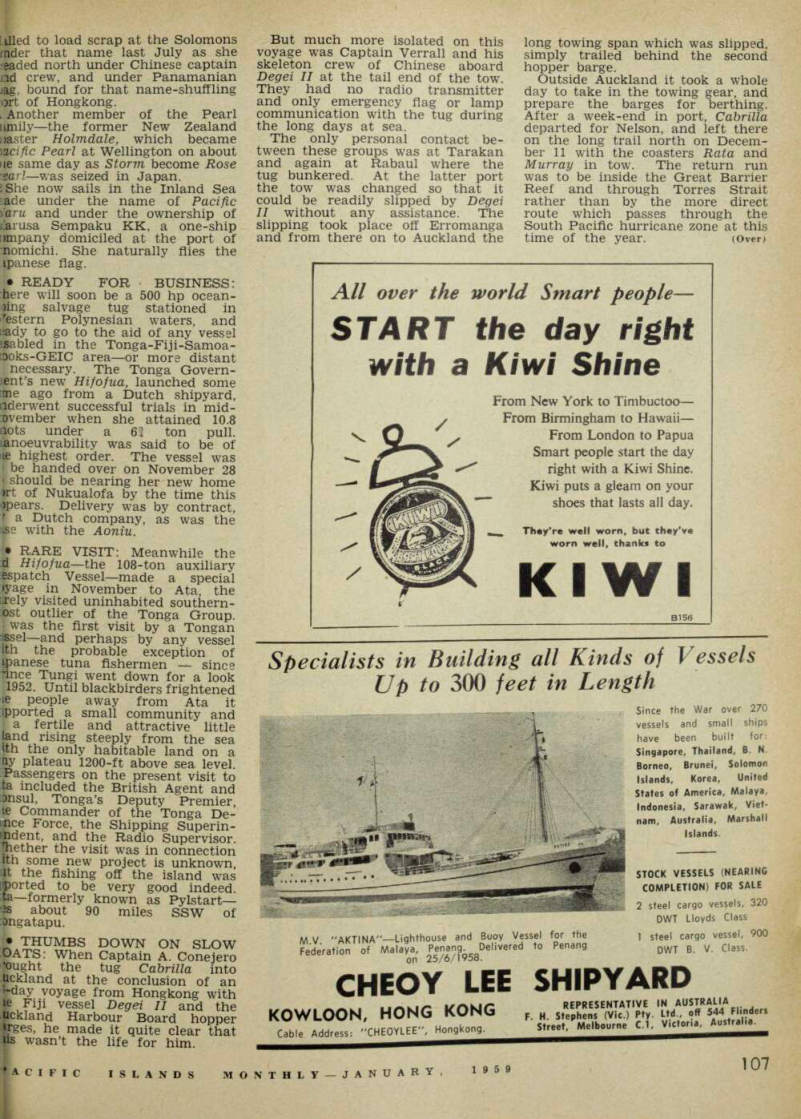 113
113 114
114 115
115 116
116 117
117 118
118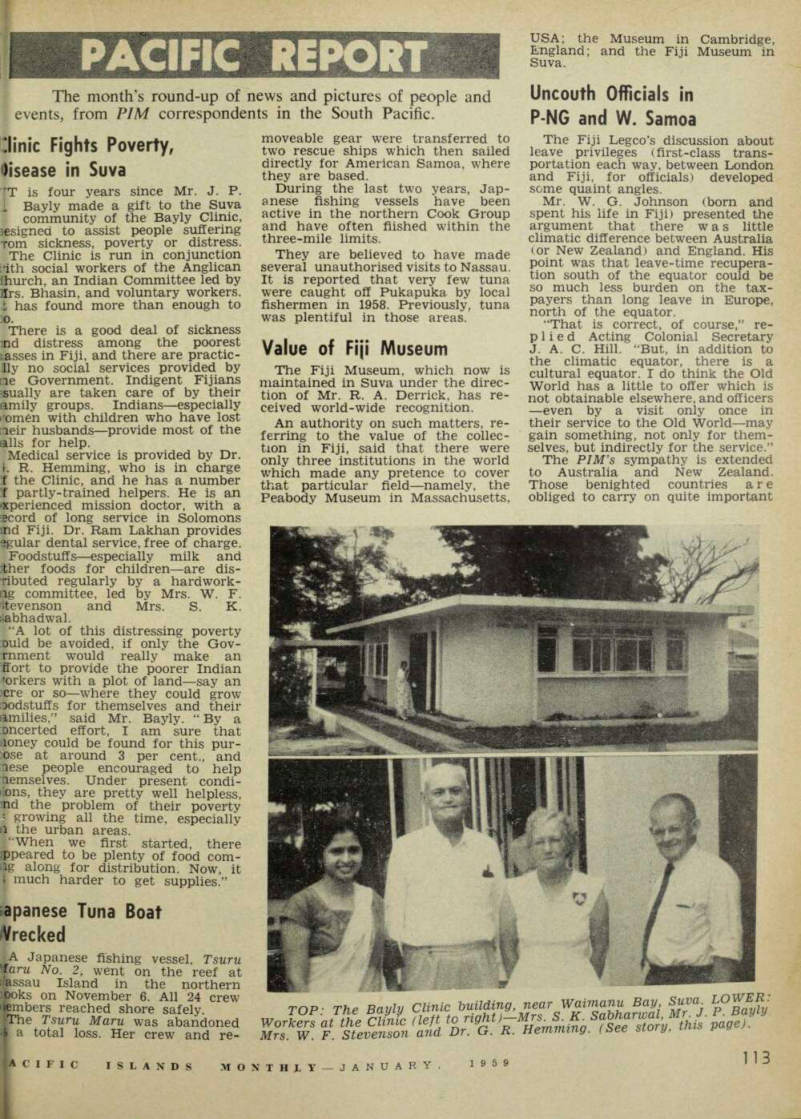 119
119 120
120 121
121 122
122 123
123 124
124 125
125 126
126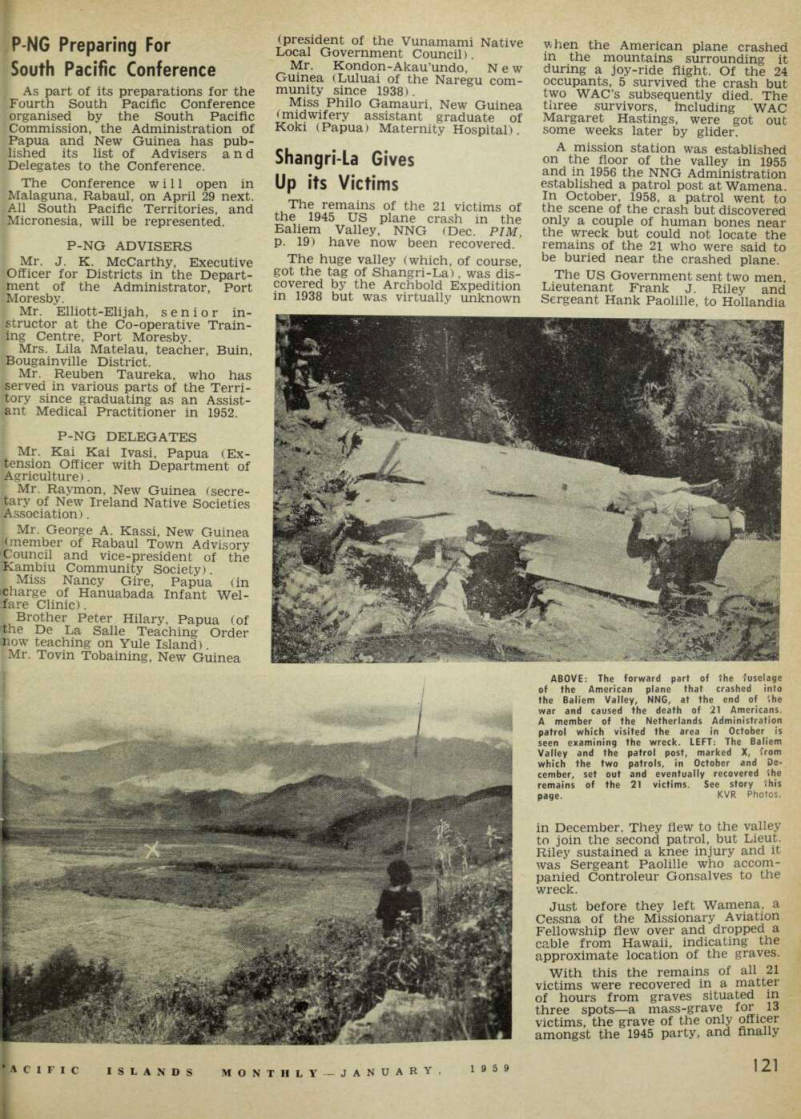 127
127 128
128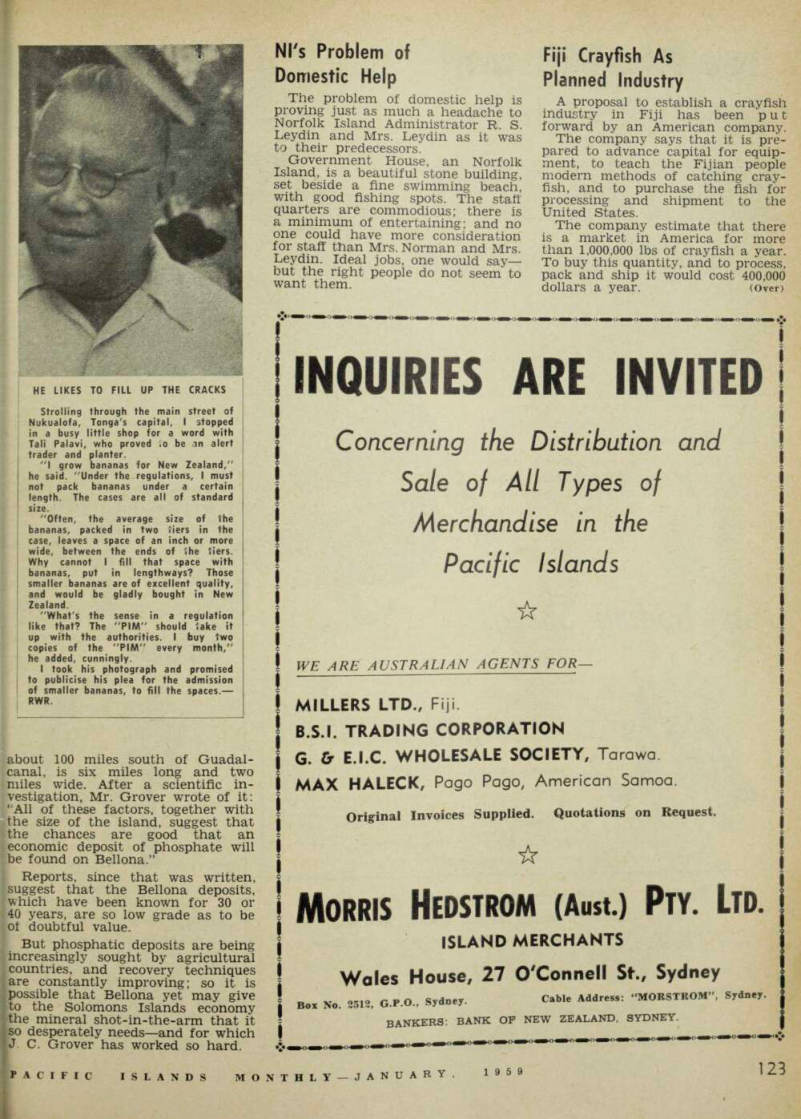 129
129 130
130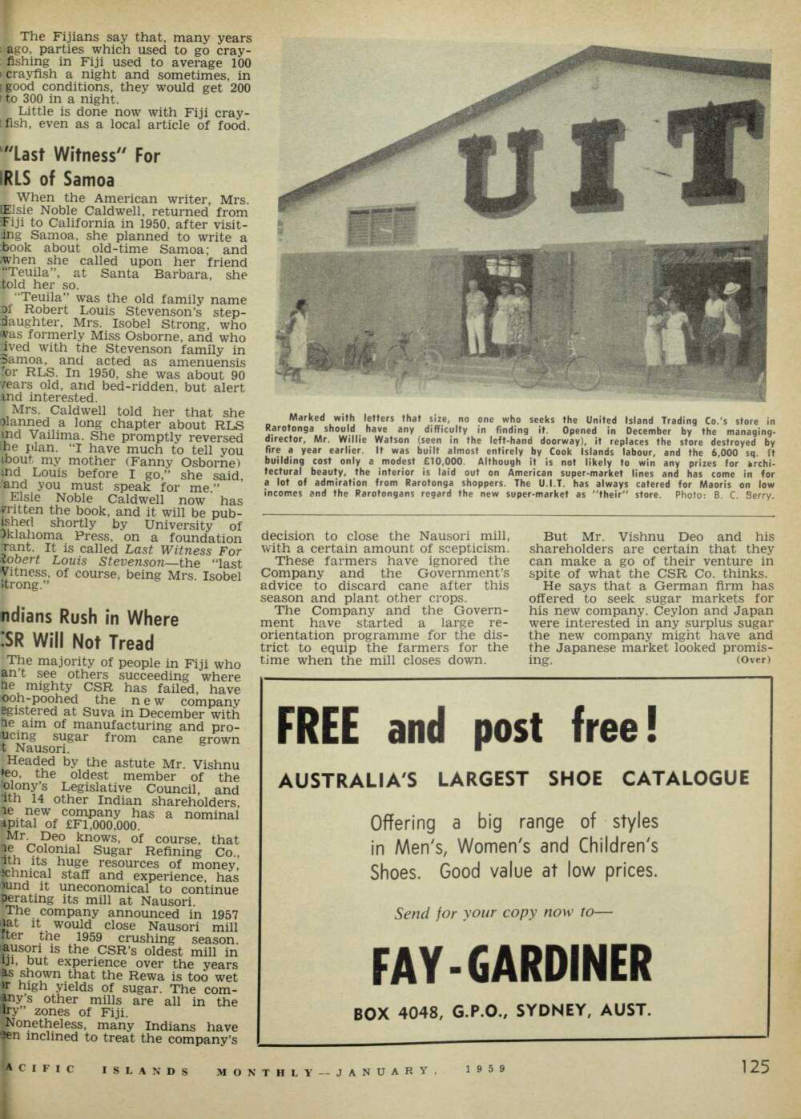 131
131 132
132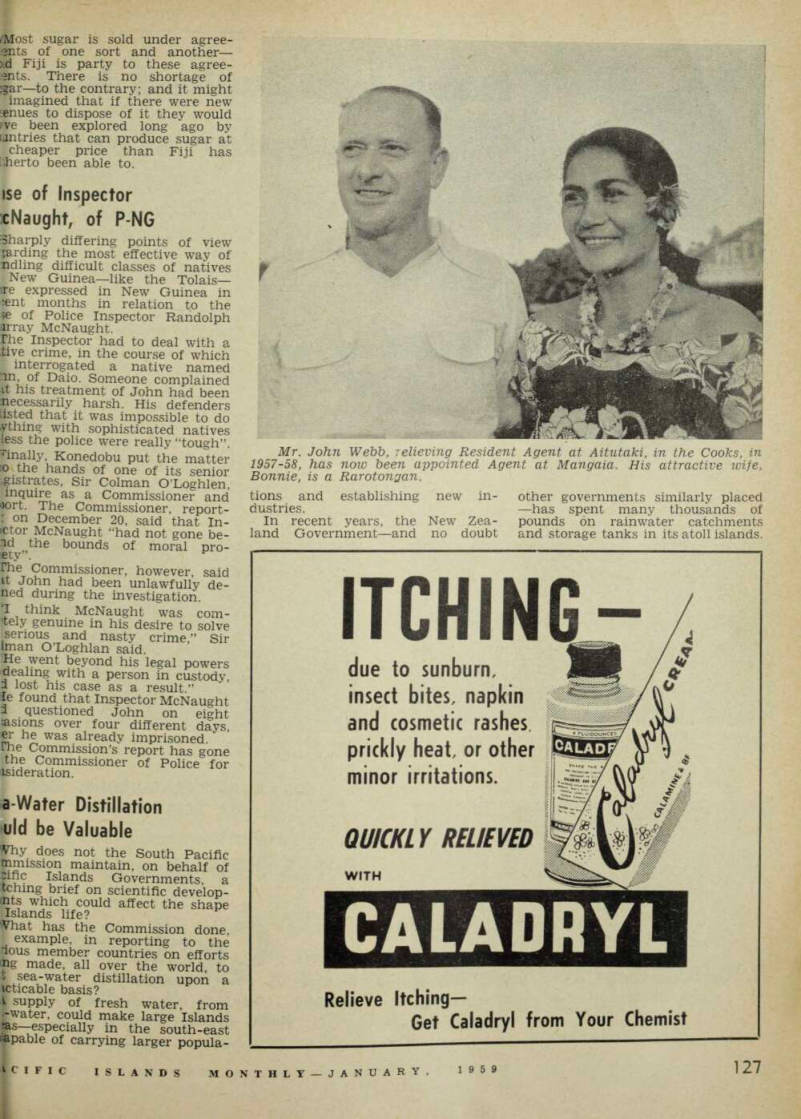 133
133 134
134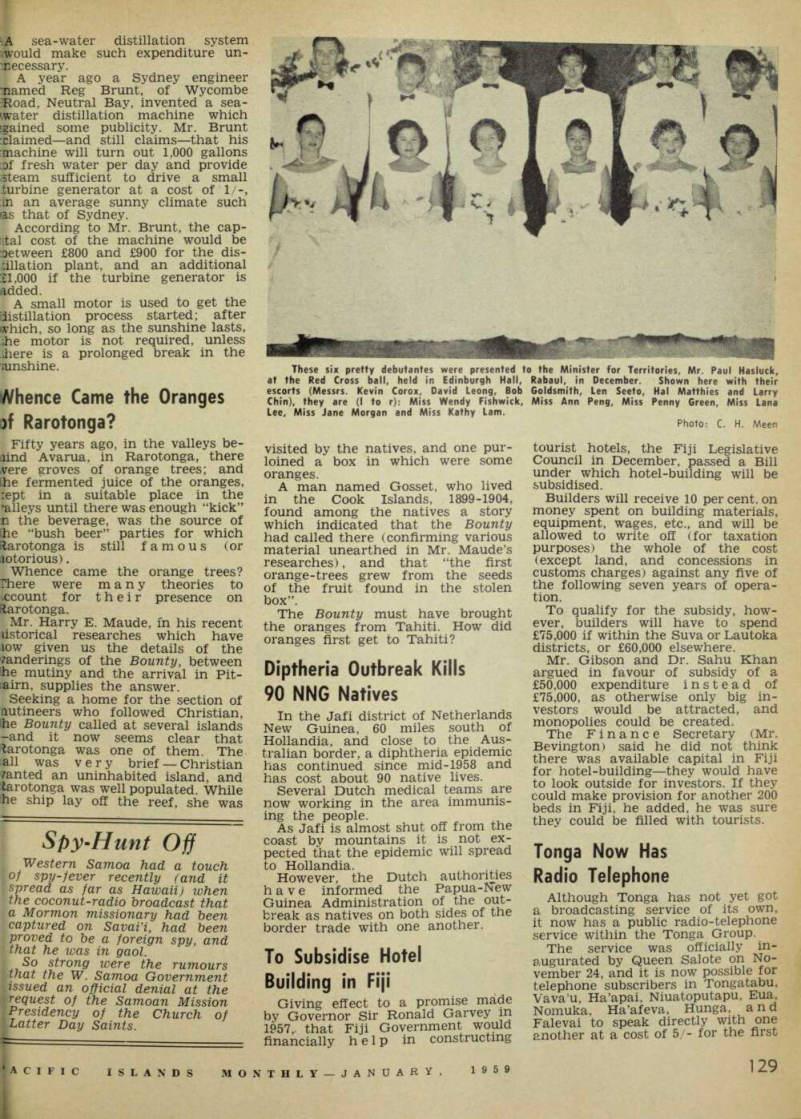 135
135 136
136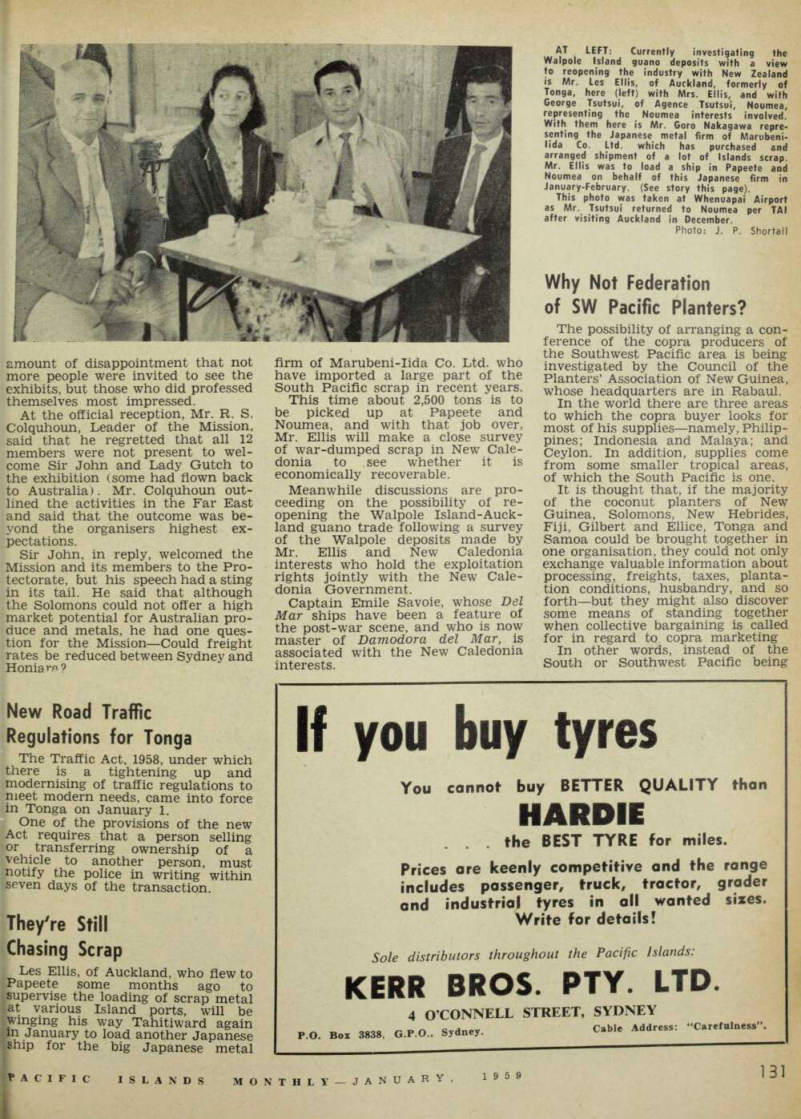 137
137 138
138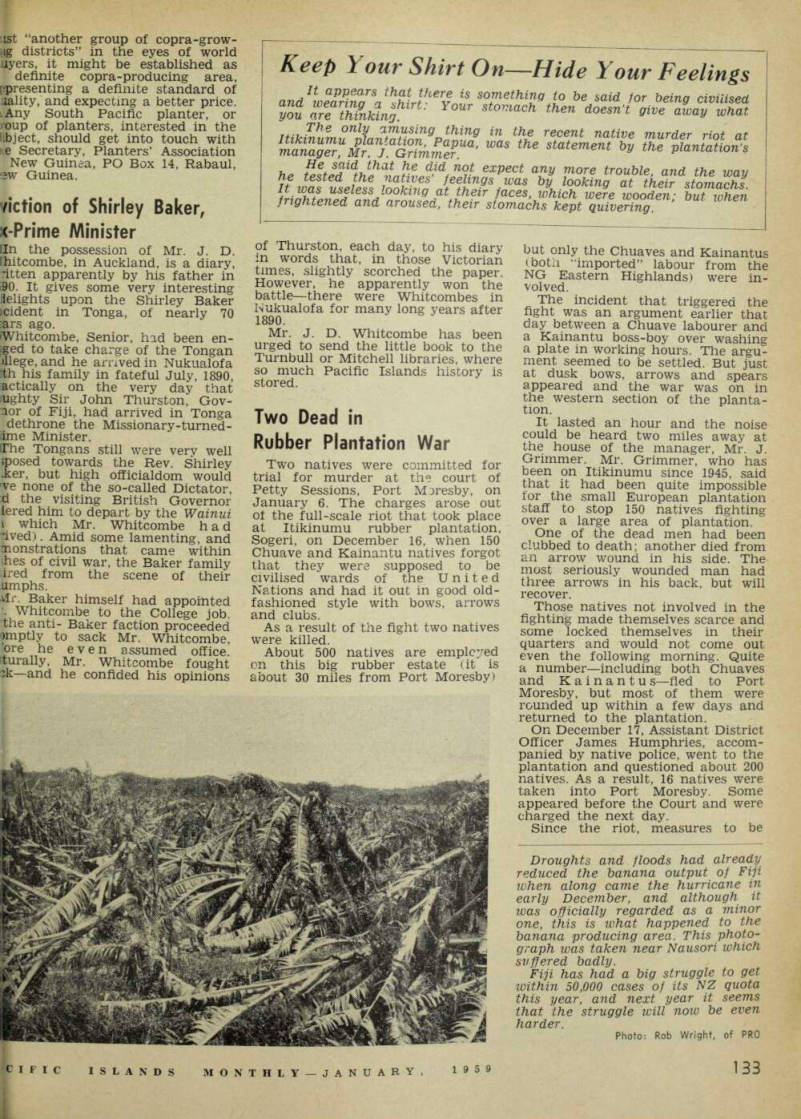 139
139 140
140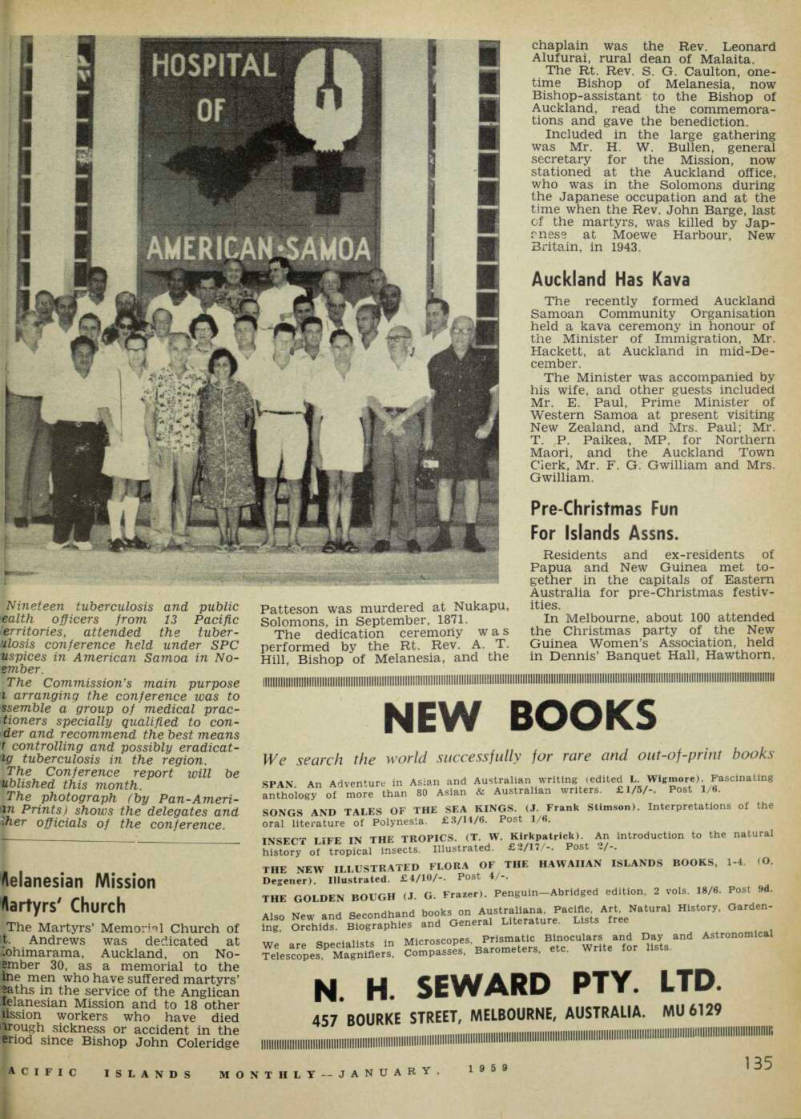 141
141 142
142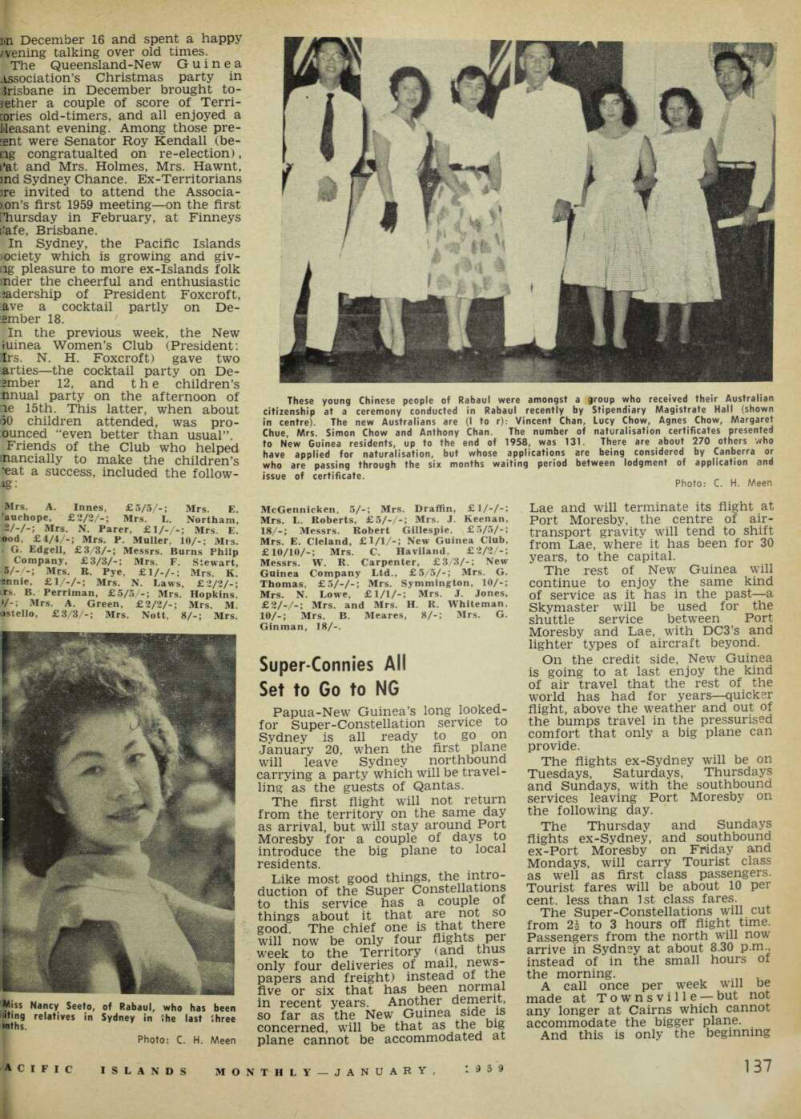 143
143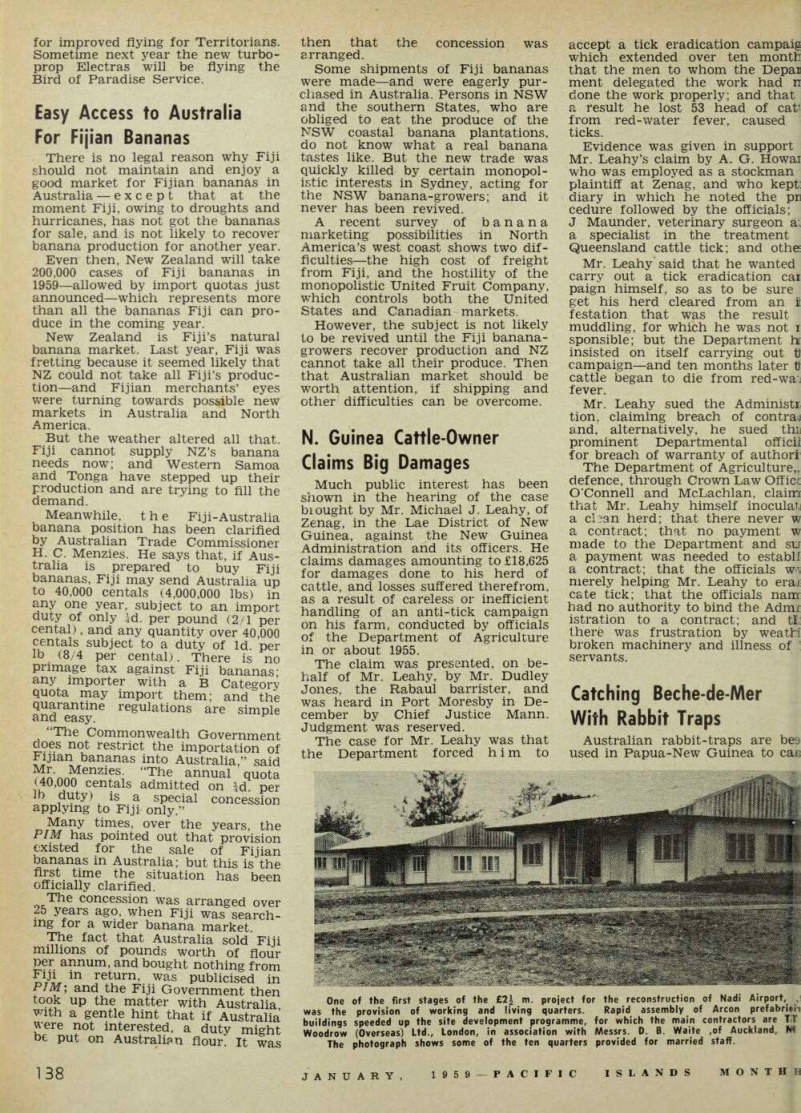 144
144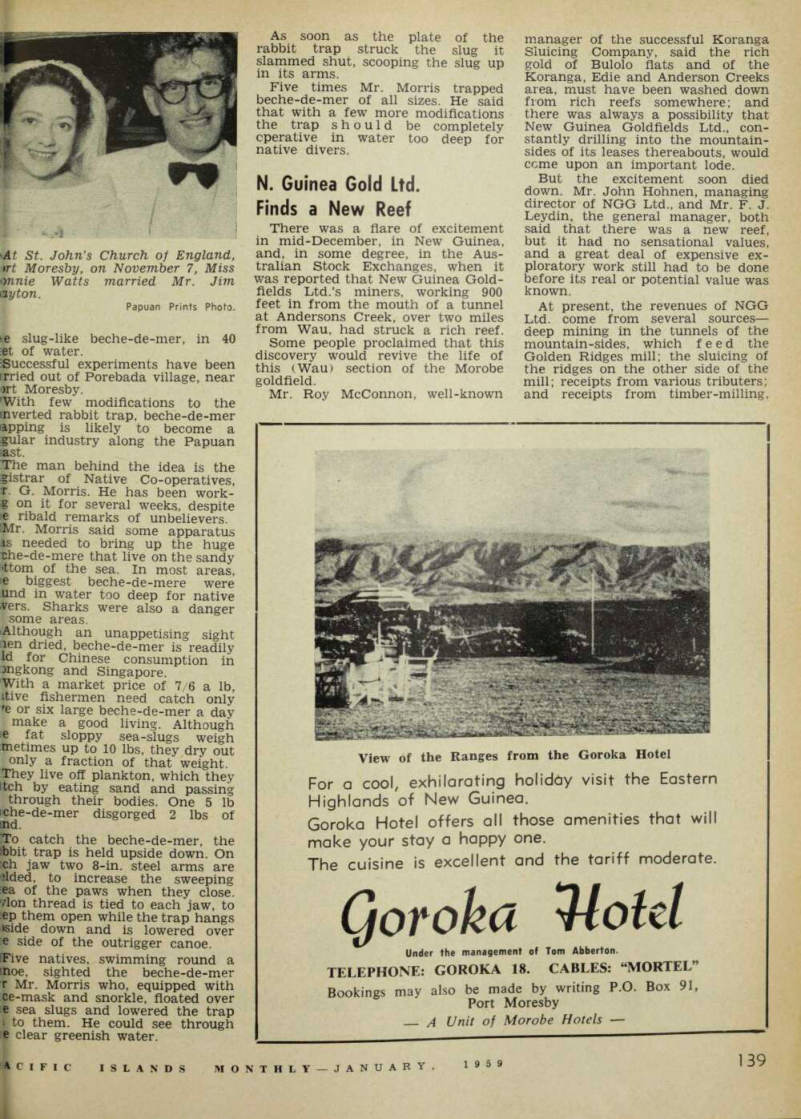 145
145 146
146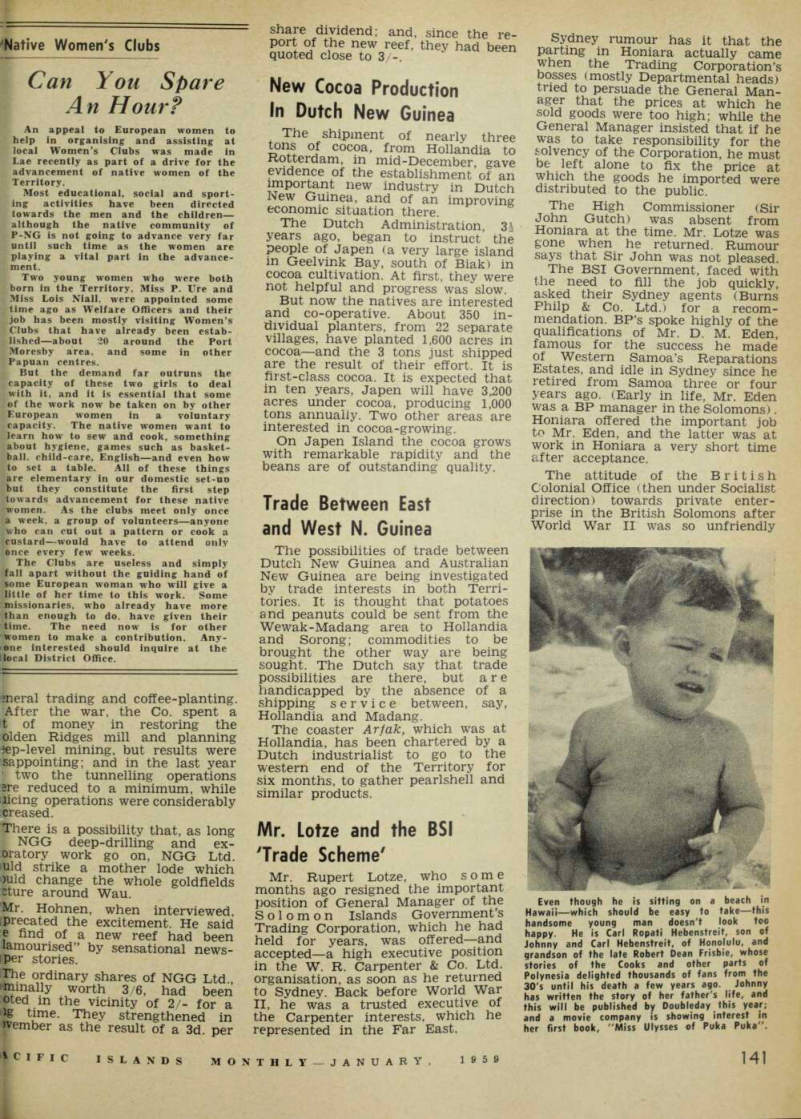 147
147 148
148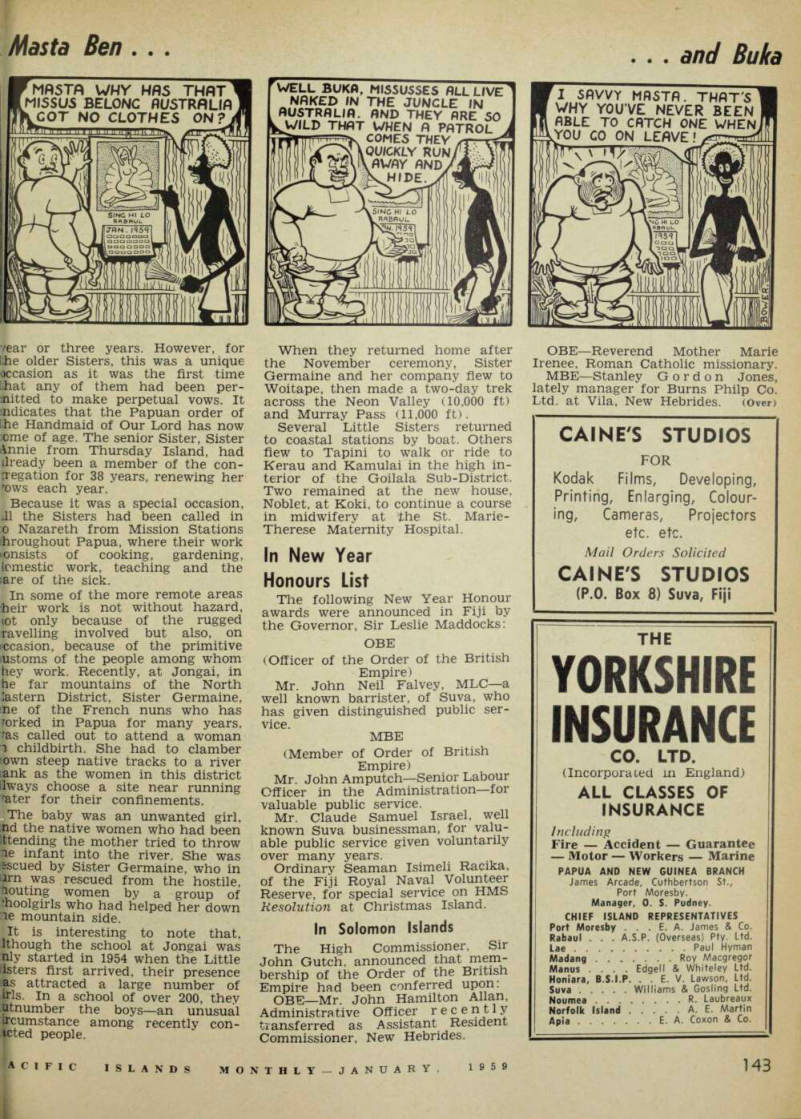 149
149 150
150 151
151 152
152 153
153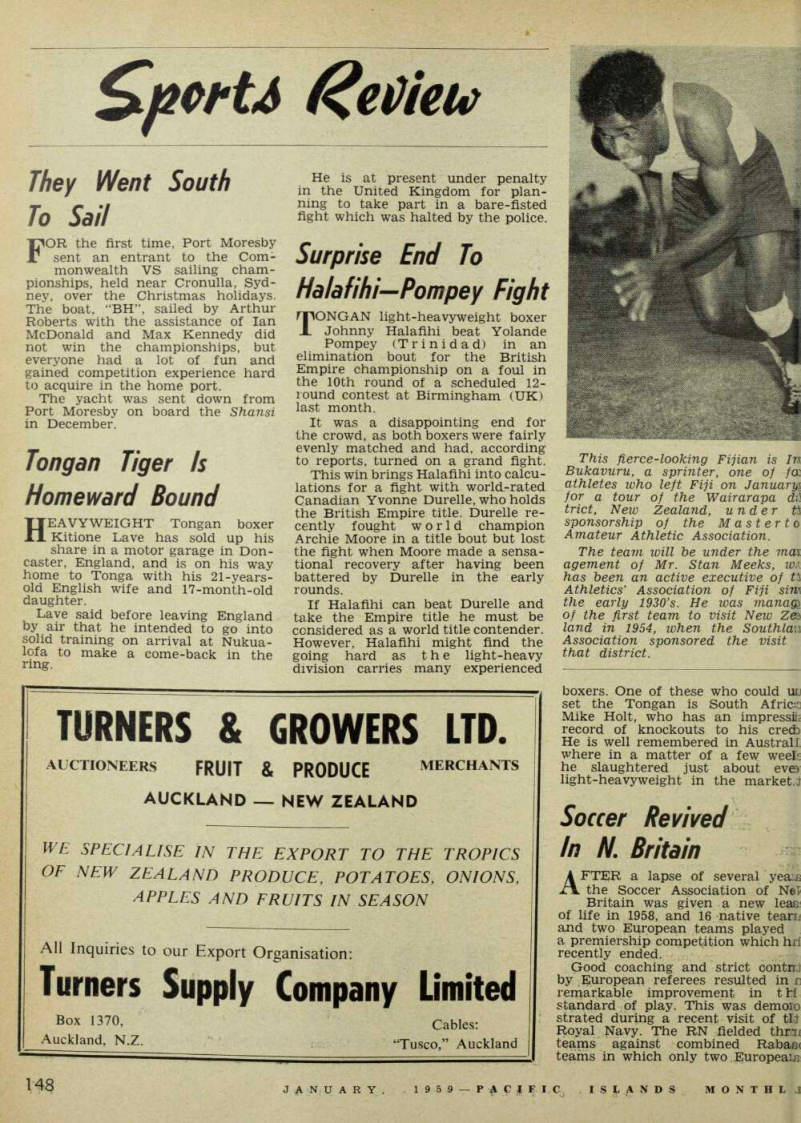 154
154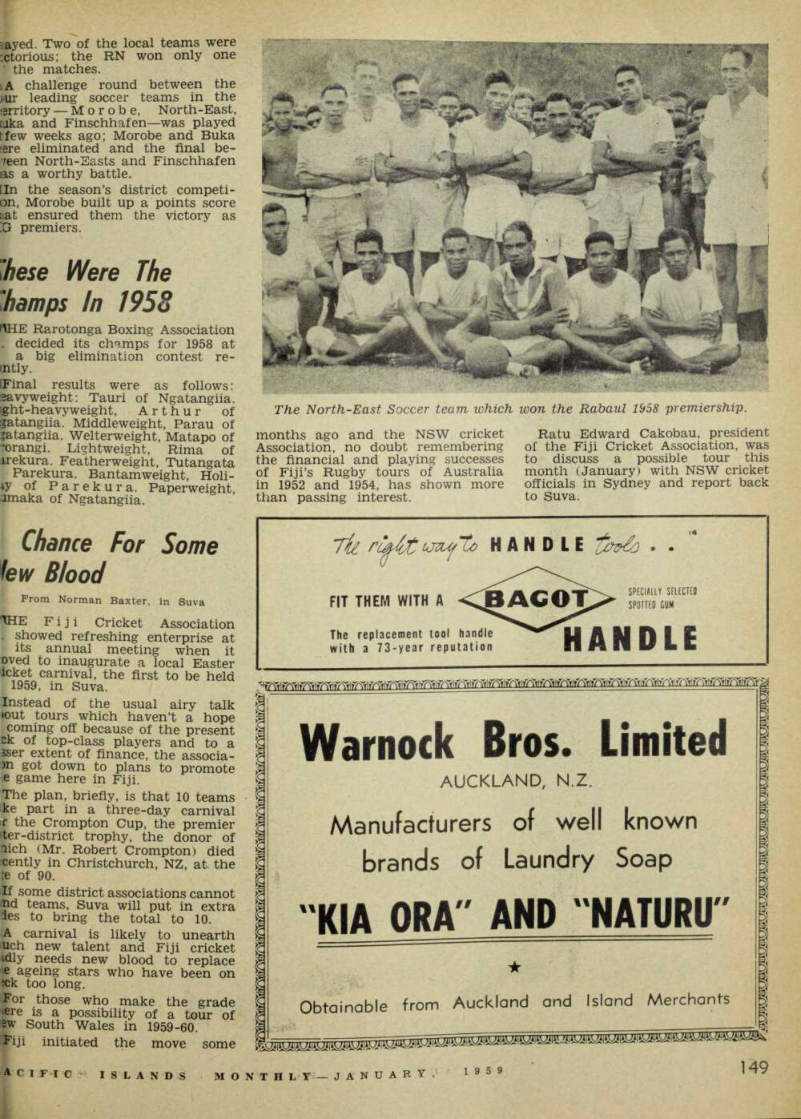 155
155 156
156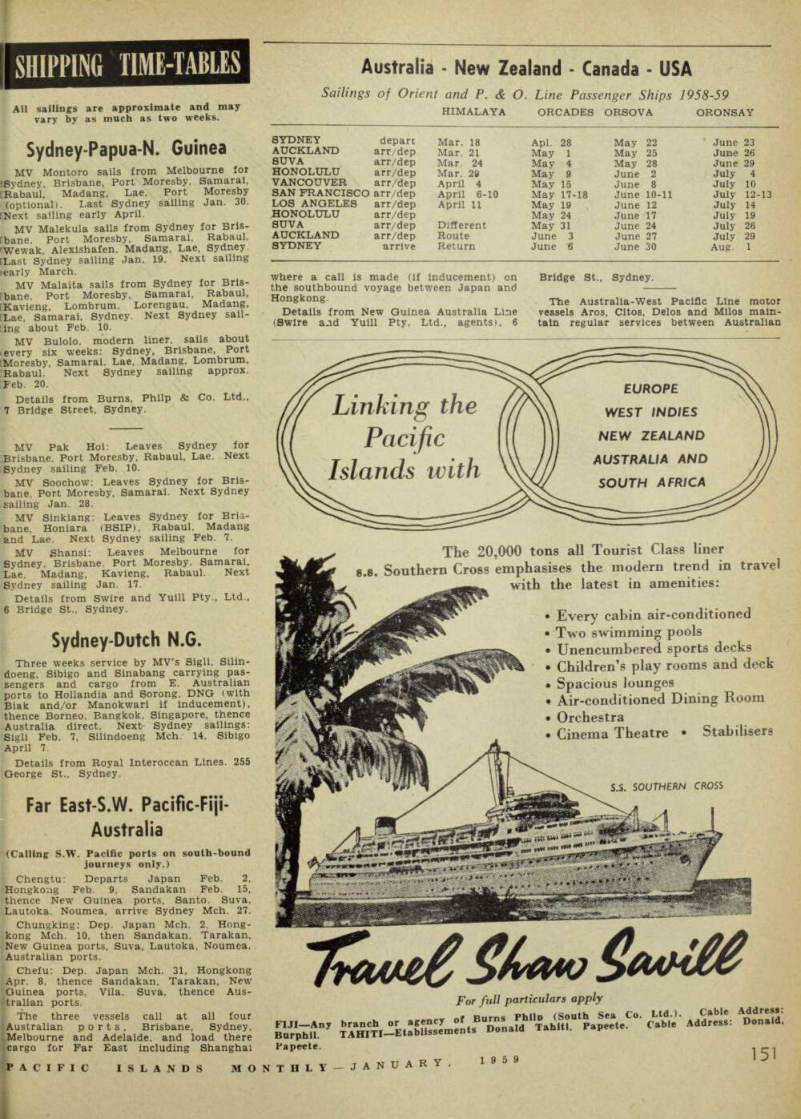 157
157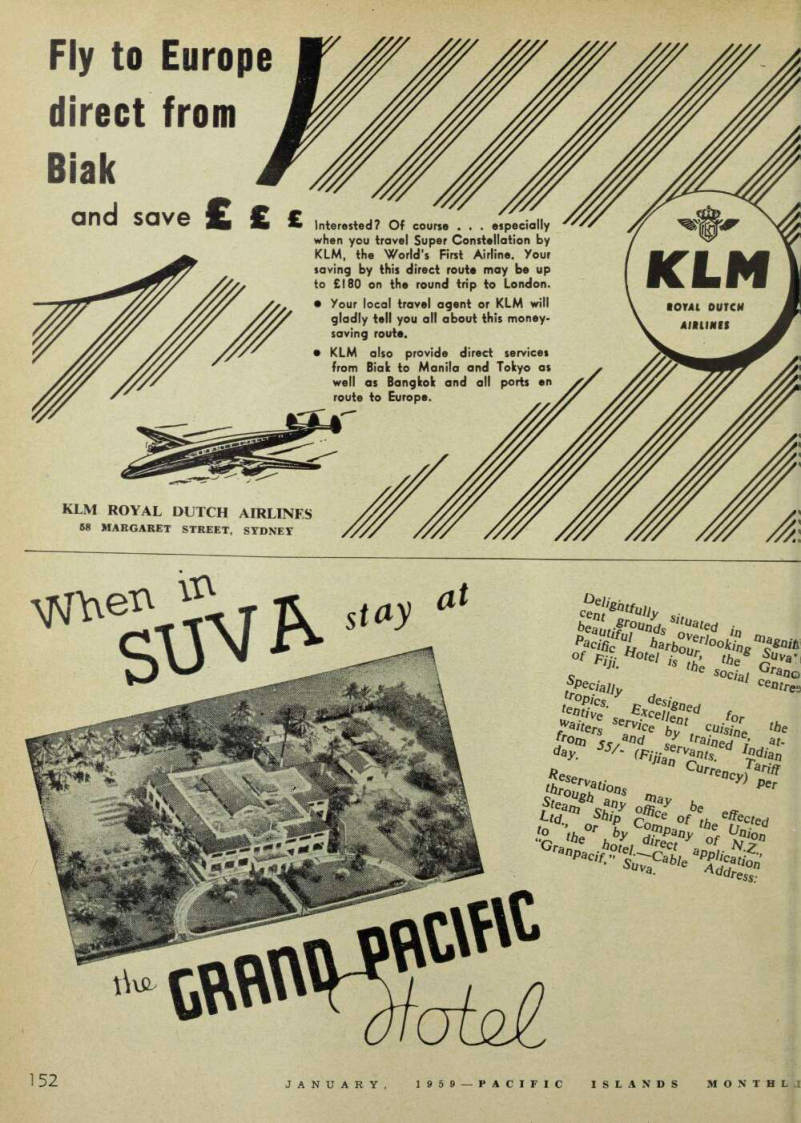 158
158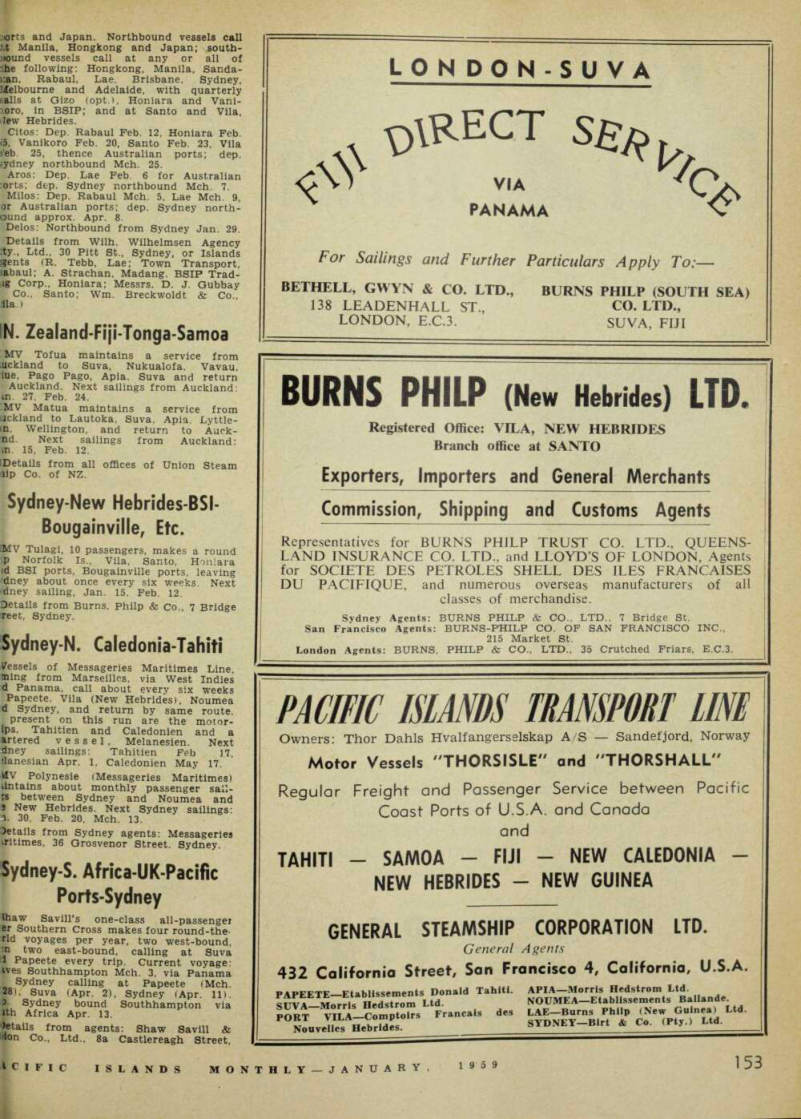 159
159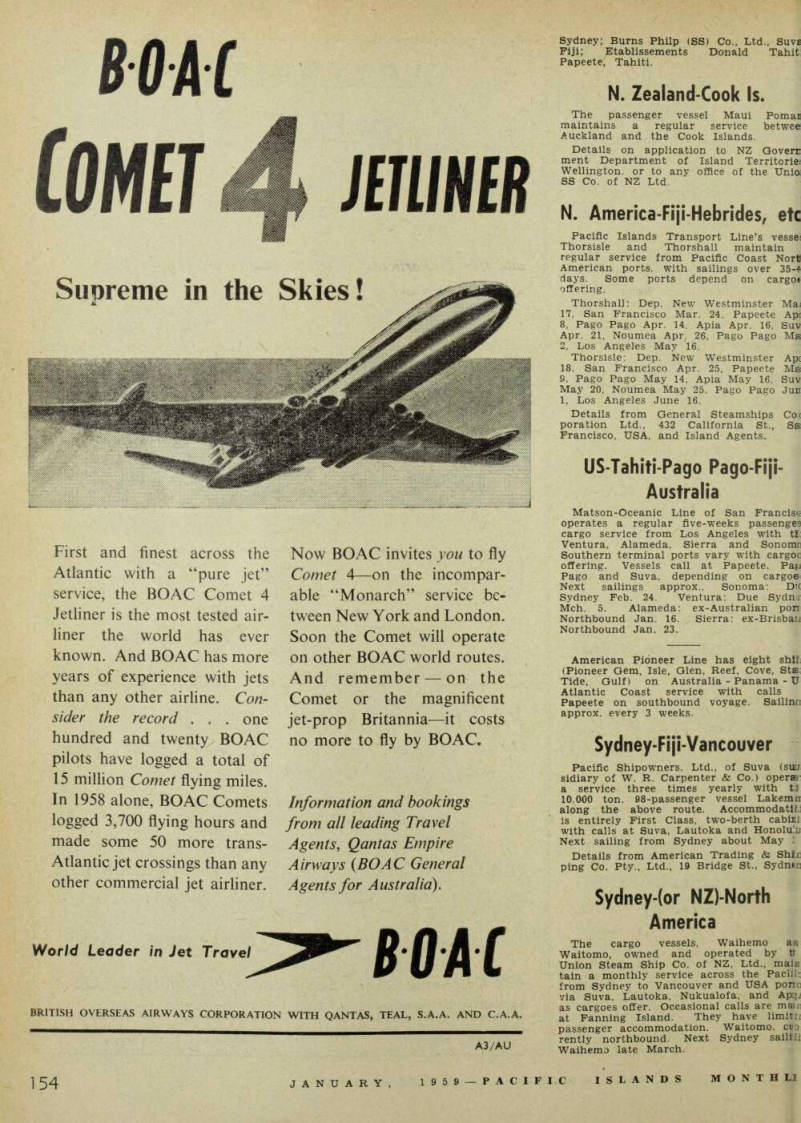 160
160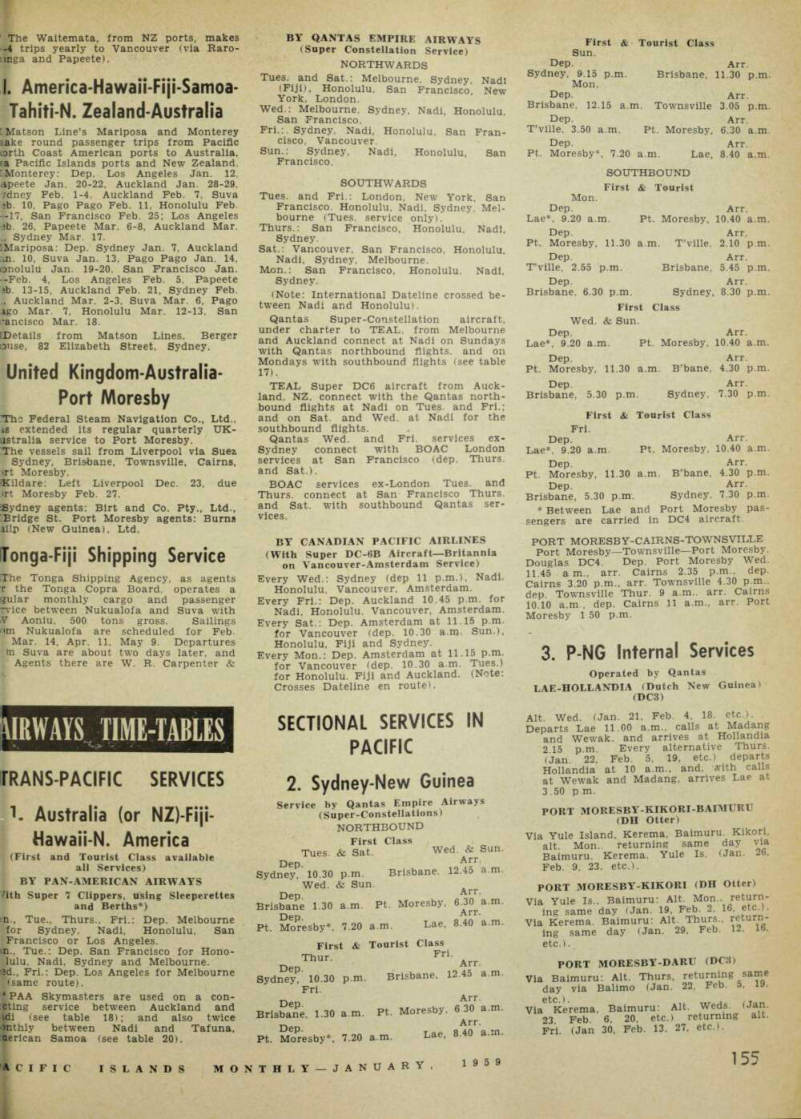 161
161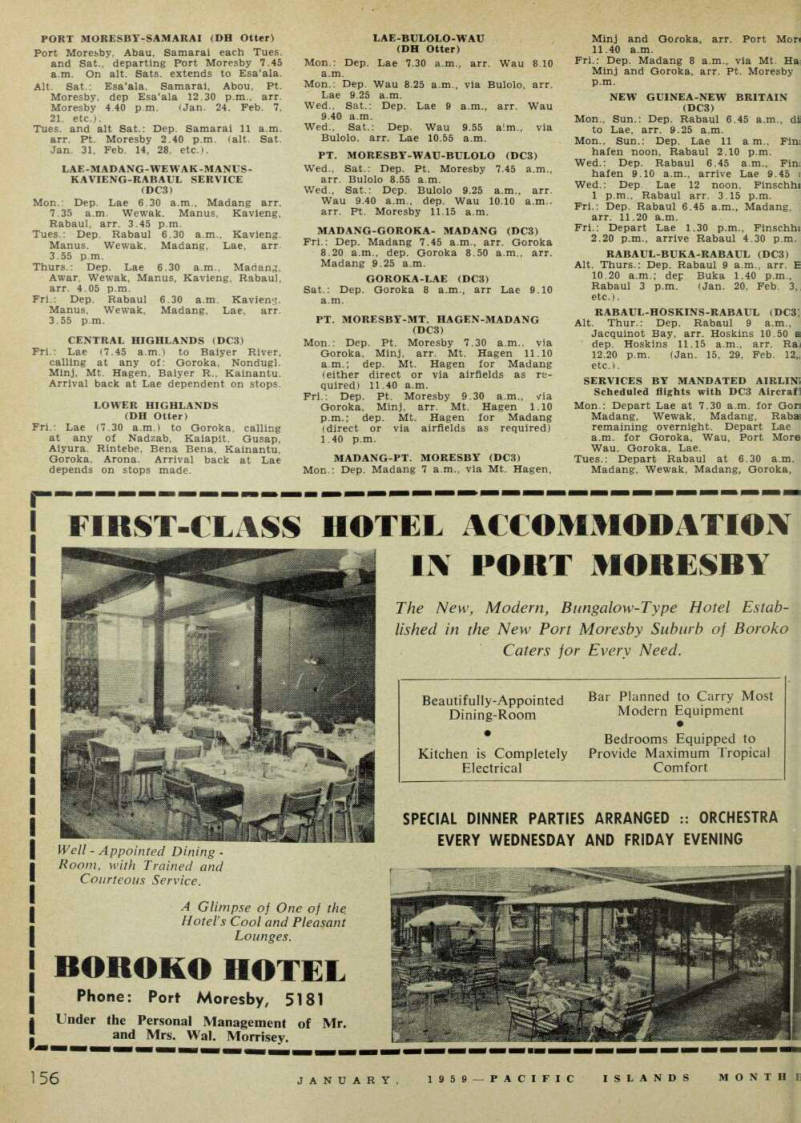 162
162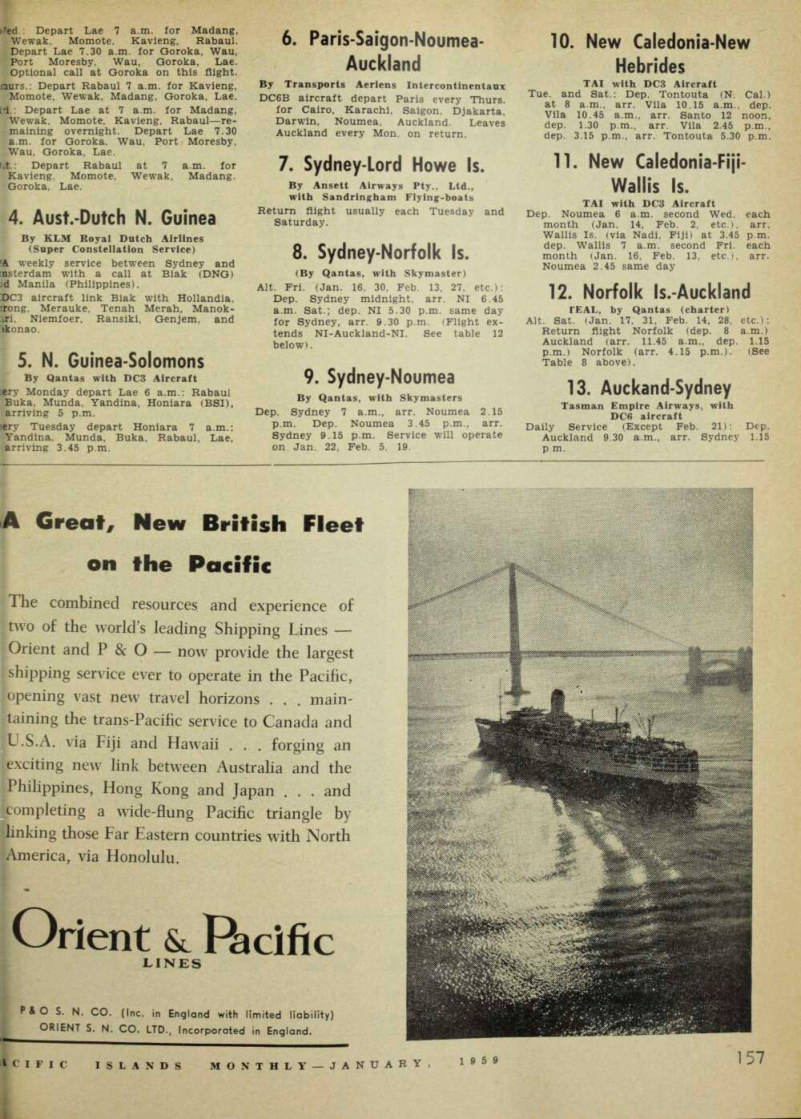 163
163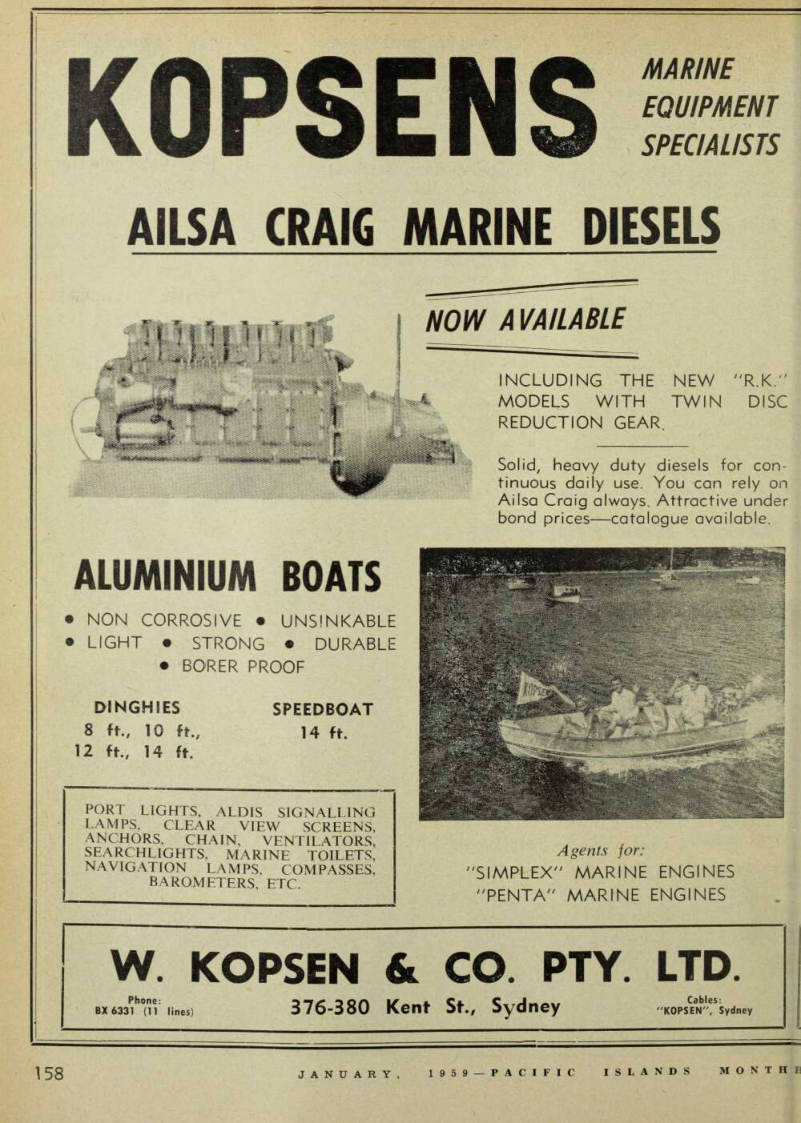 164
164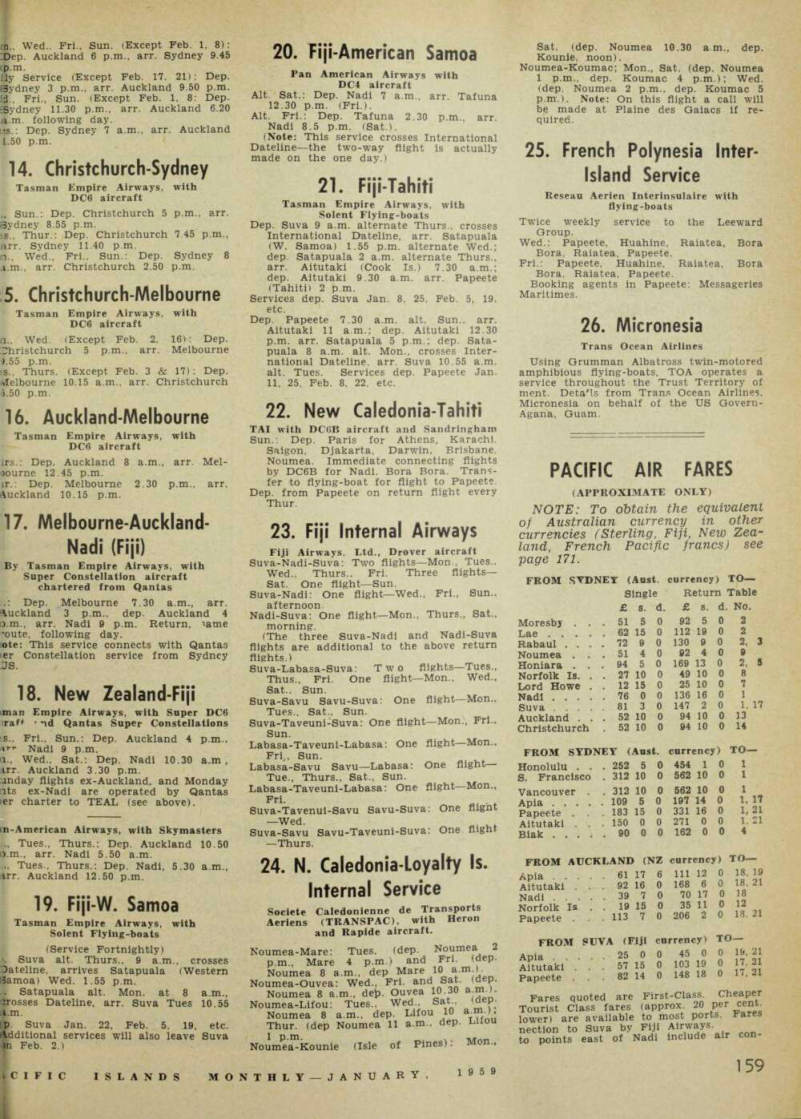 165
165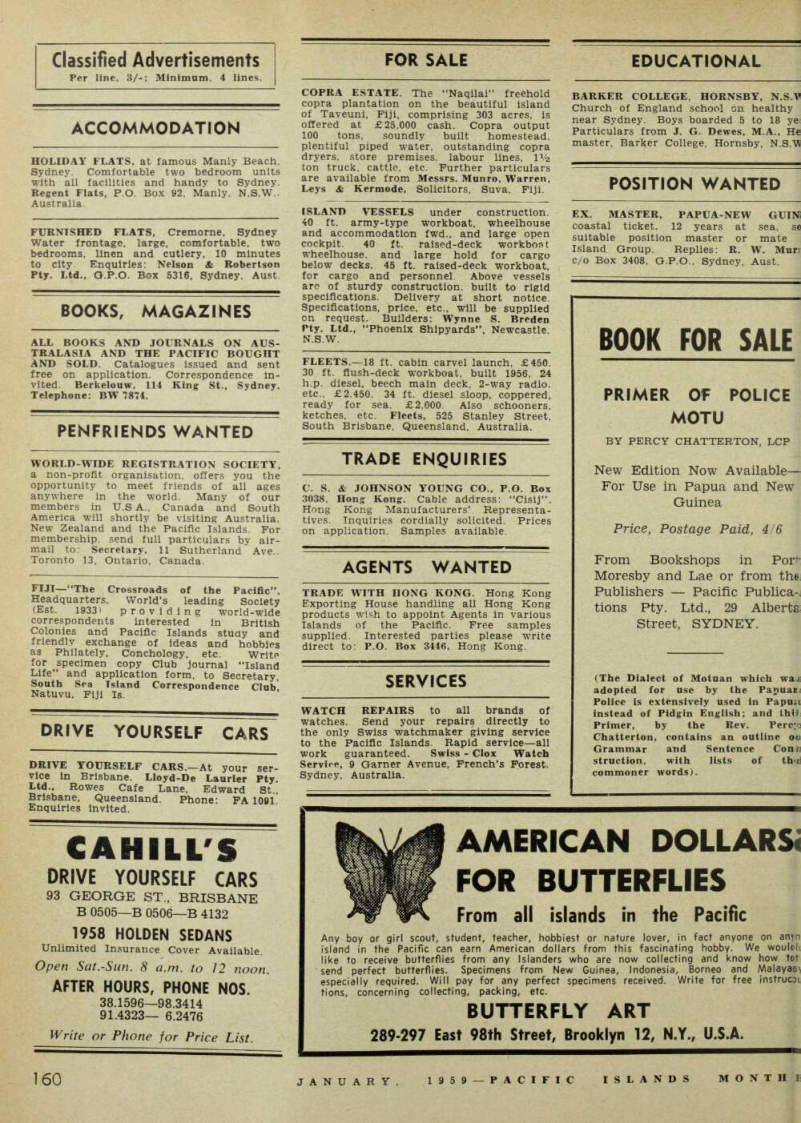 166
166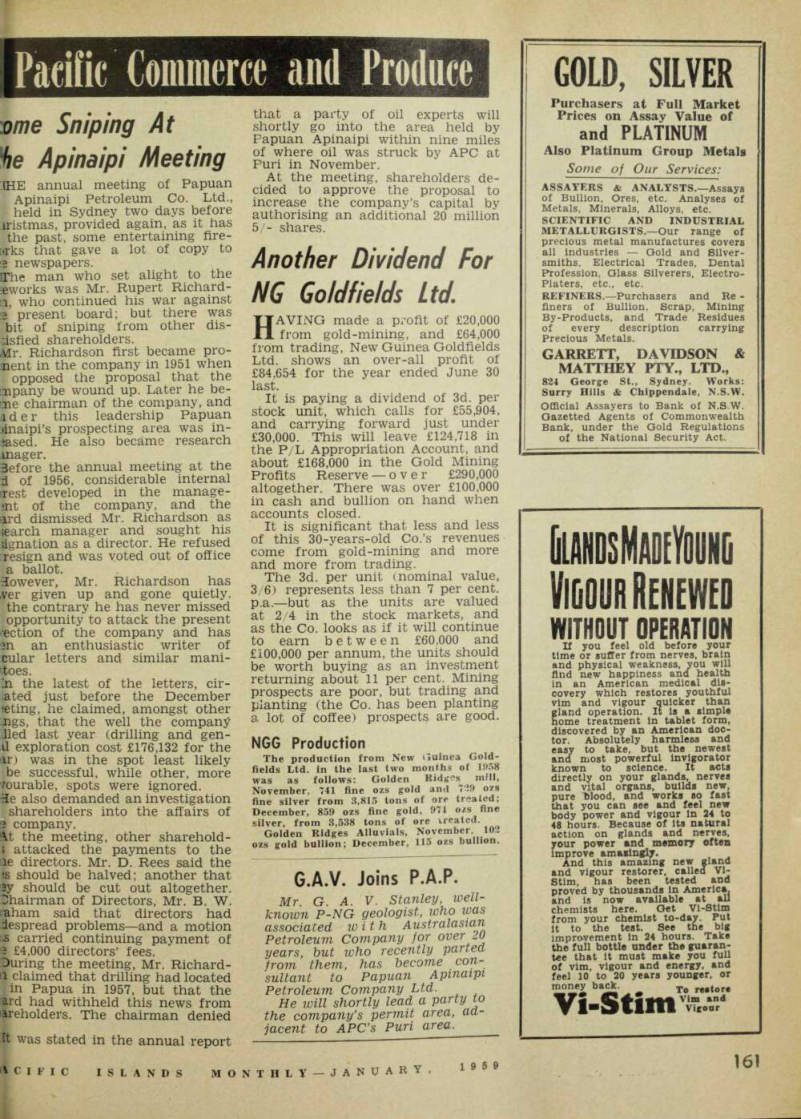 167
167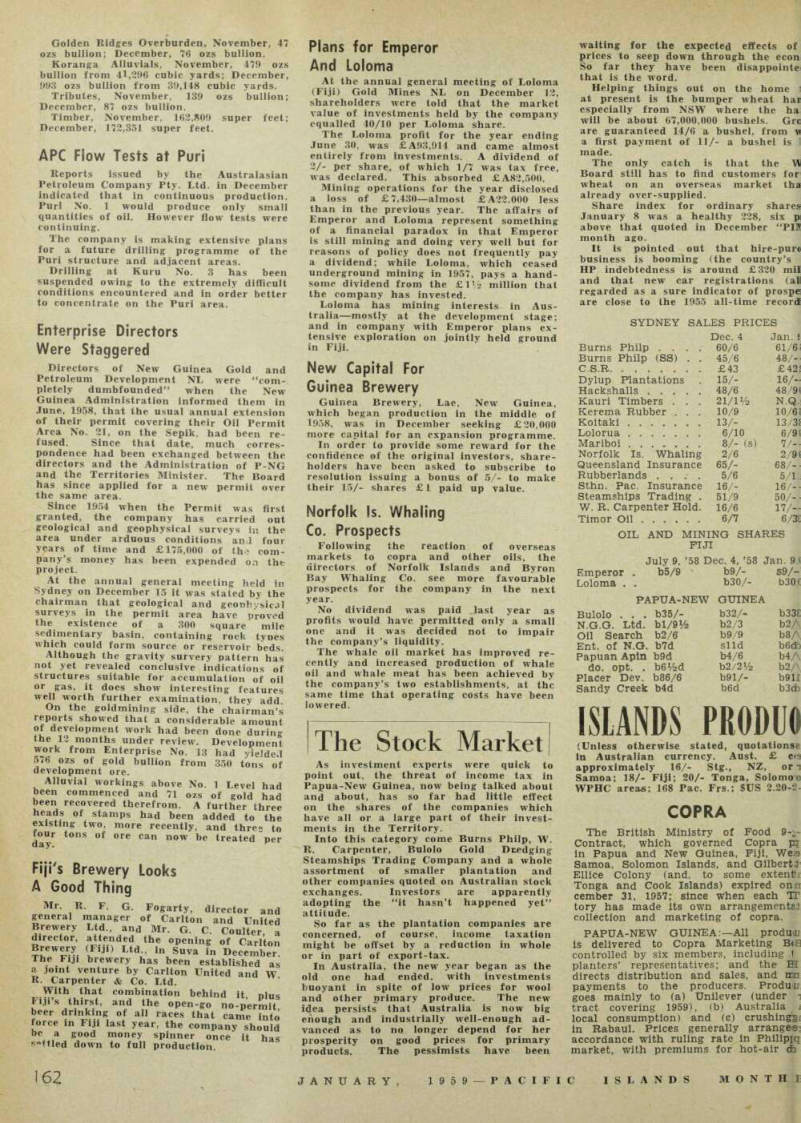 168
168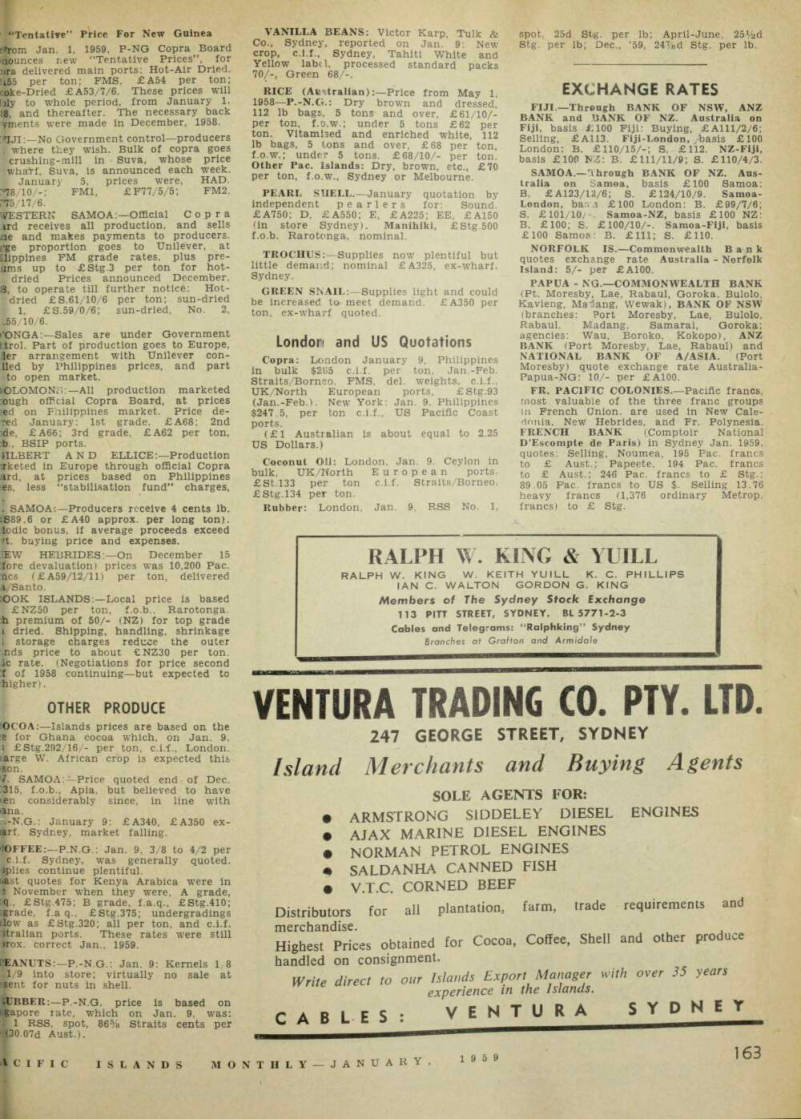 169
169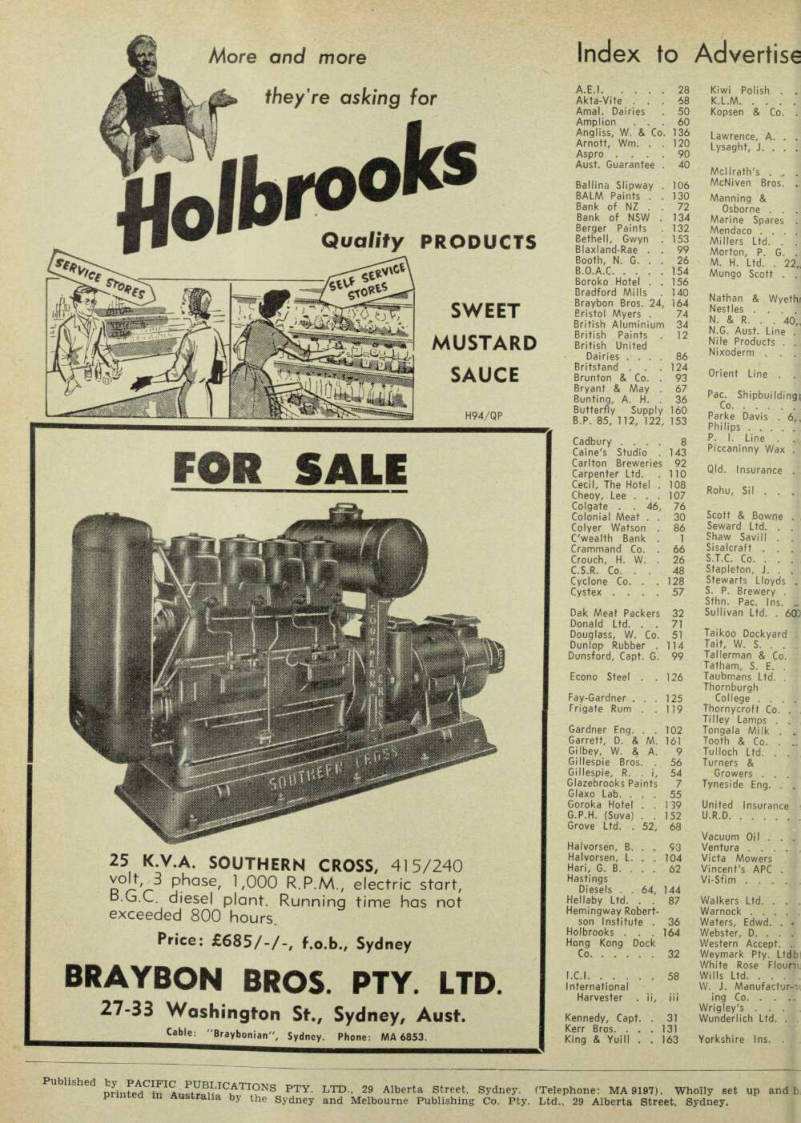 170
170 171
171 172
172