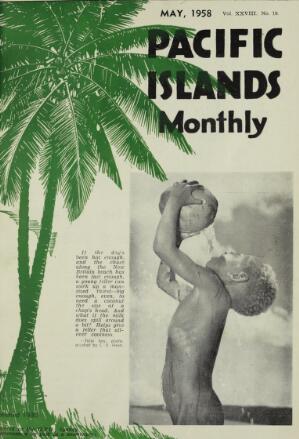
Pacific
Islands
Monthly
May, 1958
Vol. Xxviii. No. 10.
fĝfg
ismissxon % as la newsmpsr j
If the day's been hot enough, and the chase along the New Britain beach has been fast enough, a young feller can work up a man sized thirst —big enough, even, to need a coconut the size of a chap’s head. And what if the milk does spill around a bit? Helps give a feller that all over coolness. —Tolai boy, photo graphed by C. H. Meen.
Advertisements & other items, pp. 2-6 (5 items)
Uahtas
w. n <• ii i
8 round-the-world
flights every week
To simplify your travel problems, two great airlines have combined to give voti an almost daily choice of round-the-world flights.
Four flights a week head East via Honolulu, San Francisco and New York—four a week go West via Singapore, Rome and London.
Whichever direction vou want to go, whatever your reason for travelling, you will appreciate the way QANTAS-B O.A.C. look after you at every stage, both in the air and on the ground, right around the globe.
Ask vour travel agent to tell you more about the OANTAS- R.O.A.C. round-the-world route
UAHTAS
AUSTRALIA'S ROUND-THE-WORLD AIRLINE
WITH me
)06 B*l 38 B
u
STOVES
MADE IN ENGLAND
These two Coleman Stoves are of the one burner kerosene type and are available in both silent and roarer models. Their dimensions are height inches, diameter 81 inches, approximate weight 2| lb. Both models have the same outstanding features.
Model No. 532 E
SILENT TYPE
1. Full-Size Fount with Filler Plug of wing type. 2. Air release on side of Filler Plug 3. Heavy Brass pressure-tested Tanks. 4. Fount and Burner firmly soldered together. 5. European-type pump. 6. Grate and Grate Supports detachable to reduce shipping space. 7. Spare parts interchangeable with similar European Stoves. D , „ Representatives for the Pacific Islands:
\1 YOUNG ST.,
SYDNEY
Model No. 531 E
ROARER TYPE
ROBERT GILLESPIE Pty. Ltd.
PEARCE & CO. LTI
SUVA
FOR FIJI ISLANDS
THE NEW
VERSATILE
INTERNATIONAL
DROTT "4 in 1
tf Bullclam!
Clamshell! , Bulldozer!
I 35 Shovel!
J *
FOtV/? AMAZING MACHINES IN ONE!
Here is versatility as never before—versatility unlimited! One rugged machine that's instantly convertible to bulldozer, bullclam, clamshell or shovel—while actually "on the go"! The new Drott "4 in 1" combines dependable International diesel power and many exclusive money-making features. The Drott "4 in l"'s "Pry-action break-out and bucket roll-back levers the load from the ground with a tremendous force equal to several times the machine's actual lifting power.
The Drott 4 in 1" is available in four sizes, with bucket capacities trom 8 yard to 3 yards. A comprehensive range of attachments turther enhances the versatility of this amazing machine. ■
INTERNATIONAL irn
HARVESTER f
International Harvester Company of Australia Pty. Ltd. District Sales Tjices in Capital Cities of Australia. Works: Dandenong and Geelong, Victoria.
DISTRIBUTORS:
PAPUA AND NEW GUIM
Steamships Trading Compi Limited, Port Moresby Samarai. Dealers: New Gun Goldfields Ltd., Wau and Rabaul Trading Co. Ltd., Rabd
DUTCH NEW GUINEA: H. Em
bert n.v., Hollandia. SOLOMi ISLANDS; Mr. K. H. Dalryn Hay, Honiara. NEW CALEDOMi Agence Automobile, Nourn TAHITI: Hintze & Compiq Papeete. NEW HEBRIDES; i Bros. Limited, Sydney. F!
Niranjan's Service Station, S£
P.I.M. 98£l
Hlagazine for
irifie Island Readers
SPr Quarterly Bulletin 9
>hed by the South Pacific Commission, is a
zine that provides expert practical guidance
wide range of topics of particular interest to c planters. Advice is given on the growing Dps such as coconuts, coffee, cocoa, bamboo, bananas, castor and soft fibres. Other topics id in recent issues include the construction of kilns, fish farming, sponge culture, processing fee and cocoa beans, weed-killing by chemicals, stills, transplanting pearl shell and trochus, cal uses for coconut timber, and Pacific cotives. Articles in the past three issues of special
st to planters include:
- 1958 ISSUE: Training Papuans as Boatrs—New Introduction of Edible Pond Fish from Dines —Bamboos for the Pacific Islands (I)—High y Copra from Hot-Air Driers—2s-Foot Motor g Boat for Pacific Waters—Commission to Hold natives Meeting at Port Moresby—Housefly m in Fiji and Samoa —Kili Community in m I Transition —Freshwater Crayfish in Netherlands New Guinea Mountains —Fishing Industry Develops in Papua and New Guinea—From Digging Stick to Machine-drawn Plough—Safe Food in the Village. m m 4 a m * ii
JANUARY 1958 ISSUE:
Plant Introduction and Exploration in the South Pacific—Progress Report on SPC Rhinoceros Beetle Campaign Agricultural Equipment Demonstrated in New Caledonia—Pacific Copra Production near Possible Serious Decline Cyclone prediction in the Coral Sea— Low-Cost Homes by Aided Self-Help Mechanization of Tropical Agriculture in the Pacific.
OCTOBER 1957 ISSUE:
Should Mechanization be the Aim of all Planters?—Building Small Ships for Pacific Waters Weed-Killing by Chemicals in Tropical Crops —Rhinoceros Beetle Campaign in Fiji—Mechanization of Agriculture in the South Pacific—Low-Cost Homes by Aided Self-Help Poultry- Raising in Guam—Some Useful Food Plants Cocoa Production in Papua and New Guinea.
QUARTERLY BULLETIN One year 8/- stg. ($1.15) SUBSCRIPTION RATES: Three years 20/- stg. ($2.80) (Post Free by Surface Mail) Copies of the SPC Quarterly Bulletin and subscriptions thereto, and copies of SPC Technical Papers, are obtainable from: PAPUA AND NEW GUlNEA—Beadel’s Bookshop, P.O. Box 107, Port Moresby: FlJl—Desa) Bookshop, Suva; WESTERN SAMOA—Wesley Bookshop, Apia; NEW ZEALAND—South Pacific Books P.O Box 8590, Auckland—Oß direct post-free by surface mail from-
SOFT!I PACIFIC
G.P.O Box 5254, Sydney, Australia
KINGSTRAND
Fra me less Aluminium Buildings
* a 6*% ! ia KiNGSTRAND cottage wi aluminium-framed awnin type window. The ent home is packed in tt single case shown in tt foreground.
KINGSTRAND is Inexpensive KINGSTRAND eliminates costly columns, studs and framework; standardised building units allow for speedy erection and labour economy.
KINGSTRAND is Cool KINGSTRAND aluminium is a good reflector of the sun's rays, a poor radiator of heat—the combined effect placing it far ahead of any other cladding material for tropical use.
KINGSTRAND is Durable KINGSTRAND aluminium is termite-proof, highly resistant to corrosion, and does not require painting for external protection.
KINGSTRAND frameless construction is designed for hurricane resistance with a wind loading of 120 m.p.h.—has withstood winds of 100 m.p.h.
KINGSTRAND is Easily Erected KINGSTRAND frameless buildings can be erecti on any level foundation, and assembled in a fehours by unskilled labour. The only tools needtl are spanner and screwdriver—walls, roofing, pc titions, doors—everything is precision cut a* comes packed in one compact crate ready to ereo KINGSTRAND fromeless aluminium buildings are ideal for cottages, garages, stores and other purposes. They are versatile—one unit may be erected to a variety of designs and can be dismantled and erected elsewhere with very little loss of time.
ECONO STEEL COMPANY
A Division of Tulloch Limited Concord Road, Rhodes, N.S.W. UF 1231. 177 Ann Street, Brisbane, Queenslam
AUSTRALIAN MANUFACTURERS OF KINGSTRAND FRAMELESS BUILDINGS
Agents and Distributors for Australasia, Papua, New Guinea and South Pacific Islands: Dowsett Engineering (Australia) Pty. limited, 12 Crescent St., Hunter's Hill, N.S.V^i
Ific Islands Monthly May, 1058
Ii
MAY, 1958 PACIFIC ISLANDS MONT
Iii
1 C ISLANDS MONTHLY MAY, 1958
Iv
MAY, 1958 PACIFIC ISLANDS MONT
People
tu Sir Lala Sukuna, and his Lady Liku, left Suva on May n an extended holiday abroad; they sailed from Sydney by the iian, for London, a few days They were entertained, in ey, by various friends. Sir Sukuna has not been in good h for some time, and he id from the Speakership of the Legislative Council on April 22, hich day he was 70 years old. * * ♦ ►fessor Harvey B. Franklin, re y retired from Long Beach College, Southern California, n Auckland in April preparing i visit to the Cook Islands, ssor Franklin is interested in tudy of Polynesian migrations.
:her-General of the Order of Sisters of the Sacred Heart, sr Agnalla, with her assistant, Clarita, made a flying visit Rome to the missions in New ;a in April. Mother Agnalla German, and Sister Clarita an ican. ♦ ♦ * John Cumpston, whose term stralian Consul in New Cale ended last year, has joined
new Chief Justice, Mr. Justice Lowe, [?]e oath of office in Suva on April 16. a New Zealander, who before the war gal secretary in Tonga for a period, the war he has been in Kenya, and Malta, where he became Acting-Governor Colony. For the last four and a half [?]e has been a judge in Tanganyika. —Fiji PRO.
the headquarters staff of the i. tralian Department of Extes Affairs, in Canberra. His posi is one in which he should be to give the Department the bei of his special knowledge of Islands Territories of the So Pacific—especially the south-' Pacific.
Mr. John Wilson, a director general executive of the R« Commonwealth Society for Blind, was campaigning in I Zealand for assistance for the hi in the Islands in April. Mr. WilJ himself blind since he was 13, i one per cent, of the population Fiji is blind or sufficiently flicted in vision to require finair aid and special training.
Mr. H. W. Davidson, MBE, * has been Finance Secretary to Government of Fiji since ej 1952, has been promoted to the I of Finance Secretary to the Govo ment of North Borneo, probably will leave Fiji in £2 tember to spend leave in Briii before proceeding to his new n
Bound from Auckland to Suva in Apr visit their son, Captain S. D. Harris, ot Fiji Military Forces, were Mr. and Mn V. Harris. Mr. Harris recently retired the position of supervising technician, and Telegraphs Department, Auckland. —J. P. Sho
Mr. R. B. Gautam, of the Audit Departil Suva, returned to Suva on the "Tofuae April after making his first holiday vise New Zealand. —J. P. Sho[?]
has acted on occasion in Fiji Colonial Secretary and Gov »r’s Deputy. He and his wife held in considerable esteem in Colony. iJ* •{• •(• rs. E. Danielsen Craig—better m in the Cook Is. simply as Danielsen —who went to Raro a with a companion to estab the Bahai religion five years has been transferred to For i for a five-year period. Mrs. ielsen was very popular with ections of the Rarotonga com ity. One of the surprises of her ;hed native - style home at angiia was an electronic organ b she imported and then ted to play by mail-order.
. J. A. Van Beuge has been inted special attache for New ea affairs with the Netherlands issy in Canberra. His appoint follows the agreement made year between the Australian Dutch Governments for closer n between the territories. ♦ * ♦ G. Nevill, Resident Commis r of the Cook Islands, returned arotonga in April after fur and discussions in New nd with the Department of i Territories. * » * J. B. Wright, lately NZ tary of Island Territories at ngton, retired from govern service on April 3, after 32 Following junior positions arotonga, Apia, and Niue, Mr.
[?]in Holland, Dr. J. van Baal, Governor [?]herlands New Guinea for the five years [?]March 31, called on the Dutch Prime [?]r, Dr. W. Drees, at The Hague at the [?]f April, for a final talk. The new [?]or. Dr. P. J. Platteel, will arrive in [?]ia about June 15.
Wright became treasurer, Islands, in 1940, and transfers a similar post at Apia in 1945 On the retirement of Mr. B G. Patrick, in 1952, Mr. Wright appointed to the position whic; now vacates.
A successor had not been ns. to the end of April, but Mr. „ McEwen, formerly Resident 0 missioner, Niue, and lately s cant secretary, has been appo< acting-secretary. His appoint; would be generally popular in Islands where he has shown self to be keenly interested in people and has a good mastei the Cook Islands and Niue diaj
Mr. Pat Costello, well-kn Fiji merchant and company di tor, who died last year, left an tate valued for probate at £Bt After making provision for widow, Mrs. Mary Catherine tello, he left his property toe daughter (Mrs. Margaret Bra: Wellington, NZ) and her chib
Mr. George Vailena, a well-known r[?] of Tongatapu, returned to Nukualofa i[?] "Tofua" in April after several mont[?] Auckland. —J. p. Sh[?]
Mr. R. C. Niederholzer, graduate o[?] University of California, travelled to Rar[?] in April to carry out a research projec[?] youth education there, particularly the to which the youth of the island are ticipating in community affairs. The at Rarotonga are at an interesting sta[?] social development, the island is not t[?] accessible—the local archives are in E[?] the local people speak it, thus greatly fa[?] ing research.
—J. P. Sh[?]
e seventh Silver Acorn ever 0 to an Australian was pre d to Mr. W. C. Groves in Port sby on April 20. Mr. Groves Territory’s Director of Edu i) is P-NG’s Chief Scout nissioner and the Silver 1 is Spouting’s second highest 3. Giving it is the prerogative le World Chief Scout, Lord llan. Mr. Groves has per *d the difficult job of building le Scout movement in P-NG )00 members—all in the post II period. That is why he has is Silver Acorn.
i tradition of West Australians ustralian Territory posts con > with the appointment of Preston White to the Ad tratorship of Nauru (an ;ed April PIM). He was for a DC in P-NG. Mr. Preston ‘ follows Mr. R. S. Leydin who ids West Australian Brigadier Norman as Administrator of Ik Island. Yet another West t is Brigadier D. M. Cleland, inistrator of Papua-New Ja—and so of course, is Aus
[?] C. Jervis, supervising teacher of Infant [?]d in the Fiji Department of Education, ed to Suva in the "Tofua" in April vacation at home in New Zealand. —J. P. Shortall.
F. A. Allen, CSR mill manager at Lau nd Mrs. Allen were also April travellers fua", returning to Fiji after leave in ealand. —J. P. Shortall.
tialian Minister of Territories luck.
Mr. Preston White will take his new job in June. He waj leave in Perth in May.
A Seventh Day Adventist n Pastor, Kila Glama, left Moresby by air on April 17 to 1 an air journey to the United S —the first of his race to trav America. He will attend an conference of world leaders oj church at Cleveland, Ohio, then lecture in 18 States Canada. Pastor Glama has rec been in charge of SDA mi work in the Western Distrio Papua.
In Melbourne Vic., in Majj popular New Caledonian, M. , Brock, Qantas agent in Noc Reason for his Victorian visit pick up and take home his i new son (the third) and .
Brock, who is a Melbourne gi?
Mr. F. Barlow returned to Port More[?] the "Malaita". Mr. Barlow had just corr six months leave, and spent most of the UK.
Navua-bound in the "Tofua" in Apri Mrs. L Genge and grand-daughter CH who had gone south for hospital tr[?] at Auckland and had undergone a su[?] operation.
—J. P. S
. Stuart Inder, co-editor of the lc Islands Monthly, leaves ey for Suva this month, where ill act as relief editor, for two hs, of The Fiji Times. Mr. Tom iaig, formerly of the staff of Daily Telegraph, Sydney, who seen editor of The Fiji Times 1956, is leaving Suva in May ke up a newspaper position in lulu.
,1-known Dutch author, J. P. n Eechoud, formerly a District lissioner Netherlands’ New Ja, returned to Hollandia for r ate visit recently after an ab -3 of eight years. Mr. van oild wrote, among other books, tten Territory, With Cleaver Compass, and God’s Bushran which all have New Guinea rounds. (Over)
a Polynesian Association get-together in [?]y in April were Mrs. Evelyn Foster, of [?]a, and Miss Rita Fare, of Suva, with ctor Brial, of Uea, Wallis Island. —Tele-Photos.
[?] of Police of American Samoa, High [?]Letuli, was at Laie, Oahu, Hawaii, in [?]among a party of distinguished visitors, [?]y, see page 117. —Jeanne Booth Johnson.
Cocktails for friends at the tr of Mr. and Mrs. R. Muller of New Guinea, followed the ta* of Australian citizenship, on A 24, by Mrs. Muller, a former : lander. The ceremony of naturai tion was conducted by the Moc Magistrate, Sir Colman O’LogK Australians—and all Britishers* that matter—usually fail to preciate the significance of nr ralisation in the lives of the Australians. It is no light ms to renounce the land of one’s W and swear allegiance to anoc country.
Mr. D. S. Carver, previously 1 countant for the British Soloc Islands Trading Corporation resigned to become secretary/msj ger of the BSIP Copra Boan position that has been vacantd some time. He will take up his duties on July 1. * * * Lord Carrington, High Comr sioner for the UK in Austid spent 10 days in Papua-- Guinea, from May 7—and crea two firsts in so doing; He is i first UK High Commissioner! visit the Territory, and he is < first VIP to go north in the Visiting Season. We can exx many more, as winter draws on * * * The European population of New Guinea, is roughly 1,800 adb and more than 600 children —wv is not a bad effort for a small tt —and now they are coming in pq Well-known chemist, Mr.
Worrall, was walking on air n cently when his wife presented J with twin girls. (At the Euroflc Hospital, on May 3). The Woo already have two sons.
Twins were also born to i
One of the best-known faces in the P[?] that of Bob Hewlett, of the Fiji Vi[?] Bureau, is off to Singapore where he I new publicity job. For details, see page[?]
ector and Mrs. W. B. Hooper, only one child, a girl, survived.
Hoopers now have four :hters.
Australia to study Australian nistrative court procedure as !St of the NSW Department of 3e is James McConnachie, li’s police chief. He will be ning in June. * * * Harry Storer, of Vavau, a, has been visiting Fiji for :al treatment.
Guinea native in the news in April O-year-old Alois Aovi, of Bubia agri experimental station, near Lae, a 5/assistant entomologist, who won £5,000 Australian lottery—his first ticket. Story [?] 15. —P. Robertson.
Caledonian native in the news in April [?]vid Diake, 28-year-old former pastor, [?]la, on the east coast of New Caledonia, [?]s busily preparing an exhibition of his [?]ntings, some of which have already interest. Story on page 19. —F. Dunn.
Advertisements & other items, pp. 7-17 (10 items)
1
I F I C ISLANDS MONTHLY MAY, 1958
Bravboh
KVA
n
SETS
DIESEL.
! OB We feature here one of our larger Industrial light and power plants which will perate motor up to 5 H.P. 3 phase. Sets are available Qn petrol or diesel from to 100 KVA capacities. € The sign of Quality Products
BRAYBON
BROS Pty. Ltd.
27-33 WASHINGTON ST.. SYDNEY
Telephone MA6853
TELEGRAMS: “Braybonian”
Sydney A BRAYBON BROS. REPRESENTATIVE WILL AGAIN BE VISITING NEW GUINEA, arriving Port Moresby, June 16th. The ports of call over a period of approximately six weeks will include—Lae, Goroka, Mini, Wabag, Madang, Wewak, Kavieng, Rabaul and Popondetta.
For any enquiries relating to the electrical field that our company could assist with, Please write our office, or P.O. Box 74, Port Moresby.
PARKE-DAVIS
CAMOQUIN
Effective Single Dose Treatment for
MALARIA
SPECIALLY FLAVOURED TABLETS AVAILABLE FOR
CHILDREN
SUPPRESSIVE DOSE—
For Adults: 3 tablets to be taken as a single dose once weekly, or 1 tablet three times weekly.
For Children: 1-2 years, one INFANT FORMULA TABLET once weekly or half-tablet twice weekly. 3-5 years, two INFANT FORMULA TABLETS once weekly or one INFANT FORMULA TABLET twice weekly.
TREATMENT DOSE—
For Adults: 3 tablets taken as a single dose. A second dose of 3 tablets may be given in from 24-72 hours if fever has not subsided completely.
For Children: 1-2 years, one INFANT FORMULA TABLET as a single dose, 3-5 years, two INFANT FORMULA TABLETS as a single dose.
IMPORTANT: —CAMOQUIN should be taken immediately after or during a full meal.
Obtainable from ail chemists and suppliers of
PARKE-DAVIS products
PARKE, DAVIS & CO., LTD., SYDNEY
DAVISON PAINTS AND FINISHES
used on
UNILEVER HOUSE, Sydney
im m m * y«« mm# e |»« « ? in • / For the ultra modern Unilever House, Circular Quay, Sydney, Davison Paints were approved (architects Turner & Stephenson) where only the highest quality materials were used throughout.
Davison Paints are proud of this fact. Davison manufacture a full range of paints, giving every satisfaction under severe
tropical conditions.
So see that Davison Paints and Finishes are specified for your
new building.
DAVISON PAINTS LIMITED
Box 24, P. 0., AUBURN, N.S.W.
Obtainable from:— A. H. Bunting Ltd., SAMARAI. Madang Slipways Ltd., MADANG.
Buntings, LAE, GOROKA, POPONDETTA. K. H. Dalrymple Hay, HONIARA, 8.l Norfolk Trading Coy., NORFOLK IS.
Sole Agents for Territories of Papua, New Guinea, New Britain: LES CLARK & SON PTY. LTD., 27-29 King Street, Sydney
£ £ OP* »r K V I'/A s
The Best Protection
-for YOUR Savings
The Commonwealth Savings Bank offers you the best protection for your savings right throughout the Islands. No matter where you go you will find an office of the Bank.
There are branches at the following places: Port Moresby Goroka Madang Rabaul Kavieng Wewak Honiara Bulolo Lae Norfolk Island In addition, 57 agencies operate throughout Papua- New Guinea, 5 agencies in the Solomon Islands, and others at Fanning Island, Lord Howe Island, Nauru and at Vila and Santo (New Hebrides).
For all your savings bank needs use the Commonwealth Savings Bank—the bank that serves you best throughout the Islands and Australia.
OQiVJMONWEALTH
j BANK
Guaranteed by the Commonwealth Government of Australia
21 chunky squares
rich satisfying flavour
jf) so smooth •. . creamy
LK M OA* r 6 These are just a few of the many reasons why you’ll like Cadbury’s Dairy Milk Chocolate. Take a deep bite of Cadbury’s Dairy Milk Chocolate, Mmm . . . it’s so smooth ... so creamy ... so satisfying. There’s wonderful eating enjoyment in each of the 21 thick, chunky squares. Nourishing, too; there’s a glass and a half of pure, fresh, full-cream milk in every i lb. Buy a block today.
Cadbury’s Dairy Milk Chocolate
MD2B/HP/M
A COMPLETE
IN EVERY
BOTTLE!
& XT; & Wk tat. o n uON’T SAY GIN . . . SAY
THE INTERNATIONAL
FAVOURITE
Not one
not two..
but three
medicines in one
HEADACHE & ALL PAIN!
Vincent s A.P.C contains three woodenu medicines Aspirin, Phenacetin and Caffeine. Each one is a tried and proven ally for many years in medicine’s struggle against pain and physical discomfort. Vincent’s A.P.C. gives you fast-acting, triple-action relief. Vincent’s Powders or Tablets work safely, surely and speedily to end your headache, and soothe all other pain.
VINCENTS
APC. u/MCOA/F/OfMC£
AVAILABLE EVERYWHERE AT ALL CHEMISTS AND STORES N.8D.42
Features that make
better home baking
in the tropics certain
y %
Wlo‘ , n
m
MARYS
m m baking
WAYS FRESH
CAKES KEEP LONGER
AIRTIGHT CONTAINER
CONSTANT FULL STRENGTH
To give your cakes and pastries extra freshness and lightness you must be confident that the ingredients you use are fresh.
That’s why you can be sure of first-rate results with Aunt Mary’s Cream of Tartar Baking Powder. It never deteriorates and is always dependable. You also cook with the added advantage of adding the rising agent when you do your mixing that is the right time—the best time for sure results.
iimii HiaU/1
Cream of Tartar
BAKING POWDER
ALWAYS ASK FOR AUNT MARY'S
NOW AVAILABLE IMMEDIATE
DELIVERY
The World Famous
Siemens “2000” 16 m.m. Sound Projector
X.
'wm m m ■ m fill , I M m ■ \ i ii v \ : 1818 m wm » This "Rolls Royce" of 16 mm. Sound Projectors is of a quality unequalled by any other Projector in the world. The brilliant light output and high-fidelity sound reproduction can only be seen and heard to be believed. Compact, beautifully engineered and featuring the latest in Projector designs, we are proud to offer the SIEMENS "2000" with a LIFELONG guarantee. The unique unit system ensures a Projector combination to suit any individual requirement. The SIEMENS "2000" is used and specially recommended by leading TV Producers and Professional film-units. Remember, the price is much less than the name implies.
Write for our free, descriptive brochure, which will be air-mailed to you without any obligation.
SOLE DISTRIBUTORS:
HANIMEX PTY. LTD. 14 King St., Sydney. BX 7281
MARINE BORERS! RUGGED CONDITIONS!
They won t affect this new patrol scow.
It will be sheathed in
COPPER!
* S Adequate protection ags; the fierce onslaughts; wind, water and marines is essential to vessels inr Islands. The patrol s pictured here will be tirely sheathed in coji below the water line (ul copper nails and rivets course) to provide this tection. A 1,000 gal. w tank is being installed it will be manufacti] from copper. Proof ag;< any attack by corrosioc the virile marine b«< copper is the one rn ideal protective materia The vessel pictured is built by BJARNE HAL T SEN LTD., John Street, I Sydney, for the New Gi Administration. If is 01 the popular “K” class hui For any information regarding the advantages and applications of copper, please write ( enclosingi ad) to the following address:
CRANE COPPER & ALUMINIUM PTY. LT
Burwood Road, Concord, N.S.W. UJ0351
tribnted in AUSTRALIA,
EW ZEALAND and the
owing PACIFIC ISLANDS:
Dstralian Territories: Papua Norfolk Is. Cocos Is ist. Trust Territories; New Guinea. Nauru Itlsh Crown Colonies: Fiji Gilbert & Ellice. llsh Protectorate: Solomon Is ;lsh Protected State: Tonga . Territories: Cook Is. Niue . Trust Territory: W. Samoa ch Territories: New Caledonia French Oceania. > - French Condominium; New Hebrides.
Territories: E. Samoa. Hawaii Trust Territory: Micronesia rollne. Marshall & Mariana). (i Territory: W. New Guinea Publisher:
R. W. ROBSON.
Editors;
’ TUDOR STUART INDER
Manager:
BELWYN HUGHES
PHONES: General Business, rial. Advertising, Subscriptions-
MA 9197-8, MA 7101,
MA 4369, MA 1395.
P.O. BOX 3408. SYDNEY,
ered Address for Telegrams grams, and Cables: “Pacpub."
Sydney.
SUBSCRIPTION RATES:
ist. and N.Z. and trallan. N.Z., and Pacific Is £1 4 0 Caledonia, Tahiti . £ 1 7 0 iere $3.50 US. or £1 10 0
IANCH OFFICE. PAPUA-
NEW GUINEA
Publications (New Guinea) Theatre Building, Fourth St., New Guinea. Tel.: Lae 2577. s Pat Robertson, Manager.
>AVCH OFFICE IN FIJI:
flmes Building, Gordon St..
Suva. Tel.: 4043.
PRESENT ATI VE IN N.Z.:
Whltcombe, P.O. Box 5179, Auckland. Tel.: 42 384.
PRFSFNTATTVE IN UK.:
Vallts. 13 Rood Lane. London.
Tel.: Mincing Lane 8633. r*FR\E OFFICE: Newspaper 217 Collins St.. Melbourne ctorla.—Tel.; Cent. 2053.
T*: All main trading firms lores in the Pacific Islands.
IJI TIMES AGENCY IN
AUSTRALIA
Pacific Publications Pty. Lt press House, 29 Alberta S r (Telephone MA 9197-8), istrallan Agent for THE FI TIMES, of Suva. Fiji.
2
may, 19 5 8 PACIFIC ISLANDS MONTH
3
IFIC ISLANDS MONTHLY MAY, 1958
4
may. 1958 PACIFIC ISLANDS MONTHU
6
MAY, 1958 PACIFIC ISLANDS MONTI
7
IFIC ISLANDS MONTHLY MAY, 1958
8
MAY, 1958 PACIFIC ISLANDS MONT HH
1 F I C Islands Monthly May, 19 58
10
MAY. 1958 PACIFIC ISLANDS MONT HB
Contents:
PEOPLE: Personal Para graphs of Islands’ Interest 1 Startling Papuan Gas Pos sibilities 13 Tahiti Assembly Stoned Du ring Tax Protest .. .. 14 Fiji Drover Ai r c r a f t Grounded Again .. 14 New Guinea Native Wins the Lottery 15 NZ, Australia Argue Over New Aircraft 15 Mr. Powles Returned to Top W. Samoa Post .. .. 16 NG Cocoa Prospects Re viewed 16 Solomons’ Phosphate Find .. 16 Copra Situation Surveyed .. 17 Cocoa Planted in the Waran goi at Last 17 New Caledonia Discovers “Brilliant” Painter .. .. 19
Commentary; The Pub
lisher and the Editors Look at Pacific and World Affairs 21
Editors’ Mailbag .. 23
Territories’ Talk-Talk .. 24 Mystery NG Earthworks to be Probed 27 Palm Oil Experiments in the Pacific 29 Britain Discusses Pacific Federation Problems .. 31 New BP (South Sea) Sal aries Sheet 31 More Details of La Perouse Relics 33 American Coffee Exporters Worried 35 Progress With NG Industry: Brickworks and Tobacco .. 37 It’s “Now or Never” for NG Anglicans 41
Gordon Thomas Reviews Missionary’s War Story .. 43 Mr. E. J. Frame, of NG, Dies 46 Fiji Talanoa; A New Column 49 New Volume of Australian War History Out Soon .. 55 A Critic’s View of Mr, Powles, of W. Samoa .. 56 Is Fiji’s Population Reach ing Explosion Point? .. 59 J. P. Shortall Reviews US Shell Market 61 John Ward, of Tulagi, Re tires 65 Judy Tudor Takes a Close Look at Cairns 65 NG Man Picks an Argument With an American Author 69 Encouragement for Cooks’
Banana Growers .. .. 75
Magazine Section:
Tropicalities, 77; Cross quiz, Profile, 78; Like a Pig Under the Gate, 79; Ocean Island of 50 Years Ago, 80; Papeete of Yes terday, 81; Germans Aided Gold Seekers, 82; Fantas tic Royal House of Abe mama, 83; Do You Re member? 83; Book Re views, 84; Fashions in Churches 91
Pacific Shipping And
Cruising Yachts .. 97
Pacific Report: The
Month’s Round-up of News and Pictures (Index p. 13) 113
Obituary: Mr. F. C. Exon,
lan Malcolm, Charles Hay ward Hughes, Mrs. Sarah Ann Mackenzie, Mr. E. J.
Frame 147
Sports Review .. ..148
Shipping Time-Tables .. 151
Airways Time-Tables .. .. 155 Commerce and Produce .. 160
Advertisements & other items, pp. 17-18 (3 items)
A Product of Pacific Publications Pty. Ltd., Technipress
House, 29 Alberta Street, Sydney. (29 Alberta Street Is 10 yards from the intersection of Goulburn Street and Wentworth Avenue.)
12
MAY, 1958 PACIFIC ISLANDS MONT HH
mutual Etauftts
PROTECTION LIES BEHIND THIS
HAPPY SCENE . . .
protective insurance that helps pay heavy doctors 9
and hospital bills
From a few pence, to a few shillings weekly, is all you pay for complete protection for yourself and all your family against sudden hospital expenses or doctors’ bills. Such small expense when you compare it against the value of peace-of-mind and happiness gained from the security of this lowest cost insurance. Join the 500,000 Queenslanders already guarded by M.B.F. Join Medical Benefits Fund of Australia. Remember . . . later may be TOO
LATE !
mutual Etauftts
Fund of Australia
ROSS H, JENNINGS, MASONIC LODGE BUILDING
MANGO AVENUE. P.O. BOX 23, RABAUL. PHONE 256 * Before you can claim additional Commonwealth Health Benefits, you MUST belong to a registered organisation. Medical Benefits Fund of Australia is the largest NON-PROFIT organisation in Australia registered under the National Health Act, 1953/57.
JOIN TODAY THROUGH YOUR GROUP SCHEME
Most businesses today operate group schemes. This simplifies contributions; takes the worry off your shoulders of keeping your payments up to date. You make your claims direct on M B.F. simple claims are paid “cash over the counter”. Others are settled in a matter of a few days only. Where no Group Scheme operates, join through your Doctor, Chemist or at any M.B.F. office or Agent . . . but be sure you DO join, NOW ! If you would like more information, mail the coupon below.
OR MAIL THIS COUPON FOR FULL INFORMATION...
I am interested in joining and/or finding out more details. * Ask M.B.F. salaried representative to call and explain. Send me full details and enrolment form immediately.
I am already a Member and would like contributions deducted from my pay. I (CROSS OUT THE ONE NOT APPLICABLE)
NAME *
YES
Please (o o»: 1771
ADDRESS
PLACE OF EMPLOYMENT
Aluminium Industries
[?]e Volume of Papuan Gas
Artling Possibilities In Oil And
By a Staff Writer
It would be unwise, at this stage, to assume that the joint iterprise of the oil companies in Papua is finished.
DSE who have been pessimisti aliy assuming that Papua has leen dealt a severe economic should make a study of the ts on operations issued hly over the past three years lustralian Petroleum Co. Ltd. ey will discover that, while is now a possibility hor ror oil will cease next year, is more than a possibility mat it flow of gas, tapped by the ires in 1956 and 1957 will be issed for commercial purposes, 3 great profit of the Territory.
The Facts
! APC reports always have presented in carefully chosen , and no conclusions were of drawn therefrom. These the facts the reader could his own conclusions, re have been references in ; months to a notable flow from Barikewa bore, and an ntal reference to a gas emis rom the bore at Kuru No. 1. has to go back to the begin ►f 1956 to discover the signifi of these gas flows. r as in January, 1956, that gas pped in Kuru No. 1, and there •eferences to it in subsequent ly reports. ; not generally realised that wed out of Kuru No. 1 at the nenal rate of 30 million cubic sr day; that it took APC ex six months (until the middle 6) to shut off that colossal md that any flow of gas from exceeding three million cubic 3r day is regarded as having srcial value. imably, that gas reservoir at No. 1 is now under control ady for exploitation.
Impressive Reservoir
as late 1957 before another sive gas reservoir was tapped •ikewa, about 50 miles from No. 1. (These are two of a of bores put down by APC jungle, across the top of the f Papua).
"ts who have studied the APC have said to PIM: “There ot seem to be the slightest that gas is there in huge y, capable of commercial ation —if use can be found
for it”.
At first glance, there is no use for this gas.
Actually, it is possible that it may be of great value, as a means of refining to aluminium the great masses of oxide ore discovered in 1957 at Weipa, near the base of York Peninsula, in Northern Queensland.
The British Aluminium Company, and other connec ed interests, pro pose to work the Weipa bauxite deposits. The original plan (see p. 20 of PIM of June, 1957) was to mine and partially treat the de posits at Weipa, and probably also the deposits at Arnhem Land (in Northern Territory) and then ship
the resulting alumina across Torres Straight for refinement in Papua.
(Continued on page 145)
The smelting of alumina calls for a massive electricity supply. It was proposed to harness the Purari River at some point between the central mountains of New Guinea, end the Gulf of Papua; produce hydro-electric power, which would be carried some 300 miles across c * u T x 17 to the deep-water harbour of Hall Sound (between Yule Island and the mainland of Papua;) and biuld a huge refinery and safe port at Hall Sound.
During 1957, and up to the present time, engineers have been examin ing the problem of harnessing the Purari River; and studying, also, the alternatives of carrying the power by land-line across to Hall Sound or to some other suitable port which perhaps could be constructed on the coast of Papua, nearer to the Purari River.
But, in the meantime, there ob viously have been important new developments. They include: • Realisation that gas may be present underground in such quantities at the top of the Gulf of Papua that it could provide the motive power for the generation of River ICty ’ instead of the Purari • The announcement by the American section (Vacuum) of the combined oil companies that it did not wish to proceed further with wie joint boring operations in Papua, on which approximately £3O million Australian has been spent over the past 20 years. P • The apparent embarrassment of the British section of the com bined oil companies (British Pet roleum Ltd. and Oil Search Ltd.) m trying to decide what to do in relation to further oil boring, after
the American unit drops out, late this year. • The obvious concern of the Australian Commonwealth Govern ment at the possibility of the oil boring programme in Papua being discontinued.
The following known facts have a bearing upon this general situa tion ; At the present, the oil production of the world is in excess of the world’s demand for oil. This must have a bearing upon any considera tion of the Papua boring pro gramme.
The oil companies concerned are to meet in London in June or July to decide upon the future boring programme, if any.
It has been announced that the piesent boring programme will be completed by about the end of 1958; and that the companies do not wish to surrender the area in which they had struck a flow of gas.
Would Stop Boring
It has been presumed that the British section would not seek another partner to take the place of Vacuum, and would agree to dis continuance of boring.
However, Australia displayed a lively interest in the situation, and the Minister for Development, Senator Spooner, was sent to Papua to make a survey. He issued a state ment, phrased in language as care ful as that employed in recent years by APC, but into which can be read the possibility of some in teresting developments. (See PIM Financial Editor’s Comment, April).
If there should be international disturbance, Australia could be shut off from oil supplies in Indonesia, the Persian Gulf and the Middle East areas.
It is believed that, if there is still a possibility of bringing in an oilfield in Papua, Australia might be prepared to join with British Petroleum (in place of Vacuum) to provide the funds necessary to con tinue the boring programme. The fact that the world, for the moment, is over-supplied with oil does not affect Australia’s strategi cal need for an oilfield.
Decision Soon
Some decision in relation to these lacts, and following the discussions between the Australian Govern ment and the oil companies, prob ity will be made in London shortly.
Meanwhile, there has been a perceptible slowing-down of all activities by APC —which, of course, plans its boring programme at least a year ahead, and lines up staff and supplies accordingly.
Now, back to the bauxite situa tion. ke taken as certain, on the face of it, that the possibility of using that Papuan gas as a
source of power for the smelting of alumina from North Australia, is being seriously examined.
It would appear that the big aluminium interests have three alternatives in seeking massive elec tric power for smelting, namely— 1. The harnessing of the Purari River, to produce hydro-electric power. 2. The use of Papuan gas, for the running of engines and generators. 3. The burning of Blair Athol coal, for the running of steam en gines, for generating electricity. (The fact that the aluminium in t erests have taken an option over the Blair Athol coalfield, in North ern Queensland, has been pub lished) .
It is believed that, of these; alternatives, gas would be cheapest, and coal the moo pensive.
Some people have suggestea it might be possible to ge: massive electric power fro* Papuan gas and send it by un cable to York Peninsula, for ing purposes. This does not' practicable, but may be unde sideration.
Another suggestion is tha gas can be treated in such that is could be condenses cylinders, to be sent across to; Peninsula, to provide motivef there.
In either case it would seenr a question of which would be<
oical the sending of the la from Weipa to the Papuan or the sending of the gas or c power from Papua to Weipa. a word has been said for time by any of the interests ned about these interesting lities, but some announce may be expected soon.
Pacific Report
Turn to these inside pages
for more highlights of the
month's news: Samoa, Cooks Still on Air Route, 113; Beer Drought in Fiji, Fiji’s Troublesome Wet Season. 113; Hope for Leprosy Control in P-NG, 115; Samoan High Chiefs Honoured in Hawaii, 117; Noumea Meat Crisis Over, Islander Faces Murder Charge, Two Women Die in Moresby Fire, Birth Control in Tonga, 119.
NZ Minister’s First Visit to Terri tories, 120; Scrap Metal Set Back, 120; Papuan Apinaipi in Under sea Oil Search, 121; W. Samoan Theft Charges, Latest on W.
Samoa’s Finances, 123; RAI Again in Business, Fiji Receives Jamaican Oranges, 125.
Increased Dutch, Aust. Co-operation, 127; P-NG Challenges “Europeans Not Wanted” Charge, 127; New Use for Ocean Deeps, 129; Honiara Gets Local Government, 131; TAI Plane Mishap, Another Christmas Is. Bomb, 133; NNO’s Development Plan, 135.
Russian Ship “Wltjaz” in Moresby, 130; NG Cocoa Delegates Learn Something. 137; Native Teeth Not So Perfect, 139; Health Seminar Begins in Moresby, Triplets Born in the Air, 141.
Agreement Announced on NC Viets, 142; Staples’ Family Win the First Round in US Citizenship Battle. BSIP Gets Better Air Services, 143; Big NC Education Grant, 144.
Five-Year Plan For
Netherlands' Ng
Netherlands New Guinea had every reason to he vroud of its advances in health administration in the last 10 years, said Acting Governor, Mr J. C. Baarspul, in April. Particularly it had done well in its fight against leprosy tuberculosis and infant mortality, and it had a new five-year plan for speeding up this and other wark. (See pages 127, 135). Above, a NNG doctor makes a village check.
Advertisements & other items, p. 19 (1 item)
13
FIC ISLANDS MONTHLY MAY, 1958
Tax Hurriedly Repealed
Work Ceases In Papeete
Tahiti Assembly Stoned: New Tax Hurriedly Repealed
Tahiti did not take kindly to the new Leftist Government introduced by the recent election victory of the RDPT Party (Democratique des Populations Tahitiennes) led by Jean Baptist Celan-Jerusalemy and Pouvanaa a Oopa (see April PIM, p. 21).
AS a result of the new Govern ment’s activities (introducing new measures of home rule, talking rather irresponsibly about creating a new independent Republic of Tahiti, and bringing in income taxation), the community prac tically rose in rebellion.
There were two days of demon strations—some newspapers called them riots—in the last week of April (29th and 30th).
For years, there has been in creasingly sharp division between the RDPT Party, which seems to have become more and more Red and anti-European, and the more moderate elements, which represent the official, commercial and trading classes. Until this year, the latter always provided the administrative body set up to advise and assist the Governor. The appearance of Pouvanaa a Oopa and Celan- Jerusalemy as heads of the gov ernment gave Tahiti quite a shock.
These “Ministers” were far too rough and hasty in introducing the hated income tax, and in talking of an independent republic. The trading classes became seriously alarmed. Premier and Government increased the general uneasiness by arrogantly insisting that taxation be imposed at once.
There are 30 members now in the
new Assembly—l 7 in RDPT, and
13 in opposition. The latter joined with citizens generally in forming an enlarged and resistant Demo cratic Union. Alfred Poroi, well known Mayor of Papeete supports it; Rudolph Bambridge, well-known lawyer, is President; members in clude Princess Pomare and Marcel Tixier, Mayor of Uturoa.
The new tax stirred them; the proposal to form a republic and secede from France brought strong action.
All Ceased Work
Merchants, traders and in dustrialists, as a protest, closed up their establishments everyone in Paneete ceased work.
The Assembly was sitting. With out apparent direction, hundreds of idle workers began to gather in front of the Assembly building, and demands for the withdrawal of the new tax were loudly voiced.
Gendarmes tried to control the crowd, which swelled into thous ands as sightseers came from all directions.
No one seems to know exactly how it started—but presently a section of the crowd began to bombard the building with stones. The crash of broken glass (about 60 windows were broken) seemed to spread the excitement.
In the beginning, it was a good natured crowd, booing and jeering; but as the police tried to gain order, the stone-throwing got out of hand.
The Assembly members normally number 30) and off] cowered inside, as the stones ras all around them.
Finally, the police brought oul fire brigade. The brigade hose»; crowd, which scattered. The n brought out the scared legish. and escorted them to the resio of the Governor, Dr. Henri BE where they were given sanctus The next demonstration made by a crowd estimated at which marched to the residenr the Governor. Represent.
Tahitians interviewed the Gov\ and demanded (a) the repe* the new tax laws and CbJ« assurance that the RDPT-don ted government would not< allowed to sever the centurr connection between France French Polynesia (or Fi r Oceania).
Air of Grimnsss
The full Territorial Assembly] the following day. The merctt and traders’ strike was still] and there was an air of grin about the crowds which waitd Papeete’s streets.
The Assembly did not waste ; The new tax law was repealer According to later news? reports (which on May 5 trickling through from Tah;i week after the foregoing ew the crowd sang the “MarseilH and dispersed; the shops wen: opened for business; and alii calm again.
Nothing like this had hapc in Tahiti for over one hux years—not since the 1840’s, Admiral du Petit Thouars am warships arrived to remove 0 Pomare from her throne ; formally establish French ereignty.
Pouvanaa a Oopa
Over Fiji Airways
Drovers Grounded Again
Qantas Finally Takes Over Fiji Airways
Grounding of Fiji Airways’
Drover planes shortly after the
airline was taken over by Qantas
Airways disrupted services in
Fiji for a few days in early May.
Inspection had shown that a
modification of the “centre engine
attachment point” was necessary.
THE grounding probably indicates that Qantas is still wary of this particular type of plane wh ; ch the company itself used in New Guinea for a few years un L il re placed by the current Beavers.
The 3-engined Drovers were made for the Australian Flying-Doctor service, but some of the plnnes wte taken to New Guinea by Qantas for use on routes where DOS’s were unsuitable.
In the Territory there we”e two serious accidents involving D’-overs —in one the plane went down into the sea off Lae and all on board perished, and in the other, the nlane was forced down in the sea between Wewak and Manus and on - ' ru’or was seriously injured. Th-* was attributed to a propeller weak ness.
Wh°n the Drovers wer -5 chased by Fiji Airways in the propellers we v e mod’fihd. T'his affected their rate of climh hrt it mattered little in Fiji where nlan°s seldom have to fly above 3.000 ft.
Last February all the Drovers
(Continued on page 147)
grounded because of “metal i” found in one of the air (PIM, March, p. 117). The s were resumed in a couple ks after an expert had been rom Australia to take a look.
New Planes Coming as has already indicated that overs will be replaced in the srvice with larger aircraft, niting factor here, of course, development of aerodromes Colony. service between Nadi and i could be carried out with Dr planes of equivalent size— ie original purpose of Fiji s was not only to provide k-line service between Suva ri) and Nadi, the inter il airport, but also to service ter islands whose only other of communication with the ;land of the Group was small and vessels. airstrips in the outer islands . up to Civil Aviation require for planes of the DC3 size, as is anxious to consolidate :pand its operations in Fiji only on the profit-making, ■important Nadi-Nausori ser it in the community-serving ervices. It will be a matter ing the right aircraft to suit circumstances.
jptain Mant Appointed
purchase of Fiji Airways by became official from April e change in ownership fol the death last year of Mr.
Gatty, founder of the air -1951. as has appointed Captain R. it, formery Assistant Opera
lanager (Administration), in
, as the Fiji manager, rentiy the name Fiji Air ; to be retained.
Airways since its inaugurat ed carried on its sales and functions through Hunt’s Agency, Fiji, but Qantas has t up a brand new Fiji Air ooking Office in the Victoria in Suva.
Airways staff of five pilots w ground engineers will be d by Qantas.
Advertisements & other items, p. 20 (1 item)
14
MAY, 1958 PACIFIC ISLANDS MONT
[?]Llionaire
[?] Five Bob to Thousand
[?]'S A Lottery
From Pat Robertson, in Lae A New Guinea native became illionaire in April. He hasn’t what you and I would call a on—but he’s got £ 5,000 of it, when you are in the habit of r content with a pay packet of week, £5,000 is near enough to f a million.
S new “millionaire” is 20-year ld Alois Rovi, of the Bubia griculture experimental sta -10 miles out of Lae. He won 5,000 in a Queensland lottery. vas the first time he had ever . a lottery ticket, ri is a product of the Catholic mi School at Wewak, and of )regerhafen Education Centre, ; he spent five years before ig a job as assistant ento ;ist at Bubia recently, salary there is 25/- a month, rations. In another three is he expects to sit for an mation which will bring his to £5 a month, i speaks very good English, s happy in his job of collect nsects and identifying them, is, in fact, a very good ex of the fruits of education in erritory, and a wonderful ad mient for the Administration )ite the description of him in ustralian newspaper as a “be ed jungle boy”, i is not bewildered, nor does pear to be greatly impressed e win. He plans the future r ay:
His Future
st thing”, (he says) “I want p the money in the bank. ond, I want to finish my ig in entomology so I can the Administration, because educated me and gave me 3dge. By learning about in- I will be able to look after ops better. rd, I want the Administration d and advise me when I have :d training, and give me some f how to invest the money.” also has some kind words le officer in charge of the nental station, Mr. John s, who he says has helped lot with his studies. n-all, the story of millionaire is one that the Administra ould well paste in its scrap
(See page 9 for photo)
Nz, Australia In Battle Of Jets
There were some rankled feelings in airlines on both sides of the Tasman in April, and a letter to the editor of the New Zealand Herald on April 28 seemed to give some of the reasons.
IT is virtually certain”, said the letter, from a New Plymouth reader, “that Tasman Empire Airways is to have Lockheed Elec- H as T^ n inexpiable and amazing about-face from the considered opinion of the airline’s directors.
“Months have been spent in inyestigation of the various aircraft types on offer. Indeed representatives have been sent to England and the USA for this purpose. The field was narrowed down to the Convair 880, Boeing 720, and the Comet, among others. All these ttPes. be it noted, are pure-jets.
After this expenditure of time and money, the choice was announced —De Havilland Comets.
Ihen and only then, did Australia bring full pressure on New Zealand to buy Electras, to tie in with Qantas plans, disregarding the requirements and interests of TEAL.
Surely if the Comets are to be abandoned in favour of Electras, “JfJ* w e can only assume that TEAL is to be subservient to, and dictated to by Qantas.”
Electras for Qantas , New Zealand had not, by early May, made an announcement that TEAL (owned by Aust. and NZ) would switch to Electras to tie in with Qantas plans, nor, in fact, announced that ?* • pl i^ e mam line fleet But Khf ¥ ectras ,- . fVo ßl rri 7 an^as certainly will buy scme E of tr th S om Th W i U hav * seme of them in the air by next TTAwfll fo S llow U £lft °ri QU I tS that IEAL will follow suit, despite some runway problems the Electras will Ann -4..
And despite too, the opposition
of the British Government which has already protested to New Zea land about the rejection of the Comet in preference to “an inferior American aircraft”. Some members of the NZ Cabinet support the British stand because they feel this is a time they should be “buying British” —an attitude which Aus tralia regards, in this case, as not being hard-headed, Australia wants TEAL to have the Electras, and will offer some financial assistance to get them into the air, because it believes that the Electra is better and that it is in fact the Comet which is now outmoded and inferior It believes, too, it will be cheaper in the long run for both airlines, Spares will be more readily, and more cheaply available, and TEAL would not find itself in the position of having to have a costly extra aircraft as a standby. The key to the situation is that TEAL really has the traffic only for less than two aircraft. it is still possible that the NZ Cabinet will reject the new draft agreement, but in that case NZ knows that Australia might take a closer look at its TEAL commit ments, and NZ would find it hard going on its own. There should be an Australian announcement very scon.
Meanwhile, whatever the outcome of the TEAL deal, P-NG people stand to benefit by Qantas’ certain use of the new 450 mph 66-98 ass . Electras on a new trunk service that will pass throueb Port Moresby on its way to Manila and Hongkong, probably next vear Time fo? the Sydney-Port Moresby service, at present done by Skymasters, would be almost halved.
Cruising at 400 mph (450 mph top) the new Electra is almost vibrationless.
Advertisements & other items, p. 21 (1 item)
15
1F I C ISLANDS MONTHLY-MAY, 1958
Mr Powles Back
W. Samoan
Appointment
For Fourth Term
A lengthy debate followed the
announcement to the Western
Samoa Legislative Assembly of a
fourth 3-year term for the New
Zealand High Commissioner, Mr.
G. R. Powles.
THE Leader of Government Business, the Hon. E. F. Paul, announced the re-appomtment.
It had been made public in New Zealand by the Prime Minister of New Zealand, Mr. Walter Nash.
The announcement stated that Mr. Powles had been responsible for much of the considerable con stitutional and material progress made by Western Samoa in recent years, that he had most ably ad vised the New Zealand Government and guided the Territorial Adminis tration and had been one of the principal architects of plans for Samoa’s current constitutional de velopment.
The announcement by the Prime Minister also stated that Mr. Powles had earned the full confidence of the New Zealand Government and the Samoan people, and that he was sure the Western Samoan Ministers and Legislators would welcome the re-appointment of an experienced friend on whose judge ment they could rely and of whose sympathy they were assured.
Mr. Paul moved a formal motion of congratulation to Mr. G. R.
Powles. He said that Mr. Powles had served Samoa well during the past nine years. He had to make difficult decisions which not always met with the approval of some people, but the Samoan people were most happy to have Mr. Powles’ help and guidance in the next im portant three years.
The motion submitted to the House brought about a lengthy de bate on the circumstances sur rounding the re-appointment of Mr. Powles.
A Samoan member, Hon. Tofae ono, criticised the fact that the re appointment had been made by the New Zealand Government without previous consultation of the Samoan leaders.
In reply it was pointed out that the appointment was made by the Governor-General of New Zealand on the recommendation of the New Zealand Government and that the appointment was a prerogative of the New Zealand Government. The Samoan leaders and the Legislative Assembly had no jurisdiction in the matter. After 1960, however, Western Samoa would have an op
portunity to have a voice in the appointment and the policies of the representative of New Zealand.
When the Attorney-General moved that no further debate should take place on the motion, the House voted 22 votes to 22 on his motion “that the question be now put”, and the Speaker ruled that in consequence the debate could be carried on.
Samoan and European members criticised the fact that in recent
years the High Commissioner in many instances ignored rese tions of the Legislature. In s of some creditable political, so and economic progress made hy\ Territory during his term of o;< policy mistakes during the time resulted in the worst crisis: Government finance that Wes: Samoa had ever experienced.
The motion of congratulation finally passed, with about 12 sensions. (See article page 56, this issv
Say Manufacturers
It's All Just a Matter of Taste New Guinea Cocoa Is “Not” Merit Say Manufacturers
By a Staff Reporter
New Guinea cocoa bean planters can look forward to growing market in Australia but must look elsewhere to se the bulk of their crop in future years.
Following the conclusion of the first conference of the cocoa industry in New Guinea (see p. 137) I contacted manufac turers’ delegates who had returned to Australia, to get their impres sions of the conference.
All were pleased with the out come and offered some interesting observations on the Territory’s in fant industry.
But when I set out to “getd facts” I found I had wandered a private world where predict! estimates, and opinions on Territory’s cocoa beans were n and varied.
All stressed the fact that beans were “not inferior, but .
On his return to Hobart : Rabaul, Mr. J. P. D. Lloyd (cl man of Cadbury’s and leader oi< manufacturers’ delegation) quoted as saying that the NG was expected to reach 10,000 annually, within 10 years.
Other members of the delegs: had not seen this statement; told me 10 years should read “ or five years”.
Equal to Australia's Requires
To add to the confusion, MI W. Cooper was reported in i Press as saying, at the annual m ing of Hoadley’s Chocolates that the Territory should be to give Australia all her reqp ments, 192,000 bags, within t years.
I was later informed that c Cooper had been misquoted 1 “junior reporter”.
What Mr. Cooper had saidf that within a few years New Gv production would probably fulfifi requirements of Australian rm facturers —which puts an enu different complexion on it.
According to Mr. A. G. Hoa the NG beans, because of “distinct” flavour, will enjoy a share of the Australian mr for the foreseeable future.
Australian manufacturers however, wholeheartedly behimi scheme to improve the industf (Continued on page 145) (See also, “Delegates Learn a Lot” e
the Territory so that planters will be able to supply some of Austra lia’s needs and develop markets overseas for the rest of production.
At present, said Mr. Hoadley, some beans grown in the Territory are fetching premium prices on the London Market.
He added that it was difficult to predict the Territory’s production figures accurately in the next few years because the Administration’s figures included estimates of native plantings, but by 1962-63 produc tion could reach 10,000 tons.
At present, Australia’s total re quirements are in the vicinity of 10,000 tons.
Distinctive Taste
Mr. C. H. White (Small’s Choco late, and also a member of the manufacturers’ delegation to NG) was enthusiastic about NG beans, although he stressed that the “dis tinctive taste” would prevent them ever capturing more than a share of the Australian market.
It was all a matter of taste, he said, “like tea”.
Australians had become accus tomed to a certain basic flavour in chocolate and under present con ditions it was unlikely that any major departure could be accom plished.
Each growing area produced a bean with its own peculiarities, said Mr. White. This was caused by soil and conditions of environ ment. The NG bean was unlike others now used for chocolate manufacture in Australia, but it was used for blending.
Most other producing countries have grades known the world over.
There are four in West Africa and Australia buys one of these grades —generally the same one, year after year, because it fulfills the par ticular requirements of that country, as well as other areas sup plied by the Australian market.
Quality Has Improved
Mr. White said that some NG cocoa planters who had sent samples of the same crop to dif ferent manufacturers had been an noyed because they had received different quality valuations.
However, this was quite normal as each manufacturer had his own ideas on what constituted “quality”
This was the case the world over!
At one time, overseas, a panel had been set up to determine quality, but was disbanded when even it couldn’t agree.
But if quality cannot be defined; concensus of opinion among manu facturers was that there had been steady improvement in most of
the Territory product. Planters were still “learning the way”, however, although some were al ready producing a good bean with fine colour.
A comparison of West African and NG beans showed that the cocoa butter content of the Terri tory’s beans was not as high as the WA product. Moisture and shell, regarded as waste products, were also higher in the overal pur chases from NG.
The outlook, then, for the Terri tory’s cocoa industry seems to be bright, but markets will have to be sought elsewhere than in Australia, which according to manufactures, will be unlikely to take all of its requirements from that one source.
Solomons?
Phosphate in the Solomons?
The arrival in Honiara, BSIP on April 20 of the 300 ton Burns Philp motor-vessel “Kokoda” has renewed interest in the Protectorate’s phosphate poten tial.
Under charter to the Aus tralian Bureau of Mineral Re sources Department, the “Kokoda”, captained by C. R.
Bignell, is virtually a floating laboratory with modem and up-to-date geological equip ment.
Purpose of the visit unit be to test the deposits known to exist on Bellona Island, an outer island to the south of the main Solomon Group. Its natives are of Polynesian de scent.
There are four geologists on board “Kokoda” and testing will be carried out on the spot.
If results of the survey should show that the phosphate is of sufficient quality and quantity to be commercially exploited it would give a decided boost to the Protectorate’s economy.
Advertisements & other items, p. 22 (1 item)
16
MAY. 1958 PACIFIC ISLANDS MONT
Copra: Buyer-Resistance To Rise
April was characterised by restricted copra supplies—be iuse of political trouble in Indonesia and drought in the lilippines —but continued buyer-resistance to the rise in price.
ERAGE price for the month ras £Stg69/12/6 c.i.f London, yer-resistance was more no ble at beginning and end of month—buyers holding off as as possible in the hope of a n price. Consumers at the end ipril announced that prices approaching the uneconomic threatened that unless sellers way they would discontinue ise of coconut oil in margarine, ley had done in the United s where only ground nuts, soya > and cottonseed oils are used his purpose. wever, the general oils position itself having an effect on the l market. Coconut oil was sell i good volume but there was
little business in ground nuts and palm oil reported.
The Indonesian situation re mained obscure. The end of the rebellion in Sumatra may result in higher exports of copra and oil. (The fighting has been on so insig nificant a scale that it of itself was unlikely to disrupt the industry).
Most Europeans have now been withdrawn from these plantations, and it is thought that this might affect production.
Supplies of copra from Philip pines are not likely to come freely before July because of a long dry spell.— Based on material released by the P-NG Copra Marketing Board.
But About
Cocoa on the Warangoi But About 10 Years Late
After about 10 years of agita tion, the New Guinea Adminis tration opened its heart towards the end of last year and granted five cocoa blocks along the War angoi Valley, about 30 miles out of Rabaul.
Two of the blocks went to Euro peans, two to Chinese and one to natives. Top photograph shows part of one of the Chinese-owned blocks, as it was in early March. Timber has been felled, and is being cleared and in the meantime cocoa seed lings are already being planted in the semi cleared ground.
Farther along the valley, the block granted to J. L. Chipper & Co., is expected to be fully planted up within a matter of months.
If the Administration could have been persuaded to get into action quicker, cocoa would be bearing in part of this area now—instead of being no farther advanced than seedling stage.
This rich valley had no native population and was virtually terra incognita until J. L. Chipper and Co. started sawmilling there just after the war. As they cut out the timber they wanted to plant cocoa —but were refused an agricultural lease.
Shortly afterward, the RSSAILA, still hoping for a Soldier Settlement scheme for New Guinea, added its plea—but to no avail. The RSL has never been able to get anywhere with a Settlement Scheme but the company has achieved what it set out to do, after 10 years’ delay.
Company Road
The other four lease holders have probably not been so inconvenienced by the delay—if it had not been for the timber company they would not have had an access road. As we understand it, the entire road net work in this area, and part of the road between here and Kokopo, was put in by the company and cost the Administration nothing.
The road work includes the bridge (shown), the third in line— the other two were swept away in floods. This one is estimated to have cost the company £5OOO and looks as though it might stick. It has already survived a couple of big floods.
In March, at the end of the New Britain wet season, road and bridge were in excellent condition.
[?]ocoa goes in the Warangoi at last. (See story). Photo shows, top, of the blocks in process of clearing operations. And, lower, the bridge ded by a sawmilling company.
Advertisements & other items, p. 24 (2 items)
18
MAY, 1958 PACIFIC ISLANDS MONTH
Morris Hedstrom Limited
Head Office; SUVA, FIJI Established 1868
General Merchants, Importers and Exporters,
Shipowners, Plantation Owners,
Commission and Insurance Agents
SERVICE IN THE SOUTH PACIFIC ISLANDS
Through our Large Establishments in Suva and our Numerous Branches, we distribute a wide and comprehensive range of General Merchandise and provide almost every kind of service. Our departments and associated businesses include:
DRAPERY
MOTOR SALES
AND SERVICE
TOBACCO
SEA AND AIR TRAVEL SERVICE
TIMBER AND
BUILDING
GROCERY
CONFECTIONERY
HARDWARE
ELECTRICAL
LIQUORS
DRUGS
Branches Fiji, Samoa
There is a Branch or Agent of Morris Hedstrom Limited in every Town in the Three Territories.
We are Sole Agents in these Territories for British Drug Houses Ltd.
"Chula" Copra Dryers.
Electrolux Ltd.
General Electric Co. Ltd.
Goodyear Tyre and Rubber Co.
Imperial Chemical Industries Ltd.
Matson Navigation Company.
Max Factor and Co. Inc.
Pacific Islands Transport Line.
Ransomes Sims & Jefferies Ltd.
Vacuum Oil Co. Pty., Ltd.
Yorkshire Copper Works Ltd.
B. A. Hjorth & Co. (Primus Products).
Morris Hedstrom Limited are LLOYD’S AGENTS in Fiji and Samoa.
IN AUSTRALIA: IN GREAT BRITAIN:
MORRIS HEDSTROM (AUST.) PTY. LTD. MORRIS HEDSTROM LIMITED, "Wales House", Barclay's Bank Buildings, 27 O'Connell Street, SYDNEY 73 Cheapside, LONDON, E.C.2
Ative Artist
rilliant" New Caledonian inter Discovered
Vith A Future'
New Caledonia is interested in
lative artist whom experts pre
t could have a brilliant future.
E is young David Diake, from New Caledonia’s east coast, who, without advantages of art ons is producing oils that have ited considerable attention.
Dme of his work has been ex ted in the Government Tourist ce, and he is at present pre ng work for a bigger exhibition ie held there in July.
Lake comes from the east coast 3e centre of Canala. . Gendron, Professor of Art at College La Perouse, Noumea, is himself a talented artist, that with proper tuition young ce should have a wonderful re. >cal art collectors appear to k the same thing, because :e has had no trouble selling work. r erage price is about 1,000 cs (about £A7) with the maxi i so far of 1,800 francs (£AI2). the accompanying photographs 7, there is nothing much wrong his draughtsmanship or per tive. i doesn’t go in for big splashes olour, however, and for some le his use of colour is perhaps tie too restrained.
Former Pastor ake, although only 28 now, for some years a native pastor, has also been married, to a an from Lifou Island, but the le parted company some time was educated at the Protes- Mission School at Doneva, the e of Protestantism in New ionia.
W correspondent Fred Dunn ■ted from Noumea in late , “It would seem that Diake’s t has been developed without de assistance. He is able to dmost entirely by his painting days, doing odd jobs now and to help out. 3 is at present in the country, hing and preparing for his exhibition.”
PAINTINGS: These three reproductions graphed by Fred Dunn) are typical of s work. Top shows a scene that will ■cognised by many visitors to New nia —a seascape seen through an un cock formation on the east coast, jl is 2 ft. 6 in. by 1 ft. 6 in. Centre lative garden (1 ft. 6 in. by 1 ft.) and a New Caledonian village scene ((2 ft. ft. 6 in.). See also page 9.
Advertisements & other items, pp. 25-26 (3 items)
Ific Islands Monthly May, 1958
20
MAY. 1958 PACIFIC ISLANDS MONTHII
International Harvester
does all kinds of jobs faster and easier than you ever imagined”
The Amazing 8250
DIESEL TRACTOR
Make roads, dig dams, load, plough, mow, cultivate—do 101 jobs with the money-saving, 8.250 tractor and big range of low-cost, matched
equipment.
7/'
With the “ DIFLOCK’
The "diff lock" illustrated at the left really makes a difference. By locking the differentia* with a convenient foot pedal when necessary and making the rear axles one you eliminate wheel slip and increase traction. Otheii features include a 30 h.p. engine, disc brakes; and 3 pt. linkage designed for both No. I and 2 category linkages.
GL-240 POWER
LOADER
A 4-1 ROTARY
MOWER
m I.H. Distributors Have Full Information
DISTRIBUTORS:
PAPUA AND NEW GUINEA: Steam-
ships Trading Company Limited, Port Moresby and Samarai. Dealers: New Guinea Goldfields Ltd., Wau and Lae.
Rabaul Trading Co. Ltd., Rabaul.
DUTCH NEW GUINEA; H. Englebert n.v., Hollandia. SOLOMON ISLANDS; Mr. K. H. Dalrymple Hay, Honiara.
NEW CALEDONIA: Agence Automobile, Noumea. TAHITI; Hintze & Company, Papeete. NEW HEBRIDES; Kerr Bros., Limited, Sydney. FIJI: Noranjan's Service Station, Suva
INTERNATIONAL HARVESTER
International Harvester Company of Australia Pty. Ltd. District Sales Offices in Capital Cities of Australian Works: Dandenong and Geelong, Victoria.
P.I.M. 982.3£
Commentary
arp New Turn In
donesian Situation
lOM being a comic-opera war, with even near neighbours smiling tolerantly as Indonesian lists and rebels made ugly faces shot off guns harmlessly at i other in Sumatra, affairs in mesia suddenly took a more ms turn at the end of April. >w, unless much diplomatic is exercised, some of the Pacific itries could become embroiled. >mbers, appearing unexpectedly i somewhere in the northeast, obviously manned by skilled men, began attacking and •usly damaging any ships using nesian Government ports; and, Dnsequence, shipping was being iedly withdrawn, ds campaign began just as the dion in Sumatra was fading a very inglorious conclusion, Soekarno triumphant. Its pur is clear. Indonesia’s economy dy is tottering, the result of > of corruption and mismanage ’<* Plus the strain of the itran “war”. Paralysis of ship could give it the coup de grace. e Communists have been get ready to take over in Djakarta, arno has been helped very i by the Soviet countries in his against the Sumatran rebels.
West, therefore, might be ex d to applaud this new develop in the rebellion against irno. t it is no time for cheering, planes, and other help for the s —now active in the Moluccas Celebes archipelagos, just north ustralian New Guinea —have supplied from Formosa, by iona 1 i s t (anti-Communist) a. The bombing attacks are carried out by European ably American) mercenaries, ? for the rebels, but almost inly being paid by Anti-Red ;sts. the bombing attacks have num success, and Soekarno’s •nment collapses, what will m? The best we can hope for 1 be the emergence from the so-economic confusion of a rate Moslem administration, ig the worst would be the e of power by the Reds, in association with Red China loscow. ess America, and the West, repared to intervene in Indo to seek some kind of stable nment, they would be well ;d to use their strongest in
fluence to halt the bombing of the ports and shipping.
Early in May, Soekarno was howling to Moscow that these are Western bombers from Nationalist China, operated by American air men, If Moscow accepts that state ment, the Communist nations will provide fighter planes for the pro tection of the Indonesian ports.
That will be simply one step nearer to the establishment of a Communist State, right across our northwestern frontier. ☆ ☆
As NT Seethes, 'Mother'
Hasluck Knows Best
r[ERE are 20,000 Europeans domiciled in Australia’s Northern Territory. They believe that they should have some voice in the government. Evidently, the Minister and Department of Territories thought so, too, because they authorised an election, and six qualified men were appointed members of the Council, by popular vote.
The latter made recommenda tions. Other qualified people, after inquiry, recommended that those recommendations be treated with respect.
The elected members and their representations were treated so lightly by Minister and Department heads alike that, the six men, as a protest, resigned in a body. They published strong criticism of Minister Hasluck, his aloofness and his intolerance. (Someone has said that he models himself upon Mr.
Menzies, whom he hopes some day to follow!) The Parliamentary member for NT, Mr. Nelson, vote-less but belligerent, took up the cause of the NT Councillors (resigned), and is threatening to retire and force a by-election on the issue.
Minister Hasluck and Territories Secretary Lambert, in brief appear ances in print, have played down the NT incident, denied that there is any kind of trouble in the Administration, and argued that the Department knows what it is doing.
Mr. Hasluck suggested that the six would perhaps be a little less irritable when the hot weather passed!
Papua and New Guinea folk have followed these events with some interest. P-NG, living under a similar administrative set-up, and similarly compelled by circum stances completely outside their control to accept Messrs. Hasluck
and Lambert as the directors of their lives and fortunes, probably would like to send leather medals to the six rebels in NT.
There are almost as many Euro peans domiciled in P-NG as there are in NT, and there is far more economic and social development in the Island Territory. Yet the P-NG residents have only three elected members in their Legco; and their Council, like that in NT, is com pletely dominated by officials who must carry out Canberra’s wishes.
There are conditions in NT, as m P-NG, which make government by a democratically-elected body both undesirable and impracticable.
But equally undesirable is the flat-footed, bureaucratic dictator ship of Canberra, as applied to NT and P-NG. Its undesirableness becomes manifest when, at the head of the dictatorship, is a clever, sincere but intellectually-arrogant man like Mr. Hasluck. He is quite sure that he has forgotten more about the science of ‘ tropical administration than the average Territories’ resident has ever learned—and he probably is right, most of the time. That, probably, is why he and his Departmental heads have such a reputation for consistently over-riding the Admini strators.
But that does not alter the fact —daily becoming more prominent and insistent—that all men and women over 21 consider themselves entitled to a voice in their own government. Ignore them, and they become troublesome—and embarr assing.
If Minister Hasluck were as wise as he is clever, he would have used his P-NG Administrator (and, presumably, the latter’s opposite number in Darwin) as a constant channel of communication between dissatisfied sections in the Terri tories, and Canberra. Far too often, we see delegations of resi dents of P-NG or NT going directly to Canberra to discuss, with the official czars there, matters which should, as a matter of course, be settled in the Administrators’ offices.
The machinery is there, but it is not used for the purposes for which it was planned.
The NT rebellion should remind Mr. Hasluck that, while he may ignore his Administrators and some of the residents some of the time, he cannot ignore all Administrators and residents all of the time. ☆
The HCL on
South Sea Islands
AN announcement in the Fiji Times in mid-April that the winner of the Win-an-Island contest and his friend could do with some work to cover out-of
pocket expenses, just about ties up the biggest piece of ballyhoo that was ever launched in the sacred name of publicity.
Kent Shelby (who won the island by supplying the last line of a limerick) and his friend Douglas Howard, were then living in a Suva boarding Imuse (at the expense of the Fiji Visitors’ Bureau) awaiting the sailing of Orsova on May 5, which would take them back to California and reality, two months before they had planned to go.
They arrived in Fiji from the US at end of February to claim their island—a pint sized piece of mud, mangroves and sand off Lautoka, uninhabited except by visiting Fijian and Indian fisher men.
A native hut had been built, and furnished by local firms—but just for a fortnight. At the end of that time, a launch arrived and actually took away everything from the primus stove to the camp beds, leaving the two men to fend for themselves. They insist that it was not this that got them down — although it seems to us to have been unnecessarily inhospitable— but that no money went with the prize and they found the cost of living, even in the simplest way, more than “we had ever imagined”.
The biggest mystery throughout this piece is why Fiji allowed itself to be associated with this nonsense.
If it were in hope of a publicity boost, the Colony is likely to get more than it bargained for. It is human nature to turn sour with disillusionment, and if the US newspapers don’t play up this South Seas idyll that misfired, it will be a miracle.
And now that the temporary occupiers of “Ava Ava” have gone home, can we hope perhaps that the islet will revert to its pre- Hollywood native name of Yawalu? ☆ ☆ ☆
BABIES: Problem for
Fiji's Five Communities
FROM the outside, looking in, the British Crown Colony of Fiji appears quiet and placid.
It has been quiet and placid for 80 years.
If the lack of signs to the contrary is any indication, the British Colonial Office imagines that it will remain so always.
Seemingly, Whitehall never learns.
It has been shown, many times, in many places, that failure of the governing agency to appreciate population trends will lead inevi tably to political disturbance and humiliating loss. Some of the disasters that have overtaken the British Colonial Office since World
War I could have been avoided if the bureaucrats had read the signs right, and reacted accordingly.
But they went their own way, blind and stubborn; and the end result is not beautiful in our sight.
In 28 years, Fiji’s Indian popu lation has come from 20,000 behind the Fijian population, to equality with it in 1944, and a lead of 30,000 today. Nearly half Fiji’s population now is Indian. This journal, and some leading men of the South Pacific, have directed attention, again and again, to this dangerous situation. Little has been done.
The Fijians, a proud and virile people, own the lands of Fiji; and the Fijians are increasing at more than normal rate. (See population figures, on page 59). The Fijians will not give up their land rights to meet Indian needs. The intro duction of the Indians was none of their doing.
The population has doubled, in a little more than 20 years, to 360.000. It will double again, to 750.000, within 25 years.
So far, the Indians have been quiet, peaceful, and reasonably co operative. Indian leaders —like Fijian and European leaders —are quite capable of seeing the develop ing problem, and applying to it the rules of simple logic.
An increasing proportion—cer tainly a majority—of the Indians now are Fiji-born and Fiji educated. They had no say in the immigration policy which brought their forebears in to grow the sugar-cane and work the mills.
Fiji now is their established home. inevitably, they or their children are going to demand equality with Fijians and Europeans, in all matters connected with Fiji.
Some Governors —especially Ronald Garvey—have sought aim desperately for a solution. TM thoughts have taken shape measures for making Fiji Is available for Indian use; inj concerted attempt to change Fijiii from village communal life toe system of individualism, in generation. The planning is sou enough, and practical; but th are mere palliatives.
There are five communities Fiji—Fijians, Indians, Europes Chinese, and Euronesians (p European, and part Polynesian j Melanesian). So far, these co munities have permitted earnest, painstaking men from British Colonial Office to regul their lives, and shape the fut) of Fiji. Will they be content w that system, much longer? : the answer, look around the font British Empire!
It is improper and most unu that this ugly and develop problem of Fiji’s future should j left indefinitely on the knees i short-term, inexperienced Gov nors.
Fiji was lucky in getting Ronald Garvey, in 1952. He • wise, experienced and exceedin tactful in handling the sensii leaders of the five Fiji communitj and so we have had peace, the law of averages, his succes; —due in a few months—could J a stiff-necked and unimaginaj bureaucrat; and that kind Governor will cause grave trov in Fiji.
It is time to do away with old system.
It clearly would be impracticas and unjust, to introduce the M of “democracy” that is based J manhood suffrage and a come roll. (It works badly enoughr countries of one race—it would: sheer disaster in Fiji).
Fiji needs something between j present system and common democracy something that give an adequate voice to o section of the people, which guard the fundamental rightsa the indigenous race, and which place upon the shoulders of five communities, whose futun in Fiji, the responsibility for fint: an administrative system that give some reasonable guarantee peace and justice.
The situation calls—with urgee now—for some sort of Convene, in Fiji to consider the problc of a new Constitution, and to nr: recommendations. The move e such a Convention should o from the British Colonial OC There is not a sign of it.
It would be very embarrassin the Whitehall wallahs remas passive for so long that the leas of the Fiji communities begarj yell. That could lead to a site ition already demonstrated, nauseum, in too many Bn Colonies.
THE PASSING ERA: The day of the "tem porary" Islands' building—the shack of tarred paper, the fibro-sided box, the galvanised iron shanty, the ex-Army recreation hut —is finally passing. Nobody is sorry about it; for far too long have ugly, "temporary" buildings been blots on Islands' beauty spots. This issue of "PIM" publishes photographs of some of the attractive, modern buildings that are going up in the place of the old horrors (see pages 119, 139), and here is another one—a new, two-storey post office building now on the site of the former ramshackle post office at Honiara BSIP.
lection of Books
N. Guinea
correspondent in New Guinea ts to know why Evan R. Gill, I Cheltenham Avenue, Liverpool, '.and, should have for sale an nsive library of books on New tea. Why his interest in New tea? le answer is supplied in this graph from Stamp Collecting anuary 17, 1958: metimes it is an interest in stamps of a particular country h leads a collector to take a i extended interest in its ral affairs. Sometimes it is the • way round. e latter was the experience of
that a hardy old skipper like Tom Procter sent a boy down from the wheel to call me on deck at about 3 a.m. The remarkable feature was not so much the brilliance, which is common enough in those waters, but the fact that for as far as could be seen all round the ship huge patches of phosphorescence were flashing on and off in unison like synchronised city neon signs— just a steady, rythmic, on—off.
After perhaps half an hour we steamed out of the area, which could still be seen flashing as we left it far astern. There was some thing about it reminiscent of the way in which a big school of dolphins will all jump clear of the water, or change course, in perfect formation.
Advertisements & other items, pp. 27-28 (2 items)
21
IFIC ISLANDS MONTHLY MAY. 1958
22
MAY, 1 9 5 8 PACIFIC ISLANDS MONT
The Editors' Maillag
Evan R. Gill, of Liverpool, the known specialist in the stamps apua and New Guinea. His ifather and great-uncle were onaries in the South Seas, and rother, the Rev. S. R. M. Gill, 44 years as a missionary in a. is family link set Evan Gill le road to understanding New sa and Papua better than any who has not actually been , and resulted in a library of ties (non-philatelic) concerned the dual territory. Containing unique volumes (several in native language) the Gill y includes books not found e famous Mitchell Library in 3y or even the official library e Federal capital of Canberra, Gill has now prepared a e catalogue of his library in ;ated foolscap, and has thus :ely published the most corn bibliography of New Guinea Papua extant. This most ble and expertly arranged i is available from him at 11 enham Avenue, Liverpool, 17,
Weird Sea Display
5 . Shortall writes from Auck- Mr. Jack Gaskell’s report 1, PIM, page 127) of a weird y of sea phosphorescence off Island in the Solomons brings nd an experience in 1937, off ew Guinea coast, svas a still calm night with . Carpenter & Co.’s recently •ed Coomhar, Captain Tom ir, in command, steaming up an Strait between Manam I and the mainland, some off Bogia. writer was then kus-kus (or koos-koos or kuss-kuss in i?) on the vessel. .t this display was really ssive is evident from the fact
At about the same time, bound out for the so called Western Islands, Coombar passed through hundreds of square miles of pumice from the big Rabaul eruption of some months earlier. At times, in calm conditions, it was like, sailing across a desert of grey sand, and the old ship’s hull was polished bare with the abrasive pumice.
Some Blank Verse
From the "Yankee"
The brigantine Yankee is nearly back at her home in United States —she completes her seventh world voyage on May 4, 1958. Commander Irving M. Johnson, and his wife, Mrs. Electa Johnson, for many years, have been taking groups of American students (usually about 20, two-thirds being youths and the remainder girls) on world cruises, during which they were instructed in navigation, geography and similar arts in a very practical way.
This (the seventh) is her last voyage. The Johnsons now will retire.
The Yankee is well known in the South Pacific. Last year, she came from Polynesia into Fijian waters; spent some time in New Hebrides and Solomons: visited the Rai coast of New Guinea; and sailed leisurely westwards via the Indian Ocean, East and South Africa, and the Atlantic.
The publisher of PIM met this amiable company in Suva last May; spent a pleasant hour on the Yankee; and, subsequently describ ing the brigantine, he said he was sure that a fine steel mesh separated the quarters of the male and female students on this interesting ship. Whereupon the following was delivered by mail at the office of Pacific Islands Monthly.
Dear Mr. , Robson, We always say That your magazine is quite OK.
With almost everything we agree.
There's nothing much worse than bureaucracy.
We, too, would like our planter friend To pocket a larger dividend.
To Americans you're usually kind And criticism deserved we really don't mind.
You've always said nice things about "Yankee"
And for that we sincerely thank ye.
But in the issue of last July There is one bit that can't get by.
You say that our ship has an iron mesh curtain Around the girls' cabins to make certain That no young, uncontrollable male Among us attacks the fair and frail; That our lady doctor acts as police And guards our girls from such as these.
When we read that we looked to see What there was that could possibly be Construed as a barrier of steel, And we asked the girls if they ever feel That Doctor Alice is their protection Against the dangers of moral defection.
The "Yankee" has no iron bars To protect our maidens from our tars.
And the "Yankee" doctor doesn" fear That the worst will happen if she's not near.
The iron mesh of which you write Requires more than keen eyesight.
It's invisible iron we look to find.
When we pick our crew, in heart and mind.
And no matter how far the "Yankee" may roam.
We live aboard as we live at home.
Come and visit us again And get to know us better then.
Electa Johnson.
More About the
Mt. Yule Cross
Bishop Sorin, of the Catholic Mission, Yule Island, Papua, has supplied us with some more in formation about the cross seen by air travellers “west of Mt. Yule”. (The Editors’ Mailbag, March and April, PIMs.) He writes: “It is the work of the Rev. Father Paul Taphanel, a French secular priest who worked for the Catholic Mission of Yule Island from 1947 to 1954. His main station was at Kamulai in the Kunimaipa Valley and he had to cross regularly the gap at the foot of Mount Yule to visit the tribes of the Tapala Valley and of the Karuama, situa ted between Mt. Yule and the Mekeo plains.
“On several occasions, with a few of the natives who accompanied him, he climbed to the top of Mt.
Yule. He erected a wooden cross on the occasion of his first visit but it was hardly visible to the naked eye from the foot of the mountain. He then decided to place a few sheets of aluminium roofing against the side of the mountain in the shape of a huge cross.
“This is likely the cross referred to by ‘the young man of Brisbane who accompanied the Duke of Edinburgh’!
“I regret having no photograph available and that I am not able to be precise in the date at which the cross was erected.”
Father Taphanel has now re turned to France where he is parish priest of Plon.
Advertisements & other items, p. 29 (1 item)
23
IFIC ISLANDS MONTHLY MAY, 1958
Territories Talk-Talk
By Tolala
When the Queen Mother was in Canberra, Old TNGite, J.
C. (“Clarne”) Archer and now Administrator of N.T., was invested with the insignia of the OBE by G-G Slim.
ILIKE the way the Darwin paper (“The Northern Territory News”) describes this honour: “The Territory’s quiet Admini strator received his OBE at a special ceremony at Government House.
“Today, apart from admitting he had received the investiture and that the OBE was for ‘services rendered in the Territories dating back to 1923,’ Mr. Archer had no comment.”
TNGites will recall that “Clarrie” was always a “quiet”, silent Servant of the Public from the days he was OC Commonwealth Audit in Rabaal.
The Japs collected him as an officer of the NGVR, in which he served with credit at the landing on that memorable day in January ’42; after a period as a POW in Japan he returned to P-NG and was Chairman of the Copra Pro duction Board.
For some years he was No. 2 to Lambert in the Territories Depart ment. But that should not be held against him. In fact in the present “crisis” up in the NT his knowledge of Departmental know-how could be put to good use and, with his natural phlegm, could be respon sible for pouring oil on the troubled waters.
Not So
Tough?
Not a little has been written :n the Moresby press of late months, touching on the matter of school subsidies and the climatic effect upon adolescents in the tropics.
It has even been suggested that with the withdrawal of government subsidies the present residents (with children) will return South in order to provide their children with suitable education.
If this be so the Administration appears to be faced with a two headed problem born of an endeavour to suit all classes after “expert” opinion has been offered.
It is apparent that there will he no colour discrimination in the Administration’s educational policy; also that the sending of natives to Australia has not been a success and, ergo: secondary education must be carried on in the Terri tories.
The pre-war residents were never
faced with such problems. Some how they managed to send their off-spring to Australian schools without subsidies, where now their counterparts who are now on four figure salaries as compared with the three-figured salaries of pre-war find it difficult.
In pre-war years, I believe, their secret lay in the fact that they were prepared to curtail local expenses and abandon the race to “keep up with the Joneses”.
This, I do recall —that many of the Territory kiddies sent South for schooling proved their astonish ing brilliance. Maybe the sacrifice being made by their parents had something to do with this and urged them to put that little something extra into their work.
Surely, if it can be done on three
figured salaries, it can be done the present four? Or couj people care less?
Christian Unity
—Again
The London Missionary Socii honorary Minister in Port Mon —Rev. D. E, Ure, has taken nr task (April, PIM, p. 79) for erroneous and misleading st ment”.
He refers to my remarks ini February “Talk-Talk’ on “Chris Unity”. I am very glad he done so for, I must admit, explanation of the workings ofi LMS and its “Fundame Principles” have given me a ni deeper insight into the Socii activities and composition ths hitherto held.
My only regret is that influence of the LMS does not include the various mushn missions which have grown upc a lesser degree, certainly) throT out the Territory. But per; this may happen if and when onslaught from a non-Chris mission enters the field.
I should like to point out, H ever, to Mr. Ure, that my rem were based on an apparent B hand-out to the SMH w featured the appointment of “ Paul Parkin as minister of
The job of taking native census appears to be a never-ending one in Papua-New Guin as any patrol officer will tell you. Nobody yet knows the full population figure. This p[?] officer, among the Chimbus in the Highlands, at least makes himself comfortable. —Freddy Drill
ted Church at Port Moresby” as ig “to mark an important yard step in co-operation be en the Churches [Presbyterian, hodist and Congregational] in e Springs, Darwin and other ;s of Northern Australia”, tie United Church Board (Rev. i McKay) is quoted as saying: e venture was an indication of pirit of united endeavour in igelising the North. It provided )earhead for the growing unity reen the churches in spreading stian doctrine further afield”. f ter reading that build-up it was natural that I assumed it was iw “forward step” towards unity ngst the denominations. No tion was made of the LMS. i sorry if my assumption proved rrect; but I am more than glad low that it does not mean more petition amongst the ranks of missionaries. rward the oecumenical move t! for Mr. Ure’s dig at my hiding id a pseudonym, I can c •ter mild surprise that my y-veiled anonymity has not penetrated by the reverend ieman long ere this, e PIM has made no secret of dentity from time to time, nor e identity of “Tolala” unknown majority of the Befores —of h Mr. Ure may be numbered hough the Behinds probably In’t care less. sum up; Had the “In The ches” article in the SMH of 58, had the slightest reference ie appointment of Rev. Parkin > made in conjunction with LMS at Port Moresby there 3 have been little comment s by me, and a greatest service i have been given to the LMS the public relations officer, ying the “hand-out” to the . been more specific in his rks.
Old Stone ? old mill stone of the Marquis ay’s expedition, which stands ibaul and has oft been men i in PIM columns, is the C ; T , of interest to members of Historical Society of New in and they have organised a m an endeavour to obtain a e plaque, which was made to ar 6 original one lost during [uiries show that the late and ■ fo^£9l ten w - L - MacGowan, e PWD, arranged for the re ment back in 1951 and an was placed by the Territories 'tment with a Sydney firm in 52, executed and delivered to •epartment’s store in Pyrmont. then on its whereabouts re a mystery.
J almost inclined to the that somewhere in some pigeon-hole reposes this
object of the Historical Society’s search.
Society’s Secretary S. S. Smith queried the District Commissioner at Rabaul; but he knew naught of it, but “has no objection to the Society replacing the bronze plaque at its own expense”. But this up and-coming Society—a bit short of chips at the moment—wants to locate the plate which was delivered back in ’52. And this seems reason able enough.
Anyone with any clues could drop Secretary Smith a line.
A Sea-Going
Savvy Box
Met up with a pre-war pld-time mariner last month in the person of Captain Ludwig Klugkist, master of the triple screw NDL freighter Rothenstein, which lobbed in Sydney from West Africa (in cidentally with a load of cocoa beans). The skipper was chief officer on the old Bremerhaven and Friderun , well-known to B 4 plan ters who, free from trade agree ments, were able to ship their produce to Europe, via Hongkong, and thus make a few extra quid when the copra price was down to about a tenner a/ ton.
Rothenstein is a 7,900 ton freighter, with all mod. cons, and carries some 20 cadets. Wind jammer cadets have gone out of fashion now since the sinking of Pamir. While in Sydney the skipper appeared on TV, together with that ever-popular kiddies’
Captain Fortune, in an interview at the Seamen’s Mission.
His uncle was the master of the NDL steamer Coblenz by which I went to German NG in 1911, and was known as Captain “Savvy Box”, a Pidgin translation of the name Klugkist (klug—wise; kist— box) a name which Ludwig has inherited from those old days. (Parenthetically let me remark on the name of another German whom I knew in the early days, a Herr Meerkatz. He was known as Masta “Pussy belong Saltwater.”) He asked after many of the old B4s, from whose plantations he had collected copra in the old days.
Few of them still remained. Most of them lost in the war. Interest ing photos he showed me included one of a plane landed for the Manst Mission at Kieta, showing Bishop Wade replete in flying kit for a flight which unfortunately proved a bit of a dud.
A genial cove is Capt. Savvy Box but, unlike most German skippers, he is small of stature and drinks lolly-water.
The Rubber
Stamps
.The “bloodless revolution” in the NT for constitutional reform, which got off to a good start the middle of last month, leaves sceptic
Jeans cold: knowing as they he form of Minister Hasluck, ell as that of his henchmen te Department at Canberra. ie ijepaiuuex., NPy
* unoffiriSfrewesentativer in
cil. The Official Party naturally ites the Opposition, or peoples sentatives. t, after all, how much different Territonan Legco to the ral„ or any State House in alia? The Party in the boxrotes en bloc, at the instigation he Party Whip, and the sition—always in the minority ally—only has the satisfaction ing its views. If the debate ties embarrassing to the govent then the gag is applied. all very fine to hear about l,egco members resigning; but their successors be any better It’s alright for MHR Nelson ■eate a by-election; but what is that going to do anyone s the whole method of voting anged? The solution could be led up in two words: Secret t.
I- whprp ic thp Partv Leader to nut it to the telt ose Dower in order tha
npnr,?p’c representatives mav
accordine consciences’
according to tneir consciences. n’t let us be too optimistic • what benefits may arise out be present NT Legco revolt. , it is an indication of disival of present bureaucratic ods, but it’s going to take thing bigger to make the boys the box-seat change their ods
A Counter i rr ; tant irr,TanT Mr. Kerrs utterances at the Summer School, which could easily parently touched a tender spot even in Admimstraticm circles, f Qf 2 3 4 58, there are several pro-European statements from Government officials and even from Adm inistrator Cleland himself who • reDO rted to have deplored “irresponsible statements that the Europeans were not wanted”, “Europeans are here,” he said, “they are wanted and they will remain a s a bulwark in the develop ment of the Territory.” He then quo ted Minister Hasluck’s remarks w hich, he claimed, received little publicity, but encouraged European settlement as only by that means, with investment, technical skill and managerial ability, could be attained the rapid results so essential to solve economic problems.
The Administrator also com mented on the “dramatic increase to private enterprise” of land grants totalling 369 sq. miles for rural industry during the last six years.
Kinds words are more than coronets, and no doubt the Euro- Peans will get a certain satisfaction from this promised change in the official attitude . Time will prove the sincerity of such official pronouncements, uyu v ijNCP According to a New York press cable, Australian representative Kevin Kelly recently told the UN Committee on information from
non-governing territories that Papua, considering its terrain and isolation, had made very “consider able progress”. And the whole area would’ be brought under UN administration control by next year.
Why this submission to UN of a report 6n the Australian Terri tory of Papua? It’s not a Trust Territory.
A report had also been made, for the first time, for the Cocos Island territory, he said.
Why not also provide the UN with reports on the ACT, NT and Norfolk Island? They are all non governing territories.
Dental
Survey
I see where Dentist J. F. Williams, of NZ, is making a dental survey of natives of the younger age groups throughout the Territory and reckons their teeth so far are not so perfect as is the general belief, due primarily to the change of food from their own to that of Europeans.
Another of the Whiteman’s burdens the rising generation must bear.
Reminds me of a well-known medico’s remarks some years ago that the reasons for such good teeth amongst natives were: chew ing betel-nut and not eating hot food. And he could have something there, too.
P-NG is getting more civilised than it once was, but there are some services that seem as far off as ever —such as postal deliveries, and grocery deliveries. But this chap in Lae seems happy enough as he brings the market goods home for the Missis.
Advertisements & other items, pp. 30-32 (4 items)
24
MAY, 1958 PACIFIC ISLANDS MONT
25
1F I C ISLANDS MONTHLY MAY, 1958
Brushware
Furnished
Serviced
Suites
In Sydney
Kanimbla Hall, 19-29 Tusculum St., Potts Point, 5 minutes city, next Kings Cross, modern, 9 floors, harbour views, restaurant, S.C., furn. serviced suites with separate Lounge, Bed and Bath Rms. and Kitchenettes. Refrig., H.W., from £2/15/- dally for 2, from £3/15/for 3. Under new management.
Write or Phone: FL 4141 (9 lines); after hours, FL 4149. Telegrams: “Kanimblahall”, Sydney.
“zev”/:
BANNISTER trT-^
BRUSHES
Clean better, last longer. <7 E Famous Since 1862 for
2 " 'W QUALITY
BRUSHWARE
Mode by ZEVENBOOMS Exclusive Representatives for Pacific Islands
DEMKA AGENCIES
PTY. LTD.
2-12 Carrington St., Sydney
BEANSTALK...
the F-A-S-T-E-S-T erected shehin
FT t a ■ m ii ■ m ■I ■ K i For Shops. /lomev. Of tic*
Stores, etc. il/f chrome
finish. Solti in 70 conntri* The picture on top is merely a variation the unit below. BEANSTALK can be dismouni and reassembled in a few minutes. No nuts; bolts or angle bars or cross braces.
Here is a 6-tier unit measured against a cigarette packet.
Erected in a twink it will make a bay 3 feet w and six feet high. Additional tiers can be adl to meet expanding trade. Backing sheets of plastic impervious to climatic conditions bi< fresh bloom to tired or faded walls.
From 8 simple components it is possible to cn changeable displays in your windows —or cc ters —around pillars—against walls —make isll counters where the customers cannot help seo your slow moving lines.
Write for illustrated lists and prices to
C. SULLIVAN (EXPORT) PTY. LTD.
Tel.: BL 5071 (6 lines) 00 Pitt Street, Sidney, Alist. Cable: CHASULL, S;i
26
MAY, 1958 PACIFIC ISLANDS MONT
Mystery Earthworks to be Investigated
£ Administration of P-NG, topes to begin an investigation oon into the origin of a set of crious earthworks in the ern Highlands, which, local e legends say, were built by irlier race of people, e series of big mounds was vered on a property about four ; east of Mount Hagen when is being cleared for the plant -3f coffee. ey are 70 feet long, 30 feet , and rise three feet above ground. hough no detailed examination yet been made of the mounds, stone axes and 30 cooking ;s, all of antique design, have found in the vicinity, cal natives have been unable irow any light on their origin, e Administration took action reserve the mounds when they discovered last year and the ig Director of Native Affairs, J. K. McCarthy said in April
that it was hoped proper investiga tion into their origin would begin soon.
“Opinion has been expressed, but not proved, that they may be burial mounds,” he said.
Mr. McCarthy said in various parts of New Guinea stone mortars and pestles used by an unidentified former race, probably for grinding grain, had been found.
The mortars were oblong stones with a hollow in the centre, and the pestles were from four to nine inches long.
“These things are treated with great reverence by the natives who can only say they belonged to an unknown former race,” Mr.
McCarthy said.
He said another unexplained mystery was the discovery in 1935 on Kiriwina Island of a cave con taining fragments of pottery and human skulls and bones.
No one yet has been able to identify their origin.
Advertisements & other items, pp. 33-34 (3 items)
27
C I F I C ISLANDS MONTHLY MAY, 1958
28
may, 1958 PACIFIC ISLANDS MONTH IC
Johnson’S Wax 1958 Advertising
PROMISES BIG PROFITS FOR YOU!
★ 7 HALF-PAGE COLOUR ADS. IN WOMAN'S DAY ★ TV —JOHNSON'S WAX PLAYHOUSE, WED.. 8.30, TCN. HSV mm *
JOHNSO
Msan
WAX
S. C. JOHNSON & SON PTY. LTD., ROSEBERY. N.S.W.
The World's Largest Makers of Wax Polishes
NEW
Ihe sock that absorbs perspiration and improves the elasticity your step in sports and daily life: Betawear Elasto-Spring! Asbl it at your store.
Also: MEN’S socks for WORK and all sorts of sports—TENNIS BO T < CRICKET, GOLF, etc.—including MEN’S FANCY HALF HOSE. BABY sock plain and fancy stitches in wool and stretch materials. SPORT socks ladies, girls and boys, also school colours.
Made in STRETCH NYLON, WOOL AND NYLON, etc. In all the latest coo including the LUMINOUS shades. <s• S’ •S’ •s o -V & o hr C O O For the trade: BETAWEAR MANUFACTURING CO. PTY. LTD., 13-21 Abercrombie St., Chippendale, N.
Palm Could Be
[?]r than Copra?
[?]Able For Fiji
ieving that the oil palm of Africa has some advantages the coconut palm —it is easily fated, it gives a crop in a little than half the time, it is an crop for “small” cultivators the oil commands a ready et—Messrs. W. R. Carpenter :o. Ltd. have spent a consider sum in recent years in an ipt to introduce the tree to the i Pacific Islands, especially ind New Guinea. i directors of the company are articularly interested in ex eriments which they are ig in Fiji. They believe that, >w of the peculiar community ;ion in Fiji, the oil palm provide a new industry there i would be valuable both to mall planters, and as a means creasing Fiji’s exports, ween 16,000 and 17,000 seed have been distributed in Fiji, series of tests. The Depart of Agriculture is interested o-operative. i directors believe that the a farmers of Fiji could make d living by cultivating the oil on blocks of from five to acres. They calculate that a ssful grower should get two of nuts to the acre. The begin bearing four years after ng. eriments to date have indica lat the Fiji climate generally, be soils of Fiji in many places, litable. : directors, however, admit as with most other agricultural in Fiji, everything hinges on railability of land. The market re, there is a growing number >ple (Indians, especially) eager oduce the product, the con s in Fiji appear suitable —but jresent Governmental policies enough land available, in and suitable blocks, to permit stablishment of the industry worth-while scale?
Crux: Land Availability Carpenter directors also are ring data concerning the tilities of extended cocoa ein Fiji. But, as with the aim, land availability is the factor —and difficulty, is true that the population of s increasing very fast,” said penter spokesman. “But that not necessarily mean political social trouble. i has abundant natural re js, sufficient to keep, busy and ed, far more people of all than are now in sight. But
they must be provided with a means of livelihood.
“A busy man is usually a con tented man, and rarely a social danger.
“There is room for plenty more industries in Fiji, if land is made available for use. That is the crux of the situation in Fiji—land availability.”
The fruit of the oil palm pro duces two kinds of oil—palm oil, which is extracted from the outer fleshy part (the pericarp) in the country of production, and palm kernel oil which is extracted from the kernels, generally in the import ing countries.
Palm oil, which has become one of the world’s principal vegetable oils, is widely used in the manu facture of soap products and in the tin-plate industry. It is also used, but to a lesser extent, in the manu facture of margarine and other edible fats.
The oil obtained from the kernels has properties which are quite distinct from those of the oil obtained from the outer pulp; it is similar in most respects to coco nut oil, and is used for the same purposes, mainly for margarine and soap making.
The oil content of the kernels ranges from about 45 to 55 per cent., and that of the pericarp is even more variable.
Where Oil Palm is Grown The oil palm is indigenous to tropical Africa, where wild oil palms cover a large, but unknown, acre age.
Except in the Belgian Congo, where extensive plantations are operated by European companies,
African production is still largely in the hands of native small holders.
Attention has been given to the improvement of methods of pro duction in the African colonies, both by the introduction of higher yield ing palms and by better cultural and processing methods.
The greatest progress has been made on estates in the Belgian Congo. Since the war pioneer oil mills have been installed at various centres in Nigeria, and the Nigeria Oil Palm Marketing Board, established 1949, has encouraged the production of higher-grade oil and provided funds for research and development. Progress has been made in Sierra Leone, and it was reported in the early ’Fifties that oil palm factories are coming into operating on the coast of French West Africa.
After the 1914-18 war the pro duction of oil palm products spread to south-east Asia, and large estates planted with high oil-yielding varieties were established both In Indonesia and Malaya. Although highly successful, the output of oil and kernels from these areas is still appreciably less than that of the African colonies. A fairly large proportion of African production, however, is consumed locally, while in Asiatic countries most of the oil is produced for export.
In the early ’Fifties, the amount of this palm oil produced per annum was approximately: Tons British W. Africa .. .. 370,000 Belgian Congo 169,000 Indonesia 113,000 Malaya 59,000 French W. Africa 48,000
Advertisements & other items, pp. 35-36 (3 items)
29
IFIC ISLANDS MONTHLY MAY, 1958
New 30" Mastiff
AN OUTSTANDING HEAVY DUTY
motor mower
For maintaining large grass areas of from 6 to 12 acres, such as public parks and ® elds ‘ While the machine is of sturdy construction the provision of a reverse gear renders it highly manoeuvrabie. Pitted witn a J.A.P. 4-stroke 412 engine. Can be used trailing seat and two Sulr P e H t CUUing units & required, to give effective cut t-ng width of 66 lnch« Write for illus trated literature Distributors: Morris Hedstrom Ltd Suva, Lautoka and Ba
Levuka, Nukualofa, Apia. '
way
WORLD
RANSOMES SIMS & JEFFERIES LTD., IPSWICH, ENGLAND.
I.X.L. DESSERT
PEACHES 16 02. tin
27/- doz. 29 oz. tin 45/- doz.
McILRATH'S CHOICE
PLUM JAM
Large tins, 28/6 doz.
I.X.L. BARTLETT
PEARS
16 oz. tin 26/6 doz. 29 oz., 41/- doz.
"FLYBANE"
INSECT SPRAY
1 gal. cans, 21/- each 5 gal. drums, 74/6 each Contains Pyrethum and D.D.T.
A guaranteed Insect Killer.
I.X.L. DESSERT
APRICOTS (halves)
16 oz. tin 25/6 doz. 29 oz. 41/- doz.
McILRATH'S CHOICE
APRICOT JAM
Large tins, 33/- doz.
AUSTRALIAN
I. A. SUGAR
70 lb. bags, 45/- each 3 bag lots, 44/6 per bag
I.X.L.
PEELED TOMATOES
29 oz. tins, 33/- doz.
FOR FOOD SERVICE
SEND TO
McILRATH'S
of SYDNEY
Our trained Island order staff
specialise in attention to
every order.
We also carry and supply a full range of quality groceries at competitive prices, together with leading brands of Australian Ales, Wines, Spirits, Tobacco and Cigarettes at competitive in bond prices. Wheat, Bran. Pollard, Laying Mash, Poultry Pellets, Potatoes and Onions also available.
All prices f.0.b.. Sydney, no additional charge for ordinary cases or packing.
Subject to stocks and market fluctuations.
McILRATH'S Pty. Ltd
202 Pitt Street, Sydney, Australia Cable Address: “ROTUNDA”, Sydney
TRAIN TO SUCCESS THROUGH THE . . .
DOUGLASS
• . . SCHOOL OF PHOTOGRAPHY
Learn from the professionals and you'll win praise (and maybe awards) for your photography. study in the professionals' studio—study at home. Check’ this list , of advantages:— *ache? rat ® tU ppr C snJr 3 t + vai i- ble ( P ayab!e month| y) © Distinguished ® Personal attention from professionals • Practical assignments » Choice of courses. j RUSH THIS COUPON TO-DAY FOR ~DETa7I~~\ j f£l 1".,,, ■Meera„T i ;i, k 0r „^ hon m e em U b S ers W of ,l o u rS e BJ I E ] [ 1 CORRESp ONDENCE COURSE. \ I . PROFESSIONAL COURSE. [ ] ADVANCED AMATEUR. Write for course outline TO-DAY to;—
DOUGLASS BAGLiN SCHOOL OF PHOTOGRAPHY
TOO Pacific Highway. St. Leonards, N.S.W. ' 1
NAME I
ADDRESS \
STATE AGE
A m a
30
may, 1958 PACIFIC ISLANDS MONT HH
[?]fficulties of South
Inions From London
[?]D Anberra
[?]fficulties of South [?]cifk Federation
From a London Correspondent HAD the privilege of hearing, at the annual conference of the Commonwealth Council of the iservative Party (held here in ; week of April) some discussion that idea that some sort of leration of the South Pacific mds Territories may be possible. i discussion, in the main, was ndly. he Council has an Australasian dy Group; and the Group lently had been giving the idea te consideration. ,epresentatives of the Group said t the present system—remote trol from London, Canberra, llington, Washington, Paris, and ; Hague—could hardly be in the t interests of the Islanders; jreas some sort of Federation Id bring them closer together, [ improve their status. ; was pointed out, however, that constitutional difficulties in the r of a Federation—especially the [culties of entering into any ti Federation with the French— e “of a frightening nature”, here were other complications the existence of United Nations isteeships in the large Terri es of New Guinea and Western 10a. he report pointed out that jhinery for at least the examina i of a Federation plan existed ;ady in the South Pacific Com sion—now an advisory body ported by the six nations -with ritories in the South Pacific, he Group also emphasises the ger of overcrowded Asia, as seen n the South Pacific. Under ;ain conditions, the 12 million pie in Australia and NZ, and three millions in the Islands, Id easily be swamped by a th wards surge of the 1,000 [ions in south-east Asia,
Indifference
he Group made a clear-cut and cal statement; but the Con ;nce generally gave the mi ssion that it was too deeply cerned with affairs in Cyprus, ita, Africa, etc., to be bothered i consideration of the peaceful th Pacific. he meeting scarcely listened a carefully prepared address by s N. C. Goad, on the South ific situation; but when a nese gentleman present insisted voicing a bitter complaint about e unfair exclusion of Chinese n Australia and New Zealand”, got a lot of attention, rankly, I think the British here Britain give far too much atten
tion to the demands of Africans and Asians, and not nearly enough to the conditions in the British Dominions. There has been some rather sharp comments about it lately i n the more sober newspapers, and in the Parliament.
The complaint of Sir Eric Harrison (Australian High Commissioner) that the “Commonwealth was completely fed up with the lack of British Commonwealth publicity in Britain” was given sympathetic treatment in the responsible newspapers.
“I feel that a political Federation, somehow including Australia and New Zealand, would be difficult to achieve in the South Pacific area,” writes an experienced official in an Australian Department. “But I am more hopeful concerning a common market, or free trade area, or the like. I can see a strong community of interest between the
Melanesian countries, and some sort of Union should not be too difficult to organise.” , Fiji Governor s Lommeni interest in the idea of developing closer relations between the South Pacific Territories was expressed by the Governor of Fiji, Sir Ronald Garvey, when he spoke briefly on April 28 to a party of political observers from American Samoa, w ho had come to study administra tion methods in a British Crown Colony.
Sir Ronald emphasised the value of such visits, and said he looked forward to the day when a measure of Pan-Pacific Federation would come about. He expressed the hope that this subject would receive wider attention and consideration —and he said that he, personally, favoured closer relations on an inter-governmental basis.
or near-lfquid Capital* avail
A BURNS PHILP CO. WITH LOTS OF MONEY
• The balance sheet of Burns Philp (South Sea ) Ltd. for the year ended January 31 last, is a typical BP document —a huge turnover steadily maintained; impressive and growing reserves; and a dividend kept at the usual 10 per cent.
INCLUDING an issue in 1957 of 250,000 £1 shares, the Co’s subscribed capital now is £1,000,000; and 10 per cent, called for £87,500- Co’s profit 6 St > ’^ m wM t1 £142562.
After adding £50,000 to reserves, ’ the {ft C A a ™ e ,L f ° rWard ° Ver £B °' ooo in F L Account - The Co’s reserves (apart from P/L Account) now total oyer £1,150,000; so the capital provided by the shareholders as at January 31 was no less than £2,338,141.
The Sydney stock market values the shares at around 45/- Australian (all the balance-sheet figures
are in Fiji currency) which gives the share buyer a return of around 4j per cent, u The outstanding feature of this
or near-lfquid Capital* avail
» and government bonds, £315,000 in a subsidiary, and £245,000 j n ac tual cash.
While a beautiful picture for in vestors, this actually is not a good thing, from the public point of view. Much more of this capital should be working on enterprises, in countries like Fiji, Samoa and Tonga.
For the first time in the history of Messrs. Burns Philp (South Sea) Co., Ltd., a con ference of all the company's managers was held (in Suva) on April 24, to discuss matters of policy and company interest. Here, members of the conference are sitting down to lunch.
From left to right, they are: Mr. J. Stewart, manager at Ba; Mr. L. R. Pearson (obscured), assistant manager at Suva; Mr. R. Simpson, shipping manager, Suva; Mr. A. E. Wadding ham (obscured), manager at Lautoka; Mr. H. Maurice Scott, chairman of directors; Mr. R.
C. Kerkham, director and secretary of the company; Mr. E. O. Sundin, manager at Levuka; Mr. L. J. Smales, manager at Labasa; Mr. M. Olssen, manager at Taveuni; Mr. M. H. Helsen (back to camera), director and manager at Suva. —Caine's Studio.
Advertisements & other items, pp. 37-38 (3 items)
31
CIFIC ISLANDS MONTHLY MAY, 1958
32
MAY, 1958 PACIFIC ISLANDS MONT HE
finest...
brings you power
farming at its
(T| CASE 600, 70-h.p. Diesel. [J] CASE 400, 50-h.p. Diesel, Petrol, Kero. (~3~| CASE 300, 35-h.p. Diesel, Petrol, Kero. |T| CASE 310, 42-h.p. Agricultural Crawler.
This is just a small selection from the huge range of CASE Tractors and Implements.
If you are not a CASE Distributor or Dealer, write us. There may be a territory and a rich opportunity open to you . . .
J. I. CASE (AUSTRALIA) PTY. LTD.
a a P.O. Box 6*. Chippendale. N.S.W. or
J. I. CASE COMPANY
Export Dept.. 700 State St..
Racine, Wisconsin, U.S.A. a a and New Zealand and in most major agricultural centres across the world.
Case Distributors are located throughout Australia
To Confirm La Perouse Relics
[?]y Be a Cannon There, Too
Markings On Lead Ballast May Help
" pim” in April reported details of the recovery by a French expedition of relics believed to be from the ivreck of La Perouse’s vessel “Astrolabe”, presumed sunk off Vanikoro about 1788. The expedition was led by the French Resident Commissioner of the Flew Hebrides, Monsieur P. Anthonioz, who, in Paris last year studied the original charts of Captain d’Urville.
The following report, giving some additional information on tne historic search, is from Mr. L. W. Filewood, of Vanikoro, who was present part of the time.
E French party was provided ivith aqua lungs, underwater cameras, air compressors, and ;he other equipment necessary irry out a comprehensive search ;he areas in which it might Dnably be assumed the wreck 1 have taken place, te party arrived at Vanikoro in early hours of the morning of :h 17, in the Condominium Don Quijote under the cap :y of Jack Barley. Within a t time it was under way to the at Wreck Passage which pre -3 expeditions had established reasonable certainty as the s of the wreck, based on the ng of parts of a vessel consis with the period during which Arouse was lost, i evidence was found at the spot tried, and operations were ?d down the reef towards the ; and a further attempt was e, this time with success. ►wever, as diving was being ed out from a small dinghy, a fresh north-west breeze ing, causing a strong swell and the incoming tide was very ig, the party returned to Peou • about six hours work, to make agements for better diving ities and further tools and ament. usual, the Kauri Timber Com r provided every possible assist i by way of local knowledge of y spots, currents, tides, winds, and also provided a large plat l barge from which to operate.
Distinctive Marks iis was a gesture which very demonstrated its value to the rs as a base from which to use • air, and also upon which to the various pieces of evidence ivered. le first item of real interest a large lead ingot, weighing he vicinity of one cwt, which stamped with a very distinctive sing and which should be trace le design is not unlike the lines cross seen when taking a shot be sun or moon for navigation
purposes and the capital letter “A” which appears under each stamp could conceivably stand for Astro labe (La Perouse’s ship) or Ad miralty or even Grade A.
Whatever the meaning, the mark ings should be identifiable and sam ples were taken away to Port Vila for this purpose. There are dozens of these ingots in the vicinity.
Petrified Gunpowder
Old timber, pieces of iron, copper spikes, buttons, what appeared to be more or less petrified gunpowder were then uncovered, followed by the big discovery, four large an chors.
Two were lashed together in what could have been a stowage position, with the flukes of one to the haft of the other and vice versa and the other two were in single formation.
With the aid of 44 gallon drums, one of these was raised, after first blasting away the encrusting coral growth with gelignite, and towed to Peou, where it was stowed aboard the Don Quijote for transportation to Port Vila, (See photograph, PIM, April).
A further discovery was that of a pin of some type, possibly a hat pin, of what appeared to be gold, as the seas had not corroded it in any way.
Most of the discoveries were made under coral growth up to six feet thick in about nine to 12 feet of water, on the main reef which would indicate that the vessel, whichever it may be, struck very hard, possibly in a strong north west or westerly wind, and was driven right up on to the reef. The position of the anchors in relation to the other wreckage indicates that the bow was pointing roughly east south east.
Cannon, Perhaps
Under another large coral growth, bumplike in appearance, there could be a cannon, but time was insufficient to investigate this. It was left, possibly for a future party, should the items taken for identifi cation prove to be authentic, or at
least consistent with the period of the wreck.
To add to the excitement of the find, at least for the villagers who had followed the progress of the search for “this fella man b’long Prance dead long time too much”, a big four engined bomber came from Noumea on the morning of 18th, at the request of M. Antho nioz, in order to photograph the reefs in the vicinity of the search to pin point it for future reference.
As the big plane swept in over the village, their minds must have gone back to the golden days of the Melican Joes with their Cat alinas, supply ships, ice cream and days of plenty.
“Too Early Yet"
It is of course, much too early to claim the discoveries as auth entic evidence of the wreck of the Astrolabe and many more tides and storms will rage over the reefs named after her before it will be conclusively proved whether the reefs of Vanikoro claimed the life of the great Frenchman.
But the expert opinions of the divers and the knowledge of the old records held by M. Anthonioz at least give the finds some probab ility of authenticity.
The writer can vouch for the age of items uncovered and for the thickness of the coral growth which covered them.
To completely uncover the wreck, it will need a well equipped ex pedition and very careful blasting away of the coral overgrowth to avoid damage to what could be pertinent evidence. Should the items taken away prove to be authentic, we can no doubt expect a further visit, to which we all look forward with the greatest of pleasure.
The writer accompanied the party for part of the time during the search and the excitement with which each new find was greeted and the manner in which it was discussed later during leisure moments, seemed to leave very little doubt, at least in their minds, as to the genuineness of the evi dence.
The markings on the ballast.
Advertisements & other items, pp. 39-40 (3 items)
33
1 F I C ISLANDS MONTHLY MAY, 1958
34
may, 1958 PACIFIC ISLANDS MONTH
Austin Lancer
develops ■ with up to horsepower Jll m ¥ 'mm m fm m m mm-: m m
*nr lui
li miles per gallon Austin Lancer gives you 0-60 in 24.4 secs ... 74 m.p.h. in 3rd gear ... up to oU m.p.h. in top gear ... 4 doors ... 4 wind-up windows ... 4 ply tyres.
If you’re looking for a new motoring thrill...
Austin Lancer is the
Distributors in New Guinea and Papua : Messrs. N. F. MALONEY & CO. Messrs. J. K. DOWLING & CO.
Port Moresby. Price £1024 Rabaul. Pri ce£lo32 THS AUSTIN MOTOR COMPANY (AUSTRALIA) PTY, LTD. A MEMBER OF THE BRITISH MOTOR CORPORATION OF AUSTRALII.
[?] Got Coffee
[?] For Limited Exports
[?] Got Coffee [?]d ucers Worried
By a Special Writer
r jt ast year the American-zone exporters the countries of [mericas and the Carribbean 2hed an agreement whereby would be a voluntary limita f exports to stabilise producer at a reasonable level. ler the system export quotas been fixed for each country ;rly and have resulted in the lolding of from 10 per cent, per cent, of the crop. plan is now (April) in its month of operation and has 3d in a carryover of about ■lion bags (each 132 lbs nett), >ut half of the total produc xpected in the current coffee l in this region. iJarch the producing countries vorking out a sales promotion o deal with this huge surplus, irding to London trade sources merican zone surplus is being /ated to some extent by con s holding back in the hope African producers, who handle 20 per cent, of world produc svill sell at rates substantially the agreed American zone London it is felt that the promotion plan will not have effect unless producers are red to accept lower prices, note that Brazil and Colombia ready showing signs of panic mounting carryover, and that sales can be boosted in some these countries are liable to away from the organisation ut prices. agreement on limitation of ;s has however, been signed he quarter ending June 30.
[?]Coming
[?]e Tuna Boats [?]Coming
Prom a NZ Correspondent Auckland early May, Captain Kumagai of the 996-ton re gerated maid - of - all - work n,i Maru told a PIM rounds that a Japanese tuna fleet d by the mother-ship Kaiko a vessel of about 2000 tons would be operating this win i the Fiji-Samoa-Tonga area le usual three month period, estimated that the fleet would ! in the area before the end ay. >tain Kumagai had no in
formation on other fleets scheduled to tuna-fish south of the Line, but he said that there were usually at least two such fleets in these waters at this period. They would each number 20 to 30 fishing vessels. r’o'nfdin KnmflMi has never se?v a e P d ?n a Ul fisfsn g vessel Sagami Maru, under his command, acted as mother-ship for the Pago Pago-based Japanese tuna fleet last year for a period, though this only meant lying at the fishery wharf at Pago Pago and taking aboard such fish as was not suitable for canning.
Normally life in his small ship means long months at sea and
short days in port. Last voyage was three months between ports—south to the Antarctic with supplies for the whaling ships, a cargo of frozen whale-meat in cartons taken aboard at sea from the factory ship, then straight back home. After that back to Auckland to load a caigo of fiozen beef for San Fran cisco, From there a load of tallow for Japan, and then—if they were lucky—another assignment to Pago p a go where his company, Nippon cold Storage Co., a leading Japan ese frozen food concern with many branches throughout Japan, pur chase the unwanted fish.
Advertisements & other items, pp. 41-42 (3 items)
35
I F I C ISLANDS MONTHLY MAY, 1958
Sinks
WUNDERLICH SINKS
x ,, \'' * V ' %'' '■ ' *
OuHhikifef them all
'/// / I » \ X \ \ \. v The brilliant NEW range of Wunderlich Stainless Steel Sinks combines every modern improvement in sink design. Glistening high-shine finish, inbuilt quick-drainage falls in bowls and drainers, anti-spill beading on all sides, and one-piece practical size round cornered bowls. Available with timber backing for easy fixing over new or old cupboarding or unbacked, if required. See the NEW Wunderlich Sinks at your hardware store, Phone MX 2411, or write to Wunderlich Ltd., Box 474, G.P.0., Sydney, for illustrated price list. r
The
NEW
STAINLESS
STEEL
«S 2
SEE THEM AT YOUR HARDWARJ STORE
SINKS
then#* y* 1 '
***nLg D
*?OLAU
X n 6i ON. ★ Because ot the sup« quality, drinks never ta thin with Gordon's G The secret of maste distilling, maintain through the years, is reason why to-day, as ew Gordon’s Gin st a n supreme.
IMPORTED FROM LONDON, ENGLAND
68 iSHHfflia i i I Q I m
Qollei
Supremacy
today and tomorrow
ROLLEI FLEX 6x6
unique modern features design
ROLLEICORD Va
and > the first to offer a choice of formats
ROLLEIFLEX 4x4
the first precision camera for super-slides Write for literature to
FRANKE & HEIDECKE
BRAUNSCHWEIG ■ GERMAN
36
may, 1958 PACIFIC ISLANDS MONTHS
New Guinea Starts A Brickworks-
[?]o Stories About Territorians' Enterprise
From Pat Robertson, in Lae A gentleman with solid ideas; a belief in the Territory’s uture, and sufficient money to bring his plans to fruition, is dr. Charles Hyland, of Lae, New Guinea.
R. HYLAND has obtained a 50year lease of an area of land on the Butibum River, about miles from Lae, and has started rickworks which will turn out idard cement face bricks; tiles; s; pre-cast septic tanks; tubs; se traps; moulded cement and irete products, and anything manufactured from cement, le 47-acres of land was ac ed by the Administration from natives some years ago for a kworks, but somehow or other ling was ever done, ready Mr. Hyland has trained ves to make and lay bricks, and “school” has turned out 18,000 cs. Work has begun on building factory and native bricklayers ; started on their quarters with bricks they made in the school, le ultimate project will cost it £25,000, and is purely a pri enterprise. r. Hyland, who has had con 'able experience in training onnel—he trained CRTS stu s in the industry for some time ys that natives at the school ! shown remarkable interest and mess, and feels they will become petent tradesmen in a short !. Training is also available to
any contractor who wants his staff trained.
Mr. Hyland came to the Territory as a senior draftsman and construc tion supervisor for Bulolo Gold Dredging at Bulolo, and was later a supervisor with Administration Works Department.
Use of brick and tile in the Ter ritory should be a tremendous asset.
photographs show two natives working [?]preliminary twisting machine, one of [?]recesses in producing the black stick [?]o which is still part of the native-labour [?]and a tobacco nursery at Madang [?]improved seed is being propagated, [?]ucing stick tobacco has some of the [?]ts of making a Christmas pudding. The
leaf is all imported from America; it is put in a steamer to soften it up, then spread out on the floor and sprayed with a mixture of rum, molasses, glycerine and other ingredients, Then twisted into a rope, cut in lengths, pressed into a mould, cooked in a slow oven for seven hours, and finally packed in a 25 lb caddy.
Brickworks' employee "Jackie" builds native quarters from bricks he helped make.
Industry
-And A Tobacco
From D. L. Meek, in Madang A tobacco industry, which, it
is hoped, will materially affect
the economy of the Territory, has been started at Madang, New Guinea.
ON more than one occasion the establishment of a factory to manufacture black twist to bacco has been attempted in the Territory, with unfortunate results for the promoters.
However, undeterred by these previous attempts, and after almost two years of intensive study of the economics of the venture, the prob lems of the supply of suitable leaf, and probable demand for the finished article, Captain Jack Treacy, well-known on both sides of Papua-New Guinea, has proved that he can produce an article
table for and acceptable to the te of those concerned.
Tie local “brus” or tobacco leaf unsuitable for twist, although ;able for blending in fine-cut to co with imported leaf; conse ntly the company is depending supplies of imported leaf, until local product can be improved the importation of approved ieties of seed. ■he company has fostered the ribution to approved growers the very limited quantities of seed that are available, with object of building up a stock he improved seed.
More Local Leaf yentually, it is hoped that sup s of locally grown leaf will ob e the necessity of the importing eaf, with consequent savings in ars. ifficulties arise in the establish it of any new industry, and the tcco industry has proved no ex ion. However, the enthusiasm energy of Jack Treacy, now laging-director of the company, overcome these snags, and the ory is at present operating a ale shift to cope with the de id. tie of the first tasks was the ling of native staff to operate machines, and both Captain icy and his assistant, Mr. Brian is. had to display patience. But result is that the machines are operating at practically 100 per . efficiency, with native opera 3. here are two twist machines :ing, and three additional mach are on order from England. It iticlpated that arrangements for ible quantities of raw materials factory space will be finalised he time these machines are in ed, to enable the company to ure a further five machines, le company has chosen as trade k, an old inhabitant of New lea, the Muruk, more commonly vn elsewhere as the Cassowary.
's Agent in French Polynesia
ibscribers to Pacific Islands Uhly in Tahiti and French nesia should note that Klima’s kshop, Rue Colette, Papeete, iti, now is the authorised agent sales of, and subscriptions to, journal and our associated lications, including Pacific nds Year Book, etc.
Jaders may pay for new or re al subscriptions to PIM by re ing to Klima’s 236 Fr. Pacific ics (which is equivalent to the Polynesia sub. rate of 27/t., at the present rate of ex ige). Receipt will be issued to r the subscription. )stal address is: Klima’s Book 3, Boite Postale 201, Papeete, iti, French Polynesia.
Advertisements & other items, pp. 43-44 (3 items)
37
IFIC ISLANDS MONTHLY MAY. 1958
38
MAY, 1958 PACIFIC ISLANDS MONTH II
C & H" Variable Speed Drives
u
i to 5 h.p., 240 Volt and 415 Volt single and three phase.
Sole Pacific Islands Agents: BRAYBON BROS. PTY LTD 27-33 Washin 9 ton street - Mney • ■ ■ • cables: "Braybonian", Sydney.
W. H. GROVE
& SONS LTD.
Established 1896.
P.O. BOX 490, AUCKLAND,
NEW ZEALAND.
ISLAND
MERCHANTS
REPRESENTING
MANUFACTURERS
THROUGHOUT THE
PACIFIC ISLANDS
In Fiji as:
W. H. GROVE & SONS
(FIJI) LTD.
Office and Sample Room Bank of New South Wales Chambers, Suva, Fiji.
Development Fund
For Fijians
• At the end of March, 1958, the Fijian Development Fund (built up by deductions from amounts earned by Fijian growers who supplied copra for the export markets ), totalled £ 614,375.
From August, 1957, to March, 1958, the Cess collections were £115,829, and the withdrawals £126,292 —the latter representing funds used in various ways to assist native industries and communities.
The Cess collections from the various provinces of Fiji, between
August 1. 1957, and March 31, 1958, were:
Province
£ s. d.
Ba . . . . 7,803 17 2 Bua . . . . 7,747 8 9 Cakaudrove .. .. 31,429 7 1 Kadavu .. .. 8,114 9 10 Lau . . . . 33,466 0 11 Lomaiviti . . . . 13,067 8 I Macuata . . . . 4,706 3 3 Nadroga . . . . 4,282 3 2 Naitasiri 4 7 Namosi . . . . 1 13 7 Ra . . . . 507 19 5 Rewa .. . 1,929 9 9 Serua .. . 515 4 5 Tailevu . . . . 2,257 2 3
Advertisements & other items, pp. 45-46 (3 items)
39
CIFIC ISLANDS MONTHLY MAY, 1958
If you buy tyres
You cannot buy BETTER QUALITY than
HARDIE
... the BEST TYRE for miles.
Prices are keenly competitive and the range includes passenger, truck, tractor, grader and industrial tyres in all wanted sizes.
Write for details!
Sole distributors throughout the Pacific Islands:
KERR BROS. PTY. LTD.
4 O’CONNELL STREET, SYDNEY
P.O. Box 3838, G.P.0., Sydney. Cable Address: “Carefulness”.
NEW BOOK LIST
We Search the World Successfully for Rare and Out-of-Print Books CAPTAIN COOK AND HAWAII—A Narrative by David Samwell, reprinted from the original (1786) and only edition in English, limited to 750 copies, portraits and engravings by Bartolozzi and Byrne. £4/9/3, postage 1/3.
AUSTRALIAN ENCYCLOPAEDIA (Edited Alec Chisholm). 10 volumes, colour and black and white plates, maps, no facet of Australian life overlooked. £5O cash—£s3/15/terms. Freight extra.
THE MODERN TROPICAL GARDEN (L. E. Kuck and R. C. Tongg). The book for garden makers in a mild climate and for those who Hike to read about exotic gardens.
Illustrated. £3/11/6, postage 2/6.
NATURE IS YOUR GUIDE (Harold Gatty). A new kind of outdoor book which provides a fund of information on how to find your way on land and ssa. With 52 illustrations. £l/1/-, postage 1/3.
ANCIENT VOYAGERS IN THE PACIFIC (Andrew Sharp). This book gives a re-statement of man’s arrival and early development in all the islands of the Pacific. Illustrated.
Penguin edition. 5/6, postage sd.
Lists of New and Secondhand Books on all Subjects Free.
We specialise in Microscopes, Telescopes, Surveying and Scientific Instruments.
N. H. SEWARD PTY. LTD.
457 BOURKE STREET, MELBOURNE, AUSTRALIA. MU 6129
For complete realism in
reproduction
\ 11 ! w
Philips HiQ
(Highest Quality)
radio, with separate
loudspeaker boxes
for high and low notes
$ Amph
New true-to-life sound, as a result of new, exclusive techniques Philips radio for spaciousness of sound with absolute B 4x79 A. realism, for the splendour of music in all its forms. Amazingly true selectivity and sound reproduction with every set in the
revolution, made possible by new circuits
and new techniques. Philips means; value for money The 1958 Philips radio is in itself a complete technical entire 1958 range of Philips radios.
PHILIPS
radio
British Solomon Islands Trading Corp. Honiara, Solomon Islands.
Burns Philp (New Guinea) Ltd., Samarai.
Burns Philp (New Hebrides) Ltd., Vila and Luganville.
Burns Philp (South Sea) Co. Ltd., Nuku Alofa, Vavan andHaapai, Tonga Islands).
Burns Philp (South Sea) Co. Ltd., Pago Pago, Eastern Samoa.
Burns Philp (South Sea) Co. Ltd., Apia, Western Samoa.
Comptoirs Franqais des Nouvelles Hebrides, Vila and Luganville.
Etablissements Ballande, Noumea, Netv Caledonia.
Fiji Trading Co. Ltd, Victoria Parade, Suva, Fiji Islands.
John D. Harrington & Co., Rarotonga, Aitutaki, Cook Islands.
Morris Hedstrom, Honiara, Solomon Islands.
Robert Gillespie (New Guinea) Ltd., Rabaul, Port Moresby, Madang and Lae.
Societe Franco Oceanienne, Papeete, Tahiti.
40
MAY. 1958 PACIFIC ISLANDS MONTHI
[?]R Anglicans
[?]ts Rushing In
Ow Or Never'
New Guinea
From a Special Correspondent
rhe Anglican Queensland Pro
;ial Synod heard some frank
ds in April from the Anglican
lop of New Guinea (Rt. Rev.
Strong) and his assistant,
lop David Hand.
E synod was held in Townsville and Bishops Strong and Hand both spoke on what has become, the various missions themselves, vexing problem of the multi ty of sects in the Territory, shop Strong told the synod 3 were still great opportunities :he Church in P-NG, but there also a danger of the opportu s slipping from the grasp of leans because all kinds of sects rushing in. i said every time he opened his stte he read of a new denomina coming in that he had never d of before. r we once surrender this ground have lost it forever”, he said, ess we grasp the opportunity we shall lose it, firstly to these r sects, which have not the l or the gripping power that ave, or ultimately to paganism”, shop Hand told the synod that opportunity in the Highlands already been lost for Anglicans, lis initial trip to the Highlands, lad found the Central High > had hardly been touched, but le last eight or nine years 33 ruinations had sent mission there. The Church of England the 34th, which was a catas
"Full Up"
sas to which the Anglican ch had been invited between and 1951 were now full up. The Michael area was one of them, there were now five other mis in that area and none of it 1 be Anglican now. jets we have never heard of moved in from America”, said )p Hand. “In one mile, known le Missionary Mile, there are denominations competing for iouls of the native peoples. The ican Church is not represented 1 because we have delayed”. ;hop Hand said that by 1961 ' would be no opportunities so it was now or never. After if it didn’t do anything in neantime, the Anglican Church t just as well admit defeat and mtrate on Papua, e work of a missionary, he
mmtnce“bout d it. and thele WaS n ° Bug men were needed badly in New Guinea and he was going to see the Australian Board of Mis sions to see haw many men he could get.
He would hope and pray that the men would be forthcoming—strong men who could share the hard work. be“ T to e iook St at h lh g e calvefof ws ”he said “Thev wfll have % walk lone d distances over bis Sfnfo S distances over big mountains.
Bishop Hand later went on to Victoria where he spoke at many rallies on the needs of the Anglican Church in New Guinea.
Nuclear Tests From Johnsto Island
Johnsto Island.
Johnston Island, the US Navy’s 1,000-yard long sand-bank airbase. 720 miles west-south-west of Honolulu, has joined the list of nuclear testing grounds in the Pacific.
According to a Washington ann °uncement of May 4, Johnston will be used for the testing offshore of short-range missiles with nuclear war-heads during the current American test series.
The explosive charges will be only tiny old-fashioned models of the Hiroshima-Nagasaki type!
Advertisements & other items, pp. 47-48 (3 items)
41
CIFIC ISLANDS MONTHLY MAY, 1958
lamps
burn
brighter
longer!
★ 100% BRITISH.
★ SOLID BRASS CONTAINER.
★ HIGHLY-POLISHED PLATED FINISH.
★ BURNS 12 HOURS ON |i PINTS OF KEROSENE.
★ 300 BRILLIANT CANDLEPOWER.
★ FEW SPARES NEEDED.
If you have w difficulty In obtaining TILLEY Products p please contact your nearest representative for further information.
REPRESENTATIVES
FIJI:
Mr. K. WITHERINGTON. 2 Burns Philp Building. SUVA.
AUSTRALIA & NEW GUINEA:
T. H. BENTLEY Pty. LTD. 1092 Mt. Alexander Rd.. Essendon, Victoria,
Look for this
f
CORNED
auamn&e of(Sua&fy
SALISBURY" canned meats, SPECIALLY PACKED for the PACIFIC ISLANDS are the popular choice, ALWAYS.
CORNED BEEF
CORNED MUTTON
MEATREAT
SHEEP TONGUES
OX TONGUES
MIDGET (Cocktail) SAUSAGES
SANDWICH PASTES
SAUSAGES AND TOMATi
STEAK & KIDNEY PUDDIN
LAMB & GREEN PEAS
DRIPPING AND LARD
Also "WESTFIELD" Brand corned beef
KEGGED MEATS
CORNED MUTTON
DRIPPING AND UARD
WESTFIELD FREEZING CO. LTD.
Postal Address: Private Bag, C.P.0., Auckland, N.Z.
Cable Address: Filalora, Auckland.
42
MAY, 1958 PACIFIC ISLANDS MONTHL
[?]Issionary Tells
[?]ehind Bars in Rabaul
[?]F Prison Days
Vith The Japs
By Gordon Thomas
In October, 1945, 1 shared a bin on the Marella with Padre rues Benson as we came out of sw Britain after the Aussies ok over and, as we steamed uthwards from Lae to Cairns, i used to discuss his plans for •king a book of his prison ex riences.
ND now, more than 12 years L later, I have before me Padre Benson’s book: “Prisoner’s Base id Home Again”, a concise and 11-told tale of his life during the igic years from 1942 to 1945. It s posthumously published in Lon n in 1957, two years after the dre’s death. !n plain simple language he tells the arrival of the Japs at Gona July ‘42; of the flight from the ssion station into the bush of 3 two mission sisters —Miss Park ion and Miss Hayman, and him f. Fear of the sisters falling into 3 hands of the Japs prompted s flight. rhen follows a harrowing time the bush in a vain endeavour to ich the mission station at Siai the Kumusi River; the meeting th a party of soldiers whom they ned and of an ultimate attack a Jap patrol; of the eventual mration in which the Padre md himself alone, lost and near rvation. There are no dramatics jh-lighted in the story of those igic days; merely a simple de iption of events as they occurred til he met up with the Jap army iking its way over the Kokoda ail, whence he was sent back to j coast. 3e is eventually shipped to haul and branded as a suspected > T owing to the short association had had with the military patrol rty when attacked in the bush, 3 dealings were, for the most rt, with the Military Police and 3 treatment he received was igh, although on occasion he met 'tain officers who showed human rian tendencies.
With Jap Criminals
Confined in the Rabaul gaol with panese criminals and a couple of lied Air Force pilots, he describes b daily life of washing out the
cubicles of the prison which, I sus pect, was located in the Pacific Hotel in Chinatown.
He mentions meeting up with the Japanese journalist, Seizo Okada of the Osaka Asahi Shimhun, and of the pleasant times spent in con versation with Okada who ex plained to him that his paper was most liberal in its ideals and was only forced to support the mili tarism policy of the government.
Quoting Okada: “Militarism must go. We of the intelligentsia will stand for it no longer.. The day of freedom will come. And what a day! I shall be able to speak and write what I feel in my hear.”.
And, incidentally, I may add that this writer published after the War such books as “Lost Troops”, and “What is the Mother Whispering Now?” which proved the truth of his talks with Benson in the boob.
I remember meeting Okada in Rabaul at this time and was favour ably impressed with him. He told me of Benson’s incarceration in the Kempetai gaol; of his isolation and need for something to read and I gave him some books from our “library” in the Freezer.
The story goes on to tell of his being put aboard a troopship and how an attempt to land him on the New Guinea coast proved futile.
The Japs had been repulsed from their Kokoda Trail adveniure and he is returned to his prison in Rabaul after having described the bombings of the destroyer in which he travelled.
It is unique this portion: A lonely Britisher on a Jap destroyer being bombed in the Dampier S raits. He writes: “I alone saw both the begin ning and the end of the most amazing operations in military his tory.
“In July, 1942, I had seen the Japanese landing in all their might and power on the beaches around Gona; now a year later, in 1943, 1 saw them withdrawing. But of all that mighty host . . . only a few remained”.
Mass Bombing
Eventually, after repeated re quests, he was transferred to the Vunapope Misson at Kokopo, and here he arrived shortly before the all-in raids made by Allied planes on that locale. His description of the mass bombers, with fighter es corts, coming over were true to life —as well I know. The Mission suf fered extensive damage and in June ’44 all the Mission personnel were removed to the Ramale Valley in the Bitagalip area.
The cosmopolitan nature of the personnel presented a problem to the Japs, and he describes how Bishop Scharmach, by careful tactics, succeeded in averting the separation of the “Axis” and “Allied” members of his people.
Writes Benson: “He (the Bishop) reckoned quite rightly—that once
had got to Ramale the Japanese lid not go to the trouble of bring us ail the way back again. His dom was confirmed by the find , after the Armistice, of Staff icrs at Rabaul ordering the ex tion on August 25th of all jmy civilian prisoners’. Having in a separate camp would, I pose, have facilitated this”.
Ramale Camp
he writer gives a delightful da ption of the life that was led the Ramale Camp, amid truly il surroundings, and the wel ie change of conditions as com -3d to the routine bombings that taken place at Vunapope. He te of the genial atmosphere that railed amongst the varied ionalities and the outstanding uence exercised by Bishop armach. fter the Armistice in August ’45 rictions were naturally relaxed natives were met who were able jive them many stories of the days. And then, “on a lovely ning early in September the tralians arrived” and he tells of joys of meeting and the sorrow tearing the fate of the two sis from Gona who had been killed, all the Priests, Brothers, Sis and Lay Teachers from north ern Papua”, he writes, “I, un toy that I am, was the sole Ivor; the flotsam after the ge.” id so at last to Australia again i here the doctors especially oculists—took a great interest tie. For it seemed I was going i”. But treatment in Australia d his sight and for some months /ent on a lecturing tour through Australia and returned event /, on August 23, 1946, to his /ed Gona and its people. And g the story ends.
Human Document
is a most human document, lown in most simple language, mg down the terrors and the ships he had endured, ithout being too pedantic I iot resist commenting on a inological inexactitude which slipped under the guard of the ishing editor’s pen. On several sions the word “Ku Shoo” is where it is clear the appropri- Fapanese word should be Tenko fying Roll Call. Kuchu! was warning cry used to indicate .pproaching air-raid. xhuhikoki means an aeroplane.
Advertisements & other items, pp. 49-51 (4 items)
43
ACIFIC ISLANDS MONTHLY MAY, 1958
Curry
QUEENSLAND
INSURANCE
CO. LTD.
(Incorporated 1886 in Australia) Assets Exceed £11,000,000 Head Office:
QUEENSLAND INSURANCE
BUILDING, 80-82 PITT STREET.
SYDNEY.
'■'iDsts in South Sea Fire.
Marine & Accident Insurance Apply to:— FIJI. —Branch Office: J. F. Drury, Manager.
Burns Philp (South Sea) Co. Ltd.
VlLA.—Burns Philp (N.H.) Ltd.
Comptoirs Francais Des Nouvelles Hebrides.
NOUMEA— L. & W. Johnston.
NEW GUlNEA.—Manager for the Territory of Papua and New Guinea, R. D. Kennedy.
PORT MORESBY—SAMARAI—LAE
—MADANG—KAVIENG—RABAUL,
Burns Philp (New Guinea) Ltd.
Resident Officer at Rabaul: K. Johnson.
PAGO PAGO.
Burns Philp (South Sea) Co. Ltd- G. H. C. Reid & Co.
OTHER SOUTH SEA ISLANDS
Burns Philp (South Sea) Co. Ltd.
Also to any of the Company’s Offices In Australia or N.Z.
Keen's
Curry
& C H* so-
Only bijmtbuj
how good you
MADE BY THE MANUFACTURERS OF
COIMAN'S MUSTARD
RO & £ * £ o 'P -A Co LO o Over 60 Years Experience as
SHIP OWNERS - ISLAND MERCHANTS
IMPORTERS & EXPORTERS
Merchandise Purchased For Clients From All Parts Of The World At Best Factory & Wholesale Prices.
Cocoa Beans, Coffee, Trocas Shell And All Island Produce Sold on World Markets At Best Prices.
Original invoices supplied—Quotations on request.
SOLE AGENTS FOR:
Skandia Diesel Engines.
Archimedes Outboard Motors.
Aster Canned Fish.
El Trust Shot Guns.
Arvika Axes.
New Hudson Bicycles.
DISTRIBUTORS OF:
• Trade Blankets. • Bush Knives. • Cotton Piece Goods. • Rayon Piece Goods • Copra Sacks. • And All Trade Requirements.
Take Advantage of Our Branch Office: NELSON & ROBERTSON PTY. LIMITED, Stanley St., South Brisbane —Cables “Ivan,” Brisbane. or our N.G. Representatives RABAUL TRADING CO. LIMITED, Rabaul and Lae, New Guinea—Cables: “Ivan”, Rabaul; “Ivan”, Lae.
NELSON and ROBERTSON PTY. LTD.
PLANTATION HOUSE, 197 CLARENCE ST., SYDNEY. BOX 5316 G.P.O.
Cables: “Ivan”, Sydney.
SM&Z
HIGH FIDELITY RECORD REPRODUCTION!
SPEAKERS AND AMPLIFIERS
OF WORLD REPUTE . ..
Goodmans
ONE, TWO or THREE
SPEAKER SYSTEMS
Start with one 12" speaker and gradually develop the ultimate three speaker system with Individual treatment of bass, middle and treble. No need to discard your present speaker.
Drawings of suitable cabinets available on application.
U.B.P. lor HI n
QUAD 11
AMPLIFIER
AND
QUALITY
CONTROL
UNIT
This amplifier has been critically designed to give living expression to recent improvements in recording and broadcasting techniques. Lifelike reproduction is ensured by the low harmonic distortion and by the infinite damping factor. Fifteen watts undistorted output is ample for any home system.
Write UNITED RADIO DISTRIBUTORS Direct TROPICAL RADIO, 175 Phillip Street, Sydney. Musgrave Street,
Telegrams: URD SYDNEY. PORT MORESBY.
Distributed by: UNITED RADIO DISTRIBUTORS PTY. LTD.
Radio Electric Wholesalers 793;
44
MAY, 1058 PACIFIC ISLANDS MONTHL
O Cause For Alarm
iderground rumblings reported itly by some residents of mo-ringed Rabaul, New Britain, -d out to be due to an air in an underground water pipe.
P-Ng Controlled In 18 Months
The P-NG Administration has set another target date for the complete control of the savages.
i DMINSTRATION officers in Port Moresby say that patrols will have fully penetrated the territory in 18 months, and the whole of it will then be under Gov ernment control.
The Minister for Territories Mr, Hasluck, made a similar prediction several years ago now, and there have been other target dates fixed from time to time.
Of the 183,000 square miles of the Territory, there are now about 25,000 square miles not under full control. There is less than 10 per cent, of the native population of
1,750,000 still outside Administra tion control.
A Native Affairs’ staff of more than 300 is responsible for the work of consolidation.
Prince To Attend Conference
The 1959 Fourth South Pacific Conference to be held at Rabaul, will be attended by a Tongan dele gation which will include Prince Tungi, Prince Tu’ipelehake (Minis ter of Lands and Health), and Mr.
M. U. Tupouniua, B.Com. (Govern ment Auditor).
Advertisements & other items, pp. 51-52 (2 items)
Cific Islands Monthly-May, 1958
French's
CREAM SALAD
MUSTARD
Not just good . wonderful! In tact, it's the flavour that makes French's the largest-selling Mustard in America. You’ll like its ready-toserve convenience, too, and the recipe for a speedy Salad Dressing printed on the lid.
available at all stores
J 27
Established Cable Address:
1870 “WEYSEAS, SYDNEY
Place yourselves in the hands of Specialists for your requirements in
FRESH FRUIT & VEGETABLES
POTATOES & ONIONS
★ We invite your enquiries
WEYMARK & SON (OVERSEAS) PTY. LTD.
l4-18 STEAMMILL STREET, SYDNEY, N.S.W.
“Surely some
antiseptics
are better than
others ?”
“Of course, there are differences. Yet, it is not by mere chance that Dettol is used and recommended by almost every doctor in the British Commonwealth.”
DETTOL
REGt
The Safe Way to Safety 668?
MUNGO SCOTT PTY. LTD.
Established 1894
AUSTRALIAN
EaJ O
SYDNEY
AUSTRALIA
FLOUR MILLERS
SUMMER HILL, NEW SOUTH WALES
Cable & Telegraphic Address: SUPERB, Sydney
A Popular Citizen
‘Eddie’ Frame Passes On
P. Moresby's Tribute A Popular Citizen
Port Moresby will not be q
the same without the well-km
smile of “Eddie” Frame—so(
times grim, sometimes cyni
but always friendly.
HE had been an almost const; resident of Port Moresby 35 years, and had seen it g from the rough harbourside vilJ of 1923 into the neat and attrac little capital of Papua and ; Guinea.
He was more or less closely o nected with, or deeply intereE in every step taken in the devet merit of Papua—both as one of Territory’s leading business n and as a private citizen whose ] sonal and family interests v almost wholly in P-NG.
Friends Everywhere
His friendships extended ew where —from the evening asseir of the top Government and cc mercial executives in the Pa Club, to the veteran natives of' early morning market in K Some cursed him, because he a tough trader; some acclaiJ him, because his victories y many; but everyone liked him..
Although he was only 62, Frame’s death was not unexpeo He, and his more intimate fries knew he was “for it” —he admit with his customary wry grin, ; he could not keep going indefinu on “these blasted injections”.
The cause was not clear. Sc World War 11, he had worked I and hard in his post as heao the new BP organisation in P-I -and when he went to Europe 1956 he was a tired man. In Brit he picked up a flu’ bug of S 3 kind, and went into a hospital Glasgow, because of an attack pneumonia. The doctors, treas him for pneumonia, discovered he also had leukaemia, the n terious blood disease that noY' easily recognisable, but none less incurable. It can be cheo but not removed, by injections.
Thenceforward, Mr. Frame under constant medical care.. was active, and looked well; bu was a losing fight. * H Room Was Ready He was due in Sydney from Moresby on April 22. His usual rr was ready at the Royal Automti Club, where he was always a p« lar guest. But at the weekend) got a chill; a pneumonia condil developed; and he died in Moresby on the 22nd.
be people who assembled from over the Territory, and Aus lia, to pay their last tribute at funeral in Port Moresby, gave ence of the esteem in which was held. It was a notable onstration by the people of ua.
Iward James Frame was born ydney in 1895; and after a brief ice, in his teens, as a Stock er’s clerk and a newspaper re er, he went to Samarai in 1915 eep books for Whitten Brothers, i afterwards he married. In , he transferred to Port esby, to the staff of G. A. Lou and Co.; two years later be e manager of the BNG Trad- Co’s branch at Samarai; and years later, in 1927, returned J ort as BNG manager there— Dst which he occupied for 14 s. and which of course brought into close touch with the Burns p organisation.
War Effort
ie Japs invaded New Guinea in 7 1942, and all women and Iren were sent from Papua to ralia. Mr. Frame did much in nising that evacuation. For the under of the war he was an er in ANGAU, with rank of >r. After the war, he was briefly Burns Philp at Townsville, and 946 he returned to what was his home town, as the active I of Burns Philp (NG) Limited, vas a prodigious worker and he , as he would have liked, in Less. ! was a director of: several Danies, and served very many ting and public bodies in an >rary executive capacity. His ? will not be easily filled, r. and Mrs. Frame (she sur > him) had five sons. The two it, Robert and John—both well ?n in Port Moresby—are now
coffee-planters in the New Guinea Highlands. Edward and David Frame live in Australia. The young est son, James, is manager of a section of the BP organisation in Papua.
late E. J. Frame, as he was as a Major with ANGAU.
Advertisements & other items, p. 52 (1 item)
46
MAT, 1 8 6 8 PACIFIC ISLANDS MONTH
Aboard "Witjaz"
20 Women Scientists Aboard "Witjaz"
There are 20 women among the 65 scientist aboard the Russian survey Ship, Witjaz, which is cur rently making yet another Pacific voyage. One, Dr. Larisa Pono mariova, is making her 10th voyage.
Women scientists have been included on Soviet scientific ex peditions since 1949.
Handy 150 ft Ship for G & E Colony
G & E Colony
a cargo and passenger vessel called Moana Rao, 150 ft long, now being built at Kowloon, Hongkong, for the Gilbert and Ellice Govern ment, is expected in Tarawa in Captain E. H. Ward (a former master of John Williams mission ships) and Engineer J. Florian flew to Hongkong in April to super vise final building; and 21 Gil bertese seamen will be flown there in June or July to man the new ship. She is powered by twin-screw diesels, and equipped with radar.
Advertisements & other items, pp. 53-54 (3 items)
47
CIFIC ISLANDS MONTHLY MAY, 1958
. Special
drink
it's definitely different!
Here's a new flavour that the kids all favour.
It's Alaska Special— so easy to make. Just add two tablespoons of Nestle's Sweetened Condensed Milk to the children's favourite fizzy drink and stir it up fresh and foaming.
That smooth milk goodness blends deliciously with Lemonade, Ginger Beer, etc., to make a health-packed thirst quencher.
made with
"5 Jr c I & Milkmaid Bran,? % s
NESTLE'S cream MILK
NM.94.12
New Premises at Rabaul
The Rabaul Branch of the Bank of New South Wales is now open for business in new premises in Mango Avenue.
These premises are designed and fully equipped to provide all up-to-date general and savings banking facilities and customers will readily recognize that same friendly, efficient service which is always a feature of “Wales” banking.
The Bank of New South Wales is proud of its long association with Papua-New Guinea, which goes back to the days of the pioneers forty-seven years ago, and with the opening of these new premises expresses its confidence in the future of Rabaul.
YOU CAN BANK ON THE “WALES”
BANK OF NEW SOUTH WALES
General and savings banking
(incorporated in new south wales with limited liability)
ABSB2U*
48
MAY, 1958 PACIFIC ISLANDS MONTH II
Fiji Talanoa
A Suva Observer Talks About Various Matters of Interest
Ratu Sir Lala Sukuna’s 70th birthday was on April 22.
He celebrated it by formally retiring from public office and one the jobs he gave up was that of Speaker of the Fiji Legislative Council.
E was never very happy in this . post. Throughout his life, over and over again he has shown liance amounting to genius, but has never been particularly ;rested in routine things like iting-procedure. row that he has retired, the islative Council is left without a iaker. Why if ever needed one i question. The Governor had ays presided in the past and re seems no reason why this uld not have continued, s long as there is an official jority in the Council the official nbers have to vote in accordance Government policy. When :k decisions on that policy have be made, perhaps as a result ;he turn of a debate, it is better the Governor to be on hand nake decisions. here is a lot of speculation ut Ratu Sir Lala’s successor, ire are not many elder states i in Fiji who have the time or detachment from business or lie affairs to be able to take the job. But the solution may e to be to get someone from >ide —a retired Governor or mial Secretary from somewhere ;he Colonial territories, perhaps. :ouple of years ago Mauritius ointed a Speaker—Sir Robert iley, whose last Colonial ointment was High Com moner for the Western Pacific. ? With
ny Firsts
here have been a lot of “firsts” latu Sir Lala Sukuna’s 70 years, e was the first Fijian to go seas for secondary education; first Fijian university graduate; first (and only) Fijian barrister; first Fijian to serve in an seas military campaign, the winner of a foreign decoration bravery; the first Fijian District imissioner; the first Fijian to •me head of the Fijian Admini tion; the first (and only) Fijian ;ht (twice); the first Speaker of Legislative Council of Fiji; and first (and only) Fijian to esent the British Common- Ith at the United Nations (as adviser at a meeting of the steeship Council).
The Fiji
Family Wright
Mrs. M. E. Wright, who died in Suva last month, was the mother of a remarkable group of sons.
She and her husband were true pioneers. Georgius Wright came to Fiji in 1872 as a drill instructor for Cakobau’s constabulary. Mrs.
Wright was a daughter of Captain Benjamin Hughes, of Watertown, New York, noted among Pacific skippers of last century.
The Wright family spent their early days in what was then the wild hill country of Colo, where Mr. Wright was Governor’s Com missioner.
Three sons served in World War I. Edgar was killed in action.
George returned to become one of Fiji’s best-known police officers.
He died in 1942.
Maitland (Maitey) is still going strong. In his day he was one of Fiji’s finest athletes. He captained the famed Imperials Rugby team in Suva when it was at the height of its form. In the season he still turns out at Albert Park for the Garrick cricket team each Sunday and teaches the young fellows a thing or two. He still shows spark ling evidence of the stylish batting and bowling of his youth.
The other two Wright boys, Oscar and Rob, are enthusiasts about any thing connected with the sea.
Oscar spent several years with Harold Gatty when Harold was making an intensive study of the fishes of Fiji to decide which would
[?]o views of Suva's newly-opened Victoria [?]e, referred to by "Observer".
Photos: Stinsons.
the best to market for his South a Marine Products Ltd.
Then Oscar’s feet, never very 11, became thoroughly itchy and made his way to Majorca, by iy of Hongkong, Singapore and rope. [n Majorca, he and his wife, ma, joined forces with Errol mn, of movie fame, and they i highly successful spearfishing d underwater exploration ex iitions. a youth Rob joined the crew a cruising yacht which called at pa. In her he made his way San Francisco, where he played ! saxophone in dance bands, rked in restaurants and taught mming for a while at the rmont Hotel. le made his way back across the nfic as leader of a ship’s band, i then he stayed for a time in stralia. le came back to Fiji in the o’s and supervised underground 'k at Vatukoula in the early r s of the gold mining industry. [is next job was in charge of the a building the breakwater which loses the landing area at icala Bay flying-boat base, ifhile he was in San Francisco of his jobs was in a photo phic studio, and he acquired an ‘rest in photography which has lained with him. ►uring the war he became photo pher for the Public Relations ce in Fiji and PIM readers have i many examples since then of work that has brought him orld reputation. ut he still loves the sea, and still loves to fish, and for the t year he has been writing a 7 popular weekly column, “Hook, e and Sinker”, for the Fiji les. [rs. Wright had an unusual by. She collected little shoes, ;nds sent them to her from over the world, and a cabinet the Wright home at Nasese, a, is crammed with miniature ;wear of all shapes and in trials ranging from wood and her to porcelain and satin.
Avenue
►pared
here was a lot of fuss a few ks ago about a suggestion that avenue—or, rather, two avenues : trees near Natabua, at the roaches to Lautoka, should be down. he avenues are one of the n beauty spots of the area, but trees were planted at the turn the century, when traffic was what it is now. As a result, road between the trees is row. o every now and then some y proposes that the trees should cut down. hen there are roars of protest, the middle of which somebody
makes the obviously sensible suggestion that another row of trees be planted at one side. In this way a double avenue would be created to make a two lane highway.
Everybody agrees that this is a good idea, except the advocates of destruction, or those who think the trees could be turned to commercial advantage.
But nobody plants the extra row, the fuss dies down, and all is quiet until somebody else comes up once more with the bright idea of cutting down the avenue.
Then the mixture as before.
But A Tree
Was Not
There was a tree in Suva that was cut down despite loud public protest.
It was outside the Post Office and its branches spread across the whole street.
It was a magnificently, venerable tree, held in pride by the locals and much admired by visitors.
But bureaucracy, which ruled the affairs of Suva in those days, had its way. A senior police officer decided that the tree was a traffic hazard and down it came.
Very shortly now, when the new Suva Post Office is completed, the present Post Office corner will be rounded off, and there will be a junction from which a new thoroughfare, Scott Street, will run through to the Metropole Hotel.
The old tree would have been in the centre of the junction, a natural dividing point for traffic.
Now an artificial “island” will doubtless be built, and that, my children, will be progress.
Recession
In Levuka
The town of Levuka, which depends for most of its economic life on trade in copra, is feeling the pinch at the moment.
All Fiji copra for export is being turned into coconut oil at Island Industries’ mill—and the mill is in Suva.
This means that the most profit able way of selling copra is to take it direct to Suva, and Levuka’s trade has accordingly been much reduced.
There are, however, several hopes.
Carpenters are thinking seriously of starting a whaling industry in Fiji, and the plan is to base it on Ovalau, within easy distance of Levuka. But at least another season’s research will be needed before the go-ahead signal can be given, and, of course, whaling is a seasonal industry.
More immediate prospects are from bananas. In the past year there has been a lot of planting in the Lovoni Valley, Ovalau, and on Koro and other Lomaiviti (Over)
lands. If the amount of fruit >r export can be built up ifficiently, the Union Company’s ips would probably call at Levuka pick it up. be BUT in Z Bananas The Lomaiviti bananas could be pplemented by fruit from vusavu, where Fijians of Cakau ove Province, inspired and led Ratu Penaia Ganilau, have inted big areas in the Savudrodro Jley.
But—and it is a big but —the w Zealand Government began the ir by threatening to cut imports, d although this decision has been rtly reversed, for 1958 there is no arantee for the future, jevuka is one of the most ractive towns in Fiji. Besides tural beauty it has a tradition hospitality, and it is full of tory. A bit of energetic effort [ld attract many more tourists.
Another standby for the town is it it is still the main educational tre for southern Vanua Levu and i scattered islands of Lomaiviti. ievuka has weathered a lot of rms in the past and it will doubt survive this one, too.
anging Face
Suva
r ictoria Arcade, where McDonald’s ;el and Calembeen and the shops dw once stood, is the latest and haps the most handsome lition to Suva’s architecture.
Jthough rents are high, all the ps on the ground floor have n taken. There are still some s along the second floor 3onies, where most of the space •eserved for offices, lay beach umbrellas beside a den in the central courtyard ce an attractive setting for ming or afternoon tea parties, for after-theatre suppers, ew buildings along the full ?th of Suva’s foreshore have isformed the face of the city the past few years. newer generation of architects e made interesting use of o’es, both for decoration and to ;at the western sun which has lerto made many Suva shops offices unbearably hot in the ;rnoons. ouvres in the handsome Native ds Trust Board building, near Government offices, are fixed, iind them is a corridor, giving ?ss to the line of offices on each r. ear the Native Lands Trust
rd building is Broadcasting
ise, attractive outside and ndidly equipped inside, he frontage of the whole city k opposite the Cable and Wire office has changed. Every shop )ffice building has been replaced e the war. Just beyond, the
new Club Hotel is steadily taking shape. All bedrooms and the main public rooms throughout the hotel are to be air-conditioned—another st |P forward.
Next to the Victoria Arcade is a completely re-modelled Bank of New Zealand, taking in what used to be Sid Levy’s jeweller’s shop.
A building of particularly striking and very pleasing design is tucked away round the corner. It is Nicolas House, headquarters of the Catholic Mission in Fiji. Very effective use has been made of modern materials in this building.
Beyond the Triangle, the five storey first section of the new Post Office is reaching the finishing stages.
Walter Horne’s building has gone, but the gap is to be filled by a giant department store which will take in the present Morris Hedstrom’s and Carpenters’ stores.
Work has begun on Carpenters’ new headquarters, in Rodwell Road just beyond Burns Philp’s main store, which is shortly to be extended to Stewart Street, Malcolm Brodie’s house, scene of so many memorable parties, is no more. The steps, and the hill on which the house stood, have been carved away and the Pacific Biscuit Company’s factory has been extended, the new section being arranged to blend architecturally with the old.
Further along Rodwell Road,
vards Walu Bay, is the Phoenix icatre, which would hold its own architecture, decoration and jipment with wide-screen picture ;atres in most towns of com rable size abroad. 3 erhaps the biggest transforma n which old-timers would see in va —apart from the splendour ich has descended on Naiqaqi— in Gumming Street, t is still All Nations, and a lot the old customs prevail, but the turesquely insanitary hovels have le. The street is one of modern icrete shops, with fluorescent iting and chromium fittings.
Hi the alleyways running towards bukalou Creek have become little ades.
Advertisements & other items, pp. 55-60 (6 items)
49
CIFIC ISLANDS MONTHLY— MAY, 1958
50
MAY, 1958 PACIFIC ISLANDS MONT HE
Bank Of New Zealand
If you’re in the Pacific for
2
BUSINESS or PLEASURE
SSB
*■*< sN.
A
BANK
WITH THE
*Vi
BNZ
/ V 1 «5f LO lie Bank of New Zealand offers a complete Transactions Trade Information and Intro- 3mmercial and personal banking service in the ductions Collections and Payments ■r- r • . „ . Travellers’ Cheques Letters of Credit acific for residents, travellers and overseas Safe Custody -General Advisory Serviceusinesses, These mclude: Export and Import Travel Arrangements, Bookings, etc.—Savings acihties Currency Exchange Financial Deposits (Fiji).
Full hr aches at:
SUVA, LAUTOKA, LAB*
NADI, BA (Fiji), APIA (Sait Agencies in Fiji at
MARKS ST. (Suva), NAUS*
NADI AIRPORT, LAUCi
BAY AIRPORT.
BANK OF NEW ZEALAND
MM 1.7 Established in the Pacific Islands since 1876.
I Bt oO- PA
y HTH
COLOUR
Designed specially for the outside
Tested and Used
Dulux Hi-Gloss House Paint is the hardest-wearing, longest-lasting paint you will ever use. It resists tropical sun and rain . . . flows on easily and smoothly . . . retains its rich colour and gloss for years and years. »HI
Mmu
If you cough, wheeze, can’t breathe or sleep well due to Asthma, Catarrh or Bronchitis attacks, get MENDACO from your chemist or store today MENDACO works through the blood and bronchial tubes to dissolve and remove offending phlegm congestion. Then your cough is curbed, you can breathe freely, sleep like a baby, and regain natural energy. Satisfaction or money back Is guaranteed. Save this notice
Rid Kidneys of
PoisonsiAdds
If you suffer from Rheumatism, Sleepless Nights, Leg Pains, Backache, Lumbago, Nervousness, Headaches and Colds Dizziness, Circles Under Eyes, Swollen Ankles, Loss of Appetite or Energy, you should know that your system is being poisoned because germs are impairing the vital process of your kidneys.
Ordinary medicines can’t help much, because you must kill the germs which cause these troubles, and blood can’t be pure till kidneys function normally Stop troubles by attacking cause with Cystex—the new scientific discovery which starts benefit in 2 hours. Cystex must prove entirely satisfactory and be exactly the medicine you need or money back is guaranteed. Get Cystex '■om vour chemist or store today
Fiery Eczema
OuicklyCurbed
Don’t let ugly, disfiguring Pimples, Eczema, Acne, Ringworm, Psoriasis, Blackheads or Itching, Cracking, Peeling, Burning Skin Troubles make life miserable and spoil your fun.
Don’t be embarrassed and feel inferior because of a bad skin.
Now every chemist has a new American Hospital Discovery called Nixoderm that stops the itch in 7 minutes, kills germs and fungus and in 24 hours begins to heal the skin clear, soft and smooth. No matter how long you have suffered or what you have tried, get Nixoderm from your chemist to-day under positive guarantee to return your money if not entirely satisfied
“SEAFOAM”
DOMINION
SILVER SPRAY
Flours
MILLED FROM PRIME SELECTED QUEENSLAND WHEATS.
QUALITY ENSURED BY CAREFUL BLENDING AND TESTING IN OUR MODERN
LABORATORY.
ENTOLETED FOR PURITY.
FLOUR AND MEALS AVAILABLE THROUGH YOUR
IN ALL PACKS INCLUDING LOCAL MERCHANT OR
TINS AND DRUMS. QUEENSLAND BUYER.
THE QUEENSLAND CO-OPERATIVE MILLING ASSOC. LTD., Sth. Brisbane.
McPherson's Ltd. —The Engineers' Depot
51-65 BATHURST STREET, SYDNEY. M 0417
'Suppliers of Engineers’ requisites, tools for all trades Manufacturers of Machine Tools, Pumps, Bolts & Nuts, etc IT IS OUR PLEASURE TO ADVISE THAT THE MANAGER OF OUR EXPORT DEPARTMENT, MR. KEITH CARNEGIE, IS AGAIN VISITING THE TERRITORY OF NEW GUINEA AND WILL BE AVAILABLE FOR INTERVIEW ON THE DATES, AND
AT THE PLACES QUOTED HEREUNDER.
PORT MORESBY HOTEL PAPUA about April 28.
LAE HOTEL CECIL about May 15.
MADANG . . . . HOTEL MADANG about May 22.
GOROKA . . . . HOTEL GOROKA about May 28.
\U
A YEAR OF OPPORTUNITY
FOR COPRA PRODUCERS
The Ministry of Food’s contract expired at the end of 1957.
This has opened the field to far more competition and it is the producers of the highest grade Copra who will command the market—make sure of your full share!
Invest in a "Chula” Copra Dryer now! ‘Chula’ Copra Dryers are designed to operate in all climatic conditions and will produce a purer copra, free from mould or discolouration.
Available in models designed to process from 1300 to 15,000 coconuts in 24 hours.
Are you growing rubber? Then you should know more about the “Huttenbach” Rubber Machinery. You will find “Huttenbach” an invaluable asset on your plantation.
For full particulars contact our agents or write direct to
TYNESIDE FOUNDRY & ENGINEERING GO. LTD.
Skinnerburn Road, NEWCASTLE UPON TYNE, ENGLAND.
Agents: PAPUA; The B.N G. Trading Co. Ltd. Port Morseby NEW GUINEA: Burns Phi I p (New Guinea) Ltd. Port Morseby, Rabaul, Lae, Madang and Kavieng.
FIJI, SEMOA, TONGA: Morris Hedstrom Ltd., Suva, Fiji.
SOLOMON ISLANDS: Mendana Enterprises Pty. Ltd. P.O. Box 73, Honiara.
COMMUNICATION IS ESSENTIAL
y LUmMUHIbHIIun Id mum
• -J&l^ 4 & m Ml
ON UNI
SEA & All
All through the ages, man has been dependent on communication. Each difficulty has been overcome, and to-day on land, sea and air . . .
The Whole World Relies On
RADIO COMMUNICATION
CRAMMONDS “CTR 12 and 14”
This transceiver provides amazing results when used on coastal fishing boats and pleasure-craft. Mosi suited too, for inter-island communication. It will receive and transmit up to and over 300 miles.
Operated on 12 volt D.C.
CRAMMONDS “CTR 8”
Range of more than 500 miles. Most powerful and operates under most hazardous conditions. Twelve volt DC. Can be supplied with 1 to 4 fixed frequencies for transmitting. m
CRAMMOND “TROPIC EAGLE”
Range is unlimited with a “Tropic Eagle”. Completely tropic proofed—available in 7 valves, 240 volts, 5C cycle a.C. —6 valve Vibrator—6 valve, 1.4 volt with heavy duty batteries. Continuous coverage of short wave lengths 16 to 150 metres. 540-1.600 Kc’s.
also BROADCAST BAND
RADIOTELEPHONE
CRAMMOND “Karphone’
The ideal unit for all mobile transport. Designed for V.H.F. Systems. Can be used in 6 or 12 volt vehicles (interchangeable) models 70-80 MC/S and 100-108 MC/S bands. Also 156-160 MC/S bands. Range approximately 20 miles. Measurements 10 in. x 10 in. x 5 in. Weight 18 lbs.
When it’s equipment for communication you can’t do better than rely on CRAMMOND’S experience in this field. You can RELY and DEPEND on
CRAMMOND.
FOR FULL DETAILS
WRITE TO
CRAMMOND
MANUFACTURING CO. PTY. LTD .
«OND
♦ f 103 WICKHAM ST., VALLEY, Q’LD. Postal Address: P.O. Box 134, BROADWAY, Q’LD.
51
CIFIC ISLANDS MONTHLY MAY, 1958
52
MAY, 1958 PACIFIC ISLANDS MONTH II
53
CIFIC ISLANDS MONTHLY MAY, 1958
GVR Story
W Volume On The Way
ar History Will Tell GVR Story
new volume of Australian • history, soon to go to the iters, will describe in detail work of the New Guinea lunteer Rifles in the war
inst the Japs.
[IS is revealed by Mr. Gavin Long, general editor of the Official War History, in a letter PIM. Mr. Long’s letter replies ne from a NG reader, published UM of February, p. 29. r. Long says: your February number you e a letter from a reader who caches war historian Lionel more for not recording enough lis volume of the official war )ry about the New Guinea nteer Rifles. t did wonderful service in dau 1, Salamaua, Lae and ang”, your correspondent wrote, war history of New Guinea be complete unless this little m unit gets its worth also in b. . ” y fellow-writers and I who are :ing on the war history couldn’t e more. le point is that Lionel Wig i’s book necessarily included the part played by the NGVR tfew Britain. It was read in t form by an ex-NGVR officer ared at Rabaul who was un to add to the account. le next volume, which will go le printer as soon as the maps finished, probably in May, will :ibe, in a good deal of detail, : the NGVR (and others not be Rifles) did when the Jap
anese came to the mainland of New Guinea in 1942. volume will be Dudley Me-
Cathy’s “South-West PaciScf First
Year”. As some of y° ur readers know, Dudley McCarthy worked in jj ew Guinea in the thirties and c PrV pd there in the war To freshen * e p h e “ Emories he wllked over the TCnkoda track anri the Wan- Salamaua talcte a few years ago. account of the NGVR in New Guinea and Papua until April 1943 J® based not only on the documents on long talks and exchanges °f letters with a good many former Riflemen.
Glaciologist In Tropics
Young American glaciologist, Ernest William Marshall, fresh from taking part man IGY expedition to the Antarctic, has been visiting Netherlands New Guinea to take a look at her glaciers—the only tropical territory with them, His interest lay with the Carstens, Jul j a £ a and Wilhelmina mountains, and he chartered an aircraft in a survey flight over the 15,350 ft. Mt.
Carstens.
There is a possibility of an American expedition being made to me j.xetneriands New Guinea snow country, says a correspondent.
Advertisements & other items, pp. 61-62 (2 items)
55
ICIFIC ISLANDS MONTHLY MAY, 1958
Kiwi
All over the world Smart people —
START the day right
with a Kiwi Shine
From New York to Timbuctoo— From Birmingham to Hawaii— From London to Papua Smart people start the day right with a Kiwi Shine.
Kiwi puts a gleam on your shoes that lasts all day.
They’re well worn, but they’ve worn well, thanks to
KIWI
ETABLISSEMENTS DONALD TAHITI
HEAD OFFICE QUAI DU COMMERCE PAPEETE
Telegraphic Address: “DONALD, PAPEETE’’.
General Merchants (Wholesale Cr Retail) Cr Shipowners
Importers Gr Exporters
Branches Throughout the Marquesas Islands ASSOCIATE HOUSES: A. B. Donald, Ltd., Auckland, N.Z.; A. B. Donald, Ltd., Rarotonga, Cook Is.; Dominion Fruit Co., Suva, Fiji.
Lloyd’s Agents.
Booking and Handling Agents for Tasman Empire Airways, Ltd.
Agents and Distributors for:
FRANCE: Hennessy Cognacs; Marie Brizard & Roger Liqueurs; Charles Hledsieck Champagne; Gruber Beer.
NEW ZEALAND: Vacuum Oil Co. (N.Z.), Ltd., Petroleum Products.
SWEDEN: Hjorth & Co., Primus Stoves; Elektrolux Refrigerators & Motors.
GERMANY: Breckwoldt & Co., Hamburg; Breck’s Beer, Bremen.
Sydney Agents: BURNS, PHILP & CO.,
PHILP CO. OF SAN FRANCISCO, INC.
LTD. Agents in France: HARTH & Cl U.S.A.: General Steamship Corp.; Radio Corp. of America; Brown & Williamson, Ltd.; Cigarettes: Lucky Strike, Wings; Champion Spark Plug Co.; Steelcote Paints & Lacquers; Remington Rand Inc.
ENGLAND: Reckitt & Colman (Overseas), Ltd.; Hercules Bicycles; The Bank Line, Ltd.; The Shaw Savlll & Albion Company, Ltd.
LTD. San Francisco Agents: BURNS- London Agents: BURNS, PHILP & CO.,
E., PARIS; A. BICKART, MARSEILLES.
Have your next Holiday at Lae
y ifHES & Hotel Cecil, Lae Situated among delightful surroundings it offers excellent Service-Accommodation. The chlorinated Swimming Pool and many other features will all combine to make your stay a pleasant memory.
The Dining Room caters for Dinner Parties and other special functions. Evening meals are available from 7 pm. onwards for visitors in addition to house guests.
For Bookings Write or Phone
'Hold
TELEPHONE: LAE 2321. CABLES: “MORTEL”
Bookings may also be made by writing P.O. Box 91, Port Moresby
PIHMS
4K
CUP
1 No base gin
THE
\N\TH
No 4
Cf/U
m °asf Available:— Hotels, Clubs & Stores
Mr. Powles And
A Reader Disagrees—
Samoan Service
• The article in “PIM”, Fehrua: page 25, in praise of Mr. G.
Powles, for nine years High Cox missioner for New Zealand Western Samoa, has been criticisi hy an Apia reader. In a letter “PIM” editors, he writes : THE PIM article has cause considerable surprise in Wests Samoa where the opinioc stated by the writer are in way shared by the public, Samoaf and European alike.
The fact is that Samoa or rath the Samoan Government is facii the worst financial crisis it has ev experienced and that this state affairs is solely due to fc unrealistic and blundering poll for which the High Commission and the Financial Secretary, N L. M. Cook, were responsible. T financial policy of the past ft years amounted practically to spending spree, without regard the economic resources of a pun agricultural country subject to the hazards of an agricultui economy—bad crops, bad prices a; other troubles. All this in spite frequent warnings from Samo< leaders and the Legislati Assembly. In addition, the inclusii of the expected grant of £126,0 from the Western Samoan Tru Estates, without any defim promise or guarantee that suchj grant was in fact possible, coc stituted an additional blunder whii brought the financial difficulties a climax and necessitated mo stringent retrenchment in Goven ment expenditure and the dismiss; of hundreds of Governme employees—schoolteachers, nursE employees of the Public Won Department and others.
"Accumulation"
Past financial policy for whii the High Commissioner and ti Financial Secretary were responsiT resulted in the wholly unwarrantt accumulation of a large and e cessive amount of stores, main building materials, water pipe lumber, etc. These stores cann be used in the foreseeable futu owing to the abandonment by tt Government of practically economic development work, a i are at present deteriorating fas requiring additional staff to tas care of the large compounds.
Further evidence of the r efficiency of the Executive Goven ment is its failure to introdu commercial advertising at tt Western Samoan broadcasts station 2AP, as resolved by tt previous Legislative Assembly
arch April last year. The Govern ent at that time indicated that venue from Commercial Advertis g would practically pay for the lole cost of the station 2AP and us relieve the Government of e financial burden of spending me £6,000 to £B,OOO on broad sting.
There are numerous other stances of financial maladmini •ation in the recent past, many ses of dishonesty and straight t theft by Government employees e to complete lack of control and pervision by senior officials in arly all Government departments, h the Annual Report of the ntroller and Auditor-General on j Public Accounts of Western tnoa for the financial year ended cember 31, 1956, no less than 39 es of irregularities in connection h public moneys and stores are ;d. he opinions of Mr. Alan Gordon 21, February, PIM ) and his a that New Zealand should ke available large grants and ns of money to keep the social /ices in Western Samoa going, not shared by Samoan leaders d believe it preferable for the ritory to remain self-sustaining n when stringent retrenchment st be enforced for years to come.
"Lack of Planning"
he main weakness of the loan Government headed by the h Commissioner, Mr. G. R. des, has always been the com e lack of planning for economic slopment and the spreading of requisite expenditure over a iber of years so as to remain lin the normal revenue of the itry. istead, major and minor pro > were rushed through with utmost speed regardless not of the financial and economic urces available, but also dis rding the capacity of the Public ks Department to cope with e works efficiently and omically. This resulted in mous losses in road building, truction of Government build and Hydro-electric installa 5. ie whole financial policy of the eminent was based on senti t and appeasement rather than commonsense and realistic [deration of the available irces of Western Samoa and ffore, inevitably, led to financial ter and the collapse of existing 1 services. e Samoan public is in full rnient with PlM’s praise of er Administrator Sir Alfred bull who, when he departed Samoa left behind him an •ly Administration and a Tal Reserve Fund of £500,000.
Powles can possibly be ted with good intentions in ng social services in Western
Samoa regardless of realities; and he has a pleasing personality. But to call his service in Samoa
“distinguished” and praise his work in the Territory is unwarranted and not justified by the results of his administration. The Samoan public wishes Mr. Powles well and it would like to see him appointed to a New Zealand diplomatic post abroad. But as far as Western Samoa is concerned, Mr. Powles’ administration cannot by any stretch of imagination be called successful and beneficial and the appointment of a new High Com missioner, if possible with some business experience, would be sincerely welcomed.
I am, etc.,
A. M. Gurau.
Apia, W. Samoa.
March 31, 1957.
Advertisements & other items, p. 62 (1 item)
56
MAY, 1958 PACIFIC ISLANDS MONTH
Mr. Powles
Further Term for Mr. Powles
It was announced on April 30 that Mr. G. R. Powles, CMG, had been re appointed High Commissioner for New Zealand in Western Samoa for a further three-year term.
The NZ Prime Minister said that Mr. Powles had earned the full con fidence of the New Zealand Government and of the people of Western Samoa during the nine years in which he had held this office.
Advertisements & other items, pp. 63-64 (3 items)
57
IFIC ISLANDS MONTHLY MAY, 1958
Inpries Are Invited
Concerning the Distribution and
Sale of All Typ es of Merchandise in the
Pacific Islands
WE ARE AGENTS FOR—
MILLERS LTD., Fiji.
8.5.1. TRADING CORPORATION
G. & E.I.C. WHOLESALE SOCIETY, Tarawa
MAX HALECK, Pago Pago, American Samoa.
Original Invoices Supplied. Quotations on Request. ★
MORRIS HEDSTROM (Aust.) Pty. Ltd.
ISLAND MERCHANTS
Wales House, 27 O'Connell St., Sydney.
Box No. 2512, G.P.0., Sydney. Cable Address: "MORSTRQM”, Sydney.
BANKERS: BANK OP NEW ZEALAND, SYDNEY.
JUST ONE BRUSHING WITH
Colgate
Dental Cream
if* 4* v*
while it CLEANS
YOUR TEETH
CLEANS
YOUR
BREATH
Your very first brushing with Colgate’s each morning removes up to 85% of the bacteria that cause bad breath! Yes, scientific tests prove that Colgate Dental Cream stops bad breath instantly in 7 out of 10 cases that originate in the mouth! When you brush your teeth with Colgate Dental Cream, you can actually feel how smooth and clean they are. m-- —\ xV' ' 7
STOPS '
TOOTH DECAY
BEST
4-- v M Scientific tests over a 2-year period show a startling reduction in tooth decay for those who brushed their teeth with Colgate’s right after eating! In fact, X-rays showed no new cavities whatever for almost 2 out of 3
"get the family economy size
AND SAVE!
KEEPS CHILDREN S TEETH HEALTHY
Scientific tests showed that the Colgate way of brushing teeth right after eating stopped decay for more people than ever before reported in all dentifrice history.
Your teeth are whiter—brighter—and you are assured of round-the-clock protection against decay-causing enzymes.
COLGATE DENTAL CREAM 1$ AUSTRALIA’S LARGEST AMERICA'S LARGEST THE WORLD’S LARGEST SELLING DENTAL CREAI
58
MAY. 1 9 5 8 -PACIFIC ISLANDS MONTH
approaching?
iji’s Population Figures [?] 'Explosion Point' approaching?
By a Special Writer
The official estimate of the
filiation of Fiji, as on Decern >r 31, 1957, is contained in the
ble, this page.
BECAUSE Fiji, in many respects, > is the most important Terri tory in the South Pacific, the pulation trend in that Colony is interest and significance to the lole of the South Pacific, rhe outstanding trend in the jled figures today, as it has been • 20 or 30 years, is the phenome l rate of natural increase among ? Asians—and especially the In ins. rhe Indian rate of natural in lase in Fiji is about 45 per thou id per annum. It rarely, if ever, 5 fallen below 40. The Fijian rate s ranged between 25 and 35 per msand. As a result, the Indian Dulation slowly and steadily has irtaken and passed the Fijian mlation. n 1938, there were 100,000 Fijians i 90,000 Indians. By 1944, they re equal in numbers. Today, as ; table shows, the Indians out nber the Fijians by 24,000—and margin grows every year, t is not as if the Fijians are an eebled race. They are strong and ust, and their present rate of rease—close to 35 per thousand annum—indicates their general ilth and virility. The European e of increase is usually between and 28 per thousand.
The increase in the European >ulation of Fiji, shown in the led figures, is not normal, and is explained. It probably is due the movements of service per nel, or to a new system of clas cation. The natural increase is ally about, or less than 20 per usand per annum.) ’he population of the Colony has ibled in 10 years. The Indian imunity is virtually landless—
under the Constitution, the land belongs irrevocably to the Fijian community.
Biggest Headache
In those three facts lies one of the biggest administrative head aches in the South Pacific.
The factor which, hitherto, has saved the situation is the propor tion of the Indian community which derives its livelihood from the sugar industry. To that extent, the In dians are primary producers, and may be regarded as having a sub sistence economy. But the propor tion of Indians engaged in non sugar enterprises is becoming less.
They still must look to the land for their food; and they have very little land.
To maintain the racial balance, the Government has encouraged the growth of the Fijian community in every way possible; and the increase in the Fijian population in 20 years (from 100,000 to 153,000) is remark able. But—despite official pressure —the Indian community as a whole has done nothing to reduce its birth-rate; and if the present trend continues, a racial clash at an early date is inevitable. Some commenta tors call it “the explosion point”.
It will be noted that the other Asian community—the Chinese—is also growing rapidly (well over 40 per thousand per annum). There were 2,873 Chinese there in 1946 — now there are 4,348.
(See Commentary, page 21)
Dec. 31 Dec. 31 Increase Increase 1956 1957 (Total) (per cent.) ians 169,403 177,247 7,844 4.6 tans 148,134 153,356 5,222 3.5 ’opeans 6,402 7,998 1,596* 25 *t European 7,810 8,038 228 2.8 ler Islanders 5,320 5,401 81 1.5 ;umans 4,422 4,586 164 3.8 lers 91 56 Decrease ;al PopTn * This is not normal — 345,737 see text. 361,038 15,301 4.5
Fiji "Tull of Promise"
From a Noumea Correspondent A report has been published here telling of secret instruc tions which Khrushchev is supposed to have given certain Communist leaders in Europe.
The eleven pages of the “instructions” give an accurate analysis of conditions in the principal capitalist countries, with instructions on how to take advantage of them. They also state that the situation in New Caledonia and Fiji is ,( full of promise 3 ’.
Advertisements & other items, pp. 65-66 (3 items)
Cific Islands Monthly May, 1958
fiIAiSHOgNO
Specialising in Pacific Island Insurances.
FIRE—MOTOR VEHICLE—MARINE
—HULLS AND CARGO-
EMPLOYER’S LIABILITY.
BONDS —in accordance with Administration Ordinances —COPRA insured from drier to buyer—and all other classes arranged at lowest current rates.
Established Agencies throughout the Territory of Papua and New Guinea.
RABAUL, T.N.G.
Managing Agents: New Guinea Co., Ltd.
Island Representative: G. D. A. Kent, Rabaul Branch.
SUVA, FIJI.
Colony of Fiji Branch Office: W. R. Carpenter & Co. (Fiji), Ltd., Bldg., Suva.
Branch Manager: R. W. Connolly.
Southern Pacific Insurance
Co., Ltd.
Head Office: The Wales House, 66 Pitt St., Sydney.
fiIAiSHOgNO
Vigour Renewed
WITHOUT OPERATION
If you feel old before your time or suffer from nerves, brain and physical weakness, you will find new happiness and health in an American medical discovery which restores youthful vim and vigour quicker than gland operation. It is a simple home treatment in tablet form, discovered by an American doctor. Absolutely harmless and easy to take, but the newest and most powerful invlgorator known to science. It acts directly on your glands, nerves and vital organs, builds new, pure blood, and works so fast that you can see and feel new body power and vigour in 24 to 48 hours. Because of its natural action on glands and nerves, your power and memory often improve amazingly.
And this amazing new gland and vigour restorer, called Vi- Stim, has been tested and proved by thousands in America, and is now available at all chemists here. Get Vl-Stlm from your chemist to-day. Put it to the test. See the big improvement in 24 hours. Take the full bottle under the guarantee that it must make you full ? f i. vlg «P r and ener ey. and feel 10 to 20 years younger or money back. • To restore
Vi-Stim^r
STEAMSHIPS TRADING COMPANY LTD
PAPUA, PORT MORESBY and SAMARAI
Wholesale Cr Retail Merchants, Shipowners, Planters, Sawmillers, Slipway Proprietors, Engineer Cordial Manufacturers, Bakers and Pastrycooks, Cold Store and Ice Manufacturers, Shippin Customs and Insurance Agents.
AGENCIES:
NEW GUINEA-AUSTRALIA LINE
CHINA NAVIGATION CO. LTD.
LOLORUA RUBBER ESTATES LTD.
HARVEY TRINDER (N.G.) LTD.
SOLE DISTRIBUTORS for:
INTERNATIONAL HARVESTER CO. OF AUST. LT
International Motor Trucks.
MANAGING AGENTS for:
COCOALANDS LTD.
ACME BAKERY COMPANY
MARIBOI RUBBER LTD.
RUBBERLANDS LTD.
KEREMA RUBBER LTD.
ARMSTRONG-HOLLAND PTY. LTD.
Earth Moving and Logging Equipment.
FOWLER ENGINEERING PTY. LTD.
Transportation and Material Handling Equipment.
WILLYS-OVERLAND EXPORT CORPORATION
Jeep Vehicles.
HILLMAN, HUMBER AND SUNBEAM CARS
International Industrial Tractors and Equipme: McCormick-International Farm Tractors a.
Equipment.
South Brisbane
Australian Agents:
NELSON & ROBERTSON PTY. LTD., 197 Clarence St., Sydney and Stanley St.,
Energetic in the
tropics?
OF COURSE i
What a wonderful difference daily ‘AKTA-VITE* makes to the whole family ! And it costs so little !
Delicious ‘AKTA-VITE’ contains the vitamins you need for bounding health —A, B L , C, D —with calcium and phosphorus for sturdy growth. Chocolate and malt flavoured, *AKTA-ViTE» can be raken in hot or cold milk, on fruits, desserts and ice-cream, in sandwiches or straight from the jar. ‘AKTA-vite» makes life in the tropics a daily joy.
Made by Nicholas Pty. Ltd., Melbourne, Australia.
AEIS/2048
0 9
TRAD E MARK
60
MAY, 1958 - PACIFIC ISLANDS MONTH
Is Not Too Bright
ynthetics Gaining a Hold
[?]Merican Shell Market
From J. P. Shortall, in Auckland The general trade recession and outlook, and the less pre dictable women’s fashions, are the influences that will control the future of the Pacific mother-of-pearl and trochus shell market in America in 1958.
tHIS is according to Mr. Paul A. . Rie, who has long been associa ted with this trade as a buyer d broker, working closely with 3 button manufacturers.
Since a review of the Pacific irket made by him last year i PIM, January, 1957) prices for ick-lip MOP from the Eastern cific have remained high, hough there has been some fiine. Trochus has shown a much ;ater fall.
Df MOP, Mr. Rie now says that nand for black edged is drop ig and he sees little chance of reversal in the early future.
Women’s fashions are notoriously ile in their allegiance to any rticular style or material,” he 's. “Our industry has enjoyed unusually long span of favour e demand from the fashion rid. If past experience is any de, we must now accept the a of an interruption in the curable style trend.
Demand for white MOP —the stralian variety—is influenced by leral business conditions more n by fashion. About two-thirds the total product is used for n’s shirt buttons, in which hion plays little or no part.
Total production of men’s shirts 10 per cent, in 1957. If the iness recession continues, there 1 certainly be a further drop in B.
Now, on top of the decline in rail production of shirts, our ticular MOP button industry has further ground against the thetics, which are gaining idily as quality improves, and ;e differential becomes more lortant to the consumer.
"Factories Close"
[ cannot illustrate this situa i better than by reporting that the past six months two of the :est manufacturers of ocean rl buttons in America have ed their factories, sold their ipment, and withdrawn com ely from the MOP button trade Nobody has taken their place, such of their machines as e suitable were bought by mfacturers of synthetic but iscussing MOP price influences
from another angle, Mr. Rie has this to say on the subject of Cook Islands black-lip shell and the ■•mystifying, if not intentionally misleading information that was fed to foreign buyers by Cook Island exporters” late 1957: “During the last few months of 1957 there were repeated warnings that the Manihiki lagoon was to be closed in 1958.
"Taking the story at face value, European and American buyers fought for the available supplies, pusning the price to a record high of around £NZ7SO per ton, FOB, Rarotonga.
“However, with supplies of this same origin continuing to appear in 1958, buyers appetites have cooled and the price has dropped about 25 per cent, from the peak of three months ago,” Mr. Rie adds.
"Not Mystifying"
The situation may appear mystifying to Mr. Rie and overseas buyers—but it should not. They should know that the Cook Islands exporters are also business men, and that they are fully alive to the fact that if the Manihiki iagoon is closed during 1958 —and it most certainly is closed—it would be foolish to sell all the shell in 1957, if the law of supply and demand means anything.
Apart from that, they should be aware of the geographical situation of Manihiki, which lies 650 miles from the export port of Rarotonga, with highly irregular shipping connections between. Shell fished at Manihiki in the latter part of 1957 may lie there for months awaiting a ship—and may not be offered to overseas buyers until perhaps May, 1958, at the earliest.
Buyers should have noticed the same situation in 1957 following the 1956 closure of the lagoon. In any case there is a strong possibility that the present closure may con tinue through 1959.
Penrhyn v. Manihiki
Mr. Rie rejects a suggestion that Penrhyn shell should be worth as much as Manihiki shell and that opposition to the former has simply come about as a result of reports of prevalence of borer in the Penrhyn lagoon. He says:
“Penrhyn shell will not substitute for Manihiki. Penrhyn is heavy, it has a large worthless knot, which adds weight but detracts from value, it has a more concave shape, which is also a manufacturing disadvantage.
“It’s predominant colour is coppery brown, rather than the desirable grey-black of Manihiki.
The latter have recently been favoured above the Tuamotu shells because they offer more surface per pound weight in a reasonably satisfactory grey-black tone—and especially because the demand for women’s fashion buttons has been mostly for 45 lignes and 30 lignes [one ligne equals one-fortieth inch] diameter, which do not require as thick a shell as the 60 lignes buttons which were in high demand a year ago—and which helped push the price of the Tuamotu MOP to such giddy heights.”
The reason for the closure of Manihiki lagoon was given by the Cook Islands Administration as the persistent appearance of shell below the legal size in export cargoes.
Of this Mr. Rie says: ‘T have heard no complaint from the trade about Manihiki MOP containing an unusual proportion of small shells. By “small” I mean shells of sound quality and normal shape which weigh less than four oz.
“I think that a shell, say, four inches in diameter, that weighs under four oz is too thin to be commercially acceptable, whereas a four oz shell that is three and a half inches in diameter will be button -- no Ugh t 0 make a good ™ of course . the attitude of Mr. Rie and the button makers may conflict with that of those interested in shell conservation.
Weight May Be Better
It could well be that the fishing regulations would be more soundly based on a weight rather than a diameter standard of minimums— weight rather than diameter may be a better criterion of age, and the minimum age of reproduction is presumably the important factor from a conservation viewpoint. The fact that button makers have no objection to an under-age shell is beside the point, and does not fy Ji he fishin g of such shells.
Mr. Rie agrees with Manihiki shell divers on the subject of exhaustion of beds. The Cook Islands Administration has ap parently worked on the assumption that exhaustion is the result simply of overfishing. Mr. Rie says: “There seems to be very little authentic knowledge of exhaustion by overfishing. I believe that the shell-crop failures in the Tuamotu were caused more by disease and changes in environment than bv °v e ffishing. In all areas where shell diving is carried on there is
[ think, an instinctive rotation of ;he working areas, as the simple •esult of the workers following each >ther along the line of least resist ince towards areas where the shell irop is the richest, readily leaving hose areas where picking has ►ecome poorer. Thereby such areas ire given the needed respite for eproduction and replenishment.”
Trochus Position All of which seems to make a 3t of sense.
Turning to trochus, Mr. Rie says Dme of the same considerations pply, but the position has been masked somewhat” by the fact lat trochus is generally cheaper lan white MOP, and produces a Litton that sells for a lower price, ut is nevertheless a genuine ocean earl product which carries some restige value.
He says that furthermore trochus the specialty of countries where lanufacturing costs are still lower lan in the US, and this also helps lem compete against the mthetics.
“Japan is by far the biggest user trochus, and Japanese pearl ittons are sold all over the world, tiey even manage to climb the gh tariff barrier of the USA, and rge quantities of trochus buttons the smaller sizes are imported— add to the problems of the nerican manufacturers.
France and Italy also find it «sible to manufacture trochus ittons to good advantage, although those countries the synthetics are 50 beginning to take toll, and I ppose they will gain further ound there. The European untries are always slower than 3A to take up new articles.”
“At all events,” says Mr. Rie, ie trochus raw material market s enjoyed a very good demand rough 1957 and prices are high, lis may be caused to some extent the fact that there has been over supply of the product. ‘Whatever is offered is snapped very readily by Japanese or ench or Italian buyers. The only gins which did not find a ready trket until the price came down >m 1956 levels were the Queens- Ld and New Guinea shells, which ' among the least desirable be ise of their very thin side walls iich yield only thin buttons.
Fiji Preferred
‘The Fiji trochus is the preferred >e of the South Pacific, coming sest in quality and button yield the desirable Macassar with its ivy side walls and flat thick >e.
The Solomon Islands yield a ivy-walled thick-base trochus, ' base is rounded (convex) 1 the sidewalls flare outwards m point to base, making the ulting buttons concave rather n flat.”
Advertisements & other items, pp. 67-70 (4 items)
Cific Islands Monthly - May, 1958
Coldstream Refrigerators
MULTI-DOOR ... FREEZER
STORAGE CABINETS
CCpSIjREAI
HltdSllK NATIONS Available: 25—40—55—70—85—120 Cubic Feet
ALL EQUIPMENT ENGINEERED
SPECIFICALLY FOR TROPICAL CONDITIONS
We Specialise in the Following: Ice Cream Cabinets for transportation, hardening and storage of Ice Cream All types of food storage Cabinets and Refrigerated Glass Display Showcases, Milk Bars, Deep Freeze, Wate Coolers and Domestic Refrigerators. Prefabricated Coolrooms and Freezing Rooms. All mechanical equipment available for electric (all voltage) or engine driven operation.
All enquiries through your Island Trader will receive our prompt attention N.S.W. Representatives:
COLDSTREAM SYDNEY PTY. LIMITED
8 BRIDGE ROAD, GLEBE, SYDNEY
Cables and Telegrams “Colstrim,” Sydney.
CCWSTjREAM
tUAWfc TM HAT lON'S HUIH
—* 74^ View of the Ranges from the Goroka Hotel For a cool, exhilarating holiday visit the Eastern Highlands of New Guinea.
Goroka Hotel offers all those amenities that will make your stay a happy one.
The cuisine is excellent and the tariff moderate.
Qoroha Tiokl
TELEPHONE: GOROKA 18. CABLES; “MORTEL”
Bookings may also be made by writing P.O. Box 91, Port Moresby A Unit of Morobe Hotels
HOST HOLBROOK says:
The difference between “just eating” and
REALLY ENJOYING
your food is
Holbroo* 5
WORCESTERSHIRE SAUCE
HBl/QP
beer in
handy cans
FOSTER’S LAGER
VICTORIA BITTER
Enjoy the convenience of beer in cans. HANDY CANS are ideal for all occasions, especially out-of-doors, because they’re light to carry, compact, and unbreakable. HANDY CANS are quick to chill, too, and retain all the world famous flavour of Foster’s Lager and Victoria Bitter. You’ll like them.
Distributed throughout the Pacific Islands by: — Burns Philp & Co. Ltd., W. R. Carpenter & Co. Ltd., Morris, Hedstrom Ltd., Nelson Cr Robertson Pty. Ltd., Steamships Trading Co. Ltd.
63
*CIFIC ISLANDS MONTHLY MAY, 1058
64
MAY, 1958-PACIFIC ISLANDS MONTH
[?]U[?] He’S Still Happy
[?]Hn Ward, Of "Tulagi"
[?]D Bulolo", Retires
[?]Ith The Sea
By Alan Fitzgerald
» In almost 50 years at sea—36 them in the Islands —John Ward s survived 50 wartime bombing d torpedo attacks, a sinking, a d-ocean collision, and an epic ft on a raft, hut he still reckons s sea is all right. 0 prove it, he’s recently retired —to fishing trips on his 20 ft launch. He runs it out of Syd r’s Gunnamatta Bay, near where now lives. bhn Ward (who is sometimes ck” or just plain “Wardy”) was ;il his retirement the chief en eer of the Burns Philp vessel 1010. He was with BPs for 36 rs, a lot of them spent in the Dmons on small ships. [e was also for a long time on Malaita, but it is his service the Tulagi —the one before the sent ship—that brings the mem s back for Wardy. e joined her as chief engineer before World War II started, little ship went to work for war effort, and ran as far as US, Canada and Mexico, hen, with Ward still aboard, set off in a convoy for a raid Jap held Timor—but got driven k and was bombed at Darwin, his was 1942—but the Tulagi dved that raid—and in fact, by ober, 1943, 50 other major raids, he end came in March 1944. ulagi, then 1000 miles south of )mbo, was hit by two torpedoes a midnight attack, and sank lin minutes. hirty-nine men went down with —l5 others, including Ward, got y. They floated about on sev rafts, and despite their pre ous situation, most managed to out a following typhoon. But months later only seven of the vere alive, 1 the beginning, on Ward’s raft, i man was rationed to three oz resh water in the morning, and ;e in the evening. Later, this to be reduced to one oz in the ning, and two oz at night.
Drank Salt Water ut Ward also managed to ik six to eight oz of salt water ay, and still retain his sanity, ir food, the men originally had jw biscuits, some chocolate and ted milk tablets, but this didn’t . They caught fish when they d and ate them raw—together i two sea birds and a turtle.
Dr one period the castaways e without food for 13 days.
Another time they had nothing to eat for 10 days, and were reduced almost to skeletons.
Ward recalls an odd feature of that drift, which lasted for 59 days.
“Everyone of us, including a boy of 16, celebrated a birthday”.
The raft finally touched an island 250 miles east of Madagascar.
Survivors were Ward, the second officer, named Jacobs, the purser, two Malays and two Indians.
Postwar Sequel
There was an odd postwar sequel to Ward’s epic raft drift. He was on the Burnside in Penang one day when the mate of an American ship came board to ask him if he had been the Ward of the Tulagi.
The American said a Malay aboard his ship had often told of the raft drift after the Tulagi sank, but he didn’t believe the Malay and wanted to check his story.
The story was right, said Ward.
Said the American, “The Malay was killed this morning when the block and tackle carried away as he was painting the mast”.
Ward has an OBE and Lloyd’s Silver Medal for bravery at sea, as a memento of that raft trip.
Mr. John Ward
Film May Be Shot
In New Caledonia
From a Noumea Correspondent New Caledonia may he the locale for a film.
Well-known French film pro ducer M. Decharme is at present visiting here to con sider production of a film, to he directed by Marc Allegret, a man with several successful films already to his credit.
The film would he set in a New Caledonian mine.
M. Decharme is associated with Australian director and actor “Chips” Rafferty, who has produced some small, hut suc cessful, films.
Don't Enter
If You Know What's Good For You . . .
Here!
(CAIRNS, Seen Dimly By Judy Tudor) The fact that Australian External Minister Casey had returned from SEATO talks through New Guinea, and took
the Saturday Qantas plane South
through Cairns was of consider able interest to this weary pilgrim who voyaged along that via dolorosa two weeks before.
I SHOULD like to know what was done for the Ministerial comfort for the lh hours stop-over at that so-called port-of-entry which in the Southern summer is a minia ture hell. Nothing short of a re frigerated trailer towed to the spot would have done much good.
At this time of year Cairns has two varieties of climate—pouring monsoonal rain; or stifling, still heat blaring down from a cloudless sky. When we stopped off there between 3.30 and 5 on the after noon of March 8 it was the latter.
The terminal is a two-bit sized fibro erection about as big as a 2-car garage containing one toilet for each of the sexes; a small sec tion for air-line business; a 3 ft. verandah along the front; and a middle section as waiting room.
This waiting-room contains half a dozen cane chairs (with the nails sticking out sufficiently to catch in your clothes) to serve the needs of anything up to 30 or 40 travellers: a water cooler that works overtime producing luke-warm water; and two milk-can arrangements full of orange cordial.
No effort is made to shade the place from the glaring sun which beats in from the west and fiercely reflects back from the acres of asphalt.
No electric fan is provided to agitate the still air. Of all the hot places I’ve been on this earth— Cairo, Khatoum, Nadi, Bangkok, the worst that P-NG can do—l have never felt heat like Cairns produced on that afternoon—or seen less effort made to prevent people having a heat apoplexy.
We're Tough
OK, we’re in Australia and we’re tough. What is a whistle-stop, any way?
But this is no whistle-stop; this is where someone in his wisdom
-although there is absolutely no lace to perform the function— ects to have a Customs inspection.
So every bit of luggage on that lane is laboriously hauled off and ned up out there on the open tar ,ac, and in due course your name called by one of the two Customs en, and there on the asphalt you st down on your knees with him, te some sort of pagan rite, struggle ith locks and straps and reveal all.
And there in full view view of le company, he rifles through lur goods, scattering panties and at-hangers and odd shoes around ; he pushes and prods into the r reaches of suitcases.
He’s polite enough—if any search personal belongings can be called at—and finally he is finished and ,sses on to the next in line, leav g you to push the mess together mehow, sit on the lid and get e locks pushed home.
Stagger Off
Hot, perspiring, red in the face, u stagger to the edge of the randah and sit—someone has iched your cane-chair, nails and —pant slightly, and curse, rhis is Saturday afternoon and ese Customs men are working ertime —and they are only work l overtime here, no doubt, in ler -to save higher rates of the ne, if the inspection were to take ice in Bribane later that night, [ncoming travellers are permitted bring into Australia up to £3O rth of dutiable articles for “gifts”, iw much then do they ever collect Cairns from P-NG travellers — in Bribane, either, for that mat ? If the total amount is more m a fraction of the salaries of ise Customs inspectors, I shall be tazed.
Why there should be an inspec n of travellers from Papua— ich when it pleases them, Auth ty regards as an integral part of i Commonwealth has always m beyond comprehension, even >ugh I have been reminded 'kly of “gold or opium”. low much of either has been dis ced in the suitcases of leave ng Territorians decanted at Aus lian ports of entry? Little enough bet to be the excuse for the mass comfort and indignity of tarmac pections at Cairns.
Own a Butter-Knife
lut from my observations I can this: If you want to throw these ows into a tizzy, write “nil” in space left on the Customs de ration for non-personal effects, tie of these guys can believe that >erson can spend a whole month the Territory and not come back hout at least one EPNS butter fe.
And, by the same token, if you are up to no good, see that you come armed with at least half a dozen native mats and baskets— unfumigated if possible so they will suspect a source of foot-and-mouth disease: a couple of pieces of Chinese silk; and 14 souvenir tea spoons. All together they won’t tot up to £30 —but officialdom will be so busy breathing hard over these, it will overlook entirely that big lump of opium you have in the toe of your sock.
TAILPIECE: And while on the subject of Cairns airport’s short comings—what about getting rid of all that chain draped between posts.
In the 11 hours we endured there.
three of the smallest tots in the contingent sat and swung on it, and before you could say smuggler, went head-over-turkey down on their heads on the asphalt. All squealed like stuck-pigs but fortunately there seemed to be no permanent injury.
But someone could crack a skull.
Just think of the damages.
Advertisements & other items, pp. 71-73 (3 items)
65
CIFIC ISLANDS MONTHLY MAY, 1958
66
MAY, 1958 PACIFIC ISLANDS MONTH!
fcv)M .
B R
COLONIAL
N So T E i &
fcv)M .
<P Vojv e a
MUTtO«
CORNED
"BRONTE" & "COLONIAL" BRAND
SPECIALLY PACKED FOR THE PACIFIC ISLANDS
CORNED BEEF CORNED MUTTON SHEEP TONGU
CORNED BEEF with CEREAL ROAST MUTTON OX TONGUE
MINCED BEEF LOAF CURRIED MUTTON
ROAST BEEF
CURRIED BEEF
Available in 12-oz., 16-oz. and 2-lh. cans.
Products of THE COLONIAL WHOLESALE MEAT CO. PTY. LTD.
Canning Factory:
STATE ABATTOIRS, HOMEBUSH, SYDNEY
NS W., AUSTRALIA
TELEPHONE: UM 8436. CABLES: "WOOLMILL," SYDNEY
BE SURE OF THE BEST!
ft tIW , Jr HT’jftr - \ * . : " Ho ;siv: 1 ..'S ■ \ a
WHITE
ROSE
OL Perfect JMjue
WHITE ROSE FLOUR MILLING
CO. PTY. LTD.
Ultimo, Sydney, N.S.W. BA 4027 Cables: “WHITEROSE”, Sydney.
Didn't Know It Was Loaded
A native who found a bullet in long grass which he was cutting in Port Moresby decided to in vestigate its contents. He placed the bullet on one stone and hit it with another. The bullet went off—and so did the tops of two of the native’s fingers and his thumb.
Advertisements & other items, pp. 73-74 (3 items)
67
CIFIC ISLANDS MONTHLY MAY, 1958
68
MAY, 1958 PACIFIC ISLANDS MONTHL
—rfiifaimfa
A. H. BUNTING LTD.
SAMARAI ond POPONDETTA
huntings
LAE and GOROKA
WHOLESALE AMD RETAIL MERCHANTS SHIPOWNERS IMPORTERS AND EXPORTERS, PLANTERS SHIPPING, CUSTOMS, AND INSURANCE AGENTS
SAMARAI & POPONDETTA
LAE
GOROKA
Vacuum Oil Co. Pty. Ltd.
South British Insurance Co.
National Mutual Life Association.
Webley & Scott Ltd.
Ekco Radio.
Davison Paints Ltd., N.S.W.
South British Ins. Co.
Ekco Radio.
Webley & Scott Ltd.
Davison Paints Ltd.
Vacuum Oil Co. Pty. Ltd.
Mandated Air Lines.
South British Ins. Co.
Ekco Radio.
Webley & Scott Ltd.
Agents: BUNTINGS BISCUITS LTD. rabaul
The New 18
VICTM
—rfiifaimfa
is on display NOW at
NEW GUINEA CO. LTD., Rabaul, Madang, Lae, Kavieng, Kokopo.
ISLAND PRODUCTS LTD., Port Moresby.
SUVA MOTORS LTD., Suva, Lautoka. it's new, it's revolutionary it's years ahead! . . .
Just let us show it to you —in the shop or on your own home lawn. Look at its wonderful new features: Lifetime Guarantee Predicta Automatic Accelerator. Automatically regulates power to cut any kind of grass 0 Automatic Rewind Starter. Pull knob and engine starts. Spring-loaded cable recoils itself 0 Automatic Height Adjustor. A simple turn adjusts height automatically on all four wheels 0 Foldaway Handle. Enables mower to be stored under bench or tubs. Fits easily into boot of car 0 Safety Rim Guards. May be attached or detached quickly, easily 0 Hush-Tone Muffler. Ultra-quiet operation: exhaust fumes dissipated beneath baseplate 0 3.6 h.p. Victa Engine. Horsepower to spare, even for toughest growth.
We're Illiterate?"
An Author Amok Among the Cannibals N. GUINEA MAN ASKS, "DO THEY THINK
• The bookshops in the last year or two have offered a fairly wide selection of travellers’ tales on New Guinea. And there is an increasing number of articles and short stories being published about the Territory. This has driven an indignant reader at Minf, in the Western Highlands of New Guinea, into sending us the following letter discussing merits of one book in particular—and the trend in general.
From time to time the reading üblic is assailed by books, articles nd stories about New Guinea and le Islands. Some are good honest ction of the Saturday Evening ost type wherein nubile lady an tiropologists are rescued from a ite more exciting than death by ronzed and lissome District Com ussioners. Some purport to be fact, nd are indeed reasonably factual.
However an increasing proportion the It Happened to Me’ school ■ reportage would strain the credu ty of a Munchausen or even old dies who donate to Mission •cieties.
The very latest of these astonish ig documents has recently come to my possession. It is entitled Witness to Witchcraft’ and is ritten by Dr. Harry B. Wright of niladelphia, USA, ‘Adventurer, nthropologist and member of the iplorers Club’.
One chapter only relates to New uinea, but such are its contents at the reader would suspect that ie entire book merits the brutal it apt Anglo Saxon expression mmonly used by Australians to ascribe such literature.
As chapter 15, under the sinister :ading ‘REVENGE’, opens, the hi spid Doctor Harry finds himself New Guinea, having been invited the Government to complete me anthropological work on the lorigines. From then on, events :-ve fast.
The ‘Telefomin Incident’ blows >, and Doctor Harry, who ‘had e luck to be near there when it ppened’ finds himself in a po ion to give his readers the in le story. This ‘differs in some spects from the official story, for isons which will become obvious’, rhe stage is now set for drama th the reader enthralled by the licate hint that the author is nehow privy to some monstrous 'ret hitherto concealed by official m.
Fhe background to the Telefomin cident now emerges and so does 3 fact that Dr. Harry’s geography sadly adrift. Surveyors will be mayed to learn that Telefomin is the Owen Stanley range, not far )m the Kokoda trail, and ap rently a bit south of Buna. The
gcod Doctor is chasing sorcerers in the ‘Village of Wabag, near the Sepik area’.
The battle of the Sepik (1942) is supplied as historical background.
Here we find that Jim Taylor, J.
G. Jones and George Ellis were foully murdered by treacherous constabulary, although Dr. Wright appears to have met Jim Taylor in Goroka in 1954.
This massacre it seems, so pro foundly impressed the Telefomin tribes (who have probably not heard about it even today) that jungle guerillas known as ‘Bete Men’ took to annoying patrol officers by sur reptitiously slashing their tendons v hen on patrol.
These attentions, as the doctor points out, rendered the patrol of ficer useless for patrol duty. (‘Bit’ is a form of sorcery practised in the Telefomin area, but has not so far been employed effectively against a European).
The European population at the time of the murders at Telefomin is now paraded. They are two patrol officers, a missionary, a medical attendant and a geologist. Records indicate that the two latter must have been stowaways.
The plot thickens. On a patrol in the Strickland River area, many carriers were drowned, and Dr.
Harry hints that somebody might have pushed them in. The tribes become incensed and this incident is cited as causing the ensuing ‘rebellion’.
The Forbidden Sport
In actual fact the tribes were in censed all right, but much later.
The drownings were taken in good part as an occupational hazard; the incense came when the promised compensation was held up by red tape in Wewak. Even then, this incident appears to have had little bearing on the murders.
The women and girls of the vil lage now begin to needle the tribes men into resurrecting their for bidden sport of headhunting and collecting the heads of their white enemies.
Dr. Harry’s anthropological re searches have eventually borne fruit, as it had been hitherto sup posed that headhunting was not a
nactics Indigenous to the Telefomin ,rea.
The headmen act with savage unning. They send runners to the onstabulary posts at Wewak and ifabag asking for trade goods to be snt in. This is the first of a num er of epic overland journeys men ioned, but modestly glossed over i the text.
Anyway, Patrol Officers Szarka nd Harris are sent in, ostensibly a. a routine census patrol, but Dr. arry knows better; ‘Actually they ere assigned to feel out the tem sr of the natives’.
The patrol is split up, not, it now ipears, in order to hasten the :eary work of census, but in order • impress the natives, acquaint the ficers with the terrain in case of skirmish (nothing could have ten further from anyone’s mind), id as a precautionary move (arm lair strategists note!) Harris was assaulted in the even g while making camp and killed th 11 arrows and one tomahawk, n fact Harris was struck by a ilchet at dawn, and he lived for n hours. Dr. Harry has him shoot g until his gun is empty, but irris was in no condition to shoot yone).
All the constables save one have en killed. The survivor flees to arka’s patrol and finds them all ad.
Censorship has hitherto main ined that only the two patrol leers and two constables died, t Doctor Harry has the good oil. le lone survivor must have been active sort of chap because he w makes his way overland to le lower base at Daru’, to de er his report.
We are left in no doubt as to 3 authenticity of this exploit, as , Harry who is sojourning in ibag ‘a few miles away’ now ikes his way to the scene of the me with members of the con bulary force, and interviews the wivor.
Fhis in itself is no mean ac nplishment. Dr. Harry modestly .ves the reader to assume that followed Black and Taylor’s ite on the Hagen-Sepik patrol of 8-9.
"Real White Men" punitive (one hopes the United tions will bridle at this) expedi te led by four district officers now :es the field and reports the hives’ astonishment at seeeing re white men. They had thought seems, that once they had done the five at Telefomin, they would /e exterminated the entire white mlation of the world. 7his seems singularly obtuse of - Telefomins who could hardly missed seeing glider loads troops landing there during the r, besides sundry patrol officers f the pilots of the fortnightly craft service.
Evidently the Telefomins who had worked on the coast and local policemen who had undergone periods of training in large Terntory centres had been close mouthed about their expenences.
The murderers are eventually brought to justice, but now a legal hitch appears. Under the ‘United Nations Mandate’ a death sentence cannot be ordered. It seems then that Mr. Justice Gore exceeded his authority when he recorded a death sentence against the accused.
Later on Dr. Harry visits Rabaul, and meets up with ‘Sepik Robbie’, an old pal. The gripping tale that ensues concerns more murder (this time the victim is ‘Massa Green’, District Officer Angoram) and
thought transference from Angoram to Rabaul.
Dr H arry confesses himself 'dumbfounded' over the incident in which> by art or acC ident, he has contrived to make it appear that he was at least a passive partici pant.
Readers might well be dumb founded to learn that this affair took place in 1935, thus involving Dr. Harry not merely in thought transference but in more exciting transferences in space and time itself - In fairness to the Doctor, it must be admitted that on the next P a^e he leaves himself a loophole, although this is in fine print as it were.
Still in a daze apparently, the
rrepressible Doctor revisits Tam unan on the Sepik river, ‘near he scene of the Telefomin mas sere’, but he is soon in more strife, fter he leaves the area, bitter ghting breaks out between two illages. Who is the innocent smenter of this war? Right first me!
Dr. Harry has been fooling around ith witchcraft again, and by iving one village from a down 3ur of rain has caused several hers to become flooded. Even the octor however, adopts a vaguely jologetic tons over this one. He ys it doesn’t seem so ridiculous hen you get the facts.
Nevertheless he strikes a note of ithetic authenticity in one sen nce. Apparently his friends in the strict Office in Wewak told him at his re-arrival in the Sepik area mid be most unfortunate.
Do the authors of these travel ues imagine that the residents the countries about which they ite are illiterate? It is time that ch buffoonery was publicly ex sed to the ridicule which it richly serves.
Yours, etc.,
P. L. Maxtone Graham
Advertisements & other items, pp. 75-78 (5 items)
69
ACIFIC ISLANDS MONTHLY MAY, 1958
Ifyooum^Cr
rw/uiM
tAG£R
m'/TfM
WAYS
sndyo<jy/'’ ofKC difference
Because
its VACUUM PA6KCD
m 1 ' $ u A e I \N a H■ O
IT* P SI
o
*A SIRENGt^
/« V. / VACUUM PACKED, your Capstan fine cut Tobacco is always fresh in the new Vacuum Sealed Tin.
TO OPEN. TWIST A COIN. The patented sealed lid is easily opened by merely inserting a . , , coin and twisting. ...ltd Cl&pendat?le
CAPSTAN
FLAKE FINE COT & NAVY CUT—FRAGRANT VIRGINIA
TOBACCO
Robust Growth for Roby
with
PARKE-DAVIS
ABDEC DROPS
v ' Ten to twenty drops of ABDEC daily, given as a single dose in fruit juice, milk or the feeding formula, is all that is required to ensure an adequate intake of all essential Vitamins.
PROTECT YOUR CHILDREN S HEALTH
Give Abdec Drops Regularly for Healthy Development Throughout Childhood
For Adult Health ond Vitality
PARKE-DAVIS
ABDEC KAPSEALS
Just one Abdec Kapseal daily provides ten essential vitamins for your protection. Abdec Kapseals, by correcting vitamin deficiencies, will build resistance to infection, increase vitality and improve nutrition during convalescence.
Obtainable from all chemists and suppliers of Parke-Davis products.
PARKE, DAVIS & COMPANY, LTD.
(Inc. U.S.A.)
SYDNEY
O'
I How refreshing to sit at ease with a glass of sparkling cool K.B. Lager . . . truly "lager as you like it" . . . truly the favourite of men and women
everywhere!
Tooth's
Lage
BREWED AND BOTTLED 8Y TOOTH & CO. LIMITED
K 8.155 HF
FOR
|SIAN dS
CIFI C
GILLESPIES
Gillespie’s Anchor Flour is milled from selected high quality Australian wheats and is entoleted for purity. Its consistent high quality has made it the best-known, most asked-for brand of flour in the Islands. (Entoletion is a special new purifying process which reduces the risk of insect infection) .
NCHOR
FLOUR
GILLESPIE BROS. PTY. LTD., ANCHOR FLOUR MILLS, SYDNEY Cable Address: Gillespie. Sydney. G.1.97r
70
MAY, 1958 PACIFIC ISLANDS MONTHL
71
ACIFIC ISLANDS MONTHLY MAY, 1958
72
MAY, 1958 PACIFIC ISLANDS MONTHL
[?]I Health Drive
Ean Up Plan Under Way
[?]omen Assist in [?]I Health Drive
From W. H. Percival, in Rarotonga ► For many years Aitutaki has m the Cook Group’s worst prob i island, with social degeneration ng hand in hand with bad and ufficient housing and serious ilth problems.
HE most serious diseases are tuberculosis and leprosy, and ! infant mortality rate is high, irosy is on the increase, es iially among schoolchildren, but building of a leprosy isolation 1 treatment centre is well under 7- ?he Public Works Department ently completed a new four ssroom school at Aitutaki, which i be used by children suffering m leprosy. Five senior Maori chers have volunteered to teach se unfortunate children, in spite the attendant risk of infection I the fact that they will receive additional pay. n March, the Au Vaine, a nen’s organisation, helped in nantling condemned houses and lerally tidied up the island’s eight ages. There is now a marked
improvement in the appearance of the villages, especially those of Tautu and Vaipae.
The Au Vaine of the Cook Islands was originally formed to control wandering stock, and to ensure that the owners of stray animals were fined. In 1926-27, Dr. E. P.
Ellison, Chief Medical Offic Q r at Rarotonga, persuaded the Au Vaine of most of the Group to take up additional public health duties, and child welfare work was thus intro duced.
Dr. A. S. Wallace and Mr. R.
Thorby arrived at Rarotonga by the April Maui Pomare. Dr. Wallace, Public Health MO for Auckland, returned to the Cook Islands to standardize and extend existing health services in the outer islands,
and to assist in developing Aitu taki’s leprosy isolation and treat ment centre.
He will work under the general direction of Rarotonga’s acting CMO, Dr. D. D. McCarthy, and will spend two months in Aitutaki or ganising a BCG campaign, Mr. R. Thorby, whose enthusiasm and hard work as Atiu’s Resident Agent did a very great deal for that island’s progress, will com mence his new duties as Aitutaki's RA.
With good leadership, expert medical attention, and the full support of the Islanders and the NZ Government, the long-term plan to defeat Aitutaki’s ills should succeed.
Advertisements & other items, pp. 79-80 (3 items)
73
IC IFIC ISLANDS MONTHLY MAY, 1958
For Qualify and Flavour
be sure its
MEATS
Famous in the Pacific
for over 80 years
2n
PUAKATORO
apinga tikai If
PISUPO LOLOLO
TELE
R & W HCUABY LTD.
AUCKLAND
NEW ZEALAND
BU LAMAKA U
VINAKA SARA
ELECTROLUX
TEMPERATURE CONTROL—
Is automatic with 8 point regulator . . .
“Off” and “Defrost” positions.
FROZEN STORAGE—
Modern full-width cross-top freezer for ice cream, ice cubes, frozen desserts and storage of packaged frozen food.
GOOD SERVERY—
Door to freezer lowers on spring hinges forming a convenient servery for ice cream, desserts, drinks, etc.
CHILL TRAY—
The dear-view chill tray for quick chilling small bottles . accommodation for small meat cuts ... .short-storage of frozen food and temporary storage of surplus ice cubes.
DOOR SHELVES—
The shelved door includes accommodation specially designed for eggs plus a compartment for butter or cheese.
TWIN VITALIZERS—
Specially designed to keep fruit fresh and green vegetables dewy crisp.
The New Sealed Electrolux 93
QUALITY BUILT -
1. Durable, gleaming double baked enamel exteriors, bonderised against rust and finished in either popular Electrolux cream of Polar white. 2, Glistening porcelain interior that is resistant to rust and food acids . . . available in Polar white or Mist blue. 3, Roll-out shelf for easy access. 4. Flood-lit interior automatically controlled.
INSIDE AND OUT
5. Satin-finished anodised aluminium ice trays with quick-release handles plus the new plastic tray for quick ejection of ice cubes. 5. The hermetically sealed refrigeration unit has ample reserve power for any climatic conditions. It is economical and being sealed in oil, it never needs oiling . . . equipped with overload protector and automatic reset,
GUARANTEED FOR FIVE YEARS.
See your locol Electrolux agent now:
NEW GUINEA CO. LTD., Rabaul, Madang, Lae, Kavieng, Kokopo.
ISLAND PRODUCTS LTD., Port Moresby. 5.C.1.E., Noumea.
R. C. SYMES PTY. LTD., Honiara.
W. R. CARPENTER & CO. LTD.
THE WALES HOUSE, 27 O'CONNELL STREET, SYDNEY, NSW PHONE BL 5421
74
MAY, 1958 PACIFIC ISLANDS. MONTH Lj
Encouragement
Still Need Shoots Encouragement For Cook Islands' Banana Growers
From a Special Correspondent • Bananas have been an nsignificant export from the Cook slands for a good many years, and specially since the citrus replant <ig scheme came into being directly fter the war.
HHERE has been a slight revival, L however, since October, 1954, when Fruit Distributors Ltd., le New Zealand fruit importing nd retailing co-operative, offered ) purchase and pay for all bananas elivered to Rarotonga wharf, hether there was shipping space mailable for them or not.
The offer applied only when a ?ssel was actually loading for New ealand. The offer has now been irther expanded to apply to all manas delivered to the wharf at ly time.
Bananas delivered when no ship loading will be sold locally at loss, but the scheme is a deter ined effort to encourage re tablishment of the industry.
Coupled with the present ban on iports of bananas from other than ew Zealand’s own Island Terri ries, the new offer, which was ade at the urging of the Govern ent, appears to be a move towards ducing New Zealand’s dependence i outside bananas on a permanent isis. At present, however, there nothing to indicate that the New saland banana market could not sily absorb all the bananas that ji and Tonga could supply, in Idition to those from Western imoa and the Cook Islands.
Bananas Before Citrus A number of experienced Cook land fruit exporters have always mly held that government re tirees should have been directed building up the banana industry ther than the citrus industry, lich calls for much more capital.
Phere is also the important factor possible hurricane damage. A nana plantation could be re ;ablished and in bearing within s than a year at comparatively v cost. Seriously damaged citrus ;es would take possibly five years come back to bearing.
Phe production, handling, and ipping of bananas is also con lered to be much less costly.
Fhe Cook Islands Department of riculture, limited in staff, and sply involved in the citrus leme, has shown no great interest an expanded banana crop which uld probably divert labour and sources to the possible detriment the citrus.
Potential banana growers say that their ambitions are restricted by lack of banana shoots, which would have to be imported from Fiji or Samoa, probably by the government. Until shoots are available, growers say, the latest offer of an assured market will not result in any great increase in plantings.
There is no word of any plan to import further shoots at present.
Advertisements & other items, p. 81 (1 item)
Lurline For Another Cruise
The liner Lurline will make another long South Pacific cruise next January, calling at Tahiti, Samoa, Fiji, NZ, Australia, P-NG.
Mynahs
An Open Season For Mynahs
Because mynah birds are be coming too numerous on Rarotonga legislation has been passed in New Zealand and in the Cooks permit ting them to be removed from the list of protected birds for the year ending February 28, 1959. The open season applies to Rarotonga Island only and not to other islands.
Under normal circumstances the birds are considered to be more destructive of orchard and garden pests than of produce, but when the mynah population density rises, the balance is disturbed.
Advertisements & other items, pp. 81-82 (2 items)
75
ACIFIC ISLANDS MONTHLY MAY, 1958
Warnock Bros. Limited
w:
P.O. BOX 331
PORT MORESBY
PAPUA
Cables: "PAPRI".
Specialising in:
EVERYTHING PHOTOGRAPHIC
EXCLUSIVE GIFTS
ORIENTAL HANDICRAFTS
BEST SELLING NOVELS
Expert Camera, Watch, Clock, Nautical Instrument, Equipment
REPAIR SERVICE
AH work carried out on the premises by a fully Qualified Technician.
Territory Representatives for:
Voigtlander Cameras. All Kodak Supplies.
Futura 33 mm. Cameras. King Regula 35 mm. Cameras.
Sixtomat Exposure Meters. Metraphot Exposure Meters Metz Flash Units. Pelikan Products.
Paillard Bolex Movie Equipment. Hermes Typewriters. 35 mm. COLOUR TRANSPARENCIES OF PAPUA-NEW GUINEA
NATIVE HANDICRAFTS & CURIOS
PHOTOGRAPHS & ILLUSTRATED BOOKS ABOUT
THE TERRITORY
SOUVENIRS OF PAPUA & NEW GUINEA
Warnock Bros. Limited
AUCKLAND, N.Z.
Manufacturers of well known brands of Laundry Soap
KIA ORA" AND "NATURU
★ Obtainable from Auckland and Island Merchants
Distinguished
il F * n n a &
ITS
A Hom suit
of course
Tailored to perfection by the Tailoring Division of G. B. Hari and Co. Ltd., Renwick Road, Suva. Whether it’s lounge suit, tuxedo, dinner suit or sports wear, for tropical or temperate climate, G. B Hari can satisfy your requirements. If you live outside Suva you can order by mail. Write now for G. B. Hari’s self-measurement chart.
Tropicalities
Pacific Islands Monthly
Magazine Section
Gilbertese: Initiative
And Initials
MiE Gilbertese, a virile type of . Micronesian, finding their own chain of atolls somewhat over owded, are spreading slowly and ietly into other archipelagoes.
There now are Gilbertese com mities in Phoenix, Ocean, Nauru, ji and Solomon Islands. The most sent move is into the under pulated Solomons, where the atoll Lk are making the difficult ab stinent to new living conditions posed by mountainous islands. It not generally realised that atoll -3d people get the shock of their es when they first see hills and sh-water streams. [The first emigration movement Gilbertese was to the small oenix group. The Phoenix atolls ;• not very attractive, but the glish officials who directed the we in the Thirties were quite ;husiastic about their Phoenix ands Settlement Scheme. 7hat was what they called it at »t —but I remember that they rriedly changed it to Phoenix mds Settlement Plan. The son? The convenient American )it of calling things by their ;ials had invaded the Pacific; I the proper young men of the tish Colonial Office couldn’t ;rate the implications . . . R.
I Record To Be Pleased
About
HIRTY years as a Supreme Court judge is a pretty notable record it’s exceptional when service is given to one of the nger Islands territories. In Port resby, in April, the legal fession gave a dinner for Mr. tice Gore to celebrate the 30th liversary of his elevation to the ch in the Supreme Court of >ua. orn in Goondiwindi, Queensland, 1888, Mr. Justice Gore served as )ciate to Sir Samuel Griffiths, after being admitted to the . in Brisbane, went to the ntory as the first Crown Law cer for Papua in 1924. e was appointed Judge of the reme Court in Papua in 1928, ge of the Supreme Court cf oia-New Guinea in 1945, and :e then has been Senior Puisne ge.
Mr. Justice Gore served in World War I with an artillery unit and he was Deputy Commonwealth Crown Solicitor in South Australia when the Territory Administration was suspended in World War 11.
Those Snakes In The Grass
NEW GUINEA’S Long Island, about 80 miles east of Madang, which was snake-free before World War 11, is now infested by the reptiles which Japanese soldiers brought in for food.
One of the crates of snakes which the Japanese troops imported was
smashed and snakes escaped and became the forbears of the present snake population on the island.
An Administration agricultural patrol which recently reported the presence of the snakes said they were not worrying the natives of Long Island.
Quite a few of the many islands around the territory are free of snakes.
Oceania’S Upward
Population Trend
rTTHE United Nations Organisation X has just published its latest edition of the Statistical Year book, which gives the facts on just about anything anybody wants to know.
Its figures on population trends are interesting. For instance it says world population is now more than 2,737 millions, with Asia (excluding the USSR) the continent with the largest population (more than half the world total), and Oceania (Australia, NZ, the island territories and dependencies in the Pacific and the four trust territories of Nauru, New Guinea, the Pacific Islands and Western Samoa) the least densely populated continent.
From 1950-56 world population increased at an annual rate of 16 per cent., which also happened to be the same rate as for Asia. But Oceania got top world score with an annual rate of increase of 2.3 per cent., compared with the world’s lowest, 0.8 per cent, for Europe.
Oceania’s population is given as 15.1 millions.
Shirts Like Dad Made
Newcastle (nsw) chamber of Commerce, In April, was intrigued by a request from Mr. J. Mason, of Associated Gold Mines, Vatukoula, Fiji, for some “steelworkers’ shirts” of the same kind he bought in Newcastle, 23 years ago. Mr. Mason asked the Chamber to get him a quote for a dozen, and the gentlemen pro mised to “happily oblige”. Mr.
Mason described a steelworkers’ shirt as being of “grey flannel, long sleeves, two pockets”, and said he last saw them on display in a Newcastle store in 1935.
Morons Let Loose
r[E Islands in the past have never had much problem with vandalism, probably because the types responsible for acts of vandalism aren’t usually the pioneering kind.
But the Islands are changing in many ways. Recent reports of vandals tearing up shrubs in some P-NG war cemeteries are now
hpine matched with similar occurrences in Fiji, where r-'arauders lately have been uprooting and destroying plants in the Suva general cemetery, and scribbling across the visitors’ book they he r ecentl < y ln added fictitious names to the book, all with the address, “Mental Hospital”.
That Early Morning Boost
riERE is evidence by implication that the Cook Islands Administration is having trouble with some of its employees in late arlivals on the job in the morning, as seen in a recent official anncuncement that employees are to be given some assistance in this respect. The assistance takes the form of the sounding of a siren at thr Avarua transport pool at 6.30 a.m. on work-days.
There is nothing to suggest that the trouble is in any way associated with the persistent manufacture of “bush beer” as shown in recent court statistics (there were 70 convictions last year), but there is a
theory circulating in the Cook Islands capital that there could be a possible link. There seems to be scope here for some learned pro fessor from the outside world to carry out another survey.— JPS.
Inclined To The Left
A FIRM stand on the left hand /I rule-of-the-road is at last being taken in Rarotonga, judging by notices recently appearing in the Cook Islands daily news sheet. Until now cyclists—there are about 1,000 9 f , ° n * h , e . 21-mile-round island—and pedestrians have con sidered themselves completely free of any left-hand rule restrictions.
Not Many Fires, Anyway
, A NEW fire engme whlch r^ ently arrived at Nukualofa, Tonga, from England will have two uses—fighting fires, and carting water for other things such as washing <put the new produce mar ket building. Nukualofa has a very restricted public water supply sys tern and a good deal of water cart ing is needed.
Two Troubled Fellows
"It's all very well for HER to be smiling at the camera, but us fellows have got to keep our wits about us in case she drops us in the drink!" The situation seems a bit grim for Kenneth Kwaiwa, on the left, and Alan Breck McLeod, both of Misima, Papua Both were born on June 6, 1957. But Hetti Keremesi, of Misima, didn't let go.
Advertisements & other items, p. 83 (1 item)
77
CIFIC ISLANDS MONTHLY-MAY, 1958
Crossquiz
(Solution on page 87)
Across
I. —On what historic battlefield was Richard 111 slain? 7. —Which prophet was thrown to the lions and survived? 8. —What are units of heat called? 9. —What man eating monster is often present in fairy tales? 10. —What caused the "Titanic" catas trophe? 11. —What is blasted on to glass to engrave it? 12. —Who was the German that para chuted into Scotland during the war? 13. —From the skin of what animal is chagreen made?.
16. —Who was the author of "A Tale of a Tub"? 17. —What is the term for the traditional copper tea-urn used in Russia? 18. —What Races have always had Royal patronage? 19. —Whose death saw the waning of the empire of the Huns? 22. —What is a mamba? 23. —What is the largest county in England.
—Do W N
1. —Where does the Statue of Liberty stand? 2. —Which American city was almost en-
tir e I y destroyed by earthquake in 1906? 3. —Who introduced tobacco to England? 4. —What was the name of the book that catapulted A. J. Cronin to fame? 5. —What is the Christian name of the actress who played the lead in the first screen version of "Magnificent Obsession"? 6. —What city of central France is famous for its por celain? 13. —What term is applied to weddings that take place at Gretna Green? 14. —What is the name of the garment worn by Hindu women? 15. —Which island is the most southerly point of the State of New York? 20. —What plant was sacred to Bacchus? 21. —ln what is argon present?
The Man They All Know
Dr. JOHN GUNTHER, Assistant Administrat of Papua-New Guinea since March, 19£ is the kind of man everyone has opinion about —and a very definite opinio They all insist that their view is rigli but most of the views are so widely diverge that somebody must be wrong somewheii Take the following points of view as example T here is no doubt at all—and the travel!! can check it without the slightest troubles that Dr. John Gunther's appointment was It best thing that ever happened to P-NG, t Gunther is as straight as they come.
There is also no doubt that Dr. GuntH will eventually mean ruin to the Territon because you never know where you are wi\ him.
The trouble with him, as anyone will tt you, is that he gives too much support the Administration viewpoint and is again private enterprise. He also bends so 1 backwards to help private enterprise, that t public service is neglected.
Now which, if either, is Dr. John Gunthei Perhaps posterity will tell. But whether does or not, posterity will certainly not ignci him.
Dr. Gunther was born in Sydney in 19'< and was educated at The King's School, s Sydney University, where he got his degu in medicine. After the usual hospital row he went to the Solomons as medical offin' for Lever's plantations. In 1938 he was bai in Australia as chairman of a Medical Boi( set up by the Queensland Government to vestigate lead poisoning as it affected induse at Mt. Isa.
In 1940 he enlisted in the RAAF, and sp.c most of his service in New Guinea, partii larly at Milne Bay and at Bat Island (mr Manus) as CO of No. 1 Tropical Research Fii Unit, which was investigating scrub typh among others things.
He was made Acting Director of Public Heas in P-NG in 1946, and the job was confirm in 1947. He was Health Director until appointment as Assistant Administrator, < without any doubt did a remarkable job building up the Territory's-vital health servioi using initiative and imagination on top hard work.
Dr. Gunther was married in 1938 but first wife was kifed in an accident in 19?
He remarried in 1943 and has three daughtr and one son, John (who is now at The Kin School, like the three successive generatii before him).
—Sketch by Brett H
Advertisements & other items, p. 84 (1 item)
78
MAY, 1958 PACIFIC ISLANDS MONTHII
They Have Wondrous Voices
(Like a Pig under the Gate)
The following opinions on the value of the Papuan singing voice are—in their full, unedited, entirety—reprinted from Port Moresby’s long defunct “Papuan Times’’, of February 11, 1914.
Because the editors of the “Pacific Islands Monthly”, with cunning bred of experience, suspect that these views are still capable of being fanned into fire despite the passage of 40 years, they wish to make it clear that they are publishing the material merely for public information, and that they have no desire, or any intention, of becoming involved in personal controversy with Papuan bands, choirs —or lonely white men. Readers are now on their own. . . .
[THE Papuan Times takes the L following from the Melbourne Herald: “Amid the palms and ong the coral strand of Samarai, i the coast of Papua, the singing the native young men and aidens is simply superb, says Mr.
T. Foenander, Clerk of External lairs Department, in charge of ipuan affairs.
“ ‘They harmonise spontaneously four parts,’ he states, with ithusiasm. ‘The resonance and lume of their singing is wonder - 1. Its richness and fullness light the ear of the music lover, never heard anything like it. If could bring a concert party to istralia, the musical world here >uld be in raptures.
“ ‘Left to themselves they would ig and dance all night. Never ce did I hear a discordant note that beautiful island. If a puan cannot sing, he will not ig.’ ‘Mr. Foenander has a right to press an opinion on the singing Papuans. For eight years he s been choirmaster of the lurch of the Sacred Heart, St.
Ida. Before that he was tenor oist at St. Mary’s Cathedral, dney, being the first amateur ected to fill that position. 1 ‘All the natives of Papua are Iblown baritones,’ Mr. Foenander orms us. ‘Tenors are as scarce in Victoria. As one walks along i coral path that skirts Samarai, 3 stops to listen to the song that native youth has just begun. ‘Hardly is there a fairer place earth for the lover of music than - coral path with the waves ashing below, and the palms tling at one’s elbow. Sea and r are wrapped in the glory of the iset, and the harmonious refrain ms part of nature’s vespers.
Idyllic
‘Rounding a rocky corner the ranced listener finds a choir ier a palm that tops a knoll »ve a little cove. Youngsters are ashing about in the water and nng their voices to those of their sr brothers and sisters. One may
listen for a false note but he will not hear one.’
“The singing pervades life through Papua more than any thing else, adds Mr. Foenander. ‘Even discipline cannot drive music from the native constabulary. After drill in the evening they sing with might and main, and often keep in full volume until 8 o’clock, when lights must be cut.’ ”
With respect to the above, this paper was never a choir master, nor has it a tenner to its name, but nevertheless it cannot permit the above statement to pass unchal lenged, nor without risking its un professional opinion thereon.
The native of Papua has a dis cordant note in his voice which more resembles a pig under a gate than any other sound we can recollect.
He has two notes—the top one, and the one underneath.
His apology for a song when he
dances would drive sleep from anyone who was not suffering from a good quantity of alcohol or from intense physical strain.
Hideous
There is nothing in Papua more maddening to a lonely white man suffering from fever and homesick ness than the monotonous, un musical chant of the Papuan who is making the night hideous with his infernal caterwauling on the station clearing.
The one exception is the song of the Orokaiva, which is interesting in its one warlike note for ten minutes—after that space of time it palls.
The person responsible for such a spate of sentiments as printed above should, we think, be pensioned and compelled to listen for the re mainder of his existence to the baritones of Papua in their native lair, singing their loudest all night long—or in any case, until he apologises, has it printed in all the Melbourne papers and pays £5O into the fund for persons who have been driven insane by too much Papuan music.—Editor, Papuan Times.
“Apology for a song when he dances would drive sleep away”.
Teaching Grandchildren
To Suck Eggs
RABAUL, New Britain.—About 400 native children in the Kandrian dis trict have had to be taught by the Administration how best to eat wild roots and other forest foods. Drought caused a crop failure, and when the natives reverted to foraging for food, the children rejected the unfamiliar diet, and their health suffered.
Advertisements & other items, p. 85 (1 item)
79
ACIFIC ISLANDS MONTHLY MAY, 19 58
White Suits And Serviettes
Ocean Island of Fifty Years Ago
High Tea And Tragedy
The life of Riley was austerity itself compared to the pam pered existence of employees of a phosphate company on Ocean Island.
OR so it seemed to a young mech anic who had kicked around in some out-of-the-way places. It was a far cry from saw mill and mining camp experiences, this thing of white suits for dinner, white table cloths and serviettes, two o'clock tea served on trays taken to the job, and on Sundays loung ing in one’s own bungalow in a bath towel and safety pin.
There were no white females aiound. Of course nothing is per fect, as some members of the ‘clerical staff” found when they had occasion to complain that their white suits were not properly starched by some newly recruited native lady laundry workers.
That was soon remedied how ever, and the next week white suits, shirts, underwear, socks and handkerchiefs were received starched and ironed to the consis tency of tempered spring steel.
But that was all nearly 50 years ago, when there were no planes, no radio, and no refrigera tion on the island.
Mail and news of the outside world arrived about once in six weeks on steamers from Sydney or Melbourne.
An occasional shipment of live sheep and poultry aboard would serve to vary the monotony of fly ing fish and bulla-ma-cow on the bill of fare.
Between times the native doings would sometimes provide diversion.
Natives were recruited from various islands for two year terms, and by some stretch of imagination classed as “workers” by the company, at two quid a month and found.
Enter, The Runt
One consignment that arrived, mostly single men, happened to in clude in the assortment a boy who was rather puny by island stan dards of build, and by coincidence, also from a very small island.
On account of his small physique he was assigned to the light labor division, doing rather menial clean up work despised by the real he men islanders, He was duly routed to sleeping quarters in the single Gilbert boys’ “Long house”, one old timer in which was a Tarawa native of massive build and enormous girth, a picture of fat good nature.
This giant enjoyed a joke, best of all on some one else, and dearly loved the applause of an apprecia tive audience.
In the little fellow was an ideal victim for his wit, and he soon nick-named his stooge something like “The Runt from Runt Island”.
Of an evening, and the setting right, the Comic might begin by telling his audience that The Runt had confided how he was exhausted by picking up an unusually heavy pandanus leaf on the walk during his cleaning-up duties that day, and then go on to expatiate on his tiny victim’s life on his little home island.
He would relate that the island was so small only three coconut trees grew there. The few inhabi tants were too weak to climb the trees for nuts, and would cluster aiound waiting for a nut to fall.
If a full grown crab reached the fallen nut first he was generally the winner as no one cared to do battle with a really big hungry crab.
At first The Runt tried to laugh
with the others, but he couldn fight back—he was only the targ-; and the arrows found their mar It would express his feelings wltt lestraint, If not elegance, to ss that he had come to hate the vei guts of this big fat comedian.
The Worm Turns
One day The Runt was called o to help with the slaughtering of sheep, and the cleaning-up afte and (as subsequently guessed) h;j been able to acquire a very shai butcher knife.
After dark that night, a gai leader boy in the long house w awakened by some commotion. H had the impression of hearing cry and groan different from tl. usual snores and sleeping souno then of someone rushing past hit and outdoors in the dark.
His awakened senses told hir something unusual had happen! and he got up and lit a lante:( to illumine a startling scene. Aft) a moment’s silence he raised a yr that brought the sleepers to tl scene with sudden groggy-eyn wakefulness. The Tarawa giant hsj been thoroughly disemboweled a savage swipe with a sharp kni:i Now, the Islanders’ sense of humoc differs from the white man’s, ai, also many of these boys were n moved by only a few generatioc from the time when a feast of “lo:< pig" was an occasion for jollity.
Anyhow, after a moment’s survv of the scene the boys burst in uproarious laughter. The big con edlan this time had brought t) house down with his last big smas hit and The Runt was missing fro the audience.
Law Takes Over It was then that the forces British law and order took ovv The island chief of police was i
tough ex-army Australian sergeant, his police boys were recruited from Fiji and wore nice cloth lava-lavas with scalloped bottom hems that were the envy of less fortunate slanders.
They also sported the raised, ratted and beautiful Fijian hair io that gave all the protection from i konk on the head that an inner ipring mattress would. No fire-arms, >ut sometimes batons were issued.
A search of the island was in itituted, even to a check up on lative catamarans in case the sus pect was crazy enough to take to ea. At night the police boys went i pairs, detailed to different parts f the island, and later made their eports. These were always exciting.
Demon of Strength
The puny Runt by now had ridently been transformed into a ery demon of super-human trength and agility. The fierce ersonal encounters he was sup osed to have had with the police Dys made hair-raising reports, but Iways the fleeing devil just es iped.
The search went on for about ten ays, till one Sunday two white nployees were taking a stroll and ippened to look over the abrupt ige of a worked-out section of iarry.
Caught between two coral pin icles left after the phosphate had ;en excavated, and topped by tufts black hair was a skeleton, picked ean by land crabs and insects— -1 that was left of The Runt.
Not being familiar with the quarry arkings on the island he had obably fallen into the trap within teen minutes of his crazy rush am the long house in the dark.
In Exile
When you return to that strange place called Home, you’ll find That memory will keep you from contentment and will bind You, heart and soul, to islands that you knew and grew to love . . .
You will remember frangipani trees like candles in the dusk. And sapphire seas That surged in lacy froth upon the beach, with each wave breaking high as if to reach The island’s heart . . . You will recall a night when all the world seemed silvered by the light Of tropic stars. And you will ache to see the tasselled beauty of the futu tree; And herons walking on the reef at noon; and midnight shadows on
the calm lagoon . . .
You will remember these with such sweet pain, and will not rest till you return again To islands that you knew, and grew to love—so long ago.
Marjorie Court Mclaughlin.
By Fred Craib
Mr. Fred Craib is a Scot who has been living in California for the last 40 years. But about the turn of the century he was wandering the world, and in 1910 he found himself living on Ocean Island, installing eleva tors for the phosphate bunkers.
There were then about 100 Europeans there, and their work contracts, he recalls, car ried a clause forbidding use of profane language towards natives. Mr. Craib’s nephew, Ralph Craib, who also lives in San Francisco, is well-known in P-NG and N-NG, where he recently spent 12 months on a writing scholarship.
Advertisements & other items, p. 86 (1 item)
80
MAY, 1958 PACIFIC ISLANDS MONT HU
This Was Papeete Of Yesterday
These interesting old photos from the collection of Oscar G.
Nordman will bring nostalgic memories to those few who knew Papeete 40 years ago—and to others who have enjoyed their Tahiti from an armchair with the aid of the books of Frederick O’Brien.
Top is the famous Tiare Hotel, long since demolished but once the social centre of Papeete’s foreign colony—though they were not looked on as foreigners in those days.
Below, the equally famous Annex or Aina Pare where lived the overflow from the Tiare Hotel. The home of Mr. Emile Martin, a leading Papeete citizen, now stands on this site.
Of this trio, Lovaina, the much-loved hostess of the Tiare establishment is on
the left, and her sister, Flora, on the right. The identity of the gentleman is not known. Lovalna died in the in fluenza epidemic which followed World War I. Flora’s husband, Captain George Dexter. was lost in the schooner “Tahltlenne” in the 1906 hurricane in the Tuamotus. He was master of this and other well-known Tahiti schooners of the past.
Advertisements & other items, p. 87 (1 item)
81
ACIFIC ISLANDS MONTHLY— MAY, 1958
Australian Gold Seekers
"Karkar's" Papers Tell a New Story Germans Gave Aid to Early Australian Gold Seekers
• When the papers of that well-known German New Guinea pioneer. " Karkar ” Smith (Paul Ignatius Schmidt), were examined, after his death a few months ago, his friends found an unfinished letter , dated April, 1955, addressed to Pacific Islands Monthly. The fragment contains some valuable historical material ; so it is repro duced below exactly as “Karkar” wrote it. It should be noted that Matt Crowe and “Sharkeye” Park are usually credited with the dis covery of the Morobe (or Bulolo) goldfield.
IN the Editor’s Mailbag of the February, 1955, PIM I saw a letter by Mr. Charles G. Deland: Do You Remember Matt Crowe”?
In a footnote to this letter you quoted the Pacific Islands Year Book as saying that Matt Crowe and Sharkeye Bill Park before 1914, were always prowling about the Morobe ranges (which at that time was German territory). You said they were seeking for gold and were always being chased off by the German officials.
I was shooting Birds-of-Paradise in the Morobe District of German New Guinea from February until November. 1913, and I met Crowe, Sharkeye Park and Jim Preston in Morobe, at that time.
In 1912, they went on a prospect ing expedition up the Markham and Bulolo Rivers with the consent and assistance of the German Gov ernment. They were supplied with rations, carriers and even with a few police boys. Instead of being chased by the German officials, they were treated wdth every considera tion by the Germans.
When I met them in Morobe, in 1913, they had taken out a licence to shoot Birds-of-Paradise in the Morobe District, but I never met them in the bush. I heard later that Matt Crowe and Sharkeye had parted after a row, and that Crowe went shooting in the Finisterre Mountains, behind the Rai coast, and that later he went back to Papua, across the Papuan border.
"Still Unexplored"
I was shooting mostly from Bayern Bay, up the Nassau River and up the Francisco River, at the back of Salamaua. Salamaua was my headquarters at that time—all the hinterland was still unexplored, and the natives were still in their nat ural state.
There was a lot of fighting going on between the coastal tribes and raiding parties from the interior (called Kail by the coastal natives), but they never interfered with us.
I got on well with all of them.
At that time, I crossed over from tlie headwaters of the Nassau River
to what I know today to be the Bulolo River; but as there were not many suitable Birds-of-Paradise about I turned back towards the ccastal region. I had no idea that I had been in rich gold-bearing country.
When I got back to Morobe after the season finished—the Birds-of- Paradise begin to lose their plumes after August of every year—l met Sharkeye Park and Jim Preston again in Morobe.
They were waiting for the Nord- Deutscher Lloyd steamer Manilla.
This was a small steamer which used to run between Singapore and Kavieng, calling at nearly all the smaller places in the New Guinea mainland and Bismarck Archipel
ago, bar Buka and Bougainville four or five times a year.
We met every day at the police master’s bungalow. There were thre German officials at that time ti Morobe—the DO or Stationsleite was Klink, the name of the police master was Krauss, and Hessel barth was the “small doctor”.
“Sharkeye” told me at the timi that he, Matt Crowe and othe Papuan miners had worked som rich pockets along the middle am upper Waria, with good success This was long before Morobe gold field was opened.
I know that Klink kept in gooc neighbourship with the Australia] Magistrate at Journa, across th Papuan border, and that they use to visit each other unofficially. 1 enjoyed the five weeks we spen together at Morobe very much.
A few days before Manilla ws due, Beatrice Grimshaw, the well known novelist, arrived from acros the Papuan border; and when th Manilla arrived we all went ove to Rabaul together.
Great Eruption of 1888
In another unfinished Mi “Karkar” refers to a statement u PIM of June, 1955, in which then is a note on the “Lake Wisdm Eruption”. There was a note in PII that, towards the end of last cen
(Continued on page 95)
This prewar photograph shows New Guinea boys working alluvial ground in the Bulolo valley with a sluice box. Be fore the coming of the big companies all New Guinea gold was worked in this fashion.
, a tremendous volcanic ex ion blew out the centre of Long ’id and that the natives of the id departed before the eruption, rkar” comments: jcordlng to the reports of the Guinea Company of that time, eruption did not take place on I but on Ritter Island, a small id in Dampier Strait, between most westerly point of New ain and Rook Island. It oc ed in March, 1888, and it blew nost of the middle of the island, left only a small, half-moon ed rim of the crater, still stand created a big tidal wave, which ; all along the coasts of the Guinea mainland, the Bis archipelago and the Solo s: and, according to Dr. Wend , it was noticed on some parts le Australian coast. vo German explorers, Below Hunstein, who were doing some ; for the Company at Cape csster, were caught by the wave and lost their lives. An New Guinea identity, a Dane sd Peter Hansen, was running ide store at Peterhaven, in the Islands, at that time.
the idea of tying in with the Kuria- Abemama royal house. Agnes was married to King Tokatake.
Agnes and Tokatake had a son, Tekanaiti.
Old Captain Jimmy Smith, a famous trader in the Eastern Pacific in the years between 1870 and 1920, and who had married a woman of Nauru, had settled on Abemama.
They had a comely daughter.
Queen No Longer
When I called at Abemama, in 1941, and found Agnes Murdoch, her husband was dead, and she no longer was queen. Her husband’s brother had succeeeded to the throne—Tekanaiti (Agnes’ son) was too young. But that king also had died; and when I made my brief, uncomfortable call (I still was
soaking from the upset in the surf) Tekanaiti had (a) married the comely daughter of Captain Jimmy Smith and (b) become Abemama’s paramount chief.
Except that Captain Smith is dead (he was 83 when I saw him) I had heard nothing of these people for many years, until I saw an article in a review, which stated that “Tekanaiti had failed to in terest himself in the welfare of his subjects and had acted in a manner that did not command respect”; and that an attempt was being made to transfer the kingship to another branch of the royal family.
In 1941, I wrote of Agnes Mur doch: “She still is slim, and straight and distinctive, with a charming voice and an American accent; and, despite her isolation, she can talk interestingly of people and affairs”.
Advertisements & other items, p. 88 (1 item)
82
MAY, 1958 PACIFIC ISLANDS MONTHI
How Trader Murdoch's
R. W. Robson Recalls the Fantastic Royal House of Abemama
Grandson Became King
One day, late in 1941, I was on a mission schooner, John Williams , in the Gilbert Islands. She had mail and supplies for Abemama. The Nor’west was blowing hard, so she could not enter the lagoon. A boat was launched, to land on the eastern (or non-lagoon) or lee side. I went with the boat.
[THE boat capsized in a bad surf. l I was dragged ashore by the native crew.
I had remembered that Stevenson ice lived there. It also was the land of G. M. Murdoch, famous ader, who had been “prime inister” to the King of Kuria and aemama. I remembered that Mur »ch had had a beautiful half ,ste daughter, Agnes, who was lucated in America. I had heard at she was still on Abemama. mce the call.
Everyone was in a hurry. I had minutes before the boat returned the ship.
In those 90 minutes, I discovered lere Agnes was living; “induced” reluctant Micronesian to loan me s bicycle; cycled a mile to the lage, where lived old Agnes and i Captain Jimmy Smith; got a >ry from each of them; photo iphed the dramatis personae ; d got back to the beach to find e cycle-owner turning hand rings, and the schooner tootling idly for the boat. [ was reminded of the incident ely, when I found, in a learned irnal, a description of the fnasty of Abemama”. There I covered how and why Agnes’ i became the King of Abemama.
Sack, first, to George Murdoch. was a gangling, consumptive )ttish youth of 20 when, between 0 and 1880, he deserted a sailing p in the Gilberts, and became a mber of the entourage of the ;orious Timbinoka, who then was 1 reigning king of the islands of ria and Abemama.
40 Wives, 20 Concubines
linoka —as he is more commonly iwn was described by a his ian, writing in the Journal of the ynesian Society in 1947, as “the st infamous of all the Uea tigs) ”. glimpsed the remains of his lace” in Abemama. It had been huge structure —it must have n, to accommodate Binoka’s 40 es and 20 concubines.
Tie historian referred to says ioka employed a human rooster, ise job was to perch on a ridge e and crow loudly each dawn, awaken the household.
Whenever this creature spied a female of beauty upon the path ways, he uttered fowl-like noises, “whereupon the Uea would summon the girl and she, upon threat of death, would subject herself to public sexual intercourse with the human rooster. Stories such as these” (adds our solemn historian) “and the fact that the Uea slept upon a pillow stuffed with the pubic hair of virgins, indicate the Uea’s sexual mania”. Which is putting it mildly.
That will suffice to indicate the kind of monster whose rule de populated Abemama and whom Murdoch served as a sort of general manager for many years.
Much later, when Murdoch was a respected District Officer, and RLS was living on the island, Stevenson tried to persuade Murdoch to give him details of the reign of Binoka, of which some extraordinary stories were current. Murdoch refused: so Stevenson described him in one of his books, Travels in the South Seas ,
as “a rat-faced Scotsman with a secretive disposition”.
Murdoch married, legally, a Gil bertese woman, and they had a daughter, Agnes. He sent her to (Continued on page 95)
Captain “Jimmy” Smith, well known trader in the Line Islands and Polynesia in the early days of this century. His daughter married the “king” of Abemama. He died some years ago. Photo was taken on Abemama in 1941.
h Francisco for education and, len she returned, she was de ibed as very pretty, clever and r acious. But there was no suitable ite for her in or around emama.
Ran into Trouble Meanwhile, the Kuria-Abemama nasty had run into trouble, linoka, despite all his matri nial activity, failed to father a i; and so he decided that Bauro, ! eldest son of his brother Timon, ►uld be heir to the kingship. But non had married a commoner, n public ceremonies, Binoka had feet of Bauro cut, so that his omon blood might run out of body; and he compelled the >les to smear this common blood their heads, so they would ac iwledge that they were of lower tus than Bauro. linoka died; Bauro reigned ;fly, and died without issue, 'ortunately, Bauro’s sister, Rita, I married a noble, and it was ided that their son Tokatake ried enough nobility to qualify the throne.
Je are now close to the end of century. Part-Europeans were 1 in high esteem in those ons then. Agnes Murdoch was :e-less. George Murdoch liked
Do You Remember?
‘At long last”, said PIM in an editorial, in May, 1938, “the attention of the great nations is being given to the Pacific territories. The Islands have had more publicity in the last year than in the whole of the previous decade . But more could be done. . . . Why not a sort of South Seas Publicity Bureau in Sydney, the metropolis of the South Pacific?”
Here are some more highlights from that issue of 20 years ago: In Wau, NG, the goldfield's trading stores got together to fight their growing lists of bad debts, and produced a "C" list—for people who must pay cash. Anyone on the list had to clear himself with every store before he could get credit from any. "This drastic step has caused an extraordinary paralysis of trad ing, and business, for the moment, is dead," said a correspondent. * * * Count Von Luckner, in an interview in Sydney, said Australia ought to give New Guinea back to Germany. It was Japan, and not Germany, Australia had to be afraid of he said. Germans, once back in New Guinea' could "protect Australia". * * * Fiji's dysentry outbreak, which had started in January, was now on the wane, with a death roll of 29. The outbreak had been worst m Navua and Namosi.
Everyone was still wondering just when the long-awaited Trans-Pacific air service would start between Hawaii and Auckland. Things appeared to have been bogged down again in Government discussions. But the Sydney- New Guinea first weekly air-mail was due to start on May 30 (and it got away all right). ♦ * * In West Samoa, a new saviour, a "wonder healer", had been found in the form of a young native named Pa'u. Hundreds of sick natives had begun to seek his help and watch him diagnosing disease by dissolving fluid in a glass of water and looking at the colour.
But the healer's fame came to an abrupt end when he took ill himself, and died in Apia
Hospital. r
* * * In Papua, rubber planters were reported to be anxiously awaiting the decision of the Commonwealth Government about assistance to be given to growers"—which has a familiar ring about it.
Advertisements & other items, p. 89 (1 item)
83
CIFIC ISLANDS MONTHLY MAY, 1958
The Month's New Reading
With Judy Tudor
Little has appeared this month to brighten the year’s barren period in book publishing: An -important” offering in inter national relationships; a piece of Pacificiana; and a few items in the light and gaudy category.
ALTHOUGH one adage of the author business is that hard writing makes easy reading, important books differ in that they are hard to write and not partic ularly easy to read either.
Australia’s Outlook on Asia ful fils the requirements: it is full of maddening little numbered refer ences to an appendix which does not do a thing for any reader who was not living back in 1956, or has not got a complete file of The Svdney Morning Herald and the Parliamentary reports at his com mand.
But the work does go far towards showing that an expert’s back ground is in inverse importance to the subject in which he is expert.
This expert is Professor Werner Levi of the University of Minnesota, who was born in Germany, edu cated in Geneva, Paris, Berlin, Heidelberg and Frankfurt; did re search at the London School of Economics; went to the United States in 1939, worked three years in a furniture factory: won two scholarships to the University of Minnesota where he has been in one manner or another since.
It says much for modern methods of research, travel and scholastic attainment that what Professor Levi has to say about Australia and her relationship with Asia is very accurate.
One is left nonetheless with the impression that the professor is not at all pleased with Australia’s at titude —that from the outset, it has been pretty narrow minded. Some thing like the attitude of an old maid to the male; either trying to ignore the creature; or peeping timidly under her bed expecting the monster to rush out and rape her.
Doesn't Solve Problems The book does not attempt to solve any problems: it does not even tell Australians where they could have done better. It presents a reappraisal of the situation from the earliest days of colonisation up until about 1956, and to this ex tent may inspire Australians to take stock.
Whether they will act on the stocktaking; or whether they could, is something else again.
According to Professor Levi, it is
only in the post War II period that Australians have come to realise that geographically, they are part of Asia and as such cannot ignore that Continent.
The planners and first colonists of Australia spared a thought or two to Asia —but only as a possible source of cheap labour. Australia in its early years looked towards Europe for help in its various pre dicaments, regarding itself as a far outpost of white civilisation. Until 1840 Asia had no part in the ideas of Australian colonists.
But with the end of transporta tion some pastoralists took second though on cheap Indian or Chinese labour. The rest of the colonists were against it—and the reasons they gave, racial and economic, were much like the reasons given against Asiatic immigration since.
The foundation of Australia’s at titude to Asia had already been formed.
In the mid-nineteenth centun and the gold-rush period there wa a relatively large migration c Chinese and when goldfields re turns diminished there was muc; agitation against them. But Aus tralians of that day attacked th problem in the opposite manner t today’s defenders of The Whit Australia Policy: They advocate exclusion on racial grounds (i.e. ai Asians were inferior) when the res reason was economic. Today, th White Australia Policy is said to t based on economic grounds and no racial discrimination.
"Persecuted”
At the time, Victoria, NSW an South Australia restricted Chines immigration and those Chinese i the country were at times persecute and terrorised. The restrictive legis lation was repealed in the nei decade and Chinese migration re sumed in the 1870’s; but pubL opinion was still tinged with “yelloi peril” thinking.
A healthy trade developed betwee Australia and China —in 1850 Au: tralia taking 3J million pounc weight of tea from China, and shij on the run calling southbound t Manila for coffee, cigars and suga China was thus useful to Au;. tralia —and it came as a shoo when China was defeated by Japa in the 1894-95 Sino-Japanese wa This defeat had two results fi Australia: tea thenceforth had be got from India and Ceylon; ar
)an, and not China, was elected the role of the suspected villain.
Substance was given to these ars when Britain signed with pan a trade agreement which is disapproved of by the Aus ilian States who were already inking Protection, and were afraid a flood of cheap Japanese goods.
Interesting Years
rhe first few years of the 20th atury were interesting. In 1901 me Australia’s Immigration Re action Act on which the White stralia Policy was based. In 1902 itain signed a defence alliance th Japan; and in 1905 Japan beat J Russians.
F’or this latter feat there was ne admiration, and Japan was is thought to have proved her danced state of civilisation and have become a major power. In w of this, and Britain’s alliance, stralia softened its immigration icy for the benefit of the Jap ese (see panel), although this s not to say that many Austra as did not continue to regard )an as a peril.
Vhen war broke out in 1914 )an helped Britain in China, but ! also helped herself by occupy the Marshalls, Carolines and rianas instead of waiting for stralia to do so, as had been nned. And, what was much se, a secret pact between Britain 1 Japan agreed to make the oc •ation permanent. The Australian eminent had been informed and i acquiesced, but when the secret > revealed, after the war, Aus lian public opinion was incensed, ivas regarded as encirclement.
'he relative calmness of the 1930’s I followed by the build-up of ling against Japan in the 30’s m she began her China adven ts and thrust out into the Pacific mning an arrogance that made n the most insular Australian jre of a Japanese “problem’’ fie four years of the Pacific War n no part of this book. The post
war years are treated as a study of Australia’s attempt to impose a tough peace on Japan; her re luctance to resume normal relations with that country: and the gradual shift of Australian apprehension back to China —this time a Red China.
Admirable Treatise
This is an admirable academic treatise from a professor who oc cupies a chair of political science in a university as far away as Minnesota. It is also of value to the student of international affairs
—particularly if he does not happen to be Australian. As a proposition it might even be of interest to the average thinking Australian—but if he did not realise it before he certainly realises now the signifi cance of his position down here at the butt end of Asia, and his feel ings on the subject are far from academic.
Professor Levi discounts entirely the theory of an empty Australia and an overcrowded Asia casting envious eyes south. Asians don’t migrate, he infers. The Chinese who did simply went to other over crowded countries.
Nor does he see as significant, the fact that everything—and more that Australians feared from Jap an for 50 years, were finally proved and justified in 1941-45. In a foot note—which is the nearest he ever gets to comment—he says that “No Australian has ever speculated on
hat the nature of Australian ipanese relations might have been ad the two nations joined in utual aid and used their com ementary qualities to develop temselves and Asia”.
Which has about as much prac ;al value as an Australian pro ssor suggesting that it would be fine thing if Israel and Egypt uld get together for the good of e whole Middle East. Perhaps it >uld be a better world if it were n by political-scientists and not politicians who are fallible—and aietimes faulty.
Lhen again, perhaps it would not.
Australia's Outlook On Asia, Published
Angus and Robertson, Ltd. Australian price, '6.)
le Good Oil
HE trend of Australian writers to copy the American style of adventure writing—all sex and igh guys—is probably based on ! presumption that to be Aus lian does not necessarily commit i to writing about gum-trees, it and beef cattle.
Jut whether the present output this sort of material is any im vement on the traditional for la is a moot point. Certainly Creary Moves In, a piece of lurid r enture fiction set in Indonesia, I written by someone called ;hael East, is not even in the le firmament as Brigalow, an ellent piece of traditional Aus lian writing by R. S. Porteous. ;viewed in January PIM) . ■ McCreary is any indication of it we are in for now that Aus ians are getting an international look, we’ll settle for the bulls the dust.
McCreary and his creator are arently better known than we ik. McCreary has already had entures in the Red Sea—in 78 alments over some Australian ideasting station, and before a audience of 7,000,000 in Britain, he present epic, the first in c form, is about an international ncier-crook, a beautiful Indo rse who has been rescued from *othel, and, of course McCreary. cCreary is hired by the inter onal crook and falls in love with girl who is the crook’s mistress. > brings its own complications. cCreary, who is an oil man, gets job of finding, drilling and ging in an oil well—and the he sets about this and the ess that crowns his efforts, in -r the six weeks that are per ed for this feat, make the efforts he Australian Petroleum Com /, which has spent £3O million 20 years trying to do the same g m Papua-New Guinea with success, look very puny indeed, t*. East—according to the jacket -writes to entertain. Well, he n t entertain us—although on
the numbers we are in the minority.
Could over 7,000,000 TV viewers be wrong? (McCREARY MOVES IN, published by Wm.
Heinemann, Ltd. Australian price, 17/-.)
Gardner Leaves it
to Fair
A FTER that piece of baloney it is a treat to get a piece of good, solid honest American cops and-robber stuff from Erie Stanley Gardner, with all the trimmings of curvaceous females and court room scenes that cut the District Attorney down to size.
For Beware the Curves, Gardner writes as A. A. Fair, which his publishers carefully explain has
been used by him since 1939 as a pseudonym for his Bertha Cool- Donald Lam series.
Why the duplicity has been re vealed is not stated. It is not im portant anyhow; Big Bertha Cool, raucous, miserly and 10 times larger than life, partner of Donald Lam in a private detective agency, is a monument to the Gardner-Fair talent; Donald successfully proves that a private eye can be smarter than the police force, the judiciary and any criminal. The result is a fricassee that will tempt the palate of all Gardner fans.
With Bertha and Lam, ESG now has a foot in all camps. His Dist rict Attorney series takes care of that side of the Law. Perry Mason represents the infallible practitioner
criminal law. Don and Bertha present that apparently indis nsible ingredient of American b, the private detective agency.
EWARE THE CURVES, published by Wm. nemann. Australian price, 16/-.)
hen the Flag
I lowed Trade
OW much interesting history of . the Pacific islands is lost in old German records is in ated in a recent American trans on of Among the Savages of the ith Seas, written by a German ster mariner, Captain Alfred ■ens and published in 1888. aptain Tetens’ particular savages e of Yap and Palau, and N-W nds of New Guinea, which he ted and observed between 1862 I 1868. luring this period raiders and enturers operated around the rshalls, Carolines and Marianas, lout reference to the fact that 7 nominally belonged to Spain ) had discovered some of the nds in the 16th century and med the lot in 1686. The three ips were not exploited by the niards although they visited ’e occasionally from their Phil ines possession, in roughly the e latitude but farther west, i 1885 the Germans raised their at Yap and claimed much of adjacent territory drawing ent protests from Spain. But many finally got the three ips (in 1899) after a payment Spain of $4,000,000. it Captain Tetens’ adventures in area took place over 20 years re that and his descriptions of e islands and islanders, in their ntive state, are exceedingly in sting. And his description of visits to the Hermits, Anchorites Ninigo Islands, now part of the
;rahan Trusteeship Territory of
Guinea, shows the changes that ' taken place there in 100 years, numerous, howling savages of time had become a dying race l . a t the end of the German in 1914. This depopulation was to have begun in 1890 when Germans punished them for ler of a trader. it the most interesting of all lat part of the book that deals the House of Godeffroy, the
rprising import-export firm of
iburg whose pioneering adven -3 laid the foundations of the nan colonies in the South Seas. ie family was originally French m 1685 had left its home in La lelle and, with thousands of
r dispossessed Huguenots, found
im in Prussia. sar Godeffroy, a grandson of family founded the firm of J.
C. Godeffroy & Son in Hamburg in 1766. (In 1878 the firm’s South Seas business was taken over by the r mrr Tr;,,~ Firm Deutsche Handels & Plantagengesellschaft).
In 1865 the Godeffroy brig Vesta was fitted out for a trading expedition to the Caroline and Palau T „. . , , Islands, and Captain Tetens was in charge. The Company’s detailed instructions to him were typical Of the thoroughness Of the German merchant firmq nf the nevinrl tmrl mercnant nrms or me period, and a Valuable insight into how the almost untapped wealth of the South Seas was at that time regarded: REAL ESTATE on those islands is what we most emphatically do not wish to acquire at present unless of course some comes to you for almost nothing. But even in that case, expensive buildings are to be avoided. We know from experience that money so invested can practically be given up for lost.
BECHE DE MER. In Hongkong as you are aware, certain kinds are preferred; write to us about the different varieties; we Shall be pleased to learn that you have obtained abundant amounts of the more highly priced ones.
COPRA. Next to beche de mer the prepara tion of c °P ra should have v° ur attention and * e t t° u ' d r J t h J" t k b t L d °H?! to the greatest advantage during the dry season. Exert yourself to take several hundred weights with you the first time you go to Hongkong and also to install the proper facilities on the islands for the wholesale de livenes as soon as you find that the proper preparation can be assured. We will then send out a ship capable of taking the specified amount.
SHELLS of mother-of-pearl we recommend to your attention; be on the watch for pearls as well, since they occur in the shells.
The Captain was also advised to look nut fnr cnttrm tnhcicr’n inHiorv
„b’ tobaCCO ’ mdjgO,
anc *’ although it must be secondary to business interests” to collect specimens of the the flora and fauna
FASHIONS IN CHURCHES:—The Evangelical Lutheran church a mile or so outside Lorengau, Manus NG, conforms to the general architecture of the whole district— which is distinctl y Quonset Period. A steeple has been added to this war relic, it has been furnished appropriately and, from the inside, looks much like any other church.
There is scarcely a building in Manus that does not have something of the war period incorporated—although the Administration has built a few single quarters recently Quonset buildings are not objects of loveliness—and when they have a couple of stove chimneys pro trudin g from t hem look like and an illustration of Pumpkinville, P one of the fairy stones of our youth. But the man who invented Quonset huts and the Americans who left them behind after war - provided the South Pacific with a vast store of temporary buildings that seem as though they might endure for ever.
The other church is in Kavieng—the new headquarters of the Most Rev. A Stemper new Vicar Apostolic of Kavieng, New Ireland. The Vicariate was created last year* by separation from Vunapope, New Britain (PIM, Feb., p. 141). Bishop Stemper's church can perhaps be regarded architecturally as "Island Mission". It is painted in eye arresting colours and looks picturesque on it knoll not far from the whartf area of kavieng
1 the islands for the Godeffroy useum in Hamburg. He was fur shed with instruments and a book instructions. [AMONG THE SAVAGES OF THE SOUTH SEAS, jlished by the Stanford University Press, mford, California. Price $3.75.)
immer Interlude
|F considerable stature is Loon’s ’ Cry, the third novel of Mercedes Mackay which we suspect iws largely from the experiences, not the actual life, of the writer.
Mercedes has been quite a girl: rn in Cornwall, five years on the ge, married a Canadian mining jineer, years of prospecting in rthern Quebec and Tanganyika; ht years in Nigeria where she i a radio station, and since 1948, the BBC Overseas Service with Bkly broadcasts to West Africa, ese scenes are varied enough to •vide material for two dozen r els; or even a plain biography.
Tie merit of Loon’s Cry lies not nuch in the story of the woman, ;lyn Merrit, living alone in a eside house in Quebec, but in lyn’s no-account neighbour, Tom. n is small-part Indian, lives in abin, does odd jobs for the com lity, believes washing is danger ly unhealthy and saves up his life for an annual jag at the he love of Tom’s life is his >e, Joe, and although most man ual relationships in novels are ng this one is used deftly and not. The situation with Tom ;s an unexpected and near rious turn when a strange lan with three children turn it his door and move in. le friendship between Evelyn old Tom is based on her accept ' of his faults and a knowledge luman nature. She fails how , to understand her own human ire and enters upon an alfair ;h has an unexpected ending, le weak point of the novel is Evelyn is living at the remote at all. The death of their 10 old son had thrown her apart i her husband. She remains at lake, for reasons not adequately i, w;hile he returns to Africa invites a native woman into >ed by way of consolation. iis book is an incidental re ler of how few novels with a
idian background come this
and the writer’s keen observa and ability to create atmos e add considerably to the lure of reading it. )N'S CRY, published by Wm. Heinemann. ban price, 20/-.)
Amazing
’hers Wunderlich
celebrate their 70 years in
Australian industry, Wunderlich
;td. has brought out an an at
tractive book which illustrates the many avenues of company enter prise in Australia today.
Wunderlich is, of course, a big name in Australian building—tiles, metal work, asbestos cement, ceramics from their various estab lishments can be seen down any suburban street and in the sky scrapers that pierce the city skies.
But even more interesting than the products they make, are the people who founded the company.
Seventy years ago, Ernest and Alfred Wunderlich began the enter prise in Sydney and later they were joined by their brother Dr. Otto.
Alfred Wunderlich, now 93, is still Chairman of Directors. Ernest, the senior brother, died in 1945 at
the age of 86. Dr. Otto died in 1951 in his 90th year.
If there is any similar record of longivity, and service in one busi ness, in the annals of Australian industry we have not heard of it.
The second generation is repre sented in the person of Charles Wunderlich, son of Alfred, who is one of the three managing-directors of the company.
The early history of the Wunder lich enterprise was described in three previous publications pub lished to mark the company’s 20th, 40th and 60th anniversaries. The present volume deals mainly with the last 10 years of the big com pany’s activities. It was produced by Mr. A. A. Raschke, advertising manager for Wunderlich Ltd.
Little Old Schoolhouse On The Coral
Because of its inaccessibility, Mangaia, in the Southern Cooks, has always been rather neglected. But the youngsters will now be well catered for with these three new school buildings which recently were completed by the Cook Is. Works Dept. The school is built on the makatea—the upthrust coral barrier that encircles the island a short way inland, and which in places is 300 ft high and up to a mile wide. Mangaia is the same type of formation as French Makatea, and British Ocean Is. and Nauru. But unlike these three islands, there is no phosphate on Mangaia which probably pleases the Mangaians, anyway. Some years ago when high grade manganese was found the people decided that they would only be letting themselves in for a lot of trouble if they allowed anyone in to exploit it. They rely on orange and pineapple exports for their cash income.
Photo: W. H. Perciva*
Advertisements & other items, pp. 90-93 (5 items)
84
MAY, 1958 PACIFIC ISLANDS MONTHL
85
CIFIC ISLANDS MONTHLY MAY, 1958
Burns Philp (£,) Ltd.
GENERAL MERCHANTS, GENERAL AGENTS
SHIPPING, CUSTOMS
Known everywhere os
DISTRIBUTORS OF:
Trucks, cars, motorcycles and all automotive equipment.
Tractors, machinery fertilisers and chemicals for production and processing copra, rice, coffee, peanuts, cocoa, rubber.
Building Materials.
Tools, radios, stationary engines, motors, lighting plants.
General hardware Photographic materials, piecegoods, drapery and native trade lines.
Wines and spirits and groceries, etc., etc.
The
HEAD OFFICE:
PORT MORESBY,
BRANCHES:
Port Moresby Somoroi Modong Kovieng Kokopo Wewok Goroka \ Rabaul /
\ Buioio /
\ Daru /
\\ Wau
Lae Lk
63 sign of service
AGENTS FOR:
Burns Philp (South Sea) Co. Ltd.
Burns Philp (New Hebrides) Ltd.
Burns Philp Trust Co.
Ltd.
Queensland Insurance Co. Ltd.
The Shell Co. of Australia Ltd.
Lloyds of London.
AUSTRALIAN
AGENTS:
Burns, Philp & Co.
Ltd.
All States
LONDON AGENTS:
Burns, Philp & Co.
Ltd., London House, 35, Crutched Friars, London. E.C.3,
SAN FRANCISCO
AGENTS:
Burns-Philp Co., of San Francisco, 510 Matson Building, 215 Market Street.
San Francisco 5.
Exporters of Island Produce
COCOABEANS, COFFEEBEANS, PEANUTS,
RUBBER AND TROCAS SHELL
OVERSEAS TRADE ENQUIRIES
INVITED
BURNS PHILP (£,) LTD.
It’s all a matter of BALANCE
ESI
«?> •s? a= •& & & Pi n in blending that makes
sco((tsK Cream
Whisky
outstanding;
Distributors: AUSTRALIAN MERCANTILE, LAND & FINANCE CO., LTD., 35A York Street, Sydney. Cables: Merchyork. Phone: BX 601
SINCE 1890, SUPPLIERS
TO THE PACIFIC ISLANDS
AGENCIES:
Associated with W. S. TAIT (Hong Kong) Co. <%o C * Eur op e TO St»- * lrlca 67 & 0
YEARS
o 7 /Bd 0.0 o <y From Japan Po fl t:o
r THROUGH
W. s. TAIT & CO.
PTY. LTD.
SYDNEY N.S.W.
New To tne Canadian Salmon.
Japanese Textiles.
Japanese Fish, Crab & Oysters Dutch Herrings & Sardines.
Dutch Canned Hams & Meats.
Dutch Condensed Milk.
British Mining Hand Tools.
British Garden Tools.
Etc.
Hebrides; To New Caledonia
For All Your
Requirements
W. S, TAIT & Co. Ply. Ltd.
I Spring Strew
Sydney, NSW
Australia
86
MAY, 1958 PACIFIC ISLANDS MONTH
rossquiz Solution from Page 78
Language Turnabout
Time alters many things but it is a surprise to find that Aus tralia’s famous “dictation test” in any language was originally introduced in order to elimin ate discrimination against Asians.
According to Professor Levi: “The high esteem which came with Japan’s victory (against the Russians), contributed to a change in the wording of the Immigration Restriction Act to make it less obnoxious to the Japanese. In 1905, by a special act, the language test for im migrants in a European lan guage was changed to a test in ‘any prescribed language’ thus eliminating discrimination against Asians”.
This may have been the original intention but the latter day application was far otherwise. The language test was the last resort in keeping unwanted immigrants out, and the language selected for the test, the one the migrant was least likely to know. (In early May, 1958, it was announced the test would be dropped).
Advertisements & other items, pp. 93-102 (10 items)
87
CIF I C ISLANDS MONTHLY MAY, 1958
Yorkshire
AIR PHOTOGRAPHS
Every city and town in New Zealand, including rural and scenic areas.
Norfolk Is.. Lord Howe, Noumea.
Suva, Lautoka, Nukualofa, Apia, Aitutaki, Rarotonga, Papeete, Moorea, Kermadecs, Rabaul, Port Moresby, Lae.
Size 10 by 8 inches—7/6 (N.Z.) ea., plus 1/- pack and post. Enquiries Invited for colour or larger sizes
WHITES AVIATION LTD.
P.O. Box 2040, Auckland.
New Zealand.
YOUR NEXT
LEAVE
Modern up to the minute homes between Dee Why and Palm Beach available to Island Residents for Holidays.
Write for information to:—
J. T. STAPLETON
PTY. LTD.,
ESTATE AGENTS,
133 PITT STREET, SYDNEY.
BL 5305, BL 1737.
Dr any of the Branch Offices located at Dee Why, Narrabeeta, Mona Vale, Avalon or Palm Beach.
THE
YORKSHIRE
INSURANCE
CO. LTD.
(Incorporated in England)
ALL CLASSES OF
INSURANCE
Including
Fire Accident Guarantee Motor Workers Marine Island Representatives: PORT MORESBY . . E. A. James RABAUL . Pearce & Co. (N.Q.) Ltd.
LAE . New Guinea Industries Ltd.
MADANG R. Macgregor MANUS . . Edgell & Whiteley Ltd.
HONIARA, 8.5.1. P. . E, V. Lawson SUVA . . Williams & Gosling Ltd.
NOUMEA r. Laubreaux
NORFOLK ISLAND . A. E. Martin
APIA E. A. Coxon & Co.
ill m X ■ w mm m ■ ■■■ : :
THE
c m m* 9**
MONT BLANC
MILK PRODUCTS
Yours For Quality Flavour and Value
Pasture fresh Products from one of Australia’s
most modern Milk Food Producers.
MONT BLANC and JERSEY COW Sweetened Condensed MILK.
Prepared rrom pure, creamy cow’s milk, keeps its wonderful flavour right to the bottom of the can.
MONT BLANC Evaporated unsweetened MILK.
It’s richer, creamier and retains all its smooth, farmfresh flavour right to the last drop.
SWEETENED condensed MILK in TUBES.
Stops waste. Just the thing for picnics, boating, camping. Keeps for a long period, stays fresh.
TONGALA MILK PRODUCTS LIMITED
MELBOURNE AUSTRALIA
MONT BLANC. Natural pure whole MILK.
Use straight from the can. Sterilised for added purity and long lasting qualities.
MONT BLANC CHOCREAM.
A delicious blend of milk and chocolate that may be used for iced drinks or as a topping for Ice Cream or desserts.
MONT BLANC Reduced Cream.
It’s rich —it’s pure—it’s wholesome —Serve it straight from its flavour-saving gold-lined can.
Associate of BERNESE ALPS MILK CO.,
SWITZERLAND
TMB/240
MILLERS LIMITED
G.P.O. Box 296, Suva—Cables: “LUMBA”, Suva
SHIPWRIGHTS AND SAILMAKERS
ENGINEERS AND BOILERMAKERS
MOTOR DEALERS AND MECHANICS
HARDWARE MERCHANTS
JOINERY AND FURNITURE MANUFACTURERS
TIMBER MERCHANTS
BUILDING CONTRACTORS
PLUMBERS
No job is too big nor too small for
A KEEN PRICE AND FIRST-CLASS WORKMANSHIP
GUARANTEED
Sole Distributors for: —
Suva and Lautoka
Fiji.
us to tackle Vauxhall Cars Bedford Trucks Chevrolet Cars Rover Cars Allis Chalmers Tractors Priestman Excavators Gallon Graders Broomwade Compressors Ruston & Hornsby Engines Hoover Appliances BALM. Paints G.E.C. Radios S.K.F. Ball Bearings Land Rovers Frigidaire Refrigerators Johnson Outboard Motors Firestone Tyres Vesta Batteries
BUYERS OF ISLANDS' PRODUCE
Exporters catering to South Pacific Areas with branch offices in Fiji and New Guinea
Tcudmtano (%fii
V 23 / n
TcuMKv
WS&,
TaM »<r
t***6?na4ia
Wynne
GEY®* 6
rfl Dk *4 U ttfAMfl ■4^ in<«, r fn' lf*r
foi otrtntdt and tmtefa
• Sparkling Enamelised BUTEX $ Luxurious practical REVELITE • Wonder interior matt fin: resists sun and sea air. Lead- WALL ENAMEL lasts for years GAYDEC can be washed ag? free! longer. and again.
Sole Distributing Agents: —and they’re both lead-free.
NEW GUINEA: NEW GUINEA CO. LTD Kavieng, Rabaul, Kokopo, Madang, L* PAPUA: STEAMSHIPS TRADING CO. LTD. Port Moresby and Samorai.
w
tor service
GENERAL MERCHANTS PLANTATION PROPRIETORS
SHIP OWNERS
Direct Exporters of Cocoa, Coffee, Trocos and green Snail Shell to world markets
Agents for
The China Navigation Co. Ltd.
New Guinea Australia Line The Hong Kong New Guinea Line Distributors of Plymouth Cars, Fargo Trucks Humber and Hillman Cars Commer Trucks Willys Jeeps, Trucks, etc.
V.B.W. Tools Coventry-Victor Engines Bentall Coffee Machinery British Ropes Ltd.
Pental Soaps Lombard Insurance Co. Ltd.
Union Assurance Society Ltd.
G.E.C. Refrigerators Primus Appliances Erres Radios Vaughan Radio-Telephones Sherwin-Williams Paints Robbialac Paints Lodge Spark Plugs Nordex Hardboard Ushers Green Stripe Scotch Whisky
COLYER WATSON LTD.
RABAUL, MADANG, GOROKA, LAE
Associated with COLYER WATSON PTY. LTD.. Sydney, COLYER WATSON & CO. LTD. Wellington, Melbourne, Brisbane, Fremantle Auckland, Christchurch
JOORALAC
SWEETENED
FULL CREAM
condensed
MILK
R °t»uct OF AUSTRAL 1 *
TOORALAC
Tooralac quality miJk products are made from pure, fresh, pasteurised dairy milk. For flavour, nourishment and creamy richness use Tooralac milk products.
Also manufacturers and distributors of
FRESH and TINNED BUTTER
Manufactured by:
BRITISH UNITED
DAIRIES PTY. LTD.
33-35 King Street, Melbourne, Australia Cable Address; “Handbury”
Your enquiries would be appreciated either to us direct or through our export representatives for the Pacific Islands:
DEMRA AGENCIES Pn. Limited
2-12 Carrington Street, Sydney, Australia
if it s a
BETTER RUM
you're wanting...
Overproof, underproof, in quarts, pints and 5 oz. flasks //s 6/enc
'7JZjOOO33OOOOOO
A. B. DONALD LTD.
AUCKLAND NEW ZEALAND
Cables & T’gramS.: “KINGDOM”, AUCKLAND. P.O. BOX 1509. AUCKLAND, C.l.
FRUIT, GRAIN AND PRODUCE MERCHANTS. GENERAL
MERCHANTS, SHIPOWNERS AND ISLAND TRADERS
Branches at RAROTONGA and throughout COOK ISLANDS
ASSOCIATE HOUSES:
DOMINION FRUIT COY., VIRIA, FIJI
ETABLISSEMENTS DONALD-TAHITI, PAPEETE, TAHITI
REO MOTORS LTD. AUCKLAND, N.Z.
PRODUCE MARKETS LTD., AUCKLAND, N.Z.
BURNS PHILP (SOUTH SEA) CO. LTD.
Registered Office: SUVA, Fiji Code Address: “BURNSOUTH.”
GENERAL MERCHANTS AND SHIPOWNERS
BRANCHES:
F» • • iji:- Suva.
Levuka.
Lautoka.
Labasa.
• Queensland
Samoa
Ba. Apia.
Sigatoka. Pago Pago.
Tavua.
Rotuma Island.
Norfolk Island. Niue Island.
Agents for:—
Tonga
Nukualofa.
Haapai.
Vavau.
Insurance Co. Ltd. • Burns Philp Trust Co. ltd.
Shell Company (P. 1.) Ltd.
ALSO AGENTS AND REPRESENTATIVES FOR:
• N. V. Appelton Pty. Ltd. (Naco Sunsash Louvres). • Ardath Tobacco Co. • Associated British Oil Engines (Exp.) Ltd. • A. J. Caley & Sons (Confectionery). • Dunlop Rubber Co. Ltd. • Ferguson Tractors (Exp.) Ltd. • General Motors-Holden's Ltd. • Charles Hope Ltd.-Cold Flame Refrigerators. • Hercules Cycle & Motor Co. Ltd. • Huntley & Palmers Ltd. (Biscuits). • Jantzen (Aust.) Pty. Ltd. • Joseph Lucas (Exp.) Ltd. • S. Maw Son & Sons (Surgical Dressings).
• McAlpine Refrigeration Ltd.
• McLeay Duff & Co. (Whisky). • Mullard (Overseas) Ltd. (Radios). • O'Cedar Ltd. (Oils & Mops). • S.F. Appliances Ltd. • Slazengers (Aust.) Pty. Ltd. • Sleepmakers Pty. Ltd. • Standard Motor Co. • Stewarts & Lloyds (Aust.) Pty. Ltd.
Shipping , Customs and Forwarding A gents Shipping Agents for
THE NEW ZEALAND SHIPPING CO.
LTD.
(Regular First Class, One Class and Tourist Class Passenger Services from NEW ZEALAND
PORTS to UNITED KINGDOM, via PANAMA.)
SHAW SAVILL & ALBION CO. LTD.
(Regular First Class, One Class and Tourist Class Passenger Services from NEW ZEALAND PORTS to the UNITED KINGDOM, via PANAMA; and
via AUSTRALIAN PORTS and SOUTH AFRICA.)
PORT LINE LTD.
(One Class Passenger Services from NEW ZEA-
LAND PORTS TO UNITED KINGDOM, via
PANAMA.)
COMPAGNIE DES MESSAGERIES
MARITIME S
(Regular First Class and Tourist Class Passenger Services from FRENCH OCEANIA to MAR-
SEILLES. via PANAMA.)
BANK LINE LIMITED
BRITISH INDIA STEAM NAVIGATION
rn ITT).
Also INTERNATIONAL AIR TRANSPORT ASSOCIATION REPRESENTATIVES for
QANTAS EMPIRE AIRWAYS LTD.
TASMAN EMPIRE AIRWAYS LTD.
TRANSPORTS AERIENS INTERCONTINENTAL
PLAIN AND
SELF RAISING
FLOUR,
CUvkfc*c 4#/
ESTABLISHED 1868
Agents for FIJI, Tonga and Samoa: C. SULLIVAN (PACIFIC ISLANDS) LTD.. Suva, Fiji.
1 Manufacturers for over 50 years of tough, reliable ”S. & L" PIPES and FITTINGS specially made for GAS, WATER, STEAM and other purposes.
Distributors, also, of GALVANISED IRON—plain or corrugated, NUTS and BOLTS. ELECTRODES.
AND WELDING EQUIPMENT —JOHN VALVES
AND SAUNDERS VALVES (SPECIALLY SUITED
FOR DIFFICULT FLUIDS).
■ fUI ASEHTS
BURNS PHILP (SS) CO. LTD, SUVA
AGENTS FOR HEW GUINEA TERRITORY
BURNS PHILP (N.G.) LTD.
anchor
COHOS* s** 5 **
ILK
Z I lb. Mil
HU idliaMc
The Famous "ANCHOR" Family includes . . .
• ANCHOR UNSWEETENED (EVAPORATED)
CONDENSED MILK
• ANCHOR FULL CREAM MILK POWDER
• ANCHOR SKIM MILK POWDER
• ANCHOR PAT BUTTER
• ANCHOR CHEDDAR CHEESE
Also ACORN BUTTER (in tins) and SNOWFLAKE
UNSWEETENED CONDENSED MILK
SOLE DISTRIBUTORS: AMALGAMATED DAIRIES LTD., AUCKLAND, N.Z.
88
MAY, 1958 PACIFIC ISLANDS MONTH
89
CIFIC ISLANDS MONTHLY M'A Y . 19 5 8
91
CIFIC ISLANDS MONTHLY MAY, 1958
92
MAY, 1958 PACIFIC ISLANDS MONTH
1F I C Islands Monthly May, 1958
94
MAY, 1958 PACIFIC ISLANDS MONTH
The Gold Seekers
95
CIF I C ISLANDS MONTHLY MAY, 1958
The Gold Seekers (Continued from page 82)
Dynasty in Trouble (Continued from page 83)
96
MAY, 1958 PACIFIC ISLANDS MONTH
Pacific Shipping And Cruising Yachts
The Marine Branch of the Meteorological Office, London, is seeking something new in sea photos for the Marine Ob lerveTs Handbook. These will be used as an aid to all weather ffiservers ashore and afloat in preparing coded weather reports, ust as the standard cloud photos are now used.
iAMEN who are camera fans and think they have photos which clearly fit one or other :he 13 recognised “states of the ’ corresponding with the wind id code figures, should send their tos to London. But there will 10 “pecuniary reward”—just the our of a place in the Observer’s idbook. itisfactory results are likely r with a camera with fast shut and by the skilled use of suit filters. liere is no shortage of photos ng the lower code figures—“sea a mirror”, or “scalelike ripples tout crests”, but it will take skill and patience to differ ate clearly between “high waves, ■ie streaks of foam along wind, begins to roll, spray may affect lility” and, for example “sea ;e with spray, foam and spray air, visibility very seriously af 3d”. ie first of these two specifica s is for a Strong Gale, and the nd fits a Hurricane —according he international coding system.
History In The Melting
’: Many fragments of history associated with the thousands ms of scrap metal disappearing the holds of Japanese ships at h Pacific ports these days.
April the Kinkai Maru loaded mckland portions of many old s, one of which was the three ted barquentine Retriever of
Peter B. Kyne’s Gappy Ricks story.
Retriever was big news in Papeete back in 1920. The 547-ton vessel, bound from Puget Sound to Peru with half a million feet of lumber aboard, struck heavy weather near the Marquesas.
The timber cargo began to work,
Also in Kinkai Maru’s hold were some old naval guns from North Head, Auckland. These were pointed out by Mr. Les Ellis, who will be in Papeete organising the loading of the 36-year-old, 6463-ton Liver pool Maru with another big cargo of scrap when this appears in print.
That consignment will include machinery from the historic Ati maono sugar mill, and probably portions of other old ships. Liver pool Maru will also load at Apia and Suva. Mr. Ellis of Pacific Steve doring Agency, Auckland, left by air for Papeete on April 23.
• New Chains For Old:
Amongst cargo recently arriving at Nukualofa from England were two 45-fathom 34-ton mooring chains to replace chains which had been
chafing the rigging which carried away and a mast went overside. All hands took to the boats on March 31 when the ship was in a water logged condition, and arrived safely at Papeete on April 15.
Four different ships then made a search for the derelict but when nothing was found it was assumed that she had foundered.
But on May 15 the Union Co’s Talune, then on the regular Island run from New Zealand, sighted the derelict while bound from Raiatea to Papeete. The foremast was still standing. She was boarded by the chief officer and six seamen and a tcw-line rigged, but this parted in heavy weather the following night, when a lot of the deck cargo also went overside. The tow was secured again on May 17 and there was great excitement on the Papeete waterfront when Talune arrived there with Retriever in tow.
Much later the barquentine was towed to Auckland and ended her days as a hulk.
down for over 30 years. They are for the big buoys to which over seas vessels pass their lines to haul themselves clear of the wharf in on-shore winds. The chains have Lloyds certificates showing a break ing strain of 127 tons, and are suit able for use by vessels of up to 20,000 tons.
• Lost Overboard: Rolf
Moe, 32-year-old Norwegian bosun of Pacific Islands Transport Line’s Thorsisle, was lost overboard in March as that vessel cleared Nukualofa via the Lahi Passage.
At the time of the accident Moe was standing on the rail heaving on a line which parted. He fell 25 ft on the flat of his back into the water. A lifebuoy was thrown, the ship put about, but no trace of man or lifebuoy were found, despite search by the Customs launch Unga and the ship. . jJ 1. Ujl j 1
• Russians Everywhere:
Russian ships were much in the
The dumb barge “Madang” which was recently completed in a Madang, NG, marine workshop for the Netherlands New Guinea Government (see story).
7S in April. A 27-ship Russian Uing fleet, homeward bound n the Antarctic for Odessa sed interest at Wellington NZ. he port has seen many American men of late, but the Russians ved somewhat different. Not a 2 of the 1000-odd went near a or made a pass at a local girl! h £59,000 to spend they invaded stores and purchased the most ikely items —miles of all sorts ong-out-of-fashion suitings and s materials; gallons of purga > and medical potions that had on chemist’s shelves for years, rniing up the coast from South, 14,772-ton 29-year-old British t factory ship Slava, the tanker k, and the 25 chasers —each ted Slava with a number suf -I—caused considerable conges on the 2 mc/s radio telephone mels in their almost constant -to-ship voice contacts, le fleet was commanded by tain Alexey N. Solyanik and crew included 32 women, 14 of m were stewardesses and the ainder in jobs ranging from al surgeon to stenographers and untants. Some had their hus is aboard in various capacities, male rating never seen on a ish crew-list was a Trade Union irman! »out one in 20 of the crew could age limited conversation in ish. The fleet left Odessa last ber and had taken 4,122 whales, ling 38,000 tons of oil, the 'd catch of the season, idle the Slava spent its week Wellington, Moscow reported the research ship Ob, which ted in the Russian Antarctic expedition last year, had d again to join in work being ed out by Witjaz— which called ort Moresby in early May.
To Drink Or Not To
NK: Some time ago in this nn we mentioned an official sh medical research report ing seamen who have to take feboats, that they should shun ater, even in the smallest titles, for drinking—Dr. Alain
bard notwithstanding,
e researchers could be right, )r. Bombard, who drifted across Atlantic in a rubber raft, living sawater, fish-juice, and plank m route to prove that sea water % safe life-saver, seems to have further support in an ex lent conducted at Nantes, ce. ere an Indian fakir, Merindrah lah, setting up what he claimed - a world record fast, emerged a locked cage in April after ? 108 days and 4 hours on ing but salt water —five pints daily. He had lost 40 lbs in it on this diet, but he was very much alive. (See page 65 issuej. 3TILL ON DECK: One of the
many waterfront strollers showing Interest in the Cook Islands trader Taveuni as she lay refitting at an Auckland wharf in April, was Mr.
C. S. Gallic—“they called me Ka up there”—who owned and operated cutters in Fiji during the first eight years of this century.
He later served as supercargo in craft sailing out of Samarai and other New Guinea ports, and is now living in retirement after farming in New Zealand.
Captain Pickering and engineer Waka of Taveuni were surprised that Mr. Gallie, now a very alert 78, could still speak excellent Fijian and has a vivid memory of the Group’s geography after 50 years of absence.
• Designed For The Trade:
Tonga’s bare-footed travellers have been given a special thought in the design of the Tonga Copra Board’s new A’oniu, and the Tonga Gov ernment’s Hifofua building in Hol land. Deck plating has been fared off so that bare toes will not be stubbed, and where ever possible all projections on deck or in alley ways have been rounded, A’oniu is of the raised poop and fo’csle type with machinery and accommodation for passengers aft.
The decks aft are teak planked over the metal plating. The two masts are positioned at after end of fo’csle and forward end of poop. each with twin derricks and twin winches. The derrick heads lower
» a house midships, on either [of which are carried, in davits, two motor launches which will e as workboats and lifeboats, vessel’s overall dimensions are •, given as 179 ft 11 in. x 27 ft with a cargo capacity of 800 ifofua, primarily a salvage tug, with cabin accommodation for passengers, measures 113 ft x t x 11 ft draught and has 70 cargo capacity.
Use For Old Ammo: The
;N’s over-age ammunition is finding plenty of use in blast reef passages in the Cook ids. HMNZS Pukaki called at itonga with a further supply laster. A little earlier a charge e up of ten 250 lb bombs was . on the reef at Black Rock
site the radio station to pro a passage for fishermen, and 10 lb charges were fired off end of Avarua wharf in an - to improve the depth slightly, ler big bangs are planned for island reef passages.
NEW COMMAND; Captain ns Bottoms, MBE, well-known a wide area of the South Ic as Mate and Master of Lon- Missionary Society’s John ims, from which he came e in Suva some monthe ago, leen appointed master of A. B.
Id & Co’s Cook Islands based mner Charlotte Donald. replaces Captain Andy Thom vho has reached retiring age probably more years of ac t-free sea-service in those s than any other European, or dead. irlotte Donald arrived back at onga in mid-April under Cap- Andy’s command after annual at Papeete, and is now busy ying some of the islands which not seen a ship for over five tis. itain Bottoms’ varied and in ing experience should prove a I asset to the Cook Islands lant fleet.
• PIRI COMING?: Captain Hugh Williams who sold his 243ton Melva to Australian interests for use in the Darwin-Timor trade last November, arrived back in Auckland from the Cooks aboard Maui Pomare late April to view the wooden 263-ton 41-year-old Piri on which he has an option.
If a deal was completed with Imperial Chemical Industries (NZ) Ltd., present owners, the 8-knot vessel with auxiliary sail, would soon be entering the Cooks inter island trade.
Like Melva, Piri’s 13i ft loaded draught is too great for her to get alongside the Avarua wharf at Rarotonga, but under present har
bour improvement plans she may be able to get into Avatiu Harbour within a year when that harbour is deepened.
• Too Many Ships: In Auck
land Mr. D. C. Brown, hearing news of the possible Piri purchase, said that, with freight competition in the Cook Islands again becoming keen he would put Taveuni , which has just undergone a big refit, up for sale with Inspire, and leave the field to others, so long as he was assured of having his cargoes moved at reasonable rates.
Lack of competition immediately after the war brought him into the shipping business as an essential
SALIE" (sister ship to "Monique”), pur recently by Raymond Mouledoos of a and to go shortly to the New Hebrides [?]ding in this latter archipelago (see April
ans of moving his mother-of irl shell cargoes south and trade ids north to the Northern Group 11s.
► Building Competition
EN; Pacific Islands Ship-building Ltd. of Hongkong (for whom )tain G. W. Dunsford of Auck d holds the agency in Islands t of New Guinea) is actively ering the ship-building market the South Pacific, his company has built many sels for the Philippines, Indo ia, and South East Asia in re t years. he Coral Queen, now nearing ipletion for Western Pacific High emission for use in the Solomons rom this yard. Another keel for Island client may be laid soon.
One-Ringed Circus: The
ricane season just officially ed has been notable for the jistent low-pressure area north west of the New Hebrides.
Imost all through March and ri 1 the South-west Pacific ther chart showed a threaten ing with an L in its centre in general area, and even late Vpril, with the hurricane season wetically well behind, that ring persisted but had drifted east d to share its moist and miser weather with an unwilling Fiji, lis is the spawning ground for ly of the hurricanes which er Fiji or the Queensland coast, mding on the meteorological d.
New Type Ship For Heb
•ES: The 500 tons tanker Rans ) has been sold through Captain L. Kennedy, Sydney Shipbroker, i company registered in Vila, Hebrides—the Southern Cross >ping Co. stails of what the company in is to do with a tanker-type el in Hebrides waters were not icoming at the time this edition b to press. The vessel was for ly owned by the Commonwealth eminent who used her for sporting acid.
Boosting Trade With
j: The successful launching re ly at the slipway of Madang ine Workshops Limited, Madang, of the first steel vessel wholly icated in the Territory, was irated by an informal ceremony ided by Mr. W. P. Ditmar, rep ntative of the purchasers, the :h Government Bureau of Ship ir over two years, the Company been slipping and carrying out irs on Dutch Government ves based at Hollandia, Dutch New lea. le latest venture, the fabrica of an 80 ton capacity all . dumb barge, with a length of eet, entailed careful designing.
planning and expert workmanship. tSee photo, page 97).
The barge, required for the light ering of cargo in Dutch New Guinea ports, was designed in Sydney, and the launching was well within the scheduled delivery period.
The Madang Company has plans for the fabrication of a steel cargo vessel, suitable for the requirements of interisland trade, and has during the last twelve months manufac tured and sold to the Dutch Ship ping Authorities at Hollandia, 22 cargo and ships dingies.
• Cairns - Port Moresby
SHIPPING: Marine Contractors, who own the LST Wewak, which
does "iluaDle service conveying cattle between North Queensland ports and Port Moresby and Lae, are considering the purchase of a new vessel.
Wewak’s main chore is to trans port cattle from the York Peninsula to Cairns but this is interspersed with voyages on the P-NG run. If and when a new vessel is bought to supplement Wewak’s activities, it is likely that it will be used for gen eral service to New Guinea.
None of the ships on the Aus tralia-New Guinea run now calls at Cairns although both Cairns and Townsville were serviced by Burns Philp ships before the war.
The cessation of the services has
a sore point with North nsland businessmen for many . Recently the Cairns Chamber >mmerce submitted a proposal a regular shipping service be lished with New Guinea. If le Contractors bought a new it would, it was thought, “solve Toblem”. was stated that if the com did purchase a new vessel, Commonwealth Government : grant a 50 per cent, subsidy.
Ra Marama’S Long Way
E: Port Moresby, Honiara and will see the Governor of Fiji’s facht, Ra Marama, before she n in her home port, Suva, in June. ; Fiji RNVR crew left for pore at end of April to take lew vessel home via Borneo, *, Darwin and Islands ports.
Moresby should see the new about May 21. imander S. B. Brown FRNVR take charge of operations I the delivery voyage.
Ongue-Twister For Gil
’S: The new Gilbert and Ellice ►lony Government vessel built mgkong is named Moanaraoi probably is in the Gilberts by Captain Ward, formerly in iru, left with a crew last No ;r. They were to travel by ship ike Island then fly to Hong- It is believed that on arrival • new vessel, the government’s Jareau, a vessel of about 75 ft, & offered for sale.
[Igher Standards: Geic
; are to be manned in future rtificated masters and chief jers, and some kind of train :heme is likely to be intro at Tarawa.
Many officers in these vessels have of course, been certificated men, but not always so, especially as re gards engine room staff. Our report says that Fiji standards, which still fall substantially short of British Ministry of Transport standards, will apply. The new training scheme is being organised by Captain Gerry Douglas who was appointed Marine Superintendent for the GEIC at Tarawa some months ago, replacing Captain Clark, who re signed.
• Not Where They Seem:
A British survey ship, HMS Cook, has found that some of the islands in the British Solomons group are not in positions shown on charts.
Vella Lavella, for example is four miles out.
Cook, which is doing four months survey of parts of the Solomons ar rived at Port Moresby in mid April for stores and fuel.
The vessel’s main work will be around Honiara and Gizo and she has left camp parties at each place to carry out surveys.
The ship carries three echo sounders one of which can pene trate to 5,000 fathoms. The officers said they got echoes from 4,000 fathoms when approaching Guadal canal recently. Three of her boats also carry echo sounders.
The ship is also fitted with radar and electronic devices for fixing her position while surveying and equipment for oceanographical re search and has facilities for draw ing and photographic reproduction of her surveys.
The ship arrived in the Solomons area at the end of March via Suva, after a four months refit at Auck land. Last year she did a survey in Fiji waters.
She will leave the Solomons in
This is the “Southern Cross VIII”, after her launching at Ballina, [?]W, on March 8. Built by Ballina Slipway & Engineering Co. for [?] Melanesian Mission. She will be dedicated in Sydney in May.
for Singapore where she will a refit and receive orders . the Admiralty, id down as a frigate in 1945, : was completed as a surveying at Devonport, England, in 1950, commissioned in 1951. e carried out surveying duties he west coasts of England and [and before leaving the United ;dom in March 1957 to attend hydrogen bomb test at Christ- Island and carry out a survey iji-
For Fruit Trade: First
;1 to be built in Hongkong for Union Steam Ship Co., the re rated fruit ship Tarawera, 1750 deadweight cargo capacity and t 1550 tons gross, was launched le Taikoo Dockyard on April 23. good deal smaller than the >any’s other fruit freighter la —both have no passenger mmodation Tarawera will be as required in the Cook ids, Fiji - Tonga - Samoa, or >-Tasman fruit services. She five holds. She should enter ce in a few months time.
Crew For Tahiti Nut.
de Bisschop and companions, ed Callao April 13 on the id and main stage of a voyage Constitution, Chile, to Poly , in Tahiti Nui 11. st stage was a 41-day coastal ige to Callao. Crew are now i as Alain Blum of Tahiti, ch oceanographer Jean Pel , and Chileans Juan Burenios Juan Fischer —the latter a ng engineer
H-Bomb Protest: Golden
the 30 ft Los Angeles ketch protest mission to Eniwetok,
reached Honolulu April 19 on sec ond attempt, and skipper and crew their received a warning from the US Navy to keep clear of the Mar shall Is. area.
However the voyage proceeded, but did not get far —a Coast Guard vessel turned them back to Hono lulu.
• Triellis Launched: Latest
addition to the British Phosphate Commissioners’ fleet, and similar to the 9994-ton Triaster built 1955, Triellis was to be launched at Glas gow on May 14.
Like the other vessels, she has a high standard of crew and pas senger accommodation, and will be
The new ship commemorates the name of Sir Albert Ellis who was for 32 years a NZ member of the Commission and the discoverer of the value of the Nauru and Ocean Island deposits.
The ship was to be launched by Mrs. C. M. Rich white, wife of a New Zealand commissioner who re cently retired.
• Passing Through: A 57 Ft
trawler named Golden Grain left Brixham, England, for Wellington, NZ on April 24 and will probably call at Papeete and possibly other Island ports en route. The vessel was purchased by Wellington fish erman Arthur Dickenson and is powered with a 44 hp diesel and
Two of the vessels damaged in Fiji’s hurricane early this year [?]ing repaired at Levuka. “Koroibo”(ight) owned by Burns Philp [?]S) Ltd. was badly damaged and sank off Gau Is. She was later ised and towed to Levuka. “Chum”, also owned by BP was blown hore at Koro Island. She also was towed to Levuka for repairs.
Photos: B. Obed.
employed in the Australia-New Zealand - Nauru - Ocean - Christmas (and sometimes Makatea) services as a phosphate carrier and trans port vessel for the Commission’s staff.
The new receiving station which Cable & Wireless Ltd. have recently completed at Samabula, near Suva. The installation work was carried out by Cable and Wireless technicians whilst the station was operating. There are 16 80 ft masts on the site, which support seven different aerials. — A. C. E. de Trafford
With the owner is a crew of MATTT vnMAKJT pt7 PT app
m 'tnjmv Rapfc E fn MflV
New Zealand’s Island Terri-
. !nrm,in«o/ tvfof
* i oif 'otth
Fand that brok^s^hrouah-
he contacted , e iikelv second hifnd rprdare i iiKeiy second nana replace ' surh rpnlarpmpnt was found Waui P&mare was pxnemfvp Tpfit P This w g as ed K 6 vearTagn lt was said bv top that said oy me Department that
issel would be good for only ;r four years—the normal following which Lloyds un ters require extensive surveys, luly 1956 the then Minister iced that the government had ised the preparation of plans new vessel. A lot of people it that this meant that a new had been ordered; almost ;ars later the vessel has still ordered. atement made from Welling ,e in this April indicated that ms were submitted to Sir J. es & Co., London shipping ;ants, who had suggested nations. The Wellington re laid that these “had been vith” and that tenders would be called”. he speed at which govern operate it does not seem very that a tender will actually spted and a firm order given late 1958, and so it is un that delivery will take place 1962.
IRAMA AWAY: The new 56 v, built by Bjarne Halvorsen Berry’s Bay, Sydney for the Administration, got away Sydney May 3. Captain W. i who came down from the ry to take delivery of the reckons on three weeks for
the passage back home to Port Moresby. He has a crew of seven natives.
The vessel will be used for Ad ministrative purposes in the West ern District of Papua—hence the name, Parama, after a small island near Daru. She will probably have a native skipper.
This is the eighth of these K type vessels that the Halvorsen yard has built for the islands in recent years. Parama is the second Ad ministration vessel of her type; one has gone to Choiseul, BSIP. and the others are owned by Steamships Trading Company.
The vessels have a hold capacity of 2,000 cubic feet —and when used
for that work can carry about 25 tons of copra. They have a draft that is very suitable for the kind of river and reef task they are called on to do.
Parama is equipped with neat two-berth cabin accommodation for travelling native public servants — medical assistants and so forth.
The native crew for the delivery voyage arrived in Sydney by air on April 27. They lived on the vessel but the local office of the Terri tories Department showed them the sights of the city in their free time.
None of them had been South be fore and, so Captain Howard says, they were “completely amazed” at what they saw. (Over)
[?]n Auchterlonie and David Beard, now in [?]d with "Mahina II", will complete of the yacht from the Cooks to Fiji, [?]ossed the Atlantic from England in "several years ago. —J. P. Shortall.
[?]The News This Month
u ar Rogers Moon lotte Donald
(Hms)
I Queen r Sark ider » ;n Grain ;n Rule ni ua re Williams ai Maru wai pool Maru araoi na ki
Plri Phoenix Parama Rangatnao Retriever Ransdorp Ra Marama Revel Slava Te Matangi Tahiti The Four Winds Tarass Boulba Talune Thorsisle Taveuni Tarawera Tahiti Nui Triellis Tahoe Utopia
Witjaz
Wewak Wayward Yasme II
Advertisements & other items, pp. 103-116 (15 items)
97
CIFIC ISLANDS MONTHLY MAY, 1958
98
MAY, 1958 PACIFIC ISLANDS MONT
Ferrier & Dickinson Pty. Ltd.
Garner, marine diesel
ENGINES
FOR DEPENDABILITY, ECONOMY
AND LONG LIFE
Tried and Proved for over 20 Years in the Islands
LW SERIES
GARDNER MARINE
42 B.H.P. at 1300 R.P.M.
WITH
REVERSING &
REDUCING GEARS.
New Rating for Heavy Duty Commercial Use:
28-42-56-70-84 B.H.P.
AVAILABLE FROM
STOCK & SHORT
DELIVERY.
Sales, Service and Spare From
FERRIER & DICKINSON PTY. LTD.
SOLE AGENTS FOR PAPUA-NEW GUINEA & SOUTH WEST PACIFIC ISLANDS Herbert St., St. Leonards, N.S.W.
Telegrams: “FERREOUS”, Sydney Telephone: IF 1215 m a® kfi 1 .is - >■ * -■V 1717/1
SARIBA SLIPWAY-SAMARAI
vessels up to 150 tons
M f It i f ■■ M.V. “Poseidon” on slipway. • Slipping and repairs to vessels up to 150 tons • New haulage winch of 500 tons recently installed • Stocks of seasoned boat timbers on hand from own mill • Completely equipped engineering workshops • Arc and oxy welding • Bosch service equipment • Marine installations a speciality • Cylinder honing.
Agents for: Ruston & Hornsby Marine and Stationary Engines and Lighting Plants Write or radio for estimates and bookings F. L. (Bunny) Burrow, Proprietor,
SARIBA SLIPWAY, Samarci, Papua
h :/ ■ , " ' j: M ' mi - ' «:
mSFSg 'tfy'
'< - tK&.'f ■ •' :k v... - tmi - ' ; ' ...jt**. - .. y . '■'■v**. .
sjtei&!
IfeT*
.** : V t Sm m‘J!l
rv*j*
rf /l HUFACrURfii
P x mom
[reg'dJ
duck
- .*-V ' i > / *’* *■•£< • -
SaKr
aSPi
■ < mj.:.
BRADFORD COTTOK
MILLS LTD.
VICTORIA: 414 COLLINS STREET, MELBOURNE
NEW SOUTH WALES: PARRAMATTA ROAD, CAMPERDOWN
SOLE P.I. REPRESENTATIVES: Demka Agencies Pty. Ltd., 2-12 Carrington St., Sydney
CAPTAIN W. L. KENNEDY
(Established 1931)
SHIPBROKERS, BUSINESS & REAL ESTATE
63 Pitt Street, Sydney
’Phone; BU 3797. Cables: “CAPKEN,” Sydney.
We have for sale several diesel cargo vessels both steel and wood 250 to 500 tons reasonably priced.
AUXILIARY KETCH, 85 ft. x 22 ft., built 1946, wood, copper sheathed, carry around 100 tons dwt., HD. diesel, large crew quarters, accommodation 4 passengers, good sails, winch, derrick, well maintained. £lB,OOO. Owners will consider offer.
D «*EL CARGO VESSEL, about 90 tons dwt.. built 1941, good accommodation aft, 2 holds, 2 hatches, well maintained. £14,000. x , 15 x 6 ft - wo °den. copper sheathed, built 1944, twin BL3 Gardner diesels. Reasonably priced, £B,OOO. af E t' V sh" < the l d BO |I:o00° "• Xl6ft X 5 twln dlesels ana accommodation mal'ntalned T £2 300 W ° RKB ° AT ’ converted - ker osene engine, sheathed, well WORKSOAT, 3° ft. x 12 ft., 3-cylinder Ruston Hornsby diesel, large cockpit mast and sails, carry about 8 tons. £2,500. v RAISED-DECK LAUNCH, 25 ft., twin-cylinder Simplex marine. £550.
We shall be pleased to obtain independent Surveys of any craft we offer subsequently arrange delivery either on ship’s deck or sea as desired.
BL A XLAND ■ CHAPMAN
MARINE ENGINES
WONDER LAUNCHES • PUMPING UNITS
• ENGINEERING PRODUCTS
Engineered for heavy sustained operation with minimum upkeep, “8.R.” products are ideal for Island service.
For Marine Engines, open or y 2 cabin launches, pumping units, engineering products, contact the Sole Pacific Distributors.
KERR BROTHERS PTY. LIMITED
4 O’CONNELL ST., SYDNEY.
Box 3838, G.P.O. Cables: “Carefulness”, Sydney,
Built For
Long Service ...
n
WALKERS LIMITED SMALL CRAFT
One of two 150 H.P. Pusher tugs for service in N.G.
Tugs, lighters, punts, barges, pontoons, mooring craft, etc.
Walkers Limited have now established a small craft shipbuilding section and current orders include four dumb barges and two 150 H.P. pusher tugs for service in New Guinea for The Australasian Petroleum Company, and a mooring raft for the British Phosphate Commission in Nauru. 37 ships, including frigates, corvettes, tugs, dredges and cargo vessels have been constructed by this Company, and the facilities, experience and “know-how” gained on these vessels are now available to small craft users.
Send your enquiries to
WALKERS LIMITED
One of four Dumb Barges 60 ft. long by 20 ft. beam.
ENGINEERS AND SHIPBUILDERS
SMALL CRAFT SECTION
P.O. BOX 211, MARYBOROUGH, QUEENSLAND.
56 & 60 FEET COPRA VESSELS
ill
(JVaaden or Steel)
Photo shows 56 ft. Gardner Diesel powered K class Copra Vessel built by us for Steamships Trading Co. Ltd. of Port Moresby. Hold capacity is 2,000 cubic feet —25 tons of copra below decks on approx. 5 ft. 6 ins. draft.
These vessels and also 40 ft. Army Workboats are in regular production in our Yards with choice of engine. • We also build PEARLING
LUGGERS.
FOR ALL ISLAND VESSELS
BJARNE HALVORSEN LTD.
John Street, Berry's Boy, North Sydney, N.S.W.
Cable Address; BERRYSBOAT, Sydney.
Pacific* Islands Shi
Dong
ipbnilding to. Ltd.
Kong
c Backed by sound experience and early prompt delivery service to any point.
New Zealand & Pacific Islands Representative:
CAPTAIN G. W. DUNSFORD
Marine Surveyor, Nautical Adviser, Assessor-Adjuster, Navigation Correspondence Courses.
F.A.C. BUILDINGS, CUSTOM STREET
EAST, BOX 3269, AUCKLAND, N.Z.
Cab'e and Telegraphic Address: Dunship". Phones: 45-045 and 27-637.
SPECIALISTS IN THE DESIGN
AND CONSTRUCTION OF:
• Trawlers • Steel Tugs • Barges • Dredges O Coasters • Pilot and Buoy Vessels • Launches and Small Craft Zinc sprayed as desired
VESSELS FOR SALE
M r.V./CARC O VESSEL— BuiIt of wood (Oak and Spruce) in 1948. Munz Metal Sheathed, 65 ft. B.P. x 18 ft. 4 in. Beam, 7 ft. depth of hold, Draft 7 ft. 6 in./8 ft. aft 4 ft. 6 in./6 ft. forward, bunker capacity 5 tons, average speed 8.8 knots, maximum 10 knots, two holds, has loaded 25 tons bran, 120 HP.
Lister-Blackstone heavy-duty diesel, cargo winch, 2 derricks, anchor windlass, electric lights, radio-telephone, decks 3 in. x 2 3 /4 in. cannot warp, absolutely watertight above and below decks, SVi H.P. Lister diesel, auxiliary compressor, electric air-conditioning throughout, powerful searchlight, 8.0. T. Lifeboat and Carley float, pipe-line for compressed air tools from engine room, diving panel for two divers, full diving equipment, new Ice storage insulation in one hold, wheelhouse compass, bearings compass, engine room control to wheelhouse.
Complete re-fit last year. Vessel is exceptionally well found throughout and kept in yacht-like condition. Price, delivered anywhere, £8,500 or nearest offer.
We have vessels available from £3,000 upwards, in steel or wood, to suit your requirements
Write or Cable: —
ARMYTAGE BROS. (KNOTTINGLEY) LTD.
KNOTTINGIEY, YORKSHIRE, ENGLAND
forth. SOUTH PACIFIC
designed and built in New Zealand • tug boats
• dredges & barges
• fishing trawlers • coasters
Mason Bros, ltd
Pakenham Street, Auckland, New Zealand.
P.O. Box 1633 Cables “Masbros”
SHIP BUILDERS SHIP REPAIRERS MARINE ENGINEER!
HALVORSEN
FAMOUS FOR MARINE
ENCINES for [VERY type ol emit...
B.M.C. (British Motor Corporation). Successor to the popular Morris Marine engine.
Vedette 4 cyl., 8/20 h.p.; Navigator 4 cyl., 12/30 h.p.
B.M.C. DIESEL. Unsur-
passed for economy and smooth running. Prices from £542.
Commander 4 cyl., 22/46 h.p.; Commodore 4 cyl., 38/52 h.p.
CHRYSLER Americas No. 1 marine engine.
Ace 6 cyl., 95 h.p.; Crown 6 cyl., 115 h.p.: Roval Vg. 155 h.p.; Imperial. VB, 225, 275 h.p.
Spare parts for all models; also Chrysler industrial engines. • Good selection from stock and all models available on TERMS. 4)
Hire a
Bobbin Heaa, Sydney. Phone JJ 1227
LARS HALVORSEN SON!
PTY. HD.
Waterview Street, Ryde, N.S.W. WY 02511 Telegrams: Halvorsens. Sydney
MARINE SPARES
Suppliers of all marine equipment, spare parts for diesels, benzine, outboards, etc., new and secondhand.
Prompt service. Marine Spares, 57 Railway Parade, Marrickville, N.S.W.
H. MORRIS
BOAT BUILDER
and designer Large experience in vessels for island work. Let us quote on your next boat.
Lytton Road, Hemmant, Brisbane Phone XY 4668
Washing will get your clothes clean but they still need a rinse in Reckitt’s Blue to keep them a perfect white.
Reckitt’s
Blue
switch to
modern living
with a D.G.M.
powered
240 volt a.c. LIGHTING PLANT
'isTeß
No more battery worries!
Fhe new 1.5 K.W. Lister-Powered air cooled Start-o-matic fully automatic Diesel Generating Set is now available for the first time in Australia. All standard 240 volt appliances can be operated from this amazing little lighting plant.
This is just one more plant in the DGM range, which extends from 1.5 K.W. upwards—no electrical equipment is so big that we can’t supply lighting plants to operate it.
There are the well-known Lister Start-o-matic, Nevertire Alternator and Multi-Purpose Alternator Sets—for hand, electric, or remote-controlled starting. They are all powered by the famous Lister engines.
DANGAR, GEDYE
& MALLOCH LTD
10-14 YOUNG STREET, SYDNEY
P.O. Box 509. ’Phone; BU 5095. Cables: Dangars, Sydney
Local Agents:
Island Engineers, RABAUL. Century Motors, LAE. Pacific Island Motors, PORT MORESBY. A. H. Bunting Ltd.
SAMARAI. F. L. Kwock Cheong, RABAUL. Madang Slipways
Ltd., MADANG. J. E. Ellis, GOROKA.
Please send full details of the DGM Lighting Plant indicated. (Cross out those which do not apply).
Voltage: 32; 110; 240.
Capacity (in Kilowatts): i-H; 2£-4i; 7s.
NAME
ADDRESS
PIM
EDC39
• To Islands Cordial-makers
FOLLOW THE EXAMPLE OF
Pastrycooks . . . Confectioners Canners
AUSTRALIA'S LEADING FOOD PROCESSORS
WHO FOR 30 YEARS HAVE CONSISTENTLY
USED
GOLD BADGE
FINE QUALITY
COLD
BADGE
n BRAND rr if
AND
CO. LTD.
ESSENCES
Samples are available for manufacturers
AND EDIBLE COLOURS
We are Flavouring Specialists producing highly concentrated soluble essences for the industries and invite your enquiries, direct, or through your usual buying channels.
KEITH HARRIS & CO. LTD
Sefton Road, Thornleigh, N.S.W.
Cables: Kehar, Sydney. 1015 Ann Street, Valley N. 1., C Cables: Keharbris, Brisbane.
No other tread
looks like it...
grips like it...
wears like
it...
DUNLOP B 5
DUNLOP
100% FRESH power-packed
DUNLOP
Dry-charged
BATTERY
The life and guarantee do not begin until your dealer adds the acid.
Can’t get old before it’s sold.
RUBBER
COtD
Only B 5 has it Tractive Tread, the active tread that puts more rubber flat on the road, beating slide and wheel spin, ending fear of skids.
See DUNLOP B 5 tyres at your service station or tyre dealer today!
High Quality Oxfords for men and boys
DUNLOP
ii
WELDONS
Sturdy, long wearing shoes with pressure welded soles that will not scuff at the toes.
Black or Tan.
Men’s sizes 5-11 Youths’ 2-4 692 i
oiia
LYSAGHT
fCIAIP
makes new
rainwater
tanks last
, i
/ears
longer
mm mm mm Ordering new galvanized rainwater tanks?
Then order a Lysaght TECT-A-TANK unit at the same time! Hangs inside the tank . . . releases crystals with the first filling which deposit a thin anticorrosive film on the inside walls. Cannot harm or affect the water in any way. Never needs replacing. Costs only a few shillings. All plumbers and hardware stores. rode enquiries : JOHN LYSAGHT (AUSTRALIA) PTY. LTD.
Offices in all Capital Cities
TTS7
Gi Jkpia fa Smi
Buying Agents for all Pacific Territories
and Authorised Agents for
LOTUSLAND COLEMAN
INNERSPRING LANTERNS
MATTRESS AND STOVES
The Lotusland "40"
Winker Innerspring Mattress has soft, flexible prebuilt borders which cannot sag or break down with use; attractive, uniform button tufting. The spring unit is manufactured entirely in the Lotusland Factory. Look for the "40" Winker label.
Coleman Appliances, Lamps, Lanterns, Irons and Stoves have for many years been bringing better ways of living to people everywhere. They bring greater comfort and happiness with better light, easier and faster ironing and better cooking.
MASSE
DRY-FRESH
BATTERIES
They're One-Pak. Everything including dry-charged battery, polythene bottles, each with its own pourer, containing acid of correct specific gravity ready to pour.
Springs into life immediately acid is added. Has Permassep Separators and Massaloy Plate grids.
ROBERT GILLESPIE PTY. LTD.
22 YOUNG STREET, SYDNEY
Phone: BU 222! Cables: “Robergill”
Associate Companies
ROBERT GILLESPIE (N.G.) LTD.
LAE MADANG RABAUL . PORT MORESBY
99
1 F 1 C ISLANDS MONTHLY MAY, 1958
100
MAY, 1958 PACIFIC ISLANDS MONTH!
101
IFIC ISLANDS MONTHLY MAY, 1958
102
MAY, 1958 PACIFIC ISLANDS MONTHS
103
CIFIC ISLANDS MONTHLY MAY, 1958
104
MAY, 1 9 5 8 P ACIFIC ISLANDS MONTH
105
IFIC ISLANDS MONTHLY MAY, 1958
106
MAY, 1958 PACIFIC ISLANDS MONT HB
107
1 F I C ISLANDS MONTHLY MAY, 1958
108
MAY, 1958 PACIFIC ISLANDS MONT
109
FIC ISLANDS MONTHLY MAY, 1958
110
MAY, 1958 PACIFIC ISLANDS MONT
[?]vs of Cruising Yachts
lIRVANA, 56-ft. Sydney cutter on a ruise, arrived at Auckland April 2 and I again in mid-April for Papeete. With laws was a crew of seven. (Arrived ja, April 22.) iKAWAI of Dunedin, NZ, a double-ender af sturdy construction 38-ft. overall, jarted Auckland for Papeete on April iHOE, 36-ft. staysail schooner of Van full details January PIM, reached Raro pril 22 bound Suva and Sydney, with le call at Tonga and other places.
OPIA, handsome 65-footer of Sturgeon \, has been seeking crew by advertise > NZ. Only well-financed men need or they have to find £Stg.l,3oo each cost of a two-year westward passage IS and then find their own way home first standing the fare from NZ to or Suva, where the yacht was likely te April. Fred Petersen may be lucky Fiis does nor seem like a plan that ipeal to most NZ yachtsmen.
NGOMAU of Auckland, brand-new 50- 1 ft. motor sailer built, owned, and by professional boat-builder Roy Lid th companions, cleared Auckland for ril 20 for a two-months shake-down Fhe yacht will return to Auckland then or a longer cruise to Polynesia.
ME-II and Danny Weil, well found and by the world's radio amateurs, set i the UK on a second world cruise 12, according to the BBC —so the md Rescue Services along the west ute may be alerted, if cruise-2 follows ; of cruise-1!
HUR ROGERS, 70-ft. x 16-ft. Brixham i-workboat, back in Auckland from Hebrides via Noumea and northern NZ e in April. Since departing several 0 she has suffered a profile-change, ise on deck and cut-down jib-boom, worths plan to sail north again by imn. )0 and Louis and Annie Van der Wiele m apology from this column, having e Belgian flag in the Pacific in 1952. iry we suggested in a moment of ess that TARASS BOULBA, now bound , might be first to bear that flag, n der Wiele told OMOO'S cruise story West in My Eyes" which was warmly in the nautical press.
FTY SARK, a big 73-ft. yacht, will make an Island cruise from NZ this fWARD of Whangarei, NZ, is to sail ica soon, thence eastward via Island South America.
SADER, 27-footer of Tasmania, cleared mid-February for the US via Welling and Island ports. Aboard are Barry , 19, and John Cripps, 22. They plan in NZ waters for a while.
FOUR WINDS (not to be confused French sloop, LES 4 VENTS), from :les arrived Honolulu in mid-April, pper, E. Cross, and wife, Jeri, with irnational crew of four, plan to re ; boat, sail inter-island, then on to ti. South Pacific and Australia. Cross write and do research in skin-diving > while cruising. His crew is inter two Australians, who will be home Imas, Brian (Chip) Cooper, of Perth, 1 Gunter, of Hobart, Tasmania; Griefziehl of Acapolco, Mexico, who see the world; and Mike Craighead n. Cross is an authority on diving, own school in California, and plans the South Pacific and elsewhere to
proceed with an educational exchange programme. THE FOUR WINDS is a staysail schooner, 60 ft. x 11.5 ft. The newest member to join the travelling Crosses, is Mrs.
Helen Robinson from California. • Jack Randell's NANI will soon be heading to the US mainland skippered by a very reliable man. Randell is back in Florida doing more work on Marine Biology and will not be returning to the islands for several months. • The Reynolds, aboard their PHOENIX, landed in Hilo, Hawaii, mid-April. They stayed there for a few days before going to Honolulu where they will remain for perhaps six months. „ M .. ciccta • Martin Vltrousic S FIESTA ran into bad weather in Hawaii waters and in mid-April was in a Honolulu dry dock putting on a new bowsprit and repairing other damage. . GEMINI'S owner. Jack Wheeler, has been in Palmyra but does not plan to slay much longer. Soon, he and his family will be taking the boat back to Hawaii. He is a ham radio enthusiast. • TAHITI, with owner-skipper Lorrin Smith, left Honolulu mid-April for Tahiti and the South Pacific on a cruise which might take him back to Hawaii at the end of the year— but may, on the other hand, be the beginning of a two-year voyage to faraway places. m nine unnu nc a • u 1,,.* U f. yacbt l w s due m Hon °sched !lpd AP for Tahiti and scheduled for Tahiti and other South Pacific ... . . . . • There will again be a big gathering of cruising yachts in Tahiti this year—at least 15 American yachts are expected, as well as
many from New Zealand and Australia. One of the first there this season was the Van couver ketch, SEA CHANTY, which arrived in March.
Tc .. . . ... • TE MATANGI, which was built on a mountain lake in Nevada, and is now in Hono lulu making ready for a long cruise to Tahiti and the South Pacific, will call at Raraia en route. The Ferguson family, which owns the ship, called her TE MATANGI AU RARAIA .ft the request of island friends e . y . W I M *f ke her Rara,a to u see
TMai and rtllh "Hit L iXlv
,ulu in May and reach Pa P eete ,n July • RONGOMAU of Auckland, see elsewhere, arrived at Suva Anril at suva Apnl 28 • REVEL, 30-footer of Auckland, with honeymooning couple John and Marlene Smith ’".“ft M ° W ' li ' an,, 4pnl 2 ‘ afler a ,2 ‘ (iay passa ’ e • SOLACE, owned and sailed by Commander V. Clark, RN (Retd.), left Port Moresby on May 2, next call Bali, thence f>co< Is.. South Africa, West Indies and home. He has been 4£ years ®" ° f th * W ° Hd , a " d ??
P®L ts u *° e t ake - ano ,t b Jr ye * r t0 * Co, ! , P lete ,he ,ob He 5 been m P ' NG waters * or s,x months, Commander Clark has had plenty of ad venture in the 29,000 miles since he left England. PIM readers will remember when he was shipwrecked on Palmerston Island and how he s P ent a year there while the 'slanders helped him repair the 28-year-old ketch.
In the last months, while waiting for the SE season to begin in Papua, he has been conducting a school of coastal navigation for Papuans at Kwato Mission, near Samarai
Joseph Havavkins, self-appointed travelling salesman on behalf of Israel and the Jewish people, waves a cheery good-bye to Sydney, on April 22. He is continuing his lone-handed voyage in his 23 ft yawl “Lamerhak II”. Next stop is New Guinea, then Philippines, Far East, Indonesia, S. Africa, and home.
Advertisements & other items, pp. 117-118 (3 items)
111
FIC ISLANDS MONTHLY-MAY, 1958
112
MAY, 1958 PACIFIC ISLANDS MONT
Colds, Flu Fever
liwCE 1924
§TAK LL\ES!
★ MacROBERTSON'S CONFECTIONERY
★ LEGGOS' TOMATO PRODUCTS
★ WINDOLITE PLASTIC GLASS
★ ROX GREASE GUNS
★ RICHMOND BEER
Export Agents for Pacific Islands: S. E. TATHAM & CO. PTY. LTD. 178 COLLINS STREET, MELBOURNE Cables: “Set”, Melbourne ★ Buyers and Shippers ★ Pacific Island Traders
Save yourself days of dreary discomfort when
COLDS, FLU FEVER
The quicker you attack a cold or fever with ‘ASPRO’ the better your chance of speedy recovery. At the first signs of colds or ’flu take ‘ASPRO’ and save yourself days of discomfort. You know, nothing acts
AT THE FIRST SIGNS:
At the first indication that you are getting a cold, take 2 or 3 ‘ASPRO’ tablets every 3 hours right through the day. When you go to bed, take 3 ‘ASPRO’ tablets with a hot lemon drink. Drink it just as hot as you can.
This ‘ASPRO’ treatment relieves that groggy, miserable feeling, eases away your aches and pains and that shivery sensation. ‘ASPRO’ breaks the fever that makes you feel so miserable, brings wonderful relief.
Take ‘ASPRO’ also as a gargle to soothe sore throat. as surely and as safely as ‘ASPRO’. ‘ASPRO’ acts in a way that only ‘ASPRO’ can.
Use this proved ‘ASPRO’ treatment and gain quick relief from colds, ’flu and fever. ‘ASPRO’ does not harm the heart and is perfectly safe for children
when given according to dosage
recommendation.
DON'T LET A COLD GET A GRIP. TAKE
ASPRO'
IN TIME
Pacific Report
The month’s round-up of news and pictures of people and r ents, from PIM correspondents in the South Pacific.
Restrictions, So
Beer Drought
ting restrictions early in uary so that everyone could c beer freely had one marked t in Suva, Fiji, before the end tpril. The capital city ex nced something in the nature beer drought. feral clubs in Suva refused to jottled beer to take away—the were removed as beer was over the bar. Others let it •eely and experienced a pinch e the arrival of three ships Australia with beer cargoes, st hotels had fairly good stocks astralian beer, but even these ies were becoming thin just e the ships arrived, sre seemed to be an abundance ew Zealand bottled beer, but as a rule, is not popular in ce the permit system was hed hotels in Suva have been ng. The public bars are d nearly every night, mainly Fijians. It is safe to assume the Fijian is spending much now on beer than ever before, :hat there is less money going to wife and family. This ually could be a matter for rn. ier causes of the beer ght” were the late arrival of icnts, expected at Easter; and dsit of several warships with reds of thirsty sailors.
ja, Cooks—Still
he Air Route
• of the things the NZ Terri- Minister (acting in his al ;e role of Minister for Avia announced in Suva (see 120) was that Western Samoa he Cook Islands are to retain flying-boat service for another ears after all. y a few weeks ago it was an ed that the TEAL flying-boat be withdrawn from the Route in August next. TEAL then operate a land plane e from Nadi to Borabora, ng Western Samoa and the NZ Government had asked to continue the flying-boat for another two years, news will be welcomed in territories which were likely e a service they had enjoyed ars, through lack of adequate ds to take large planes r ever, a TEAL DC6 did land
at Aitutaki early this year to pick up stranded passengers when the TEAL flying-boat developed mech anical trouble —which shows that it is serviceable in emergencies.
In this two years grace these Island groups will have to hurry themselves to build adequate air fields to take the land planes of the future. They will of course have NZ’s help in the project.
Mr. Mathison, in Suva, said it was possible that an airstrip at Raro tonga would be developed in pre ference to Aitutaki because Raro tonga has a bigger population.
He said that development of air strips in the two groups would cost the New Zealand Government about £600,000.
Seaman Fatally
Attacked in Apia
Duiing a call of the SS Eastbank to Apia, W. Samoa, the Chinese ships-carpenter was attacked and subsequently died.
On the evening of April 17, the carpenter was walking on Apia’s main beach road accompanied by an Indian sailor friend, when he was suddenly attacked by a Samoan, who punched him so hard on the jaw, he was lifted clear of the ground. In falling he hit his head on the concrete pavement and was taken to Apia hospital in an un conscious condition.
Before the Eastbank left Apia, the Chinese was taken aboard, but his condition became worse and he died while the vessel was proceeding to England via Panama.
A Samoan was later arrested and will be prosecuted for manslaughter.
Fiji Late Wet-Season
Deluge Destroys Road
After a phenomenally dry “wet season”, Fiji began to get some real rain in March, and by mid- April it was literally falling in lumps.
Suva recorded 39 inches between April 1 and 26. The April average is 13 inches.
The northeastern part of Vitl Levu really caught it. It is estimated that, at Vunidawa, over 50 inches of rain fell in the fortnight follow ing Easter.
Roads all over Fiji suffered much damage in this period; the Waini-
In Rabaul, "Water 'E No Got"
Rabaul, second town in the Territory of Papua-New Guinea, has no reticulated water system. Residents depend on tanks, and in some favoured areas, wells and bores. Following the wettest dry season on record, and an average wet season, residents in March were thinking frantically of the dry months ahead. Down on the foreshore they get plentiful supplies of water a few feet down, but as they move oack from the beach there is more and more digging involved. Contractors put down these bores at so much per foot These two natives were well-sinking in a new housing area back from the main wharf. When asked how they were doing a hollow native voice piped up from 55 feet down the hole: “Water’e no got."
This was borne cut by the bucket of bone-dry sand that was winched up from below.
;a Valley section of the Kings id was most seriously affected, idmaster George Morris, of avu, said these were the heaviest is since 1932. , was announced on April 23 ; the Wainibuka section of the gs Road was so badly damaged had completely disappeared in les—that it would be closed for tirs until the end of May. lis, of course, means that all I communication between Suva the North Coast districts must ia the South Coast and Lautoka, :h doubles the distance, le interruption of road systems :he Colony caused some tem ,ry, but severe, dislocation of supplies, le new Chief Justice of Fiji, Mr. ice Lowe, arrived in Suva in middle of a deluge. He told the nbly, when he was being wel ;d in the Supreme Court, that iras intrigued to learn that his n Court orderly was named i.
3n Co. Experience
s Contract
e Union Steamship Company the successful tenderer for the pear lighterage contract of Apia as from May 1, 1958. The >any has held the contract for ig time but on this occasion it had some hard competition a local syndicate, whose tender lower on some items. Accord to an announcement by the Commissioner, their company t have saved the community £4,000 to £5,000 per annum, t in making the decision in ir of the USS Co., the Execu- ZJouncil took into consideration ood record and the fact that eaborne trade of the Territory :o a great extent dependent on ships of the Union Company, banana trade particularly had ly entirely on the refrigerated ers of the company, oetheless, the award of the act to the USS Co. has ■d some criticism from those contend that local business Bsts should have received pre ce.
ight Touch
.eprosy
ckland people interested in Islands affairs were specula late in April, on the seology of a report concerning various objects of the current of the NZ Minister of Terri > to the Cook Islands, e Herald report contained the
ving interesting sentence: “At
aki he will visit the leper tal built recently to combat it outbreak of leprosy. (Italics urs).
The Aitutaki leper hospital is a collection of buildings built years ago and recently purchased.
Statistics recently published showed the leprosy situation in the Cooks to be serious and to describe it as a light outbreak—as though leprosy could be compared with an outbreak of measles—is surely something worse than an understatement.
Leprosy is a disease which takes years to develop in most cases, and its presence is associated with a low standard of housing or hygiene.
The very reason that the leprosy situation in the Cooks is now so serious can be connected with too many years of the “light outbreak”
type of thinking in official and unofficial quarters in New Zealand, Fortunately, Island Territories- Department’s medical advisers do not consider the present situation in such a way and something is at last really being done about it, but they can only receive the full support of the New Zealand public through a proper disclosure of the facts by New Zealand’s newspapers, Urma fnr I onmcu no P t ' TOi Leprosy in P vUmroi in r nu P-NG medical experts are hope ful that they will be able to control
eventually eradicate leprosy, h is believed to affect at least per cent, of the native popula of 1,750,000. ey do not expect quick results, ire now surveying their problem a view to tackling it on a p scale than before. )rosy is one of the major nic diseases of the Territory, cularly in the Western High ; where 1,000 cases are now : treated, and doctors expect id up to twice this number. i Government Leprologist, Dr.
Russell, said in Port Moresby the campaign against the se would include the establish of mobile rural out-patient s and a form of education to rage the natives to take an ! interest in its eradication, i the whole,” Dr. Russell said, natives are tolerant but etic about treatment and ration of infected persons. We them to keep healthy contacts from patients and to practice n of voluntary isolation.” said the exact extent of y in the Territory was not known, as no overall survey teen made, but small surveys hown an incidence of three (nt, of the population in some re are two distinct types of y in the Territory—infectious non-infectious. The non ious type predominates by 70 per cent.
an High Chiefs
ured in Hawaii
in impressive kava ceremony, ;e of which busy, tourist con- Oahu hasn’t seen for years, Joseph Salafoa of the Samoan in Hawaii, honored departing Chiefs Letuli and Lutu of a Samoa, at Laie, Oahu, in
The visit of the two High Chiefs has resulted in closer understanding and appreciation of the Samoan people by their northern neighbours —a fact which could be borne out by the guest list alone, according to an Hawaii correspondent, Jeanne Booth Johnson, The ceremony was attended by every important Territorial govern ment official, as well as leading rep resentatives of the United States Army, Navy, Air Force, Marines and Submarine services.
Included were Governor Quinn, Mayor Blaisdell, Senator Oren E.
Long (former Territorial Governor), Sheriff Duke Kahanamoku, Police Chief Dan Liu, and Col. William R.
Swarm, serving as Admiral Stump’s personal representative.
The falefono at Laie, located on a picturesque promontary over looking the Pacific, was an un usually fitting site for the ceremony.
Honoured guests occupied the fale fono, including Chief Salafai Papalii, the only living woman chief in Western Samoa, who was the only woman allowed therein.
She is visiting friends in Oahu.
An honour guard of Samoan marines, clad in khaki, red-bordered lava-lavas added to a colourful pic ture.
The importance of the occasion was reflected in the conclusion by the Talking Chiefs that the occur rence was too great for any one chief to deliver the welcoming speech. As a result, each of the chiefs delivered his own welcome.
The ceremonial kava talk was delivered by Talking Chief Fea gaima Alii, climaxed by the sound ing of conch shells. The marine honour guard delivered rifle salutes as each cup was presented. First kava was presented to High Chief Letuli, the last to High Chief Luti.
Following the ceremony, all guests attended an elaborate Luau, with entertainment of Samoa, Tonga, Tahiti and Hawaii.
Taros Get Some
Attention
Completing a research visit to Fiji, Dr. R. c. Cooper of the Auck land War Memorial Museum re turned to Auckland late April with a “bag’' of 200 varieties of taro— or dalo as it is called in Fiji—and also some 60 samples of Fijian medicinal plants.
Dr. Cooper will try to obtain seed from the flowers of the taro
At Laie, Oahu, in Hauxin, prominent members of the Territorial Government make an unusual picture as they sit in the falefono for a kava ceremony to say farewell to visiting East Samoan leaders in April (see story). Below, in the falefono, is Chief Salafai Papalii, only woman chief of Western Samoa, who uxis also on a visit to Hawaii.
Photographs: Jeanne Booth Johnson.
ties in a research project to » or produce better types of food plant which is the prin staple food in most of the ic’s high islands and in some where it has been given il attention. ;le or no research has ever carried out before to improve trains or develop strains suit to certain climates or condi- Throughout the Islands gation is by root and not by ! medicinal plants will be for cancer research at Green- Hospital—to see whether they any properties which inhibit rowth of cancers. This is part world-wide investigation,
ail for GEIC—But
Hush-Hush
irding to an official announce made March 28 at Bairiki, 1 of the Gilbert and Ellice is Colony, a weekly airmail 3 to this isolated colony was encing forthwith thanks to SAAF —and will continue until t notice. ugh the announcement did ty so, it is a safe guess that 3rvice is a useful by-product Pacific nuclear bomb season has reopened in the Marshall Is to the north. During the
ist series the Americans es ted temporary meteorological ation facilities at Tarawa and porary air-mail service was n operation. ons wishing to avail them of the service should very lly note the permissible form ress. Under no circumstances ie name of the village, island, up appear on the envelope, must be addressed simply the name of the addressee id by “c/o. PO Box 10, APO m Francisco, Cal., USA”. On at Tarawa the GEIC postal ities will locate the addressee, nail will bear postage stamps value necessary to send it
to the US and not the lower amount of postage that would normally be carried by a letter ad dressed direct to Tarawa.
Correctly addressed mail will land at Tarawa each Thursday and outward mails from there will de part each Friday.
It sounds a lot of trouble — es pecially as the service is most cer tainly to fold when the Bomb Season ends in August or there abouts.
Islander Faces Murder
Charge in Canada
Mrs. Veia Lowry (nee Love), wife of Mormon Missionary Gilbert Lowry, of Cardston, Southern Alberta, Canada, was charged with the murder of an eight-year-old daughter, Blondie Tahau Lowry, at Cardston on April 11.
Mrs. Lowry, daughter of the late Lieut.-Colonel Love, of Maori Battalion fame, and of a Coojc Islands princess mother, was married to Lowry five years ago in Canada, having met him while he was serving his term as a missionary in the Cook Islands.
Four children have been born of the marriage but the child alleged to have been murdered was a daughter of Mrs. Lowry by another union.
Mrs. Love is a well educated woman of 28. She had returned to Canada from New Zealand only recently after spending eight months there studying genealogies.
The child alleged to have been
murdered was with her on her return to Canada.
In a preliminary court hearing evidence was given by neighbours that the child had attempted on several occasions to run away from home, since arriving at Cardston.
Mrs. Lowry was remanded in custody pending arrangement of bail and a higher court hearing.
Tonga Sponsors
Birth Control
At the invitation of the Tonga Government, Mrs. Ena Compton, in charge of the Auckland clinic of the NZ Family Planning Associa tion, went to Tonga in April to spend a month at Vai’ola Hospital, Nukualofa. There she will instruct Tongan nurses in birth control techniques.
The visit was backed by the International Planned Parenthood Federation and the British Family Planning Association who jointly made available £450 worth of medical supplies.
Last year Mrs. Compton made a circuit of the Islands seeking local medical support for her efforts.
Two Women Die
in Stove Accident
Two European women died In Port Moresby in late April, as a result of extensive burns they re ceived when a kerosene pressure stove they were operating burst
When the Apostolic Delegate in Australia, New Zealand and Oceania, Archbishop Carboni, was in Suva in April for the opening and blessing of Corpus Christi Teacher Training College, he was accorded a Mayoral reception by the Mayor of Suva, Cr. A. D. Leys.
This picture, taken at the reception shows: From left, Bishop Pearce, Catholic Bishop in Samoa, Archbishop Carboni, Cr. Leys, and Bishop Foley, Catholic Bishop in Fiji. —C. L. Cheng.
into flames and showered them blazing fuel.
They were Mrs. Maureen CE aged 25, of Brisbane, and Marguerite Richardson, 35c Chelsea, Victoria.
The women were employed time in a cafe where the aco occurred.
Mrs. Chered died in hospital her parents, Mr. and Mrs. P. V of Stafford, Brisbane, were ; to Port Moresby after being no of the accident.
Miss Richardson died later,.
A native employee at the cafl taken to hospital with burn his back and right arm.
NZ Territories Minister
Does the Rounds
New Zealand’s new Island T tories Minister, Mr. Matl accompanied by Mrs. Matl private secretary J. Thom acting-secretary of Island T tories Department, J. M. Mcl and Mr. R. Clayton, public rels officer of the government Pub Department, left Auckland b< for Suva, on April 25.
At Suva the party transfers Tofua which would call at T!
Niue, Pago Pago and Apia, v the party was to take wing ; and fly to the Tokelau atoll a RNZAF Sunderland flying-E Later they will fly to Aitutas the Cooks to connect with Pomare for Rarotonga.
The Minister and his parts return by TEAL aircraft alonjj Coral Route, and arrive bao Auckland by RNZAF aircrafi May 21.
This is Mr. Mathison’s first 0( tour of New Zealand’s II Territories and neighbor Groups.
Scrap Metal Gets
"A Setback"
Lack of Japanese overseas ci; has caused a setback to the , metal industry in Papua* Guinea, according to Mr. H Pollard, of New Guinea M Limited.
He said in Port Moresby the price of scrap sold to JC had dropped from £22 a toe about £l5 a ton —and this took; account a recent drop in chr freight rates from £lO to £4 ae “Any further drop in pricee make things a bit awk; although scrap doesn’t deterif over a year or two and we < easily hold it until things look; He said his firm had move least 70,000 tons of scrap n from New Guinea since the ; and about 10,000 tons from and Hollandia, in Dutch- 1 Guinea.
He thought there probably another 10,000 tons to be shi in New Guinea, excluding Ras
e the Japanese are working number of sunken ships, e Japanese ship Amazon Maru ite April was loading about tons of scrap at Port Moresby, taking aboard about 3,300 in New Guinea ports, hough a number of Japanese have called at New Guinea for scrap since the war, the \on Maru is the first to load 1 at Port Moresby.
That Runs
ennies
ship which travels thousands iles around the Pacific each on pennies contributed by ly School children, arrived at Moresby on April 2, with an missionaries to work in i. is the 400-ton London mary Society vessel, John ms VI, which brought 12 m pastors and will take others to Samoa after six-year terms e Territory, the time she gets back to \ she will have travelled over miles on this trip alone, erend D. E. Ure, secretary rer of the London Missionary y’s Papua Committee, said butions from children in Aus- New Zealand and Britain nost of the cost of running lip. ecting money was organised 7 through Congregational h and Sunday Schools, ship, which is based on Suva, the society’s posts on dozens cific Islands. i Williams VI is in the charge ptain S. E. Gaskin, who has ) years service with the Union ship Company of New id before he joined her nearly r ears ago.
jn Apinaipi Will Take
nderwafer Look
Papuan Apinaipi Petroleum my is to investigate the lity of oil in the sea bed Gulf country north-west of Moresby, where it holds a to search, two-man geophysical team the Bureau of Mineral -ces will carry out an under gravity survey for the ny.
Port Moresby representative >uan Apinaipi, Mr. D. Mackee eophysicists will carry out a for ten miles out from the between Galley Reach, about es west of Port Moresby, and a, about 110 miles farther the coast. men will use a gravity meter ig from the company’s ship beginning in May. meter instrument, like a bell, is lowered over the
r a hoist and it sits on the I where it measures the force vity. ; connected by an electric to a control panel on the ere instruments give readings ing the composition of the (See “Commerce”, page 160).
id the Neighbours'
overnment
»a is becoming notable in the Pacific for its Parliamentary ions. reported here in recent i, the Trustee Territory of n Samoa, under New Zealand b and direction, now has an legislative chamber, com ath Ministers and a formal ment, and it exercises a sal of legislative authority, mil, a party of about a dozen id women of Eastern Samoa can Territory) passed i Fiji, and they were enter in Suva. They included rs of the Eastern Samoan and House of Representa ;he Speaker of the Senate me officials. Their set-up the American model. The vas returning after a short ) New Zealand, where they o observe the New Zealand lent in operation, a has had an elected Parlia and a team of Ministers iting a Government, for years.
Fijians, who are just as
capable and as literate as the Polynesians in Samoa and Tonga, are beginning to ask questions about the administrative systems being developed in the neighbouring Territories. No one, it would seem, tries to explain to them that the Fijian administrative system is both efficient and economical, in com parison with others, and that, in actual fact, the Fijian community already has a large measure of self-government.
Putting Technical
Know-How to Use
A startling increase in cases of theft and dishonesty committed by
employees of the Samoan Govern ment was disclosed when a large number of Public Works Depart ment employees were charged with theft and forgery in Apia High Court during April.
Several clerks of the electrical branch were charged with forging cash sales dockets for electrical equipment and received prison sentences of from one to two years.
A clerk of the Agricultural Department, Samasoni Apa, charged with forging banana bonus pay ment sheets on several occasions was convicted and sentenced to three months’ imprisonment.
Seven members of the staff of the Public Works Department were convicted of manipulating electrical meters and stealing electrical current. They were each fined £5 or £lO.
W. Samoa's Legislators
Struggle with Finances
The April session of the Western Samoan Legislative Assembly was meeting heavy weather.
The estimates of revenue and expenditure were being debated at considerable length—Education and Health votes taking eight days— with Samoan members voicing grievances and complaints, particu larly, about the running of the Works Dept.
It was doubtful whether the Assembly would terminate its pre sent session in time for the visit of the New Zealand Minister of Island Territories, who was expected to arrive by the Tofua on May 1.
Tanna Islanders Waiting For
Their Ship to Come In
The Cargo Cult still existed on one island of the New Hebrides, Mr. J. S. Rennie, British Resident Commissioner of the New Hebrides, said in Port Moresby in late April.
He said the cult was on Tanna Island, it was not violent or anti-
wo well-known Port Moresby families were united with the marriage, in St. John's in April, of Miss Doreen Crawley, daughter of Mr. and Mrs. D. Crawley, to Mr. [?]s MacGowan, son of Mrs. B. MacGowan and of the late Mr. W. MacGowan. Father bride is with the Royal Papua-New Guinea Constabulary, and the late Mr. MacGowan, time of his death was the assistant-director of the Commonwealth Department of in P-NG. The couple will live in Boroko. —Papuan Prints.
3an but was suspicious of the iment. It had been going about 1941, off and on. ; government has taken the e that there is no point in repression or the exiling of ders, as long as its adherents within the law,” he said, le had not gone past the )f waiting for a ship to come h cargo for them. hope that as more native ment councils are set up, nts of the cult will be won he said. Mr. Rennie was ;■ through Moresby. On April paid a one-day visit to stle, NSW, to complete ements for building a new Residency at Vila —a job verdue.
Philp Heads
NG ■ the death of Mr. E. J. (see elsewhere in this issue), C. Goodsell, a well known scutive, has taken charge of Philp (New Guinea) Limited, ing General Manager, company’s principal branch ers in Papua and New now are:
R Moresby —Mr. W. B.
ARAI —Mr. V. C. Gabriel. -Mr. J. A. Baker.
AUL —Mr. G. A. Clarke.
ANG —Mr. A. Pym.
eceives
can Oranges
rt restrictions imposed in ialand have had some queer ssions.
NZ, hungry for citrus fruit, bought a cargo of oranges from Jamaica. When it arrived, the financial closure had been applied.
The shipment was then diverted to—of all places—Fiji.
Fiji grows very good oranges of its own—in season and when it feels inclined. Large quantities of local oranges and mandarins were flood ing the Suva markets, and selling at from Id to 2d each, when the Jamaican oranges arrived, and were offered at about 8d or 9d each.
There were buyers—but it was not exactly an active market.
RAI Again in Business
as RAI
Completely overhauled, and look ing a somewhat different aircraft to that which arrived at TEAL’s Auckland workshops on January 8, RAl’s Catalina F-OAYD was ready to return to French Polynesia early May.
It will resume the local air ser vice which had been interrupted following the crash at Raiatea of the company’s only other aircraft.
It had been the intention to re name the company Messageries Aerien Interinsulaire (it was pre viously Regie Aerien Interinsulaire) when the assets were taken over from the French Polynesia Govern ment by the French airline TAI, in which Messageries Maritimes ship ping line has an interest. But now the company has been renamed Reseau Aerienne Interinsulaire, thus retaining the initial letters, a change in which might have caused confusion.
Captain Alexander Frame of New Zealand, who brought the aircraft
south to Auckland, and who has been with the company since March. 1953, resumed command following furlough.
His co-pilot was Mr. P. Duval who came out from France in the other Catalina, F-OAVY, in Sep tember 1954.
When that aircraft was lost with her crew at Raiatea he was in France on leave and was recalled.
The work in Auckland has been overlooked by Mr. A. Berge of Noumea on behalf of the French insurance underwriting organisa tion, Bureau Veritas. As liaison of ficer between the French engineers and TEAL’s engineers Mr. Arthur “Johnny” Walker of the well-known Walker family of Tahiti has been constantly at hand. Mr. Walker, who is an aviation inspector with TEAL, went to New Zealand in 1932, The Catalina was originally an amphibian, but was partly con verted to a pure flying-boat when purchased in New Orleans. The main wheels had been removed and the apertures into which they re tract had been boxed in, but the nose wheel aperture remained.
However, on the delivery flight to Tahiti it was found that a very poor job of conversion had been done. The wheel enclosures leaked and when the aircraft took off she invariably had a load of water in these compartments. It would gradually drain out during flight.
The aircraft was never used for passenger work following arrival at Papeete and has been lying there idle for a considerable period.
These wheel apertures have now been properly closed and the spaces converted to baggage and battery compartments. Bad leaks in the fuel tank seams were also repaired.
The seating has been altered somewhat. Originally with 21 pas senger seats, some placed sideways,
The men who operate French Polynesia's airline (left to right): Mr. J. L. Launay, RAI's chief engineer; flight engineer P. Beurierier; chief pilot, Captain Alex Frame; and pilot P.
Duval. This photo was taken at Auckland before the company's Catalina left for Papeete after overhaul. —J. P. Shortall.
This group of Rotuman lads passed through Sydney recently— stopped off at the Polynesian Association long enough to supply bright Polynesian music. Leader is George Tifere Flint. —Tele-Photos.
number was reduced to 19 ; forward. The aircraft’s nose •went surgery and the very eamlined old Catalina snout letely rebuilt, giving the plane er five knots of airspeed and y improved visibility on the in the matter of spray deflec :rom the pilots windows, i badge of the new RAI as ;d on the hull, is identical to of TAl—a white griffin with forepaw on a globe, on an e medallion —except that the 5 below are RAI instead of re have been rumours that lad been negotiating with Sir m Taylor for the purchase or ir of his Bermuda flying-boat \e Bird 111 which has been ig air cruises from Sydney to slands over the past several Catalina was to return to te from Auckland via Lau- Bay, Fiji.
h, Australians Are
ig More of Each Other
scheme to expand co-opera between P-NG and Nether- New Guinea is going ahead V- Dutch in May have invited G tennis team to a week-end match in Hollandia (see i Review), and in April the District Commissioner, Mr.
Cole, invited the District issioner for Hollandia, Dr. F.
Eibrink Jansen, for a visit wak.
Jansen, with his wife, turned the MV Oranje, official vessel Netherlands Governor, and
gave a reception on board in return for a Wewak cocktail party arranged by Mr. Cole.
The Netherlands’ visitors, during their three-day stay, also took a look at Maprik and Dagua.
In other ways, too, co-operation between the two territories is being extended.
The Dutch were the first to experiment in New Guinea with residual spraying of dwellings as a means of combatting malaria, and they passed on the information they gained to the Australians. Now a big spraying campaign is planned for P-NG.
The Dutch made a study of Australian anti-poliomyelitis vac cination methods in New Guinea.
Australian eye speciaists have visited Dutch New Guinea to give their services. The Australian Territory’s Department of Health has arranged for an X-ray technician to service the Dutch machines.
The health services on both sides of the border keep each other advised about epidemics or the treatment of tropical diseases, such as yaws, or other conditions.
“In fact, we practice mutual help,” said Dr. Roy Scragg, acting- Director of Health in the Australian Territory.
The Department of Agriculture of P-NG has supplied the Dutch with plants and seeds of various sorts, and teams of experts have taken their “know-how” across the border.
Recently, an Australian veterinary surgeon visited Dutch New Guinea to assist them with their problems, and other Australians have gone across to help the coconut industry.
Dutch agriculture men have visited the Australian territory fairly frequently to take advantage
of the Australians’ experience in solving the many problems found in growing crops.
In police work, aviation, forestry, public works, geology and the big field of native affairs, the twa territories have found that they have many problems in common and they have attempted to ease the way with exchanges of visits.
With the appointment of liaison officers soon and a special attache in Canberra, it is expected that the flow of information both ways across the border will widen even more.
"Of Course the White
Man is Wanted"
The P-NG Administrator, Briga dier D. M. Cleland, in April, made an attempt to mollify Territorian& who were indignant at some of the remarks that have been passed about them in the last few months, by Mr. John Kerr, QC, and others ( PIM , February, March).
Brigadier Cleland assured the Port Moresby Chamber of Com merce that Europeans were wanted in the Territory and always would be, and that it would be a great number of years before a decision was reached on the future status of the Territory.
The Administrator spoke by invitation to the Chamber, after it had expressed its uneasiness over the future of the European and of capital investment in the Terri tory.
Referring to the uneasiness.
Brigadier Cleland said some state ments had been made in the Terri tory that Europeans were not wanted. He added: “I deplore such irresponsible and ill-considered statements.
In Hollandia, “MV Oranje”, patrol vessel for the Netherlands New [?]ea Governor, prepares for its official visit to Wewak (see story). —W. E. Tausent.
ey do no good to morale and ire far from the truth, which lat Europeans and private jrise are here, they are wanted hey will remain as a bulwark e development of the Terri jas not his purpose to discuss :ue what the ultimate solution ; Territory’s future might be ther it was a Federated lion of Melanesia, or a State stralia, or a Dominion. b sane, practical viewpoint is t will be a great number of before the time of decision ched as to what the future will be,” Brigadier Cleland Dse of us who know the Dry and those of us who just how backward the great Lty of its people are, ap te the tremendous and long task which lies ahead of us the people as a whole are even to begin thinking of they want and the political of their own future. :s not for us, or in fact any ,t this stage to formulate a and fast political objective, is not for us or anyone to i say what the future of the le will be. It is not for us jose upon him something he iot want. is, however, for us to bring ) a state of political aware it which he, and he alone, ;termine his own future. ; day when the indigene can as a cohesive society with a i amount of unanimity and al awareness is indeed a very /ay off—certainly not in our ■ time.” adier Cleland said there was
evidence of a small minority of Europeans showing racial dis crimination against natives.
The indigene was a man of character and dignity and in some cases of better calibre than those few in the community who would disparage him.
He said the settler in the Terri tory today had security, was getting a fair return when his crop or plantation was in full economic production and he had his custom ary rights. The development of the Territory by private enterprise would not have reached its present level if any of these ingredients to success were absent.
A progressive policy of land settlement would continue—that was encouragement of the European in all realms of private enterprise.
New Use for
Ocean Deeps
Much, but not all of the sounding and sampling of the world’s oceans which is currently taking place, is associated with the IGY.
In addition a knowledge of surface and deep ocean currents is urgently necessary to meet the need to dispose of the very increased quantities of radio active waste from scientific and commercial atomic reactors in various parts of the world.
Some of these waste products will be dangerous for 50 years or more; others for shorter periods. They must be dumped in safe containers in ocean deeps where they are not likey to be swept into the shallows, there to pollute edible fish or cause other dangers.
The RAN vessels Quickmatch and Queenborough were working on this study, together with other oceano graphic research, in the Tasman Sea, and the RNZ Fleet Auxiliary
Tui was working the Fiji-Tonga- Somoa area in March-April.
Scientists in the latter vessel were particularly interested in gaining knowledge of the Counter Equa torial Current’s breadth and depth in this area. US and Japanese research vessels were working the North Pacific.
When Tui makes her next cruise in September an effort will be made to spot still greater depths in the Tonga trench, which extends down the east side of the Tonga Group towards NZ, than those discovered by Witjaz a few months ago.
Ml News for
Philatelists
Norfolk Island will have a special issue of stamps in 7d and 8d denominations, available from July 1, says an official handout.
The stamps, however, will only be overprints of the current 7£d and Bid issues and there does not seem to be any particular reason why the issue is being made.
If the 7d and 8d stamps were being overprinted with the higher values it would be more in line with recent practice. It seems too much to hope that postage is to be reduced by id.
Stamps collectors who wish to be in at the birth of these over prints can contact the Postmaster Norfolk Island who will handle orders. (Mint stamps will be available from the Philatelic Sections of the GPO’s in Australian Capital cities.)
No Chance of a
PIR Division
It was out of the question at the moment to consider increasing the Pacific Islands Regiment to
Brooches From Mauke. Mr. Julian
[?] long-time resident of Mauke Island, ea-shell collector of international re [?]d ocal manager for A. B. Donald and [?] commenced the export of coral and other dress jewellery made from [?]n Auckland in March, Mr. Dashwood [?]d a company under the name of Coral (South Pacific) Co. and signed over retail agency for New Zealand, Aus [?]nh the United Kingdom, to an Auck n. Mr. Dashwood told a PIM repre that it was just a sideline, handled by members of his family, but gave of becoming something big, judging interest shown in the samples he south for display. —J. P. Shortall.
i strength, the Administrator pua-New Guinea, Brigadier . Cleland, told the Port iy Chamber of Commerce in ad been asked if any thought en given to this, idier Cleland said it was a of policy for the Army [ties “and would naturally be sed with the Administration implementation, as it could ir-reaching effects”, lid the first step which could
be considered was the formation of a brigade group. Only when that was established and proved could further increments be con sidered.
In New Guinea to
Study AAosquitoes
Dr. Elizabeth Marks, research officer for the National Mosquito Control Committee of the Queens land University is spending two or three months in Papua-New Guinea, identifying the many types of mosquito and their larvae found. She hopes to spend about a fortnight in Dutch New Guinea.
Dr. Marks said that already about 200 types of mosquitoes were known to exist in the Territory.
Her work includes studies of the mosquitoes’ life histories, their habitats and their relation to the surrounding area.
Although it is not the main feature of her work, Dr. Marks hopes that her research will help in identifying the larvae which produces certain types of mosquito.
This knowledge would be useful for control purposes.
She is not working specially on malarial mosquitoes as they are already well known.
Dr. Marks has a travel grant from the Bishop Museum, Hawaii, to carry out her studies.
Holidays on
Thursdays
New Caledonians during the month of May are to have three holidays falling on Thursdays.
New Caledonian school children, however, are not enthusiastic. The holidays falling on Thursday do not mean a thing to them as Thursday is a school holiday, anyway. Under the French system, children go to school on Saturday and have Thursday free. It is a system that many parents in New Caledonia would like changed. When going camping or holidaying over the weekend it is a case of leaving the kids home or waiting till school is out on Saturday afternoon.
Local Government Comes
to Honiara
Honiara, BSIP, has got local government, ahead of more advanced Papua-New- Guinea—with the vexing question as to how it is to be financed shelved for the time being while the Secretary of State for the Colonies considers it.
The Honiara Town Council con sists of 17 members, European, Chinese and natives. All members were appointed by the government.
Initially the council will perforin
[?]Ne At The Polynesian Asso-
At top, Mrs. (saline Gosnell, a uva resident, with her daughter and Josaia Rayawa, of Rewa, Fiji.
Miss Maria Whippy, member of a ily (now on a holiday in the UK), Wiki Byron, of Rarotonga. Below are Mrs. Edward Wong. Mrs. Wong was Miss Honson, of Suva. —Tele-Photos.
ollowing tasks: —(!) General iness of streets, playgrounds ther public places: (2) Main anitary services; (3) Maintain ries; (4) Control of the local it: (5) Control the design of juilding and the standards of als so used; (6) Make recom itions on Town Planning, aws which may be created by council require the Chief ary’s approval. ous sub-committees have been I and their progress or other dll be watched with interest, ilarly the committee to e a solution to the native ;ion problem.
ip to TAI
at Santo
DC3 plane on the TAI between New Caledonia and ebrides swerved from the air n landing at Santo, NH, on 22 and badly damaged a i of the people on board was I, but the service was ded for some time until a ing could be brought from lia on the April Polynesie. pecial permission of Admiral se Lautrec, commanding Naval Forces in the Pacific, lecial flights were made by ncasters of the French Fleet rm stationed in Noumea, planes took engineers and viation authorities to enquire ie accident. ivenience was caused to pas wishing to travel to the ebrides including passengers through from Australia by
g Blase
Bombs
was assumed to be a hydro mb—although in officialese lied a “nuclear device”—was 1 by British scientists near las Island on April 29. was the fifth bomb exploded ain in this area in the past ths and again it is claimed
that it was “clean”. The only thing missing from Device No. 5 was the publicity, protests and fuss that attended No. 1 of just a year ago.
In the councils of the mighty, bombs have become a political weapon; amongst the general public they are old stuff.
Tenders For
Nadi Airport
Tenders for the reconstruction work at Nadi Airport, Fiji, closed in April with the NZ Ministry of Works.
The work, which will cost around £3 million, calls for the lengthening and strengthening of the two exist
mg runways at Nadi in preparation for the jet aircraft which will be using the airport from 1959.
Existing runways are 7,000 ft long. They will have to be 10,000 ft long.
It is understood that Australian.
American and New Zealand con tracting interests have tendered for the job.
It was planned that the modifica tions should be made during the coming dry season—and if that is so. considerable haste is going to be needed in letting the contract.
During certain stages of the re construction, it will probably be necessary to close the airport alto gether to Super Constellation and Stratocruiser aircraft. (Over)
ioa Sends More
anas to NZ
iere was a distinct and very ome revival of the banana rt industry of Western Samoa ng the first four months of 1958. ie April Matua loaded a record nent of 28,457 cases bringing total shipments this year to 89 cases. ie Department of Agriculture lates production for export in at 625,000 cases, ditional shipping space will be able end of the current year, i the Union Line’s new islands
Advertisements & other items, pp. 119-134 (5 items)
113
IFIC ISLANDS MONTHLY MAY. 1958
114
MAY, 1958 PACIFIC ISLANDS MONTH
latest
Ml THE
FROM
NEVIS
Order now from your Nearest Supplier
HOT PACKS
16-oz. 16-oz. 16-oz. 16-oz. 16-oz. 16-oz. :12-oz. 8-oz. 8-oz. 8-oz. 8-oz. 8-oz.
Vegetables & Steak.
Braised Beef Steak Stew.
Steak & Kidney Pudding.
Steak & Tomato.
Irish Stew.
Beef Steak Pudding.
Steak & Onions.
Steak & Onions.
Irish Stew.
Steak & Kidney.
Vegetables & Steak.
Vegetables & Sausages.
CANNED FRUITS
16-oz. Grapefruit Segments.
COLD MEATS
12-oz. Trim (Pork & Beef). 12-oz. Meatreat. 12-oz. Camp Pie. 12-oz. Corned Beef W/C. 12-oz. Taper Corned Beef. 6-lb. T aper Corned Beef W/C. 6-lb. Taper Corned Beef. 12-oz. Taper Corned Beef W/C. 12-oz. Al-Tayib Hal a I Corned Mutton. 12-oz. Al-Tayib Hal a I Curried Mutton. 29-oz Peaches. 29-oz. Pears. 29-oz. Apricots. 16-oz. Apricots. 29- Two Fruits. 16-oz. Raspberries. 16-oz. Loganberries. 16-oz. Cherries. 16-oz. Solid Pack Apples. 30- Crushed Apples. 16-oz. Sliced Apples. 16-oz. Gooseberries. 16-oz. Peaches. 16-oz. Pears. 16-oz. Grapes. 29-oz. Grapes. 16-oz. Fruit Cocktail, 'Rex'' 12-oz Cheese.
CHEESES
Processed Canned
CANNED FISH
8-oz. Flair Fish Cutlets. 12-oz. Flair Fish Cutlets.
SAUSAGES
16-oz. Beef Sausages. 16-oz. Oxford Sausages. 16-oz. Cambridge Sausages. 16-oz. Pork Sausages. 8-oz. Vienna Sausages. 4-oz. Vienna Sausages.
MUSHROOMS
8-oz. Sliced Mushrooms.
FRUIT JUICES
Berri" Tomato Juice.
TONGUES
12-oz. Sheep Tongues. 12-oz. Lamb Tongues. 12-oz. Calves' Tongues. 12-oz. Lunch Tongues. 2-lb. Ox Tongues. 16-oz. 30-oz. 16-oz. 30-oz. 16-oz. 30-oz. 16-oz. 30-oz.
CONDENSED MILK
14-oz. Sweetened Condensed Milk.
Unsweetened Evaporated Milk. 12-oz. Chocream. 8-oz. Reduced Cream. 14-oz. Natural Milk. 7’ oz. Tubes Sweetened Condensed Milk.
"RIVERMEDE" BUTTER
36-lb. boxes Bulk Butter, l-lb. pats Butter. i-lb s . pats Butter. 12-oz\ tins Butter. 16-oz. tins Butter.
Berri" Tomato Juice.
Berri" Orange Juice.
Berri" Orange Juice.
Berri" Grapefruit Juice.
Berri" Grapefruit Juice.
'Berri" Apricot Nectar.
Berri" Apricot Nectar.
PEEK FREANS BISCUITS
IN 4-LB. TINS & 8-OZ PKTS,
Bourn Vita Creams.
Caramel Crunch.
Cheddar Crackers.
City.
Crackerette.
Custoda.
Custard Creams.
Digestive Ovals.
Ginger Slice.
Honey Snaps.
Lattice.
Treasure.
Vita Weat.
Wheat Crunch.
Wafers.
Wilton Raspberry Cream.
Dairy Milk Arrowroot.
STOP PRESS
NOW! REAL
BREAKFAST WINNER!
imperial Hot Meals in
8 oz. Cans
Imagine a delicious hot breakfast prepared in less time than it takes to shave. Economical, convenient 8-oz. cans are now available in the Pacific Islands., Choose your favourite dish j
from—lrish Stew, Vegetables;
and Steak, Vegetables and i
Sausages, Steak and Kidney,,
Steak and Onions.
MARGARINE
DRIPPING
56-lb, boxes Cake Margarine 56-lb. boxes Pastry Margarine. 16-oz. Tins Dripping. 37-lb. Tins Dripping.
AGENCIES: FISH CANNERIES OF TASMANIA PTY. LTD., Tasm ("Flair" Canned Fish). TONGALA MILK COMPANY, Victoria. {".' Cow" and "Mont Blanc" Condensed Milk). PORT HUON R GROWERS' CO-OP. ASSOCIATION LTD., Tasmania. ("Huoncry" C Fruits and Jams). MAIZE PRODUCTS LTD., N.S.W. ("Kream" flour, "Acme" Starch, "Cameo" Custard Powder). PEEK R (AUST.) PTY. LTD., (Biscuit Manufacturers).
W. ANGLISS & CO. (AUST.) PTY. U
RIVERSTONE MEAT CO. PTY. LTD.
'lmperial" House, 255-257 George Street, Sydney, N.S.W
REDBANK MEAT WORKS PTY. LTD.
154-206 Stanley Street, South Brisbane, Queensland. ji
*AMP
MSI*
V m Tariff, which includes laundry—£2s a week.
Tourists may book at Qantas, Sydney, or write direct to Bob Zeelen.
Hotel Wau, Wau, New Guinea.
Under New Management
Viotel IVau
Wau, New Guinea Bob Zeelen invites you to spend your holidays in the most beautiful valley in New Guinea.
A direct Qantas service from Port Moresby sets you down in 50 minutes; a daily ’plane service from Lae takes 30 minutes, or you can motor through magnificent scenery to enjoy weeks of
luxury living, swimming and golf.
Meals of an international flavour are served during the whole stay, and Include such favourites as; Vichysoisse Soup • Bami Goreng • Hungarian Goulash • Spatchcock • Filet Mignon served with continental salad • Chocolate Volcano • Local fruit and coffee • Danish and Dutch cheeses.
LAUNDRY
BLUE
1- oz Squares packed in 1-lb packets 1-cwt wooden cases.
If local Supplies not available write: — WILLIAM EDGE Cr SONS LTD., BOLTON, ENGLAND
KOPSENS
FOR MARINE EQUIPMENT
■i ■ % Y ‘few
KOPSEN WORKBOAT
Heavy-duty 22 ft. Copra or Cargo Boat for Island work. Solidly constructed, will carry up to 15 passengers, or two tons, with a boat speed of 10 M.P.H.
Powered with a 10-12 H.P.
SIMPLEX Marine Engine or 14 H.P. PENTA Marine Engine. This boat is most popular in all tropical areas.
Write for full details.
C.Q.R. ANCHORS
PENTA MARINE
DIESEL ENGINES
The finest quality in the world C.Q.R. are famous throughout the world. The finest Anchors evei designed with the best holding capacity. Hold under all conditions and easily handled. Sizes 5-lbs to 170-lbs. 82, 103, 135, 165 H.P.
New modern design, giving incomparable performance in all classes of work boats. Compact, short length, powerful, flexible, economical, automatic fresh water cooling. No other comparable engine will give the same performance over a 12 hour test rating as PENTA. For reliability, simplicity and ease of maintenance, your choice must be PENTA.
Also available in petrol models up to 120 H.P.
VORTEX PUMP
The finest bilge pumps fon yachts or larger boats?
Easy rotary hand operation.) Pumps one ton of water 7 minutes. Price: £l7/4/each.
ASK FOR CATALOGUE
W. KOPSEN & CO. PTY. LTD.
376-382 Kent- Street, Sydney. Cables—Kopsen, Sydney..
Axes, Adzes, Hoes, Tomahawks...
Every HYTEST product is
FORGED FOR KEEPS!
It’s easy to identify the famous Hytest 2| lb. Axes at a glance— the Craftsman has a Half Green, Half Bright head, the Challenger’s head is All-Blue with a polished cutting edge. Both have 28-inch red stained handles. Craftsman and Challenger Tomahawks (IV Ib. heads, 16-inch handles) sport the same arresting colours and the Canoe Adze and Cultivating Hoe are two more Hytest products you can buy or sell with complete confidence.
Remember —the full range of Hytest Axes and Tools are available from your Island Merchant and Storekeeper.
HYTEST AXE & TOOL PTY. LTD
Collins Street, Alexandria, N.S.W., Australia.
Attention, Essence Users
BLUE ARK" ESSENCES WILL PRODU*
A BETTER PRODUCT!
Established 1882 *' G * tP O •A i ki r v °(/ R Unsurpassed for—
★ AERATED WATERS AND CORDIALS
★ SYRUPS
★ CONFECTIONERY
★ CAKES, BISCUITS AND PASTRY
Orders should be placed through your usual Islands ’ Agents.
ALFRED LAWRENCE
& COMPANY LIMITED
439 Kent 1 Street, Sydney, Australia World-wide Suppliers of Essenc. and Edible Colours
WRIGLEY S
CHEWING GUM \
,v.v« l *v«v P.ll
ENJOY WHAT
YOU’RE DOING!
Feel satisfied ...
Chew P.K. Gum, Helps relieve monotony, boredom.
Makes time pass pleasantly.
You feel better do better.
Healthful-
Refreshing!
Delicious!
TURNERS & GROWERS LTD.
AUCTIONEERS FRUIT & PRODUCE MERCHANTS
AUCKLAND NEW ZEALAND
WE SPECIALISE IN THE EXPORT TO THE TROPICS
OF NEW ZEALAND PRODUCE, POTATOES, ONIONS,
APPLES AND FRUITS IN SEASON
All Inquiries to our Export Organisation:
Turners Supply Company Limited
Box 1370, Auckland, N.Z.
Cables: Tusco,” Auckland
>8 Ac*..
She's wise... she fights tooth
decay and bad breath
with
the toothpaste
recommended by
8 out of 10 dentists
Yes, she's following sound advice indeed when she uses Ipana toothpaste, because Ipana contains WD 9 (sodium lauryl sulphate)—the antienzyme which destroys decay-causing bacteria better than any other. And Ipana's refreshing flavour leaves the mouth clean and breath sweet for hours.
Be wise and always use Ipana, the toothpaste recommended by 8 out of 10 dentists.
A product of Bristol-Myers,
8M.12.57
OUR HANDS MAKE GOOD ARMS
S I L
For your Fishing and Shooting Wants Consult Us.
Lithgow .22 Cal. Repeating Rifle . .. £2O 19 6 I Pest Lithgow .22 Cal. Single Shot £l2 19 G / Extra (Prices Subject to Change Without Notice.) RO H U , ELIZABETH STREET, SYDNEY.
Have you looked intc
m
tubular steel •
m m m m.
Actually if you do look i tube there’s nothing much t<; What you don’t see are s advantages that tubular steel I tures offer . . . lightness ano of handling . . . strength andJ tance to stresses and shock;
ings . . . durability, adapt;
and economy. Add to the; aesthetic qualities and agree it will pay you to into tubular steel” for youi project. And who better qu than “Cyclone,” with their half cent experience in tubular fabrications, to further your Architect in Chiefs Dept. Workshops, Netley, Adelaide. Twin 60 span x 516' x 16' high. Floor area 62.000 square feet. \ ■m Melbourne City Council, Nth. Melb. Transport Depot. T’l span x ISC' x 14' high. Floor area 27,000 square feet.
FOR A BETTER BUILDING JOB
FOR LESS MONEY
contact your nearest branch of
BURNS PHILP (New Guinea)
or
Cuclone
Screen for Hoyts Drive-in Theatre, Campbellfield, Vic. 68' high x 108' long.
CYCLONE COMPANY OF AUSTRALIA LL
Morley Avenue, Rosebery, N.S.W.
There is a Big Future
for YOU if Qualified!
H.R.I. Successful Career Training Covers: Accountancy Secretaryship Cost Accountancy and Factory Organisation Banker's Institute Examinations Practical Banking and Securities Local Government Examinations Bookkeeping (all grades) Farm, Station and Dairy Bookkeeping Effective Correspondence Private Secretaries (for ladies) Commercial Shorthand (Pitman's) Business Fundamentals Advertising Salesmanship Retail Practice and Selling Wholesale Softgoods Course Hardware Distributors' Course Ticket and Showcard Writing Business Administration Merchandising Management All Business Subjects Merchants, Bankers and business organisations are always seeking the fully qualified man. YOU can be that mansuccessful—prosperous, with a bright future—simply by studying at home in your spare time. The Hemingway Robertson Institute will gladly assist you in your ambition.
Since 1897, 11.R.1. has been preparing ambitious men and women for all business positions. Our tuition is simple, practical and modern and whilst being up-to-the-minute with the latest, the H.R.I. training method is certain of success.
Under 88.U.8. You Mnhe No Experiment
I—ca
To H.R.l.—Plcosc send me mformotive literature, FREE!
Name. .Interested I Address A .. 1 - -Aje boik
1 Rentinggruy Robertson Institute •
Consulting Accountants - - - Professional Tutors 126 BANK HOUSE - BANK PLACE - MELBOURNE Offices all Capital Cities, Newcastle and Launceston
11 ■■ Anytime
y. z' / 't*
NA c ?uN
SASH
LOUVRE W
I h . I MUi.
Wherever you live, and whatever the climate , Noco Sunsash Louvres can give your home both comfort and distinction.
Apart from their distinctive modern appearance, Naco Louvres give your home all the benefits of natural air-conditioning while being draught and weather-proof. It’s a simple matter, for instance, to convert an open verandah into a cheerful room with Naco Louvres. They need no mullions, and you can do the job yourself in no time with a few ordinary household tools. Add to the comfort of your home with Naco Louvres.
A PRODUCT OF
N. V. APPLETON PTY. LTD,
G.P.O. BOX 715 K
BRISBANE. AUSTRALIA
NACO SUNSAShh-tHE WORiUyS LARGEST SELLii{G U
For further Details, Leaflets, and Supplies ex stock, consult our Distributors and Stockists:
NEW CALEDONIA
Etablissements Ballande, NOUMEA.
NEW HEBRIDES
Comptoirs Frangais des Nouvelles-Hebrides,
PORT VILA and SANTO.
FIJI. TONGA. WESTERN SAMOA
Burns Philp (South Sea) Co. Ltd.
TAHITI
Societe Franco-Oceanienne, Boite Postal 19, <
PAPEETE.
PAPUA, NEW GUINEA, NEW BRITAIN
Steamships Trading Co. Ltd., PORT"
MORESBY.
Burns, Philp & Co. Ltd.
Colyer Watson (New Guinea) Ltd.
c
NILE
i *
NILE
TOWELS3fc^
ss
NILE
and TEA TOWEL!
NILE
115
IFIC ISLANDS MONTHLY MAY, 1958
117
1 F I C ISLANDS MONTHLY MAY, 1958
Umea's Meat Crises
Is Over
le meat situation in mea, where a shortage was ing concern earlier this (see “PIM”, February), is almost back to normal, yrts from the New Hebrides shortly be suspended, as Caledonian country sup are now coming in. s possible, though, that with next dry season, New Cale a will again have to fall on meat supplies from the Hebrides.
Advertisements & other items, pp. 125-128 (4 items)
119
FIC ISLANDS MONTHLY MAY, 1958
120
MAY, 1958 PACIFIC ISLANDS MONTH
121
FIC ISLANDS MONTHLY MAY, 1958
122
MAY, 1958 PACIFIC ISLANDS MONT
Singapore Takes 'Bob ' Howlett From Fiji
The new Government of Singapore has taken the well-known R. A. Hewlett from the Fiji Visitors’ Bureau, which he has built into a tower of Tourism strength in the South Pacific, and made him. Director of Tourism in Singapore. It is substantial promotion for the ebullient “Bob”, but it represents a sad loss for Fiji.
Mr. Hewlett, in 1937, migrated from New Zealand to the staff of Morris Hedstrom Ltd. in Fiji; went on active service in 1940 and afterwards did a special Army job; joined the Fiji Public Re lations staff in 1947; and soon afterwards he took charge of the Fiji Visitors’ Bureau, into which, ever since, he has breathed fire, liveliness and initiative.
As part of his job, “Bob” Howleti has taken a keen interest in most public affairs, and is one of the best known men in Fiji. While his departure in May will be regretted, he will carry with him the good wishes of Fiji’s mixed communities. His place ivill be hard to fill.
Advertisements & other items, pp. 129-132 (4 items)
123
FIC ISLANDS MONTHLY MAY, 1958
124
may, 1958 PACIFIC ISLANDS MONT
125
FIC ISLANDS MONTHLY MAY, 1958
126
MAY, 1958- PACIFIC ISLANDS MONTH
Comes Naturally
Just Doing What Comes Naturally
investigations into eruptions at Bam Island, one of the vol canic islands off the northern mainland of New Guinea which occasionally burst into activity r seem to bear out what the natives have been saying for some time —that it’s normal for bam to erupt about the time of the change of seasons.
The volcano last exploded in March, but its last big eruption was in 1954, when the island’s 400 natives were evacuated.
According to the experts, a seasonal pattern of activity lies in a “luni-solar tidal effect”.
The passage of the sun across the equatorial zone apparently sets up stresses in these lati tudes which produce an erup tive response on Bam.
Advertisements & other items, pp. 133-134 (2 items)
127
IFIC ISLANDS MONTHLY MAY, 1958
128
may, 1958-PACIFIC ISLANDS MONTH
The Great Fire Of Moresby
Like London, Port Moresby also has a Monument to its Great Fire —but Moresby’s is no useless plinth. It is a fire-proof rest room for the women toilers in the Crown Law Office —and other departments at Konedobu.
The fire-proof rest-rooms occur in the basement portion of the new Crown Law Office along side the strong room which will accommodate records with the safety they did not have when the old Crown Law Office was mysteriously gutted by fire at the end of last year.
The new Crown Law Office was completed in April, in 14 weeks, at a cost of £30,000.
On the same November night that the Crown Law Office burnt down, the Supreme Court building was also damaged by fire. Police investigated the possibility of arson but the how and the why of the fires were never revealed.
But even more mysterious than the fires themselves were the number of files that are alleged to have perished therein.
Ask any public servant, in any department in that great spraw'ling mass of fibro buildings that constitute Konedobu, the seat of Administration, for any information on any given subject, and it is a guinea to a gooseberry that he will answer: “I’m sorry I can’t give you that. We did have it, but you see our files were all destroyed in The Fire.”
Advertisements & other items, pp. 135-138 (5 items)
129
FIC ISLANDS MONTHLY MAY, 1958
130
MAY, 1958 PACIFIC ISLANDS MONT
atAAIMIMUAAcosts
CM
LOGS TO LUMBER
V* %L Of All Caterpillar track-type Tractors are available with Hyster Towing Winches, for increased pull and easier logging even across hills or swamps. The further addition of a Hyster Logging Arch allows a greater volume to be hauled faster and cleaner. k\ 3 'A S' o 1 For loading logs, Caterpillar builds log and lumber lift fo< interchangeable with the buckets of its Traxcovators. buckets are useful in road building, sawdust handling many other jobs.
CATERPILLAR
Whether powering a tractor or a sawmill, a Cat Diesel Eno is a real profit-maker. It burns non-premium fuel witW fouling, and it responds quickly to load changes. Its compom parts are made for the most severe duty.
The proper choice, application and maintenance of machine help the logger to operate at minimum cost. Our equipim specialists will gladly supply the facts for your considerate Cater Dillaf and Cat are Registered Trademarks of Caterpillar Tractor Co., U.l HD437
Full information & prices from
HASTINGS PEERING
(NEW GUINEA) PTY. LIMITED
Milford Haven Road, Box No. 61 Lae, New Guinea Telephone; Lae 2487 Port Moresby, Papua Box No. 138 Telephone: Kone 4328
Mechanical Aids-
Increased Primary Production
Keep abreast with the latest scientific information and mechanical aids to increase production on your plantation.
“POWER FARMING AND BETTER FARM-
ING DIGEST" —Australia’s most informative magazine on these problems—offers you over 50 feature articles, as well as diagrams, in each issue of direct interest to Pacific planters and farmers.
Subscription Rates: Australia. New Zealand (and their Island Territories! and Fiji . .. 37/6 Elsewhere ,13/_ Write for your FREE SAMPLE COPY to:
Sydney & Melbourne Publishing Co.,
Box 1813, G.P.0., Sydney, Australia.
“ZEV”£J
BRUSHES \ 7 .
LAST LONGER/v^
are better filled wear evenly keep stiff and upright to the end.
E For over 80 years
HIGHEST QUALITY
6RUSHWARE
Made I v ZEVENBOOMS
Exclusive Representatives for Pacific Islands
DEMKA AGENCIES
PTY. LTD.
2-12 Carrington St., Sydney
BRITISH ALUMINIUM
FOR MOTOR YACHT
4ft & m mm v&m- -* $ --« Mr i Designed and built by the Itchenor Shipyard Ltd., Snowgoose of Itchenor is a 52' 6" motor yacht, powered by two Perkins P. 6 diesels.
Hull and superstructure are constructed of aluminium alloy sheet and extrusions supplied by British Aluminium.
The BRITISH ALUMINIUM Co Ltd
NORFOLK HOUSE ST JAMES’S SQUARE LONDON ENGLAN
OFFICE OF THE PACIFIC AREA REPRESENTATIVE:
BOX NO 7022 GPO SYDNEY NEW SOUTH WALES AU ST RALE agents: FIJI; W. R. Carpenter & Co. (Fiji) Ltd., Suva.
NEW GUINEA; New Guinea Co. Ltd., Rabaul, Lae, Madang, Kavieng.
PAPUA; hi and Products Ltd., Port Moresby.
131
F I C ISLANDS M O N T H L Y M A Y , 19 58
132
may, 1958 PACIFIC ISLANDS MONT
Own Phosphate
NC May Have Its Own Phosphate
Phosphate deposit has been ' on the He de Tiga, a speck in the Loyalty . Detailed tests are now carried out to find the t and quality of the de- M’s” Noumea correspon ds the new deposits could vtremely useful to New onia’s agricultural pro ne. At present all ferul as to be imported.
Advertisements & other items, pp. 139-140 (2 items)
133
FIC ISLANDS MONTHLY MAY, 1958
STuarT
MARINE DIESEL ENGINES
We offer a range of Marine Diesels—l 2 to 125 H.P 16 B.H.P. 2-cylinder. Robust, positive, 2-1 Reverse Reduction gear. Simple Automatic Hand Starting. Fresh Water Cooling. Very accessible. CAV Equipment.
Economical and easily operated. Accepted by Lloyds
& M.O.T.
This 100 per cent. Marine Diesel engine has been based on the design of the Worldfamous Handybilly petrol kerosene engine which has proved so successful over the past 20/25 years and retains all the most desirable features and characteristics.
Type RJD2
GOOD DELIVERIES. GOOD SERVICE.
AMPLE SPARES AVAILABLE.
ki
STuarT
MARINE ENGINES
n — 4—B BMP
Recognised through-
out the world as perfection in their class.
Model PSSM, 8 H.P. Stuart Engine All installation.
Equipment included.
THORNYCROFT (Aust.) PTY. LTD.
Box 2622, G.P.0., Sydney. FF 4224. Cables: "Thornmofor", Sydney.
A car destined to command!
■ m From the stable that engineered the world-beating Morris ‘Minor’ comes a new car destined to create a new set of standards for its class. It’s the triumphant Morris ‘Major’ —Big Brother to the famous ‘Minor’ and big in every way.
Big in power, big in styling, big in space, big in comfort and biggest of all in economy. If you’re in the market for a car do yourself a favour and see the ‘Major’ first. If you’re satisfied with the car you have, see the ‘Major’ and then see if you’re satisfied. It’s going to be the most talkedabout, most driven-about motor car in years!
The Morris 'Major' is backed by B.M.C. Approved Parts and Accessories
Moms
‘BMC:
BIG BROTHER to the famous 'Minor'
Major
9*
NMJF.4S.BMC.2OSC
Sold and Serviced by Authorised Nuffield Distributors and Dealers Everywhere
P-NG Weddings
ship Tarawera enters the islands service.
Meanwhile a specially chartered steamer, the Argentinian Reefer which last year carried a shipment of Ecuador bananas to New Zealand, is to call at Apia, on May 9, to lift an extra shipment of 20,000 cases of bananas for the New Zealand market.
The offering of fruit from Samoan growers at present far exceeds the available shipping space and the Department of Agriculture has warned producers to control their output and confine packing to only the best quality bananas.
Solomons Visit by
New Hebridians
A party of eight New Hebridians arrived at Honiara, BSIP aboard the MV Tulagi on March 30. Ac companied by an English and a French District Agent they made an extensive sixteen day tour of all main islands aboard the BSIP Government vessel Kovala.
The main objective behind the visit was for an exchange of ideas and for the New Hebridians to see the working of the native courts and councils.
Five-Year Development
Plan for NNG
In September and October this year, Australian and Dutch officials will meet in conference in Aus tralia to exchange data on develop ments in their respective New Guinea territories.
In the meantime it has been announced from The Hague that with the arrival of the new Governor to Netherlands New Guinea, about mid-June, the Dutch will embark on a five-year develop ment plan for NNG.
The plan provides for intensive economic and geological exploration, especially in some better-known areas of the Vogelkop, in western New Guinea.
In close co-operation with the Bureau of Mining in Hollandia a special Governmental Institute will be established for this purpose. At Delft’s Aerial Mapping Institute thousands of photographs are now being studied to further exploration work.
This year a geological expedition to the northern part of the Vogelkop will continue earlier explorations, which indicated that lead, nickel and zinc ores, are present. Foreign companies have already done some exploration work to the same end and are still showing interest.
Part of the five-year plan will
[?]ied in Port Moresby in April were (top [?] Mr. V. Sharland and Miss L. Easy, and [?]y above) Mr. W. Timlock and Miss J.
Both ceremonies were performed at a Barracks. —Papuan Prints.
happy group at right was photographed [?]a ceremony in the Methodist Church, They are Mr. David Norton, who is [?]g behind his bride, the former Miss Willis, with Rev. W. Lutton, brides- Miss Bryant and best man, Mr. Mervyn —C. H. Meen.
More than 120 people attended a ceremony at the Lutheran Church, at Lae, on April 12 for the marriage of Miss Jill Jensen to Mr.
James Lewis. Mr. Lewis is with the Depart ment of Civil Aviation.
be to take steps to bring all Papuans under direct admimstration. About half of the population is now in regular contact with the Dutch, but another 350,000 people still live a stone-age existence.
The almost complete lack of transport facilities will be one of the most serious problems to overcome.
If the results of the investigations are satisfactory, the Government plans to consult private enterprise about further development, This may mean that the economic basis of Netherlands New Guinea can be broadened, with all its advantages for a progressive development of land and people.
"WitiaT 7 ' fallc at Mnrochw
VVITJdZ LdllS dl iVlOreSDy
n n AnnfUor frnico un AnoTner *- ru lSe The Russian oceanographic survey ship, Wit jag, berthed at Port Moresby, on May 1, with two impor tant discoveries a specimen of a rare fish, and the knowledge of an ocean current previously unknown, The Witjaz, which is the first Russian ship seen in Port Moresby since World War 11, is surveying areas of the Pacific Ocean as part of the International Geophysical Year. She has made two previous surveys.
Aboard the 5,600 ton Witjaz
chief of tne expedition, Veniamin Petelin, said her scie had brought up, dead, fromj feet a thin black fish.
The fish known, in Latin as Stilophorus, was caught in a and according to Dr. Petell only the second known spe* in the world. It was first cc in the Atlantic, in 1790, andt one is now in the British Mul This specimen, caught nea* Mariana trench north of Guinea, was described by; Petelin as having protruding?
“like headlights on a car”.
In halting English and wit apologetic smile for the lack t fluency, Dr. Peterlin explained the expedition discovered a trade current which was prev; unknown to the world. The M is studying warm currents in Pacific area because of their in tance in fishing and climate/ Dr. Peterin said that on an ee expedition in August last yeas
trace of the current had found, but this year in a difff season, the current was found travelling from east to west speed of ten centimetres a see The doctor said the cm stretched from the equator to and a half degrees north. HI not yet know the effect of thee rent but the survey ship woul returning for a closer survey it left Port Moresby.
Dr. Petelin said when the £ returned to Vladivostock a n would be made and distribute; participating IGY countries.
Among other work carried oo the research team on the VTI during the five weeks at d after leaving Vladivostock,
■xploration of the ocean at depth with the use of sound ire and a British built echo er. expedition concentrated on rea north of New Guinea, Ing the Mariana trench, an earlier cruise the trench ed at over 32,880 feet. This ition plans to obtain a map 3 trench through the use of ;ounding equipment before re ig home on July 4. more expeditions will sail Vladivostock during the IGY. next trip of the Witjaz is 3d for next August, when the tdll study the ocean bed from northern Japanese Islands to the coast of the Ameri :ontinent. The ship would from 35 degrees north of leutian Islands. ship was thrown open to iblic during her six day stay 't Moresby.
May Advance
selves Out of a Job
7as likely that in about 10 time there would be more ed natives leaving school in -New Guinea than there were or them, the Assistant Ad rator, Dr. John Gunther, said y 2. said he thought such people employ themselves in pri industry and be better far because of their education.
Gunther had been asked at s conference if jobs would be )le for all natives who are oing to school. said the Government would a number of them and would some of its illiterate em with literate. He thought industry would absorb more ore. He believed the natives continue to bass their lives land. don’t envisage a big secon >r tertiary industry in the iry at this stage,” Mr. Gun lid.
r* l du: hh MSn Are DlTmg Off Cant a UTT JdilTO Reports from South Pacific Fisheries Co.’s tuna-fishing base at Pallikulo, south-west coast of Espiritu Santo, New Hebrides, indicate a high percentage of albacore—most valuable variety of tuna —in the catches of the Japanese boats supplying the station.
Built last year, the base is now in full operation. It can handle 32 tons of fish per day, has smokecuring and brine plants, can store up to 500 tons of fish at present, with a further 200 tons in the offing, and can manufacture 20 tons of ice in 2-cwt blocks per day for
the use of the fishing vessels.
Only frozen and cured fish are being exported so far, but a can nery may come later.
At the time that the company was being formed it was stated that a catch of 3,000 tons per year would be necessary to make the venture worthwhile. Heaviest catches were anticipated during the cooler months, f nrfta nplonatAc
LOCOa ueiegdies
Iparn a Lot
LcaMl a The 23 delegates to the New Guinea cocoa conference, held in Rabaul in mid-April, did not pass any resolutions and did not even
and Mrs. John Ardley, photographed after [?]arriage at All Soul's Church, Lae, on 2. She was formerly Miss Kitty Dyer, [?]me from Auckland, NZ. —W. Maidens.
on many points, but they iwledged that they had learned (See p. 16 for Manufacturers’ ). egates included Australian facturers’ representatives, ?rs and P-NG Agricultural ■tment experts. *est bone of contention was tion of the question of cocoa quality—there were almost as opinions as delegates, it is on this point that the Cocoa Industries Ordinance •e largely concerned; legisla > expected to be brought down i June session of P-NG Legis- Council. t delegates did agree, how that freight rates on cocoa in the Territory and Aus were far too high. It was that cocoa could be shipped West Africa to Sydney or 1 to Japan at less than the 1-Sydney rate. And freight 1-UK was only slightly -e were no representatives pping companies at the con e. iter representatives wanted to from manufacturers why African cocoa always brought ch higher price than New i cocoa—up to £ASO per ton They quoted reports and from overseas manufacturers )w that New Guinea cocoa P to WA standard.
P. D. Lloyd, representing acturers, said that the e New Guinea quality was the average quality of West n. West African varied little, 3W Guinea cocoa varied a lot plantation to plantation. He to name NG plantations there was as much as 19 per hell in their cocoa. ■e were no takers, port on the conference is to pared by Mr. F. Henderson, übmission to delegates it will eased to the public. ?ates to the conference were: T. Gunther, Assistant Administrator, ian.
C. Henderson, Chief of the Territory )n of Plant Industry.
A. Bridgland, Agricultural officer in I at the Lowlands Agricultural Experi- I Station, Keravat.
V Reitano, New Britain Assistant Dis- Offlcer (Native Affairs). )walaka, Semi Tokuakua and Napitalai, : Tolai Cocoa Project.
M. Wilton, president of Rabaul Cham- F Commerce.
A. Hopper, Chamber of Commerce.
Allen (Nelson and Robertson), Chamber mmerce.
Green (Territory Director, Robert Gilles- Yew Guinea) Ltd.), Chamber of Com- Corbett (Colyer Watson (New Guinea) Chamber of Commerce.
P. D. Lloyd (Cadbury Fry Pascal! Pty. leader of manufacturers' delegation.
R. Rudder (Nestles Food Specialities ilia Ltd.), manufacturers.
G. Hoadley (Hoadleys Chocolates Pty. manufacturers.
H. White (H. Small and Company Ltd.), acturers.
Mr. E. F. Robertson (Macßobertson Pty. Ltd.),
manufacturers . ,
a J FL J e" ob Scia.rn be Mr. D. Barrett, president of Planters' Association of New Guinea.
Mr. Theo Thomas, planter.
K: Mr. e. Stanfield, planter.
Mr. j. Middleton, planter.
Inside Information Tells
msme miormaiion mis
Another
miiuiisci Jiuiy
The common belief that native people living in their own environment had perfect teeth is not borne cut by examination, says Mr. J.
Francon Williams, assistant director of the Division of Dental Hygiene of the New Zealand Department of Health.
Mr. Williams is spending three months in Papua-New Guinea to advise the Administration on the setting up of a dental service.
He has jUSC returned to Port Moresby after visiting Rabaul, Mad ang, Lae. Goroka and Mount Hagen, Where he Carried OUt dental SUl’veys, mainly of the younger age groups, to see what type of service
is requlred
“As with Polynesians and other native peoples, the standard of dental health here is far from that state of perfection that is com rnonly thought t 0 be assoC iated with people living in a more natu rai life,” he said.
As natives changed from their own foodstuffs to refined European food their dental health would tend to deteriorate more unless they were educated in the proper use of such foodstuffs.
Mr. Williams, who will be in the Territory until June, will also assess potential of natives to staff a den tal service.
Mr. Wiliams is a former dental officer of Western Samoa and es
FASHION IN BANKS. Some of the most attractive buildings in Papua-New Guinea are those of the various banking companies. These two—obviously from the drawing board of the same architect —are Commonwealth Bank piemises. The one below is in Madang, and the one at top, which was nearing completion when the photograph was taken, is in Lae. This one was officially opened by the Morobe District Commissioner, Mr. H. Niall, on April 28. Modern new buildings for the Bank of NSW and the ANZ Bank are also nearing completion in Lae.
led a dental service there with d Samoans and Niue Is *s. am convinced that given an opportunity the local ycung i could be trained to do the just as well,” he said.
h Seminar
►rt Moresby
first World Health Organisa eminar to be held in Papua ruinea began in Port Moresby ty 5 and will last until May iteen delegates representing intries of the South Pacific, he Cook Islands to Guam are iging information on environ l sanitation, including means ;uring safe food and water !S. are certain that a big num cases of enteric disease such [era and dysentery are caused ter contamination,” Mr. Paul in, World Health Organisa egional advisor on environ sanitation, said on the eve conference. is definitely a number one n in the South Pactific. task is to review various as offering and to adapt them 1 conditions in the countries nted at the seminar, hope this seminar will bring 3wer closer and stimulate the
people concerned to work on the problem.”
Those attending range from doc tors to assistant sanitary inspectors.
They Just Kept
On Coming
Triplets were born to a woman in an Anson aircraft on a 60-mile flight between Yule Island and Port Moresby in early May.
The little drama began after a medical assistant at Yule Island radioed the Health Department headquarters at Port Moresby and asked for an emergency flight to pick up an expectant mother be cause he anticipated complications in the birth. It was thought twins might be born.
The Anson, piloted by J. van Santen, chief pilot of Papuan Air Transport, took a doctor to Yule Island, which is an Administration and Mission centre along the coast northwest of Port Moresby.
The plane picked up the woman —a Kerema named Forwak —and three other native medical cases, and began the return flight.
Mr. van Santen said later that about 20 minutes after leaving Yule Island the woman gave birth to a child.
He flew the plane over the water to “avoid bumps” as they continued towards Port Moresby. Then a second child was born and he
circled over the sea near Port Moresby for about a quarter of an hour until the third baby arrived.
“The babies were all born in about 25 minutes,” Mr. van Santen said. “We had no sheets or towels to wrap them in but the doctor used some towels he had around his in struments.
“At one time, I looked around and
saw him sitting there with two babies in his arms. A native man was holding the third.
“When we landed the mother was remarkably well, and wanted to walk off the plane. The doctor re strained her.”
Mr. van Santen has made a num ber of medical emergency flights in the six years he has been with Papuan Air Transport and on an other occasion a still-born child was delivered in a plane he was flying—but never triplets before.
The doctor, Dr. R. B. Rodrigue graduated in Melbourne two years ago and was in Launceston for a year. He had been in the Territory only a month.
Little Hope of Improved
Nickel Position
The depressed position of New Caledonian nickel is brought out by the shipping figures for the first quarter of this year.
Only seven Japanese, or vessels chartered by the Japanese, entered New Caledonia to load ore—com pared with 24 vessels for the same quarter last year.
There appears to be little hope that the situation will improve this year, although two representatives of a big Japanese nickel company will arrive for talks in July.
Independent miner Edward Pen
tecoste has just returned!: Japan, where he sought tc quotas raised for New Cale nickel, but with limited suet;
"Agreement Reached"
Viet Situation
The New Caledonian C ment delegation to North Vie got away all right in Apr within a few weeks Paris annr that “an arrangement had arrived at on the subject repatriation of New Cale Viets”—which is what theE gation went to the Reds to < But there was no announj made on just what the ai ment was, except that accoro Paris it “did not involve the ; metropolitan Government ii way”.
The delegation, two Eun and a Loyalty Islands’ mem: the Territorial Assembly, armed with the results of a census of New Caledonian. during which the Viets were if they wanted to be repat Of 4,500 Viets, 84 per cent., to be sent home, mostly to No Indo China, which is Cornu (Most of the 2,000 Viets New Hebrides have also asl< be repatriated).
A week after the Goven delegation left Noumea, a man delegation of Viets alsE a plane out for Hanoi. The o lion, which, according to 100 port had its expenses paid 1 Communists, comprised a VieE
Ratu K. K. Mara, son of a Fiji p[?] chief, and officer in charge of the Fiji districts, left on a trip to England "Himalaya" in April. He is accompa his wife and two children.
•f Noumea, a Viet from the ebrides, and a New Cale- Pierre Jeanson, proprietor )i-weekly newsheet and a le boxing promoter (he brings Australian boxers to ,). on’s news sheet, Le Cale was recently fined heavily ring published an article dgeria, held to be defama the French Army. [y what the Viet delegation 1 to do in Hanoi nobody t presumably it was to put t’s case, and to get a bit rai indoctrination, vhile, there has been some perturbation in New Cale ver an article published in
'h law magazine, seating st Namese in the French are legally held to be utizens, with all the normal : citizenship. w Caledonian newspaper e judgment to a lawyer, id that conditions had since the opinion had been nd the North Viet Namese iot be considered French ew Caledonia, in early May, 1 wondering just what ar nt the official delegation
had come to with the Reds, and whether the Viets would finally be got out for good, without any strings.
BSIP Gets Better
Air Service, New Airstrip
Commencing in June, Honiara, BSIP will enjoy its air service from Australia (via New Guinea) every week.
Up until now the service has been on a frequency of three flights every four weeks—that is, there is periodically an inconvenient gap of a fortnight.
The service is run from Lae on Mondays, returning thereto on
Tuesdays. The planes connect with the Skymaster aircraft on the Bird of Paradise service and serve Rabaul, Buka, Villalavella etc., as well as Honiara.
Renovation of Henderson airfield has now been completed also and and although there has been no announcement about it, it is likely that the Qantas planes will be using this in place of the Honiara airstrip at present being used
Shark Stories From
New Cal. and N. Guinea
Mystery surrounds the disap pearance at Noumea, New Cale donia, of the native skipper of the
olfers Miss M. Asmussen and Mr. were married at the Ela Protestant ort Moresby, in April, the weekend ritory Golf Championships. Mr. Biddle close to getting off with the golf wedding present for his bride, and battling it out with winner Bernie day of the wedding. —Papuan Prints.
small ketch St. Christophe (patron saint of travellers).
In mid April the little ketch arrived from the Isle of Pines, dis charged her cargo, and the skipper, as his wont, went ashore. No trace of him was found up to May 7.
The only intelligent surmise is that the skipper, coming aboard at night, fell into the water and was taken by a shark. It has been pointed out that the missing man always lived ashore when the ketch was in Noumea.
The beaches and waterways of the Noumean harbour as far as He Nou have been patrolled but without avail.
There was no doubt, however, about the shark’s part in the case of the native fisherman at Fins shhafen, New Guinea who put his arm over the side of his canoe to lift a fish.
The shark attacked, took the fish and part of the arm, the native was flown to hospital in Lae, where his hand was amputated.
Big New Caledonian
Grants for Education
The New Caledonian Territorial Assembly, during its recent budget session announced that subsidies to the value of 34 million francs (£A230,000) had been allotted to private schools, Catholic and Pro testant, in 1958.
These grants had risen from seven million francs (£49,000) in 1950.
In a newspaper statement the Catholic Bishop of New Caledonia, thanked the New Caledonians for their generosity and pointed out that the subsidy was really an economy—private schools take a
considerable number of childiJ the hands of the Goven schools. (The above figures are directly from a report fron Noumea correspondent, and we have no reason to doubt ; they certainly represent edm grants on a grand scale country whose population i than 100,000 with more that of that number natives. — Eds..
No Meat, No Spuds,
And Now No Oranges
Apart from having to parti; willy-nilly, in France’s effort ; her foreign exchange problemr control, New Caledonia hai plently of other trouble in tl 12 months: Drought, meat age, vegetable shortage, mu plagues and latterly, a plague.
Principal offenders are “OC and “Achea” and they havr present in their millions thr cut the island.
These moths, night raiden stroy New Caledonia’s fruit principally oranges and manr It is feared that there will b little citrus harvested this Within a few days of attt the fruit, a mildew forms causes the fruit to fall. Millil fallen oranges and mandarin!!
New Caledonian properties..; bananas are not safe from thej The recent drought conditionn responsible for the record vis? of the pests as dry conditiom tect the hibernating, fertilisa males.
Noumea’s entomologist frco Institute francais de I’Ocean that there is little to be del
Competition between Queensland and Papua-New Guinea sportsmen is growing, and long weekend there is one team or another making a flying visit. In April, a te[?] bowlers from Atherton flew into Port Moresby. Here, Port Moresby Bowling Club pre F. Blanch (standing back) introduces Atherton Club president Douglas Taylor to the W team. —Papuan
Caledonia to combat the pest e citrus trees are planted zardly and irregularly and so almost impossible to protect with any insectide spraying. small grower with a few was advised to put cellulose round each fruit.
Search for Missing
Ik Islanders
\Z Bristol freighter and an Neptune were both involved successful search for two j; Island men adrift in a boat •folk in early May. The men, Francis and Frederick Snell, ;aught in heavy seas during ng trip and spent all night open.
Bristol, flying from Fiji to as diverted by the RNZAF, otted the boat shortly before [eptune, flying from near ' with rescue gear, arrived scene. boat was eventually towed to c, in better weather, by two es.
ig Refuels
> at Speed
first hydraulic re-fuelling for aircraft in Papua-New was installed by Vacuum Pty. Ltd., at Madang at the 1957, but due to non-delivery hose-carts, it did not come Deration until March this fuel is stored in a 4,000 tank away from the air m electric pump pressurises sol ne in pipes under the A special coupling device is connected to ie which allows the fuel to new method of re-fuelling (Vs a great saving in time r e-fuelling, and will cut cost sport with the abolition of lling tankers now in use. expected that the hydraulic mg system will be installed nain centres eventually.
Advertisements & other items, p. 141 (1 item)
135
IFIC ISLANDS MONTHLY MAY, 1958
A Spot to Keep
Away From
When the Russian swn ship, “Witjaz” visited P.
Moresby, a hopeful repon asked the master, Captain A Sergev, if he knew of any K sian submarines operate around P-NG waters. No, s Captain Sergev, most unsi prisingly, he did NOT knowi any Russian submarines ops ating around P-NG waters..
The question was a referee to a report a week earlier U two submarines had be sighted off Lou Island, in Andrew's Strait, south of JR nus.
But if there were any sr ( marines in this particular at: they were probably having a time of it. For this is wh£ several undersea volcanoes h>i been active in the last j years, spewing up whole islan among other things.
Advertisements & other items, pp. 142-150 (6 items)
136
MAY, 1958 PACIFIC ISLANDS MONTH
Savjct
vex s v » !» i
MAKES ALL
d!
THE DIFFERENCE
hi
IN FLAVOUR
SAVJCt
Ml’ 1 ® ooo<* I Fountain Brand Tomato Sauce adds extra flavour to every meal! Always keep Rich! Red! Fountain Brand Tomato Sauce on your table for breakfast, lunch and dinner. Whether the meal is hot or cold, you can be sure you’ll enjoy it much more with the added flavour of Rich! Red!
Fountain Brand Tomato Sauce!
Rich! Red! Fountain Brand Tomato Sauce with the fresh, ripe tomato flavour, vacuum sealed for extra freshness!
Be sure you buy Rich! Red! Fountain Brand Tomato Sauce.
PUT IT ON THE TABLE
FOR EVERY MEAL!
W. C. DOUGLASS LIMITED, Box 512, G.P.0., Sydney, Australia
M I ■!■■■
For quick and friendly service
m 1 :V- > & .
I- W& 9
II M-
Mk 1| ftp A 1
p MMHj
LIT
m * i '' . .4:- - ; - I I f T J wt'i a few minutes is sufficient to open a savings account with the “Wales”, where business is a pleasure, start saving now.
You'll be welcome at the “ Wales'
LARGEST NONGOVERNMENT SAVINGS BANK IN AUSTRALIA
M-NIVENS
K* ICE CBEARI
Now airfreighted by QANTAS to
the PACIFIC
Write to-day for particulars of this new air service. McNiven's famous Ice Cream forwarded to you in special airfreight containers including disposable cans for bulk Ice Cream. « ROCKETS ON A STICK • BRICKS O FRESH FRUIT SLICES • COMETS ON A STICK
e BUCKETS • BOOMERS (ICE BLOCKS)
M-NIVENS "BEAUTY CONES AND WAFERS"
The largest selling Ice Cream cones in the Southern Hemisphere
M-NIVENS "RAINBOW OR PLAIN DRINKING
Quality Drinking straws in gay, attractive colours.
Thoroughly tested to withstand a lengthy immersion in hot water, fruit juices or aerated drinks.
Ask your Store for supplies or write to your agent
McNIVEN BROS. LTD.
47-51 Salisbury Road, Camperdown, Sydney, Australia Telephone LA 3781-8
ARNOTT’S
NEW
DOUBLE-WRAPPED
MOISTURE-PROOF
PACKETS
'•** % ...4k mm m % \ o ms k % mm #.
O m m f**N m mm
WHEN NOT IN USE.
KEEP IN A CLOSED
TIN TO MAINTAIN
CRISP FRESHNESS
Qrnott's
Biscuits
There is no Substitute for Quality
X/EXS/7
W. H. GROVE & SONS LTD.
Established 1896.
Island Merchants
16-18 FANSHAWE ST., AUCKLAND
Pelegraphic and Cable Address: “Grove,” Auckland. P.O. Box 490, Auckland, New Zealand intrust your requirements to the firm with more than 60 years 7 practical experience in the Island trade.
REPRESENTING MANUFACTURERS
FHROUGHOUT FIJI, SAMOA, TONGA, NEW HEBRIDES, NEW CALEDONIA, OLOMON ISLANDS, SOCIETY ISLANDS, COOK ISLANDS, NIUE, PAPUA,
NEW GUINEA, ETC.
SHIPPERS OF ALL CLASSES OF NEW ZEALAND MANUFACTURES AND PRODUCTS SPECIALLY PREPARED FOR THE ISLAND TRADE WE HANDLE ALL KINDS OF ISLAND PRODUCE IN FIJI as: W. H. GROVE & SONS (FIJI) LIMITED Office and Sample Room: Bank of New South Wales Chambers, Suva, Fiji.
Introducing...
THE NEW MHiHUU
DISTINGUISHED in SHAPE and COLOUR—a joy to operate Archimedes now introduce motors of an entirely new design —sturdy utility motors with the most modern refinements of really practical value.
PROPULSION POWER,
DURABILITY, FUEL ECONOMY
• . . have always been typical features of Archimedes motors.
These new motors have a large cylinder capacity and moderate r.p.m. Their sturdy construction enables them to stand up to the specified performance. Gear housing and propeller are made of bronze 100 per cent, resistant to seawater and very resistant to shocks and blows.
Archimedes outboard motors are available in a range of eight different models from 2 to 10-12 H.P. — all of them designed for continuous run at full load.
Sole Agents:
NELSON & ROBERTSON PTY. LTD.
Plantation House, 197 Clarence St., Sydney
Cables: “Ivan”, Sydney Tel.: BX 2871 (10 lines) & V' re «•* cu * in * (165 c.c.) 3,700 r.p.m.
Are You
Involved in
Executorship ?
Many people find themselves entangled in Executorship.
They are mostly men who agreed on the spur of the moment, or who hesitated about refusing an old friend’s request. Unless they—and you—take immediate action, they—and you—must become involved in the tremendously complicated task of looking after the financial affairs of others.
The first step towards freedom is to read “Hands That Never Leave The Wheel”. This 20-page booklet explains very clearly your obligations as an Executor.
Once you realise what you face, you will ask your friend to replace you with Burns Philp Trust Company Limited. His Solicitor will do the rest. Your complimentary copy of “Hands That Never Leave The Wheel” can be obtained from any branch of Burns Philp (South Sea) Limited, Burns Philp (New Guinea) Limited, Burns Philp (New Hebrides) Limited, or the Trust Company’s nearest office.
DIRECTORS: James Burns Joseph Mitchell P. T. W. Black Eric Priestley Lee MANAGER: L. S. Parker
SECRETARY: E. R. Overton, F.A.S.A.
BURNS PHILP TRUST COMPANY
Executor • Trustee • Attorney Head Office: 7 Bridge Street, Sydney Telegraphic Address; “BURNSTRUST”. Box 543, G.P.O.
Also Registered Offices at Melbourne, Brisbane, Port Moresby (Papua), and Vila (New Hebrides)
LIMITED
Coming to Britain!
500 NEW SELF-DRIVE CARS
EUROPE S LOWEST - g
autohall
** FREE COLOUR BROCHURE
(DEPT 51 ) 302, KING ST, LONDON, W. 6 The Quickest and Safest way to
polish Silver
The Fiji Times
Established 1869 Published Every Morning Except Sunday, The Fiji Times is the only English Language Daily Newspaper in the South Pacific Islands. It is Distributed by Fiji Airways and Road Bus Services, Every Day, all ove/ Fiji.
Details of this Effective Advertising Medium May Be Obtained at The Fiji Times’
Australian Office PACIFIC
PUBLICATIONS PTY. LTD.,
Technipress House, 29 Alberta St., Sydney, and Newspaper House, Collins St., Melbourne.
Proprietors:
FIJI TIMES AND HERALD LTD.
Gordon St., Suva, Fiji
137
3 I F I C ISLANDS MONTHLY MAY, 1958
138
MAY, 1“ 958 PACIFIC ISLANDS MONTH
139
I F I C ISLANDS MONTHLY MAY, 1958
140
may, 1958 PACIFIC ISLANDS MONTH
Of Ilot Brun
Mr. R. Crusoe
All Noumea was agog the last week in April with news of a real live Robinson Crusoe.
Two young fisherman re ported that when landing on Brun Hot, one of the islands forming the harbour of Noumea, to cook some fish they had caught, they were amazed to see a haggard, bearded apparition dash from the scrub and fall upon their fish, devouring them raw.
Investigation by the Police showed that the “Robinson Crusoe” was a patient who had been under treatment at the Noumea hospital and who had absconded.
No one yet knows how he crossed the wide and deep channel separating Hot Brun from larger He Nou.
Advertisements & other items, pp. 147-148 (2 items)
141
Fic ISLANDS MONTHLY MAY, 1958
142
MAY, 1958 PACIFIC ISLANDS MON XT
Vin For Staples
tralian Leonard Staples his young family, who to Honolulu from Tas in their ketch “Solquest” ear in a bid to enter the as permanent citizens March, p. 133), have he first round, gress has passed a Bill ng them to stay in Hawaii something more per it can be worked out.
Advertisements & other items, pp. 149-150 (2 items)
143
IC ISLANDS MONTHLY MAY, 1958
144
MAY, 1958 PACIFIC ISLANDS MONT
Income Up
e NZ Lepers’ Trust Board lad its most successful year it was founded by Mr. P. vomey, in 1939. The Trust’s al meeting was told in that income last year, in and equipment, was W.
Twomey, who was ied the Legion of Honour the French Government year, will carry on as liser.
Advertisements & other items, pp. 151-152 (3 items)
Papuan Gas Future
145
Papuan Gas Future (Continued from page 13)
'Overseas Markets Need ' for NG Cocoa (Continued from page 16)
FIC ISLANDS MONTHLY MAY, 1958
146
MAY, 1958 PACIFIC ISLANDS MONT
®Wc Pinfoidig. P Iy L™ G
THE REGNA CASH REGISTER;
MEETS ALL REQUIREMENTS
• Records Credit sales. • Records Cash paid out. • Identity six operators. ® Lock control.
PRICE:
Hand Model Electric Model £lB5 0 0 £231 10 0
®WC PINFOIDiG. P iy L™ g
Phone PRINTERS, stationers, systematists 151 . „
>613211 88 PITT ST.. SYDNEY.
Deaths Of Islands People
Lan Malcolm
One or the largest funerals seen in Lae, N.G., was on May 1, when 20-years-old lan Malcolm was buried following his death in a tragic motor accident. lan, the youngest son of Mr. and Mrs. A. L. Malcolm, had only re cently returned from Australia af.er completing a training course at the Newcastle Aero Club, so he could become a commercial pilot.
While waiting to pass an exami nation to join a Territory airline, he had taken a job driving a timber logging lorry. He had brought a load of timber in from the bush and was removing the chocks to disengage the logs when the load rolled. He tripped over another log on the ground when trying to get clear, but the load pinned him across the groin and legs.
He was taken to hospital, where he was given every chance of re covery, but died next morning.
Mr. and Mrs. Malcolm are old Territorians, and lan was born at Edie Creek. The Malcolm’s other son, Douglas, is employed at Burns Philp at Lae.
Mrs. Sarah Ann Mackenzie
The death occurred in Suva, Fiji, on April 21, of Mrs. Sarah Ann Mackenzie, in her 93rd year.
Mrs. Mackenzie was a true pioneer and a woman of intelligence and strong personality. She mar ried twice, Mr. J. A. Mackay, who died in Australia, and later Mr. D.
M. Mackenzie, an officer of the Col onial Sugar Refining Co.
In the early days of the century Mrs. Mackenzie acquired land at Labasa but in 1908 shifted her in terests to Taveuni where she bought first Nagasau Estate, and later Nacaugai Estate. With her husband she laid the foundations of what are today two of the finest estates on Taveuni.
She was known as the Queen of the North, and had become some thing of a legend in her own time.
She is survived by her two sons and three daughters; Mr. William G. Mackay, Mr. W. D. Maxwell Mackenzie (Taveuni), Mrs. V M.
Snodgrass (Suva), Mrs. Pocock, and Mrs. E. Beddows (Australia).
Mr. F. C. Exon
The death occurred as sea, off Bali, Indonesia, on April 22 of Mr.
Frank Exon, well-known ex-resi dent of Fiji. He was 62.
Mr. Exon was in charge of +he Amalgamated Wireless (A/Asia) Ltd. establishment in Suva fo v many years and returned to Sydney headquarters in 1956. The follow ing year he and Mrs. Exon were off again, however, this time on loan to Pakistan under the Colombo Plan. His job was to see overseas
telecommunications and an internal radio network installed.
The job was completed a couple of months ago and the Exons left for home. Between Karachi and Singapore then ship broke down and they were held up a month in Singapore. They joined the Nieuv Holland there a few weeks ago.
A few minutes before he died, Mr. Exon was playing deck-tennis; he sat down at a table and had ordered a drink when he suddenly collapsed and died. He was buried at sea.
Frank Exon can be said to be a victim of Karachi conditions. He had few 7 health worries in all of his tropical service in Fiji but in his two years in Pakis.an he de veloped both malaria and amoebic dysentry. The latter failed to re spond to treatment and he was still a sufferer at the time of his death. It is thought that the drugs that are given for this condition may have affected his heart.
He is survived by his wife, two daughters, Elizabeth (Mrs. Cottee) and. Jocelyn (Mrs. Gow) and by a son, Nevil.
Charles Hayward Hughes
“Dad” Hughes (as he was known by everyone in TNG in the pre- War II days) died in a Goodna (Q) hospital on April 2, and was buried in the Lutwyche cemetery on the following day. Mesdames Battis and Slee, represen-ing the Queensland New Guinea Women’s Society, at tended the funeral. He was 88 years of age when he died, and for some years had been in poor health.
Coming originally from England, “Dad” spent several years in Aus tralia before the outbreak of War I when he enlisted whh the 8h Light Horse end rose to the rank of cap tain. In 1922 he joined the Expro priation Board and was engaged in the. Accounts Section for a number of years, serving in Rabaul and on various outstahons.
On the disposal of some of the Board properties he resigned and star ed an accountancy business on his own.
For time he was associated with The Rabaul Times Company befo~e proceeding to the Morobe goldfields, wheve he spent several yea ,7 s with various mining com panies. He always took a keen in terest in RSL affairs. He d’d not ref-’-n *o the Territory after War 11.
“Dad” wa« a oopnlar identity tie rounder it the Territory and left h : m a bos L of Mends who held him in high esteem.—G. T.
Mr. E. J. Frame
The death of Mr. E. J. Frame, general manager of Burns Philp (New Guinea) Limited occurred on April 22. He was 62. (See p. 46).
Advertisements & other items, p. 153 (1 item)
rovers Grounded
147
FIC ISLANDS MONTHLY MAY, 195 8
rovers Grounded (Continued from page 14)
Every Knapsack
Laves Gloves in Every Knapsack
From a Special Correspondent fIIHE fame of fighters Kitione X Lave and Johnny Halafihi is not lost on their fellow Ton gans.
There are many in Tonga today whose ambition is to make as big a success of the fighting game, with the result that boxing is a sport ing event guaranteed to draw thrills—and a big and knowledge able crowd.
In a main centre like Nukualofa they arrive by the truckload from outlying villages, and crowd them-
The fighters get plenty of advice at a Tongan boxing match, and even the referee can find himself in trouble—from both sides.
Walter Skudder was once referee ing when the indignant but mis guided friends of the loser knocked him out.
In another case, a Tongan floored his Fijian opponent, who decided that he had enough and started to crawl out of the ring on his hands and knees.
So the referee, a Tongan, kicked him.
There is no boxing association in Tonga. Matches are arranged between managers.
But the system apparently isn’t harmful to local talent, and there
Sports Reticle
selves into the hessian screened en closure, where they sit on the ground or stand. There are few seats available, but nobody minds —so long as those in front remem ber to keep their heads down.
Best positions, though, are often got by those who don’t pay to get inside the hessian they perch on breadfruit trees outside.
Usual time for a Nukualofa box ing match is 5 p.m., when light is good.
Four coconut boles support the ring ropes and a native string band keeps the crowd in a happy mood between the prelims. There is no smoking, because Tongans aren’t allowed to smoke in public.
is little doubt that there is plenty more material in the country that has produced Lave and Halafihi.
But It AH Depends
On If
From Norman Baxter, in Suva FIJI has nominated a team for the Empire Games to be held in Cardiff in Wales in July, but there are enough “ifs” and “buts” about it to allow one to venture an opinion that it is doubtful if even one of the team will leave Fiji shores.
Finance is the bugbear, as it always is with sport in Fiji.
Three men have been named in the team, and the cost of return passages is something more than £1,500. The only way to raise the money is by public appeal, and with a big appeal in progress at present for the Suva Youth Centre, with another likely for the Anti-Tuber culosis Trust Fund, the public might not feel inclined to dip in its pockets for more money.
It will be a thousand pities if Fiji is unrepresented. She had teams at the 1950 and 1954 Empire Games, and at the 1956 Olympic Games, and each time her athletes caught the eye.
First man in the team and cap tain is Mesulame Rakuro, a discus thrower, who just failed to qualify for the finals of the discus throw at the Olympic Games. Jo Tokona, a high jumper, who has bettered 6 ft 6 in. is second man, and Viliame Liga, a javelin thrower, is third.
Mesulame and Tokona represented Fiji at the Malayan Independence Games.
At least the cost of sending a manager will be saved. Mr. W. P.
Ragg, who managed the 195© in Melbourne, will be in Engles leave, and should a team Cardiff he will take over the; agerial duties.
535 Miles Round
And About
mHE Fiji Motor Club’s 53£ X Easter Rally is the kiii car race that calls for stf —but it also needs intelliiJ Run around the main islau Viti Levu, it means the 6 have to know how to navigas It is not surprising that thtr two cars this year were navy by experts, in John Common Director of Public Works, and) Haren, a surveyor (although i the first time Haren had ao done any navigation).
Instructions for each day’s c were issued half an hour I each car left the starting and with little time to plas addition to having to contend) an unknown number of secret c points, the navigators found t selves working overtime. To 0 the speed scheduled for a partf section meant running the rh coming to a secret check early, with a consequent loss « points for each minute.
Mrs. Audrey Woodlands, of Madang, had a runaway margin of eight strokes to win the Papua-New Guinea women's golf title the same weekend. —Papuan Prints.
That's the Papua-New Guinea golf c[?] ship trophy that Bernie Hack, of Lae, ing. He won it for the third time, Moresby in April, after a marathon [?] 72 holes with last year's title hold[?] Biddle, of Wewak. —Papuam
ty-one cars entered, and 25 d. But one had to withdraw ;ning before the start, so only asualties out of 30 actual s was pretty good going, uraged by the success of this first class rally, the Fiji Club now proposes to enter big programme of events the coming year.
h and Aussi
1 at Tennis
a Correspondent in Hollandia : a closer political and eco mic liaison already estab led, Papua-New Guinea and ands New Guinea decided nth to get together on the ield, too. d-May, a team of six P-NG players three men and omen—will fly to Hollandia k selected team from the ands New Guinea Tennis t will be the first inter . sports event in either ter is far as anyone remembers.
Netherlands side of the ssued the invitation.
\ Woodworth May
Return Visit
J. P. Shortall, in Auckland formon Missionary Chuck dworth, who successfully lantled the Tongan Torpedo land some time ago, and is k in the States, may be in o re-appear in Auckland timer, if the Auckland Box ociation proceeds with its plans. 0 be invited here are Joe 3 of Jamaica, and Johnny of Tonga, both at present and. Woodworth has noti ,t he would be free after ir. He has a series of fights IS until then.
Man Not
ed In the Ring
' looked like being an in :sting professional light wyweight bout between lefata and Semi Waisale at 1 on April 21, was spiked military authorities when led that Waisale, of Fiji, ot be given permission to e ring. He is a member of Military Forces, time ago Waisale was by Mike Ravula, but had ocivi Bau. Later it was an that lefata would fight Beaton of NZ at Palmer
ston North for the light-heavy weight title on May 19, for a purse of £3OO.
You've Got To Get
Publicity
From Frank Hoeter, in NG ANYBODY interested In arrang ing an Australian tour for any Islands sports team, should bear in mind that advance publicity is all-important.
That’s the lesson learned by a touring team from the Rabaul Base ball Association which visited Aus tralia not long ago. The plan was
for a 30-day tour embracing New castle, Sydney, Canberra, Mel bourne and Adelaide.
But because of the lack of pub licity, plus the reluctance of some sporting bodies to make grounds available, the tour was cut short.
It wasn’t a waste of time, though.
Towards the end of the tour, after getting used to the cooler Austra lian climate and the difficulty of playing under floodlights, the lads began to turn on some really good baseball. In their final game in Melbourne, they drew 9-all with one of the leading Victorian teams.
But future touring teams ought to plan well ahead. NG officials should first satisfy themselves that there will be a good publicity cover.
Advertisements & other items, pp. 154-156 (4 items)
148
MAY, 1958 PACIFIC ISLANDS MONT
149
1C ISLANDS MONTHLY MAY, 1658
An Z. Bank
ss J
A.N.Z. Bank
provides progressive
banking service
throughout the
South-West Pacific
A call or enquiry from you at any of the followi Branches will be welcomed.
Port Moresby Lae - Rabaul Suva - Lautoka Mr. F. A. S. Robertson, Manager Mr. E. N. Stene, Manager Mr. G. M. White, Manager Mr. E. B. Povey, Manager Mr. R. J. Hogan, Manager * Our free booklet, “Bank Accounts [or Everyone," is now available at all A.TJ.Z.
Bank branches. Ask for your copy.
ANZ
AN Z. BANK
AUSTRALIA AND NEW ZEALAND BANK LIMITED Cheque Accounts AUSTRALIA AND NEW ZEALAND SAVINGS BANK LIMITED Savings Accounts
. i ... ANZ467. HPSBR ——
w
NEW GUINEA AUSTRALIA LIN
Passenger and Cargo Liners:
M.S. "SHANSI"
M.S. "SOOCHOW"
S.S. "PAKHOI"
Regular services between Australia and Papua New Guinea
JAPAN, SHANGHAI, HONGKONG, NEW GUINEA, AUSTRAL
REGULAR SERVICE WITH THE STEAMERS:
"FUNING"—"FENGNING"—"FENGTIEN"
Japan, Shanghai, Hongkong, Madang, Kavieng, Rabaul, Lae, Samarai, Port Moresby, Sydney, Meibom Adelaide. (Returning from Australia to Japan direct).
For further details please apply to agents or refer to the weekly advertisements in the "South Pacific Pa
THE CHINA NAVIGATION CO. LTD.
(A British Company incorporated within the United Kingdom) * - • s - • m •?« sSK'-i -ss
AGENTS:
PAPUA: Steamships Trading Co. Ltd., Port Moresby, Samarai .Cables: "Steamships".
NEW GUINEA: Colyer Watson (NG) Ltd., Lae, Madang, Rabaul.
Cable: "Colyeram".
New Guinea Co. Ltd., Kavieng. Cable: "Camohe".
BRISBANE: Wills, Gilchrist & Sanderson Pty. Ltd., 400 Queen Street.
Cable: "Wilgilsand".
MELBOURNE: John Sanderson (Shipping) Pty. Ltd., 11l William Street.
Cable: "Syndicate".
ADELAIDE: George Wills & Co. Ltd., 33 Gilbert Place. C.I "Willsandco".
JAPAN; Butterfield & Swire (Japan) Ltd., Tokyo, Yokohama, 0:( Kobe. Cable: "Swire".
GENERAL AGENTS AUSTRALASIA: Swire & Yuill Pty. Ltd., 6 6:3 Street, Sydney. Cable: "Swireship". BU 1712.
EASTERN MANAGERS: Butterfield & Swire, Hongkong. Cable: "Swa
150
may, 1958 PACIFIC ISLANDS MONTI
Pping Time-Tables
ilings are approximate and may ry by as much as two weeks.
iney-Papua-N. Guinea
[ontoro sails from Melbourne for Brisbane, Port Moresby, Samarai, Madang, Lae. Port Moresby, Next sailing approx. June 18. alekula sails from Sydney for Bris ;. Moresby. Samarai, Lae, Rabaul, Alexishafen. Madang, Lae, Sydney, dney sailing approx. May 31. alaita sails from Sydney for Bris ae. Madang, Lombrum, Lorengau, Rabaul, Samarai (other ports ally). Next sailing approx. May ulolo, modern liner, sails about x weeks: Sydney, Brisbane, Port Samarai, Lae, Madang, Lombrum, Sailed Sydney May 6, next sail rox. mid-June. i from Burns, Philp & Co. Ltd., ! Street, Sydney.
Soochow: Next Sydney sailing lately May 30 for Brisbane, Port and Samarai.
'ak Hoi: Leaves Sydney for , Honiara, Rabaul, Kavieng, Lae. Next Sydney sailing: May 30. vessel replaces Sinkiang while ;ssel is on charter work.
Shansi; Leaves Melbourne for Port Moresby, Samarai, Lae, Kavieng, Rabaul, Port Moresby, dney sailing approx. May 31. from Swire and Yuill Pty. Ltd., St., Sydney.
Sydney-Dulch N.G.
weeks service by MV’s Slgll, Sllln iblgo and Slnabang carrying pas and cargo from E. Australian Hollandla and Sorong, DNO (with d/or Manokwarl if Inducement), orneo, Bangkok, Singapore, thence , direct. Next Sydney sailings: ay 16; Sinabang. June 12; Silin une 24; Sibigo, July 17. from Royal Interocean Lines, 255 3t., Sydney.
ir East-S.W. Pacific-
Australia
S.W. Pacific ports on south-bound Journeys only.) ng: Northbound ex-Sydney May 8. ngkong June 15, Madang June 29, July 1. Rabaul July 3. Lae July Moresby July 15, Sydney arr. July :e to Adelaide. m: Rabaul May 8, Lae (dep.) Port Moresby May 21, Sydney leaves Brisbane northbound July ; Dep Hongkong May 8, Madang Rabaul May 25, Lae May 30.
June 3, Port Moresby June 8, June 18. Northbound July 8. ree vessels will call at any or all .ustralian ports, Brisbane, Sydney, e and Adelaide, and load there r Far East including Shanghai call is made on the southbound etween Japan and Hongkong, from New Guinea Australia Line md Yuill Pty. Ltd., agents), 6 It., Sydney.
Jstralla-West Pacific Line motor ros. Cltos, Delos and Milos main
jular services between Australian id Japan. Northbound vessels call 11a, Hongkong and Japan; south vessels call at any or all of owing: Hongkong, Manila, Sanda tabaul, Lae, Brisbane, Sydney, ne and Adelaide, with quarterly Gizo (opt.), Honiara and Vani- Dep. Hongkong June 7, Lae June >aul June 18, Honiara June 22, o June 26, Brisbane June 30, July 3.
Ex-Brisbane northbound, May 27. mgkong June 22, Sandakan June sbane July 10, Sydney July 14. >ane northbound, August 5.
Dep. Hongkong May 2, Manila Sandakan May 19, Lae May 27, May 30, Honiara June 3, Brisbane Northbound ex-Sydney, June 25.
Ex-Brisbane northbound, May 30. ig dep. July 8, Manila June 10. n July 15, Lae July 25, Rabaul Honiara August 1, Brisbane Aug. y Aug. 9. Northbound, Aug. 27. from Wllh. Wilhelmsen Agency 1.. 30 Pitt St., Sydney, or Islands R. Tebb, Lae; Town Transport.
A. Strachan, Madang; BSIP Trad -3., Honiara).
laland-Fiji-Tonga-Samoa
ofua maintains a service from to Suva, Nukualofa, Vavau, go Pago, Apia, Suva and return md. Next sailings from Auckland: June 17. atua maintains a service from , to Lautoka, Suva, Apia, Suva, , Wellington, and return to Auck ext sailings from Auckland: May 6. from all offices of Union Steam of NZ.
Zealand-Cook Is.
lassenger vessel Maui Pomare > a regular service between and the Cook Islands, on application to NZ Govern spartment of Island Territories, n, or to any office of the Union f NZ Ltd.
ley-New Hebrides-BSI-
Rabaul, Etc.
agi, 10 passengers, leaves Sydney Ik, Vila, Santo, Honiara, Tenaru, Pepesala, Gizo, Kieta, Arlgua. >, Numa, Soraken. Next Sydney pprox. June 20 (sailed May 8). from Burns, Philp & Co., ) treet, Sydney.
sy-N. Caledonia-Tahiti
of Messageries Maritimes Line, rom Marseilles, via West Indies ima, call about every six weeks ;e, Vila (New Hebrides), Noumea tey, and return by same route, it on this run are the motor ahitien and Caledonien. Next ailing: Tahitien, May 14; Calel4. lynesie (Messageries Maritimes) about monthly passenger sail veen Sydney and Noumea and Hebrides. Next Sydney sailings: June 6, July 4. from Sydney agents: Messageries , 36 Grosvenor Street, Sydney.
ey-S. Africa-UK-Pacific
Ports-Sydney
avill’s new one-class all-passenger ithern Cross makes four round
the-world voyages per year, tv bound, then two east-bound, ca: Suva and Papeete every trip. Nexi Dep. Southampton outward vie Africa, May 29; dep. Sydney, homeward via Wellington July July 15, Tahiti July 20, Panam Indies, etc.
N. America-Fiji-Hebride:
Pacific Islands Transport Line*!
Thorsisle and Thorshall maiii regular service from Pacific Goaf American ports, with sailings ov days. Some ports depend on offering.
Thorshall; Dep. San Francisco Los Angeles June 17, Papeete Nukualofa (open), Pago Pago Apia July 8, Suva July 13, Noui. 18, Pago Pago July 31, Los Angt; 16.
Thorsisle: Dep. San Francisco* Los Angeles Aug. 8, Papeete Nukualofa (open). Pago Pago Apia Aug. 29, Suva Sept. 2. Nounr 8, Pago Pago Sept. 11-12, Los ; Sept. 26.
Details from General Steamshr poration Ltd., 432 California l Francisco. USA. and Island Agen
US-Tahiti-Pago Pago-f
Australia
Matson-Oceanic Line of San I operates a regular five-weeks pa cargo service from Los Angeles Ventura, Alameda, Sierra and Southern terminal ports vary witH offering. Vessels call at Papeeti Pago and Suva, depending on Next sailings approx.. Ventura from Brisbane northbound: Sierra bound, dep. Brisbane approx. „ Sonoma, dep. Melbourne approx.
Alameda, dep. Sydney May 23.
American Pioneer Line, has eig) (Pioneer Gem, Isle, Glen, Reef. Cm Tide, Gulf) on Australia - Pansj Atlantic Coast service with i Papeete on southbound voyage, apprex. every 3 weeks.
Sydney-Fiji-Vancouvi
Pacific Shipowners. Ltd., of Sui sidiary of W. R. Carpenter & Co.)( a service three times yearly w 10.000 ton. 98-passenger vessel : along the above route. Accomn. is entirely First Class, two-bertM Next sailing from Sydney: Early \ with calls at Suva, Lautoka and H Details from American Trading ping Co. Pty., Ltd., 19 Bridge St.,.
Sydney-(or NZ)-Nortt
America
The four cargo vessels. W Wairuna, Waikawa, and Waitonuo and operated by the Union Stea; Co. of NZ Ltd., maintain a service across the Pacific, from i to Vancouver and USA ports, vh Lautoka, Nukualofa, and Apia, ass offer. Occasional calls are made ning Island. They have limited pq accommodation. Next Sydney (approximately): Waikawa, May I hemo, June 18; Waitomo, lath Wairuna, sailed Sydney April northbound Vancouver.
The Waitemata, from NZ ports; 3-4 trips yearly to Vancouver (vih tonga and Papeete).
lerica-Hawaii-Fiji-Samoa
ti-N. Zealand-Australia
Line’s Mariposa and Monterey and passenger trips from Pacific »ast American ports to Australia, ic Islands ports and New Zealand sa: Southbound, dep. San Fran y 18, Los Angeles May 19, Papeete 29, Auckland June 4-5, Sydney Dep. Sydney, northbound, June land June 14. Suva June 17, Pago ne 18, Honolulu June 23-24, San ) June 29. ey; Southbound, dep. San Fran ine 11, Los Angeles June 12, June 20-22, Auckland June 28, Fuly 1. Dep. Sydney, northbound, Auckland July 7, Suva July 11, ?o July 12, Honolulu July 17-18, icisco July 23. from Matson Lines, Berger 2 Elizabeth Street, Sydney.
id Kingdom-Australla-
Port Moresby
deral Steam Navigation Co., Ltd. nded its regular quarterly UK service to Port Moresby, ssels sail from Liverpool via Suez ly, Brisbane, Townsville, Cairns, ■esby. Next sailings: ;ath: Sailed Liverpool April 2, Moresby about June 2. 1: Will sail Liverpool approx, due in Port Moresby August 25.
Sydney agents: Blrt and Co. Pty., Ltd., 4 Bridge St. Port Moresby agents: Burns Phllp (New Guinea), Ltd.
Australia - New Zealand - Canada - USA
Sailings of Orient and P. & O. Line Passenger Ships 1957-1958.
Orcades
Oronsay
Himalaya
Orcades
Sydney
depart May 27 July 11 Aug. 8 Oct. 7
Auckland
arr/dep May 30 July 14 Aug. 11 Oct. 10
Suva
arr/dep June 2 July 17 Aug. 14 Oct. 13
Honolulu
arr/dep June 7 July 22 Aug. 19 Oct. 18
Vancouver
arr/dep June 13-14 July 28 Aug. 25 Oct. 24
San Francisco
Los Angeles
arr/dep arr/dep June 16-17 July 30-31 Aug. 27-28 Aug. 29 Oct.
Oct. 26-27 28
Honolulu
arr/dep June 21 Aug. 6 Sept. 3 Nov. 2
Suva
arr/dep June 28 Aug. n Sept. 10 Nov. 9
Auckland
arr/dep July 1 Aug 16 Sept. 13 Nov. 12
Sydney
arrive July 4 Aug. 19 Sept. 16 Nov. 15
Advertisements & other items, pp. 157-160 (5 items)
151
FIC ISLANDS MONTHLY MAY, 1958
'TyoA/zC Show
Link
the
in
Pacifi
Islands
with
EUROPE
WEST INDIES
NEW ZEALAND
AUSTRALIA AND
SOUTH AFRICA
The 20,000 tons all Tourist Class liner s.B. Southern Cross emphasises the modern trend in travel with the latest in amenities: / r
SS. SOUTHERN CROSS
A \ AT ( . • «. « • r- m w • Every cabin air-conditioned • Two swimming pools • Unencumbered sports decks • Children’s play rooms and deck
• Spacious lounges
• Air-conditioned Dining Room • Orchestra • Cinema Theatre • Stabilisers
'TyoA/zC Show
For full particulars apply F IJI —Any branch or agency of Burns Philo (South Sea Co. Ltd.). Cable Address: Papeete TAHlTl — l Etablissements Donald Tahiti, Papeete. Cable Address: Donald,
SHAW SAVILL LINE—IBSB-1958—A CENTURY OF SERVICE
at
stay
P 3B m rt>, ar* os nv^
specially
/°P*cs. y p design . <V * A 7
<t^"o ns rfeOCW
tS 301 e ®*, '° *°\ b y Z p c y Of< Pac/c °'e/ p; .. a - 4c/^ ess Own a Car on Your Holidays AND SAV Broadway Motors SPECIAL ISLANDS PLAN will save you money on your holid*
transport in Australia!
Select from over 100 guaranteed cars. See more ... do more . . . pack more fun into your Australian holiday with a good used car from Sydney’s famous Broadway Motors. So simple! You select your car . . . pay cash ° r ’ If , you wishi make a small down payment. If you buy on terms the monthly payments will be reduced to the absolute minimum to leave you the maximum spending money. When your holiday is finished Broadway Motors buy it back and finalise all outstanding money. This gives you the use of a good car for WAY UNDER ordinary hiring rates What’s more, each car is covered by a written 30-day guarantee for your protection.
BROADWAY MOTORS (N.S.W.) PTY. LTD.
Australia's Largest Used Car Organisation
THREE SYDNEY SHOWROOMS:
184-200 BROADWAY. MA 6666.
361-367 NEW SOUTH HEAD ROAD. DOUBLE BAY. FM 1051. 204-213 OXFORD STREET, BONDI JUNCTION. FW 7996. 1. You own the car and choose tli
YOU WANT,
2. You know the exact cost and can I
accordingly.
3. You buy a guaranteed car on
deposit.
4. No mileage fees to pay. 5. Drive it ALL your holiday. 6. Broadway Motors will buy it back! you leave.
Sydney's BIG Ford Dealei The Sales Manager, Broadway Motors (N.S.W.) Pty.
Please send me free particulars of Special Islands' Plan without obligor*
NAME
ADDRESS
PR
LONDON-SUVA
tffrECT
<?\V «* 'CV
V PANAMA V
For Sailings and Further Particulars Apply To: — BETHELL, GWYN & CO. LTD., BURNS PHILP (SOUTH SEA) 138 LEADENHALL ST., co - LTD »
LONDON, E.C.3. SUVA, FIJI
BURNS PHILP (New Hebrides) LTD.
Registered Office: VILA, NEW HEBRIDES Branch office at SANTO
Exporters, Importers and General Merchants
Commission, Shipping and Customs Agents
Representatives for BURNS PHILP TRUST CO. LTD., QUEENS- LAND INSURANCE CO. LTD., and LLOYD’S OF LONDON, Agents for SOCIETE DES PETROLES SHELL DES ILES FRANCAISES DU PACIFIQUE, and numerous overseas manufacturers of all classes of merchandise.
Sydney Agents; BURNS PHILP & CO., LTD., 7 Bridge St.
San Francisco Agents: BURNS-PHILP CO. OP SAN FRANCISCO INC., 215 Market St.
London Agents: BURNS, PHILP & CO., LTD., 35 Crutched Friars. E.C.3
PACIFIC ISLANDS TRANSPORT LINE
Owners: Thor Dahls Hvalfangerselskap A/S Sandefjord, Norway Motor Vessels "THORSISLE" and "THORSHALL"
Regular Freight and Passenger Service between Pacific Coast Ports of U.S.A. and Canada and TAHITI - SAMOA - FIJI - NEW CALEDONIA -
NEW HEBRIDES - NEW GUINEA
GENERAL STEAMSHIP CORPORATION LTD.
General Agents 432 California Street San Francisco 4, California, U.S.A.
PAPEETE—Etabllssements Donald Tahiti. APlA—Morris Hedstrom Ltd.
SUVA—Morris Hedstrom Ltd. NOUMEA—Etabllssements Ballande.
PORT VlLA—Comptoirs Francais des LAE—Burns Phllp (New Guinea) Ltd.
Nouvelles Hebrides. SYDNEY—BIrt & Co. (Pty.) Ltd.
ID r i« ir world’s fastest, smoothest jet-prop airliner i i The magnificent new 8.0.A.C.
Britannia is now serving U.K., U.S.A., East, Central and South Africa, Middle East, Pakistan, India, Ceylon, Singapore, Malaya, Australia, Hong Kong and Tokyo.
The Britannia is the pride of 8.0. A.C.’s world-wide fleet ... to fly in one is to enjoy perfection in air travel !
Speed, comfort, courtesy ... all these words mean so much more than ever before. Every minute of your journey will be a revelation ... a new, wonderful experience.
Remember—whether you fly de Luxe, First Class or Tourist—B.O.A.C. has the reputation for the world’s finest, most dependable passenger service.
Discover for yourself why 8.0.A.C. leads the world in air travel !
Information and bookings from all leading Travel Agents and Qantas Empire Airways ( 8.0.A.C . General Sales Agents for Australia ).
World leader in air travel ... takes good care of you BRITISH OVERSEAS AIRWAYS CORPORATION WITH QANTAS, TEAL, S.A.A. AND C.A.,
A 94 AUa
152
MAY, 1958 PACIFIC ISLANDS MONT
153
FIC ISLANDS MONTHLY MAY, 1958
154
may, 1958 PACIFIC ISLANDS MONT
Airways Time-Tables
Transpacific Services
1. Australia (or NZ)-Fiji-
Hawaii-N. America
(First and Tourist Class available all Services.)
By Pan-American Airways*
With Strato Clippers, using Sleeperettes and Berths*) Sun., Tues.. Thur., Frl.: Sydney, Nadi.
Canton Is., Honolulu, San Francisco or Los Angeles.
Mon., Tues., Thurs., Sat.; San Francisco or Los Angeles to Sydney (same route). • PAA Skymasters are used on a con necting service between Auckland and Nadi (see table 16): and also on a bi weekly service between Nadi and Tafuna, American Samoa (see table 19).
By Qantas Empire Airways
(Super Constellation Service)
Northwards
Tues. and Sat.; Melbourne, Sydney, Nadi (Fiji), Honolulu, San Francisco, New York, London.
Wed., Thurs.: Sydney, Nadi, Honolulu, San Francisco.
Frl: Sydney, Nadi, Honolulu, San Fran cisco, Vancouver.
Southwards
Tues. and Fri.: London, New York, San Francisco, Honolulu, Nadi, Sydney, Mel bourne.
Thurs., Fri.: San Francisco, Honolulu, Nadi, Sydney.
Sun: Vancouver, San Francisco, Hono lulu, Nadi, Sydney. (Note: International dateline crossed between Nadi and Honolulu).
TEAL super DC6 aircraft from Auck land, NZ. connect with the Qantas north bound flights at Nadi on Tues., Wed. and Fri.; and on Sat. and Wed. at Nadi for the southbound flights.
Qantas Wed. and Fri. services ex.
Sydney connect with BOAC London services at San Francisco (dep. Thurs. and Sat.).
BOAC services ex. London Tues. and Thurs. connect at San Francisco Thurs. and Sat. with southbound Qantas ser vices.
By Canadian Pacific Airlines
(With Super DC-6B Aircraft) Every Wed.: Sydney (dep. 11 p.m.) Nadi, Honolulu, Vancouver, Amsterdam.
Every Fri.: Dep. Auckland 10.45 p.m. for Nadi, Honolulu, Vancouver. Amsterdam.
Every Sat.: Dep. Amsterdam at 11 p.m. for Vancouver (dep. 1.30 p.m. Sun.), Honolulu, Fiji and Sydney.
Every Mon.; Dep. Amsterdam at 11 p.m. for Vancouver (dep. 130 p.m. Tues.), Honolulu, Fiji and Auckland. (Note: Crosses date-line en route).
Fional Services In
Pacific
Sydney-New Guinea
•e by Qantas Empire Airways (Skymasters)
Northwards
Mon. rt: Arrive: 1.30 p.m. Brisbane, 9.10 p.m 10.10 p.m.
Toes. •t* Arrive: Townsville, 1.50 a.m j. 2.50 a.m. Pt. Moresby, 6.35 a.m 7.35 a.m. Lae, 9 a.m.
Tues., Wed., Fri., Sat. t: Arrive: S p.m. Brisbane, 10.40 p.m 11.45 p.m.
Wed., Thurs., Sat., Sun.
Pt. Moresby, 6.35 a.m. by, 7.35 a.m. Lae, 9 a.m.
Thurs. t: Arrive: p m. Brisbane, 10.40 p.m 11.45 p.m.
Fri.
Cairns, 4.20 a.m. 30 a.m. Pt. Moresby, 8.20 a.m. by, 9.20 a.m. Lae, 10.45 a.m. un. (Thrift Class Service) t: Arrive: p.m. Brisbane, 10.40 p.m. 11.45 p.m.
Mon.
Pt. Moresby, 6.35 a.m. by, 7.35 a.m. Lae, 9 a.m.
Southwards
•n. (Thrift Class Service) t: Arrive: a.m. Pt. Moresby, 11.45 a.m. by, 12.30 p.m. Brisbane, 7.5 p.m. 8.30 p.m. Sydney, 11.10 p.m.
Tues. t: Arrive: a.m. Pt. Moresby, 11.45 a.m. y. 12.30 p.m. Townsville, 4.15 p.m , 5.45 p.m. Brisbane, 9.25 p.m. 10.10 p.m.
Wed.
Sydney, 12.50 a.m.
Wed., Thurs., Sun. t: Arrive: a.m. Pt. Moresby, 11.45 a.m. >y. 12.30 p.m. Brisbane, 7.5 p.m. 8.30 p.m. Sydney, 11.10 p.m.
Fri. t: Arrive: pm. Pt. Moresby, 2 p.m. )y, 2.45 p.m. Brisbane, 9.20 p.m 10.20 p.m. Sydney, 1 a.m. (Sat.) Sat. i: Arrive: a.m. Pt. Moresby. 11.45 a.m >y, 12.30 p.m. Cairns. 3.20 p.m •0 p.m. Brisbane, 9.25 p.m 10.10 p.m.
Sun.
Sydney. 12.50 a.m
NG Internal Services
Operated by Qantas .LANDIA (Dutch New Guinea)
(Dcs)
‘May 28, June 11, 25, etc.), ae 11.00 a.m., calls at Madang ;wak, and arrives at Hollandla .m. Every alternative Thurs. 29, June 12, 26. etc.) departs ia at 9.30 a.m., and. with calls fak and Madang, arrives Lae at n.
IORESBY-KIKORI (Catalina)
Is., Kerema, Valmuru: Alt. Fri
returning same day (May 23, June 6, 20, etc.).
PORT MORE 4 "' ARU (Catalina) Direct service each fourth Friday, return ing direct same day (May 30, June 20, etc.).
Via Kerema, Kikori, once every four weeks, returning Port Moresby from Daru direct (May 16, June 23, etc.).
I'ort Mokesby-Samarai (Catalina)
Pt. Moresby. Samarai. Pt Moresby: Alt.
Tues. (May 20, June 3, 17, etc.).
Port Moresby-Rabaul (Catalina)
Alt. Tues. (May 27, June 10, 24, etc.) Port Moresby-Moewe Harbour-Talasea- Jacquinot Bay-Rabaul, returning via same ports (May 29, June 12, 26, etc.).
New Britain-Bougainville
(Catalina) Alt. Wed. (May 28, June 11, 25, etc.), Rabaul, Buka, Teopasino, Kieta, Buin.
Returning same day.
Lae-Mad Ang-W’Ewak-Manus
Kavifng-Rabaul Service
(Dcs)
Mon.: Dep. Lae 6.30 a.m., Madang arr. 7.35 a.m. Wewak, Manus, Kavieng, Rabaul, arr. 3.45 p.m.
Tues.: Dep. Rabaul 6.30 a.m., Kavieng, Manus, Wewak, Madang, arr. 2.15 p.m.
Thurs.: Dep. Lae 6.30 a.m., Madang, Awar, Wewak, Manus, Kavieng, Rabaul, arr. 4.05 p.m.
Prl.: Dep. Rabaul 6.30 a.m. Kavieng Manus. Wewak, Madang, Lae, arr 3.55 p.m.
Central Highlands (Dcs)
Fridays: Lae (7.45 a.m.) to Wapenamunda, calling at any of: Goroka, Nondugl, Banz, Minj, Mt. Hagen, Baiyer R., Kainantu, Wapenamunda. Arrival back at Lae dependent on stops.
Lower Highlands
(Beaver) Fridays: Lae (7.30 a.m.) to Goroka, call ing at any of Nadzab, Kaiapit, Gusap Alyura, Flnlntegu, Rintebe, Bena Bena Kainantu, Goroka. Arona. Arrival back at Lae depends on stops made.
Lae-Bulolo-Wau (D.H. Beaver)
Dep. Lae: Mon. 7.30 a.m., Tues. 11 a.m.
Dep. Wau: Mon. 8.55 a.m., Tues., 12.25 p.m. Bulolo Is omitted on return flights which take 30 minutes, Wau-Lae.
Lae-Bulolo-Wafj-Pt. Moresby (Dcs)
Dep. Lae Wed. and Sat. 8.30 a.m. via Bulolo, Wau to Pt. Moresby, returning via same route.
Madang-Goroka (Dcs)
Wed.: Depart Madang 7.45 a.m., arrive Goroka 8.20 a.m., returning same day: depart Goroka 8.50 a.m., arr. Madang 9.25 a.m.
New Guinea-New Britain
Bougainville (Dcs)
Fridays: Depart Lae 1.30 p.m., Pinsch hafen 2.20 p.m., arrive Rabaul 4.30 p.m.
Saturdays: Depart Rabaul 5.45 a.m., direct to Lae, arr. 8.25 a.m.
Sundays: Depart Lae 11 a.m., Pinschhafen noon, Rabaul 2.10 p.m.
Mondays: Depart Rabaul 5.45 a.m., Pinsch hafen 8.10 a.m.. arrive Lae 8 45 a.m.
Thurs.: Dep. Lae 11 a.m., Pinschhafen, Rabaul, arr. 2.15 p.m.
Fri.: Dep. Rabaul 7 a.m., Madang, Lae, arr. 11.35 a.m.
Services By Mandated Airlines
Scheduled flights with DCS Aircraft Mon.: Depart Lae at 7 30 a.m. for Goroka, Madang, Wewak, Madang, Rabaul— remaining overnight. Depart Lae 7.30 a.m. for Goroka, Wau, Port Moresby, Wau, Goroka, Lae.
Tues.: Depart Rabaul at 6.30 a.m. for Madang, Wewak, Madang, Goroka, Lae.
Wed.: Depart Lae 7 a.m. for Madang,
Wewak, Momote, Kavieng, Rabaul.
Depart Lae 7.30 a.m. for Goroka, Wau, Port Moresby, Wau, Goroka, Lae.
Optional call at Goroka on this flight.
Thurs.: Depart Rabaul 7 a.m. for Kavieng, Momote, Wewak, Madang, Goroka. Lae.
Pri.: Depart Lae at 7 a.m. for Madang, Wewak, Momote, Kavieng, Rabaul remaining overnight. Depart Lae 7.30 а. for Goroka, Wau, Port Moresby, Wau, Goroka, Lae.
Sat.: Depart Rabaul at 7 am. for Kavieng, Momote, Wewak, Madang, Goroka, Lae.
4. Aust.-Dutch N. Guinea
By KLM Royal Dutch Airlines (Super Constellation Service) A weekly service between Sydney and Amsterdam with a call at Biak (DNG) and Manila (Philippines). (Over) DC3 aircraft link Biak with Hollandla, Sorong, Merauke, Tenah Merah, Manok wari, Nlemfoer, Ransiki, Genjem. and Kokonao.
5. N. Guinea-Solomons
By Qantas with DCS Aircraft.
Every Monday depart Lae 6 a.m.; Finsch hafen, Rabaul, Buka, Vella Lavella, Yandina, Honiara (BSI), arriving 5.25 p.m.
Every Tuesday depart Honiara 7 a.m.: Yandina, Vella Lavella. Buka, Rabaul.
Lae, arriving 3.35 p.m.
б. Paris-Saigon-Noumea-
Auckland
By Transports Aerlens Intercontinentaux- DC6B aircraft depart Paris every Sunday for Athens, Karachi, Saigon, Darwin, Brisbane. Noumea, Auckland. Leaves Auckland every Thursday on return.
7. Sydney-Lord Howe Is.
By Ansett Airways Pty., Ltd., With Sandringham Flying-boats.
Return flight usually each Tuesday and Saturday.
8. Sydney-Norfolk Is.
(By Qantas, with Skymaster) Alt. Prl. Dep. Sydney midnight, arr.
NI 6.45 a.m. Saturday; dep. NI 5.30 p.m. same day for Sydney, arr. 930 p.m. Alt. weeks makes NI-Auckland- NI flight. (See table 12 below).
9. Sydney-Noumea
By Qantas. with Skymasters (Weekly) Thurs.: Sydney dep. 11.45 p.m., arriving Tontouta, 7 a.m. Fridays.
Prl: Tontouta dep. 8.30 a.m., arriving Sydney, 2 p.m.
10. New Caledonia-New
Hebrides
TAI with DCS Aircraft.
Tuesdays: Depart Tontouta 8 a.m., arrive Santo 11.10 a.m., arrive Vila 1.45 p.m., depart Vila 2.15 p.m., arrive Tontouta 4.30 p.m.
Fridays: Depart Tontouta 8 a.m., arrive Vila 10.20 a.m., arrive Santo 12.5 p.m., depart Santo 1.30 p.m., arrive Tontouta 4.40 p.m. (Over)
, New Caledonia-Fiji-
Wallis Is.
TAI with DCS Aircraft > from Noumea to Nadi (Fiji' ,llis Is. first Saturday in each Next flights: June 7, July 5. kills June 9, July 7.
Norfolk Is.-Auckland
EAL, by Qantas (charter) : Return flight Norfolk (dep. 8 Auckland (arr. 11.45 a.m., dep. ?.m.) Norfolk (arr. 4.15 p.m.).
Table 8 above).
1. Auckland-Sydney
man Empire Airways, with DCO aircraft. md Sat.: Dep. Auckland 9.30 arr. Sydney 1.00 p.m. ed., Sat., Sun.: Dep. Auckland i m., arr. Sydney 9.45 p.m. parts Auckland 11.30 a.m., arr.
T 3 p.m. )ep. Sydney 3.00 p.m., arr. Auck -5.30 a m. following day.
Dep. Sydney 7 a.m., arr. Auck p.m. e., Sun.: Dep. Sydney 11.30 p.m., uckland 6.30 a.m. following day.
Christchurch-Sydney
nan Empire Airways, with DCS aircraft. iur.: Dep. Christchurch 5 p.m., pdney 8.40 p.m. ep. Sydney 8 a.m., arr. Christ -3.10 p.m. . Sydney 3.00 p.m., arr. Christ -10.10 p.m.
Christchurch-Melbourne
nan Empire Airways, with DC6 aircraft. ). Christchurch 11.30 a.m., arr. me 4.00 p.m. ep. Melbourne 7.30 a.m , arr. burch 3.00 p.m.
Auckland-Melbourne
nan Empire Airways, with DC6 Aircraft. ;p. Auckland 11.30 a.m., arr. me 4.15 p.m. ip. Melbourne 7.30 a.m., arr. id 3.45 p.m.
. New Zealand-Fiji
ian Empire Alrwavs. with Super DC6 aircraft. and., Fri.: Dep. Auckland 4 p.m., di 9 p.m. .: Dep. Nadi 10.30 a.m., arr id 3.30 p.m. p. Nadi 30 min. past midnight ckland, 5.30 a.m. rican Airways, with Skymasters s., Thurs.: Dep. Auckland 3.30 rr. Nadi 10.35 p.m. ;., Thurs.; Dep. Nadi, 12.30 a.m.. ickland 7.50 a.m.
17. Fiji Tahiti
ian Empire Airways, with Solent aircraft.
ormally fortnightly, with extra
as required.
Departs Suva Thurs. 9 a.m. crosses Date- Line, arrives Satapuala (W. Samoa) Wed. 1 55 p.m., departs Thurs. 2 a.m , arrives Aitutaki 7.30 a.m., departs 9.30 a.m., arrives Papeete (Tahiti) 2 p.m.
Departs Papeete Sun. 7.30 a.m., arrives Aitutaki 11 a.m., departs 12 30 p.m., arrives Satapuala 5 p.m., departs Mon. 8 a.m., crosses Date-Line arrives Suva Tues. 10.55 a.m.
Leaves Suva April 17, May 15, June 6, 13. 20, 27, July 4, 11, 18, 25. Leaves Papeete May 4, 18, June 8, 15, 22, 29, July 6, 13, 20, 27.
18. Fiji-Samoa
Tasman Empire Airways, with Solent Aircraft.
Dcp. Suva 6 a.m., arr. Satapuala 11.5 a.m.
Dep. Satapuala 1.30 p.m., arr. Suva 4 35 p.m.
Next flights from Suva April 14, May 21.
Crossing International Date-Line and leaving Satapuala April 13, May 20.
19. Fiji-American Samoa
Pan American Airways With DC4 Aircraft Alt. Fri. dep. Nadi 7 a.m., arr. Tafuna 12.30 p.m. (Thurs).
Alt. Thurs. dep. Tafuna 2.30 p.m., arr.
Nadi 8.5 p.m. (Friday). (Note: This service crosses International Date Line—the two-way flight is actually made on the one day.)
20. Fiji Internal Airways
Fiji Airways, Ltd., Drover Aircraft.
Suva-Nadi-Suva: Two flights dally except Sun., one flight.
Suva-Nadi-Suva; Wed. and Sat.
Suva-Nadi: Tues.. Wed., Fri. (additional to the above return flights) Nadi-Suva: Wed., Thurs.. Sat.
Suva-Labasa-Suva: Daily except Sun.
Suva-Labasa-Suva: Sun.
Suva-Taveuni-Suva: Fri., Sun.
Suva-Taveuni-Savusavu-Suva: Wed.
Suva-Savusavu-Taveunl-Suva: Thurs.
Suva - Labasa - Savusavu - Labasa - Suva Tues.. Thurs.
Suva-Labasa-Taveunl-Labasa-Suva: Fri.
Suva-Savusavu-Suva; Mon., Tues.
Suva - Savusavu - Labasa - Savusavu - Suva: Sat., Sun.
Suva-Taveunl-Labasa-Taveuni-Suva; Mon.
21. N. Caledonia-Loyalty Is.
Internal Service
Societe Caiedonienne de Transports Aeriens (TRANSPAC), with Heron and Rapide aircraft.
Noumea (Magenta), Llfou (Chepenehe).
Noumea: Tues. a.m., Wed. and Thurs. p.m.
Noumea, Mare (Tadlne), Noumea - Tues. p.m.
Noumea, Mare, Lifou, Noumea, or Noumea.
Lifou, Mare, Noumea, alternatively, Thurs. a.m.
Noumea. Koumac, Noumea (with con ditional call as Plaine des Gaiacs); Fri. a.m.
Noumea, Lifou, Ouvea Is.: Wed. mornings Noumea, He des Pins, Noumea: Saturday and Monday afternoons.
22. Micronesia
Trans Ocean Airlines.
Using Grumman Albatross twin-motored amphibious flying boats, TOA operates a
service throughout the Trust Territory of Micronesia on behalf of the US Govern ment. Details from Trans Ocean Airlines, Agana, Guam.
23. French Polynesia Inter-
Island Service
Messagerles Aeriennes Interinsulaires (MAI), with flying-boats Twice weekly service to the Leeward Group.
Wednesday: Papeete, Ralatea, Bora Bora, Raiatea, Papeete.
Friday: Papeete, Huahine, Raiatea.
Papeete.
Booking agents in Papeete: Messagerles Maritimes.
Advertisements & other items, pp. 161-164 (5 items)
155
FIC ISLANDS MONTHLY MAY, 1958
Liroko Hotel
IRST-CLASS HOTEL ACCOMMODATION
- Appointed Dining • n, with Trained and 'ourteous Service.
A Glimpse of One of the Hotel’s Cool and Pleasant Lounges.
lIROKO HOTEL
hone: Port Moresby, 5181 ir the Personal Management of Mr. and Mrs. Wal. Morrisey.
IN PORT MORESBY
The New, Modem, Bungalow-Type Hotel Established in the New Port Moresby Suburb of Boroko Caters for Every Need.
SPECIAL DINNER PARTIES ARRANGED :: ORCHESTRA
EVERY WEDNESDAY AND FRIDAY EVENING
Rust-proofing saves Money!
A simple application of colourful Berger Roofmaster paint protects your roof against the viciousness of moisture laden air. In bright tropical colours, Roofmaster decorates as well as protects.
oWtcv
master
is
Made to be walked on!
anywhere that foot traffic is the enemy of painted surfaces, Berger Pave-ol will take up the challenge. Have a th’ink about your porch and ve-andah floors and cement paths. Maybe they could do with a freshening up. Pave-ol is washable m hot or cold water, resistant to oils, benzine or kerosene.
PAVED
. PAVING PAINT
to Ot Walk'd <■WL
For the brightest “gleam” ever!
•• '^Ji 5 ' • WBarS and washes like baked enamel. Unaffected Kem-cote f, V a " d imperv,ous to water, steam and cooking vapours In a lovely range of *** a " d ° UtSide fumiture and to V s
NEW/
FULL GLOSS
OBTAINABLE FROM ISLAND STORES EVERYWHERE
NO OTHER AIRLINE OFFERS YOU SO MUCH! i For example:
WORLD-WIDE LEADERSHIP
Wherever in the world you’re going, go Pan American the airline that gives you the priceless advantage of round-theworld experience on every flight.
First across the Pacific, first across the Atlantic, first throughout Latin America and first round the world —Pan American’s record of flying experience is unmatched by any other airline anywhere.
Choose the Leader on your next flight overseas. For fares and reservations, call your travel agent or Pan American.
Pan American World Airways, lac.. Ltd.. Incorporated in U. S. A.
Finest Service Round the World
PART AMERICAN
WORLD’S MOST EXPERIENCED AIRLINE
156
may, 1958 PACIFIC ISLANDS MONT
157
IC ISLANDS MONTHLY MAY, 1958
158
MAY, 1958 PACIFIC ISLANDS MON"
Pacific Air Fares
(Approximate Only)
NOTE: To obtain the equivalent of Australian currency in other currencies (Sterling, Fiji, New Zea land, French Pacific francs) see page 163.
Fares quoted are First-Class. Cheaper Tourist Class fares (approx. 20 per cent, lower! are available to most ports. Parea to po<» - east of Nadi Include air con nection to Suva by Fiji Airways.
From Sydney (Aust,
currency) TO— Single Return Table £ s. d. £ s. d. No.
Moresby . . . 51 5 0 92 5 0 2 Lae ... . 62 15 0 112 19 0 2 Rabaul . , . 72 9 0 130 9 0 2, 3 Noumea . . . 51 4 0 92 4 0 9 Honiara . . 94 5 0 169 13 0 2. S Norfolk Is. . . 27 10 0 49 10 0 8 Lord Howe . . 12 15 0 25 10 0 7 Nadi ... . 76 0 0 136 16 0 1 Suva ... 81 3 0 147 2 0 1, 19 Auckland . . . 52 10 0 94 10 0 13 Christchurch . 52 10 0 94 10 0 14
From Sydney (Aust.
currency) TO— Honolulu . . . 252 5 0 454 1 0 1 S. Francisco . 312 10 0 562 10 0 1 Vancouver . 312 10 0 562 10 0 1 Apia 109 5 0 197 14 0 1. 17 Papeete . . . 107 10 0 193 10 0 16, 17 Aitutakl . . . 146 3 0 264 2 0 1. 17 Biak ... . 90 0 0 162 0 0 4
From Auckland (Nz
currency) TO— Apia 55 10 0 99 18 0 16, 17 Aitutakl . . . 85 14 0 154 6 0 16, 17 Nadi ... . 39 7 0 70 17 0 16 Norfolk Is . 19 15 0 35 11 0 12 Papeete . . . 107 10 0 195 10 0 16, 17
From Suva (Fiji
currency) TO— Apia 25 0 0 45 0 0 17. 18 Aitutaki . . . 57 15 0 103 19 0 17 Papeete . . . 82 14 0 148 18 0 17
Advertisements & other items, pp. 165-166 (2 items)
159
IC ISLANDS MONTHLY MAY, 1958
Handbook of Papua &
New Guinea
The 2nd Edition of the "Handbook of Papua and New Guinea" will be published late June. It will contain 300 pages, many maps, complete lists of Residents, Public Servants, and Business in both Territories. Also details of history, geography, industries, commerce, etc.
Price: 10/- (plus 1/- postage) or $1.50 U.S.
From Islands Stores or from the Publishers
PACIFIC PUBLICATIONS PTY. LTD.,
29 Alberta St., Sydney, N.S.W.
The UNITED
Insurance Co. Ltd.
(Inc. In New South Wale«.)
Wtismp
FIRE, MARINE AND ACCIDENT
INSURANCES EXPERTLY
ARRANGED
LAE, T.P.N.G.
Branch: Eighth Street, Lae.
D. B. Killeen, Manager.
PAPUA, T.P.N.G.
Chief Agents; John Stubbs & Sons (Papua) Ltd.,
PORT MORESBY.
FIJI
Branch: McGowan Building, Thomson Street, Suva.
C. H. Cornish, Manager.
1957 “Power Farming Technical
Annual”
Only a few copies left!
Over 400 pages of valuable information and data on all makes and models of tractors, farm machinery and agricultural implements. Send 12/6 to “POWER FARMING”, Box 1813, G.P.0.. Sydney,
N.S.W.
FOR SALE
LARGE
FREEHOLD PLANTATION
NEW GUINEA
• . . situated near Madang, 17,500 coconut palms producing 20 tons copra monthly with 10,000 additional palms not yet bearing. New bungalow, also labour houses, stores, workshop, tractor trailer, etc., Plenty local labour available, good shipping and transport facilities. Large area virgin land suitable cacao growing.
Further particulars will be gladly supplied.
PLANTATION,
Box 5316, G.P.0., Sydney, Australia
Pacific Commerce and Produ
Burns Philp Profit Sets New Record
By the Finance Editor
Burns, Philp & Co. Ltd. earned the best net profit in its history in the year ended March 31 last.
NET profit of £530,122 for the year was an increase of £44,099, or 8.2 per cent.
This was equal to an earning rate of 14! per cent, on capital of £4 million, or 11.6 per cent, on capital of £5 million after the proposed one-for-four bonus issue.
Gross earnings rose by £371,728 to £2,880,499 but were still below the record £3,086,742 established in the 1952 year.
Net profit was struck after depreciation £491,995 (up £149,643) ; provision for tonnage replacement £450,000 (up £200,000) ; provision for property replacement £50,000 (same), and taxation.
Dividend is unchanged at 10 per cent, for the sixth successive year and absorbs £400.000. General reserve is increased by £150,000 to £2,850,000, and carry forward is £30,122 higher at £373,794.
During the year stockholders funds increased from £11,554,631 to £12,680,562, of which only £4 million is capital.
"Keen Competition"
Gross earnings proved satis factory but keen competition and the impact of increasing operating costs and taxes made it very difficult to show a reasonable net return on funds employed states the chairman, Mr. James Burns.
Volume of traffic in the Singapore and Islands shipping services was well maintained but some heavy losses were experienced due to port interruptions which substantially increased demurrage costs, and caused delayed sailing involving cancelled passenger bookings and fewer voyages.
Mr. Burns added that the com pany was making its bonus issue to commemorate the 75th anni versary of the company.
For review of balance sheet of Burns Philp (South Sea) Ltd., see page 31.
Papuan Apinaipi Programme
Papuan Apinaipi Petroleum Company has be gun a survey aimed at exploring the possibiltiy of finding oil beneath the sea in the Gulf area north-west of Port Moresby. This survey will be carried ou by a two-man team supplied by the Bureau of Mineral Resources.
Survey is to cover an area exl miles out beyond the coastline, ai ing from Galley Reach, about 30 of Port Moresby, to Kerema, about further along the coast.
This appears to be an ambitious a company with limited funds, a investment climate that seems to< fair against oil investment at thu Oil exploration costs are always hi* known to be on a much higher when off-shore drilling is involved, so, in fact, that it is known thi overseas company engaged in anothi Australia refused to contemplate su for its drills. It is nevertheless an venture which will be watched k<
Timor Oil Outlook
Timor Oil has done no more drill past month following the cessation ing in its one and only Aliambata company is now faced with the m make extensive geological investigati deciding on the site of a new we tions so far have bitten fairly deepl company's capital and it is suggi the remaining funds may have tos on geological work aimed at finding drilling prospect to put before si with a request for new capital. Tfr the sound course but it would obvi be a popular one after statements original capital would be enough to five wells.
Dylup Mechanisation
Dylup Plantations, Ltd., near Mada! out on a programme of plantation men and improved production methods countering rising costs. Chairman, Douglass, says that use of a tractor i roads to be built through sections difficult of access. Cost of grass expected to be materially lowere* purchase.of a slasher. Extensive e have been carried out towards oilfirr copra drier. These are reaching a st such a scheme will be practicable, matic control will reduce dependence! for this work.
In addition, the grade of copra pra be improved, says Mr. Douglass. T have been added to the cocoa ferrmi another large machine is expected next year. Additional cocoa areas planted, he adds.
Sulolo Dividend Steady
Bulolo Gold Dredging, Ltd., has « final dividend of 25 cents a share, i unchanged total of 50 cents for thr May 31, 1958. This will take at 500,000 dollars although profit for is expected to fall by about 70 per* around 250,000 dollars. The company operating only one dredge compared 1 in the previous year. As a result, t the nine months to February 28 20,524 oz fine gold against 39,501 comparable period of 1957. Value oc from 1, 382,535 dollars to 718,340 t
Papuan Rubber Production
Rubber output increased on thre 1 during March but declined slightly ore Steamships Trading Co., Ltd., reportt as agents, it supplies the followinr Kerema, 33,060 lb (Feb., 78,792 lb (73,084); Rubberlands, I (33,000); and Lolorua, 42,018 lb Another company, Koitaki, reports of 91,700 lb in April against 104,2, March.
i Holdings Profit Up
i Holdings, Ltd., successor to the once- Guinea Airways company, and now lantly an Adelaide-based investment , earned a slightly higher profit in its ear but only by heavily reducing its provision. Profit figures rose by to £46,145 after tax provision had luced by £lO,OOO to £17,000. Guinea within South Australia and to Broken has announced that its airline opera ill stop when the economic life of ting aircraft ends. Thus approaches of a famous link with the early ig days on New Guinea.
lasian Petroleum Co.:
r ell Opened, One Abandoned
asian Petroleum Company spudded in ell, Kuru No. 3, on April 30 —the last ned in the programme. It has reached f. But Komewu No. 2 has been d because brine was found. Drilling ewa has reached 11,815 ft. and at 17 ft.
Creek Yield Down
by Sandy Creek Gold Sluicing, Ltd., /larch was 60 oz 10 dwt compared oz in February. This came from a area of 3,000 cubic yards against bic yards during the previous month.
Idfields Output
Guinea Goldfields, Ltd., reports for iolden Ridges mill treated 3,724 tons [Feb., 2,951 tons ore and 172 tons for 878 (754) oz fine gold, and 1,081 silver. Golden Ridges Alluvials pro -24 (19) oz fine gold. Koranga dredged 153,659 (85,020) cubic yards (205) oz fine gold. Tributes produced oz fine gold. Production of timber i 145,135 super feet to 180,277 super
ise of NG Yield
ise of New Guinea Gold and Petroleum ent NL produced 82 oz retorted gold om 26 tons of development ore during his was a big rise in values from ious month's yield of 38 oz from Df ore.
s Stock Market
ian Stock Exchanges have shown but widestpread falls in share prices latter stages of the past month. In he fall exceeded 10 index points in uore than a week, making an overall about 5 per cent, from the highest the year. Reasons are to be found g wool and metal exports, reduced mt, and an atmosphere of greater in the business and trading world nal factors include the heavy calls capital. market for more money by lase companies, totalling almost £l6 n the past month. lition a Commonwealth Loan was be investing public, and a fairly sub imount of investors' money was being reserve for a number of prominent , including the big flour company, rlirig; a new bank-sponsored finance Commercial and General Acceptance; anticipated Bushel Is Tea float.
Sydney Sale Prices
April 8 May 7 lilp • • • • • 67/3 66/6 lilp (SS) . . . 45/3 45/3 £41 £40
Dylup Plantations . . .
Hackshalls Kauri Timbers Kerema Rubber ...
Koitaki Lolorua Mariboi Norfolk Island Whaling Queensland Insurace Rubberlands Sthn. Pacific Insurance Steamships Trading . .
W. R. Carpenter Hold. .
Timor Oil 10/11 43/9 20/- 10/6 12/- 6/9 5/7 4/2 69/3 5/- 56/- 46/- 12/3 2/10 11/6 43/- 21/- 10/2 11/6 6/3 5/6 4/6 70/- 5/3 55/- 45/- 11/6 3/7
Oil And Mining Shares
Fiji
Aug., '39 Apr. 8, '58May 7, '58 Emperor . . . b/9/11 Loloma ... s25/6 — s6/b28/-
Papua-New
Guinea
Bulolo ... bl24/- N.G.G. Ltd. . . bl/10 Oil Search . . b3/11 Ent. of N.G. . — Papuan Apin. . b4/ll do. opt. . —• Placer Dev. . . b68/6 Sandy Cr#ok bl/5 bl/11 b2/b6d bl Id b85/6 b3d b33/bl/10i b2/b3d bl Id b3d b91/b3d
Advertisements & other items, p. 166 (1 item)
160
may 1958 PACIFIC ISLANDS MON
Islands Produce
(Unless otherwise stated, quotations are in Australian currency. Aust. £ equals approximately 16/- Stg., NZ, or W.
Samoa; 18/- Fiji; 20/- Tonga, Solomons & WPHC areas; 168 Pac. Frs.; SUS 2.20-2.30.)
Copra
The British Ministry of Food 9-years Contract, which governed Copra prices in Papua and New Guinea, Fiji, Western Samoa, Solomon Islands, and Gilbert and Ellice Colony (and. to some extent, in Tonga and Cook Islands) expired on De cember 31, 1957; since when each Terri tory has made its own arrangements for collection and marketing of copra.
PAPUA-NEW GUINEA:—AII production Is delivered to Copra Marketing Board, controlled by Government; and the Board directs distribution and sales, and makes payments to the producers. Production goes mainly to (a) Unilever (under con tract covering 1958), (b) Australia (for local consumption) and (c) crushing-mill in Rabaul. Prices generally arranged in accordance with ruling rate in Philippines market. Unilever price: Manila FM grade
with premiums up to £3A per ton t-air dried. ntative” Price For New Guinea anuary, P-NG Copra Board an- I “Tentative Prices”, from January ;opra delivered at main ports: Hot- Bd. £A47 per ton; FM Standard, moke-Dried, £45/7/6. —No Government control—producers ere they wish. Bulk of copra goes shing-mill in Suva, whose price rf, Suva, is announced each week.
May 5, Ist grade. £F.55; 2nd £ F.53/12/6; 3rd grade, £F.52/7/6.
ERN SAMOA:—Official Copra receives all production, and sells nd makes payments to producers, proportion goes to Unilever, at nes FM grade rates, plus pre up to £Stg.3 per ton for hot d. Prices for first quarter, 1958 dried: £ Stg.4s/14/-; smoke dried £ Stg.43/19/-; No. 2; £ Stg.42/19/-.
A;—Sales are under Government Part of production goes to Europe, irrangement with Unilever con by Philippines prices, and part pen market. (JONS:—AII production marketed official Copra Board, at prices n Philippines market. Price de- VJay: Ist grade, £AS3/10/-; 2nd EASI/10/-; 3rd grade, £A47.
RT AND ELLICE: —Production i in Europe through official Copra at prices based on Philippines jss “stabilisation fund” charges, (OA: —Producers receive 4 cents lb. or approx, per long ton), bonus, if average proceeds exceed ying price and expenses.
Hebrides:—May 8: 7,400 Pac.
about £ A43/5/9) delivered Vila/ ISLANDS; —Local price is based i5O per ton, f.0.b.. Rarotonga, mium of 50/- (NZ) for top grade d. Shipping, handling, shrinkage •age charges reduce the outer price to about £NZ3O per ton, ;e.
Other Produce
:—lslands prices are based on the Ghana cocoa which on May 8 g. 346/5/- per ton, c.i.f., London.
May 8: From £A4OO to c.i.f., Sydney, depending on MOA: —Price quoted early May, .0.b., Apia.
E: —P.-N.G.: May 8: Good grades om 4/9 to 5/2, c.i.f.. Sydney, supplies still freely available but ion expected to improve during n winter.
TS:—P.-N.G.: May 8; Kernels store; Virginia bunch, in shell, II cleaned. lOd to 1/- del. Sydney. >ps expected soon from Kingaroy, id. ft: —P.-N.G. price is based on ! rate, which on May 6, was: ISS, spot, 71.75 Straits cents ist. approx.) per lb. .A BEANS: Victor Karp, Tulk & ney, reported on May 8: New f., Sydney, Tahiti White and ibel, processed standard packs en 64/-.
Australian):—Price from May 1, LG.: Dry brown and dressed, igs, 5 tons and over, £6l/10/f.0.w.; under 5 tons £62 per imlsed and enriched white, 112 5 tons and over, £6B per ton ider 5 tons, £6B/10/- per ton.
Other Pac. Islands: Dry, brown, etc., £7O per ton, f.0.w., Sydney or Melbourne.
PEARL SHELL.—May 8 quotation by independent pearlers: Sound, £A7SO; D, £ A 550; E, £A375; EE. £A2OS (in store Sydney). Prices remain un changed from April. Cook Is.-Penrhyn; f.o.b. Rarotonga. Market expected to drop following fall of one-third in price of Tahiti shell in Germany.
TROCHUS: —Market still weak. Quotes nominal, NG. £A34O; BSI, £A325; New Hebrides, agent reports “No business offering”. Prices are less rejects and based on Sydney weights.
GREEN SNAIL: —Merchants report “no business”, nominal price £A33O, c.i.f., Sydney.
London and US Quotations
Copra:—London, May 7: Philippines in bulk May-June $197.50 (seller). Straits/ Borneo, fair merchantable, del weights, c.i.f., UK/Nth. European ports, May-June. £Stg. 70/10/- (buyer). Philippines, c.i.f., US Pacific coast port, $l9O asked. (£1 Australian is about equal to 2.25 US Dollars.) Coconut Oil:—London, May 7, Straits, crude, bulk, c.i.f., May, £Stg.lo4/5/seller. Ceylon, in bulk, c.i.f.. fair, UK- Nth. European ports, May-June, £Stg.lll, seller.
Rubber:—London, May 6: "RSS No. 1, spot, 21d Stg.; July-September, 2iy 4 d Stg.; April, 1959, 20 7 / s d Stg.
Exchange Rates
FlJl.—Through BANK OF NSW. ANZ BANK and BANK OF NZ. Australia on Fiji, basis £lOO Fiji: Buying, £Alll/2/6; Selling, £AII3. Fiji-London, basis £lOO London: B. £llO/15/-; S. £ll2. NZ-Fiji, basis £lOO NZ: B. £lll/11/9; S. £llO/4/3.
SAMOA.—Through BANK OF NZ. Aus tralia on Samoa, basis £lOO Samoa: B. £ A123/12/6; S. £124/10/9. Samoa- London, basis £lOO London: B. £99/7/6; S. £lOl/10/-. Samoa-NZ, basis £lOO NZ: B. £100; S. £lOO/10/-. Samoa-Fijl, basis £lOO Samoa: B. £111; S. £llO.
Papua - Ng —Commonwealth Bank
(Pt. Moresby, Lae, Rabaul, Goroka, Bulolo, Kavieng, Madang, Wewak), BANK OF NSW (branches; Port Moresby, Lae, Bulolo, Rabaul, Madang, Samaral, Goroka; agencies: Wau, Boroko, Kokopo), ANZ BANK (Port Moresby) and NATIONAL BANK OF A/ASIA. (Port Moresby) quote exchange rate Australia-Papua-NG: 10/per £ AlOO.
NORFOLK IS.—Commonwealth Bank quotes exchange rate Australia - Norfolk Island: 5/- per £AIOO.
FR. PACIFIC COLONIES.—Pacific francs, most valuable of the three franc groups in French Union, are used in New Cale donia, New Hebrides, and Fr. Polynesia.
FRENCH BANK (Comptoir National D’Escompte de Paris) in Sydney quotes: Selling Noumea: 168 Pac. fr. to £ Aust., Papeete: 166.56 Pac. fr.; Noumea-Papeete: S. 208 Pac. fr. to £Stg. Noumea-Papeete; B. 75.82 Pac. fr. to US $.
Advertisements & other items, pp. 167-168 (3 items)
161
IFIC ISLANDS MONTHLY MAY, 1058
Ventura Trading Co. Pty. Ltd.
CARLOS BARTON CORPORATION
Sumitomo Bldg., Marunouchi, TOKYO, JAPAN
Exporters Importers Agents
CONSULT US FOR YOUR JAPANESE REQUIREMENTS.
WE ARE INTERESTED IN PRODUCE FROM THE ISLANDS.
Cable Address; "BARTOS”, TOKYO
THE PACIFIC ISLANDS SOCIETY
(Founded 1937) Visitors from the Pacific Islands to Sydney, or persons interested in Islands affairs, are invited to communicate with the Honorary Secretary of the above Society which was formed to constitute a social and cultural centre for those interested in the Pacific Islands.
Regular meetings and social gatherings, with lectures, are held at the Feminist Club Rooms, 7th Floor, 77 King St., Sydney, on the fourth Thursday of each month, at 8 p.m.
Address for correspondence:— THE PACIFIC ISLANDS SOCIETY, Box 2434, G.P.0., Sydney.
VENTURA TRADING CO. PTY. LTD.
247 GEORGE STREET, SYDNEY
Island Merchants and Buying Agents
SOLE AGENTS FOR:
• ARMSTRONG SIDDELEY DIESEL ENGINES
• AJAX MARINE DIESEL ENGINES
• NORMAN PETROL ENGINES
• SALDANHA CANNED FISH
• V.I.C. CORNED BEEF
Distributors for all plantation, farm, trade requirements and merchandise.
Highest Prices obtained for Cocoa, Coffee, Shell and other produce handled on consignment.
Write direct to our Islands Export Manager with over 35 years experience in the Islands.
CABLES: VENTURA SYDNEY
Classified Advertisements
Per line, 3/-; Minimum, 4 lines.
AGENTS WANTED
TRADE WITH HONG KONG. Hong Kong
export organisation handling all Hong Kong products wish to appoint Agents in various Islands of the Pacific. Interested parties please write direct to; P.O. Box 3446, Hong Kong.
BOOKS, MAGAZINES
ALL BOOKS AND JOURNALS ON AUS-
TRALASIA AND THE PACIFIC BOUGHT
AND SOLD. Catalogues issued and sent free on application. Correspondence invited. Berkelouw, 38 King St., Sydney.
Telephone: BX 1243.
“THE SHIP CAPTAIN’S MEDICAL
GUIDE”, 19th edition, published by Her Majesty’s Stationery Office, London, is confined necessarily to prevention and treatment as can be carried out by the layman. Consequently is most suitable and necessary in remote areas. Price 48/6 posted. Technical Booksellers, 56 Hunter Street. Sydney, Australia.
DRIVE YOURSELF CARS
DRIVE YOURSELF CARS.—At your service in Brisbane. Lloyd-De Laurier Pty.
Ltd., Rowes Cafe Lane, Edward St., Brisbane, Queensland. Phone: FA 1091 Enquiries Invited.
CAHILL'S
DRIVE YOURSELF CARS
93 GEORGE ST., BRISBANE
B 0505—8 0506—8 4132
1957 HOLDEN SEDANS
Unlimited Insurance Cover Available.
Open Sat.-Sun. 8 a.m. to 12 noon.
AFTER HOURS, PHONE NOS.
FW 1596 XW 3414 XA 4323
M 2476 Write or Phone for Price List.
BUTTERFLIES WANTED
Will buy good specimens from the islands of Indonesia, Malaya, Borneo, New Britain, New Ireland, and the Solomons.
Please send your price lists.
W. LEMBECK, Box 124, Queens
Village, New York, N.Y., U.S.A.
FOR SALE
ISLAND VESSELS under construction. 40 ft. army-type workboat, wheelhouse and accommodation fwd., and large open cockpit. 40 ft. raised-deck workboat wheelhouse, and large hold for cargo below decks. 45 ft. raised-deck workboat, for cargo and personnel. Above vessels are of sturdy construction, built to rigid specifications. Delivery at short notice Specifications, price, etc., will be supplied on request. Builders: Wynne S. Breden Pty. Ltd., “Phoenix .Shipyards”, Newcastle
N.S.W.
FLEETS, strongly-built 62 ft.. bridge deck, carvel, general purpose, vessel 80 h.p. Caterpillar marine diesel, ketch ’ rig beech decks, power winch, toilet gallev’ etc. Fleets, 525 Stanley St., sth. Brisbane,’
Q land. Cable: “Fleets”, Brisbane
POSITIONS WANTED
QUALIFIED CARPENTER, seven years experience, also motor mechanical experience, four years, desires employment New Hebrides - Solomon Islands areas Married, no children, age 27. Wife could if required. Good physical health. Replies to. L. T. Newton, 19 High Street, Canterbury, N.S.W.
AUSTRALIAN GIRL, single, 27. competent typist, experienced receptionist and travel bookings, requires interesting position anywhere Pacific Islands. Will pay own fare 3408 ne r S pn y - *" plies: “ AAA ”‘- c/o Box 3408, G.P.0., Sydney, Australia.
CANADIAN LICENCED MASTER ELEC
TRICON, age 37, desires employment ir Pacific Islands, preferably Tahiti. Experienced in welding, mechanics, and car do rough carpentry. Some plumbing experience. For further information, please write to: Leonard R. Morgan, Morgan Electric, 563 Alfred Street, Kingston Ontario, Canada.
EFFICIENT FEMALE CLERK requires
position Islands. Experienced book-keeping machine operator, costing, wages, banking and general office routine. Can supply business references. Reply: Maria Jackson, Box 12, Post Office. Paddington, Sydney.
MACHINE DESIGN AND DEVELOPMENT;
machine tool; special machinery; plant layout, processing, installation, operation and design of rolling extrusion and tube mills non-ferrous metals eight years plant engineer. Married, three children age 43, excellent health. Desires longterm employment on family basis. Location 10 degrees to 30 degrees south icc tt? 6 ,-. please reply: W. R. Ballard. 655 High Street, Middletown, Conn., U.S.A.
PERSONAL AND MISSING
FRIENDS
KEN-L GALLAHA, formerly of Japan, contact: Yasuko. 118 Jersey Road Woollahra, N.S.W., Australia
PENFRIENDS
FI JI—“The Crossroads of the Headquarters. World’s leading (Est. 1933) providing woe correspondents interested in Colonies and Pacific Islands stui friendly exchange of ideas and as Philately, Conchology, etc. for specimen copy Club journal Life’’ and application form, to Se South Sea Island Correspondent) Natuvu, Fiji Is.
SERVICES
WATCH REPAIRS to all braf watches. Send your repairs dirr the only Swiss watchmaker giving to the Pacific Islands Rapid ser* work guaranteed. Swiss - Clox Service, 9 Garner Avenue, French’s Sydney, Australia.
ACCOMMODATION
TOUR Australian vacation would complete without visiting the Qw Gold Coast. Excellent accommodal sound Real Estate Investments f S. (Bob) Smith. Box 122, Tweed N.S.W., Australia.
FURNISHED FLATS, Cremorne.
Water frontage, large, comfortabj bedrooms, linen and cutlery, 10 to city. Enquiries: Nelson & Ro Pty. Ltd., G.P.O. Box 5316, Sydney
RAFFLES PRIVATE HOTEL.—Fifti
from Bondi beach. Every room a with bathroom, radio and tel Family suites, bed and breakfaj per person daily. Telegrams; “Ho Telephone: PY 3331 (3 lines). 126< gate Avenue, Bondi, N.S.W., Austn
FOR SALE
Property on N.S.W. Coau
between Gosford and Tern Splendid home in 8 acres; 2 m bedrooms; 2 glassed-in sleep-03 30 ft. lounge-dining room, t picture window: log fire-place; deck; glassed-in sun verandah dinette; 50 ft. Venetian blinds canvas awnings: kitchen fuel electric stove; tiled bathroom, water throughout. Built-in wn robes and cupboards. Garage, wr shop and storage space under hti (12 sq.). Septic toilet; ample wv supply; 2 electric pumps, building 50 ft. x 18 ft., v electric saw-bench and 3-hr stables: fowl houses. Lovely gam home orchard, ocean view, main road, 5 miles from Gosfl N.S.W., within IVz hours of Syd:t Bus passes door. Price Write: “Country Home”, c/o I Box 3408, Sydney.
162
may, 1958 PACIFIC ISLANDS MONTI
W. Samoan Copra Outlook
Apia, May 1.
Although banana production is increas ing in W. Samoa, the copra industry, on the other hand, shows a less promising outlook. During the first four months of this year, the copra production and ex port amounted to less than half of normal, mainly owing to the unattractive rates paid to producers, and to weather con ditions.
To try and increase production, the Government Copra Board has increased the buying rates by 4/- per 100 lb. The
new prices, according to districts, are 27/- to 28/- for hot air dried copra; 25/to 26/- for Samoan first grade quality; and 22/- to 23/- for ordinary quality (sundried second grade).
The increase was decided on in view of improvement in the London copra market, the Copra Board passing on resulting profits to the growers.
The New Rice Price
As advised in the April issue of PIM, the price to be paid for rice in Papua- New Guinea for the 12 months beginning May 1 has risen by 10/- per ton for all varieties. (See Island Produce columns).
The price for rice exported to all other Pacific Islands will remain the same as for the previous year—i.e., dry, brown, £A7O per ton f.0.w., Sydney or Melbourne.
Through an arrangement with the Papua-New Guinea Administration, Aus tralian rice enjoys a monopoly in the Territory. Its price for the year is fixed each May.
Last May the price fell by £1 per ton for all types and this year producers made a strenuous effort to get the £ 1 back, claiming rising costs, etc. However they were met only half way, and got a 10/- rise all round. (Papua-New Guinea imports about 15,000 tons of rice per annum).
£250,000 Distribution To
P-Ng Copra Producers
The Papua-New Guinea Copra Marketing Board announced on May 13 that it would distribute to planters undrawn profits from the Board’s operations in the years 1954. 1955 and 1957. (The undrawn profits for 1956 were distributed to planters in 1957).
Planters will get something like £250,000 altogether—l3/5 per ton for the 84,957 tons they delivered to the Board in 1954; for the 80,979 tons delivered in 1955, 5/1 per ton; and £2/4/8 per ton for the 68,651 tons on which no distribu tion had been made in 1957.
The “tentative price” for 1958 copra, declared by the Board in January this year, has not been raised —but there was a hint that it might be revised (in the light of recent copra rises in UK) after June.
Advertisements & other items, pp. 169-170 (2 items)
163
IC ISLANDS MONTHLY MAY, 1958
For Sale
Tropical Theatre
Madang, New Guinea Owner selling for urgent, private reason. Splendid opportunity for investment. • For all particulars apply: W. K. CAHILL, Manager
a v-- . si Concentrated Germicide A
Mat
'**r (Or € 11 tt
PICCANINNY
Australia's
Best Selling
GERM
KILLER
now conies to you!
a-lyptus
Fresh as a new day Piccaninny’s new disinfectant brings Hospital-clean’ protection to your home. Every time you clean use Piccaninny Pic-a-lyptus. Australia’s most popular germ-killer, is now available to you in the large economy priced bottle.
Powerful, safe and fragrant.
AT ALL ISLAND STORES
Made by Piccaninny Manufacturing Company, Manly, N.S.W., Australia.
PIC-A-LYPTUS ... a disinfectant' and deodorar
Index to Advertise
Akta-Vite ... 60 Amalg. Dairies . . 96 A. & F. . . 86 Angliss, W. & Co. 114 Appleton, N. V. . 126 Arnott, Wm. . .140 Armytage Bros. . 103 Aspro 112 Austin Cars ... 34 Autohall . . . .144 B. Paints . 50 Baglin, D. ... 30 Bank of NZ . . 50 Barton, C. . . .161 Bank of NSW 48, 137 Berger Paints . 156 Betawear Footwear 28 Bethell, Gwyn . 153 Blaxland-Rae . . 101 8.0.A.C 154 Boroko Hotel . 155 Bradford Mills . 100 Braybon Bros. . 1, 38 Bristol Myers . 121 Brit. Aluminium 132 British United Dairies ... 92 Broadway Motors 152 Brunton & Co. . 95 Bunting, A. H. . 68 B.P. 85, 94, 143, 153 Cadbury ... 5 Carlton Breweries 64 Carpenter Ltd. . . 74 Case Tractors . . 32 Cecil, The Hotel . 56 Coldstream P/L . 62 Colgate ... 58 Colmans French Cream ... 45 Colonial Meat . . 66 Colyer Watson . . 92 C'wealth Bank . . 4 Crammond Co. . . 54 Crane, G. E. . . . 10 Cyclone Co. . .122 Cystex 51 Dangar, G. & M. 106 Davison Paints , 3 Dettol 46 Donald Ltd. ... 93 Douglass, W. Co. 136 Dunlop Rubber . 108 Econo Steel . . . iv Edge, W. . . .115 Et. Donald ... 55 Franke & Hiedecke 36 Frigate Rum ... 93 Gardner Eng. . . 98 Gilbey, W. & A. . 6 Gillespie Bros. . . 72 Gillespie, R. . 1, 110 Gordons Gin . . 36 Goroka Hotel . . 63 G.P.H. (Suva) . . 152 Grove Ltd. . 38, 141 Halvorsen, B. . 102 Halvorsen, L. . . 104 Hanimex ... 9 Hari, G. B. . . . 76 Harris, K. ... 108 Hastings Diesels 130 Hellaby Ltd. ... 73 Hemingway Robert son Institute . 124 Holbrooks ... 63 Hytest Co. . . . 118 International Harvester . . i, 20 Johnson, S. C. . 28 Keens Curry . . 43 Kennedy, Capt. . 101 Kerr Bros. ... 39
Kiwi Polish Kopsen & Cc Lawrence, A..
Lysaght, J.
Macßobertson Mcllrath's ..
McPherson's McNiven Bra Marine Spare Mason Bros.
Medical Bemi Fund . .
Mendaco . , Millers Ltd.
Morris, H. .
Morris Cars M. H. Ltd.
Mungo Scottt Nathan & W*' N. & R. 44, Nestles . .
NG Aust. Lin Nile Product Nixoderm .
P.A.A. . .
Pac. Shipbuih Co. . . .
Papuan Print Parke Davis Penfolds, W. , Philips . .
P. I. Line .
Piccaninny t Qld. Insuranr Qld. Milling i Ransomes Coc Reckitts Blui Rohu, Sil .
Sariba Slipw.\ Seward Ltd.
Shaw Savill Silvo . . .
S.T.C. Co. ..
Stapleton, J..
Stewarts Lice S. P. Brewen Sth. Pac. Co Sthn. Pac. II Sullivan Ltd.t Tait, W. S.
Tatham, S. I Taubmans Ltd T illey Lampsz Thornycroft 0 Ti Hock & Co Tongala MilW Tooth & Co..i Turners & Growers . .
Tyneside Engg United Insun
U.R.D. . . ,
Ventura . . .
Victa Mowen Vincent's APR Vi-Stim . . .
Walkers Ltd. .1 Warnock . , Wau, Hotel .
Westfield Meii Weymark Pt>(l White Rose Wills Ltd. ..
Wrigley's .
Wunderlich U Yorkshire ln*n Zevenboom,
Advertisements & other items, pp. 170-172 (2 items)
Published POTIjiCATIONS PTY. LTD., 29 Alberta Street. Sydney. (Telephone: MA 9197.) Wholly set up «
primed in Australia by the Sydney and Melbourne Publishing Co. Pty. Ltd., 20 Alberta Street, Sydney.
s only 300 pleasant
Ftp 4 o;
o the crisp, fresh
'ir of 'New _Zealand
s only 300 pleasant
ninutes hy
mt UIPM DC-6
■ NEW ZEALAND'S INTERNATIONAL AIRLINE . . . SERVING THE SOUTH PACIFIC es, reservations : Your travel agent or any TEAL office.
AP6.84.18 ■ m m empire AIRWAYS LIMITED. IN ASSOCIATION WI T F QANTAS AND 8.0. \ . C .
SSI
oENERAL MERCHANTS
Capital £2,500,000
ESTABLISHED 1914
GENERAL MERCHANTS
and
PROVIDORES
TRADE THROUGHOUT THE PACIFIC
OVER FORTY YEARS OF PACIFIC ISLANDS DEVELOPMENT AND SERVICE
WHOLESALERS AM) RETAILERS
BUYERS AND EXPORTERS OF ALL KINDS
OF ISLAND PRODUCE, COPRA, COCOA.
M.O.P. SHELL, TROCAS SHELL, ETC.
. AGENTS FOR AUSTRALIAN, EUROPEAN*
S AND AMERICAN MANUFACTURERS.;
( DISTRIBUTORS OF EVERY DESCRIPTION*
< OF MERCHANDISE.
Through our Sydney office, branches and agents, we distribute a wide and comprehensive range of general merchandise
W. R. CARPENTER & CO. LTD
Head Office THE WALES HOUSE, 27 O'CONNELL STREET, SYDNEY, N.S.W.
Cable Address:
“CAMOHE.”
Telephone: BL 5421 Postal Address: G.P.0., Box 168, Sydney In London: W. R, Carpenter & Co. (London) Ltd., 13 Rood Lone, London, E.C.3
ASSOCIATED COMPANIES THROUGHOUT THE PACIFIC:
IN PAPUA: IN FIJI:
ina Frontiers Ltd., Morris Hedstrom Ltd., Suv; Port Moresby. W. R. Carpenter & Co. (Fiji) Ltd
IN NEW GUINEA:
New Guinea Company Limited, Rabaul, Island Products Ltd., Lae, Madang, Kavieng, Kokopo. " ~'
Page scans (172)
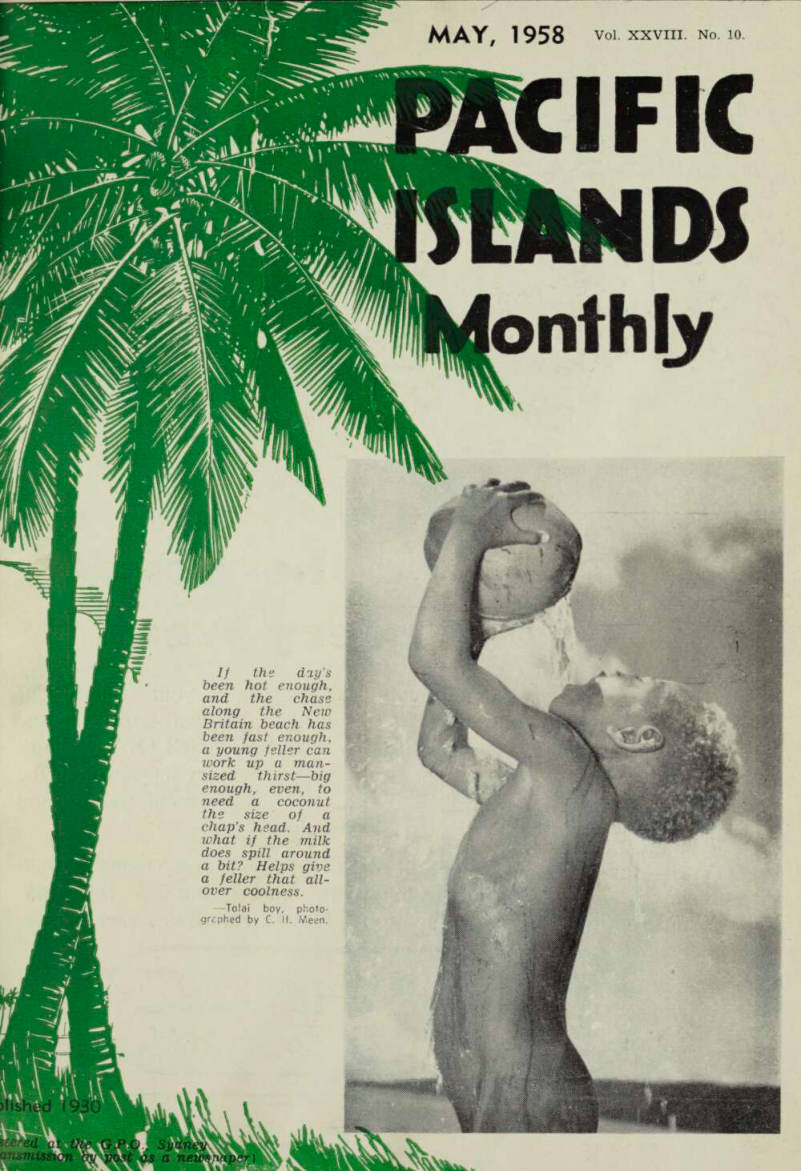 1
1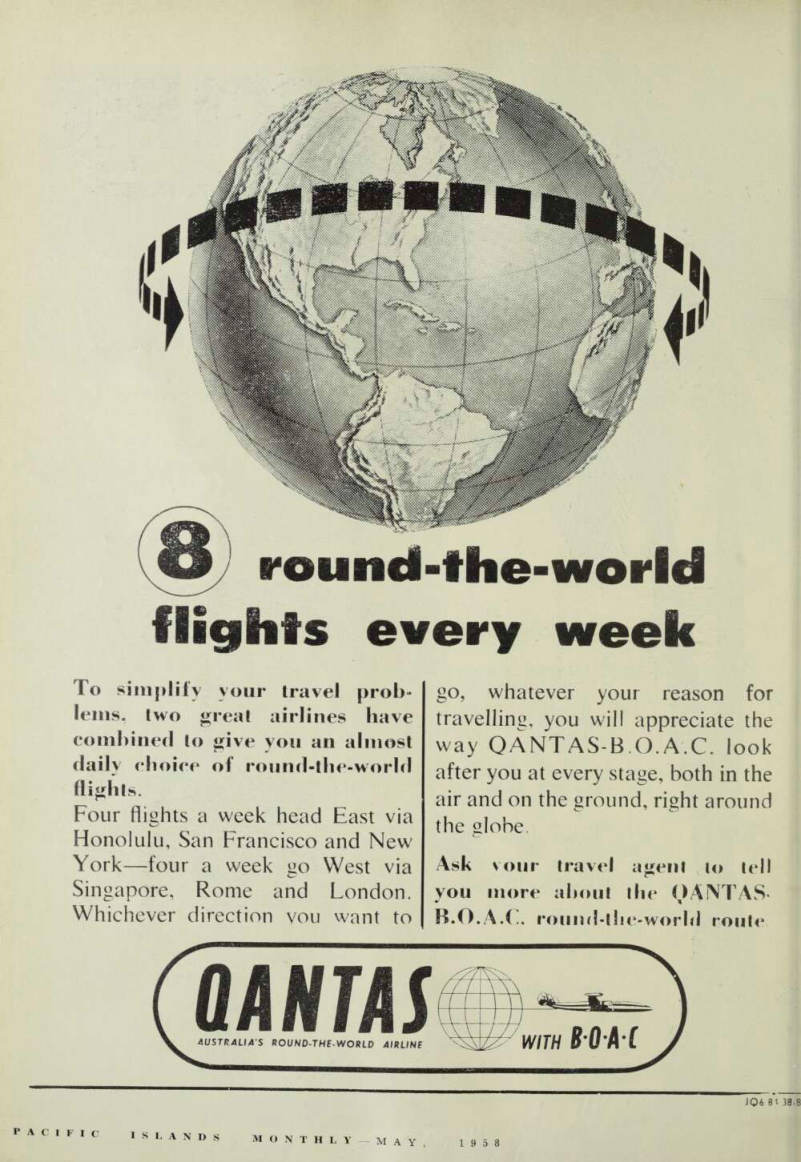 2
2 3
3 4
4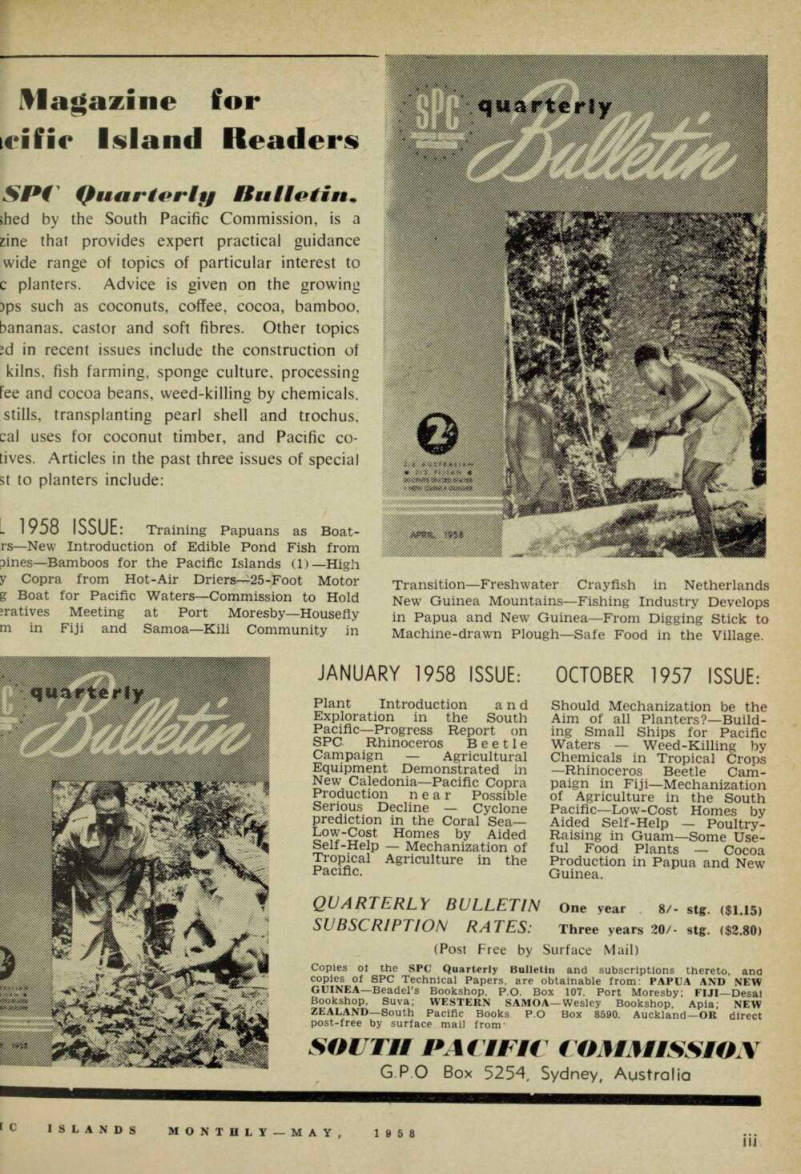 5
5 6
6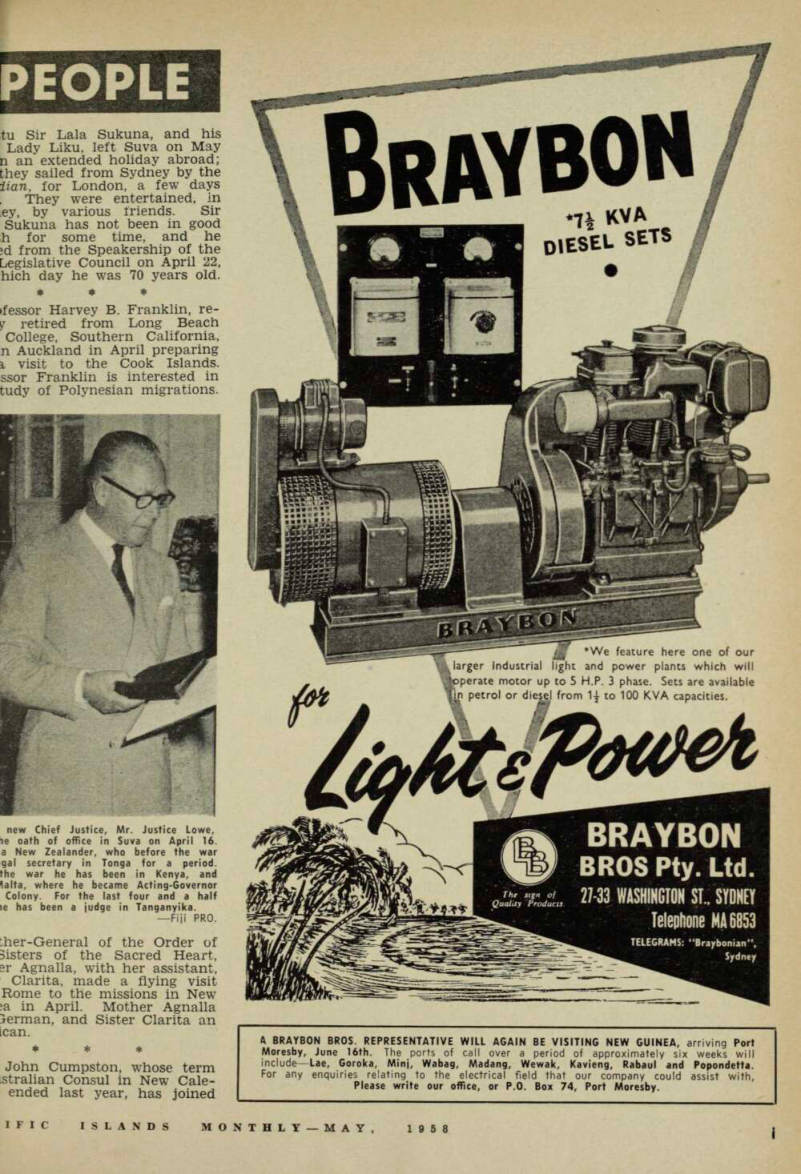 7
7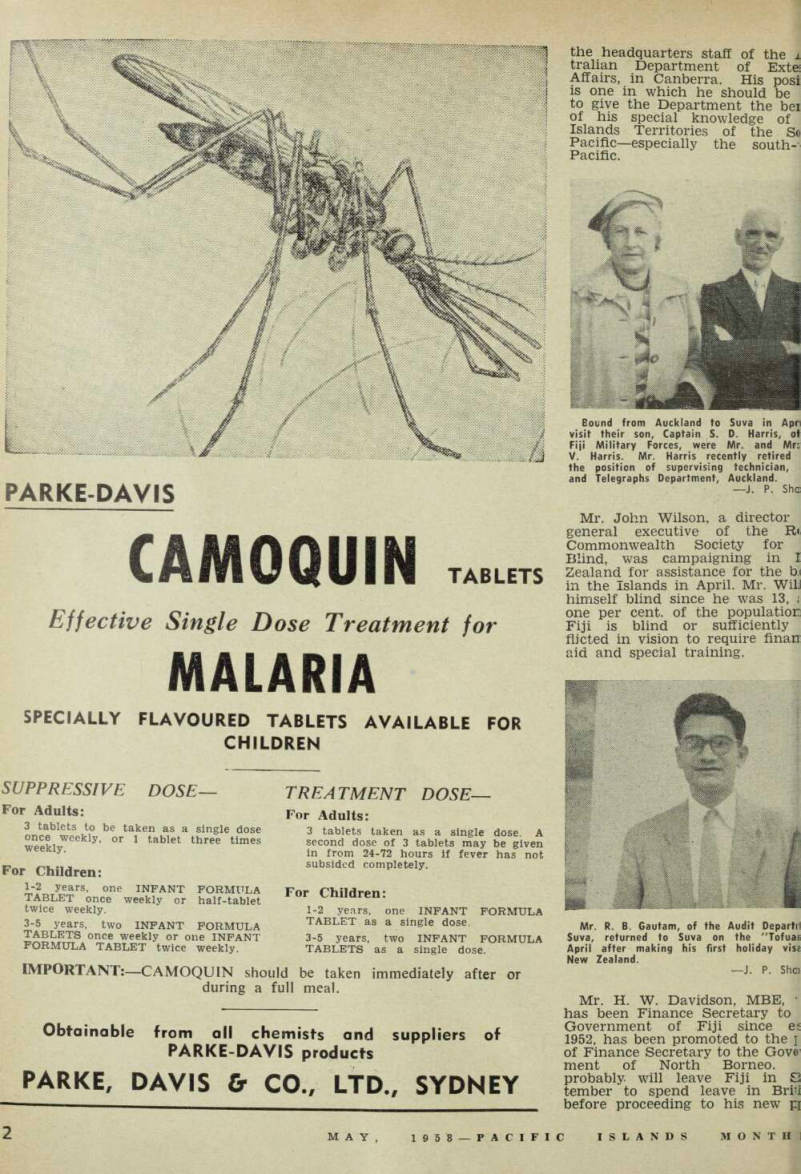 8
8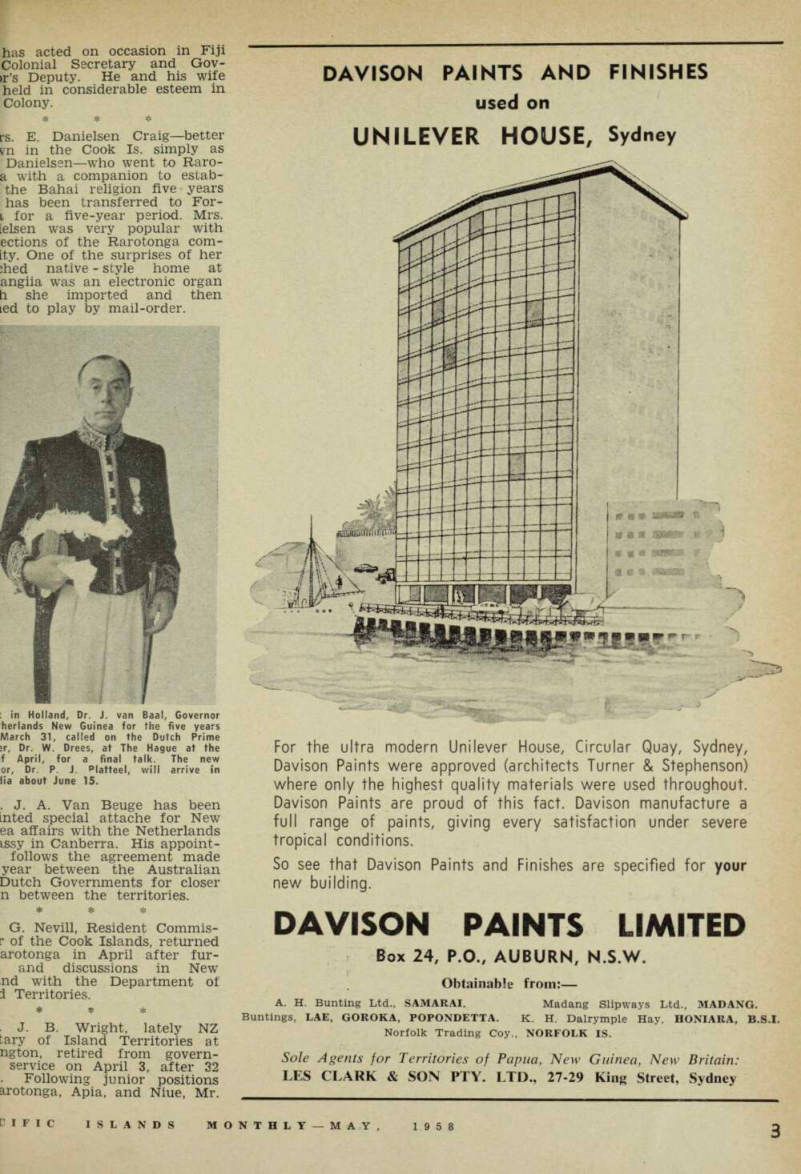 9
9 10
10 11
11 12
12 13
13 14
14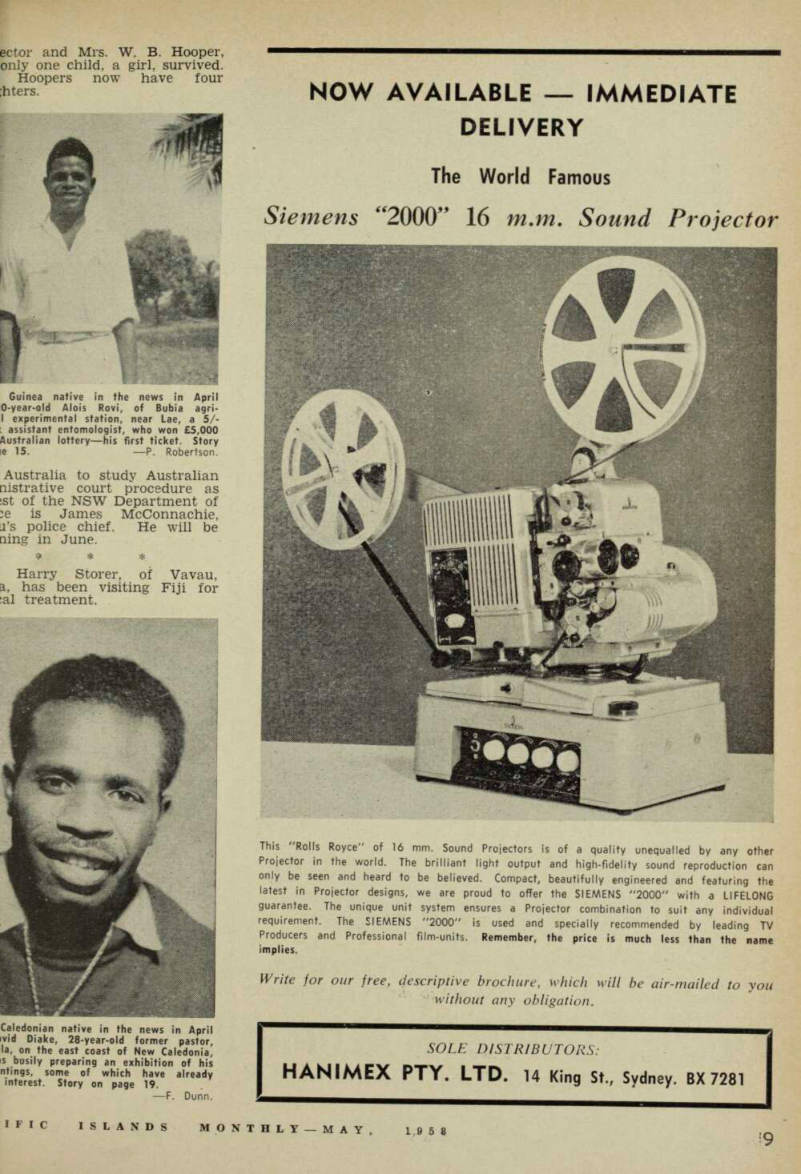 15
15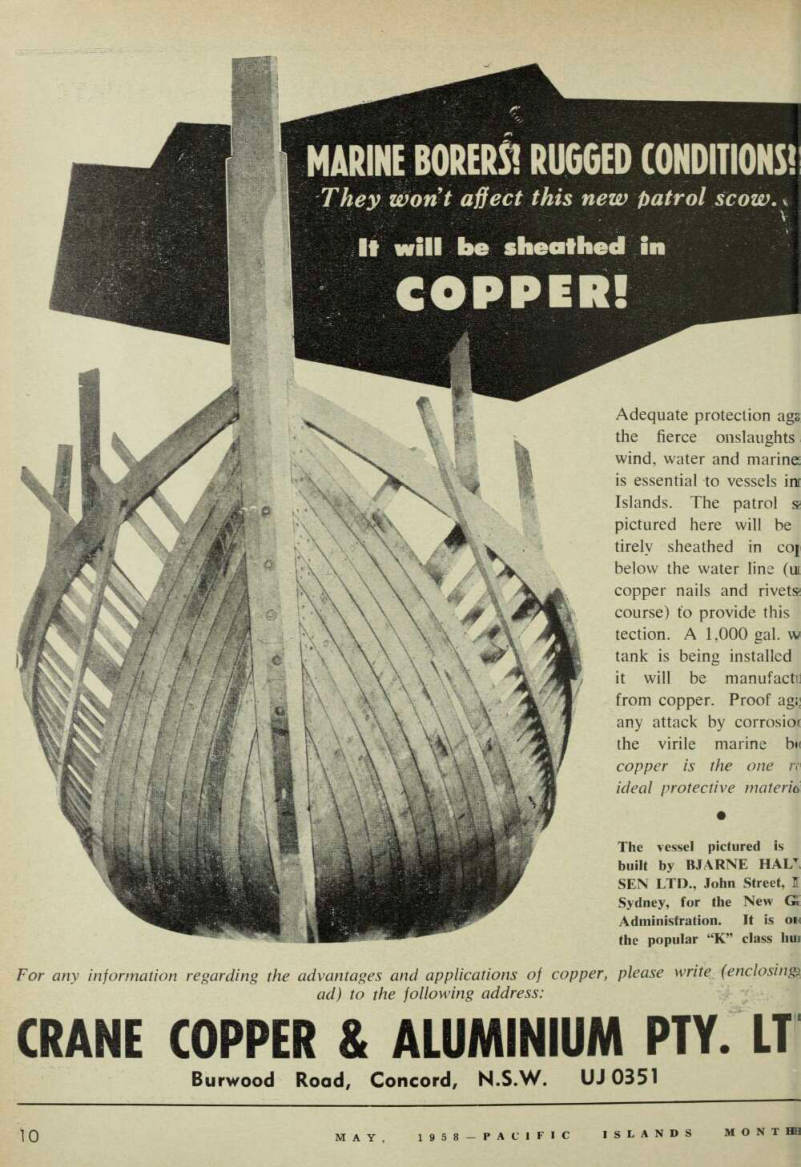 16
16 17
17 18
18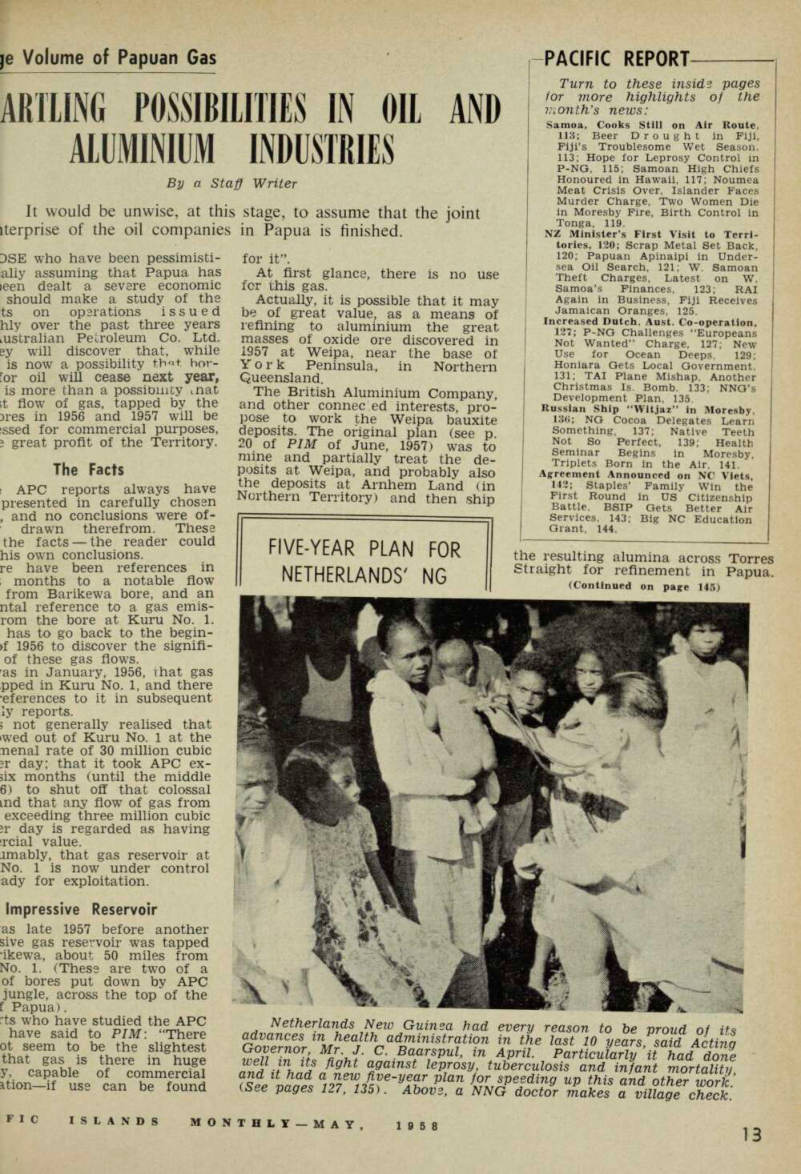 19
19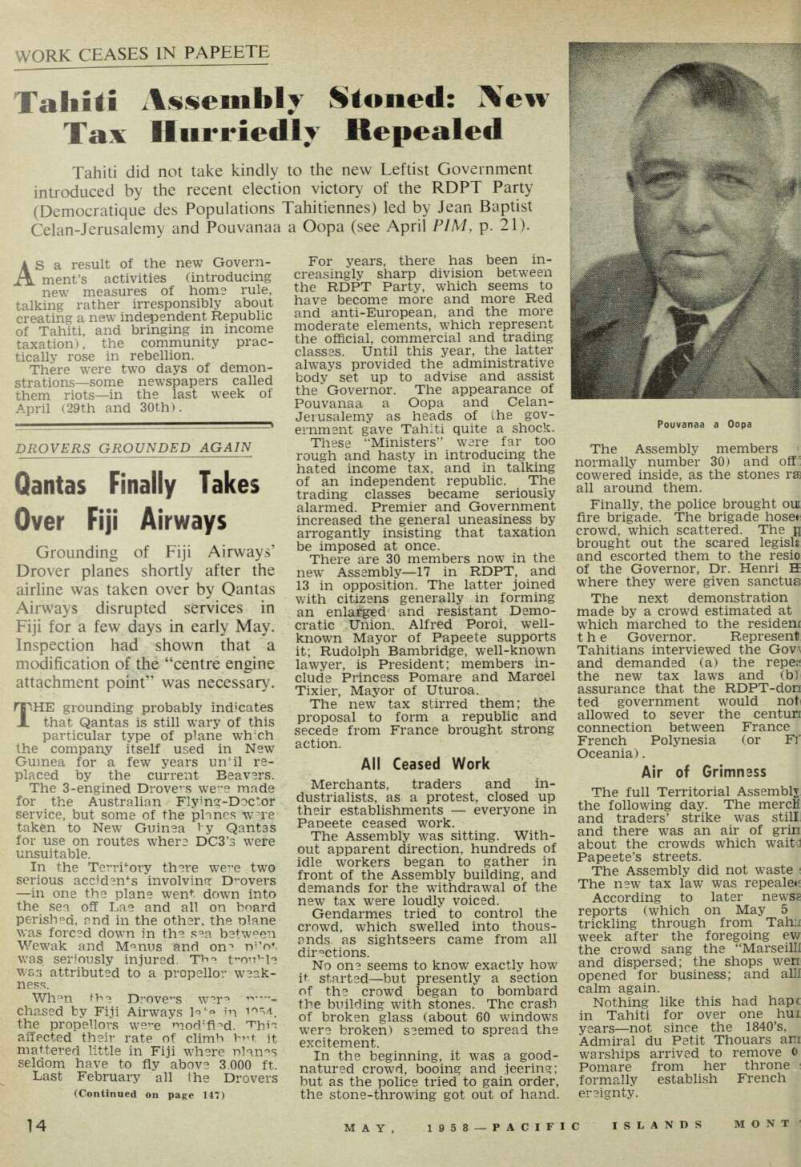 20
20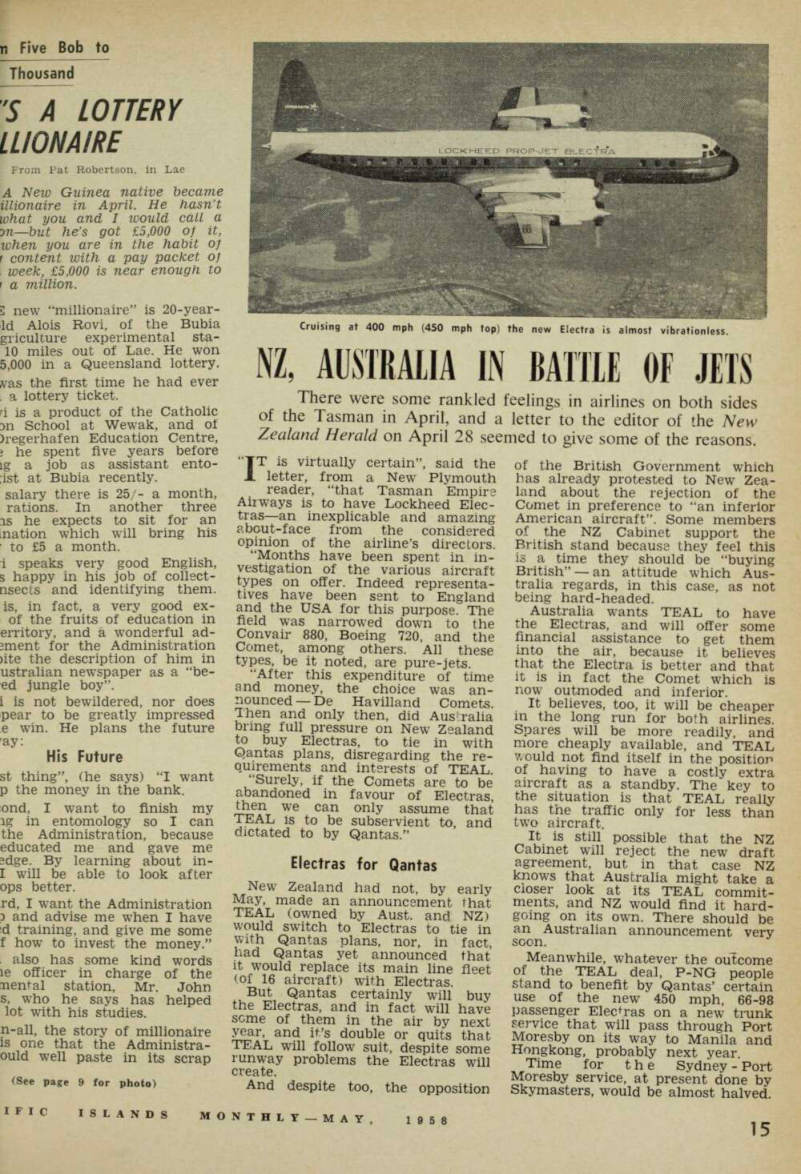 21
21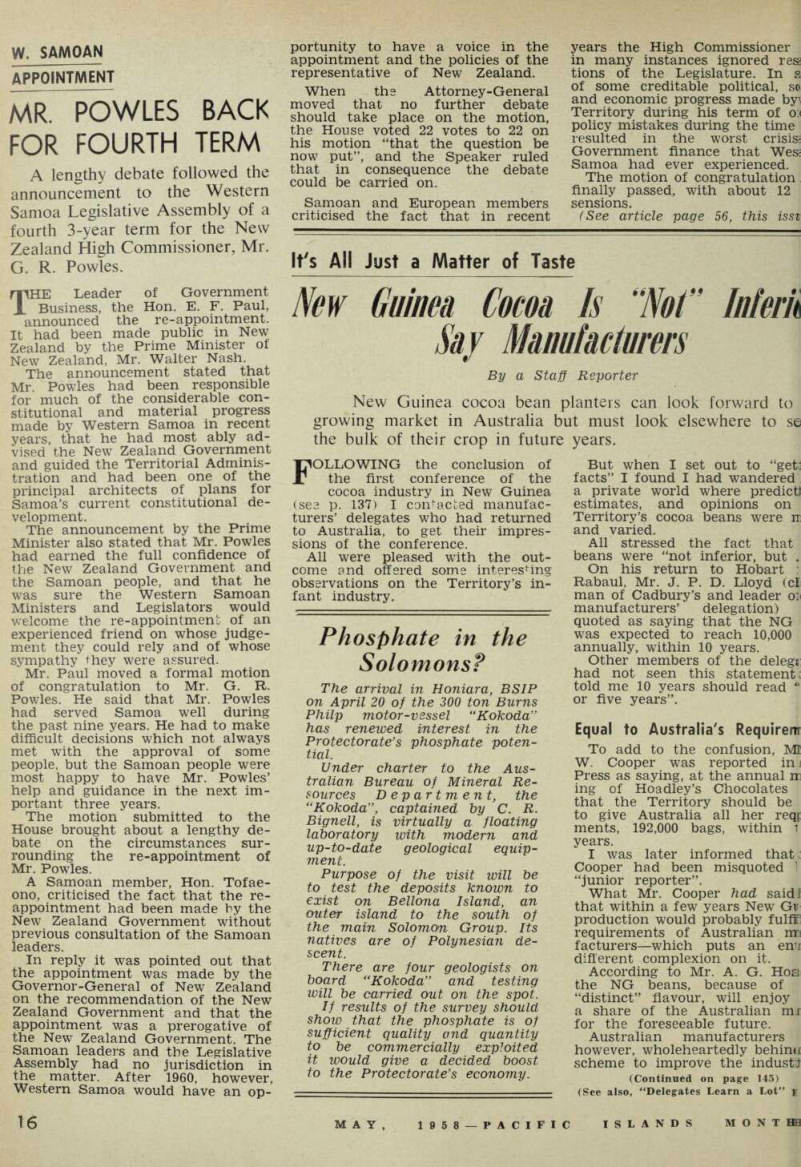 22
22 23
23 24
24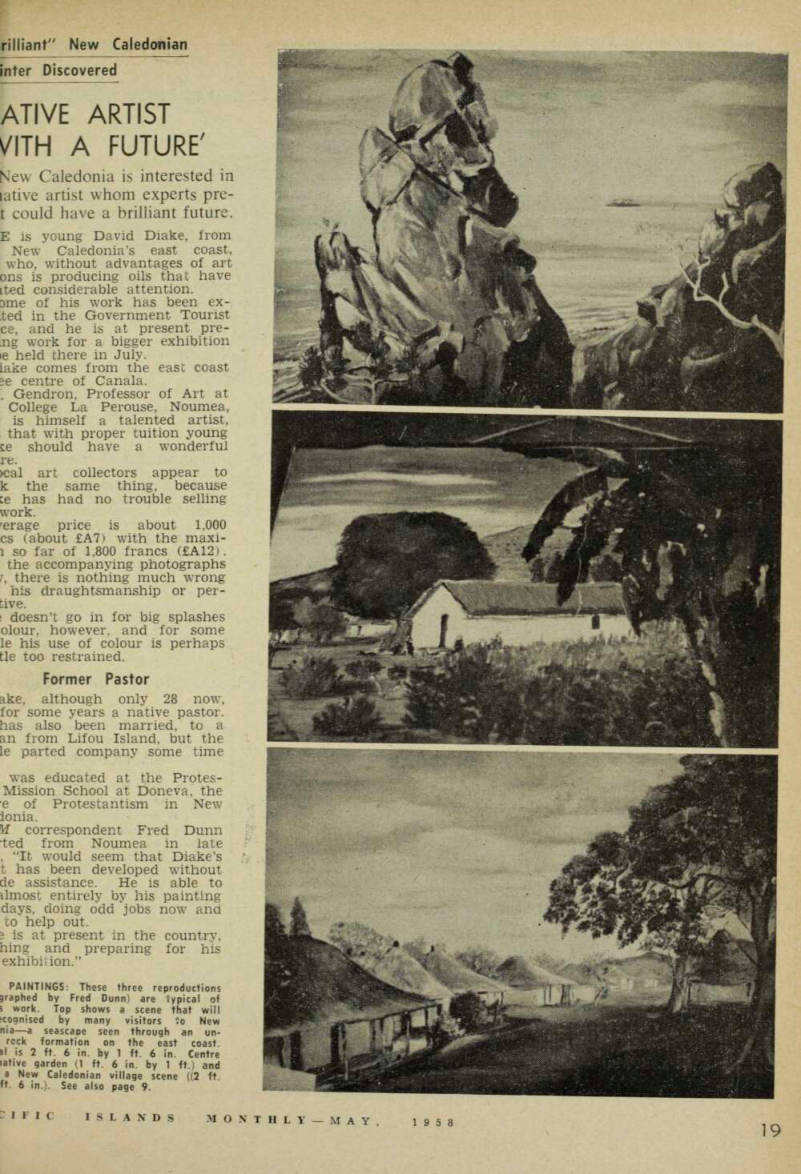 25
25 26
26 27
27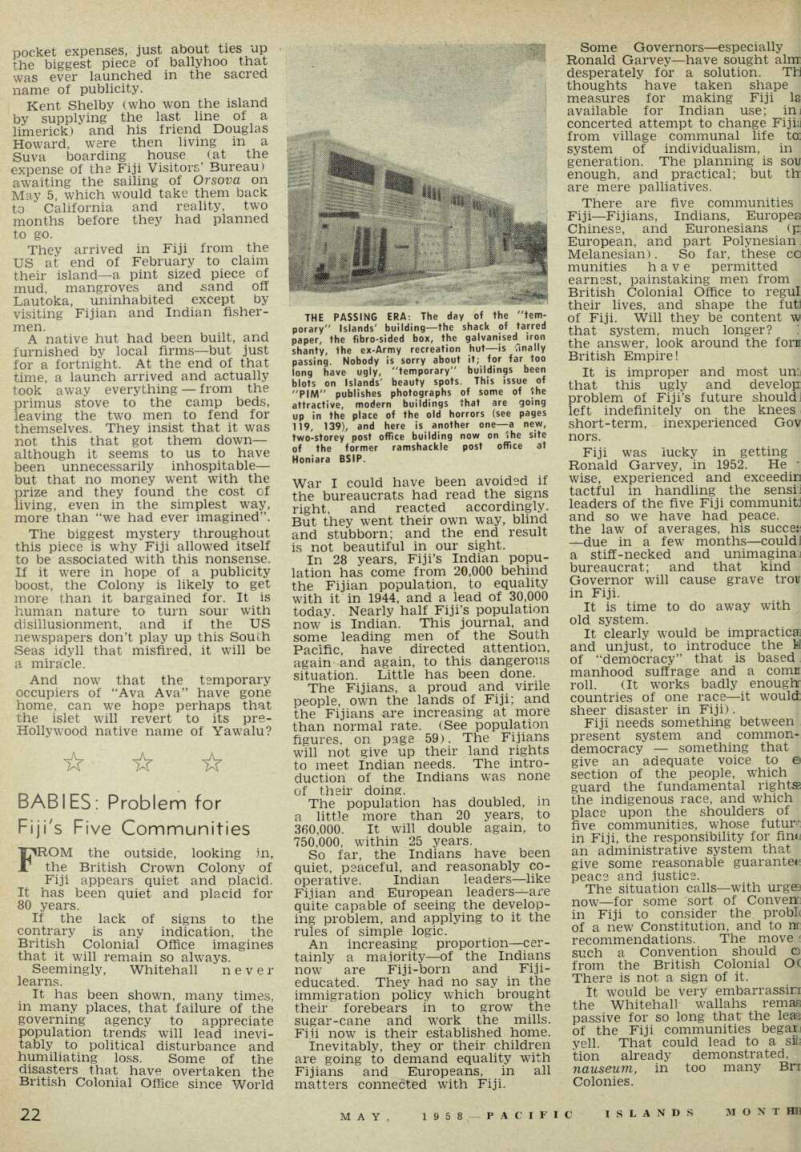 28
28 29
29 30
30 31
31 32
32 33
33 34
34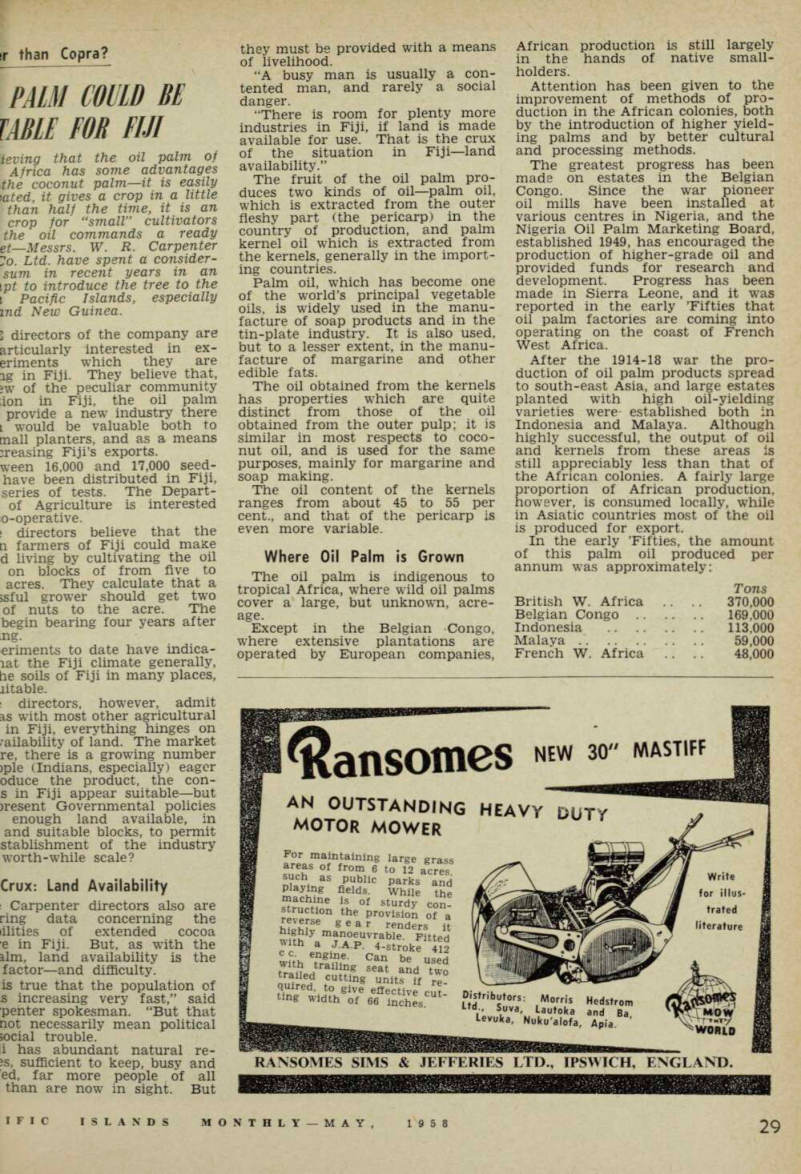 35
35 36
36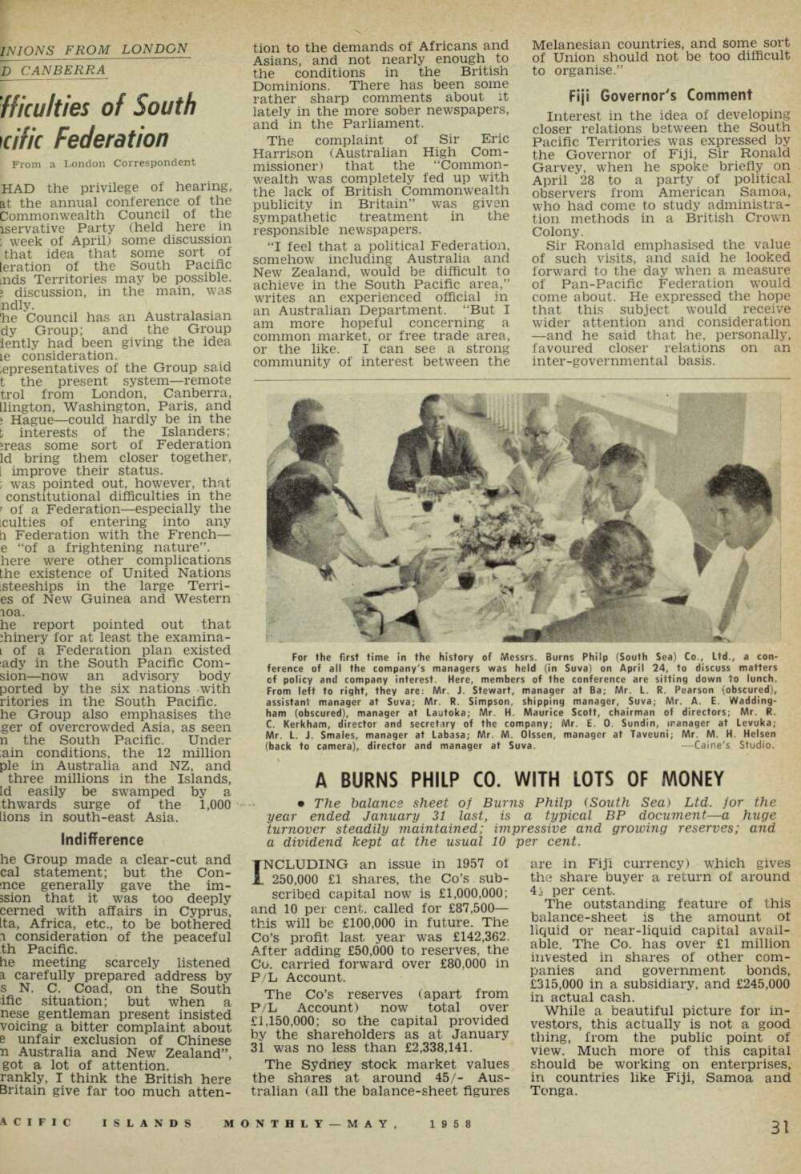 37
37 38
38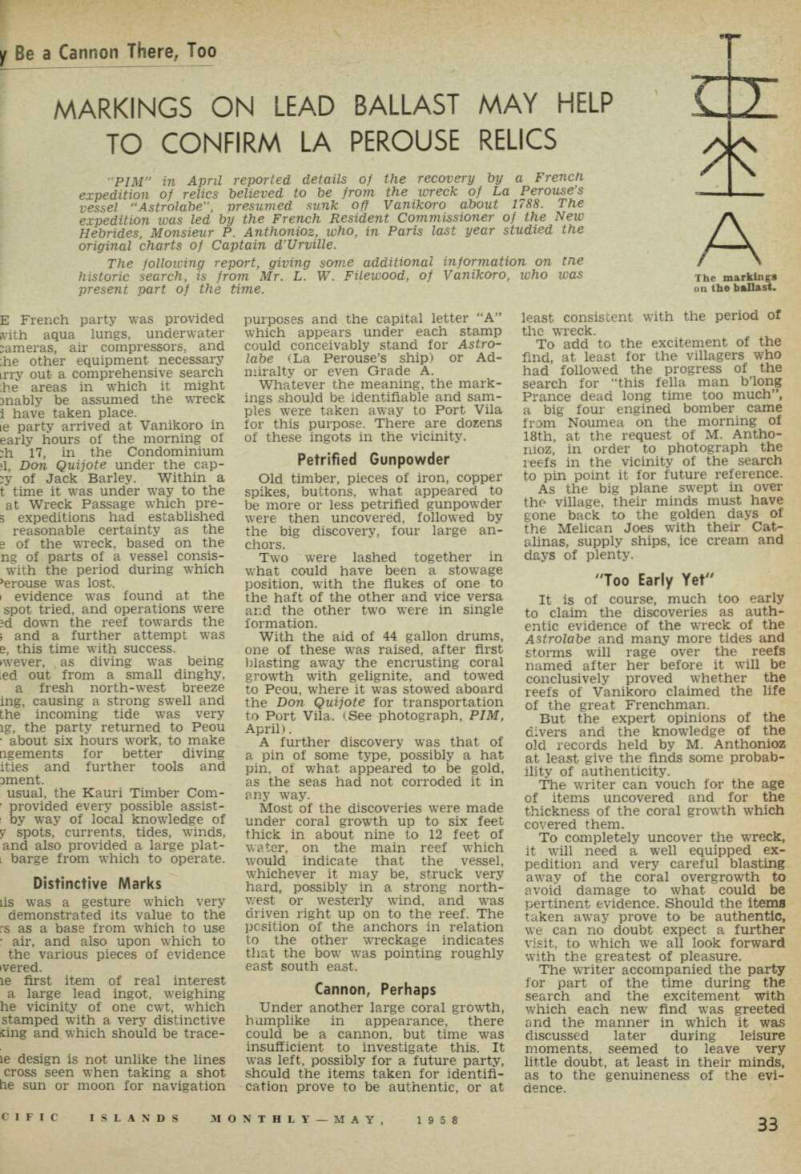 39
39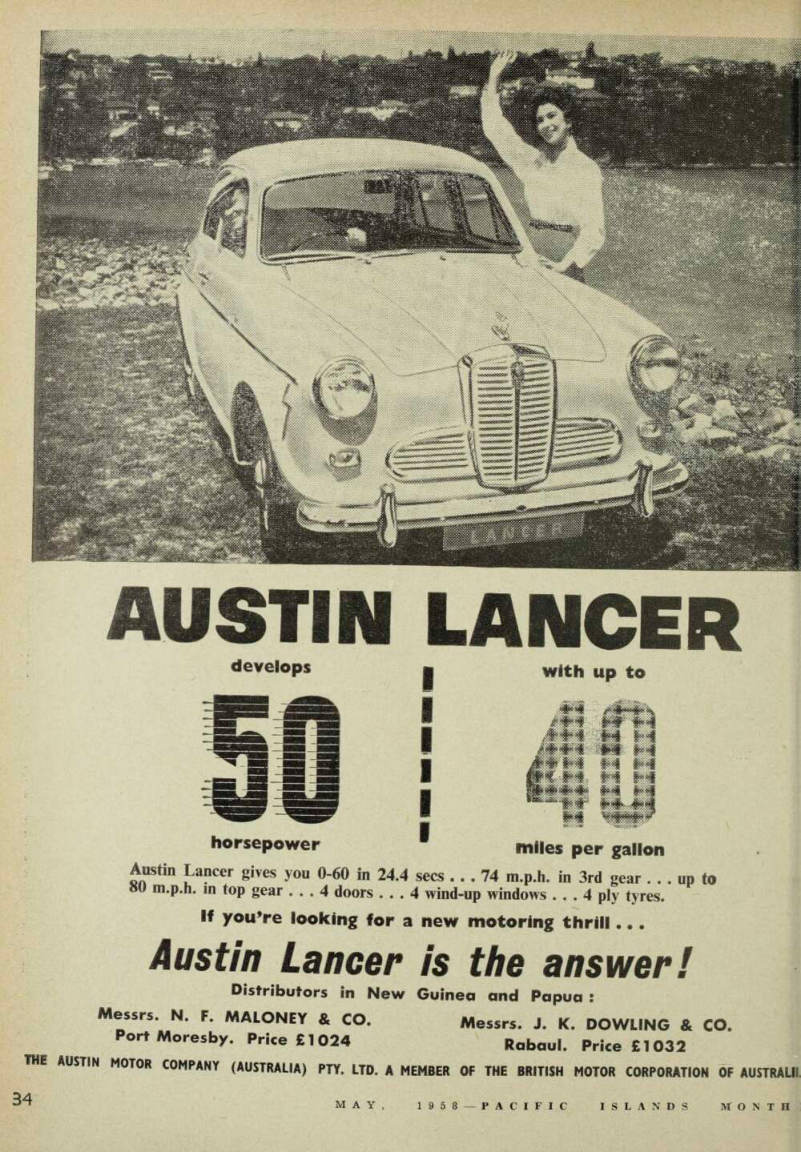 40
40 41
41 42
42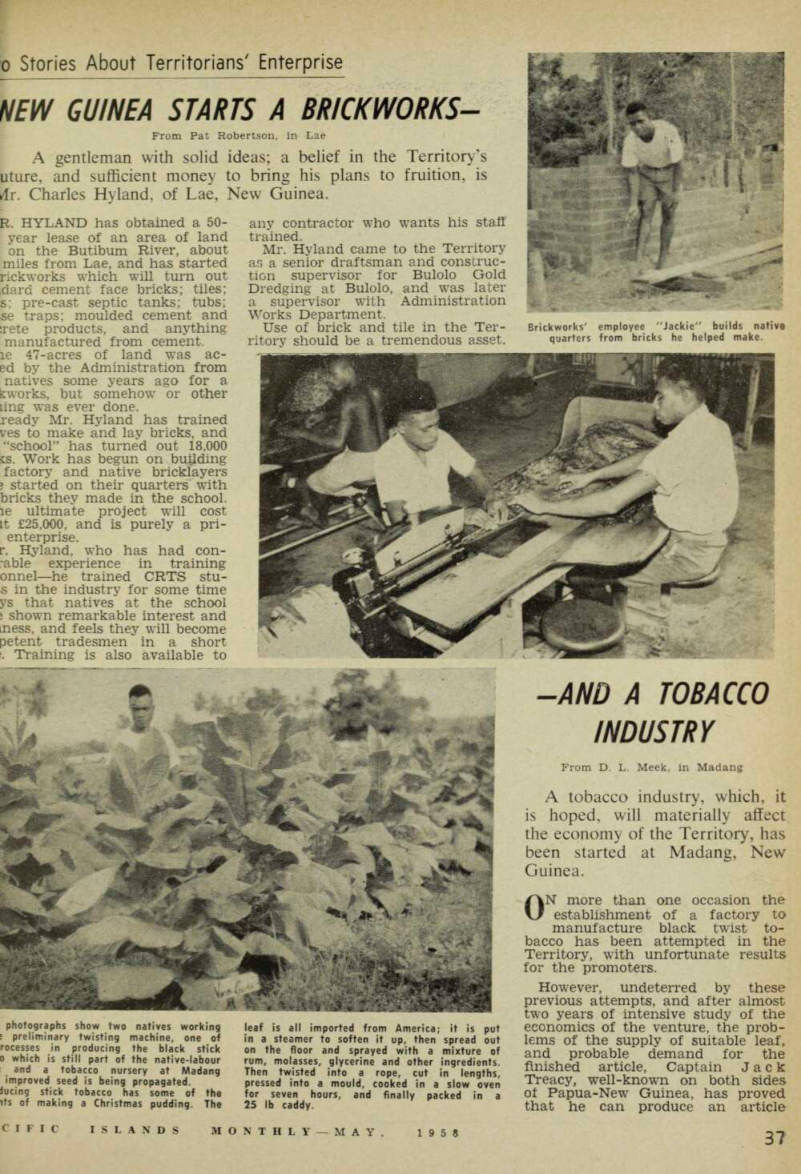 43
43 44
44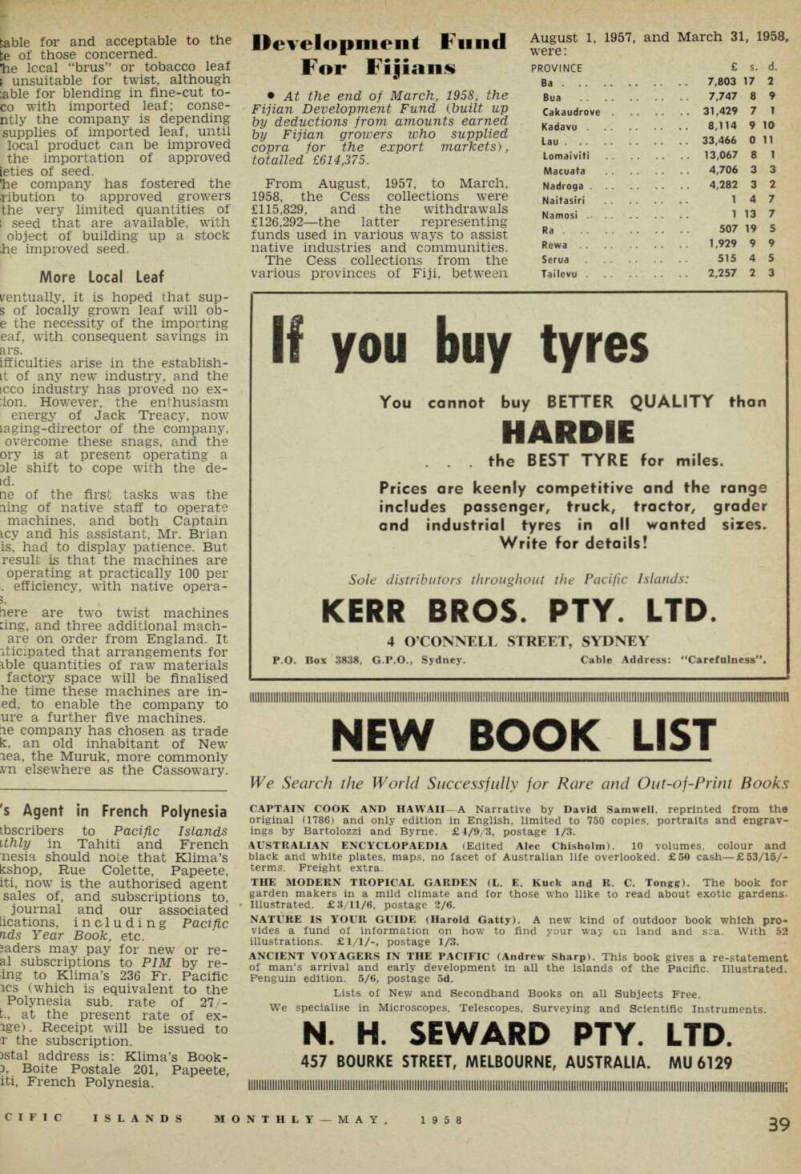 45
45 46
46 47
47 48
48 49
49 50
50 51
51 52
52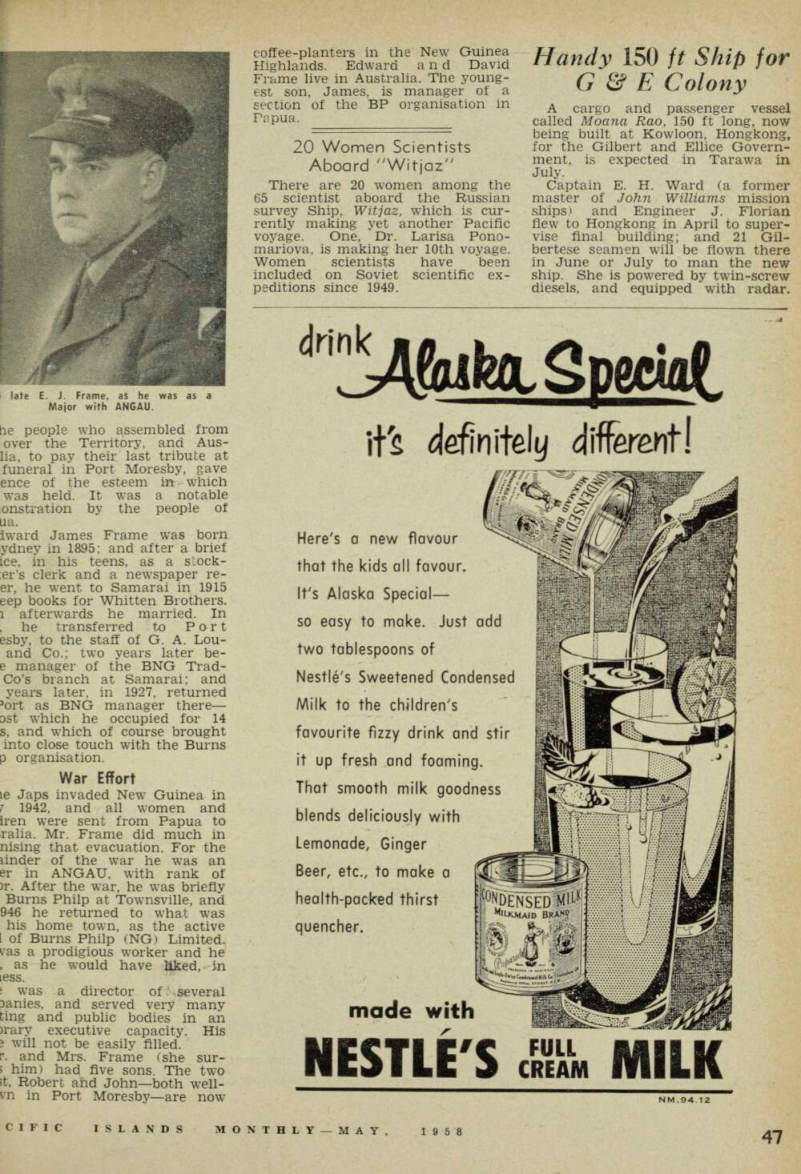 53
53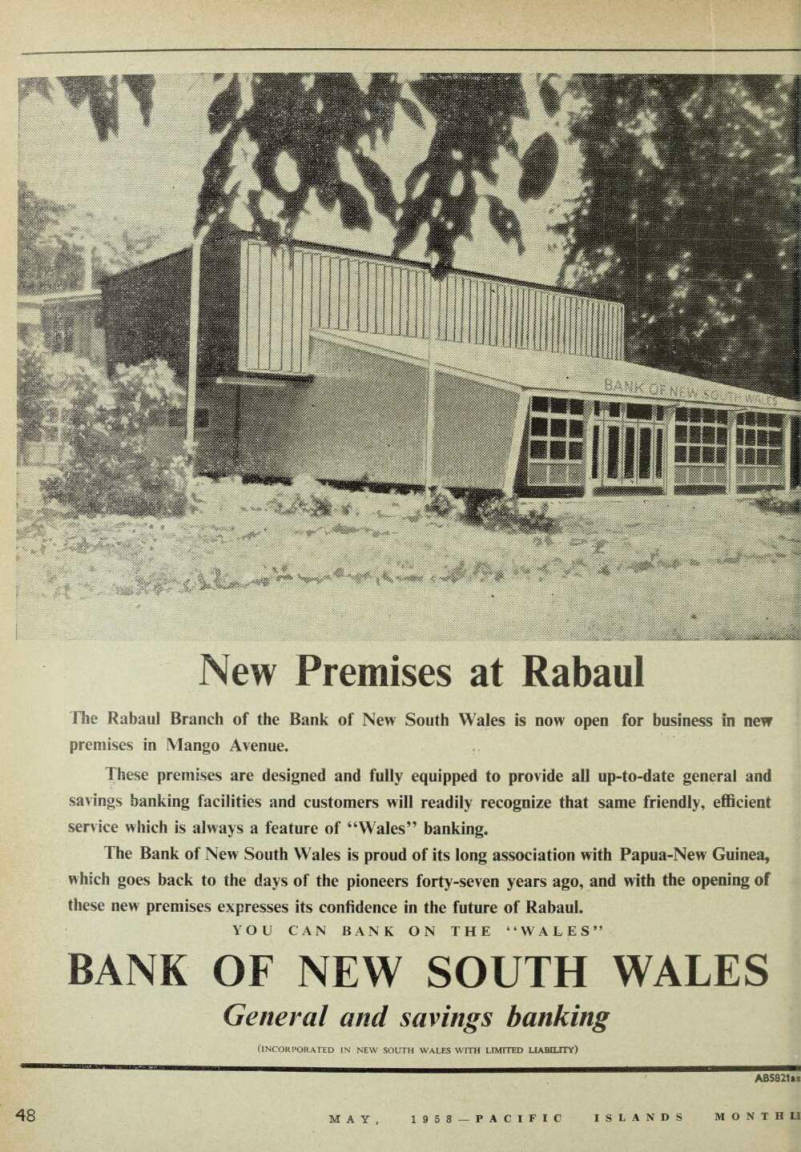 54
54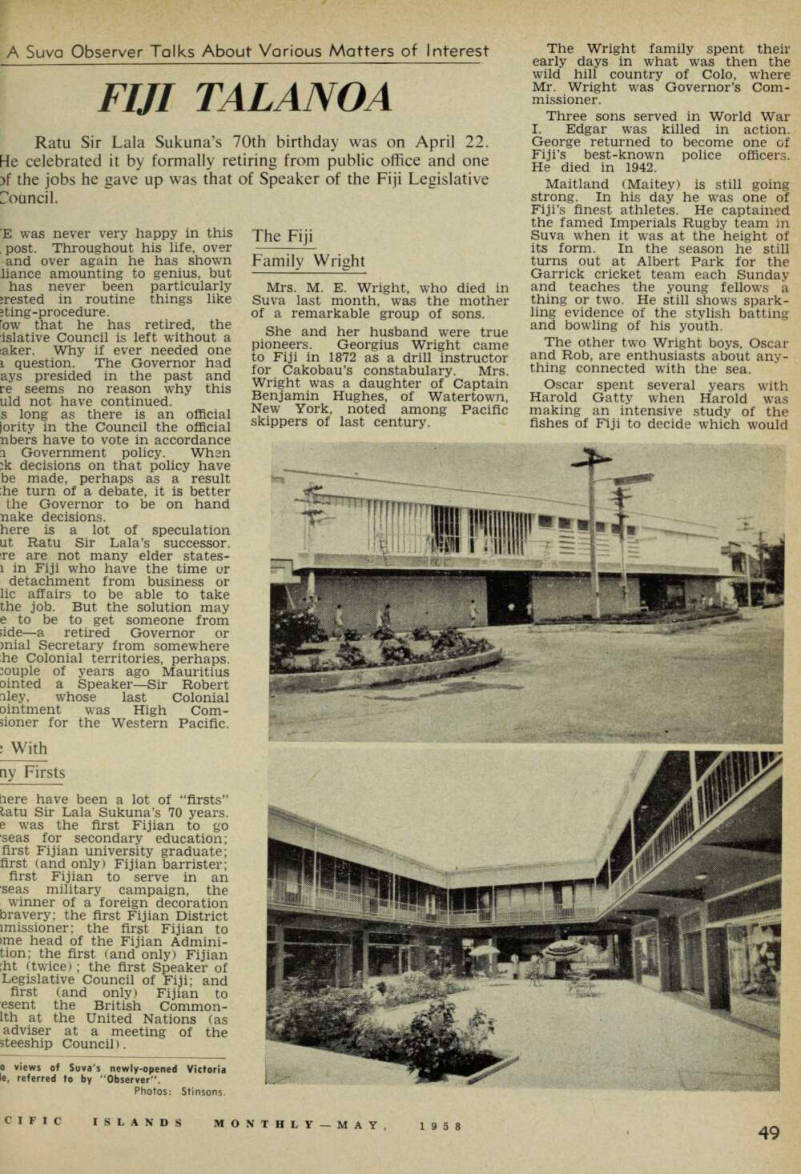 55
55 56
56 57
57 58
58 59
59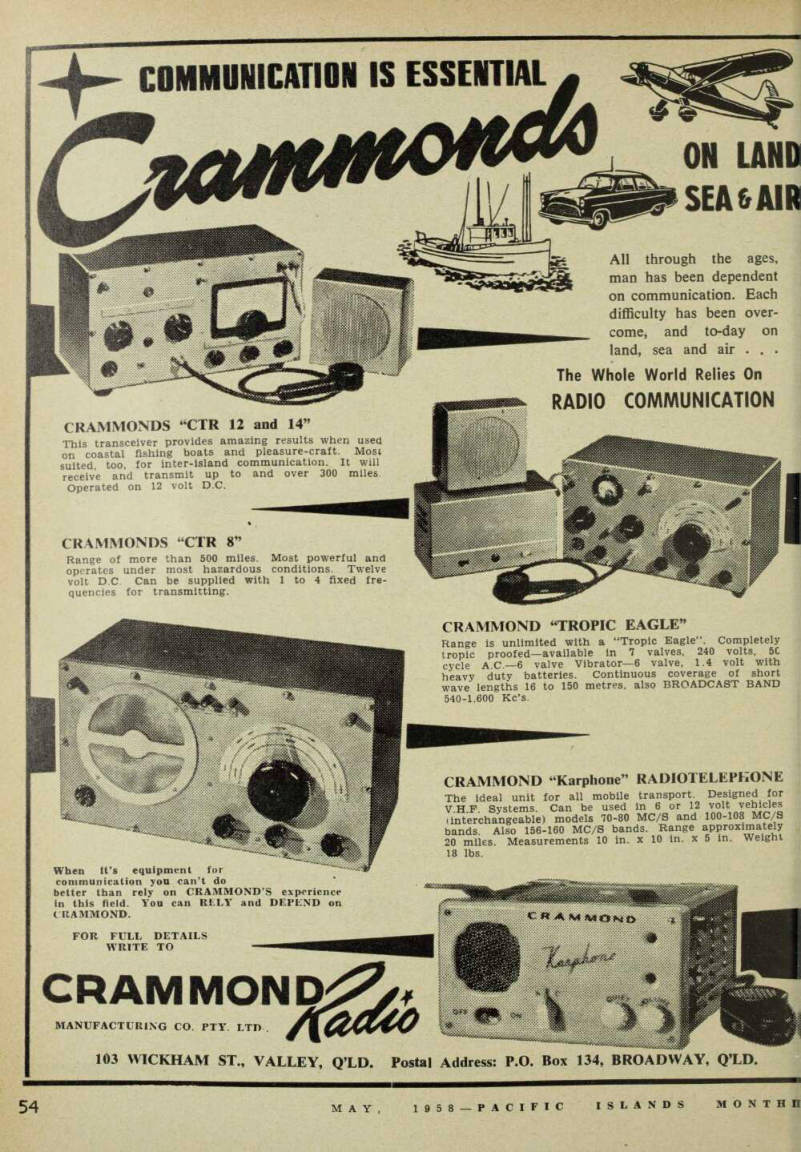 60
60 61
61 62
62 63
63 64
64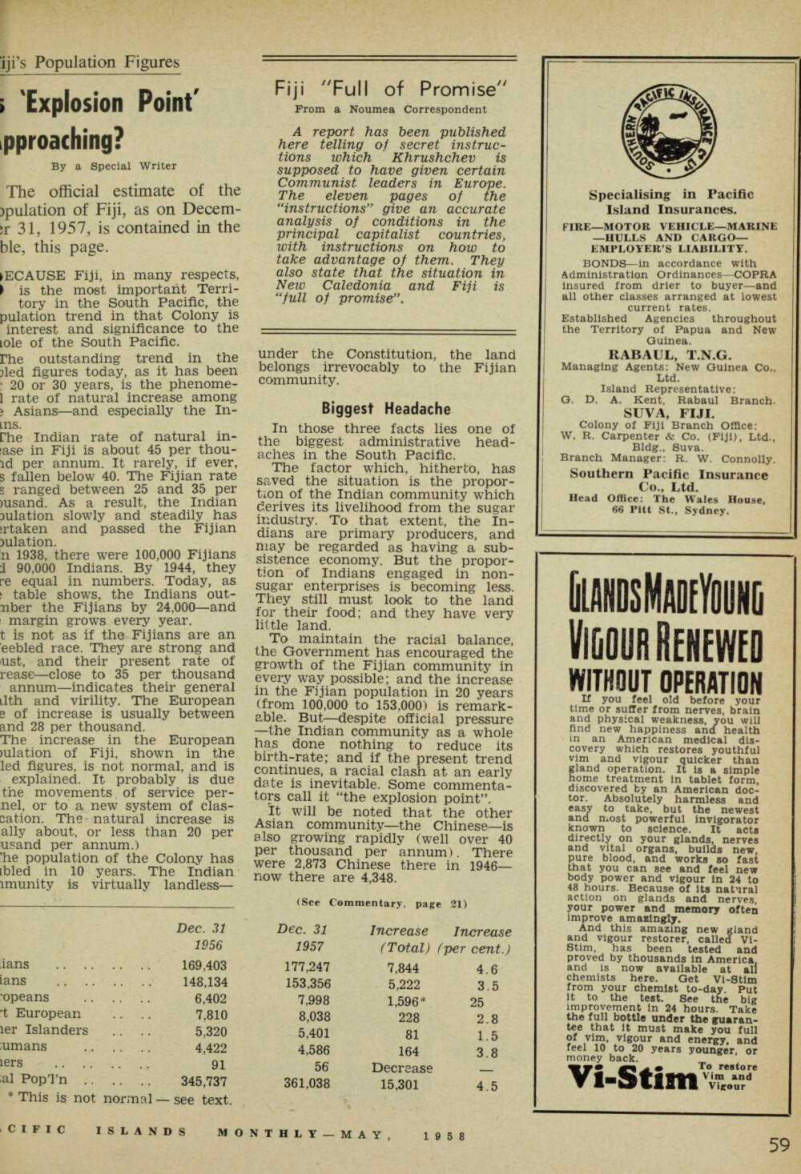 65
65 66
66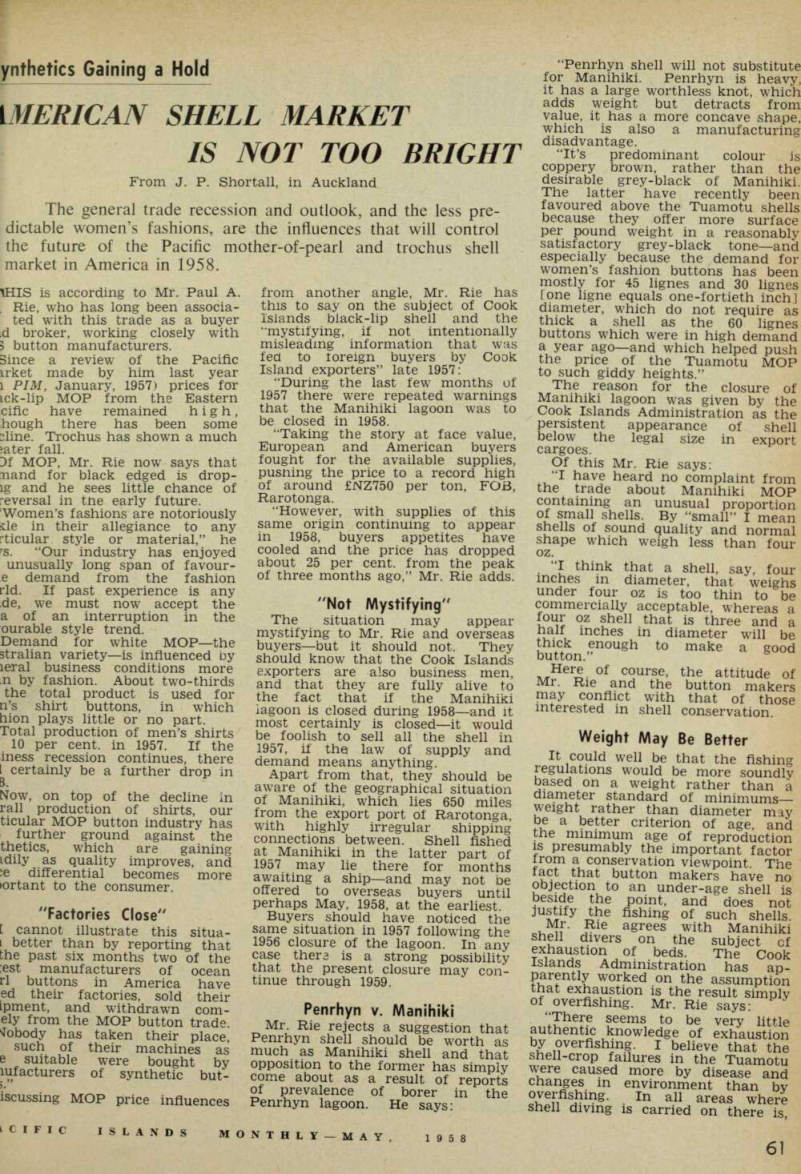 67
67 68
68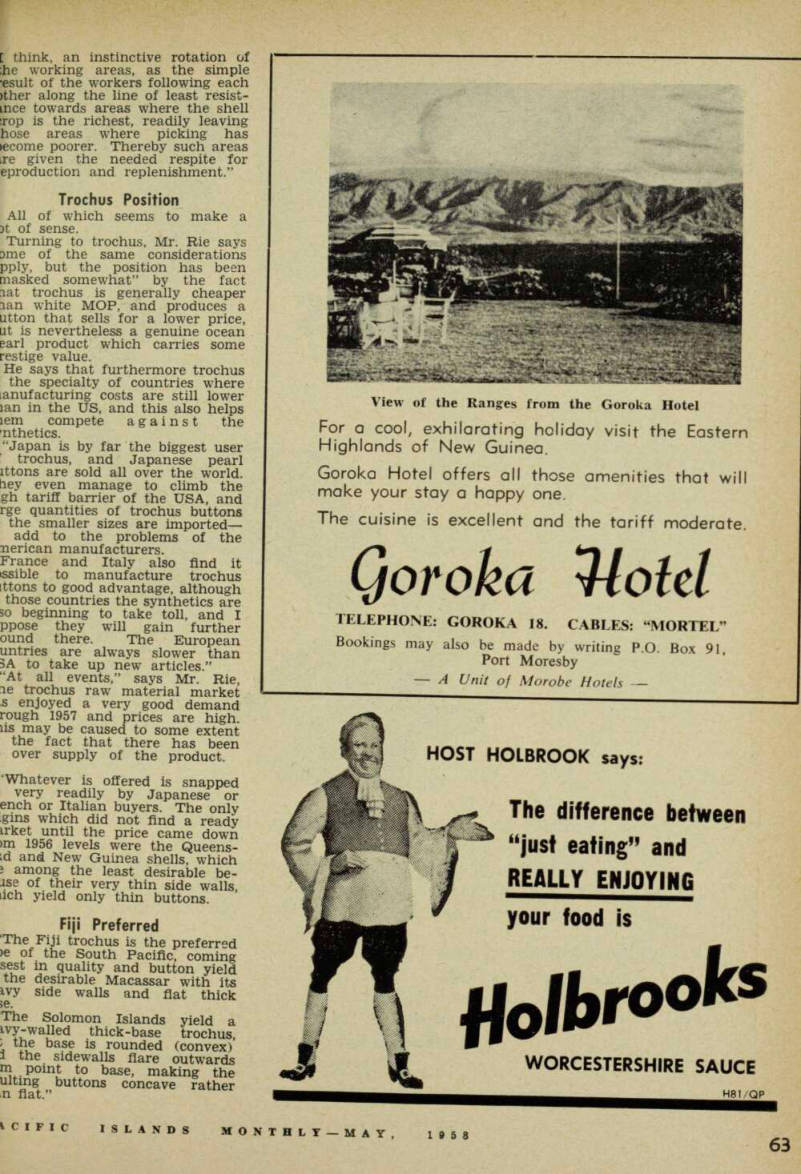 69
69 70
70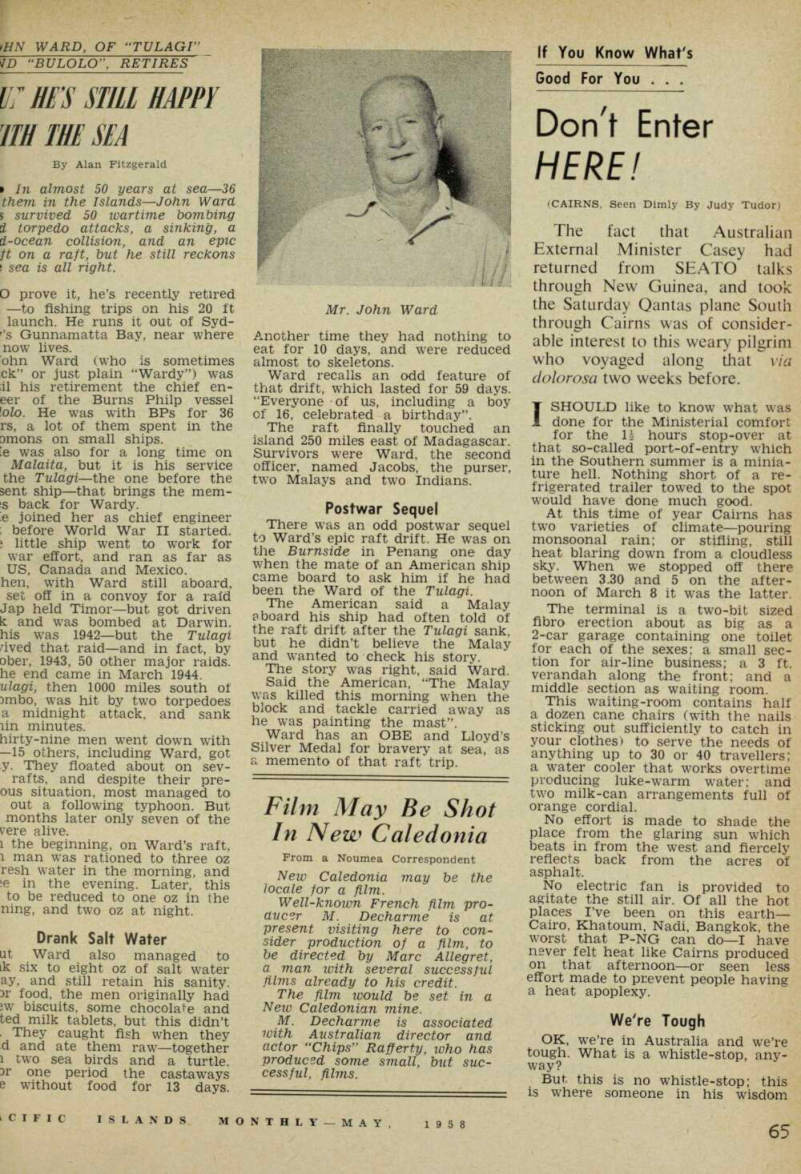 71
71 72
72 73
73 74
74 75
75 76
76 77
77 78
78 79
79 80
80 81
81 82
82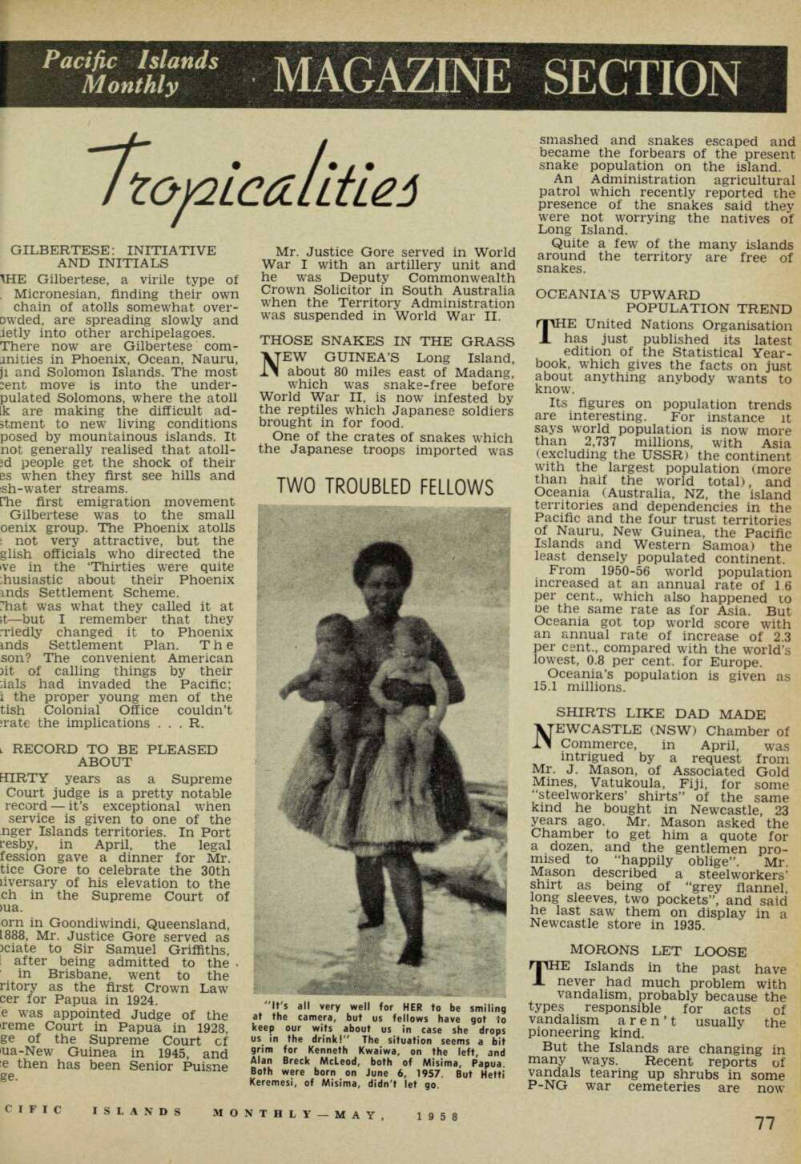 83
83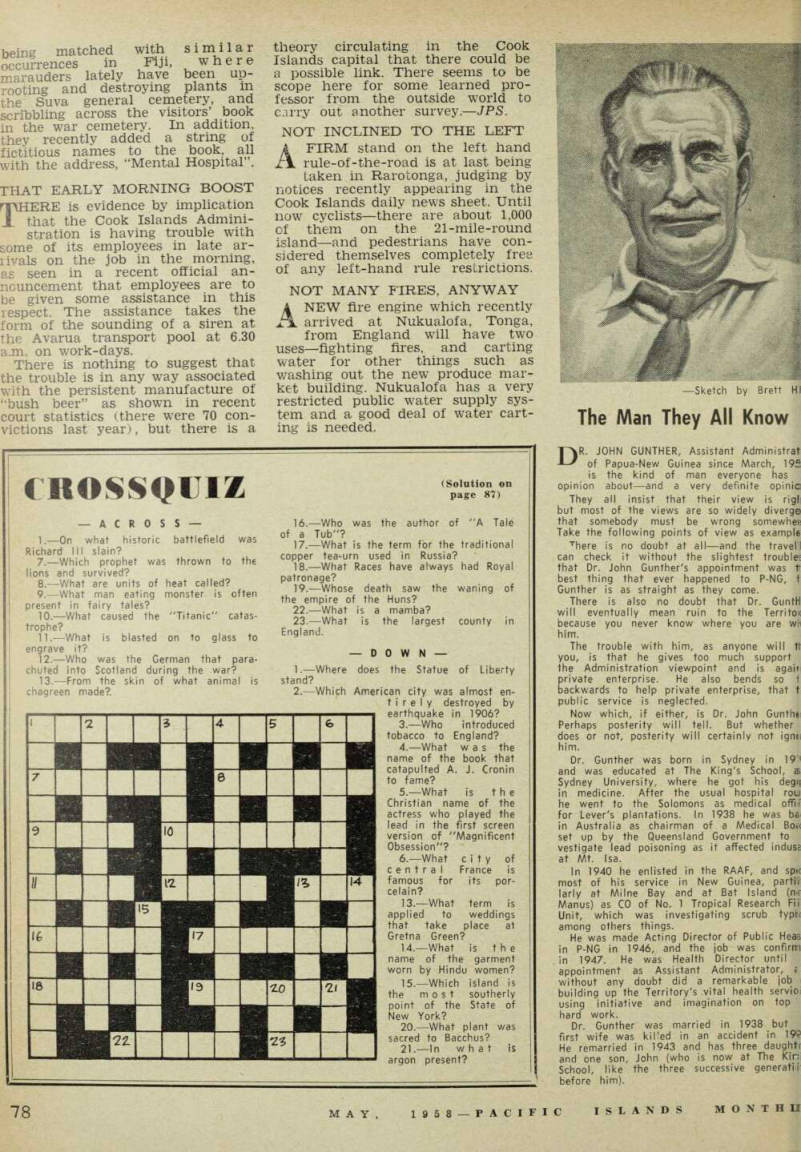 84
84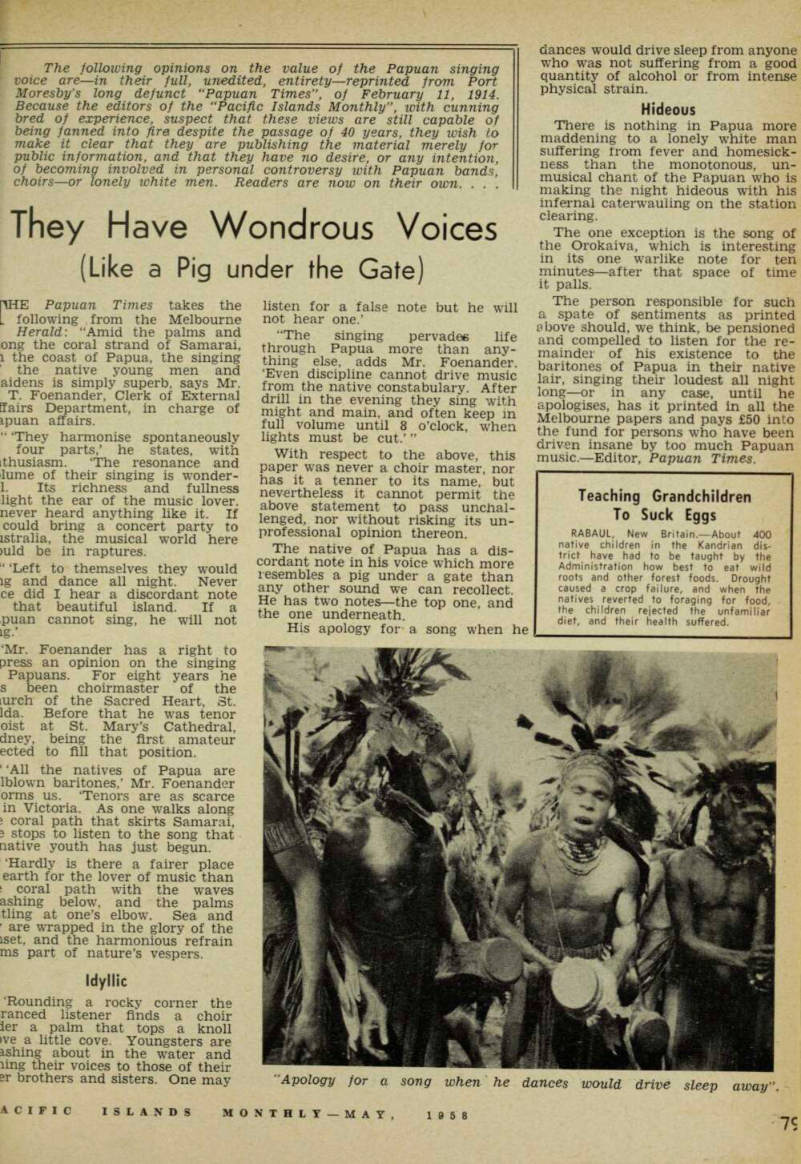 85
85 86
86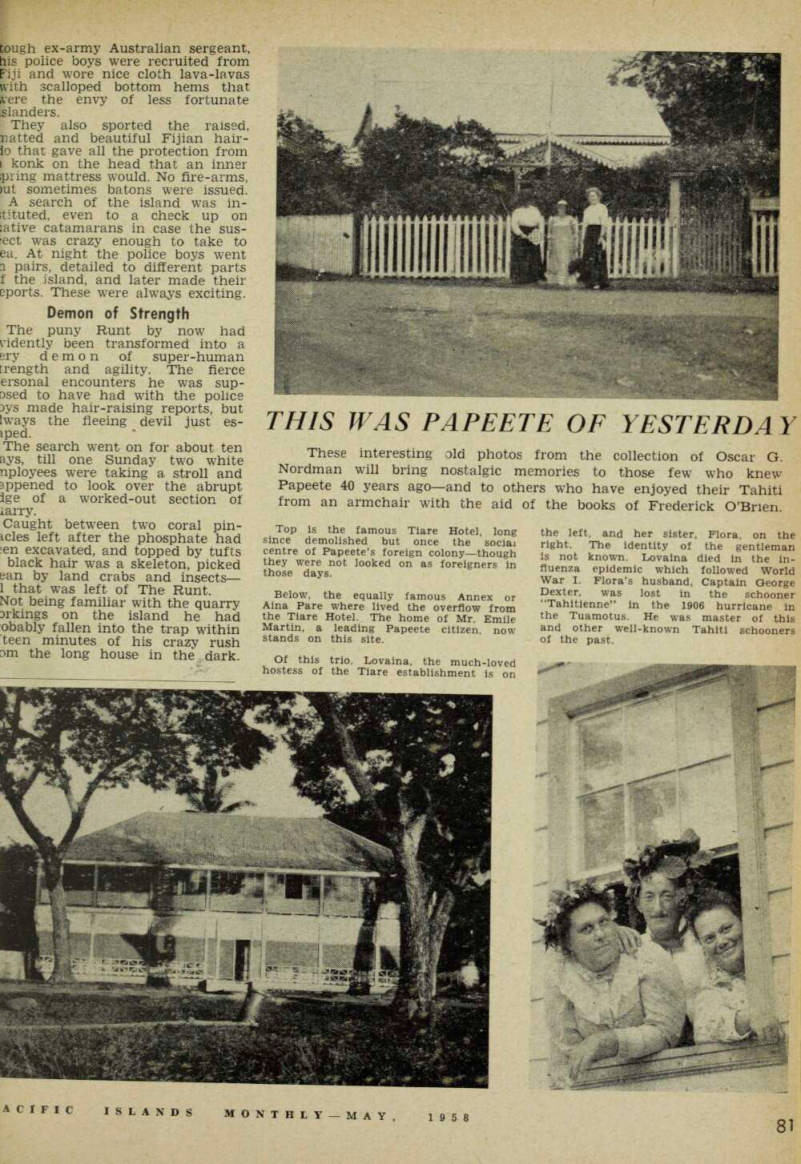 87
87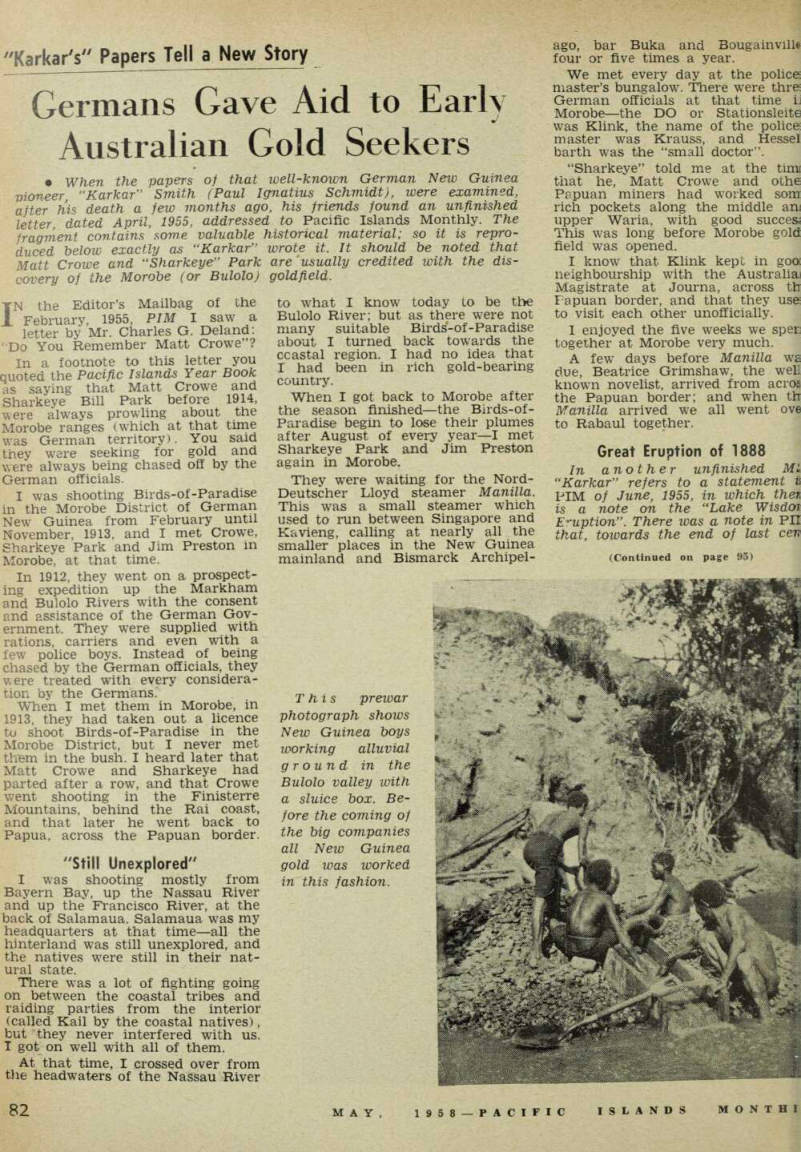 88
88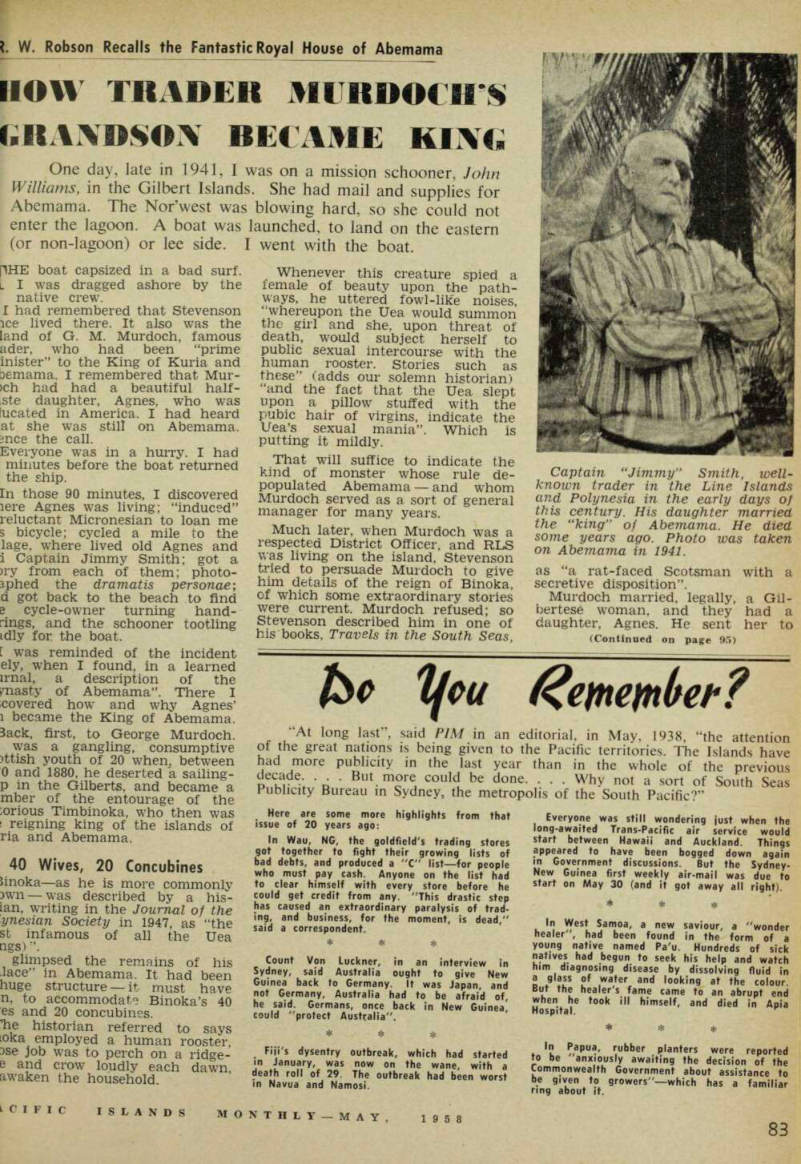 89
89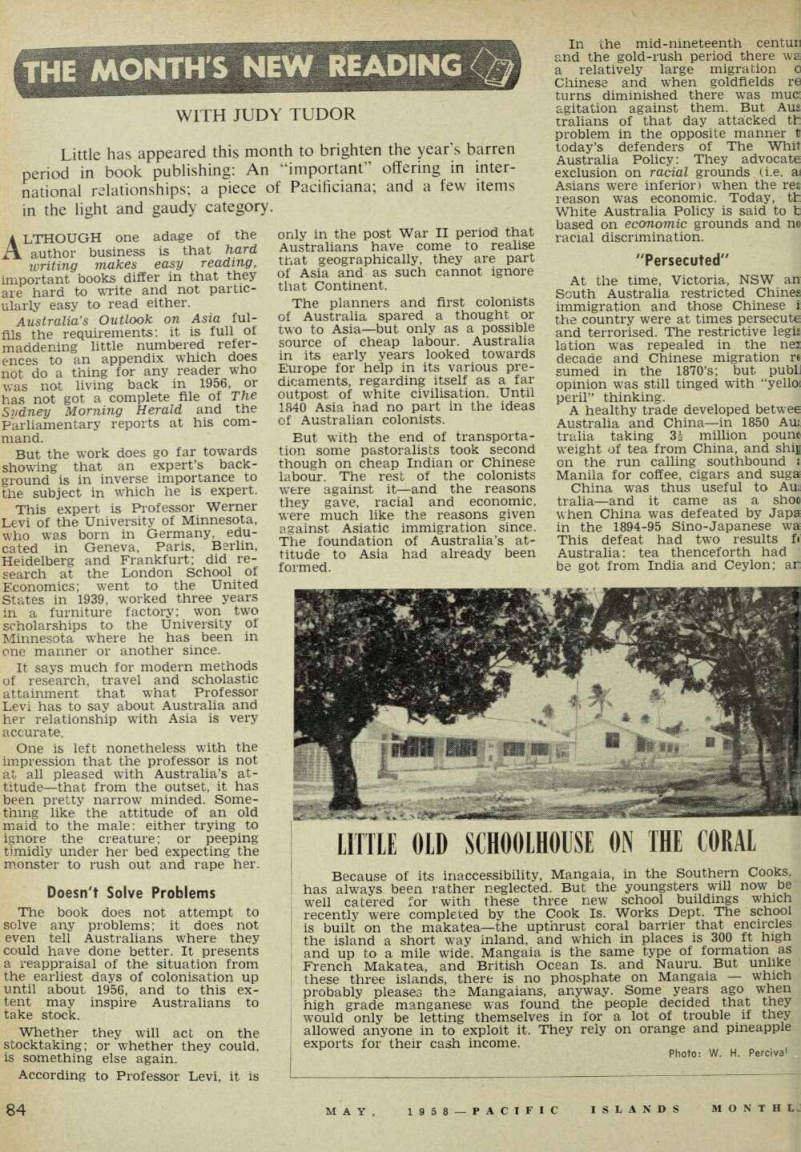 90
90 91
91 92
92 93
93 94
94 95
95 96
96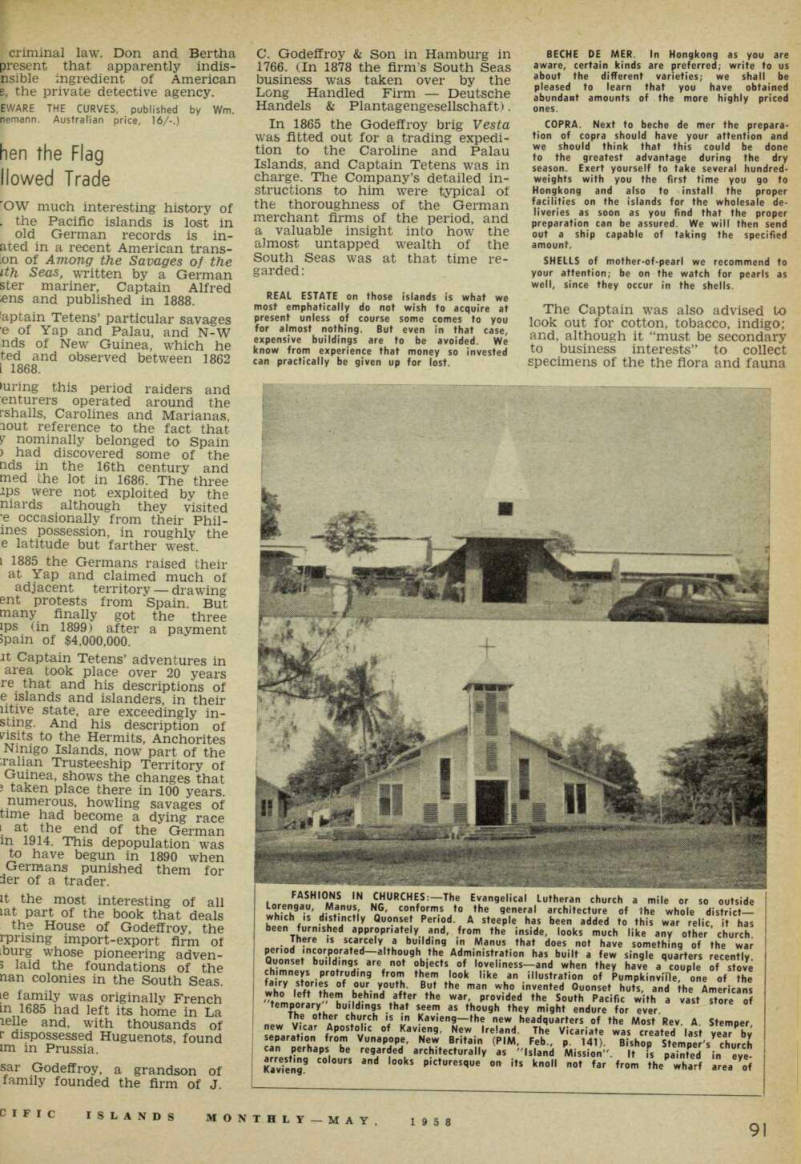 97
97 98
98 99
99 100
100 101
101 102
102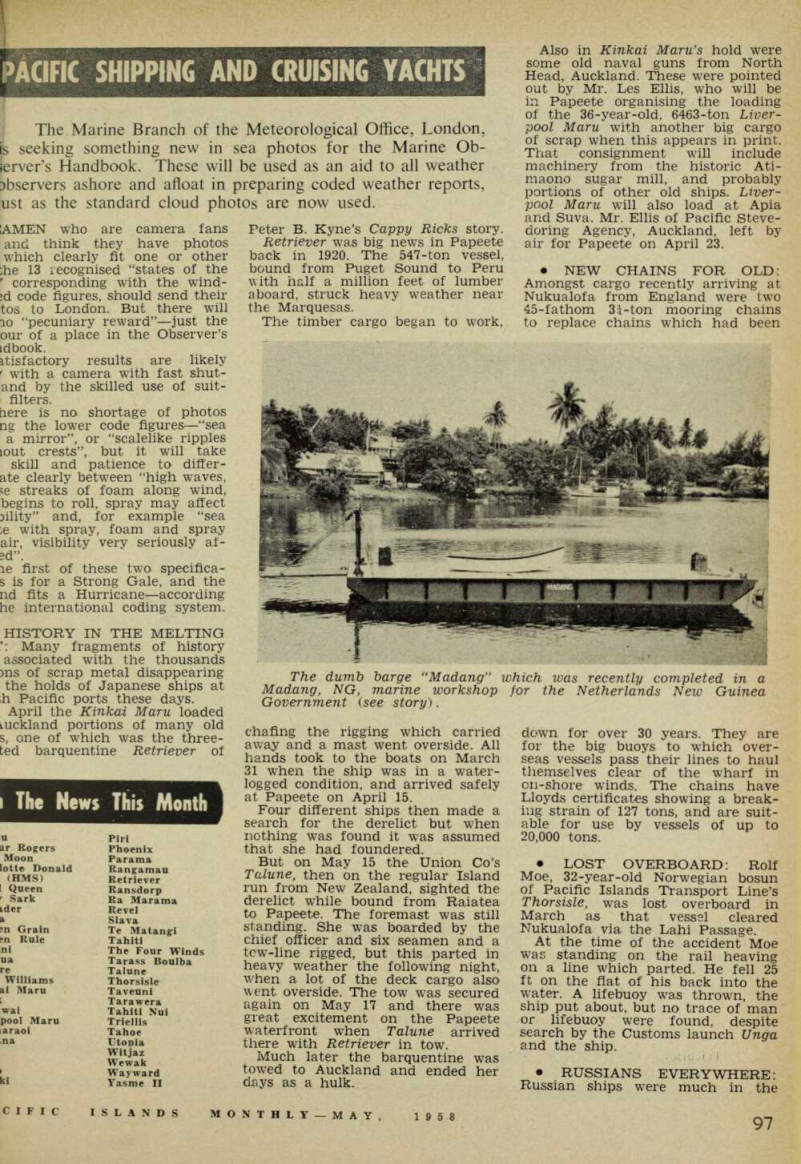 103
103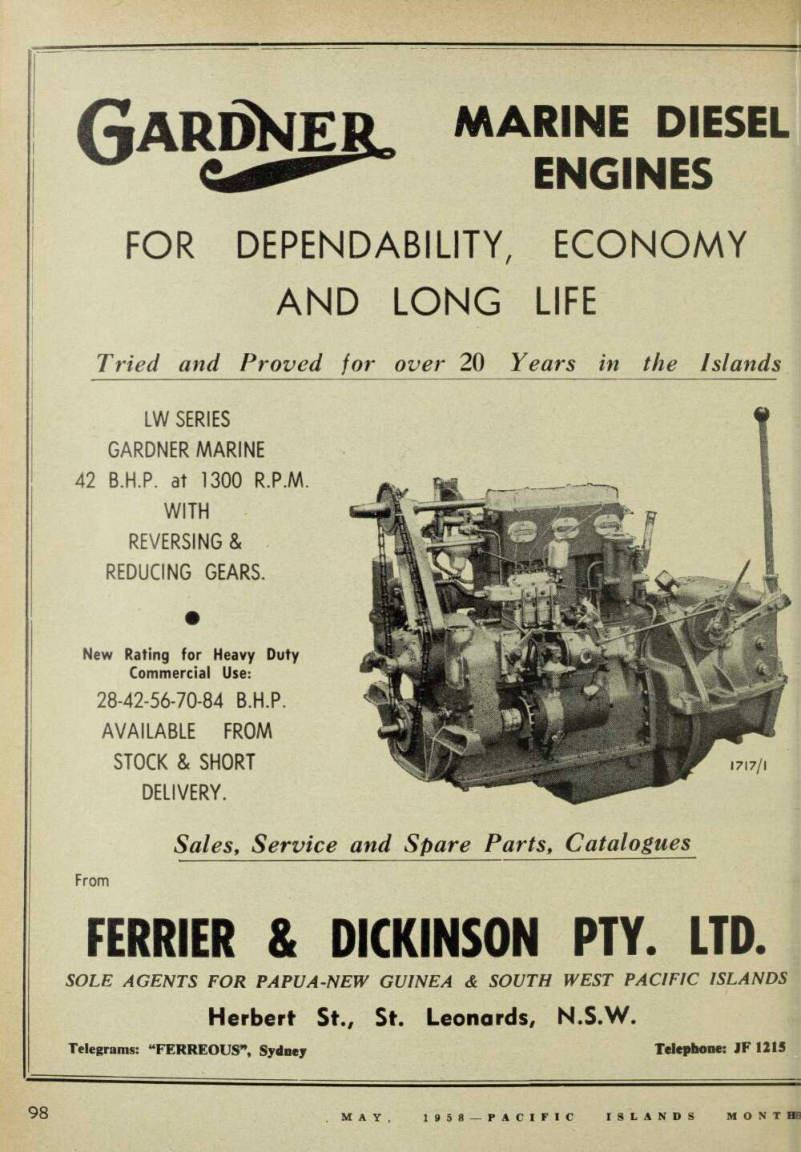 104
104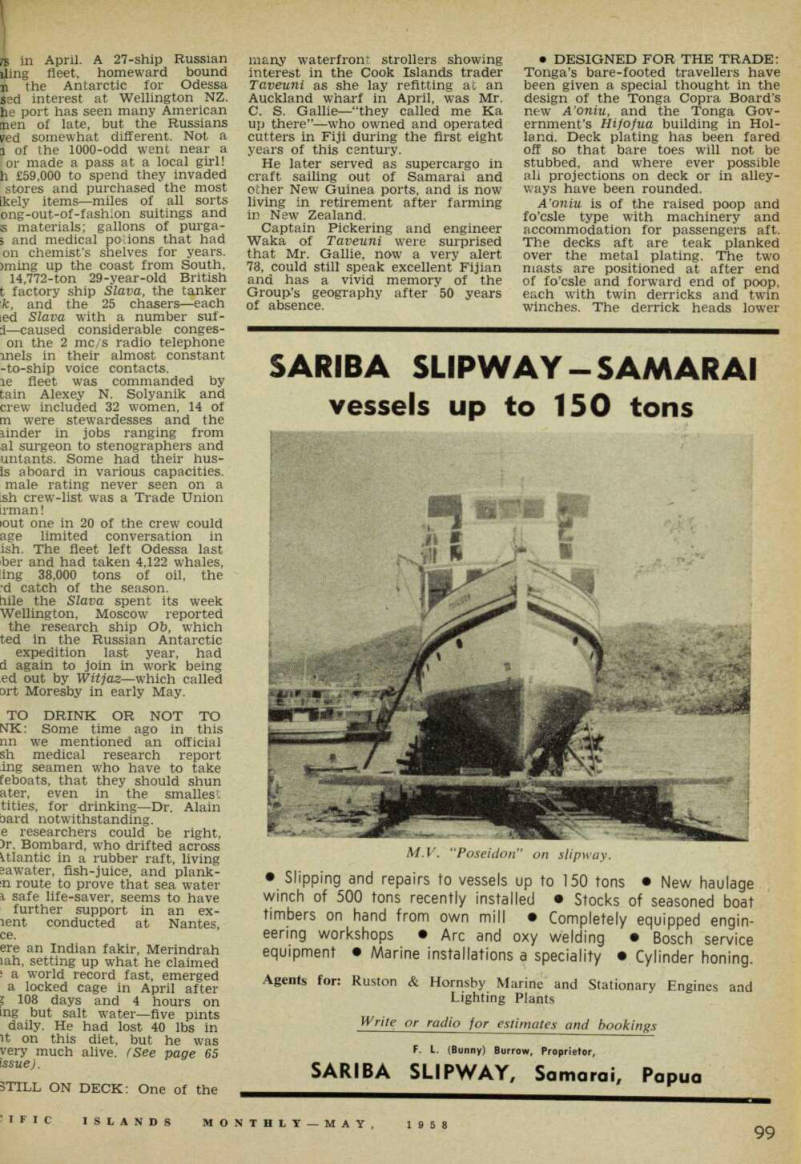 105
105 106
106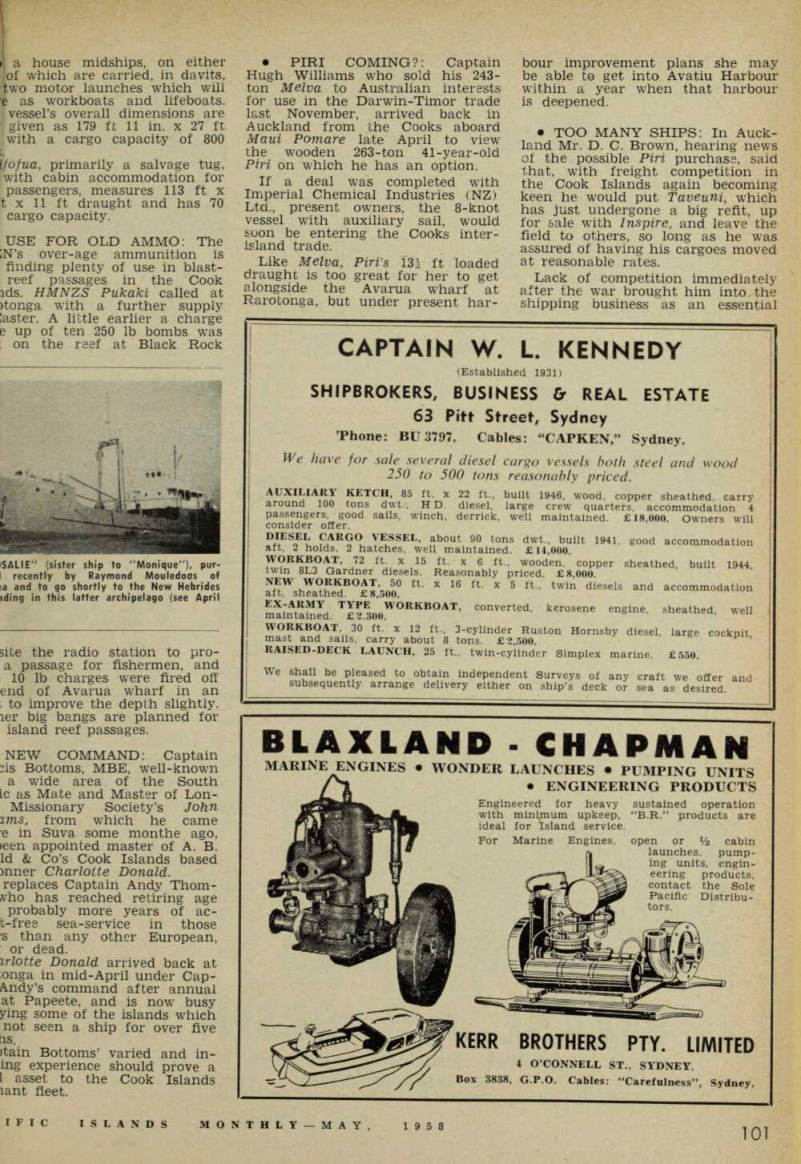 107
107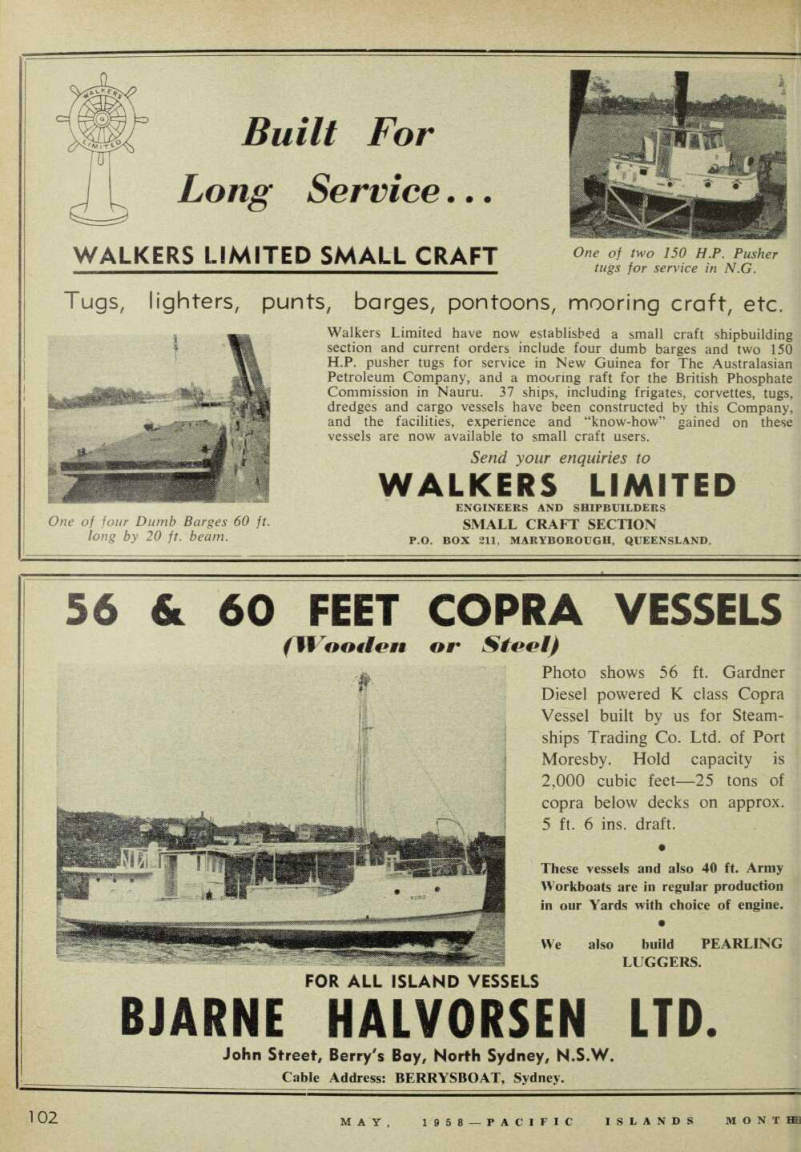 108
108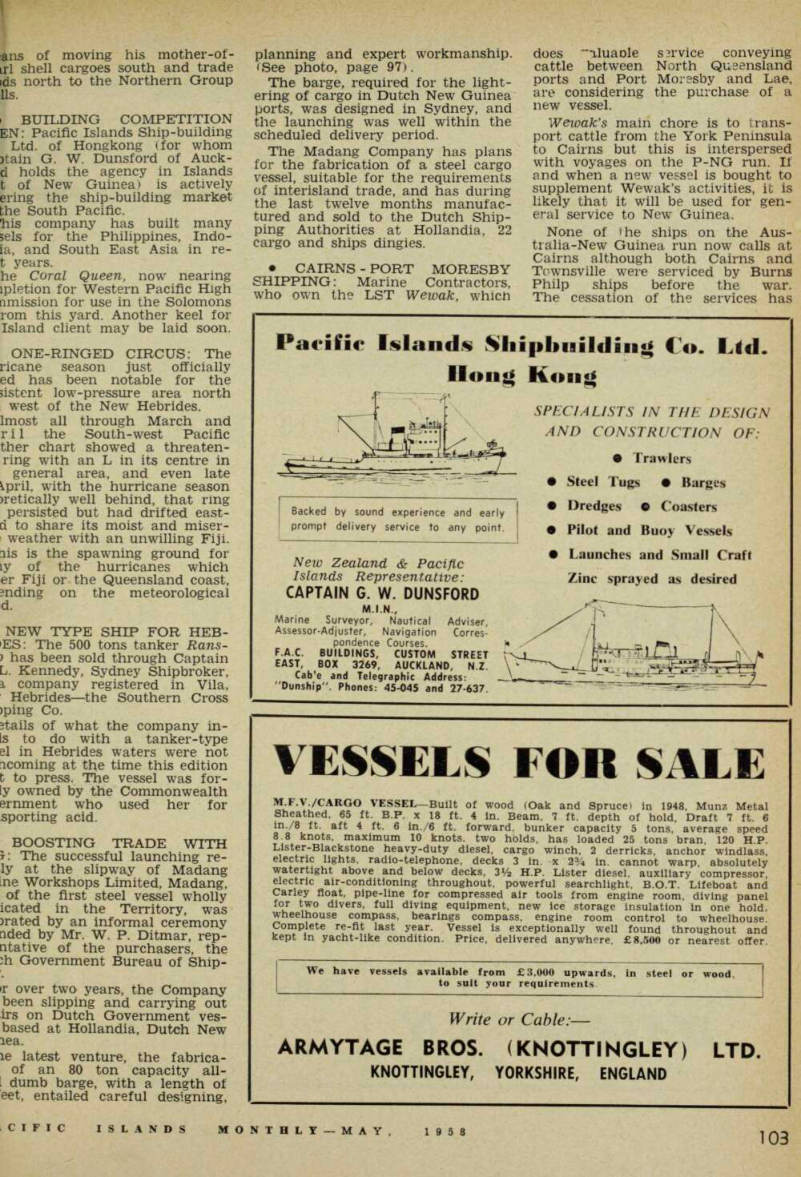 109
109 110
110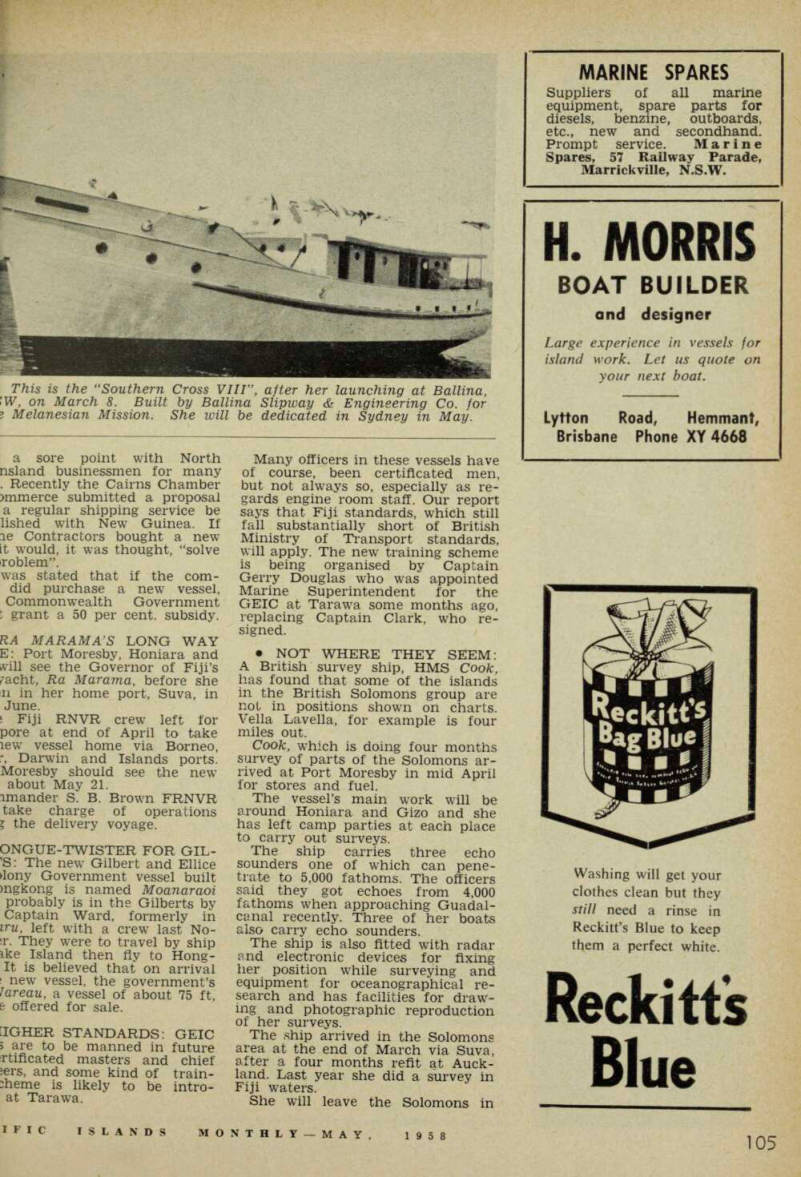 111
111 112
112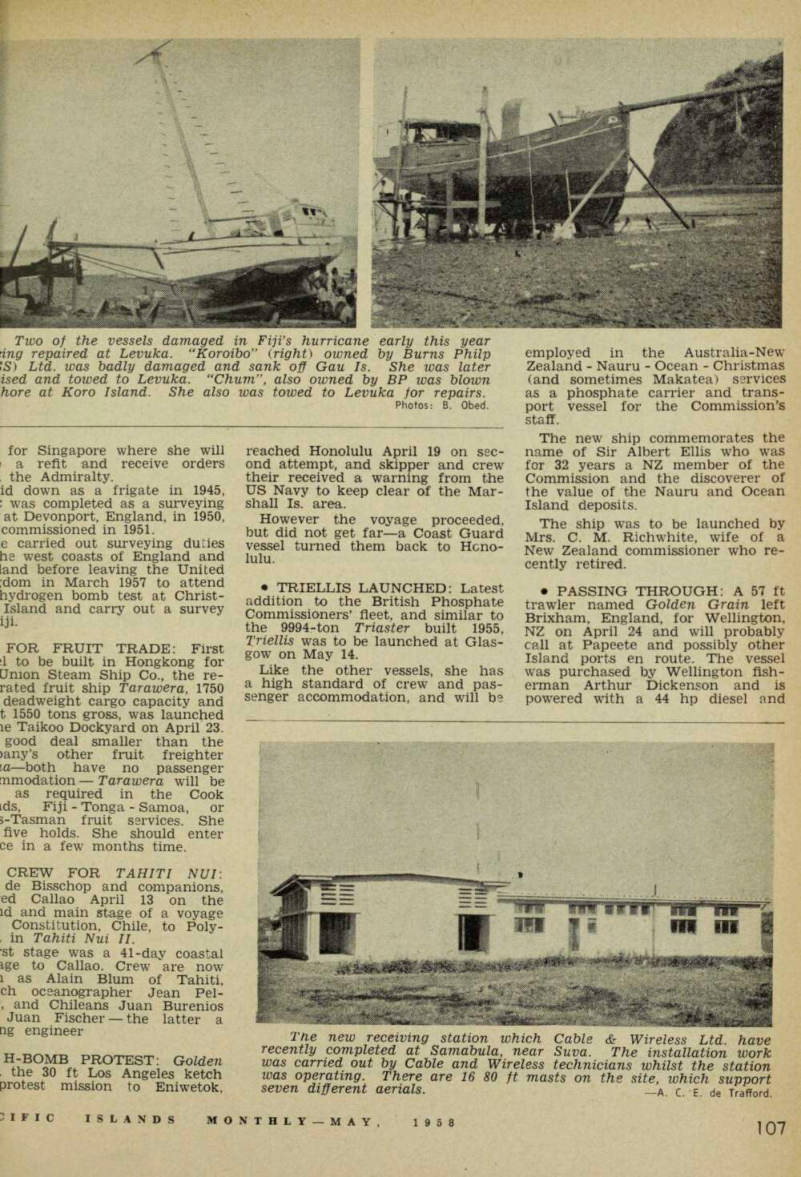 113
113 114
114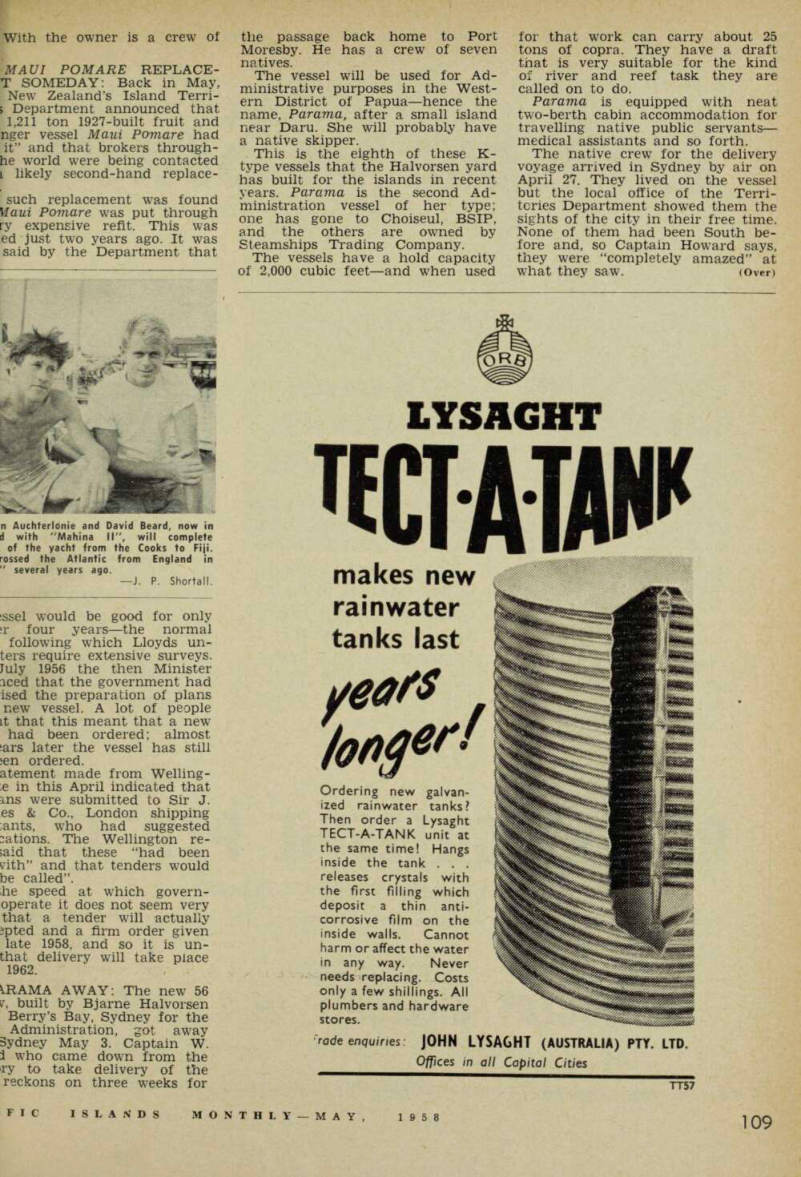 115
115 116
116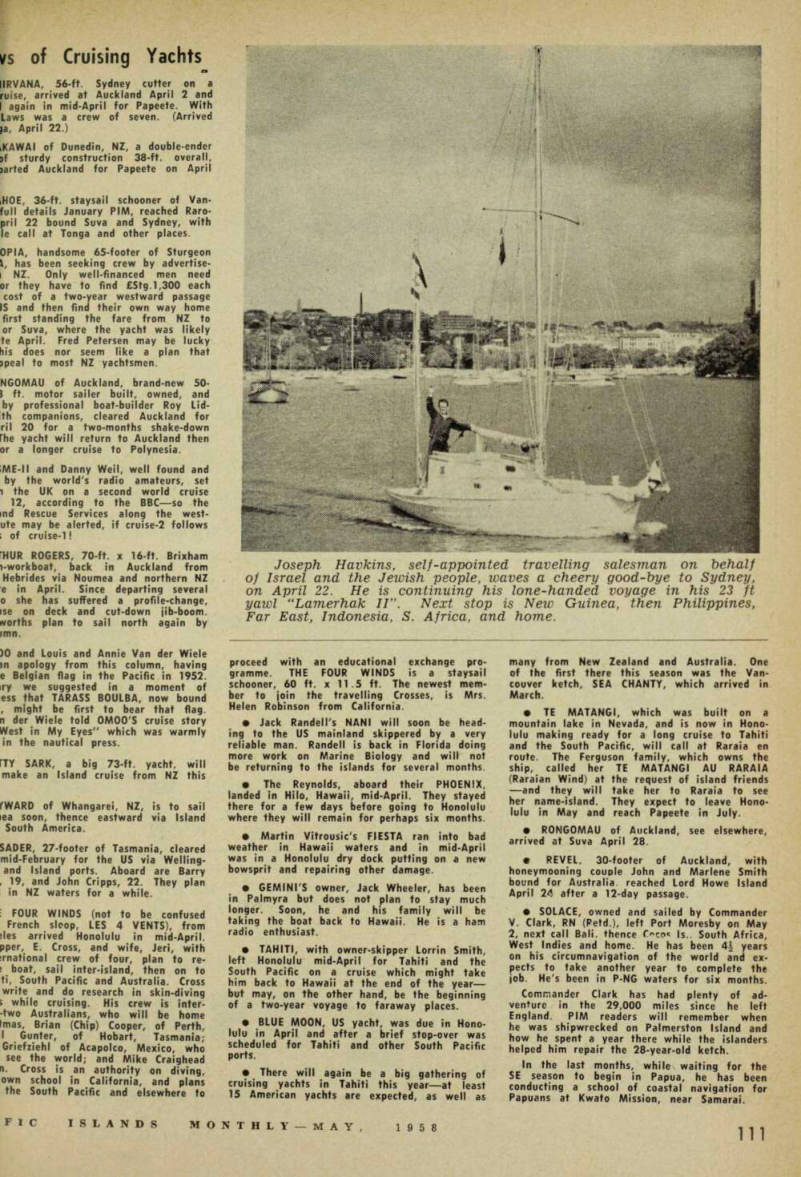 117
117 118
118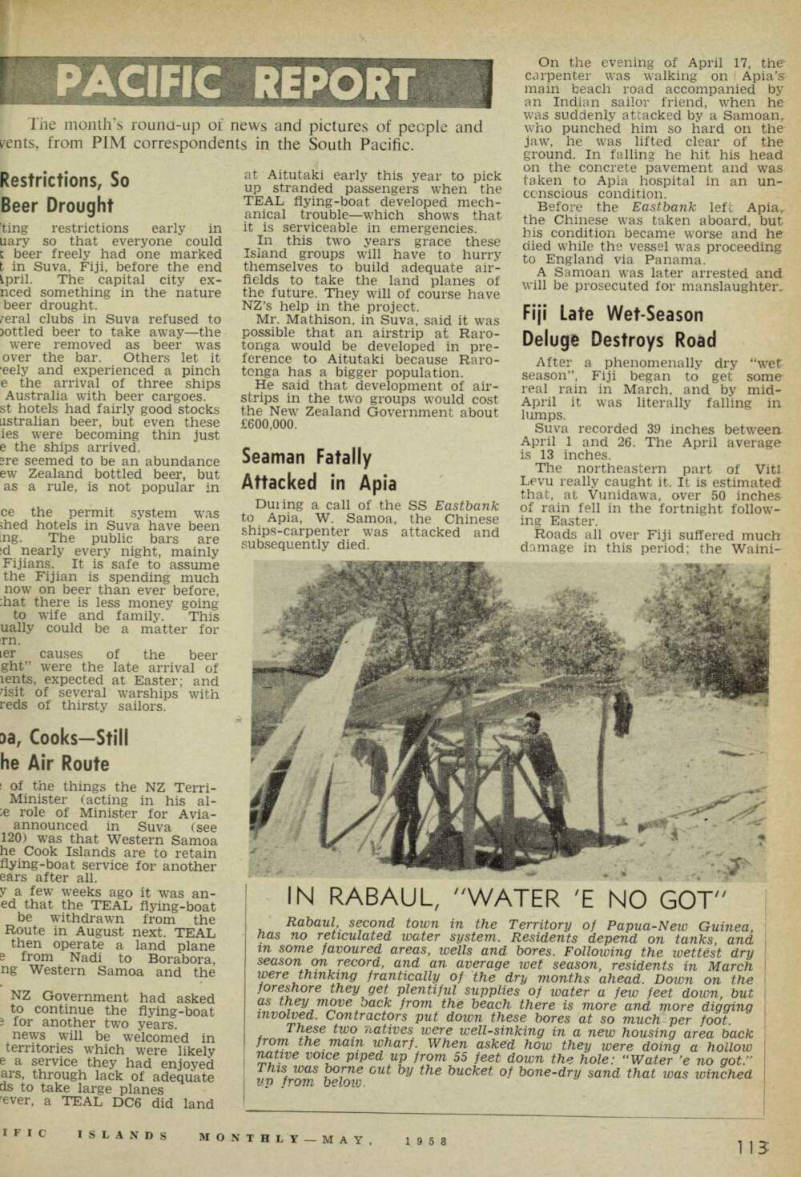 119
119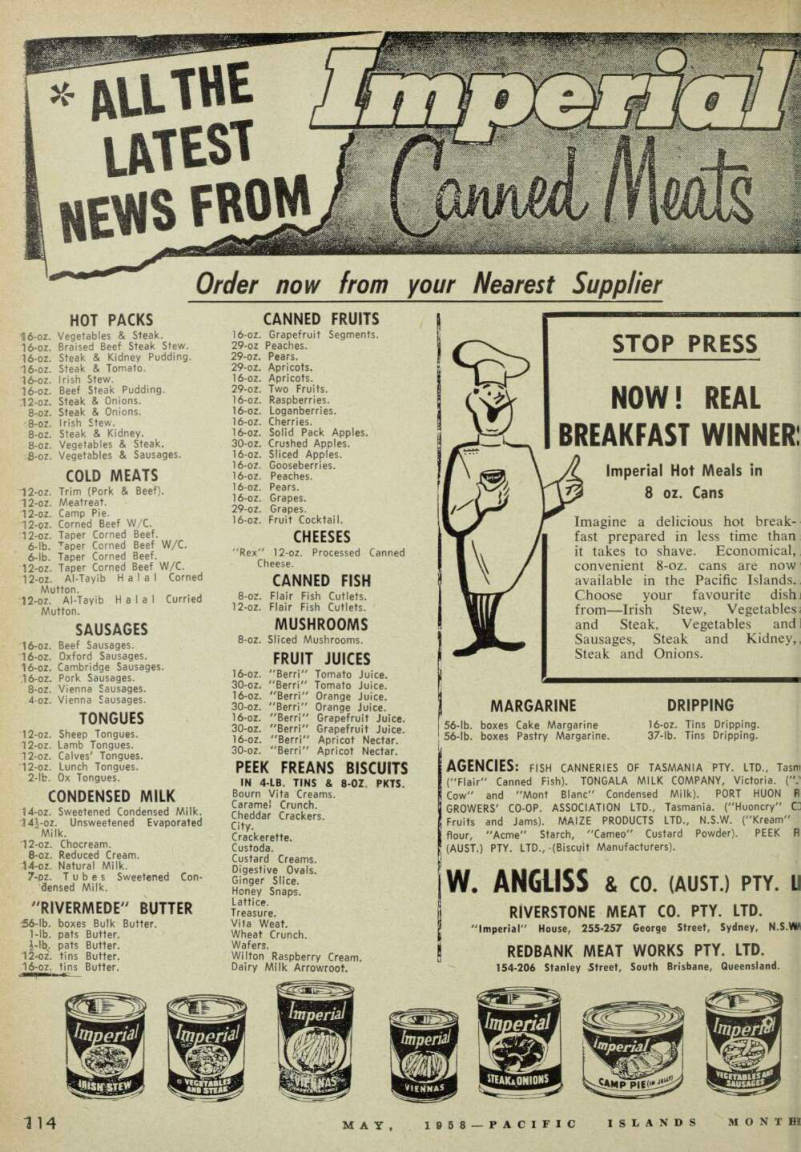 120
120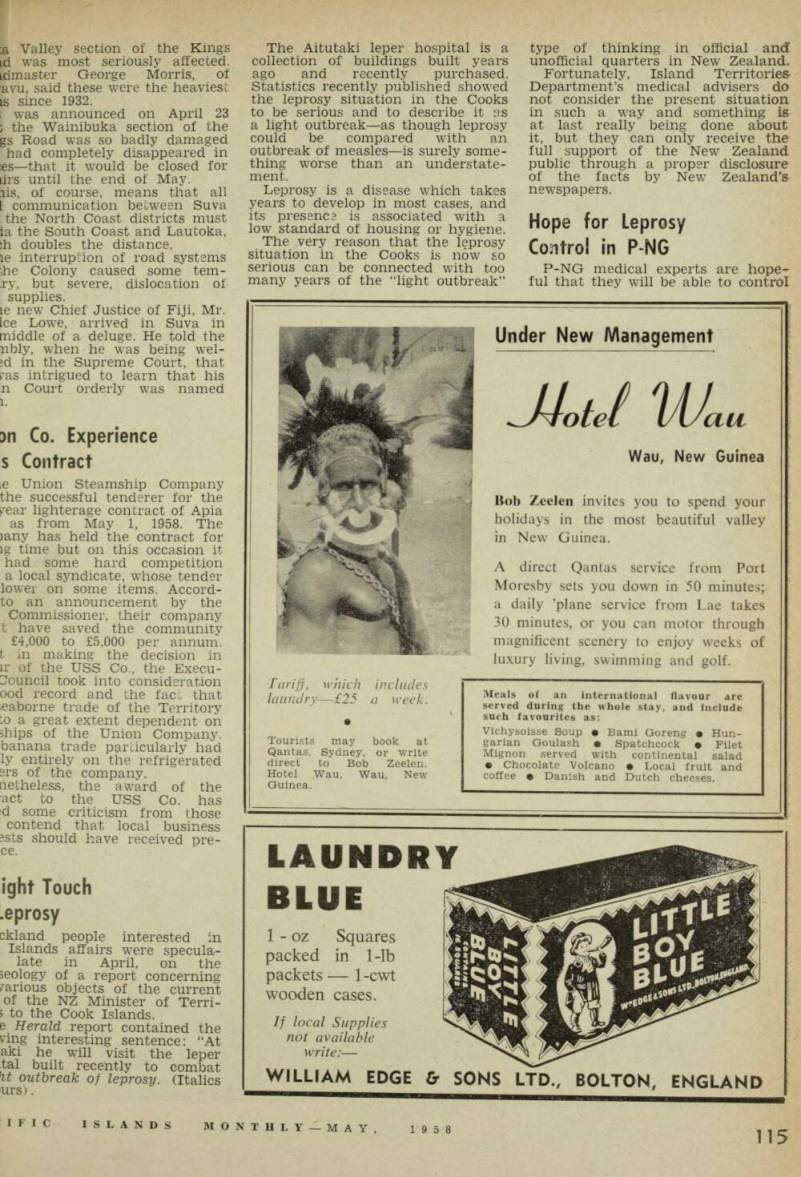 121
121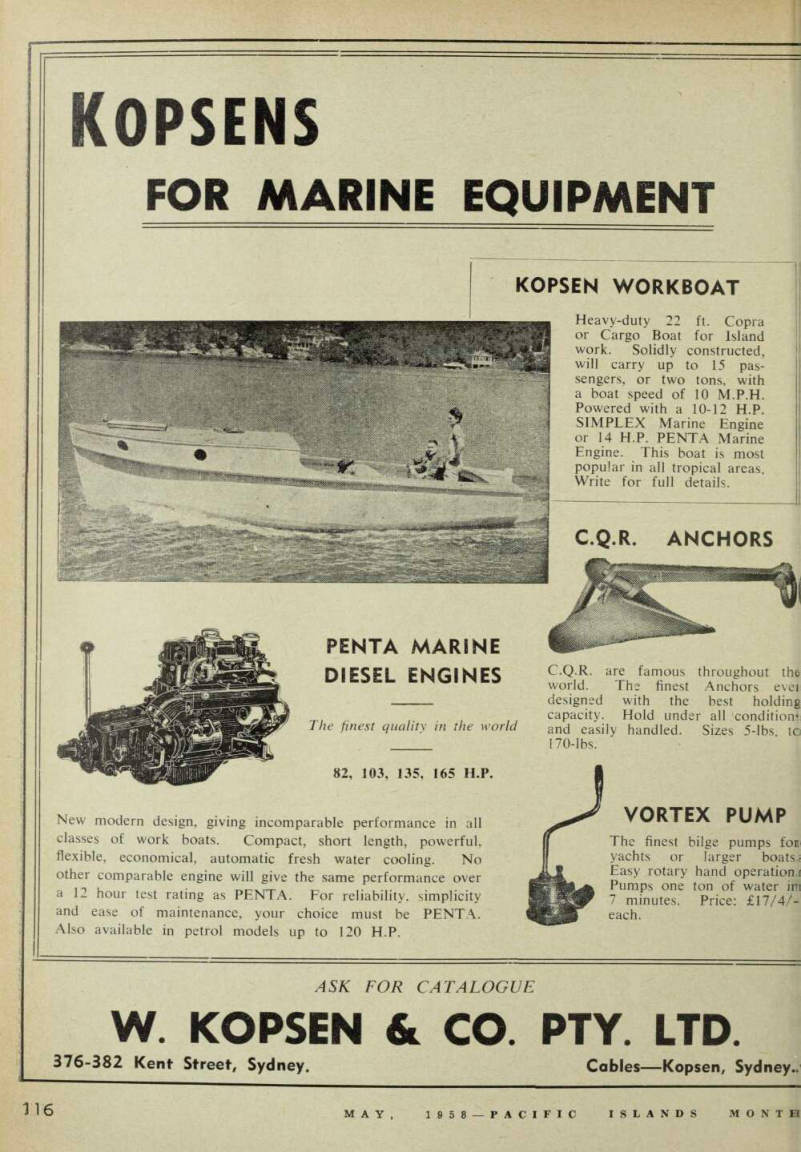 122
122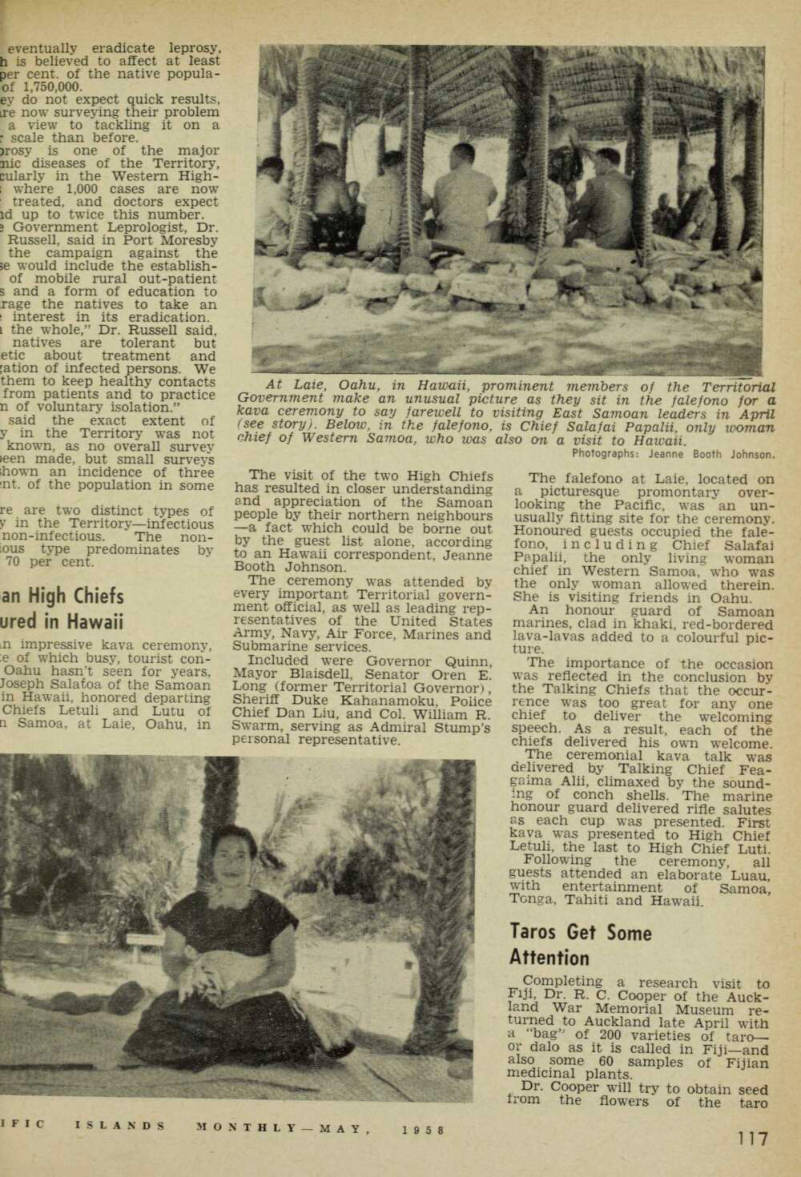 123
123 124
124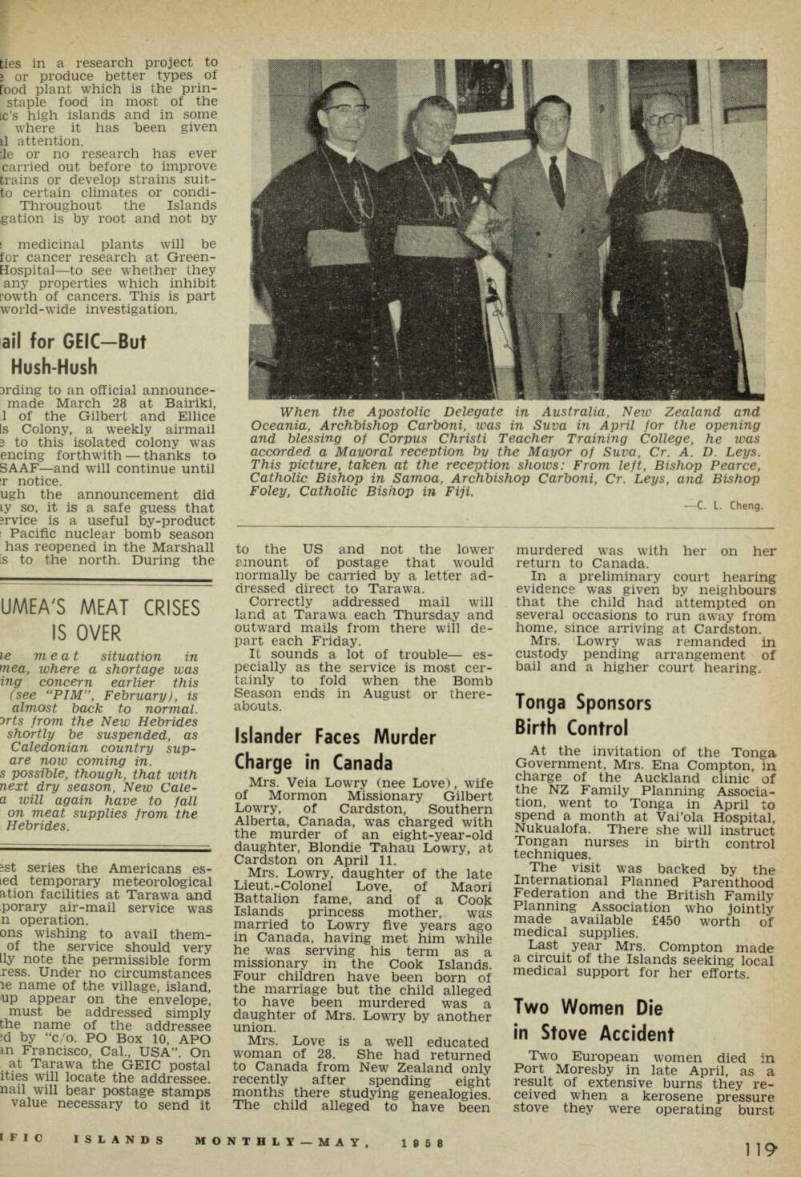 125
125 126
126 127
127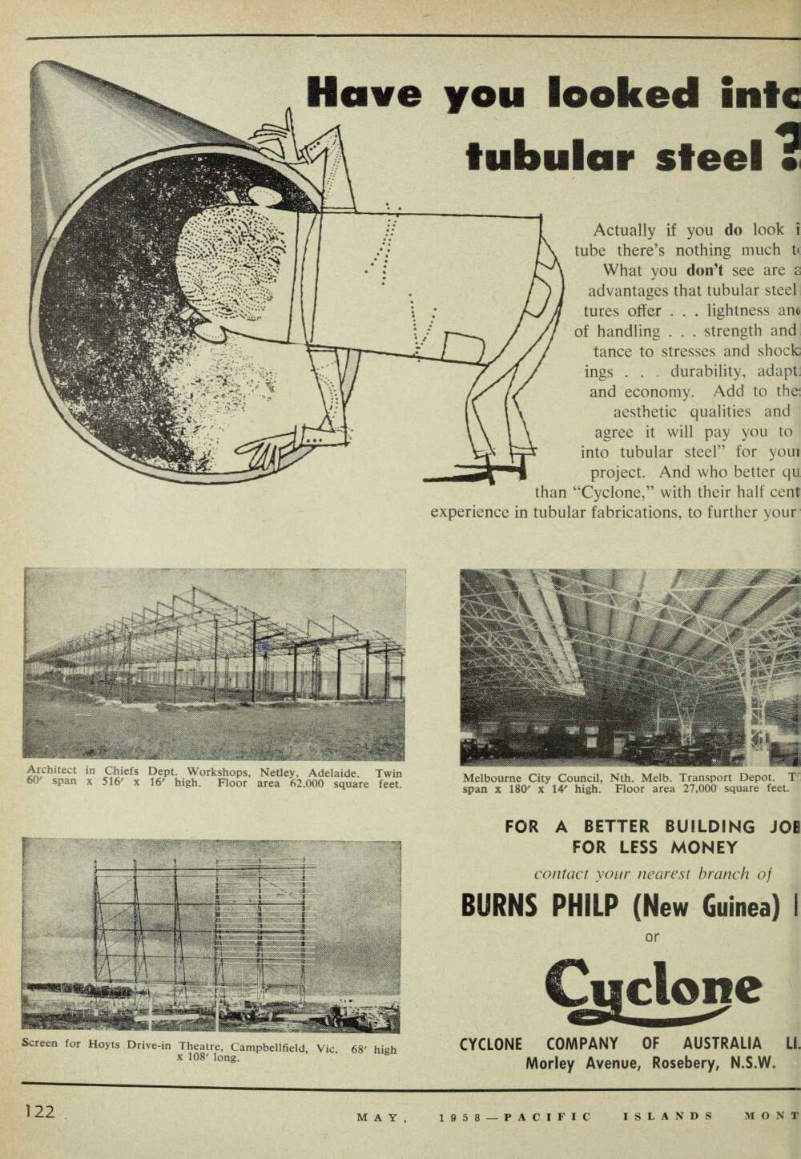 128
128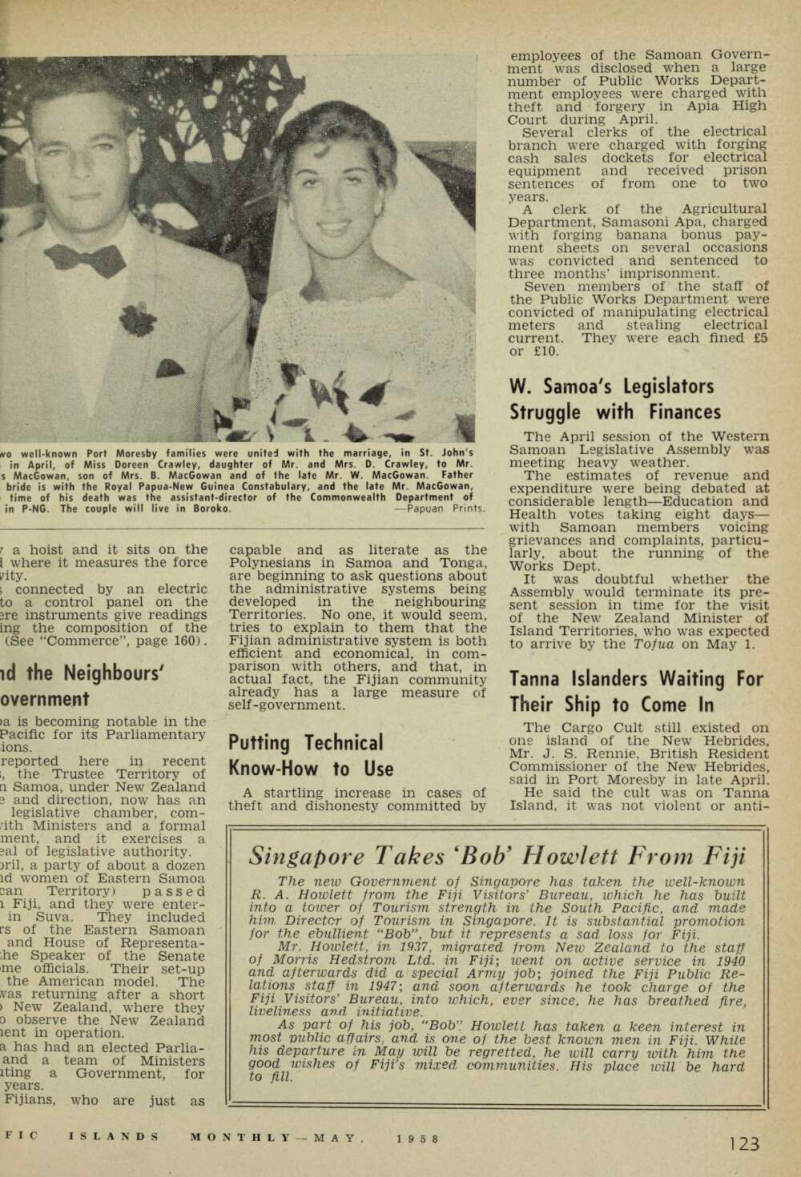 129
129 130
130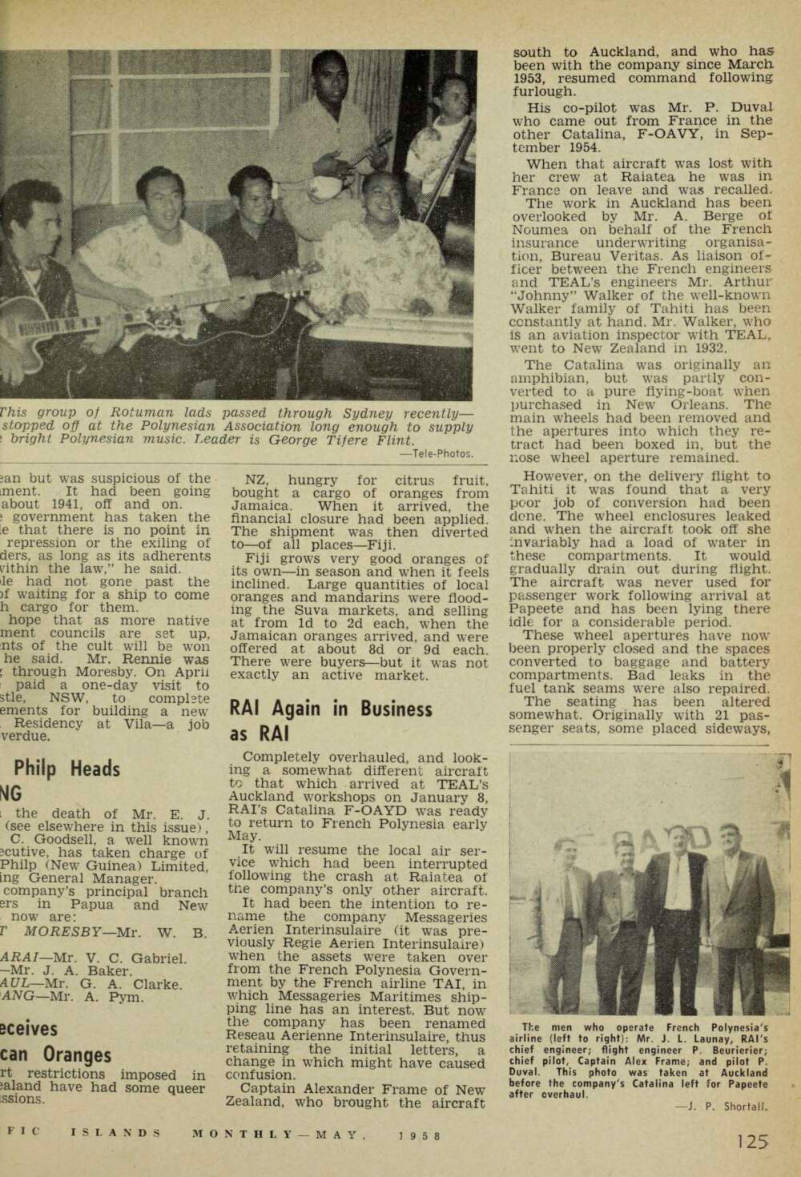 131
131 132
132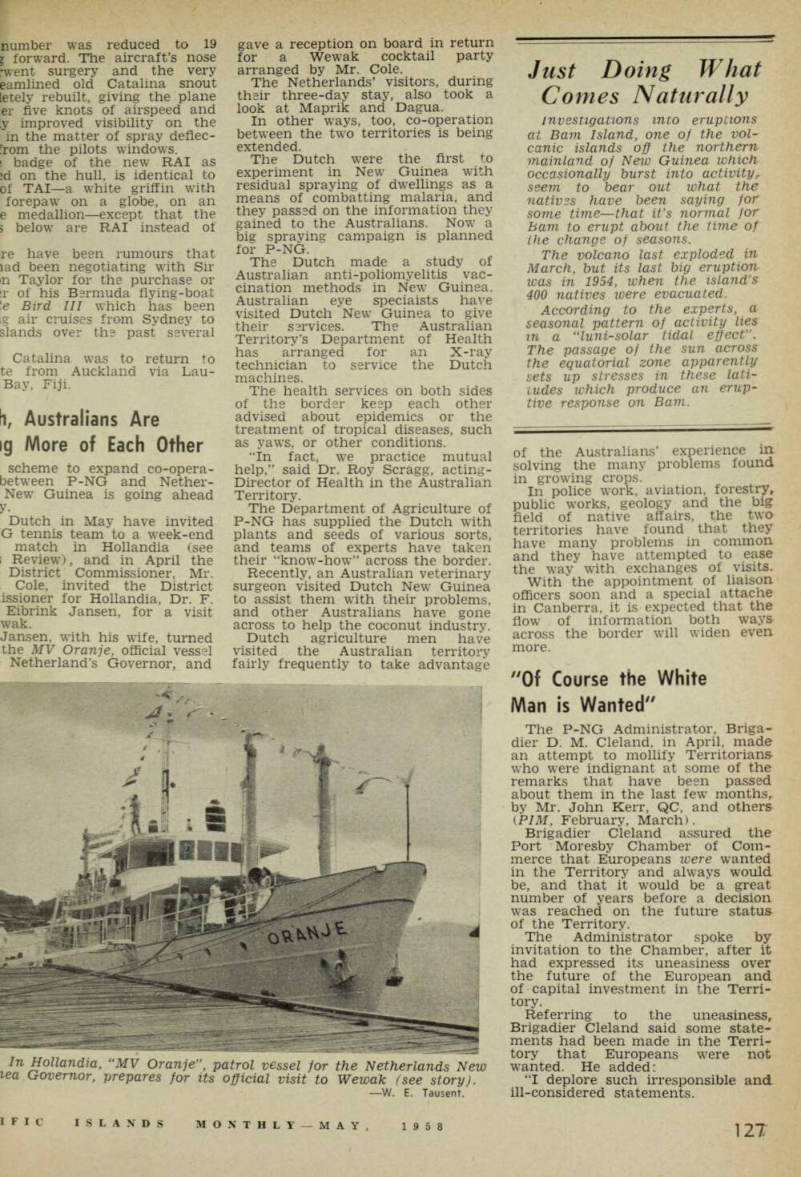 133
133 134
134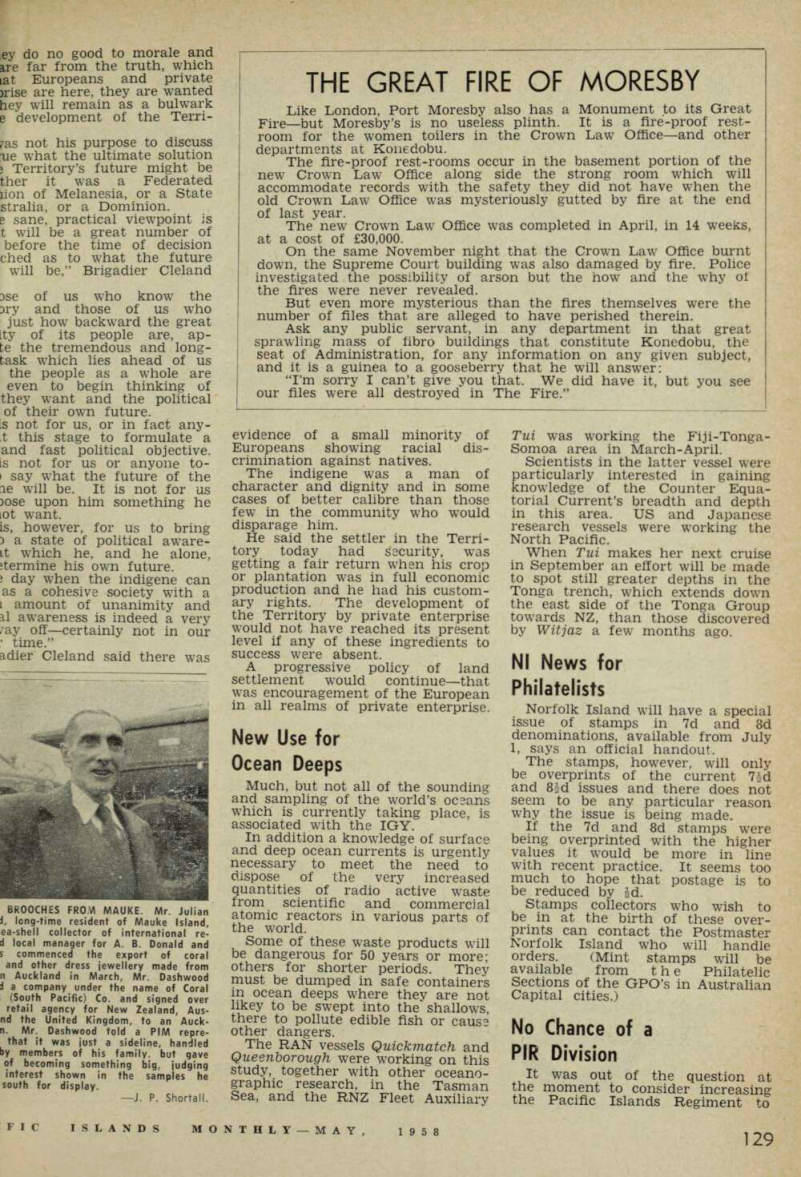 135
135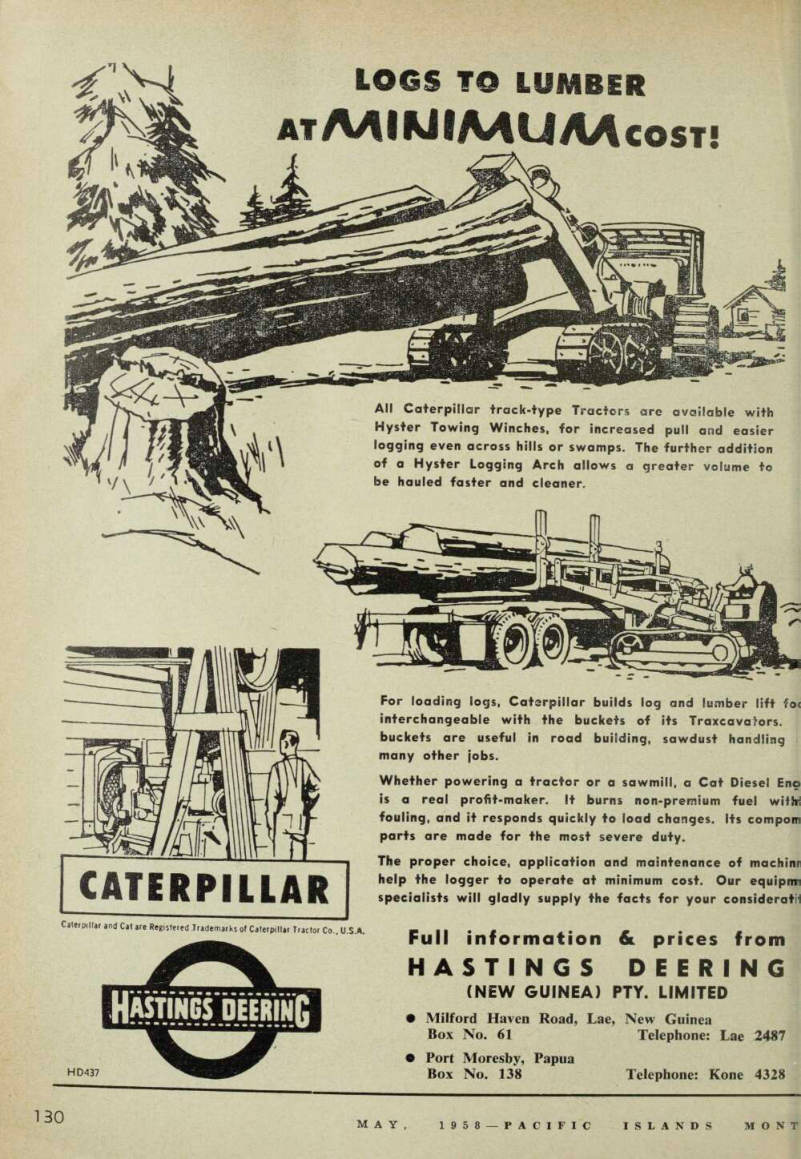 136
136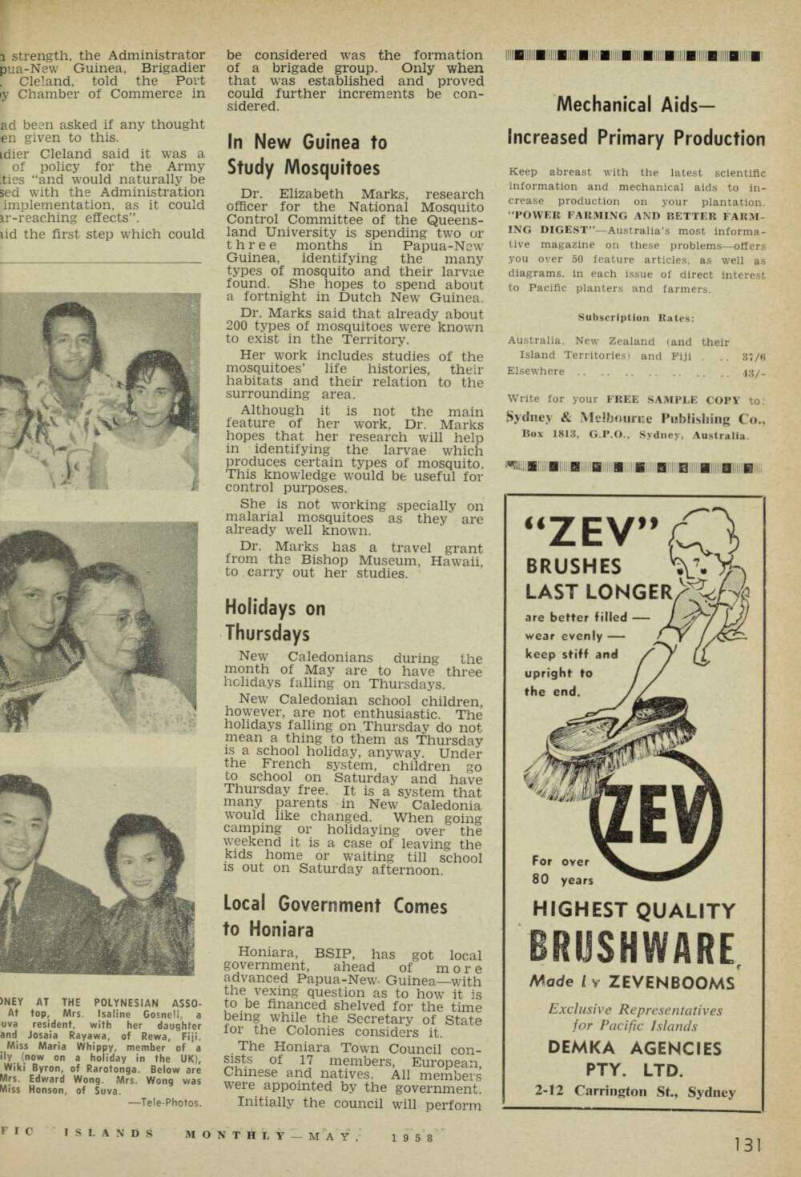 137
137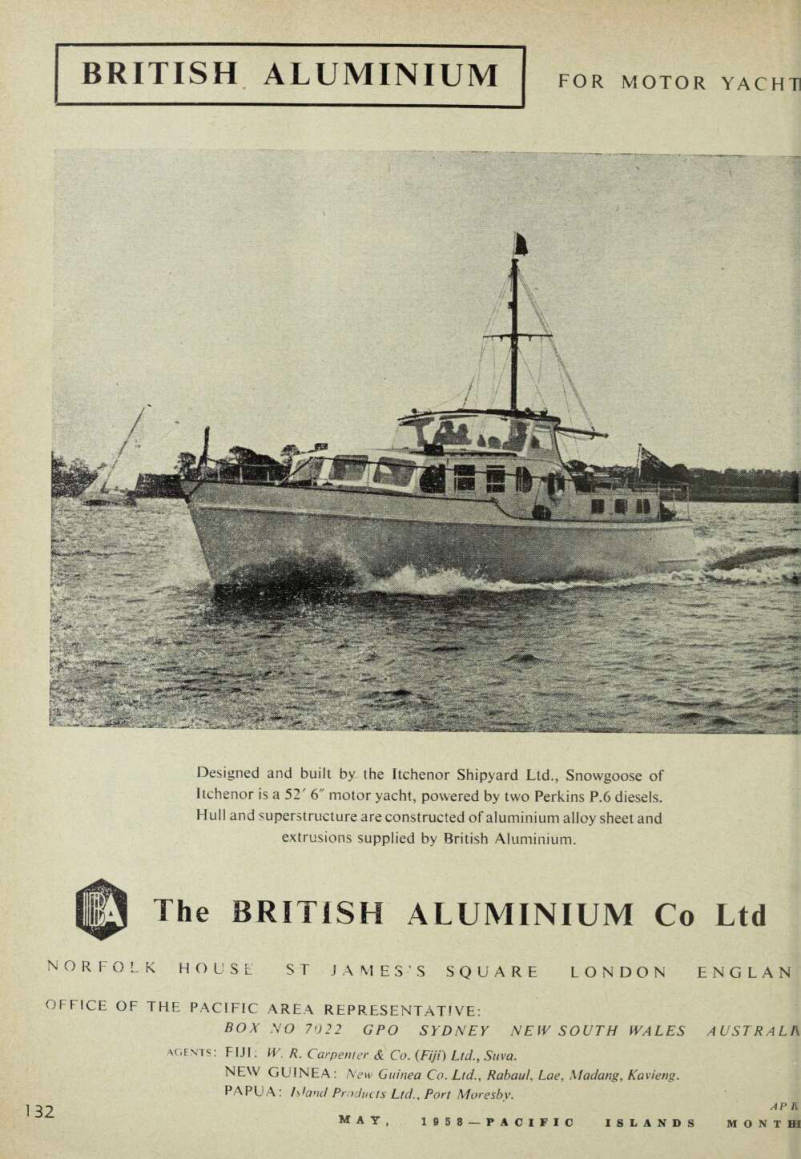 138
138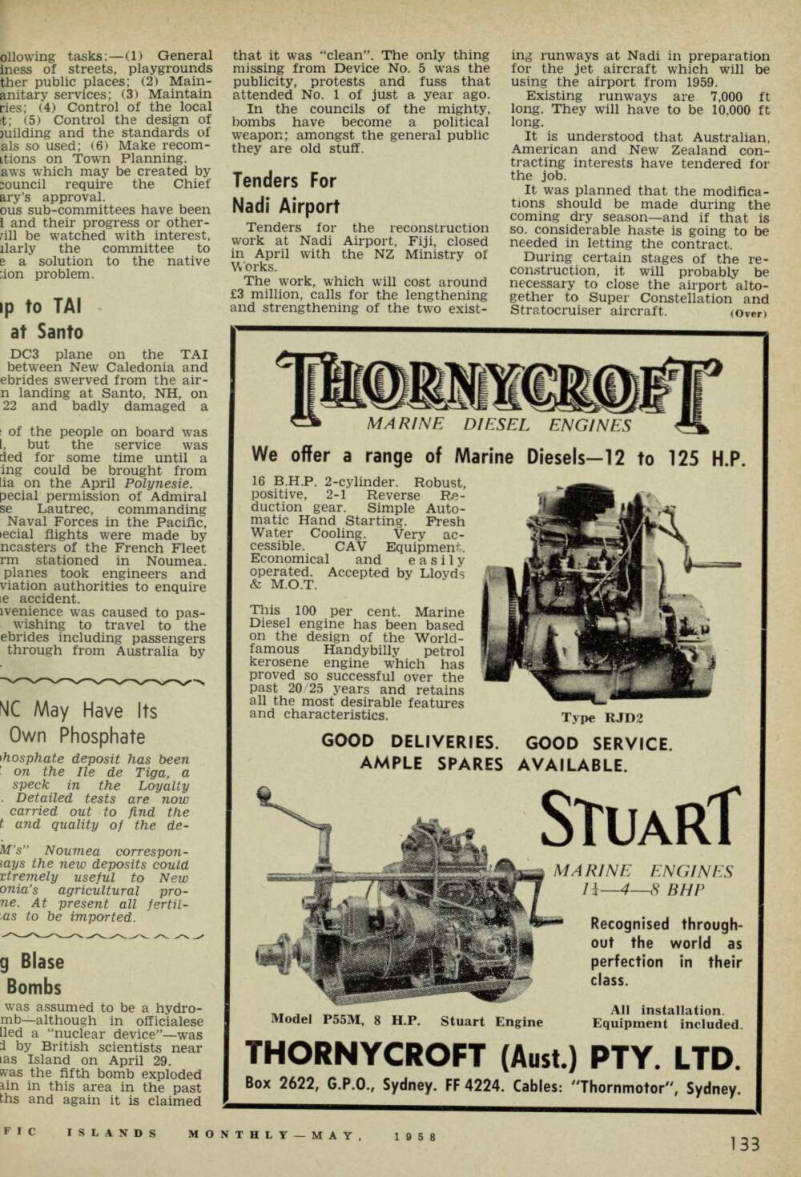 139
139 140
140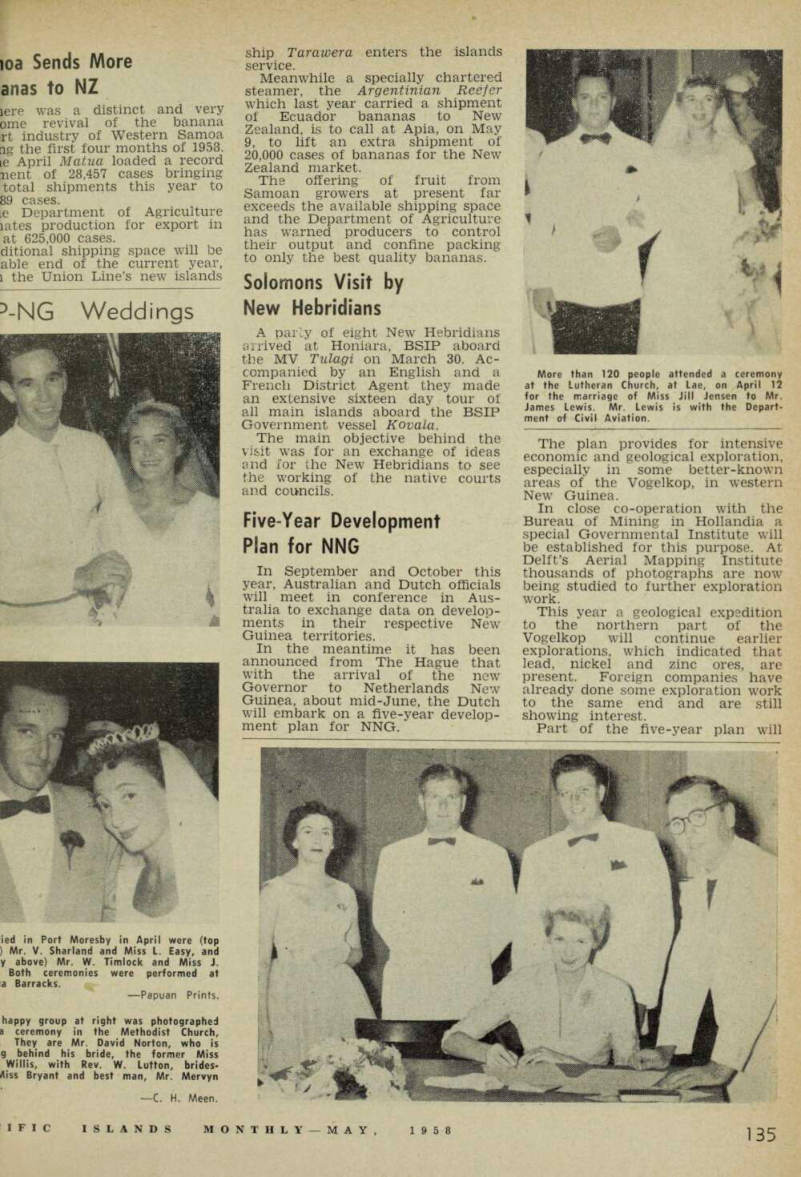 141
141 142
142 143
143 144
144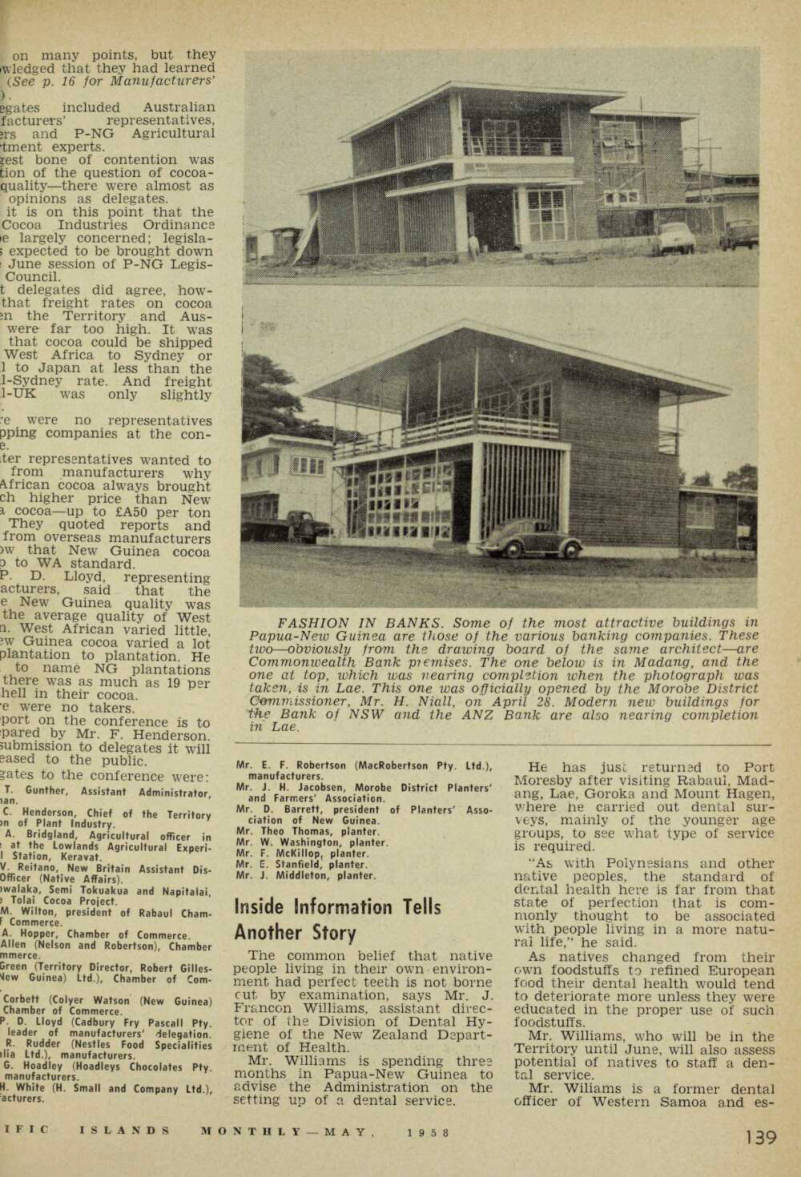 145
145 146
146 147
147 148
148 149
149 150
150 151
151 152
152 153
153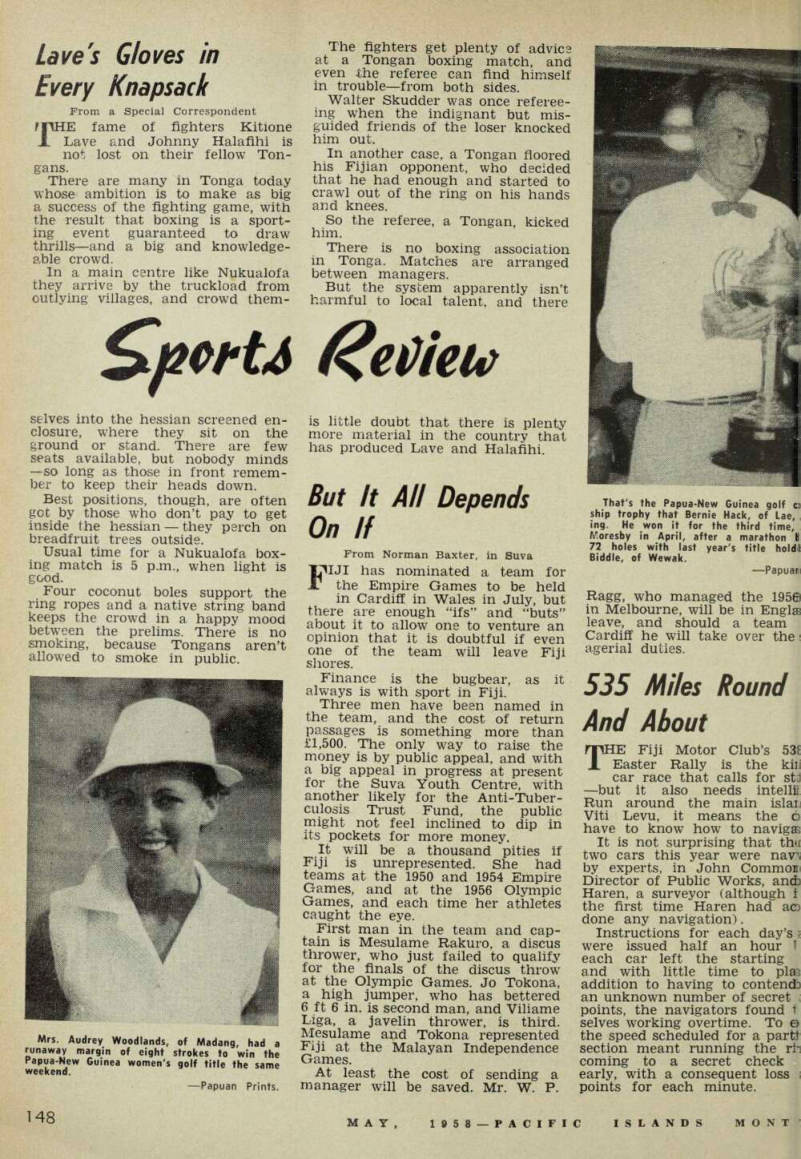 154
154 155
155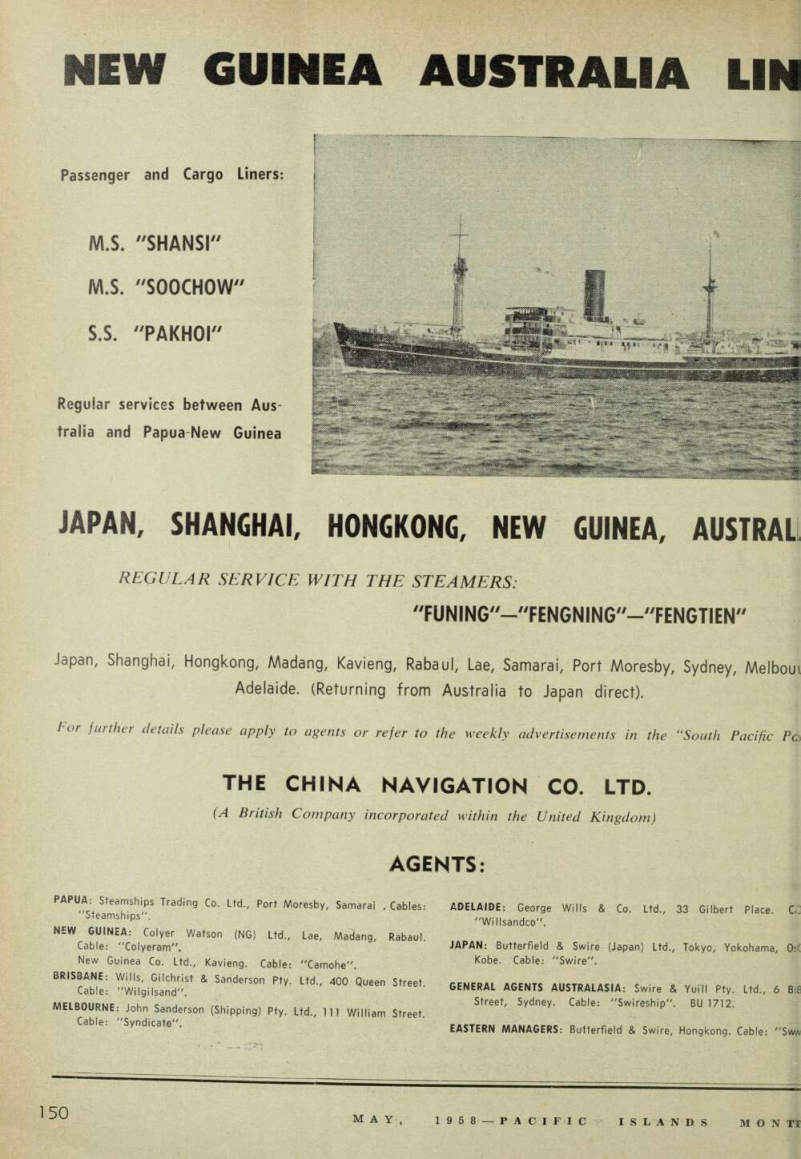 156
156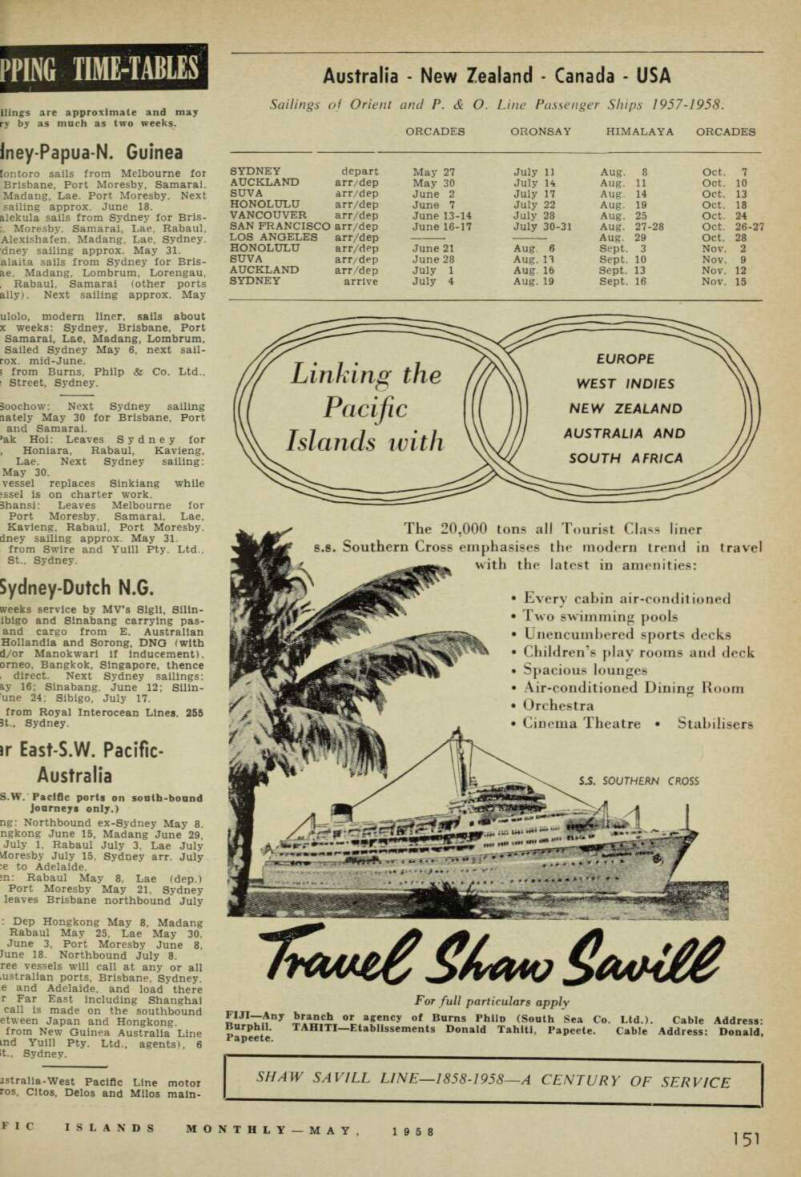 157
157 158
158 159
159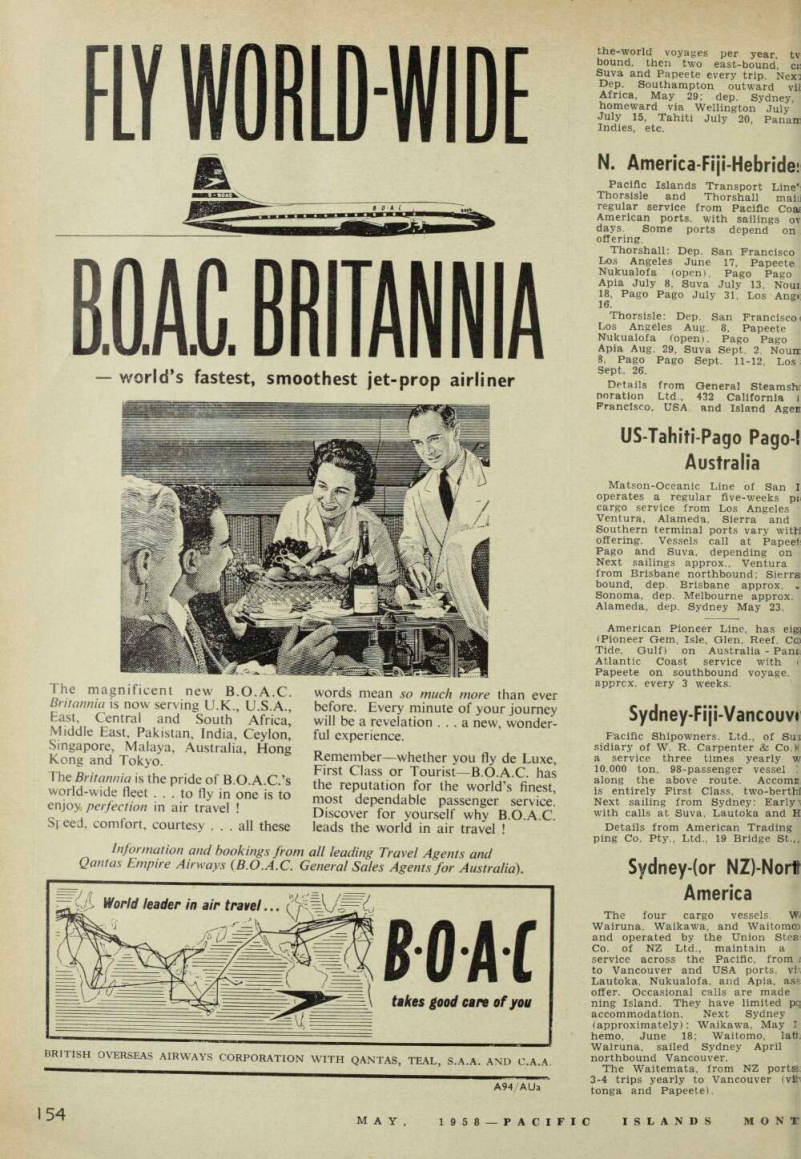 160
160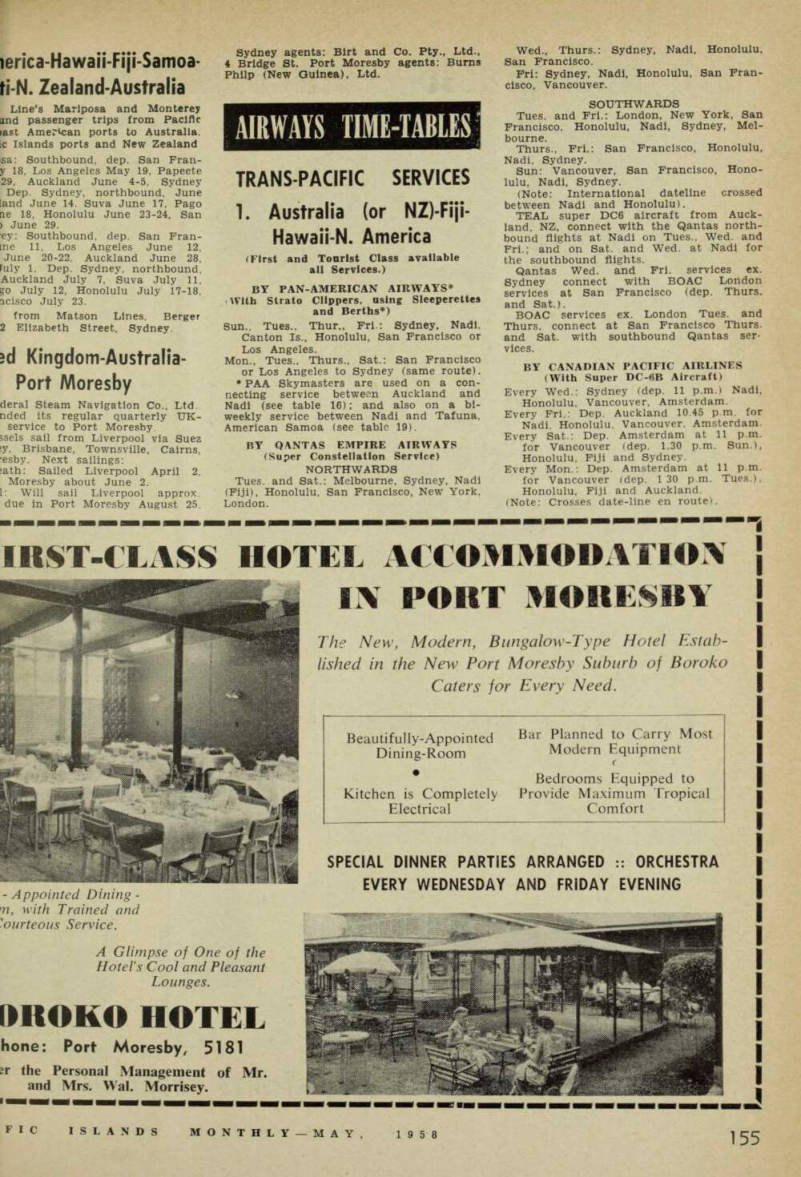 161
161 162
162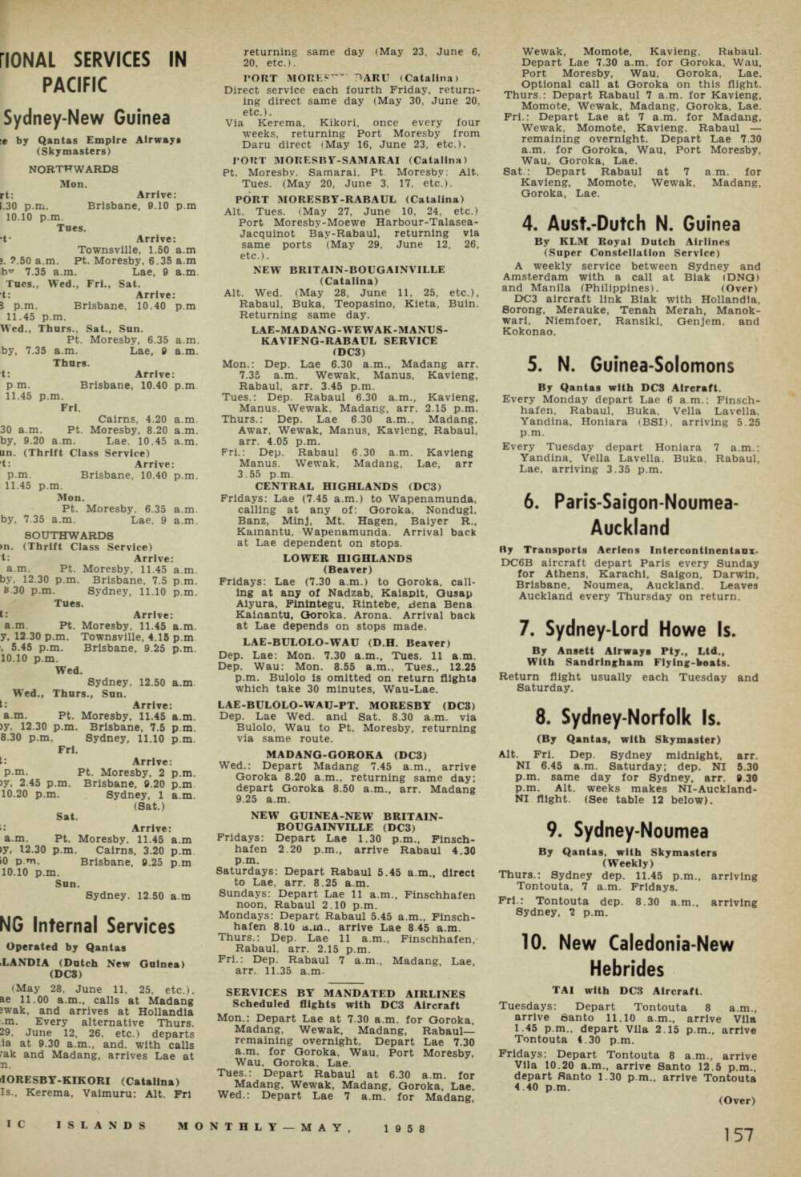 163
163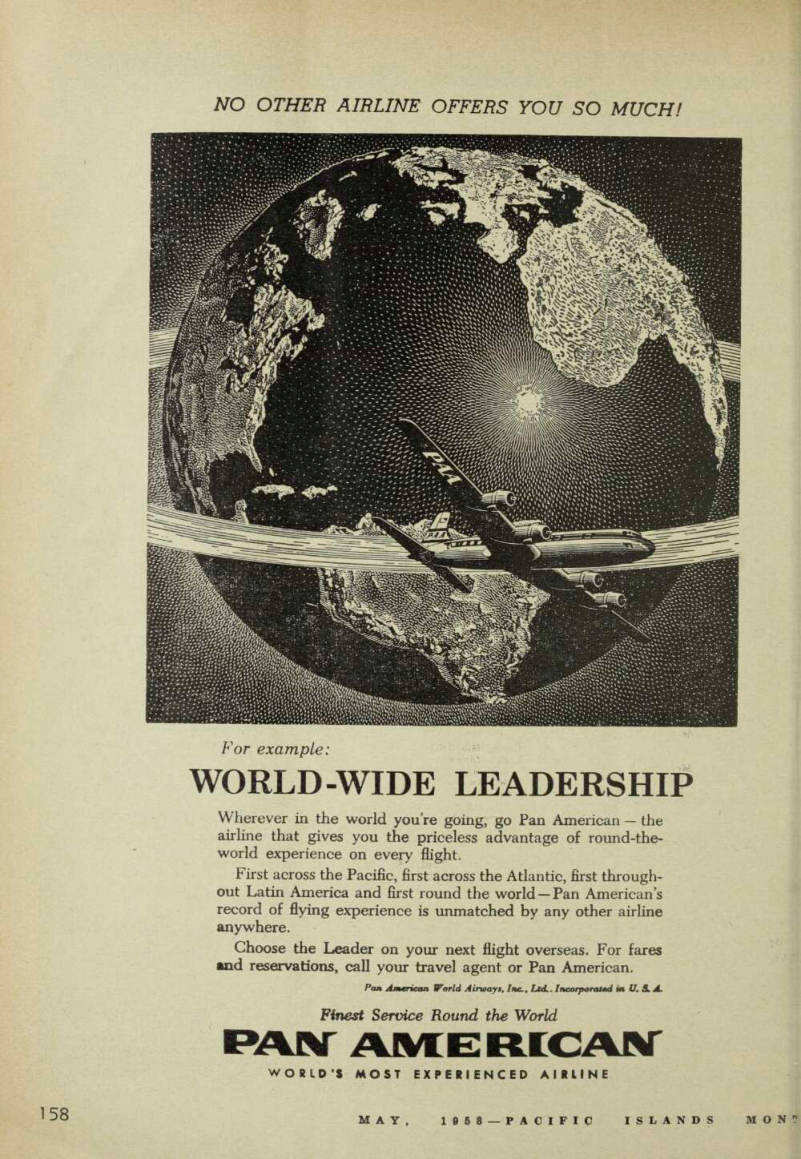 164
164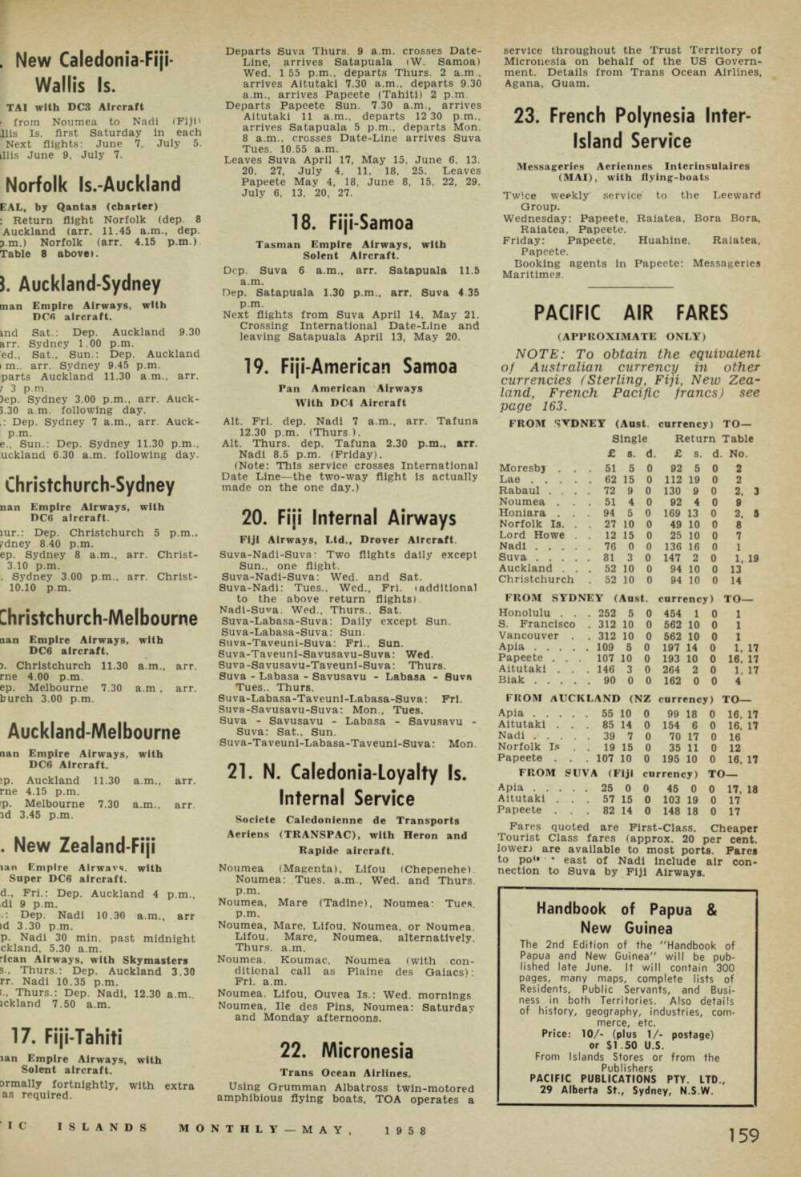 165
165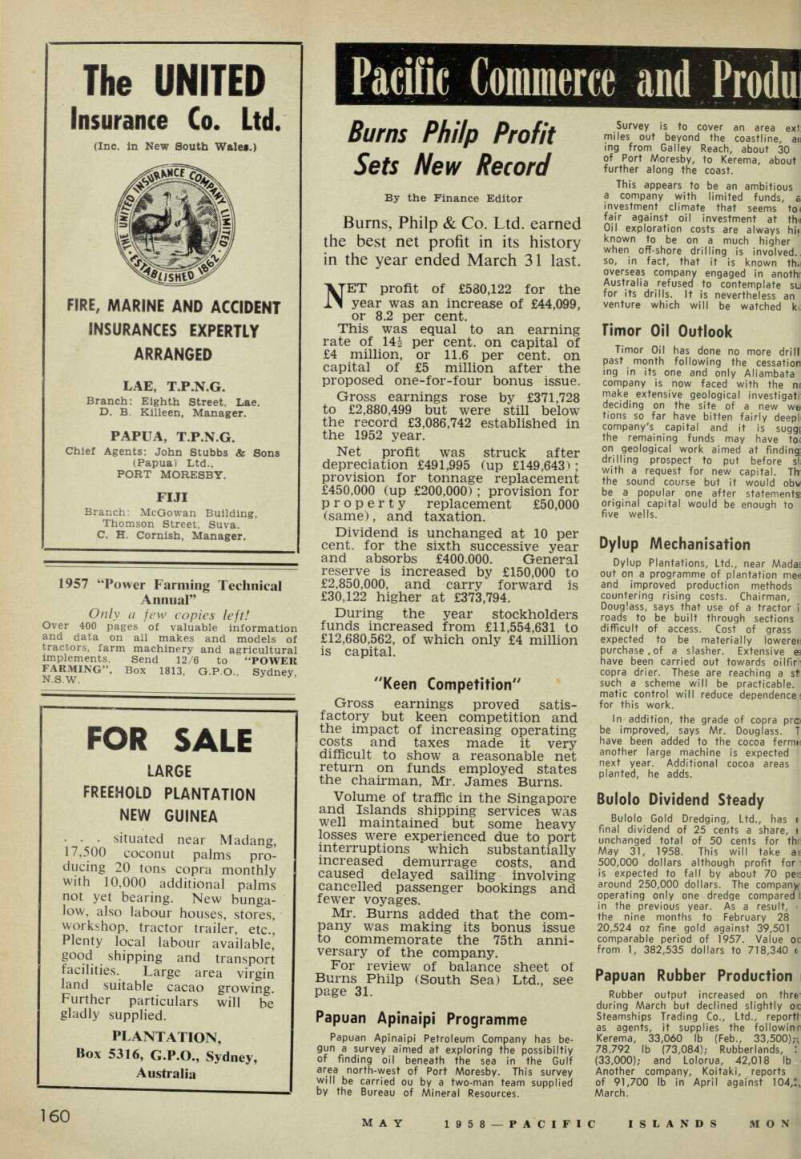 166
166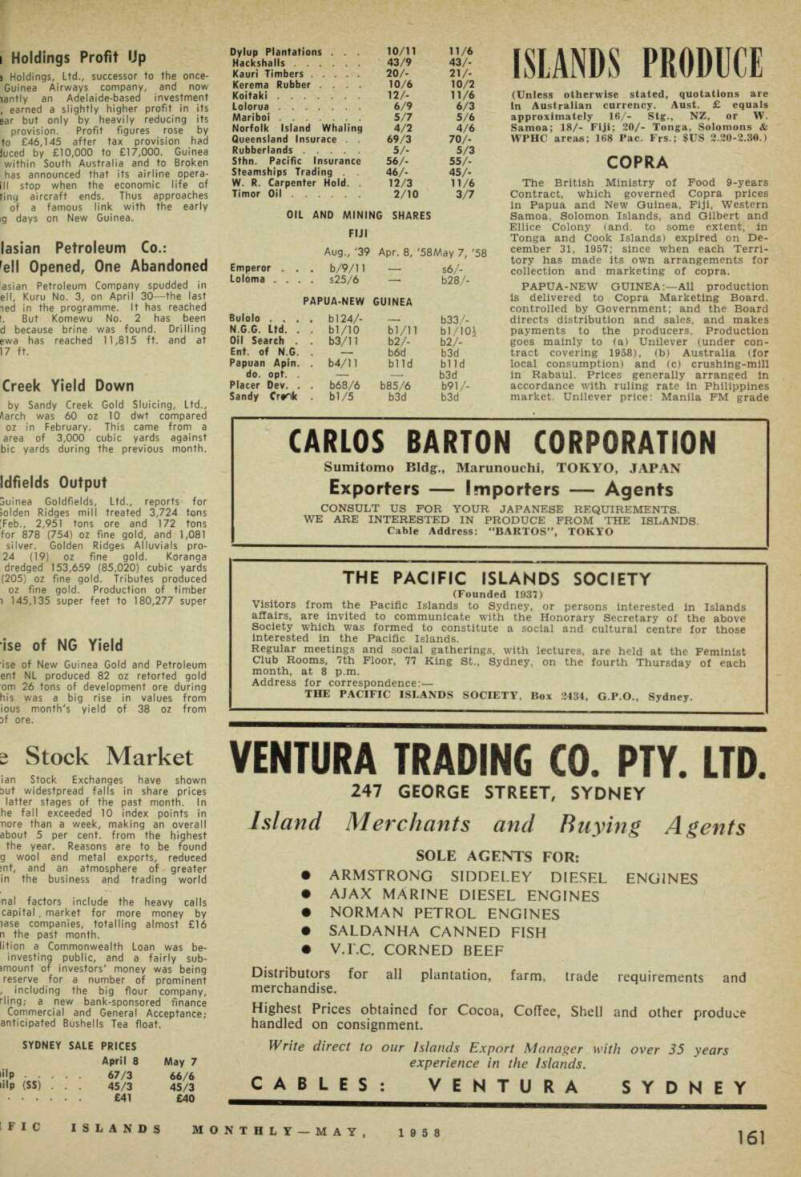 167
167 168
168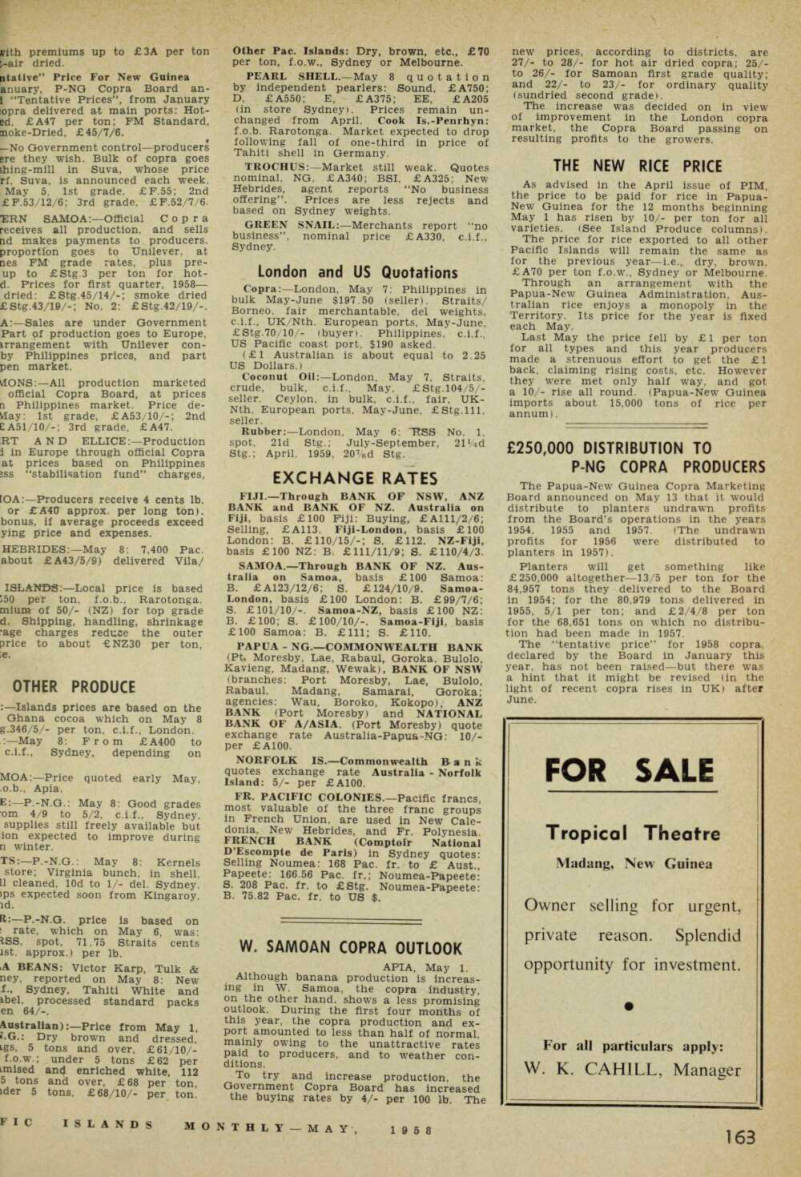 169
169 170
170 171
171 172
172