Monthly
Pacific Islands Monthly
The New/s Magazine Of The South Pacific
Since 1930
Wde:
New Caledonia in Pictures Preview of Noumea Games
Ecember, 1966
Aust. cents • Three shillings • 70 US cpnts • SO French Pac. frcs.
Registered at G.P.0., Sydney, for
[?]mea, host city for the South Pacific Games.
OUR COVER: All eyes in the South Pacific will be looking towards Noumea in Decem ber during the staging of the Second South Pacific Games. New Caledonia, with help from France, has spent hundreds of thousands of francs in providing track, field and pool facilities unmatched in the South Seas. More Games news appears inside.—Photo: South Pacific Commission.
Advertisements & other items, pp. 2-8 (2 items)
January 19-
To Australia-
DAILY
TAA Electras
and special
pure jet flights
November 24-
December 25
January 19-
February 14
Book now
To meet your heavy travel requirements before Christmas and early in the New Year, TAA is increasing services to Australia. You’ll be able to fly on our Mark II Electra 8.0. P. (‘Bird of Paradise’) service every day during these periods.
And wait for it there will be some additional flights by Whispering T-Jet. How’s that for a real travel bonus to add to your holidays?
Naturally demand will be heavy, so we suggest you book early to make sure of the flight you want.
Remember that cargo capacity will be increased too because every TAA flight carries Air Express and Air Cargo.
So contact your nearest Travel Agent or TAA.
Port Moresby 2101 ■ Lae 2311 ■ Rabaul 2567 Madang 78, 268 ■ Goroka 8 ■ Mt. Hagen 4 ■ Wewak 103 Fly the Friendly Way
TAAS39 66
Headache?
:/ % I 6* Get rid of it fast with Disprin
the soluble aspirin
The reason why soluble aspirin is so often prescribed for really fast relief when you’ve got headache or flu, is because it dissolves completely. Only soluble aspirin can do that. That’s why it acts so quickly, with little risk of stomach upset. Take Disprin, the soluble aspirin, the form of aspirin often prescribed.
For Trade Enquiries: Reckitt & Colman Pty. Limited, Wharf Road, West Ryde, N.S.W., Australia.
Cables: Reckitts Sydney
DISPR I N —A RECKITT &
COLMAN PRODUCT
I TO
relieve
PAIN
HPSI6A
c o o & o
brockhoff
Whatever the occasion
there’s one to please you
Make friends with of dd.aous biscuits from Broc o the mo st varieties to choose from, all ma wholesome, finest qua> W® finest biscuits . luaiuy . .. are Australia’s finest biscmts.
There’s a biscuit to please y ou, whatever the occasion Here are a few to choose from.
Two tender crackers sandwiched together with a mellow cheese filling. An instant snack from the bright blue pack.
THUMPS
BROOCH Off
Crisp
CLIX
A tender golden crisp cracker that tastes as if it is already buttered. The cracker you can eat by itself, or with savouries or dips.
BROCKHOFF
EDINBURGH
SHORTBREAD
Made in the true Scottish tradition with fresh eggs, sugar and rich dairy butter.
BROCKHOff m
Savoury Shapes :
SAVOURY SHAPES
These delicious, one-bite ready-made savouries are ready to serve anywhere, in the convenient tray pack.
CRACKER'n CHEESE SALADA
Salada
.BROCKHOFF
versatile cracker ( H
RAISIN t
LUNCHEON
TARTAN
piped edge Shortcake
—• BROCKHOff •
A crisp, light, golden cracker to enjoy with all meals and snacks. The slight touch of salt brings out the full flavour of all spreads, toppings, & cheese.
Australia’s finest biscuits baked oven-crisp by Brockhoff.
Wrapped in MXXT/A, the most moistureproof ‘Cellophane’ in the world.
Look for the baker on the packet.
ARNOTT, BROCKHOFF, GUEST Pty. Ltd.
53-71 Huntingdale Rd., Burwood, E. 13, Victoria, Australia.
Cables ‘Brockbick’ Melbourne.
Telephone 28 2888
BURNS PHILP (SOUTH SEA) CO. LTD.
GENERAL MERCHANTS AND SHIPOWNERS
SHIPPING, CUSTOMS AND FORWARDING AGENTS
I Fiji
SUVA.
LEVUKA.
LAUTOKA.
LABASA.
SAVU SAVU.
BA.
SIGATOKA.
TAVUA.
ROTUMA ISLAND.
TAVEUNI.
BRANCHES
Samoa:
APIA.
PAGO PAGO.
Tonga:
NUKUALOFA.
HAAPAI.
VAVAU.
NORFOLK ISLAND.
NIUE ISLAND.
AGENTS FOR:
QUEENSLAND INSURANCE CO. LTD.
BURNS PHILP TRUST CO. LTD.
SHELL COMPANY (P. 1.) LTD.
OVERSEAS AGENTS
BURNS, PHILP & CO. LTD., Sydney.
BURNS, PHILP Cr CO. LTD., London.
BURNS PHILP CO. OF SAN FRANCISCO
SHIPPING AGENCIES
• The New Zealand Shipping Co. Ltd. • Shaw Savill & Albion Co. Ltd. • Port Line Ltd. • Bank Line Ltd. • General Steamship Corporation Ltd. • Blue Star Line • Cunard Line • Compagnle des Messageries Maritimes • British India Steam Navigation Co. Ltd. • Royal Interocean Lines • Nederland Line Royal Dutch Mail/Royal Rotterdam Lloyd.
EXCLUSIVE DISTRIBUTORSHIPS INCLUDE
AKAI TAPERECORDERS • HELENA RUBENSTEIN • ROLEX WATCHES DUNLOP PRODUCTS • HITACHI ELECTRONICS • REVLON COSMETICS EPI6LASS PRODUCTS • HOLDEN VEHICLES • PENTAX CAMERAS FERGUSON TRACTORS • JOHNSON'S WAXFS • SUNBEAM APPLIANCES
INTERNATIONAL AIR TRANSPORT ASSOCIATION REPRESENTATIVES for
QANTAS EMPIRE AIRWAYS LTD. :: AIR NEW ZEALAND UNION DE TRANSPORTS AERIENS :: ALITALIA :: PAN AMERICAN AIRWAYS
ASSOCIATED COMPANIES
BURNS PHILP (NEW HEBRIDES) LTD.
AUTOMOTIVE SUPPLIES CO. LTD.
CORRIE & CO. LTD. • NARAIN FURNITURE CO. LTD.
SPECIALISED SERVICES
EXPERT ADVICE ON WORLD AND LOCAL TOURS
TRAVEL SHIPPING FORWARDING CUSTOMS
FORMALITIES INSURANCE.
REGISTERED OFFICE; SUVA FIJI
Code Address: "BURNSOUTH llllllllllllllllllllllllllllliiiiniiiiiiiiiiiiiiiiiiiiifi
5 1 ft. -n j V -V'<
In Australia - dairy cows
are treated like beauty queens-
that is why Australian Butter and Cheese are famous for goodness, energy and flavour Selective breeding and scientific feeding of Australia’s dairy herds, plus the golden sunshine and rich pastures of an ideal dairying climate make the big difference in the flavour and food value of Australian dairy foods. Australian Butter and Cheese are processed by modern, hygienic equipment and strict controls ensure perfect quality.
Australian BUTTER is full of energy, flavour and vitamin A goodness. It is a health food that only Nature can provide. Australian CHEESE is a concentrated food—full of protein, rich in calcium.
It is available in many types, to suit every taste.
For energy, goodness and flavour, buy Australian Butter and Cheese.
Trade enquiries to: Australian Dairy Produce Board, 406 Lonsdale Street, Melbourne, Victoria, Australia. «■. V I
AUSTRALIA
Better design with Timber Veneered Pyneboard
PYNEBOARD is veneered with actual timber
to give you the benefit of popular and genuine timber grains on a strong and stable panel product.
Timber Veneered Pyneboard makes beautiful furniture, shelving, partitions and built-ins, giving a decorator effect that can only be achieved with natural wood — and Pyneboard is white-ant proofed for extra protection.
Choose from such attractive timber veneers as these: Walnut, Teak, Ash, Black Bean, Blackwood, Maple, Coachwood. (Also, there is a special paint grade veneer for quick, easy painting.) Thicknesses (all nominal) Sliced Cut Veneers —5/8", 11/16", 3/4".
Rotary Cut Veneers—ll/16", 3/4", 13/16".
Sheet sizes all thicknesses: 8' x 4', 8' x 3', 7' x 4', 7' x 3', 6' x 4', 6' x 3', 6' x 2', 5' x 3'.
Free coloured brochure available. e S"
PYNEBOARD
AVAILABLE AT LEADING
ISLAND MERCHANTS
Made in Australia: Marketed by C.S.R. Building Maierials Division of The Colonial Sugar* Refining Co. Ltd.
-Wrtlf fj &n IjmU telfei
SODA WITH A SPARKIF
Fill a Sparklets syphon with water, add a pinch of bicarb., screw in a Sparklets bu!b...now you're ready to go! You've got enough fresh tingling soda for everyone's drinks, both long and short. Try Sparklets soda with fruit squash. When you run out, just make some more soda on the spot —always keep a spare box of bulbs handy. And Sparklets soda is bubbling fresh, costs so little.
Sparklets syphons
Available at all stores THE BRITISH OXYGEN CO. LTD., LONDON N. 17.
3
PACIFIC ISLANDS M O N T H L Y D E C E M B E R . 1966
Pacific Islands
Monthly
Owned And Published By
Pacific Publications Pty. Ltd.,
29 ALBERTA ST. (G.P.O. BOX 3408), SYDNEY
Telephones: 61-9197, 61-7101, 61-4369.
Telegraphic Address: PACPUB, Sydney.
Chief Executives
Managing Director; R. W. Robson.
General Manager; Selwyn Hughes.
Book Publishing Division
Editor: Judy Tudor.
Pacific Islands Monthly
Editor: Stuart Inder.
Assistant Editor: Robert Langdon.
Branch Offices
Melbourne; Newspaper House, 247 Collins St Tel.: 63-7053.
Fiji: Pacific Publications (Fiji) Ltd., Fiji Times Building, 20 Gordon Street, SUVA, Tel.: 25601.
Fiji Times Office, Vidilo Street, LAUTOKA.
Tel.: 60-422.
Papua-New Guinea: Pacific Publications (N.G.) Pty. Ltd. Representatives: Mrs. Joan Carter, P.O. Box 16, PT. MORESBY (Tel.: 2504); Miss Pat Robertson, P.O. Box 227, LAE; Mr. Steve Simpson, P.O. Box 154, RABAUL (Tel.: 2547).
Representatives
New Zealand: J. D. Whitcombe, C.P.O. Box 2229, Queen Street, Auckland. Tel.: 76056.
Hawaii: C. C. Spencer, 203 Yap Bldg., 3465 Waialae Ave., Honolulu. Tel.: 775538.
United States: Mrs. A. L. Craib, 1631 80th Avenue, Oakland 21, California.
Tel.: LOckhaven 8-1201.
United Kingdom; S. R. Warman, Candlewlck House, 116-126 Cannon Street, London, E.C.4.
Tel.: Mansion 3674/7.
H. A. Mackenzie, 4A Bloomsbury Square, London, W.C.I. Tel.: Holborn 3779.
Agents
All main trading firms and stores in the Pacific Islands.
Pacific Publications Pty. Ltd. is the Australia* agent for THE FIJI TIMES.
Subscription Rates:
Australia: 30 cents Aust. or 3/- ($3.60 Aust. or 36/- for 12 months). New Zealand, all British Commonwealth South Pacific Territories, Tonga, New Hebrides and Western Samoa: 3/local currency (36/- local currency per annum).
Elsewhere in . the South Pacific: 50 French Pacific francs or 70 US cents (600 French Pacific francs or $B.OO US posted per annum).
Posted to USA, $B.OO US per annum. Posted to the UK and all other countries: £Stg.2.
"Pacific Islands Monthly" is air-freighted to all subscribers and agents in the South Pacific; copies to other areas go by surface mail.
In This Issue
General
New Look for PIM 14 "Journal of Pacific History" 14, 36 Books on Pacific War 101 Exploration of Pacific Basin 103 New "Kon Tiki" Voyage 107 New BOAC Service 139 W. R. Carpenter Report 149 Record Burns Philp Profit 149
American Samoa
Readers' Views on Article 59 Coconut Culture Conundrum 97 Canoe Endurance Test 107
Cook Islands
Increased Taxes 10
Fiji
Legco Gets Down to Business 9 Development Slower, Taxes Up 11 Dismay Over New Chief Secretary ... 11 Electronic Computer 11 Trevor Withers' Bure 17 Games Team's Chances 29 Seeds of Conflict in Constitution 36 1963 Suva Games Flashback 45 Legislative Council Elections 61 Place Names 63 Women Enter Politics 73 Launch for Beetle Patrols 115 UK Trade Mission 148
French Polynesia
Tahiti's School Centenary 80 Sarka the Artist 93
Gilbert And Ellice Islands Colony
Tarawa Stamp Proposals 69 New Training Vessel 113 Fourteen Whales Sighted 115
Nauru
Manager for Co-operative 140
New Caledonia
South Pacific Games Mystery 14 Preview of Games Prospects 18 Matthews Island Eruption 115 Pictorial Series 121 For the Tourist 125
New Hebrides
Victim of Cone Shell 43 Boy Yachtsman Reaches Vila 119 For the Tourist 125 Santo Advisory Town Council 140
Niue
Population Figures 37 New Secretary 78
Norfolk Island
Pirate Radio Station 17 Personality—Gordon Findlay 91
Papua-New Guinea
Population Statistics 12 Army Cadets in March 12 Shares Plan for New Businesses 13 Bigger Salaries for MHA's 13 Best Wishes to Mr. David Hay 15 Rabaul's Religious Tolerance 17
Marking of Border 17 Teacher Training Colleges 17 Preview of Games Team's Chances .. 23 Death of "Jock" Maclean 35 Percy Chatterton's Column 39 Poet of the Papuans 66 Highland Weavers Flourishing 79 Ivan Champion's Book Re-issued 105 Malcolm Wright's New Book 105 Lae Wharf Congestion 113 Formosans "Out of Bounds" 113 New Rabaul Wharf 115 Air Link Delays 137 New Tourist Cruiser 139 New Supreme Court Judge 140 New Education Director 140 Cocoa Troubles 145
Pitcairn Island
Christmas Variety Show 17 New Commemorative Stamps 89
Tonga
King Drives in Mini-moke 11 Young Artist 140 First Loans 147
Solomon Islands
Cyclone Reveals War Relics 13 Trading Vessel Aground 107 Chief Education Officer 140
United States Trust Territory
Petrol Storage Contract 115 Copra Marketing Plan 148
Western Samoa
Russian Editor's Visit 15 Timber Plan Approved 37 "Miserable Future Unless . . ." 38 Canoe Endurance Test 107 Beauty Plan for Apia 135 New Job for Chief Justice 140 Coca-Cola Plant 148
DEPARTMENTS: Tropicalities, 14; To the Point with Percy Chatterton, 39; Planters' Digest, 51; Letters to the Editors, 59; From the Islands Press, 65; Magazine Section, 89; Yesterday, 99; New Books, 101; Shipping, 107; Cruis ing Yachts, 117; Travel, 121; People, 140; Business and Development, 145; Produce Prices, 151; Shipping, Airways Information, 152; Deaths of Islands People, 159.
Advertisements & other items, p. 10 (1 item)
Qrnotts
Triple-wrapped packets
Biscuits
M ■ ■ a m mm I:::---;; - .:---.::: miir X X N .x»; Os Cr I P p <c V
. for extra energy
There is no Substitute for Quality K 304
Fiji's New Opposition Gets
Down To Business
From a Suva Correspondent
The formal opening of Fiji’s newly-elected Legislative Council on November 11 turned out to be a little more sticky than had been contemplated. The formal proceedings were meant to be a simple curtain-raiser to the Budget session, which followed a few days later, but Fiji’s new Government got quite a shock.
Government comprises 27 elected members and four official members, out of a chamber of 40 elected under Fiji’s new con stitution in November.
They are led by the newly-design ated Leader of Government Business, Fijian Ratu K. K. T. Mara, whose title is a euphemism for Premier.
He is the leader of the majority Alliance group.
The formal opening lasted only two hours.
But the nine members of the Fed eration Party, who form the Opposi tion with Mr. A. D. Patel as the Government-recognised Leader of the Opposition (salaried), went in boots and all, almost from the start.
With a planned cohesive move ment in which it brought its most practised pleaders into action— lawyers Mr. K. C. Ramrakha, Mr.
S. M. Koya and Mr. R. D. Patel (who is brother of Mr. A. D. Patel) —the Opposition attacked the Gov ernment on its proposals to create
several Parliamentary Secretary ships.
“Jobs for the boys,” accused Opposition members, and their cry found an echo in the hearts of many others in Fiji.
But at the start of the day it had all been billing and cooing. What with the oath-taking by all 39 mem bers (Mr. Abdul Lateef, still disabled from his stroke in September, was the only absentee) and the election of the Speaker and Deputy-Speaker, nobody opposed anybody for the first 45 minutes.
So keen had been everyone to see that all was sweet reason at the opening that the Government and the Opposition met before the meet ing to agree on the names of Speaker and Deputy-Speaker.
They decided that Mr. Ron Kermode, lawyer and General mem ber for West Viti Levu, who had been returned to the council without opposition, should be the Speaker in succession to Sir Maurice Scott.
Sir Maurice, under the old con stitution, was appointed Speaker by the Queen, and now severs a con nection with the legislature which, as member and later as Speaker, had lasted for 19 years.
It was reported that the Opposi tion wanted a Fijian appointed as Deputy-Speaker, and proposed that one be selected from the Govern ment side (since there is no Fijian in the Opposition; all are Indian).
Ratu Mara apparently wouldn’t agree to this, and eventually it was decided to appoint Mr. James Madhavan, Indian member for North East Vanua Levu, one of the oldest members of the Federation Party and a practised hand in the council.
In the chamber, Ratu Mara pro posed Mr. Kermode’s election and Mr. Patel seconded it. The nomin ation of Mr. Madhavan followed.
Tradition Followed
After the election of the Speaker, Ratu Mara and Mr. A. D. Patel, with the help of Mr. Kermode, acted out a traditional comedy which had its beginning in the days when to be elected Speaker of the House of Commons was to take a risk no in surance company would carry—the loss of one’s head at the hands of an irate monarch. The speaker was the Parliament’s spokesman and he conveyed decisions to the monarch.
Today in the House of Commons a newly-elected Speaker makes a show of being reluctant to take office.
Fiji’s Speaker and his proposer and seconder did their bit for tradition, and Mr. Kermode was almost dragged
This was the scene at the open ing session of Fiji's new and enlarged Legislative Council on November 11. In the centre background is the Speaker, Mr.
R. G. Kermode. Government members sit on the left of the picture and Opposition members on the far right, among more Government members. There may be seating changes In the future. Foreground is the public gallery. Photo: Rob Wright
Attack On Secretaries' Salaries
(from previous page)
to the chair and thrust into it while the crowded public gallery tittered.
After a break for tea and cakes the fireworks began.
The Financial Secretary, Mr. Harry Ritchie, started it by submitting a schedule of supplementary expendi ture. This included sums to be paid to parliamentary secretaries who are to be attached to the offices of the Members for Natural Resources, Social Services, Communications and Works, Commerce and Tourism, and the Secretary for Fijian Affairs and Local Government.
The extra payments for these new posts represented only a sixth of the annual sum to be spent on positions which the London builders of the new Fiji think are a necessary part of internal self-government.
Members with portfolios get £3,000 a year plus a housing allowance of £9OO, and parliamentary secretaries will get £2,000 a year plus a housing allowance of £5OO.
There are various other perks, and the rank and file of the Legislative Council can collect a little over £6OO each if they attend every session of the council, and committee sittings.
All this in a country with a delicately-poised economy like Fiji’s isn’t peanuts.
The Opposition attacked almost every vote for the new posts, and the vote for additional payments to the office of the Fiji Government Representative in Sydney.
Political Patronage
None of them was really neces sary, argued the Opposition. It accused the Government of political patronage, of creating political sinecures.
Mr. Ramrakha spearheaded the attack in a way which points to him in the future being the most force ful speaker in the Opposition. He said only Ministers had parliamentary secretaries, and Ministers hadn’t been appointed yet.
Mr. R. D. Patel, using the same arguments, hinted at illegality. Other shots were fired by Mr. Madhavan and Mr. Koya, but the Leader of the Opposition was content to watch his lieutenants pepper the Government.
The Attorney-General, Mr. Justin Lewis, replied that nothing was
illegal. The constitution didn’t men tion parliamentary secretaries, and it didn’t mention many other Govern ment posts either. Money could be paid to anybody the Legislative Coun cil approved.
He also pointed out that the Gov ernment could, according to the con stitution, turn the Members into Min isters at once—his argument ap parently being that as they were Ministers in all but name they would need parliamentary secretaries.
But this didn’t meet the Opposi tion’s argument at all. The argument was that the posts weren’t necessary, and many people in Fiji agree with the Opposition.
Why is it necessary to follow slavishly the British Parliament?
Ministers there might need secretaries and under-secretaries, but what has that got to do with Fiji?
Divisions Forced
As the Opposition pointed out, some individuals who become parlia mentary secretaries don’t earn half that in private life, and wouldn’t be able to get it in commerce.
That’s the system, for better or worse, in the Mother of Parliaments, where a dockworker overnight can blossom into an alleged expert on education, trade, finance, or what ever. And that’s the system that Fiji has to have, says THE system.
Three times the Opposition forced a division, with its time-wasting name-recording (and now that Fiji has a Government and an official Opposition the vote is a foregone conclusion). Each time it was 29 votes for the Government (with Mr.
Lateef missing) and nine against.
The Opposition kept up its pressure (although its members were silent on one money vote which included pay ment to the Leader of the Opposi tion). They didn’t manage to save the colony one penny. But it did show clearly that in future Fiji would have an Opposition that could be expected to operate vigorously—and that is what oppositions are for.
The move to have a Fijian ap pointed Deputy Speaker was interest ing; if he had been appointed the Indians would have been on “the outer” in the more important public positions in the colony.
Only a week or so earlier, a Chinese, Mr, Eddie Wong, had been elected Mayor of Lautoka, Fiji’s
second biggest town; and two Euro peans, Mr. C. H. Hunt and Mr.
P. R. Allan, were elected Mayor and E)eputy Mayor of the city of Suva.
Oddly, the Lautoka post was filled with the active support of Federation members, and in Suva an Indian councillor, Mr. R. I. Kapadia, lost the opportunity of becoming Deputy Mayor because of non-support by Federation members.
The position is no doubt ripe for some Fiji Indians to complain to the UN that the Indian community of Fiji, despite its numerical superiority, can’t get a look in. And one is entitled to presume that Federation members are aware of it.
Stiver Taxes For Cook Islanders
Cook Islanders
Stiffer income and sales taxes have been introduced by the Cook Islands Government in an effort to reduce the territory's dependence on the New Zealand Government’s subsidy of nearly £700,000 a year.
The new income tax plan will bring more people mainly young unmarrieds into the Government’s tax net. This caught only 389 last year, of whom only 140 were Maoris.
Income tax is estimated to yield £55,000 in 1966-67 com pared with £47,578 in 1965-66.
From October 1, sales tax has been increased from 5 per cent, to up to 30 per cent., and the range of goods affected has been widened to include several semi luxury items. The new rates are expected to yield additional revenue of £lO,OOO in a full year.
The Cook Islands Premier and Finance Minister, Mr. Albert Henry, gave details of the new taxes in presenting the Cooks’ first Budget under self-govern ment to the Legislative Assembly in late September.
He said that the territory’s annual bill for public service salaries and wages had now reached the point where it was probably higher than the NZ subsidiary. It had grown much faster than annual export income.
Mr. Henry added that while the community’s prosperity had increased markedly in recent years, this was due to a “disturb ingly large extenf’ to the “generosity of our fellow citizens, Maori and European, living in New Zealand”.
Slows: Taxes
Fiji Development
Go Higher
From a Suva Correspondent Fiji was hit with higher taxes, aimed at bringing another
£F900,000 to the Government,
in the budget tabled in the Legis lative Council on November 18.
I>EER, spirits, wines, tobacco and cigarettes, sugar and petrol, will all cost more, and in addition there will be a general rise on most goods because of an increase in the Port and Customs Service Tax of li per cent., bringing the total tax to 5 per cent. This service tax applies to all imports, but flour and sharps won’t be included.
And if that isn’t enough for one budget, income tax, surtax and com pany tax will all have a surcharge of 5 per cent. It will not apply to the basic tax.
The new increases raise cigarette prices by 2d for 10, beer by Id a glass or 3d a bottle, spirits by 2/- a bottle, wines by 10/- a gallon, and petrol by Id per gallon.
Loan Request
Mr, H. P. Ritchie, the Financial Secretary, is budgeting for revenue of £12,814,000, and expenditure of £14,137,000 in the recurrent budget, leaving a deficit of £1,323,000.
On the capital side, estimated revenue is £3,590,000 and expenditure £4,620,000, leaving a deficit of £1,030,000.
Mr. Ritchie told the council that he hoped Fiji’s request from Aus tralia for a Government loan of £3,650,000 would be granted next year, but he could not be certain that it would be granted. The possibility of British Government loans were “most unlikely”.
Mr. Ritchie said that proposed government expenditure in 1967 had been reduced by about £Boo,ooo— easy decision to make”.
The Governor, Sir Derek Jakeway, told the council that the pace of de velopment was going to drop “from a gallop to a canter” but it was cer tainly not coming to a halt. There were many encouraging signs, includ ing clear evidence that the Fiji economy had become more diversi fied.
Fiji's New Chief
Dismay Over
Secretary
From a Suva Correspondent The news that Mr. G. P.
Lloyd, Chief Secretary of the Seychelles, is to become Fiji’s new Chief Secretary in succes sion to Mr. P. D. Macdonald, has caused some dismay in Fiji. npHIS is not because of any -*■ objection to Mr. Lloyd, but because most people—including, one suspects, the Governor—thought that the new post would go to Mr. J. S.
Thomson, who has been acting in the post for some time.
But Mr. Thomson is to be posted elsewhere—to a “senior appointment”, says the official statement. Mr.
Thomson’s new senior appointment may well mean he is being groomed for stardom and that he could come back to Fiji eventually as Governor (if we still have Governors).
Mr. Lloyd’s appointment could mean that he is being groomed for stardom somewhere else and that to get promotion he must go via Fiji.
But few people seem to be looking at either of those eventualities—they simply want Mr. Thomson in the post.
Ratu K. K. T. Mara, now Leader of Government Business, has asked the Governor on behalf of his majority Alliance party to try to retain him.
He says there is “deep dismay” that Mr. Thomson is being trans ferred and that his experience is needed in the present transitional period of government. His transfer would be “most inopportune”.
Mr. Lloyd, by the way, is 40. He is a former District Officer in Kenya and has been in the Seychelles since 1961. He is expected in Fiji in mid- December.
Modern kings and queens don't ride in golden coaches. Sometimes you see them in a Mini-Moke as for instance King Taufa'ahau of Tonga, here seen being driven around the exhibits of the 1966 Agricultural Show in Nukualofa in November. The umbrella is not standard Mini-Moke equipment. In front with the driver is King Taufa'ahau's ADC, Tevita Fatafehi, and with the King is Masao Soakai, of the Agriculture Department.
Photo: Hettig.
Advertisements & other items, p. 13 (2 items)
11
PACIFIC ISLANDS MONTHLY—D E C E M B E R , 1966
And Now Computers!
What's the latest innovation in the South Pacific? Answer: A computer.
In late November, the International Business Machines Corporation sent a giant electronic computer from Sydney to Suva aboard the liner "Mariposa" to analyse results of the censuses being taken in Fiji, Tonga and the New Hebrides. IBM will man the computer for the governments concerned. Later It hopes to interest Fiji organisations in acquiring their own machines.
P-NG Army Cadets
On The March
Army cadets from four schools in Rabaul, New Britain, march through the town’s main streets after a combined parade at Queen Elizabeth Park. It was the last parade of the year for the 270 cadets from St. Mary’s High School, Keravat High School, Malaguna Technical School and Rabaul High School.
New Guinea's
Population Is
Now 2,183,000
From a Port Moresby Correspondent Papua-New Guinea’s first offi
cial census has put the country’s
population at 2,183,036.
FIGURES released by the Bureau of Statistics in Port Moresby in November show that only six per cent, of the country’s total population lives in urban areas.
The great majority of the country’s native people still live in their home villages or in communal settlements on the territory’s scores of planta tions, The census was taken on June 30.
One of the most interesting facts found by the census was that more than half of the territory’s population is concentrated in the country’s two most primitive areas—the Highlands and the Sepik district. These two areas have a combined population of 1,107,446.
Europeans and people of other races living in Papua-New Guinea make up less than two per cent, of the country’s population.
Census figures show that: • The population of the Trust Territory of New Guinea is 1,582,439. • The total number of native people is 2,148,300. • There are 34,736 non-indigenes, made up of Europeans, Chinese and mixed-race people.
• The rural population of the country is 2,054,150. • The total urban population is only 128,886.
Port Moresby, with a population of 42,133, including 9,911 Europeans, is by far the territory’s largest town.
Men only slightly outnumber women in the native population of the country but women are clearly outnumbered in the non-indigenous count.
There are 1,121,153 native males, 1,027,147 native females, 20,039 non-indigenous males and 14,647 females.
The longest standing myth exploded by the census was that half Papua- New Guinea’s total population lives in the Highlands.
The count for the Southern, Western and Eastern Highlands totalled only 848,854.
Sample Method
The territory’s chief statistician, Mr. H. M. Barton said there could possibly be an error of as much as 10 per cent, either way in the census count. The census was conducted on what is known as the sample method.
Under this system trained census takers made a complete count of the populations of several villages which were typical of those through out a large area.
The population of the whole area was then averaged out on a basis of an average number of people per village.
Complete enumeration was, how ever, made in all urban areas.
Lae, with 13,321 natives and 3,205 non-natives maintained its place as the territory’s second largest town It was followed by Rabaul 6,947 and 3,642; Madang 7,422, 1,423, and Wewak 7,939, 976.
Other major urban centres were Kieta 5,095, 340; Goroka 3,877, 941; Dam 3,461, 202; Mt. Hagen 2,765, 549; Bulolo 2,245, 480; Samarai 2,180, 284; Lorengau and Lombmm 2,096, 350; Kavieng 1,708, 435; Wau 890, 182.
The Goroka and Mt. Hagen figures show how quickly Mt. Hagen has been developing at the expense of Goroka, its traditional rival.
The Chimbu area of the New Guinea Highlands is the most populated area of the territory, with 167,251 people, or 59.73 per square mile.
Biggest in Highlands
Biggest population in any district is 293,377 in the Western Highlands, followed by 209,595 in Morobe and 203,820 in the Eastern Highlands.
One of the facts to emerge from the census was the great disparity between the numbers of native men and native women in Port Moresby and other urban centres.
Port Moresby had 20,914 native men and only 11,308 native women.
In comparison there were 4,159 non native women to 5,752 non-native men. The imbalance between native men and women declined when the total population of the central division was taken into account, but much the same position was revealed in other main urban centres.
Native women outnumbered native men in only two districts—Morobe and the Southern Highlands.
Cyclone Reveals
Relics Of War
Many Solomon Islanders were made homeless when a violent cyclone struck the northern and western parts of Malaita and the eastern half of Guadal canal from November 12 to 16. Winds of up to 80 mph wrecked many leaf buildings and torrential rains flooded the rivers. This picture shows the Metapona River, 20 miles east of Honiara, where the Bailey bridge (foreground) was swept away by the heaviest rain in living memory. The rain, by flattening the grass and filling the ditches, also shows clearly the forgotten runway, taxistrips and hard-standings of wartime Koli Air strip.
Photo: Ted Marriott.
New Developments
P-NG Wants A Share Of New Developments
From a Port Moresby Correspondent The Papua-New Guinea Administration announced in the House of Assembly on November 21 that it may acquire substantial shareholdings in all major business ventures under taken in the territory.
Tfhu 8 ° rw L f £ er . r - h- W. Johnson, said the Administration had already negotia^lons for equity in fcmr large companies currently operating m New Guinea.
These were Conzmc Riotinto of C o'r °nwealth Ne !J Guinea Timbers, Harrisons and Crossfield and Bougainville Develop- Corporation.
Mr. Johnson told the House that special opportunities would be provided for New Guineans to obtain shares in these companies. be H d £ o„ d i d bW ob^rflTerf saute £ - y p W^ ld T. be n , from the P-NG Development B Jr t ?J ?£ tiv e groups.
Mr Johnson said that in principle lif ™;£l. ni t tratlon a ? ted shares n Terrhn™* busmess mterests m the Th* ?vt on t ♦ ,• . ... 1 1 T lCh 11 '! v ° uld be take - up sha res and m how bv tL pmnnn ! f S r.Y° U d be dcte . l j m *J led by the amount of money available.
Questioned outside the House, Mr.
Johnson said one of the major factors which had influenced the Administration in making this de cision had been the opposition of natives in the Kieta area of Bougain ville to the proposed copper mining venture there by CRA. PP 8 Mr. Johnson told the House that if CRA went ahead with the project, shares in the company would be made available to the people of Bougain ville, including landowners in the actual mining area.
Equity
He * aid an equity in any ma j° r enterprise financed and operated by overseas interests could be taken up through the Development Bank. The Administration would hold this equity interest for later disposal as any future Government of the self-gov ermng territory might determine.
Participation might be arranged in two . wa Ys—first by administration equity in large-scale operations and
secondly by the people of the terri tory, either individually or in groups, becoming shareholders in the enter prise.
“Both things may hap p e n,” he said.
Mr. Johnson said the principle of equity interest would apply to new or expanding interests in the terri tory.
Mr. Johnson told the House the administration had decided to “par ticipate in a substantial way” in Harrisons and Crossfield palm oil project in New Britain.
“Initial investment in this joint
(Continued on p. 148)
project is expected to amount to two and a half million dollars,” he said, Commonwealth New Guinea Timbers Limited was an impressive example of co-operation between pri vate and overseas investors and Gov ernment. The majority holding of capital in this venture was held by the Commonwealth Government, Mr.
Johnson said Mr. Johnson said the Bougainville Development Corporation, which was shipping timber from the Tonolei area of Bougainville to Japan, ex pected to make equity shares 4vail able for purchase directly by local nA . F , , ,1 „ i r\/-Q people not later than 1968.
Rlotmto a lre ady had spent $2,500,000 on copper exploration on Bougainville.
“If the company decides to go ahead with this project it will require a total investment of the order of 60 to 100 million dollars,” he said.
Negotiations on conditions for the granting of the mining lease were now underway. An important factor in these discussions was the question of substantial territory participation in the enterprise, Mr. Johnson said,
When Mr. Johnson said the CRA problem was a major factor behind the Government’s announcement he was, apparently, referring to the timing of the announcement.
The new policy has not been developed as a panic measure follow ing the Bougainville troubles. The major reason for it has been the reaction of the Australian electorate to overseas investments in Australia— particularly American investments which have no Australian participa tion and where large profits have been channelled back to the States.
Cabinet does not want to see a similar pattern of development in Papua-New Guinea, where the UN would have something to say.
But undoubtedly, the CRA trouble has been seen as an opportune time for launching the scheme, and as a result there are still details to be worked out. The Administration doesn’t know how far it will go.
Certainly Canberra has no inten tion of making large investments willy-nilly, or giving the impression that it is going to “nationalise” com merce, thus there is no cause for concern by private enterprise that the investment climate will be upset.
Bigger Salaries For NG Members
NG Members
The 54 elected members of Papua-New Guinea’s House of Assembly are drawing basic salaries of $2,500 a year as from November B—a rise of S6OO a year.
The increases follow talks between the Minister for Ter ritories and a committee of elected members.
The elected members also have had their travelling allowance increased from $10.50 a day to $13.00.
The increase bring the salaries of the ten under-secretaries— all New Guineans, —to $3,200 a year.
Advertisements & other items, p. 15 (1 item)
13
PACIFIC ISLANDS MONTHLY—D E C E M B E R , 1966
Our New Face
PIM has a new four-colour cover this month. This reminds us that when PIM was founded by Mr. R.. W. Robson in August, 1930, his idea was to have a cover like the one reproduced at left. The production of this cover involved three runs through the press to print in red, yellow and blue, and thereby produce a whole range of other colours, including black. However, technical reasons forbade this until December, 1931, and the first 16 issues of PIM were in newspaper format.
Then, because of the high
cost of producing a colour cover in the depths of the depression, the colour idea was dropped after only two issues, and a cover in green and black was adopted, with a black and white photo graph. This lasted in various guises until December, 1960, when we changed the cover’s design and began changing the basic colour of the cover from month to month.
Now, after 36 years, we seem to be back to where Mr. Robson intended to start —only much more glamorously! We’ll be bringing you the South Seas in the same full colour from now on.
Tropicalities
What did the delegation from Noumea, headed by South Pacific Games organiser Tony Bertrand, say to sports officials in Suva when they went to Fiji early in November? What did the Suva people say to the New Caledonians? And why was no official statement issued after the talks?
THE talks, after all, were of con siderable importance to several territories, notably Fiji and Tonga.
They concerned the programming of a number of athletics and team events in Noumea on Sunday, December 11.
This has been a sore point with Fiji sporting authorities for more than a year, and, until the talks in Suva, they had made a number of repre sentations about it to the Noumea Games officials without positive result.
The Fijians had insisted that they would not compete in any events on the Sunday. The Tongans’ attitude has been the same. The Fijians also thought the athletics events should be spread over the whole Games season instead of being grouped over a few days so that the athletes would have the benefit of maximum rest.
It was reported in Suva after the Suva meeting that little could be achieved to settle the points at issue because of the late stage reached in the preparation of the Games. How ever, the Fiji Amateur Sports Asso ciation was said to have “fully appreciated the courteous gesture by
The Great
Games
Mystery
the organising committee in sending the delegation to Fiji.”
At the Noumea end, our corre spondent, Fred Dunn, reported that “although no communique has been issued, it is thought that the mission’s visit was a success, and that all is now well.”
We certainly hope all is well, any way. But how can it be if the organ isers insist on Sunday events, and the Fijians say that they won’t take part in them? It is the Great Games Mystery.
The answer, we suppose, is that the organisers will see to it that only those territories which have no scruples about playing sport on Sun days will be asked to play on that day, and that no events in which the Fijians and Tongans are to take part will be staged on that day.
Born At Last —And
A Bonny Baby
AFTER a series of complications, which almost reduced the mid wife and other attendants to despair, the Journal of Pacific History, whose imminent arrival we heralded as far back as last June (p. 91), has finally been born.
It’s a bonny baby of 250 pages— the brain child of the Department of Pacific History at the Australian National University, Canberra.
The accouchement took place at Oxford University Press, Melbourne, to which city the midwife, Mr. Harry Maude, made two or three anxious journeys, and suffered (so we’re told) more labour pains than any one else.
Harry is Professorial Fellow in Pacific History in Canberra. He is co-editor of the new journal with the Professor of the same subject, Jim Davidson. The journal is to appear annually from now on.
Its aim is to “provide an inter national medium for the publication of original research in the field of Pacific history, defined in its broadest sense to include archaeology, pre history and ethnohistory, as well as contemporary government and political development...”
Some two dozen writers have con
tributed to the first issue. Their subjects range over the entire Pacific in time and space, and, generally speaking, they have come up with some lively stuff—despite a few formidable titles.
“On the Incidence of Alcoholism and Intemperance in Early Pacific Missions,” for example, is actually a fascinatingly human essay on a little-suspected subject, which we (with our eye for colour, tin tacks and irreverence) would have been tempted to call “Boozy Brethren and Tippling Parsons of the South Seas.”
Anyway, besides history the Journal contains articles on current affairs (we have quoted some extracts from one of these on p. 36), plus book reviews, a bibliographic feature on new publications on the Pacific, and a section on recent or little-known manuscript discoveries, for the benefit of research workers.
To subscribe to the Journal, you should write to: The Editors, Depart ment of Pacific History, Australian National University, Box 4, PO, Can berra, ACT, Australia, sending $3.50 or its equivalent (£Stg.l/10/-;
£Nzi/10/-; £Fi/12/6 Or Sus 4).
From Russia—
With Scholarships
T/'ADIM KASSIS, deputy editor of * the foreign section of Izvestia, spent a week in Western Samoa in early November.
There was much speculation before his visit that he might have some thing to say on Prime Minister Mataafa’s recent statement about the possibility of seeking aid from the Communist bloc if this aid was not forthcoming from the West.
But he produced nothing more spectacular than an offer of three scholarships for Samoan students to study for five years, all expenses paid, at the Friendship University in Moscow.
During an interview, Prime Minister Mataafa reiterated his previous statement on aid. But Mr. Kassis gave no indication as to what might result from any approach for aid to the USSR.
The Prime Minister told Mr. Kassis that when any decision was reached on the scholarship offer he would contact the Russian legation in Wellington.
Mr. Kassis is the first Soviet journalist to visit Samoa, and a pleasant, easy conversationalist. His main impression of the country was the frank and friendly attitude of the many people he met.
Mr. Kassis has written 14 books,
including one translated into English and Japanese called Eighty Days in Tibet.
He will be writing a series of articles on Samoa for Izvestia and other publications in Russia.
Tolerant Rabaul
RABAUL, New Guinea, must surely be establishing an un beatable reputation for being the most religiously tolerant town in the South Pacific.
In the ecumenical atmosphere existing in the Gazelle Peninsula there have recently been these developments: • A wedding between a Roman Catholic groom and an Anglican bride in Rabaul’s Catholic Church, jointly conducted by Catholic and Anglican priests. • A “blessing of the fleet” ceremony at the town’s Aquatic Club, con ducted by Roman Catholic, Anglican and Methodist ministers. • The opening of a Roman Catholic community hall at Matupit vil lage, in a ceremony at which choirs from Methodist and Seventh-day Adventist churches sang.
Jolly Roger Flies
Over Norfolk
PIRATE radios are not confined to the Thames estuary or the New Zealand coast —you can find them in the most unexpected places. Such as Norfolk Island.
Norfolk, an Australian territory 900 miles north-east of Sydney and 600 miles north of Auckland, had its own pirate radio station for a few weeks in October, but who operated it and what, if anything, will be the sequel to its operation we can’t tell you because we don’t know. In official circles it’s all very hush-hush.
Norfolk Island has only one official station, with limited transmis sion hours. The pirate operated on 2.6 megs., which is allotted to small ships’ transmission, and it broadcast mainly between 9 a.m. and 6 p.m.
There were never any announce ments. The broadcasts consisted mainly of vocal and light orchestral music.
There was quite a lot of specula tion about the source of the trans missions. And some people took the view that it wasn’t playing the game to use the small ship frequency in case of emergency. The pirates ceased operating on October 31.
At the November meeting of the Norfolk Island Council, Mr. Ken Nobbs wanted to know whether it was lawful for anybody to broadcast on Norfolk Island.
The Administrator, Mr. Reg Marsh, who is a former Territories Depart ment man from Canberra, made it clear that it certainly wasn’t lawful for anybody to broadcast without a licence and that the Administration station was the only lawful one on that tight little isle, apart from one “ham”.
What happens next? Don’t ask us!
It seems the legal fellows are sniffing about.
New Development
For Vunakanau
LESS than two months after the official opening of the Roman Catholic Women’s Teacher Training College at Kabaleo, near Rabaul, Bishop John Hoehne has announced plans for the complete rebuilding on anew site of St. Paul’s Men’s Teacher Training College, presently situated at Vuvu, but destined to move to the Vunakanau area, 10 miles from Rabaul and 1,000 ft up.
It’s an interesting spot.
Vunakanau was the site of the biggest Japanese wartime airfield in the New Guinea islands, A grass srtip is still maintained there as an emergency field, but many local people feel that ultimately the main strip for the Gazelle Peninsula should be in this area. The construction of an all-weather sealed road from Rabaul right to Vunakanau, which is proceeding, would mean a very short trip from town for travellers.
From Queensland,
\Vith Love
THIS Christmas’ Pitcairn’s popula tion of 90 will hear a “command performance” variety show presented by a Brisbane, Queensland, Little Theatre group especially for them.
The show will include vocal, instru mental and comedy—and it will all come on 60 minutes of tape.
The idea evolved from a letter which a Queensland shell collector, Mr. Syd Cameron, of Bulimba, sent to Pitcairn following an advertisement for shells he saw in PIM. He got a reply from Mrs. Mavis Warren, which he showed to a director of the Stariders Revue Company, Mr.
Des Neylan.
Mr. Neylan, who takes an interest in Pacific affairs as a regular PIM reader, asked Mrs. Warren for per mission from the Island Council to arrange and present the show “to brighten up their normally dull evenings”.
Mrs. Warren replied that all of Pitcairn welcomed the gesture and were looking forward to it. It’s on its way.
Remarkable Bure
Of Trevor Withers
our piece on Trevor * Withers’ pioneering work in Fiji’s Yasawas, of Blue Lagoon fame (Nov. p. 121) we’ve been reminded that the bure which the grateful Fijians built for Trevor at Yalobi is one of the finest in Fiji.
Set in a grove of coconut palms, in the centre of a magnificent swim ming beach, this remarkable building has no less than 21 plate-glass or louvred windows, eight doors, hot and cold water—and even a septic tank system!
Its interior is decorated with intricately woven reeds, fine tapa cloth and hundreds of valuable sea shells—it could become one of the “sights” for the evergrowing stream of tourists.
Captain Withers has not yet taken up residence there—he has been superintending in Lautoka the con struction of his new fast game fishing boat.
In this, when not benevolently observing from his Yalobi bure the operations of his busy successors (Captain Don Lane is now among them), he will be able to cruise and fish still uncharted seas of the Yasawas. Appropriately, his new boat is to bear the name conferred upon him by his Fijian friends, Turaga Levu which means “high chief”
Best Wishes To Mr. David Hay
(who in January becomes Administrator of Papua-New Guinea) —from an old New Guinea hand OUR BEST WISHES to Mr. David Hay.
WE SHOULD WISH that his duties will flow smoothly so that he can lead the country forward, willingly followed by the indigenous people, assisted by the Europeans, supported by Canberra and with the sympathetic understanding of the United Nations.
BUT LIFE is not like that. Not in New Guinea.
WE CAN WISH him only years of onerous toil in a climate which makes hard work harder, facing problems which cannot be solved to the satisfaction of everybody.
AS HE LEADS the native people towards prosperity in the modern world, may he be able to overcome some of the inertia of the great majority, at the same time mollifying the vehemence of the educated few, and when what he has said has been twisted to mean the exact opposite, may he hear of it early and so be able to correct it.
WITH THOSE difficult people, the white inhabitants, may he find a core of good-natured loyalty to temper the harsh and unconscion able criticisms which they will make of his policies.
MAY HE MAKE many good friends in all sections of the community.
MAY CANBERRA {and Australia generally ) sometimes concede that local opinion has some value and be influenced accordingly, and may some few in the United Nations see some other point of view than their own, just occasionally.
AS HE MOVES from one imperfect solution to the next insoluble problem, with the results always falling short of his hopes, may his strength hold and his nerves remain calm.
AND WHEN HE STEERS a commonsense course between those who clamour to sacrifice the present for some ideal, unworkable future and those who would neglect all for present gain, we would like to wish him their gratitude, but we cannot, for those who are too thick in the head to see what they have been saved from will give him no thanks.
AND HIS GOOD LADY, when she is worn out with entertaining strangers and is looking forward to a quiet evening at home, may she have the strength and patience to bear the unexpected VIP guests on her doorstep.
THEN, at the end of his term, may the Administrator feel, as most old hands do, that in spite of all the disappointments and frustrations . that he is infinitely glad he spent those years in New Guinea and nowhere else, and that it was all more-than-worthwhile.
AND THEN may he have the wry satisfaction of hearing that he has been praised by people who earlier criticised him and even doubted his personal honesty.
OUR BEST WISHES to Mr. David Hay. We would like to wish him better than we have done, but this is the best he will get in New Guinea in his coming years.
Eric Feldt.
Advertisements & other items, pp. 17-18 (2 items)
Pacific Islands Monthly—D E C E M B E R , 1966
Hedstrom
MORRIS
LIMITED
HEAD OFFICE: SUVA, FIJI
LONDON OFFICE
Morris Hedstrom Limited Candlewick House, 116/126 Cannon St.,
LONDON, E.C.4.
AUSTRALIAN REPRESENTATIVE
W. R. Carpenter & Co. Ltd. (Merchandise Division) the A.&N.Z. Building 68 Pitt Street, Sydney
REGISTERED CABLE ADDRESS:
DEUMBA—SUVA, AAORRISHED—LEVUKA, CAMOHE
SYDNEY, SUVAMARK—LONDON, AAORRISCO
NUKUALOFA, DEUBA—APIA, CODES: ALL
For Friendly Service and complete satisfaction it's Morris Hedstrom Ltd. in
General Merchants
Produce Buyers
Importers and Exporters
Ship Owners
Plantation Owners Commission and Insurance Agents
AGENTS & DISTRIBUTORS FOR:
Adhesive Tapes, Ltd.
Bush Radios, Ltd.
Bowater—Scott Corporation, Ltd.
China Navigation Co.
John Dewar Gr Sons, Ltd.
Electrolux Limited.
Evinrude Outboard Motors.
Ford Motor Co.
General Electric Co. Ltd.
Goodyear Tyre & Rubber Co.
Guinness Exports, Ltd.
Medley, Thomas £r Co. Ltd.
Imperial Chemical Industries, Ltd Matson Navigation Company.
Mobil Oil Australia Pty. Ltd.
Max Factor Gr Co. Inc.
Napier Bros. Ltd.
Parker Pen Company.
Ransomes, Simms Gr Jefferies, Ltd.
Rootes, Ltd.
Smiths English Clocks, Ltd.
Tanqueray Gordon Gr Co. Ltd.
Taubmans, Ltd.
Yorkshire Imperial Metals Ltd.
Morris Hedstrom Limited are
LLOYD'S AGENTS
in Fiji and Samoa
VONOI - VOWVS - in J
First Stage Of NG
Border Marking Ends
Joint Australian and Indo nesian survey teams have com pleted the first stage of marking the border between Papua-New Guinea and West New Guinea.
This consisted of establishing the location of six points from the North Coast southward in the Star Mountains area, and marking them with monuments.
Because of the rough country— mainly primary jungle—the work took three months to complete.
Indonesians and Australians worked together on the project, sharing equipment and supplies.
The next stage, to the south coast of Papua, will be com pleted next year.
Advertisements & other items, p. 19 (1 item)
17
PACIFIC ISLANDS MoNTHLY_D E C E M B E R . 1966
1,200 Athletes From 14 Territories
PIM Preview Of Teams' Chances
1,200 Athletes From 14 Territories To Take Part In Noumea Games
About 1,200 competitors from 14 Pacific territories will take part in the Second South Pacific Games in Noumea from December 8 to 18. About 1,000 will travel to Noumea; the rest will be representatives of the host territory, New Caledonia.
EXCEPT for tiny Niue, all the territories that were represented at the first Games in Suva three years ago will take part again, and there are two newcomers —Guam, and Wallis and Futuna.
The number of athletes competing has almost doubled since the last Games. The French territories, particularly, are obviously out to make a good showing.
New Caledonia’s team has swollen from 72 to 295; French Polynesia’s from 58 to 142; and Wallis and Futuna from nought to 78. The team from the Anglo-French New Hebrides is up from 28 to 80. Other territories sending more athletes this time include Papua-New Guinea, up from 78 to 140.
On the other hand, American Samoa, Fiji and Western Samoa will send smaller contingents.
Only New Caledonia will compete in all 20 sections of the programme.
The next best represented territories are French Polynesia (18 sections), Papua-New Guinea (17), Fiji (15) and New Hebrides (13). All the rest are taking part in less than 10
sections, with Tonga at the bottom of the list with only three —men’s and women’s athletics, and men’s tennis.
The “Big Four”—New Caledonia, French Polynesia, Papua-New Guinea and Fiji—will almost certainly carry off the lion’s share of the medals.
New Caledonia with twice as many competitors as anyone else, plus the advantage of the home ground, its national pride to maintain, and some intensive coaching from French ex perts, will probably show the same superiority that Fiji did on its home ground last time.
However, quite a few medals could trickle away to such territories as the Cook Islands, Guam, Wallis and Futuna, and Nauru, which, because of poor communications, will come to the Games almost unknown quantities. Tonga’s team will almost certainly do disproportionately well for its size.
Previews of the chances of the Fiji and Papua-New Guinea teams appear on pages 29 and 23 respectively.
Below is a brief survey of the potential of the other territories: American Samoa : This territory
was rather slow off the mark in preparing for the Games, but because of its long experience in playing men’s basketball and volley ball, it will probably carry off a medal or two in these sports, as it did last time. Boxing is another sport in which American Samoans have long been experts.
Cook Islands: As was the case in Suva, the boxing events will pro bably provide the Cook Islands with its best opportunities for winning medals. Long distance running is also a specialty of this territory.
French Polynesia ; Performances by a number of French Polynesian athletes in the three years since the last Games suggest that this territory, fourth in the medals tally in Suva, could move up to third or even second place this time.
Some athletes have been training in France. Those who have stayed at home have had the benefit of expert French coaches and stiff com petition from star athletes among the many troops in Tahiti for the nuclear testing project.
Helene Sarciaux, who won a gold medal in the 80 metres women’s hurdles in Suva in 12.8 sec., recently registered 13.1 sec. for that event, which shows that she will again be the one to beat.
Helene, incidentally, married Mr.
Tonga has two entrants in the pole vault event in Noumea —brothers Samiuela Latu and 'Alipeti Latu, and between the two of them it has high hopes of a gold medal.
Samiuela is seen here clearing the bar at 12 ft at a Tonga colleges' athletic meeting in Nukualofa in April, 1964. The Suva Games record was established by his brother at 11 ft 6 in. Photo: Tulua Bros.
Pierre Tamarii, an employee of the Imprimerie Officielle (Government Printing Office) in late October.
In swimming, French Polynesia did not win a single medal last time.
But this is unlikely to be the case in Noumea. One swimmer, Freedland, for example, recently registered 1 min. .07 sec. for the 110 yards men’s freestyle, which was 1.13 sec. better than the best Suva time.
The women’s discus thrower, Claude Maitere, heaved the discus well enough recently for a silver medal in Suva.
Besides athletics, French Polynesia will be well to the fore in all team sports, with the probable exception of tennis.
A gold medal is forecast for the women’s volleyball team; and the men’s team, which easily defeated a nuclear testing project team recently, will probably be among the finalists also.
Basketball, soccer, and cycling are all specialties of this territory. In soccer, the Games team has had some valuable practice recently against the Sydney team, Apia, which beat it once and was defeated by it once.
Gilbert and Ellice Islands Colony: Table tennis appears to provide the colony team with its best chance of winning a medal, but one or two athletes will also put up a strong showing.
The table tennis team, which won a bronze medal in Suva, is considered
to be much stronger than it was three years ago, even though its members have had little competitive experience.
Kiali Neinei could win a minor placing in the men’s 800 metres, and Falailiva Tafaki could do likewise in the jumping events.
Guam : As this territory did not compete at the Suva Games, and as it is remote from the others, little is known of its capabilities. However, being an American territory, it is bound to do well in both men’s basketball and men’s volleyball. The only other events it has entered for are men’s and women’s athletics.
Nauru : Performances in recent weeks by R. Morgan-Morris, A.
Bowditch and Mrs. Lois Lax suggest that the Nauruan team will not return empty-handed, medalwise, as it did after the First Games in Suva.
Morgan-Morris has clipped 11.2 sec. off the Games record for the 1,500 metres, 1 min. 47.6 sec. off the 5,000 metres, and 2 min. 45.8 sec. off the 10,000 metres. Bowditch has also improved on the times for these distances, but not so markedly. Mrs.
Lax has thrown the discus nearly 23 ft further than the gold medallist did in Suva; and her best distance for the shot put would easily have won her a silver medal in Suva.
Mrs. Lax represented Australia for the discus at the 1956 Olympic Games and the 1958 Empire Games in Cardiff. Morgan-Morris won the Victorian and Australian steeplechase titles in 1960, and Bowditch was runner up in the 1958 junior mile championships in Australia.
Nauru will send 23 competitors (17 Nauruans and eight Europeans) to the Games. They will take part in basketball and tennis in addition to athletics.
New Caledonia: Trials held in Noumea early in November indicate clearly that the New Caledonians are
poised for a big “kill” at the Games.
The athletes broke more than a dozen of the records set in Suva in 1963, and with another month before them to get into top gear, it seemed certain that they would improve even further.
Noumea businessman, Mr. Numa Daly, a leading figure in the New Caledonian sporting world, said in November that the New Caledonian team was gonfle a bloc (pumped full of confidence).
New Caledonia and French Poly nesia, he thought, would fight out the soccer final, with the team from Tahiti having a slight edge. The same two teams would probably do battle for the cycling gold medal— the only other teams being the New Hebrides and Wallis and Futuna (A French champion, Girardin, has
New Caledonia had no women swimmers at the Suva Games, but it has this time.
One in particular, Simone Hanner, is almost certain to be among the medal winners, as she has improved on the Suva times in three events —100 metres, 200 metres and 400 metres.
Photo: Fred Dunn.
French Polynesia's Charles Tetaria easily won a gold medal in the 110 metres hurdles in Suva. He has been breaking records in France since then.
Helene Sarciaux was only 16 when she won a gold medal for French Polynesia in the 80 metres women's hurdles in 1963. She is now Mrs. Pierre Tamarii, and is still running strongly.
been coaching the French Polynesian team).
Mr. Daly thought that New Caledonia woyld field a strong team in the women’s swimming events.
He was less optimistic in discussing men’s swimming, as he thought Fiji (which won the gold medal in all events last time) would again be the dominating team.
Mr. Daly had no great hopes for New Caledonia’s boxers, either, as boxing has been a neglected sport in NC in recent years. He expected Fiji and the Cook Islands to do best in this department.
In tennis, Mr. Daly thought New Caledonia’s prospects were bright, with Wanaro N’Godrella, for whom a brilliant future has been predicted, being the star. Wanaro has been training in Melbourne.
Below are details of recent Noumea athletics trials, with the Suva record in each case in brackets:
Men’S Athletics
100 Metres: J. Pothin, 10.8 sec. (10.6 sec.). 200 Metres: I. Yekawene, 23 sec. (22.3 sec.). • 400 Metres: I. Iwa, 50.7 sec. (49.7 sec.).
800 Metres: I. Elia Humuni, 1 min. 57.9 sec. (2 min. 2.4 sec.). 1,500 Metres: I. Guepy, 4 min. 15.2 sec. (4 min. 23.4 sec.). 5.000 Metres: I. Freminet, 16 min. 30.8 sec. (17 min. 16.6 sec.). 10.000 Metres: I. Freminet, 35 min. 51.7 sec. (36 min. 39.8 sec.). 110 Metres Hurdles: I. Blameble, 15.9 sec. (15.6 sec). 400 Metres Hurdles: I. Blameble, 54.9 sec. (59.5 sec.). 4 x 100 Metres Relay: Iwa, Paouta, Wejieme, Saiko, 44.2 sec. (42.8 sec.).
High Jump: I. Passa, 6 ft 4 in. (6 ft 3 in.).
Long Jump: I. Pothin, 22 ft 2\ in. (22 ft 11 in.).
Hop, Step, Jump: I. Paouta, 43 ft 4i in. (46 ft 8i in.).
Pole Vault: I. Bonnet, 13 ft H in. (11 ft 6 in.).
Shot Put: I. Bone, 47 ft 9 in. (47 ft 6i in.).
Discus: I. Bone, 152 ft 7i in. (161 ft 11 in.).
Javelin; J. Toruafe, 219 ft 7i in. (203 ft 8 in.).
Hammer: I. Bone, 132 ft 2 in. (no contest).
Women’S Athletics
100 Metres; M. Lacombe, 13 sec. (12.2 sec.). 200 Metres; M. Lacombe, 26.5 sec. (26.3 sec.). 400 Metres: G. Bigourd, 1 min. 1.9 sec. (no contest). 800 Metres: G. Bigourd, 2 min. 25.1 sec. (2 min. 28 sec.). 80 Metres Hurdles: Y. Ukeiwe, 12.5 (12.8 sec.).
High Jump: L. Meindu, 4 ft 11 in. (4 ft 10 in,).
Long Jump: A. Kopoui, 16 ft 2i in. (18 ft * in).
Discus: A. Koitche, 122 ft 6 in. (117 ft H in.).
Javelin; S. Milot, 123 ft 6 in. (120 ft i in.).
Shot Put: M-C Wetta, 39 ft 8| in. (37 ft 7 in.). 4 x 100 Metres Relay: Benjamin, Kopoui, Dewiari, Lacombe 51.1 sec. (50 sec.).
New Hebrides: There has been a considerable upsurge in sport in the Condominium since the last Games, and this territory will almost certainly do better in Noumea than it did in Suva when it won only a silver medal for the pole vault.
Indications are that the New Hebrideans will not win any major placings in athletics, but they could pick up one or two silver or bronze medals.
(Continued on p. 162)
An outstanding member of Tonga's small team is Miss Losaline Vaka'uta, who has broken the Suva records for both the discus and shot put since she took up those sports in the last couple of years.
Photo: Tulua Bros.
A* a 01^8 , meeting m Vila early in October, there were several performances which would have won medals in Suva. Allan Bell registered 22 ft 4i m. for the long jump (worth a bronze medal in Suva); Miss Sane Man, with 33 ft 7 in for the women’s shot put, exceeded the second placing L n ten U |h a ot a a d serond off a tenm ot a second off the time for In P the e learn* sTorts Hebrideans are likeW to fieonaeans are likely to be to the ban r„d m so n ccer andTs en o„lv a fou; oau ana soccer, and as only four teams are competing in cycling and Rugby, they will probably win medals in those events also.
Solomon Islands: With 14 athletes, a soccer team and a netball team, the Solomons contingent is slightly larger than it was last time.
Hie Solomons competitors will undoubtedly show more finesse than they did in Suva, but it is difficult to see them getting among the medals m a big way Their best hope appears to be David Gale for a minor placing in the 110 metres hurdles. • To A g ? : n ? mall in numbers, but big « tbe T Toi IS a ’ s team gr, Mr. L. W. Robertson,
describes his contingent of eight athletes and four tennis players.
The athletics team includes two gold medallists at Suva—Samiuela Tu’ifangaloka (1,500 metres) and ’Alipeti Latu (pole vault)—and two athletes who have bettered the Suva records in recent trials.
Tu’ipulotu has been hurdling under the previous Games "T* 8 in . b °‘ h f. he 110 and f° ? nd c shoul ldput up a fine showing m Suva. , Vaka ’V ta t. wh o will take part m the women s discus, shot put and javelin events, has broken the Suva records for both the shot put and the discus, although she only took up the shot put in 1964 and the discus last year. ’
Tonga had no women athletes at the Suva Games. This time there are three, so there could be some upsets in this department Wallis and Futuna • This newcomer territory, which is “sports mad” will field teams in soccer Rugby men’s and women’s basketball, men’s and women’s athletics, boxing cycling and weightlifting.
The territory has an excellent chance of a gold medal in weight-
lifting, as Sako, its star in this department, is the New Caledonian heavyweight champion.
Little is known of the capabilities of its athletes; but its boxers have much of the prowess of the Samoans, and it would be no surprise if it collected several minor medals in the team events.
Western Samoa : Western Samoan sports officials are confident that their team will bring home more than the silver medal for women’s basketball and the two bronze medals for Rugby and the women’s shot put that were collected at the First South Pacific Games. This time Western Samoa is counting on seven gold medals, one silver and three bronze.
According to Tufuga S. Atoa, the general team manager. Western Samoa should win the women’s basketball, the middleweight and middle-heavyweight weightlifting, the men’s 5,000 metres, and the light welterweight, welterweight and light middleweight boxing. The silver medal is expected from the 400 metres men’s hurdles, and the three bronze from the men’s tennis, the table tennis and light-heavyweight weightlifting.
Western Samoa’s team comprises 43 competitors and officials.
Advertisements & other items, pp. 21-24 (2 items)
19
PACIFIC ISLANDS MONTHLY-D E C E M B E R . 1 96 6
spark
Holbrooks brew
the purest vinegar
Every drop crystal-clear to make the most delicious dressings and mayonnaise. Holbrooks use only the purest ingredients in their vinegar. Holbrooks is the brand you can trust whenever you cook. It is clearer to the last drop.
spark
HOLBROOKS
HOLBROOKS
'EI Tm Ff *9lBBoo*s
pOIgROOKS
Holbrooks
off
the party
Three ways to nibble merrily through a party . . . Holbrooks olives, gherkins and onions. Or, toss them through a salad . . . serve as side dishes ... or enjoy them just for themselves. Holbrooks pick only the tenderest, choicest olives, gherkins and onions for bottling, maintaining a superb quality you can rely on always.
For trade enquiries: Reckitt & Col man Pty. Ltd., Wharf Road, West Ryde, N.S.W., Australia.
Cables: Reckitts, Sydney.
A RECKITT & COLMAN PRODUCT
H 81620
don't be vague
• • • ask for
Haig
the oldest name
in SCOTCH WHISKY
BMSS
famous since 1627 PM64
V. • ■
*TfW
m T ‘*< ->■: - I %
RED
; 4 NG «
RYI
POWERED BY "BRAYBON
DfESEL ELECTRIC SETS
hmc.
HEAVY DUTY DIESEL ELECTRIC SETS
• SELF REGULATING
• SELF EXCITING
• COMPACT
• FLANGE MOUNTED
• TROPIC PROOFED
• ECONOMICAL
• GUARANTEED
The illustrated Braybon/Rustoh air cooled fan ventilated diesel plants are manufactured for application where reliable economical power is required for plantations, properties, etc., to operate electric motors, lighting, heating, power tools, pumps, transceivers, domestic appliances and such equipment. These plants have been engineered to give lasting reliable power with absolute minimum of maintenance. Each component is liberally rated for operation in high ambient temperatures, and Alternators are guaranteed for a period of 12 months. Braybon power plants are installed and operating also in the Antarctic Region for the Australian Government as well as throughout the Pacific Islands. Plants can be supplied for off standard voltages and frequency. We manufacture both petrol and diesel sets A. C. and D. C. -from 1 to 100 KVA capacity.
manufactured bt BRAYBON BROS. S
27-33 WASHINGTON STREET, SYDNEY - PHONE: 61 6853 (4 LINES) TELEGRAMS: “BRAYBONIAN,” SYDNEY.
Youth Is Feature Of P-NG's
Noumea Athletics Team
From a Port Moresby Correspondent Papua-New Guinea will send a team of 40 track and field athletes to the Noumea Games. This compares with 16 at Suva in 1963.
OF the 40, men number 24 and women 16. Outstanding feature of the team is the youthfulness of the athletes, especially the women.
Only four of the girls are over 18, seven are just 16 or under 16. The average age is I6i.
Baby of the team is 14-year-old Bernadette Mamal, a Tolai girl who will challenge New Caledonia’s star Bigourd in the 800 metres.
Youth is a feature of the men’s team also. Two of the 400 metres runners with times under 50 secs, are juniors—Eliab Wuat is 18, and Ezekiel Kikila, 17. Both are Tolais.
With senior 400 metre star Damien Midi (he was not at Suva) hitting top form, P-NG should be among the medals in the 400 metre event and virtually unbeatable in the 4 x 400 metres relay, where the team is confident of setting new South Pacific Games figures.
Bill Wellbourne should romp home in the 400 metre hurdles and the 800 metres flat event. Wellbourne is a fine performer, and his times of 55 secs, for the hurdles and 1 min. 56 secs, for the 800 metres are well ahead of any other figures this year in the South Pacific.
Old Hands
P-NG has two high jumpers hitting over 6 ft—both Papuans. One, Piewa, is a high school student. He has cleared 6 ft 3 in., while the other jumper, Beni, has a best height of 6 ft li in. Both are expected to do better as a result of intensive coaching now being undertaken at Rabaul.
The men’s team will have an even sprint combine.
The finish of the 100 metres event at the P-NG championships in October was a “blanket” affair with the first three place-getters clocking 10.8 secs. This augurs well for the relay (P-NG won at Suva against the strongly favoured Fijian and New Caledonian teams) where all-round ability is the key to success.
Two of the sprinters are “old hands”, Bruce Richter and Meli Muga. The newcomers are Aphme ledy Kaumata and Silas Tita. Richter
is an Australian who was born in Papua, the other three are Tolais.
Papuan Oe Ivaharia will again represent in the javelin. His current figures are well below those of Liga, from Fiji, but this was the case at Suva. Liga failed on the day of com petition and Ivaharia won the event and gold medal.
Woman javelin thrower Sophie Bilur must be given a good chance.
She is a most consistent performer and her best figures are equal to the winning throw at Suva. Again, much could depend on the day. Bilur’s steadiness rather than brilliance may prove a distinct advantage.
Australian schoolteacher David Keating, who ran second to Mike Joyce in 1,500 metre events when the latter was in P-NG, has the fastest time for this event in the South Pacific this year. His figure is only two seconds outside Joyce’s P-NG record, and it would not surprise if at Noumea he runs very close to 4 mins. Two other middle-distance men, Sinavih and Rimbut, could finish not far behind Keating.
Men hurdlers will be Don—a Papuan, and Kalas—a Tolai. Both are improving and should give a good account of themselves. Paula Paraide, who will represent in the women’s 80 metres hurdles, is a 15year-old schoolgirl.
P-NG will have a determined 400
metre runner in New Ireland girl, Navo Anisa. She will also compete in the high jump and probably be a member of the women’s relay team.
The latter could give a surprise, again through all-round ability and even performance.
Leading woman sprinter Neomi Taraingal is likely to turn in better times at Noumea than she has in P NG, where she has been untroubled to win. She should be a finalist in both sprints and will certainly run a fine relay leg.
There will be three starters in the green and white uniform in the 5,000 and 10,000 metre events, a Papuan, Livingstone Tabua, and Tolais John Varula and Darius Ngain. Although times recorded by these athletes are slower than those reported from other countries manager-coach Don Barrett is confident that his “team” will run
One of Papua - New Guinea's crack basket ball players is Tovai Mariba, of Rabaul, here seen training for the Noumea Games.
Photo: Chin H. Meen.
well at the Games. All have been working to a tough training schedule.
Woman long jumper Delilah Exon, from Raluana near Rabaul, should be a finalist in her event. Her best distance is just over 17 ft, but she is improving, and like javelin thrower Bilur she has the virtue of consistent performance.
Shot and discus throwers, both men and women, will be better performers than those who went to Suva. Aus tralian schoolteacher Bob Davis will be the shot putter and New Ireland policeman Miskiram Masum will throw the discus.
Discus Prospect
Masum, just 19 years old, power fully built and a fast mover, is re garded as the best discus prospect yet found in P-NG. Woman discus thrower Perpetua Warvagai (a Tolai) was 12 feet ahead of her rivals at the P-NG championships. Now under going special coaching she will cer tainly be a finalist at Noumea. She has a good competition temperament.
Women shot putters are Lavah Ting dai, a Tolai schoolgirl (aged 17) and the team’s only Highlander, Kengen Minao, a trainee nurse who comes from Wapenamanda, in the Western Highlands. Although at present they are behind Fijian dis tances. both are responding well to specialised coaching. Like Warvagai they both have good competition tem perament.
Late news from Rabaul is that 38 of the 40 athletes will be concentrated at that centre for two weeks’ final
preparation under Australian coach John Cheffers, who will be assisted by local coaches Father Hueging, Stuart Broad and Wes Rooney.
The P-NG Amateur Athletic Union is making every effort to ensure that its team is well trained and well equipped. Manager - coach Don Barrett has the advantage of his ex perience in a similar capacity at Suva Games in 1963, and the assistant manager, Margaret Evers, a capable administrator, is a fluent French speaker. Mr. Barrett has visited Port
Moresby, Lae and Kavieng to check on athletes’ preparation and regular newsletters go to all team members.
The Rev. Marty Heist, of Lae, who has been coaching the men’s basket ball team, believes that it is a better team than that which won a bronze medal in Suva.
The Rev. Marty has been con centrating on team play rather than individual brilliance, but it seems unlikely that the team will be able to match the non-stop play of the French Polynesians, gold medallists in Suva.
Of the six boxers who will make the trip, four were P-NG repre sentatives at Suva. Matthew Julius, bantamweight, and winner of a gold medal at Suva is still a hard punch ing boxer and was in good condition at the P-NG Championships in Rabaul recently.
Terry Hopkins, lightweight, and his light-middleweight brother Ken Hopkins, both of whom were at Suva are looking much fitter and more aggressive than three years ago. Both won their title bouts with KOs.
The other boxer, an “old hand”, is Arthur Tomaira. This fighter has improved his defences since he was knocked out in the Suva bouts and seems now to have the ability to come back.
Newcomer Barry Ainsley is a fast clean fighter with a quick hard right.
He sustained a good deal of punish ment in his title fight to come back in the third round and win with a KO. • For a report on Fiji, see p. 29.
Three young New Guinea swimmers who expect to make a splash in Noumea are Molly Aluquin (left) 15, and sister Pia Mae, 17, and Tiko Mae, 14, seen here in Port Moresby talking to the sisters' father, Sgt. Mae Verave. Sgt, Mae is a company sergeant-major with the Ist Bn, Pacific Islands Regiment. Pia won two silver medals and a bronze at Suva. Her sister has been putting up excellent times.
In his father's foot steps? The young son of New Guinea athlete Bill Well bourne helps Dad with his running shoes during pre- Games training. Well bourne is a favourite for the 400 metre hurdles.
Photo: Chin H. Meen.
New Record
Swim Time
Competitors at the Noumea Games will not merely have trouble breaking records —they will find it a hard job keeping abreast of the latest records they have to beat! Almost every month standards go higher and records become correspondingly harder to obtain.
One of the latest records to be broken was in Sydney on November 19, when 17-year-old Kathy W ainwright set a new world time of 9m. 50.3 s for the 880 yards freestyle. She passed the 440 yards mark in 4m. 46.55.
Her effort was 5.9 s faster than the previous world record set by Miss Patty Caretto, of the US, at Cardiff in 1965.
Advertisements & other items, pp. 27-30 (1 item)
m
The big two are Here!
Pelers
POWDERED
nft AUSTRALIA TS
EIGHT 3 IB MAKES 16 L TD
ERs CREAMERIES (GRAFTON) p
Peters Famous Full Cream Powdered Milk—delicious for drinking—ideal for cooking.
Yes! The fresh taste of Peters Powdered Milk will delight you.
The most economical milk money can buy.
B
Dutch Jug
Both from the rich dairying area of Northern N.S.W. %
urn
i
Cal
U)ty-
OILC
Turn water into NON-FAT skim milk with Dutch Jug Crystals. Dissolve instantly in cold water —high in protein, vitamins and minerals. Also available . . . 56 lb. bags of Peters Full Cream Milk. 28 lb. bags of Dutch Jug Crystals.
C. SULLIVAN, C. SULLIVAN.
Queensland Pty. Ltd.. New Guinea Ltd..
G.P.O. Box 1697 V. BRISBANE. RABAUL.
I % ■-
eating Jellies ever!
made in minutes—
they're “fast dissolving!”
TTlotheM 6hoice.
Just watch the kids go for these fresh fruity flavours of Mother’s Choice jellies. You’ll love them too. Mother’s Choice Jellies are Superfine for fast dissolving. They mix in minutes - make a whole pint from every pack.
True fruit flavours . . . Raspberry, Strawberry, Lime, Lemon, Orange, Pineapple, Port and Tropical Fruit.
Which one would you like today?
Enjoy these wonderful Mothers Choice Jellies with all your desserts.
And be sure to try Mother’s Choice Spanish Delight and Mother’s Choice Flummery too.
They’re delicious!
SUPERFINE
W
f* m-a i&m \ u
TEA TIME
Enjoy the fresher, livelier flavour!
There’s nothing so refreshing as a cup of Kinkara Tea! Kinkara has a fresher livelier flavour ... and you can enjoy it often because Kinkara gives you more cups to the pound. Kinkara has been preferred in Australia for over 60 years... try it and you’ll see why so many families "start the day well with Kinkara”. f* Look for the delicious tea time recipes on every pack.
There are 80 in a 11 .., so start your recipe collection now!
the fresher
livelier tea
get away
from the everyday...
swing over to
cool clean Consulate
for that surprising extra it gives you
CONSULATE
THE ONLY VIRGINIA MENTHOL CIGARETTE
ANOTHER FINE PRODUCT Of ROTHMANS OF PALL MALL (AUSTRALIA) LIMITED
Is Cracking Hardy
Fiji, As Main Challenger, Is Cracking Hardy
From Alan Spark, in Suva I predict that almost every sports record written into the books at the First South Pacific Games in Suva, 1963, will have to be rewritten during the 10 days of competition in Noumea—and that Fiji will play a considerable part in all this record-breaking.
Nevertheless, standards
throughout the South Pacific have taken a leap forward, literally, as a result of the First Games, and nobody is under any illusions that Fiji will able to dominate the Games in the way that it did in 1963.
One cannot discount the advantage of the home team, and undoubtedly some Pacific athletes will find that the changed conditions in New Caledonia—cinder running track and the beautiful big new swimming pool—are not to their liking.
Fiji will not be defending its gold medal at Rugby nor will the colony’s soccer people be attempting to im prove of their silver medal. These two bodies decided long ago that the change in the date of the Games from September to December made it impracticable to keep teams together and match-fit so long after the close of their seasons.
Athletics Chances
But the athletics team has a solid background of experience. No less than 11 of the 35 selected athletes competed in the Suva Games. Six of the 11 were gold medal winners and some of them will come home from Noumea with the modernistic square medals prepared for the Games there.
Fiji has a strong team of sprinters, headed by Roy Thomas, who has a best time for the 100 metres of 10.6 sec., and Kalivati Cavuilate, a 21.8 sec. 200 metres man.
Sitiyeni Moceidreki, a veteran by sprinting standards, and Rupeni Rovonu, are no slugs either, and the four of them should make up a relay team capable of a very res pectable time.
In the 400 and 800 metres, Fiji’s hopes will rest with Osea Malamala, the first man in the colony to time under 50 sec. for the 400 metres and under 2 min. for 800 metres.
Fiji has a fairly young team for the middle distances, with Viliame
Saulekaleka being the only survivor of those who ran in the longer distances at Suva. Local officials are not over-optimistic of striking gold in these events.
The 3,000 metres steeplechase is another matter. Here we have two runners who are well inside the record for the event and getting down near an even 10 minutes.
Epeli Lagiloaloa is the established chamption and record-holder, with a time of 10 min. 5.8 sec., but in the final trials he was beaten by newcomer Paula Sotutu, who had a time only 0.6 sec. outside the record.
Hurdles
Lautoka policeman Meli Vakare wakobau could have a chance of a medal in the 110 metres hurdles, while Malamala will be defending his 400 metres hurdles title. Malamala is still in good form for the event.
When, during the Fiji trials, he had his first run over hurdles since the 1963 Games he ran over a second faster than his winning time on that occasion.
High jumper Koresi, who gets him self into all sorts of awkward positions in going over the bar, dis plays considerable promise in this event. Given a decent take-off point
By capturing 34 of the 59 first placings at the First South Pacific Games in Suva in 1963, Fiji showed an overwhelming superiority in South Pacific sport. Observers then predicted that such a walkover was not likely to be repeated, but that Fiji must be considered in future the main challenger. The Noumea Games will tell. On the following pages is an up-to-the minute review of how the “main challenger’s” sportsmen and women think they will fare in Noumea.
and special shoes he is expected to go well over 6 ft.
In the javelin my money is on Viliame Liga, but I doubt if I can find anybody to take the bet.
At the trials Liga had a best throw of 229 ft and even this was seven feet short of his best—and this time there will be no question of him com peting in two events at the same time and ending up getting beaten in his specialty.
Liga is in four events —the javelin, high jump, discus and shot put— but Fiji’s most athletic Methodist minister will not compete in one of them because it is to be held on a Sunday.
Mesulame Rakuro may not be able to carry off the shot and discus titles again, but he’ll certainly get a medal or two.
Womens Events
Let’s have a look at the ladies.
Fiji’s athletics selectors are con fident that they have picked a group of 10 girls who are capable of doing proportionately better than the men.
At the time of writing Ana Ramacake was only just coming back into competition, but she ex pected to be fully fit for the Games and was determined that the sprint and long jump titles should be hers.
The sprint titles are almost certain to come to Fiji anyway, for at this distance it appears that Ana’s strongest rival will be mother-of-five Tbrika Varo, who over the last few months has staged an amazing come back.
Torika started off the season quietly enough, but she suddenly forced her way into headlines by
Quality /« Women's
Relay Team
setting a new record for 400 metres, a distance which was new to her.
Since then she’s won practically everything she’s entered in. Best times of 12.3 sec. for the 100 metres and 25.0 sec. for the 200 metres put her a tenth of a second away from Ana’s records.
This completely-changed athlete first represented Fiji 12 years ago, and though she has been competing on and off ever since, she had to be content with minor placing for a long time. The youngest of her five children is less than a year old.
With Ulamila Toroki and lona Mitchell being third and fourth in the sprint squad, Fiji has a women’s relay team of gold-medal winning calibre.
No Idle Threat
There will be no idle threat about Fiji’s entry in the 400 metres either. lona is the Fiji record-holder at 60.0 sec. and she has as a team-mate the remarkable 15-year-old schoolgirl from Ba, Sulueti Wati.
Sulueti is another to have developed remarkably over the last year. She has acquired a strong physical build and should present a threat in both the 400 and 800 metres.
Shirley Heffernan turned out for the trials, equalled the Games record for the 80 metres hurdles and a week later took a tenth of a second off that. She does it all so effortlessly that one gets the impression that she is capable of returning a time of about 12.5 sec. for the distance, Eleanor Phillips broke the Fiji record for the shot put at the trials with a distance of 39 ft 7i in.; a week later Akisi Naimotu was only an inch off it; and in training Merewai Turukawa, the Games champion, had a put of 39 ft 10 in.
A repeat of these three performances would, I think, be good enough for the first three places in the event.
Turukawa, Salote and Naimotu make up a formidable trio for the discus and javelin.
Swimming
When 14 national records were broken at the final swimming selec tion trials at Suva, it was felt that Fiji’s medal-winning prospects had risen appreciably.
The majority of the team had been in training since March and
this, together with the experience gained during the trip to Noumea in January, prompted the selectors to predict that at least half of the gold medals for swimming would return to Fiji.
Their predictions were based on reports of times being swum in other territories, and it was felt that all members of the team had an excellent chance of gaining a medal. 6 5 The standard of swimming in Fiji has improved tremendously since the first Games, due largely to improved methods of training, the visit by a Noumea team to Fiji in August last year and the return visit by a Fiji team in January.
Strongest opposition at the Games is expected to come from the New Caledonian swimmers, who have had an advantage with the use of a world class Olympic pool and the avail ability of France’s leading coach.
Though Fiji’s standards have risen, the colony will be represented by a younger team than at the Suva Games. t-u * i The youngest member, Olive Pickering, is only 11; David Lane and Kay Le Comte are 13. The team average is under 17 years. It is ex pected that Olive will be the youngest competitor at the Games, The number of events on the pro gramme has been increased from 14
to 19, and most of the swimmers will have a strenuous period of com petition with heats and finals being held within four days.
Fiji will be represented by 17 swimmers, the same number as in the First Games. Four of these swimmers were in the 1963 team and 12 visited Noumea in January.
Boxing Improves
After a period when it looked as if Fiji’s boxing was going rapidly downhill, the sport bounced back with a new vigour this year, and the seven selected boxers will form a team which is at least as strong as the team for the first Games.
A squad was selected after the Fiji championships in October and the boxers were given specialised training for two weeks before final trials were held.
Out of this came a team of fit, hard boxers who should be able to hold their own against amateur boxers anywhere.
Coach Hector Hatch expected to have his charges right up to peak condition just before they left for Noumea.
Probably the most frustrated boxer of the lot is policeman Varamu Dikidikilate, who has gone for some time without opponents because nobody can be found who is willing to go into the ring with him.
Even at the Suva Games Varamu had no overseas opposition in the heavyweight class. He fought another Fijian and was presented with a silver cup instead of a medal.
The town of Labasa has cause for pride in that two boxers from this Vanua Levu centre who started box ing only this year gained selection.
Both Subhas Chand (flyweight) and Jioji Ramasima (light-heavy weight) won Fiji championships and Games selection after only eight fights.
Weight-Lifting
Though the weight-lifters are absolutely in the dark about standards in other territories, they feel that they should bring back a number of medals, and they have reason for this.
Comparing their standards with the New Zealand championships last year, they point to the fact that every one of their seven lifters would have been able to gain a place against the New Zealanders.
Weightlifting Association president Kam Gajadhar feels that in light heavyweight Filimoni Ramanu they have a real “find”. He would be well up to Commonwealth class if
given the opportunity of further training and specialised coaching. He has totalled 815 lb, which is better than New Zealand’s third heavy weight.
Bantamweight J. K. Nair is another the association has great hopes for. He has lifted a total of 510 lb, whereas the New Zealand champion in the class last year got up to 495 lb.
Mr. Gajadhar describes the light weight A. K. Nair as “a real artist” in the way of technique. He had the benefit of some training in New Zealand when he was down there on leave.
Like so many other sportsmen in Fiji the weight-lifters have welcomed the opportunity of competition. Many of them have yet to learn that the sport relies as much on technique as on brute strength.
At the time of the Suva Games indoor basketball was a sport played only at Suva and by a handful of players.
It’s quite a different story now.
During the season hundreds play every week. At both Suva and Lautoka games are played on two crowded nights a week, and courts are to be found as far afield as Taveuni and Vatukoula.
Comparisons are difficult, but
with all the extra competition avail able within Fiji it would probably be fair to say that Fiji will be able to field a team capable of doing far better than its sixth placing of 1963.
A women’s team will be fielded for the first time, and one can only guess at their prospects, but it is a fit and a fast team.
The lawn tennis people may face a struggle to retain their gold medal, as a visit by a New Caledonian team earlier this year indicated that the host territory has the material to form a very strong team.
Fiji got through to the final in 1963 after three very close games and then scored a 5-3 win over New Caledonia to win the gold medal.
Table Tennis Upset
While selections in other sports were made quietly and attracted little adverse comment, we got a touch of politics when the table tennis team was announced. A full-scale row developed, and a number of leading players were not slow to get their names into print in their efforts to tell the world what they thought about it.
The selectors were not particularly perturbed. They pointed out that similar complaints were made in 1963 by some of the same players. There were no changes then, and Fiji won the gold medal.
No changes were made this time either, and it is felt that Fiji has a good chance of retaining that gold medal.
The one aim of the women’s out door basketball team is also “to retain that gold medal”, Adi Sama nunu Cakobau, the manager of the team, feels that it is just as strong as the 1963 winning team.
The coach, New Zealand Maori girl Rata Hakaraia, has the girls playing a more open type of game than they did previously, and, perhaps more importantly, she has taught them that basketball is a game for brains as well as brawn.
Fiji's Ana Ramacake will be all out to win two medals at the Games —for the
long jump and sprint.
Advertisements & other items, pp. 32-36 (1 item)
A Tougher Truck
THE ANSWER TO
TOUGH COUNTRY
INTERNATIONAL AACOD-182 DIESEL
On or off the road this truck can really take the
punishment. Nothing fancy, everything functional
ideal for road transport with an 18' tray on 166" wheelbase and full 8i ton payload. Powered by the famous Perkins 6-354 diesel engine and complete with heavy duty front axle, 5 speed transmission, 2 speed rear axle and heavy frame, this vehicle gives the power and strength for tough conditions. t’Vj- -k . 'K-n.v'-?T v ‘ .
AACOD is available in shorter wheelbases to take a full 7 cu. yard capacity tipper and can be supplied with petrol
engine if required.
CONTACT YOUR IH DISTRIBUTOR TODAY
NEW GUINEA: N.G.G. Trading Co., LAE.
Steamships Trading Co. Ltd., RABAUL.
New Guinea Goldfields Ltd., WAU.
Hagen Auto Port, MT. HAGEN.
Goroka Motors Pty. Ltd., GOROKA.
B & G Motors, WEWAK.
PAPUA; Steamships Trading Co. Ltd.,
PORT MORESBY.
SOLOMON ISLANDS: Solomon Motors Ltd., HONIARA.
NEW HEBRIDES:
SYDNEY.
NEW CALEDONIA:
NOUMEA.
Kerr Bros. Pty. Ltd., Agence Automobile, FIJI: Niranjan's Service Station, SUVA.
TAHITI: Hintze & Company, PAPEETE.
HI666EPIM
EXPORTERS
to the Pacific Islands!
WM. BRECKWOLDT & CO.
PTY. LTD.
324 Pitt Street, Sydney
Box 5027, G.P.0., Sydney. Cable Address, "BREWO", Sydney.
Pacific-I stands
P.O. Box 222, RABAUL/New Guinea
P.O. Box 409, PORT MORESBY/T.P.N.G.
P.O. Box 185, MADANG/T.N.G.
P.O. Box 1, LAE/T.N.G.
P.O. Box, KIETA, BOUGAINVILLE.
P.O. Box C 5, HONIARA/8.5.1.P.
P.O. Box 47, APIA/Western Samoa P.O. Box 352, NOUMEA/New Caledonia Mr. H. M. S. Wright Head Office:
BRECKWOLDT & CO., HAMBURG/GERMANY.
Offices at: Milan, London, Antwerp, Kuala Lumpur, Bangkok, Hong Kong.
Enquiries from Australian Manufacturers invited.
WM. BRECKWOLDT & CO.
a*®*. t 4 TRAtt Q0Q5217
Install it then forget it
SOUTHERN CROSS
Totally Enclosed, Self-Oiling
“HD” PATTERN PUMPHEADS
deliver full capacity for months
on end without supervision
12 H.P. SOUTHERN CROSS
Air-cooled Diesel driven "HD" Pumping Unit Electric motor driven “HD" Pumping Unit 6in. Mark HD-D Pumphead The sturdy, compact SOUTHERN CROSS “HD” Pumphead is highly efficient and totally dependable—saving power costs and service time. There are thousands of these low level discharge, high-capacity pumpheads at present operating in all parts of Australia and overseas —a tribute to their quality and dependability.
re* A BRISBANE: Cnr. Ipswich & Ashover Roads, Rocklea, Qld
SYDNEY: 1 Grand Avenue, Granville, N.S.W.
NEW GUINEA DISTRIBUTORS:
LAE: V, Bryant, Cnr. 15th & 17th Avenue.
MADANG: J. Duncan.
POPONDETTA: F. S. Maynard.
PORT MORESBY: T. F. Leonard, Lawes Road.
RABAUL: J. L. Chipper & Co.
SEE PAGES 45-49
for a valuable summary of results and form at the First South Pacific Games in Suva, 1963.
AND SEE JANUARY
PIM
for a full report and pictures of the Second Games in Noumea, December 8-18.
0 t/W Qo New uses ror Asbestos- Cement . , . available Im latest designs 115*
WUNDERLICH
is doing wonderful things with
ASBESTOS-CEMENT
Rebuilding—renovating—then thanks to the wonderful things Wunderlich is doing with Asbestos-Cement —renowned products such as corrugated roofing, walling, flat and profile sheeting are available —for fast and economical construction.
Wunderlich Asbestos-Cement products contribute to the protection of your home —in a most efficient, economical —and unobtrusive manner.
Free wallet of exciting Home Plans available 0
LTD
Visit Showrooms: 393 Cleveland Street, Redfern, 69-0366.
WUNDERLICH ASBESTOS-CEMENT PRODUCTS—AVAILABLE FROM AUTHORISED HARDWARE STORES AND TIMBER MERCHANTS THROUGHOUT NEW SOUTH WALES.
ACB34
“Jock"MacLean
Death Of “Jock"MacLean
By a Staff Writer
The death of former New Guinea planter Mr. John (“Jock”) Mac Lean in Brisbane at the age of 82 recalls the “spy scare” he touched off in Port Moresby in World War I, and his epic escape from the Japanese in World War 11.
Maclean, who first went to Papua in 1908, started the scare in 1914 when he walked, travel stained and bearded, out of the jungle of the Owen Stanley ranges into a Port Moresby which was jittery with apprehension of spies from adjoining German New Guinea.
He told a suspicious shop-girl that he was not naturalised and left her convinced that this broad Scots accent was German.
His parting genial threat to blow up the ships in the harbour (which happened to be waiting to invade German New Guinea) touched off a full-scale spy hunt which didn’t end until he was found playing poker.
Officials, even more convinced of his sinister intentions because he had shaved off his beard, took some time to satisfy themselves that he was an Australian citizen with a Scots accent.
It was less easy to make them believe he had walked across the Owen Stanleys after an Australian gold-dredging company on the Yodda had collapsed following the outbreak of war.
Mac Lean had begun working in the Yodda after abandoning the first coconut plantation to be established on Cape York. He had also been a drover and a pearl diver in Queens land, Twenty eight years after his Port Moresby episode (later in World War I he served in Gallipoli and France with the AIF) Mac Lean sailed
into Buna with 16 other refugees aboard a launch which had run the gauntlet from New Ireland.
Mac Lean had, between the wars, settled in the Bainings as a planter, and he remained there until the lapanese overran Rabaul.
Mac Lean stayed on his properties, and for a time ran an improvised hospital, until it became clear he would either have to surrender to the Japs or escape.
His own launch had already gone with a party of soldiers attempting to escape by sea, so he helped another party to get a boat into use and went with them into St. George’s Channel. They lost the launch near
Cape St. George and took to the New Ireland jungle.
There they found their real trouble was from disloyal natives, and the party had many narrow escapes before finally they obtained a 30 ft, junk-like launch.
Setting off from Muliama, on the east coast of New Ireland, some times they motored, sometimes they sailed but more often they just drifted. It was mid-April when they set off and mid-May when they reached Buna, on the Papua coast.
Mac Lean was then more than 60, but he joined the AIF and was one of the first planters back in New Guinea after the war.
"Jock" McLean
Advertisements & other items, pp. 37-38 (1 item)
MILLERS LIMITED, Suva & Lautoka, Fiji
For all your Canvas Goods
AWNINGS
BOAT COVERS
CANOPIES
HATCH COVERS
WATER BUCKETS
SEA ANCHORS
LIFE BELTS
TENTS
ICE BAGS
HAVERSACKS
MAIL BAGS
SAMPLE BAGS
SAILS
life jackets
Quality Canvas and Workmanship
Made to measure —made to last
FREE QUOTATIONS AND ADVICE
MILLERS LIMITED, Suva & Lautoka, Fiji
G.P.O. Box 296, Suva. Cables: "lumba", Suva
There is no stronger,
more powerful
killing Insecticide
than Pea-Beu
No insect can survive
the powerful fume-action
of Pea-Beu Aerosol Insecticide
★ Pea-Beu kills flies and all insect pests faster because the active ingredient of this powerful insecticide is 50% stronger in concentration than any other brand. ★ Pea-Beu contains no poisonous substance to harm delicate tissues or to irritate the nose or lungs and is guaranteed safe to spray near food or where food is stored, and near children and pets. ★ The immunity to Pea-Beu by flies, mosquitoes, cockroaches, spiders, fleas, moths, bugs, silverfish, ants, in fact all household insect pests, is unknown. ★ The powerful “fume-action” of the pleasantly perfumed Pea-Beu, penetrates deep into every crack and crevice, seeking out and killing all insect pests and retains its killing effectiveness long after spraying.
Supplies of Pea-Beu are now available at leading stores and chemists.
Seen In Fiji's
Seeds Of Trouble
New Constitution
The “elements of conflict” between Fijians, Indians and Europeans in the settlement arrived at at last year's London conference on a new constitu tion for Fiji could contribute to serious difficulties in that colony, ac cording to Professor J. W. Davidson, of Canberra.
PROF. Davidson, who is Professor of Pacific History at the Austra lian National University, says this in an article on “Constitutional Changes in Fiji” in the recently published first issue of the Journal of Pacific History.
He describes official attitudes towards Fiji as unimaginative, out of date and benignly paternalistic, and says that the London constitutional conference was a failure as far as fundamental political problems are concerned.
Living In The Past
Professor Davidson says: “Fiji lives in the past, constitutionally, both because of the complexities of its social structure and of the opera tion of factors of a more directly political and administrative kind.
“In Britain, ministers and per manent officials of the Colonial Office have been preoccupied with the problems of more importunate colonial peoples; and, although they have regarded it as necessary that Fiji should eventually become self govering, they have shown only an intermittent and unimaginative con cern with the process by which this change should be brought about.
“In the colony itself, senior officers of government have largely retained an attitude of benign, but out-dated, paternalism. To these men, there has seemed little need for change.
“When London has required them to discuss constitutional development with representatives of the local people, they have done so without any deep sense of commitment to self-government, and, partly as a con sequence, without much political sensitivity or skill.
“The leaders of the Fijian and European communities have been wary of change lest, in particular, it should enhance the political influence of the Indians.
“The old technique of ‘divide and rule’ has thus been maintained, not primarily for the reasons that anti colonialists are wont to assume . . .”
Professor Davidson says that the constitutional conference last year was only a success “in terms of short-term political management, not in relation to the resolution of fundamental political problems”. But even within these limits, its achieve ments were small.
“There is reason for believing,” he says, “that the Fijians could have been persuaded to abandon their demand for greater representation in the legislature than that of the Indians and to accept a simple common-roll procedure for the elec tion of the nine members to be returned by voters of all com munities.
“The initiative in proposing such concessions would have had to come, however, from the British Govern ment.
“The Indians, for their part, seem to have assumed too readily that Labour Ministers would support proposals based on normal democratic practice. Instead, the Secretary of State and his Parliamentary Under secretary had been largely content to accept the timorous and con servative thinking of their own per manent officials.
No Easy Solution
“The recent history of countries such as Malaysia, Cyprus and British Guiana shows that there is no easy solution to the problem of constitu tion-making in a plural society; but in Fiji the task of seriously seeking a solution is one that still has to be faced.
“The colony’s long-term political prospects will largely depend upon the course of events during the next few years. A ministerial system under which Ministers are collectively re sponsible for executive decisions, but individually dependent upon the sup port of groups of members represent ing communal electorates, will not be an easy one to work, “Men such as Ratu Mara and J. N.
Falvey hope that the difficulties can be minimised by the formation of a party consisting, like the Malaysia Alliance, of a federation of separate, communally-defined associations. But, more basically, the political future will be determined by factors of a non-political kind.
“If Fiji should enjoy a period of prosperity, tensions may be relaxed.
On the other hand, if per capita income and the level of employment should fall, the elements of conflict that are endemic in the constitutional settlement—and in the Indian clamour for land—may produce a crisis that it will be impossible to resolve by normal political means.”
Potlatch Reaches "First Base"
In Savaii Timber Plan
From R. F. Rankin in Apia After a four-day informal session at the beginning of November, Western Samoa’s parliament approved in principle a plan by the giant US firm of Potlatch Forests Inc. to develop a timber industry on the island of Savaii.
POTLATCH proposes to invest initially about $U54,500,000 in the industry, and ultimately $9,000,000.
Its plan for Savaii has been under discussion and investigation for more than a year.
The first two days of the informal session were mainly taken up with explanations from Potlatch officials, especially from the vice-president and general manager, Mr. L. K. Floan.
Others who took part were Mr.
Harry Spence Jr., an adviser to Potlatch and former UN regional representative in Apia; Mr. Guy
Powles, legal adviser and former Apia magistrate; and Mr. J. H.
Leuthold, a shareholder.
The members of parliament were mainly worried about problems relating to the use of customary land, and the difficulties of coconut beetle control.
But questions asked the Potlatch representatives were far-ranging and even touched on the deleterious effect an influx of US technical per sonnel might have on the sex mores of the community.
Members approved the Potlatch scheme in principle after Prime Minister Mataafa had made a moving speech.
Commenting on a meeting of leading chiefs on Savaii who had re portedly rejected the Potlatch scheme, Mataafa said he had been grievously hurt to learn that they should “reject off hand the efforts made by their servant”.
He also said he had been grievously hurt by statements that perhaps he had shares in the company. He denied this and denied that Potlatch had any desire to take over Samoan land.
“You and you alone will control your lands,” he said. “If you wish to participate in economic develop ment of the country, it will be up to you to say so.
“It is quite true that our fore
The Potlatch team pictured here outside Western Samoa's Parliament building in November are a shareholder, Mr. J. H. Leuthold; the vice-president and general manager, Mr. L. K. Floan; adviser and former UN regional representative in Apia, Mr. Harry Spence, Jr.; and legal adviser, former Apia magistrate, Mr. Guy Powles.
fathers were perhaps misguided and sold our land for perhaps an overcoat or a broken bucket, but we are in the 20th century now.
“We are well advanced, or should be, and have our independence and the right to guard our own intie Ps a s lce ; . . . • Mataafa said that society m Samoa was made up of certain strata. At one end of the scale were the rich, who did not care “to lift a finger to help the poor”, and at the other end were the landed, but practically penniless.
He said that the Potlatch proposals gave a chance to the penniless to
help themselves and get more of the good things of life and an educa tion for their children, it was t he a j m G f the government to help in any possible way to get an income for the lower class, Mataafa conduded by asking that members only approve the Potlatch , • p P P • “There will come a time when all plans are drafted for the perusal and final approval of the House if that is your wish,” he said.
Mataafa was applauded by mem bers and the motion was passed with only one or two dissenting voices.
Still Five Short
Preliminary figures from a recent census show that Niue’s population has risen by 6.5 per cent, since the 1961 census, and that there are now 5,199 people on the island, including 134 non natives.
Despite the rise, there are still five fewer Niueans living on the island than in 1884, when the population was estimated at 5,070. It declined to a low of 3,747 Niueans in 1928. Many Niueans—an estimated 2,000 in 1963—have settled in New Zea land.
For Western
“Miserable Future"
Samoa, Unless ...
From R. F. Rankin Presenting his Budget for 1967 early in November, Western Samoa’s Minister of Finance, Mr. G. F. D.
Betham, foresaw a miserable future for the country unless a lot more development capital could be found and some new major industries established.
THE gap between population growth and national income was widening to such an extent that unless additional capital investment funds could be found quickly and at least another two major industries established, the country, he said, would be fighting a losing battle in its efforts to improve the standard of living.
He pointed out that since 1962 export income had fallen from £24 to £l6 per head, and that the population was expected to double in the next 20 years.
Difficulties
An indication of the difficulties facing the country was Mr. Betham’s admission that the original depart mental estimates for next year’s expenditure would have required more than three times the available reserves.
He said that only by cutting ex penditure to essential items would he be able to maintain public services at present levels and also continue the development programme through 1967.
Expenditure for 1967 will amount to £2,737,510, made up of £2,516,510 for maintenance and capital ex penditure, and £221,000 for develop ment. Receipts of £2,705,355 will leave a deficit of £32,000, with £200,000 still in reserves.
Largely because of the hurricane, export earnings this year are expected to be down some half million pounds.
Total exports to the end of Sep tember were £1,081,691 giving an un favourable trade balance of £861,880.
Despite this, the foreign exchange position showed a favourable balance of £255,612, mainly as a result of personal remittances from New Zealand.
Mr. Betham noted a number of significant achievements during 1966.
Furthermore, a considerable im provement in exports of bananas, cocoa, copra and small crop produce was predicted for next year.
Advertisements & other items, p. 40 (1 item)
Your family
Deserves this
Professional Executor
that* It is most unwise to put off making a Will; it is unfair to those who must depend on your foresight and planning. However, it is equally unwise to even consider appointing an inexperienced man or woman as your Executor.
If you have made a Will that names a private Executor, you will be well advised to reconsider the position.
Burns Philp Trust, a professional Executor, is ready, willing and able to take over his or her obligations.
Why not read the facts for yourself? A free, 20-page brochure, explaining the enduring protection that comes from appointing Burns Philp Trust to safeguard your assets, is available at any Bums Philp Branch.
Remember, too, that Trust Officers at Head Office are responsible for the affairs of Islands clients. A senior Trust Officer visits Papua-New Guinea at regular intervals. Write to Bums Philp Trust if you have any problems; there’s no obligation when you consult us.
BURNS PHILP TRUST
Also Registered Offices at Melbourne, Brisbane, Port Moresby (Papua), and Vila (New Hebrides).
Canberra Agent: BURNS PHILP TRUSTEE COMPANY (CANBERRA) LIMITED, Suite 11, Landtrust Building, East Row. CANBERRA CITY, A.C.T.
COMPANY LIMITED
Executor • Administrator • Trustee Attorney • Agent.
Head Office: 7 Bridge Street, SYDNEY.
Telegrams: “BURNSTRUST”, SYDNEY.
To The Point
With
Percy
Chatterton
Half-a-century ago the welfare of Papuan babies was ensured by tying round their necks a small charm, consisting of a tiny chip of a particular kind of wood attached to a length of string. This charm was called tone by the Motu people living around Port Moresby, but the prac tice was not confined to them, being common among many other tribes.
THESE little charms protected their small wearers from the malign influences of spirits—from ghoulies and ghosties and long-leggity beasties and things that go bump in the night.
In the 19205, a tall, rugged mission nurse from Switzerland established an Infant Welfare Clinic on the L.M.S. Station at Hanuabada. The local indigenes, with their usual genius in inventing their own names for things, called this institution “Baby-weigh”, and there is no doubt that the ritual of placing baby on the scales and having his or her weight recorded on a card was the “draw” which brought the mothers of Hanuabada in such large numbers to the clinic.
New Magic And Old
Many of the mothers probably thought that the mere act of being weighed did the babies good in some mysterious way; just as many years later, when I had to do some amateur doctoring myself, a patient whose temperature I had taken in the morning assured me when I saw him again in the afternoon that he had felt better ever since I had put “that glass thing” in his mounth.
However, most mothers played for safety by invoking both the new magic and old—as indeed many still do.
This is not to say, of course, that the mothers of pre-war Hanuabada did not benefit by the good advice on the care and feeding of their babies which was handed out to them, in Motu spoken with a strong German accent, by Sister Trudi Schinz. I’m sure that they did.
Since the war, the Department of Public Health has entered this field in a big way, and “Baby-weigh” has blossomed into “Infant, Child and Maternal Welfare”. Nowadays mothers don’t wait till baby is weighable; they
No Wonder They Think We're Mad . . .
start attending the clinics as soon as baby is on the way.
Much of the staffing of these clinics is indigenous, and Papuan and New Guinean girls trained for this work are doing a first-rate job.
But success can be as embarassing as failure is disappointing; and of late the accent has been moving from “Infant Welfare” to “Family Planning”.
For many years the call has gone out to Papuan and New Guinean women: “Too many of your children are dying; come to our clinics and we will teach you how to keep them alive”.
Now it looks as if the cry of the future is going to be: “Too many of your children are living; come to our clinics and we will teach you how not to have them”.
No wonder they think we’re mad.
YES, no wonder they think we’re mad.
For nearly a century, dedicated missionaries have been saying to the people of Papua and New Guinea; “Put your trust in God the Father Almighty, not in the spirits of the ancestors”.
For a decade or more, earnest young teachers have been saying to the territory’s children: “Pin your faith to science, not to sorcery”.
For years we have all been trying to wean muddled minds from the cul-de-sac of cargo cult.
But if the children, or those of their parents who can read English, pick up almost any Australian magazine, or even the Friday issue of our local newspaper, they will
find, under some such title as “Your Stars”, a column which seeks to convince them that their road to wealth, health and happiness is governed by the conjunctions of Venus, Mars and Jupiter, and the influence of the stars which twinkled down upon their birth.
Is it any wonder if they exclaim, “What do these white men really believe?”
WHICH brings me to magic.
Lately there have come into the hands of Papuans and New Guineans certain mail-order advertise ments which emanate from that land to which the people of this territory look not only for material benefits but also for enlightenment and sound teaching—Australia.
To the people of this land of magic these mail-orders offer, believe it or not, magic!
Lucky charms, lucky rings, lucky necklaces, from “Egypt”, “India” and “China”; lucky purses too, and even lucky T shirts, lucky writing sets, and lucky shop toiletries (“All the girls will admire you!”) Prices range from $1,50 to $lO, and you get your money back if you don’t have good luck.
But I suppose that short of actually dying it would be difficult to prove that you wouldn’t have had even worse luck if you hadn’t bought these items.
I am told that this odd trade is perfectly lawful, and that there is nothing we can do about it. If that is so, I think that we should turn the tables on the magic merchants by exporting our magic to the astrology-addicts of Australia, (over)
Wisdom of
The Last Unknown
With a three-to-one adverse trade balance, and a plentiful supply of local magic for both home and export markets, we should not be importing the magic of Egypt, India and China via the lucky shops of Australia.
We might start off with that simple little tone charm. These charms could be turned out for less than a cent each and sold for, let us say, a couple of dollars. Our advertisement would begin like this:
Protect Your Baby
With The Age-Old Magic Of
Primitive Papua
Of course, we may run into a bit of trouble with the Australian Customs owing to the fact that the tone is of vegetable origin. However, I hope that by the time they catch up with us we shall have made so much money that we shall be able to run a full-page advertisement in The Sydney Morning Herald, depicting a tightlipped Australian mother demanding her democratic right to protect her child with the ancient wisdom of the Last Unknown,
Magic Stones
At the worst, we can switch to magic stones.
We tend to think that Papuan and New Guinean people coming into town from the villages will shed their addiction to magic in the more sophisticated atmosphere of the town.
Dr. Ron Crocombe, of the New Guinea Research Unit of the Aus tralian National University, has recently suggested that the reverse may be the case, and that sense of insecurity engendered in trying to adapt to a new way of life amidst strange surroundings among strange people speaking strange languages may lead to a greater rather than a less reliance on the protection of magic.
This may well be so.
I remember once reading a letter written by a Papuan woman who had lived for some years in Port Moresby to a relative back in her home village. She enclosed several pound notes, and asked her relative to give them to the village sorcerer as payment for magic to cure one of her children who was sick, and whose sickness she thought to be due to the animosity of town neighbours belonging to another tribe.
Ironically enough, she lived a few minutes walk from the Port Moresby General Hospital, where all the
resources of modern medical science were available to her free of charge.
Perhaps this explains why more and more people in the “civilized” world are turning to astrology, lucky charms and other forms of mumbo jumbo.
In an era which has largely turned its back on religion, and in a world which at any moment may be turned into a desert of radio-active dust, they are bedevilled by much the same feeling of insecurity as besets the detribalised Papuans and New Guineans of the territory’s towns.
But it certainly does seem odd when you find a man who regards the beliefs of Christianity as an out moded superstition walking around with a lucky charm on his key-ring.
T WOULD like to express my appre ciation of the generous comments which a number of readers have made on my first column in the October issue. I have been corrected on one point, though, I wrote, “Captain John Moresby’s account of the voyage during which he discovered the great land-locked harbour now named after him”.
Mr. Hobart Spiller, of Port Moresby, has pointed out to me that in fact the naming was done by
Captain Moresby himself, and that he named both the outer and inner harbours in honour of his father, Admiral Sir Fairfax Moresby, Hence our present names—“ Port Moresby” for the outer harbour, and “Fairfax Harbour” for the inner one.
Mr. Spiller is quite right. My apologies to him and to the memory of the gallant admiral. Nevertheless, I suspect that most of us will con tinue in our minds to connect the name of the place with its dis coverer.
Incidentally, I wonder how many of the capital’s present inhabitants know that the name Port Moresby was originally given only to the
harbour, and that the town which was established on its shores was designated “Granville”. The Depart ment of Lands still uses this name, Nowadays, both common and official usage applies the name Port Moresby to the whole complex of suburbs, settlements, villages, shanty hamlets, and business and industrial areas which lie within the town boundary, a complex which would probably cause considerable surprise, if they could see it, to the founders of Granville.
With so many suburbs bearing Papuan names springing up—Boroko, Korobosea, Hohola and so on—and with the seat of Administration,
To The Point, with
Percy Chattertqn
Konedobu, bearing a Papuan name, there is much to be said for the old town being accorded its Papuan name of “Ela”. But please let it be pro nounced to rhyme with “letter”, not with “peeler”.
BY the time you read these words Christmas will be upon us.
Even as I write them, in mid- November, the fire-crackers are beginning to explode. The stores are full of Christmas goods. Invitations to school “Speech Days” are begin ning to come in. In many schools examinations are over, and from classroom windows come the sounds of children’s voices practising Christ mas carols.
On a hill opposite my house there is a shanty settlement occupied by people from the river-delta country of the Gulf of Papua, where the villages are built on mud-banks and the diet consists mainly of sago and crabs.
Yellow Submarine
Most of those who come to town have little education and no skills.
They eke out a precarious existence from unskilled and often casual jobs, with not infrequent periods of un employment.
Their shanties are built of every conceivable sort of scrap material— with old corrugated iron predominat ing. Sanitation is primitive, and water has to be fetched from a stand-pipe some distance away.
Yet even from these sordid sur roundings comes the sound of children singing.
It doesn’t sound quite like Away in a Manger or The First Noel. It isn’t a Papuan tune, either.
The sound swells as the young singers reach the chorus, and now the words come through clearly.
We all live in a yellow submarine, yellow submarine, yellow submarine.
To all of you who read this column I offer seasonal greetings.
Whether you intend to celebrate the season with the angels and the wise men, or in a Holden sedan, or on a reindeer sleigh, or in a yellow sub marine with the Beatles, I wish you a very happy Christmas.
Advertisements & other items, pp. 42-44 (1 item)
Cheezpop & Chickpop
v I v M m \
rm Chtck##
The happiest fun-foods
Cheezpop and Chickpop are great your taste for every frosty sip. Next fun. Crisp .. . crackling .. . salty party, snacktime or barbecue, nibble and flavoursome .. . pals to drinks on Cheezpop or Chickpop. Or both. .. . waken your palate .. . sharpen They’re pop-pop-popping good fun.
For trade enquiries: Reckitt & Colman Pty. Ltd., Wharf Road, West Ryde, N.S.W., Australia. Cables: Reckitts, Sydney.
A RECKITT & COLMAN PRODUCT
H 81628
— Advertisement
More Beauty for the
Glorious Thirties... and Beyond
Margaret Merril Beauty Skin Care Consultant mm This is the wonderful phase in a woman’s life when she achieves the height of her personal charm. It is her most perfect and important period of beauty for now she has everything good looks, sophistication, confidence.
She may be a busy wife and mother, or a successful career girl, but at this stage of life she has already learned the importance of faithful and regular complexion care. Because she has developed a more basic approach to skin protection she rejoices in the knowledge that science, through the discovery of a tropical moist oil, has provided the key to a constantly young and flawless complexion, making it possible for every woman of today, regardless of her age, to cherish her complexion beauty indefinitely.
Surveys have shown that the majority of Australian women suffer from a condition that leads to prematurely ageing lines. This general tendency can be directly due to several causes—the main of which are our harsh climatic conditions and often unintentional neglect. The use of the remarkable fluid (or moist oil) as you would a powder base, overcomes all these problems, spreading an invisible veil over the skin surface to ensure that the complexion remains radiant and youthful all through the day—and all through the future years as well.
The complexion beautifying moist oil contains “hygroscopic” (fluid-attracting) properties which collect moisture from the atmosphere and draw it into the plasma colloids (water carriers of the skin), to recapture the dewy freshness of the complexion and “proof” it against the formation of wrinkles. The youth-giving moist oil is “isotonic”, which means that it has penetrating and absorbing characteristics to approximate the skin’s natural food. Thus, it corrects and maintains the fluid balance of the skin.
Cellular absorption of ordinary oil by the skin is normally a slow, unsatisfactory process, due to the sealing elements common to oils of every description, (A flower in a vase of oil, for example, would not be able to absorb its life-giving fluid needs.) This oil is what is termed “peeled” oil, stripped of the inhibiting elements so that the cells could assimilate all the vital oil and moisture required to give the skin a well-nourished youthful bloom.
In England this tropical beautifying moist oil is known as oil of Ulay, in other parts of the world as oil of Olay. In Australia and in the Pacific Islands it is available as oil of Ulan.
Whether a woman is in her twenties, thirties or a little more mature, when she uses this remarkable Ulan moist oil she knows that her complexion will not only look flawless today, but retain its beauty for all her tomorrows as well.
ml
Simple Snack Idea!
—with Kraft Cheddar Cheese
Cheese Omelette For each omelette beat two eggs lightly, adding a pinch of salt and pepper. While beating the eggs, heat a little butter in a frying pan. When hot pour in the e §B s - Cook, stirring lightly with a fork, pushing the set egg into the centre of the pan. Then sprinkle 2 oz. of shredded Kraft Cheddar Cheese down the middle of your omelette slip it to the edge of the pan, fold in half and serve immediately delicious!
A wholesome, hearty snack you can make in minutes, and you know it’s good because it’s made with Kraft Cheddar Cheese.
KRAFT
for good food and good food ideas. *Reg’d. Trade Mark. 1 m It takes a whole gallon of fresh, creamy milk to make every pound of KRAFT Cheddar Cheese!
Another Victim Of Deadly Cone Shell
Deadly Cone Shell
At Emae in the New Hebrides recently, a young girl collecting shell fish on the reef with her sisters suddenly felt a sharp pain on picking up what is thought to be a Conus geographus.
Returning home the youngster suffered from violent headaches and died shortly afterwards.
It was the third known death from a Conus sting in the Western Pacific in recent years.
The previous ones occurred in New Caledonia in 1960 and 1963.
There may have been others in the past that were wrongly diagnosed.
In 1962, a 23-year-old Vietna mese, who was stung when he put a Conus in the pocket of his shirt, was saved by prompt medical treatment.
Conus geographus is one of several species of cone shell which are known to have fatally stung humans.
Advertisements & other items, pp. 45-46 (1 item)
S. E. Tatham & Co. Pty. Ltd.
/■'S tIMCt <934 S. E. Tatham & Co. Pty. Ltd.
414 COLLINS STREET, MELBOURNE, AUSTRALIA
Cables: “SET” Telephone: 60-1125 Australian Buying fir Shipping Agents for Gilbert Cr Ellice Islands Colony Wholesale Society
Pacific Islands Agents
For many leading Australian Manufacturers of
• CONFECTIONERY • BISCUITS
• CANNED MEATS • FLOUR & RICE
• MILK PRODUCTS • SOAP PRODUCTS
etc., etc.
Resident Representatives in
PAPUA and NEW GUINEA
FIJI, TONGA and SAMOA
BRITISH SOLOMON ISLANDS
GILBERT & ELLICE ISLANDS
FRENCH TERRITORIES
Associate Company
S. E. TATHAM (Fiji) LTD.
Suva G.P.O. Box 671 Lautoka P.O. Box 366 Our watchword is SERVICE!
mm\m
VERSATILE ALL-PURPOSE POLYURETHANE
PAINT ON PLASTIC
jorminen
p«»nt
r r *
ORIUIANT
gloss
OR •PH Meet 1 Mr. Forminex At Your Hardware Store
FORMINEX POLYURETHANE COATING
Give a luxurious finish to all types of surface interiors, timber floors, furniture, kitchen cupboards, cement floors, etc.
FORMARINE: For boats, swimming pools, skis, homes, etc.
SPECIAL INDUSTRIAL COATINGS for all industries. In clear and 20 attractive colours.
FORLINYL: For vinyl and lino floors—never needs polishing.
Other famous Forminex products include: Paint Stripper, Brush Kleen, Dewaxer, Thinners.
VARNISH: In clear and timber shades.
NEW FORMINEX ONE CAN: For timber floors and furniture.
Available throughout the South Pacific from: ROBERT GILLESPIE NEW GUINEA PTY, LTD., BROWN & WOOD LTD., BURNS PHILP & CO. LTD., GILLMAN & CO. (AUST.) PTY. LTD., NELSON & ROBERSTON PTY. LTD., STEAMSHIPS TRADING CO. LTD., W. R. CARPENTER & CO, LTD., ISLAND PRODUCTS PTY. LTD., NEW GUINEA CO. LTD., MORRIS
HEDSTROM LTD., HOME DECORATORS PTY. LTD.
First South Pacific Games
Fiji Outshone Her Rivals At
By capturing 34 of the 59 gold medals competed for at the First South Pacific Games, the British Crown Colony of Fiji showed such an overwhelming superiority in sport that she must be considered the main challenger in the Games series for many years to come.
ALTHOUGH other Territories, not ably Tonga and the Cooks, achieved better results in some sports in proportion to their population and the size of their teams, Fiji showed it was easily the most effi cient all-rounder in South Seas sport.
In some sports, particularly field events and swimming, it performed brilliantly, but in no sports did it perform poorly. This is a strength which other territories will have to attack systematically if they are to wrest supremacy from the Colony.
The change in the rules to allow team games to be played under a points system in Noumea will help territories in their attack on Fiji‘s supremacy.
Also, with the experience of the first Games under their belt, there is no doubt that the territories will be more anxious to give Fiji a run for its money in 1966 by selecting the best players available.
Many territories at Suva did not field their best. Some of the best New Guinea and French Polynesian tennis players did not attend for personal reasons. The GEIC tennis team arrived with no women at all and had to borrow some women living locally to make up a team.
New Caledonian boxers, reputedly good, did not enter because of affi liation problems.
Natural Players
Many fine natural players in sev eral sports saw for themselves the advantage the big territories had gained by having training facilities, and this is a lesson they took home with them.
New Caledonia’s swimming re sults, for example, were excellent considering that the only pool at Noumea is a makeshift one espe cially made for Games training. New Caledonian officials are now deter mined to get some money spent on training pools, and New Guinea swimmers, who also lacked compe
tition experience, learned the same lesson.
The Games have stirred up such enthusiasm in all sports that Fiji will never again have such a walk over.
The Games showed that French Polynesia and New Caledonia gen erally excelled in all ball games, that the Polynesian territories could he expected to make a real showing in the boxing ring, and that Fiji and New Guinea were the main con testants on the athletic field.
Among the many unlucky terri tories at the Games was Tonga, which was awarded the bronze medal for table tennis after the GEIC team did not show up, but lost it again after it offered to play for it.
The chairman of the technical committee, Mr. C. McCubbery, of P-NG, later described Tonga’s action as “one of the finest examples of sportsmanship” he had seen in “long experience with international sport”.
In Suva, 1963
How They Fared
How did the territories of the South Pacific fare in the First South Pacific Games in Suva in 1963? What were their strengths and weaknesses? What were the lessons learned at Suva that will help them at Noumea?
In the next five pages, PIM tells you.
These sports summaries were written by PIM reporters who covered the Suva Games, and were published in PIM in September, 1963. They have not been up dated.
Use them to compare teams and times in Noumea.
Medals Scoreboard
Only three of the 13 competing territories—Nauru, Niue and Solomon Islands —failed to gain medals in the first South Pacific Games, but their contingents were among the smallest taking part.
Representation of the 13 territories was: Fiji (nine sports), Papua-New Guinea (seven). New Caledonia and American Samoa (six), French Polynesia, Tonga and Western Samoa (five). Cook Islands, Gilbert and Ellice Islands, Nauru, Niue, New Hebrides (three), and Solomons (two).
Medals won by each territory were as follows. The points score shown, which is unofficial, is worked out on the basis of three points for a gold medal, two for a silver and one for a bronze.
Nljkiu
Gold Silver Bronze Points F'ii 34 23 27 175 Papua-New Guinea 9 12 11 62 New Caledonia ... 7 9 11 50
French Polynesia
4 2 4 20 Tonga 2 4 2 16 Cook Islands 2 3 12 American Samoa 1 2 4 Western Samoa 1 2 1 1 A Gilbert and Ellice Islands ... 1 1 4 o New Hebrides o A 2 59 58 62 355
Advertisements & other items, p. 47 (1 item)
45
PACIFIC ISLANDS MONTHLY_D E C E M B E R , 1 966
Colony's Gold Medal Tally
Fiji's Women Athletes Boosted Colony's Gold Medal Tally
Fiji’s women were easily the most successful athletes at the Games. Their ability pushed Fiji ahead in its gold medal tally, and helped to mask the fact that Fiji’s men athletes, particu larly in the sprints, could barely hold their own.
FIJI women completely dominated the 100 and 200 metres (win ning all six places), took the 100 metres relay, the discus, high jump, javelin, long jump and shot put.
They were close on the heels of gold medallists in the 800 metres and 80 metres hurdles.
Among the outstanding Fijian women athletes were Merewai Turu kawa and Maca Vakalala, with Turukawa supreme in the field events.
She took the women’s discus, with a distance which was less than her Fiji record, but which still made her competitors look like amateurs.
In the women’s 100 metres, the three Fiji runners among the six competitors looked as if they were running a separate race.
French Polynesia put up the only real opposition to Fiji’s women, with young Helene Sarciaux, of Papeete, obviously a real threat at the next Games.
In the women’s broad jump, K. L.
Kuruvoli had a surprise win, putting up a new Fiji record of 18ft. |in., with team mates filling the other two places.
Fiji’s men athletes, on the other hand, were generally surpassed by those from New Caledonia and P-NG, with Christian Kaddour, the highly trained New Caledonian, showing his ability as an all-rounder.
J Pothin helped to keep the French end up.
P-NG had a few more eggs in the basket than New Caledonia, and was the greatest trouble to Fiji.
New Guinea’s Bruce Richter was not as big a threat as everybody had expected. The outstanding P-NG runner proved to be Rabaul school teacher Mike Joyce.
Javelin Upset
Oe Ivaharia, of P-NG, caused a local upset by taking the javelin gold medal from Fiji’s Viliame Liga, but most New Guinea people had expected this. Edward Laboran (P-NG) also fulfilled predictions by taking the high jump.
But in the discus there could surely be no peer to Fiji’s Mesulame Rakuro.
Tonga and the Gilbert and Ellice Islands helped reduce the mighty Fiji’s medal hopes in the men’s ath letics, and it was obvious that this is where the other territories have the best chance of causing damage in Noumea.
No Commonwealth or Olympic records were broken in Suva, al though Pothin’s 100 metre time of 10.6 secs, was only .4 sec. slower than the 1960 Olympic record There were few incidents. The most noteworthy was the disqualifi cation of New Caledonia runner J.
P. Laifa, after he had romped home a popular winner of the 3,000 metres steeplechase, 24 secs, ahead of the next place-getter, Saulekaleka.
Officials said Laifa had not gone over the water jump correctly. The French protested.
Officials reversed their decision af ter hearing evidence
Old Rivals Fought
Out Rugby Title
At Games
Fiji and Tonga found themselves the main opponents in Rugby at the Games —as they have been since 1924 when the regular Test series between the two territories began.
BUT since Fiji and Western Samoa had never before mixed in a Test, the Games series was of spe cial interest. Only Fiji, Tonga and Western Samoa competed.
As it happened, Fiji had no trouble beating the Samoans, 29-6 and 42-3, although the Samoans cer tainly earned a reputation for courage.
Tonga showed that although it had a good team, it still has to learn to play the ball and not the man.
Some of the matches were more like wrestling and boxing displays.
Despite this, the Tongans played intelligent Rugby, with clever passing, quick changes of direction and inten sive backing up.
The Fijians have played better Rugby on their Australian tours, but they deserved their gold medal win at Suva.
New Caledonian athlete Christian Kaddour, seen here winning the long jump, was one of the most successful competitors at the Games. He won five medals, including three gold. Photo: Rob Wright.
Fiji Deserved Table
Tennis Victory
The knock-out system followed in table tennis at the Games brought a number of long faces, but Fiji de served to win its gold medal never theless. Fiji took it from New Cale donia, which thus ended with the silver medal in a 7 to 1 result.
Table tennis, a game requiring tactics and coaching, s6ems to be a speciality in the more sophisticated areas where players have more time to devote to it.
Both New Caledonia and Fiji had had plenty of experience, with the Chinese well to the fore among team members. The New Caledonian team (which included a 14-year-old girl) didn't play as well as it has in Noumea, but it is doubtful if this affected the result.
The Papua-New Guinea team felt it would have had a showing if the points system had been followed, be cause it was knocked out after the first game under the existing rules.
The only other competing teams were Niue, GEIC and Tonga.
Advertisements & other items, p. 48 (1 item)
46
DECEMBER, 1 9 6 6 - P A C I F I C ISLANDS MONTHLY
Water, Water Everywhere,
How They Fared In Suva, 1963
Water, Water Everywhere, But Few Good Swimmers
One of the strangest paradoxes of the Games was that, although the 13 competing Territories are planted in the greatest ocean in the world, they produce very few good swimmers.
ONLY four of the 13 territories— Fiji, Papua-New Guinea, New Caledonia and American Samoa— were represented by swimming teams; and at one stage before the Games began, the organisers seriously con sidered cancelling the swimming events because of lack of support.
As it was, some of the few nomina tions had to be withdrawn when the draws were announced because the swimmers were entered in events which clashed or nearly clashed.
The swimming card was therefore filled out with local events and exhibitions to give the paying cus tomers something to watch, and to give a breather to competitors taking part in several events a night.
Standards generally, were not high —probably because some territories obligingly entered anybody likely to swim the course.
There were some strange con sequences. In a heat of the 30-lap mile event, for example, an American Samoan was pulled from the water exhausted after only eight laps!
On the other hand, 17-year-old Fijian school girl Winikiti Adi, who learned to swim in a river near her village and has no style, won a gold medal for Fiji in the 110 yd. women’s backstroke event with a time of 1
min. 27.6 sec. She “amazed” Fiji officials, who had expected the event to go to Mrs. Joan Blyth (also of Fiji). Winikiti followed this gold medal with two others.
The Games’ youngest competitor, 13-year-old Joan Herrington, also won three gold medals for Fiji, and a bronze.
One Games official said: “You’d hardly believe that an area that in vented the style (the crawl stroke) that is now the basis of world swimming could have slipped so far behind in the sport”.
Why, then, are there so few good swimmers in the Islands?
"Happy Splash"
According to Games organisers, it is because: • Competitive swimming is foreign to the Islanders, who swim at home only for fun or for survival. • Few islands have swimming pools, and where they do, they are often used only by Europeans. • Women in the Islands have had less experience than men because, for generations, many have been coy swimmers, unwilling to uncover themselves in the company of men.
In short, South Sea Islands swim ming has been traditionally “just one big happy splash”. So unless more organised swimming is introduced in the Islands, future Games will be dominated by European swimmers, as this one was.
The value of swimming pools, in cidentally, was proved by the wins of two New Guinea natives, T. Jo vel and K. Jarope, who took out first and second place in the men’s 110 yds. butterfly. Both are privates with the Pacific Islands Regiment and neither had done any real swim ming until a few months ago when a new pool was opened at the PIR barracks at Taurama, Port Moresby.
They have been using it regularly since.
New Caledonian swimmers would have done better if they had pools.
Teamwork Secret
Of Games Tennis
A strong team combination won the tennis gold medal for Fiji, al though some other territories, not ably the French teams, played more brilliantly .
R. CAISSON, 20, of French Poly nesia, although put out in the first match, was a remarkably fine player. Palelei, of Tonga, was amazingly fast on the court.
Mrs. Nono Tani, of the Cooks, always looked good, but the Cook Islanders were not sophisticated players because of lack of competi tion. Some had never played with officials or umpires before and there was much foot faulting.
Women, particularly, suffered from the lack of competition in many islands.
The series proved that the standard of tennis is higher in territories with the biggest transient European populations.
Papua-New Guinea would have made a better showing if its team members had had more experience together. This was the strength of the Fijian players.
A notable feature of the tennis was that many players were well above the usual age in championships of this kind (one was 52), so terri tories which sent young players will reap the benefit at the Noumea Games in 1966. Only Niue and the BSIP did not send tennis teams.
Winikiti Adi, who won three gold medals in swimming. Photo: Gordon Clear.
The record gold medal winner in Suva was Carl Bay, 18, of Fiji, who won five —all for swimming.
slanders Won
[?]arefooted Solomon slanders Won soccer Fans' Hearts
Although the French terri ories and Fiji dominated Games occer, the barefoot Solomon slanders won the popularity )011. rHE Solomon Islanders never wear boots at home and refused to vear them in Fiji, even though team )fficials had spent £7O of their meagre unds on boots for them soon after irriving in Fiji.
The Solomon Islanders practised n them for a time, and then innounced they were “no good”.
Team officials implored them in fain to wear them in their first match igainst the booted New Hebrides earn because the ground was muddy ind spikes were needed for grip.
When the New Hebrideans took o the field the Solomon Islanders vere terrified of their boots, and virtually stood off while the New rlebrides quickly scored two goals o nil.
"No Fight Now"
Then a Solomon Islander was well and truly trodden on by some opposition boots, and discovering to lis surprise that it didn’t hurt much, le shouted to his mates, “No matter ong boots. Me feller no fright low!” —and the game was on!
The result: Solomons 6, New Hebrides 3, with the crowd cheering hemselves hoarse for the barefoot •venders.
New Caledonia started the series as favourites, with French Polynesia next.
Certainly with their Continental style and superb goalkeepers they showed themselves to be the finest South Pacific exponents.
By the luck of the draw the two French teams had to fight out the semi-finals, New Caledonia won 2 to 1 after extra time was allowed to separate them.
Afterwards, the French Polynesian goalkeeper publicly wept at the pity of it all, as well he might.
The Fiji team, which fought out the final with New Caledonia, was dominated by Lautoka players who had picked up a lot of style recently from a visiting German team.
New Caledonia won.
How They Fared
In Suva, 1963
THRILLS: Women's basketball was one of the most eagerly followed of the spectator sports at the Games, with big crowds on all days. Strongest teams were from Fiji and Western Samoa, here seen in action.
A Samoan player has the ball. One of the most popular teams was the one from Niue, which won no medals but plenty of acclaim for happy team spirit and sports manship. Photo: Stan Whippy.
Comers
Lessons For All
In Games Boxing
Games boxing proved to be a battle between stamina and science, with lessons for exponents of either method.
FIJI and New Guinea boxers showed more science, and had a better knowledge of the rules, but American Samoa, the Cooks and Tonga put men in the ring who were physically stronger and who sometimes punched their way to victory. Tonga, particularly, relied on hard punching.
Fiji and P-NG would do better to concentrate on stamina training for the next Games and the Poly nesian countries should concentrate on science.
American Samoa won its only gold medal at the Games for box ing, and the Cook Islanders cap tured their only two gold medals for the same sport.
The Cook Islands boxing team of six gained four medals—an outstand ing effort. They may have gained another gold medal if Puruto had not injured his thumb in the semi finals and forfeited the final to Fiji.
New Caledonia was not represent ed at the Suva Games for technical reasons which are not likely to recur at the Noumea Games, so the French must be considered when estimating chances for 1966.
All Polynesia In Ball Games
French Polynesia and American Samoa dominated the men’s basket ball at the Games, with a standard that had not previously been seen in Fiji.
AMERICAN Samoa started favourites but the French Poly nesians virtually all local-born Tahitians—were the better team as a team, first-class in all departments.
The Americans played a more robust style, but they and the French Poly nesians had one advantage—big players.
New Caledonia had little success at any time. New Guinea and Nauru were crowd pleasing, especially the Nauruans. F. Smith, for Nauru, was a 'prolific scorer, averaged 30 baskets
a game. Fiji and Western Samoa also competed.
The results seemed to indicate that men’s basketball will continue to be dominated by the eastern Poly nesians.
In women’s basketball, American Samoa’s team did not shine like the men’s. Fiji and Western Samoa were well above the general run of skill.
Other teams were P-NG (bronze medal winners) and Niue.
Volleyball is a popular Polynesian sport, often played in the villages with a fishing net strung between palm trees. As expected, French Polynesia and American Samoa dominated it. Fiji and Western Samoa were the only other teams competing.
Full Results, Suva, 1963
Below is a complete list of the medal winners, plus official statistics in the athletics and swimming events for the First South Pacific Games in Suva in 1963.
Men's Athletics
100 Metres; I—J. Pothin (NC), 10.65. 2—K. N. Kaiyala (Fiji), 10.95. 3—C.
Kaddour (NC), 11.1 s. 200 Metres: I—C. Kaddour (NC), 22.35. 2—A. Nabou (Fiji), 22.45. 3—B. Richter
(P-Ng), 22.65.
400 Metres: I—C. Harrison (P-NG), 49.75. 2 W. Maina (P-NG), 49.95. 3—A. D.
Racule (Fiji), 50.45. 800 Metres: I—M. Joyce (P-NG), 2m. 2.45. 2—S. Naivalurua (Fiji), 2m. 2.75. 3. —S. Rokovesa (Fiji), 2m. 3s. 1,500 Metres: I—S. Tuifangaloka (Tonga), 4m. 23.45. 2—M. Joyce (P-NG), 4m. 255. 3—S. Rokovesa (Fiji), 4m. 25.45. 5.000 Metres: I—M. Joyce (P-NG), 17m. 16.65. 2 —K. Pupa (Cooks), 17m, 28.65. 3 K. S. Gould (Fiji), 17m. 28.85. 10.000 Metres: I—V. Saulekaleka (Fiji), 36m. 39.85. 2—T. Mango (GEIC), 36m. 46.25. 3—K. S. Gould (Fiji), 37m. 7.85. 110 Metres Hurdles: I—C.1 —C. Tetaria (FrP), 15.65. 2 —K. Pale (Tonga), 16.25. 3 —R.
Mitchell (Fiji), 17.15. 400 Metres Hurdles; I—o. Malamala (Fiji), 59.55. 2—G. Southwick (Fiji), 59.75. 3—P. Martin (FrP), 60.95. 3.000 Metres Steeplechase; I—J. P. Laifa (NC), 10m. 23.85. 2—V. Saulekaleka (Fiji), 10m. 475. 3 —S. Ratuyawa (Fiji), 11m. 14s. 4 x 100 Metres Relay: I—P-NG (B.
Richter, J. Vuia, Sale, M. Muga), 42.85. 2 NC (A. Areski, C. Kaddour, Hineun, J.
Pothin), 43.15. 3—Fiji (S. Moceidreke, K.
N. Raiyala, A. Nabou, F. Bower), 43.35. 4 x 400 Metres Relay: I—P-NG (C.
Harrison, J. Vuia, B. Richter, K. Vela), 3m. 24.35. 2—Fiji (A. Racule, L. Waqa, J. Navusolo, 0. Malamala), 3m. 26.15. 3 NC (A. Humuni, A. Piepe, A. Yakawene, Vittori), 3m. 31.45.
Discus: I—M. Rakuro (Fiji), 161 ft 11 in. 2—K. Vatanimotu (Fiji), 130 ft 6in 3—A. Hulot (NC), 126 ft 1 in.
High Jump; I—E. Laboran (P-NG), 6ft 3 in. 2—T. Kabakoro (Fiji), 5 ft 11 in. 3—N. Passa (NC), sft 11 in.
Hop, Step, Jump: 1— C. Kaddour (NC), 46 ft 81 in. 2—T. Kabakoro (Fiji), 46 ft 1 in. 3—S. Latu (Tonga), 43 ft 10£ in.
Javelin: I—o. Ivaharia (P-NG), 203 ft 8 in. 2—M. Penissio (NC), 196 ft 54 in. 3—V. Liga (Fiji), 195 ft 10i in.
Long Jump: 1— C. Kaddour (NC), 22 ft 1! in 2—J. Pothin (NC), 21 ft 61 in. 3—C. Tetaria (FrP), 21 ft A\ in.
Pole Vault: I—A. Latu (Tonga), 11 fi o 'JV . 2 J ‘ Waewo (NH), 11 ft 6 in. 3—Malatana (P-NG), 11 ft 3 in.
Shot Put; I—M. Rakuro (Fiji), 47 ft 6i in. 2—A. Tokawa (NC), 45 ft 7 in 3—P. Wakalina (NC), 44 ft 2| in.
Boxing
Bantamweight: 1— M. Julius (P-NG) 2 K. Nair (Fiji). 3—S. Qoro (Fiji).
Featherweight: I—T. George (Cooks). 2^ P ; Gu ™ muthi 3—S. Tinae (AmS) and M. Osborne (Fiji).
Lightweight: I—J. Brown (Fiji). 2—K Katipa (Tonga). 3—T. P. Hopkins (P-NG).
Light-welterweight: I—J. Scanlan (AmS). 2 ~- p - Amti (Fiji). 3—A. Tomaira (P-NG) and M. Moli (Fiji).
Welterweight: I—P. Marsters (Cooks). 2—P. Nelson (P-NG). 3—S. Cawa (Fiji) and M. Kautau (Tonga).
Light-middleweight: I —M. Evans (Fiji) 2—T. Tuineau (Tonga). 3—K. Hopkins (P-NG) and T. Ponapa (AmS).
Middleweight: 1— R. Roko (Fiji). 2—P.
Puruto (Cooks). 3—L. Hui (P-NG) and E. Fonoti (AmS). Roko by forfeit.
Light-heavyweight; I—J. Tukana (Fiji). 2 G. Robati (Cooks). 3—A. Loloasa (AmS) and M. Delai (Fiji).
Men's Team Sports
Basketball: I—FrP. 2—AmS. 3—P-NG.
Decided on points.
Rugby: I—Fiji. 2—Tonga. 3—WS.
Soccer: I—NC. 2—Fiji. 3—FrP.
Volleyball: I—FrP. 2—AmS. 3—Fiji.
Decided on points.
Men's Swimming
no Yds. Backstroke; I—C. M. Raddock (Fiji), Im. 15.85. 2—P, Postal (NC), Im. 18.8 s. 3—M. Sau (Fiji), Im. 20.35. 110 Yds. Butterfly: I—T. Jovel (P-NG), lm. 16.45. 2—K. Jarope (P-NG), Im. 26.95. 3 P. Postal (NC), lm. 295. 110 Yds, Freestyle; I—C. F. Bay (Fiji), lm. 2.25. 2—J. D. Griffiths (Fiji), lm. 3.85. 3—P. Kerrigan (Fiji), lm. 4.25. 220 Yds. Breaststroke: I—S. Koroi (Fiji), 3m. 13.45. 2—P. Kangon (P-NG), 3m. 18.8 s. 3—J. Douapere (NC), 3m. 27.55. 440 Yds. Freestyle: I—C. F. Bay (Fiji), sm. 23.45. 2—J. F. Griffiths (Fiji), sm. 25.35. 3—J. Y. Mamelin (NC), sm. 375. 440 Yds. Medley Relay; I—Fiji (C. M Raddock, C. F. Bay, S. Koroi, J. D.
Griffiths), sm. 16.25. 2—P-NG (J. Hardy, B. Selan, P. Kangon, K. Jarope), sm. 19.75. 3—NC (J. Bouye, J. Duffayet, P. Postal, J. C. Legras), sm. 28.75. 4 x 110 Yds. Freestyle Relay: I—Fiji (P. Kerrigan, C. J. Muller, J. D. Griffiths, C. F. Bay), 4m. 21.65. 2—NC (J. C. Legras, F. Caillard, P. Postal, J. Y. Mamelin), 4m. 31.45. 3—P-NG (J. Hardy, T. Jovel, B. Selan, K. Jarope), 4m. 34.45. 1,650 Yds. Freestyle: I—C.1 —C. F. Bay (Fiji), 21m. 36.45. 2—J. Mamelin (NC), 22m. 38.65. 3—F. Caillard (NC), 22m. 57.45.
Women's Team Sports
Basketball: I—Fiji. 2—WS. 3—P-NG.
Decided on points.
Women s Athletics
100 Metres: I—A. Ramacake (Fiji), 12.25. 2—M. Vakalala (Fiji), 12.35. 3—E. A.
Phillips (Fiji), 12.55. 200 Metres: I—M. Vakalala (Fiji), 26.35. 2 A. Ramacake (Fiji), 26.45. 3 —E. A.
Phillips (Fiji), 26.75. 800 Metres: I—G.1 —G. Bigourd (NC), 2m. 28s. 2—L. L. Lotu (Fiji), 2m. 335. 3 A. Serukalou (Fiji) (no time recorded). 80 Metres Hurdles: I—H.1 —H. Sarciaux (FrP), 12.85. 2—E. A. Phillips (Fiji), 13.15. 3 A. Ramacake (Fiji), 13.75. 4 x 100 Metres Relay: I—Fiji (M.
Vakalala, A. Ramacake, E. A. Phillips, K.
L. Kuruvoli), 50s. Western Samoa and American Samoa, who followed in that order, were disqualified for baton change outside the area.
Discus: I—M.1 —M. Turukawa (Fiji), 117 ft li in. 2—S. David (FrP), 109 ft \ In. 3 U. Tanc (NC), 98 ft 2% in.
High Jump: I —M. Woodhouse (Fiji), 4 ft 10 in. 2—E. A. Phillips (Fiji), 4 ft 9 in, 3 —H. Sarciaux (FrP), 4 ft 7 in.
Javelin: I—M.1 —M. Turukawa (Fiji), 120 ft \ in. 2—l. Haro (P-NG), 105 ft 2 in. 3 —L. Nadumu (Fiji), 104 ft 2 in.
Long Jump; I—K. L. Kuruvoli (Fiji), 18 ft in. 2—A. Ramacake (Fiji), 17 ft 9£ in. 3—M. Vakalala (Fiji), 15 ft 81 in.
Shot Put: I—M,1 —M, Turukawa (Fiji), 37 ft 7 in. 2 —M. Tetuaira (FrP), 33 ft 2 in. 3—V. Pua (WS), 32 ft 82 in.
Women's Swimming
110 Yds. Breaststroke: I—M. L. Smith (Fiji), Im. 39.65. 2 —W. Raivuni (Fiji), Im. 40.75. 3—J. E. Herrington (Fiji), Im. 41.25. 110 Yds. Backstroke: I—W. Adi (Fiji), Im. 27.65. 2—J. Finn (P-NG), Im. 31.55. 3—J. M. Blyth (Fiji), Im. 31.95. 110 Yds. Freestyle: I—A. Ranadi (Fiji), Im. 13.95. 2—S. Matthews (P-NG), Im. 16s. 3—C. S. Anfinson (Fiji), Im. 16.85. 220 Yds. Breaststroke: I—J. Herrington (Fiji), 3m. 33.85. 2—M. L. Smith (Fiji), 3m. 37.35. 3—P. Mae (P-NG), 3m. 45.05. 440 Yds. Freestyle: I—J.1 —J. E. Herrington (Fiji), 6m. Is. 2 —S. Matthews (P-NG), 6m. 5.35. 3 —C. S. Anfinson (Fiji), 6m, 16.65. 3 x 110 Yds. Medley Relay: I—Fiji1—Fiji (W, Adi, M. L. Smith, A. Ranadi), 4m. 20.75. 2—P-NG (J. Finn, S. Matthews, P. Rae), 4m. 345. Only two teams competed. 4 x 110 Yds. Freestyle Relay: I—Fiji1—Fiji (W. Adi, C. S. Anfinson, J. E. Herrington, A. Ranadi), sm. 17.45. 2—P-NG (J. Finn, S. Matthews, P. Rae, A, Cronan), sm. 20.35. Only two teams competed.
Mixed Team Sports
Table Tennis; I—Fiji. 2—NC. 3—GEIC.
On a knockout basis.
Tennis; I—Fiji. 2—NC. 3—P-NG. On knockout.
Advertisements & other items, p. 52 (1 item)
Crops
Tea plants adequately supplied with nitrogen develop healthy shoots and tender leaves; phosphoric acid promotes stem and root growth; potash increases resistance to disease. In the highly-concentrated RUSTIC A 13-13-21 complete fertilizer, these three main nutrients are present in particularly favourable proportions.
It is especially suited to fertilization after pruning. RUSTIC A combined with Ammonium Sulphate Nitrate is
FOR
IMPROVED
TEA
CROPS
highly recommended. RUSTICA fertilizers are climate-proof packed, easily stored and spread, and their highly concentrated nutrients reduce costs in transport and storage.
RUSTICA MEANS MORE PROFIT
For supplies of fertilizers manufactured by RUHR-STICKSTOFF AG, Bochum, West Germany, and for information, write to: Theo Thomas & Co. Pty. Ltd., Rainau Plantation, P. O. Box 84, Kokopo, T. P. & N. G.
Digest
Pacific
Planters'
Rearing Chicks
IF you have put in a request for day-old chicks from a hatchery your success in rearing them will depend on what preparation you have made from about a week prior to their arrival.
Poultry farmers who intend to raise chickens for eggs or meat on a profitable basis should start with day-old chicks and not second-hand birds. There is little need to stress that day-old chicks should come from a reliable hatchery.
Chicks from hatcheries have not been exposed to the possibilities of chills, nor have they been exposed to infection from adult birds as is often the case with birds purchased in local markets. From an economic point of view naturally the chicks must have a good start in life.
Cross-bred poultry are more profit able than pure-bred, but it is not wise to breed from them. Breeders are advised to keep pure-bred birds. Some poultry farmers frequently change their breeds with the hope of getting better results. There is, however, no “best breed”, but there are good and poor flocks among all breeds and varieties.
If high egg production alone is wanted, it is wise to keep White Leghorns or cross-breds. If egg and meat production is the primary in terest one of the general purpose breeds such as Rhode Island Reds or cross-breds should be kept.
The essentials for rearing the chicks are warmth, fresh air, ample room under the cover, dryness and cleanliness. Chicks can be reared with broody hens if they are avail able and up to 15 chicks can be put under one hen. Chicks should be put under the hen very gently, at night, so that next morning she thinks she has hatched them herself.
Rearing chicks by artificial brooder is not difficult and with care, very good results can be obtained. Care lessness will result in very heavy losses. Chicks must not only be warm and dry. but they must have suitable food in front of them all the time, and they must always have clean drinking water.
Chicks should also be protected
from draughts. If in doubt, hold a lighted match at floor level, and if the flame flickers a draught is in dicated.
If chicks have not sufficient warmth they will huddle together and a persistent loud cheeping will in dicate their discomfort. Brooder temperature should be about 95 degrees, and the heat should be gradually reduced day by day so that by the time the chicks are three or four weeks old they can do with out heat.
When chicks are six to eight weeks old, it is generally necessary to remove them from the brooder and place them in houses. It is par ticularly important they have enough space to eat, drink and run about.
Each chick should be given the equivalent of i square foot from day old to five weeks of age, 1 square foot from 5-12 weeks of age, and 2i square feet from 12 weeks onwards.
When chicks are in the brooder, sudden noises should be avoided.
Attacks On Egg Plant
ONE or two pale spots on the calyx at the base of an egg plant indicate the presence of egg fruit caterpillar. Crops of egg plant can be seriously damaged by the caterpillar. Small caterpillars in in fested egg fruit may show little sign externally of the havoc they have caused. Older grubs usually make small holes at the surface, but against the dark skin of the fruit these are often hard to see.
The caterpillar is the larva of a moth, which in its life cycle passes through four stages, namely, egg, larva (or caterpillar), pupa, and the adult moth.
When the egg is laid on the calyx and appears as a pale spot about one fortieth of an inch long it has a characteristic shape when magnified.
It is seen as a flattened dome like an upturned shallow oval basin, about one half as wide as long, and with a low ridge running down the middle.
The surface, though glistening, has a roughened appearance.
The mature larva is nearly one inch long, usually uniformly pink in colour, and with a small brown head.
Except for some inconspicuous hairs, the body surface has a smooth appearance. As well as damaging the fruit, the larva occasionally bores in the stem of the egg plant but does not mine in the leaves.
The larva of the potato tuber moth can also cause extensive leaf mining of the egg plant, but it does not bore deeply into the fruit and usually causes only superficial damage.
Combating
Banana Problem
Although often pinkish in colour like the egg fruit caterpillar, it grows to only about half an inch in length.
Almost immediately after being hatched the egg plant caterpillar burrows into the fruit, usually under the shelter of the calyx lobes, and bores deeply into the tissue.
When fully grown it emerges from the fruit and begins to spin a whitish silken cocoon. Inside the cocoon it changes into a brown pupa from which the adult moth later emerges.
The cocoon is a familiar object to growers because it is often found on cases in which fruit has been placed to await sorting. It is about three fifths of an inch long, pointed at one end, and anchored down by silken strands.
The egg fruit caterpillar can be controlled if DDT is applied weekly at a concentration of 0.1 per cent., using a thorough spray coverage. This application is usually successful but it must be remembered control is difficult at times because a small population of moths laying a few eggs on each fruit can soon spread an infestation through a crop.
Young larvae are exposed to insecticide for only a short time before penetrating the fruit. The spray coverage therefore must be very thorough to ensure that the larvae are quickly killed after hatching.
Finger Rot
In Bananas
rot is probably the major A cause of deterioration of bananas during shipment and after landing.
It is caused by a number of fungi that get into bananas through wounds, such as those made when fingers are broken off the cushions before packing. Where hands are shipped, finger dropping may occur as a result of rotting at the point of attachment of the fingers to the main stalk.
Finger rot can be recognised by the brown to black rot which com mences at the broken or cut end of the banana and which extends into the fruit. On hands, it commences on the cushion, probably at small cracks caused when the hand is wrenched off the stalk, and it progresses down each finger.
It should be noted the fungi as sociated with finger rot normally live on decaying plant parts and they cannot invade unwounded fruit.
Spores of the fungi are normally present on the fruit in the field and when a wound develops or bananas commence to ripen, they germinate and invade. Any harvesting or ship ping procedure which injures fruit naturally makes the fruit susceptible to the disease.
Fruit for shipment should not then be harvested when it is too ripe.
All bunches should be handled care fully and the importance of this cannot be over-stressed. For the hand trade, cut the hands off the main stalk instead of twisting them off the cushions.
If hands are to be shipped, the hands should be painted with suit able fungicide wax. If fingers are preferred, they should be washed in a 1.5 per cent, solution of sodium salicylanilide for two minutes, and then washed with water.
Always avoid unnecessary delays
Care Needed In Handling Fruit
in getting fruit from the field into cold storage.
Anthracnose or ripe fruit rot is a transport and ripening problem and it can be found everywhere on ripen ing bananas. Up to a certain stage, it is merely an indication of the stage of ripeness, and very little can be done about it and it has very little effect on the internal quality of the fruit.
The symptoms of anthracnose are small round brown spots, slightly sunken, which appear all over the surface of the fruits when they com mence to yellow. The spots may enlarge to cover the whole fruit.
Often anthracnose and finger rot develop simultaneously. In a moist atmosphere, the surface of the spots becomes covered with pink spore masses of the fungus.
Sources of spores are probably old decaying flower parts and leaves and there may be some infection in dirty packing sheds and from leaves used to cover banana bunches during the trip down the rivers.
Anthracnose is reported to be more serious during the wet season when banana skins are softer, and conditions are more favourable for its growth.
Every injury during harvesting and packing makes anthracnose worse— another reason why fruit should always be handled carefully. If bananas are to be washed, running water from a clean source should be used. Plants should be kept free from dead leaves by periodic trashing and unpacked bananas should not be covered with dead leaves. Fruit should be placed in ship’s cold storage as soon as possible.
Aid For Banana
Eradication
GROWERS who wish to eradicate banana plants on their planta tions have been given a new tool in the form of Picloram.
Picloram, available commercially as a mixture of 5 per cent, picloram and 20 per cent. 2.4-D (Tordon 50D), has the advantages of required concentrations being low and long life in plants and in the soil. These properties enable it to prevent sucker re-growth where 2.4-D and MCPA often fail.
Eilimination of the need for re treatment of a plantation, which may
be required several times when 2.4 D is used, is evidence of the high value of Picloram.
This new product may be applied by either injection or spraying. Tor don 50D is diluted 1 in 50 in water when injected, using 5 cc for suckers, 10 cc for half-grown pseudostems and 15 cc for mature plants. When sprayed, a concentration of 1 in 100 is sufficient, and the plants should be cut off and the exposed bases sprayed.
Picloram has a residual life of up to two years, thus precluding its use on land which is required for crop ping in less than this time. Grass pastures could become established, but legumes would be affected.
Because of its long residual life, Picloram will not entirely replace 2.4-D or MCPA for banana eradica tion where crops are to be returned, but it will be particularly valuable in abandoned, overgrown and inacces sible plantations where inspection for disease is difficult and unsatisfactory.
For the eradication of plantations that have reached the end of their commercial life, Picloram is recom mended for trial by banana growers who do not wish to replant within two years.
This herbicide is also being used for the control of brush and weeds resistant to 2.4-D and 2,4,5-T.
Advertisements & other items, pp. 53-60 (3 items)
Expert
advice
PLUS
CHEMICALS
PROVED
IN TROPICAL
AGRICULTURE
P.O. BOX 59, P.O. BOX 89,
BANKSTOWN, SUVA, FIJI.
AUSTRALIA. Attn.: A. CATES.
WEEDKILLERS
INSECTICIDES
FUNGICIDES
FERTILIZERS
Available from:
Our man in Suva
will solve your
weed and pest problem
If weed or pest infestation is your problem talk to lan Rodger.
He’ll show you the right IWD application equipment and a wide range of proven products. For example ★ Weedone 57 and Weedone Standard for weeds in Sugar Cane. ★ Phytazol D for chemical drains clearance. ★ Weedar 77 and Stam E-34 for weed control in Rice. ★ Nuvan for fly and mosquito eradication. ★ Sprayrite Spraying Machinery.
Contact your Weedone distributor or our Technical Sales Representative lan G. Rodger, 23-996 Suva, Box 79, Suva, Fiji. Now!
I J in
fe.il
0 □
■uon uiniKins
NEW PLYMOUTH, NEW ZEALAND.
@DONt
4 1 f
He'd do better with a
HANOI
KERO-PET
Stormproof
LANTERN !
Twice as bright as electric light!
Don't put up with dim, eye-straining light get a HANOI Pressure Lantern for brilliant 300 candle-power lighting in your home, caravar* for fishing, boating ANYWHERE! gives you approximately 12 hours of brilliant lighting.
The HANOI is completely stormproof, easy, safe to use and one filling Beautifully finished, rustproofed. You can pay a lot more for a lantern, but you can't buy better.
AVAILABLE IN KEROSENE AND PETROL MODELS
Other HAND! quality products include: The HANOI Portable Twin- Burner Stovette and the HANOI Pumpless Petrol Iron. Ask for HANOI! \ / \ \ 1 I I / % / ✓
HANOI WORKS
Compo Road, Rocklea, Phone 47 2121
Viy.L+d. BRISBANE QUEENSLAND AUSTRALIA
HOT WATER
FOR
BATHS & SHOWERS
WITH
£
KEROSINE-OPERATED
BATH HEATER
The Challenger, kerosine-operated, bath heater gives you gas or electric hot water luxury, for low cost installation and operation.
For full details contact:
EVERYDAY PRODUCTS PTY. LTD.
105 Reserve Road, Artarmon, N.S.W.
NAME
ADDRESS
THE STEEL TUBE AGE
Steel tube is, almost without exception, the best way to convey things. Oil, gas, chemicals, wires, voices and water —all can be carried equally well.
Steel tube is, also, a most versatile structural medium, especially suited to humid climates with its resistance to corrosion when ends are properly sealed.
Stewarts and Lloyds are also distributors for galvanised Iron, electrodes and welding equipment —John Valves and Saunders Diaphragm Valves.
STEWARTS
AND LLOYDS
(DISTRIBUTORS) PTY. LIMITED
for enquiries and supplies, contact any of the following merchants: New Guinea: Burns Philp, Steamships Trading, Island Products Ltd., New Guinea Co., Rabaul Metal Industries.
Fiji Agent: Burns Philp (S.S.) Co. Ltd., Suva.
regardless of
the number of
4 WHEEL
DRIVE VEHICLES
you operate ...
when your vehicles travel on made
roads in 2 wheel drive-you need
rni * FROM RUGGED 4 WHEEL DRIVE ... A SIMPLE TURN OF A KEY ... ENSURES FRONT WHEEL FREEDOM REDUCES POWER WASTE WHILE IN 2 WHEEL DRIVE - DECREASES PETROL CONSUMPTION . . . ELIMINATES FRONT END DRAG - GIVES MORE POWER AND SPEED There are more than 100 parts in the front end assembly of a four wheel drive vehicle, that turn and wear unnecessarily while the vehicle is in 2 wheel drive. Power Lock Hubs disengage the front wheels and allow them to free wheel, thus saving costly repair bills and adding longer life to front drive shafts, gears, pinions and axle universal joints. Write for further information. (f
STRING WIRES;
OR PULL?!
.CONDUIT.;
TOAD A TRUCK';
:move boulders;
:STUMPS OR
STRETCH FENCE iS
With POWER-LOCK Hub, only the wheels turn when vehicle is in 2-Wheel Drive. No unnecessary wear or drag.
WATER WELL;
; DRILLING..;
PULL UP?
STEEP INCLINE
OR OUT of;;:
MUD HOLERS
For any job involving hoisting, climbing, towing or pulling, there’s a S.U.E. winch to operate from a vehicle's P.T.O.
Either front end, rear end or bed mounted, with line pulls from 8,000 lbs. to 45,000 lbs., they are fitted with a drum mounted clutch for ease of operation. Winches are supplied individually complete with cable and hook, or as Without Hub, when vehicle is in 2-Wheel Drive, over 100 parts (drive shaft, gears, pinion, axle, etc.) turn and wear needlessly.
regardless
of the
make of 2WD
4WD or tractor
you operate-
there’s always
a job for a
SUE or RAMSEY
mm
Turn grass into lawn easier with a ’67
ICTA
% Obtainable from: SUVA MOTORS LTD., Suva, Lautoka.
ISLANDS PRODUCTS LTD., Port Moresby.
NEW GUINEA CO. LTD., Rabaul, Madang, Lae, Kavieng, Kokopo, Mt. Hagen, Goroka.
f s I
and
m The fact that it’s MADE in the Territory makes all the difference. Walpamur has developed its paints in the Territory especially for Territory conditions with a powerful mould-resisting fungicide additive which ensures troublefree finish and outstanding durability.
WALPAMUR QUALITY PAINTS INCLUDE
Walpamur Coloramic Gloss Enamel Walpamur Coloramic Satin Enamel Walpamur Latex Flat Wall Finish Quick-drying Treadwell Floor and Paving Paint Nevarust Root and Structural Paint—Exterior and Interior Undercoats Sealers Primers for Wood and Metal Anti Fouling Paint Made in New Guinea by
THE WALPAMUR CO. (N.G.) LTD.
LAWES ROAD, KONEDOBU, PORT MORESBY Phone 4420. P.O. Box 106, Port Moresby
;£? AUCOtOURS
NOW! A maintenance-free power supply
UNLITE
★ Self exciting
★ Self regulating
★ Self protecting
★ Tropic proofed
BRUSHLESS
ALTERNATOR
POWER PLANTS
THE FIRST BRUSHLESS ALTERNATORS
DESIGNED AND MANUFACTURED IN AUSTRALIA
surfaces thereby 6 mtoimlsina Alt . e ™ a . tol s ave Been developed after continuous research to eliminate all wearing electrical ,he absence of con,ac ’ brush6s ,he only wearing part in ,ha 1 Fanils” of 6 Simple in desi9 "' ru " edly con!,ru<:,ed *" d completely self-contained with no separate ST* P Awl ! r 558^6 ' anP,her eXample ° f ’ he DunM ’ e ”° licy of S pt) we^ttutmjt— A?. S * Borou l°ed tested and completely run-in-with small size and weigh, requirements ° U ' pU '^ ach Brushle « Alternator power plan, is a ready-.0-run package uni. with no special installation lT't D f U r n et ,e |i,tmmm fa^T’Zr*ea^dtrtX 5 ' fr ° m ’’° 75 KVA>
DUNLITE ELECTRICAL CO. PTY. LTD.
21-27 Frome St., Adelaide Cables/Telegrams: "DUNLITECO", Adelaide.
Distributed by: Rural Services Pty. Ltd., 65 Ipswich Roa< Woolloongabba, Brisbane.
Steamships Trading Company Ltd., Port Moresby.
N.G.G. Trading Company Ltd., Lae.
New Britain Electrical Co., Rabaul.
Colyer Watson (N.G.) Ltd., Goroka.
cim
operating!
costsr
Napi&v
FARM
EQUIPMENT
hh. ..
V”.,i '~f - t *i *•- «.. 7 1 f M’ : - \i7JM W'' :U tiW?% r* ** Pi
&SSrM
H £ The result of many years’ design experience and exhaustive testing, the Napier range of quality implements helps to get any job done faster. . . more effectively . . . with minimum horsepower.
Running costs are reduced too, because Napier implements are designed to work continuously in the toughest conditions.
Lengthy stoppages for maintenance are out . . . Napier stays on the job.
MOUNTED DISC PLOUGH
(3-Furrow Model Illustrated) Manufactured in 2,3, 4,5, 6 and 7-disc units with 26-inch or 28-inch discs. The Napier Mounted Disc Plough is suitable for attachment to most popular makes of tractors. 9
ROW CROP PLANTER
These self-contained units consist of a row crop planter box with a selection of plates available for planting maize, peanuts, peas, etc. and a fertilizer box of 701 b. capacity.
DOZER BLADE
6ft. and 7ft. 6in. blades are available. Blades can be lifted 21ins., set at a maximum angle tilt of 15° and at a maximum blade angle of 30°.
MOUNTED DISCER
Available with 12, 14, 16 or 18 discs of 20in. or 22in. dia. The overhead gang frames have a high degree of strength and feature ease of adjust, and extra trash clearance. implements Dealers in the Pacific Islands: MORRIS HEDSTROM LTD . Tonga NEW GUINEA CO. LTD.— New Guinea Western Samoa ISLAND PRODUCTS LTD.— Papua BURNS PHILP (NEW HEBRIDES) LTD.
N. JOHNSTON & CO.— New Caledonia —New Hebrides.
55
PACIFIC ISLANDS M O N T H L Y D E C E M B E R , 1966
57
PACIFIC ISLANDS MONTHLY-D E C E M B E R . 1 96 6
The Editavs' Mailbag
That Samoan Article
Sir,-I am taking this opportunity to write you concerning your article on American Samoa (PIM, Sept.), Although I do not agree with everything yon have said, I feel it is the first honest effort in reporting on the situation. It seems that mist journahsts who come here are wined and dined by the Governor and his lackeys and they see, hear and report just what the Governor wants them to, and write accordingly.
If anyone working for the Covernor does not give the Government line his job is in danger, and I must ask that if you quote anything from my letter you withhold my* If you write another article on American Samoa I would be glad to help your reporter, and take him to as many people as he would like who also disagree with this Government’s policies. For it is dictatorship, and I believe that more of the truth, such as contained in PlM's article, is the only way to change the situation for the better.
Name Withheld.
Pago Pago, American Samoa. • Since this letter was received, the reader has written asking for 100 reprints of Robert Langdon’s article “for many friends in the United States Sir, —It was with a good deal of interest that I read Robert Langdon’s article, “All That Glitters Isn’t Gold in America’s South Seas ‘Showplace’ ” (PIM, Sept.).
While I have not been in sympathy with all Governor Lee’s concepts and programme and am not sure what the US can contribute toward Samoa or anv other distant place except money and drain off surplus people, I do feel that the article was unfairly biased, and carefully concentrated on the minus sides of the situation as much as the many articles by Governor Lee’s friends stress the other side of the coin.
Whether the Samoans or anyone else like it or not, the world is com ing their way. They can make an intelligent effort to affect the course of events if mentally and philosophi cally prepared to do so; or they can sit in the fates and ignore history (I don’t think). I understand some one official once proposed making the
whole place a national park—a sort of African game preserve for people.
The Samoans were properly insulted, as who would not be?
The fact that Governor Lee did not speak Samoan upon arrival was noted in a rather derogatory way.
Very few of the administrators, technicians and other trained people needed in Samoa are going to learn the language. Very few Statesiders expect to make a career there, and any that do are probably in for dis appointment. American Samoa is not New Guinea with its tremendous area and population.
If the Samoans do not become proficient in English (OK —French, German, Spanish, Russian, etc.) they have no access to the literature of the world, exception—the Bible— but mechanics, electricians, medical personnel or others will not be able to read their instruction manuals, and catalogues of parts and equip ment, nor will business be able to conduct any affairs ouside of Samoa.
So it would be back to the zoo concept. Of course, English will endanger the Samoan language and thereby the culture. It is up to the Samoans to preserve it if they want it.
All this consternation about some one losing their culture leaves me cold. We Americans have had ours completely changed every 50 years since the Clermont first steamed up the Hudson, and think little of it.
We have certainly lost the culture we had in 1910, and whether we groan or rejoice is of no moment.
I do not believe that most of the Samoan people want to live in a subsistence economy as the world approaches the 21st century. As attractive as the old Samoan system seemed (it did have drawbacks), and in the environment where it developed it was marvellously efficient, it was by design the deadly enemy of that spark plug of progress—individual initiative.
History has one case of an intelligent effort to maintain a parochial culture in the face of a changing environment—the Japanese severance of almost all contact with the outside world for 250 years. It was a good try, but collapsed more from internal dissatisfaction than any external pressure.
As to travel between American and Western Samoa, which received
adverse comment, a census of the Tutuila schools disclosed several hundreds of Western Samoan children attending school to avoid school fees paid in Western Samoa, or for other reasons. The funds, school space, and personnel were not by any means sufficient to keep them on.
Other large numbers of people came for free or cheap hospitilisa tion. And I have reason to know that the American Samoans resent Western Samoans (except the in dividual’s relatives) holding jobs, particularly the better jobs, in American Samoa.
As to the hotel, I felt it was a mistake from the beginning. A project and investment and operation of that magnitude would hardly pay in Fiji and would require the continual application of brains and management know-how of a high order, expensive promotion, and carefully maintained “tone” to have much chance of profit in the Hawaii market.
I know little of the brains and know-how provided by Inter continental but would make a sport ing wager on the promotion and “tone” of the Pago Pago operation.
I hope that none of my friends, either palagi or Samoan, find grounds for offence in the foregoing, as none is intended.
Geo. R. Jacobs
1224 Marion Drive, Glendale Calif. 91205.
Usa.
Sir, —Sincerest congratulations to Robert Langdon on his survey of American Samoa. As one who lived through the pre- and post-Lee eras, I think his report fantastically accurate, and his assessment of Lee himself, remarkable.
When will Americans learn that the world cannot all be judged by a “made in USA” yardstick? And that to put all the Polynesians into jeans and give them transistors and juke boxes (or TV!) is not progress, but tragedy.
Western Samoa may be broke, re-
American Samoan women in church.
Letters
(Continued) actionary, and way behind the times, but at least it’s not yet a travesty of civilisation! I can well understand, however, that there will be many touchy American readers.
West Samoan.
Suva, Fiji.
The Fiji Elections
Sir, —The report on the Fiji national elections from your Suva correspondent ( PIM , Oct., p. 9) contains lies, distortions and con tradicting statements and reflects the immaturity of thought of your corres pondent.
Federation Party’s decision not to vote for general cross-voting con stituency candidates is based on the principle that the general voters are over represented. Is it not strange that a candidate gets elected with a mere 400 votes whereas another loses deposit with over 4,000 votes?
The Federation Party’s determina tion to boycott the use of The Fiji Times for election policy statements is caused by the attitude of the paper: Its aversion to a section of the people. Soon the voices of the people will rise above its propaganda.
Federation Party’s aims and objects, contained in its constitution, are well-known and honoured by honourable people. A few are trying to ignore them and some are trying to misrepresent. Recently Federation was alleged with malicious aims on land policy to create aversion and distrust in the minds of “Fijians” and to brainwash them against Federation. But it will not be long before they learn of the trick played upon them by their supposed leaders and turn them down, learning them to be handmaids of vested interests.
Many false allegations are made against Federation: “Venomous things are said at Federation meet ings”. They refer to the statements of truth on the tactics and activities of the vested interests and their hand maids at present and in the past, who tried, in one district recently, for example, to cell a Federation worker under false allegations with the hope of breaking the election campaign and hence the inevitable victory of Federation.
Did they succeed? Would not these statements be venomous when they dare not to face facts?
The propaganda organ of vested interests creates and encourages situa
tions which excite some people, in vites thoughtless people to write letters, publishes biased views being blind to the existing injustices and wants the continuence and even the enhancement of this tyranny. Now it reports Federation is anti-Euro pean, while Federation aims at equality in justice and status. Federa tion strongly disapproves the existence of projected status of minority.
The dirty tactics of Alliance can didates and “independents” are ignored, and Federation is alleged to have used those tactics. Federa tion Party is the party of masses, farmers, labourers, professional men and underprivileged. Its meetings are
attended by thousands who come on their own accord. Unlike others.
Federation does not coerce and cajole people to support it.
Is there any more proof needed to show the bias or incompetency of your reporter than this report of loss of deposit of Mr. Penaia Rokovuni, who would have won but for the foul play of a handful of anti- Federationists?
“With Federation forming a small opposition in the Legislative Council, what would the future bring?” To whom I should like to know, the masses? This reveals the fear of your correspondent or the ruling minority, who are behind the formation of
“Alliance”, that Federation is the largest and most well-organised party and had it formed the legislative majority as well, it would put an end to the existing oppression. It reveals the secret behind the forma tion of “Alliance”.
When did the plan for the fake majority originate? At a time when the election campaign had begun, the success and failure of various parties and of independents who had declared their candidature were dis cussed, and when Federation’s legisla tive majority was found inevitable under existing circumstances the “Alliance” was formed.
The chiefs, armed with their pro jected status and with false allega tions. brought about wholesale con version for “Alliance” from among timid section of the population. The masses were coerced and cajoled to support the “Alliance”, which seemed from all probable angles to have the approval of the present Government.
In spite of these handicaps Federa tion has secured more than double seats in the Legislative Council of what it had earlier.
While “Alliance” creates ill-will and distrust in the minds of people, especially “Fijians”, and follows a racist policy, it accuses Federation of malicious aims. Has Alliance any constructive policy, any constitution, any common binding among its can didates? Is the only binding among them that they are anti-Federation?
I agree wholeheartedly with Hon.
Mara’s statement in one respect: There should be no place in this peaceful land for trouble-makers and those who sow the seeds of distrust and violence. Unfortunately the speaker had, I strongly believe, been misguided and coerced to address these words at the wrong parties.
K. V. Ramani
PO Box 127.
Ba, Fiji.
New Guinea Shipping
Sir, —We notice with interest the reference in PIM, Oct., p. 109, to the shipping service to be opera ted by “South Pacific Lines, an amalgation of three Rabaul com panies”.
As a shareholder in the company owning the River Dagi, we would point out that the correct name of
the company is New Guinea South Pacific Line Pty. Ltd., and while two of the shareholder companies in New Guinea South Pacific Line Pty. Ltd. are companies registered in the terri tory, this company, also a share holder, is a wholly-owned Australian company registered in Sydney.
The foregoing is advised for the sake of correct reporting; at the same time we would like to express our appreciation of the many interesting articles which appear in your journal.
Keith N. Hole
Manager Hetherington Kingsbury Pty. Ltd., 4 Bridge St., Sydney.
Fiji's Place Names
Sir, —I have been very interested to read about the place names of Fiji ( PIM, June, p. 83), as all Fijian place names have meanings. The meaning of Suva is “Little mounds”.
The beach resort down the coast near Navua is now wrongly spelt.
Many years ago a great number of Tongans resided there, and the Fijians named it “Na Korotoga” (the Tongan village), and it should not be spelt as Nakorotogo, which has no meaning.
Glen Eden, Auckland, NZ.
W. M. Mchugh
Advertisements & other items, pp. 62-66 (1 item)
W. T. (£ales) Ptij.
WE ARE BUYING AGENTS
Since
1890 W. S. TAIT & Co. Pty. Ltd.
22 Jamison Street, Sydney, N.S.W.
ft
POSTAL ADDRESS: Box 5315, G.P.0., Sydney.
TELEGRAPHIC ADDRESS: "Success", Sydney.
FOR PROMPT, CAREFUL AND
EXPERT ATTENTION TO
REQUIREMENTS OF
MERCHANTS IN
THE PACIFIC
Distributors
in the
Pacific of:
"FULDA" Tyres '"AAYNOR" Cordials "ROWCO" Scrubcutters "SEBEL" Steel Furniture "RIVIERA" Casual Shoes
"MISS MUFFET" Jams
"NOBEL" Intercom Phones "HOADLEYS" Confectionery "FAIRWAY" Fibreglass, Lifebuoys, Rafts, etc.
PLASTEVIC" Vinyl Antifouling Paint
AND
REGARDLESS OF THE
PRODUCT, OR THE
ORIGIN, WE
CAN SUPPLY
CANNED FISH
BISCUITS
GROCERIES
DRIED PRAWNS
STOVES
TORCHES
TOOLS
EDIBLE OILS
PAPER PRODUCTS
STAINLESS STEEL SINKS
KEROSENE IRONS
KEROSENE REFRIGERATORS
OREGON TIMBER
TOYS
TEXTILES
BLANKETS
SACKS
CIGARETTES
WE SELL ON WORLD MARKETS
Coffee • Cocoa • Shell • Copra, etc.
YOUR
NEEDS.
SPECIALISTS IN ALL FAR EAST GOODS
W. T. (£ales) Ptij.
22 Jamison Street, Sydney, N.S.W.
POSTAL ADDRESS: Box 5315, G.P.0., Sydney.
TELEGRAPHIC ADDRESS: "Success", Sydney.
If it's a
BETTER RUM
you're wanting...
frigate
Overproof, underproof, in quarts, pints and 5 oz. flasks its 6/enc/ed « BLENDED AND BOTTLED BY JOHN WALKER AND SONS LTD. fs e
XZZZ323X
KINKELDER Spraying Equipment
Produced by Leading European Specialists in Plant Protection There is a model for
EVERY
PLANTATION,
CROP,
BUDGET and Most makes of Tractors With the "KINKELDER" LOW VOLUME mist blowing system you can SAVE UP TO 40% on your Spraying Costs— Write for free brochure describing this system to: Sole Distributors for Pacific Islands —
KERR BROTHERS PTY. LIMITED
4 O'Connell Street, Sydney.
P.O. Box 3838, G.P.0., Sydney. Cable Address: "Carefulness".
fresh ... sparkling ... cooling
RESCH’S
SPECIAL EXPORT
PILSENER
Specially brewed for tropical climates .., never affected by even the hottest temperatures . . . refreshing . , cooling . . . invigorating.
50 TK
FOK
GILLESPIE'S
Gillespie’s Anchor Flour is milled from selected high quality Australian wheats and is entoleted for purity. Its consistent high quality has made it the best-known, most asked-for brand of flour in the Islands. (Entoletion is a special purifying process which reduces the risk of insect infection.)
NCHOR
FLOUR
GILLESPIE BROS. PTY. LTD., ANCHOR FLOUR MILLS, SYDNEY. Cable Address: Gillespie, Sydney.
GILLESPIE BROS. (Q'LD.) PTY. LTD., Albion, Brisbane.
D apua new guinea printing co. ply. ltd.
All Types Commercial Job Printing and Paper Ruling Stationery Requirements Mail Orders Invited Rubber Stamp Suppliers Papua New Guinea Printing Co. Pty. Ltd.
P.O. Box 633, Port Moresby Cables & Telegrams: Printer Port Moresby
Established Cable Address:
1870 “ WEYSEAS , SYDNEY ”
Place yourselves in the hands of Specialists for your requirements in
FRESH FRUIT & VEGETABLES
POTATOES & ONIONS
★ We invite your inquiries WEYMARK & SON (Overseas) Fty. ltd.
14-18 STEAMMIII STREET, SYDNEY, N.S.W.
Pour the mix
Into this
Dairy Frost
machine...
In this can is Dairy Frost mix.
It needs no storage refrigeration!
No mixing.
Ife *** *** *** *** *** ***'*•** ly*y»y^l4 Famous M 100 Counter model.
then lift the lever
and dispense
extra thick Frosty Shakes
or soft serve cones
Simple. Moneymaking!
Thick shakes earn big money.
With this Dairy Frost combination, they’ve never been easier to make.
Everything’s done. The mix is super-pasteurised.
Rich and creamy.
No storage refrigeration needed! No mixing.
No preparation. Nothing to be added.
It’s packed in I gallon cans.
It stays pure and fresh until it’s needed.
The Dairy Frost dispenser is fully automatic.
It’s easy to clean, simple to operate and engineered for a long, trouble-free life. You can rely on that.
It’s made by the largest manufacturer and distributor of thick-shake and soft serve machines in the Southern Hemisphere.
It’s worthwhile getting the full facts about Dairy Frost mix and Dairy Frost dispensers.
Write to the Export Department.
They’ll tell you all you want to know.
Dairy Frost
PTY. LTD.,
13 South Street, Rydalmere, N.S.W. Phone 638-0401.
From the Islands Perss
FIJI is feeling the effects of in flated costs and prices over seas, especially in Australia, and imported goods are becoming more expensive. So there could well be a period of belt-tightening ahead, calling for reduced spending and greater efficiency on the one hand, and greater effort to bring in income on the other.
A general survey should come when the 1967 Budget is pre sented by the new Government [in November]. There should be no glossing over of problems and no attempt to convey any illusion that constitutional change solves economic difficulties. Fantasy of this kind belongs to the anti colonialists.
The people of Fiji will prefer to hear the truth, and if the
other parts of Australia, but there will never be support in these pages for a regulation that allows a vote but not the right to be voted for. Instead of giving “out siders” the right to vote after 12 months, but never the right to nominate, why not the right to vote and nominate after three years’ residence?— Editorial in “The Lord Howe Island Signal”.
EVERYONE, or so it seems, is aware of the economic dif ficulties created by our system of land ownership with respect to the development of an adequate food supply; yet officials still say that most [American] Samoans have subsistence plantations from which they derive much of their food. . . .
of 400 made by Canberra under its four Acts passed for our “peace and good government” on the advice of our various council lors since 1919, even the good Lord’s 10 laws will soon be 390 times over-ridden and exceeded by those eight lovers of freedom [the Norfolk Island Council] who advise the building of a communal prison without bars. Reader's letter in the “Norfolk Islander THE territory [of Papua-New Guinea] cannot afford to dis courage Conzinc Riotinto from in vesting money here in its explora tion of the copper deposit potentials in the Bougainville area.
But it appears that a minority group with a Catholic Mission background is doing its best towards this end. If, as this group might hope, Conzinc is ousted from Bougainville, the Admini stration and the Australian Gov
[ifficult to companies a handful lie should r deposits Australian I lector and j territory, and Aus- Lte owner- Territory. icrals find itory and ditorial in ist”, Port
Many agreen Isle
By Judy Tudor
A piquant and entertaining survey of social and political conditions in the emerging Nations of the South Pacific
Pacific Islands Monthly—December, 1966—A
wmmi juwuu.
rIS newsheet cannot let last week’s elections pass without once again stating the belief that the discrimination between “is lander” and others at these elec tions is undemocratic and com pletely foreign to our Australian way of life.
The Lord Howe Island Act allows all persons over the age of 21 to vote providing they have been residing on the island for the 12 months prior to elections. But only “islanders” are eligible to stand for election.
Signal recognises that Lord Howe Island must and perhaps should be different at times from
the concrete, ordinary Samoan worker, the individual who must support his family day in and day out.— Editorial in the “Samoa Times ”, Pago Pago.
IN 1919 when the American President, Mr. Wilson, made 14 orders for the German Govern ment to sign as his terms for peace, the French President, M.
Clemenceau, said: “The good Lord saw fit to make 10 orders for the peace and good govern ment of all mankind, but this Mr.
American President has seen fit to add another four.”
In Norfolk Island today, with only 8 ordinances or orders short
economic ments that ce I left o, I saw
some Kodacnromes ot the capital recently. What a growing modern town it is. The future looks bright indeed, and HM Government can indeed be proud of what they have done and yet plan to do for the Solomon Islanders. Letter from Wilbur T. Clark, of Wel lington, New Zealand, in the “BSIP News Sheet”.
WE may be the languid, trade wind-soothed South Sea Islands. But this doesn’t stop us from full appreciation of a four day break in the old routine, whatever that may be.— Editorial comment in the “Cook Islands News”.
Papuans
Poet Of The Papuans
By Stuart Inder
Photo Malik Papuan poet Avaisa Pinonga Allan Natachee takes his poetry seriously enough to risk arrest for it.
IN Port Moresby recently he escaped such a fate by the width of a coconut palm as he was collecting raw material for a new poem on race relations.
It happened in the public lounge of the Hotel Papua at 1.30 in the afternoon, when the lounge was being well patronised by local drinkers— all white, as it happened. Natachee entered jauntily, dressed in open-neck shirt, shorts and bare feet. He car ried a large cash book under one arm.
He addressed the assembled drinkers.
“I want to know whether there is a colour bar in this hotel!” he an nounced, surprisingly.
The brunette who plays mine host in the lounge was out from behind her bar in a flash, and put one strong arm on the poet’s shoulder.
“Out you get!” she said.
There is no colour bar at the Hotel Papua. But there are rules of dress, and one of these—strictly enforced nowadays—is that you must wear shoes and socks in the lounge. Both black and white have suffered from it.
Natachee ignored the hand and continued to address the drinkers— now waving a letter which he had extracted from his cash book.
What was in the letter nobody learned, because the lady had called the police, and for good measure somebody else located Simogun, the Under-Secretary for Police, who soon began to take a personal interest in affairs because it was only last year that he had been ejected from the very same lounge for having failed to satisfy the rules of dress.
Enter The Police!
The situation was getting hot. But Natachee had friends, who in the midst of the commotion quickly steered him out through the lobby and sat him behind a coconut palm just as a police inspector and two constables entered the opposite door of the lounge.
The Papuan poet sat behind his palm for the next five minutes while the Under-Secretary for Police, the inspector, the two constables and the brunette sought the man who had caused the disturbance.
When the search party finally dis banded and departed Natachee didn’t notice—for by this time he was well involved with the composition of his next poem!
The letter he had been waving he now showed his friends. It was signed “Amado Yuzon”, president of the “United Poets Laureate Inter national”. with headquarters in Quezon City, the Philippines.
The honorary president, according to the letterhead, is Dr. John Mase field, England’s Poet Laureate, and patron is Cardinal Spellman, of New York.
The letter referred to some of Natachee’s poems printed in Aus tralian Territories magazine (published regularly by the Australian Depart ment of Territories) for May, 1965.
The letter, dated July 14. 1966, said that on the basis of the pub lished poems and by the appraisal made in the same publication about his work, the Poets Laureate Inter national had decided to cite Natachee as “the Distinguished Poet of Papua”, and Natachee was now entitled to receive the organisation’s poetry medal and karta of award and was eligible to join the association to represent Papua.
“As soon as we hear from you we
Merry-Go-Round And Balls And Dolls
Two weeks for Europeans in Konedobu ground, Where they have set up a thing called a merry-go-round, Besides merry-go-round are many balls and dolls, Prizes are won by hitting down dolls with balls.
And lo! Almost losing their breath as they go round, And round and round in a jolly merry-go-round, And for the sake of prize-winning they aim at dolls, And aim and miss and hit those pretty dolls with balls.
After two weeks this merry-go-round shall be found, In turn for us native children in Koki ground, And there we shall wonder and stare at pretty dolls, And scream and yell as we hit down dolls with balls.
Come then my fellow-children and gather around, Let us yell at dolls and balls and merry-go-round, For here we go in wild merry-go-round with dolls, Round and round in merry-go-round with dolls and balls.
A. P. A. Natachee.
will have the medal and karta pre pared. More power to your muse,” added Amado Yuzon.
Natachee was very pleased with the honour.
Allan Natachee was born in the Mekeo district of Papua on July 16, 1925, one of two boys and two girls.
He had some early training with the Catholic nuns at Yule Island, nearby, and then went to boarding school at Inawaia, from 1935. From there he transferred to school at Bomana, near Port Moresby, until the Pacific War interrupted his studies in 1942.
His English, as a result of that schooling, is excellent, and it was in school that he fell in love with poetry.
He remembers that a poem by Tenny son which he saw in a newspaper about 1936 made the first impression on him, and he tried to write one himself, “I didn’t finish it,” he says, “but it went like this . .
I am a poor beggar, and roam around the world To find a shade to dwell.
The first completed poem of his own was “River of Knowledge”, done at school.
The war brought a break in his poetry writing, but when eventually he took it up again it was, he says, just too much for the bride he had acquired, and she left him.
Village Girl Left
“She was a village girl and she didn’t like my poems,” he explains, and leaves it at that.
For a time after the war Natachee was employed by the Administration as a clerk, and hopes to get another Administration job soon—perhaps one that will enable him to write—but for some years now he has worked as a wood machinist with a private building firm in Port Moresby.
He likes to write on Sundays. He uses the cash ledger as his notebook and fills its pages in a big round hand.
The day of the hotel disturbance was a Monday and he had come into town from work especially to put in an appearance in the lounge. He liad heard there was a colour bar at the hotel, and he had spent most of Sunday jotting down the theme for his new poem on the colour bar.
Lately, colour has been a con stantly recurring theme in his poems.
Explaining why he had found it necessary to address the throng in the lounge, Natachee said, “I don’t get cross with anybody. But they judge people according to our ap pearance and our colour, and they
do not look inside us to see us on the inside. They don’t chase me out of the Boroko Hotel. They know me there, and they say how are you?”
Natachee is not impressed with the argument that he broke the rules of dress at the Hotel Papua.
“They judge our people according
to our appearance and they don’t look inwards,” he repeated, and then broke off to recite his new poem, called “All Colours Come to Dust”.
He recited in a rich voice, with
genuine feeling:
If you be not true to yourself O white man And lest you be judged by your own lies Be wise and leave alone this brown man As sure as the stars in the skies For why do you waste upon the brown man Your false and pretentious time?
Leave him alone and take your rest O man This world is yours just for a time.
Tho you be white you cannot live forever You must leave this world and be gone And no colour can defy it ever But return to dust for anon.
For where are the great Emperors of long ago?
And where are the lords and the barons?
And where are the great writers of long ago?
And where are the great religious parsons?
O for the glory of your blood and state Can never save you from dying!
Wherefore let all colours be as one mate, One in living as in dying!
His sentiments are obviously better than his poetry above. But others of his poems have real poetry in them, as for instance this one called “Fear” and which, he says, refers to the cruelty of New Guinea tribal wars: From dark of darkest gloom were we born To live in fear from the cradle to the grave And never to see the light of day, To be filled with fear when thunders peal—and lightnings flash, When war drums beat and war trumpets blow.
When advancing yell of foes ring through dark and fearsome forests, When chiefs of peace call forth: “Flee ye women and children!
“Flee! Foes! Foes are advancing!”
When chiefs of war yell out their word of command! “To arms! To arms my men!
“To arms! For we are the defenders of our women, our homes and our land.”
Beat on our drums and blow on our trumpets of war In answer to drums and trumpets of our foes!
Yell out our war chants to let our foes know That we are going forward —forward to meet them.
Behold I sway my plant of war defeating To defeat and scatter the foes!
To kill and never to spare the life of any foes To kill! And kill alone!
Cut off the heads of every fallen foe!
Cut and take out their hearts also, That we may feast upon their brains and hearts To please our gods of war and our spirit fathers!
Advertisements & other items, p. 70 (1 item)
Tough! Reliable!
Nissan —Datsun
Roomy, luxuriously appointed . . . and such styling!
Sleek . . . smart. . . sensational . . . The elegant DATSUN combines compact design with large car convenience; provides spacious seating. The newly designed engine with a full synchro gearbox develops 67 b.h.p—top speed is over 87 m.p.h.
DATSUN
Japan’s Largest Exporter of Automobiles NISSAN MOTOR CO,, LTD./Tokyo, Japan DISTRIBUTORS-Territory of Papua & New Guinea: Papua; Boroko Motors & Transport Pty. Ltd. P.O.
Box 102, Port Moresby. New Guinea; New Guinea Co., Ltd. Lae, Madang, Goroka & Mt. Hagen. New Britain, New Ireland area: Rabaul Garage Ltd. Rabaul. Fiji: Suva Motors Ltd. P.O. Box 34, Suva.
For Tarawa?
A Million
Dollar Idea
From a Tarawa Correspondent Two years from now —in November, 1968—the Gilbert and Ellice Islands Administra tion will have a magnificent op portunity to raise some much needed revenue for the colony
by issuing a series of postage
stamps to commemorate the 25th anniversary of the Battle of Tarawa.
IN that battle, which is rightly looked on as the bloodiest battle of the war, the Americans regained from the Japanese the tiny atoll islet of Betio, which is about three miles long by 600 yards wide. It cost the Americans 5,000 casualties in three or four days.
There has been a good deal of criticism in PIM from time to time about the shameful way in which some Islands governments have ex ploited the philatelists of the world with postage stamps issued on flimsy pretexts.
But no one could possibly question the ethics of a Battle of Tarawa series, and it therefore behoves the local authorities to make the most of the opportunity.
Needs Promotion
Such an issue requires the utmost preparation, planning and promotion.
There has already been some dis cussion between the GEIC Adminis tration and the Crown Agents for Overseas Governments and Adminis trations, who handle the production of GEIC stamps. I believe it has been suggested that triangular stamps might be considered, and it is tentatively planned to issue a series of three denominations—three cents, 10 cents and 35 cents.
If this is correct, it would be well for those concerned to think again, as no amount of juggling will enable anyone to make up a total of 25 cents, which is the current cost of an airmail letter to the United States.
Likewise, it is impossible to make the stamps add up to 15 cents, which is the cost of such letters to Australia.
Surely what is needed are stamps of three, five, 10, 15, 20 and 35 cents—a total of 88 cents, which,
Why Not A Design Competition?
strangely enough, is equal to one US dollar.
The three-cent stamp would cover seamail almost anywhere, and there would be endless permutations avail able with the others to cover postages to Fiji, New Zealand, Australia, the US and UK.
I understand that it has been sug gested that the stamp designs could incorporate: • An American assault craft. • A Japanese four-engined bomber —but from Butaritari, not Tarawa. (I believe that only one Japanese plane was seen over the battle during the whole engagement.) • Colonel Fox-Strangways, the GEIC Resident Commissioner, who landed with the third wave of Americans, hoisting the Union Jack —with the Stars and Stripes nailed on a nearby palm tree.
But are these good enough? And do the authorities realise the possi bilities of this series and are they prepared to be more vigorous about this rare opportunity for publicity?
My view is that the design of a suitable series should be thrown open to world-wide competition. Such a move would provide the initial in terest in the stamps, as all philatelic journals would publish this choice item of news. There could also be a design competition for a first day cover.
The Tarawa series could, perhaps, be designed along the lines of the series issued in Britain recently to commemorate the 900th anniversay of the Battle of Hastings, where each stamp depicted a part of the Bayeaux Tapestry.
The idea of a series of stamps giving a “sweep” picture of the Battle of Tarawa has a lot to commend it, and there are plenty of official and newsreel pictures available to provide the basis for the design.
A suitable prize for the winning designer could be a free trip to Tarawa for the 25th anniversary cele brations.
The financial rewards are potenti ally too big for this stamp idea to be treated as a matter of mere routine. The Administration must think big and fast.
Handled in the right way, the Battle of Tarawa stamps could easily gross over a million dollars—all honest and above board.
Advertisements & other items, pp. 71-76 (1 item)
Sunburnt
o
SONGS
OF A
SUNBURNT
COUNTRY
... one of a wide
selection of popular
Country Western
Records
m
LIONEL LONG
LIONEL LONG ‘‘SONG OF A SUNBURNT COUNTRY” Anzac Cove; Bold Jack Donahue; The Dying Stockman; The Lime Juice Tub; The Man from The Snowy River; My Country; The Note on the Woolshed Wall; The Springtime, It Brings on the Shearing; Out West; The Shearer’s Dream; Van Dieman's Land; Waltzing Matilda. MONO
3305X.7733 STEREO 5CX0.7733 $4.50.
REG LINDSAY ‘‘ ANOTHER COUNTRY & WESTERN SINGALONG ” A COLLEC- TION OF 33 SONGS INCLUDING I’m A Fool To Care; Singing The Blues; Along The Road to Gundagai; There's A Gold Mine In The Sky; Red River Valley; She’ll Be Cornin’ Round The Mountain; Click Go The Shears; Waltzing Matilda; Heartaches By the Number; Tie Me Kangaroo Down Sport; Send Me the Pillow You Dream On, etc.
MONO 3305X.7746 STEREO 5CX0.7746 $4.50.
LONNIE LEE “A COUNTRY BOY AT HEART” Camptown Races; Cold, Cold Me; Kentucky; Little White Lies; Look Out, Heart; Old Shep; Skip To My Lou; Sydney Town; Take Me As I Am; Virginia Jane; The Waltz You Saved For Me; Wife-Tied; You.
MONO 0CLP.7637 STEREO 0C5D.7637 $4.50.
REMINISCIN' WITH WILF CARTER Wilf Carter Old Shep, The Fate of Old Strawberry Roan; Streamlined Yodel Song; My Swiss Moonlight Lullaby; Hang the Key On the Bunkhouse Door; My Little Grey-Haired Mother in the West; etc.
CAM.B3 $2.50.
ACCORDING TO MY HEART Jim Reeves According to My Heart; Don’t You Want to Be My Gal; Dont Tell Me; You'll Never Be Mine Again; I’ve Lived a Lot in My Time; If You Were Mine; Don’t Ask Me Why; etc. CAM.BS $2.50 THE ORIGINAL AND GREAT CARTER FAMILY The Carter Family Singing with Guitars and Auto Harp Diamonds in the Rough; God Gave Noah the Rainbow Sigh; Forsaken Love; The Grave On the Green Hillside; I’m Thinking Tonight of My Blue Eyes; Little Moses; Lula Walls; etc. CAM. 92 $2.50 THE SOUTHERN CANNONBALL Hank Snow I’m Movin’ In; Tangled Mind; Panamama; My Blue-Eyed Jane; Under the Double Eagle; Paving the Highway with Tears; The Southern Cannonball: Let Me Go, Lover; etc. CAM. 93 $2.50.
GOOD 'N' COUNTRY Jim Reeves Don’t Let Me Cross Over; There’s a Heartache Following Me; The Talking Walls; Little Ole Dime; The World You Left Behind; etc.
CAS/CAL7B4 $2.50
EDDIE LUND & HIS TAHITIANS “LURE OF TAHITI" Anaa E; Rai Tahiti Roa : Te Manu Pukarua; Papio; Piko Vau Ite Ruke; Te Moi Nei; Tangata Huruhura; Puaatoro; Hellaby; Patu Patu Ake; Vahini Arue; Chululu; Piko Noa. VIKING 12” L.P. MONO
VP.I4 $4.50
“FIJI MILITARY FORCES BAND & CHORUS" The Soldiers of the Queen; Balui Sisi Fijian Song; Thoughts Waltz; Kirisimasi Christmas; Isa Lei Fijian Farewell Song (Instrumental); Senikau Ni Bula Fijian Love Song; Fiji Battalion; The Jamboree March Me Bula Ga Ko Viti; Isle of Capri; Isa Lei (Vocal by FMF Male Chorus)
VIKING 12” L.P. MONO VP.I9 $4.50
DAPHNE WALKER & GEORGE TUMAHAI with BILL SEVESI & HIS ISLANDERS “SEA BREEZE" Sea Breeze; Analani E; Waihi Moon; Tiger Shark; Lani Jo; My Lovely Hula Queen; Malihini Mele; Beyond Desire; Hilo Hattie; Polynesian Love Song; Lovely Hula Girl; Meama Chimes. VIKING 12” L.P. MONO VP.37 $4.50
MAIL ORDERS —PLEASE ADD POSTAGE
= \:ipry
ATP.
416 GEORGE ST, SYDNEY • 251641
338 GEORGE ST, SYDNEY • 252331
PALINGS BRANCHES AT BANKSTOWN, NEWCASTLE, WEST MAITLAND, GOULBURN
WOLLONGONG, ALBURY, ORANGE, TAMWORTH, LISMORE.
NPI7I 8.2
Electrolux
Kerosene
Deep Freezer
Electrolux kerosene-operated deep freezer conserves up to 100 lb. dry weight of pre-frozen packaged foods for many weeks in tropical ambient temperatures as high as 100 deg. Fahr. (38 deg. Cent.) or even higher, provided there is a drop at night. Even fresh foods (meat, game, fish, vegetables, butter, etc.) may be kept for several weeks or many times longer in C 80 than in an ordinary refrigerator.
Uses no ice or electricity. The Electrolux C 80 operates anywhere by kerosene, economically and with high efficiency.
Anywhere
in the
Tropics .
9 U Vmm k i I A % J -A Vs. \ NEW GUINEA CO. LTD. ISLAND PRODUCTS LTD.
Rabaul, Madang, Lae, Kavieng, Kokopo.
BURNS PHILP (N.H.) LTD.,
Vila, Santo.
Port Moresby
E. V. LAWSON LTD.
Honiara.
FOR SALE
ELECTRICITY
POWER PLANT
Matched set of three Leyland 82 KVA Automatic Diesel Generators, including two switchboards, spare set of injectors.
The equipment is fitted with water heating jackets operating from the exhaust system and is at present operating at Skylodge Hotel, Nadi International Airport, Fiji.
The plant is eight years old and in first-class order. The only reason for sale is that Skylodge is being connected to public power.
Conditions of sale: As is, where is.
Price: £4,000 Fijian.
Apply: Manager, Skylodge Hotel, P.O. Box 222, Nadi International Airport, Fiji.
BURNS PHILP (New Hebrides) LTD.
REGISTERED Office; VILA. NEW HEBRIDES
Branch office at SANTO
Exporters, Importers and General Merchants
Commission, Shipping and Custom Agents
Representatives for BURNS PHILP TRUST CO. LTD., QUEENS- LAND INSURANCE CO. LTD., and LLOYD’S OF LONDON, Agents for SOCIETE DES PETROLES SHELL DES ILES FRANCAISES DU PACIFIQUE, and numerous overseas manufacturers of all classes of merchandise.
Sydney Agents: BURNS, PHILP & CO. LTD., 7 Bridge St.
San Francisco Agents: BURNS-PHILP CO. OF SAN FRANCISCO INC., 311 California St.
London Agents: BURNS, PHILP & CO. LTD., 35 Crutched Friars, E.C.3.
JH UBOHJ
Advertisement
New Way
To Reduce
Weight
A tablet specially designed for sweet tooths that aids in weight reduction is now available.
You can now slim and stay slim by taking one or two tablets after the main meal each day to dispel and neutralise the fatty unsaturated content of the food eaten and lessen body weight until normal.
Excessive weight, besides robbing one’s youth and beauty, soon leads to the risk of development of high blood pressure, hypertensive heart disease and circulative, coronary, and internal disorders. A sensible diet of lean meat, fish, fruit and vegetables, avoiding excesses of sugary and starch content foods and the use of poly-unsaturated oils in the preparation of food, together with Mevon Extract tablets each day is the safe and easy way to reduce excess weight.
These Mevon Extract tablets quickly sweeten the breath, hasten digestive processes of all foods and contribute to a healthier, happier enjoyment of daily living. They are so easy to take and are sucked like a sweet. These Mevon Extract tablets do not need a doctor’s prescription and are available at most leading pharmacies.
TURNERS & GROWERS LTD.
AUCTIONEERS FRUIT & PRODUCE MERCHANTS
AUCKLAND, NEW ZEALAND
WE SPECIALISE IN THE EXPORT TO THE TROPICS OF NEW ZEALAND PRODUCE , POTATOES, ONIONS ,
APPLES AND FRUITS IN SEASON
All Inquiries to our Export Organisation:
Turners Supply Company Limited
Box, 1370 Cables Auckland, N.Z. “Tusco”, Auckland
For over 80 years Australia’s leading supplier of
BILLIARDS & SNOOKER
TABLES &
EQUIPMENT
• • • Heiron & Smith are suppliers of Billiards and Snooker Tables in various sizes and accessories t o Australia's leading clubs and private homes.
For further particulars write to:
HEIRON & SMITH
The Billiards People. 122-4 LIVERPOOL ST., SYDNEY, N.S.W.
HENNESSY BRANDY
ESTABLISHED IN COGNAC SINCE 1765
Over 200 years of experience and the finest stocks of aged Cognac in the world.
BINNESST
ii • x 3
*aby
*>oo s If you knew how much the words peak-nutrition meant to your baby’s health and happiness, you would always feed him Heinz.
Only Heinz peak-nutrition process gives baby more vitamins, more protein than any other brand! mm
HEIN*
BABY
FOODS
Heinz gives your baby more to grow on
' JJ- « * «sli r IV The Islands Choice For Cabin & Other Types Of Biscuit Manufacture SMALL & SHATTELL PTY. LTD., 41-49 Johnston St., Fitzroy, Melb., Vic., Australia WRITE US FOR INFORMATION ON ITEMS OF FOOD MACHINERY
VEHICULAR
m
COMPACT • EFFICIENT • ECONOMICAL
MOBILE V.H.F. TRANSCEIVER Model LM23O
PIAA-2
NAME
Other areas—mail coupon
TO: WESTON ELECTRONICS PTY. LTD.
376 Eastern Valley Way, Roseville, N.S.W., Australia.
A highly efficient and economical unit for two-way vehicle communications in the 70-80 mcs band, with a particular application for use in Taxis, Business and Plantation vehicles, Transport and Delivery vehicles. (P.M.G. approved for use throughout Australia and New Guinea.) The unit is of attractive, modern design— with a one to five channel transceiver housed in a strong steel cabinet for under-dash mounting and provided with a press to talk microphone. Equipment includes vehicle mounting rack, aerial and co-axial lead.
FREE specifications! literature available on request.
PAPUA & NEW GUINEA ENQUIRIES
R. A. SUTHERLAND,
P.O. Box 405, Port Moresby, Papua.
ADDRESS
Fiji's Women Take A
Hand In Politics
From Beryl Cates, in Suva In recent years women in Fiji have been demanding more of a voice in the running of the country. Now they are some what mollified because the newly-elected Legislative Council has three women take their places with the men. They are an Indian, a Fijian and a European.
MRS. Loloma Livingston and Mrs.
Irene Narayan were elected at the general polls and Adi Losalini Dovi was selected by the Great Council of Fiji’s Chiefs.
Mrs, Livingston, with 23,768 votes, won from her opponent, the Rev. P.
K. Davis, by 1,091 votes in the Western cross-voting constituency.
Mrs. Irene Narayan, with 5,676 votes, won her seat in the Suva Indian con stituency by 2,897 from Mr. A. I. N.
Deoki, A third woman candidate, Mrs.
Margaret Bain, missed a seat in the Suva general constituency by only 93 votes.
When the Great Council of Chiefs met after the elections to decide on its two representatives to the council, attention was focused on the only woman among the seven candidates for election, Adi Losalini Raravuya Dovi.
A 36-year-old mother of four, the intelligent and charming Adi Losalini chose as the subject for her address to the chiefly council the reasons why a Fijian woman should be one of their representatives to Govern ment. And after all, a European and an Indian had already been elected.
Adi Losalini convinced them.
Political Experience
Of the three women, Federation Party member Mrs. Irene Narayan has had the most political experience.
Born in India 34 years ago, a school teacher married to a schoolteacher, she came to Fiji 11 years ago.
Though she interested herself in the local scene, Mrs. Narayan took little active part in politics until the London constitutional conference of last year, when she threw herself into the work of the Federation Party.
Since the conference Mrs. Narayan has travelled extensively in the interests of the Federation Party. She has helped organise meetings, form new branches and enlist new mem bers.
When everyone in Fiji was being
urged to register for voting earlier this year Mrs. Narayan was seven months pregnant with her fourth child. She did not let her pregnancy prevent her from travelling, often into the outback, in her efforts to get as many people as possible to register for voting.
Time and time again she urged men to bring their womenfolk to political meetings, and with delight she watched more and more women appear in the crowds. Just prior to the elections, at the last public meet ing the Federation Party had at Suva’s Albert Park, she had the satis faction of seeing the entire grand stand filled with women.
That the Federation Party has confidence in Mrs. Narayan as its representative is indicated by the fact in the pre-selection of candidates for the Suva constituency Mrs. Narayan out-polled all others nominated.
Mrs. Narayan believes that men think on a broader scope than women, but that women “keep calmer” in debate. She thinks people in Fiji want peace. She emphasises that “if there is any desire to dominate by one race over others* the sooner it is abandoned the quicker will be the solution to the problems here”.
She says that in “certain quarters” there is a desire for domination.
Her husband is a Federation Party member, but he hasn’t the same strong interest as his wife in politics.
Having run her election campaign
Adi Losalini
Photo: Rob Wright.
Indecision! A scene at the Fiji elections, as Indian women ponder their vote.
with a month-old baby at home, Mrs.
Narayan now faces the problem of how to divide her time between her home, her teaching and her political career.
As she enjoys teaching so much, she is determined that she will settle for a part-time teaching job if she finds she has insufficient time for a full-time one.
Mrs. Loloma Livingston, who describes herself as “nicely middle aged”, is the fourth generation of her family in Fiji—her husband is third generation—and so her roots go deep into the country.
During the 28 eventful days of her election campaign she averaged 250 miles a day in her mini car, covering almost every passable road or track in north-west Viti Levu.
She personally spoke to each of 4,000 people and she addressed countless groups in villages and town meeting places.
Husband Helps
She slept wherever she found her self each evening and was rarely home. Throughout, she had the full support of her husband, who she has known all her life. They attended Suva Grammar School together.
Mrs. Livingston feels strongly that Fiji’s problems are unique and she has no time for those who cite events in other countries as being applicable to Fiji. She is convinced the people can advance in harmony provided no extremist emerges.
Mrs. Livingston is another who is surprised at the interest shown in the elections by local women.
“Fijian women particularly were delighted when they heard I was standing for election, as they feel
a woman is much more approachable than a man,” she said.
Wives of cane farmers, she claims, contributed largely to her successful campaign. Mrs. Livingston is a trained nurse, a self-taught artist, and a motoring enthusiast. She belongs to the North West Car Club, and can take a car apart and reassemble it, Mrs. Livingston is interested in all aspects of the country’s management, but she has a particular interest in youth welfare and all matters concerning women and children.
Adult education classes she would like to see introduced throughout the country. She feels so strongly about
adult education that at one time she gave a series of English lessons to a group of 23 persons,
Adi Losalini
Adi losalini is a former govern ment stenographer whose work is held in such high regard she was re called to head the team of steno graphers who attended the then Sir Malcolm Trustram Eve when he conducted his inquiry into the sugar industry. Later, when as Lord Silsoe he returned to inquire into the coco nut industry, Adi Losalini was again recalled for slmllar s P eclal duties - She had 10 years experience in
Mrs. Irene Narayan
government before her marriage to Fijian medical officer, Dr. J. A, R.
Dovi, who earned his degree at Otago University. During the time with government she was often chosen for special duties, and worked frequently with the Fijian Affairs Board under the late Ratu Sir Lala Sukuna.
In Levuka where her husband practises, Adi Losalini is an active member of the Red Cross Society, the secretary of the Home and School Association, an enthusiastic church worker and an active supporter of the women’s clubs on Ovalau and in surrounding districts.
She reads widely and plays bowls for relaxation.
In the business world she has made her mark. She was recently elected for the second term to the board of directors of Carreras of Fiji Ltd., the cigarette manufacturers.
Adi Losalini thinks that when the census results are published in Fiji in a few months time they will probably show there are more Fijian women eligible to vote than Fijian men.
She too, is convinced the women’s influence in Fiji politics has been dis regarded. Obviously, all of them are right. • Mr. B. T. Good has been ap pointed secretary of the Administra tive Department of Niue Island. He will assist members of the executive committee of Niue’s Legislative As sembly, who have increased responsi bilities now that a member system of government has been established ( PIM, Oct., p. 15).
Mr. Good will take up his appoint ment early in 1967.
Mrs. L. Livingston
Advertisements & other items, pp. 78-80 (1 item)
Wild M 20
The high standard laboratory and research microscope A precision instrument of traditional □ SWISS quality with excellent optics and numerous accessories, for all modern methods.
It's so easy to build it up or to complete it for any possible requirements. You will profit by its perfect interchangeability of parts.
Upper right: WILD M 20 with incident light attachment for bright field, dark ground and polarisation equipped with photomicrographic camera II Please ask for pamphlets containing full technical details,
WILD
HEERBRUGG
WILD (AUSTRALIA)
PTY. LIMITED
291-295 Sussex St., SYDNEY. 26-6945. 65 Flemington Rd., NTH. MELB Victoria. 30-4451.
Agents in all States
Increased POWER Greater RELIABILITY and PERFORMANCE
■A w • For all Marine and Land based services where reliable long distance communication is essential. • Size 13 in. x 17 in. x 8 in.. Weight 30 lbs. 12 or 24 Volts DC.
• P.M.G. APPROVAL.
CRAMMOND
IT'S all NEW! and features
★ Fibreglass printed circuit boards for reliability. ★ Silicon Transistors.
SILICON Transistors, the latest advance in solid state circuitry providing GREATER RUGGEDNESS . . . GREATER
RELIABILITY.
. . . You'll like the New Styling, too!
2-TONE BAKED ENAMEL FINISH
Transmitter input power 70 watts —50 watts Aerial Power. Tuning meter, plus tuning light for ease of transmitter tuning. 5 transmitter channels —Receiver tunable 2-10 Megacycles and Broadcast Band with crystal locking provision on 5 channels. Full 3 Watts Receiver Audio Power.
Automatic Noise Limiter. Full reverse polarity protection. Low battery drain. Gimbal Mounting Bracket. Fibreglass Whip Aerials and bases.
Model CTR 66 L for services restricted to 25 Watts Aerial Power.
ill
Mnfg. Co. Pty. Ltd.
463 VULTURE STREET, EAST BRISBANE,
QUEENSLAND. AUSTRALIA.
ALL ENQUIRIES DIRECT OR SEE YOUR LOCAL CRAMMOND AGENT
€ fa m
jmeeSSTS
HELLABY’S
CANNED MEATS
ff
CROWN
M
PACIFIC
*Ro ff
ARROW
m t A K
HELU£y
nr CO
& I*/',
odUCED a
'" a 52 OU^
What is the sound? PATERSON
Since 1927 you've known us as Candy Filters (NZ) Ltd., and your confidence in our service and ability has made us the country's leaders in the water and fluid treatment industry.
BUT WE STRIVE TO IMPROVE!
The four divisions of Paterson Candy International Ltd., London (Waterworks, Industrial, Pre-Coat and Swimming Pool) form one of the world's largest groups in water and fluid treatment, unrivalled in its resources and experience.
DPIN
i riii2
PATERSON CANDY
INTERNATIONAL (N.Z.) LTD
3-5 Eden Street, Newmarket. P.O. Box 9055, Auckland, S.E.I, Telephone 50-173. Telegrams: Patcandy, Auckland.
New Zealand Associates cf; Paterson Candy International Ltd. Chlorination Equipment Ltd.
Bell Brothers (Manchester) Ltd. Metering Pumps Ltd.
Stella-Meta Filters Ltd. British Berkefeld Filters Ltd.
Highlands
Weavers Are
Flourishing
From a Mt. Hagen Correspondent The business of weaving blankets is flourishing in the New Guinea Highlands and cottage industries are springing up everywhere.
MAIN promoter of the new in dustry is Mrs. Gretchen Grainger, of Kundiawa, in the Chimbu District. She is an expert on hand weaving, having taught it at the University of New South Wales before joining New Guinea’s Depart ment of Trade and Industry.
Mrs. Grainger is training groups of weavers who return to their homes to instruct local people. Looms have now been established at Lufa, Pari, Yingam Yangamobu, Mendi, Wonenara and Mt. Hagen, There are six looms at Kundiawa.
Wool has been sent from Australia with the assistance of the Australian Wool Board, but Goroka planter Jim Leahy recently gave to Mrs, Grainger wool shorn from about 30 sheep he has raised locally.
The local people have been selling hand-woven blankets for prices rang ing from $2 to $lO, Not only is there a ready market for these blankets among the New Guineans, but they proved extremely popular with visitors to the last Goroka Show, who were keen to purchase blankets woven by the notoriously fierce Kukukuku tribesmen.
They Weave Ponchos
The Eastern Highlanders also weave ponchos, which can be worn for warmth during the daytime and used as blankets at night. Designs and colours used in both ponchos and blankets are most attractive, and the finished articles sell as much for their eye-appeal as for their utility value.
Not to be outdone, the Mul Native Local Government Council, in the Western Highlands, hopes to start a woollen blanket industry in its own area, and has arranged to send three young men to Kundiawa for a three weeks’ course in weaving. The council eventually hopes to use locally grown fleece, although it’s unlikely to eventuate for some time.
Weaving is being used for occupa tional therapy at the Togoba Hansenide Colony in the Western Highlands. Under instruction from Mrs. Jill Dawkins, who volunteers her
services, leprosy patients are weav ing woollen blankets for their own use, although it is hoped there will be a local market for these and other articles woven at Togoba, Spinning wheels and looms and imported fleece are being supplied by the Health Department and native grasses will probably be used later.
Mrs. Dawkins says the patients are remarkably dexterous and some even use their feet.
Officer-in-charge of leprosy control in the Highlands, Dr. Roger Rodrigue, is pretty pleased with the results of
this innovation in rehabilitation treatment at the hospital, and hopes that it will be extended to other centres in the area. He said that weaving could also later provide an occupation, and possibly a cash in come, for discharged patients whose deformities prevent them from work ing their gardens.
Whatever the reasons, there seems no doubt the Highlands weaving in dustry will catch on, and that it will be immensely practical in this region where nights are frequently bitterly cold.
Advertisements & other items, pp. 81-82 (1 item)
Ccleman
lisii More and more people are asking for the historic liqueur from Scotland.
The ancient recipe for Drambuie includes old Scotch whisky, heather honey and delicate herbs
Drambuie
PRINCE CHARLES EDWARD’S LIQUEUR
- : i & saw*
DRAMBUJE
Brilliant light in
all weathers
Ccleman
Kerosene LANTERNS
Robert Gillespie's bring to the Pacific Islands Coleman's lightweight lanterns. These popular brand-name lanterns maintain a steady, dependable light in high winds and torrential rains. Triple nickel-plated with brass founts.
Two models available: No. 237—up to 500 c.p.; No. 249 —up to 300 c.p. . , . both tested to 200 lb. pressure.
Quick to light . . . just preheat with methylated spirits.
No need to repump each time lantern is lit . . . the positive shut-off valve keeps pressure in the fount. Easily serviced and spare parts readily available.
Representatives for the Pacific Islands: 22 Young St., Sydney.
Cable:
ROBERT GILLESPIE PTY. LTD.
334 Queen St., Brisbane.
Robergill".
ROBERT GILLESPIE (N.G.) LTD.
Rabaul, Port Moresby, Lae, Madang.
PEARCE & CO., LTD., Suva.
!••• L
Col
FOR A SURE
KILL OF ALL
HOUSEHOLD
INSECT PESTS,
COCKROACHES.
A product of: Scotts Detergents (A'asia.) Pty, Ltd., Botany, N.S.W., Aust.
Trade Enquiries:
TILLOCK & CO. PTY. LTD.
Tahiti's School
Centenary Was 50
Years Too Late
By Robert Langdon
Celebrating the centenary of some thing half a century after the event probably doesn’t happen anywhere more than once in a century or so.
But it happened in Tahiti in Sep tember.
ON Saturday, September 17, thousands of Tahitian school children, their parents and ex-students turned out to celebrate what was supposed to be the centenary of Protestant schools in the territory.
Speeches were made by the Governor, Mr. Jean Sicurani, the then Mayor of Papeete, Senator Poroi, and the Inspector-General of Secondary Education, Mr. Joubert.
Trees were planted. Flags were waved. Food was eaten. And the Rue Perotte in Papeete was renamed the Rue Charles Vienot.
Charles Vienot was the man, who —according to the speeches and the Papeete Press—founded the first Protestant school in Tahiti a hundred years ago.
He was, no doubt, a most worthy Frenchman, fully deserving of having a street in Papeete named after him.
But the unGallic truth is that he was by no means the first person to establish a Protestant school in Tahiti.
Welshman
That distinction belongs to a Welshman, John Davies, who arrived in Tahiti in the ship Royal Admiral in 1801 to join other missionaries of the London Missionary Society, who had reached the island four years earlier.
Davies, who proved more pro ficient in learning Tahitian than many of his colleagues, opened an evening school for “the boys and young men that attend about the missionaries’ dwellings as servants, etc” in October, 1806.
Six months later, the missionaries sent manuscripts of a Tahitian spel ling book and some Tahitian catechisms to England to be printed for use in their school. But before the printed versions could be sent back to Tahiti, political events in the
island forced the missionaries to flee to Sydney. This was in 1809.
The missionaries began drifting back to Tahiti in 1811, but as con ditions there were still unsettled, they re-established themselves on the neighbouring island of Moorea.
On September 21, 1812, Davies opened a school on Moorea with 18 scholars—most of them being boys who worked at the mission as servants.
Three years later, enrolment at the school had “increased beyond all expectations” to 660—many of the scholars being adults from Tahiti.
In 1824, the missionaries estab lished a school for their own children on Moorea which they called the South Seas Academy. Tahiti’s young king, Pomare 111, went to this school until his death in 1827.
The South Seas Academy continued in existence for many years—con temporaneously with a number of others that the LMS missionaries established in Tahiti before the French (who took control of the island in 1842) finally squeezed them out in the 1860’s.
It is thus completely inaccurate to say that the first Protestant school in the territory was opened by Charles Vienot in 1866; and it seems astonish ing that the present generation in Tahiti should know so little of their history as to describe it as such.
One of the first students at the LMS missionaries' South Seas Academy, opened in 1824, was Tahiti's boy king, Pomare III. This is reputed to be a portrait of him, but there is some doubt as to whether it really is.
Advertisements & other items, pp. 83-90 (1 item)
j"Sri
TRADING COMPANY LTD.
Department Stores Wholesale & Retail Merchants Motor Vehicle Distributors Automotive & Engineering Supplies Builders’ Hardware Office Supplies & Equipment Shipowners Shipping Agents Stevedores Customs & Forwarding Agents Insurance Agents Travel Agents Slipway Proprietors Marine Engineers General Engineers Refrigeration Engineers Sheet Metal Fabricators Industrial Gas Manufacturers Cold Stores Cartage Contractors Quarry Masters Rubber Planters Coffee Planters Copra Planters Cocoa Planters Coffee Processors Sawmillers Timber Merchants Dowelling Manufacturers Aerated Water Manufacturers Hotel Proprietors
REPRESENTING
Abel Exptrs. & Imptrs. Pty. Ltd. (Welding Equip.) Jean D’Albret/Orlane (Cosmetics).
N. V. Appleton Pty. Ltd. (Naco Louvres).
A.R.C. Engineering Pty. Ltd. (Mesh), Australian Hardboard Export Co Pty. Ltd.
Balm Paints Limited. : .v: -M
I pi IV
j"Sri
/ 3$ ft II i ?
I B.A.S.F. (Fertilizers).
Beaufort (Air Sea) Equipment Ltd.
Bonds-Wear Pty. Ltd.
Braemar Engineering Co. (O'ld.) Pty. Ltd.
James Buchanan &. Co. Ltd.
Butterick &. Vogue Patterns.
Center Products Ltd. (Door Equip.) Chivas Brothers Ltd. (Chivas Regal).
Cottees Ltd.
Cyclax (Australia) Pty. Ltd.
Cyclone K-M Products Pty. Ltd.
Dexion (Australia) Pty. Ltd.
Dinmore Pottery Pty. Ltd.
Email Ltd. (Electrical Appliances).
Eterna S.A. (Swiss Watches).
Fesq & Co. Pty. Ltd. (“Red Mill” Rum).
Hanimex Pty. Ltd. (Photographic).
Thomas Hardy &. Sons Ltd. (Wines).
Hawker De Havilland Marine.
Honda Motor Co. Ltd.
John Lysaght (Aust.) Ltd.
National Art Metal Co. Pty. Ltd.
Oliver Sportsgoods Ltd.
Outboard Marine (Australia) Pty. Ltd.
Peters Arctic Delicacy Pty. Ltd.
Petersville (Export) Pty. Ltd.
Phoenix Biscuit Co. Pty. Ltd.
Pioneer Chemical Pty. Ltd.
Prince Motors.
Ramset Fasteners (Aust.) Pty. Ltd.
Revel Industrial Products Ltd. (Furniture).
R. J. Reynolds Tobacco Co. (U.S.A.).
Rolls Royce of Australia Pty. Ltd.
Rootes Motors Overseas Ltd.
Ruston & Hornsby (Aust.) Pty. Ltd.
Sher Power Tools Pty. Ltd.
S. Smith & Sons (Australia) Pty. Ltd.
Spartan Paints Pty. Ltd.
Tecalemit (Australasia) Pty. Ltd.
Victa (Export Division) Pty. Ltd.
Villiers (Aust.) Pty. Ltd.
Sidney Williams & Co. (Pty.) Ltd.
Wonnald Bros. (Aust.) Pty. Ltd.
Wunderlich Limited.
HEAD OFFICE: PORT MORESBY, PAPUA
CABLE ■STEAMSHIPS’' ALL PORTS
TELEX 115 PORT MORESBY, P.O. BOX 74
BRANCHES IN: MADANG •POPONDETT A*LAE*RABAUL»SAMARAI*6OROKA*MOUNT HAGEN
TRADE ENQUIRIES: AUSTRALIA GREAT BRITAIN
STEAMSHIPS TRADING COMPANY LTD orxt: m i DKIIAIN E l. H OU SE . ! 7 !: 175 CLARENCE STREET, SYDNEY PORTMAN WHOLESALE & OVERSEAS) LTD.
TELEPHONE 29-6166
CABLE “STEAMIES’
40 DUKE STREET, LONDON W.l
SYDNEY
TELEX 20076
Choose your
size from
the
Electrolux
new economy line
a \ o Full range of models Low priced Economic to run Luxuriously equipped Efficient Renowned for reliability
NEW COMPRESSOR REFRIGERATORS
For homes with electricity. These elegant models are fitted with extremely economical cooling units which compress electricity costs to the minimum.
KEROSENE REFRIGERATORS
For perfect cooling in non-electrified areas. Electrolux kerosene refrigerators are completely silent and have no moving parts to wear out. o k The new Electrolux economy line offers you a full range of refrigerators which caters for everybody—with both compressor models that really economise on electricity and kerosene models.
There's a wide range of sizes, all beautifully equipped, with plenty of space for food and large bottles. You'll find exactly whai you need in the size that you want —in the Electrolux new economy line.
Distributed by:
W. R. CARPENTER & CO. LTD
and their agents, NEW GUINEA CO. LTD. ISLAND PRODUCTS LTD.
RABAUI, MADANG, LAE, KAVIENG, KOKOPO PORT MORESBY.
BURNS PHILP (N.H.) LTD,, Vila, Santo E. V. LAWSON, Honiara
fcV*
ope> eA 6 \V* f t4^ \V> nH^ e>\ 6 * vH \* v ao A e ★ Length sorted bundles save tallying costs ★ Monthly deliveries «C JL me U
Z6SI
Eu
Robert Hutchinson has a name for making th e very best flours, sharps and meals Robert Hutchinson has many years of know-how in producing quality flours, sharps and meals.
These products are brought to you in jute, calico and hessian sacks, flour and meal also being available in drums. An important feature of Hutchinson flours and sharps is that they are entoleted, a process ensuring outstanding keeping qualities even under the most adverse conditions.
Write Robert Hutchinson for full details: ■ Baker's Flour ■ Wheaten Sharps ■ Wheaten Meal ■ Biscuit Flour ■ Cake Flour ■ Hutmill Stock & Poultry Food.
Robert Hutchinson Limited
Hartington Street, Glenroy, Victoria, Australia. Telephone 306-7261. Telegraph “Hutmill”
THE
CHINA NAVIGATION COMPANY LTD.
OF LONDON
J ... m.s. “YOCHOW” sailing from Hong Kong.
PROVIDES A COMPREHENSIVE
PACIFIC ISLANDS SERVICE
• Regular service from Japan DIRECT to Lae and Port Moresby by “Kweilin" and “Chekiang." • Monthly service from Japan and Hong Kong to New Guinea and Papuan ports, Noumea and Honiara by “Yochow," “Yunnan” & “Ninghai,” with regular calls at Santo & Vila, returning to Japan direct. • Monthly service from Japan and Hong Kong to Fiji DIRECT by “K wangtung,’’ “Kwangsi,"
“Norman" and “Nanchang.” returning to Japan via New Zealand. Manila. Hong Kong and Shanghai. • Fortnightly service— Brisbane to Port Moresby and Samarai by “Shansi” and “Soochow.” • Monthly service from Melbourne, Sydney and Brisbane DIRECT to Port Moresby, then Manila, Keelung and Hong Kong by “Changsha" and “1 aivuan.” • Monthly service from main Australian ports to Rabaul, Lae and Madang DIRECT, then Hong Kong, Okinawa, Japan by “Woosung,” “Wenchow" and “Wanliu.” • Passages available on all sailings except “Wenchow," “Wanliu" and “Woosung.”
PAPUA and NEW GUINEA: Steamships Trading Co. Ltd., Port Moresby. Samarai, Lae, Madang, Rabaul WEWAK: Burns Phi I p (New Guinea) Ltd.
KAVIENG: New Guinea Co. Ltd.
NEW' CALEDONIA: Etablissemenis Ballande. Rue de L’Alma. Boite Postale 18, Noumea. 8.5.1. P.: British Solomons Trading Co. Ltd., Honiara.
NEW HEBRIDES: Les Compioirs Francais des Nouvelles-Hebrides, Vila and Santo.
FIJI: Morris Hedstrom Ltd.. Suva. Lautoka, etc WESTERN SAMOA: Morris Hedstrom Ltd., Apia.
TONGA: Morris Hedstrom Ltd., Nukualofa and Vava’u.
TAHITI: Etablissemenis Donald. Papeete.
JAPAN: Butterfield & Swire (Japan) Ltd., Tokyo, Yokohama. Osaka. Kobe and Nagoya.
EASTERN MANAGERS: Butterfield & Swire, 9 Connaught Rd., Central, Hong Kong.
General Agents in Australia
SWIRE & YUILL PTY. LTD.,
8 Spring Street, Sydney. 27-4701. 4B?
NYLEX^WAVELOCK’
REINFORCED VINYL
a remarkable new protective covering that outlasts conventional materials * m m Boat coverings, awnings, hatch covers, sailbags, sea anchors.
There’s no limit to the marine uses of Nylex-'Wavelock’ the revolutionary covering material that simply shrugs off salt and spray, and outlasts conventional coverings every time. ‘Wavelock’ is rot-proof, shrink-proof, and won’t mildew under the worst conditions. ‘Wavelock’s’ unique construction —super-tough Nylon mesh laminated between m / / i A 2 layers of vinyl is the reason why it is so strong, yet so light in weight. And nothing sets off your small craft as smartly as ‘Wavelock’s’ attractive range of colours! Easy to keep clean, too —just wash it over.
Available in 4 grades, with a strength to suit every application.
H Moulded Products (Australasia) Limited Export Division, 165 Cremorne Street, Richmond, Victoria, Aust.
I.IV
J Pf '
( , . = j, xS” * : \ Distributed by
W. H. GROVE & SONS LTD.
PO BOX 3718, AUCKLAND. N.Z.
W. H. GROVE & SONS (FIJI) LTD.
PO BOX 281, SUVA, FIJI
S. 0. SVENNSON (N.G.) LTD.
PO BOX 508
PORT MORESBY
NEW GUINEA
rt r Ji-t * i 22 32 22 33 31 *•
W --'• <- : %NI
"V*' u I
Flour that's
MILLED
FRESH
«"■>• “• -»«U* -« »- * X j «
, !**» SCO/ W>•
«M.
T~ II SE®* f „
(&&&■&&} jcdtj. w ljKr ‘r..r /a "«' ~hi
" MGO
© S pc .I^.
when called for by
your shipping agent
m m o K« * «3*£i /
“tii
4p % 'A > * Milled fresh—when called for—then packed in clean, strong sacks or drums. That’s the reason why Mungo Scott’s have the largest output of any mill in Australia.
Mungo Scott’s skilled laboratory staff put to practice, every modern method to ensure you receive the finest quality entoleted flour.
Since 1894 . . . Mungo Scott “a good firm to do business with.”
We pride ourselves on documentation.
Bakers Flour Sharps Meals Cake Flour Biscuit Flour Sponge Flour
The
Management
and Staff
of k
ON BEHALF OF OUR PRINCIPALS, ESTABLISHED
IN AUSTRALIA. UNITED KINGDOM, HOLLAND.
WESTERN GERMANY. SWEDEN. DENMARK.
BELGIUM. FRANCE. ITALY. U.S.A.. JAPAN.
FORMOSA AND HONG KONG, AS WELL AS OURSELVES WISH YOU AND YOURS A MERRY
CHRISTMAS AND A HAPPY, HEALTHY AND
PROSPEROUS NEW YEAR.
New Stamps Commemorate
Discovery Of The Four Pitcairn Islands
• A set of five postage stamps is to be issued on March 1 next year to coincide with the 200th anniversary of the discovery of Pitcairn Island by Captain Philip Carteret of HMS "Swallow". Like all previous Pitcairn stamps, the new series will bear the words Pitcairn Islands ' (plural) to show that the neighbouring, uninhabited islands of Oeno, Henderson and Ducie are also British possessions. Oeno lies 65 miles north-west of Pitcairn; Henderson is 100 miles east-north-east; and Ducie is 190 miles east of Hen derson. The motif of the new stamps is the discovery of the four Pitcairn Islands, the story of which is told here by Reid Cowell, of the South Pacific Office in Suva, who is British Commissioner for Pitcairn.
By Reid Cowell
On Thursday, the 2nd July, in the evening, we discovered land to the northward of us; which appeared like a great rock rising out of the sea. . . The year was 1767, and in these words Captain Philip Carteret recorded the rediscovery of an island which he named Pitcairn’s Island after the young midshipman who had sighted it. He gave the modern world a mystery which has still not been resolved.
A TRADITION from Mangareva in the Tuamotu Archipelago tells the story of a chieftain named Taratahi who, forced to leave his home, sailed to the island of Matakiterangi where he established a settlement.
Towards the end of the 14th century the descendants of Taratahi were attacked, defeated and dispersed by another voyager, Ragahenua, and then all mention of Matakiterangi ceases.
In time, as the Pacific was mapped by European navigators, Mata kiterangi came to be identified with distant Easter Island, even though the Mangarevan tradition contains a ritual description of the planting of the breadfruit tree which did not grow there.
Remains Of Settlement
Then, when the Bounty reached Pitcairn in 1790, the mutineers found not only the breadfruit, but also the remains of an earlier Polynesian settlement.
Subsequent archaeological research has confirmed the basic truth of the Mangarevan legend, and there can be little doubt that Pitcairn was indeed the site of Taratahi’s colony. But whether the colony was abruptly dispersed and later voyagers inter mittently visited Pitcairn or whether
it slowly died out is still an archaeological puzzle.
By the time the first European navigators landed at Mangareva, the double canoe shown on the halfpenny stamp had been replaced by rafts for ocean voyages; but, from the evidence of remains which were examined by early visitors and subsequent research into the origins of the Mangarevans, it can be fairly confidently said that the old canoes resembled those from the Marquesas, about which a little more is known.
Five Voyages
The design of the id stamp, there fore, is composite, being based primarily on a photograph of an old model of a Marquesan canoe in the Neuchatel Museum and other in formation taken from Canoes of Oceania by A. C. Haddon and James Hornell, published by the Bishop Museum in Honolulu in 1936 Between 1521 and 1606, the Spanish explorers made five voyages through the Central Pacific. Of the last of these by Quiros, who sailed westwards from Callao in Peru on December 21, 1605, there are no less than five published accounts.
The expedition consisted of three San Pedro y Pablo, the San Pedro, and the Los Tres Reyes On January 26, 1606, the island of
La Encarnacion was discovered and, three days later, a second island, “massive, moderately high, open, having groves and plains”, which was named San Juan Bautista.
The descriptions, courses and latitudes recorded in the accounts leave no doubt that the two islands are those now known as Ducie and Henderson which were rediscovered and so renamed three centuries later.
With the help of Father Celsus Kelly, of the Franciscan Friary, Ascot, England, a portrait of Pedro Fernandez de Quiros and repro ductions of a typical galleon and bergantine of the period were obtained from Spain and used in the designing of the penny and 8d stamps.
Tale Of Misadventure
The rediscovery of Pitcairn by the Swallow in 1767 was a tale of mis adventure. On August 22, 1766, Carteret sailed from Plymouth in company with Captain Samuel Wallis in the Dolphin to search for Davis’
Land—the southern continent.
After four months together, the two ships separated in the western opening of the Straits of Magellan and Wallis, believing the misnamed Swallow had foundered, sailed on alone.
But Carteret limped on, and, having searched fruitlessly for Davis’ Land in the region of Juan Fernandez, he turned westwards on Quiros’ track, rediscovered Pitcairn’s Island, and, then, to complete a voyage round the world.
Curiously, on his way home through the Atlantic 18 months later, he was overhauled and hailed by the Boudeuse commanded by the French explorer Bougainville who, a few months behind, had picked up Carteret’s trail through the Solomons and New Britain.
And what became of Midshipman Pitcairn from whom the island now takes its name? It is recorded that he “was afterwards lost in the Aurora, in her passage to the East Indies; and his father, major of the marines, fell in the action of Bunker’s Hill, and died in the arms of another of his sons”.
Between 1767 and 1790 when Fletcher Christian, the mutineer, beached and burned the Bounty, there is no record of Pitcairn’s again being sighted, though it is known that Cook, looking for it, was only a few miles off when an outbreak of scurvy
compelled him to turn away to the north.
In 1791, Captain Edward Edwards m the Pandora, searching for the Bounty, sighted and renamed Quiros’
La Encarnacion, Ducie Island; but it was not until 1808 that Mayhew Folger, an American sealer, found the new community.
We have the later and authentic authority of John Adams, the last of the mutineers and patriarch of Pitcairn, that it was Carteret’s journal 1C j fi. nal ly guided Christian to the island, in spite of a printing error which placed it five degrees to the north of its true position.
Report Unnoticed
The Swa U° w i s reproduced on the shilling stamp together with a portrait of Carteret kindly made available by the Museum of the Societe Jersiaise.
Folger’s report went unnoticed in a Europe at war with Napoleon and Pitcairn was lost again until 1814 when the British warships Briton and Tagus revealed the story of the Bounty mutineers’ settlement to an astonished world.
This resulted in the Calcutta com mittee of the Society for Promoting Christian Knowledge sending a supply of Bibles and prayer books to the island, and the Calcutta Journal
Present-day Pitcairn Islanders sometimes take holidays at Oeno Island which is 65 miles norht-east of their island and their nearest neghbour. This picture shows a couple of Pitcairn boats in Oeno's beach. Mr. H. D. Howse, a former education officer on Pitcairn, who took the picture, says that to descrbe the lagoon there as a fishermans paradise is "an extreme understatement".
raised a subscription for material aid, including a 22 ft cutter. These gifts, with a letter to John Adams from his brother Jonathan, a Thames waterman, were carried by Captain James Henderson of the merchant ship Hercules on the way to Valparaiso.
Henderson, having put into Pitcairn again on the return voyage, dis covered the fourth island of the group on January 19, 1819—the coral atoll now known as Oeno Island, The name Oeno is that of an American whaler which sighted the island again in 1824. Henderson’s connection with Pitcairn is perpetua ted in the renamed San Juan Bautista of Quiros which he also sighted on this voyage.
The Hercules on the 1/6 stamp has been reproduced with the co operation of the National Maritime Museum at Greenwich.
Polynesian Knowledge
Did the early Polynesians also know of Henderson, Ducie and Oeno Islands? Almost certainly, I think.
But whereas Pitcairn had timber and flints to offer as proof, the other three had little or nothing.
Possibly Henderson, which still has small stands of timber left, may have been intermittently visited; and perhaps its caves may yet reveal archaeological evidence of occupa tion. But the atolls of Oeno and Ducie will probably remain silent.
The bi-centenary of Pitcairn’s re discovery by Carteret is a fitting moment to recall the story of these four, isolated islands.
The double canoes of the early Polynesian navigators, the galleon and bergantine of Quiros, the sloop of Carteret, the armed-vessel Bounty, Henderson’s Indiaman and the men who manned them are part of the saga of the South Seas.
Perennial Interest
Of the four islands, only Pitcairn is permanently occupied. But its story of mystery, mutiny and renaissance alone is sufficient to guarantee a perennial interest in them.
The main sources of reference for the information in this article are two papers by H. E. Maude on Spanish and post-Spanish discoveries in the Pacific published in the Journal of the Polynesian Society for December, 1959, and March, 1961, and J. C. Beaglehole’s book The Exploration of the Pacific, London, 1934.
Advertisements & other items, pp. 91-92 (2 items)
Pacific Islands Monthly-D E C E M B E R , 1 966
Cadbury’s famous factory
- Advertisemen
End
Dry Skin
There’s nothing lovelier than a satin smooth skin that has been tanned by the summer sun to a golden bloom, but take care that the skin’s natural fluids have not been depleted by exposure to sunshine and warm, drying breezes. Before making-up, stroke a film of tropical moist oil of Ulan over your face and neck to maintain the oil and moisture balance of the skin cells. This beautifying Ulan oil will nourish skin tissues and banish every trace of wrinkledryness.
. . . Margaret Merril
Cadbury’s famous factory
BY MOUNTAIN AND SEA
Wonderful setting for wonderful chocolate!
Surrounded by lawns, trees and gardens, on a 246-acre promontory near Hobart, Tasmania, the Cadbury factory rests in a curve of the lovely River Derwent. Behind it, cloud-capped Mt. Wellington soars into the sky. The clear, pure air of this beautiful setting combines with tne finest ingredients, the most modern methods and machines to produce a host of products with traditional Cadbury quality. Not the least of these is Dairy Milk the biggest-selling block chocolate in Australia. <0 mdii/2fc/s
QUEENSLAND
INSURANCE
CO. LTD.
(Incorporated 1886 in Austraus) Assets Exceed $40,000,000.
Head Office:
QUEENSLAND INSURANCE
BUILDING, 80-82 PITT STREET.
SYDNEY.
Specialists in South Sea Fire.
Marine & Accident Insurance Apply to:— FlJl—Branch Office, Suva; R Quartermaine, Manager and at
LAUTOKA BA LEVUKA -
LABASA
Burns Philp (South Seas) Co.
Limited.
Resident Officer at Lautoka- S. D. Sharma.
NOUMEA —W. Johnston VILA —Burns Philp (New Hebrides' Limited.
SANTO —Burns Philp (New Hebrides) Limited.
PAPUA & NEW GUINEA
PORT MORESBY—D. J. Grantei,
Manager for Papua & New Guinea.
PORT MORESBY—SAMARAI —LaE
—MADANG—RABAUL—
KAVIENG.
Burns Philp (New Guinea) Limited.
Resident Officer at Rabaul: R. P. Hiley.
Resident Officer at Laej. D. Maclean.
HONIARA (8.5.1. P.):
Wm. Breckwoldt & Company.
PAGO PAGO:
Burns Philp (South Sea) Co. Ltd
OTHER SOUTH SEA ISLANDS:
Burns Philp (South Sea) Co. Ltd.
Also at any of the Company’s Offices in Australia or N.Z.
Gordon Findlay, Of Norfolk Island
Gordon Findlay, a well-known personality on Norfolk, has had a varied career.
New Zealander, joined the Administration staff just after World War II as an accountant. To this position jyere later added the duties of Registrar-General, an appointment he held during a period of increasing business activity. Eventuallv the duties carried out by Gordon were divided into two separate departments; one under a registrar and the other under an accoun td.nt. , A . fter a . P er j od of ill-health Gordon left the Administration, but later rejoined as Auditor.
These occupations are a far cry from his first choice of a firm e nf'ph I nHn Wa i S that T ° f f , a d 'g lass arti st with the Auckland firm of Phillips Impey Ltd. But he contracted lead poisoning, and a change was indicated, so he joined the clerical staff of the New Zealand Railways. In the next six years he also found time to acquire a first class radio operator’s certificate , H t l h fJ} crossed to Australia and returned to stained glass work, but World War II found him on Norfolk in the Royal New haVi " 8 ’ S “ re alon « » Ido ,^ e i var h , e marr ied Miss Gwen Bailey, of Norfolk Island. She s a descendant of Fletcher Christian, of the Bounty His hobbues today are bowls and the exchanging of speech tapes with members of an overseas club S 8 s P eecft Gordon seems to have settled on Norfolk for good and his
diverse interests make him a most useful citizen.
Merval Hoare.
Advertisements & other items, pp. 94-98 (1 item)
indisputably
Player’s
GOLD LEAF
the top
selling
cigarette.
nothing
succeeds
like Quality
The same exclusive blend of the world’s finest Virginia tobaccos that has made Player’s GOLD LEAF a top selling cigarette in England, has been matched right here to make Player’s GOLD LEAF the top selling cigarette in the Territory. Buy a pack today and discover the difference Player’s GOLD LEAF makes to your smoking enjoyment.
one ofthe_great
cigarettes
So you’re getting
out of repainting
for an extra
4 years?
So is someone
else!
m ■ om 5 J m 610 S
<« »VA Svy>- A<:KW 1;
spurn
How long they last is not the only point about Dulux “Lo Gloss” and “Spruce.”
For one thing they both allow you to keep on painting—over masonry, galvanised iron, timber and fibro. No need to change paints for each surface.
Another is that with both “Lo Gloss” and “Spruce,” you’ll paint the outside of a house in about half the time it takes with ordinary paints. Afterwards, brushes clean-up in cold water.
Mould, tropical sun, high humidity and rain don’t bother “Lo Gloss” or “Spruce” as much as others, either.
The important difference between them is that “Lo Gloss” imparts a low sheen whilst “Spruce” gives the outside of- your house a glossy finish. mm
8MA.4368.LG/SPR.
BABY NEEDS THIS HELP
TO KEEP HAPPY & WELL!
Unhappy babies can’t tell you what makes them cry with pain and discomfort. Even the most attentive mother sometimes is at a loss to know how to comfort her little one. So frequently it’s teething trouble that causes crankiness, feverishness and other distressing symptoms. You can relieve these troublsome upsets by giving your baby Fisher’s Teething Powders. Since 1876 mothers all over Australia have found Fisher’s Teething Powders the most effective and soothing aid to baby’s sore gums, digestive disturbances and intestinal upsets due to teething. The original Formula is further improved in accordance with the latest medical knowledge.
Another great virtue of Fisher’s Teething Powders is their safety. They do not contain Calomel, Opiates, Bromides or any harmful substances. Even if the babe by mischance should eat several, they could do no harm.
By giving your baby a Fisher’s Teething Powder as needed, you not only keep the little one happy and well, but save yourself all those upsets and nervous tensions that beset a mother when her baby suffers distress. Be sure to get a supply of Fisher’s Teething Powders from your chemist or store. Only 2/6 or 25c. for 20. If you have any difficulty buying Fisher’s Teething Powders, write direct to Fisher & Co. Manufacturing Chemists, 17 May Street, St. Peters, N.S.W., Australia.
*Hr
CROVE
I
W. H. GROVE
& SONS LTD.
Established 1896
P.O. BOX 490, AUCKLAND,
NEW ZEALAND.
ISLAND
MERCHANTS
REPRESENTING
MANUFACTURERS
THROUGHOUT THE
PACIFIC ISLANDS
In Fiji as
W. H. GROVE & SONS
(FIJI) LTD.
Discover"Sarka
America's Art Lovers
Of The South Seas"
By Robert Langdon
Even if you pride yourself on your knowledge of South Seas history or South Seas art, you can fairly be excused if you have never heard of the artist Charles Sarka, sometimes known as “Sarka of the South Seas”.
WHEN Sarka died in the United States in 1960 at the age of 81, his attractive water colours of Tahiti and Moorea had not been publicly exhibited for something like 40 years, and only a few of his closest friends were aware that he had ever been to the Pacific.
Now, however, Sarka’s South Seas pictures have been rediscovered; and institutions and private collectors are showing an eagerness to acquire them, reminiscent of the “rush” for Paul Gauguin’s South Seas paintings of half a century ago.
The revival of interest in Sarka’s South Seas work—or in his work generally, for that matter—began in October, 1963, when the Bernard Black Gallery in Madison Avenue, New York, staged a three-week ex hibition of 30 of his watercolours, done in Tahiti and Moorea in 1903.
Art lovers were fascinated by their subject matter and their spontaneous, turn-of-the-century charm, and the ex hibits were quickly snapped up by art institutions and private collectors.
The institutions included the Whitney Museum of American Art in New York City, the Institute of Fine Arts in Chicago, the Honolulu Academy of Fine Arts, and New York City’s Metropolitan Museum of Art.
The Metropolitan Museum’s ac quisition—a study of a Tahitian woman having “A Morning Smoke” —is being displayed again this month in a retrospective exhibition at the museum of American watercolours to commemorate the 100th anni versary of the American Watercolour Society.
Another Exhibition
To coincide with this, the Bernard Black Gallery is presenting another exhibition of Sarka’s work—this one including other works of Tahiti, plus water colours done in Hawaii in 1904-05, North Africa in 1909, and the Adirondack mountains of the United States in 1915.
Sarka’s name may thus become a
"Native head-dresses" is the title of this Tahiti watercolour by Sarka.
good deal better known in the next few years than it now is; and perhaps one of these days another Somerset Maugham will write another novel along the lines of The Moon and Sixpence that will really put him on the map.
Sarka’s life, though, does not seem to have been quite as colourful as Maugham’s model, Gauguin. But it was interesting enough.
According to an account of his career which he gave to the New Jersey newspaper Asbury Park Sun day Press in October, 1932, Sarka was born in Chicago on December 6, 1879. His parents, who came from Bohemia, had him baptised Charles Nicholas.
He began drawing in his earliest years, for his mother soon made the happy discovery that a pencil and a piece of paper had magical qualities for keeping him busy.
From pencils, the boy graduated to crayons (and the world of colour), and from there to watercolours.
His father, a gilder and maker of picture frames in a big store, en couraged his artistic leanings, allow ing him to copy the work of notable artists which he brought home to be framed.
Errand Boy
Sarka’s first job was as an errand boy in a Chicago engraving plant, where he worked without pay learning how the engraving work was done.
Eventually he was allowed to draw figures on blocks for the engravers at a salary of $1 a week.
He next worked on a spiritualist weekly for S 3 a week, and a comic weekly called The Cricket for SB.
However, The Cricket “chirped its last chirp” after three months; and Sarka moved to another weekly paper. He was then only 13 or 14.
At 16, he was a staff artist on the Chicago Record ; and when that paper’s cartoonist left on a trip round the world, Sarka was pushed into his place.
Sarka produced in pen and ink what photographers now do—pictures of murderers, fires, accidents and trials, including the trial of a sausage maker who boiled his wife to death in a vat.
At 19, Sarka moved on to papers and magazines in New York where he began to make what he called “real money”—sso to S9O a week. Before long he had more work than he could handle.
A magazine editor in New York, who had visited the South Seas, first put the idea into Sarka’s head of going there himself. But it was in Egypt, rather than the Pacific, that he had his first taste of life overseas.
With a fellow artist, George “Pop”
Hart, Sarka set out with a knapsack, travelling steerage to Naples and then steerage on another ship to Alexan dria. In Egypt, the pair travelled extensively, sometimes paying their way with paintings.
“It was a mighty fine winter we spent there in Egypt,” Sarka recalled 30 years later, “and we were sorry to return to New York and get back in the illustrating game.”
"Plenty Of Breadfruit"
Sarka’s Middle East adventure re sulted in his being given a number of Oriental stories to illustrate. But soon the wanderlust gripped him again, and he suggested to Pop Hart that they should go to Tahiti.
In the following year, 1903, Hart downed tools and headed for Tahiti via Cuba. Sarka remained behind to earn more money before leaving.
This was against the wishes of his friend, who wrote: “Am sorry that I leave here Thursday for Tahati (sic) without my old reliable side partner, but will await patiently your arrival in Tahati. But don’t see why you should want so much money as there is no chance to spend it over there, as we will get plenty of breadfruit just for the picking and plenty of fishing , , .
“I expect to do most of my stuff m oils this trip and don’t expect to come back for at least 2 years .
I am going to give all my stuff to
Steamship Co. to use for exhibition and adv. purposes and when I come back to the States 1 am to have all the originals back . . . and if you get to Tahati I will work you in on the same deal, but for god’s sake come alone as if more come it will queer the whole thing entirely . . .
“Next boat leaves about July 4th will expect you on it.”
Soon after Hart arrived in Tahiti, he sent Sarka another letter which said simply; “When are you coming down? Bring some fish hooks with you when you come.”
Sarka was about to set off for Tahiti when Hart’s note arrived. He found when he did reach that island, that Hart was not exactly living in elysium.
Sad, Solitary Figure
“The usual picturesque crowd of flower-crowned natives and whites dressed in white duck met my eyes at the dock,” Sarka told the Ashbury Park Sunday Press, “but I looked in vain for Pop.
“At last I spied him, a sad and solitary figure, pacing up and down the beach, head down and looking as though he had lost his last friend.
“He wore dirty flannel pants and a ragged blue flannel shirt. His hair looked as though sparrows had been nesting in it and he had not shaved for weeks.
“He didn’t see me coming. When I got near enough I yelled, ‘Hello,
Much of the quality of Sarka's water colours is lost in a black and white re production. But this detail from "Weav ing hats, Moorea" gives some idea of his style.
Pop’. He turned in a flash, yelled ‘Sarka, by God’ and both of us threw our hats into the air and hugged each other.
“The authorities had been about to deport him, but everything was changed when I arrived.
“We rented a shack and then travelled around the island and other islands, including Moorea and Bora Bora, just as we had done in Egypt.
“We lived out in the country, but were always home on steamer day, once a month. Then we could come into Papeete and put up at the home of the American consul. He gave us one of the queerest rooms I ever slept in. It was piled not less than a foot deep with newspapers. It looked to me like an accumulation of years.
Here we’d sleep wrapped up in old American flags.
“It was a vagabond existence we
led there, roaming by day and putting up at the homes of natives at night, sleeping in brass beds which they used as ornaments while they slept on the floor. Every view was beautiful enough to sketch, every native was picturesque enough to draw. We were busy all the time.
Month On Moorea
“We spent a month on Moorea and got to be great friends with the natives, especially the youngsters.
Near where we lived was the “Pool of the Ghost”, a little lake in a woodland glade said to be inhabited by a spirit which pulled under the water anyone who ventured near the pool. I didn’t know its reputation until later, however.
“I was overjoyed one morning to discover the picturesque spot, but I was surprised that the children usually following me had turned back towards the village.
“I took a plunge and then painted the scene, putting on a stone over hanging the water the shadowy figure of a young girl reaching over for a floating leaf. The youngsters had given me up as a goner, and were surprised when I returned and told me the legend of the ghost.
“I showed them the picture and they yelled, ‘There it is’ when they saw the figure of the girl.” [Sarka’s “Pool of the Ghost” was apparently Lake Temae on the north eastern corner of Moorea. It was also described in somewhat ghostly terms by the US novelist Herman Melville in his novel Omoo, pub lished a century or so ago.] Sarka did not say in the 1932 newspaper article how long he stayed in Tahiti and Moorea, but it appears to have been only a couple of months.
On his return to New York, the pictures he had painted gained him the title of “Sarka of the South Seas”, but he did not pause long to revel in this new name, for in 1904-05, he visited Hawaii. Later trips took him to North Africa, Paris and the Carib bean.
Evocation Of Far Countries
Somewhere around this time, Sarka married Grace Jones, sister of Haydon Jones, an American news paperman, and they went off to “Wild” Wales for their honeymoon.
Other excursions followed, includ ing one to a guano island in the Caribbean, which is said to be the site of buried pirate treasure.
In his later years, Sarka became a frequent contributor to such well known American magazines as Collier’s, Scribner’s, Cosmopolitan, Everybody’s and Harper’s.
He is said to have been “a friend of, and respected by, some of the liveliest minds of the day—both artistic and literary—who admired the exhibitions of his watercolours and their evocation of the far countries he had visited”.
When his Tahiti and Moorea water colours were exhibited in October, 1963, they had not been shown in public since the late twenties.
“The present exhibition,” a cata logue published for that display pro claimed, “draws attention to a little known but delightful period of Charles Sarka’s work.
“In these fresh watercolours we are given not only an opportunity of recognising his ability as an artist, but also of enjoying his vision of a time and a place which will never be quite the same again.”
The titles of the 30 watercolours exhibited included Vahines making hats; Forest interior, Moorea; Where the surf thunders; Hymn-singers of Faaa; Dancers of Faaa; Weaving hats, Moorea; Tahiti dancers resting; Spearing fish on the reef; Tahiti, the golden; Sailing toy canoes, Moorea; and Pop Hart, sketching a vahine.
Charles Sarka as a young man. The picture, a self-portrait, in reproduced from a photographic reproduction of a news paper clipping. This reproduction is there fore three or four times removed from the original.
Advertisements & other items, p. 97 (1 item)
95
PACIFIC ISLANDS MONTBLY_D E C E M B E R , 1966
Conundrum
Coconut Culture
How can a coconut tree grow on a rock that is so steep that nobody is ever known to have climbed it? People on Tutuila, American Samoa's main island, sometimes ask themselves that question when they pass Futi Rock (pictured), which is just off the coast between Pago Pago and Tafuna Airport. Futi Rock, also known as the Flower Pot, is actually one of a pair of perpendi cular rocks. The other is called Fatu, or Tower Rock. Together, the Samoans know them as Fatu ma-Futi, and legend has it that they are people turned to stone.
Advertisements & other items, pp. 99-100 (2 items)
97
PACIFIC ISLANDS M O N T H L Y D E C E M B E R , 1966
Cummins
Service the Seaboard
■ / 11 \ ♦ // Il\ \ /•/ / f ■• v v V: <
OUT WITH THE OLD
!'• ** " - '■■■***—- '' ',f ,'*'i ,'v -MT' i(. N^'.; 4 ’ \ v f f iHI KB **■ V mn.
IN WITH THE NEW
CUMMINS
No matter WHAT the trouble may be or WHEN it occurs, we expect our customers to call us whenever they need service. We The Cummins NH-220-M 165 b.h.p. inline marine have bui,t our reputation on giving prompt, expert assistance diesel engine illustrated here will repower this the kind that keeps your CUMMINS Marine Diesel operating fishing boat. profitably. Remember ANY TIME is the right time to call usl CS7 f
CUMMINS
□ Australian Distributors *
CUMMINS DIESEL SALES & SERVICE
(AUSTRALIA) PTY. LTD.
Head Office: Ferndell Street, South Granville, N.S.W. 6320231 Melbourne 546 8691 Brisbane 68 2146 Adelaide 62 1936 Perth 65 1314 Launceston 6 2326 Townsville 9 3287 Grafton, South Grafton 255
yesterday
There wasn’t a great deal of Christmas cheer about in the Pacific 20 years ago this month. In spite of the fact that the war had been officially over for 15 months, problems of reconstruction had scarcely been tackled.
Greatest discontent was in the S-W Pacific, which had been devastated by war and where governments seemed to be deliberately hampering the return of European enterprise.
These items of interest are from PIM for December, 1946: r 1 HE Western Samoans rejected A the proposal that they should become a trusteeship territory of the United Nations, administered by New Zealand. Through their Fono they asked for self-govern ment at once, with NZ acting as “protector and adviser”, and that “the unnatural division of the islands of the Samoan group, en forced by the three powers in the past without the consent of the Samoans, be left in abeyance until a meeting can be arranged be tween Eastern and Western Samoa”.
A FTER one year of silence from the Resident Agent on Puka Puka, Northern Cdoks, during which time no one knew whether the atoll was still there or not, communication had been re established. Mr. R. C. Savage, the RA, reported that the silence was caused by the radio breaking down soon after the last ship had called.
The atoll had no airstrip, and only one ship a year, leaving radio the sole means of communication. Al though their diet had been mainly fish and coconuts, the Puka- Pukans’ health had been excellent
and they had employed the period making copra and weaving mats to the value of £1,700.
THE French and British authori ties in the New Hebrides were reported to have renamed certain thoroughfares in the capital of Vila. They were “Winston Churchill St.”, “Rue Charles de Gaulle” and “Rue Henri Sautot” —“as an appreciation of their out standing services, in their various spheres, during the war”.
TN New Guinea the battle was still on between local residents and Australian buyers, taken there by the Commonwealth Disposals Commission, for the remnants of war. The last big sales had been held in Rabaul and the mainland and southern buyers were depart ing with booty—trucks for which they had paid £l5 and for which Territorians said they would have paid £lOO. “It is hoped,” reported a correspondent “that the CDC will soon be a thing of the past in these parts.” of the first of the post-war, ” trans-Pacific yachtsmen, John Caldwell, made the news when he wrecked his cutter Pagan in the Lau Islands. Caldwell was
rescued more dead than alive by Fijians. Although Pagan was a write-off, Caldwell later made other Pacific voyages, in other yachts.
A LTHOUGH the Australian ■CL Governmenf was very cagey about the amount spent in Papua- New Guinea at this time—and the annual free grant had not then been introduced —PlM investi gators had turned up “the sur prising fact” that something like £3 million a year had been ear marked for Territories and won dered, editorially, how the Aus tralian taxpayers were going to stand for it.
A Sydney Morning
** HERALD correspondent who had been sent to New Guinea re ported that it was “confused and idle” and pointed out that if Can berra were committed irrevocably to “New Guinea for the New Guinea natives” the change-over should have taken place gradually and without the “current hardships on European settlers and indus tries”.
'C'IJI was busy “rescinding a piece of social injustice” that had prohibited Fiji civil servants voting at the Legislative Council elections. An amendment to Fiji Letters Patent was necessary be fore this could come into effect.
Among the ships in the news in PIM for December, 1946, was the mis sionary ship "John Williams V" which had returned a party of Samoan mis sionaries to Apia after they had been virtually marooned in Papua for up to eight years. The missionaries and their families—42 people in all—had been kept in Papua by the intervention of the war when they could not be re lieved. Fourteen other Samoan mis sionaries had relieved the homing party, on LMS stations from Suau, near Samarai, to the Fly River.
Advertisements & other items, pp. 101-102 (2 items)
99
PACIFIC ISLANDS MONTHLY-D E C E M B E R . 1 966
Craven Filter King Size
Right around the world
MADE IN ENGLAND
SJE
CRAVEN
-vP The perfect balance between filter and fine Virginia tobacco for that smoother cleaner taste
Brave Japanese
The Month's New Reading
New Look At The
Donald Maclntyre’s The Battle for the Pacific and Kenneth Harrison’s The Brave Japanese should be read side-by-side.
Both authors survey aspects of the Pacific War in retrospect and conclude that the Japanese were worthy and honourable foes.
r J I HE Battle for the Pacific is a com prehensive survey of the naval battles of the war, written by an Englishman who has already given us The Battle of the Atlantic and The Battle for the Mediterranean.
Now an historian with the Royal Navy, Macintyre was a wartime destroyer commander. Besides know ing his stuff, he is the more accom plished writer of the two authors.
His account of how the war was won is of absorbing interest, for in outlining the naval history from all sides (and he is as well-informed on Japanese as well as allied strategy and results) Macintyre lays bare for us the grand strategy of those years, on land and sea. The war thus comes into focus.
From the opening moves of the Java Sea to the final massacre of the remnants of the Japanese fleet at Leyte we are shown how Japan’s defeat was inevitable once America gained the breathing space in which to build up production lines at home.
Japan Ran Wild
Each new month that strengthened America depleted the brilliantly developed and manned Japanese Navy, until finally the Japanese could do little more than send poorly trained pilots fresh from school into suicidal Kamikaze attacks as a final hopeless gesture of defiance.
Admiral Isoroku Yamamoto, C in-C of the Combined Fleet and an early convert to the supremacy of carrier-borne air power, had warned Prince Konoye even before the war that if I am told to fight regardless of consequence, I shall run wild con siderably for the first six months or a year, but I have utterly no con fidence for the second and third years”, Yamomoto, killed over Bougainville in April, 1943, never knew how right he was. But in the year or two that he did run wild he proved the
Allies could not match his men in fighting skill, and Macintyre at times paints an almost incredible picture of Allied naval inefficiency.
From the beginning the Japanese had been underestimated, but it took 12 months for the truth to sink in to the collective minds of Allied naval officers.
The Japanese night-fighting tech niques had been developed to such pitch that even without the help of radar (which some American ships had) the Japanese were able to teach some bitter lessons.
Probably the greatest Allied mis judgment was of the value of the Japanese torpedo—and it was the torpedo which emerged as the most important single weapon in the naval battles of the Pacific. American torpedoes were ineffective; the Japanese “Long Lances”, propelled by liquid oxygen, were devastating.
Kenneth Harrison, An Aus
tralian who tells his personal story of life as a Japanese POW in The Brave Japanese, agrees with Macintyre that the Japanese were underestimated as fighters, and that by and large they were an extremely brave foe.
His book, which takes him from Malaya to Thailand and Japan, covers the same ground, but in more detail, that fellow-POW Hugh Clarke did in The Tub, published in 1963.
Harrison hides nothing when des cribing Jap. brutality but he looks at his tormentors as individuals
rather than as typical representatives of a race.
In those tough days near war’s end in Japan, where Harrison and his ragged mates worked first in a shipyard and then down a coal mine, he shows that the lot of the Japanese civilian often was no better than that of the prisoners.
Harrison’s readable and enlighten ing account has no doubt been allowed to mellow by time. But this has helped him look at his prison days objectively and thus has given
us a book that is different from the usual POW stories.—Sl.
(The Battle For The Pacific.
Angus and Robertson, $4.59. THE BRAVE JAPANESE. Rigby Ltd., $4.25). is the latest title in Oxford University Press’ little “Life In The Pacific” series for schools. In 32 pages of clear text, Port Moresby woman Renata Cochrane (drawings by Anne Lissenden) tells of tradi tional dress in Tonga, Papua, Samoa, Fiji, the Gilberts and Hawaii. 45c.
Advertisements & other items, p. 103 (1 item)
Islands Life
WITH ROB WALSH
"Anyone for some more curried Christmas pudding?"
Wanderer Pinney
At Home With World Wanderer Pinney
The exotic wanderings of Australian Peter Pinney—he is the late Sir Hubert Murray’s
grandson—have appeared from
time to time in half a dozen travel books about Greece, Africa and elsewhere but some of his most entertaining writing is in his latest, Restless Men, based right in Australia.
IN all his books he puts on a front of being among the most avant of the avant garde, a state of mind in which nothing matters but the fulfilment of the moment.
He carries this front into this book although when we last heard of him he seemed to be living a reasonably domesticated life some where on the North Queensland coast.
His new book is a collection of pieces, complete in themselves, but all strung together by the fact that he and they move along the Queens land coast, from prawning off South port to sharking off Mackay—with side exucursions as dish-washer at Mr. Reg Ansett’s Royal Hayman Hotel or as property man for an outfit making short television films in the Northern Territory.
"Cosy Togetherness"
Probably the most entertaining piece of the lot is his sojourn at Royal Hayman where the toothsome waitresses come in bikinis or black net tights and where the 70-odd un married staff have just as much fun as the guests, boys and girls “in cosy togetherness of adjoining two-bed cubicles”, or dancing with the hotel guests at the night club on the beach.
We should imagine that his des criptions of the lush wild life of Hayman will do nothing but good for Reg’s promotion department and that Royal Hayman expect a further increase in bookings as a result of Finney’s efforts.
The book itself is an attractive example of the book-designer’s art, with tropical dust-jacket in full colour and black and white pic
tures.-
JT.
(RESTLESS MEN. Angus and Robertson. $3.75.)
Advertisements & other items, p. 104 (1 item)
All Souls' School
Charters Towers, North Queensland.
Church of England boarding school for boys from Grade 3 to Matriculation.
Sound religious and moral training under the care of the Brotherhood of S. Barnabas.
Excellent scholastic results under the guidance of a staff of university graduates and trained teachers.
Individual attention: classes average 25 boys each.
Modern brick classrooms opened 1964, Science Block 1965.
Ample provision for games: 6 ovals, 4 tennis courts, gymnasium and swimming pool.
Healthy climate: 1,000 feet above sea-level.
Fees and other particulars may be had on application to the Headmaster.
The Bro. Art. A. P. Artattingley, Art.A. (Tas.), Dip.lnst.Ed.(Lend.), Art.A.C.E.
First Term begins 31st January, 1967; boarders return by 30th. (Telephone 43 Charters Towers)
ON SALE NOW!
p| Don't Miss Reading . . .
Explaining Hahalis Francis Hagai A Visit to West Irian Frank Palmos Indonesia’s New Look /. A. C. Mackie
ALL IN THE LATEST ISSUE OF
NEW GUINEA
and Australia, The Pacific and South-East Asia $2 A YEAR (50 CENTS PER COPY) At your bookstall, or from the distributing agents: THE SYDNEY & MELBOURNE PUBLISHING CO. PTY. LTD. 29 Alberta Street, Sydney (Box 1813, G.P.0.).
Explored And Settled
How The Pacific Basin Was Explored And Settled
Why is it that two sides of the Pacific Basin are today occupied by the great democracies of the United States, Canada, Australia and New Zealand, all with a common language, a similar heritage, and virile, prosperous communities with the highest living standards in the world?
WHY is it that Spain, which once claimed the entire ocean on the basis of a Papal bull, is now repre sented on only one side?
Why is it that the Japanese, with the natural bent of an island race for the sea, did not expand into the empty continents across the Pacific long before the English-speaking peoples had established firm footholds there?
These questions are posed and answered in an admirably simple book on the exploration and settle ment of the Pacific Basin by an Aus tralian, Harold Rabling, who now lives in New York. The book is called Pioneers of the Pacific.
The author, whose previous writ ings include a technical analysis of Australia’s power problems, is a mining engineer who, for 30 years, served as executive and director of the Standard-Vacuum Oil Company of New York, with particular respon sibilities for the company’s operations in the Pacific area.
Vivid, Concise
He could easily have made a living as a professional writer, for he has a vivid, concise, straightforward style and the ability to reduce mountains of facts to easily assimilable chapters.
Mr. Rabling begins his book with an account of the “amazing outburst of ocean exploration by the little caravels of Portugal” in the middle of the 15th century. He ends it in the late 1860’s, by which time the formerly vacant lands bordering the Pacific had been transformed into prosperous, modem civilisations.
In the 140 pages in between, he describes the explorations of Magellan, the Spanish settlement of the Philippines, the explorations of Mendana and Quiros, the privateering voyages of Drake and other English adventurers, the seclusion of Japan over two centuries, the rise and decline of Russia’s northern Pacific empire, the discoveries of Captain Cook, the remarkable post-Cook in
vasion of the Pacific by British and American adventurers in search of sea-otter pelts, sealskins, sandalwood and whale oil, and the activities of the United States Exploring Ex pedition under Commodore Charles Wilkes.
By this time, Mr. Rabling’s story has reached the year 1840—an important milestone in the story of the Pacific, for it saw:
Milestone
© The beginnings of the American migration to the Pacific coast over the Oregon Trail. • The beginning of the end of Russian ambitions on the North American continent. © The arrival of the first per manent white settlers in New Zealand. • The abolition of the transporta tion of convicts from Britain to New South Wales. © The adoption of the first con stitution in Hawaii. • The revival of French interest in the Pacific.
The process of filling in the open spaces in California, Canada, Aus
tralia and New Zealand soon followed. And in each case it was the discovery of gold that hastened it. California’s gold was discovered in 1848, Australia’s in 1851, Canada’s in 1858, and New Zealand’s in 1861.
Each discovery brought hordes of immigrants to the goldfields, and so, by the late 1860’s, the formerly vacant lands bordering the ocean were occupied by “a race of people reared in the traditions of free enter prise and constitutional government”.
With a common language and
common aims, the existence of these communities —Mr. Rabling concludes (on his first lame note) —“has proved to be an important influence in the shaping of the world of the Pacific as it is today”.
For people with little knowledge of the subject, Mr. Rabling’s book is an ideal introduction to the history of the Pacific Basin. But experts will certainly profit from it, too.
One tidbit of information in the book that was news even to PI M’s experts is that on the main highway between Nadi airport and Suva there is a monument to the famous Fijian cannibal chief Udre Udre, who “invariably fattened his captives before sending them to the cooking fires.”
The memorial is apparently at Rakiraki on the northern side of Viti Levu.
Fiji’s historian, R. A. Derrick, records that Udre Udre, who was chief of Rakiraki, “was a renowned man-eater whose horrible record probably grew in the telling. Udre Udre’s son told a missionary that Udre Udre placed a stone to record each body he ate, and that the mis sionary counted about 900 stones. —
RL.
(Pioneers Of The Pacific. Angus
and Robertson, $2.50).
Everyday Ikebana
Although “Everyday Ikebana”, with Miss Koshun Oda, is designed as a book for practical use, its extraordinarily beautiful colour pictures make it also a book for admiring.
A Japanese authority on floral art, Miss Oda lives in Sydney, and the 32 colour pictures in her book illustrate the type of floral arrangement being taught at her North Sydney school. But these have been selected so that home enthusiasts may copy them; the guiding principles behind each arrangement are given in the simple text. At $1.95 from Asia Pacific Publishers Pty. Ltd., Sydney.
Advertisements & other items, pp. 105-106 (2 items)
Pacific Islands Monthly—D E C E M B E R , 1966
Popular Guide For Rock Collectors
COLLECTORS of shells from off-shore reefs have their land-based counter-parts in those who scour the fields and hills for rocks and minerals. As well as providing an interesting outdoor pastime, some of tne pieces of rock can be made into attractive jewellery „ . *?° oks ? n r ° ck fleeting are popular and "Field Guide to Rocks and Minerals , by Frederick H. Tough, is one of the most compact and best that have come this way. The only drawback for those Down Under is that it ts an American publication and naturally most of it is related closely to the North American countryside.
Still granite or slate, caledonite or amethyst, looks pretty much the same whether it is found in Arkansas or Aitutaki, so all of the technical data, the excellent colour plates, the black and white illustrations, t e guide to identification of rocks and minerals can be used anywhere This is an excellent book for the person who is just taking up the hobby and of interest also to the advanced enthusiast. Over 150,000 copies of it have already been sold in the United States.
Co!, A ROCKS AND MINERALS - Published by Houghton Mifflin
HOWTO
HAVE AN
AUSTRALIAN
HOLIDAY FOR
UNDER $5!
Subscribe to Walkabout. Walkabout, Australia’s way of life magazine, takes you all round Australia and its territories 12 times a year. And, wherever you live, a year’s subscription costs under |5.
Walkabout makes an endlessly interesting gift for your friends (and we’ll enclose a gift card for you). j To WALKABOUT, 18 Collins Street, i Melbourne, Victoria, Australia, i Please send Walkabout to: i
j Name
PLEASE PRINT
■ Address
Commencing date:
SUBSCRIPTION RATES: New Zealand and Fiji: $3.85; other British Covnmonwealth countries: $4.35; other overseas countries: $4.75 (all including postage).
Pay by cheque or international money order. (All rates quoted in Australian Dollars.) mssu
Labour Party
The Australian Labour Party
The Australian Labour Party has been 17 years out of office and for the last 10 of those years it has seemed headed for inevit able disintegration and decline.
Post-mortems have been con ducted by every political writer of note and now R. W. Raw son, Senior Fellow in Political Science at the Australian National Uni versity, adds his views with “Labour in Vain”?
His conclusion is that the ALP is as capable now as ever of providing political leadership for Australia if trade union leaders get down to the job. But he comes to this conclusion only after he has dissected the party, historically and currently, measured it up against inter national politics and the altered aspirations of trade unionists, and discussed leading personali ties in the labour movement over the last 15 years. An interesting book for those interested in politics. (LABOUR IN VAIN? Longmans, Green & Co. Ltd. Paperback version, $1.95.)
New Guinea Again: One
New And One Old
Such continues to be the interest by publishers in New Guinea books that Melbourne’s Lansdowne Press in November issued a pair of them. Side-by-side with a new book by Malcolm Wright, The Gentle Savage, came the re-issue of Ivan Champion’s Across New Guinea From The Fly To The Sepik.
THE Champion book is a publish ing event. The first and only previous issue was in 1932 and ran to only about 1,000 copies. It’s been a rare collector’s item since, and not even the author now owns a copy.
It’s an important account of an historic series of patrols, and there fore needed to be more accessible.
The Lansdowne edition is a better production than the original—with bigger and better photographs selected by the author, who says that he was never very happy with those in the 1932 book. Only one or two of the original photographs have been retained.
The new edition includes the valu able map and index, and the text is similar except Mr. Champion has added one brief postscript. This
brings up-to-date developments in the Telefomin and border areas and touches on the political situation—but only slightly. This is still a patrol record and not a book of comment.
He remarks that the Indonesians are a courteous people and that when the people of New Guinea are ready for independence “they will ally themselves with Indonesia; I can see no other course for them”.
Mr. Champion, born in Papua, a member of a famous family, was until his recent retirement to Brisbane Chief Native Lands Commissioner in the territory.
Across New Guinea tells of his ex ploits as a young patrol officer with Assistant Resident Magistrate Charles Karius, when they made two patrols, from 1926 to 1928, in an effort to trace the source of the Sepik. They started from the Fly River, in the south, and eventually crossed New Guinea from south to north at its widest part.
Not a single shot was fired by either men on their two journeys.
Only one carrier died.
The first patrol, from December, 1926, to July, 1927, did not achieve its objective, but it enabled them to survey a route through the great limestone barrier in the south. The second patrol took them through to the Sepik.
Across New Guinea is no thriller, to be read avidly by those looking for romance and adventure on every page. Mr. Champion writes as he talks—matter-of-factly and in under statement. But this second edition will be welcomed by the growing numbers of serious students of New Guinea affairs who would otherwise have been unable to get hold of it.
Karius died in Sydney in 1940, just before he was due to retire from the Administration. 11/TALCOLM WRIGHT is also an old hand in New Guinea, but what he has to say in The Gentle Savage is not as significant as Cham pion’s writing. Now living in Mel bourne, he went to the territory as a patrol officer in 1936 and stayed
there until the war, when he enlisted.
After the war he became a District Commisisoner, and he left the terri tory in 1952 for family reasons.
His wartime exploits on New Britain have been told in If I Die, also published by Lansdowne.
If / Die is a more readable book; it has a yarn to tell. The Gentle Savage describes a patrol officer’s life before the war, and there are not enough highlights to make the ac count specially memorable.
But of course books of this sort don’t require thrills on every page to make them worthwhile, and as a routine account of the pre-war PO’s lot The Gentle Savage is a useful addition to the New Guinea book shelf.
The reader will certainly find material enough to keep him turning the pages, and occasionally there is food for thought.
Practical Knowledge
As for instance the experience of the 1938 class of New Guinea cadets who attended Sydney University for a course in anthropology and law, and who were anathema to the teaching staff until both sides began to understand each other’s problems.
The cadets claimed practical know ledge as being sufficient; the lecturers dismissed their experience as worthless and demanded academic authorities.
One of the cadets said in an essay that the cremation of widows at their husband’s funeral was being practised an Eastern Highlands tribe.
“Who is your authority for this statement?” demanded the lecturer.
“I am,” said the cadet. “I saw the burnt remains of two women near the burial platform. The people said they were the wives of the dead men and that this was their custom.”
“But you have no scientific authority for this,” argued the anthropologist.
You are not a trained observer.
You have no academic qualifications.”
“Maybe so,” said the cadet. “But if you are going to stick to that point of view you are going to miss a lot
of good material!”-
SI.
(Across New Guinea From The
FLY TO THE SEPIK. $5.25. THE GENTLE SAVAGE. $3.50. Both published by Lansdowne Press.)
Paperback Of
The Month
Harold Robbins, whose “Carpet baggers” provided an excellent story lurking behind a barrage of sex and violence, has used the same recipe for THE ADVENTURERS ( Four-Square, $1.75). This king-sized novel is based on man’s (or Robbins’ man’s ) search for power, roams over several continents, a genera tion of time and most of the emotions. It traverses politics, war, and several brands of chicanery and adds up to the fact that, in the end, all power is ephemeral.
The story is told through the lives of three men of different backgrounds, whose destinies are bound together. Also like the “Carpetbaggers”, the narrative switches from the first to the third person and back again — Robbins’ gimmick for presenting his characters in the round.
Advertisements & other items, pp. 107-108 (2 items)
105
PACIFIC ISLANDS MoNTHLY-D E C E M B E R , 1966
port .
WS X. m
Seen
M.V. FAUABU TWOMEY \
Leper Mission vessel operating. in the Solomon Islands “
Powered by
x GARDNER 6L38 Marine Diesel Engine A K. 6 Cylinders. 150 B.H.P. at 1000 R.P.M. j ' Wm Fitted with 2:1 Reducing Gear xM
at every
port .
■fidi
Economy, reliability and exclusive power-to-weight, power-tospace design of Gardner Marine Diesel Engines puts them in the forefront in ports throughout the world.
The Gardner 6LX Marine Propulsion Diesel Engine. 110 B.H.P. at 1,300 R.P.M., 485 Ib/ft. torque at 1,100 R.P.M. Fuel consumption .324 pints per 8.H.P./HR.
MARINE PROPULSION
MARINE AUXILIARY
DIESEL
ENGINES
For Immediate Delivery
A wide range of engines for Ratings from 28 to 230 B H.P.
Choose from; FIVE LW SERIES Engines TWO L3B Series Engines The 6LX Series Engine marine applications f f f f r » 1 ▼ Gardner offers a range of engines virtually custom built for every type of craft —new or old. Full specifications are available from.
Sole Agents for N.S.W., Papua, New Guinea and South West Pacific Islands
6 DICKINSON
PTY. LTD.
Telegrams; "FERREOUS", Sydney
SALES SERVICE SPARE PARTS:
Herbert Street, Artarmon, N.S.W., Australia P.O.
Telephone: 43-1215
POSTAL ADDRESS:
Box 21, Artarmon, N.S.W., Australia.
Pacific Shipping
Cruising Yachts
New "Kon Tiki"
Voyage Begins In Ecuador
A balsa-wood raft, with a crew
of four, pushed off from Guaya
quil, Ecuador, on October 23 on a new Kon Tiki style drift voy age across the Pacific.
THE crew hope to prove that Huancavilca Indians from Ecuador, and not Indians from Peru, could have peopled the islands of Polynesia a couple of thousand years ago. A couple of Ecuadorean anthropologists apparently support this theory.
The leader of the expedition is Vital Alzar, of Santander, Spain, a 32-year-old professor of languages and commerce, and a bachelor. The others members are Manuel Camino, 30, another single, language profes sor, from Madrid; Marc Modena, 32, a painter and decorator, from Frejus, France, who is married with two sons; and Ruben Landazuri, of Ecuador.
An Ecuadorean Army Band played the national anthems of Spain, France and Ecuador as the raft moved out into the Rio Guayas bound for the sea, after having been launched with a bottle of fermented Indian liquor. A crowd of several
thousand cheered and waved hand kerchiefs.
The raft is made of 11 trunks of balsa set lengthwise and nine later ally, with others set diagonally. Its area is about 46 ft by 30 ft.
Only materials available in pri mitive times were used in its con struction. The mast and crosstree are of mangrove, the sail is Egyptian cotton, and the cabin is of cane with a straw roof. There are eight steering devices called guaras, which have been used in Ecuador since earliest times as combined keel and helm.
Reports from Ecuador have given three different names for the raft— Equatoriana, Balsa Pacifico and Pacifica.
Whatever its true name is, its voyage is about the sixth of its kind since the Kon Tiki voyage from Callao to Raroia in the Tuamotu Archipelago in 1947.
Other trans-Pacific raft voyages were performed by William Willis (in the Seven Little Sisters from Callao to Samoa, and in the Age Unlimited from Samoa to Queens
land, Australia); by a Peruvian ex pedition in the Cantuta; and by two expeditions headed by the Frenchman Eric de Bisschop De Bisschop made an unsuccessful attempt to sail from Tahiti to the coast of Chile in 1957 in the raft Tahiti-Nui, which almost sank under him in the vicinity of Juan Fernandez He then drifted back to Polynesia in the Tahiti Nui 11, but was drowned while trying to get ashore at Raka hanga in the Cook Islands, R cip TDAniMr wcccn
!/ * I L V!Ssei
Runs Aground
The 50 ft BSIP trading vessel Maris Stella went aground on the 50 ft high Rua Dika Rock, between Santa Ysabel and the Russell Tslands > on th e night of October 11 Forty-five minutes after a distress 5?" was P icked U P in Honiara, the Government vessel Leili left Honiara to 8° to the aid of ‘he damaged ship T u he radio message had said that the S ?!i P h u d been holed on the s‘ a rboard side, that she was taking in water and
that the propellers had been stripped away.
Before the Leili reached the stricken ship, the Maris Stella floated off the rock and started to drift. The six-man crew spent the rest of the night baling to keep her afloat, and on the instructions of the Honiara Duty Search Master, they launched the ship’s life rafts in case the vessel sank without warning.
Meanwhile, Captain Hall of Megapode Airways, accompanied by Peter Kakai, the Solomon Islands radio operator who had picked up the distress signal, took off from Honiara at first light to help locate the drifting ship.
However, the Leili had the Maris Stella in tow by 6.30 a.m. and was heading for the Buena Vista Islands where the damaged ship was beached a few hours later.
The Maris Stella is owned by Quan Hong Pty. Ltd. She was built in Hong Kong and was commissioned in the BSIP last May.
Changes At The Top In
Union Steam Ship Co.
Mr. David Graham, of Suva, has been appointed assistant manager of the Union Steam Ship Co. of New Zealand. He has held managerial appointments with the company in three Pacific Islands groups since 1955—the Cook Islands, Western Samoa and Fiji.
His successor in Suva is Mr, Jack St. Julian, Fiji-born, who has been with the company since 1941, the last four years of which were at Apia as the company’s manager there.
Mr. Graham brought a “new look” to the company when he was
transferred to Suva from Apia in 1962.
Traditionally the company’s man agers in NZ, Australia and elsewhere, had been of the “starchy” type, reluctant to say anything about the company’s affairs.
Mr. Graham changed all that by his refreshing willingness at all times to talk to reporters on items of public interest.
He took the attitude that each public mention of his company was a free advertisement, and instructed his staff accordingly.
He never tried to hide anything which could apparently be damaging as one of his predecessors did when
NEW HEBRIDES BOUND: The Seventh-day Adventist Mission at Acre, near Santo, New Hebrides, took delivery of a new motor vessel, the "Pacifique" in October.
The vessel was sailed from Brisbane by a New Hebridean crew, including the three men pictured here —from left, Caleb Atchin, Edwin Atchin, and Amos Andeng.
anything happened to a USS Co. ship, and who invariably left Suva for the day if he thought he was likely to be questioned by reporters.
Mr. Graham took an active part in community affairs in Suva. He was president of the Suva branch of the Fiji Crippled Children Society, a member of the Fiji Visitors’ Bureau board, a member of the Suva Port Advisory Committee, and the Hibiscus Festival Committee.
His first association with Fiji was in 1953 when he was a purser in the Tofua.
Mr. St. Julian’s return to Suva will be we l T omed by his many friends there.
Dangerous Night
Sailings Criticised
The Fiji Marine Board has again criticised the practice of ships sailing in darkness in dangerous and con fined waters. The board president, Captain Peter Hough, expressed the board’s concern after an inquiry into the grounding of the Viani Princess on a reef off Lekubi, Bua, on Sep tember 14.
The master, Sunia Vosaki, said the Viani Princess went aground at 5.15 a.m. in rain, and in darkness.
He had left his overnight anchorage to make sure of reaching Labasa that night.
Romaic Waqa Qiokata, the mate, said the visibility was good enough for the Viani Princess to move in safety.
Captain J. M. D. Florian, of the Degei 11, which pulled the Viani Princess off the reef, said there was a strong current and he did not con sider it safe to get under way before sunrise that day.
Captain Hough, after announcing that the board did not consider a formal inquiry expedient or neces sary, added: “But at the same time the board again condemns the practice of vessels being under way in dangerous and confined waters during the hours of darkness”.
"Positive Action" Sought On
Lae Wharf Congestion
Congestion at the Lae wharf has reached the stage where the Papua and New Guinea Harbours Board das asked the Administration to take “early positive action” to ease the problems.
The Lae Chamber of Commerce das been active recently in moves 107) official action Nov., p.
The board chairman, Captain G.
A. Hawley, has told the chamber that he is “keenly aware” of the growth in cargo passing over the
wharf at Lae, and recognises the need for transit shed space.
Captain Hawley wrote that con struction of a new transit shed was one of the top priorities in the board’s 1967 budget; a port manager would be appointed to Lae early in January; but stevedoring methods would have to improve before berth ing capacity at the wharf was increased.
Captain Hawley said the port manager would ensure that the present storage space was used to capacity and that cargo handling methods were improved.
More Formosan Fishermen
Reported "Out Of Bounds"
Mr, Ray Vivian, a Lae fisherman has alleged that Formosan fishermen landed on Long Island, east of Madang recently, and exchanged cigarettes for coconuts, according to a report in the New Guinea Times- Courier.
Mr. Vivian owns the fishing trawler, Jawani.
He said he was near Long Island when a Formosan ship pulled along side. Men on board called to him in Chinese. There were two ships in the area—the mother ship and a small boat, like a Chinese junk.
The matter was reported to the Administration and investigation was ordered.
Several other cases have been reported in PIM recently of Formosan ships violating territorial waters in Papua-New Guinea. Court proceed ings have been instituted against the
ships’ masters and their crews, generally under the Immigration Ordinance.
Marine Training
Vessel For G.E.I.C.
A training vessel for the GEIC merchant marine training school (PIM, Sept., p. 12) has been bought on behalf of the colony by the Crown Agents in London.
She is the Barcy, a Norwegian vessel, which has been bought for £92,000.
The vessel will be converted for training purposes in the yards of Messrs. Thorneycroft in Southampton and is expected to reach the colony late in January when the training school is scheduled to open.
Nine-tenths of the cost of the vessel has been met from Colonial
Development and Welfare Funds, made available by the United Kingdom Government.
Launch Commemorates
"Mother" To Lepers
A new 25 ft launch for use at the Leprosy Hospital at Makogai, Fiji, has been named the Mary Agnes in memory of the Rev. Mother Mary Agnes who devoted more than 50 years of her life to caring for patients at the hospital.
The launch, built by the Fiji Public Works Department in Suva, replaces one which was built by the patients many years ago and had reached the end of its working life.
Work To Begin Soon
On New Rabaul Wharf
Pile driving for a new wharf for Rabaul is expected to start towards he end of the current financial year.
Fhe allocation for the project for this year is $12,000.
It is planned to spend a further 5500,000 in 1967-68, and $1.25 million in future years.
New Launch For Fiji
Beetle Patrols
The Fiji Coconut Pests and Diseases Board will soon have a : ast new launch for patrol work.
Fhe new launch, the Adi Caginitoba, vill replace the much smaller Tui Babasiga.
The Adi Caginitoba will be used o maintain a constant patrol between he Yasawas and Lomaiviti, where
some islands are infected with the rhinoceros beetle, through the Koro Sea and south to include Kadavu, which is not infected.
She will be able to reach nine knots.
The launch was built at Suva by Millers Ltd. to a design by Mr.
Colin White.
The solidly constructed Adi Caginitoba has clean lines, and a deep draught, which should make her a good sea boat.
She is named after the daughter of a former Tui Cakau, who was paramount chief of Cakaudrove.
Burns Philp Trader
On Coral Patch
Zephyr 11, an inter-island trader owned by Burns Philp (SS) Co.
Ltd. spent two days on a coral patch off the coast of Bua, Fiji, early in November.
She was refloated under her own steam and apparently undamaged continued her trip along the Macuata coast to Labasa. She was under the command of Captain Edwin Sandys.
Contract Awarded For
Petrol Storage Facilities
Engineering Equipment, Inc., Philippines, has been awarded a contract for the construction of petroleum storage facilities through out the United States Trust Territory.
The construction schedule calls for new facilities to be completed in the Marianas, Truk and Palau Districts within 12 months; and additions to existing facilities in the Marshalls, Yap and Ponape Districts.
Matthew Island
Erupts Again
Matthew Island, the small volcanic island to the south of the New Hebrides, which was annexed to New Caledonia in November last year (PIM, Jan., p. 76), has blown its top again.
The eruption took place in August.
It caused a quickening of the pulse to at least two people in the Pacific —Dr. Claude Blot, of New Caledonia, and Mr. John Grover, of the BSIP, both of whom have been doing re search into the forecasting of volcanic eruptions.
Dr. Blot reported in Noumea in October that the Matthew Island eruption had been correlated with intermediate shocks which took place in April at a depth of 100 kilometres, and which, in turn, originated from deep earthquakes to the east of the Santa Cruz Islands over two years previously.
The time delays between the deep and the intermediate depth shocks, and the Matthew Island eruption corresponded with the delays recorded in other eruptions in the Santa Cruz and New Hebrides areas, and were a factor of great significance.
14 Whales Seen
In G.E.I.C. Waters
Fourteen whales were reported seen in waters of the Gilbert and Ellice Islands Colony in October by the master of the colony vessel Moana Raoi.
The whales were either hump-back or sperm, and were all heading in a northerly or nor’-westerly direction.
In The News This Month
Adi Cagintoba Age Unlimited Apogee Autu Balsa Pacifico Barcy Brudenell White Degei Dove Eilander Equatoriana Highlight Jawani Kon Tiki Lady Lee Leili Mary Agnes
Maris Stella Moana Raoi Nam Sang Pacifica Pacifique Princess Privateer Seven Little Sisters Stella Maris II Stornoway Tahiti Nui Tahiti Nui II Tofua Tui Babasiga Viani Princess World Cat Zephyr II
40-Mile Endurance Test By Canoe
/'iNE of the roughest inter-island crossings in the South Pacific is that yj between Upolu, the main island of Western Samoa, and Tutuila, the main island of American Samoa.
The distance from the eastern tip of Upolu to the western tip of Tutuila is about 40 miles. From Apia to Pago Pago is somewhat further.
Passengers, even in the largest ships operating between those two points, frequently have cause to remember the crossing with distaste.
It is not surprising, therefore, that when a Western Samoan man, Peau Siau, paddled into Leone, on Tutuila, on November 1 in a 9 ft paopao (outrigger canoe), he was looked on as an object of consider able curiosity.
Siau had been fishing off Upolu overnight on October 31-November 1, and when day dawned he was able to see the mountains of Tutuila in the eastern sky. On the spur of the moment, he decided to paddle to that island to visit a brother he had not seen for some time.
He paddled thoughout the day on November 1 and reached Se’etaga, near Leone, at 8 a.m. on the 2nd, having battled through waves and swells from nine to 15 ft high. During the night he just kept heading for the lights that were barely visible along the Tutuila coast. People who befriended him helped him to find his brother.
Siau’s feat, a real endurance test, was the first of its kind for about 20 years. The last person to match it was a Western Samoan called Sivanu who paddled from the western end of Tutuila to Siau’s village of Lalomanu •
Advertisements & other items, pp. 109-114 (3 items)
107
PACIFIC ISLANDS MoNTHLY—D E C E M B E R , 1966
Hongkong And Whampoa Dock
COMPANY LIMITED
Cable Address: Kowloondocks, Hong Kong. Telex. No. HKG 547. (Founded 1863 )
KOWLOON DOCKS, HONG KONG
SHIPBUILDERS
SHIP REPAIRERS
FIVE BUILDING
BERTHS
FOUR DRY DOCKS
* “Esso Hok Un“ Twin Screw Harbour Oil Tanker for Hong Kong Length o.a Length b.p Breadth Moulded Depth Moulded ..
Load Draught ...
Gross Tonnage ..
Deadweight Tons Main Engine ...
B.h.p R.p.m 216 feet 0 inches 200 feet 0 inches 45 feet 0 inches 13 feet 6 inches 10 feet 8 inches 1,068 tons 1,550 tons 2 Cummins LRT-6-M 345 h.p. each 1,000 Gearbox: Twin Disc 3.5 : 1 ratio.
Speed, service: 8i knots.
Auxiliary Engines: 2 Gardner 6LX.
Cargo Pumps: Stothert & Pitt Type 2658 487 tons/hour.
Steering Gear: Frydenbo Hydra-pilot electro/hydraulic.
Windlass: Thomas Reid & Sons.
Complement: 12.
Owners: Esso Standard Oil (Hong Kong ) Ltd.
Classification: Lloyd's Register A.l. Oil Tanker for service in Hong Kong waters.
Representatives in
AUSTRALIA: GOLLIN & CO., LTD., 40-50 Clarence NEW ZEALAND: PLUNKET & FALCONER LTD., 64 Fori
Street, Sydney, N.S.W. Street, Auckland, C.l.
ENQUIRIES WELCOME—either direct or through our Representatives.
From Ocean Liner to Outrigger
Through Our World Contacts We Can Arrange the Sale or Purchase of Most Types of Vessels.
• SALVAGE CONTRACTORS
• SHIP AND CARGO SURVEYORS
• NAUTICAL ADVISORS, COMPASS ADJUSTERS
• ADMIRALTY CHART AGENTS
• SHIP, LAUNCH AND YACHT BROKERS
• NAVIGATION TUITION!
We Arrange Delivery of Vessels and Sell NAUTICAL BOOKS,
SEXTANTS, COMPASSES, !ind LIFESAVING EQUIPMENT.
“Anything to do with Ships and Shipping"
NAVIGATION FOR YACHTSMEN
This correspondence course by Captain G. W. Dunsford, M.I.N. (Master Mariner —Square Rigged) has been completely revised. It teaches Ocean and Coastal navigation. Quick, accurate and simple methods, an interesting course beautifully bound and complete with chart instruments, etc. Special Australian Supplement on local coastal navigation. ☆
TRANS PACIFIC MARINE LTD.
P.O. Box 3269 Auckland, Cl. N.Z.
Cables: 77 PACMARINE 77 Auckland,
GO BOATING WITH
"Specialists in Marine Equipment for the Pacific Area" SINCE 1878 The New Look “KOPSEN” Workboat.
NEW "KOPSEN"
WORKBOATS
Practically any size to order • 2 ton storage space. • Plus 10 passengers. • Beam approximately 8 ft., draft 2 ft. • Only the best materials used—Many now in service in Pacific. • Diesel or petrol engine installed, to your choice. • A rugged workboat superbly built especially for Island conditions. * W* 4 n
"VIRE" of Finland
The Ideal Yacht Auxiliary, Fishing Boat
Engine or Runabout Unit
6 H.P. FROM FINLAND:—
"BV" Direct Drive Mod $214.00 "BVK" Clutch Model $230.00 "BVR" Red & Rev. Gear Mod. $272.00 The most popular small boat engine in Australia and Pacific.
PUMPS
"C.Q.R." "VORTEX" (Aust.)
AsiniAnr Capacity 30 gallons per min.
ANCHORS Easily operated by hand.
'The anchor with the best holding capacity" $ 5.82 60, 5 lb 10 lb 15 lb 20 lb 27 lb 35 lb 45 lb 80, ; $ 8.80 ; $15.72 : $19.80 : $24.98 : $31.10 : $42.55 140, 170 lb.
'A BIG MOVER"
Price $64.65 "Kopsen Foot Pump" only SB.OO.
Capacity 4 gal. per min
"HENDERSON"
(England)
Model "K"—(l2 gals Model "A"—(2l gals Model "TA"—(l4 gals per min.) per per
NEW KENT CLEARVIEW
SCREENS
WITH
CENTRE
MOTOR
9 in. x 11 in. screen models with centre drive motor, $138.79. For optically clear vision in all weather conditions try a Kent screen on your boat. been #1 NEW SL4OO TOILETS (Scotland) Now Available, $99.95.
"SEKURA" LIFEBUOYS
Convential round shape in white. 24 in., $13.28; 28 in., $19.00.
Horse shoe shape in air-sea rescue orange. 25* in., $14.49; 29* in., $23.97. $33.02 $51.40 $41.73 Regatta
V *CHT PAlhJ*
ANNOUNCING that we have now appointed
"BRITISH ANZANI
Agents for Australia and the Pacific Area.
• WORLD - RENOWNED OUTBOARDS,
IDEAL FOR THE ISLANDS.
PAINTS
A Full Range of "International" and "Regatta" Paints.
Prepared for the Islands Tropical conditions.
Other leading brands. rush orderl W. KOPSEN & CO. PTY. LTD.
376-382 KENT STREET,
SYDNEY. PHONE: 29-6331
LT
CHEQUE □ MONEY ORDER □
(Tick either one correct)
ENCLOSED FOR:
TOTAL: $
NAME
ADDRESS
CITY-TOWN
TERRITORY
PIM/DEC.
MILLERS LIMITED
MARINE & GENERAL ENGINEERS
BOILERMAKERS FOUNDRYMEN
BOAT-BUILDERS SHIP-REPAIRERS
r M m ■O' • - VESSELS UP TO 500 TONS GROSS CAN BE FITTED OUT AND OVERHAULED AT OUR WHARF AND
OUR SHIPWAY CAPABLE OF ACCOMMODATING
VESSELS UP TO 100 FT. IN LENGTH AND 70
TONS DEADWEIGHT
Modem Machinery Largest Work Shops in Colony Providing Efficient Service
MILLERS LIMITED
P.O. BOX 296, SUVA, FIJI
Just what you’d expect from
the world’s largest manufacturer of
Outboard Motors. The best spare parts
organization in the Pacific!
WEST
IRIAN
NEW
GUINEA
PAPUA s
WELL
QUEENSLAND
This is where you buy spare parts for
10HNS0N & EVINRUDE Outboard Motors.
TERRITORY OF PAPUA AND
NEW GUINEA
KAVIENG: • Burns Philp (New Guinea) Ltd.*Kavieng Slipway & Workshop.*New Guinea Company Ltd.
KIETA • Whitney & Green.
LAE*Burns Philp (New Guinea) Ltd.* New Guinea Company Ltd. • Steamships Trading Company, LORENGAU *Manus Transport, MADANG: • Burns Philp (New Guinea) Ltd.* New Guinea Company Ltd. • Steamships Trading Company.
PORT MORESBY:* Burns Philp (New Guinea) Ltd. • Island Products Ltd. • Steamships Trading Company.
RABAUL: • Burns Philp (New Guinea) Ltd.* New Guinea Company Ltd. • Steamships Trading Company.
SAM ARAL • Burns Philp (New Guinea) Ltd.* Steamships Trading Company.
WEWAK: • Burns Philp (New Guinea) Ltd*Catholic Mission of the Divine Word.* Wewak Taxi Service.
PACIFIC ISLANDS
GlZO*British Solomon Trading Co.
HONIARA *British Solomon Trading Co.* Solomon Motors.
NAURU: • Capelle & Partner. • Jenetta Store.
NORFOLK ISLAND *lrvine Building Supply Centre,* K.A. Prentice & Company.
NOUMEA:*Agence Alma. Pacific Motors.
PORT VlLA*Pentecost Pacific S.A.
SANTOS:* Pentecost Pacific S.A.
©OUTBOARD MARINE AUSTRALIA PTY.
LIMITED 84 Canterbury Road, Bankstown, Sydney, New South Wales, Australia.
OM 16.86
111
PACIFIC ISLANDS M O N T H L Y D E C E M B E R , 1966
Goodwill Visit
When the Army landing ship ‘Brudenell White” arrived at Kandrian, New Britain, recently on a goodwill visit, people from many surrounding villages arrived by canoe to see it. The ship was on a patrol which took in ports and islands in the Bougainville, New Britain, and Milne Bay Districts of Papua-New Guinea.
More than 70 members of the Ist Battalion, Pacific Islands Regiment, travelled in the ship.
Advertisements & other items, pp. 116-118 (2 items)
Taikoo Dockyard
HONG KONG
SHIP AND ENGINE BUILDERS AND REPAIRERS
m m. m -
LEFT:—
M.T. "PANGKOR"
BUILT FOR THE
KRIS SHIPPING CO.
OF MALAYSIA.
RIGHT:—
M.S. "KAREPO"
ONE OF TWO CARGO
SHIPS BUILT FOR
UNION STEAM SHIP
COMPANY OF NEW
ZEALAND LTD.
"KiKKtl I« i a *4: -3f
AUSTRALIA:
SWIRE & YUILL PTY. LTD.
“Swire Housed 8 Spring St.,
SYDNEY
General Representatives:
NEW GUINEA
BURNS PHILP (NEW
GUINEA) LTD.
PORT MORESBY
NEW ZEALAND:
C. W. F. HAMILTON & CO. LTD.
Lunns Road, Middleton,
CHRISTCHURCH
Enquiries welcome—either direct or through our representatives.
"PIVER"
(the only truly ocean tested and proved )
TRIMARAN - YACHTS
SAFE COMFORTABLE FAST
UNSINKABLE
Write for valuable free book on sailing, handling, amateur building, loading, rigging, 100 illustrations, etc., and brochure on designs and price lists. (End. 75c mailing expenses.) $1.50 Airmail.
INTERNATIONAL TRIMARAN
INDUSTRIES (AUSTRALASIA)
"Rysdyk House", Pacific Highway, Gosford, N.S.W.
Sole Builders for S.E. Asia — Pacific —A ustralasia (Covered by International Copyrights and Patents)
CAPTAIN W. L. KENNEDY
(Established 1931)
SHIFBROKERS, BUSINESS & REAL ESTATE
32-34 Bridge Street, Sydney
’Phone: 27 3797. Cables: “CAPKEN”, Sydney.
DIESEL CARGO VESSEL, built 1956, about 550 tons dwt., classed Lloyds, accommodation, crew and passengers. Very suitable Island Trading. Owners inviting offers.
CARGO VESSEL, built 1952, about 300 tons dwt., cubic 14,200 bale, diesel aft, 2 sets gear, one hold, one hatch, 5 tons refrigerated space. Lloyds special class just completed. Owners inviting best offers.
TWIN SCREW DIESEL CARGO VESSEL, carry around 200 tons, large hatch, single hold, well maintained, good accommodation. £19,000.
PASSENGER VESSEL, 107 ft x 22 ft, 330 h.p. H.D. diesel, 10/11K, licensed 310 passengers, winch and derrick available. Vessel would readily convert to Island Trader. £25,000. Owners will charter.
REFRIGERATED STEEL VESSEL, 58 ft x 17 ft, diesel, built 1961, 1,000 CU. ft refrig, space, echo sounder, radio, etc. £lB,OOO or reasonable offer.
STEEL FISHING VESSEL, 55 ft x 16 ft, suit minor conversion to trading vessel. 150 h.p. diesel, all new 1965. £12,500. 35 FT x 11 FT 6 IN. x 6 FT, fishing vessel, 90 h.p. diesel, ideal work or tow launch. £3,150.
We shall be pleased to obtain independent surveys of any craft we offer and subsequently arrange delivery either on ship’s deck or sea as desired.
In Australia, in fact all over the world
Rolls-Royce powered boats are
ssajsSgw* 1 iii Mg
bringing back more fish, more often.
MORE FISH, because Rolls-Royce diesels take up less space . . . that leaves more room for fish . . . more room for profit.
MORE OFTEN, because Rolls-Royce diesels get you to and from the grounds faster. That means more trips, more earning time.
AND Rolls-Royce dependability and lower maintenance will cut your operating costs. If you require a marine diesel engine in the 100-600 bhp range then specify Rolls-Royce.
For free literature and quotations write to . . .
ROLLS
c r
IROYCEI
Diesels
QUEENSLAND
EVANS DEAKIN & CO. PTY. LTD.,
Ryan House, Charlotte Street,
BRISBANE.
ROLLS-ROYCE OF AUSTRALIA PTY. LIMITED
68-70 MARIGOLD STREET, REVESBY, N.S.W.
74 FLETCHER STREET, ESSENDON, W. 5, VIC.
PAPUA/NEW GUINEA 8.5.1. P.
STEAMSHIPS TRADING CO. LTD., QUAN HONG PTY. LTD.
Shipyard / 771 Port Moresby,
PAPUA, N.G.
Box 8.15, P. 0.,
HONIARA.
115
ACIFIC ISLANDS MONTHLY DECEMBER, 1966
Cruising Yachts
• El LANDER, 34 ft ketch from Sydney, arrived in Vila on October 21. She has a crew of four, all novices, who are sailing to England via the Suez Canal.
Eilander has visited Lord Howe Island and New Caledonia since leaving Sydney in mid-August.
Her plans after leaving Vila were to visit Santo, the Solomons, New Guinea and Indonesia. • APOGEE, 30 ft yacht from Newport, Virginia, which was reported to have arrived in Bay of Islands, New Zealand, 12 months ago ( PIM, Jan., p. Ill) arrived in Vila in October.
Our last report stated that Apogee was being lonehanded by Mr. A.
Eddy, who had sailed through the Caribbean and Pacific (with stops at the Galapagos, Tahiti, Cook Islands, Tonga and Fiji) since leaving home in mid-1963.
However, a Vila report says that Apogee now has a crew of two, who are on a shell-collecting cruise.
They visited Santo and Lamap, Malekula, before putting into Vila.
From Vila, they will head for New Caledonia, Australia and back to the United States. • STORNOWAY, 33 ft scaled down Colin Archer motor yacht, of New York, was in Noumea in October.
Stornoway was last in the Pacific 15 years ago. In that time she and
singlehander A 1 Petersen completed
a circumnavigation for which they were awarded the Blue Water Medal of the Cruising Club of America.
They then took on mate Marjorie (Mrs. Petersen) and went on to West Indian and Mediterranean cruising, which has provided book material.
On their current cruise, they will visit New Zealand and Australia before heading north for Japan and a passage east to San Francisco.
Stornoway’s last reported port of call before Noumea was Vila (PIM Nov., p. 113). • PRINCESS, 36 ft ketch, arrived in Pago Pago on October 24 for a three-week stay.
The owner and skipper is W. T.
Barnes, of San Leandro, California.
With him are his wife May and two
sons, Christopher four, and Michael five. They started from Lahaina, Hawaii, on March 17 and have visited the Marquesas, Tuamotus, Society, Cook and Tonga Islands. • WORLD CAT, 46 ft catamaran, left Nukualofa on November 1 for Suva. Owner-skipper, Guergen Wagner, with a crew mate, is on a world cruise.
World Cat was built in Los Angeles. • PRIVATEER, 38 ft trimaran, en route from Sydney to the United States had not been heard of since August 21, when she was five days
and 500 miles out of Brisbane, ac cording to a Brisbane report early in November.
However, Mrs. H. Nicol, wife of the owner, was not worried. She said her husband had probably decided to sail direct to San Francisco instead of calling at Tahiti and Honolulu as originally planned.
Privateer was due in San Francisco on November 15.
With Mr. Nicol, who designed and built the trimaran, are Mr. Gus Baldwin, of Manly, Queensland, and Mr. E. Van Bommell, of Victoria.
The voyage from Brisbane to San Francisco, with only Tahiti and
Honolulu as ports of call, was scheduled to take 69 days.
The US Coast Guard in Hawaii was making harbour checks in the Society Islands, American and West ern Samoa, Fiji, Hawaii and on the west coast of the United States to try to determine the whereabouts of Privateer. • STELLA MARIS 11, a 56 ft cutter, arrived in Nukualofa on October 26 from Rarotonga and left for Suva on November 1. On board were owner-skipper Tom Bailey, his wife, son and two daughters, together with one crewman. • NAM SANG, 66 ft American yacht, called at Norfolk Island in late October en route from Auckland to Sydney to take part in the Sydney- Hobart yacht race which begins on December 26. The yacht was carry ing a crew of four Americans and two New Zealanders. The skipper is lohn W. Thompson.
Nam Sang lost a nut off her drive shaft on the way to Norfolk, but although dependent entirely on sail, she covered the distance from Auck land in only three days and three hours.
Norfolk Islanders were impressed by the beauty of Nam Sang as she came into the anchorage at Kingston under full sail. • HIGHLIGHT, 35 ft Lodestar trimaran, last reported in Noumea (PIM, Sept., p. 109), reached Lord Howe Island from Brisbane in October. The crew comprises John and David Glennie, of Blenheim, NZ, and Noeline Harehoe, a Tahitian girl.
Noeline, sometimes accompanied by David Glennie, provided a much appreciated exhibition of singing and hula dancing at a dance on Lord Howe on October 24 which raised $5O for the local Parents and Citizens’
Association. Noeline has recently been working at resorts on the Queensland Gold Coast.
From Lord Howe, Highlight was due to sail for Sydney.
The Glennies expect to be back in New Zealand for Christmas. They have been cruising the Pacific since May, 1965. • LADY LEE, motor ketch, with owner-skipper Fred Murphy and a crew of three, arrived at Avila Beach California, on October 3 after a voyage of 20 days and 13 hours
from Honolulu, motor-sailing two
thirds of the way. After refuelling the yacht “motored” south to Marina del Rey for a short stay before going on to San Diego.
Skipper Murphy’s wife Doris, who
cruised the Pacific in Lady Lee last year, flew to meet him at Marina del Rey. • AUTU, 35 ft trimaran, returned to Auckland at the end of October after a six-month cruise of the Pacific Islands. The trimaran was last in Rarotonga and Nukualofa ( PIM, Nov., p. 113). She had to heave to for 36 hours between Nukualofa and Auckland to ride out a violent storm.
Later she was becalmed for four days.
One of the crew, Cliff Parkinson, 26, married a Tongan girl during the voyage, and another, Danny Morgan, 32, became engaged to the bride’s sister.
Autu was built two years ago by Morgan and Patrick Duggan, her 28year-old skipper.
Advertisements & other items, pp. 119-120 (1 item)
M. R. Hornibrook
(PTY.) LIMITED
SHIPBUILDERS
NEWSTEAD, BRISBANE, QLD.
Barge “Tom Welsby” built for Islands Transport Pty. Ltd.
Enquiries invited for Small Steel Ships and Barges. Dry Dock; Machine, Electrical and Woodworking Shops available.
PHONE: 51-1831
TELEX: 40358
I m m (
GLOS
MA IN
Only Interlux Marine Gloss
is good enough for your boat
When maintenance takes a big slice out of your boating pleasure that’s the time to change to a marine paint that outlasts all others. Interlux Marine Gloss. Only Interlux Marine Gloss h good enough to protect over 90% of Australian shipping. Craft of all designs and sizes, subjected to all conditions. Interlux Marine Gloss is right for your boat. The tougher, more durable gloss withstands the ravages of salt air and sea. The brilliant lustre and beauty of your boat stays for years.
So International Paints give you two things: the world’s best marine gloss, and more time to spend on the water boating and having fun. Makes sense?
«ADE 'ICL VAlt
INTERNATIONAL MAJORA PAINTS PTY. LTD.
PHILLIP STREET, CONCORD, N.S.W.
AUSTRALIAN UNIT OF INTERNATIONAL PAINTS LTD., THE WORLD'S LARGEST SUPPLIER OF MARINE PAINTS AVAILABLE FROM: Burns Philp (New Guinea) Ltd., Papua and New Guinea • Burns Philp (New Hebrides) Ltd., Vila, Santo • Burns Philp (South Seas) Ltd., Fiji, and all leading merchants in these areas.
IMP.S.PIM
On Move Again
Seventeen-year-old American yachstman Lee Graham, who hopes to become the youngest yachtsman to sail solo round the world, is on the move again after spending four months in Fiji.
In late October, in his 24 ft fibreglass sloop “Dove”, he arrived in the New Hebrides {Vila), where he intended to spend about a month before moving on to the Solomons, New Guinea, Indonesia, Malaysia, Madagascar, South Africa and the Caribbean.
He will pass through the Panama Canal to regain Cali fornia, which he left in October, 1965.
Lee Graham
Advertisements & other items, pp. 121-122 (2 items)
119
PACIFIC ISLANDS MONTHLY—D E C E M B E R , 1966
For Beauty
Adverusemeni
Lemons
TO keep your skin clear and fair you need the natural cleansing and bleaching tonic ot lemons. Ask your chemist for a bottle of lemon Delph, the latest type skin freshener used by beautiful women throughout the world. Lemon Delph makes the complexion, neck and shoulders fair and lovely as it melts out plugged pores, closes them to a beautifully fine texture. Lemon Delph freshener is excellent for a quick cleanse or to quell a greasy nose. A little brushed on the hair after your shampoo will give it the glamour of sparkling diamonds.
This is a luxury skin freshener, cleanser and tonic.
The Pacific Islands Society
Box 2434, G.P.0., Sydney.
Phone: 59-1778.
A social and cultural centre for those interested in the Pacific Islands.
Regular meetings and social gatherings, with lectures, are held at the Feminist Club Rooms, 7th Floor. 77 King St., Sydney, on the last Thursday of each month, at 8 p.m.
ass
Specialising in Pacific
Islands Insurances
FIRE—MOTOR VEHICLE-
MARINE—HULLS AND CARGO-
EMPLOYER’S LIABILITY.
Bonds —in accordance with Administration Ordinance —COPRA insured from drier to buyer—and all other classes arranged at lowest current rates.
Established Agencies throughout the Territory of Papua and New Guinea.
RABAUL, T.N.G.
Managing Agents: New Guinea Co., Ltd.
Island Representative: J. V. Harten, Rabaul Branch.
SUVA, FUI
Colony of Fiji Branch Office; McGowan’s Building, Margaret St., Suva.
Branch Manager: L. M. Rolls.
Southern Pacific Insurance
Co., Ltd.
Head Office: The Wales House, 66 Pitt St., Sydney.
J gjjW' ' i !v., m % m ** * % m € ' • 'l^'u « k M . .
mssam
Go for the good times
to the U.S. A.- by Qantas
Qantas is the only airline that flies you direct from Australia to Honolulu, San Francisco and then across the U.S.A. to New York. Enjoy no extra airfare holidays in Honolulu and San Francisco on the way if you wish. For that matter, Qantas is the only airline that flies direct from Australia to New York and then on to London. Start enjoying that immense Qantas sense of hospitality, as wide as the world Qantas flies to. Consult your local Qantas Travel Agent or Qantas.
AUSTRALIA'S ROUND-WORLD AIRLINE
46 YEARS OF DEPENDABLE SERVICE
EMPIRE AIRWAYS LIMITED, with AIR INDIA. AIR NEW ZEALAND. 8.0.A.C. and S.A.A.
Q15R.44.126
“Enjoying your stay in Paris, monsieur?”
" It’s beaut!"
“You have visited the Louvre, Place cte la Concorde, les Tuileries, the Bourse—non?”
"Yes— and the Lido, Crazy Horse Saloon, Folies-Bergere. Beaut little town, Paris!"
“You have seen Notre Dame, Place Vendome, Champs-Elysees, Rue de la Paix, non?”
"Yes— and Lapin Agile, Monseigneur, and the Moulin Rouge. A real beaut little town, Paris."
“You have visited the left bank, non?”
"No — I'm sticking with the right bank."
“The right bank, monsieur?”
"Yes— the Commonwealth Trading Bank.
“Ah yes—we know it well. As you say—a beaut bank.”
travel
A Regular Pim Department
Reporting News Of South
Seas Tourism And Travel
From The Inside
Melanesia, With
A Strong
French Flavour
MELANESIA, with a strong French flavour, particularly in Noumea, is the best way of summing up the territory of New Caledonia, which is becoming increasingly popular with tourists.
The Frenchness of much of the architecture and most of the motor cars are among the first things a visitor notices—witness the attractive church on the previous page, and the street in Noumea, above.
But the Melanesian element is al ways at hand, unchanging in many
ways (baby-carrying, for example) and surprisingly British in others.
The British aspects are a heritage of the' London Missionary Society missionaries who were firmly en trenched in the Loyalty Group about a century ago.
These missionaries taught their disciples to eat jam tarts and plum pudding, and to play cricket —with a gusto seldom, if ever, seen at Lords.
The Melanesian women are just as eager cricketers as their menfolk— if not more so—and they are cer tainly more colourful in their gay “Mother Hubbards”.
The cricketers pictured opposite are playing in the vicinity of the nickel smelters in Noumea.
More pictures of New Caledonia —all reproduced by courtesy of Qantas —appear on the next page.
Anse Vata, a beach only a mile or so from the centre of Noumea, is the hub of New Caledonia's tourist industry. It has three large hotels—the Chateau Royal, Nouvata and Lantana, plus the Nouvata Bungalows. Messing about in an outrigger (above) or taking things quietly in or beside a pool (below) are among the things to be done there. The lower picture shows part of the Nouvata Hotel.
New Caledonia's population of 80,000-odd, includes about 35,000 Melanesians, 30,000 Europeans of French extraction, and 5,000 "foreigners" of whom the majority are Indonesians and Vietnamese. This striking Melanesian is a chief at Touho.
Advertisements & other items, p. 123 (1 item)
Pacific, Islands Monthly December, 1966
New Caledonia: An Island Gem, If
You Forget The Traffic Hazards
By G. Douglass
New Caledonia, which is playing host to the Second South Pacific Games this December, is a South Pacific gem. Less glamourised, less sophisticated than the islands of Australia’s Barrier Reef, it is a fascinating island that can be reached just as easily from Australian cities as can the Barrier Reef.
IT’S a pleasant French community, not perhaps always easy-going if you take into account the wild traffic scramble of Noumea that is so reminiscent of the traffic of Paris.
The shops, too, convey that Parisian atmosphere—with all types of French wares—mostly very expen sive, for the French Government im poses heavy import duties—and the gendarmes have, surely, been brought direct from Paris!
Air travel from Sydney to Noumea is comfortable—it takes a short 2i hours, on the UTA (French Airlines) or Qantas plane. If you commence a meal immediately on leaving Sydney, the end of the meal finds you arriving in Noumea.
The airport is some 50 miles from the city, and transport costs about 200 French Pacific francs (SA2) by bus and about 1,500 francs by taxi.
For those caring for a more leisurely approach—where time is no object—the sea trip from Sydney to With a fine stretch of sand, plenty of trees, a quiet lagoon, three hotels, and a relaxed, unhurried atmosphere, Noumea's Anse Vata Beach above has plenty to recommend itself to the tourist.
Photo: Qantas.
Noumea via the New Hebrides will be found enjoyable. The Messageries Maritimes vessels, making this trip regularly about each 45 days en route to Marseilles, are vessels of about 17,000 tons, well equipped, and carry ing about 80 passengers in both the first and tourist classes, and a num ber of third class passengers.
There is ample deck space, all first class cabins have private facilities, and to say that the cuisine and service are French is sufficient.
Very Comfortable
Don’t let your first impressions on visiting one of these ships deter you.
Her appearance belies her per formance; she is, after all, a French cargo carrier, with cargo her raison d’etre, and everything takes second place to cargo. She improves con siderably on acquaintance. At sea, practically devoid of vibration, she is, though maybe a little shabby in ap pearance, a very comfortable paquebot.
Cabins are reasonably roomy as a general rule—the ‘studio’ cabins are easily the best—but all first class have private facilities, the linen is spotless and changed daily; the decor may be a little tired looking, but the cabins
are airy and the beds are comfort able.
There are ample upholstered cane lounges on the sheltered deck, where one can laze or read or even sunbake from the second day out of port.
Each day, as the meal gong sounds, you are summoned to a banquet— excellent lunch or six course dinner, with bottled French wine—and the remarkable range of French cheeses merits a mention.
There is an abundance of fruit, and the table service could not be bet tered. For those so minded deck games are available, and a tiled swimming pool is conveniently placed on the passengers’ deck.
To those content without luxury fittings, the trip will be found most comfortable, and the passage rate, one must note, is also not in the luxury class. But there are only comjpanionways—no lifts.
You won’t get to New Caledonia right away, but there is no hurry.
The first port of call is Vila, capital of the New Hebrides—by no means an attractive town or a well
cared for waterfront, but set on a lovely bay edged around by tropical vegetation and by coconut groves.
The New Hebrides is a bonus voyage on your trip to New Caledonia by sea.
The boat anchors well out in the bay, and a free launch service is run by the company back and forth, hourly, to the town.
There are excursions which can be taken—even a flight over nearby vol canoes, and winter days will be found pleasantly warm.
The shore tour is not impressive— the native village disappointing, with grass huts patched here and there with scrap iron sheeting—the sur roundings unkempt.
Then the ship moves on to Santo —the town set upon a most pictur esque inlet, with an excellent wharf, and good roads radiating over the island—all of American wartime con struction.
Santo is a neater, cleaner looking town than Vila, and is surrounded by well maintained coconut planta tions. There are interesting shops, and the taxi service is good.
Australian currency mainly is employed—it is used interchangeably with French Pacific francs. The franc notes are issued in denomina tions of 1,000, 100, and 20. The 1,000 franc note is almost as large as a news sheet—a few thousand francs can make quite a sizeable roll.
One Bank
There is only one bank in the New Hebrides and Noumea—the Bank of Indo-Chine. Australian travellers’ cheques are changed at the rate of about 98 francs to the $, On reconversion, you get but A9sc to 100 francs.
The story that French wares are cheaper in Santo than in Noumea is fiction.
There are enjoyable trips which may be made around Santo. There are some beautiful beaches, and the water even in July will be found quite pleasantly warm for swimming.
These trips, also, can be made just as cheaply and much more con veniently by four in a taxi than by organised bus tour.
The boat arranges to supply 3icmc lunch—with wine—whenever required.
It is wise, in all these ports, to arrange cost and details of taxi services before starting on a trip
and some bargaining is usually advisable.
Leaving Santo, it is a pleasant 27 hours cruise to Noumea—passing along the beautiful coastline of New Caledonia, and inside the island of Lifou, along the barrier reef, with the glorious turquoise blue of the lagoon beyond, to the narrow entrance to Noumea lagoon at the Amadee Lighthouse.
To arrive at Noumea in the evening, when you will probably anchor in the “roads”, is to be greeted with a vista of fairy lights spreading up the various hills, and around the many bays—it is an entrancing and promising sight.
But at first sight in the morning, the place appears dingy, with many rusty roofs and faded cement build ings, rather remiscent of Algiers. In fact, Noumea has much that is very Algerian in character.
The city is built around a large central square or garden, which is beautifully maintained, with lovely trees—some colourful poincianas— good buffalo grass lawns (defense de marcher sur les pelouses) and many newly-painted garden seats.
To sit there and watch the passing types alone can be quite interesting— from the daintily dressed French girl to the Mother Hubbard-garbed Wallisian, with her baby carried on her back—and none appear to object to being photographed.
All work ceases, and shops close, from 11 a.m. to 1.30 p.m.—siesta time. Even the children appear to go home from school for this period.
The schoolchildren and the college
teenagers are invariably neatly dressed, and their deportment is some thing to be admired.
Most of the better shops and supermarkets are on the western side of the Central Gardens—beyond Rue Jean-Jaures—and interesting hours can be spent browsing through them.
That browsing can be an expensive experience also, for there is a tempting display of French wares, ranging from women’s dresses, shoes and handbags to shelves and shelves of French and Algerian wine, and cold cabinets of French cheeses of all types.
Everything in Noumea is costly, and items available in Australia are more cheaply bought in Australia, but temptation will come from many items which cannot be obtained in Australia.
Algerian Wines
French wines of good quality are almost twice the Australian price of similar types of Australian wine.
But if you can get some guidance, there are Algerian wines at reason able—even cheap—prices, which will be found very pleasant.
The cost of living in Noumea is high, but wages are high, and the minimum wage will be at least one third higher than in Australia.
But if there are few bargains to be found, you are certain, if you browse thoroughly, to come across some items which offer good value.
Perfumes, if you are conversant with them, will be found at reason able rates; also cosmetics, women’s
Amphicars—cars that you can drive on both sea and land—are among the novel ties for visitors to Noumea.
Photo: Qantas.
shoes, handbags, and clothing if a diligent search is made.
Taken all round, it is a fascinating shopping area.
Possibly, the bus services supply the best “buy” in Noumea. Small blue buses, with the name of the owner blazoned on the side, ply to all the outlying suburbs, and these buses are used by all—residents and tourists alike.
The fare of 15 francs appears to be the same on all the city and suburban bus services. It is 15 francs regardless of the length of the trip you make—be it 100 yards or five miles.
The buses run at frequent intervals on all routes. The Anse Vata route has a service at least every 10 minutes. The fare doubles after dark.
Given the time, the tourist can explore cheaply all the outer suburbs by the bus routes. There are beauti ful, even magnificent, homes around Noumea, and many of the hilltops have glorious panoramas beneath them.
The trip to Anse Vata beach is, of course, the choice run, for it meanders around the many bays— Baie de la Moselle, Baie de I’Orphe linat, Baie de Pecheurs, Baie des Citrons—to the end of Anse Vata beach and the new Chateau Royale
Hotel. Its return is usually by an inland route.
A varied assortment of hotels is to be found around Noumea, and, measuring by Australian standards, the rates for hotel accommodation are most reasonable.
One may choose the extremely luxurious, from about SA23 per day for two (without breakfast) to the small city hotel at about SAT per day for two, including breakfast.
Generally, each bedroom has private facilities, and the quality, and luxury, of the accommodation, varies with the price.
The Chateau Royal is most
luxuriously—some may think over ostentatiously—fitted. Architecturally, it is a gem, being built around and about beautiful trees which have been preserved.
Outstanding is a huge banyan tree in the central courtyard, with a root span extending well over 100 feet, with staghorns growing on its gnarled limbs, and well concealed lights illuminating, in muted fashion, the whole courtyard by night.
Nearby is the Nouvata—perhaps half a mile away, again facing a beautiful beach, with somewhat lower tariff, but well furnished and well managed—-a very comfortable hotel, again with swimming pool— in sheltered piazza in the rear, the area being made colourful with tables, chairs, and umbrellas, all beneath flowering poinciana trees.
Charming Beach
A little less expensive again is the Noumea Hotel, about a mile from the Nouvata, on Baie des Citrons, with a charming beach in front—a comfortable, well-furnished hotel, very well managed, with a good restaurant.
In the city, hotel rates are cheaper, and fittings rather less luxurious, but they are convenient for exploring the city, for one has a convenient retreat for rest during siesta time.
To those practising economy, too, they will be found good value, but if extreme economy is the aim, toilet soap and possibly towels may have to be provided personally.
There are many restaurants, both in the city and on the various bays; some are excellent, some are poor.
Quite a good meal for two, with
One of the most im portant centres on the east coast of New Caledonia is Hienghene, which is noted for coffee, other agricultural products and strik ing limestone rock formations such as this one. In the fore ground is a native hut. Photo: Qantas.
Amadee Lighthouse, on a small cay at the entrance to Noumea Harbour, 12 miles from the town, is one of New Caledonia's oldest and most interesting landmarks.
It was built on the heights of La Villette overlooking Paris, then dismantled and shipped piecemeal to Noumea just over a century ago. Photo: Qantas.
wine, can be obtained—say at the Esquinade for about 390 francs.
Indeed, if the advice of the waiter is heeded and un plat pour deux is tried, the cost may be considerably reduced, for one dish will be found to supply ample for two.
If one can obtain experienced guidance as to restaurants, the cook ing will be found to be outstanding, and the memory of dishes such as rognons roti and filet de poisson nantina will long remain.
There are numerous snack bars around the city. Outstanding is the Bettina in Avenue de la Victoire, where a grill, a salad, a sandwich, an ice, or even a cup of tea can be got at a reasonable rate.
Tours
There are various tours, also, whiclj should be investigated; the beautiful Isle of Pines, with its glorious beaches is easily reached by air—a mere 30 minutes flight from Magenta Air port, The return fare is 1,960 francs.
Accommodation can be obtained on the island at the Relais de Kanumera.
It is a lovely spot.
The East Coast tour is most com fortably made by air—the return air fare to Hienghene being 3,320 francs.
One can, of course, take a “drive yourself” hire car for a close vie.w of the excellent scenery along the mountain roads, or one can join an organised road tour. There is also a daily small blue bus to Poindimie, with great saving in cost.
The East Coast scenery is im pressive—narrow mountain roads, river crossings by punt, and tropical jungle make an interesting, but rather tiring, motor trip.
Tours can also be made by hire car, where the driver pays his own meal and accommodation accounts.
But it is well to have the total fee settled in advance.
Also, with a little barganing— with several drivers—a great reduc
tion in the rate can frequently be obtained.
The day launch trip from Noumea to Amadee lighthouse should be marked as a “must”. In a well-fitted catamaran launch, with an excellent host, the trip of about 20 miles across the lagoon can be very pleasant. It can also be very rough, though calm water is found in the shelter of the reef.
The view of the coral through the glass bottom tank on the launch cannot be bettered anywhere. Fish ing, both underwater and line, is an added attraction.
The island, with the lighthouse on which you land, has a glorious white
coral sand beach, and the lunch sup plied is superb. This day trip costs 850 francs each, and is well worth it.
Taken all in all, a holiday in New Caledonia is an interesting ex perience—a pleasant way to brush up one’s French, a warm winter climate, with hotels of reasonable cost, and with the overall cost (excluding expensive purchases) pos sibly below that of a holiday for a similar period on Queensland’s Barrier Reef.
Advertisements & other items, pp. 127-134 (4 items)
travel
125
PACIFIC ISLANDS M O N X H L Y D E C E M B E R . 1966
every Tuesday and Friday?
What’s so different
about London
this
Plan to arrive in London by Air India jet almost any day you wish but, if you’ll settle for a Tuesday or a Friday arrival, we can introduce you to one of flying’s great experiences jet via Moscow! Air India is the only airline that flies you on this fascinating route to London.
And there’s no extra airfare, even if you stopover in Moscow a temptation which most of our passengers find quite irresistible.
Equally irresistible is the charmingly attentive way our silk-saried hostesses care for you quietly, unobtrusively, graciously. This too is a memorable experience, passengers tell us.
You’ll find your travel agent a wise counsellor on all aspects of Air India’s world network of air routes covering 22 countries.
AIR-INDIA
the airline that treats you like a Maharajah - worldwide AIR-INDIA flies to Aden, Bahrein, Bangkok, Beirut, Bombay, Cairo, Calcutta, Frankfurt, Geneva, Hong Kong. Kuwait, London, Madras, Moscow, Nairobi, Nadi, New Delhi, New York, Paris, Perth, Prague, Rome, Singapore, Sydney, Teheran, Tokyo. Zurich.
Suva Office: Victoria Parade, Suva (Tel. 25561 also 25646). Nadi Office: Terminal Building, Nadi Airport (Tel. 72344). with BOAC and Qantas 12609 A183.84.1005c
What a wonderful way to see fascinating, friendly
FIJI ■
,^ in ? J? Ji a wonderful holiday resort, and where better to enjoy it to the fullest than as a special guest of NORTHERN HOTELS' Jr ar Jnmfnrf . I ? lanned to ., fit y° ur budget—luxury suites, self-contained “Bures’’ or comfortable rooms—they’re yours to choose.
At fabulous KOROLEVU BEACH resort that made Fiji famousat the air-conditioned CLUB HOTEL, Suva, or at NANDI, LAUTOKA TAVUA BA, RAKI RAKI and SIGATOKA, wherever you travel around Viti Levu the ” lain ls land in the Fiji Group, you’ll find a warm welcome at a NORTHERN HOTELS hotel. Discuss your tour with your travel agent, he will be happy to make all arrangements, or if you prefer, write to us direct— NORTHERN HOTELS LTD., BOX 285, SUVA, FIJI
Prouds. Suva , Offers Duty Free
Shopping by Mail
Single Stone Diamond Engagement Ring. r B 6 Diamond Eternity Ring \ Omega Seamasiet Automatic Watch At Proiids, Suva, you will see the finest collection of watches and jewellery in the Pacific. At Duty Free and low duty prices Famous Swiss watches including Patek Philippe, Omega! lissot, Hamilton, and Prouds own Envoy at almost half mainland prices. Fine jewellery including Diamond Engaee- “ e 2f Eternity Rings and Opals. A beautiful Mikhnoto Cultured Pearl Collection at reduced duty prices. Binoculars trom Zeiss and Spectator. Also Opera Glasses. French Perfumes from Christian Dior, Lanvin, Caron, Balenciaga and Le Galeon at reduced duty prices. Now at Prouds, Suva.
Safe delivery guaranteed, write for further information.
Irouds
The Triangle, Suva, Fiji. Telephone 2-2619
V P.O. Box 180. Suva
Dewar’s
it never vanes
r the i
scotch to
be seen
with
5 500,1^ 5 •* "litMtial*
Ikv
5O0»U PriitMrf^
WHIS^
ld Scotch Wbits^Xa li
\ *hnD
ew 5 Dls
$ < ll C °XTENTS
m m I N Ed msmuD. Mp^'. v- r m m XI
YOUR NEXT
LEAVE
Modern up to the minute homes at Palm Beach, Whale Beach, Avalon, Newport, Church Point, Mona Vale, etc., available to Island Residents for Holidays. Write for information to:—
J. T. STAPLETON
PTY. LTD.
ESTATE AGENTS ,
133 PITT STREET, SYDNEY.
25 5305, 25 1737 or any of the Branch Offices located at Mona Vale, Newport, Avalon, Palm Beach.
ENGLAND - U.S.A. - EUROPE
CANADA - SOUTH AMERICA -
SOUTH AFRICA - JAPAN
AUSTRALIAN INTERNATIONAL
Travelcentre Pty. Ltd. will arrange steamer and air reservations on all principal services for travel anywhere.
BOOK NOW FOR 1966 AND 1967
No service fees charged.
STEAMER AIR RAIL MOTOR
COACH RESERVATIONS
COMPLETED
Individual itineraries a specialty prepared FREE.
Tour Planning, Maps and Brochures Supplied.
Book Now With
AUSTRALIAN INTERNATIONAL
Travelcentre Pty. Ltd.
Formerly Bramair International Pty. Ltd.
Carlton Centre, 55-63 Elizabeth Street, Sydney, N.S.W.
Phone 25-6875 (six lines) Cables: "TRAVAUST".
OFFICIAL PASSENGER BOOKING AGENTS
Capture the action of Christmas fun with a Kodak Instamatic Movie Camera
Kodak Instamatic M 2 Movie Camera Just drop in the film and it’s loaded. Has a sharp fixedfocus f/1.8 lens to get clear super 8 movies from a few feet to infinity. Manual exposure control is so simple that everything you need to know is pictured right on the camera.
Has battery-powered film winding. 0 » Kodak Instamatic M 5 Movie Camera With this movie camera, you just drop in the super 8 film cartridge and start shooting. No film threading, no complications. Has fully automatic exposure control, fast f/1.9 zoom lens it zooms from 13mm wide angle to 28mm telephoto. With battery-power winding.
Us SI -
fka
Kodak Instamatic M 4 Movie Camera Loads instantly, automatically. It has a sharp fixedfocus f/1.8 lens to give you brilliant exciting movies in full natural colour. The fully automatic, battery-operated electric-eye sets exposures for you. Viewfinder signal warns when the light is too dim for good movies.
Kodachrome II Super 8 Movie Film Makes movies more lifelike than ever, because the film image is 50% larger than regular Bmm film. It is an improved finer-grain Type A film pre-loaded in 50 foot drop-in cartridges for instant loading. Can be used only with super 8 equipment.
Kodak M55-L Movie Projector Automatic threading all the way onto the take-up reel. A single knob controls forward projection and power rewind. Has 200 foot reel capacity. With f/1.5 lens. Is built into its own carrying case with preview screen inside lid.
From Kodak dealers throughout the Islands.
KODAK (Australasia) PTY. LTD.
379 George Street. SYDNEY
KODAPAK
MOVIE
cartridge KM1378
i.l 'SM
Look at
a Ronson and you’ll see sophistication
Light it and you’ll see more
We spend seven weeks building every Ronson to stand out in the crowd. The deep gloss finish (we put on a thicker coating of chrome than is really necessary), the smooth, precision action. They show at once.
There’s sophistication, too, in the way a Ronson lights first time. Every time. And in its adjustable flame height. For cigarettes, cigars and pipes. Just twist the Varaflame wheel.
You’ll find 3,000 lights per filling (5second filling) a welcome improvement over your old lighter, too. Look at the Ronson range soon.
Recognised round the world for lighters and electrical products of quality.
travel
127
ISLANDS MONTHIy_D E C E M B E R , 1 966
travel
131
PACIFIC ISLANDS M O N T H L Y - D E C E M B E R , 1966
Long Stay
Visa Needed For
Citizens of Australia, Canada, Great Britain, Japan, New Zealand and the United States require a valid passport and a visa if they intend to stay in New Caledonia more than 10 days.
A valid smallpox vaccination certi ficate is required regardless of the length of stay.
Visitors are permitted to take out, duty free, 200 cigarettes, or 50 cigars, or eight ounces of tobacco, and one litre of spirits, besides personal effects.
Advertisements & other items, pp. 135-136 (1 item)
Zeiss Sunglasses
uu
ZEISS
Fight Glare Strain
and Eye Strain
with ZEISS UMBRAL
ZEISS SUNGLASSES
"ZEISS UMBRAL" sunglasses absorb irritating rays (infrared and ultraviolet).
They protect and soothe the eyes in conditions of extreme glare strain.
Their sherry-like lens tint goes particularly well with sun tan. They do not distort colour values. They increase the visual sharpness of the eyes in glare conditions. Latest style Ladies' and Gents' Frames.
Ask for “ZEISS UMBRAL”
Suncastle Brand carT
ZEISS
Distributing Agents for CARL ZEISS PTY. LTD., Sydney.
WM. BRECKWOLDT & CO.
RABAUL • PORT MORESBY • lAE • MADANG • HONIARA
PROUDS (FIJI) LIMITED
The Triangle, Suva, Fiji
9
NEDLLOYD LINES
• NEDERLAND L NE . ROYAL DUTCH MAIL ■ AMSTERDAM M in E.b b . RoyAL ROTTERDAM LLOYD ROTTERDAM REGULAR SAILINGS BY FAST, MODERN, CARGO VESSELS
from CONTINENTAL PORTS via PANAMA to
PAPEETE, APIA, NUKU'ALOFA, SUVA and NOUMEA
from CONTINENTAL PORTS and U.K. via SUEZ to PORT MORESBY, HONIARA, RABAUL, LAE and MADANG other ports called at subject to sufficient inducement
heavy-lift facilities—refrigerated space—cargo deeptanks
excellent passenger accommodation Ets. Donald Tahiti, Papeete.
W. R. Carpenter & Co., Suva.
For further particulars apply to agents Nelson & Co. Ltd., * Burns Philp (South Sea) Co. Ltd., Agents Maritime Pentecost, Apia. Nukualofa. Noumea.
Wm. Breckwoldt & Co., Burns Philp (New Guinea) Ltd., New Guinea Company Ltd., Honiara. Port Moresby & Lae. Rabaul & Madang.
C SULLIVAN (export) PTY. LTD.
66 PITT STREET, SYDNEY, AUSTRALIA
IN ASSOCIATION WITH THEIR AFFILIATED BRANCHES & AGENTS
THROUGHOUT THE PACIFIC
EXTEND THEIR WARMEST SEASONAL GREETINGS
TO ALL THEIR FRIENDS IN THE PACIFIC ISLANDS
WISHING THEM
A VERY MERRY CHRISTMAS
AND A
PROSPEROUS NEW YEAR
Beautification Plan For Apia's New Waterfront
Apia's New Waterfront
If all goes as planned, within another year or two Apia will be well on the way to being the best planned and most beautiful city in the South Pacific.
WITH a 25-acre reclamation on the sea front still bare and dusty, Apia now has the air of a somewhat bedraggled frontier town.
But all this will change if plans by United Nations expert architect- 'own planner Z. M. Wolak are app ’
In 14 months, Mr. Wolak has drawn up complete specifications for use of the reclamation down to the exact position and variety of 160 Samoan trees and shrubs.
He has also constructed a scale model showing exactly how the town will look when completed.
Cabinet decided early this year that the reclamation should be primarily an area for recreation, with a centralised administrative complex the only building allowed on the area - Mr. Wolak’s plan provides for an open recreational space occupying two-thirds of the area; a town square in the form of a piazza with small shops and kiosks forming an arcade to a municipal hall; a new road
parallel to Beach Road; and the administrative complex.
The recreational area would con sist of playgrounds, lawns, parking spaces with garden paths featuring Samoan flora, flower gardens, green arcades, reflecting pools, and a mooring point for small boats.
The new road would provide a loop road system with one-way traffic along Beach Road and the new road, and public parking and taxi stands between the two roads, Heavy industrial traffic would be re-routed around the back of the town and footpaths along Beach Road would be widened and planted trees, The first stage of the plan covers fi ye years and has been drawn up on the basis of needs extending over 20 years.
Mr. Wolak has also completed plans for a new Parliament building in tradit ional design but large enough [° acc ommodate 600-700 people for future conventions that may be held m ia - Apia should be ready for the South Pacific Games by 1972.
R. F. Rankin
The aerial picture Apia above was taken before the completion of the reclamation project, which has given Apia 25 acres of waterfront it didn't have before. Part of Apia's new wharf can be seen on the extreme right of the picture.
Advertisements & other items, pp. 137-138 (2 items)
135
PACIFIC ISLANDS MONTHLY DECEMBER, 1966
a ■ I w M. U W Mis JL
Plan Your
Planning a trip to Honiara, Solomon Islands?
CONTACT BLUMS HOMETEL
Self contained modern flats with private toilet, shower, refrigerator and all modern facilities in each room. Low daily, weekly and monthly rates.
Cable or write: Blum's, Honiara, for bookings. Tours arranged.
SUN SURF HOLIDAY at
SAHARA COURT
New 8-storey luxury home units.
Ocean front. One block from shops.
Large pool. Full service optional.
Covered car park. Elevator. Realistic Tariffs.
Sahara Court, Surfers Paradise,
Queensland.
AGENCIES AVAILABLE 10%
PLAN YOUR
LEAVE
Let our experts show you how to include interesting stopovers on your next visit by air to U.K.— Westward via Hong Kong, Bangkok, Athens, Rome and Paris or eastward via Papeete, Acapulco, Mexico City, Nasau and Bermuda.
Our complementary services include: • Air & Sea reservations throughout the world. • Hotel bookings. • Compilation of itineraries. • Obtaining Visas. • Sightseeing tours. • Personal & baggage Insurance. • Hire or Rent-a-Car bookings. • Rail and bus reservations. • Supplies of brochures.
Write now to
AMTRACO
TRAVEL CENTRE
a division of American Trading and Shipping Co. Pty. Ltd.
17/19 BRIDGE STREET,
SYDNEY.
Travel Manager: D. B. JONES.
Telegraphic Address: "Amtraco", Sydney.
The Company with the world wide connections.
Le_x_
MARINE CONTROLS
TO SUIT ALL CRAFT
STEERING
SINGLE LEVER THROTTLE AND
GEARSHIFT CONTROLS
THROTTLE AND CHOKE CONTROLS
FOR POWER BOATS AND YACHTS
REMOTE CONTROLS FOR ALL USES
INCLUDING DIESEL ENGINES
Available from
NELSON & ROBERTSON PTY. LTD.
197 Clarence Street, Sydney, N.S.W.
Telephone: 29-2871
AUSTRALIAN & PACIFIC ISLAND DISTRIBUTORS
TRADE INQUIRIES WELCOME
To
NELSON & ROBERTSON PTY. LTD.
197 Clarence Street, Sydney, Aust.
Please send me without obligation or cost full
particulars and details on:
(Indicate with X literature required)
TELEFLEX
□ STEERING FOR INBOARD APPLICATION.
□ STEERING FOR OUTBOARD APPLICATION.
□ STEERING FOR AQUAMATICS.
□ SINGLE-LEVER THROTTLE/GEAR SHIFT CONTROL
INBOARD.
□ SINGLE-LEVER THROTTLE/GEAR SHIFT CONTROL
OUTBOARD OR AQUAMATICS.
□ THROTTLE OR STOP CONTROL.
□ DUAL STATION CONTROLS.
□ IF INTERESTED IN PACIFIC ISLAND DISTRIBUTION.
NAME
ADDRESS
53S
inkins the w
Linking
PACIFIC
ISLANDS
with...
EUROPE, WEST INDIES,
NEW ZEALAND, AUSTRALIA and STH. AFRICA
One Class liners, Southern Gross {20,000 tons) and Northern Star (24,000 tons) air-conditioned with the latest in amenities.
Regular sailings approximately every six weeks via Panama Canal and South Africa, - calling at a selection of the following ports: Fiji, Rarotonga, Tahiti, Acapulco, Balboa, Curacao, Trinidad, Barbados, Miami (ft. Everglades), Bermuda, Lisbon, Southampton, Las Palmas, Cape Town, Durban, Fremantle, Melbourne, Sydney, Wellington, Auckland.
For full particulars apply: — Fij"—Any branch or agency of Burns Philp (South Sea Co. Ltd.) Cable Address: Burphil Tahiti Messagerles Maritimes Papeete, Cable Address: Messagerie Papeete
SHAW SAVILL LINE
SBgsssa^aggaßßi;
eete. /J
'sJ
P-NG "Fed-Up"
With Delays On Air Link
From a Port Moresby Correspondent Despite continual pressure by ter ritory commercial interests, and particularly the Port Moresby Chamber of Commerce, for a direct 707 air link between Port Moresby and South-East Asia, the territory is no closer to getting one than it was two years ago. Latest signs indicate that it will be another two years before the territory is likely to see a regular 707.
THERE is a chance of an Electra through service earlier than this —but only a chance. It depends on a number of factors which are at present coming to a head.
As PIM has frequently reported, there have been constant efforts to get a service instituted Sydney-Port Moresby-Manila or Hong Kong.
Qantas have said quite clearly that they are willing to establish one, and Ansett-ANA have made a num ber of noises despite the fact that they have no international licence and are not likely to get one. Philip pine Airlines are also involved.
Qantas would have put a weekly 707 from Sydney-Port Moresby- Hong Kong last year if they could have got permission from DCA.
Their plans were delayed when DCA called for strength tests at Jackson’s Airport.
More Work Needed
These tests have now been com pleted and the local report is that DCA will forbid the airport’s use by 707’s unless major strengthening work is carried out. The strip is at present 6,800 ft, and DCA will probably want about 8,000 ft.
Qantas could probably put its 338 C model 707 aircraft down on a shorter runway, because these need less runway length than the smaller and lighter 1388 model 707’s. But since the strength problem might beat this plan, it looks as if Qantas might suggest Electras—and they have range enough only for Manila.
Qantas undoubtedly would prefer Hong Kong, since most traffic would want to go at least to Hong Kong.
Like the projected 707 service the Electra service would be once weekly and would have to be subject to Port Moresby traffic rights—some
thing on which Qantas has always insisted. There is, however, an alternative to traffic rights, and that is negotiation for the sale of tickets by Ansett and TAA, as suggested by the World Bank report.
Qantas international Electras have a configuration of 16 first-class seats and 43 economy on the South African operation and presumably this would be the configuration for a Moresby route.
An Electra service would have the advantage of being established quickly and the Chamber of Commerce is anxious that some service be insti tuted quickly, by somebody. There is a growing amount of traffic and
freight between the territory and the Far East, and in addition a through service is important to the growing territory tourist industry.
Territory people are becoming fed-up with the delays over the estab lishment of an international service and are wondering out loud whether they have been deprived of it so long because of some kind of airline and political war and not because of technical considerations at all.
Advertisements & other items, pp. 139-140 (2 items)
travel
Guinea Line Ltd.
KARLANDER NEW
MILFORD HAVEN ROAD, LAE, N.G
TELEPHONE 2381
Regular cargo vessels trading between
Australia, Papua, New Guinea and
Solomon .
SPECIALISING IN CONTAINER SERVICES
i- I'nunuu irxrvuinvj V.VJ. LIU.
WEWAK—KARLANDER NEW GUINEA LINE LTD.
MADANG—STEAMSHIPS TRADING CO. LTD
LAE—N.G.G. TRADING CO. LTD.
HONIARA—E. V. LAWSON LTD.
Managing Agents:
F. H. STEPHENS PTY. LTD.
LINER HOUSE, 13-15 BRIDGE ST., SYDNEY, NEW SOUTH WALES,
AUSTRALIA. TELEPHONE 27-8311
-r .
Agents:
PORT MORESBY—STEAMSHIPS TRADING CO. LTD
RABAUL—RABAUL TRADING CO. LTD.
VB Ilf T E R
All
US
FAM
LD OR Ci I * o ,y&
Victoria
Bitter
Drink a beer that’s really beer Victoria Bitter. Enjoy its clean, keen, cold taste. Linger over its full-bodied sparkle and get a lift that makes you glad you’re thirsty. Victoria Bitter is a man’s drink which refreshes like nothing else can. Try it. You’ll understand, at once, why Australians and people the world over who know good beer drink “Vic”.
BREWED BY THE FAMOUS CARLTON & UNITED BREWERIES LTD., MELBOURNE.
ITS AUSTRALIA'S
INDEED THE WORLD'S BEST BEER.
C.B 437-48
South Pacific
B.O.A.C. To Begin
Service Soon
Details of BO AC’s new ser vice across the South Pacific to the US and London (PIM, Nov., p. 129) were announced in November.
THE service will begin on April 2, and there will be three flights a week in each direction, with calls at Fiji, Honolulu, San Francisco and New York. The aircraft will be 7075.
Simultaneously, Qantas will increase its services over the same route from three to four a week.
The BOAC and Qantas services will leave at the same time (7.00 p.m.) on separate days, thus giving
a daily service from Sydney to London via the US.
BOAC flights will leave on Tues days, Thursdays and Sundays, while Qantas will depart on Mondays, Wednesdays, Fridays and Saturdays.
With other Qantas services across the Pacific and Air New Zealand’s two flights a week between Sydney and Los Angeles, the three Com monwealth airlines will thus have 16 South Pacific flights a week from April.
BOAC already flies across the North Pacific (Hong Kong—Tokyo— Honolulu—San Francisco).
The new services will begin just before the new South Pacific fares, agreed on at the I ATA meeting in Honolulu in October become avail able, subject to government approval.
They will offer a 28-day excursion fare between Australia and New Zealand on the one hand and North America and Mexico on the other, at 25 per cent, below existing
economy fares, with an even cheaper promotional fare for inclusive tours. ☆ ☆ ☆ A WELL-EQUIPPED launch, the Malambur Singut, has gone into service in Port Moresby as a tourist cruiser. It is owned and skip pered by Singut Kakamini, from the Sepik District.
It is the first harbour tourist boat to be fully licensed as a passenger carrying vessel.
The Malambur Singut is equipped with two 18 hp outboard motors, life-saving equipment, fire extin guishers and ship-to-shore radio. She has big ice boxes for picnic cruises.
Advertisements & other items, p. 141 (2 items)
travel
139
PACIFIC ISLANDS MONTHLY—D E C E M B E R , 1966
F A#Z Bank
AN Z
ANZ.4537 A
CHEQUE ACCOUNTS
SAVINGS ACCOUNTS
AUSTRALIA AND NEW ZEALAND BANK LIMITED AUSTRALIA AND NEW ZEALAND SAVINGS BANK LIMITED v % sAki Vi
A COMPREHENSIVE AND PROGRESSIVE SERVICE
THROUGHOUT THE SOUTH WEST PACIFIC
IS PROVIDED AT THE FOLLOWING A.N.Z. BANK BRANCHES PORT MQRESBV, Champion Parade. BOROKO (Sub-branch), Hubert Highway, Port Moresby ManfiNp’ £ oron f tlon D D TumiT th u S i rBet - BANZ (Agency) - H 'g hland Farmers’ and Settlers’ Association Clubrooms.
JJfff. 15, Kas . ag . ten Road. MOUNT HAGEN, Mam Street. RABAUL, Mango Avenue. LAUTOKA, Naviti Street.
NADI (Agency), Queen s Road, Lautoka. SUVA, Victoria Parade. HONIARA, British Solomon Islands Protectorate
People
MR. J. G. SOUNESS, who has been general manager of the Bank of New Zealand since 1962, and with the bank for 49 years, will retire on January 31. The new general manager will be Mr. J. F. Earnshaw, the assistant general manager. Mr.
B. H. Smith will become deputy general manager. • Mr. G, D. Clarkson, QC, of Perth, has been appointed a judge of the Supreme Court of Papua- New Guinea. Mr. Clarkson who is 50, served in the AIF from 1941 to 1945 in New Guinea and elsewhere.
During this time he attained the rank of major and was mentioned in despatches. He practised as a solicitor in Kalgoorlie until 1948 when he moved to Perth. In 1963 he began to practise as a barrister and was appointed a Queen’s Counsel in 1965.
Mr. Clarkson is married with three children. • Mr. R. H. T. Beaumont, Fiji’s Commissioner of Police since 1956, will leave Fiji on pre-retirement leave in February. He will be succeeded by Mr. R. T. M. Henry, Com missioner of Police in Sarawak.
Mr. Henry, 39, was educated in Scotland and at Manchester Uni versity, joined the British Army in 1945, and served in Palestine as a lieutenant in the Royal Engineers.
He joined the Malayan Police as a cadet in 1948 and rose to the rank of assistant superintendent. In 1956 he transferred to the Sarawak Police as a deputy superintendent and was subsequently promoted superinten dent, senior superintendent and finally commissioner. © American Samoa’s “handyman”, Mr. James C. Flannery, left the territory with his wife Betsy in October to return to the United States. Mr. Flannery, who was origin ally the territory’s auditor, arrived in Pago Pago some eight years ago.
He was later Director of Administra tive Services and Special Assistant to the Governor. Mr. Flannery was Acting Governor when the hurricane struck Samoa in January. © The British Resident Com missioner in the New Hebrides, Mr.
C. H. Allan, and the French Resident Commissioner, Mr. J. Mouradian, flew to Santo to inaugurate the first meeting of the new Santo Advisory Town Council on October 6.
Co-presidents of the new council are the British and French District Agents. There are three official members, seven elected members and three nominated members. Official members are the Condominium District Medical Officer, Dr. Le Hanaff, the District Engineer, Mr.
Pommadere, and the Collector of Customs, Mr. Michel. The elected and nominated members include representatives of the British, French, Chinese, Tahitian and New Hebridean communities.
The council will advise the District Agents on matters of interest to the town, © An exhibition of about 80 paintings and sketches by a 26-year old Tongan, William Pomale, was opened in the New Zealand Display Centre, Wellington, in early Novem ber. The artist, who was sent to New Zealand 3i years ago by the Tongan Government to study plumbing and roofing, has been sketching since he was six years old, and is almost entirely self-taught.
He is due to return to Tonga next May. The Tongan Government is interested in acquiring some of his work for a proposed art gallery and museum. • Mr. Denys Hibbert has arrived in Honiara to take up the post of Chief Education Officer in the BSIP.
He replaces Major Geoffrey Bovey who returned to England in October after 10 years’ service. Mr. Hibbert has spent most of his career in the Sudan, He was later headmaster of Portsmouth Grammar School for 10 years, and recently served as adviser on education to the ruler of Abu Dhabi, in the Trucial Oman (Persian Gulf). • Dr. Elizabeth Knowles, who has been in charge of the family planning clinic at the Colonial War Memorial Hospital in Fiji for several years, has been appointed Medical Secretary to the Medical Committee of the International Planned Parent hood Federation. She will take up her new appointment in London in January, © Mr. P. L. Molineaux, Chief Justice of Western Samoa since 1962, has been appointed a Stipendiary Magistrate in Christchurch, New Zealand. © Mr. Tom Richards, who has been appointed manager of the Nauru Co-operative, has an Islands back ground. He lived in Tahiti in the thirties for two years, and with his wife, “Darby”, he spent four years in the Cooks after World War 11.
with A. B. Donalds. They made another visit to the Cooks, for six months, in 1961. They are close friends of Mr. W. N. Allison, Nauru’s Director of Education, and Mrs. Allison. The Richards have operated general stores in Australia, including Thursday Island, and in recent years have been managing motels in New South Wales and Queensland. They plan to arrive in Nauru in the Triaster in December. • Dr. K. R. McKinnon, 35, is Papua-New Guinea’s new Director of Education. He succeeds Mr. L. W.
Johnson, who was recently appointed P-NG Assistant Administrator (Services). Dr. McKinnon went to the territory in 1954, and since 1962 has been Superintendent of Schools.
He gained his doctorate in Education at Harvard University last year.
Meanwhile Mr. R. C, Ralph, 58, has retired as P-NG’s Chief of Primary Education after 18 years with the department, and he and his wife will live in Sydney. They have a son and a daughter schoolteaching in the territory. • Visiting Sydney from Melbourne in November were Mr, and Mrs. lan Grabowsky. Mr. Grabowsky is a pioneer New Guinea pilot and in recent years has been collecting material for a history of Papua-New Guinea aviation, under the sponsor ship of the Australian Department of Civil Aviation. The big task is almost completed, but there are no plans to publish the material. • Another New Guinea old hand, Goya Henry, came out of Manly District Hospital, Sydney, in Nov ember after a long spell there, but is still restricted to crutches.
Mr. Molineaux, Chief Justice of Western Samoa, who has been appointed to a new post in New Zealand.
Advertisements & other items, pp. 143-146 (2 items)
cooking!
Someone’s
favourite cook
uses
Carnation Milk
for all her
cooking!
K €.) Mil m / n i i I It’s good, sound housekeeping sense to keep Carnation Evaporated Milk in the cupboard — ready to use at any time.
So will you, once you’ve discovered that Carnation Milk is the most convenient milk to cook with.
This wise housewife knows that Carnation Evaporated Milk is the most versatile milk for cooking. The handiest, too. For, unopened. Carnation keeps fresh without refrigeration — ready to use at any time.
She uses it in all recipes calling for milk. Just mixes concentrated liquid Carnation Milk with an equal quantity of water and she has dairy fresh milk ready for cooking.
Be a wise housewife. Cook with Carnation Milk. Always keep some cans in your cupboard—ready to use at any time. ©nation
:ANAMA
V,' ■ m
EVAPORATED
MILK
arr WUOHT 14 Vi ox {13 at.
Look for the series of picture-recipes on labels Carnation . . the milk from contented cows
: ■ -- - iiil mm ■ll fy fy m-jm m f u I I i |Jb sS |f» a g dj a ■ 1 afß &:-S ■■ . :•;■ . . ; : :®, ,■ : . . '
HfiiMMMMMMHSMNHMi '1
I E! i a® m -■m ' #* ■ ■# % ( r ■* * - r»v.' m **
STi
*oo&*‘ sm -■ . ■ -
CROWN
SB I j v- -0 2 ••v
TOYOTA
Toyota offers something for everyone: a full-sized luxury car; a lively, economy-minded compact; and an all-out economy car.
Your own circumstances will advise you which model, or models, to look into. In any event, they're at the Toyota dealer nearest you.
JAPAN’S LARGEST AUTO MAKER
TOYOTA MOTOR
CORONA
1
•S-OO
C 0” LTD - MARY ST -’ PORT MORESBY, PAPUA FIJI ISLAND; AUTOMOTIVE (SOUTH SEA) CO., LTD.’ APIA GUAM ROY'S AUTO CO P 0 b6x S AGANA SO "™ LTD ’ PACO WESTERN SAM ° A: BURNS PH ' LP
freshen
up down
south
'-V, lazy you. Another mountain to climbed, another fish to be caught, )ther show to be seen and you 1 sitting there! Savouring the cool, en comfort of a shady oak the r-round spring-fresh crispness of w Zealand air. t here’s the beauty of a New dand holiday! You can tramp the ests of Fiordland or survey m lazily from a launch. Catch V / massive fighting trout in a mountain lake or feed tame ones at Rotorua.
Ride the “wild west” gold trails of Central Otago or watch a rodeo from a deck chair. And enjoy your holiday, either way, because you stay so cool.
AIR NEW ZEALAND’S service, too, is refreshingly different. Its service, comfort, cuisine make the perfect start to a perfect holiday.
Talk New Zealand soon to your travel agent or AIR NEW ZEALAND office.
Z 6511 In association with QANTAS and 8.0.A.C.
144
DECEMBER, ISLANDS MONTHLY
No-Panic Approach Needed On
Buisiness and
Development
No-Panic Approach Needed On New Guinea Cocoa Troubles
From Don Barrett, in Rabaul New Guinea cocoa producers are still gravely concerned at the spread of “die back”—or Botryodiplodia, to give its scientific name.
THIS virulent disease has caused widespread damage to cocoa plantings in New Britain, and in the Madang and Morobe districts of the New Guinea mainland.
Dr. Dorothy Shaw, the principal plant pathologist of P-NG’s Depart ment of Agriculture, has spent most of her time over the last two years on research into the disease. Dr.
Shaw is highly regarded internation ally as a competent plant pathologist.
She is held in high regard, too, by New Guinea planters, but to date a solution to the die back problem has eluded her and her fellow workers.
In New Britain’s Gazelle Peninsula, long the country’s main cocoa-pro ducing centre, growers’ feelings have ranged through casual contempt (“the disease couldn’t affect me”), to grave concern, with periods of optimism when seasonal conditions have favoured cocoa trees, interspersed with periods of deep depression when the disease has flared.
Many Problems
It seems that seasonal conditions have a great bearing on the virulence of die back, but just what the con ditions are that so favour its spread is the riddle the plant pathologists cannot yet solve.
That it is spread by wind-borne spores seems certain, and most growers point to the fact that first signs of the disease are usually among trees close to roads. From there the spread in a particular area seems haphazard.
It is quite common to see a badly affected tree—perhaps beyond saving — among a group of healthy trees bearing fruit normally. Some trees seem to have an inbuilt resistance and while the extremists may be affected no great harm is done.
Pathologists claim that if they can
ascertain what are the optimum con ditions for the release of spores they can devise a programme of spraying or dusting with fungicides which should inhibit the spread of spores.
They point to a similar problem which was faced by the stone fruit industry in Victoria’s Goulburn Valley some years ago. Here re search eventually broke through and now growers can be informed well in advance of the most effective time for spraying or dusting with fungi cides. However, they also point out that there is no short cut to a solu tion—unless by a stroke of luck some researcher stumbles on the answer.
All this is small comfort to the grower who sees healthy trees sud
denly smitten and is forced, in an effort to save his trees, to a pro gramme of drastic pruning. From this pruning some trees may not re cover despite the use of fertiliser (which many smallholders cannot afford). At the best he is cutting away bearing wood and his produc tion will fall drastically.
Then there is the problem of re planting. In many instances young trees planted to replace those killed by die back become affected in less than one year. Some growers have replanted areas three times, and eventually given up in despair.
In those plantings where coconuts are used for shade the double crop softens the blow of reduced cocoa production. However, most of the cocoa planted by settlers in develop ment areas is “sole” planted. These men are now turning to other crops.
Spices are commanding attention.
Others who can afford a long wait are planting coconuts—and regret ting that they did not do this initially.
It is difficult to get an overall picture of the real effect the disease has had on production.
Bougainville and New Zealand seem virtually unaffected to date, and in Bougainville particularly cocoa production is rising steadily and
Business
Leader
Honoured
Leading New Guinea businessman Mr. B.
C. Goodsell, general manager of Burns Philp (New Guinea] Ltd., receives the OBE at the hands of the Administrator, Sir Donald Cleland in Port Moresby on October 25. Mr.
Goodsell was named in the Queen's Birth day honours list for his many services in the public interest in New Guinea.
should continue to do so as new areas are opened up.
There has been talk of “learning to live with die back”. Growers could do this if it were just a matter of careful husbandry, judicious prun ing and fertilising and speedy replant ing of “misses”.
But die back is becoming a killer and one cannot live happily with a killer.
Individual growers have expressed dissatisfaction at the research pro gramme of the Department of Agri culture, and more recently the Planters’ Asssociation of New Guinea has been pressing the department hard.
The Director of Agriculture has stated that the department is to ex pand its research programme. It is sxpected that details of this pro gramme will be made known shortly —certainly growers will demand to enow what is planned.
It would be a foolish planter who nade any long term forecast. Re ;earchers may find a solution at any ime, or may never find one. Some rees almost certainly will develop ;ome degree of immunity. No doubt iropagation from these trees would n time produce a partial answer. >eed from such trees might be ex 3ected to produce plants with a legree of immunity but this could lot be guaranteed.
Other Crops Sought
But it is the short term with which he grower is most vitally interested, fhis is why many growers in the worst affected areas are seeking a uick-growing alternate crop. Mean while they struggle to husband those rees which seem to best resist the lisease—and hope for better seasons.
If die back can be contained in hose districts where it is now pre ent the normal growth of the cocoa idustry in other areas would not be ffected. It is up to the Department £ Agriculture to make every effort d ensure this containment while at he same time most actively develop ing alternate crops for the stricken reas.
The Administration should treat he matter as serious. A sane, no anic approach is needed.
The “no problem” statement will ot hold. Facts should be made nown and faced. To the grower hese would seem to be that the idustry in some areas faces a grave ituation.
The spread of the disease to non ffected areas must be prevented at 11 costs, and these areas encouraged i expand production.
Editor's Note: A leading specialist on the aerial distribution of plant disease left New Guinea in November after completing a tour of cocoa areas.
Dr. J. M. Hirst, of Rothamsted Experimental Station, England, and a colleague, Dr. Gregory, have been assisting the P-NG Department of Agriculture with spore trapping studies relating to die back disease in territory cocoa.
Copra Prices Lose
Further Ground
DURING October, Philippine FM copra prices lost further ground to an average £Stg.6l, compared with £Stg.6l/7/6 in September.
Opening prices for November were down a further £Stg., and although there was a slight gain during the first week of trading, indications were that the average for the month might well go lower than £Stg.6l.
Chairman of the P-NG Copra Marketing Board, Mr. lan McDonald, said in Port Moresby on November 17 that the collapse of copra prices had been caused primarily by the increase in copra and coconut oil coming from the Philippines and Malaya and, to a lesser extent, by the increased competition from synthetic raw materials in the in dustrial sector of coconut oil con sumption in the US.
Some slight recovery in price could be expected within the next few months because of the temporary decline in production in the Philip pines following adverse seasonal con ditions towards the end of last year.
But he warned that in the long term a predominantly weak market in copra and coconut oil was likely, owing to the sharp expansion which is coming up in Philippine production.
This was the result of the increase in planting which had been going on quietly in the Philippines since 1961.
Tonga To Launch
First Loan
the first time in its history Tonga is to raise public loans.
They will assist in the kingdom’s new five-year development plan.
Legislation permitting loans has been passed by the Assembly in the form of a General Loan and Stock Act, and a report from Nukualofa says that a feature of it is that “full
protection is provided for private individuals or concerns willing to invest monies in the kingdom”.
No details are available, but this is a vital guarantee in Tonga’s case in view of some notorious existing legislation, such as the Tongan Con tract Act, which has made outside commercial interests wary of invest ment because of the difficulties of taking legal action against Tongan nationals if things go wrong. The Tongan Government will have to overcome the bad public relations resulting from these performances.
Two loans are proposed. One for £200,000, to be subscribed from institutions and boards, and a Development Bonds issue in 1967, which will be open to the public.
Included in Tonga’s development plan is the construction of new roads. Although Tongatapu has ap proximately 83 miles of sealed roads, there is a desperate need for access roads to plantations to enable delivery of crops to the port.
The British Government agreed recently to finance 90 per cent, of the cost of the first part of the five year road programme and has made a grant of £80,365 to Tonga. The Tonga Produce Board is to contribute £8,930 for the remainder of the cost up to March, 1968.
New road-making equipment has been ordered from Britain, including a road grader, mobile crusher, self propelled 8-ton roller and two tip trucks. After urgent road works in Tongatapu, this equipment will be used for road construction in Vava’u and Ha’apai.
UK Trade Mission
A 12-man British trade mission, organised and sponsored by the London Chamber of Commerce, will spend three days in Fiji next Feb ruary before visiting Australia and New Zealand.
It will be the first British trade mission to visit Fiji. Members will have business meetings with counter parts in Suva. British exports to Fiji in 1965 were valued at £6i million, while Britain bought from Fiji goods worth £Bf million.
New Plan For
Micronesian Copra
A TWO-YEAR contract for the ** collection, purchase and market ing of copra for the United States Trust Territory (Micronesia) was signed in October between the Copra Stablilization Board of the Trust Territory Government and the United Micronesian Development Associa
tion (UMDA). The contract became effective on November 10.
It is the first all-island contract awarded by the Government to a company controlled by Micronesians.
The corporation is owned by citizens of the Trust Territory.
However, the company has been authorised to issue a maximum of 40 per cent, of its stock to non-citizens of the Trust Territory. Stockholders reside throughout the Trust Territory and each of the six territory districts is represented on the board of directors.
All 40 per cent, of the stock avail able to outsiders has already been issued. Thirty-six per cent, is owned by Continental Airlines of Los Angeles—an equity stock investment of SUSSO,OOO; and the remaining 4 per cent, is owned by various US citizens.
The copra crop, which UMDA has exclusive contractual rights to market, is estimated at 14,000 tons annually and is currently valued at approx imately SUS2i million. UMDA received its corporate charter in May this year.
Continental officials have made it dear that their interest is primarily in UMDA’s potential rather than in its current copra product. Conti nental’s president, Mr. Robert F. Six,
said recently: “We are seriously in terested in an air service for the Trust Territory in the near future, UMDA, which bands together all the major commercial activities and leading businessmen of the islands, gives us, we believe, an outstanding partner for this project.” /■* /"'I Dl a.
V*Ocq"V#Oiq R I Chit
A Dio
rwr T'HE Coca-Cola Export Corporation A will offer more bottling fran chises in South Pacific areas, a cor poration executive said at the open ing of a new Coca-Cola bottling plant at Apia, Western Samoa, in October, The executive said he believed that most of the franchises available would be alloted within the next few years, and the corporation’s policy was to give reputable local busi men preference, The new Apia plant, which was opened by the Prime Minister, Fiame Mataafa, is owned by the Apia Bot tling Company Ltd. The managing director, Mr. R. P. Carpenter, said the company had invested $lOO,OOO in the business, Mr. Carpenter had previously established a Coca-Cola franchise in American Samoa.
NG Figures Help
Carpenters
CHAIRMAN of W. R. Carpenter Holdings Ltd., Mr. R. B.
Carpenter, made these points on group activities in his address to the annual meeting in Canberra on November 11: • Because of the company’s wide spread activities it had a satisfactory year. Fiji hurricane damage and drought resulted in a decline in that group’s activities, but this was more than offset by an increase in the earnings of the New Guinea group. ® High prices for copra gave a substantial boost to earnings in the first half of the subsidiaries’ years, but since then prices have fallen. • The Fiji group’s turnover probably won’t improve until the drought breaks and sugar and copra prices recover. Good returns are ex pected from inter-island shipping in Fiji. • In New Guinea there was a buoyant economic climate and group merchandising companies had sub stantial sales increases. Plantation re sults were again satisfactory. • The first New Guinea tea factory should be in production in 1968. On the three estates all planting would be completed in about six years instead of the 10 years which are a condition of the lease. • No new agricultural develop ment involved in the opening up of owned land or leasehold land was con templated. The immediate object was to maintain developed properties and to redevelop those requiring atten tion.
Record Profit
For Burns Philp
THE first Burns Philp and Company financial report to be issued since Mr. P. T. W. Black took over as general manager shows a net profit of $5,159,589—a best ever result despite difficulties of severe drought, hurricane damage, finance and import controls and a decline in purchasing power.
The period is for 15 months, ended June 30. In the previous term, of 12 months, ended March 31, 1965, profit was $3,468,248.
The dividend for the 15 months is 12i per cent., maintaining the 10 per cent, annual rate paid for the last 14 years.
The directors considered that returns from plantations, investments and sundry ventures were normal, “having regard to prevailing con
ditions”, but the shipping services operated at a loss.
“The main line vessels maintaining the Pacific Island services and operating under Australian conditions based on a 40-hour week, have once again shown up badly and the out look for any improvement is not encouraging,” said the chairman, Mr.
James Burns.
To cope with increasing com petition in the retail field, an ex tensive programme of modernisation and expansion of premises and facilities was begun with gratifying results in increased patronage and sales.
The group’s shipping properties are shown at a book value of $1,893,000 at June 30 cost $8,947,366, less depreciation $7,054,366.
This value is less than the $2,082,382 progress payments on the new ship (the Moresby), which are included in the cost.
Book value of listed investments was $26,731,800 at June 30, $435,530 higher than at March 31, 1965.
Market value dropped $656,599 to $40,525,201.
The annual accounts show that Burns Philp have 21 subsidiary companies in Australia (in NSW, Queensland and the ACT), four in Fiji, one in the New Hebrides, four in New Zealand, 13 in Papua-New Guinea and one in the United States,
Advertisements & other items, pp. 148-150 (3 items)
Guaranteed
Advertisement
To Beautify
Your Neck
...» A smooth, elegant neck is soon attained by using vitalizing cream every night. Cream nightly and once a week wrap a towel, wrung out in hot water, round the neck for a few minutes before creaming. This will help the Ulan vitalizing night cream to add moist nourishment and a lovelier milky bloom to the skin.
AIRVIEWS OF NEW ZEALAND
Photographs of every district . . . also pictorial ground scenes. Representative views of South Pacific Islands.
Pictures supplied for use in books or feature articles —send for price list.
WHITES AVIATION LTD.
C.P.O. BOX 2040, AUCKLAND, NEW ZEALAND.
FROM THE FOREST
TO THE USER...
only the most modern methods of production and processing are used.
These factors ensure that top quality building and moulding timbers are available to you from: —
THE PACIFIC LUMBER CO. LTD.
P.O. Box 161, Suva. Cables "Paclum", Suva
GUARANTEED
for total eradication of
MOULD, FUNGI AND BACTERIA GROWTHS
“DENTOLITE” BACTERICIDAL AND
FUNGICIDAL PAINTS
Dentolite and Fungi-Check proved effective In hospitals, food factories, breweries, freezing works and private homes throughout New Zealand. (Testimonials on request.) Unique fungicidal action is guaranteed effective for three years thoroughly tested as effective after seven years. Write for free information. leading es
DERToNS PAINIS INZI OB
727 Great South Road, Penrose. P.O. Box 22-146, Auckland.
DENTON'S PAINTS LTD., BARKING, ESSEX, ENGLAND.
Distributed throughout
the SOUTH PACIFIC by
Messrs. W. H. GROVE &
SONS LTD., AUCKLAND.—
In FIJI—W. H. GROVE
& SONS (FIJI) LTD.—In
COOK ISLANDS—J. & P.
INGRAM LTD., RARO-
TONGA.
DJ From all
Introducing
CORRASCOPE FILMS
in Beautiful Colour!
50 ft. (8 mm.) 100 ft. (16 mm.)
200 DIFFERENT SUBJECTS
Japan Hong Kong Philippines Veitnam Bangkok Singapore Borneo Ceylon India Teheran Greece France Italy Spain Switzerland Netherlands England U.S.A. Panama Peru Bolivia Honolulu Tahiti Fiji; Etc.
Catalogues Upon Reauest
FILMO DEPOT
313 Marina House, Hong Kong.
Rid Kidneys of
Poisons&Acids
If you suffer from Rheumatism, Sleepless Nights, Leg Pains, Backache, Lumbago, Nervousness, Headaches and Colds, Dizziness, Circles Under Eyes, Swollen Ankles, Loss of Appetite or Energy, you should know that your system is being poisoned because germs are impairing the vital process of your kidneys.
Ordinary medicines can’t help much, because you must kill the germs which cause these troubles, and blood can’t be pure till kidneys function normally.
Stop troubles by attacking cause with Cystex—the new scientific discovery which starts benefit In 2 hours. Cystex must prove entirely satisfactory and be exactly the medicine you need or money back is guaranteed. Get Cystex from your chemist or store today.
Mihha
Hitt
If you cough, wheeze, can’t breathe or sleep well due to Asthma, Catarrh or Bronchitis attacks, get MENDACO from your chemist or store today.
MENDACO works through the blood and bronchial tubes to dissolve and remove offending phlegm congestion. Then your cough is curbed, you can breathe freely, sleep like a baby, and regain natural energy.
Satisfaction or money back is guaranteed. Save this notice.
FieryEczima
OuyCimd
Don’t let ugly, disfiguring Pimples, Eczema, Acne, Ringworm. Psoriasis, Blackheads or Itching. Cracking, Peeling. Burning Skin Troubles make life miserable and spoil your fun.
Don’t be embarrassed and feel inferior because of a bad skin.
Now every chemist has a new American Hospital Discovery called Nixoderm that stops the itch in 7 minutes, kills germ* and fungus and in 24 hours begins to heal the skin clear, soft and smooth. No matter how long you have suffered or what you have tried, get Nixoderm from your chemist to-day under positive guarantee to return your money if not entirely satisfied
147
ACIFIC ISLANDS MONTHLY DECEMBER, 1966
(Continued from p. 13)
P-NG Wants Share In New Businesses
Nutshell
In A Nutshell
PROFIT FALLS: The Emperor Gold Mining Co. Ltd., and Tavua Power Pty. Ltd., Vatukoula, Fiji, had a lower net profit in the year ended June 30, compared with the 1964-65 profit—s7o,s99 against $90,500. The companies are subsidiaries of Em peror Mines Ltd., Melbourne, which has declared a dividend steady at 2ic a share (5 per cent.).
Higher Dividend: The Net
profit of New Guinea Goldfields Ltd. for 1965-66 was $303,244, a drop of $2,446 compared with 1964-65.
The dividend has been increased to 10 per cent., equal to 3ic a 35c share, compared with 4d on a 3/6 share in 1964-65.
The company’s income from gold mining rose by $39,148 to $195,658, but the trading income at $134,921, was $35,705 lower. Investment in come dropped by $357 to $2,197.
Advertisements & other items, pp. 151-152 (1 item)
Yorkshire
Advertisement
Hair
That Sparkles
FAIR hair becomes even more beautiful, clearer, cleaner and youthful, sparkling with the brilliance of diamonds to reflect its loveliness at depth, when shampooed with the modern “Peek-In” glow shampoo by Delph.
THE
YORKSHIRE
INSURAHCE
CO. LTD.
(Incorporated in England)
ALL CLASSES OF
INSURANCE
Including
Fire Accident Guarantee —Motor Workers Marine
PAPUA AND NEW GUINEA BRANCH
James Arcade, Cuthbertson St., Port Moresby.
Manager, J, L. Walters.
CHIEF ISLAND REPRESENTATIVES
Port Moresby . , . E. A. James & Co.
Rabaul A.S.P. (N.G.) Ltd.
L«e W. J. Smyth Madang . . . Rabaul Trading Co. Ltd.
Manus ... Edge!l & Whiteley Ltd.
Honiara, 8.5.1. P. . . E. V. Lawson, Ltd.
Suva ... Williams & Gosling Ltd.
Noumea R. Laubreaux Norfolk Island . . . Martin's Agencies A P'a E. A. Coxon & Co.
The UNITED
Insurance Co. Ltd.
(Inc. in New South Wales)
FIRE, MARINE AND ACCIDENT
INSURANCES EXPERTLY
ARRANGED
PAPUA AND NEW GUINEA
Lae Branch: 18a Central Ave., Lae.
G. V. Spurrier, Manager.
Port Moresby Office: Cuthbertson Street.
J. A. V. McVean, Resident Inspector.
FIJI
Branch: McGowan Building, Cnr. Margaret and Gumming Sts., Suva.
N. B. Goodall, Manager.
LOCK UP WITH
t&c/tiihOOc£
for top security..
Don’t take risks when your valuable and often irreplaceable possessions are at stake. Invest in a first class padlock—
a Lockwood—for “top security”.
Up to 78,000 different key combinations
ensures that only your key will open your padlock. The shackles are of casehardened steel or all brass, and are available in various lengths. Most
Lockwood pin-tumbler padlocks can be
“master-keyed”.
NIGHT LATCHES.
Sturdy, reliable mechanism. Available with or without »nib. Nos. 100, 201 and 206 illustrated.
STREAM LATCHES.
Many popular durable nnishee.
No. 211 ifrustrated. No. 200 “Narrostile" also available.
C^,NOE, MORI
i locks.
Precision, dep
secur Moving parts a brass Over 30 plications jp Available master-key* tyau screen door Latch. •lust push doo °Pen,puii it tod to install features strong s
NO*. 300. 3QO/101 LATCH
Sturdy. Attract- CH iv «- Can be •nabbed from in!
"de. 300/10J exterior lever handle*.
PNEUMATIC CLOSER NO.
401. For ail doors op to 40 lbs. weight.
NO’i m, 404 HYDRAULIC
CLOSERS.
For ail doors. Brackets and arms for every install -ion
OGDEN INDUSTRIES PTY. LIMITED
Edward Street, Huntingdale, Victoria.
Largest manufacturert of cylinder locks in the Southern Hemisphere.
OuhdsMadeYoung
Vidour Renewed
WITHOUT OPERATION
If you feel old before your time or suiter from nerves, brain and physical weakness, you will find new happiness and health in an American medical discovery which restores youthful ylm and rigour quicker than gland operation. It is a simple home treatment In tablet form, discovered by an American doctor. Absolutely harmless and easy to take, but the newest and most powerful Invlgorator known to science. It acts directly on your giands, nerves and vital organs, builds new, Sure blood, and works so fast iat you can see and feel new body power and vigour In 34 to 48 hours. Because of its natural action on glands and nerves, your power and memory often improve amazingly.
And this amazing new gland and vigour restorer, called Yl- Stim, has been tested and proved by thousands In America, and is now available at aH chemists here. Get VI-S tins from your chemist to-day. Put It to the test. See the big Improvement In 34 hours. Take the full bottle under the guarantee that it must make you full of vim, vigour and energy, and feel 10 to 30 years younger, or money back. w w» m • To restore
Vi-Stim^s 4
Produce Prices
(Unless otherwise stated, quotations are n Australian currency. Aust. S equals ipproximately 8/- Stg., NZ, or W. Samoa: Fiji; 10/- Tonga: 5.381 Ceylon tupees: 98 Pac. Frs.; $U51.125.)
Copra
PAPUA-NEW GUINEA:—AII production s delivered to Copra Marketing Board, ontrolled by six members, including three ilanters’ representatives; and the board lirects distribution and sales, and makes layments to the producers. Production :oes mainly to (a) Unilever, in UK, (b) Lustralia for local consumption, (c) rushing-mill in Rabaul, and (d) Japan surplus as available). Prices generally ally with ruling rate in Philippines, with iremiums for hot-air dried.
P-NG Board’s tentative purchase >rices for copra delivered main ports are: lot-Air Dried, $143 per ton; FMS, $l4O ter ton; Smoke-Dried, $138.98 per ton.
FUI: —The Fiji Coconut Industry Board ixes the prices to be paid for Fiji opra on a formula based on that for •hilippines copra, and taking into account reight, taxes, selling costs, shrinkage, tc. The copra must be graded at centres n Suva, Levuka, Lautoka, Savusavu and ’aveuni. Prices in Suva to Dec. 12 were: i'irst grade, £FSI/2/6; second grade, EF46/2/6; third grade, £F3B/5/-. A scale f deductions has been established for opra delivered to grading centres other han Suva.
WESTERN SAMOA: Official Copra Joard takes all production, sells same ,nd makes payments to producers. It ;oes mainly to Abels Ltd., NZ crushers. ,nd the open market. Local price re ently was £56/12/6 Samoan, first grade.
TONGA; Sales are under Government ontrol. Part of production goes to Jurope, under arrangement with Unilever ontrolled by Philippines prices, and part n to open market.
SOLOMON IS.: All production marketed
Exchange Rates
FlJl,—Through BANK OF NSW, ANZ JANK, BANK OF NZ and THE BANK )F BARODA LTD. Australia on Fiji, lasis £F100: Buying, $A221.73; Selling, A 226. Fiji-London, basis £ Stg.loo: J. £FII2; S. £FIIO/15/-. NZ-Fiji, basis
Enz100: B. £Flll/11/9; S. £Fiio/4/3.
Western Samoa. Through Bank
)F WESTERN SAMOA. Australia on V. Samoa basis £WS100: B. $A246.67; 5. £ A 249.08. W. Samoa-NZ, basis
Enz100: B. £ Ws99/11/3; S.
EWSIOO/10/-. Fiji-W. Samoa, basis
Ews100: B. £Fio9/17/6; S. £Fiii.
V. Samoa-London, basis £Stg.loo: B.
£Wsioo/1/3; S. £Wsioi/10/-.
Norfolk Is. And Papua-New
sUlNEA. —Australian currency used; no ixchange payable in transactions with Australia.
French Pacific Colonies.—Pacific
rancs (CPF) are used in New Cale lonia. New Hebrides, and Fr. Polynesia.
FRENCH BANK (Comptoir National PEcompte de Paris, Sydney, in Nov. .966, quoted: Selling, Noumea, 98 Pac. rancs to $ Aust.; Papeete 98 (nom.) *ac. francs to $ Aust.; 247 Pac. francs o £ Stg., approx. 90 Pac. francs to US $: Noumea 18 Pac. francs to 1 French ranc (conversion rate: 1 Pac. franc iquals 0.055 French franc), Paris-London: Juying 13.80 francs to £Stg.
through official BSI Copra Board, at prices based on Philippines rate. Output goes to Unilever, UK; to Australian crushers; and the balance on to the open market. Prices, in Nov., were: Ist grade, $120; 2nd grade, $116; 3rd grade, $lO6 per ton, f.0.b., BSIP ports (Honiara, Yandina and Gizo).
GILBERT AND ELLlCE:—Production marketed in Europe through official Copra Board, at prices based on Philippines rates less freight, etc. The Copra Board subsidises the price at: First Grade $29.36 per ton. Second Grade $18.16 per ton.
NEW HEBRIDES:—Latest official price on Oct. 10 was approximately $64 (6,400 Pac. Francs). French price in Nov. was 790 francs per metric ton, c.i.f., Marseilles.
COOK IS.: —Copra goes to Abels, Ltd., of Auckland, who operate the only NZ copra crushing mill. Price paid is average London price for previous three months, less handling charges. Prices for last quarter, Oct.-Dec., 1966, were £NZS6/6/l Ist grade, £NZSS/1/1 standard grade— both per ton, f.0.b., Rarotonga.
Other Produce
COCOA: —Islands prices are usually based on the rates for Ghana cocoa.
On Nov. 21 these were approx. £ Stg.l9o per ton, Jan.-Mar., c.i.f., Sydney.
On Nov. 21, Quote No. 1: In store Rabaul, export quality $350 per ton, ex wharf Sydney, $403. Quote No. 2: Best quality, ex-wharf Sydney, $420, in store N.G. ports $377 (for UK, Continent and USA shipments).
W. SAMOA;—Latest prices quoted in Sydney, on Oct. 25 were: Grade 1, £ Stg.29o; grade 2, £Stg.2s6/10/- per ton, f. Apia.
COFFEE.—P.-N.G.: Nov. 21, Quote No. 1, good quality A grade 40c per lb; B grade 38c; C grade 35c. c.i.f., Sydney.
Quote No. 2, A grade 43c per lb; Plantation X 39c; Native X 36c, del.
Sydney.
Approximate overseas f.o.b. coffee prices were reported on Nov. 21 as; Kenya AA g.a.q. £ Stg.39o per ton, A £Stg.3Bo, B £ 5tg.372, C £Stg.3s6, PB £ Stg.36o, TT £ 5tg.354; Tanzania AA g. £ 5tg.376, A £Stg.366, B £Stg.3s4, C £ Stg.33B, TT £Stg.342, PB £Stg.3s4; Bukoba Robusta (unwashed) £Stg.24o, Arabica (unwashed) £ Stg.2B6; Uganda Robusta (std.) Jan. shipment £ 5tg.243/10/-, Feb. shipment, £ 5tg.242/10/-, March shipment, £Stg24l.
PEANUTS.—P.-N.G.: Sydney agents re ported Nov. 21, f.0.b., Lae; Kernels— white Spanish 15c lb.
RUBBER. —P.-N.G. price is based on Singapore rate, which on Nov. 17 was: Dec. shipment 62% Straits cents per lb,
c.i.f. (18.09 c Aust.); Prompt shipment
61% Straits cents per lb (18.38 c Aust.); Jan. shipment 61% Straits cents per lb (17.95 c Aust.).
VANILLA BEANS.—Victor Karp Tulk & Co., Sydney, reported on Nov. 21: Prices are; white and yellow label processed, standard packs, $5.40, green label, $5.30, c.i.f., Sydney.
RICE (Aust.): Prices, until May, 1967, are—P.-N.G.: Dried brown rice, 112 lb bags, $l2l per ton, f.o.w. Sydney or Melbourne. Vitamin enriched white rice, 112 lb bags, $134 per ton, f.o.w. Other Pacific Islands: Polished white or dried brown rice, $142 per ton, f.o.w.
PEARL SHELL.—Quotations for Aus tralian M.O.P. Shell on Nov. 21 by Sydney independent shell agents were: Sound $1,650 per ton, D $l,lBO, E $670, EE $470 (in store Sydney). Cook Islands: Penrhyn £NZ32O (approx.), f.0.b., Raro tonga.
TROCHUS. —Sydney buyers indicated the following quotations to Islands pro ducers: Nov. 21 Papua $l6O-$lBO per ton; N.G., 8.5.1. —$150-$l7O per ton, f.o.b.
Islands ports.
GREEN SNAIL SHELL.—Sydney buyers quoted: Nov. 21, No. 1, Ist grade, $490, f.o.b. Islands ports, 2nd grade, nom„ $240 on wharf, Sydney. No. 2, $440 (best quality), on wharf, Sydney.
Crocodile Skins. On Nov. 21
Sydney buyers quoted for 12 in. and over, first grade quality as follows; P.-N.G.— $2.90 per in., f.o.b. P-NG ports, small scale (salt water); large scale (fresh water) $l.BO per in. 8.5.1. $2.90 (small scale) del. Sydney.
PAPUAN GUM; $l9O per ton, del.
Sydney; New Guinea graded gum $lB5 per ton, f.0.b., New Guinea ports.
BECHE-DE-MER: Chang Sing Loong Co., Suva, quote F 2- (4 in. to 7 in.) to F3/- (9 in. to 11 in.) lb for well processed commercial varieties.
SHARK FINS: Chang Sing Loong Co., Suva, offers F4/6 per lb for well-dried fins of commercial quality. ICEP Pty. Ltd., 22 Taylor St., North Curl Curl, Sydney, quote 65c to 85c lb., ex-store Sydney, according to quality.
London and US Quotations
COPRA; LONDON, Nov. 18, Philippines, in bulk, SUSI 63 (equal to £Stg.sB/8/-) per long ton, c.i.f., UK/Nth. European ports. Malayan \°? r c.i.f. UK/Nth. Euro pean ports, UQ. NEW YORK: Nov. 18, Philippines, c.i.f., Pacific Coast ports, nom. SUSIS3. CEYLON; Spot, 915 Rupees per ton.
Coconut Oil: London, Ceylon, 1%
in bulk, £Stg.93/10/- per ton, c.i.f., UK/Nth. European ports.
Rubber: London, Nov. 17, Spot
18%d Stg. lb; Dec. shipment 18V2d Stg. lb; Feb. shipment, 18-13/16d Stg. lb.
Stock Market
(Quotations are in Australian Dollars
Sa2 = £ Al.)
Sydney Stock Exchange share price in dex for “Ordinaries” on Nov. 18 was 312.58; on Oct. 24, it was 315.96.
1 Sydney
1 Oct. 24 Nov. 18 Seller Seller Ball Plantations . . .51 U.Q. 3.72 Burns Philp ... 3.85 Burns Philp (SS) Camalec b 3.80 b .48 b 3.85 b .40 Carpenter, W. R. . . 2.42 2.25 Cholseul Plntn. . . 5.40 5.40
C.S.R. Co
2.91 2.85 Dylup Plantations .63 .54 Fiji Industries . . . 2.50 2.30 Hackshall’s ... b 1.18 1.26 Kerema Rubber . . .25 .25 Koitaki Rubber . . 1.45 1.47 Lolorua Rubber . . .42 .45 Makurapau Plntn. . .45 .43 Mariboi Rubber . . .35 .40 Plantation Holdings . .38 b .33 Queensland Insurance 4.30 4.20 Rubberlands ... .28 .25 Sogeri Rubber . . . .62 .62 Sthn. Pac. Insurance b 1.60 b .60 Steamships Trading . 1.08 1.04 Watkins Consolidated .45 .42
Oil And Mining Shares
Oct. 24
Nov. 18
Emperor . . , s .50 S .46 N.G.G. Ltd. . s .58 s .55 Oil Search . s .14 s .12 Pac. I. Mines s .42 s .39 Papuan Apln. s .19 S .15 Placer Dev. .
S22.60 S23.40
Advertisements & other items, p. 153 (1 item)
151
ACIFIC ISLANDS MONTHLY DECEMBER, 19
Shipping, Airways
Information
Shipping Timetables
• PlM's shipping and airways schedules are revised each month just before publication from infor mation supplied by the shipping and airways companies. Detailed information on ships' sailing dates should be obtained from shipping agents.
Brisbane - Sydney -
West Ng - Indonesia
The P.N. Djakarta Lloyd Shipping Company operates a monthly cargo service between Indonesia, West New Guinea and East Australian ports, with the Pilar Regider, Gunung Guntur and Gunung Tambora.
Details from John Manners and Co. (Aust.) Pty. Ltd., general agents, 4 Bridge St., Sydney (27-9164).
Sydney - Fiji
The CSR Company operates a passenger/cargo service, usually with the MV Rona, departing Sydney every three to four weeks for Suva and Lautoka.
Details from Colonial Sugar Refining Co.
Ltd., 1-7 Bent St., Sydney (2-0515).
SYDNEY - FIJI - TONGA - SOMA Union Steam Ship Co. maintains a six-weekly cargo service with the Waimate from Melbourne and Sydney to Lautoka, Suva (including transhipments for Vavau and Niue), Nukualofa and Apia with return to Sydney via Fiji ports Auck land and Tauranga.
Details from Union Steam Ship Co. of NZ Ltd., 247 George Street, Sydney (2-0528); or other branches and agents.
Sydney - Fiji ■ Uk
Chandris Line vessel Australis main tains a two-monthly passenger service from Sydney via New Zealand and Fiji to Southampton, and return via Suez to Sydney.
Details from Chandris Line, 135 King Street, Sydney (28-2451).
Sydney - Fiji - Vancouver
Pacific Shipowners Ltd., of Suva, normally operate a passenger-cargo ser vice three times yearly with the Lakemba calling at Sydney, Melbourne, Suva, Lautoka, Honolulu, Vancouver.
Details from American Trading and Shipping Co. Pty. Ltd., 19 Bridge Street, Sydney (27-4147).
Sydney - Geic - Honolulu
Columbus Lines of New York, operate approximately monthly passenger-cargo sailings from Sydney or Brisbane to Tarawa, Gilbert and Ellice Islands Colony, continuing via Honolulu to Los Angeles.
Details from American Trading and Shipping Co. Pty. Ltd., 19 Bridge Street Sydney (27-4149).
Sydney - New Caledonia -
New Hebrides - Fr. Polynesia
Messageries Maritimes Line passenger cargo vessels, Tahitien and Caledonien from Marseilles, via West Indies and Panama, call regularly at Papeete, Taiohae (Marquesas Group), Vila Noumea and Sydney, and return by same route.
Polynesie maintains three - weekly passenger sailings between Sydney Noumea, Vila and Santo.
Details from Messageries Maritimes 2 Young St., Sydney (27-2654).
SYDNEY - NZ - FIJI - HAWAII -
Canada - Usa
P. and O. Lines passenger vessels call approximately monthly at Auckland, Suva and Honolulu on eastbound and westbound voyages between Sydney and Vancouver, San Francisco, Los Angeles, occasional calls are made at Pago Pago and Nukualofa.
Details from P. and O. Lines of Aust.
Pty. Ltd., 55 Hunter St., Sydney (2-0317).
SYDNEY - NZ - FIJI - TAHITI -
Panama - Uk
Southern Cross and Northern Star passenger vessels each make four round the-world voyages per year, from Southampton, UK, alternatively via South Africa and Panama, generally calling at Sydney, Wellington, Rarotonga, Papeete and Fiji (Southern Cross only).
Details from Shaw Savill Line, 8a Castlereagh St., Sydney (28-1828).
Sydney - Nz - Tahiti -
Panama - Usa
Holland-America Line passenger vessel Maasdam leaves Sydney twice a year for Panama and USA, calling at Wellington and Papeete.
Details from Europe-Canada Line, cnr.
Bridge and Pitt Sts., Sydney (27-6432).
Sydney - Norfolk Is. -
New Caledonia
Jacques del Mar (owned by Societe Maritime Caledonienne, Noumea), makes a regular three weekly passenger-cargo voyage from Sydney or Melbourne to Lord Howe Is., Norfolk Is., New Cale donia (Noumea).
Details from F. H. Stephens Pty. Ltd., 13-15 Bridge St., Sydney (27-8311).
Sydney - Norfolk Is. - New
Hebrides - Bsi
MV Tulagi (passenger-cargo) leaves Sydney about every six weeks for Norfolk Is., Vila, Santo, Honiara and BSI ports.
Details from Burns, Philp and Co. Ltd., 7 Bridge Street, Sydney (2-0547).
Sydney - Papua - New Guinea
Burns Philp passenger/cargo vessels maintain regular services from the Aus tralian East coast to New Guinea ports.
Bulolo maintains a six-weekly service from Sydney and Brisbane to Pt. Moresby, Samarai, Lae, Madang and Rabaul.
Braeside sails every eight weeks from Melbourne, Sydney and Brisbane to Pt.
Moresby, Samarai, Rabaul, Madang, Lae, Pt. Moresby.
Malekula maintains a seven-weekly service from Sydney and Brisbane to Pt. Moresby, Lae, Madang, Lombrum, Lorengau, Kavieng, Rabaul and Bougain ville ports.
Moresby maintains a seven-weekly service from Sydney and Brisbane to Pt.
Moresby, Samarai, Lae, Madang, Wewak, Lobrum, Kavieng and Rabaul.
Montoro sails every eight weeks from Melbourne and Sydney to Pt. Moresby Samarai, Rabaul, Kavieng, Wewak, Alexishafen, Madang, Lae and Pt.
Moresby.
Details from Burns, Philp and Co. Ltd., 7 Bridge Street, Sydney (2-0547).
China Navigation Co. Ltd. vessels Soochow and Shansi provide a regular fortnightly passenger-cargo service from Sydney to Brisbane, Pt. Moresby, Samarai and Sydney, sailing from Sydney every second Monday.
Details from China Navigation Co. Ltd (Swire and Yuill Pty. Ltd., general agents), 8 Spring St., Sydney (27-4701).
Karlander New Guinea Line cargo vessels Sletta, Sletfjord and Sarang leave Sydney approx, weekly for P-NG ports, calling at Brisbane, Pt. Moresby, Rabaul, Lae, Madang, Wewak, Kieta and Honiara
(Bsip).
Details from Karlander NG Line (F H. Stephens Pty. Ltd., agents), 13 Bridge Street, Sydney (27-8311).
Austasia Line’s passenger/cargo vessel Makati runs monthly between Australian ports (turn round at Melbourne) and Papua-New Guinea, calling at Pt.
Moresby, Rabaul, Madang and Lae.
Details from Blue Star Line (Aust.) Pty Ltd., 32-34 Bridge St., Sydney (27-1271)!
Sydney - P-Ng - Far East
Austasia Line’s passenger/cargo vessels Australasia and Malaysia run monthly between Australian ports (turn round at Melbourne) and Singapore, via Pt.
Moresby.
Details from Blue Star Line (Aust.) Pty. Ltd., 32-34 Bridge St., Sydney (27-1271).
Australia-West Pacific Line vessels maintain a regular passenger/cargo service to Port Moresby, Lae, Madang, Rabaul, thence to Taiwan, Hong Kong and Manila: returning to Australia via Madang, Lae and Rabaul.
Details from Wilh. Wilhelmsen Agency, 13 Bridge St., Sydney (27-6301).
China Navigation Co. Ltd. cargo vessels Woosung, Wenchow and Wanliu call monthly at Rabaul, Lae and Madang on their way north from Melbourne, Sydney and Brisbane to Hong Kong, Okinawa and Japan.
China Navigation Co. Ltd. vessels Changsha and Taiyuan provide a monthly passenger-cargo service calling at Pt.
Moresby when northbound between Aus tralia, Manila, Keelung and Hong Kong.
Details from China Navigation Co. Ltd. (Swire and Yuill Pty. Ltd., general agents), 8 Spring St., Sydney (27-4701).
Dominion Far East Line vessels Francis Drake and George Anson maintain monthly passenger-cargo services between Sydney and Japan (via Manila, Hong Kong and Formosa), return via Guam and Rabaul.
Details from H. C. Sleigh Ltd., 115 York Street, Sydney. Tel. (2-0253).
Sydney - Tahiti - Uk
Chandris Line vessel Ellinis maintains a regular passenger service every two months from Sydney via New Zealand and Papeete to Southampton, and return via Suez to Sydney.
Details from Chandris Line, 135 King Street, Sydney. Tel. 28-2451.
Europe - New Guinea -
Bsip, Geic
Nederland Line Royal Dutch Mail and Royal Rotterdam Lloyd operate a service every six weeks from the Continent and London via Suez to Port Moresby, Honiara or Tarawa (alternating each voyage), Rabaul, Lae, Madang, Alexishafen, Wewak, Sukarnapura, Biak, Manokwari and Sorong.
Europe - Tahiti - New
Caledonia - Australia
Messageries Marltlmes vessels Marquisien, Malais, Mauricien and Maori, run monthly between France and New Zealand, via Panama Canal, calling at Papeete and Noumea.
Messageries Maritimes passenger-cargo vessels Vivarais, Vanoise, Velay, Ventoux and Vosges run monthly between France and Noumea via Djibouti, India, Ceylon and Australia. From Sydney, vessels go to Noumea; return to Prance via Bris bane and southern Australian coastal ports.
Details from Messageries Maritimes, 2 Young St., Sydney (27-2654).
EUROPE - TAHITI - W. SAMOA -
Tonga - Fiji - N. Caledonia
A regular passenger/cargo service every three weeks from the Continent and UK, via Panama, to Tahiti, Fiji and New Caledonia, calling at Western Samoa and Tonga every second voyage, is operated jointly by Nederland Line Royal Dutch Mail and Royal Rotterdam Lloyd.
Details from Royal Interocean Lines, 261 George St., Sydney (2-0573).
Far East - Fiji
China Navigation Co. Ltd. vessels Kwangsi, Norman, Nanchang and Kw r ungtung operate a monthly passenger cargo service from Japan and Hong Kong southwards to Fiji direct, returning to Japan via New Zealand and Far Eastern ports.
FAR EAST - FIJI - NZ - SYDNEY Royal Interocean Lines operate a monthly passenger-cargo service with the Tjimanuk, Tjitarum and Tjiliwong from Hong Kong and Singapore to Fiji and NZ, calling at Suva and Lautoka, and returning via the Philippines.
Details from Royal Interocean Lines, 261 George St., Sydney (2-0573).
Far East - P-Ng
China Navigation Co. Ltd. vessels Kweilin and Chekiang maintain a regular monthly passenger/cargo service from Japan direct to Lae and Pt. Moresby, thence Tasmania, Melbourne and Fremantle.
FAR EAST - P-NG - BSI - NEW
Hebrides - New Caledonia
China Navigation Co., Ltd., vessels Yochow, Yunnan and Chefoo maintain a monthly cargo service from Japan and Hong Kong southwards to Wewak, Rabaul,
Kavieng, Madang, Lae, Samarai, Pt.
Moresby, with regular calls at Honiara, Santo, Vila and Noumea returning to Japan direct.
Details from China Navigation Co. Ltd. (Swire and Yuill Pty. Ltd., general agents), 8 Spring St., Sydney (27-4701), JAPAN - SAMOA - TONGA - FIJI - N. CAL. - N. HEB. - BSI The Daiwa Navigation Co. Ltd. runs a monthly passenger/cargo service from Japan via Guam to Apia, Pago Pago, Nukualofa, Suva, Lautoka, Noumea, Vila, Santo and Honiara.
New Zealand - Cook Is.
NZGS Moana Roa (40 passengers) makes approximately monthly voyages from Auckland (NZ) to Rarotonga (Cook Islands i, with calls at Niue and some other Cook Islands when cargo warrants.
Details from NZ Department of Island Territories, Wellington (Tel. 45-117) or any office of Union SS Co. of NZ, Ltd.
NZ - FIJI - TONGA - SAMOA Union Steam Ship Co. passenger/cargo vessels Tofua and Matua depart from Auckland alternately every two weeks for Fiji, Tonga and Samoa.
Tofua maintains a service every four weeks from Auckland to Suva, Pago Pago, Apia, Niue, Vavau, Nukualofa, Suva, and return to New Zealand (usually Auckland).
Matua maintains a service every four weeks from Auckland to Lautoka, Apia, Ha’apai, Nukualofa, Suva, and re turn to New Zealand (usually Auckland).
Details from Union Steam Ship Co. of NZ, Quay and Commerce Sts., Auck land. (Tel.: 49-430).
New Zealand - Tahiti
New Zealand Shipping Co. Ltd. vessels Ruahine, Rangitoto and Rangitane, operating between NZ and UK, via Panama, make a call every two months at Tahiti, northbound and southbound.
Details from NZ Shipping Co. Ltd., Customhouse Quay, Wellington, NZ.
Tonga - Fiji - Australia
The Tonga Copra Board vessel Niuvakai operates a six-weekly passenger cargo service from Melbourne and Sydney to Lautoka, Suva, Apia and Nukualofa.
Details from Burns Philp and Co. Ltd., 7 Bridge Street, Sydney (B 0547).
Tonga - Fiji - Samoa
Tonga Shipping Agency operates a cargo and passenger service between Nukualofa and Fiji (Suva, Lautoka, Ellington, Rotuma) with MV Aoniu. Calls are also made as required at Apia (W.
Samoa i and Pago Pago (Am. Samoa).
Turn-round in Suva is usually two days, and the agents there are Morris Hedstrom, Ltd.
UK - PANAMA - SAMOA - FIJI The Fiji Direct Service is maintained by Conference vessels, sailing at regular monthly intervals out of London, via Panama, for Apia. Suva and Lautoka.
Bethell, Gwyn and Co. Ltd., act as Load ing Brokers in London.
Uk-Panama-Tahiti-Australia
Cogedar Line vessel Flavia, operates a passenger service regularly from Southampton, via Panama and Papeete to Sydney.
Details from agents; H. C. Sleigh, 115 York St., Sydney. Tel. B 0253.
UK - PAPUA - NG - BSI Bank Line operates a monthly direct service from Europe to Pt. Moresby, Samarai, Lae, Madang, Wewak, Kavieng, Rabaul and Honiara, occasionally extend ing to Tarawa, GEIC, and other Pacific Islands.
Details from Bank Line (A/asia.) Pty.
Ltd.. 269 George St., Sydney (27-2041).
USA - AMERICAN SAMOA - FIJI -
Australia
Matson-Oceanic Line operates a monthly passenger-cargo service from Los Angeles with the Sonoma, Sierra and Ventura. Terminal ports, in Australia, vary with cargoes offering. Vessels call at Sydney, Brisbane, Melbourne, Fiji, Pago Pago, Papeete (occas.) and Hono lulu.
Details from Matson Lines, 50 Young St., Sydney (27-4272).
USA - PACIFIC PORTS - NZ -
Sydney - Usa
Matson Line vessels Mariposa and Monterey maintain a regular service every three weeks from San Francisco and Los Angeles to Bora Bora, Papeete, Rarotonga, Auckland. Sydney, and return via Noumea, Suva, Niuafoou. Pago Pago and Honolulu to San Francisco.
Details from Matson Lines, 50 Young Street, Sydney (27-4272).
Usa - Tahiti ■ Australia
Farrell Lines passenger-cargo ships on US Atlantic Coast-Panama-Sydney service make three-weekly calls at Tahiti on southbound voyages.
Details from Wilh. Wilhelmsen Agency, 13 Bridge St., Sydney (27-6301).
USA - TAHITI - SAMOA - FIJI -
New Caledonia
Pacific Islands Transport Line’s vessels Thorsgaard and Thor I maintain approxi mately monthly services from West Coast Nth. American ports to Papeete, Pago Pago, Apia, Suva, Lautoka, Noumea, and return.
Details from agents: Birt and Company (Pty.) Ltd., 2 Castlereagh Street, Sydney (2-0313).
Advertisements & other items, p. 155 (1 item)
Daiwa Line
DIRECT SERVICE
JAPAN SOUTH PACIFIC
M.V. "DAISEN MARU" VII
Dep. JAPAN December 26. LAUTOKA January 18.
GUAM January 1. NOUMEA January 21.
APIA January 13. ‘VILA January 23.
PAGO PAGO January 14. SANTO January 24.
SUVA January 17-18. * Subject to cargo inducement.
SUBJECT TO ALTERATION WITH OR WITHOUT NOTICE.
Next sailing — M.V. “Fiji Maru”, V-12, end January, 1967.
The Daiwa Navigation Co. f Ltd.
OSAKA: "DAILINE'
TOKYO: "FUNEDAILINE'
AGENTS:
GUAM: Atkins, Kroll (Guam) Ltd.
APIA: Burns Philp (South Sea) Company, Ltd.
PAGO PAGO: B. F. Kneubuhl.
NUKUALOFA: Tonga Shipping Agency.
SUVA: Banno Oceania Ltd.
LAUTOKA: Banno Oceania Ltd.
NOUMEA: Agence Maritime Pentecost.
SANTO: South Pacific Fishing Co, (N.H.) Pty. Ltd, VILA: Burns Philp (New Hebrides) Ltd.
HONIARA: British Solomons Trading Company Ltd.
PAPEETE: Etablissements Bale
Airways Timetables
Trans Pacific Services
Sydney - Brisbane - Honolulu -
North America
By QANTAS (with 707’s) Sun.: Dep. Sydney 0900, arr. Brisbane 1015, dep. 1100, arr. Honolulu Sat. 2340, dep. Sun. 0100 for San Francisco, arr. 0740.
Sun.: Dep. San Francisco 1000, arr.
Honolulu 1310, dep. 1415, arr. Nadi Mon. 1830, dep. 1900, arr. Brisbane Mon. 2040, dep. 2125 for Sydney, arr. 2235.
SYDNEY - FIJI - HAWAII - USA By QANTAS (with 707’s) Thurs., Sat.: Dep. Sydney 0900, arr. Nadi 1450, dep. 1535, arr. Honolulu Wed., Fri. 2340, dep. Thurs., Sat. 0100, arr.
San Francisco 0740.
Tues., Thurs., Fri., Sun.: Dep. Sydney 1900, arr. Nadi 0050, dep. 0135, arr.
Honolulu 0940, dep. 1050, arr. San Francisco 1730. (Extends to Vancouver alt. weeks Dec. 2, 16, 30, Jan. 13, 27, etc.).
Mon., Wed., Sat.: Dep. Sydney 1900, arr.
Nadi 0050, dep. 0135, arr. Honolulu 0940, dep. 1050, arr. San Francisco 1730 (to New York. London).
Mon., Wed., Fri.: From New York, dep.
San Francisco 2000, arr. Honolulu 2310, dep. 2359, arr. Nadi Wed., Fri., Sun. 0415, dep. 0500, arr. Sydney 0715.
Tues., Thurs., Sat., Sun.: Dep. San Francisco 2000, arr. Honolulu 2310, dep. 2359, arr. Nadi Thurs., Sat., Mon., Tues. 0415, dep. 0500, arr, Sydney 0715. (From Vancouver via San Francisco alt. weeks Dec. 3, 17, 31, Jan. 14, 28, etc.).
Thurs., Sat.: Dep. San Francisco 1000, arr. Honolulu 1310, dep. 1415, arr.
Nadi Fri., Sun. 1830, dep. 1915, arr.
Sydney 2130. (International Dateline is crossed be tween Nadi and Honolulu.)
Sydney - Fiji ■ Tahiti -
Mexico
By QANTAS (with 707’s) Mon.: Dep. Sydney 1000, arr. Auckland 1445, dep. 1545 for Papeete, arr. Sun. 2240*, dep. 2340 for Acapulco, arr.
Mon. 1130, dep. 1230 for Mexico City, arr. 1315.
Wed.; Dep. Sydney 2000, arr. Nadi 0150, dep. 0235 for Papeete, arr. Wed. 0850, dep. 2230 for Acapulco, arr.
Thurs. 1020, dep. 1120 for Mexico City, arr. 1205 (to Nassau, Bermuda, London).
Tues.: Dep. Mexico City 2210, arr.
Acapulco 2300, dep. 2359 for Papeete, arr. Wed. 0410*, dep. 0510 for Auck land, arr. Thurs. 0855, dep. 1000 for Sydney, arr. 1105.
Sat. (from London, Bermuda, Nassau): Dep. Mexico City 2210 for Acapulco, arr. 2300, dep. 2359, arr. Papeete Sun. 0410, dep. 0510 for Nadi, arr. Mon. 0750, dep. 0835 for Sydney, arr. 1050. (Asterisk indicates technical stop only.) SYDNEY - HAWAII - USA via FIJI,
Nz Or Am. Samoa
By Pan American Airways
(with 707’s) Tues., Sat.: Dep. Sydney 1730 (arr. Nadi 2320, dep. 2359), Honolulu arr. Tues., Sat. 0805, dep. 1000 for Los Angeles, arr. 1655.
Mon.: Dep. Sydney 1730 for Pago Pago (arr. Mon. 0140, dep. 0230), Honolulu arr. 0835, dep. 1000 for Los Angeles, arr. 1655.
Thurs.: Dep. Sydney 1530 for Auckland (arr. 2010, dep. 2115) for Honolulu arr. Thurs. 0745, dep. 1000 for Los Angeles, arr. 1655.
Sun., Thurs.; Dep. Los Angeles 2100 for Honolulu, Nadi, arr. Tues., Sat. 0545, dep. 0645, and Sydney, arr. 0900.
Sat.; Dep. Los Angeles 2100 for Honolulu, Pago Pago, arr. Sun. 0540, dep. 0640, and Sydney, arr. Mon. 0930.
Tues.: Dep. Los Angeles 2100 for Honolulu, Auckland, arr. Thurs. 0815, dep. 0900 for Sydney, arr. 1000.
SYDNEY - N. CALEDONIA - FIJI -
N. Zealand
UTA-FRENCH AIRLINE (with Caravelle) Tues.: Dep. Noumea 1200 for Sydney, arr. 1420, dep. 1600 for Noumea, arr. 1955.
Wed.; Dep. Noumea 0930 for Auckland, arr. 1320, dep. 1500 for Noumea, arr. 1705.
Sat.: Dep. Noumea 1435 for Nadi, arr. 1735, dep. Sun. 1025 for Noumea, arr. 1140.
SYDNEY - N. CALEDONIA - FIJI -
Tahiti - Usa
Uta-French Airlines (With Dos’S)
Ved.: Dep. Sydney 0940 for Noumea, arr. 1320, dep. 1435 for Nadi, arr. 1720, dep. 1805 for Papeete (cross Dateline) arr. 0020, dep. 1000 for Los Angeles, arr. 1950. lat.: Dep. Los Angeles 0100 for Papeete, arr. 0725, dep. Sun. 0700 for Nadi (cross Dateline) arr. Mon. 0940, dep. 1025 for Noumea, arr. 1120, dep. 1235 for Sydney, arr. 1430. *ri.; Dep. Noumea 1435 for Nadi, arr. 1720, dep. 1805 for Papeete (cross Dateline) arr. 0020, dep. 1000 for Los Angeles, arr. 1950.
"burs.: Dep. Los Angeles 0100 for Papeete, arr. 0725, dep. Fri. 0700 for Nadi (cross Dateline) arr. Sat. 0940, dep. 1025 for Noumea, arr. 1120. (NOTE: Flights from Sydney to Noumea nd return are operated in association rith Qantas )
Sydney - New Zealand - Fiji
BOAC (with 707’s) lon., Fri.: Dep. Sydney 0900, arr. Auck land 1345, dep. 2130, arr. Nadi 0020 (Tues., Sat.). ‘ues., Sat.: Dep. Nadi 0505, arr. Auck land 0755, dep. 0930, arr. Sydney 1035, thence London via Singapore.
SYDNEY - NEW ZEALAND - FIJI -
Hawaii - Canada
By Canadian Pacific Airlines
(with DCB’s) ti.: Dep. Sydney 1535, arr. Nadi 2130 Fri., dep. 2230, cross International Dateline, arr. Honolulu 0640 Fri., dep. 0800 for Vancouver, arr. 1625, dep. 1800 for Amsterdam.
It. Fri.: Dep. Sydney 1800, arr. Nadi 2355 Fri., dep. 0040 Sat., cross Inter national Dateline, arr. Honolulu 0850 Fri., dep. 1010 for Vancouver, arr. 1735, dep. Fri. 1900 for Amsterdam. un„ Mon., Wed., Fri.: From Amsterdam, arr. Vancouver 1740 Wed., dep. 1910, arr. Honolulu 2155 Wed., dep. 2355, cross International Dateline, arr. Nadi 0410 Fri., dep. 0520 for Sydney, arr. 0735 (alt. Fri. to Auckland, arr. 0810). [on., Wed., Sat.; From Amsterdam, arr.
Vancouver 1550, dep. 1800, arr. Hono lulu 2145, dep. 2245, cross Inter national Dateline, arr. Nadi 0305, dep. 0345 for Sydney, arr. 0600. (Alt. Fri. to Auckland, arr. 0640).
'OTE; Canadian Pacific also operate a weekly non-stop service from Toronto to Honolulu, fed.: Dep. Toronto 1625 for Honolulu, arr. 2115 Wed. un.: Dep. Honolulu 1845 for Toronto, arr. 0840 Mon.
New Zealand - Tahiti - Usa
By Pan American Airways
(with 707’s) liurs. Dep. San Francisco 1400 for Honolulu, dep. 1815 for Papeete, arr. 2340. •ri.; Dep. Papeete 0130 for Honolulu, arr. 0650, dep. 0900 for Los Angeles, arr. Pri. 1555. at.; Dep. San Francisco 2200, dep. Los Angeles 2359 for Papeete, arr. Sun. 0615, dep. 0700 for Auckland, arr.
Mon. 1050. [on.; Dep. Auckland 2359 for Papeete arr. Mon. 0655, dep. 0800 for Los Angeles, arr. Mon. 1750 and San Francisco, arr. 2005.
Australia-New Zealand
Brisbane - Auckland
QANTAS/AIR-NZ (with 707’s, DCB’s and Electras) Three times weekly, both ways.
Brisbane - Wellington
AIR-NZ (with Electras) One service weekly, both ways.
Melbourne - Auckland
QANTAS/AIR-NZ (with Electras) Four times weekly, both ways.
Melbourne - Christchurch
QANTAS/AIR-NZ (with Electras) Four times weekly, both ways.
Melbourne - Wellington
AIR-NZ (with Electras) Three times weekly, both ways.
Sydney - Auckland
QANTAS/AIR-NZ (with 707’s and DCB’s) Daily, both ways.
BOAC (with 707’s) Twice weekly, both ways.
PAN AMERICAN (with 707’s) One service weekly, both ways.
Sydney - Christchurch
QANTAS/AIR-NZ (with DOS’s and 707’s) Daily, both ways.
Sydney - Wellington
QANTAS/AIR-NZ (with Electras) Daily, both ways.
Australia-Pacific Islands
Sydney - Fiji
AIR-INDIA (with 707’s) Tues.: Dep. Sydney 1010, arr. Nadi 1555.
Wed.: Dep. Nadi 0730, arr. Sydney 0955.
Sydney - Lord Howe Is.
AIRLINES OF N.S.W. (with Sandringham Flying-boats) Frequent services from Rose Bay Base each week. Departure time is depen
dent on time of high tide at Lord Howe Island.
Sydney - New Caledonia
QANTAS/UTA (with 707’s) Pri.; Dep. Sydney 1100 for Noumea (arr. 1430), dep. 1545 for Sydney, arr. 1735.
Sydney - Norfolk Is.
QANTAS (with DC4’s) Mon., Wed., Sat.: Dep. Sydney 0800, arr.
NI 1445. Plight extends NI-Auckland- NI. (See “Inter-Territory Services”).
Tues., Thurs., Sun.: Dep. NI 1445, Sydney, arr. 1845.
Sydney - Papua - New Guinea
Trans Australia Airlines and Ansett-ANA operate from Sydney to Lae and return with Electras.
Northbound
TAA: Daily (to Dec. 24, thence daily exc.
Tues., Sun.): Dep. Sydney 2340, arr.
Brisbane 0110, dep. 0155, arr. Pt.
Moresby 0600, dep, 0650, arr. Lae 0740.
On Dec. 2,9, 16, only (Boeing 727): Dep. Sydney 2330, arr. Pt. Moresby 0215.
Ansett-ANA: Daily, exc. Wed., Sat., dep.
Sydney 2345, arr. Brisbane 0115, dep. 0200, arr. Pt. Moresby 0605, dep. 0655, arr. Lae 0745.
Southbound
TAA: Daily (to Dec. 25, then daily exc.
Mon., Wed.): Dep. Lae 0930, arr. Pt.
Moresby 1020, dep. 1100, arr. Brisbane 1455, dep. 1530, arr. Sydney 1705.
On Dec. 3, 10, 17, only (Boeing 727): Dep. Pt. Moresby 0340, arr. Sydney 0625.
Ansett-ANA: Daily, exc. Thurs., Sun., dep.
Lae 0925, arr. Pt. Moresby 1015, dep. 1055, arr. Brisbane 1450, dep. 1525, arr. Sydney 1700.
NOTE: The Ansett-ANA service from Sydney to Lae and return will operate daily to the above schedule from Nov. 28 to Dec. 25, and Jan. 18 to Feb. 13.
The TAA service from Sydney to Pt.
Moresby and return will operate dally from Nov. 23 to Dec. 24.
Old. - Papua-New Guinea
TAA (with Fokker Friendships) Mon.: Dep. Townsville 1300, arr. Cairns 1355, dep. 1500, arr. Pt. Moresby 1720.
Wed.: Dep. Pt. Moresby 1445, arr. Cairns 1705, dep. 1800, arr. Townsville 1855.
Cairns-Pt. Moresby-Cairns
ANSETT-ANA (with Fokker Friendships) Fri.: Dep. Cairns 1330, arr. Pt. Moresby 1545.
Fri.: Dep. Pt. Moresby 1625, arr. Cairns 1840, dep. 1920, arr. Townsville 2015.
New Zealand-Pacific Is.
Nz - Fiji
AIR-NZ (with DCS’s and Electras) Mon., Tues., Thurs., Fri., Sun.: Dep.
Auckland 2130, arr. Nadi 0020.
Wed.: Electra dep. Auckland 1000, arr.
Nadi 1355.
Wed., Sun.; Electra dep. Auckland 1000, arr. Nadi 1355.
Wed., Sat.: Electra dep. Auckland 2030, arr. Nadi 0025.
Tues., Wed., Fri., Sat.: Dep. Nadi 0505, arr. Auckland 0755.
Sun., Thurs.: Electra dep. Nadi 0505, arr. Auckland 0900.
Mon.: Dep. Nadi 0930, arr. Auckland 1220.
Mon., Fri., flights ex-Auckland and Tues., Sat. flights ex-Nadi are operated by
Boac.
Sun., Wed.: Electra dep. Nadi 1500, arr.
Auckland 1855.
Nz - Fiji - Am. Samoa
AIR-NZ (with DCS’s) Sun.; Dep. Auckland 2130, arr. Nadi 0020 Mon. Dep. Nadi 0200, cross Inter national Dateline, arr. Pago Pago Sun. 0445.
Sun.: Dep. Pago Pago 0715, cross Inter national Dateline, arr. Nadi Mon. 0815.
Dep. Nadi 0930, arr. Auckland 1220.
Nz - Hawaii - Usa
AIR-NZ (with DCS’s) Wed., Fri.; Dep. Sydney 1500, arr. Auck land 1945, dep. Auckland 2100, arr.
Honolulu 0720, dep. 0900, arr. Los Angeles 1555.
Wed., Fri.: Dep. Los Angeles 2000, arr.
Honolulu 2315, dep. 0030, arr. Auck land 0715 Fri., Sun., dep. Auckland 0900, arr. Sydney 1005.
Nz - New Caledonia
AIR-NZ (with Electras) Fri.: Dep. Auckland 1315 for Noumea, arr. 1540.
Fri.: Dep. Noumea 1645 for Auckland, arr. 2105.
Nz - Norfolk Is.
AIR-NZ (by Qantas DC4’s) (Charter) Sat.: Dep. NI 1600, Auckland, arr. 1945.
Wed.; Dep. NI 1600, arr. Auckland 1945. (Also operates Tues., Sun., from Dec. 18.) Sun.: Dep. Auckland 1030, arr. NI 1330.
Thurs.; Dep. Auckland 1030, arr. NI 1330. (Also operates Mon., Sat., from Dec. 19.)
Nz - Tahiti
Uta-French Airlines (With Dcs’S)
Fri.: Dep. Auckland 1430 for Papeete (cross Dateline) arr. Thurs. 2115.
Thurs.: Dep. Papeete 0900 for Auckland (cross Dateline) arr. Fri. 1230,
Inter - Territory Services
Fiji - Gilbert & Ellice Islands
FIJI AIRWAYS LTD. (with Herons) Fri.; Dep. Suva 0745, arr. Nadi 0825, dep. 0910, Funafuti, arr. 1305. Sat., dep.
Funafuti 0700, Tarawa, arr. 1140.
Sun.: Dep. Tarawa 0630, Funafuti, arr. 1130, dep. 1230, Nadi, arr. 1625, dep. 1655, Suva, arr. 1735.
Fiji - New Hebrides - Bsi
FIJI AIRWAYS LTD. (with Herons) Mon., Thurs.: Dep. Suva 0900, Nadi, arr. 0940, dep. 1025, Vila, arr. 1300. Next day (Tues. or Fri.) dep. Vila 0900, Santo, arr. 1015, dep. 1045, Honiara, arr. 1440.
Wed., Sat.: Dep. Honiara 0630, Santo, arr. 1025, dep. 1055, Vila, arr. 1205, dep. 1235, Nadi. arr. 1705. dep. 1735, Suva, arr. 1815.
Fiji - Tonga
Fiji Airways Ltd. (With Dcs’S)
Tues., Thurs.: Dep. Nadi 0615, arr. Suva 0700, dep. 0800, arr. Nukualofa 1200.
Dep. Nukualofa 1245, arr. Suva 1445, dep. 1600, arr. Nadi 1645.
Details from Fiji Airways Ltd., Victoria Parade, Suva.
Fiji - Western Samoa
FIJI AIRWAYS LTD. (with Herons) Sat.: Dep. Nadi 0615, arr. Suva 0700, dep. 0750, cross Dateline, arr. Apia Fri. 1300.
Pri.: Dep. Apia 1350, cross Dateline, arr.
Suva Sat. 1700, dep. Sat. 1730, arr.
Nadi 1815.
Hawaii - Am. Samoa - Tahiti
By Pan American Airways
(with 707’s) Tues.: Dep. Honolulu 1000, arr. Pago Pago 1410, dep. 1500, arr. Papeete 1850.
Tues.: Dep. Papeete 2230, arr. Pago Pago Wed. 0040, dep, 0130, arr. Honolulu 0735.
New Caledonia - New Hebrides
Cta-French Airlines (With Dc4’S
and Herons) Tues.: Dep. Noumea 0800, arr. Vila 0955, dep. Vila 1230, arr. Santo 1345, dep. 1415, arr. Noumea 1655.
Sat.: Dep. Noumea 0800, arr. Santo 1040, dep. 1110, arr. Vila 1225, dep. 1400, arr. Noumea 1555.
New Caledonia - Wallis Island
Uta-French Airlines (With Dc4’S)
Monthly service (second Wednesday) Wed. (Dec. 14); Dep. Noumea 0800, arr.
Wallis 1530.
Monthly service (following Friday) Fri. (Dec. 16); Dep. Wallis 1000, arr.
Noumea 1530.
P-Ng - Solomons
TAA (with Fokker Friendships and DOS’s) Alt. Tues.: Dep. Lae (DCS) 0600 for Rabaul, Buka, Munda, Yandina, Honiara, arr. 1620 (Dec. 13, 27, etc.).
Alt. Wed.; Dep. Honiara (DC3) 0730 for Yandina, Munda, Buka, Rabaul, Lae, arr. 1545 (Dec. 14, 28, etc.).
Alt. Tues.: Dep. Lae (Fokker) 0845 for Rabaul, Buka, Munda, Honiara, arr. 1630 (Dec. 6, 20, etc.).
Alt. Wed.; Dep. Honiara (Fokker) 0715 for Munda, Buka, Rabaul, Lae, arr. 1235 (Dec. 7, 21, etc.).
P-Ng - West Ng
TAA and Garuda Indonesian Airways, using DC3’s, run services between Lae and Sukarnapura Both services are fortnightly.
Tahiti - Honolulu
Uta-French Airlines (With Dcb’S)
Sat.: Dep. Papeete 1000, arr. Honolulu 1530, dep. Sat. 1700, arr. Papeete 2230.
Tahiti ■ Usa
Uta-French Airlines (With Dcb’S)
Wed.; Dep. Papeete 1000, arr. Los Angeles 1950, dep. Thurs. 0100, arr. Papeete 0725.
Fri.: Dep. Papeete 1000, arr. Los Angeles 1950, dep. Sat. 0100, arr. Papeete 0725.
Pan American Airways (With 707’S)
Thurs.: Dep. San Francisco 1400, dep.
Honolulu 1815, arr. Papeete 2340.
Fri.: Dep. Papeete 0130, arr. Honolulu Fri. 0650, dep. 0900, arr. Los Angeles 1555 Fri.
Sat.: Dep. San Francisco 2200, dep. Los Angeles 2359, arr. Papeete 0615 Sun.
Mon.: Dep. Papeete 0800, arr. Los Angeles Mon. 1750, arr. San Francicso Mon. 2005.
W. Samoa - Am. Samoa
Polynesian Airlines Ltd.
(with DCS) Sun.; Dep. Apia 0300, 0530, 0800, 1900; Mon. 0800; Tues. to Thurs. 0600;
Fri. 0930, 1600; Sat. 1430. 3un.: Dep. Pago Pago 0415, 0645, 0915, 2015; Mon. 0915; Tues. to Thurs. 0715; Fri. 1045, 1715; Sat. 1545.
W. Samoa - Fiji
Polynesian Airlines Ltd.
(with DCS) rues.; Dep. Apia 1000, Thurs. 0900, arr.
Nadi 1315 Wed. and 1215 Fri.
Ned.: Dep. Nadi 1445, Fri. dep. 1330, arr.
Apia 2015 Tues. and 1900 Thurs.
W. Samoa - Tonga
Polynesian Airlines Ltd.
(with DCS) Lit. Sun (Dec. 4, 18, etc.): Dep. Apia 1030, arr. Tonga Mon. 1345.
Lit. Mon. (Dec. 5, 19, etc.): Dep. Tonga 1445, arr. Apia Sun. 1800.
Internal Services
Fiji
FIJI AIRWAYS (with Herons, Drovers, and DOS’s) 3uva-Nadi-Suva: Daily. 3uva-Ura-Suva: Wed., Sun. iuva-Labasa-Suva: Mon., Wed., Thurs., Sun.
Suva-Savusavu-Matei-Suva: Mon. >uva-Matei-Savusavu-Suva: Sat.
Suva-Labasa-Matei-Labasa-Suva: Tues., Fri.
Suva - Labasa - Savusavu - Labasa - Suva; Sat.
Suva - Savusavu - Labasa - Savusavu - Suva: Wed., Thurs., Sun, Details from Fiji Airways Ltd., Victoria •arade, Suva.
French Polynesia
RAI (with DC4 and Bermuda Flying-boats) Papeete-Moorea-Papeete: Mon., Tues., Thurs., Sat.
Papeete - Raiatea - Bora Bora: Mon., Tues., Wed., Thurs., Fri., Sat., Sun.
Papeete - Huahine - Raiatea - Bora Bora: Thurs.
Bora Bora-Raiatea-Papeete: Daily.
Bora Bora - Raiatea - Huahine - Moorea - Papeete: Thurs.
Bora Bora-Rangiroa-Papeete: Thurs.
Details from RAI, Quai Bir Hakeim, Papeete, or any UTA office.
Guam - Us Trust Territory
Trust Territory Air Service
(with SAlG’s and DC4’s)
Guam-Marianas
Guam - Saipan - Rota - Guam: Mon., Wed. (DC4).
Guam - Rota - Saipan - Guam: Tues., Sat. (DC4).
Guam - Saipan - Guam: Thurs., Fri. (DC4),
Guam-Carolines
Guam-Yap-Koror: Thurs. (DC4).
Koror-Yap-Guam: Fri. (DC4).
Guam - Yap - Koror - Yap - Guam: Sun. (DC4),
Guam-Carolines-Marshalls
Guam-Truk-Kwajalein: Tues. (DC4).
Kwajalein - Majuro - Kwajalein - Truk - Guam; Wed. (DC4).
Truk - Ponape - Kwajalein; Tues. (SAI6).
Kwajalein - Ponape - Truk: Wed. (SAI6).
New Caledonia
TRANSPAC (with Heron and/or Aztec) Noumea - Mare - Noumea: Mon., Tues., Thurs., Fri.
Noumea - Lifou - Noumea: Mon., Tues., Wed., Fri., Sat.
Noumea - Ouvea - Noumea: Mon., Thurs., Sat.
Noumea-Isle of Pines-Noumea: Daily.
Noumea-Thio-Noumea: Daily.
Noumea-Houailou-Noumea; Daily.
Noumea-Poindimie-Noumea: Daily.
Noumea-Hienghene-Noumea; Daily.
Noumea-Kouaoua-Noumea; Daily except Sun.
Noumea - Kone - Voh - Koumac - Voh - Kone-Noumea; Mon., Wed., Fri., Sat.
Noumea - Tontouta - Noumea: Charter only.
New Hebrides
Air Melanesia
(with Drover and Aztec) Mon.: Vila-Lamap*-Norsup*-Santo.
Vila-Tanna-Vila.
Santo - Walaha - Longana - Sara/ Lonorore*-Walaha-Santo.
Santo - Norsup - Lamap*-Santo.
Tues.: Vila-Tongoa-Vila.
Vila-Lamap-Norsup*-Santo.
Santo-Vila-Santo.
Santo-Norsup*-Lamap-Vila.
Wed.: Vila-Tanna-Vila.
Vila - Tongoa* - Lonorore/Sara* - Longana-Walaha-Santo.
Thurs.: Santo - Walaha - Longana - Lonorore* - Sara - Longana - Walaha - Santo.
Santo-Walaha-Longana-Vila.
Vila-Santo-Vila.
Fri.: Vila - Lamap* - Norsup - Santo.
Vila-Tanna-Vila.
Santo-Norsup-Vila.
Tanna - Aneityum - Tanna (fort nightly).
Tanna-Futuna-Tanna (monthly).
Sat.: Vila-Santo-Vila.
Vila-Tongoa-Vila.
NOTE: Asterisk represents optional stop.
Lonorore and Sara are on Pentecost;
Walaha and Longana are on Aoba; Lamap and Norsup are on Malekula.
Because of the loss of one of Air Melanesia’s two Drovers in October, some schedules may be disrupted for several weeks.
Details from Air Melanesia, Vila, or local agents.
Papua - New Guinea
Operated by TAA
Lae-Rabaul-Lae (Fokker
Friendships and DCS) Daily (exc. Wed.): Lae-Rabaul.
Daily (exc. Mon., Wed.): Rabaul-Lae.
PORT MORESBY-DARU (Beechcraft) Mon., Fri., Sat.: Pt. Moresby - Daru - Balimo - Pt. Moresby.
Pt. Moresby-West Papua (Aztec)
Mon., Wed., Fri.: Pt. Moresby-Kerema- Baimuru - Kerema - Pt. Moresby.
Reservations beyond Kerema subject to administration requirements.
PT. MORESBY-EAST PAPUA (Beechcraft) Tues.: Pt. Moresby - Gurney - Misima - Gurney-Pt. Moresby.
Wed.: Pt. Moresby-Gurney*-Pt. Moresby. * Launch connects at Gurney to and from Samarai on Wed. only.
Lae-Madang-Wewak-Manus
Kavieng-Rabaul (Dcs)
Mon., Thurs.: Lae - Madang - Wewak - Manus-Kavieng-Rabaul.
Mon.: Rabaul-Kavieng-Manus-Wewak.
Mon., Thurs., Fri.: Lae-Madang-Wewak.
Daily (exc. Mon., Thurs.): Wewak - Madang-Lae.
Mon., Wed., Thurs.: Kavieng-Rabaul.
Mon., Tues., Fri.: Rabaul-Kavieng.
RABAUL-NEW IRELAND (Beechcraft) Pri.; Rabaul-Namatanai-Rabaul.
Central Highlands (Dcs)
Mon.: Madang - Baiyer R. - Hagen - Banz-Minj-Goroka-Lae.
Tues.; Lae - Goroka - Minj - Banz - Mt. Hagen - Baiyer R. - Madang.
Wed.: Madang - Wabag - Hagen - Banz - Minj-Goroka-Lae.
Pri., Sat.: Lae-Goroka-Madang-Wewak.
Thurs.; Lae - Goroka - Minj - Banz - Hagen-Wabag-Madang.
Tues., Sat.; Mt. Hagen-Goroka-Lae.
Sun.: Lae - Goroka - Minj - Banz - Mt. Hagen-Madang.
Pt. Moresby-Popondetta-Lae
(Dcs)
Sat.: Pt. Moresby-Kokoda (opt.)-Popon detta-Garaina-Lae.
Sat.: Lae - Garaina - Popondetta - Kokoda (opt.)-Pt. Moresby.
Pt. Moresby-Bulolo-Lae (Dcs)
Thurs., Sun.: Pt. Moresby-Bulolo-Lae.
Thurs., Sun.; Lae-Bulolo-Pt. Moresby.
Pt. Moresbt-Wau-Bulolo
(Beechcraft) Sat.: Pt. Moresby-Wau-Bulolo-Pt. Moresby.
Madang-Goroka-Lae (Dcs)
Tues.: Lae - Goroka - Minj - Banz - Hagen - Baiyer R. - Madang.
Mon.: Madang - Baiyer R. - Hagen - Banz-Minj-Goroka-Lae.
Pt. Moresby-Goroka-Madang (Dcs)
Fri., Sun., Tues., Thurs.: Madang-Goroka- Pt. Moresby-Goroka-Madang.
Lae-Rabaul-Lae (Dcs)
Tues., Thurs., Fri., Sat., Sun.: Lae-Rabaul.
Fri., Sat., Sun., Tues., Thurs.: Rabaul-Lae.
Thurs.; Lae - Finschhafen - Cape Gloucester - Talasea - Hoskins - Jacquinot Bay-Rabaul.
Sat.: Rabaul - Jacquinot Bay - Hoskins - Talasea - Kandrian - Cape Gloucester - Finschhafen-Lae.
Rabaul-Buin-Rabaul (Dcs)
Mon., Wed., Fri.: Rabaul - Nissan Is. (optional Fri. only) Buka-Wakunai- Kieta - Buin - Kieta - Buka - Nissan Is. (optional Mon. only) - Rabaul.
Rabaul-Talasea-Rabaul (Dcs)
Sat.; Rabaul - Jacquinot Bay - Hoskins - Talasea.
Sun.; Talasea-Hoskins-Rabaul.
Tues.: Rabaul-Hoskins-Talasea.
Thurs.: Talasea - Hoskins - Jacquinot Bay-Rabaul.
Papuan Airlines Pty, Ltd.
(with DCS’s and Piaggios) Mon.: Dep. (DC3) Pt. Moresby-Popon detta-Kokoda-Pt. Moresby. (Piaggio) Pt. Moresby-Rorona (opt.)- Aroa (opt.)-Kairuku (opt.)-Bereina- Woitape - Tapini - Bereina - Kairuku (opt.)-Aroa (opt.)-Rorona (opt.)-Pt.
Moresby. (Piaggio) Pt. Moresby - Tapini - Woitape (opt.)-Pt, Moresby.
Tues.: (DCS) Pt. Moresby - Popondetta - Kokoda-Pt. Moresby. (DCS) Pt. Moresby - Daru - Balimo - Daru-Pt. Moresby. (Piaggio) Pt. Moresby-Cape Rodney- Paili (opt.) -Pt. Moresby.
• PlM's shipping and airways timetables are correct to time of publication.
(Piaggio) Pt. Moresby - Woitape - Tapini-Pt. Moresby. (Piaggio) Pt. Moresby-Rorona (opt.) Aroa (opt.) - Kairuku - Bereina - Pt.
Moresby. (DC3) Pt. Moresby-Mt. Hagen-Pt.
Moresby. (DC3) Pt. Moresby - Gurney (Samarai) - Pt. Moresby.
Wed.; (DC3) Pt. Moresby - Kokoda - Popondetta-Pt. Moresby. (Piaggio) Pt. Moresby - Tapini - Woitape-Pt. Moresby. (Piaggio) Pt. Moresby-Rorona-Aroa- Kairuku-Pt. Moresby. (DC3) Pt. Moresby - Bereina - Pt.
Moresby.
Thurs. (Piaggio): Pt. Moresby - Woitape - Tapini-Pt. Moresby. (Piaggio) Pt. Moresby-Rorona (opt.)- Aroa (opt.) - Kairuku - Bereina - Kairuku (opt.)-Pt. Moresby.
Alt. Thurs. (Dec. 1, 15, 29, etc.): (DCS) Pt. Moresby - Popondetta - Wanigela - Vivigani - Losuia - Popondetta - Pt.
Moresby.
Alt. Thurs. (Dec. 8, 22, etc.): (DCS) Pt.
Moresby - Popondetta - Losuia - Vivigani-Popondetta-Pt. Moresby.
Pri.: (DCS) Pt. Moresby - Popondetta - Pt.
Moresby. (DCS) Pt. Moresby - Gurney (Samarai)-Pt. Moresby. (Piaggio) Pt. Moresby-Cape Rodney- Paili-Pt. Moresby. (Piaggio) Pt. Moresby - Tapini - Woitape-Pt. Moresby. (Piaggio) Pt. Moresby-Rorona-Aroa- Kairuku-Pt. Moresby. (DCS) Pt. Moresby - Bereina - Pt.
Moresby.
Sat.: (DCS) Pt. Moresby - Popondetta - Kokoda-Pt. Moresby. (Piaggio) Pt. Moresby - Woitape - Tapini-Pt. Moresby.
ANSETT-MAL (with DOS’s and Piaggios) Mon.: Rabaul-Lae-Rabaul.
Madang-Lae.
Lae-Goroka-Madang.
Goroka-Lae-Bulolo-Pt. Moresby.
Pt. Moresby - Bulolo - Lae - Goroka - Mt. Hagen-Madang.
Lae-Wewak-Vanimo-Wewak.
Madang-Momote-Kavieng-Rabaul.
Lae-Mt. Hagen.
Mt. Hagen-Banz-Lae.
Mt. Hagen - Wapenamanda - Wabag - Mt. Hagen.
Mt. Hagen-Goroka-Mt. Hagen.
Mt. Hagen-Madang.
Mt. Hagen-Mendi-Mt, Hagen.
Tues.: Rabaul-Lae-Rabaul.
Wewak - Madang - Lae - Goroka - Madang-Wewak.
Rabaul - Kavieng - Momote - Wewak - Madang-Goroka-Lae.
Madang - Mt. Hagen - Banz - MinJ - Goroka.
Mt. Hagen - Erave - Kagua - lalibu - Mt. Hagen.
Mt. Hagen-Lae-Mt. Hagen.
Wewak - Lumi - Nuku - Wewak - Hayfield-Yangoru-Wewak.
Wewak-Telefomin-Ambunti-Wewak.
Wewak-Angoram-Wewak.
Mt. Hagen - Goroka - Kainantu - Goroka-Mt. Hagen.
Mt. Hagen-Mendi-Mt. Hagen.
Wed.: Rabaul-Lae-Rabaul.
Lae-Madang-Wewak.
Madang-Lae.
Lae-Goroka-Madang.
Lae - Goroka - Madang - Wewak - Momote-Kavieng-Rabaul.
• PlM's airways schedules are arranged alphabetically from point of departure under five main headings: Trans pacific Services, Australia-New Zea land, Australia-Pacific Islands, inter- Territory Services and Internal Ser vices.
Goroka - Lae - Bulolo - Pt. Moresby - Bulolo-Lae-Goroka-Madang.
Wewak-Lae.
Mt. Hagen - Kainantu - Lae - Kainantu- Goroka-Mt. Hagen.
Mt. Hagen-Mendi-Mt. Hagen.
Mt. Hagen - Wapenamanda - Wabag - Mt. Hagen.
Thurs.: Rabaul - Kavieng - Momote - Wewak-Madang-Goroka-Lae.
Mt. Hagen-Mendi-Mt. Hagen.
Wewak - Hayfield - Yangoru - Wewak.
Mt. Hagen-Goroka-Mt. Hagen.
Wewak-Aitape-Dagua-Wewak.
Wewak-Vanimo-Tadji-Wewak.
Wewak-Angoram-Wewak.
Wewak-Ambunti-Wewak.
Pri.: Rabaul-Lae-Rabaul.
Madang-Lae.
Lae - Madang - Wewak - Momote - Kavieng-Rabaul.
Goroka - Lae - Bulolo - Pt. Moresby - Bulolo-Lae-Goroka.
Wewak - Lae - Goroka - Minj - Banz - Mt. Hagen.
Madang - Mt. Hagen - Banz - Minj - Goroka-Madang.
Mt. Hagen-Pt. Moresby.
Mt. Hagen - Erave - Kagua - lalibu - Mt. Hagen.
Mt. Hagen-Tari-Mt. Hagen.
Mt. Hagen - Lae - Mt. Hagen - Wapenamanda - Wabag - Mt. Hagen.
Mt. Hagen-Lae.
Lae - Madang - Wewak - Tadji - Vanimo-Wewak.
Rabaul-Kavieng-Rabaul.
Mt. Hagen-Mendi-Mt. Hagen.
Mt. Hagen-Goroka-Mt. Hagen.
Wewak - Lumi - Nuku - Wewak - Hayfield - Yangoru - Wewak - Angoram-Wewak.
Sat.: Rabaul-Lae-Rabaul.
Wewak-Madang-Lae-Madang.
Rabaul - Kavieng - Momote - Wewak - Madang-Goroka-Lae.
Goroka-Lae-Goroka.
Pt. Moresby-Mt. Hagen.
Mt. Hagen - Kainantu - Lae - Kainantu- Goroka-Mt. Hagen.
Mt. Hagen - Mendi - Mt. Hagen.
Mt. Hagen-Goroka-Mt. Hagen.
Solomon Islands
MEGAPODE AIRWAYS (with Dove) (NOTE; See P-NG-Solomons timetable under Inter-Territory Services for connecting flights.) Honiara-Auki (Malaita) -Honiara: Tues., Pri.
Honiara-Yandina (Russell Is.)-Honiara: Thurs. (Fortnightly, Dec. 8, 22, etc.).
Honiara - Yandina (Russell Is.) - Sege - Munda, and return: Wed. (Fortnightly, Dec. 7, 21, etc.).
Honiara-Kira Kira-Honiara: Wed. (Fort nightly, Dec. 14, 28, etc.).
Honiara-Munda (New Georgia) -Barakoma (Vella La Vella)-Munda-Honiara; Pri. (Fortnightly, Dec. 9, 23, etc.).
Honiara - Yandina - Munda - Barakoma - Munda-Yandina-Honiara; Mon. and every second Fri. (Dec. 9, 23, etc.).
Honiara-Avu Avu-Honiara; Thurs. and every 4th Sat. (Dec. 3, 31, etc.).
Details from Megapode Airways, PO Box 103. Honiara, BSIP.
Advertisements & other items, pp. 157-160 (3 items)
155
ACIFIC ISLANDS MONTHLY DECEMBER, 1966
Pacific Islands Transport Line
Owners: Thor Dahls Hvalfangerselskap A/S—Sandefjord, Norway.
Motor Vessels "THORSGAARD" and "THOR I"
Regular Freight and Passenger Services between Pacific
Coast Ports of U.S.A. and Canada
and
TAHITI - SAMOA - TONGA - FIJI - NEW CALEDONIA
NEW HEBRIDES
GENERAL STEAMSHIP CORPORATION LTD.
1 Bush Street, San Francisco 4, California, U.S.A.
APlA—Burns Philp (South Sea) Company, SYDNEY—Birt & Co. (Pty.) Ltd.
General Agents Ltd.
PAPEETE Agence Maritime Inter- SUVA—Burns Philp (South Sea) Company, Ltd.
LAE/RABAUL—Burns Philp (New Guinea) Ltd. nationale Tahiti.
PAGO PAGO—G. H. C. Reid & Co.
NOUMEA—Etablissements Ballande.
PORT VILA Comptoirs Francais de Nouvelles Hebrides.
UNION STEAM SHIP CO. OF N.Z.
LIMITED
Serving the Pacific for nearly 100 years.
Regular Sailings by Modern Vessels
From Sydney to Lautoka, Suva (including transhipments for Vavau and Niue), Nukualofa and Apia.
Also from Auckland to Lautoka, Suva, Pago Pago, Apia, Niue, Vavau, Nukualofa and from New Zealand to Port Moresby direct.
Ship your cargo by a Union Company Vessel.
BRANCHES AT ALL MAIN AUSTRALIAN, NEW ZEALAND AND ISLAND PORTS.
AUSTRALIA-WEST
PACIFIC LINE
Linking
PACIFIC ISLANDS
M.V. “SAMOS'
with the FAR EAST and AUSTRALIA
MANAGING AGENTS IN AUSTRALIA: WILH. WILHELMSEN AGENCY PTY, LTD., 13-15 Bridge St., Sydney. Phone: 27-6301.
Jranch Office at Melbourne: 51 William St. Phone: 61-3031.
AUSTRALIAN AGENTS: Brisbane & Adelaide—Gibbs, Bright & Co. Pty. Ltd.
SLAND AGENTS: Madang, Lae and Rabaul (New Guinea) —New Guinea Co. Ltd. Port Moresby (Papua)—lsland Products Ltd. r AR EASTERN AGENTS: Japan—Dodwell & Co. Ltd. Hong Kong, Manila and Taipei—Everett Steamships Corporation.
FIJI DIRECT SERVICE
VIA PANAMA
Regular Sailings every four weeks
London to Suva & Lautoka
Through Bills of Lading to LABASA • LEVUKA • APIA ■ PAGO PAGO
NUKUALOFA • VAVAU • NIUE
For further particulars apply to BETHELL, GWYN & CO LTD. BURNS PHILP Beaufort House, Gravel Lane, (SOUTH SEA) CO. LTD.
London, E.l. Suva
157
ACIFIC ISLANDS MONTHLY DECEMBER, 1966
Deaths Of Islands People
Miss M. Scott Miss Mary Scott, a former post mistress at Konedobu, Port Moresby, died recently in Brisbane, where she had been living in retirement.
She was discharged from Army Signals at Port Moresby in 1946 and joined the P-NG Posts and Tele graphs Department, for which she worked till she retired in 1962.
Mrs. L Poulton Mrs. Letty Poulton, well known to many of the older people of Fiji, died on November 9, aged 91. She was born in South Africa.
Her husband, a contractor, died 31 years ago.
She leaves a son and three daughters, Mrs. Woo Kun Young A New Guinea woman who be came one of the heroines of World War II died in Nonga Base Hospital, Rabaul, recently at the age of 84.
She was Mrs. Woo Kun Young, who risked her life many times to help Australian soldiers escape through the Bainings area of New Britain following the Japanese in vasion.
Mrs. Woo also provided food, clothing and medical supplies for the escapees as they passed through her plantation at Klinwata, in the north Bainings, Her son, Jerry, was beheaded by the Japanese and she and her family were arrested and tortured for almost five months for aiding the escapes.
Mrs. L. G. Doherty Mrs. Lorna Gertrude Doherty, who was well known in the Lae district of Papua-New Guinea, died on October 22 after a short illness, aged 49.
She and her husband, a Works Department foreman, arrived in the territory in 1950.
She was a prominent tennis player in her youth.
She is survived by Mr. Doherty, a daughter, Mrs. Judy Bignell, and a son, Bill, a Works Department carpenter.
Mrs. B. Russell, MBE Mrs. Beatrice Russell, a pioneer of the Girl Guide movement in Fiji, died in Auckland on November 1, aged 78.
She went to Fiji in 1919 with her husband, who served in many parts of Fiji and who became Director of Education.
The Girl Guide movement, then in its infancy, attracted her attention and energies, and in 1930 she became the first Girl Guide Commissioner, an appointment she held till she left Fiji in 1943.
She was awarded the MBE in 1931, mainly for her work for the Guides.
Her husband survives her.
Mr. J. Maclean Mr. John Mac Lean, a resident of Rabaul, died in Brisbane recently, aged 83.
Mr. Mac Lean leaves a widow, a son Donald, who is a member of the New Britain District Advisory Council, and a daughter.
For a report, see p. 35.
Tamatoa Brander The death occured in Tahiti in early November of Tamatoa Brander, a descendant of a Scottish merchant, John Brander, who settled in Tahiti last century and married into the island’s now-deposed Royal family.
The deceased was linked with the Pomares of Tahiti, the Mai clan of Bora Bora, and the Tati clan of Papara, Tahiti. He was entitled to the title of prince.
Mrs. A. A. Roberts Mrs. A. A. Roberts, wife of former P-NG Director of Native Affairs, Mr.
Allan Roberts, died in Melbourne on November 21.
As Matron Alice Thorburn, QBE, she was one of the Territory’s best known woman residents, serving as matron at Rabaul, Salamaua and Lae Hospitals before being appointed senior matron for P-NG. She married Mr. Roberts in 1961.
Mr. R. F. Reid Mr. Richard Frederick Reid, a member of one of American Samoa’s oldest merchant families, died in Pago Pago on November 12. Mr.
Reid was a grandson of Edgar Reid, who went to Samoa from Scotland in the late 19th century. Born in 1911, he was the son of the late G. H. C. Reid, whose name the family business now carries.
The deceased was educated in Pago Pago and at St. Joseph’s Col lege, Sydney. For many years, he worked for the Port Administration under the US Navy. He entered the family business after World War 11, but lived in the United States from 1958 until late last year, when he returned to Pago Pago.
Mr. Reid leaves a widow, formerly Maud Betham, six sons and two daughhters.
Advertisements & other items, pp. 162-163 (1 item)
Remploy is
#6S
known the
world over
for quality
products
Satchels and Brief Cases.
Hardwearing inexpensive leathergoods for millions of people the world over.
Luxurious Divan Sets and Spring Interior Mattresses.
Deep, durable comfort. ■ i Ht 1 The spacious Gladstone Bag.
One of many fine Remploy Travel Bags.
Remploy also make a wide range of Industrial Protective clothing, and such commercial and household products as Tubular Furniture and Ironing Tables.
They are represented in the South Pacific by:-
DEMKA PTY. LTD.
SHELL HOUSE 2-12 CARRINGTON ST SYDNEY NEW SOUTH WALES AUSTRALIA
Classified Advertisements
Per line, 5/- or 50c Aust.; Minimum rate, 4 lines.
STAMPS & COINS
WANTED TO BUY. Used Stamps of Pacific Islands in any quantity cash by return mail. Petterd’s Stamp Depot, Box 221 C, G.P.0., Hobart, Tasmania.
STAMPS & COINS purchased at highest prices; Lists available—Aust., N.Z., Fiji & Pacific, Papua-N.G., Australian States.
Send 1/- Postal Note. P. Downie, 94 Elizabeth St., Melbourne. Vic.
TOP PRICES PAID FOR ISLAND
STAMPS. Current issues, old accumulations (used or unused), covers, collections.
Seven Seas Stamps Pty. Ltd., Sterling Street, Dubbo, N.S.W., Aust.
PEN FRIENDS
SHELL COLLECTORS interested exchanging or selling shells. Please write: K.
Mijts, Agronomy Department, University of New England, Armidale, N.S.W., Aust.
WANTED. Penfriends interested in exchanging stamps. Any Pacific Islands, all letters answered. Mr. J. R. Schubert, P.O. Box 43, Milang, South Australia.
Mrs. Ivy Broadbent, Strathalbyn, South Australia. Mrs. Pauline Perry, Milang, South Australia. Miss Karen Perry!
Milang, South Australia. Miss Lorna Leverington, Strathalbyn, South Australia.
Mr. Barry Turner, No. 13, Tindara Ave., Windsor Gardens, Adelaide, South Australia.
TRADE ENQUIRIES
MAIL ORDER. Whatever you might want from Hong Kong (Photographic and Cine Equipment, Transistor Radios, Household Appliances, Chinese Brocades, Plastic Flowers, Cultured Pearls, etc.) we can supply you. Right prices and personal care assured. Please write us for quotations. Filmo Depot Ltd., 313 Marina House, Hong Kong. Established in Hong Kong since 1936.
EXPORT SURPLUS STOCK. Price 30 per
cent, below par suits, clothing, footwear, radios, umbrellas, watches, rattanware Import Sharkfin, fungus shell. Johnson Young Co., Box 432, Hong Kong.
POSITIONS WANTED
FAMILY MAN, wife, one child requires position Pacific Islands. Two years experience New Guinea building copra and cocoa dryers, cottages, etc., on plantations.
Electrical mechanic and carpenter by trade also experienced in welding and repairing vehicles. Interested in tropical agriculture, familiar with plantation procedure, speaks fluent pidgin, experienced in management of native labour Please reply: Mr. W. Head, c/- Post Office Lae, T.N.G.
EXPORT-IMPORT. German gent., 26 single at present living in Australia seeks challenging Islands position. Experienced Hamburg, London, Sydney. Replies: No. 13, c/- Box 3408, G.P.0., Sydney, Australia.
NURSERY
LIMBERLOST NURSERIES. Specialising in Dendrobium Orchids —Hibiscus and unusual exotic plants. Free lists posted on inquiry;—Limberlost, P.O. Freshwater, Cairns, N.Q., Australia. Fully illustrated 40 page catalogue. Air Post—7sc.
BOOKS, MAGAZINES, ETC.
ALL BOOKS AND JOURNALS ON AUS-
TRALASIA AND THE PACIFIC BOUGHT
AND SOLD. Catalogues issued and sent free on application. Correspondence invited. Berkelouw, 114 King St., Sydney.
Telephone; 28-7874.
BOOKS FOR ALL. Let me know your requirements. My terms are the best and you will get prompt and personal service.
Highest prices paid for any Pacific literature. Specialist in library supply.
Bryan Hood, 8.A., Dip. N.Z.L.S., International Bookseller, 29, Corn St., Witney, Oxon, England.
YACHT CREW
YACHT CREW, seeks berth (10,000 miles in Pacific 1965, literate, unencumbered, semi-fearless, American and 25; many talents —few skills). Luman Moody, c/- Anaconda, 34 Hunter St., Sydney, N.S.W.
WANTED TO BUY
BUYERS of Ambergris. Lockwood Magrath Pty. Ltd., P.O. Box 50, Botany, N.S.W., Aust. Cable: “ELLEMCO”, Sydney.
NATIVE ARTIFACTS, shields, masks, figures. Primitive and ceremonial objects.
H. M. Lissauer, 17 Burns St., Elwood, Melbourne, Australia.
CATCHERS OF INSECTS. I want to come into contact with catchers or collectors from all Islands in the Pacific, I buy all species of insects (butterflies, coleopters, etc.) in perfect condition. Please write full information to: Richez, 2 ch. de Binche, Mons (Belgium).
FOR SALE
BODEN’S BOAT DESIGNS. The well
known Naval Architect, Cecil E. Boden, has compiled two excellent Boatbuilding Books for the amateur builder. One is a manual on Boatbuilding, the other a Design Book describing and pricing over one hundred boats to build. These books can be yours for $A3.00 including postage. 3 Rawson Place, Sydney, N.S.W., Australia.
FLEETS. Fast 26 ft cruiser, twin Volvo Penta inboards-outboards, good accom., radio, sounder, £2,750. 40 ft diesel workboat, built 1965, in survey, radio, sounder, £5,250. 50 ft luxury cruiser, built to highest standards 1960, twin 6-cyl. Gardner diesels, aux. diesel, deepfreeze, auto pilot, radio, sounder, 2 toilets, hot and cold shower, fully found and rigid inspection invited, £20,000.
Fleets, Rowe’s Bldg., Edward St., Brisbane.
Cable: “Fleets, Brisbane”.
"SAMOAN SONGS OF LOVE AND
DANCING”, 33-1/3 LP record containing 14 of the most melodic Samoan songs— recorded in Apia. £2/10/- Samoan currency, post paid. Samoa Records, P.O.
Box 139, Apia, Western Samoa.
SHIPBROKERS (AUCKLAND) LIMITED,
Sale & Purchase Brokers for Island Passenger and Trading Craft, Tugs, Lighters, and Pleasure Craft. Cables- “Shipsales”, Box 1679, Auckland.
Safe Mosquito Spray
btssv
un Non-Toxic Hadabug Hadabug kills mosquitoes, flies . . . all insects, yet is safe to use around children, food, and pets. Pleasantly scented, it is perfect for the bedroom.
JOHNSTON’S HADABUG
BURNS PHILP CO. LTD.
Madang, Pt, Moresby, San Francisco.
FOR SALE
M.V. Cicely II
The M.V. "Cicely II" was constructed in Auckland, New Zealand, in 1948 and commissioned on April 7, 1949. The "Cicely" is a wooden vessel (ketch) with an overall length of 40 ft. 3 in., breadth 12 ft 6 in. and a depth of 5 ft. It is powered by a 3 cylinder HA Lister Marine Diesel engine with a 2:1 reduction unit. The vessel was last slipped in April, 1966, and at present holds a Bl Inner Islands Certificate. Photograph available on application.
SOLOMON ISLANDS METHODIST DISTRICT,
Munda, 8.5.1. Cables: "Methodist", Roviana.
Index to Advertisers
Adams Industries . 36, 41, 72, 90, 119, 146, 149 Air India International . .. 126 Air New Zealand 144 All Souls School 102 Amtraco Travel Centre .. 135 A. Bank Ltd 139 Arnott, Wm. Pty. Ltd. ... 8 Australian Dairy Produce Board 4 Aust. International Travel Centre Pty. Ltd 129 Aust. Walkabout Magazine . 104 BALM Paints Ltd 94 Bethell, Gwyn & Co. Ltd. 158 Blum's Hometel 135 Braybon Bros. Pty. Ltd. .. 22 Breckwoldt & Co. Wm. .. 31 British Oxygen Co. Ltd. . . 6 British Tobacco Co. Aust.
Ltd 92 Brockhoff Biscuits Pty. Ltd. 2 Brunton & Co 71 B. ... 3, 38, 71, cov. iii Cadbury-Fry-Pascall Pty. Ltd. 90 Carlton & United Breweries Ltd 138 Carnation Company Pty. Ltd. 141 Carpenter, W. R. & Co. Ltd. 70, 82, cov. iv Carreras (Overseas) Ltd. .. 100 Classified Advertisements . . 161 Colonial Sugar Refining Co.
Ltd., The 5 Commonwealth Bank .. .. 120 Crammond Radio Co 76 Cummins Diesel Sales & Service (Aust.) Pty. Ltd. 98 Cystex 147 Dairy Frost Pty. Ltd 64 Daiwa Shipping Line .. 153
Demka Pty. Ltd 88 Denton's Paints (N.Z.) Ltd. . 146 Dewars Scotch Whisky . .. 128 Drambuie Liqueur Co. Ltd. . 79 Dunlite Electrical Co. Ltd. .. 57 Everyday Products Pty. Ltd. 53 Ferrier & Dickinson Pty.
Ltd 106 Filmo Depot Ltd 146 Fisher & Co 96 Foremost Consolidated Pty.
Ltd 26 Forminex Pty. Ltd 34 Frigate Rum 61 Gaston Johnston Corp. .. 161 Gillespie Bros. Pty. Ltd. .. 62 Gillespie, R., Pty. Ltd. . . 79 Grove, W. H. & Sons Ltd. 96 Haig, J., & Co. Ltd 21 Handi Works Pty. Ltd. . . 52 H. J. Heinz Co. (Aust.) Ltd. 73 Heiron & Smith 72 Hellaby, R. & W„ Ltd. .. 77 Hongkong & Whampoa Dock Co. Ltd 108 Hornibrook, M. R. (Pty.) Ltd ..117 Hotel Services Ltd 71 Hutchinson, Robert Ltd. .. 84 Industrial Enterprises Ltd. . 32 International Harvester Co. 30 International Majora Paints Pty. Ltd 118 Kennedy, Captain W. L. ..115 Kerr Bros. Pty. Ltd 61 Kodak (A/asia.) Pty. Ltd. .. 130 Kopsen & Co. Pty. Ltd. .. 110 Kraft Foods Limited . . . 42
Lane's Pty. Ltd 51 Marrickville Holdings Ltd. . 27 Mendaco 147 Millers Ltd m Morris Hedstrom Ltd 16 Moulded Products (A'asia.) Ltd 86 Mungo Scott Pty. Ltd. .. 87 Napier Bros. Ltd 58 Nederland Line & Royal Rotterdam Lloyd .. ..134 Nelson & Robertson Pty. Ltd. 136 Nestle Co. (Aust.), The 25, 142 N.G. Aust, Line 85 Nicholsons Pty. Ltd 69 Nissan Motor Co. Ltd. .. 68 Nixoderm 147 Northern Hotels Ltd 127 N.S.W. Timber Industries Pty. Ltd 115 N.Z. Forest Service .. .. 83 Ogden Industries Pty. Ltd. 150 Outboard Marine Aust. Pty.
Ltd H 2 Pacific Lumber Co. Ltd. The 146 Pacific Islands Transport Line 155 Pacific Publications Pty.
Ltd 168 Paterson Candy International Pty. Ltd 78 P.-N.G. Printing Co. Pty. Ltd. 63 Prouds Pty. Ltd 127 Qantas 120 Old. Insurance Co. Ltd. .. 90 Reckitt & Colman Pty.
Ltd 1, 20, 40 Remploy Pty. Ltd 160 Ruhr-Stickstoff AG . . .. 50 Rolls-Royce of Aust. Ltd. .. 116 Ronson Products Ltd 132 Rothmans of Pall Mall (Aust.) Ltd 28
Sahara Court Hotel .. .. 135 Scotts Detergents (A/asia.) Pty. Ltd 80 Shaw Savill & Albion Co.
Ltd 136 Shute-Upton Engineering Pty.
Ltd 54 Small & Shattell Pty. Ltd. .. 74 Southern Pacific Insurance Co. Ltd H 9 Stapleton, J. T., Pty. Ltd. . 129 Steamships Trading Co. „ Ltd 81 Stephens, F. H., Pty. Ltd. .. 137 Stewarts & Lloyds (Dist.) Pty. Ltd 53 Sullivan (Export) Ltd. . ..134 T.A.A cov. ii Taikoo Dockyard 114 Tait, W. S. & Co. P/L .. 60 Tatham, S. E., & Co. P/L 43 Tooth & Co, Ltd 62 Toyota Motors Sales Co. Ltd. 143 Trans Pacific Marine Ltd. .. 109 Turners Supply Co. Ltd. .. 72 Twiss & Browning & Hallowes (Export) Ltd. .. 72 Union Steam Ship Co. of N.Z. Ltd 156 United Insurance Co. Ltd. . 150 Victa Mowers 55 Vi-stim 150 Walpamur Co. (NG) Ltd., The 56 Watkins-Dow, Ivon Ltd. .. 52 Weston Electronics Pty. Ltd. 74 Weymark Pty. Ltd 63 Wild (Aust.) Pty. Ltd. . .. 76 Whites Aviation 146 Wilhelmsen, W., Agency P/L 157 Wunderlich Limited .. .. 34 Yorkshire Insurance Co. Ltd. 149 Zeiss, Carl, Pty. Ltd 133
Advertisements & other items, p. 164 (1 item)
Preview Of Noumea Games Chances
162
DECEMBER. 1966 PACIFIC ISLANDS MONTHLY
Preview Of Noumea Games Chances (Continued from p. 20)
Index to Volume 37
January To December, 1966
The first numeral is the jmber (or month) of issue; the cond numeral is the page imber.
A
American Samoa
Administration: Governor, 135, 7-39; Information Officer, 137; Medical Services Director, -136; President Johnson's Visit, -34.
Armed Services: US Air Force, 21; Citizenship: 7-39, 8-10.
Commerce: Fishing Corporation, 137; Duty Free Imports, 4-135.
Economy: Hurricane Relief, 16; Festivals: Flag Day, 1-9, 49; Finance; New Bank leeded", 1-140.
Fishing; Corporation Launched, 137.
General: Vietnam War Toll, II; Robert Langdon's Survey, 31; Readers' Views On ngdon's Article, 11-34, 12-59; tu-ma-Futi Rocks, 12-97.
Health: Hospital Appointment, 135; Director, 11-136; History: die Thompson Inn, 4-23; Rose oil, 8-85; Housing: Programme lay, 6-18; Industries: Need For >re Industries, 6-62; Watch mufacturing, 11-144.
Languages: New Dictionary, 135, 5-51; Newspapers: "Samoa nes", 2-14; "Samoa News", 14; Police: Strike, 8-17; litics: View On Independence, 10; Shipping: Coast Guard mmander, 6-107; 40-Mile Canoe yage, 12-107.
Tourism: Intercontinetal Hotel, >, 1-120, 4-135, 6-131, 7-128, 27, 10-133; Passports, 1-131; •re Accommodation Needed, 35; National Geographic Jture, 4-135; Cable Car, 9-116.
Weather: Hurricane, 2-12, 2-14, 17, 4-159; Drought, 2-14; :idence of Hurricanes, 4-27; rricane Relief, 5-16; New ather Station, 5-29.
Viation
[See also under each territory.) Air-New Zealand, 2-123, 3-129, 33, 5-135, 6-133, 8-131, 25, 11-129; Ansett-ANA, 4-129, 19, 12-137; Ansett-MAL, 29, 8-47; Air Melanesia, 8, 6-129, 11-12, 11-17; Air es of NSW, 6-131; Air India, 29. 30AC, 2-129, 11-129, 12-139.
Canadian Pacific Airlines, 25, 6-133, 11-129; Continental ways, 6-133; Chilean Air ce, 7-125.
Fiji Airways, 4-131, 8-131, 17, 11-133. febridair, 6-18, 6-129, 11-12, 17.
Wegapode Airways, 1-17, 4-12, few Hebrides Airways, 4-133, 8, 6-129, 11-12, 11-17.
Polynesian Airlines Ltd., 2-123, 31, 5-133, 6-18, 6-125, 7-125, 29, 8-131; Papua Airlines, 31; Pan American Airways, 35, 11-127. lantas, 1-91, 4-129, 8-133, 19, 11-129, 12-137, 12-139.
Southern Air Transport, 11-131; Trans Australia Airlines, 3-123, 3- 4-129, 8-47, 9-117, 12-137; Transpac, 5-129; Trans-Inter national Airlines, 11-131; UTA, 6-129, 7-129, 8-133, 10-133, 11- B-C
British Solomon Islands
PROTECTORATE (see Solomon Islands).
Caroline Islands (See Us
Trust Territory).
Companies
ANG Holdings Ltd., 1-138; Amerika Samoa Fishing Corp., 2-137; Apia Bottling Company, 4- Australian Petroleum Company, 4-145.
Burns Philp (New Hebrides) Ltd., 2-135; Bulolo Gold Dredging Ltd., 2-137; 4-143; B. J. Back Pty. Ltd., 4-111; British Petroleum Development, 4-146; Bougainville Company, 5-19, 9- Burns Philp (SS) Co. Ltd., 6-142; Briggs & McLean, 8-141; Bali Plantations Ltd., 9-141; BALM Paints (NG) Pty. Ltd., 10- Burns Philp & Co., 12- Cultus Explorations Ltd., 1- 2-135, 3-137, 5-143; Cottees Ltd., 1-140; W. R.
Carpenter Holdings Ltd., 1-140, 2- 3-141, 11-141, 12-149; Compagnie Francais des Petroles, 1-140; Cosmopolitan Hotel Ltd., 1-141; Certified Concrete Products (Fiji) Ltd., 2-13; Commonwealth New Guinea Timbers Ltd., 2-137; Coconut Products Limited, 2-137; Conzinc Riotinto, 3-19, 11-13, 12-13; Camelec Ltd., 4-146; Colimax Molybdenum, 6-142; Con tinental Oil Corporation, 9-138; China Navigation Co., 11-107; CSR Co. Ltd., 10-143.
Dylup Plantations Ltd., 5-141.
Emperor Mines Ltd., 1-140, 12-149; Enterprise Of NG Gold and Petroleum Development NL, 3- F. J. Fletcher Construction Co., 5- Fiji Industries Ltd., 5-144, 10-143; Fiji Times And Herald Ltd., 8-145.
Hotel Services Ltd., 4-137; Hackshalls Ltd., 4-146, 10-143.
Island Industries Ltd., 2-105, 3-101, 5-103; Island Electric Pty.
Ltd., 4-146; International Nickel Company, 5-141, 6-142; Island Transport Ltd., 10-109.
Kiwi Polish Co. Pty. Ltd., 1-139; Karlander New Guinea Line Ltd., 4-111; Koitaki Para Rubber Estates, 5-144; Kerema Rubber Plantations, 6-142; Kinjibi Hold ings Ltd., 10-143.
Lolorua Rubber Estates, 9-141.
Morris Hedstrom Ltd,, 2-105, 3-141; Motels of Australia Ltd., 9- Makurapau Estates Ltd., 10- New Guinea Drum Company Pty. Ltd., 1-140; Northern Hotels Ltd., 2-121; Nunn, A. G.
And J. A. Casey, 4-141; Nissho Co. Ltd., 10-47; New Guinea Lumber Development Co. Ltd., 10-47; Narikori Coffee Ltd., 10-143; New Guinea South Pacific Line, 12-63; New Guinea Gold field Ltd., 12-149.
Oil Search Limited, 4-145.
Pacific Islands Timbers, 1-138; Pacific Trading Company Ltd., 1- Papuan Airlines Pty. Ltd., 2- Potlatch Forests Inc., 2- 4-141, 5-59, 9-139, 12-37; Pacific Island Mines, 2-135, 3- Percival Garment Manu facturing, 4-141; Palnamadaka Company, 4-141; Placer Develop ment Ltd., 4-143; Pacific Biscuit Co., 4-146; P-NG Printing Co., 4- Pennarroya, 6-142; Pearl Products Ltd., 7-140; Pearls Pty.
Ltd., 8-143.
Rheem Australia Pty. Ltd., 1-140; Rabaul Investments, 3-133; Rubberlands, 6-142; Riechelmann Bros., 8-147.
South Pacific Sugar Mills, 1-139; C. Sullivan (PI) Ltd., 1-139; Sogeri Rubber Plantations Ltd., 1-140, 10-143; Steamships Trading Co. Ltd., 1-141; Societe d'Oxygene et d'Acetylene d'Extreme Orient SA, 1-141; Sandy Creek Gold Sluicing Ltd., 1- Supreme Ice Cream Com pany, 4-141; Stafford Allen, 5- Societe le Nickel, 6-142, 9- 10-11, 11-143; South Pacific Development Co., 8-142, 10- Samoan Handicrafts Corporation, 9-128; Southern Pacific Insurance Co. Ltd., 9-141; Samoan Printing And Publishing Co. Ltd., 9-141; Southern Trade And Industry Co. Ltd., 10-47; South Pacific Lines, 12-63.
Tourist Development Pty. Ltd., 2- Tecon Corporation, 5-59.
United Empire Box Co. Ltd., 1-139; Union Soaps Pty., 4-146; Union Steam Ship Co., 9-125, 12-109.
Cook Islands
Administration; Decisive Year For Premier, 2-45; Premier's Dept. Secretary, 4-117; Cabinet Ministers Resign, 5-19; Ministerial Corruption, 7-14, 9-61, 11-75; Nine Against Govt., 9-63; Public Works Director, 10-135; House Of Arikis, 10-15; Big Public Service, 10-18.
Agriculture: Penrhyn Copra, 1- Wandering Pigs, 2-63; Copra, 2-135; Pineapples, 4-143; Outlook For Crops, 4-143.
Aviation: Service In Doubt, 2- 5-133; Widening, Sealing Rarotonga Strip, 5-133; Service Ends, 7-125.
Books: "The Man Who Refused To Die", 5-103; Commerce: Copra, 2-135; Paper Imports, 3- Pineapples, 4-143.
Community Organisations: Village Committees, 5-73.
Development Plan; 7-140, 9-137; Finance: Decimal Currency, 1-137; Bank Needs, 10-141.
General; Bravery Medal, 1-9, 1- Suwarrow's Hermit, 1-51, 4- Twins Born In Canoe, 2-45; Islands Claimed By US, 6-53; Position For Another Henry, 8-25; Pukapuka Famine, 8-27.
Health; Mercy Errand, 7-67; Justice, Law: Stricter Penalties, 4-32; Stolen Documents, 6-19, 7-14, 9-61, 11-75.
Postage: Stamp Issues, 2-59, 6- B-10.
Shipping: Harbour Project, 2- 9-135, 11-105; NZ Grant For Wharf, 5-99; Mangaia Reef Blasting, 7-105; Service From UK, 9-101.
Sport: Boy Boxer's Death, 8-16; Taxation: Higher Rates, 12-10; Tourism: Picture Series, 4-121; Weather; Drought, 2-13; Hurri cane, 3-49.
Deaths
Andreson, A., 2-153; Aditukana, V., 3-153; Atger, A., 8-157; Affleck, A. H., 10-154; Agundo, K. 10-154; Allen, R„ 11-153.
Bennett, W. S., 1-151; Beg, Dr. M,, 2-153; Bloomfield, W.
J., 3-153; Boileau, Rev. Fr., 3-153; Bell, J. S. L, 3-153; Bell, R. S., 5-153; Byrne, H. M., 6-153; Byrne, J. F„ 8-25, 8-157; Berwick, H. E., 9-154; Bastard, E. M„ 9-154; Burton, P., 11-12; Brander, T., 12-159.
Corbett, C., 1-153; Crabbe, G.
B. 2-153; Corbett, M„ 2-153; Cameron, C. 8., 5-17, 6-87; Crawley, Insp. D., 8-157; Chene, Rev. Fr. L, 8-159; Cowie, C., 9-154; Coe, R. J., 10-154; Clune,
Dr. T. A. U., 10-154.
Deo, M., 2-153; Davis, L. M„ 8- Doherty, L. G., 12-159.
Edwards, A. B„ 11-153.
Finau, M., 1-151; Fotu, S., I- Govind, D., 8-157; Green, Rev. and Mrs. W., 8-159; Giovanelli, A. G., 9-154.
Hoerler, H., Snr., 1-151; Milder, M. M., 8-157; Hatch, J., 8-159; Hitchcock, E. P„ 11-153; Hyne, Sir R., 11-153. lorss, M., 8-157.
Johnson, C. K., 1-151; Julius, C. 1-151; Johnson, 8., 9-154; Jennings, M., 9-155; Jones, Rev.
R., 10-154.
Kensett, S., 1-151; Knight, J.
V. 1-153.
Lyndon, L., 3-153; Ladener, Fr.
P., 4-156; Lloyd, M. N., 9-154; Lussick, L. A., 11-153; Laqere tabua. A., 11-153.
Marshall, H. G., 1-151; McColm, M„ 6-153; Mac Kay, W.
G. 8-57, 8-157; McGeady, G., 9- McDonald, P. J., 10-154; Monaghan, Dr. P. J., 11-153; Maclean, J., 12-35, 12-159.
Newbald, S., 2-153.
Purdy, G. F., 1-151; Palmer, L, 3-153; Pennefather, V. 8., 8-157; Poulton, L., 12-159.
Ross, Mrs. A., 3-152; Ramacake, M., 3-153; Richards, A., 4-31, 4-51; Ricketts, R., 6-153; Ritova, Ratu W. 8., 6-153; Russell, 8., 12-159; Reid, R.
F. 12-159; Roberts, Mrs. A. A., 12-159.
Salote, Queen, 1-4; Snell, H.
E., 3-153; Stokes, Capt. C. A., 3- Smith, R., 4-57; Strick land, G., 4-156; Simmonds, H.
W. 4-156; Southey, M. F., 9-154; Storck, L. H., 10-154; Scott, M„ 12-159.
Tokaniua, G., 1-151; Tausolia, High Chief L, 1-153; Thacker, R. S., 2-153; Twysden Forbes, E., 3-153; Tennant, H„ 3-153; Trego, T., 4-156; Tufui, S., 4- Tonga, M., 5-153; Thomas, G„ 8-9, 9-27, 10-45; Tucker,
Dr. H. A., 9-154.
Uluilakeba, Ratu T., 11-41, II- Wilson, R., 2-153; Woodage, D„ 4-57; Whiteside, G., 4-156; Wilkie, A. M„ 9-20; Wright, H. 0., 10-154; Waugh, S. E., 10- Woyshner, 7-105; Woo, Kun Young, 12-159.
Young, E. W., 2-153; Young, W. K„ 12-159.
E
Easter Island
Study By Archaeologist, 4-117; Tahiti-Chile Air Service, 7-123.
Fiji
Administration: Director Of Agriculture, 2-149; Public Service Commissioner, 4-12; Jakeway On Tour, 5-16; Mayor Of Suva, 9-130; Director Of Lands, Mines, 9- 10-136; New Constitution, 12-36; New Mayors, 12-10; Chief Secretary, 12-11.
Agriculture, Farming: Copra, 4-16; Stick Insects, 4-65; Waidina Bananas, 7-69; Rhinoceros Beetle, 8-65; Sugar, 1-139, 8-147, 10- 11-55; Sheep Breeding, 4- 11-95; Bananas, 2-137; Ginger, 9-141, 10-37.
Archaeology: Sigatoka Dis coveries, 1-69, 3-61, 11-91.
Armed Services: NZ Troops,
5- Fmf Band, 5-55; Fmf
Commander, 9-131.
Aviation: BOAC Service, 2-129; Controller of Transport, 4-117;
Bsip-Fiji-P-Ng, 4-131; Rnzaf Fly
ing Boats, 11-76.
Books, Literature: "Inoke Sails The South Seas", 3-135, 5-39, 8- Western Regional Library, 9- Indigenous Literature, 10- Commerce: Sunday Trading, 1-9, 1-21; NZ Customs Regulations, 1- Trade Statistics, 1-139, 2- Sugar, 1-139, 8-147, 10-141, 11-55; Gold Subsidy, 1-140; Lautoka Chamber Of Com merce, 4-141; UK Trade Mission, 12-148.
Co-operatives: Rabi, Lautoka Societies, 1-73.
Community Organisations: Duke Of Edinburgh Award Scheme, 4-67; YWCA, 5-22; Youth Clubs, 6- Culture: Artist, Mary Edwell- Burke, 2-25; Sound Shell, 2-69; South Pacific Arts Festival, 3-13.
Customs; Firewalking, 5-64; "Cere" Ceremony, 9-113.
Development Plan: 6-139, 7-20, 8-71, 9-137.
Economy; Budget Debate, 1-9; Pressure For Aust. Loan, 9-137, 12-11; Budget, 12-11.
Education: Radio Technician Graduates, 2-149; University, 6-27, 8-55; Soaring Enrolment, 6- Mission On Higher Educa tion, 8-55.
Ethnology, Population: 1966 Census, 2-149, 5-14, 7-29.
Finance: Decimal Currency, 1-137,. 9-131, 10-143.
Fishing: Pearls, 7-141; Asians For Levuka, 11-101; Huge Shark, 10-47.
Forestry; Development Project, 3- General: Suva's Coat Of Arms, 1- Govt. House Maid, 1-13; Raymond Burr Buys Naitauba Is., 2- 2-33; Taveuni Children Visit, NZ, 2-37; Walk Round Viti Levu, 2-53; Indians Buy Aust.
Land, 1-8; Suva's Highest Build ing, 3-141; The Rolling Stones, 4- Queen Mother's Visit, 5-14, 5- 5-117; Picture Series, 6- Lautoka's Shrouded Corpse, 7- Oldest Part-European, 8-25; Chief's Funeral Rites, 11-41.
Handicrafts: Aid Needed, 6-13.
History: Place Names, 6-83, 7- 12-63.
Industries: Paper Factory, 1-139; Concrete Factory, 2-135; Cigarettes, 7-138, 8-59; Pearls, 7-140.
Insurance; Rates Up, 1-138; National Provident Fund, 6-17.
Justice, Law: Hotel Arson Case, 3- Capital Punishment, 5-15, 6-18, 7-75.
Labour: Trade Unions, 3-29.
Languages: 10-49.
Legislative Council; Chamber
Portraits, 2-23; Members Salaries, 3-14; Elections, 4-13, 8-13, 8-34, 9- 10-9, 11-10, 11-40, 12-61; Provident Fund Bill, 6-17; Dissolution, 8-13; Agricultural Landlords Bill, 8-13; Customs Bill, 8-13; New Session, 12-9; Sec retaries Salaries, 12-10; Budget, 12-11.
Liquor: Drunkenness, 8-19, 8-52 ; Migration: Working Permits, 1-25; Prasad Case, 2-16.
Music; FMF Band, 5-55.
Newspapers: "Fiji Times'', 8-145.
Overseas Representation: Indian Govt. Commissioner, 1-135; Sydney Representative, 2-21, 3-14; US Consul, 2-37, 2-149; US Business Consultant, 3-141.
Police: Commissioner Retires, 12-140.
Politics: Constitutional Debate, 1-7, 1-9; All-Race Committee, 1- Awareness, 3-29; Indian Parties, 3-29; The Alliance, 4-13; Women In, 12-75.
Postage: New Issues, 6-37, 10- Rabi Island: Development, 1-11; History, 1-35; Co-Operative Society, 1-72; Phosphate Royal ties, 3-15, 10-12, 11-154; In dependence, 5-15; Tebuke Rotan In Sydney, 8-18.
Religion: Monsignor F. Wasner, 2- Nun's Habits, 3-71; Dean Resigns, 4-117; Pacific Theological College, 6-31, 7-37.
Rotuma: Bible Translation, 3- Girl In Europe, 10-19; Postage Stamps, 10-33.
Shipping: Auckland-Suva Yacht Race, 1-76, 6-18; Competence Of Crews, 1-99, 6-105, 7-107, 12-113; Night Sailings Criticised, 12-113; Cargo Stowage Fine, 1- Action Needed, 2-99; Levuka's Harbour Lights, 4-91, 7-103; Russian Interest In Destroyer, 4-107; Far East-Fiji Service, 5-103; Tourist Launches, 5-135, 7-107; Director Of Marine, 7-101; Kabukeibeqa Disaster, 7-107; Harbour Master, 8-109; Govt. Hires Catamaran, 8-109; Japanese Trainee Fishermen, 9-108; Yacht Statistics, 9-109; Japanese Destroyers, 10-105; Joyita For Museum, 10-105; AMVER, 10-107; More Asian Fishermen, 11-101.
Sport: Sunday Competitions At Games, 1-23; Games Warm-Up, 2- 5-53, 12-29; A. Ramacake, 3- 4-119; Sportsmen Of The Year, 4-119; Soccer, Football, 5- Fund Raising, 6-17; 1963, Games Results, 12-45.
Statistics: Tourism, 1-131, 2-121, 4-137; Trade, 1-139, 2-137; 1966 Census, 2-149, 5-14; Polling Figures, 5-15; Yacht Statistics, 9-109.
Taxation; Import Duties, 1-9; Increases, 12-11.
Tourism: New Hotels, 1-127, 2- 4-137; Visitors Bureau Appointments, 1-131, 7-127; Statistics, 1-131, 2-121, 4-137, 9-127; Ba Hotel, 2-121, 5-127; Korolevu Hotel, 2-121, 5-125, 6- Nadi Hotel, 2-121; Lautoka Hotel, 2-121; Tavua Hotel, 2-121; Bay Of Islands, 3- Yanuca Hotel, 4-137; 7- Savusavu Hotel, 4-137; Hotel Tanoa, 5-129; Reef Lodge Hotel, 6-133; Hotel Building Boom, 7-117; Blue Lagoon Cruises, 7-122, 11-121; Grand Eastern Hotel, 8-15; Suva Motel, 9-125; Tours, 9-125; Hotel As sociation, 10-131; Withers Of The Yasawas, 7-122, 11-121, 12-17.
Transport: Bus Service, 1-45; Taxis, 1-47; Water Taxis, 1-127; Survey, 3-141, 11-141.
Weather: Drought, 2-13,
French
Polynesia
Administration: De Gaulle's Visit, 9-18, 10-11; Anti-Bomb Mayor, 11-12; Aviation: Chile Service, 7-123; Air-NZ Landing Rights, 8-131; New UTA Service, 10-133.
Books-. "Album Of Pictures", 1- Moorehead's, "The Fatal Impact", 5-93; "Gauguin In The South Seas", 6-101; "Gauguin Museum", 10-99.
Commerce: Aust. Trade Opportunities, 5-139.
Culture: Charles Sarka, artist, 8- 12-93.
Customs: Firewalking, 5-64.
Education: First School, 12-80; Fishing; Shark Experiments, 2-69; General: Legalised Brothels, 5-19; Marlon Brando Buys Tetiaroa, 9- Forgotten Marquesas, 11-71.
History: Von Luckner's Mopelia Treasure, 6-81; Moorea's Octagonal Church, 7-85, 10-47; Royal Palace Demolished, 10-92; First School, 12-80.
Mining: Makatea Phosphate, 10- Nuclear Base: Task Force, 2-35; Protest Cruise, 2- Army Minister's Visits, 3- A-Tests, 4-11, 6-16, 7-19, 8- Protests, 5-16, 5-19; Ships Visit Noumea, 6-101.
Overseas Representation: UK Consular Arrangements, 1-133; Danish Consul, 7-137.
Politics: Presidential Elections, 1- 1-10; Discussion on Exile, 6- Postage: Stamps, 10-33.
Religion: Moorea's Octagonal Church, 7-85, 10-47.
Shipping: Task Force, 2-35; Papeete Harbour, 6-101, 7-107; Yacht Marina, 6-101.
Tourism: Picture Series, 3-117, 7- Five-Year Plan, 7-123; Decline In Industry, 9-129.
Transport: "Le Truck" Travel, 2- Weather: Hurricane, 2-14.
G-K-L-M
Gilbert And
Ellice Is. Colony
Administration: Commissioner's New Year Message, 2-50; Asst.
Resident Commissioner, 7-81; High Commissioner's Visit, 7-137; New Constitution, 7-12, 8-13, 9-151.
Advisory Council: 7th Session, 9- Aviation: New Airfields, 2-50; 40 - Year - Old Idea, 3-25; Emergency Landing, Christmas Is., 8- Fanning Island, 8-20; Tarawa-Micronesia Link Proposed, 10- Community Organisations: For Women, 6-69.
Economy: Development Com mittee, 1-141; £900,000 Grant, 2-51; Australian Aid, 10-17.
Fanning Island: £1 Note, 4-55; Developments, 8-20, 11-17.
Finance: Decimal Currency, 1-137, 2-17, 3-12, 4-55; Fanning Is. £1 Note, 2-55; Pre-War Currency, 4-55.
Fishing: Porpoises Baffled, 5-73; 14 Whales Sighted, 12-115.
General: Drift By Lizard, 2-69; Strange Reptiles, 3-73; Emancipa tion Of Women, 6-69; New Name For Colony, 7-12; Survey Of
Conditions, 7-45, 9-27; Jobs Mix- Up, 9-27.
Health: 2-21.
History: World War II Ammunition Clean-Up, 4-85; Naming Of The Islands, 4-22, 6- Kingsmill Islands, 4-55; Visit In 1902, 11-85.
Labour: Employment Problem, 9- Local Government: Training Plan, 5-31.
Migration; Resettlement In
Bsip, 9-12.
Ocean Island: Independence, 5-15; Britain Doesn't Want Phos phate, 7-20; 1945 Massacre, 7-81; Caves, 7-83; Phosphate, 3-15, 7- .9-151, 10-12, 11-154.
Politics: Christian Democratic Party, 1-20.
Postage: Loss Of Face, 8-31; New Stamps, 8-33; Battle Of Tarawa Issue, 11-69.
Roads: Causeways System, 10- Shipping: Motor Boat Missing, 4-111; UK Gift Of Ship, 5-99; Elusive Nautilus Shoal, 7-103; Marine Training School, 9-12, 12-113; New Ships, 9-101, 11- Replacement for Moana Raoi, 10-107.
Sport: Tennis, 2-149; South Pacific Games, 9-17, 10-12, 11-156.
Tourism: Roughing It, 2-127; Growing Interest, 11-131.
Transport: Bus Service, 2-129.
Weather: Rainfall, 2-13.
Kermadec Is.
Rats on Macauley Island, 1-35.
Line Islands
Vostok Island, 9-86.
Lord Howe Is.
Air Plan, 9-20.
Matthew Island
Annexed by New Caledonia, 1-76. (See also under New Caledonia).
N
Nauru
Rehabilitation Of Island, 1-9, 4-15; Independence, 1-9, 1-11, 3-15, 4-15, 4-27; Decimal Currency, 1-137, 2-17, 3-12; Legislative Council, 2-12, 2-16, 3- Director Of Police, 2-151, 4- Phosphate, 3-15, 5-15, 7-19; "Human Torch" Deaths, 3-21; Shipping Hold-Ups, 3-97; Air Link With Marianas, 11-131.
"Pinnacle Post", 4-23; New Administrator, 5-16; Fake Bank Notes, 5-21; Liquor, 7-9; Britain Doesn't Want Phosphate, 7-20; Mercy Errand, 7-67; Census, 9-12; On Chong Men, 10-87.
New Caledonia
Administration: Hunter.
Matthew Islands Annexed, 1-76; De Gaulle's Visit, 10-11.
Archaeology: Prehistoric Mare Village, 5-71; Aviation: Tiga Airstrip, 4-21; Magenta Airport Improvements, 4-131; Statistics, 5- Air India Proposal, 7-129; Services To Aust., 8-133; NZ Service, 10-133; Birds: Fear Of Extinction, 2-69; Cagou, 4-87.
Earthquakes and Vulcanology: Matthew Island Eruption, 12-115.
General: US Consul's Visit, 5-21; Water From Sea, 8-51.
History: Watriama Of The Loyalties, 9-85; Convict Escapist, 11-85.
Housing: SPC Houses, 4-57.
Labour; 2a-Hour Lunch Break, 1-129; Nickel Mines Strike, 10-11, 1-143.
Liquor; High Consumption, :-73; Ban Lifted, 4-135.
Mining: Oil Search In Chester ields, 1-140; American Interest, -143; Nickel, 5-16, 5-141, i-142, 7-101; Strike, 10-11, 1-143.
Politics: Presidential Elections, -10.
Religion: Council Of Churches, •-14; Shipping, Navigation: loumea Port Conditions, 3-103, -105, 8-111, 9-103; Arms harge, 4-105; Facelift For lavigational Aids, 6-107; Matson ervices Resume, 7-101; Noumean lickel Loading, 7-101; Ore Carrier old, 9-108; Jap Fisher Wrecked, 1- Admiral's Promotion, 1-101.
South Pacific Games; 1-23, -14, 5-24, 7-29, 7-40; 7-41, -19, 9-153, 11-8, 12-14, 12-18.
Tourism: New Hotels, 1-123; leecing Tourists, 6-127; Pictorial eries, 12-121; An Island Gem, 2- Weather: Drought, 2-13; Station in Surprise Is., 2-109.
Mew Hebrides
Administration: British Com lissioner, 9-20, 11-15; Visit By e Gaulle, 10-11, 10-45; British .gency, Malekula, 10-18; Santo idvisory Town Council, 12-140.
Advisory Council: First Woman Member, 1-11; Budget Session, -11.
Agriculture: Copra, 3-141; harollais Cattle, 5-144; Help or Planters, 8-57.
Archaeology: 1-69, 5-55, 1- Aviation: Statistics, 3-137; ocal Airlines Combine, 6-18, -129; Sealing Of Vila Runway, -129; Naming Of Bauer Field, -27; Lamap Airfield, 10-133; atal Drover Crash, 11-12; Future n Doubt, 12-17.
Broadcasting; 8-86, 9-10.
Citizenship: 4-22.
Commerce: BP Store, 2-135.
Culture: Floating Libraries, -75.
Ethnology, Population: 1967 ensus, 7-29.
Finance: Decimal Currency, -137, 2-17, 3-12.
Fires: Makura Disaster, 8-17.
Fishing: Cone Shell Victim, 2- Forestry: Erromanga Plan, -133, 4-147.
Future: London Conference, -12.
General: Alleviating Water hortage, 1-133; New Buildings, -71; Survey Of Conditions, 0-57.
Health: Yaws, 8-135.
Housing: Low-Cost Scheme, -61.
Mining; Vanua Lava's Sulphur, 0-72.
Politics: Presidential Electrons, -9, 1-10; London Conference, -12; Winds of Change, 4-22; rench Takeover Rumoured, 8-17; ritish Withdrawal Denied, 9-75, 0-57, 11-37.
Postage: New Stamps, 8-33, 0-33.
Shipping: Mission Ship, 11-103, 2-109.
Sport; Games Fever, 7-41.
Taxation: Customs Duty, 1-11.
Tourism; Tanna Hotel, 4-133; ictorial Series, 11-117; For The ourist, 12-125.
Niue
Minister's Visit, 1-33, 2-12; Dictionary, 1-135; Decimal Currency, 1-137; Drought, 2-13; Airport Builder's Legacy, 4-32; Political Developments, 5-27, 7-65, 10-15; Mercy Errand, 7-67; Police Training in NZ, 9-41; Future Outlined To UN, 9-67; Winds Of Change, 9-67; Census, 12-37.
Norfolk Island
Administration: Official Sec retary, 2-129, 4-117; New Administrator, 5-16.
Broadcasting: Pirate Radio, 12-17.
Books: Chief Magistrate's Book, 7- Economy; Prosperity, 4-29.
Education: Melbourne Uni versity Students, 9-41.
Finance: Decimal Currency, I- 2-17, 3-12.
Fishing: Industry Planned, 5-143, 9-139.
General: Students Visit Ruins, 4- "Wentworth's" Cottage Occupied, 4-133; Census, 9-12.
History: Polynesian Adze, 1-16; Melanesian Mission Centenary, 8- Rock-Hewn Plumbing, II- Land: Record Transactions, 5- Legislative Council: Elections, 4-29, 7-25; New Council, 8-44.
Postage: New Stamps, 8-33; Christmas Stamps, 9-18.
Tourism: Handicrafts Shop, I- Cabin Cruiser, 1-131; New Hotel, 1-131, 7-128; Power For Hotel, 2-129; Statistics, 4-135; Paradise Hotel, 6-125; "Balance"
Needed, 7-17; Promotion In Aust., 10-131.
Weather; Rainfall, 2-14.
P
Pacific
Agriculture: Shipping Bananas, 9- Copra, 10-142. (See also under Commerce).
Armed Services: UN Resolution On Bases, 1-9.
Aviation: NZ-Orient Services, 3- Aust.-Japan, Via Guam, 4- Reduced Fares, 5-125, 6- 11-127; Air-NZ's Last Solent, 6-133; US Interest, 6-133; BOAC Trans-Pacific Service, II- 12-139.
Books and Magazines; History Of Qantas, 1-91; Four Books On Pacific History, 3-91; "Gardening In Hot Countries", 3-92; "South Pacific Adventure", 4-95; Sir Joseph Banks Biography, 5-93; Pacific Bibliography, 5-97; "Journal Of Pacific History", 6-91, 12-14; "Peoples Of The Pacific", 6-96; Morrison's, "Bounty" Journal, 8-95; "Many A Green Isle", 9-91; "Battle For The Pacific", 12-101; "Brave Japanese", 12-101; "Pioneers Of The Pacific", 12-103; "PlM's"
New Cover, 12-14.
Commerce: NZ Customs Regula tions, 1-25; Aust.-NZ Trade Agreement, 1-138; Aust. Soft Drink Exports, 1-140; Copra Prices, 2-137, 3-139, 4-143, 6-143, 7-141, 8-147, 9-138, 11-143, 12-147; Aust. Tariff Con cessions, 5-13; Cocoa Conference, 6-143; The Big Firms, 8-41; Combined Marketing Plan, 11-143.
Customs (Native): Firewalking, 5-64, 7-50.
Education; British Mission, 1-14; ASOPA Graduates, 2-71; University, 6-27.
Finance: Decimal Currency, 1-137, 2-17, 3-12.
Fishing: Paper On Cone Shells, 1-63; Cultured Pearls, 2-137; Scientific Aid, 9-108.
General: Somerset Maugham Era, 1-14; Nehru Documents, 1- Queen's Honours, 2-153, 7- ASPTAP, 4-61; British Colonial Office Closes, 7-9; Pacific Visit By Colonial Sec retary, 9-10; Pacific Flags, 9-81.
Health: WHO Director, 3-133, 5-55, 7-137; Mental Health, 4- Leprosy Grant, 7-132; Medicinal Plants Survey, 7-137, 9- History: Royal Society "Bigwigs", 3-71; Captain Cook's Yorkshire, 3-85; Louis Coutance, Forgotten Navigator, 5-81; R. L.
Stevenson Relics Restored, 8-91; Polynesian Migrations, 4-117, 11-89.
"Planters' Digest": 1-61, 2-73, 3- 4-73, 5-113, 6-113, 7-131, 8- 9-51, 10-37, 11-51, 12-51.
Politics: Aust. And NZ Respon sibilities, 9-54.
Postage: Stamp Collectors' Books, 4-98.
Religion: Council Of Churches, 5- Theological College, 6-31, 7-37; Major Catholic Changes, 7-9, 8-30; Protestant Changes, 7-9; Archdeacon Of Polynesia, 10- Bishop Of Melanesia, 6- 11-136.
Shipping: Mapping Survey, 2- Nedlloyd Service, 3-97; Whale Menace, 4-22; Rust Protective Oil, 4-111; Hydrofoil, 5-15; Survey Ship, 7-103; New Ships, 8-105; Freight Rates Adviser, 8-135; "Containerisa tion", 9-97; China Navigation Flags, 11-107; Voyages Without Instruments, 10-35; "Kon Tiki", Style Voyage, 12-107.
South Pacific Games: 1-23, 2-14, 5-24, 7-29, 7-40, 9-19, 9- 10-45, 11-9, 12-18. (See also under individual territories).
Weather; Drought, 2-13; Hurricane, 3-45.
Papua
New Guinea
Administration; District Com missioners, 1-16, 4-117, 6-41; Economic Adviser, 1-31; Minister's Visit, 1-33, 2-12; Senior Posts, 2- 5-12, 7-10, 8-9; Public Servants' Salaries, 2-12, 3-16, 4- 10-20, 11-60; Crisis At The Top, 3-11, 7-51; Constitutional Development, 5-11, 5-14, 5-16, 7- 10-53, 11-8; Public Servants' Air Fares, 4-14; Local Customs Men, 11-20; "Golden Handshake", 7-15; Administrator, 5- 11-135, 12-15.
Agriculture, Farming: Cattle Tick, 1-140; Tea, 2-73, 6-48, 9-139; Cocoa, 2-137, 12-145; Coffee, 1-20, 3-73; Copra, 4-141, 7- Highlands Cattle, 4-145; Aropa Plantation, 10-143.
Animals, Reptiles: Frogs, 4-117.
Armed Services: Book On ANGAU, 1-8; Resident RAAF Officer, 1-135; Lae Army Base, 5-16, 5-24.
Artifacts: Routine Spraying, 8- Clam Shell Chisel, 10-45.
Aviation: Catalina For Sale, 3- Parachute Accident, 4-57; More, Faster Services, 4-129; Skyvan, 4-129; Port Moresby- South-East Asia, 4-131, 12-137; Honiara-Fiji-P-NG, 4-131; Heli
copter Crash, 8-18; Highlands Services, 8-47.
Books, Magazines: Cleland's Book On Angau, 1-7; White's, "Parliament Of A Thousand Tribes", 1-59; Price's, "Challenge Of New Guinea", 2-92; Sinclair's, "Beyond The Ranges", 2-95; Stanley Library, 3-91; "New Guinea Villager", 4-95; "New Guinea On The Threshold", 4-99, 9-95; King Cam's Book, 5-17, 6- "Little Chimbu", 11-20; Wright's, "The Gentle Savage", 7- 8-136, 11-136; Champion's, "NG From The Fly To The Sepik", 7- 11-136.
Border: 6-18, 8-20, 9-15, 12-17.
Broadcasting; TV, 1-20, 4-17, 6-53; ABC Anniversary, 8-117.
Commerce: Trade Figures, 1-73, 8- Duty Free Possibilities, 1-131, 10-71; Companies Bill, 1- Australian Trade, 4-11; Carpenter's Cadet Executives, 5-39; Japanese Trade, 8-141; Tobacco And Cigarettes, 9-9; Tea, 9- Community Organisations: YWCA Building, 4-19; Women's Club, 3-142; Women's Associa tion, 11-19.
Culture; Cultural Societies, 2- South Pacific Arts Festival, 3- Papuan Poet, 12-66.
Customs (Native): Johnson Cult, 1-14, 2-29, 9-45, 11-13; Buka Cargo Cult, 4-41, 10-18; Tolai Wrist Whipping Ceremony, 5-55, 8-55; New Britain's Fire walkers, 5-64; Trobriands Before The Pill, 8-87.
Defence: Civil Defence Con trollers, 4-117; Outburst From House, 7-35.
Earthquakes, Vulcanology; Manam Is. Eruption, 2-155.
Economy: Development Bank, 1- International Aid Pro grammes, 4-119.
Education: University Chan cellor, 2-11, 3-16; University, 2- 5-37; Uni. Appointments, 2- 3-16, 6-137, 8-135, 9-131, 10- TV, 4-17; Carpenter's Cadet Executives, 5-39; Harges heimer's School, 6-24, 6-39; Train ing Of Technicians, 6-55; Learn ing About Aust., 8-27; Mission's Expenditure, 8-63; St. Paul's Teachers' College, 12-17; Director Of, 12-140.
Ethnology, Population; 1966 Census, 7-29, 12-12.
Festivals, Shows, Goroka Show, 3- 6-15; Lae Show, 8-133.
Finance; Decimal Currency, 1-137, 2-17, 3-12; Fake Notes, 5-21; Development Bank, 10-19.
Fires: Rabaul's Chinatown Fire, 3-16.
Fishing: Formosan Poachers, I- 2-105, 8-107, 9-103, 10-105, 12-113; Pearling, 8-143, 10-143.
Forestry: Natives Want Royal ties, 3-19; Japanese Interest, 8- 10-45; Entomologist, II- Future: 1-27; No New Light From Barnes, 2-19; J. W. David son's Views, 4-14; Seminar, 5-155.
General: Primitive Man In Pictures, 1-117; Kieta Develop ment, 3-17; Bougainville's Rats, 3- Protest Against A-Test, 5- Prince Charles' Visit, 5-24, 6- Lord Casey's Visit, 6-15; Fluoridated Water, 8-18; Jap Regret Over War, 10-19.
Handicrafts: Papuan Jewellery, 10-67; Highlands Weavers, 12-79.
Health: Thoracic Surgeons, 4- Subnormality In Children, 9- Birth Control, 9-29; Anti Malaria Progress, 10-131, 11-135.
Papua-New
Guinea I Cent.)
History: Naming Of Carteret Is., 1-34; Wahlen Empire, 1-84; Men Of German Times, 2-23; Sir Hubert Murray Memorial, 2-27; Snow At Goroka, 2-85; Link With Queen Emma, 3-152, 10-154; Flowers For Yamamoto, 4-25; Mine At Moem, 4-25; Memories of Rabaul, 4-55; Goroka Valley Mortars, 5-86; Rabaul's White Hanging, 8-55; Trobriands Before The Pill, 8-87.
House of Assembly: Betting, Card Playing, 1-23, 8-25, 9-18;' Protection For Crocodiles, 1-17; Companies Bill, 1-139; Views On Future, 1-27; Multi-Racial Local Council, 1-33, 2-12, 2-19; Public Servants Air Fares, 4-14; Exist Mr. Guise, 7-11; Kaindi Open Electorate, 7-29, 10-14; Outburst On Military Bases, 7-35; Budget Session, 9-9, 10-14; Canberra Control, 10-14; Hansards, 10-29; Elections, 10-53, 11-8; Share holdings In Business, 12-13; Members' Salaries, 12-13.
Housing: Low Cost Workers' Houses, 6-67; Project, 10-19.
Industries (Secondary): In dustrial Oxygen, 1-141; Furniture Factory, 4-141; Printing Firm, 4-146; Pyrethrum Factory, 5-141, 6-143, 7-51; Palm Oil, 7-140, 8- Paint Factory, 10-143.
Insects, Molluscs; Praying Mantis, 2-76; Land Snails, 3-133; Insect Study, Wau, 4-119.
Justice, Law: Capital Punish ment, 1-13, 7-75.
Land: Tolai Claim To Vunapope, 1-10; Butibum Natives' Claim, 3- Islands Handed Back To Natives, 3-59; Native Claims, 4- Vulcan Island Claim, 6-18; Serious Problems, 11-19.
Labour: Workers' Associations To Federate, 2-12; Wage Claims, 3-16; Trade Union Activities, 9- Rural Wages, 11-15.
Languages: Pidgin, 2-27.
Local Govt.: Tolai Councils, 3-65; Statistics, 5-41.
Mining; Misima, 1-139, 2-135, 3- 5-143; Bougainville Copper, 3-19, 11-13, 12-13; Oil, 4- 9-138; New Britain Re serve, 6-18, 6-142; New Laws, 7-31; Morobe Goldfields, 11-42, 11 -47.
Newspapers: "Post" Changes, 2-14.
Patrols: To April River, 1-81; To Primitive Hewas, 9-71; First Contact, 10-135.
Police: Attack By Rabaul Natives, 1-9; Service Award, 3 *39; Inquiry Into Force, 3-51.
Politics: Independence, 1-9, 1- 5-13; Constitutional Developments, 5-11, 5-16, 10-53 11-8; Seventh State, 5-12, 7-25- Peter Hastings' View, 9-55.
Postage: Decimal Stamps, •*•37; Rare Salamaua Cover, 2- Telephone Book Cover, 6- New Issue, 6-37; Games Issue, 9-17.
Pottery: Watom Island, 1-55, 3- Power: Hydro-Electric Scheme, 5-16, 6-61.
Race Relations: 11-60, 11-65 Religion: Anglican 75th Anni versary, 4-75; Catholic Seminary, 7- Anglican PRO, 8-61; Education Expenditure, 8-63; Tolerant Rabaul, 12-17.
Roads: Kassam Pass, 4-37; Cross-Island Road, 6-61; Aerial Ropeways, 11-19.
Shipping: Wewak Wharf, 1-99; Hydrographic Survey, 1-97; Rabaul
Aquatic Club Mast, 1-109; Moresby Wharf Congestion, 2-101; Recruits For Patrol Boats, 2-103; Training Ship, 2-103; Lambom Wharf, 2-105; Watersider's Con ditions, 2-105; Roll-On Roll-Off Ship, 3-105, 4-55; Increased Services To Lae, 4-105; Inspec tors, 4-109, 9-131, 11-107; En gineers Training Scheme, 5-101; Seamen's Award, 5-103, 9-105; RN Submarines, 6-17; Ship Built For Export, 6-107, 8-107; Jap Shipbuilders, 7-19; Customs Find, 7- Native Federation, 7-103, 8- NZ Jet Boats, 8-111; New Ireland Co-op.'s Ship, 9-108; NSW Pilot Service, 9-131; Madang Wharf, 10-105; Kieta Wharf, 10-109; Timber Ship, 10-109; Ware Island Jetty, 10-109; Lae Wharf Congestion, 11-107, 12-113; Asst. Harbour Master, 11-107; Rabaul Wharf, 12-115; New Services, 10-109, 12-63.
Sport: Boating and Water Skiing Bill, 1-20; 1969 South Pacific Games, 4-16, 10-13, 11-9; Rugby Team In Aust., 7-27- Native-Type Golf, 10-18; Noumea Games Prospects, 10-61, 12-23- Footballers In Aust., 10-65 Statistics: Trade Figures, 1-73, 8-141; Local Govt. Figures, 5-41 Taxation: 9-9.
Territories Talk-Talk: 1-53 2-53, 3-55, 4-49, 5-41, 6-41 7- Tolala's Death, 8-9.
To The Point (With Percy Chatterton): 10-25 (Books For * af * , J M° Ur^ y); n ‘ 37 < Land )'- 12-39 (Magic).
Tourism: New Lae Hotels, o’lof' 7 ’ 127 ' Gateway Hotel, 2- 4-131, 8-123; Native- Owned Hotel, Rabaul, 2-129 3- Mt. Hagen Hotel, 3-129,- TAA Travel Lodge, 3-129; Kieta Hotel, 4-131; "Bobby's Place".
Lae, 4-135; Tourist Board, 4-137, 8- 9-127; Nissan Atoll Plan, 6-131; Flying Boat Service, 6-131; Moresby Restaurants, 7-125- Tourism "Unnecessary", 8-1211- Western Highlands, 10-121; Malaria Suppressives, 10-121; Tourist Launch, 12-139.
Transport: Moresby Buses,
People
Angeloni, R., M 33, 7-47; Adan, 8., 1-133; Arnemann, G., 3-133; Adelskold, 3-133, 9-130; Atherton, Dr. J., 5-40; Annandale, Dr. V., 5-40; Allison, W. N. A., 5-137, 6-38, 12-140; Adams, M.
W. 7-18, 7-137; Allan, E., 10-135; Allan, C. H., 11-15, 12-140; Andersen, V. J., 11-15 Blacklock, E. H. G., M 33, M^o'i-)o a ' r ' K., Bailey, M., 2-133; Bloomfield, DY. G. T., 2-149; Burman, B. L., 2-151; Bouwe-Pawa, WOII, 2-153; Bruce J., 3-39; Blow, A. W., 3-133; Bernadette, Sister M., 3-133; Breckwoldt, W. F„ 3-135; Bullman, Capt. E. H., 4-117; Beerman, Dr. V. A. M., 4-119; Bona, P., 5-39; Bundu, D„ 5-39; Br ug , D„ 5-103; Bedford, K.
M. 5-105, 6-107; Boe, Sgt. T.
D., 5-137; Bakeo, T., 5-137; Buffet, C. 1., 5-137; Bell, Sir G- 7 -10 11-8; Bagita, Sgt., 7-18, 10-43; Burck, C., 7-42; Boeg, N., 7-137; Barrau, Dr. J., 7-137, 9- Brando, M„ 8-31, 9-57; Bucknell, A., 8-136; Bartsch, A.
N. 9-127; Bastow, J., 9-127; Burns, J., 10-41; Betham, C„ 10- ; Bannatyne, J., 10-42; Bragge L., 10-135; Borrell, F.
M., 10-135; Buick-Constable, L.
M., 10-136; Bingham, E., 10-136; Bovey, Major G., 11-135; Benz,
E., 10-19; Burton, P., 11-17- Beaumont, R. H. T., 12-140 Chester, l„ M 5; Champion, H- W., M 5; Champion, 1., 1-15, 11-136; Champion, A., 1-15; Champion, C., 1-15; Carter, E- H., 1-133; Chapman, M., 1- Cheshire, J., 1-133; Coburn, H. L., 2-37, 2-149, 6-137, 11-135; Costello, D., 2-107; Olivers, E., 2-149; Channell, D., 2- ; Cameron, T., 2-153, 7-42; Charlton F. L, 2-153; Coode, E- J-/ 2- 53, 5-137; Casey, Lord, r' 55: C A a / k, r E -' 3 ’ 55 ' 5 ’ 21; Crews W. G., 3-133, 6-137, 9-44; Cook, Dr. M. C., 3-133; Churchward, Dr. C. M., 3-135; Chambers, K., 3-135; Crowe, D., 3- Cleland, Lady R., 4-19, 7-18, 11-135; Cardno, Cdr.
P- G. N., 4-105; Caldwell, J., 4- Cowap, J. G., 4-117; Gancy, D. J., 4-117; Chow, F., 4- Cleland, Sir D., 5-12, 7-10, 7-25, 11-135; Cameron, C. B, 5- 6-24, 6-87, 8-27; Coutance, L., 5-81; Charman, H., 6-25; Cropp, 8., 6-57, 10-47; Claussen, B. A. 7-12; Cakobau, Ratu E., 7-18; Cruikshank, W. G. J., 7-18; Caldwell, W. W. T., 7-18; Christian, J. L., 7-18, 8-76! 11-136; Clarke, H., 7-25; Craib, R., 7-137; Claret, Rev. Fr., 8-135; Clarke, A. 0., 8-135; Clark, H., 9- Cannon, G. D., 9-127; Crawford, 9-130; Catley, 8., 10- Church, M., 10-41; Cowell, R., 10-135; Capell, Dr. A., 10-49; Crane, C. G., 10-143; Clarkson, G. D„ 12-140.
Dunn, B. M., 1-9, 5-137; Drury, W., 1-131; Dorman, I. E., 1-135; Davies, L. M., 2-153, 7-137; Dare, A. 0., 2-153; Dalrymple- Hay, K., 3-125, 4-55, 5-57; Dy, F. J., 3-133, 5-55, 7-137; Davidson, J. W., 3-135, 6-137; Donald, "I”, 4-91; Dean, J., 4- Dye, B. A., 4-117; Dyer, K. W., 4-117; Day, Dr. A. G„ 5- Dunn, V., 5-137; Dash wood, J., 6-19, 11-75; CTyson, E.
J. V., 6-19; Dawson, A., 6-19; Drover, D. 1., 6-137; Daniels, J., 7-18; Dolbeau, S., 7-42; Discombe, R., 7-43, 10-11; Danielsson, 8., 7-137; Durrheimer, Rev. Fr., 8-135; Duthie, Lt. T„ 8- Dyer, 8., 9-20; Dunn, Capt., 9-131; Davis, Capt. R.
H. 11-107; Dubuc, L., 10-43; Dufayard, A. D., 10-136.
Espie, J. D., 1-135; Edwell- Bourke, M., 2-25; Evans, R., 6-24; Eti, T. T., 7-18; Edwards, D., 9- Edwards, Capt. K„ 9-131; Evans, 8., 10-135; Efi, T., 11-20; Earnshaw, J, F., 12-140.
Fifita, T., 1-7; Fofo, High Talking Chief, 2-14; Flannery, J.
C. 3-23, 12-140; Foley, S. M„ 4-117; Figgess, Very Rev. H. W., 4-117; Foster, Sir R„ 6-19, 11-136; Fink, Dr. R., 6-137, 7-44; Fullman, V., 7-42; Fang, Dr. I.
C., 7-137; Fakalata, A., 8-55; Folitau, M., 8-67;; Foley, M., 8-136; Farland, Lt. M. R., 8-136; Fa'asau, T., 9-43; Fox, S., 9-127; Foxcroft, Mrs. L. M., 9-131; Faaviaso, F, A. T„ 10-42; Fong, T., 10-43; Fox. Rev. Dr. C. 11-135; Foley, T. J. N., 10-143; Findlay, G., 12-91.
Gilmore, B. T., 1-133; Girvan, R. A. H., 1-133; Gunther, Dr.
J., 2-11, 3-16, 7-51; George, C.
D„ 2-137; Garnett, K. J., 2-149; Gabites, 0. P„ 4-38, 9-37; Guest, W. J., 4-117; Glasson, K. P„ 4-117, 6-38; Gressitt, Dr. J. L., 4- Garvey, Sir R„ 4-119; Gardner, C., 5-40; Greenstreet, C., 5- Grove Day, Dr. A., 5-135; Coding, M. W., 6-18, 6-137;
Gware, M., 6-39; GoodselL B. C. 7- 12-145; Grose, G., 7-44; Gunther, Dr. C, 7-51; Graham, Lee, 7-111; Green, Dr. P. M 8- Goodman, Dr. L., 8-136; Godfrey, H J 9-127; Gibbes, R. H., 9-127; George, Fr., 10-41; Guerrero, R. de L., 11-135; George, C. D„ 10-143; Gray, B„ 11- Graham, D., 12-109- Grabowsky, 1., 12-140.
Heine, D., 1-135; Hill, T., 2-149; Hickes, D., 2-149; Humphreys, G. H., 2-151; Hewlett, 8., 3-135; Hedstrom, J. M., 3-141; 4 'J 9 A He yerdahl, T„ 4- Hicks, E. G., 4-117; Megan, M. L., 4-117; Hargesheimer, F., 5- 6-24; Hand, Rt. Rev. D., 5-40; Herbert, 8., 5-137; Hamilton, R. N„ 6-137, 10-17; Hill, Rt. Rev. A., 6-137, 11-136; Henderson, F., 7-10; Milder, J.
J., 8-95; Hui, S., 9-43; Harvey, D. N., 9-127; Henry, G., 9-130 12- Haworth, S., 10-42- Hixon, A., 10-136; Hay, D. 0., 11- Hagai, F., 10-18; Henry, R. T. M., 12-140; Hibbert, D., 12- Ivany, Dr. S., 2-76; Inglis, K.
S. 3-16; Isikini, A., 5-137; Issamatro, P., 7-27, 9-19.
Jackson, Sgt. H., 1-133; Jack man, H., 2-151; Jakeway, Sir D., 2-151, 5-16; Johnson, Dr.
C., 3-16; Jovita, Sister M., 3-133; Janoulis, H. A., 4-109; Johnson, L. W., 7-10, 12-140; Johnson, K. A. W., 7-18; James, Capt. E. L., 8-109; Jones, Dr. K.
W„ 8-135; Jameson, Dr. J. L., 9-131; Jackson, P., 10-135.
Kalkoa, G., 1-133; Kondo, Dr.
Y., 3-133; Kaumi, S., 4-38; King, Brig. L. D., 5-16; Kedgley, E.
G., 6-137, 9-131; Kaputin, J., 6- 7-137; Khan, Dr. S„ 7-29, 9- Kafoa, M., 7-42; Komaitai, Ratu N. C., 7-43; Kaser, T., 7- Kaludrovic, D., 8-135; Keesing, Dr. R., 8-135; Kofe, 8., 10- Kofe, S., 10-135; Kum Kee, B„ 10-87; Klemes, C. F„ 10-133; Knowles, Dr, E., 12-140.
Longmore, G. A. E., 1-133; Livingston, P., 2-149; Leong, L, 2-149; Lissington, J., 2-149; Leahy, J., 2-149; Leydin, R. $., 2- 5-16, 7-137; Lesi, L. 3- 10-42; Lawson, W., 3-133, 9- Lee, H. R., 3-135, 7-39; Lewis, A. L., 4-109; Leen, B. K., 4- Laing, W. 1., 4-119; Loison, Dr. G., 4-119, 5-40; Lamb, Dr. K. P., 6-137; Lawson, E. V., 6-137; Loveday, H. M., 6- Link, J., 6-137; Latukefu, Rev. S., 6-137, 7-44; Lee, F„ 7- 9-10; Levestam, H. A., 8- 9-12, 9-42; Littler, Capt.
J., 8-109; Lloyd, D. 1., 9-130, 10- Lamodiere, Mr., 10-136; Lloyd, G. P., 12-11.
McEachern, L. F., 1-9, 1-141; I Makimare, 1., 1-9, 1-97, 5-103; Maugham, W. S., 1-14; Millen, R., 1-133; Maclean, Sir C., 1-133; Milner, Dr. G. 8., 1-135, 5-51; Murgessan, D., 1-135; Mailo, Chief P., 1-135; Moore, J., 2-149; Mate, F., 2-149; Melville, Sir !
L. 2-149; McGrath, W. A., 2-149; McConnachie, J., 2-151; McClelland, L„ 2-151; McCarthy, D., 2-151, 3-55, 9-131; Milne, i J., 2-151; Mahony, L. H., 2-153; Morgan, Chief Judge H. J., 2-153, 1 7-42; Metuarau, D., 2-153, 7-42; Mai, B. Singh, 2-153; Major, R.
M. 3-14; Messmer, P., 3-16; McColm, M., 3-133; McDonald, P. D., 4-12; Mita, B„ 4-25; McLennan, C. L., 4-38; McDonald, Brig, S. M., 4-39; Money, J., 4-119; McCreary, Dr. J. R„ 4-119; Marsh, R., 5-16; Muriki, J., 5-39;
Molera, V., 5-137; Maryska, W„ 6-38; McLaren, J., 6-71; Mahnkoph, B. K. G., 6-133; McKay, Pro. M. H., 6-137; Malefodola, Rev. A., 6-137; Marriott Smith, P., 7-18; Mirau, G., 7-35; Maccam, A., 7-42; Mitty, A. J., 7-137; MacKenzie, B„ 7-137; Mann, Lady, 7-137; Mitchell, J., 8-41, 10-136; Meti, F. L., 8-51, 9-12, 9-42; McKillop, F. R., 8-136; Mitchell, D., 8-136; Maivaluvou, S., 9-43; Morgan, 5., 9-43; Millensted, 9-125; Maloney, N. F., 9-127; Morrison, N. R. K„ 9-131; MacDonald, lapt. C., 9-131; Malietoa, M., 10-41; Murray, G. D„ 10-143; McKinnon, Dr. K. R„ 12-140; Mouradian, J., 12-140; Michel, Mr., 12-140; Molineaux, P. L., 12-140.
Nasilasila, K., 2-31, 4-38; laqova, E., 2-149; Nandan, S., 1-153; Naou, 8., 2-153; Nabura, Igt. 2/c, 3-39; Nisha, S. A., 1-39; Nash, G„ 4-39; Nott, R„ 1- Norwood, W., 6-18, 6-137; lash, P. G., 6-137, 9-131; Nair, I. K„ 8-53; Naisali, H. F., 8-135; lorwood. Rev. C. E., 11-136; latachee, A. P. A., 12-66.
Ogatina, L., 2-151, 3-38; Iverall, J., 2-11, 5-12, 7-10; irken, M. 8., 4-117; O'Brien, 1., 4-117; Organ, D„ 6-125; lopa, P., 6-137; O'Keefe, Capt., -131; Onyschak, M., 10-41.
Poole, K. S,, 2-153; Poznanski, 3-38; Pyatt, E. L, 3-39; incott, W. J. H., 3-135; Pasley, \. S., 4-39; Powles, Sir G., -119; Price, L., 5-103; Prasad, 5-137; Pachernegg, J., 6-25, -19; Paul, E., 6-125; Panapa, 7-42; Pardee, H., 7-137; lowman, P., 9-131; Pearce, R„ -131; Paul, F., 10-41; Picard estelan, F., 11-101; Pullar, 1., 0- Paul, B„ 11-17; Pronk, 11-53; Pommadere, Mr., 2- Pomale, W„ 12-140.
Ruhen, C., 1-7; Reid, A. C., -133; Rex, L. R„ 1-133; Reed, 2-14; Rarua, 0. 0., 2-61; itchie, H. P„ 2-153; Reid, W. 2-153; Robbins, G. F., 3-133-5, •130; Rose, R., 3-135, 5-39; eade, Capt. W. M., 4-117; amacake. A., 4-119; Rimmell, E., 4-119; Rohloff, D„ 5-40; osi, M., 7-43; Rotan, T., 8-18; abin, 0., 9-19; Rabwena, T., •44; Ravenscroft, L. E., 9-130; ennie, Lt.-Col. F., 9-131; Ryan, '. H., 10-135; Regnault, R. H., 5-136; Raby, W. R„ 11-111; ichards, T., 12-140; Ralph, R. C., 2-140.
Stinson, C. A., 1-15, 9-130; mibula, S. T., 1-133; Searle, . D., 1-133; Sharma, K. N., 135; Sunia, J,, 2-14; Sawyer, „ 2-25; Spate, 0. H. K„ 2-71; alato, T., 2-149; Singh, G., 149; Smith, R„ 2-149; mmons, J., 2-149; Strickland, 2-153, 7-42; Singh, Mai 8., 153; Swift, R. S., 2-153; olting, J., 3-38; Stevenson, R. , 3-81, 5-55, 8-91; Stone, Capt. . C., 3-99; Saave, Dr. J., 3-135, 1- Scragg, R. F., 4-19; vift, M., 4-27; Steenson, Capt. , 4-117; Saunders, D., 4-119; sddon. Dr. R., 4-119; Smith, W., 5-12; Siosiua, L., 5-40; lutler. Dr. R., 5-71, 11-136; nales, G., 5-137; Salinger, P., 24, 6-133; Scott, Capt. G , 125; Semple, E., 6-125; Smith, M., 7-18; Scott, H. M., 7-18, 42; Slader, Sister 8., 7-18; :obie, E. 8., 7-18; Sahu Khan,
Dr. A. H„ 7-29, 9-19; Scott, R.
J., 7-127; Schmidt, L., 8-55; Sarka, C., 8-59, 12-93; Stephens, 0., 9-27; Sumbia, U., 9-127; Simpson, S. G. C., 9-127; Sadler, F., 9-131; Sanft, A., 9-132; Stace, V. D., 9-137; Stone, J., 10-136; Spence, H. L., 10-136; Scanlan, H. J., 11-135; Service, Dr. A.
C. 11-136; Simpson, G. R., 10-143; St. Julian, J., 12-109; Souness, J, G., 12-140; Smith, B. H„ 12-140.
Tarawa, W., 2-149; Tauilili, N„ 2-149; Tora, S., 2-153; Tora, A., 3-29; Tebaubau, R., 3-38; Therese, Sister M., 3-133; Taitano, R. F., 3-133; Tamura, S., 4-25; Towatura, J., 4-38; Tyres, G., 4-57; Trueman, C. 8., 4-109; Thompson, Capt. A., 4-111, 9-86; Tyler, M., 4-117; Tabualevu, 1., 4-119; Tudor-Pole, D., 4-117; Tabua, R., 5-38; Thorsen, Capt.
D. M., 5-137; Tutaka, T„ 5-137; Tamarua, Dr. M., 6-19; Talasasa, F., 6-137; Townsend, M. M., 6-137, 7-47; Tupouniua, P., 6- Thompson, H. L., 7-18; Tu'ipelehake, Prince F., 7-18; Tyler, N., 7-137; Thomas, G., 7- Thrift, Capt. L. J., 9-127; Tobaining, V., 9-127; Tu'uakitau, Ratu G. C., 9-130; Teaeki, T„ 10- Takoa, T. T., 10-136; Terrey, J. H., 10-136; Tucker, Dr. H., 11-136; Taufa, Rev. L„ 11- Uatioa, R. K., 2-153.
Von Reiche, 1., 2-37; Vuivuda, A., 2-53; Verran, J. V., 4-117; Van Leeuween, H., 5-38; Vellacott-Jones, K., 7-137; Vuria, W., 7-137; Vuibau, S., 9-42; Veale, Capt. J. G. de C., 9-131; Voutas, T., 10-14; Vuki, Ratu L.
Q. 10-136.
Wahlen, R., 1-84; Williams, M., 1-133; Williams, C., 1-135; Wilson, E. "Spud", 2-53; Williams, E. F., 2-59; Wasner, F., 2-65; Woodmansey, J. C., 2-151, 4-119; Wichman, U. T„ 2-153, 7-42; Wylie, Sir C., 3-133; Wenzel, G., 4-19; Wright, K., 4- Williams, G„ 4-117; West, H. W„ 4-117; Wells, M., 5-40; Wegas, Sgt. K., 5-137; Wilby, R. F., 5-137; Wilkie, A. M., 6- 7-47, 7-137, 9-20, 11-15; Wilkins, D. K., 7-18; Wendt, 0., 7- Whitoombe, E. and L., 7-44; Woyshner, L., 7-105; Wolfers, T„ 7- Wisdom, J., 8-13, 9-125; Wood, F., 8-117; Williams, J.
W„ 8-135; Wright, M., 8-136, 11-136; Withers, R. J., 9-125; Williams, E. J., 9-131; Ward, Dr. R. G., 10-135; Whonsbon- Aston, Ven. C. W., 10-135; Warner, F„ 11-135; Watson, R.
M. 11-136; Withers, T„ 11-121.
Young, A. J. M., M 33; Yee, N. 2-149; Yamamoto, 1., 4-25; Yamasake, H., 4-25; Yelf, J. D., 5- Zurecnuoc, Z., 5-38.
Pitcairn Island
Book By R. B. Nicholson, 1-92; Decimal Currency, 1-137; First Motor Cycles, 5-45; Postage Stamps, 6-37, 12-89; Mechanisa tion, 8-75, 11-76; Royal Honour, 8- Magistrate Resigns, 11-136; Christmas Entertainment, 12-17.
R-S ROTUMA (see Fiji).
SAMOA (see American Samoa, Western Samoa).
Ships
(See also Shipping under in dividual territories.) Akatere, 1-51; Ataluma, 1-97; Altair, 1-99, 3-103, 10-109; Aoniu, 1-101; Arcturus, 1-103, 2- Alena, 1-109; Apogee, 1- 12-117; Aegean, 1-112; Apanui, 2-103; Arrowetta, 2-105; Adi Keva, 2-105, 3-101, 10-109; Anzana, 2-105; Awahnee, 3-111, 10- America, 3-111; Arita, 4-115, 6-112; Atom, 5-107; Andante, 5-107; Aldebaran, 6-103; Ange-May, 6-105, 7-105; Adi Lau, 6- 7-101; Aventure, 6-109; Arunta Princess, 6-109; Ai Sokula, 7- Areta, 7-109; Andros, 8- Australasia, 9-103; Asahi Maru No. 8, 9-107; Ajax, 9-108; Achilles, 9-108; Aurora, 10-109; Autu, 10-115, 11-13, 12-119; Aria, 11-105; Adi Caginitoba, 12-115; Age Unlimited, 12-107.
Beatrice, 1-103; Bengkalis, 3- Boezemsingel, 3-101, 5-103, 7- Bird of Juno, 3-105; Banador, 3-109; Brambling, 4-114; Bulolo, 7-105; Berenice, 7-108; Black Rose, 7-109; Barlovento, 8- Besa, 8-115; Bachelor's Wife, 8-115; Barcy, 12-113; Brudenell White, 12-113; Balsa Pacifico, 12-107.
Cassian Mariner, 1-112; Corsaro 11, 1-112, 9-109, 10-111; Crest bank, 1-157, 2-109; Canopus, 2- 4-107; Carlock, 3-99, 4- Colorado del Mar, 3-101, 4-115, 5-109; C'Est La Vie, 3-107; Cosa Nostra, 3-112; Changsha, 4- Chef 00, 4-105; Car-Da- Cher, 4-109; Carronade, 4-114; Cythera, 4-115, 5-109; Congoola, 5- Caronte, 6-107; Cape Providence, 6-107; Cimba, 6-111; Cook, 7-103, 8-109; Corrigan, 7-111; Crewcut, 8-113, 10-111; Corsair 11, 8-113, 9-111, 10-115.
Dampier, 1-97, 2-99, 3-109, 4- 7-103, 8-109; Darnley, 1-99, 9-105, 10-109; Darega, 1-99, 5- 10-109; Dida, 3-107, 3- 5-107; Dante Deo, 3-112, 6- Dove, 6-111, 7-109, 8-113, 12-119; Dactyl, 6-111; Daru, 7- Dora, 7-109; Doubloon, 8- Delos, 9-99; Duiyabaki, 11- Degei 11, 11-107, 12-113.
Enfield, 1-107; Ennid, 2-21; Easterling, 3-112, 4-22; Elsie, 3-112; Endeavour, 4-111, 7-105; Edenhope, 5-19; Eurydice, 5-109; Eilander, 7-111, 9-111, 10-111, 12- Emeraech, 7-107; Equator, 8-91; Esmeralda, 8-107; Exeter, 9-108; Eisha Maru, 10-109; Equatoriana, 12-107.
Forso, 1-99; Fijian Princess, 1-105; FS 126, 5-105; Fuji Maru No. 15, 5-105; Fuji Maru No. 17, 5-105; Fuji Maru No. 1,
5- Fidel is, 6-18; Foch, 6-101; Forbin, 6-103; Fiji Maru, 7-101; Fonualei, 11-101.
Goldfinder, 2-105; Geneve, 3-112; Grisette, 4-114; Gin Shing Yick, 8-107, 9-103, 10-105; Graf Spec, 9-108; Gipsy Moth 111, IV, 9- Golden Crest, 9-111, 10- Heather, 1-51; Havannah, 1-99, 3- Hing Chai, 1-105, 2-105; Helen J., 1-107; Holmburn, 2-101; Harris County, 2-103; Hihifo, 2-112; Hella, 3-112; Highlight, 4- 9-109, 12-119; Hinano, 6- Hi Fi, 6-109; Hifofua, 7- Hawk, 7-101; Hiri, 7-103, 8- 11-105; Holmbrae, 9-105, 10-109; Heng Sheong, 10-105; Holmdale, 11-105.
Inspire, 2-105; Iron Flinders, 4-107.
John M o n a s h , 1-103; Jaureguibery, 6-103; Joshua, 7- Just David, 10-101; Joyita, 10- Jawani, 12-113.
Kuk Nam No. 5, 1-99; Kailas, 1-99; Kimbla, 1-109; Kudu, 1-111; Kairos, 1-111, 8-113; Koyo Maru No. 18, 2-101, 5-22, 5-105; Karoro, 2-105; Kusarawa, 2-107; Komaiwai, 3-101; King Islander, 4- Kweilin, 4-105; Kwangsi, 5- Kweichow, 5-103; Kathleen Del Mar, 5-107; Kahutara, 5-111, 8- Kumi Maru No. 3, 6-111; Kopara, 7-99, 9-97; Kabukeibeqa, 7- Kurenai, 7-108; Komei Maru, 9-103; Kaiho Maru No. 18, 11- Kon Tiki, 12-107, Laurabada, 1-15; Lakemba, I- 5-107; La Bourdonais, 6- La Syne, 6-103; Lemnos, 8- Lady Stirling, 9-111; Les Quatres Vents, 10-113; La Belle Sole, 10-115, 11-113; Lachlan, II- Lucent, 11-113; Leili, 12-107; Lady Lee, 12-119.
Malaysia, 1-47; Marie Louise, 1- Magani, 1-103; Milos del Mar, 1-103; Myrtle, 1-105; Mamari, 1-111; Mink, 1-112; Moonraker 11, 1-131; Marlin 11, 2- Mahurangi, 2-105; Morag, 2-105; Maravut, 2-105; Matoma, 2-112; Marinero, 3-16, 4-103; Mariposa, 3-99, 4-22, 7-99; Mistress, 3-107; Matua, 4-101, 5-99, 7-108, 9-101; Moana Raoi, 4-111, 7-103, 10-107; Maris Stella, 4-111, 12-107; Monsoon, 4- MFV 630, 5-99; Maroro, 5- Mar-Quesa, 5-111; Moorea, 6- 7-109, 8-113; Morning Sun, 6- Monterey, 7-99; Malawi, 7- Matatua, 7-111, 10-111, 11- Moana Roa, 8-111, 9-101, 12- Milos, 9-99; Mainiro, 9- MIECO Queen, 9-105; Maraval, 9-111; Montoro, 9-131; Myonie, 11-115; Mary Agnes, 12-115; Maris Stella, 12-107; Malambur Singut, 12-139,
Niuvakai, 1-101, 3-99, 4-103, 6-103, 8-107; Norfolk Whaler, 1-103, 2-103; Neophyte Too, 1- Noumea Maru, 2-109; Nam Sang, 2-112, 12-119; Nina, 2- New Endeavour, 3-112, 4- Nukumanu, 5-19; Nukutoa, 5- Norman, 5-103; Nanchang, 5-103; Noel Burton, 7-105; Nomad, 7-111, 10-113, 11-115; No Buts, 8-113, 11-113; Naomi, 9-109, 10-113, 11-115; Nautaka 11-107.
One Step, 1-111; Olga Topic, 3- Oceanien, 3-103; Outward Bound, 4-109; Oriental Queen, 5-99; Okeanos, 6-25, 9-19; Oliver Mac, 7-99.
Popeyduck, 3-107; Pakeina, 4- 9-103, 12-115; Perth, 4- Pacific Enterprise, 4-111, 5- 6-103; Pacific Carrier, 6- Pipe Dream, 6-109; Papua, 7- 8-105, 11-105; Puk-Puk, 8- Porpoise, 8-115, 9-109, 11- Polynesie, 9-99; Persic, 9- Paulmarkson, 9-105, 10- Privateer, 10-111, 12- Pru, 10-111; Princess, 10- 12-117; Pacifique, 11- 12-109; Pacifica, 12-107.
Quebec, 6-107; Queen Fredrica, 8-105.
Ryosei Maru No. 2, 1-109 • Runic, 1-109; Rannah, 2-105; Ratu Bulumakau, 2-107; Renegaat, 2-112; Rehu Moana, 2-112, 6-109, 7-109, 9-109, 11-35; Romanda, 5- Roulette, 6-18; Raratalau, 6- 8-107; Red Boomer, 6-111; Rufus L., 8-113; Ron a, 9-99; Rivercity, 10-109; River Dagi, 1D*109; Rebel, 10-115; Rongomau, Shin Wan, 1-105; SRTM-Yl7, 2- 6-107; Signus A, 2-112; Schie Lloyd, 3-97, 5-99; Seafari, o-lll; Sundowner, 3-112- Sandefjord, 3-112, 7-111; Seine Lloyd, 4-109; Stormvogel, 4-113; Sitisi, 4-114; Solo, 4-114, 5-107; Sans Souci, 4-115, 9-109; Smkiang, 5-103; Szechuen, 5-103; Sayandra, 5-135; Schedar, 6-112; Seaspray, 6-112; Sarang, 7-99, 9 : 97, 9-131; Splendid, 7-105; Simcela, 7-109; Sletta, 7-99 c S . l . etfiord ' 9 -"> Sletholm, 9 : 99; Slitan, 9-99; Samos, 9-99; Sierra, 9-99; Sonoma, 9-99; Shonan Maru, 9-108; Seeteufel, 10-111; Strider, 10-115, 11-115; Stornoway, 11-113, 12-117; Sea Fever, 11-115; Seven Little Sisters, 12-107; Stella Maris 11, Triton, 1-99; Tarra, 1-103; Tryphena, 1-111; Taurangi, 1-111, 9-109, 10-111; Towana, 1-112; Taveuni, 2-105 Tuvalu, 2-105, 3- 5-103, 10-109; Tui Cakau, 2- 3-103, 10-109; Trendaway, 3- 4-115, 5-109, 10-113; Tamata, 3-101; Tainatoba, 3-103, 6-105; Trekka, 3-111; Thlaloca, 3- Tulagi, 4-101; Taiyuan, 4- 05, 11-107; Te Mariner, 4-105, 6-11; Tropic Seas, 4-109; Takeboras, 5-111; Tatariki, 6-18, 8-113; Thorsgaard, 6-105, 9-107; Thorsisk, 6-105, 9-107; Thor I, 6- 9-107; Tayo, 6-105, 9-108; Tawarri, 6-111; Tamarii Tahiti, 7- 01; Janoa, 7-109; Tolukatea, 8- Tenos, 9-99; Tofua, 9-101. 12-113; Tabuariki, 9-101; Tautuna 9-101; Te Ebaeba, 9- Townsend Cromwell, 9-108; Tovata, 10-109; Te Matangi, 10- Treasure, 10-115; Ta Aroa, 10-115, 11-115; Tui fabasiga 12 .H5; Tahiti Nui, 12-107; Tahiti Nui 11, 12-107, Ululani, 6-111.
Verona, 1-111; Valkyrie, 3-111, 11;11 5; i Vela y, 4-107; Valhalla, 4-113, 7-111; Voladora, 4-113; Vitjaz, 6-107; Viti, 7-107; Vega, 7-109; Valfreya, 8-109; Ventura, 9-99; Valiant, 10-111; Viani Princess, 11-107, 12-113.
Wan Chang, 1-105; Waimate, 2-101, 9-101, 10-109, 11-105; Wind Wagon, 2-112, 6-109, 8-115; Wanderlure 11, 2-112; Wolf, 2-112, 7-109; Westwood, 2-112; Wyrallah, 3-103; Waikare, 3-105; Wellington, 3-107; Wanliu, 4-105, 7-105; Woosung, 4-105; Wenchow, 4- Wahlborg, 4-113, 6-111, 6-112; Westralian, 5-105, 6-107; Wallach, 6-105, 7-105; White Wings, 6-112; World Cat, 12-117.
Youth, 7-111, 10-115 Zephyr 11, 12-115.
Solomon Islands
Agriculture: Crops, 2-29; Rice, 5- 10-142; Copra, 5-139.
Anthropology: Secret Cave, 4-88.
Artifacts: Fewer Made, 7-61.
Aviation: Shortlands Service, I- Megapode Services, 4-12; BSIP-Fiji-P-NG, 4-131; Honiara's Airport, 5-55, 7-49, 9-27; Services Inadequate, 7-49, 9-117.
Birds: Pet Bina, 10-89.
Bootes: History By Dr. Fox, Community Organisations: British Solomon Is. Society, 4- 19.
Earthquakes and Vulcanology; Tinakula Eruption, 1-15, 5-101; Submarine Volcano, 2-21, 3-99, Economy: Budget Session, 1-11; £6m. For Development, 2-29; developers Needed, 5-25.
Education: Standards, 2-29, 8-45; Chief Education Officer, II- 12-140.
Ethnology, Population: Honiara Statistics, 1-27.
Finance: Decimal Currency, 1-137, 2-17, 3-12; ANZ Bank, 5- Fishing: Crayfish Expert, 7-99; Boy-On-Turtle Story, 8-45.
Forestry: Rare Coconut Palm, 6- General: Geographer's Survey, 1-133; April Cover, 8-58.
Geology: Survey Party, 2-49.
History: Honiara's Growth, 4-88; Proclamation Flag, 6-76.
Housing, Buildings; House For WPHC, 1-16; PWD Offices, 3-23.
In-J-ri-: Rice Factory, Justice, Law: Dunn Murder, I- Capital Punishment, Land: Big Tract For Lease, II- Legislative Council: December, 1965, Session, 2-29; Constitution Proposal, 6-19; Members Visit UK, 10-12.
Mining: Garnets, 2-49; Bauxite, 8-147.
Religion: Bishop Of Melanesia, 6-137, 11-136.
Roads: Four-Lanes, 2-29.
Shipping: Honiara Wharf, 1-99, 4 : 101, 6-101, 9-107; Marine Pilot, 3-109; Forwarding Com- P an Y' 7-101; Ice For Fishing Boats, 8-107; Drift Bottle, 11-109.
Sport: Rugby Union, 6-38; Athletics Records Broken, 11-9.
Taxation; Increased Tariffs, Ml; Income Tax Bill, 2-31.
Tourism: Malaita Natives Ready, 2-121; Mendana Hotel, 3-125, 4-55, 5-57, 7-51, 8-131; Survey, 9-117. 12^3 ather: Cyclone Damage,
South Pacific
Commission
Noumea Houses, 4-57; New Executive Officer, 4-119; NZ Health Seminar, 6-39; Putting Figures To Work, 6-73; Aust.
Commissioner, 6-137; Secretary General, 7-10, 11-8; Economist, T
Tokelaus
Visit By Mr. Hanan, 1-33, 2- Decimal Currency, 1-137; NZ Resettlement Plan, 2-17, 4-17, 9- Hurricane, 3-48; Mercy Errand, 7-67; "Reader's Digest"
Claim, 9-37; Future Outlined To UN, 9-67.
Tonga
Animals, Reptiles, etc.: Tui Mali la, 6-23, 7-89, 8-59; Capt.
Tippett's Tortoise, 7-89, 10-45; New Tortoise, 10-118.
Archaeology: Tongatapu Dis coveries, 1-71, 3-63.
Books: Ruhen's, "Harpoon In My Hand", 5-91.
Commerce: Traders Hard Hit, 3- Warning To Traders, 7- Vegetables Exported, 8- Culture: Young Painter, 12-140.
Economy: Financial Adviser, 3- Development Plan, 8-11; First Loans, 12-147.
Ethnology and Population: Illegitimate Children, 8-9.
Finance: Decimal Currency, 1-137, 3-12.
Fishing: Eels, 3-13, Abalones, 4- History: Malaspina Expedition Journal, 1-87.
Industries: Biscuit Factory, 8- Butchery, 8-147, Justice, Law: Laws Consolida ted, 3-133; 'Ata Castaways, 10-17, 10- Overseas Representation: UK Consul, 1-133.
Postage: Overprints, 8-33.
Royalty: Salote's Death, 1-4, 1- 2-39; New King, 1-6, 12-11; Mourning, 3-16, 4-12, 7-13; Coronation, 8-36, 10-18.
Shipping "Niuvakai" Breaks Down, 4-103; Japanese Master, 9- Nukualofa Wharf, 9-107; 'Ata Castaways, 10-17, 10-101; Japanese Intruder, 11-101.
Sport: Surfboard Riding, 2-117.
Tourism: Pictorial Series, 2- 10-117; Dateline Hotel, 3- 5-16, 5-135, 6-133, 7-128, 10-
Torres Strait Is.
German Harry Of Deliverence Is., 2-81.
U
Us Trust
Territory
Missing Men On Canoe, 1-9; General Assembly Speaker, 1-135; Marshall District Administrator, I- Deputy High Com missioner, 3-133; New Saipan Hotel, 5-127, 11-131; High Com missioner, 6-137; Tuna Boat, 7-167; Copra, 8-147, 12-148; New Name, 9-73; Ship For Sale, 9-105; First Commercial Pilot, 11- Interest In Tourism, II- Petrol Storage Facilities, 12-115.
WALLIS and
Futuna
Votes For De Gaulle, 1-9, 1- Hurricane, 3-48; Charter Flight From Apia, 5-131; New Administrator, 10-136; Wallis Flag, 11-34; Three Kings, 11-71.
West New Guinea
oo ird ° f Par adise Shooting, 2- Firewalking, 5-65; Aus tralian Reported Imprisoned, 5-105, 6-107; Border, 6-18, 8-20, 9- Indonesian Development Pari' 9-15; Book By Maslyn Williams, 9-92.
Western Samoa
Administration: Secretary To Govt., 8-51, 9-12, 9-42. 5 5^9 riculture: Bananas, 2-137, Archaeology: Savaii Finds, 5-71; Aviation: Service To Wallis Is., 5-133; Polynesian Airlines Planes, 6-125, 7-129, 8-130; Airport Facilities, 9-127.
Books: Samoan-English Dic tionary, 1-135, 5-16, 5-51; Davidson's, "Samoa mo Samoa", 3- Year Book, 9-91; Library Course, 9-131.
Broadcasting; Course In Aust., 10- Commerce: Enterprise Incentives Act, 4-141; Retail Sales, 7-140; Export Figures, 12-38.
Culture: Art Exhibition, 11-41.
Customs: Politeness, 9-18; Tuiaana Title, 11-20.
Economy; £lm Development Plans, 1-133, 9-140; Asian Bank Loan, 2-137; Outside Investment, 8-7; Oemand For Loans, 9-140; US Aid Rebuff, 10-20; Planning Criticised, 10-35; Red Aid 11- 12-15.
Education; Minister Retires, 1-135.
Finance: Decimal Currency, 1- Forestry: Savaii Timber Plan, 2- 4-141, 5-59, 9-139, 12-37.
Handicrafts: Corporation, 9-128.
History: Vailima Damaged, 3- 5-55, 8-91.
Housing: Low Cost Project, 10-35; Industries (Secondary): Coconut Processing Factory, 1-67; Coca Cola Plant, 12-148.
Justice, Law: Chief Justice, 8- 12-140.
Languages: New Dictionary, 1- 5-16, 5-51.
Legislative Assembly: Parlia mentarians Missing, 1-47; Parliament Under Fire, 7-13; Budget, 12-38.
Newspapers: "Samoana" Court Case, 2-14, 8-145; "Samoa Bulletin", 8-145, 9-141; Russian Editor's Visit, 12-15.
Police: Training in NZ, 9-41.
Postage: First Airmail Stamps, 2- Stamps Commemorating Wharf, 5-101; Stamp Sales, 8-33; New Stamps, 8-33.
Power; New Station, 5-143.
Shipping; Apia Wharf, 3-16, 4- 5-99, 11-20; Asau Blasting, 9-107; Harbour Master, 9- 40-Mile Canoe Voyage, 12-107! Beautification Of Water front, 12-135.
Sport: Money For Games, 2- 9-153; Mountaineering, 3- Tennis, 5-38; Noumea Games Team, 11-156, 12-162.
Tourism: Hotel Plan, 1-127; Aggie Grey's, 4-135, 8-129; Visas, 8-130.
Weather: Hurricane, 2-12, 2-14, 3-45, 3-81, 4-15, 5-21; Drought, 2-13; Aid, 4-38, 5-21, 8-29.
Advertisements & other items, pp. 165-167 (2 items)
163
ACIFIC ISLANDS MONTHLY DECEMBER, 1966
165
ACIFIC ISLANDS MONTHLY DECEMBER, 1966
To Be Published Soon
Cumulative Index To Pim
RIM, with the services of a professional librarian, has almost completed a detailed cumulative index to the first 15 years of the magazine—from August, 1930, to July, 1945—and will publish it in book form in 1967.
Price of the volume has not yet been determined, but libraries and others requiring copies of this valuable research aid are invited to lodge preliminary orders now with Pacific Publications Pty. Ltd., Box 3408, GPO, Sydney. Full details will be notified when available.
Advertisements & other items, pp. 169-172 (4 items)
167
ACIFIC ISLANDS M O N T H L Y D E C E M B E R . 1966
SHIPS (Cont>
Published by PACIFIC PUBLICATIONS LTD. 29 Alberta Street. Sydney. (Telephone: 61-9197). Wholly set up and p imea in Australia by The Sydney and Melbourne Publishing Co. Pty. Ltd., 29 Alberta Street, Sydney.
Islands Monthly-December, 1 966
IlllllmiHll
Head Office: Port Moresby, Papua
Cable Address: BURPHIL.
AGENTS FOR:
Burns Philp Trust Co. Ltd.
Queensland insurance Co. Ltd.
Lloyds of London Stewarts & Lloyds Distributors Pty. Ltd.
Shell Company (Pacific islands) ltd.
OVERSEAS AGENTS:
Burns Philp & Co. Ltd., ail Australian States Burns Philp & Co. Ltd., London Burns-Phiip Co. of San Francisco Inc.
TRADE INQUIRIES INVITED
SHIPPING AGENTS FOR:
Bank Line Ltd.
Burns Philp & Co. Ltd.
Cogedar Line Campagnie Des Messageries Maritimes Crusader Shipping Co. ltd.
Cunard Steamships Co. Ltd.
Nederland Line Royal Dutch Mail P. & O. Orient Line Royal Rotterdam Lloyd The Indo-China Steam Navigation Co. Ltd.
AIR LINE AGENTS FOR:
Ansett-A.N.A.
Trans-Australia Airlines Qantas Empire Airways international Air Transport Representatives
TRAVEL DEPARTMENT:
Consult our experienced personnel for planning world wide travel.
DISTRIBUTORSHIPS
INCLUDE:
Beresford Pumps Briggs & Stratton Engines British Paints Buckingham & Carnatic Textiles Canon Cameras "Cecoco" Machinery Conditionaire Air Curtain Doors International Majora Paints "John'' Valves Joseph Lucas Electrical & C.A.V. Equipment Land Rovers & Rover Cars Massey-Ferguson Tractors and Equipment Mikimoto Pearls National Radios & Appliances Noritake Chinaware Pioneer Chain Saws Rover Power Mowers Sunbeam Appliances Tempair Air Conditioners Vauxhall Cars & Bedford Trucks
EXPORTERS OF:
Coffee & Cocoa Beans, Peanuts, Rubber & Trochus Shell.
BRANCHES ond SHOPPING
CENTRES:
PAPUA: Port Moresby, Boroko, Samarai, Popondetta and Daru.
NEW GUINEA: Rabaul, Kokopo, Kavieng, Lae, Wewak, Madang, Goroka, Wau, Bulolo, Kainantu and Mt. Hagen.
IlllllmiHll
shopping centre
W. R. CARPENTER & CO.LTD.
* wm Si For more than 50 years the W. R, Carpenter Group has brought progress and service to the Pacific Islands—as wholesalers and retailers; as buyers of island produce such as copra, coffee and cocoa beans; and by creating industries and facilities which have contributed to the economic development of the area.
The Group is a buyer of merchandise from world markets, and holds many valuable agencies. These include • ELECTROLUX • NISSAN/DATSUN • DEWARS WHISKY • FORD ® GORDON'S GIN • VICTA MOWERS
• EVINRUDE OUTBOARD MOTORS • CHRYSLER
Associated companies of tl Group in the Pacific Islan include:
PAPUA/NEW GUINEA
Island Products Limited New Guinea Company Limited Coconut Products Limited Boroko Motors & Transport Pty. Ltd.
FIJI
W. R. Carpenter & Co. (Fiji) Li Morris Hedstrom Limited Island Industries Limited Suva Motors Limited
W. R. CARPENTER & CO. LTD
HEAD OFFICE: 68 PITT STREET, SYDNEY, N.S.W., AUSTRALIA
CABLE ADDRESS;
"CAMOHE" c
TELEPHONE:
25-5421.
LONDON OFFICE;
116-126 CANNON STREET, E.C.4.
Page scans (172)
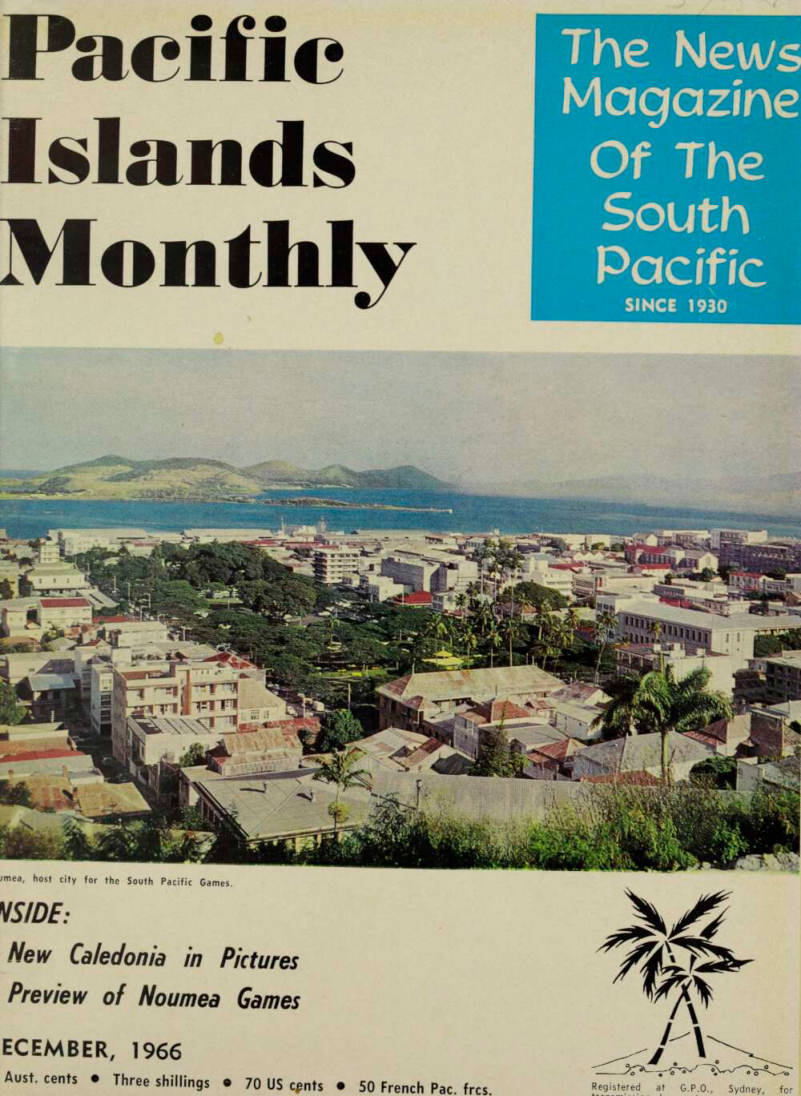 1
1 2
2 3
3 4
4 5
5 6
6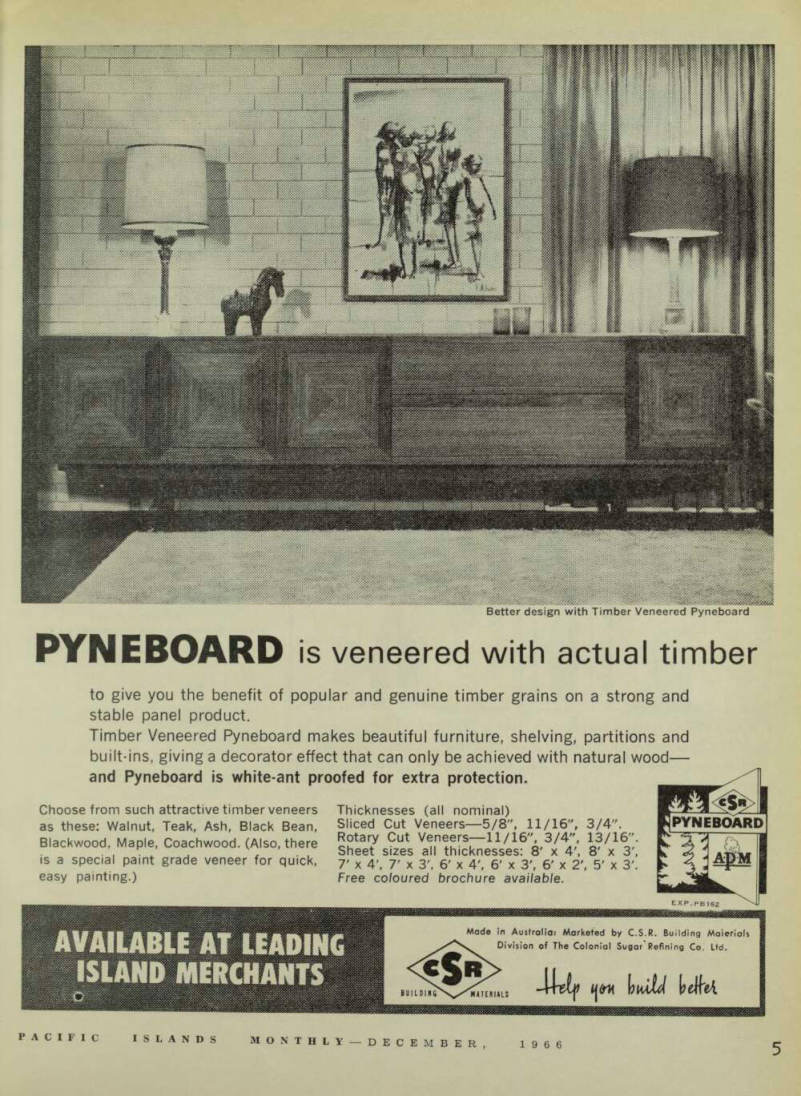 7
7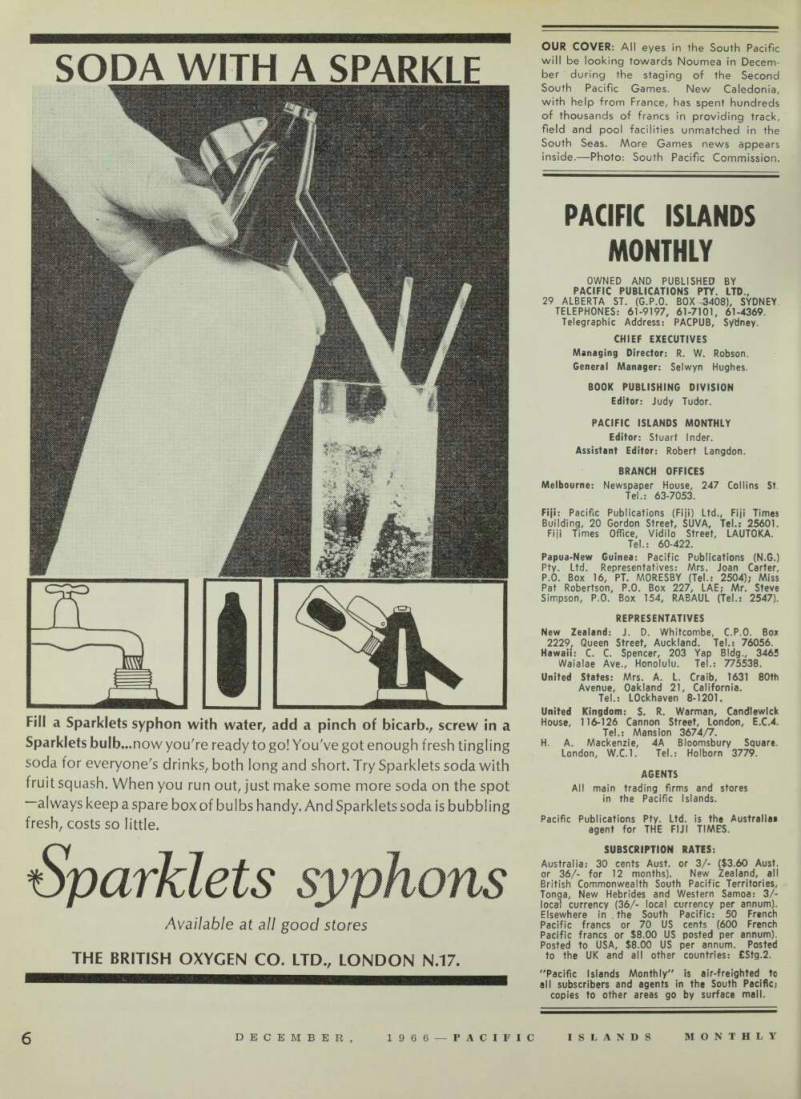 8
8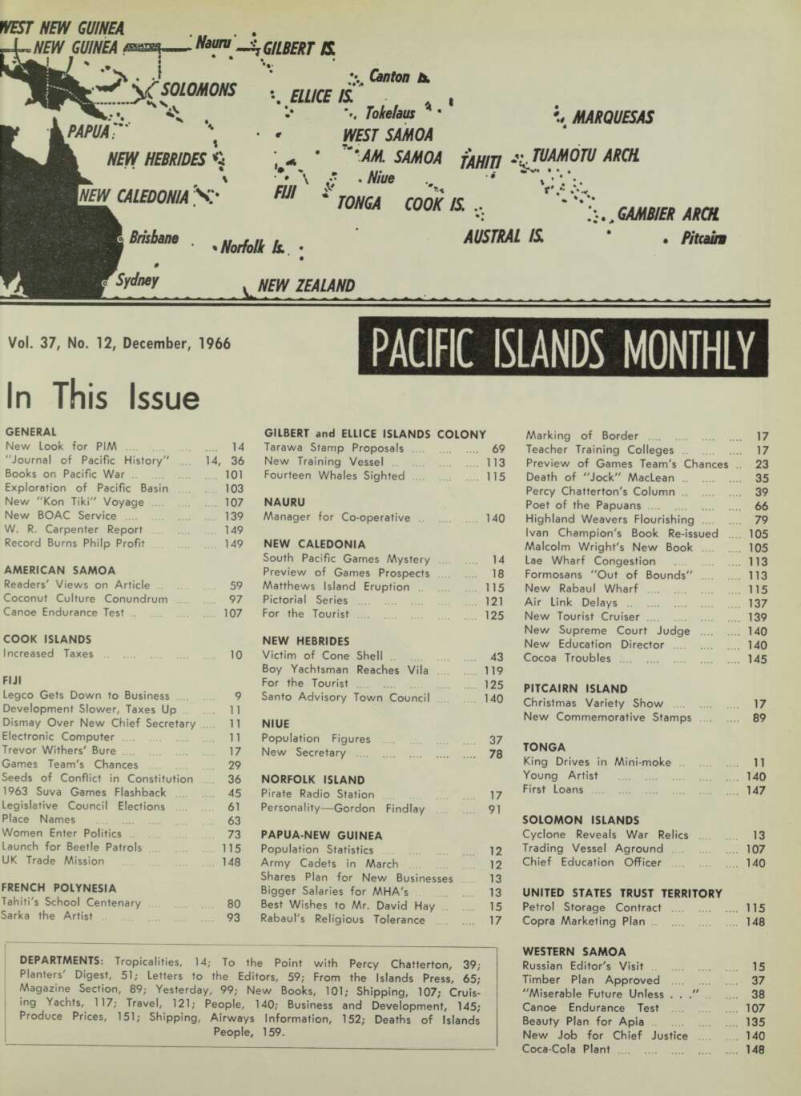 9
9 10
10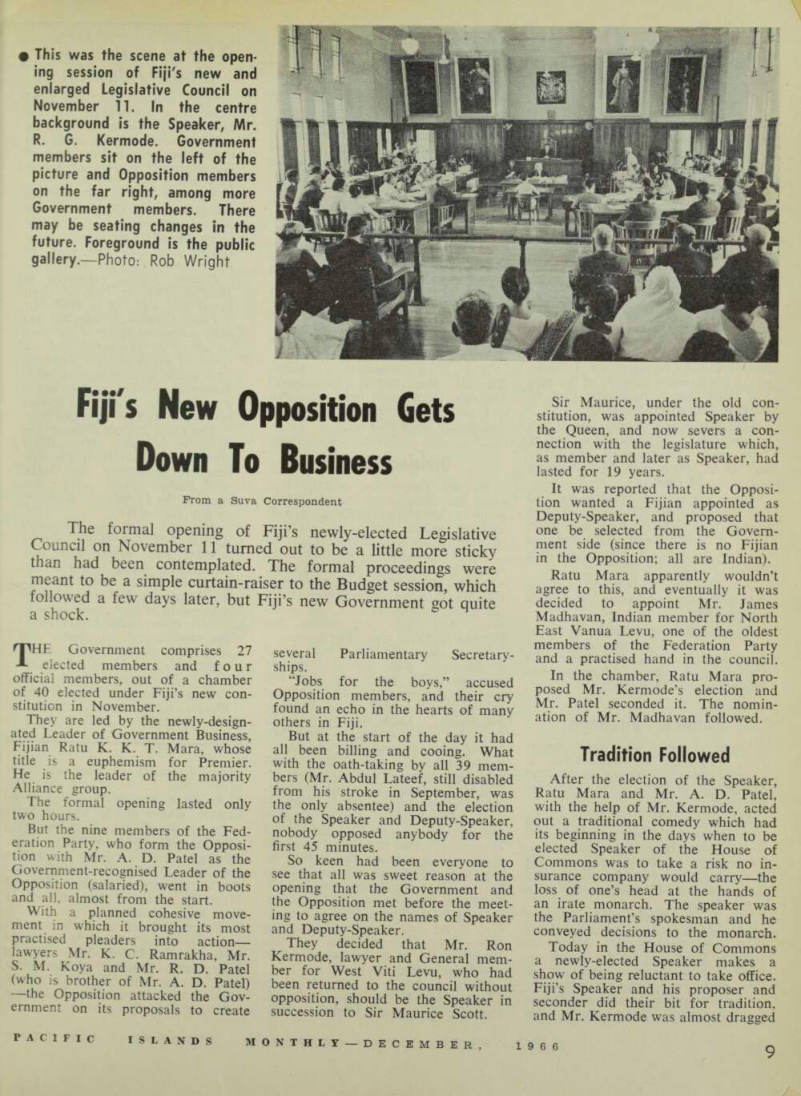 11
11 12
12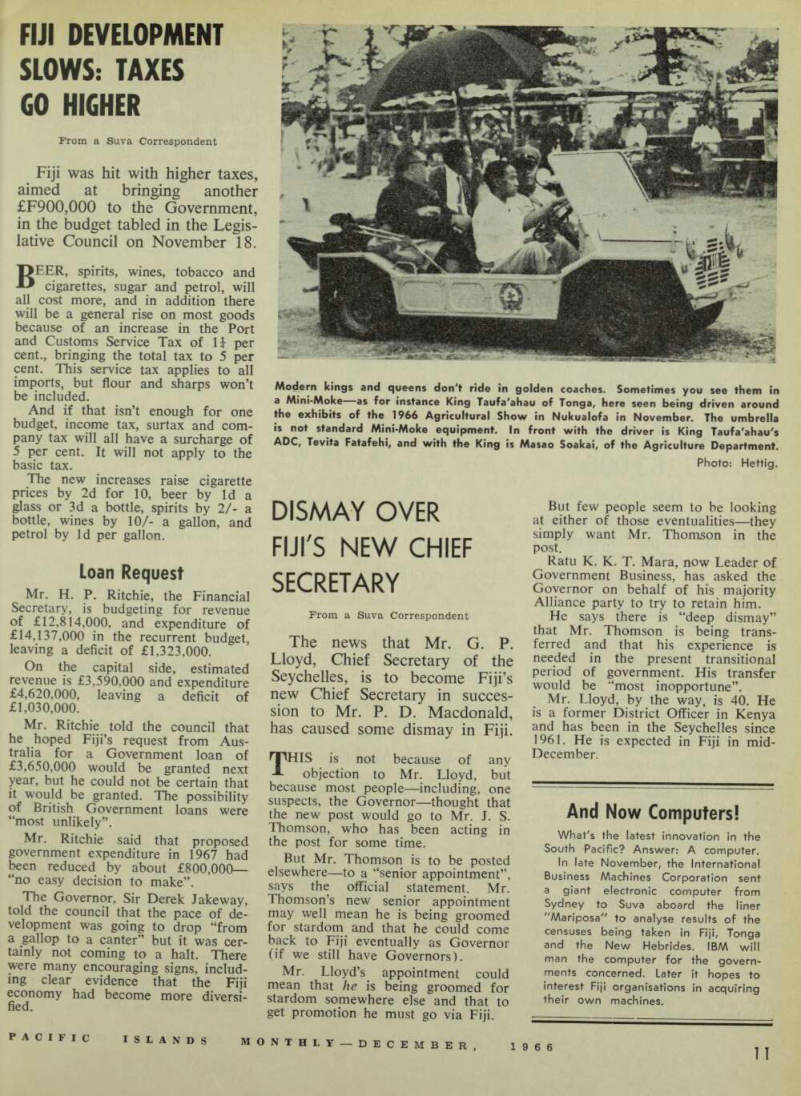 13
13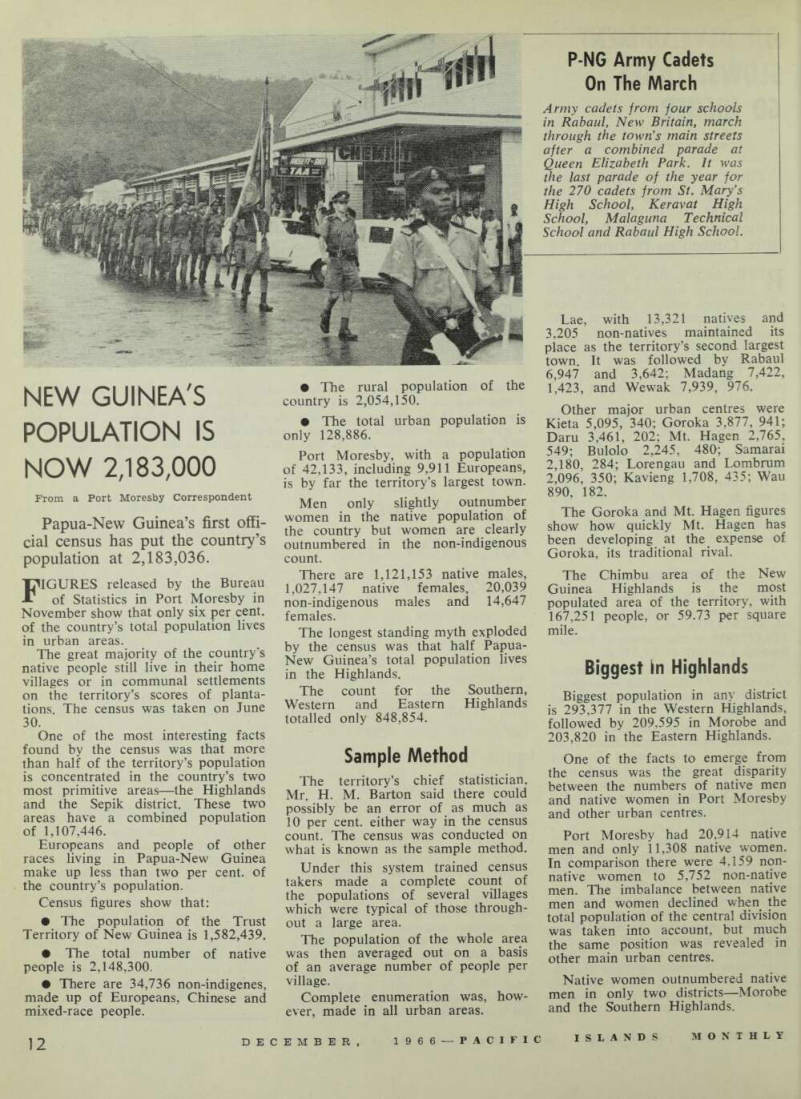 14
14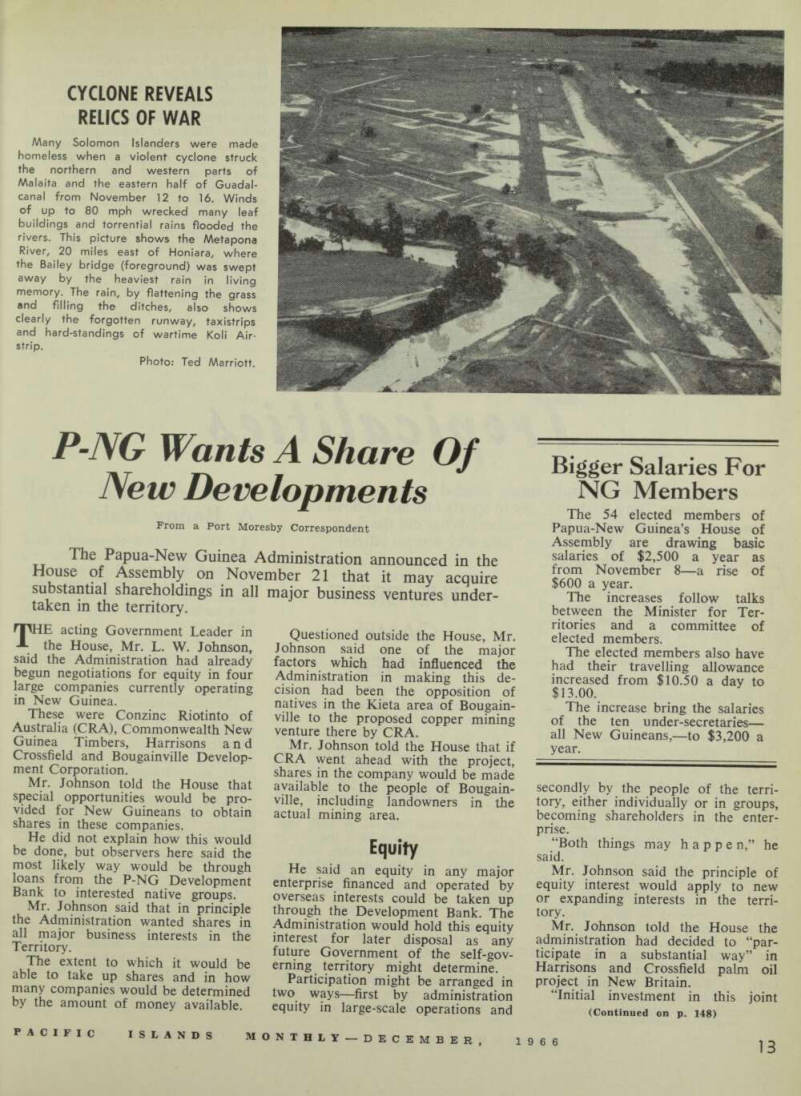 15
15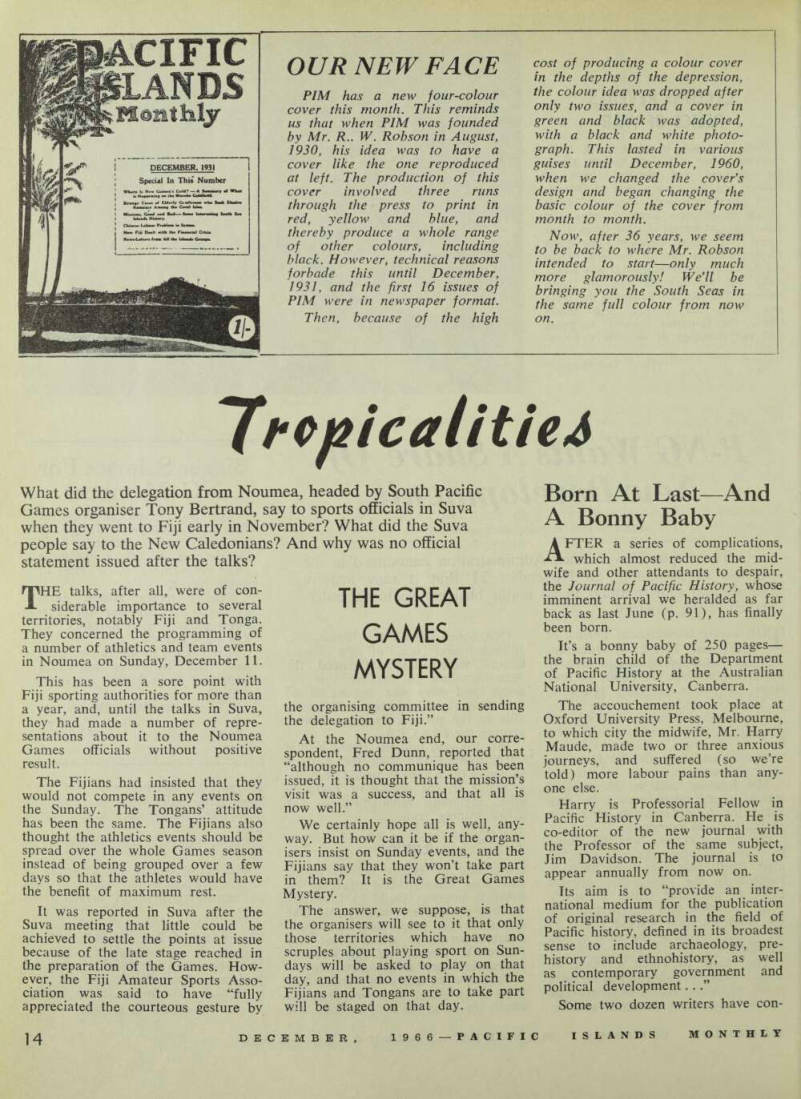 16
16 17
17 18
18 19
19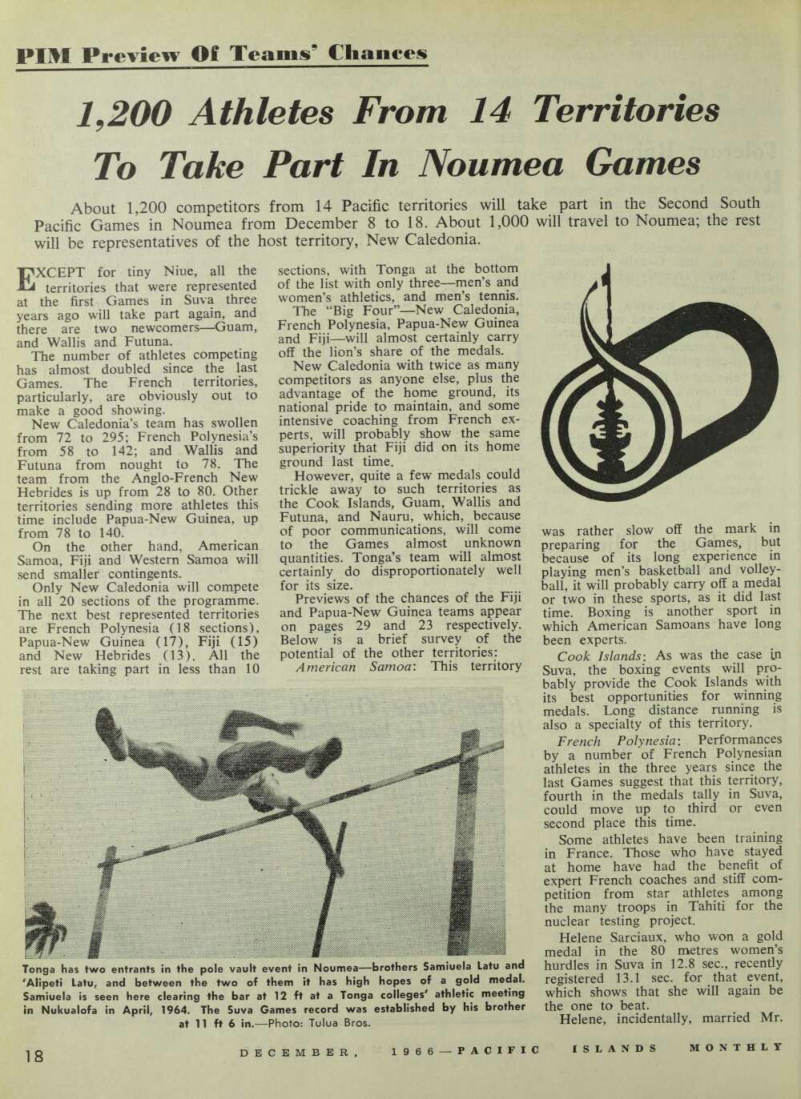 20
20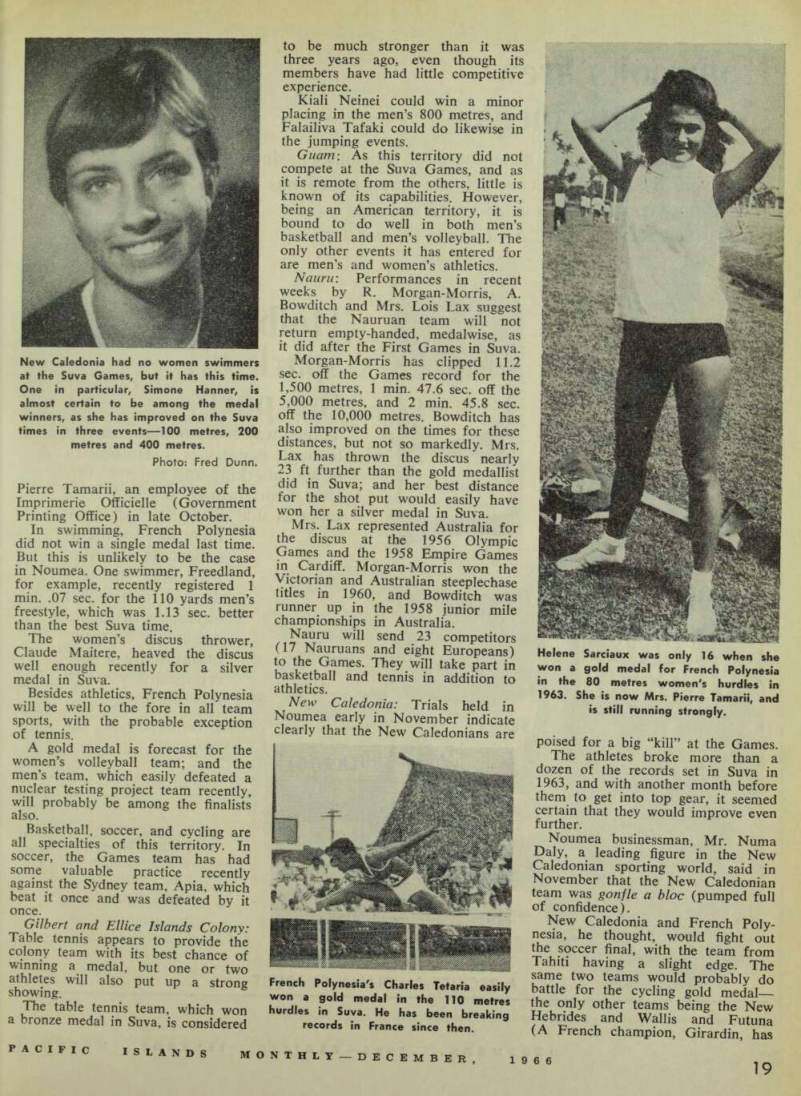 21
21 22
22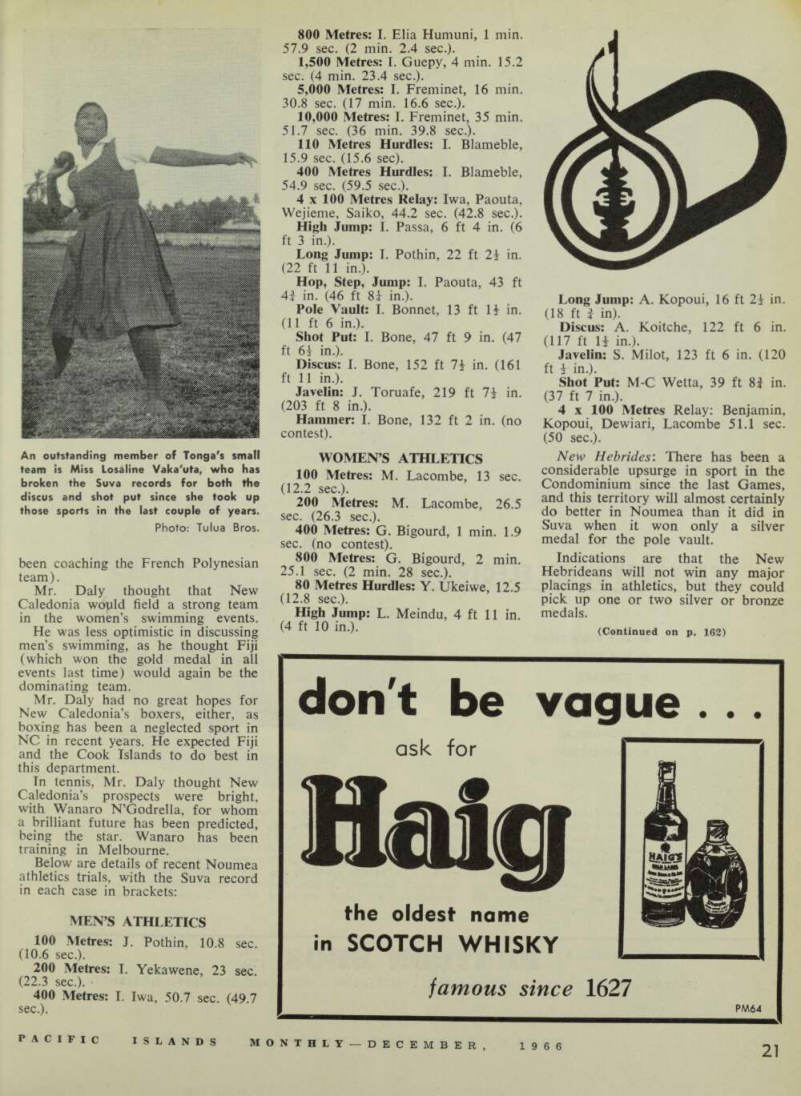 23
23 24
24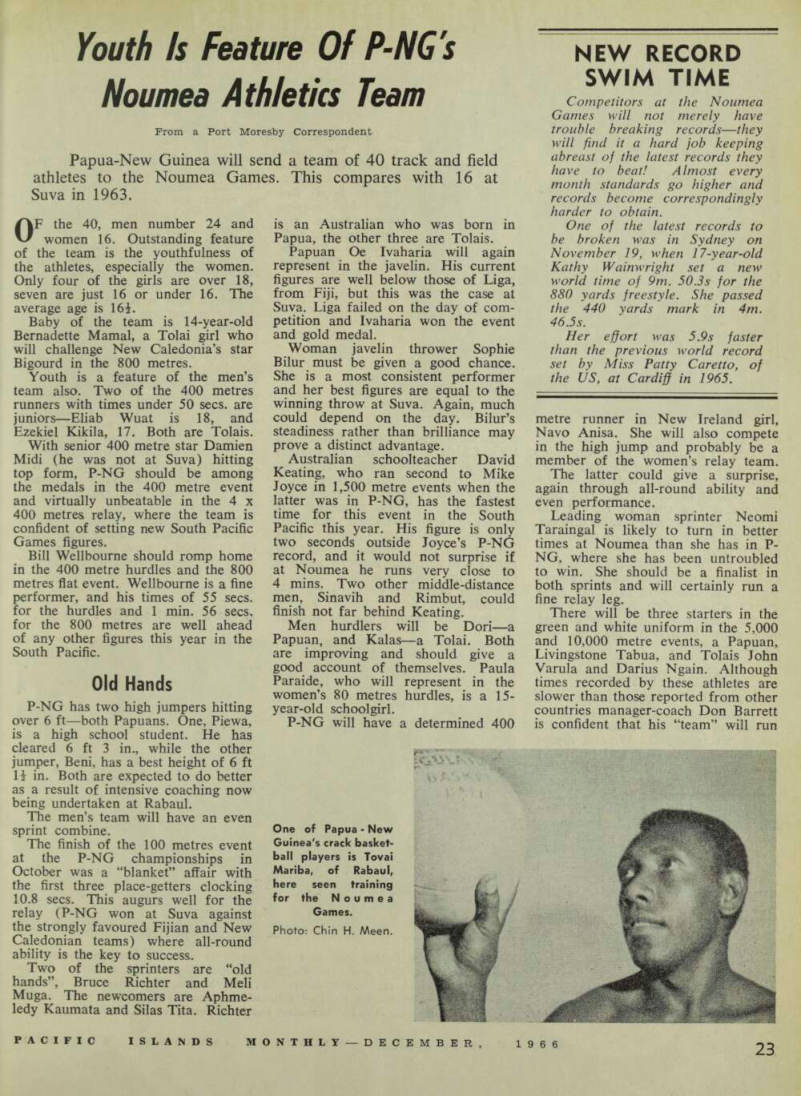 25
25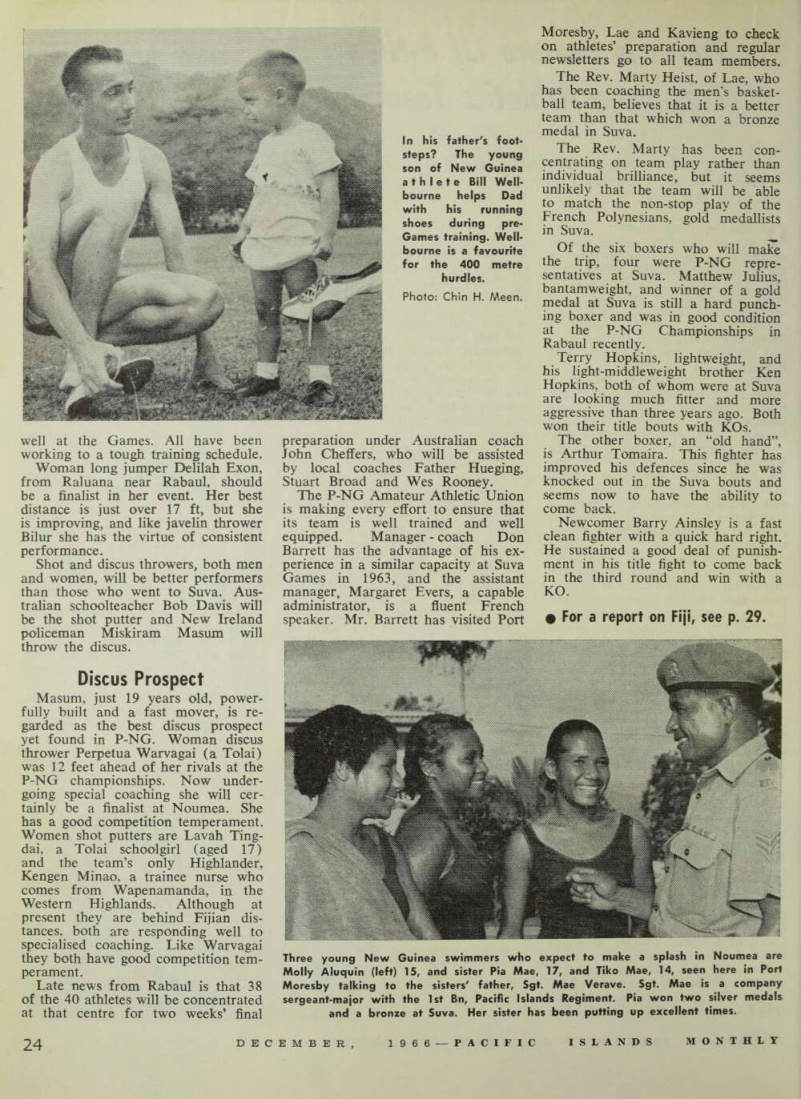 26
26 27
27 28
28 29
29 30
30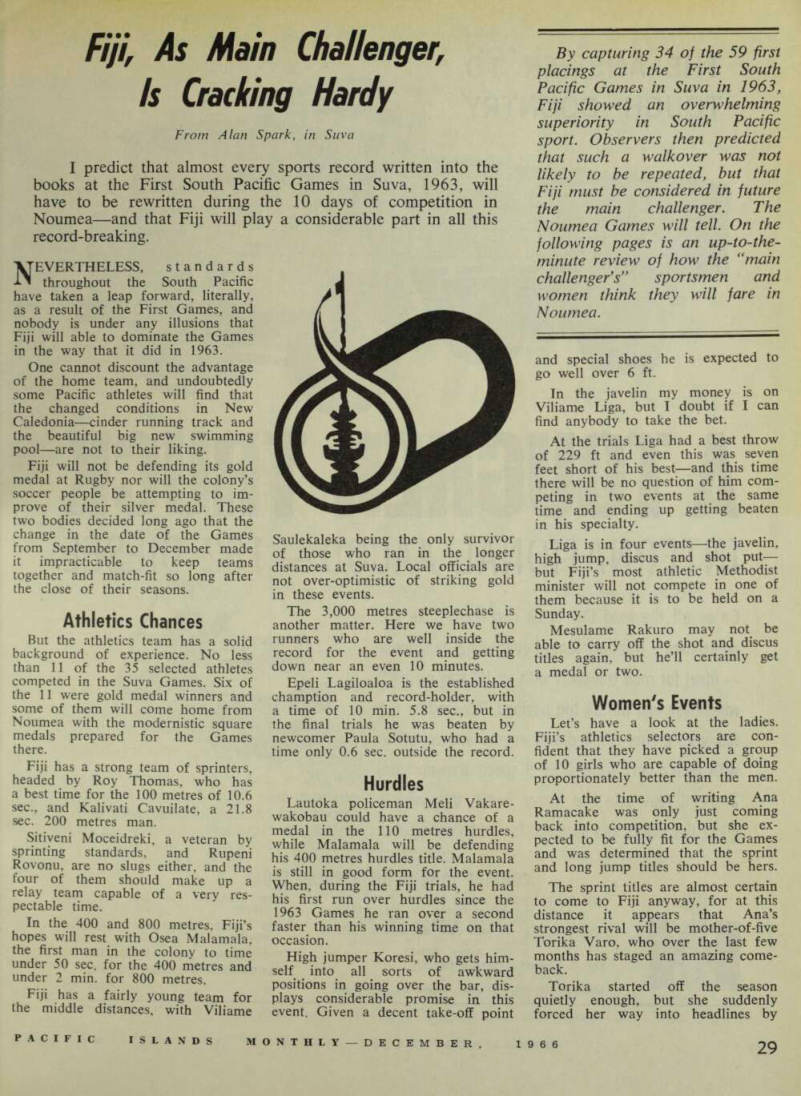 31
31 32
32 33
33 34
34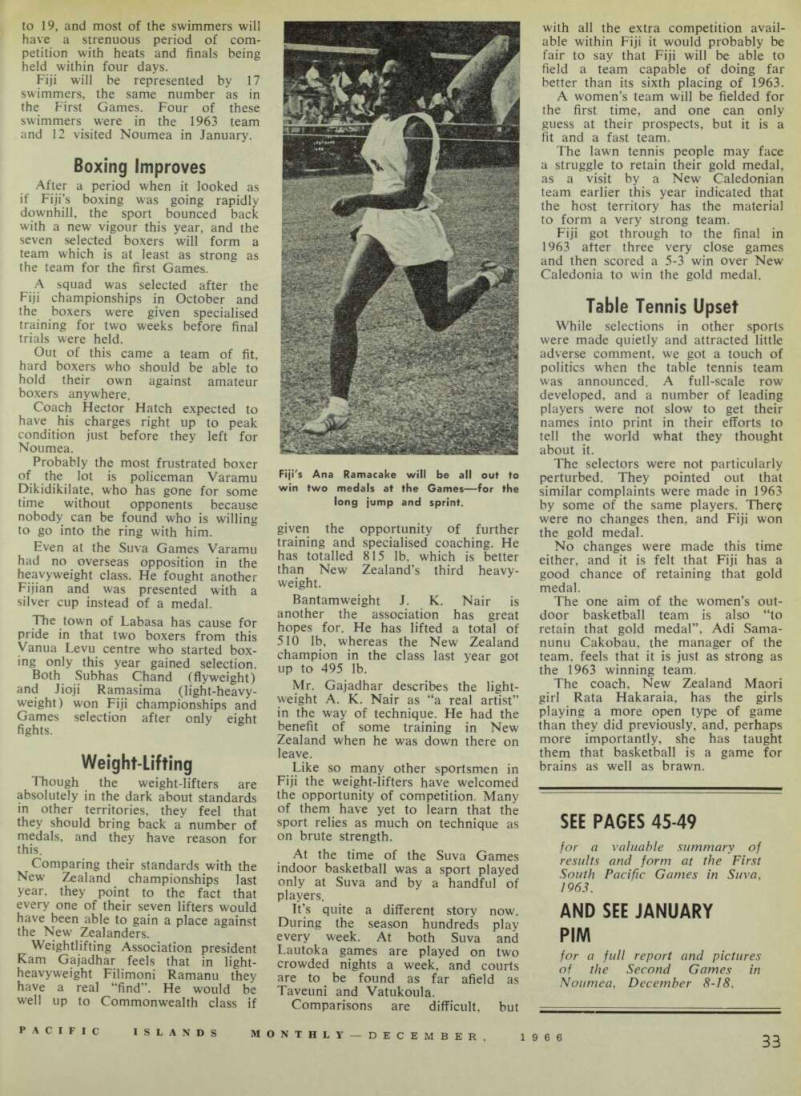 35
35 36
36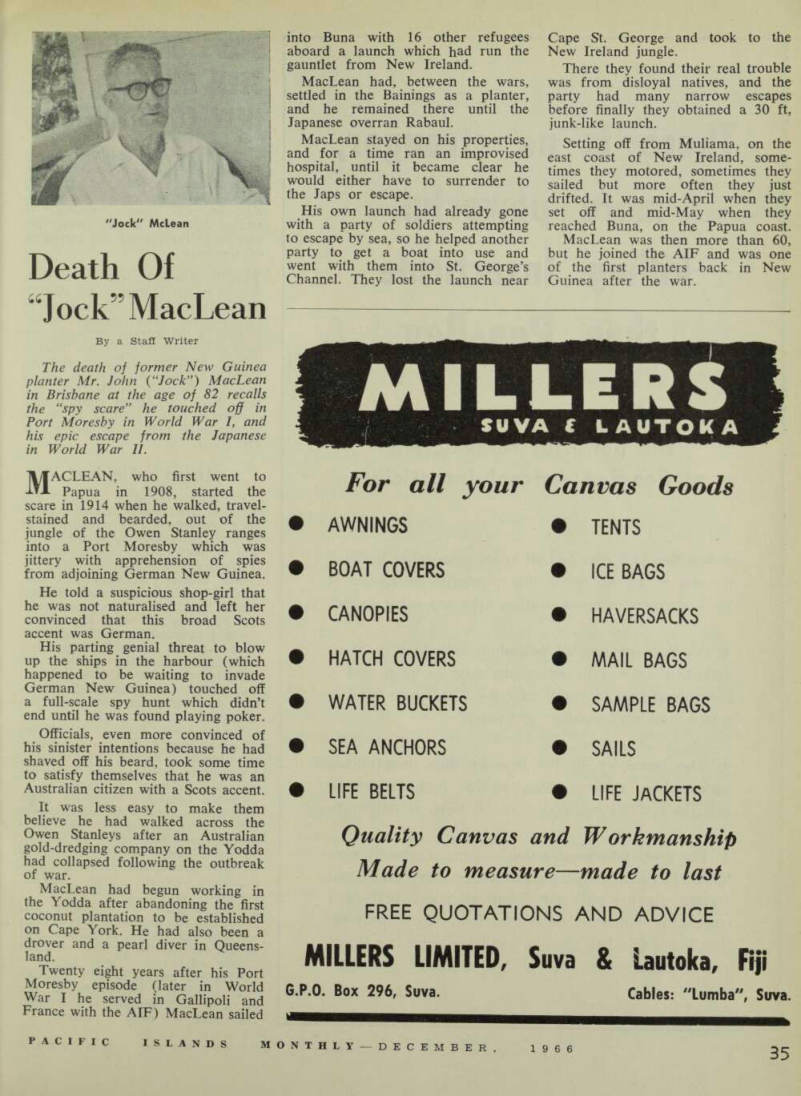 37
37 38
38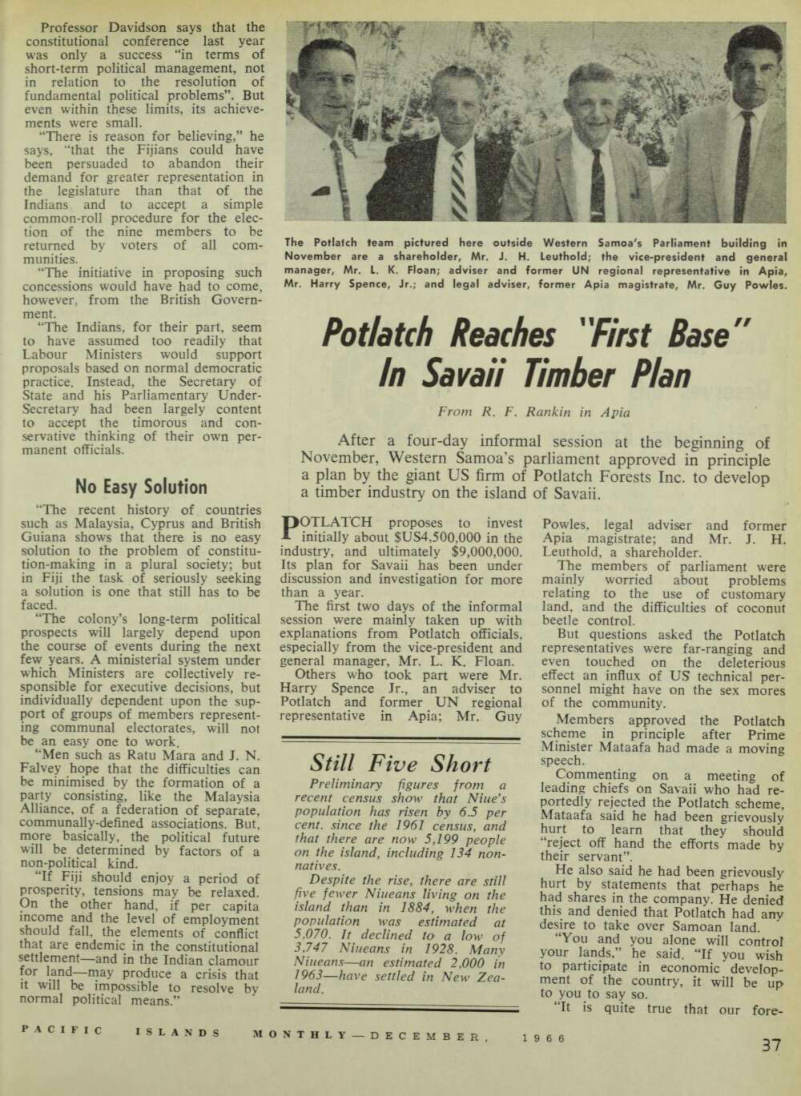 39
39 40
40 41
41 42
42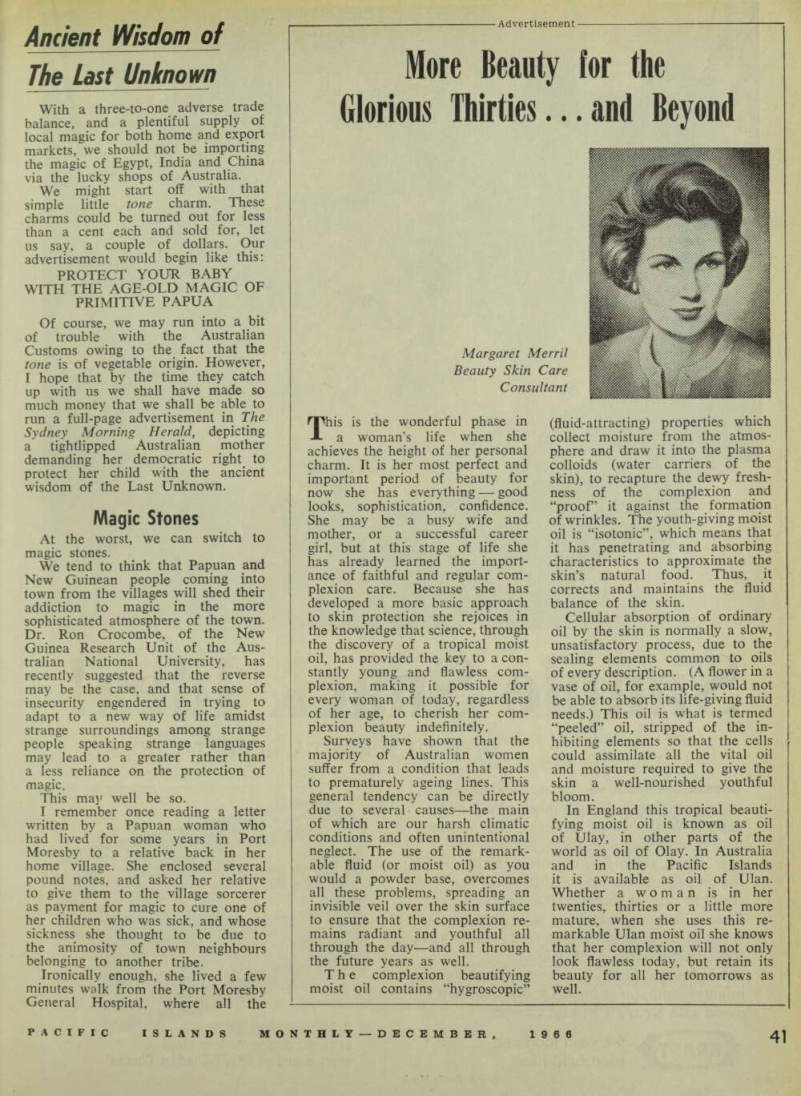 43
43 44
44 45
45 46
46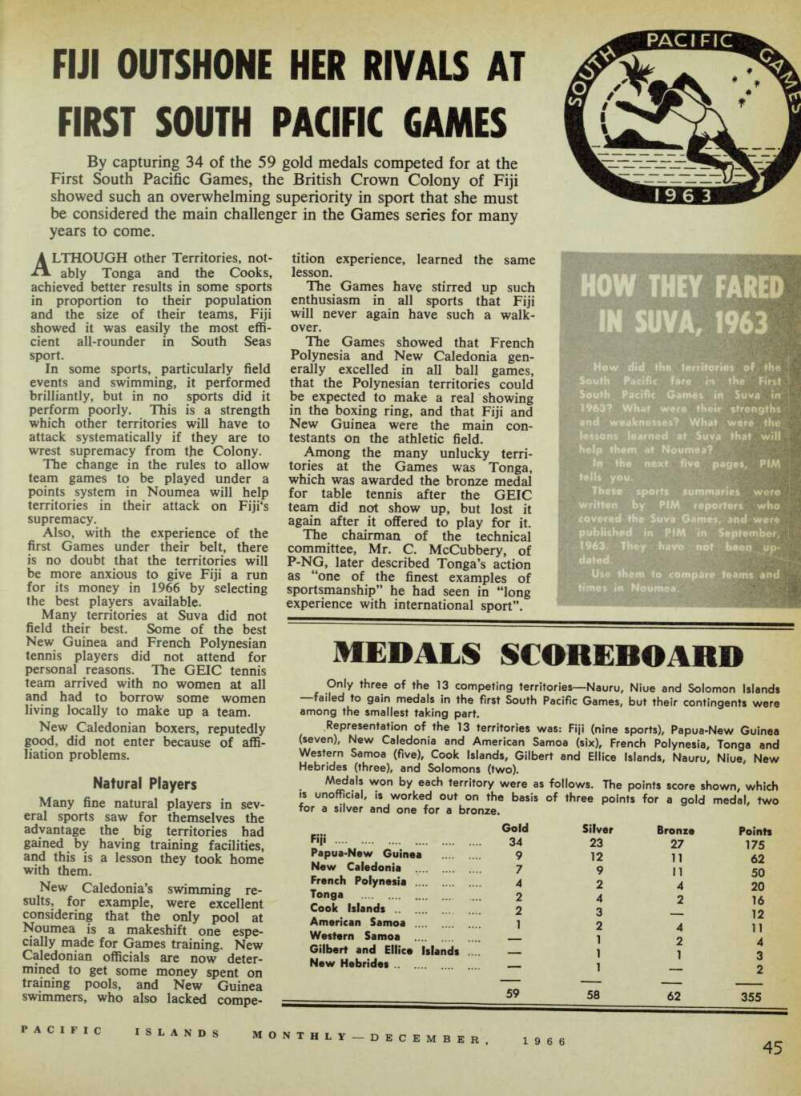 47
47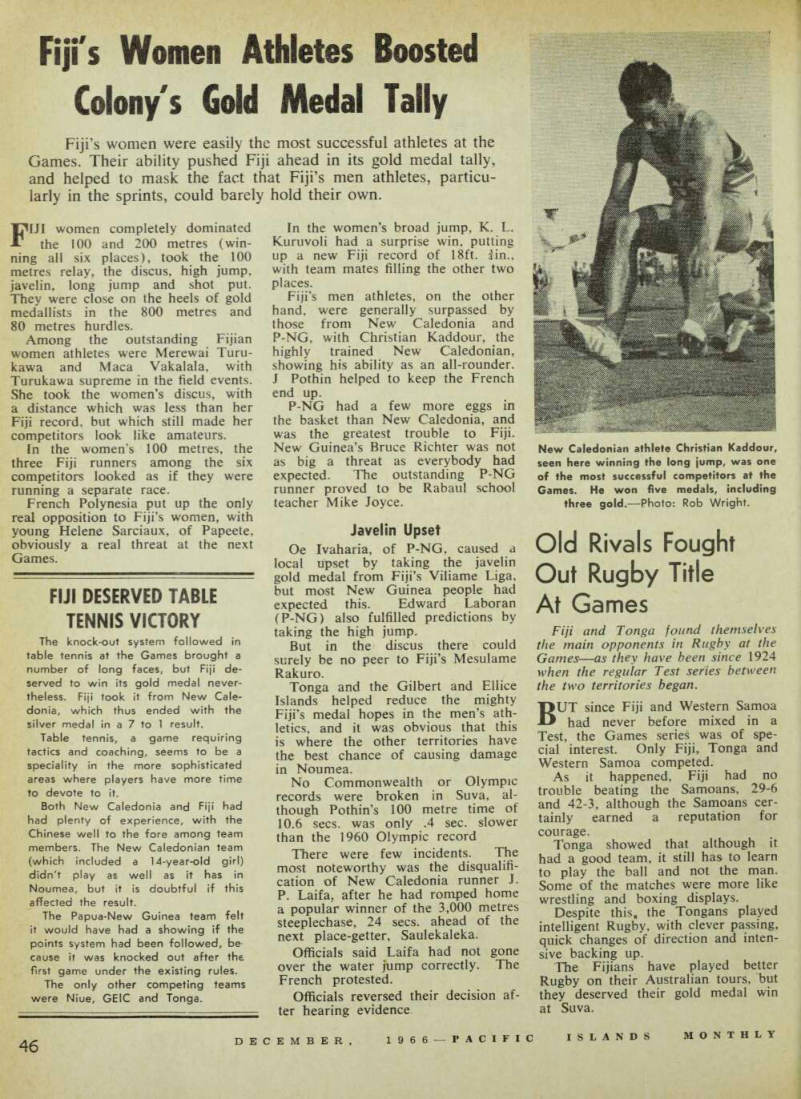 48
48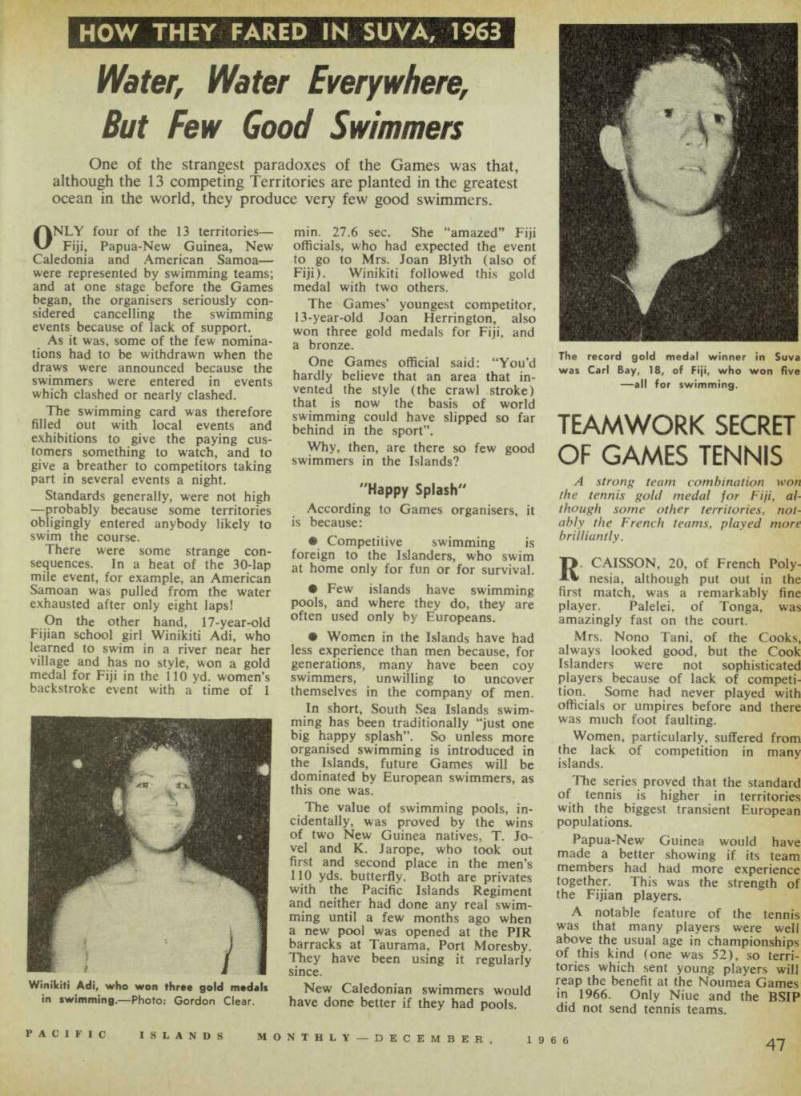 49
49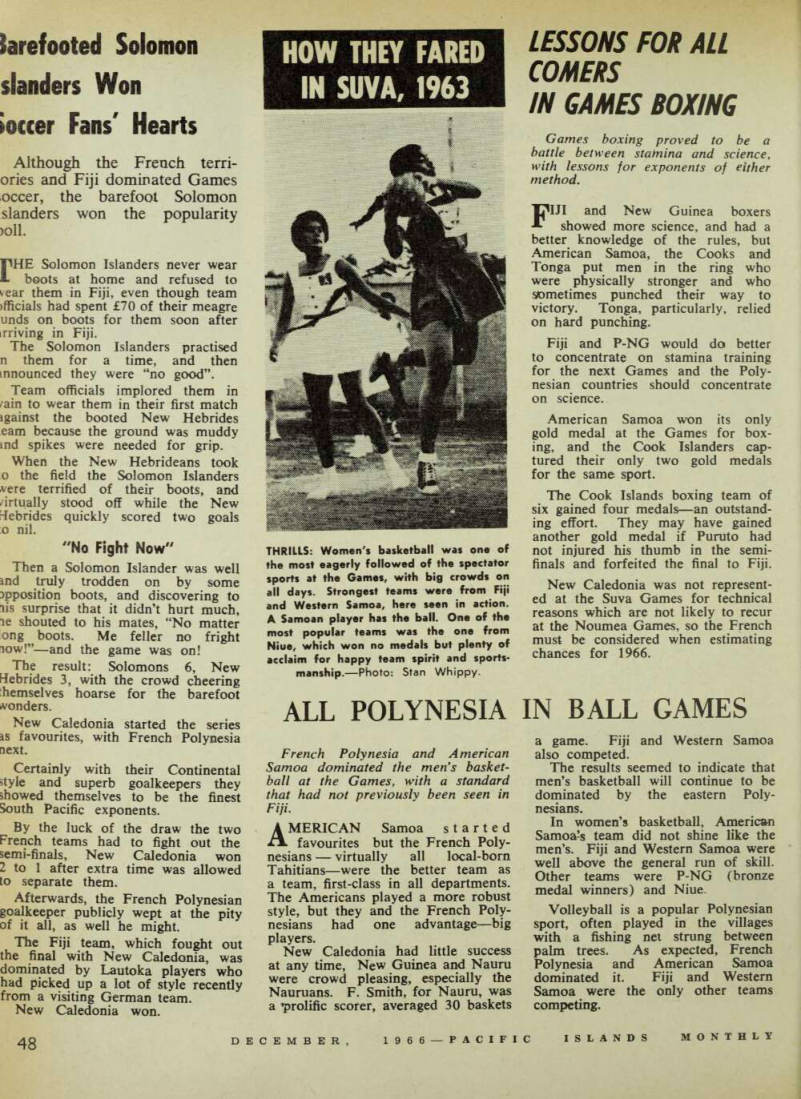 50
50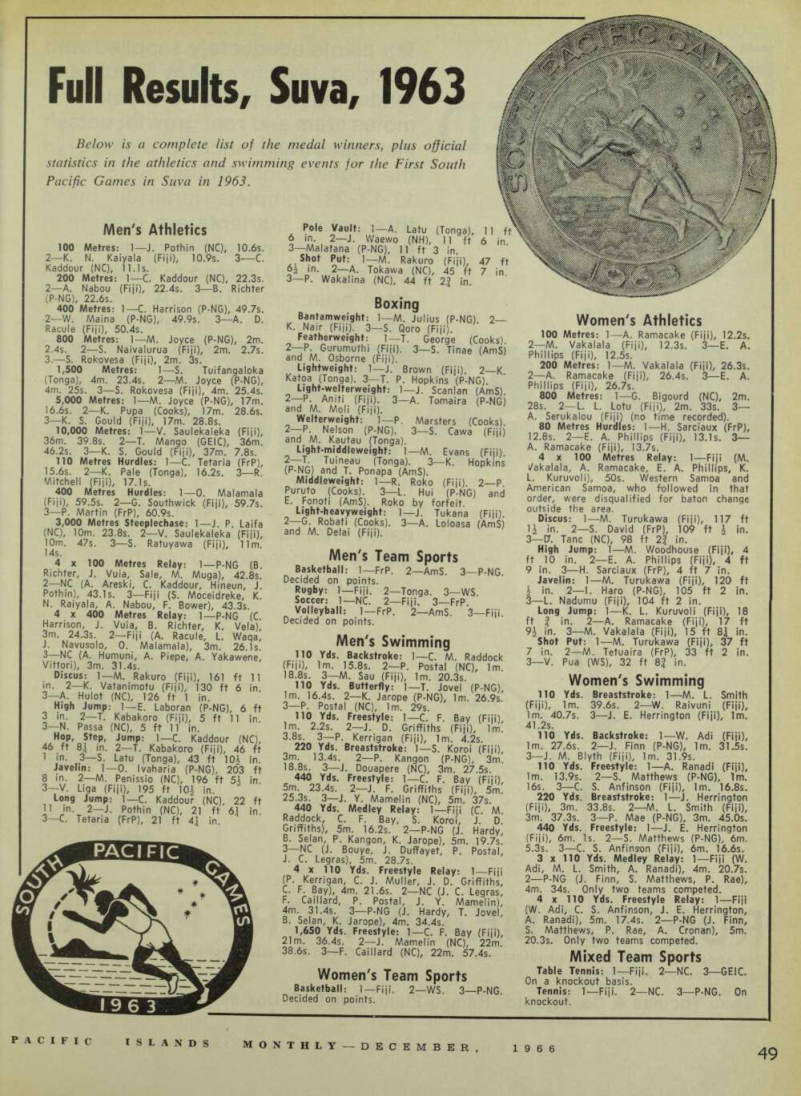 51
51 52
52 53
53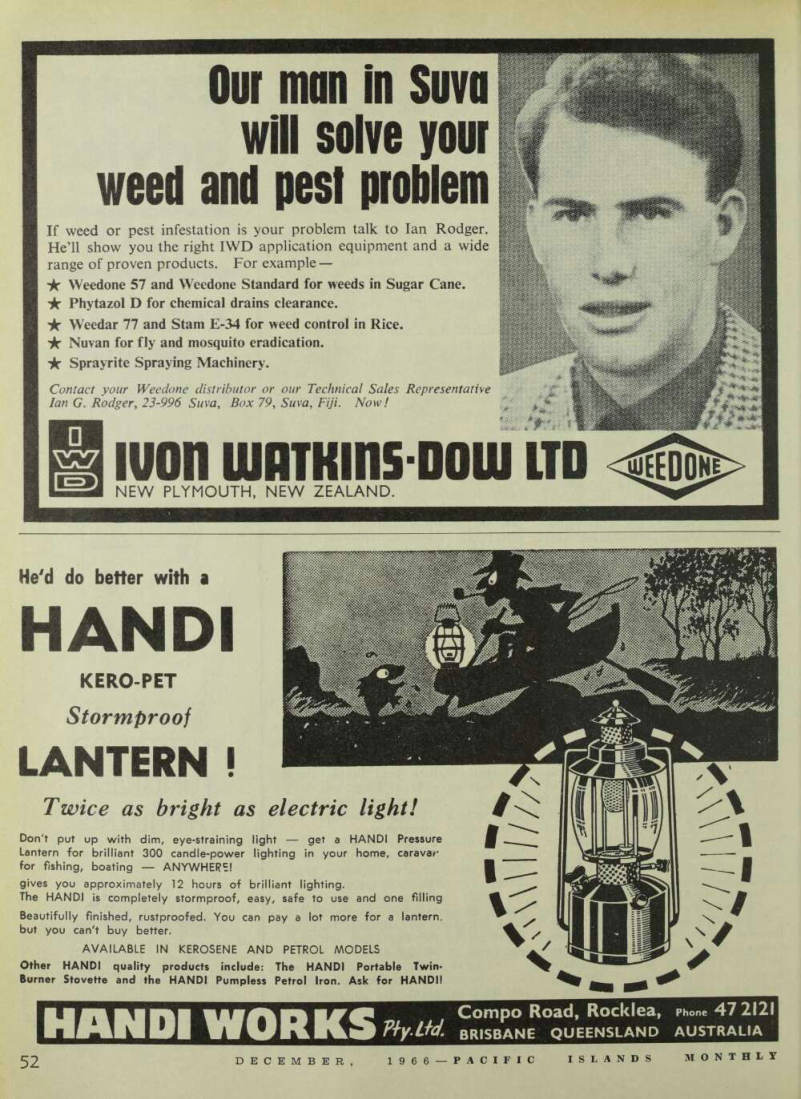 54
54 55
55 56
56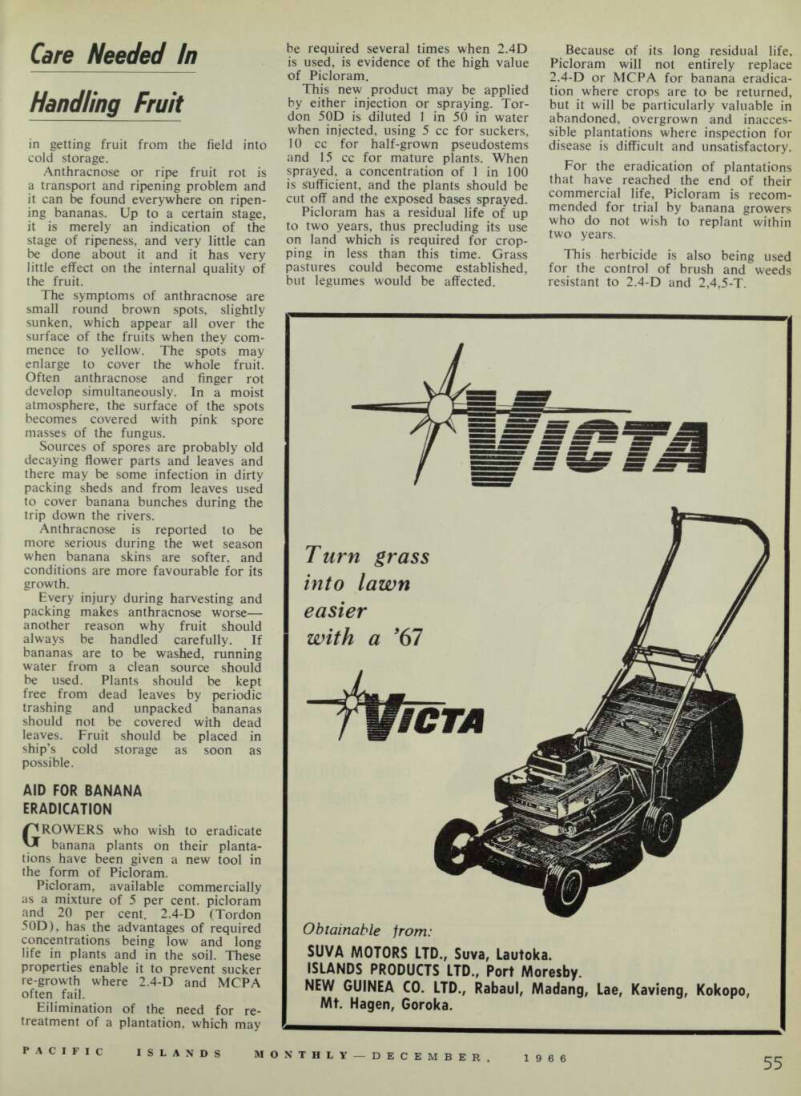 57
57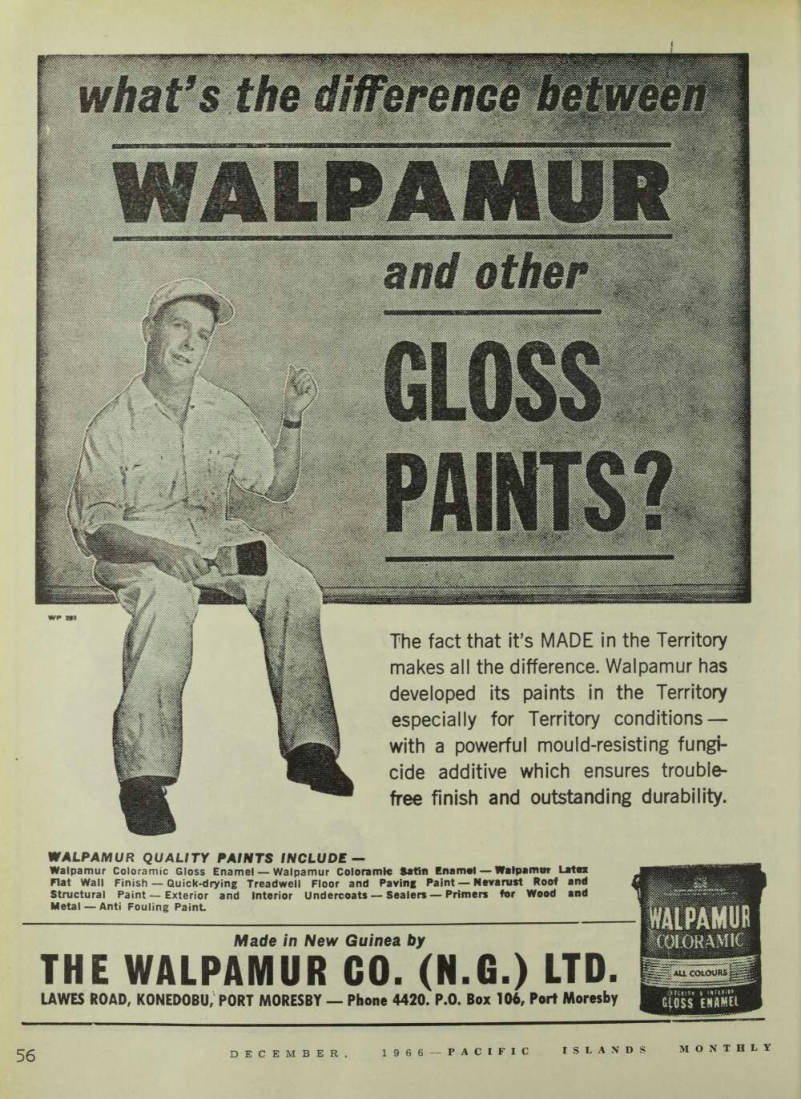 58
58 59
59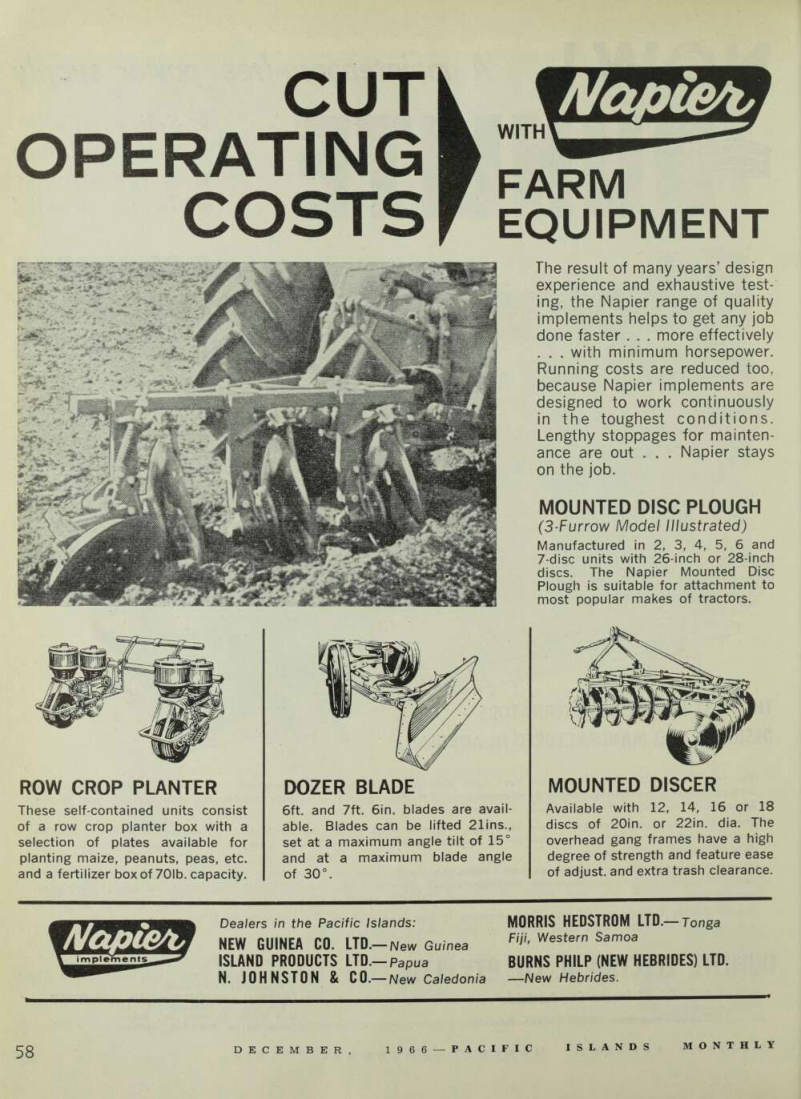 60
60 61
61 62
62 63
63 64
64 65
65 66
66 67
67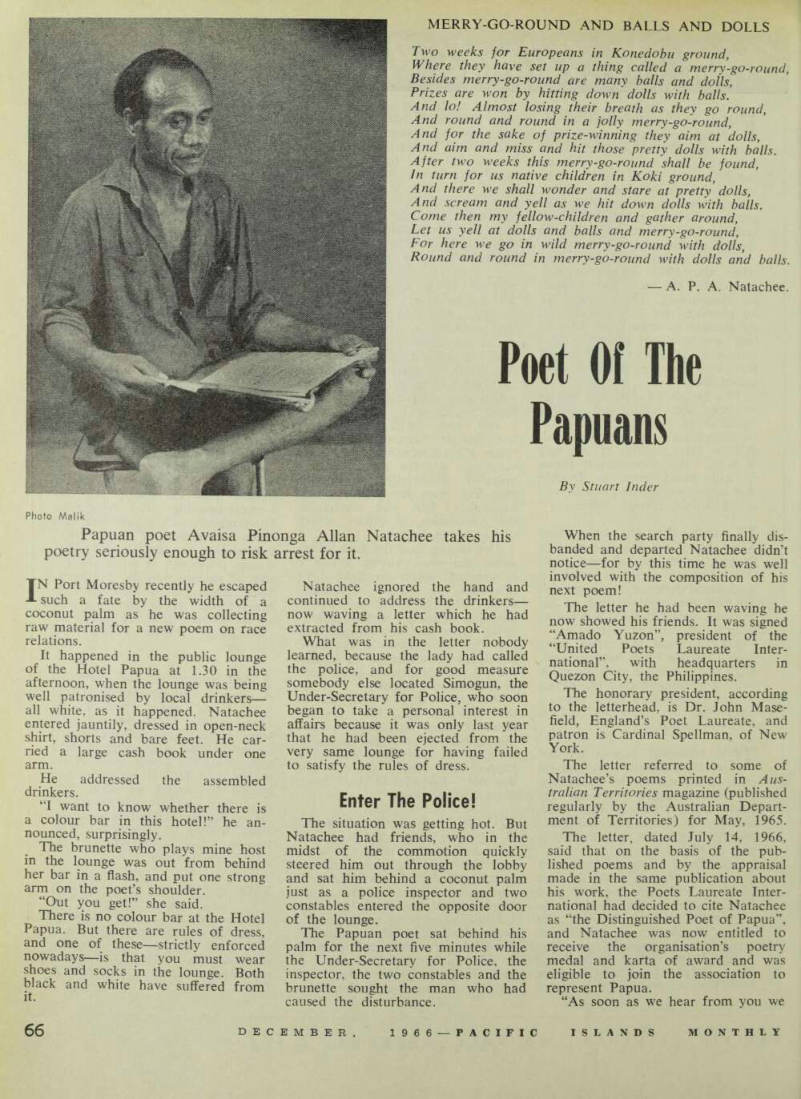 68
68 69
69 70
70 71
71 72
72 73
73 74
74 75
75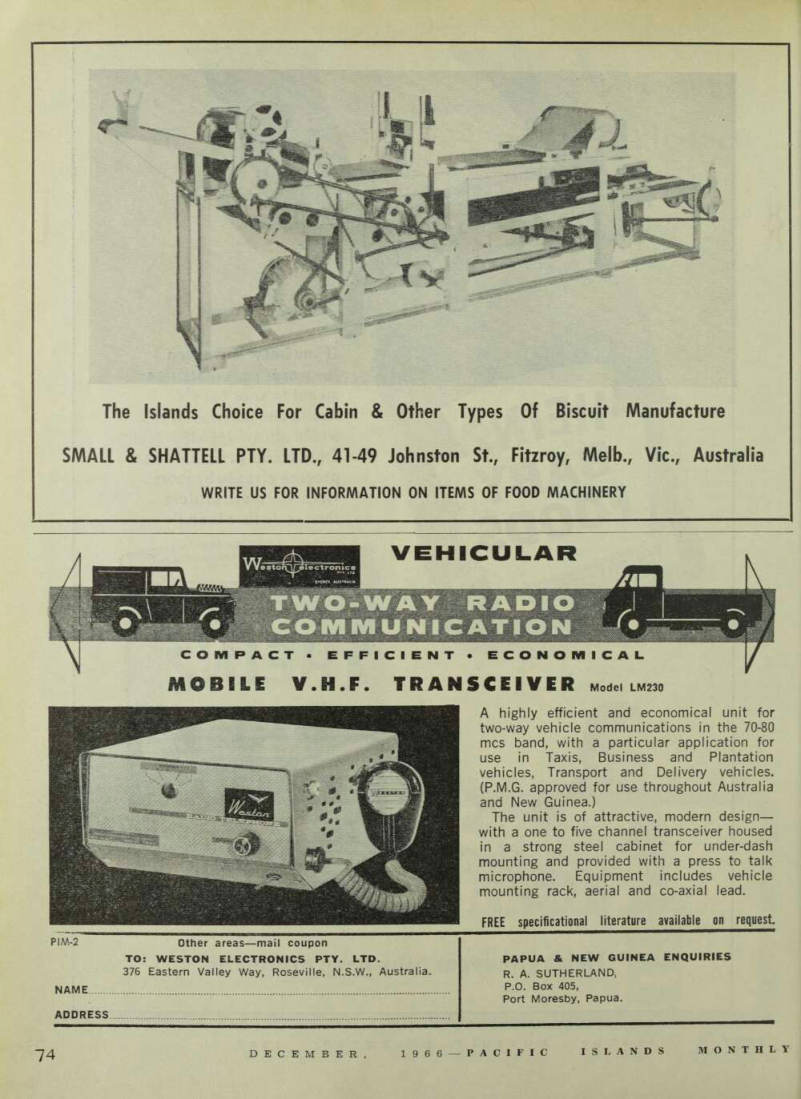 76
76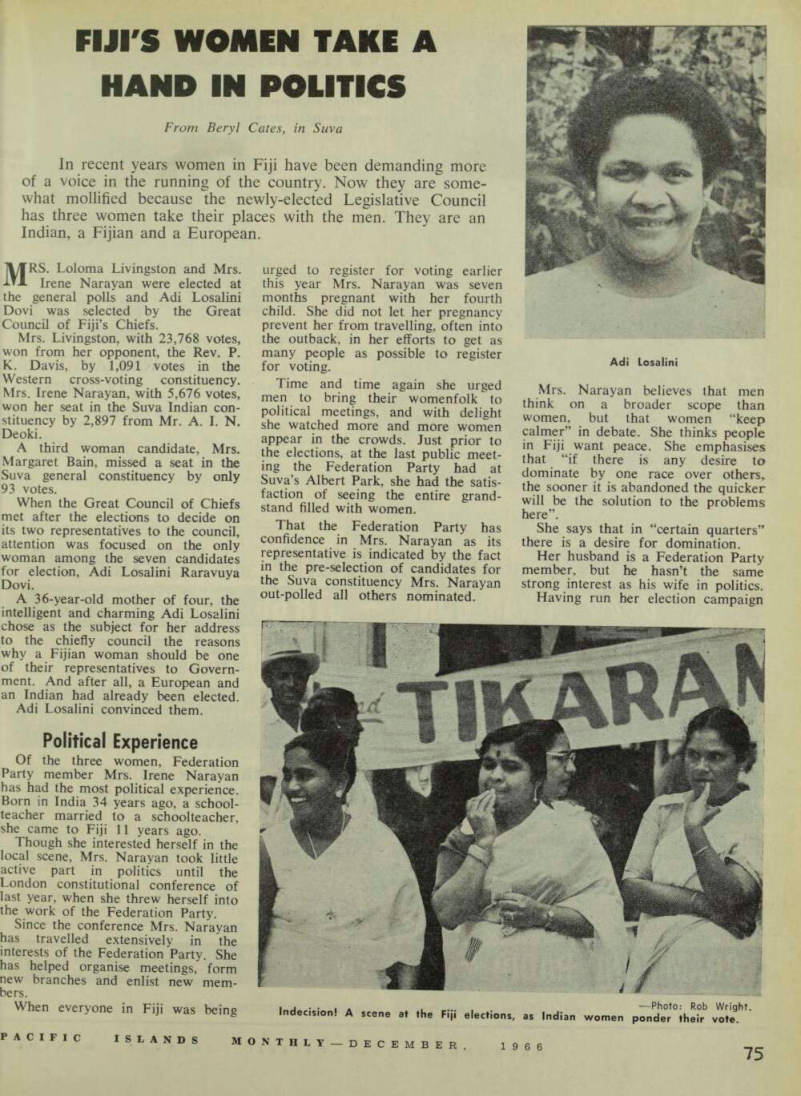 77
77 78
78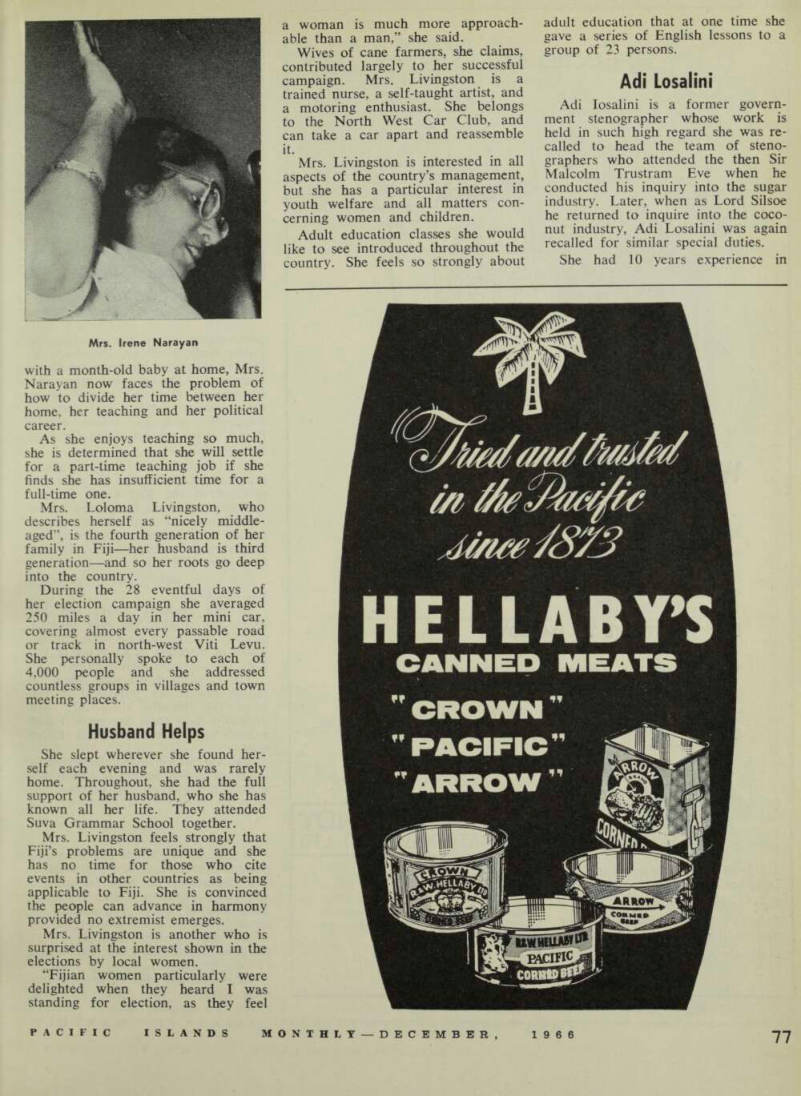 79
79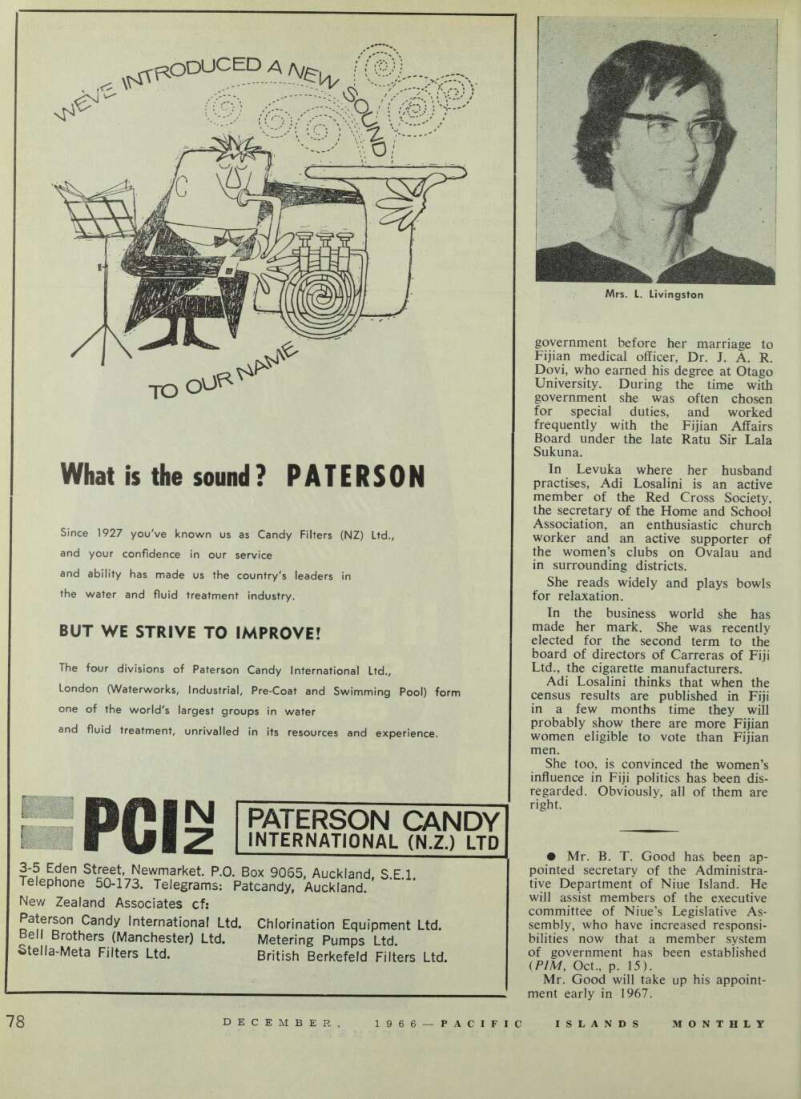 80
80 81
81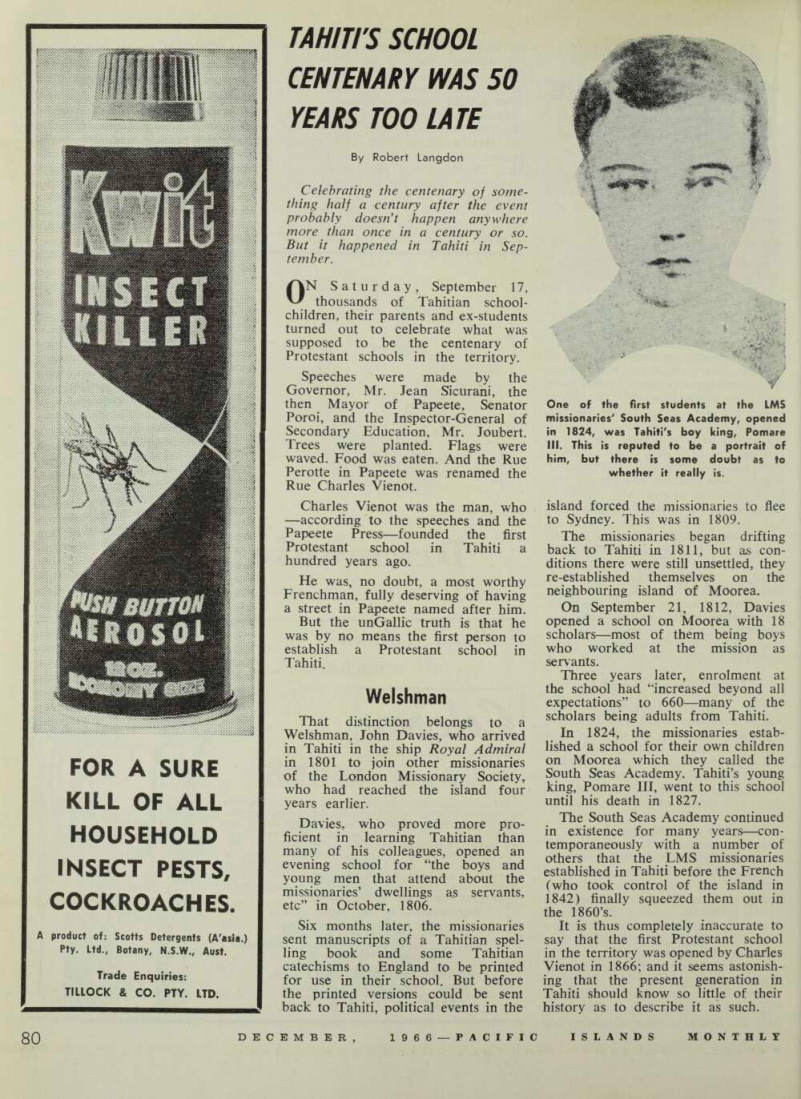 82
82 83
83 84
84 85
85 86
86 87
87 88
88 89
89 90
90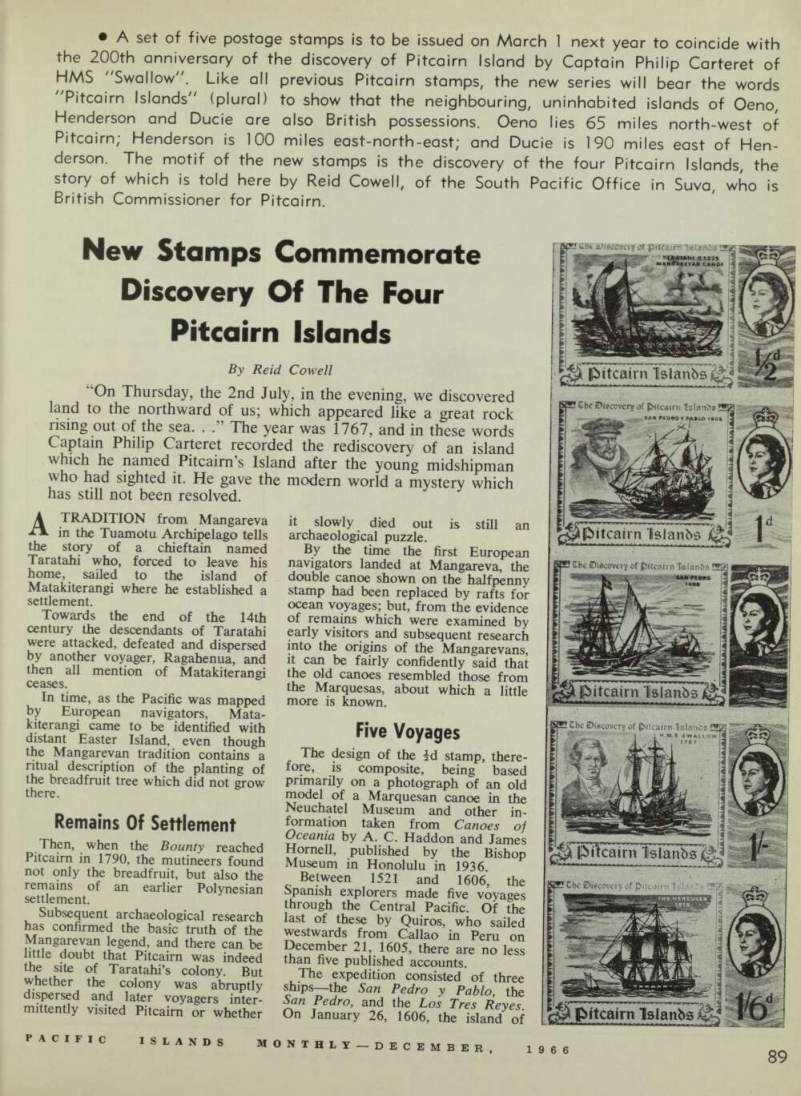 91
91 92
92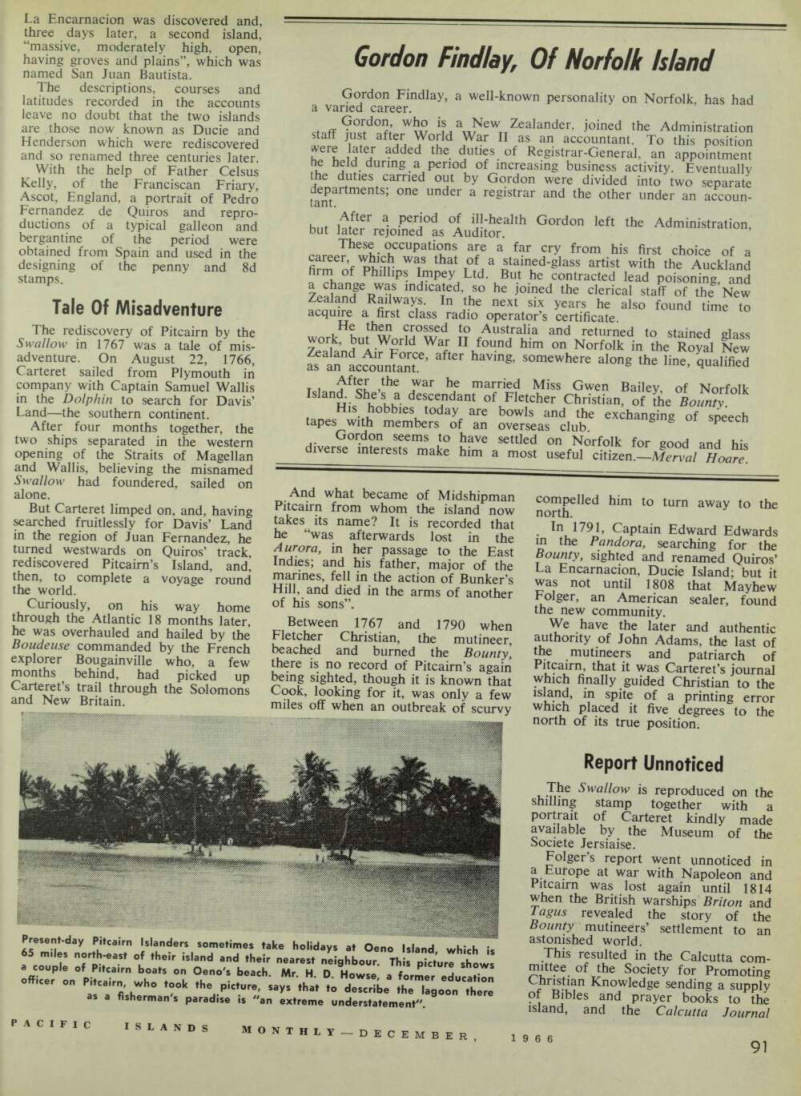 93
93 94
94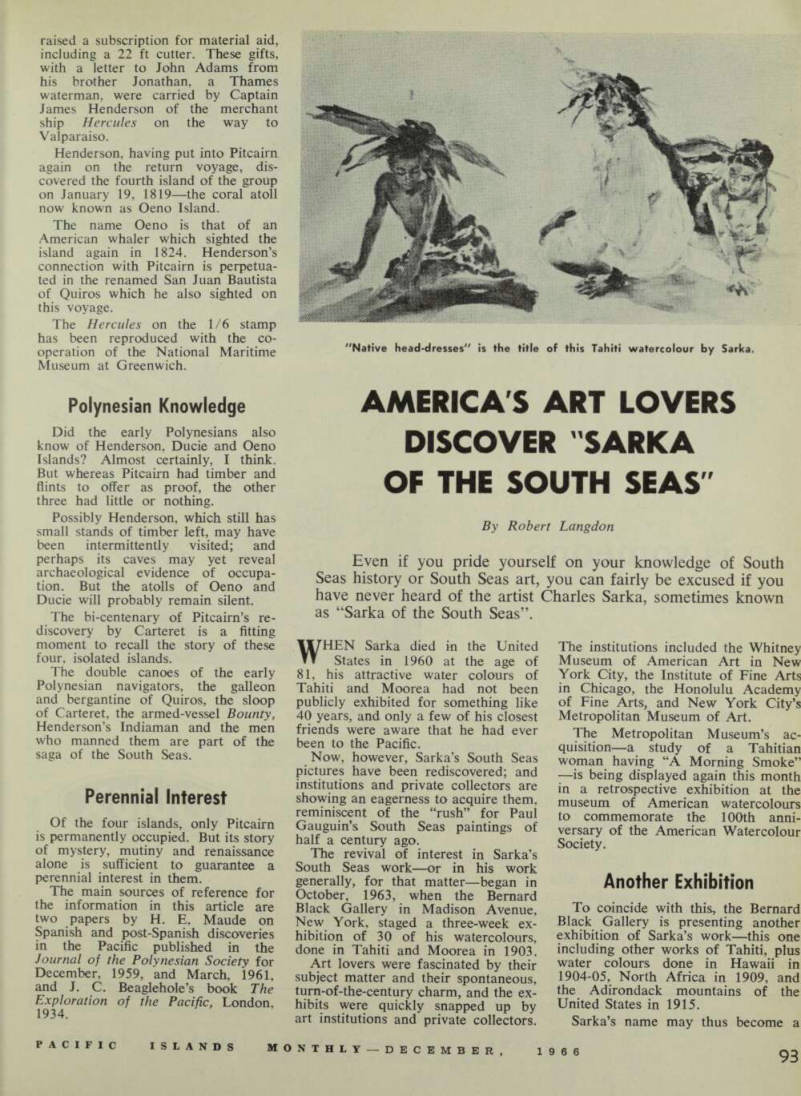 95
95 96
96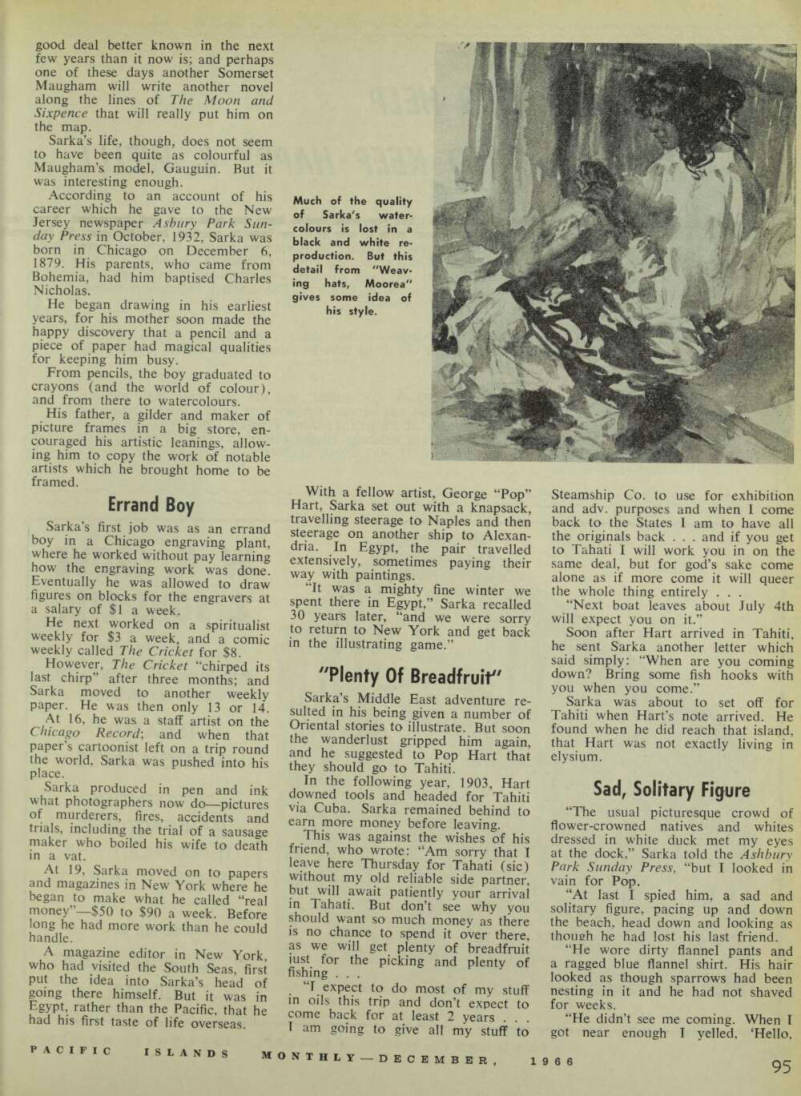 97
97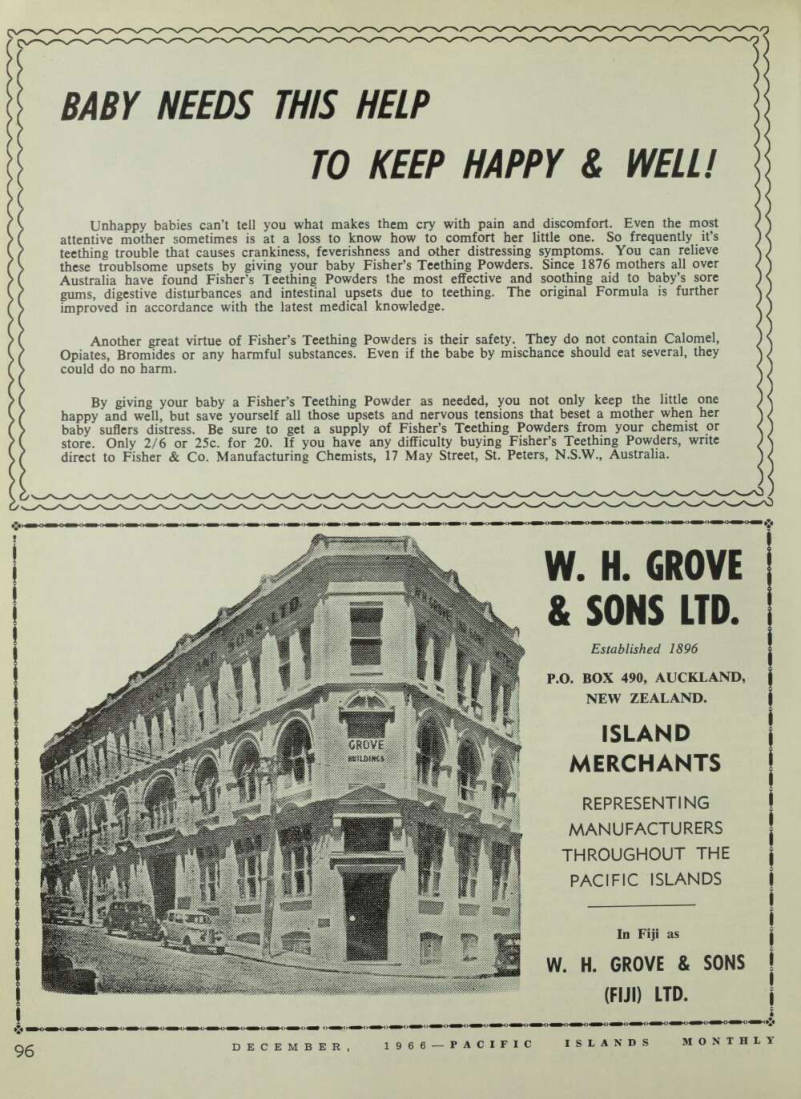 98
98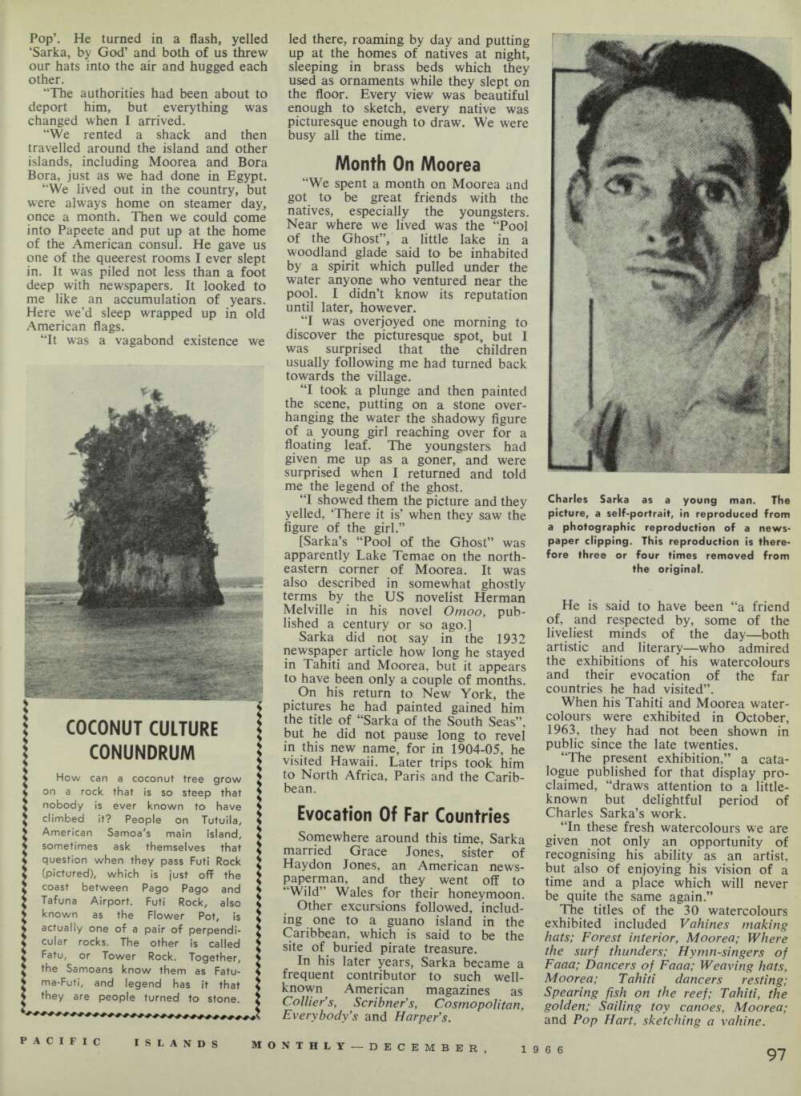 99
99 100
100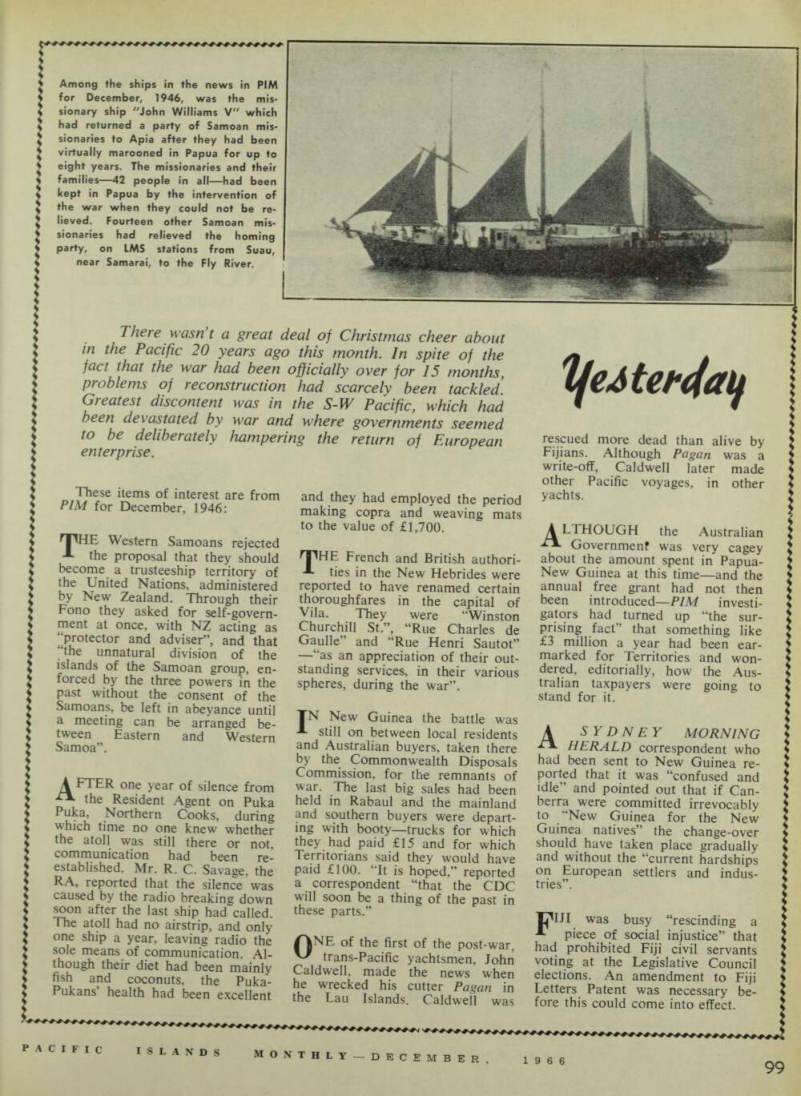 101
101 102
102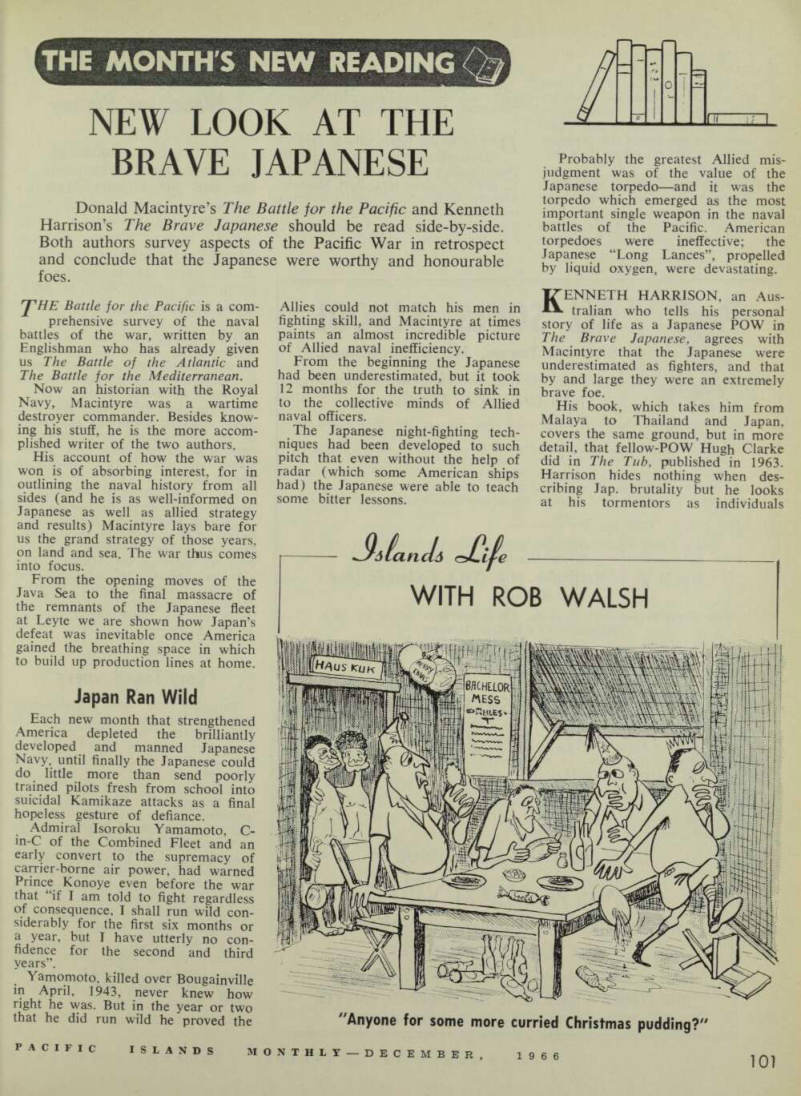 103
103 104
104 105
105 106
106 107
107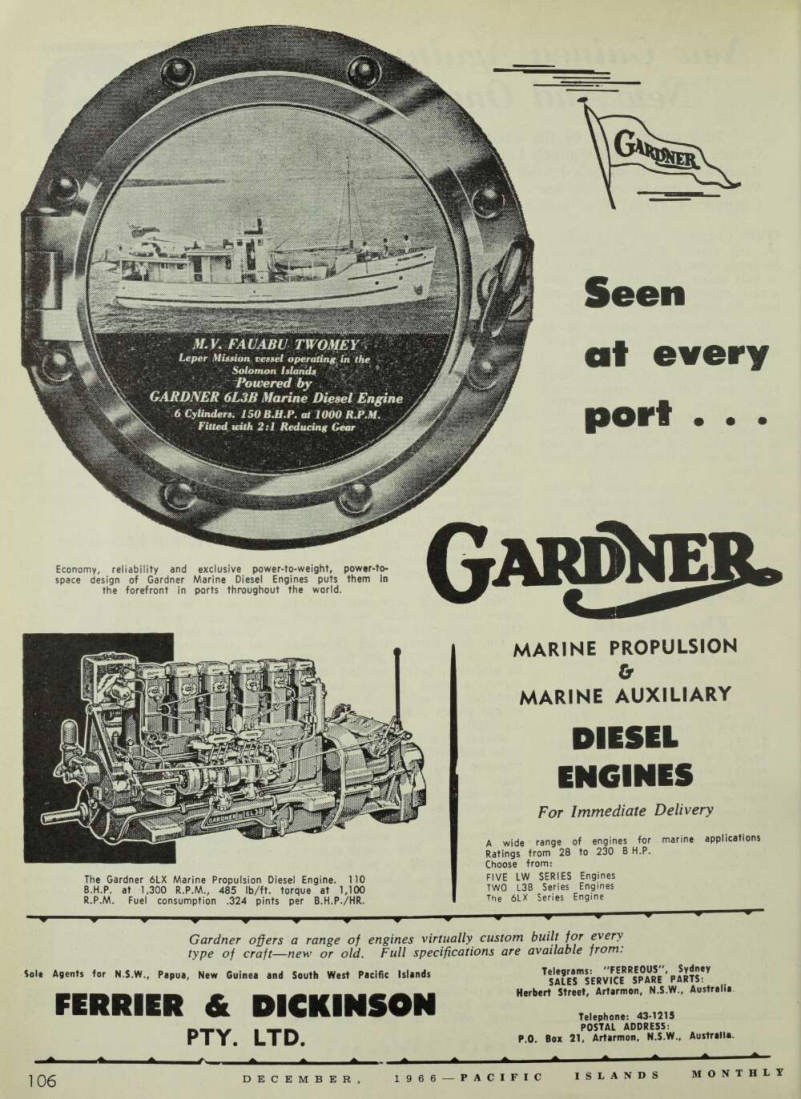 108
108 109
109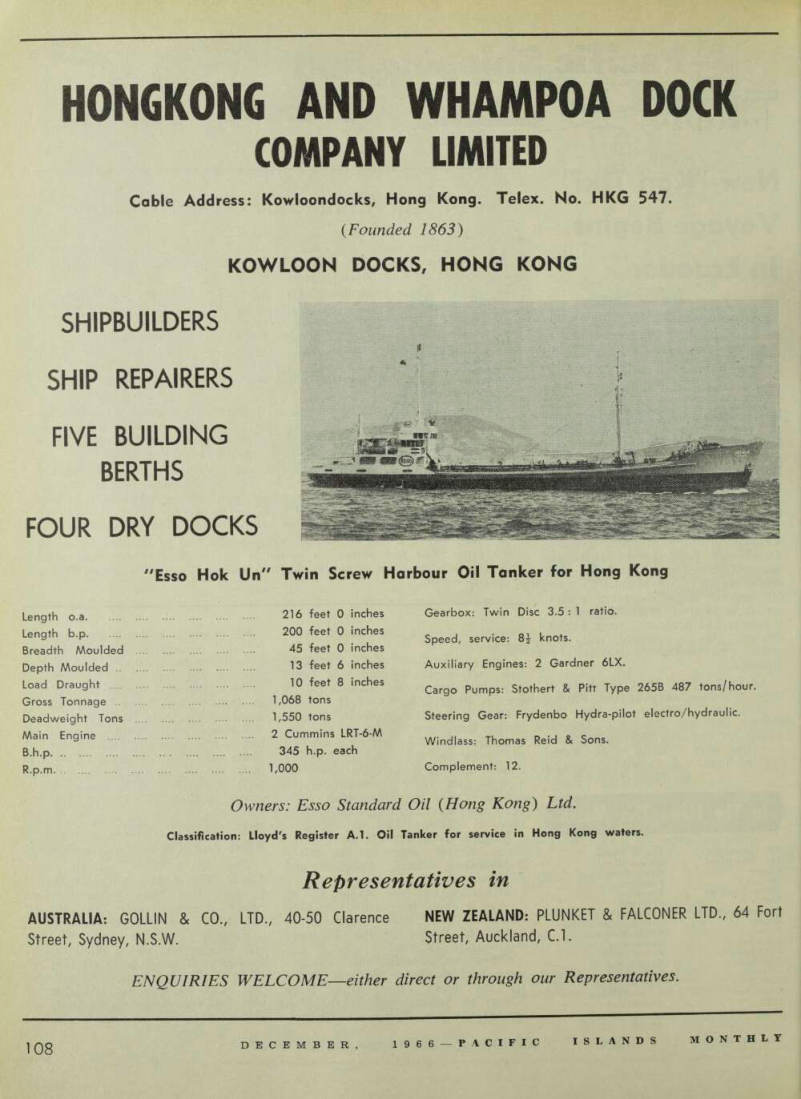 110
110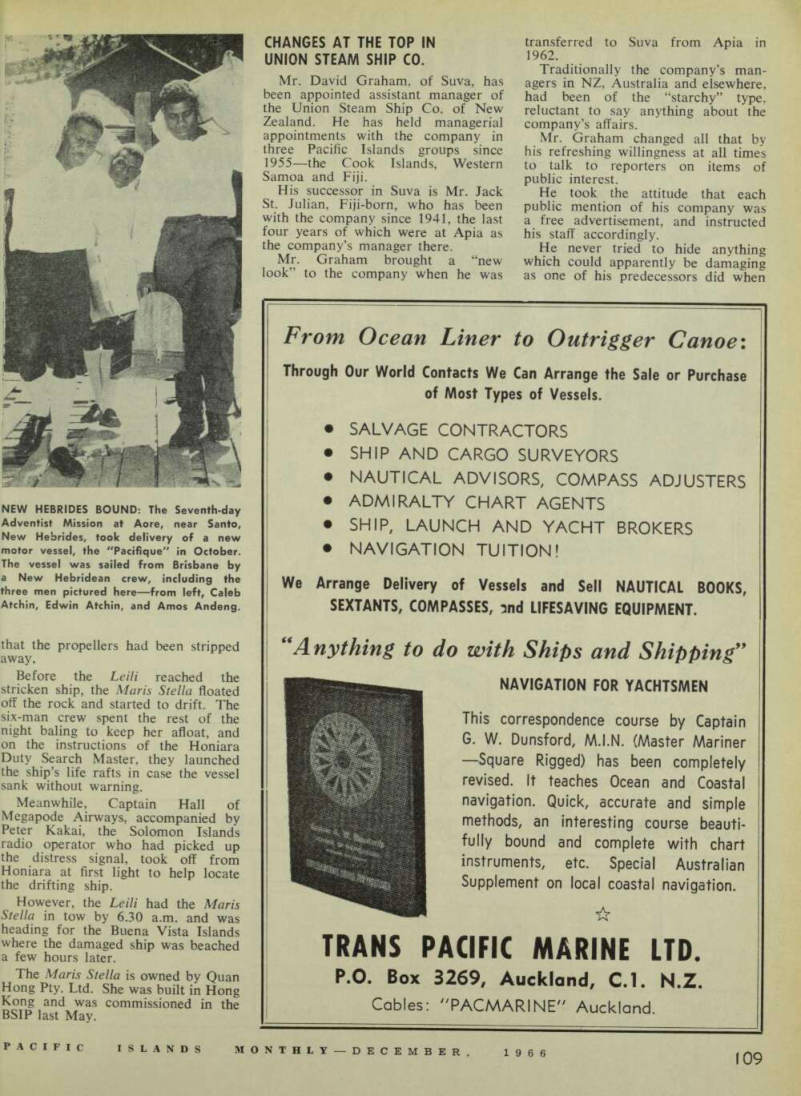 111
111 112
112 113
113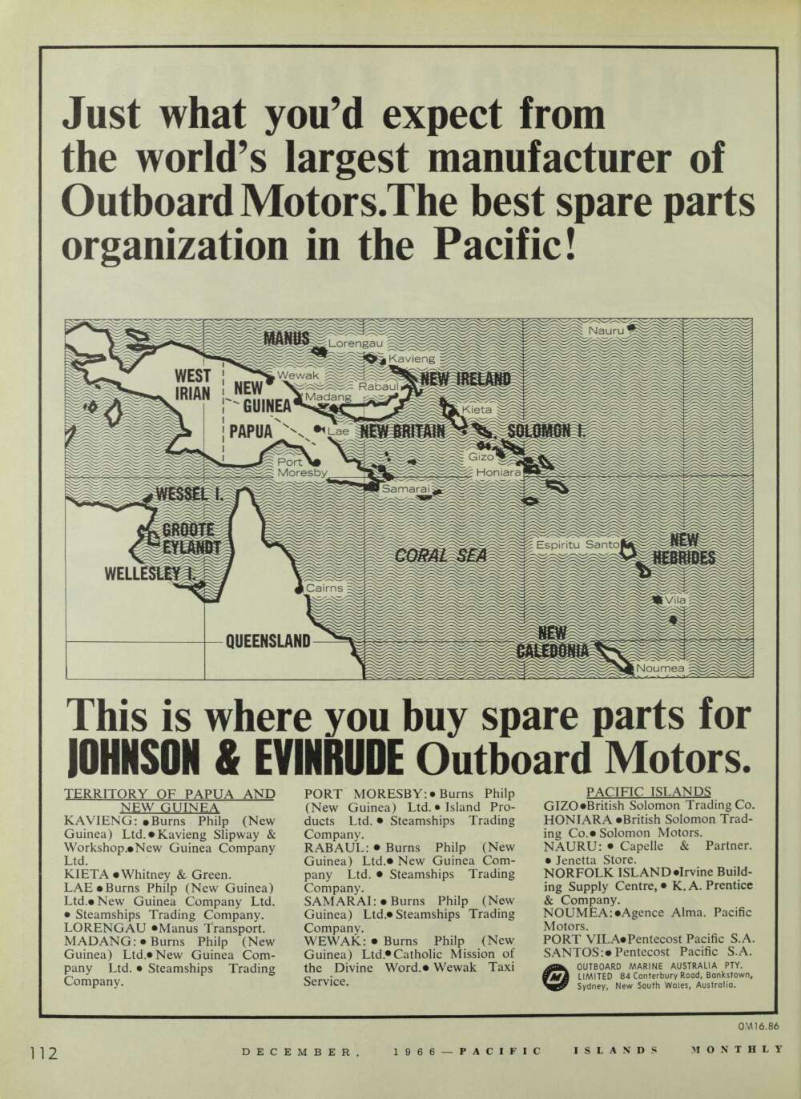 114
114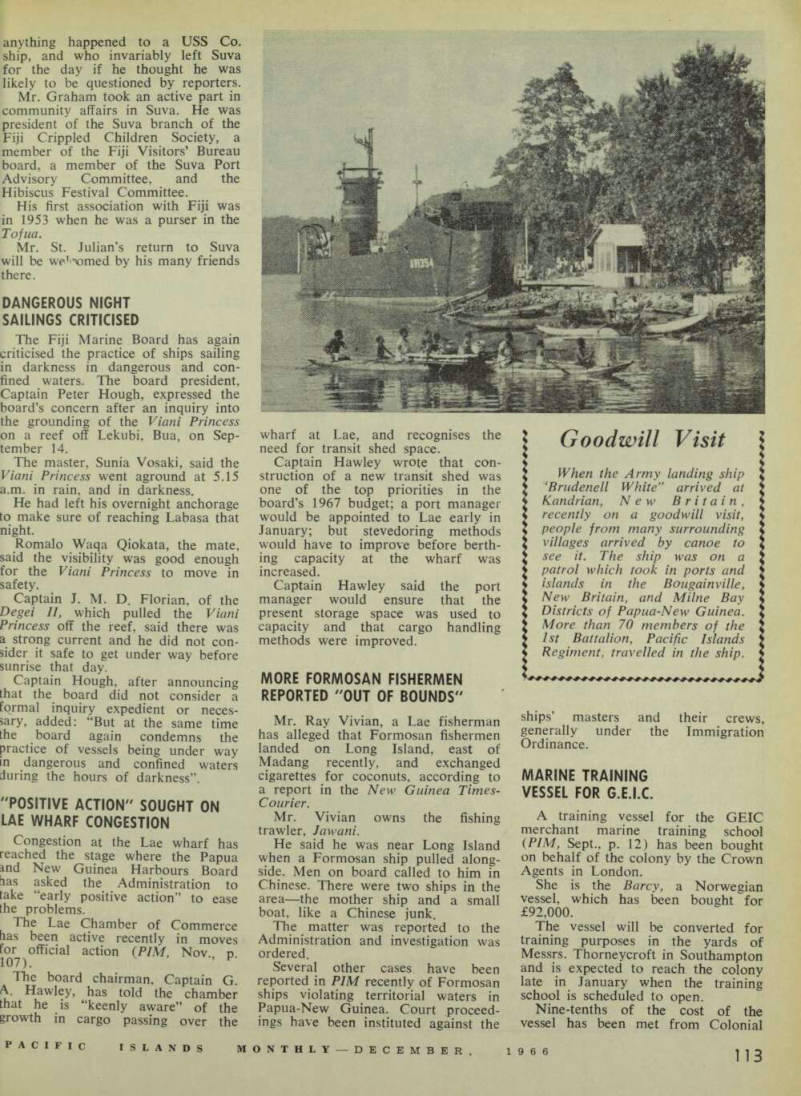 115
115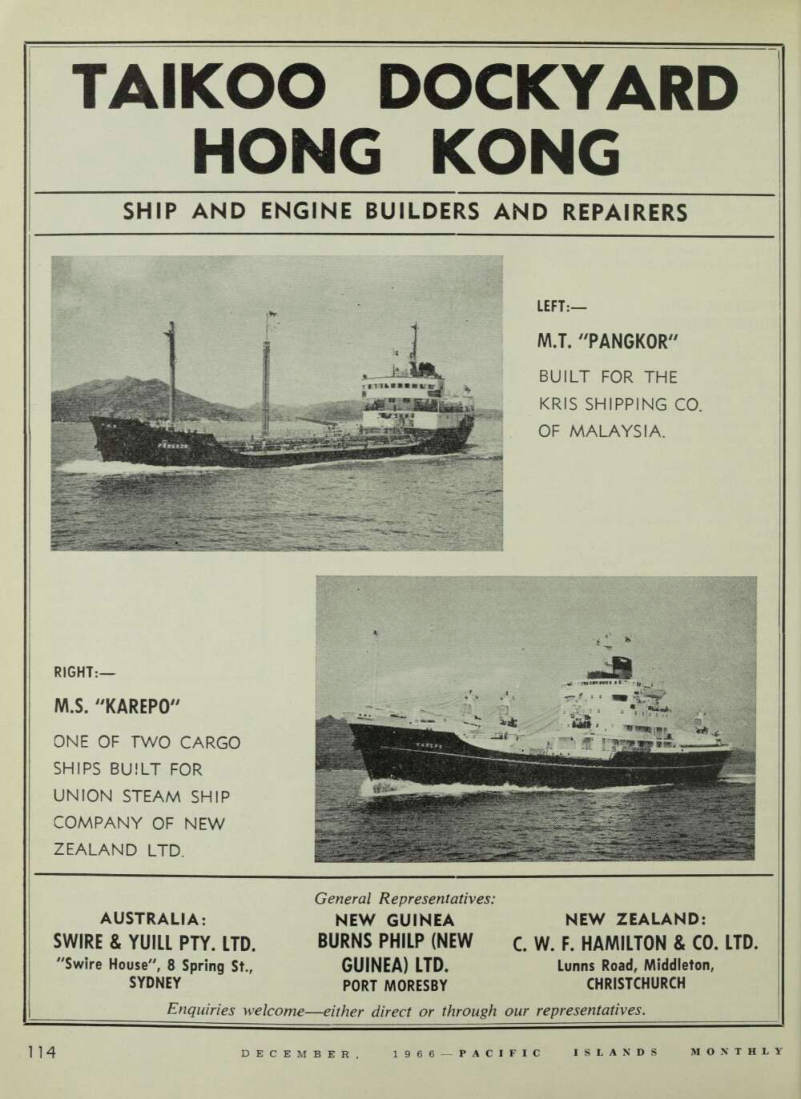 116
116 117
117 118
118 119
119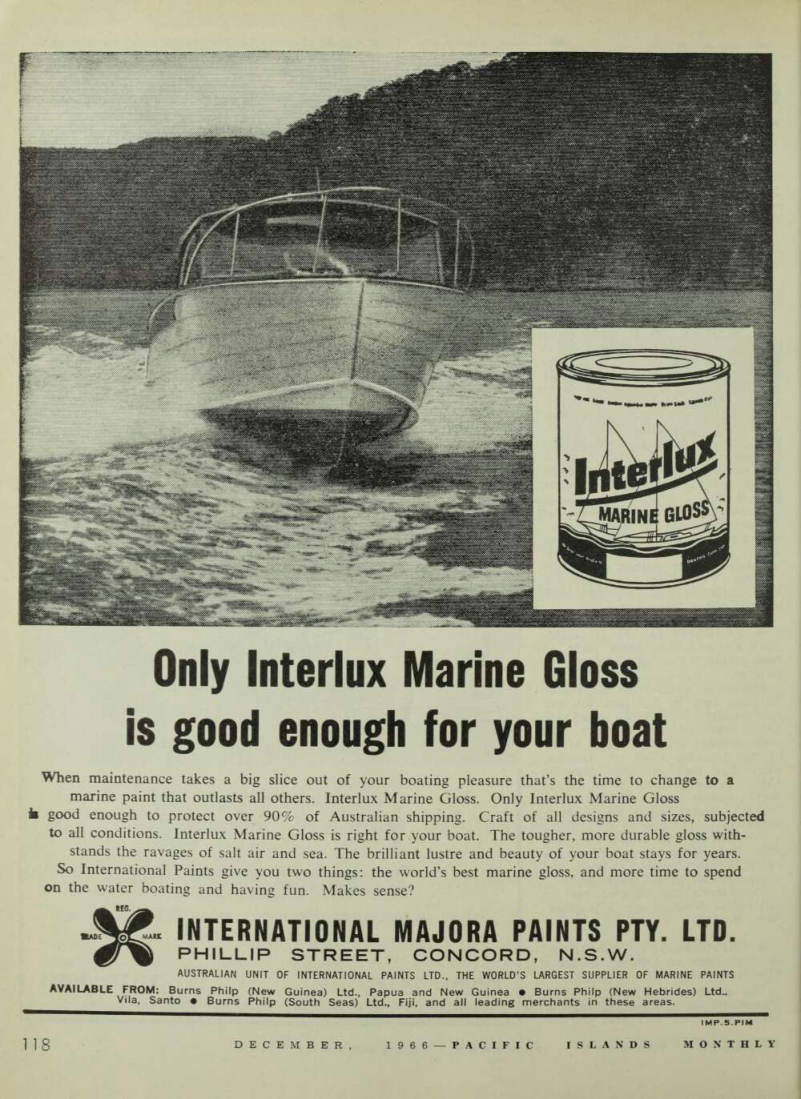 120
120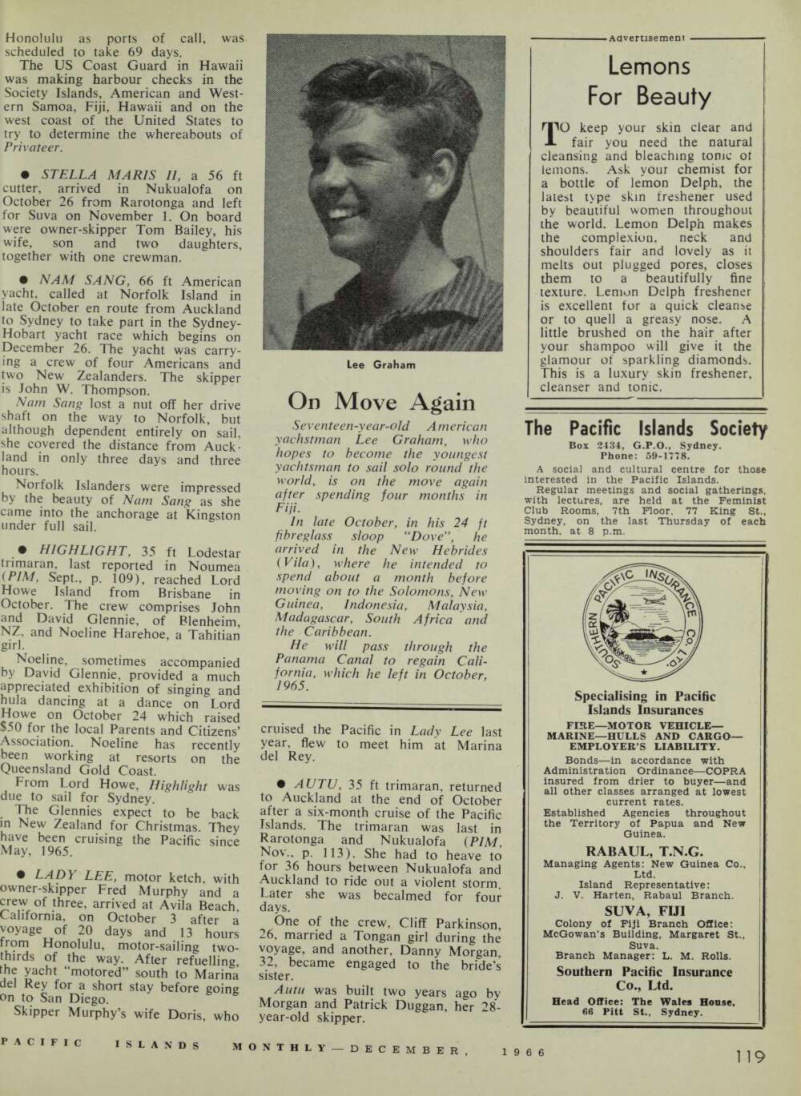 121
121 122
122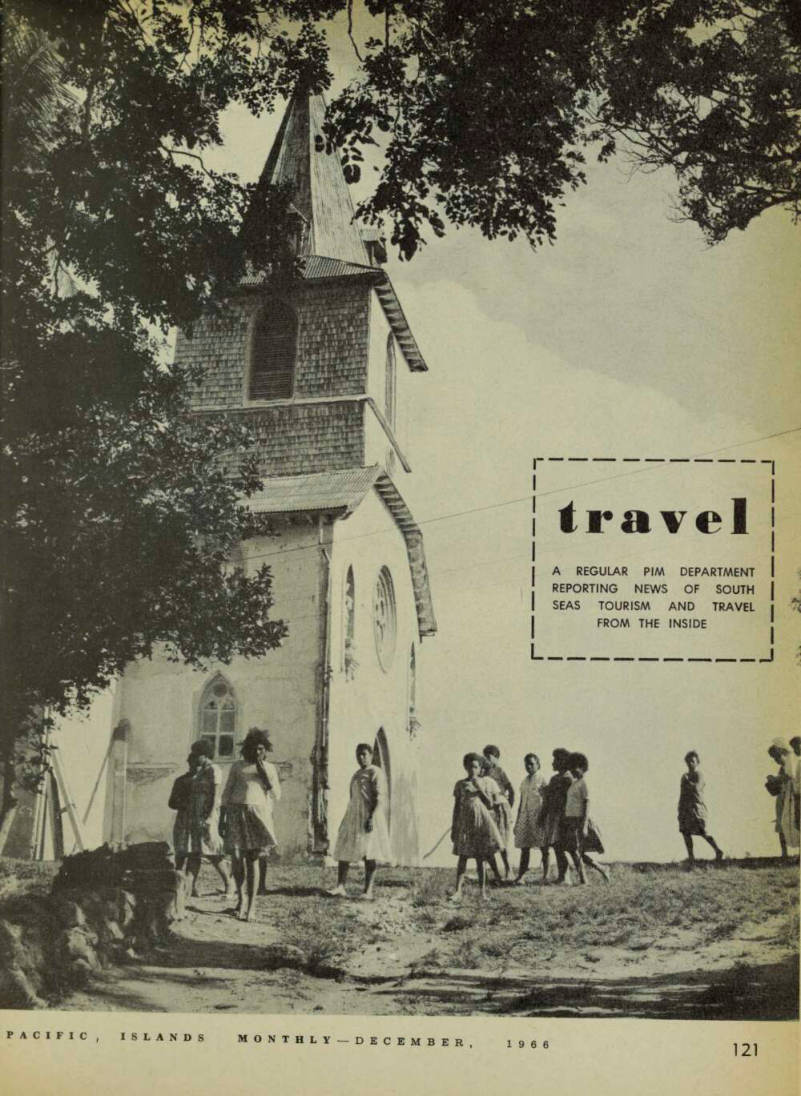 123
123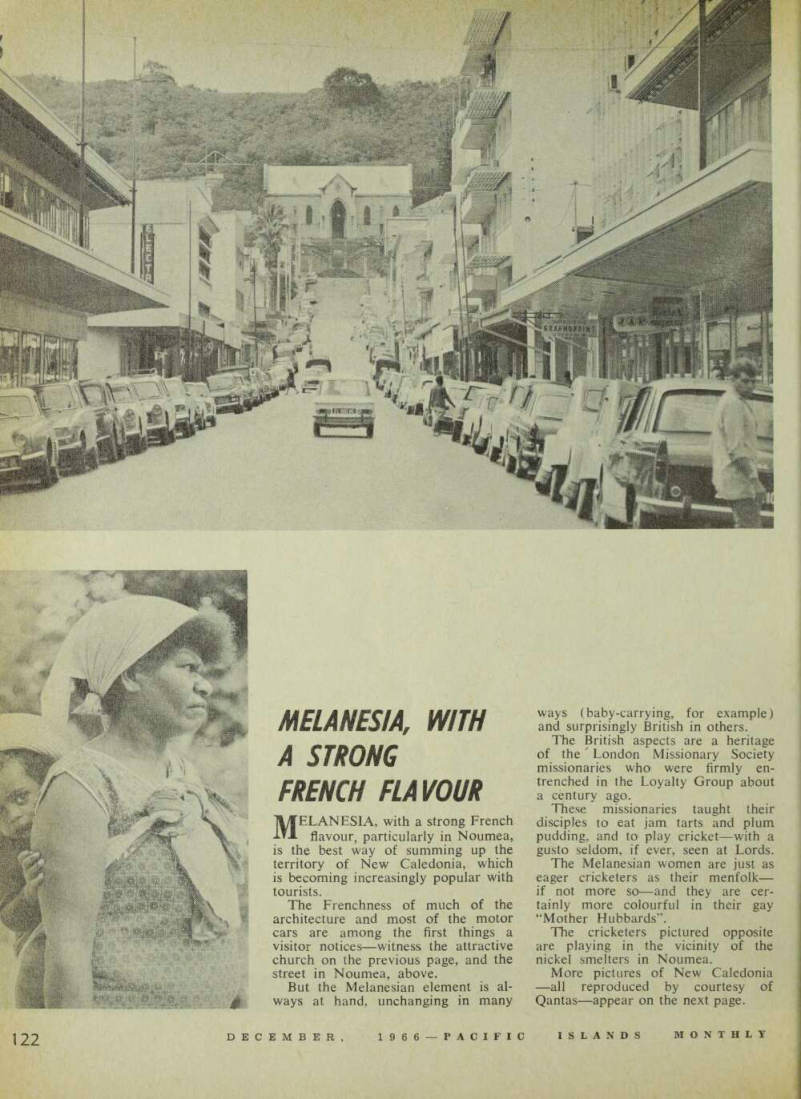 124
124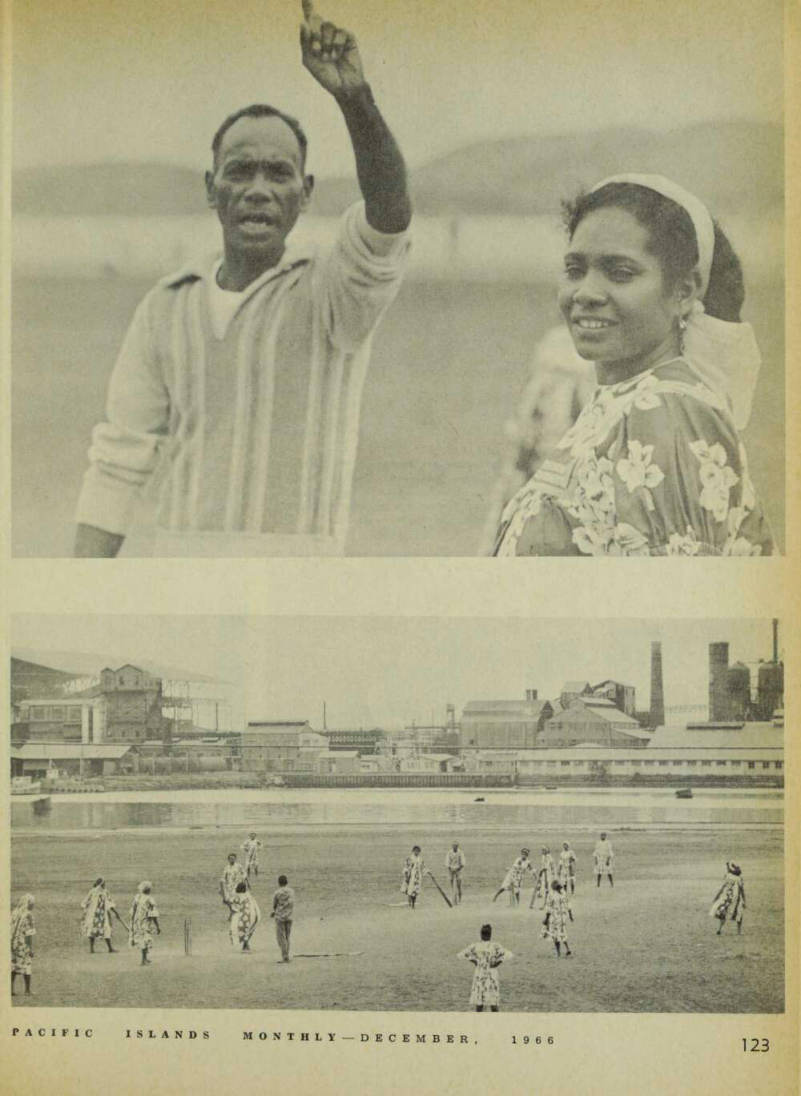 125
125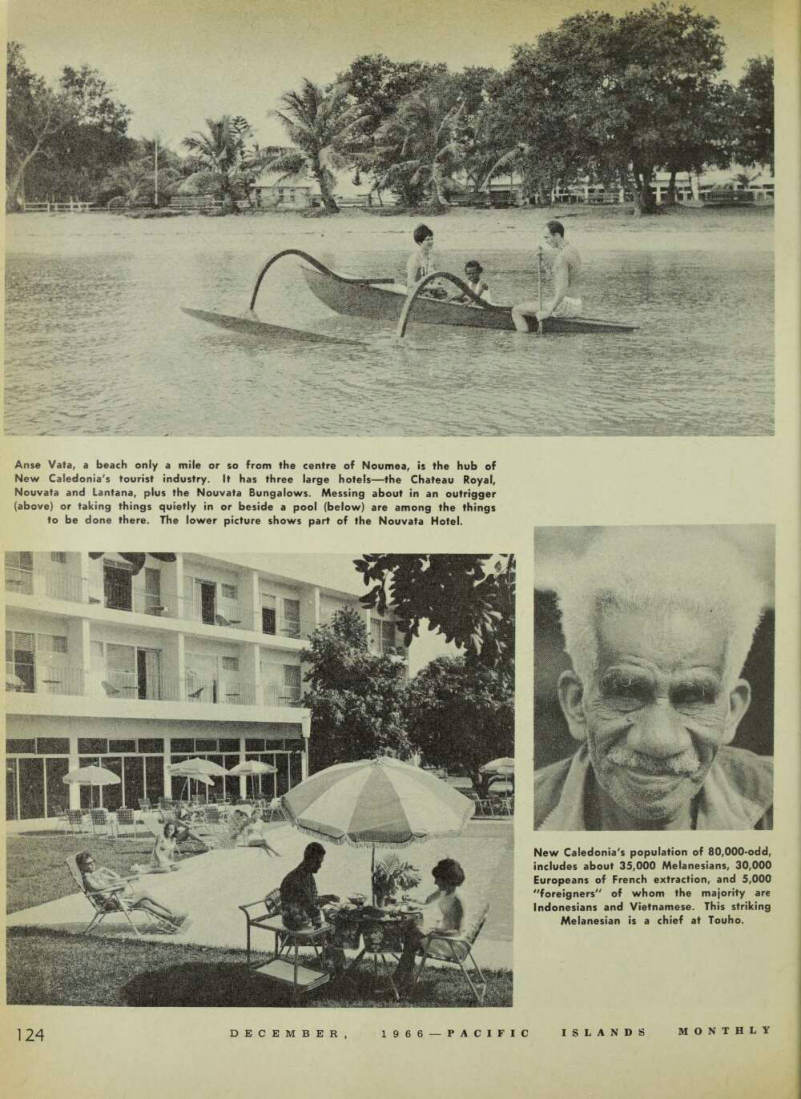 126
126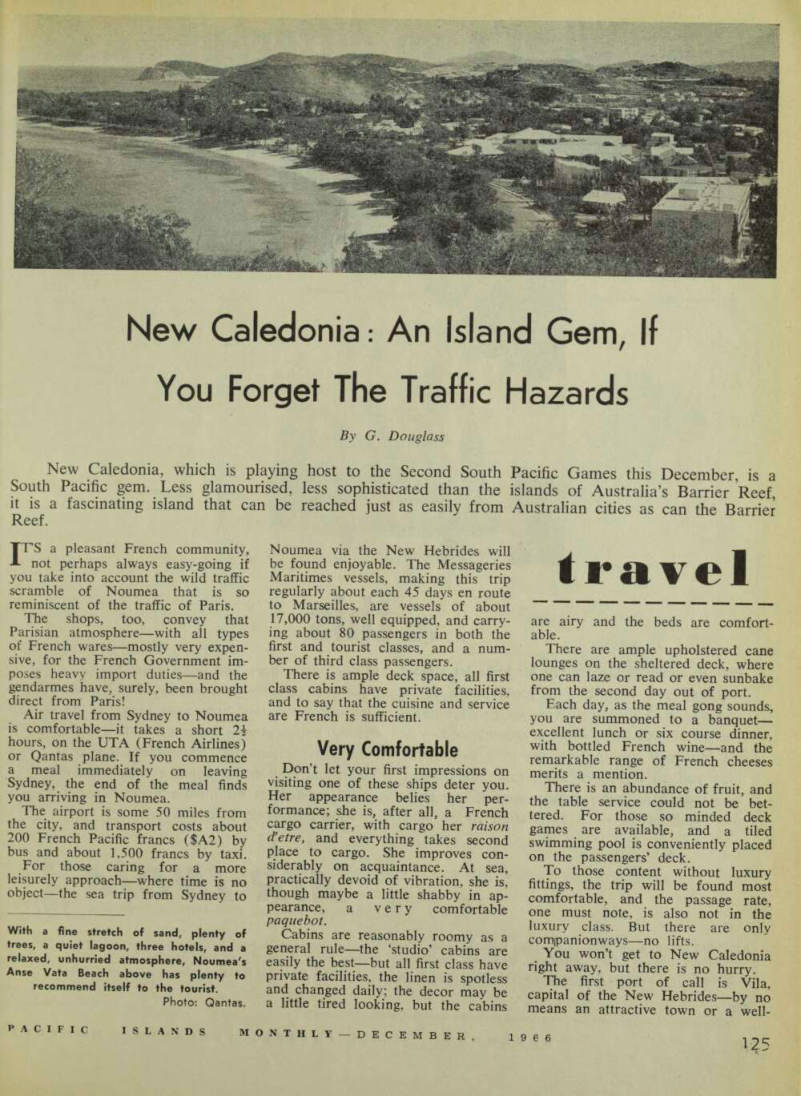 127
127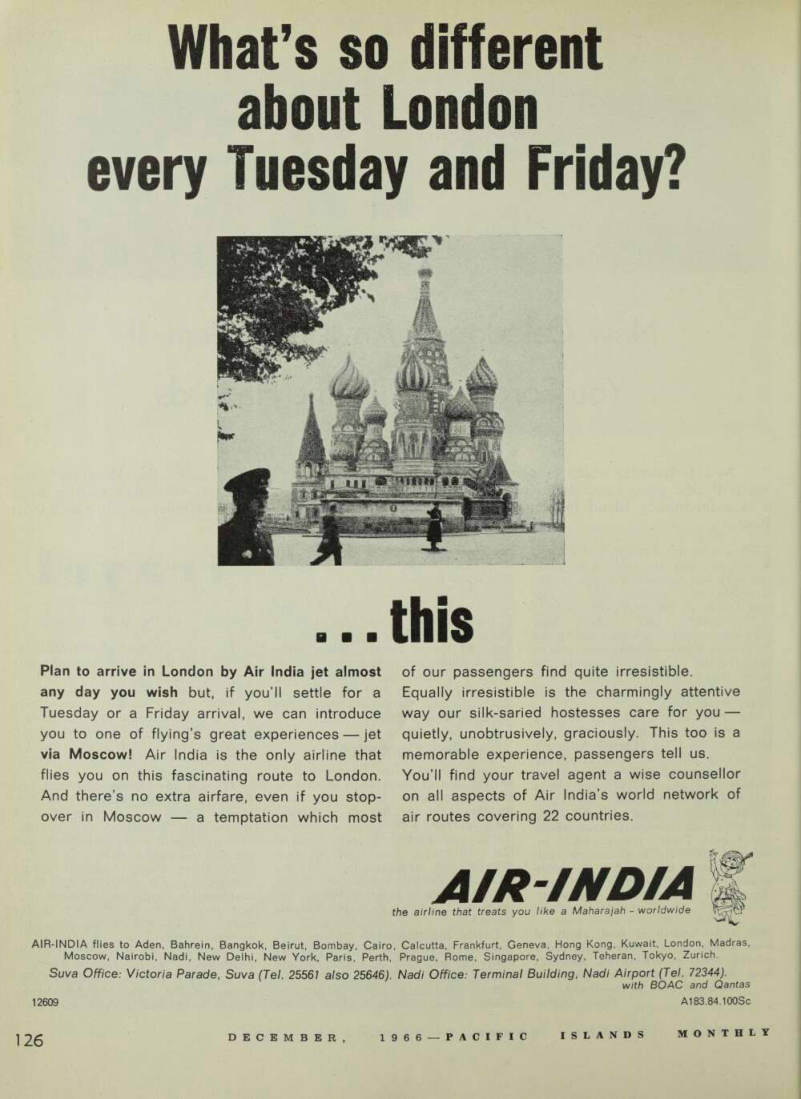 128
128 129
129 130
130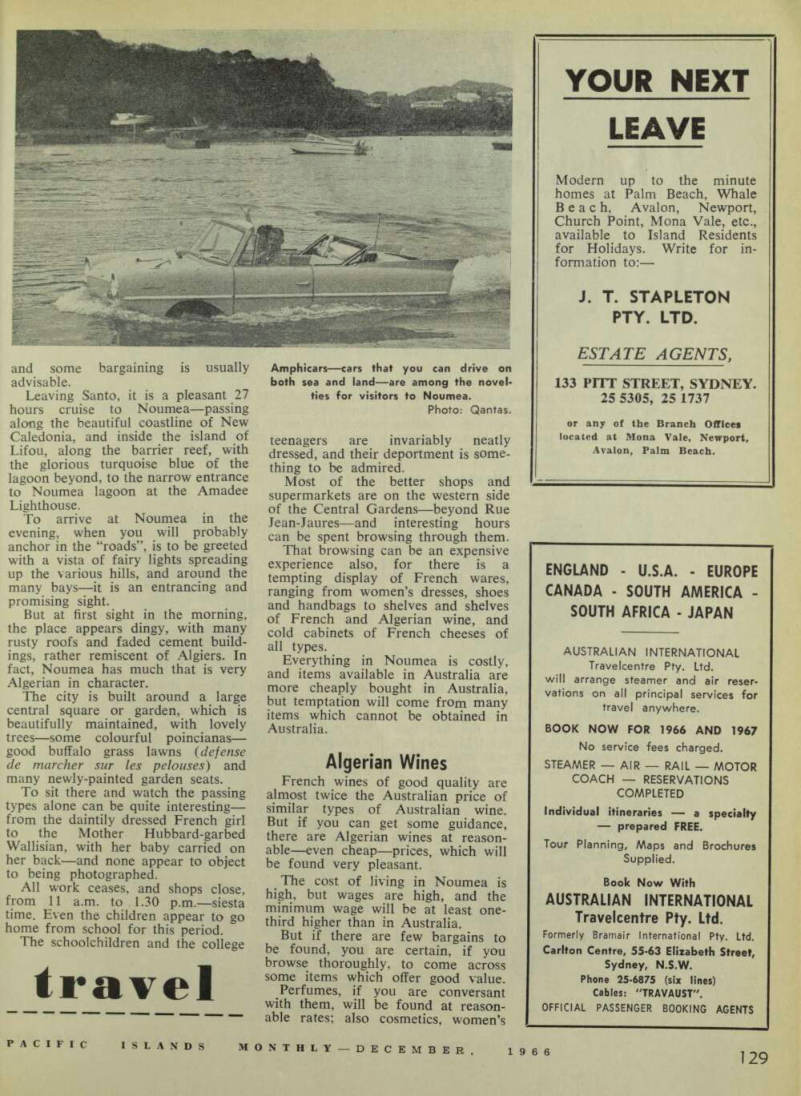 131
131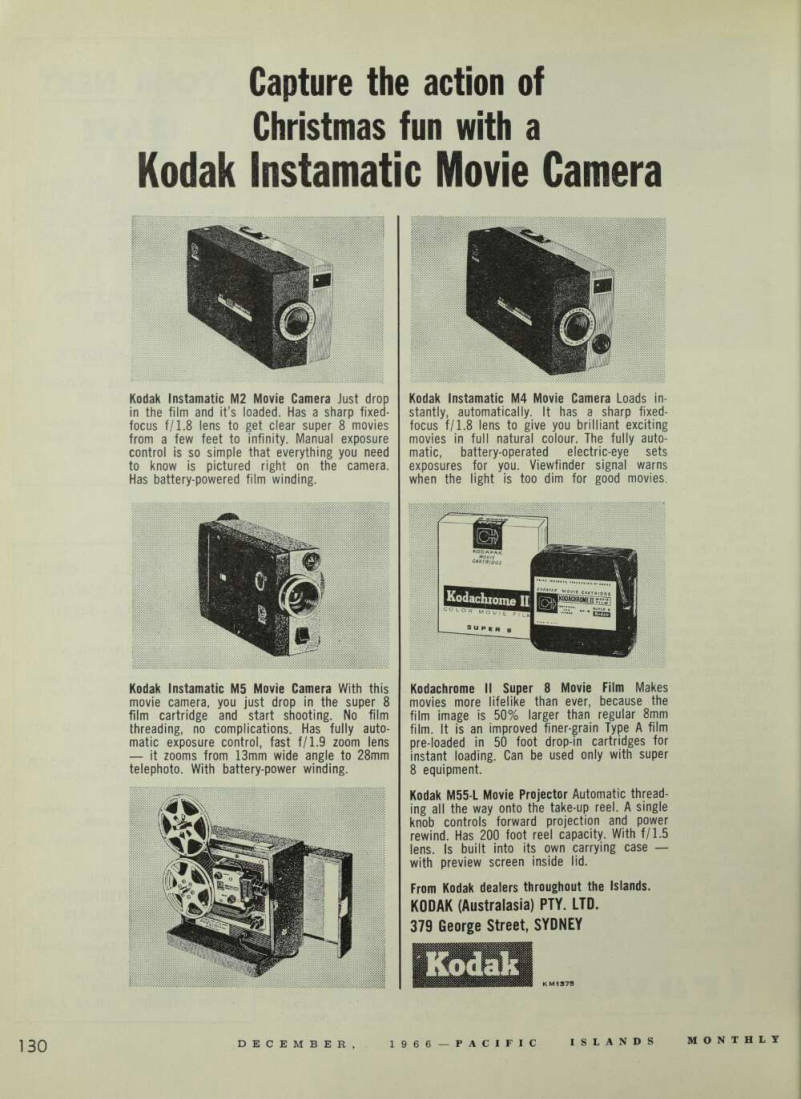 132
132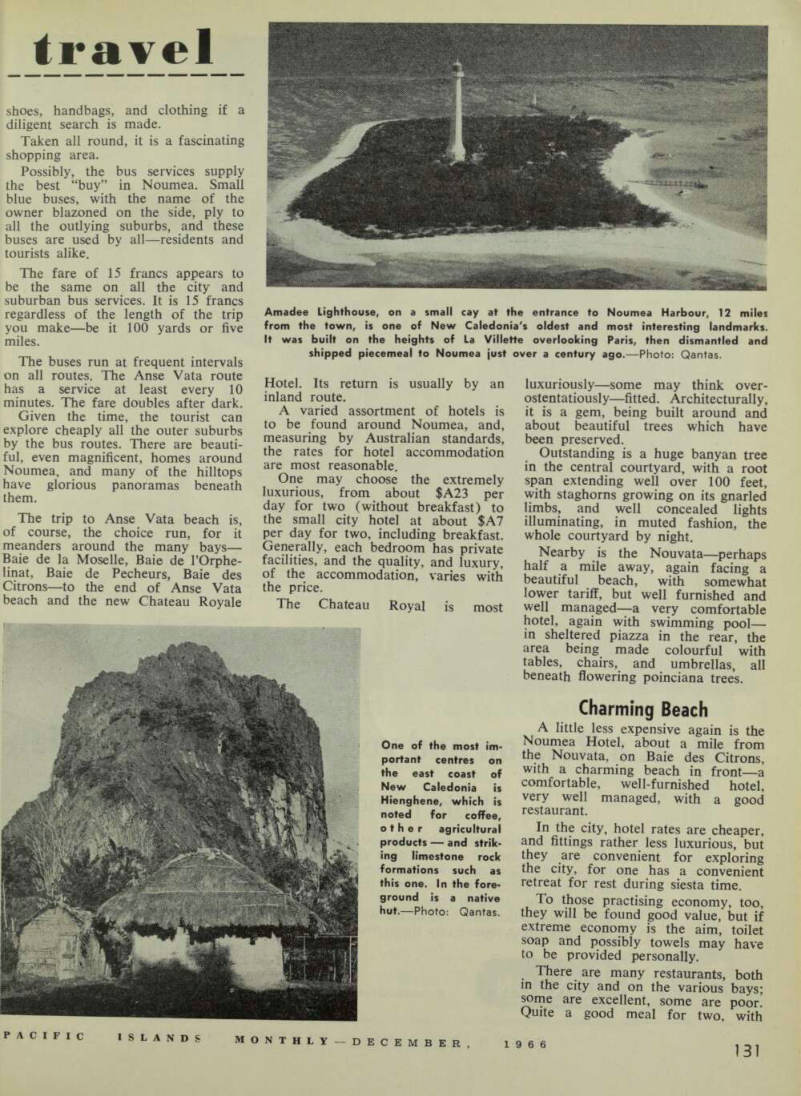 133
133 134
134 135
135 136
136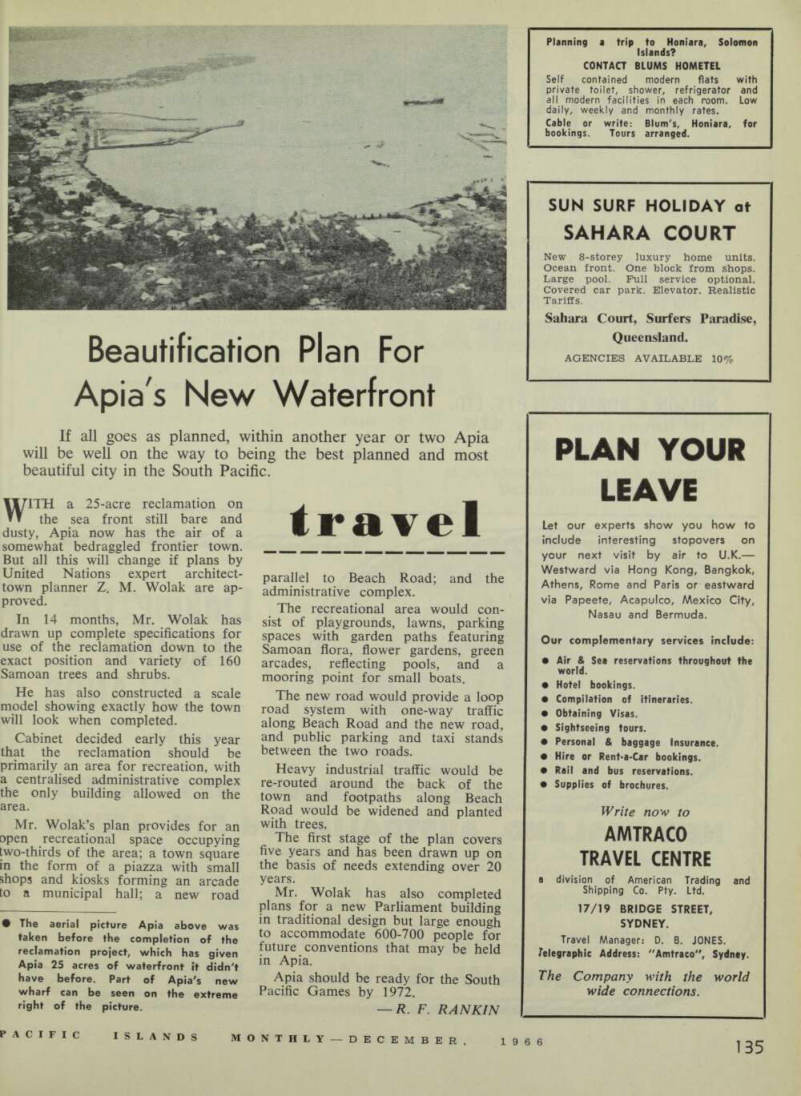 137
137 138
138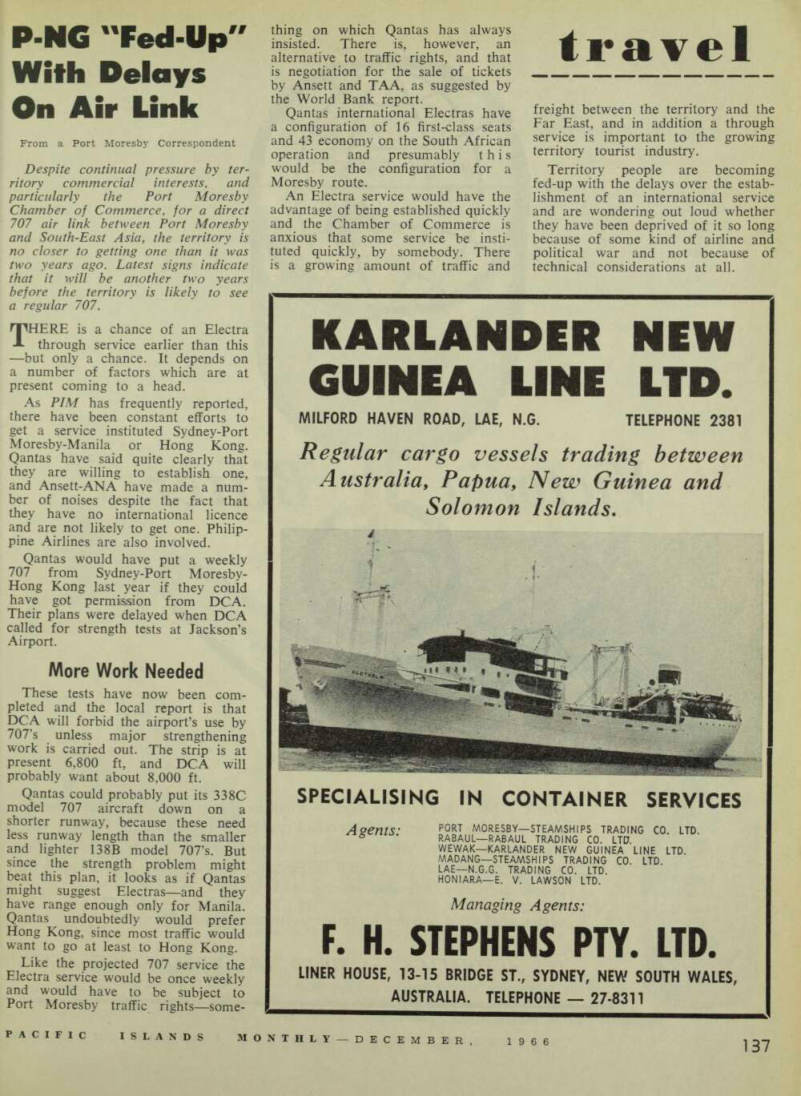 139
139 140
140 141
141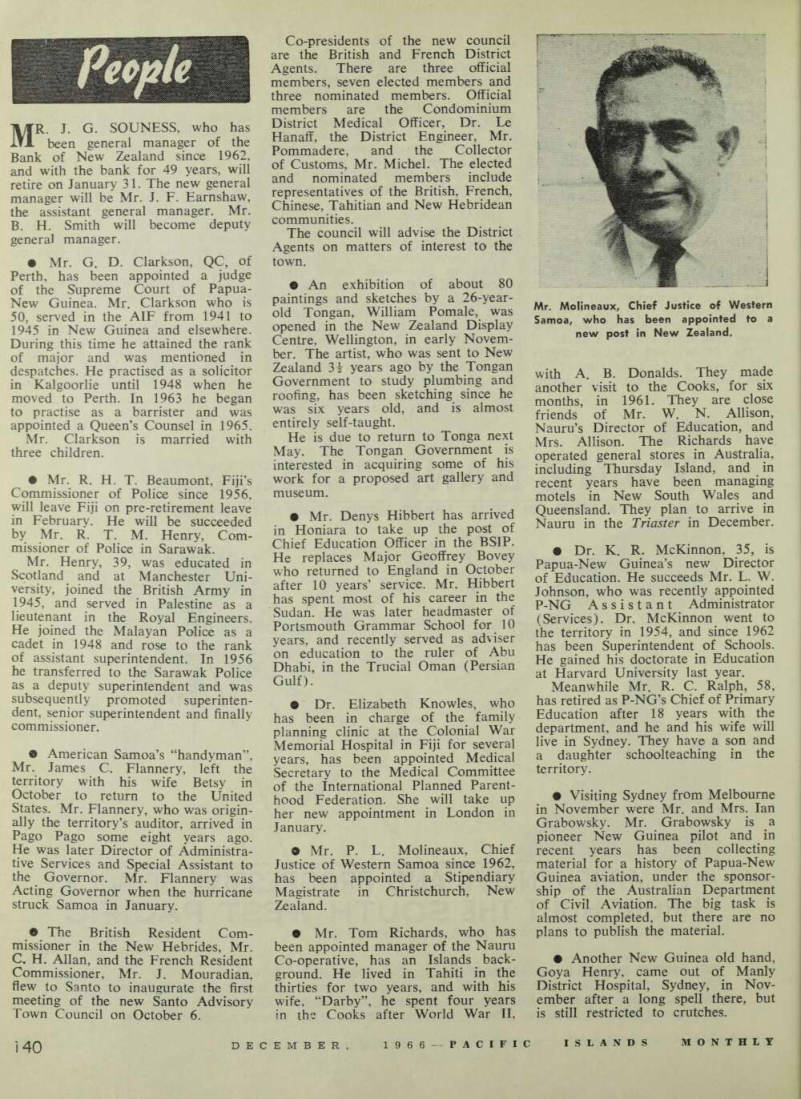 142
142 143
143 144
144 145
145 146
146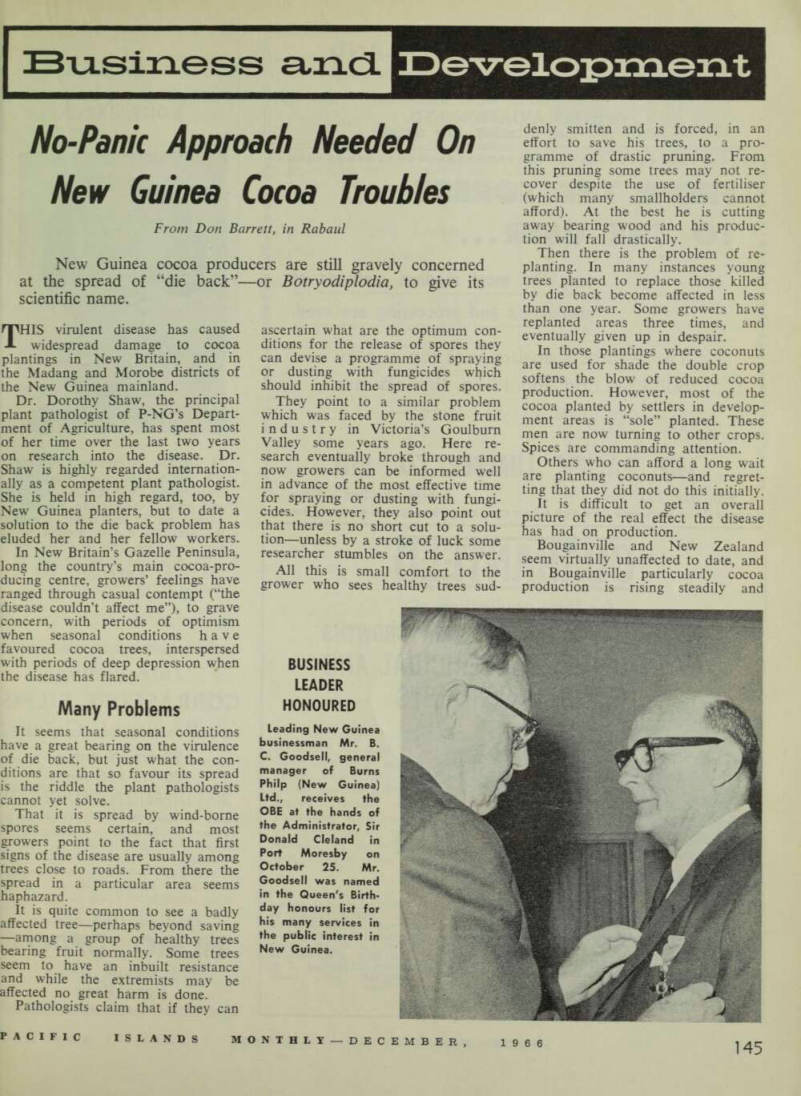 147
147 148
148 149
149 150
150 151
151 152
152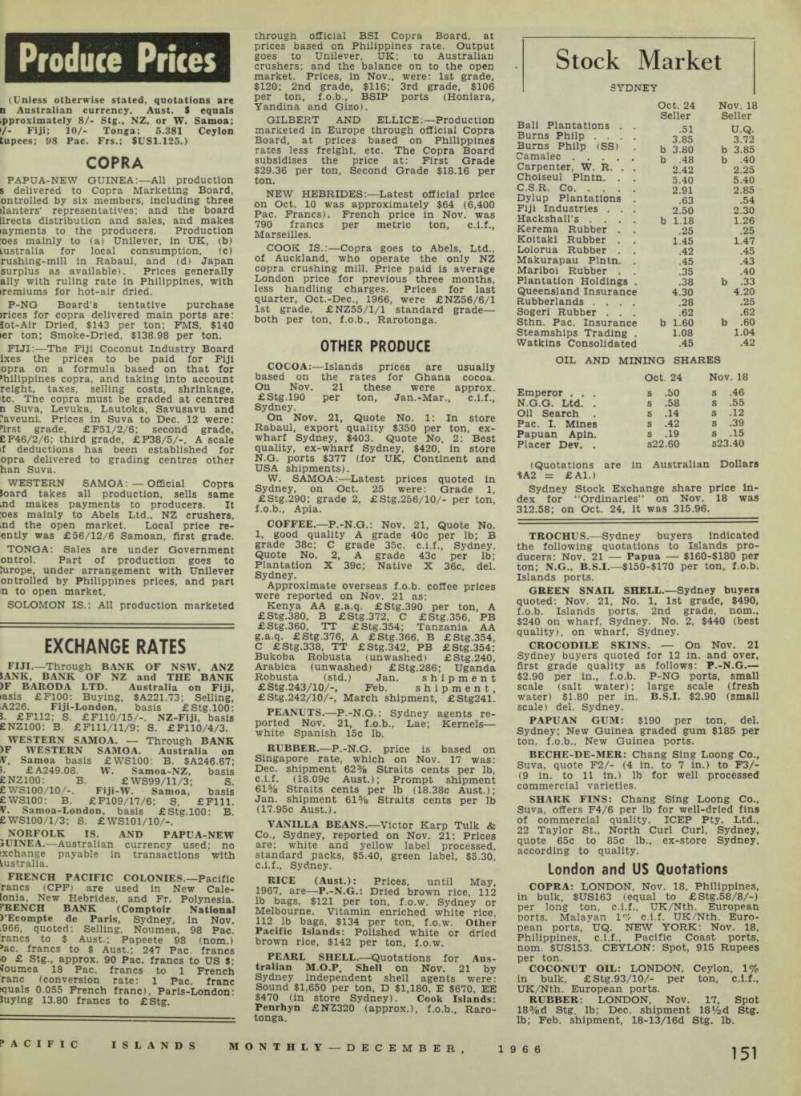 153
153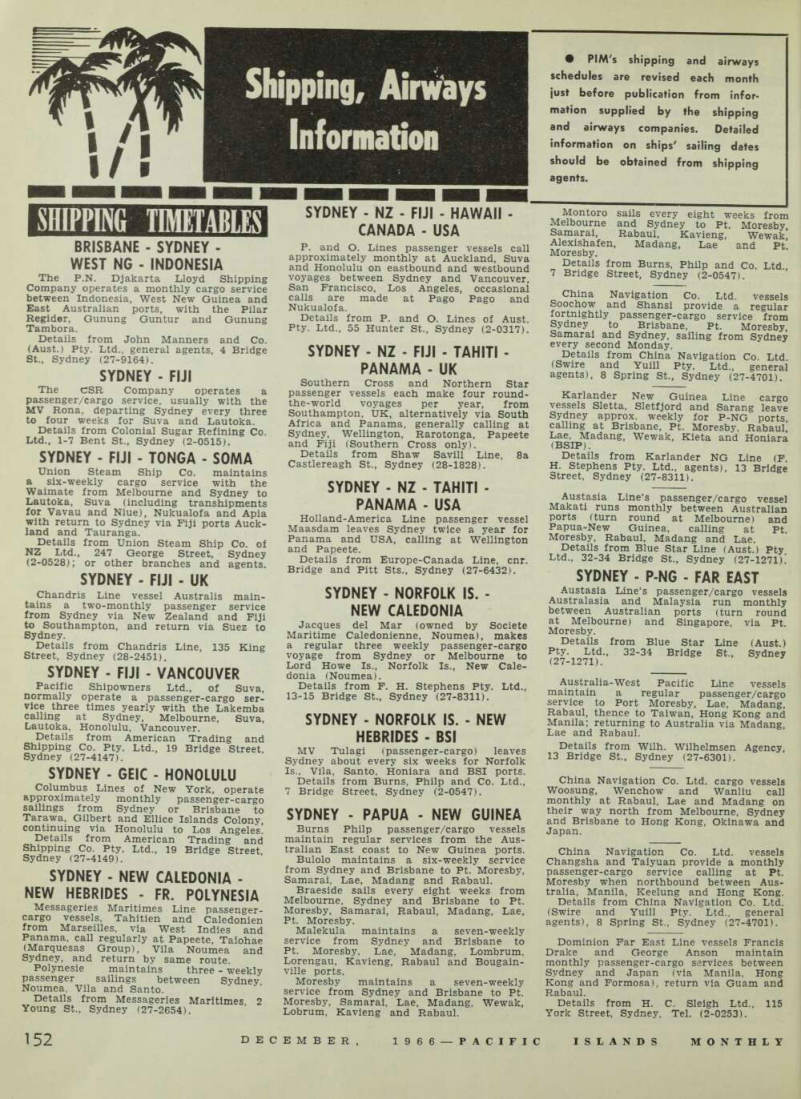 154
154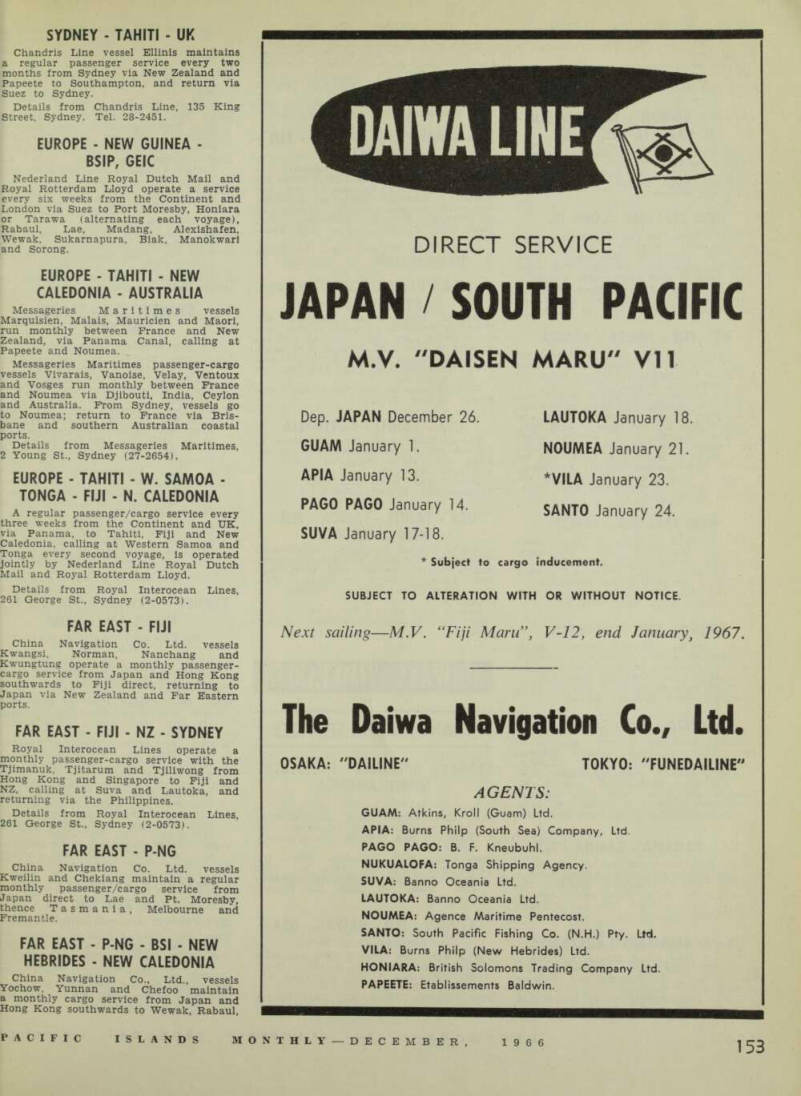 155
155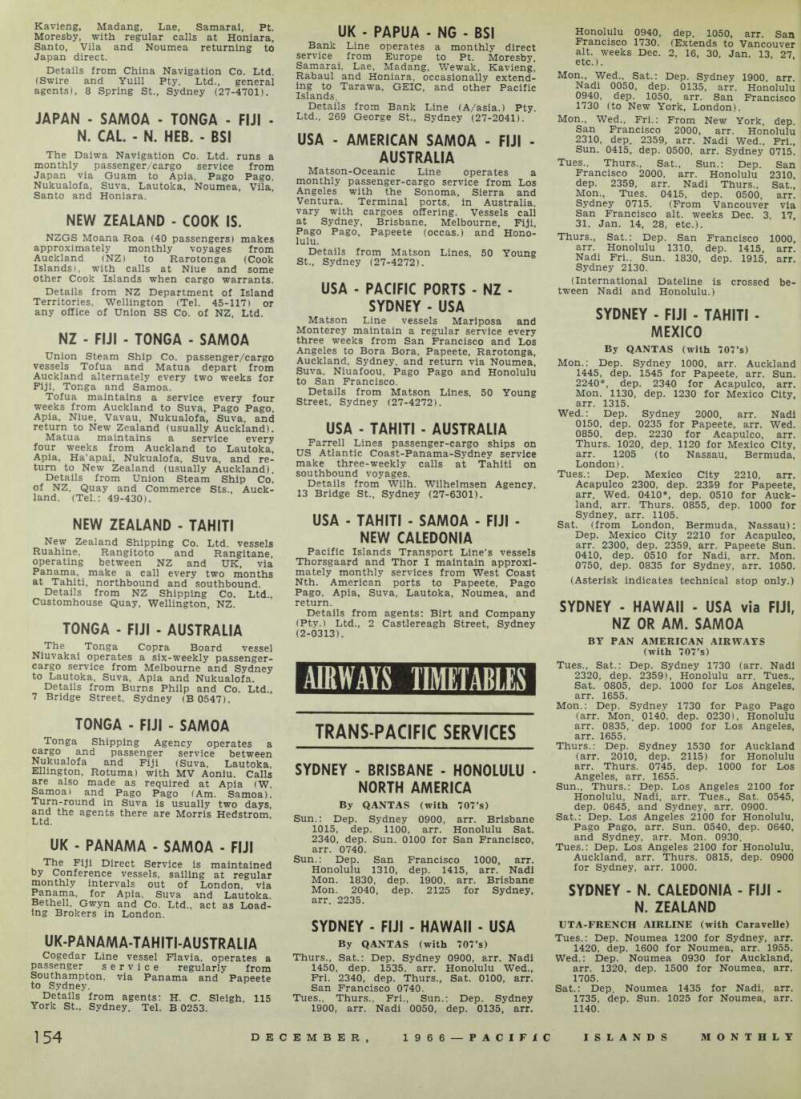 156
156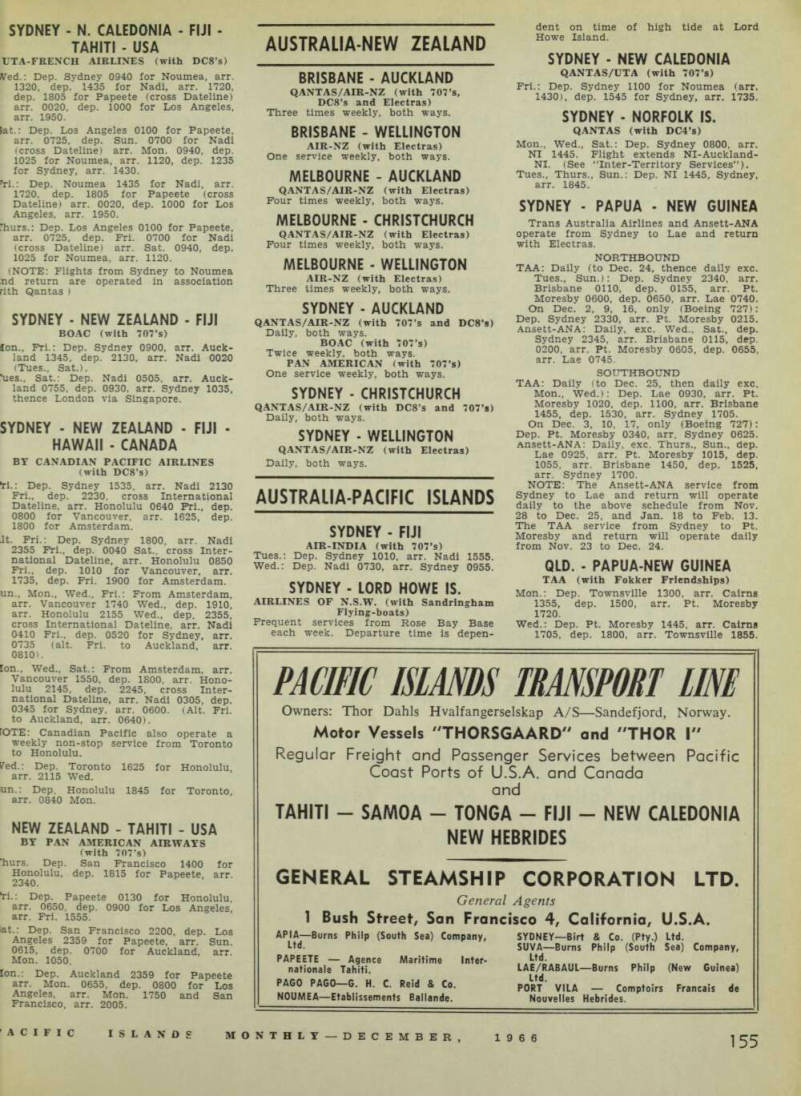 157
157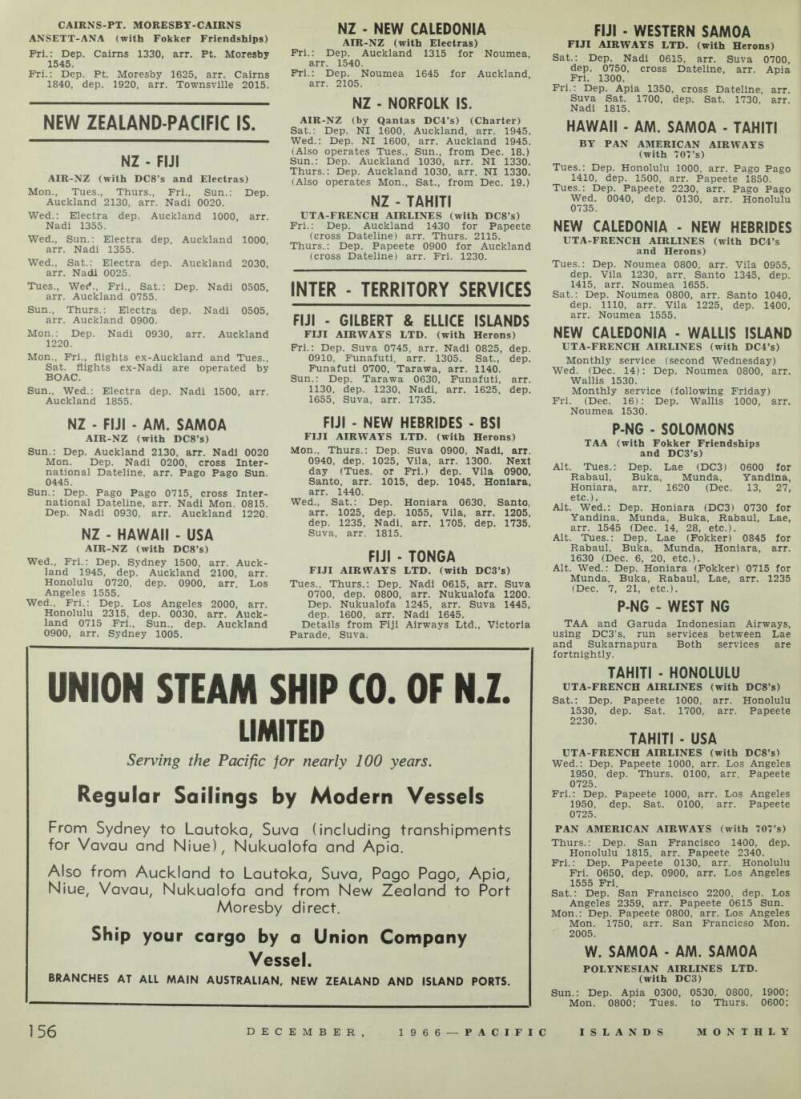 158
158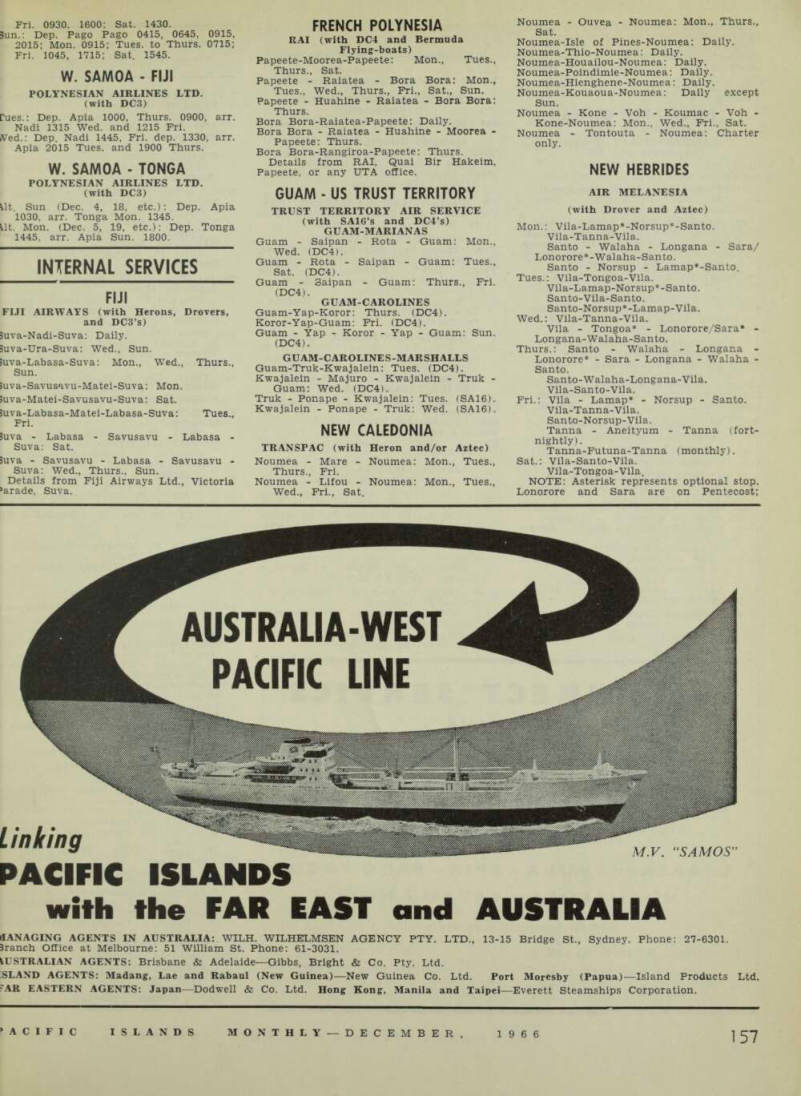 159
159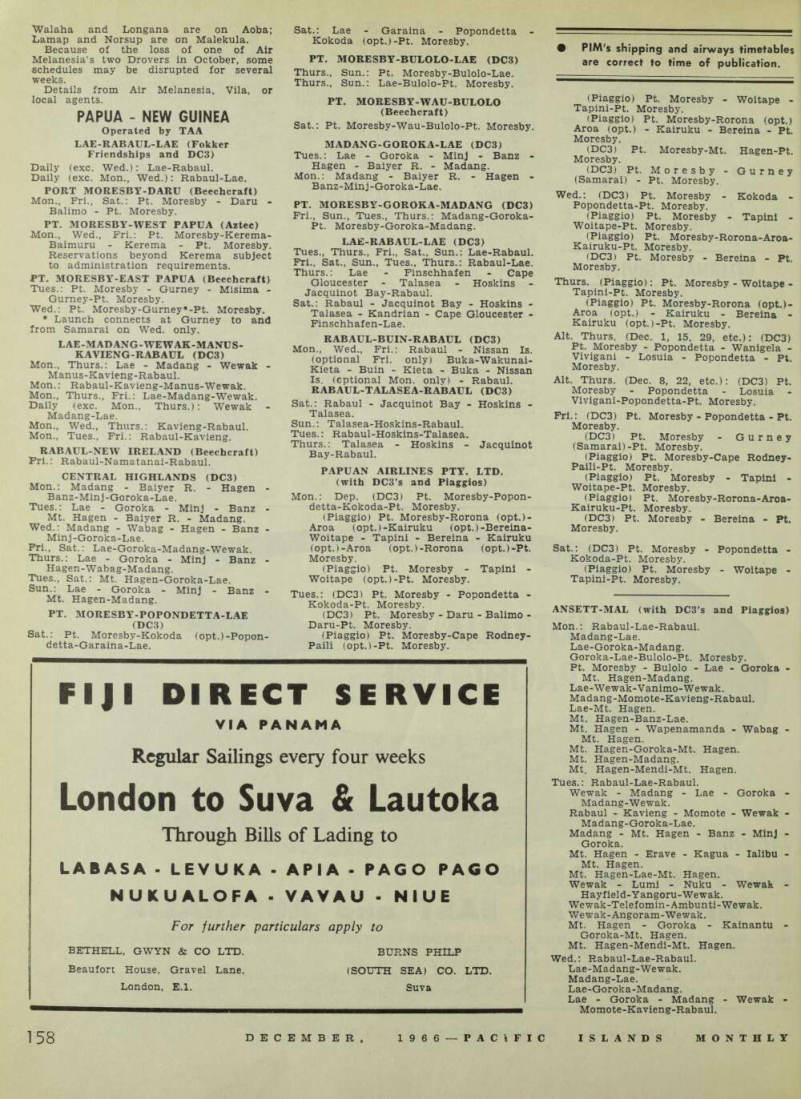 160
160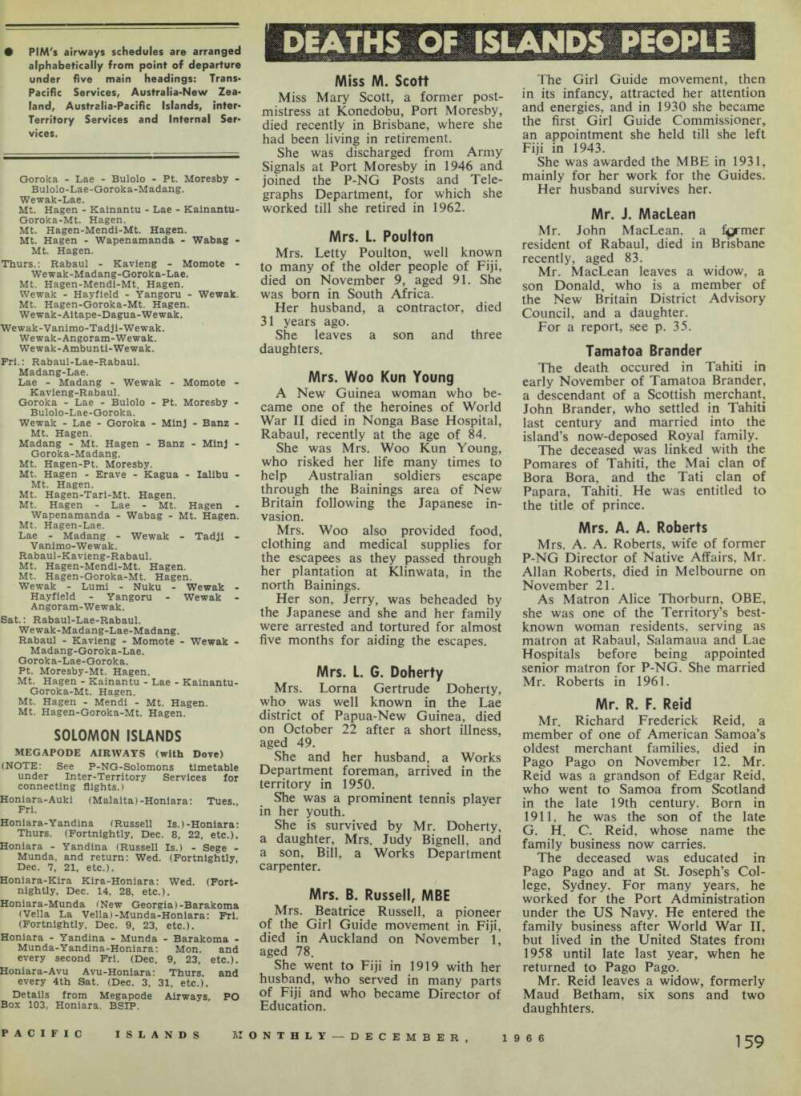 161
161 162
162 163
163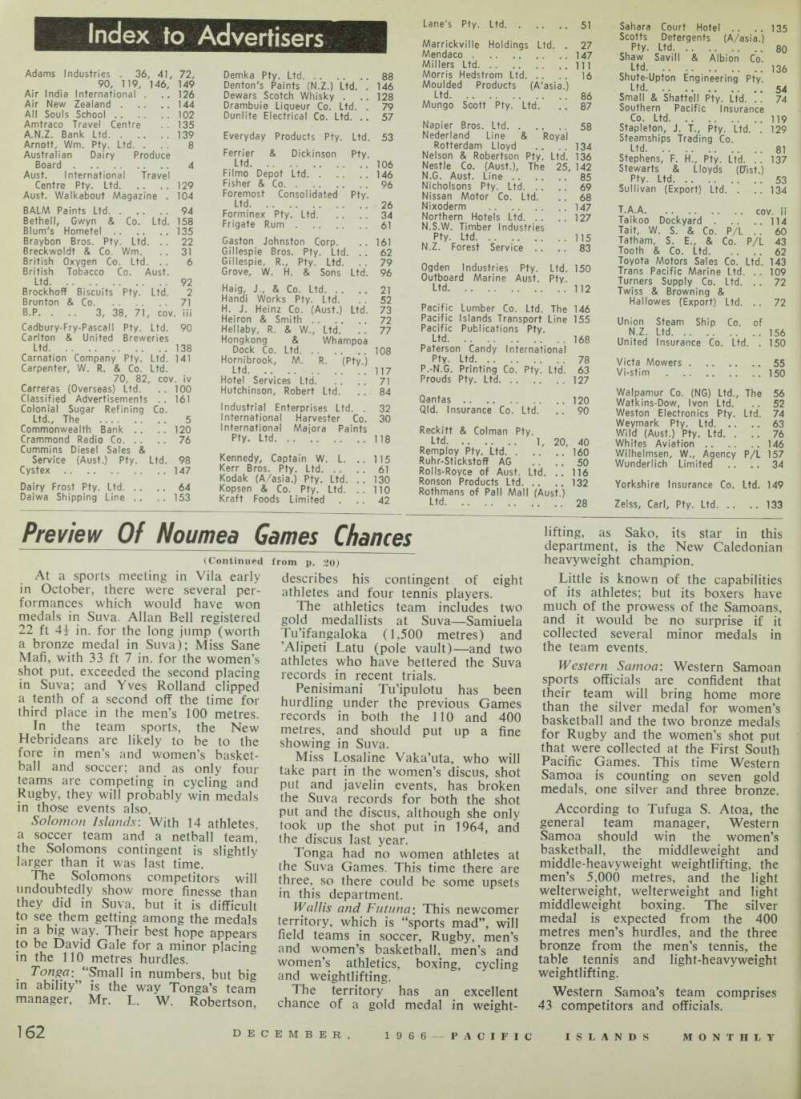 164
164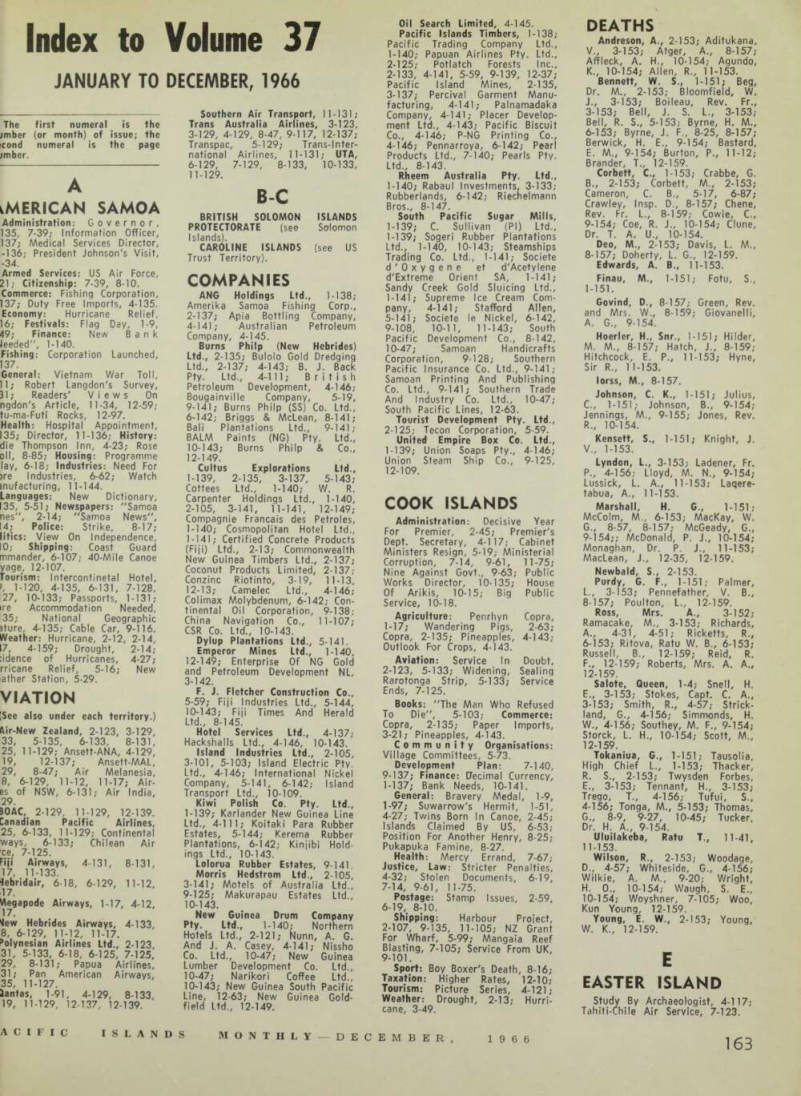 165
165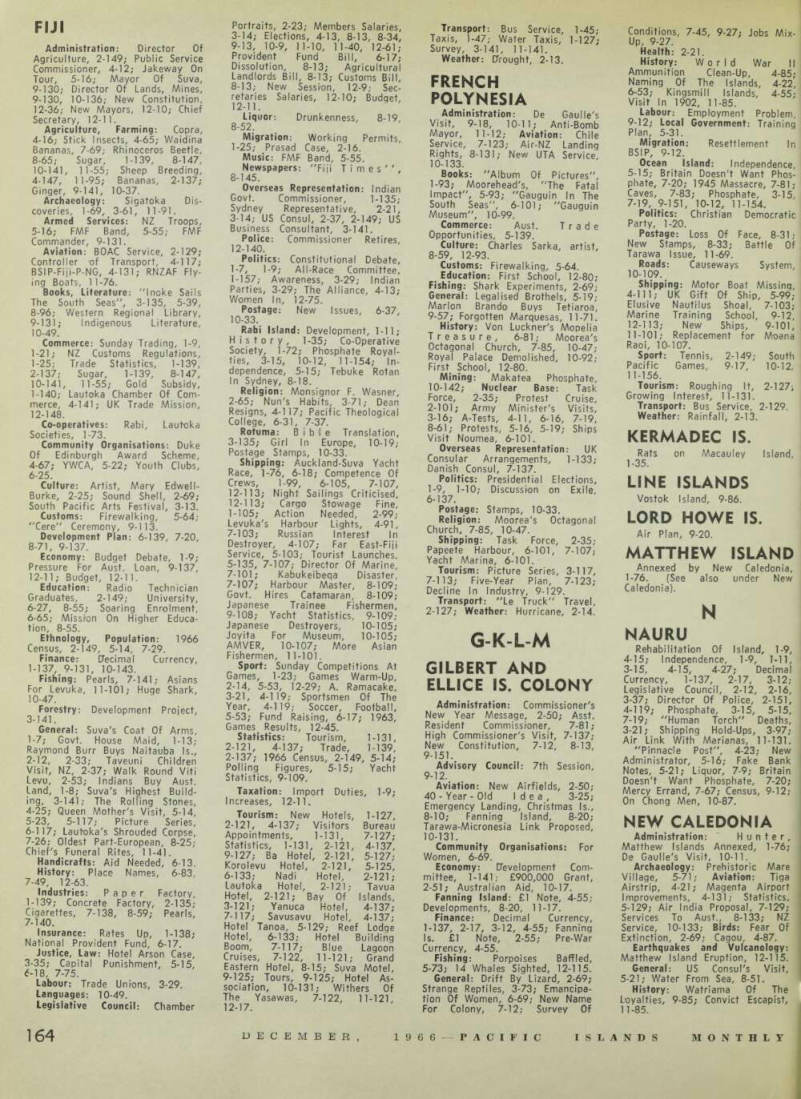 166
166 167
167 168
168 169
169 170
170 171
171 172
172