Pacific
Islands
Monthly
January, 1960
Vol. XXX. No. 6
l>shed 1930
■ered at the G.P.0., Sydney, nsmist> lon Tyy post as a newspaper]
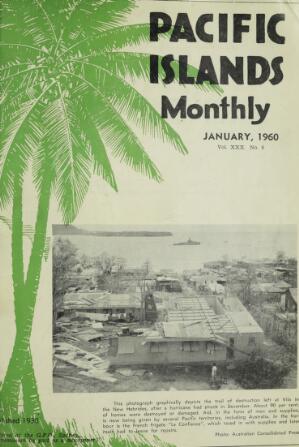
This photograph graphically depicts the trail of destruction left at Vila in the New Hebrides, after a hurricane had struck in December. About 30 per cent. of homes were destroyed or damaged. Aid, in the form of men and supplies, is now being given by several Pacific territories, including Australia. In the har bour is the French frigate "La Confiance", which raced in with supplies and later itself to leave for repairs.
Photo: Australia Consolidated Press.
Advertisements & other items, pp. 2-6 (6 items)
Paci F 1 C Elands Monthly 1
NTHLY JANUARY, 1960
The World
FLY ONE JEJUNE
"V
AMI A
111 tii un till mi mini QAM T A i
AROUND
THE WORLD
0 AIITAS
AUSTRALIA'S ROUND-THE-WORLD AIRLINE
Q 50.74.119
STOVES
mm Model No. 532 E
SILENT TYPE
1. Full-Size Fount with Filler Plug of wing type. 2. Air release on side of Filler Plug. 3. Heavy Brass pressure-tested Tanks. 4. Fount and Burner firmly soldered together. 5. European-type pump. 6. Grate and Grate Supports detachable to reduce shipping space. 7. Spare parts interchangeable with similar European Stoves.
MADE IN ENGLAND
These two Coleman Stoves are of the one burner kerosene type and are available in both silent and roarer models. Their dimensions are height 81 inches, diameter 81 inches, approximate weight 2| lb. Both models have the same outstanding features.
Model No. 531 E
ROARER TYPE
Representatives for the Pacific Islands
= 1 ROBERT GILLESPIE Pty. ltd.
ALSO 334 QUEEN STREET, BRISBANE, QUEENSLAND.
ROBERT GILLESPIE (N.G.) LTD. PEARCE & CO. LTD., Lae, Madang, Rabaul, Port Moresby Suva for Fiji Islands
C. SULLIVAN (New Guinea) LTD.
Augusta House, Rabaul Cables: "CHASULL". P.O. Box 214. Phone: 2275
Agents for:
Timex Watches Sea Belle Mackerel Pike and Canned Sea Foods.
Alex Grahame Rotary Motor Mowers.
Crosley Refrigerators, Freezers, Air-conditioning Units, Bendix Washing Machines.
Blaupunkt Radios and Radiograms.
Golden Band Cigarettes.
Celnik and Power Cutlery.
Crown Bee Sewing Cottons.
Star, Planet, Galaxy, Wattle and Score Records.
Spica Transistor Radios.
IMPORTERS: See us regarding your supplies from Australia and Overseas. Associate offices in Australia, Hong Kong, London, San Fiancisco.
BELLE
MwalFte
Qua-fit m oCowest P' SALMON tuna CRABMEAT OYSTERS CLAMS SQUIDS OCTOPUS SUKIYAKI, etc.
TIMEX
XiJorfJ J most
Shockproof - Dustproof - Waterproof
In the United States of America TIMEX watch sales are easily first, while in England in 1957 more TIMEX watches were sold than all other makes combined. 9 x e * Made in a wide range of styles from Boyproofs to men's self winding models, also in glamorous new models for the modern miss—beautifully styled and splendid timekeepers—all with unbreakable mainsprings.
Agents: — C. SULLIVAN (Export) PTY. LTD. 66 put si, SYDNEY
ENQUIRIES FROM DISTRIBUTORS INVITED
Exporters Catering to South Pacific Areas with Branch Offices
in Fiji and New Guinea
C. SULLIVAN (EXPORT) PTY. LTD.
66 Pitt Street, Sydney (Corner of O’Connell and Pitt Streets) Telephone: 8L5071 (6 lines). Telegrams & Cables: CHASULL, Sydney.
C. SULLIVAN (Queensland) PTY. LTD. 318 Adelaide Street, Brisbane Telephone: B 4958. Telegrams & Cables: CHASULL, Brisbane.
C. SULLIVAN (N.Z.) LTD.
20-22 Swanson Street, Auckland Telephone: 43-307. Telegrams & Cables: CHASULL, Auckland.
BUYERS OF ISLANDS PRODUCE
THE CHINA NAVIGATION CO. LTD
(A British Company incorporated within the United Kingdom.)
mnm
Passenger and Cargo Liners:
M.S. "SINKIANG"
M.S. "SHANSI"
M.S. "SOOCHOW"
S.S. "PAKHOr
Regular services between Australia, Papua-New Guinea and Solomon Islands Regular monthly service with the modern motor ships'.
"CHUNGKING"
"CHEFOO'
'CHEKIANG'
Connecting Japan, Hong Kong,
New Guinea, New Hebrides, New
Caledonia, Fiji and Tonga, thence
return Japan direct. For further particulars please apply to Agents or refer to the weekly advertisements in the “South Pacific Post"
AGENTS:
PAPUA: Steamships Trading Co. Ltd., Port Moresby, Samarai.
Cables: "Steamships", NEW GUINEA: Colyer Watson (N.G.) Ltd., Lae, Madang, Rabaul.
Cables: "Colyeram".
NOUMEA: Etablissements Ballande, Rue de L'Alma, Boite Postale 10, Noumea.
HONIARA: British Islands Trading Corporation.
VILA: Les Comptoirs Francaise des Nouvelles-Hebrides M* Oapan) Ltd.. Tokyo. Yokohama, Osaka.
FIJI: Morris Hedstrom Ltd.
SANTO: Les Comptoirs Francaise des Nouvelles-Hebrides.
APIA: Morris Hedstrom Ltd.
NUKUALOFA: Morris Hedstrom Ltd.
TAHITI: Etablissements Donald.
MANAGING AGENTS: Butterfield & Swire Ltd., 1 Connaught Road Central, Hong Kong. Cables: "Swire".
General Agents in Australia
SWIRE & YUILL PTY. LTD.
6 BRIDGE STREET, SYDNEY.
CABLES: "SWIRESHIP". BU 1712.
3Ific Islands Monthly January, 1960
2
JANUARY, 1960 PACIFIC ISLANDS MONTH
3
ICIFIC ISLANDS MONTHLY JANUARY, 1960
January, 1960 Pacific Islands Monthl
People
our P-NG Territorians were in lied in the Queen’s New Year aours list. Mr. Bob Bunting,
IC, prominent businessman and
sident of the P-NG Branch of urned Soldiers’ League, and Mr.
E Macinnes, Director of Lands ;e 1952, were honoured with the E British Empire Medals were ferred on Mr. W. Berlin, who been in the Commonwealth De tment of Works in P-NG, either Assistant Superintendent or jerintendent of Stores since 1939; I to Mr. A. D. McDonald, CDW jervisor at Rabaul, not only for Department of Works record also for his part in the Mt. nington eruption in 1951.
All races shared in Fiji’s New *ar’s Honours. Dr. Charles H. urd, phys i c i a n-specialist and edical Superintendent at the
Sydney in early January were Mr. and Mrs. [?]nk Johnson, down from New Guinea, on [?]ir honeymoon. The bride was the former [?]s Lois Niall, only child of the Morobe [?]trict Commissioner, Mr. H. R. Niall, and [?]s. Niall, of Lae. They will return late this [?]nth to Finschhafen where Mr. Johnson is [?]h the Department of Education. This photo graph was taken at their wedding.
Photo: O. Brabant.
olonial War Memorial Hospital, uva, received the OBE. To mark ii s retirement as Government winter on December 31, after 25 sars in the Fiji Government Print ig Department, Mr. Alfred Elphick ►ceived the MBE. Joni Misikini, a Ijian Magistrate, with 30 years of yal service, also received the MBE.
ssistant Superintendent Lai Singh,
i pre-retirement leave, after 31 sars in the Fiji Police Force re jived the Colonial Police Medal.
Two names of Islands interest in le Australian Honours announced n January 1 were: Knight achelor to Professor Edward Ford, ead of the School of Public Health topical Medicine, Sydney Uni ersity, and OBE to Mr. J. R. [alligan, who retired in November fter many years’ service in con ection with Australian Pacific territories and as Australia’s Senior ommissioner on the South Pacific ommission.
[?] r. and Mrs. A. E. Walker recently left Sydney [?] r Rabaul on their first trip to the Islands [?] spend a short time with their son, Norman, [?] o has been teaching for the last two years.
[?] arried at the Lutheran Church, Lae, Miss [?]atherine Galiatsatou, a Greek girl who had [?]een in Australia only a month and knew little English, to Mr. George Malanof, of Lae Club.
Photo: O. Brabant.
in the Solomon Islands, Mr.
Idemar Jens Andersen, Secretary Protectorate Affairs, was raised m MBE to OBE in the New Year nours.
Jr. and Mrs. T. W. Canter ischer arrived at Mangaia Island, ok Group, in December, where . Canter-Visscher has been jointed Agricultural Extension icer. A Dutchman, he held a dlar post in Tonga.
)r. Rene Catala, who established i Noumea aquarium, succeeded in cember in successfully transport : specimens of fluorescent coral m New Caledonia to the big vers aquarium, Belgium. Many empts have been made to achieve s, but without success. However, . Catala made special prepara ns and the colourful specimens > ich left Noumea by plane in De nber were delivered alive in rope a few days later.
Vlr. Jim Leahy, Goroka, New xinea, “coffee baron”, was visit l New Zealand in December, nned in a corner he told a news per man that he harvested his st 20 tons of coffee in 1953, and Is year he expected a record rvest, which might gross £5OO per i. 3e said that in 1948, after 19 years
[?]B. W. Booth, of Rotorua, NZ, was bound [?]Tonga in the December "Matua" to take [?] a position as assistant mechanical engineer with the Government.
[?]and Mrs. N. R. Robinson, with Denise and [?]nt, were bound from Auckland to Fiji in [?]ember, where Mr. Robinson was paying a [?]iness visit on behalf of NZ Forest Products, Ltd.
of gathering gold from the grounc he saw that there was going to b more and easier gold to be picke from coffee shrubs, so he switche over, and things turned out just lik he’d guesed.
Mr. G. Lock, a South Africa] expert on sisal growing, visited th NG Highlands and other areas ii the Territory in December to stud; the possibility of introducing th crop in P-NG on a paying basis He was for 25 years sisal researcl officer in Tanganyika.
Mr. Alan Lennox-Boyd, who waj Britain’s Colonial Secretary befon the October elections arrived in Suv£ on January 12, on the first stage
Married in the Paton Memorial Church, Po[?] Vila, recently, were Miss Rosemary McFarlan[?] of Suva, and Mr. Peter Erbsleben, of Hambur[?] Germany. They met in Suva, and are now living in Vila where Mr. Erbsleben is with Wn[?] Breckwoldt and Co.
Photo: Fung Kue[?]
Mr. D. E. Carson, a native labour officer with the Department of Civil Aviation since 1951, returned to Port Moresby in the "Bulolo" re cently after a leave in Sydney.
a Pacific tour, with Lady iricia Lennox-Boyd, Mr. Lennox rd, who is still Conservative MP Mid-Bedfordshire, was made imember of the Companions Honour before he left the UK. 5 two-months’ tour is in a pri e capacity—he recently became naging director of Guinness Son Uo., the large UK brewers. The /spapers have made much of the t that his great-uncle, Aus ian-born Ben Boyd, who founded rdtown, on Twofold Bay, NSW, ; killed by natives in October, 1, in the Solomon Islands, when went ashore from the Wanderer, I that Mr. Lennox-Boyd “was ag to find out what happened to i”.
Ir. Jack Thurston, well known v Guinea shipping and plantation n, was in New Zealand in Jan y “looking at ships”.
Jiss Norma Journeaux, a World alth Organisation nurse-educator, ived in the Solomons recently to ;e charge of nurses training at atral Hospital, Honiara. She is
[?] ecent visitor to a meeting of the Polynesian [?] ciation of Sydney—Mr. Leslie Harmon, of Fiji. —Tele-Photo.
[?] land residents Misses Josephine and Freda [?] paid a holiday visit to their home island [?] polu, West Samoa, in December, travelling in the "Matua".
working under a plan agn to by the BSIP Governme: the WHO and UNICEF. Appro mately $5,000 will be supplied UNICEF to purchase textboc medical instruments, charts, 2 filmstrips as well as bicycles am Landrover. The programme, cov ing three years, will train nurses maternity and child welfare wc
Mr. Arthur Affleck took up post of Regional Director of C Aviation for Papua-New Guinea 1 month. He is no stranger to ' Territory, though—he was a p: with Pacific Air Transport Co.
NG in 1932-33, then returned Queensland to grow tobacco; wi back to NG to evacuate women s children by air in 1941, when ■ Japs were coming southwards; fl with the RAAF in the Pacific w then, in peacetime, led a party tl surveyed P-NG air facilities and s vices, in 1947. His job for the p 11 years has been Superintendent Flying Operations for the Depa ment of Civil Aviation in NSW.
Among the travellers in the December "Ma[?] from Auckland: Miss V. A. Parton of Ch[?] church, and Miss J. H. Petterson of Ne[?] (front) were having their first look at [?] Islands, and Mrs. S. Sene (right) was return home to Apia. They were farewelled in A[?] land by Mr. Edward Lio (left), and Mr.
Galo, both formerly of W. Samoa but resident in Auckland.
Another recent Port Moresby wedding — [?] Anne Morris to Mr. David Adams, at the Ro [?] Catholic Church. Mr. Adams is a member [?] well-known Port Moresby family. —Papuan Pri[?]
udge R. V. Kay, completing his icnd term as Chief Judge in the :ok Islands, returned to Auckland December with Mrs. Kay. His scessor had not been announced to early January.
Mr. Douglas C. Berry, chief survey aughtsman in the Cook Is. for a imber of years, will transfer to a nilar position at Auckland in arch. Mr. Ron L. Carrad, of ipier, has succeeded him at Raro nga. * * * Two important Qantas jobs in the lands were filled by new executives December—Mr. W. R. (“Nobby’) ,arke, QEA representative at Suva, inded over to Mr. Mervyn J. R. iwton, from Melbourne, and re irned to Australia with his family; id Mr. Ken Wightman, of Lae, oved across to Port Moresby as anager of the branch office there.
Mr. R. H. Morgan, supervisor of Luckland Zoo, has taken a Govern cient job at Tulagi, British Solomon stands. He plans to collect fauna ,nd fish life in his spare time for iverseas zoos.
[?]s Ania Fatu, and Miss Tauesi Paga, now Auckland, recently returned to Western Samoa on holidays.
Fiji visitors who met at the Polynesian Asso ciation's Christmas party in Sydney—Mary Hoi and Assistant Medical Officer Ban Lomaloma. —Tele-Photo.
Advertisements & other items, pp. 7-17 (10 items)
5
ACIFIC ISLANDS MONTHLY JANUARY. 1960
please!
L f.
VH-EA
04WAS
your
attention
please!
“ . . Announcing the departure of flight No. 335 on the Bird of Paradise route to Sydney via . .
Going south this year? A mainland furlough, meeting old friends or seeing your children at school, is an event to look forward to.
Make it a carefree holiday. Let the Commonwealth Savings Bank’s Travellers’ Cash System take care of all your holiday finances.
Call at any of the following branches for further information: — Port Moresby Goro\a Madang Rabaul Kavieng Norfolk Island Wewa\ Honiara Bulolo Lae
COMMONWEALTH
SAVINGS BANK
Keep your home valuable and beautiful with
HOUSE PAINT
LEAD FREE! ANTI-MOULD
Specially made for tropical conditions!
LINSEED oil
house
paint
anti«® V..
PROTECTS AND PRESERVES!
DULUX Linseed Oil HOUSE PAINT is specially made for tropical homes. After years of research in the BALM Laboratories, this paint was formulated to combine the purest linseed oil with the latest synthetic resins and selected pigments, which will protect and preserve your home better than any other paint has ever done.
For free colour schemes: Send to the DULUX COLOUR CENTRE, Ist Floor, Dymocks Building, 426 George St., Sydney, for a FREE DULUX Colour Questionnaire.
LOI6SSA
mm
DAK
FILM
the best film for your camera!
Kodak Verichrome Pan Film for clear, bright black-andwhite snapshots, even on dull days - for all roll-film cameras.
Kodachrome Colour Film for brilliant, true-to-life Co !i o on] ransparencies and colour Prints - for all 35 mm and 828 cameras.
Kodachrome Colour Film for sparkling, action-packed, full colour movies - for Bmm. and 16mm. movie cameras. ifo dak Tri ' x is super-fasf, ideal for those difficult in d ! 11 lioht or under binary home lighting conditions for all roll-film cameras.
Kodak Ekfachrome Film for sharp definition, brilliant cameras. ed C ° ioUr transparencies f or all 35mm.
Always look for the familiar yellow box
Kodak
From all Kodak Dealers throughout the Islands.
KODAK (AUSTRALASIA) PTY. LTD.
<M IS
LOCK UP WITH
i 'cuz/iw&ocC
VIOEV
OEV
IS mm
for top security..
Don’t take risks when your valuable
and often irreplaceable possessions are at stake. Invest in a first class padlock—
a Lockwood —for “top security”.
Up to 78,000 different key combinations
ensures that only your key will open your padlock. The shackles are of casehardened steel or all brass, and are
available in various lengths. Most
Lockwood pin-tumbler padlocks can be
“master-keyed”.
No 3 100 No 201 m *
CYL,NDER MORT.C6
LOCKS.
Precision, depend-
ability, security!
Moving parts solid brass Over 30 ap- Plications in all Available as a “aster-key’ system.
Sturdy, reliable mechamsm.Avadable with or without stub. Nos. 100. 201 and 206 illustrated.
LATCH.
Just push door t< open, pull it to close Easy to install anc features strong snib No 211 illustrated. No. 200 Mar rostile” also available.
NO’, 300. 300/101 LATCH
Sturdy. Attract- 1v e • Can be d n Oc stubbed from in- —R ra S'de. 300/JOl AQ aL
bas exterior Cf fT
lever handles. M
PNEUMATIC CLOSER NO.
401. For all doors up to 40 lbs. weight.
NO’, 403, 404 HYDRAULIC
CLOSERS.
For all doors. Brackets and arms for every installation.
OGDEN INDUSTRIES PTY. LIMITED
Edward Street, Huntingdale, Victoria. st manufacturers of cylinder locks in the Southern Hemisphere.
M
LOGS TO LUMBER
atAAIMIAAUAAcost!
V. hi %r UF 7 v\ All Caterpillar track-type Tractors are available with Hyster Towing Winches, for increased pull and easier logging even across hills or swamps. The further addition of a Hyster Logging Arch allows a greater volume to be hauled faster and cleaner.
PA t >* o
CATERPILLAR
Caterpillar and Cat are Registered Trademarks of Caterpillar Tractor Co.
USA
Ji^jiNGSDEEMG
For loading logs, Caterpillar builds log and lumber lift forks, interchangeable with the buckets of its Traxcavators. The buckets are useful in road building, sawdust handling and many other jobs.
Whether powering a tractor or a sawmill, a Cat Diesel Engine is a real profit-maker. It burns non-premium fuel without fouling, and it responds quickly to load changes. Its component parts are made for the most severe duty.
The proper choice, application and maintenance of machinery help the logger to operate at minimum cost. Our equipment specialists will gladly supply the facts for your consideration.
Full information & prices from
HASTINGS DEERING
• NEW GUINEA) PTY. LIMITED
Milford Haven Road, Lae, HD437 New Guinea Telephone: Lae Blanche Street, Rabaul, New Guinea Port Moresby, Papua Box No, 138 2487 Telephone: Kone 4328
ANNOUNCEMENT
In recognition of the need for expanding banking facilities to meet the growth of Lae and for the convenience of clients, residents and business people of the district
THE
NATIONAL BANK
has much pleasure in announcing the opening of a
NEW BRANCH
AT Cnr. Coronation Drive and 4th Street
LAE
Under the management of
Mr. DONALD HOWE
A full-time Banking Service for all classes of business Enquiries welcomed
THE
NATIONAL BANK
OF AUSTRALASIA LIMITED
(INC. IN VIC.)
G. C. Hill Chief Manager
Ounl Mail/, I
is a “must” for
tropical baking
MARY,
BAKING Pfl^
Aunt Mary’s Baking Powder is always fresh and maintains its full strength. It never deteriorates in its airtight container, that’s why your cakes and pastries will have extra lightness, and stay fresh longer when you use Aunt Mary’s Baking Powder. You also cook with the important, and in the tropics, the vital advantage of adding the rising agent when you do your mixing that is the right time the best time for sure results.
You’ll love Aunt Mary’s Tomato Sauce . . .
Aunt Mary’s is a concentrate of juicy sun-ripened, red tomatoes only a little is needed to give a new rich appetising flavour to even the plainest foods.
For a
long cool
drink on
a long
liot day
\ / * r ;• li
OjC7
<Ls Never any risk of running out of soda-water with a Sparklets syphon. You make the soda yourself—the easy way. Just fill the syphon with water, screw on a Sparklets bulb . . . and up comes the soda, crisp and lively. And you know without doubt that it’s fresh and pure.
If you keep your new Sparklets syphon in your refrigerator you’ll have a supply of ice-cold soda always ready. There's a fine range of colours to choose from and it makes a wonderful gift.
Sparklets syphons
SPARKLETS LIMITED LONDON Nl7 ENGLAND
So nice to go home
with . . . . a bottle of % *
G I N
EM 6092
tfa/tud Cadb^
MILK
IC< S 3 i . . . because there is a glass and a half of pure, fresh, full-cream milk in every half pound of Cadbury’s Dairy Milk Chocolate
MD2S/2FC/9
ECONO
CUT
BUILDING
COSTS
ALUMINIUM
BUILDINGS
precision cut for simple, speedy erection structural members eliminated standardised sections give added economy lightweight—easier and cheaper to transport ECONO—Frameless Aluminium v Store W ECONO—Frameless 5-room Cottage Kingstrand Frameless Aluminium Buildings by ECONO are designed for erection on any level foundation, quickly and easily, by unskilled labour—a spanner and screwdriver are the only tools required.
Specially formed aluminium sheet walls
are load-bearing, thereby eliminating all
columns, studs and framework. Constructed entirely of standard sections and parts that do not require painting means reduced material, erection and maintenance costs. And transportation costs are considerably less—a typical 750 sq. ft. unit packs into a single crate weighing less than 2,000 lbs. gross, measuring only 39 cu. ft. Termite proof, corrosion resistant, ECONO Frameless Aluminium Buildings are ideal for houses, stores, hospitals, garages, etc. Write for full details and prices.
ECONO PRODUCTS CO.
DIVISION OF TULLOCH LIMITED
Concord Road, Rhodes, I 70A Wickham Street, Valley,
N.S.W.—Phone: 73-1231. I Q'LAND.—Phone: 2-3873.
DOWSETT ENGINFERINT" mlad« m a°i 'l e - G "'" e ° ° nd Sou,h Pocific - ENGINEERING (AUSTRALIA) PTY. LIMITED, l 2 Crescent Street, Hunters Hill.
;tributed in AUSTRALIA,
tiEW ZEALAND and the
lowing PACIFIC ISLANDS:
ralian Territories: Papua, Norfolk Island. Cocos Island, t. Trust Territories: New Guinea.
Nauru. ish Crown Colonies: Fiji. Gilbert and Ellice, ish Protectorate: Solomon Islands.
British Protected State: Tonga.
Territories: Cook Islands. Niue.
Trust Territory; Western Samoa, ich Territories: New Caledonia.
French Polynesia.
Inglo ■ French Condominium: New Hebrides. , Territories: American Samoa. Hawaii.
Trust Territory: Micronesia (Caroline, Marshall and Mariana), utch Territory: West New Guinea.
Publisher:
R. W. ROBSON.
Editors:
JUDY TUDOR STUART INDER
Manager:
SELWYN HUGHES.
IPHONES; General Business, Editorial, Advertising, Subscriptions:
MA 9197-8, MA 7101, MA 4369,
MAI 395.
G.P.O. BOX 3408, SYDNEY.
iegistered Address for Telegrams, adiograms, and Cables; "Pacpub", Sydney.
ANNUAL SUBSCRIPTION RATES:
Pacific Is. —Papua-N.G., iji, Samoa, Norfolk, lauru, B.S.I., Cook Is., onga, G.&E. Grp., Niue, lew Hebrides, and other Iritish South Pacific Terriories (includes surface nail postage • ich Pacific Territories (N. ialedonia, Fr. Polynesia); md Dutch N.G. (includes urface mail postage) ..
Australia and N.Z. .
U.K., British Commonv e a I t h Countries, and
oreign (40/- Stg.) . • •
U.S.A. and U.S. Pacific erritories ($6.00 U.S.) . gle Copies £14 0 £17 0 £1 10 0 £2 10 0 £2 12 6 2 6
BRANCH OFFICE, PAPUA-
NEW GUINEA
;ific Publications (New Guinea) Ltd., satre Building, Fourth St., LAE, New Guinea. Tel.: Lae 2577.
Miss Pat Robertson, Manager,
BRANCH OFFICE IN FIJI:
i Times Building, Gordon St., Suva.
Tel.: 4043.
REPRESENTATIVE IN N.Z.:
I. D. Whitcombe, P.0. Box 5179, Auckland. Tel.: 22.570.
REPRESENTATIVE IN U.K.:
D. Ashburn, 13 Rood Lane, London, E. Tel.: Mincing Lane 8633.
ILBOURNE OFFICE: Newspaper House, 7 Collins St., Melbourne, Victoria.
Tel.: 63.7053.
ENTS: All main trading firms and stores in the Pacific Islands.
: IJI TIMES AGENCY IN AUSTRALIA
te; Pacific Publications Pty. Ltd., chnipress House, 29 Alberta St., dney (Telephone MA 9197-8), is the istralian Agent for THE FIJI TIMES, of Suva, Fiji.
6
JANUARY, 1960 PACIFIC ISLANDS MONTHL
7
’ACIFIC ISLANDS MONTHLY JANUARY. 1960
January, 1960 Pacific Islands Monthl
9
ICIFIC ISLANDS MONTHLY JANUARY, 1960
10
JANUARY, 1960 PACIFIC ISLANDS MONTHL3
11
iCIFIC ISLANDS MONTHLY JANUARY, 1960
12
JANUARY, 1960 PACIFIC ISLANDS MONTHI
13
•ACIFIC ISLANDS MONTHLY JANUARY, 1960
Contents:
PEOPLE: Personal Para graphs Of Islands’ Interest 5 London Report: Burns Com mission Hasn’t Been Shackled By Tradition .. 17 Fiji Strike Personalities, Mohammed Tora and James Anthony 18 Season’s First Hurricane Devastates Vila 19 Will There Be A-Bombs In The French Pacific? ... 20 Wallis And Futuna Say “Yes”
At Referendum 20 West Samoa Will Have Its Draft Constitution Soon .. 20 Anger In New Caledonia Over Cancellation Of Air Services 20 The South Pacific’s Biggest Salvage Job Ends 21 Death of Cdr. R. B. M. Long 21 Sydneysider’s WALKABOUT 22 Mr. Hasluck’s New Guinea Tour: Criticism Of Rumour Mongering 23 Magic Relics In The Sepik .. 23 Dutch New Guinea and Papua-New Guinea Will Meet At Hollandia Confer ence In March 23
Commentary: A Look
At Pacific And World Affairs 25 The Editors’ Mailbag 27 L. G. Usher Reviews The Deeper Issues Of The Fiji Riots 29 David P. Ragg Says: “The Fijians Must Learn Co operation” 31
Territories Talk-Talk
With Tolala 33 Pacific Air Transport Faces A Vital Period 41
New Caledonia Confident On 1960 Nickel : 47 A Visit To Lihir Island ... 47 Background Story To Geo thermal Steam 49 The War’s Over, But Has It Ended? 53 West Samoa Battles The Home Brewer 55 Wau Puts On A Real Country Show 57 The South Pacific Will Be Part Of Project Mercury 61 Second Part Of Mr. G. T.
Roscoe’s Address On P-NG Education 65 Education In The Cooks .. 71 A Fiji Tourist Story: The 00-La-La! 73
Magazine Section:
Tropicalities, 77; Crossquiz, 78; Prettiest Girls In The Islands, 79; The Pants Economy Of Easter Island, 80; Do You Remember? 82; Sir Hubert Murray, 82; Bre"t Hilder’s Profile, 83; Book Reviews 84 The Month’s News Of Ships And Yachts 97
Pacific Report: Round
Up Of Pacific News and Pictures (Index p. 21) .. 113 OBITUARIES: Mr. Guiseppe Zavattaro; Rev. Tom Dent; Mr. Jim Hoile; Captain Julius Lundin; Commander R. B. Long, Mr. Paul Vois 145 Sports Review 147 Shipping And Airways Time- Tables 149 Commerce And Produce .. 157
Advertisements & other items, pp. 17-18 (3 items)
A Product of Pacific Publications Pty. Ltd., Technipress
House, 29 Alberta Street, Sydney (29 Alberta Street is 10 yards from the intersection of Goulburn Street and Wentworth Avenue.)
16
JANUARY, 1960 PACIFIC ISLANDS MONTHI
s-masTA
test for yourself this
amazing enamel!
it wears
for years!
*5 i^ r 'tish Paints Ltd- “lSSihSi , '• •••
so easily )
washed ..
/'one coat coven •.
any colour,
*sss ■sftfej
AT covers A
amazingly
\ brilliant /
•••*.*..#»*. * * *■ I
British Paints Limited
s-masTA
LEAD-FREE " •
BRILLIANT GLOSS ENAMEL
FOR INTERIOR AND EXTERIOR
The only brilliant gloss enamel made that
covers any colour with one coat
MAXIMUM MOULD &
FUNGUS RESISTANCE
★ THE MOST EXCLUSIVE AND EXPENSIVE
ENAMEL MADE YET THE MOST
ECONOMICAL BECAUSE IT CUTS
LABOUR AND MATERIAL BY HALF!
★ KNOCK-RESISTANT HARDNESS
★ SO VERY EASY TO APPLY
★ LUXURIOUS COLOUR RANGE
Gloss-Masta is manufactured to withstand the Pacific Islands' tro climatic conditions. It is lead free, and provides MAXIMUM rr and fungus resistance. f n n r qU ßrS:ck r p '. nv . ite JJ rom storekeepers to act as authorised agents for British Paints Ltd. quality products. Write to British Paints Ltd., Box 43 P. 0., Bankstown, N.S.W.
Important: ANTI-MOULD SOLUTION
COMPANION PRODUCTS
On new unpainted or previously painted surfaces, where mouL fungus growth is evident or suspected, always apply British P Ltd. ANTI-MOULD SOLUTION before paint application.
RECOMMENDED FOR ALL SURFACE TREATMENT
>UR(*kl» tacouwtt
GLOSS-MASTA
Double Density
UNDERCOAT
PRIME MASTA
Primers For Wood & Metal Surfaces.
SEALMASTA
All Purpose Sealer For all Porou Surfaces.
Shackled By Tradition'
Burns Commission 'Hasn't Been Shackled By Tradition'
From R. W. Robson LONDON, January 2.
Fiji history definitely will be made when the Burns Com mission’s report is released, shortly, by the Governor of Fiji.
I spent a couple of hours this week with Sir Alan Burns and, although of course I was given no indication of the Commis sion’s findings, I got the impression that the job has been done in a most thorough, conscientious and realistic way.
1 THINK it will be found that the three experienced, highly-skilled men who made that inquiry in Fiji in the last half of 1959 have refused to be shackled by ancient
viewpoints and sacred traditions; and have dealt with the facts as they exist today.
In so many words, the Burns Commission was asked to advise the Fiji Government on the steps to be taken to allow the rapidly growing population to feed itself, and enjoy the highest standard of living commensurate with the resources of the country. The Commissioners have tried to do just that.
When the Deed of Cession was signed, in 1874, there was no dominant industry—as sugar is today—and there was not one Indian in the archipelago. Today, the Colony’s economy revolves around sugar; and the 185,000 Indians outnumber the Fijians by at least 20,000.
"Completely Realistic"
It may be expected that the recommendations of a completely realistic Burns Commission will try to fit today’s inescapable social and economic facts (not enough avail able land and not enough estab lished industries to adequately support the growing population) to political conditions that are based rather too much upon sentiment and tradition. (Over)
The crowds in these pictures are running from police smoke bombs in Suva. They were taken in the Rodwell Road area on the first day of the December riots. Below left, union leader James Anthony gives directions to striking oil workers inside a Suva oil installation. More pictures on pages 130-131. Photos top and bottom: D. L. Low.
In my opinion, the Burns Com mission will find that most of the governmental conditions based on the Deed of Cession are due for overhaul.
The Commissioners, I think, will acknowledge that the establish ment of a large and healthy Indian community in Fiji was in some ways unfortunate. But that has nothing to do with the present generation of Fijians, Europeans and Indians. Those communities must accept facts as they are.
Expert View of Riots
Sir Alan was deeply interested in the “December riots” in Suva, and he took away with him, for closer study, the considerable quantity of newspaper cuttings on the subject which had just reached me by mail.
But he ridiculed the persistent newspaper suggestion that this disturbance was anything more than a superficial froth, and that there was real evidence of an anti- European feeling.
He rather accepted the view that these disturbances were the inevit able outcome of an economy that
is out of gear—too many people for the country’s available resources, causing unemployment, poverty and discontent.
I think the Commission will urge that no time be lost in attacking the underlying causes of this dis content, and that the Government, m taking new, urgent measures, should seek the co-operation of the leaders of all classes and all races —and especially the heads of the Australian corporations, which have such large interests in Fiji.
I should not be surprised if the commission recommended the in troduction of a Development Officer, riin • i tat o S equal to that of Colonial Secretary or Financial Secretary, to directly assist the V UP°i r enormously
aheadlt lies immediately
I expect that Sir Alan Burns— S?? 11316 - 6 realist in these matters P V S n }. uch attention to technical education.
All the resources which the Government can command will be to conditions to encourage new industries; and I think Sir Alan will insist that immediate steps be takeS to trafn
(Continued on page 143)
technicians for the staffing of such industries.
I was impressed by the fact that Sir Alan, in conversation, warmly praised the achievements of the Colonial Sugar Refining Company, in co-operating with Fiji’s Depart ment of Education in encouraging new techniques in agriculture and animal husbandry.
British Governmental Connection I did not get the impression that the Report will urge any marked changes in the governmental system. I think the Commissioners probably are afraid of the complications inherent in racial distinctions and common rolls.
Probably—for the present, any way—the Colony will be urged to carry on with the present form of government, leaving to an ex ceptionally strong and experienced man, in the person of the Governor (if such can be found, of course!) the job of getting the real co operation of the racial leaders and the corporation heads in the heavy task of shaping a socio-economic road along which Fiji may travel in security and reasonable content ment.
Advertisements & other items, p. 19 (1 item)
17
CIFIC ISLANDS MONTHLY JANUARY, 1960
The Suva Riots
For a full report of what happened during the Suva riots see also Commentary, p. 25, "Mob Rule Was Only a Minor Part", p. 29; "To morrow's Fiji Will Be For Every body", p. 31; and stories and pic tures beginning on p. 129 of Pacific Report.
James Anthony
Mohammed Tora
Mohammed Tora is in the late twenties. He is a Fijian, and unmarried. He is the president and organiser of the Wholesale and Retail General Workers 4 Union in NW Viti Levu and a leader of the December strike.
Through reading the Koran as a young man, he developed an interest in the Muslim faith.
This interest was strengthened by contacts made while he was serving in Malaya with the Fiji Infantry Regiment against the Communist terrorists. He re nounced Christianity, became a Muslim, and adopted the name of Mohammed.
In Malaya, he also developed an interest in, and sympathy for, the terrorists against whom he was fighting.
On his return to Fiji, he entered the Government service, which he left about two years ago with a sense of deep griev ance, the result of what he be lieved to be injustice in the manner of his dismissal and in events leading up to it. His an tagonism to the Government of Fiji has since grown.
Unlike James Anthony, whose public statements urge the main tenance of peace and order in in dustrial disputes, Tora believes that before the workers of Fiji can progress violence is inevit able.
He has developed a strong sense of mission and sees himself as a man of destiny. His model is Fidel Castro, on whom he is in creasingly modelling himself in appearance. His picture is below.
The 25-year-old James Anthony was born in Fiji of Indian parent age. He is married and has a family of two, with another ex pected shortly.
He moved into the trade union movement when he became dis satisfied with the wages he re ceived, over the years, from firms at Lautoka and Suva.
He tried first to form a general workers’ union, but this is con trary to Fiji law, and he eventu ally formed the Wholesale and Retail General Workers’ Union, membership of which is confined to workers in the distributive trades.
For over a year he has been whole-time secretary of this union. He allegedly has close contacts with Australian milit ant labour leaders, and receives guidance and advice from them.
He vehemently denies that he is a Communist, quoting in proof the fact that he is a devout Roman Catholic.
In labour matters, he is a dif ficult negotiator, as he has, especially in recent months, de veloped a “take-it-or-leave-it” attitude. He signed the arbitra tion agreement which ended the oil workers strike only, he said, because of extreme pressure by other officials of the union.
He has been much flattered by the attention attracted over seas by the Suva rioting and the oil workers 1 ’ strike, photos: Prasads.
James Anthony
Advertisements & other items, p. 20 (1 item)
18
JANUARY, 1960 PACIFIC ISLANDS MONTHL
Season's First Hurricane
Devastates Vila
Two hurricanes within four days of one another devastated Vila, capital of the New Hebrides Condominium and caused heavy damage in other parts of that Group in December- January, and caused lesser damage in Fiji. Winds reached 150 mph.
(HE first hurricane formed about midway between New Caledonia and the southern Solomons 11 clear of land. At 6 p.m. on cember 27 it was described as rere and stationary at that point.
Ct then began to move off to the st-south-east and 24 hours later >ssed Efate Island on which Vila located, causing great destruction houses, commercial buildings, d plantations, rhe hurricane, it was predicted, iuld strike Viti Levu in Fiji, but >tead by 6 a.m. on December 30, was due south of Kadavu Island lere winds of up to 85 mph were jorded, but apparently no serious mage was caused.
On to Tonga Near Nadi, however, one Fijian lie was killed and seven people jured at Yako village when a iall tornado associated with the sturbed weather conditions molished eight Fijian houses ittering portions of them and eir contents over several square ties.
The passage of the low pressure ne associated with the hurricane so caused exceptionally high tides Fiji, where roads were flooded id washouts occurred round the ast of Viti Levu.
The hurricane continued to move the same direction and passed
south of Tongatapu, into open ocean.
Most notable feature of this hurricane was its speed of move ment, which seems to have averaged 25 knots or better. South Pacific hurricanes more often move at from 10 to 20 knots.
The second hurricane four days later followed almost the identical track of the first across the New Hebrides but kept more to the south of Fiji. It expended itself east of the Kermadecs.
About 90 per cent, of Vila’s build ings were damaged or destroyed— and about 1,500 people were made homeless. Most damage was in the first hurricane. Half Vila’s buildings lost their roofs.
Tidal waves swept across Vila’s main street, smashing into buildings, causing damage that the wind had missed. The footrail was the only part of a hotel left standing.
The French hospital was un roofed but the British hospital escaped damage. About £30,000 worth of damage was done to Burns Philp installations alone.
In addition to the land damage caused by the two storms, three small vessels were reported wrecked in the New Hebrides, and consider able damage was caused to furniture in the Matson liner Monterey which was near Kadavu when the first hurricane passed. The Dutch
liner Oranje, on an Islands cruise and bound from Nukualofa to Suva, also received a pounding but suffered little damage.
Help at Vila As soon as word of the damage at Vila was received in Noumea from the French Administration in the New Hebrides, the naval vessel La Confiance was despatched with medical supplies, Army troops, and other aid. The ship was later dam aged when it grazed a coral head and left for Sydney.
A French military Lancaster patrol plane was also despatched and was employed in reconnaisance of outer islands, parachute drops to certain isolated communities, and communications duties. The airfield near Vila was usable.
A RNZAF Sunderland left Suva with building materials and elec trical and radio equipment, and with a party of Public Works De partment carpenters and electricians aboard to help with the rebuilding at Vila.
About 70 Australian army en gineers were recalled from Christmas leave and flown, with equipment, by Hercules transports from Sydney to help the stricken town.
The French High Commissioner in the Pacific, Mr. L. Pechoux, flew to Vila to organise relief measures.
The scene of desolation on Vila waterfront after the December hurricane. Huge waves pounded the sea wall.
Photo: Australian Consolidated Press.
American Samoa Report
SAN FRANCISCO, Jan. 6.—lt will be some months before the House Committee on Interior and Insular affairs makes its report on the find ings about the future of American Samoa, congressmen Wayne Aspinall has told PIM.
Advertisements & other items, p. 21 (1 item)
19
ACIFIC ISLANDS MONTHLY JANUARY. 1960
French Pacific?
Talk of a Base in New Caledonia A-Bombs For The French Pacific?
A Noumea political news
sheet, Avenir Caledonien, has
reported that there is consider able talk in political circles about the creation of an atomic base in New Caledonia. r[E article says it is quite possible that France can hold atomic tests in its South Pacific Territories.
It says that the referendum held in December on the future of the Wallis and Futuna Islands could be connected with the rumours of a possible atomic base.
The article also mentions a projected dispatch of some 7,000 troops to New Caledonia.
PlM’s Noumea correspondent says that the director of the newsheet is the Deputy for New Caledonia.
Mr. Maurice Lenormand and that “he should know what he is publishing”.
The correspondent adds, however, that the rumour about a large body of troops arriving in New Caledonia has been on and off for some years, and there would be great surprise if there were any foundation in it. New Caledonia could not house that number of troops at present.
Meanwhile the French Navy has announced that it is now illegal to photograph installations at its base at Point Chaleix, in Noumea Harbour, and also any navy air installations on the Tontouta Air port.
Constitution
Draft Soon
, , TT * „ The dra °f West Samoa’s consti tution should he ready soon.
T>ROFESSOR J. W. Davidson.
Y Versity ’ Canberra said th“ln Syd ney in January before leaving for gamoa to attend a meeting of the Workm g Committee on Self Gov ernment. Professor Davidson is adviser to the committee. He expects to be in Samoa until March.
He is hopeful that besides working out the draft of the Constitution, the committee might also produce at T , rea^ y Friend ship Wlth New Zealand “ Most of our problems have been overcome. I don’t foresee any in surmountable ones coming up in these final moves towards independ ence,” said Professor Davidson.
Prof. J. W. Davidson.
Wallis, Futuna Say "Yes!"
in ££ e emb£ IV Zf% a , nd Futuna Islan <*. at a referendum French territories fnstead 0> isto ” ds
oFvoted-4M0 F voted-4M7 iS o e f re t d h^ ot f‘ S ' . 4 ' 576 f’^ 07 I tb ! m for . yes”, Win be held%a o ter a general assembly main islands ) will *2 deal for the people a neW Their Government he said w*,* almost entirely directed bv’ The
Boman CathoL
lslan t ers were P Producing noth mg of value apart from some noor Many of islandere cannot Jac^ues SousteUe, Minister in charge £ f ° Territories. The Islands 2^ e Pvf en by the French oS h the middle of th e last century, aSS^o^ea. Pre " nt C ° ntr ° lled
Late News. As Pim Went
press, Russia had just annoum it would shortly test fire a n rocket from Russia into a Paci target area mid-way between t Hawaiian and Gilbert Islands. £ “US Missile Project,” p. 61.
Noumea-Sydney
Anger in N. Caledonia Noumea-Sydney Air Services Cancelled
From a Noumea Correspondent Consternation was can:
here in mid-December at
announcement that Qantas s
vices between New Caledo
and Sydney would cease al
December 31, because of
breakdown in French-Austral
aviation talks.
PEOPLE who have contempla holidaying in Sydney have 1 their plans dashed; IS Hebridean children now holiday from school will find it hard to back to school again.
Before the last jam-packed ph had pulled out travel agents 1 booked other Australian-bound p sengers by TAI services to Nadi Auckland, connecting with Austral bound aircraft there—a night to spent in either of these places ' fore connections are made. Cost this trip is at least double that the direct fare.
Qantas has plenty of sympai and many friends in New Caledo: but as decisions are made in Pe the sympathy is not likely to be much help.
Nevertheless, the local Pr seems to be building up an ar Australian campaign on the question.
Why Not Status Quo?
The man in the street cannot why the status quo could not lu been maintained pending furtl negotiations, but as it is, N Caledonia has been set back 20 ye: in her communications with Ai tralia.
Nothing has been done for 1 future, although the Terrih Assembly has approved a suggest] by Mr. Lenormand that N Caledonia form a company a charter aircraft for its own serv between Noumea and Sydney. It v possible under present internatio] regulations, he said.
See “Air Transport Faces Vital Perio page 41.
Advertisements & other items, p. 22 (1 item)
20
JANUARY, 1960 PACIFIC ISLANDS MONTHI
South Pacific’s Biggest
The Japanese Pull Out South Pacific’s Biggest Salvage Job Ends
From a Rabaul Correspondent The biggest shipping salvage project ever carried out south of the Equator concluded early in December when a team of Japanese divers and technicians and their four ships broke camp in Bougainville.
lOR three years the men had been clearing war-time wrecked ship ping from the shores of New itain and Bougainville, rheir first camp was established the shores of Simpson Harbour, ,baul, in January, 1957, but for 3 past few years the operation d been based at Bougainville, rhe men and ships revisited ,baul on their way home after making camp. The ships included 3 4,000-ton salvage mother ship itose Maru, a big floating crane, divers’ tender vessel and a sea ing tug. rhe crane and the two smaller >sels were left in Rabaul, where ey will be picked up during 1960 ten another salvage team attacks project in the British Solomon ands.
Diverted to Rescue Leaving a skeleton crew at ibaul to care for the crane and o smaller vessels, Chitose Maru d planned to begin the homeward irney to Japan early in December. 3he was diverted to Helen Reef, the West Carolines, however, tere a modern 7,000-ton Japanese sighter, Nagasaki Maru had gone round. Latest reports indicate it heavy weather in the Carolines ,s delaying salvage work on \gasaki Maru. rhe history of the Japanese Ivage operations in New Guinea ikes a strange story—and a story iich nearly did not have a chance start.
LTp to 1956 public opposition vards Japanese re-entry into New linea was so great that Japanese Ivage operators would not have >od a chance of coming to any rangements. [Jp to that time the only Japanese visit Rabaul since the war had en members of a war graves party d fishing boats in distress.
Even in Rabaul Town Advisory iuncil a motion had been passed posing on principal the re-entry Japanese to carry out salvage erations.
General opinion was: “The Jap ese started the war that caused ch destruction and loss of ship ig, and there is no reason why
they should get the salvage job.”
Later it became increasingly apparent that Japan was about the only nation capable of carrying out the work on an economic basis, and eventually the Okada Gumi Salvage Company was allowed to enter and carry out the work.
Some sections of the public appealed for stringent stipulations against the salvage teams—where they should live, who they should have contact with, and how they should behave.
In the final analysis the project boiled down to a seven-day wonder.
The Japanese worked hard and well and gave no one cause for com plaint. They were seen about the town in Rabaul frequently, but they stuck to themselves.
There was only one incident, and a small one at that. Two of the salvage workers chased a Chinese girl in a cafe, and a complaint was lodged with the police.
The officer on duty acted with great presence of mind by simply picking up the two men, taking them back to their camp, and reporting the matter unofficially to the officer in charge of the camp. The two men were returned to Japan, and most people did not even know that the incident had occurred.
In the three-year history of the operation only one life was lost— that of a seaman who was washed overboard from a floating crane.
Well known and highly experi enced Australian diver Jack Childs, of Rabaul, worked with the Jap anese engineers throughout the project, and was responsible for the preliminary setting up of salvage depots.
The general pattern of the Jap anese operations was to blow up a sunken ship under water, cut it into manageable proportions 1 while still on the bottom, and then raise the pieces to the surface with the float ing crane.
The pieces were then further cut up in depots and shipped as scrap to Japan in Chitose Maru.
One complete hull was refloated in Great Harbour, near Rabaul, and was towed to the Rabaul base camp.
The hull was that of the motor ship Herstein, which was bombed and sunk at Rabaul on her maiden voyage in 1942.
One of the earliest pieces of “salvage” carried out by the Jap anese was to purchase two tugs which had been tied up at Rabaul wharf in an unserviceable condition for several years.
The two were put together to make one serviceable one which was used throughout the salvage project.
The floating crane performed a number of jobs for the Adminis tration and for private enterprise while stationed at Rabaul, One of its biggest outside jobs was to assist reconstruction of the second main wharf (called the “Ship” or “Wreck” wharf) at Rabaul.
Commander R. B. M. Long
Dies In Sydney
Commander Rupert Basil Michel Long, OBE, Australia’s wartime Director of Naval Intelligence, and the man who directed the famous Coastwatchers, died in Sydney on January 8, aged 60. He had been ill for some time. He had begun work in building up the Coastwatching or ganisation before the war, with little funds or recognition. With the war, and with the help of Lieut.-Com. Eric Feldt, who was appointed to a key position in Port Moresby to direct the Islands chain, the work went ahead swiftly with amazing success. The Coastwatchers, working with radios behind enemy territory, helped turn the tide.
Commander Long retired from the Navy in 1945 and became a consulting engineer. He is survived by Mrs.
Frances Long, a son Peter, a daughter Valerie, and two step-children, Robert and Walter.
Pacific Report
Turn to these inside pages
for more highlights of the
month’s news: More P-NG Shipping Links—ll 3; NZ Warning to Islands Firms; Some New Hebrides Phosphate—lls; Cook Islands Progress; The Air Fares War—ll 6; Hoarding of £2O Notes—llB.
BSIP Expedition Reports on Skull Houses—ll 9; Prince Tungi’s Tour; UN Information Centres —121; Another D-Xpedition—l23; Trim ming of Fiji Expenditure—l2s; GEIC Labour for Santo Fishery; Fiji Banana Legislation to be Re written —126.
Petrol Caused a Fiji Explosion—l 29; Fiji Had Seen Nothing Like it Before —130; Inquiry Into Rioting —133; Vital Statistics of the Riots —134; Strike Planned to Cut Air Traffic; Extensive Aid Promised New Caledonia —135.
Mr. Hasluck’s New Guinea Visit— -135; New Caledonia Dengue Out break —138; New Caledonia Drought Serious; NG Crocodile Shooter Wins Court Appeal; Pou vaana May Serve Sentence in France —139; Hotel Encourage ment Plan in Tahiti; NG Club Swallows its Old Building—l4o; TEAL Electras from February 1; Fiji’s Biggest Land Deal Com pleted—l4l.
Advertisements & other items, p. 23 (1 item)
21
iCIFIC ISLANDS MONTHLY JANUARY, 1960
Get Richer
Sydneysider Goes Walkabout
In Peru The Rich Get Richer
LIMA, PERU: Cold Humbolt Current equals tons of fish, equals millions of seabirds, equals guano on the offshore islands.
And guano is the pervading smell in certain winds of Callao, about five miles away and chief port around here. Guano is also one of the chief exports, so if its perfume is not that of Chanel No. 5, it’s just too bad. The income it brings in smells OK.
CALLAO, of course, is where Kon Tiki, Willis’ Little Sisters, and more recently, Tahiti Nui 11, kicked off on their long drifts to Polynesia. But the Peruvians are blase about raft drifts: If monu ments mark the spot, I have failed to find them. "Right from there,” they say off-handedly, waving to the steamer wharf when you ask them where from. * * * this place is like Goroka, New Guinea Highlands, in that everything happens together: pansies, roses, gerberas. May-bush, gladiola, oleanders, hibiscus, bougain villea. Plus geraniums. The geranium is the national flower, and there are more varieties, more highly coloured—rioting over wrought iron railings, climbing up walls, clumped in gardens, spilling out of window boxes—than any place else on earth.
All this, plus the prevailing archi tecture (modem Spanish, plus wr ought-iron) in such smart residential districts as Miraflores, re sults in one of the most pleasant cities most of us in this partv have ever seen. . other side of the ledger, are the hideous tenements where a dozen crowd into a room, the hovels of scrub mats and mud bricks on the outskirts of the town—with spasms of social conscience stick ing up here and there in modern brick government schools and housing estates.
Sociaily and politically there is a policy of equality, with the equality the o^?idiL alS ° i to without cales of most Western countries. Consequently, the rich
tend to get richer, even if the poor cannot get much poorer.
Nonetheless, the Peruvian of Lima, by and large, appears happy, well fed, with a culture and economy that is modified North American. He speaks Spanish and his currency is in sols—27i large brassy coins to the US dollar. But dollars are accepted as readily as local currency. Many of the largest US firms and trading houses are established here, well-known US brand names crowd the hordings, and flaring-fin, US automobiles crowd the streets and highways.
Export income comes from cotton, guano, oil, gold and silver. Best buy: Silverware (about half the price of Australian). Favourite local tipple: Piscay Sour (local grape brandy, lemon juice, white of egg, whipped together and served near freezing.) Famous attractions: Pre-Inca and Inca ruins in the desert a few miles out of the city and the Inca museum in Lima. (The Incas buried their dead curled up in Buka baskets; and fought their wars with clubs so near the pineapple-clubs of ancient Fiji that it makes no difference. Heyerdahl has plenty of superficial evidence in this place to support most of his theories). * * * The big surprise of Lima—ll deg.
S. latitude and near sea-level—is its climate. This is mid-summer, when P eople in places like Suva, or Rabaul or Port Moresby, in similar latitudes, or even in Sydney at 34 deg, s., are literally stewing in their own perspiration. Here, in daytime, it is just comfortable in lightweight wool; or cotton or terylene, with a wool cardigan. At
night something more is nee< There is an underlying sharpi in the air—again like Goroka, ] Credit for this state of aff: goes to the cold Humbolt Cun and probably the proximity of Andes, on whose lowest slopes Li is built. The Andes (which h been obscured from our sight mist and haze, which evidently usual), are responsible for this 1 pf desert, as complete as the Salu in which the city lies.
Port Moresby is said to be in rain-shadow of the Owen Star ranges, but usually between 40 j 50 inches of rain per year esci around the edges. The Andes cc pletely block off natural rain fr this coastal beir. Precipitation about 4 inches per year—in the fo of mist, not from real rain.
Lima, with water from mountains or from coastal artes: bores, blooms and flourishes. Out city limits the grey desert begi patchworked here and there fields of corn or cotton, irrigai from bores sunk in the sand witl a few hundred yards of the oce shore. * * *
Conversation Piece (Frorr
woman from Jersey, US, on her i circumnavigation of the world) : told the taxi man I didn’t ws to see any ruins or any museu or any of that stuff. I told him take us to the best tea place. > had a wonderful tea —six of us, 1 only 3 dollars. And with stra' berries!”
Some males of the touring spec: don’t do much better. Some of t hardened characters from our st made a B-line for San Mart Square and saw Peru thereaft from the lounge of the Boliv Hotel, through a haze of Pise: Sour!
"Sydneysider" (touring "PIM" editor Mrs. [?] Tudor, at right) in a Miami bar, trying o[?] good honest beer after Peru's Piscay Sour. her are Mrs. Ronald Gardner, of Fiji, where husband is with Customs; Mrs. M. McD[?] (Mrs. Tudor's mother); and Mr. Gardne[?]
Advertisements & other items, p. 24 (1 item)
22
JANUARY, 1960 PACIFIC ISLANDS MONTHL
[?]umour Mongering
Back From NG Tour Minister Critical
Of P-Ng
From a Staff Writer in Canberra Dec. 21. 7as Mr. Paul Hasluck’s action ked fortnight’s visit to Papua o Guinea —his first in 12 months t were brimful of anti-Govem it activity in the Territory—a cess?
Mr. Hasluck that today, his first day back in the office after his strenuous Ministerial “-the-people tour.
Well, yes,” he said, across the at pile of work files that are legacy from the tour, and which keep him working over the holi es while other Ministers take e off (Mr. Hasluck has never n accused of being a slacker). “I ught it was most successful”, lut I got the impression that it he meant was it wasn’t a ure. He wasn’t really sure if it Id be classed as a success, in the erlative sense. /hat were some of his im ssions? he people he met on the tour, said, fell into several groups, mps such as the taxpayers’ as iations, and chambers of com :ce, had definite proposals to ke, and clear statements on imalies.
"Insecurity" Again
here were individuals with the le approach, dealing with matters general development, hen there were people who had ticular problems relating to mselves, or their areas—cotton Lae, coffee in Goroka, or perhaps sonal complaints touching nobody lut everywhere he heard the *ase ‘‘feeling of insecurity”. He nd that this covered lots of dif ent things. To many people it ant their own immediate dis isfaction over something.
But when you discarded this sort thing, you were left with the t that there is a lot of genuine ibt as to what is going to happen the Territory in the future,” said . Hasluck. “There is a real con n. A lot of it is created by the at deal of rumour there is in the Titory.”
Ie said he attempted to answer t of insecurity by saying at every )ortunity that Australia was not ng to walk out of New Guinea, e Prime Minister had already told sv Guinea that.
(Continued on page 142)
A Stone Relic of
Sepik Magic
Aibom Island, in the Chambri Lakes region of NG’s Sepik District, is the site of this high haus tambaran (spirit house) and the carved stone pillar, 5 ft. 6 in. high, discovered recently by Angoram trader Peter England, who took these photo graphs. The pillar is part of an arrangement of slabs and pillars said by the natives to have magical powers. They said an early German official was “struck down” for going too close. Anthropologists will investigate the stones.
No Australian Government could walk out, said Mr. Hasluck, leaving its dead of two wars and hundreds of millions of pounds in develop ment, and still expect to remain in office. The Australian public wouldn’t stand for it.
He said the rumour mongering that had caused him most concern was the talk he had heard from Europeans, along the theme that the “natives will kick us out”.
Said Mr. Hasluck, putting down his pen and raising his voice slightly, “That’s very foolish. Stupid.
The best way of starting a row is to go looking for one. Why should we talk like that?”
Rumour mongering of all types had reached serious proportions in the Territory, he said, and it appeared to be spreading.
People had repeatedly asked him questions to which he had already given definite answers. He had said some time ago, for instance, that he would not interfere with the southern leave arrangements, but people had still asked him about “rumours that it would be changed”.
Said Mr. Hasluck, “I said to tl ‘Don’t you believe what I said?’ they believe me—but they had h these rumours. . .”
What was Mr. Hasluck goinj do about rumour mongering?
“I have plans for tackling it, : said, but he did not say what were.
Had any important decision; changes come out of his tour?
“No”, he said.
But I left his office with a fet that the answer was not mean be as decisive as it sounded.
Hasluck has a reputation for k ing decisions to himself until t ready to release them—a enough political viewpoint, altho unfortunately, at times, it cause more trouble than it’s wc
[See “Commentary”, page 25.]
New Nng-P-Ng
Hollandia As Site
Conference
Will Be Vital
Australia and Netherlands Gov ernment officers will meet in Hollandia in the first week of March to survey progress made in the administrative liaison between Papua-New Guinea and Netherlands New Guinea. r' will be a vital conference.
Both sides, in the light of what has occurred in the last 18 months, will hammer out the policy for the future.
The plan for co-operation be tween the two countries was initiated in 1953, and formally con firmed in a joint Australian- Netherlands declaration in Decem ber. 1957.
The Hollandia conference is the sequel to the Canberra conference of October, 1958 —the first between the two countries—which set the pace that has been followed.
In purely administrative matters the two Territories will have much progress to report since 1958.
There have been new and im proved sea, air and telephone communications between the Terri tories; there has been a widened exchange of technical personnel, and a widening of co-operation in the education field. One result has been an understanding by the Dutch of the value of English to the whole island, and there is to be an increase in English classes on the Dutch side of the border.
Political Progress
Probably the most important item to be discussed at Hollandia will be the matter of political progress.
The Dutch have some definite views on this. Political progress in NNG since the October conference has been greater than in P-NG.
During 1959, NNG made a vital step towards self government when it established the first regional council—in the Schouten Islands sub-district. The council is a local government, with authority over Europeans as well as natives. It is a law making and taxing authority; and will establish village councils in its district.
A network of regional councils will be established, and by 1962 NNG hopes to set up a New Guinea Council, which will be a legislative council of all the people of NNG.
Because of the regional council system, most of the members of the New Guinea Council will have been elected P-NG still has a Legislative
(Continued on page 142)
Council with an official majo only three elected European m bers and not one elected ns member.
Will Become One
At Hollandia in March the Di are not likely to back down their view that if the island New Guinea is eventually to bee one, there will have to be cl political liaisons established i At the October conference Dutch pressed for a consults union, pointing out that dependence in the two Territc could come a lot more quickly t Australia seemed to think.
Australia rejected the scherm
being premature.
Some leading Dutch offi( believe that NNG may have ( 10 years before it can run its < affairs. The Australian attitude, its side of the Territory, puts time at double that, or treble.
The Dutch also want co-opera in the administration field to widened to a full fledged finan economic and military co-opera (PIM, December, p. 37).
Fence Sitting
They think Australia has I doing too much fence sitting the vital issues between the Territories, and that Australia have to make up its mind £ what it wants, even if its deci means antagonising Indonesia.
Meanwhile, Australian Pr i Minister Menzies returned from official Indonesian visit in Decen without making a public staterr on the results of his talks \ President Soekarno.
The Prime Minister was war received in the Republic and tl is a possibility that Presic Soekarno will return the visit October, 1960.
Advertisements & other items, pp. 25-26 (3 items)
23
iCIFIC ISLANDS MONTHLY JANUARY, 1960
January, 1960 Pacific Islands Monthl
Morris Hedstrom Ltd.
■Tt 1 ■ B (Artist's impression of Morris Hedstrom's modern new store under construction Thomson Street, Suva.)
General Merchants, Produce Buyers, Importers and
Exporters, Ship Owners, Plantation Owners, Commission
and Insurance Agents.
HEAD OFFICE :: SUVA, FIJI
AUSTRALIAN REPRESENTATIVE:
Morris Hedstrom (Aust.) Pty. Limited,
Wales House,
27 O'Connell Street,
SYDNEY
REGISTERED CABLE ADDRESS;
LONDON OFFICE:
Morris Hedstrom Limited, Barclay's Bank Buildings,
73 Cheapside,
LONDON, E.C.2.
Deuba Suva, Mornshed—Levuka, Morstrom—Sydney, Suvamark—London, Morrisco—Nukualofa, Deuba—Apia
CODES: All.
SOLE AGENTS FOR:
A. B. Bahco Primus Products British Drug Houses Ltd.
China Navigation Co. ‘Chula’ Copra Dryers Electrolux Limited Ford Motor Co.
General Electric Co., Ltd.
Goodyear Tyre & Rubber Co.
Imperial Chemical Industries Ltd.
Matson Navigation Company Max Factor & Co., Inc.
Pacific Islands Transport Line Ransomes Sims & Jefferies Ltd.
Rootes Ltd.
Vacuum Oil Co. Pty. Ltd.
Yorkshire Imperial Metals Morris Hedstrom Limited are LLOYD’S AGENTS in Fiji and Samoa For Friendly Service and Complete Satisfaction it’s Morris Hedstrom Limited in
riJI - SAMOA - TONGA
Commentary
ositive Action
leeded in Fiji
S Sir Alan Burns indicates in L his London interview with R. W. Robson (p. 17), the Suva its of December are not important themselves, but as a symptom of disease.
The disturbances were the inevit ile outcome of an economy that is it of gear. Fiji has too many people r its resources. This has caused Lemployment, poverty—and with it, scontent.
It is, as another authority in cates elsewhere in this issue, a se of the haves and the have its.
The vital question, of course, is lat should be done to remove the uses of unrest?
Action will need to be quick and isitive.
There can be no more of the illy-shallying that has marked e Fiji Government’s outlook in e last few years—its do-nothing iss despite the warnings of many ople that the situation was get ig worse, and that the Colony «ded to change both pace and rection.
Fhe Burns Commission could have en got working several years ago, len an inquiry was first asked for. was in 1952 that Mr. Maurice :ott moved in the Fiji Legislative mncil that such a commission be ►pointed “forthwith”, to advise as what steps should be taken to isure that Fiji would not suffer Dm over population, “to the detri ent of the standard of living of all ces in the Colony”. That resolu >n was adopted six years before the irns Commission was appointed.
As late as the situation is, the Dvernment will have that report its hands in the next few weeks.
It would be useless, in the short terval remaining, to waste too any words proposing a plan of tion, but when the Burns blue int is available there should not another moment lost in tackling e serious ills of Fiji.
In respect of the actual surface plosion in Suva in December, Fiji’s lief Justice, Mr. Justice Lowe, n be depended on to cover the levant aspects when he begins his jmmission of Inquiry.
No doubt the activities of the ►lice will be an important part of e evidence.
It will be interesting to know st how much of the stone-throw g at the police, and how much the apparent anger at the police l that first day, was engendered
by the humiliation that many otherwise law-abiding and peaceful citizens may have suffered at find ing themselves confronted, and charged, by steel helmeted, baton carrying police using smoke bombs.
As the reports in this issue in dicate some of the police action seemed to be against people who were minding their own business. ☆ ☆ ☆
Lessons From a
New Guinea Tour
MR. HASLUCK’S December tour of Papua-New Guinea was neither a success nor a failure.
And in the light of the bad feeling of the past 12 months, that’s probably success enough.
Any resident who thought that the Minister would be a push-over when met face-to-face, learned that here was a man who knew some thing of his subject, and was not quite as divorced from the problems as Canberra politicians are reputed to be.
And the Minister learned that the uproar of the last 12 months has not been the work merely of vocal pressure groups, but is general and based on many genuine griev ances.
It is not putting too unenthusiastic a face on it in saying that the posi tion now is that both sides have agreed to bear with each other for a while longer, in the hope that they will find their way to a better understanding.
There are yet several hurdles to be jumped along the road —not the least of them the pending High Court case in March, in which the constitutional structure of the Territory is being challenged. Pos sibly this battle will now be joined in a climate that is far less hysterical than it was.
Among the other hurdles is one for Territorians to jump that is, nobody has yet achieved anything by shouting abuse. There is still something of the pioneer frontier in New Guinea, to be sure —but Canberra regards itself as being civilised and objects to the shoot ing irons being whipped out and shots fired indiscriminately at every sign of trouble.
There must be a reasonable approach—insistent, persistent and strongly worded if need be —but the complaints have to be specific, and the hotheads who mouth generalities don’t help anybody.
A hurdle that the Minister, and the Commonwealth Parliament, has yet to jump, is the fact that not all those who claim New Guinea as their birthplace have black skins.
And there is also a growing body of what the official mind calls ex patriates who have already made the country their home, and many more would decide to do so if they could find encouragement.
Too many senior Canberra officials hold the view that the Territory is peopled almost entirely by poor white trash from the mainland who stay two years, make a pile, and get out. That, if we may borrow Mr. Hasluck’s own words, is stupid, because the best way of starting a row is to go looking for one.
It is true, as Mr. Hasluck says, that some Territorians are inclined to say that the “native will kick us out”, but it is difficult to believe that Mr. Hasluck does not know that there are several shades of meaning in this phrase. Nobody could support the emptyheads who mean to convey that P-NG might be another Kenya.
But there is a large body of sober minded residents, especially the primary producers, who have been attempting to tell the Government for a long time that present Gov ernment policies could well tend to force the European out simply be cause he won’t be able to afford to stay there. And without Euro pean capital and development, P-NG is not likely to be any better off than Fiji is at the moment, with its longer history.
Those on the spot know very well that the Government, despite what it genuinely believes to be its own regard for the natives and their progress, shows a lot less respon sibility towards the natives than most settlers.
Lack of supervision of natives employed by the Government on project work, especially on day labour projects, has brought about a serious situation for the settler.
Too many natives are not being shown that if P-NG is to progress they must work. They are prepared to loaf on a Government project, that still pays them enough money to buy their tobacco.
What sort of a legacy does private enterprise receive from that? Pri vate enterprise has to operate economically and it can’t continue to afford to employ 60 labourers using the Government stroke if the job should reasonably be done by half that number working steadily and intelligently. Otherwise it simply goes broke —and so do the natives.
The settler learns to live with his native employees and his local native population, the hard way. Without their co-operation he is not likely to progress, and for that reason he has learned much more about native public relations', and how to train
them in the hope they will develop into useful skilled workers who can be employed permanently, and has more personal respect for them, than many Government officials who so loudly advise him, and who are given so much authority over him. [Thus a “feeling of insecurity” to some settlers is quite often a feeling that the Administration officer is going to go out of his way to make things tough for him because he happens to have unwisely shown his independence.] Will there come a time when Mr.
Hasluck will honestly give the much maligned New Guinea settler credit for the valuable job he is doing in the fields of native development and unofficial extension work, and in giving the native a sense of re sponsibility? Or will the European first be forced out by the great weight of indigenes who have been led to believe they can walk before they can crawl, and that wealth can be amassed without work?
There was 1 no evidence that Mr.
Hasluck, during his tour, saw the light in some of these matters.
But possibly the main lesson that came out of the tour, and here neither side had realised the full extent of the gap, is the need for good public relations.
Rumours can be fought with facts.
There has been such a lack of facts available on the day-to-day de cisions that really matter in New Guinea that there should be no sur prise that the Territory is “seeth ing with rumours”.
Canberra puts out great numbers of statements giving the latest native cocoa figures and latest on council development, aimed at in forming the Australian public.
But how about informing the Territory public, fully, on land matters, liquor policy, native labour Legislative Council reform, and such snippets of news that are of vital interest to the settler?
If Canberra continues to wait until the last minute before making important revelations, as it did on the notorious taxation issue, it can expect to be plagued not only by the rumour mongers, but by the type of animosity and anger that the mishandling of the tax issue brought about.
A sympathetic Territorian, on the other hand, would be the best public relations officer Canberra could find. ☆ ☆
There Could Be a Reason
For High Prices
M UC , 1 1,, Seems *° have made ITX of the recent statement by the BevirWrm Flnancial secretary, Mr Bevington, suggesting that many
firms in Fiji were overcharging.
Mr. Bevington quoted some in stances. He could no doubt have quoted some more, but so could a lot of other people. There is no business community anywhere which is not guilty of making excessive profits occasionally on some lines. This is to be deplored.
But it’s the overall picture that counts.
One swallow does not make a summer, and a critic would be hard put to it to prove that Fiji is in the hands of robber barons.
There is very strong retail com petition in Fiji—the Indians, those who run stores and those who buy
from them—help see to that. , it would be ridiculous to sug: that all retailers in Fiji are some kind of a conspiracy to the public. The public pays kind of prices which the econc dictates.
That puts the ball right back i Mr. Bevington’s corner.
The Colony has in the \ resorted to floating loans in UK and in Australia and it she be doing all it can to encourage i investment and new indust] meaning more jobs, and to build a feeling of security.
Fiji certainly doesn’t feel sec at the moment. And the I markets abroad are not going to : there is any security in the CoL unless the Government wo r harder on the really vital proble ☆ ☆ ☆
First Lady Of The
South Pacific
BACK home on her gold, lease Wau, New Guinea, in Janu after a nine months world t renewing old friendships and nat ally making new ones, was 77-ye old Mrs. Alice Bowring—who t “Mom” to thousands of Ameru troops who passed through American Red Cross canteen in w time Noumea when she ran it way she has run her life—w irrepressible cheerfulness, envia vitality, rock-bottom commonser and inspired irreverence to conventions. In America white i spas l away they presented her w a citation naming her “First U of the South Pacific”. It is one the wonders of the American ch acter that they are the only peo in the world who would think that. Their warm hearts are e phasised by their recognition of 1 warmth of Alice Bowring’s.
In Washington on her recent tour Mrs. Alice Bowring is presented with a citation as the "First Lady of the South Pacific" by General Alfred Gruen ther, American Red Cross President. With them is Mrs. Bowring's
granddaughter, Diana.
See Commentary, above.
Advertisements & other items, p. 27 (1 item)
25
ACIFIC ISLANDS MONTHLY JANUARY, 1960
Just Solution
Difficult?
Professor O. H. K. Spate, Pro fessor of Geography at the National University, Canberra, and author of the Spate Report on the economic problems and prospects of the Fijian people, has this to say on the Fiji riots: “The general political and social structure of Fiji can hardly be said to reflect the real dynamics of a very complex situation, or to offer much hope of a free and orderly develop ment of national unity. At pre sent, inter-racial relations are usually good, sometimes re markably so; yet, unless some heroic economic and political operations can be performed, it is very difficult to envisage the i/ndefinite maintenance of this equilibrium, and equally difficult to see any solution at once feasible and even approximately just.”
Professor Sprite was writing in a January issue of a fort nightly Sydney journal, “The Observer
Advertisements & other items, p. 28 (1 item)
26
JANUARY, 1960 PACIFIC ISLANDS MONTHI
The Editors' Mailbag
w Australia Went Out
TU dad Tr-ftrla me DUr iraae r. Jack West, of Rabaul, who has JS™
von Halm
I™ thP last also told us about M y of Bird-of-Paradise skins. e says that abput the only thing did during his initial stay at adjim in 1921, when he was sup- 3d to be learning how to be a itation manager, was to pack i-of-Paradise skins the final ,n-up, made necessary by the ent of Civil Administration and ew humanitarian outlook on the ? industry in general. rhe skins were to be shipped on MV Edith” he says, “with irkshop’ McDonald, the skipper, Jack Francies, Plantation In- •tor in charge of operations and i eight of us budding Plantation lagers aboard, to be dropped ig the coast and at Karkar. An r out we ran into a ‘stinko N. >t’ and nearly everybody aboard sea-sick. We limped into Sek 11+ . a ui p.m.
By the time the Edith got past tsdam, only Francies and Donald were aboard and the idea to run to Hollandia with the is. However, they foolishly ran i Aitape, and while there Francies foul of the Kiap, resulting in Edith being raided and the is confiscated. \.fter District Court proceedings, Birds were taken to Rabaul and re they remained for many ms in the Customs House. One it a Yankee ship that had called Rabaul left, and the next aun. that remained of the BOP was in the pocket of Featherstone bbs’ dust coat, which was hangon the wall of the office. Tolala remember this incident.” ,
igO DogS and
. n
my Deer in Papua
„'„ , . ■he following is part of a para- P£ °?7 Pa P uan ’ in \ific Islands Year Book.
There is a wild pig, which is imon and well distributed. It bably was introduced from laya at a very early date, since now forms a distinct species, jre is also a wild dog, or dingo, . There are no indigenous deer, a number of years ago a number e introduced and liberated near t Moresby, where they seem to r e become acclimatised—although
heard of them 1,1 In relation to these notes, Mr. V, T. Sanders sends the following in comment from Port “I have not yet heard of a species of wild d °S’ or d ingo-nor have I met anybody who has seen one.
“! can assure y° u tha t there are numerous herds of deer, scattered from Port Moresb y t 0 the Dutch border. Deer are being shot regu larly by hunters in the Brown River and Laioki areas. Four sets of antlers are mounted in my lounge, where I write this note, “Only last week I saw a magni ficent stag, only an hour’s drive from Port Moresby.”
Papua (as distinct from Port Moresby and it environs) still has wild dogs of course, although they are not now seen in as many areas as they were once. A couple of years ago there was a lot of publicity when Sir Eklward Hall strom brought two of these dogs down from Papua’s Southern High lands and installed them at Taronga Park Zoo. Sir Edward described them as very like the Australian man y respects; he said that theywere seldom seen during the day but hunted their food at night. p/ m published a picture of the dogs in the j ssue 0 f February, 1957. & J M
KOUndaDOUT Voyage
t l n ij n UT me UIO UayS photo of the old BP skippers, taken about 1920. and published in April and June “PlM’s”, has inspired a great deal of correspondence, in eluding something from old Terri torian, Mr. A. P. Lyons, now living in retirement in Surfers Paradise, Queensland, about one Skipper of that period who did not appear in the photo. He was Captain P.
Bayldon, who eventually left the BP service to establish a Navigation School in Sydney.
He was in command of the old “Moresby” when Mr. Lyons first went to Port Moresby in 1906, arid it was one of those roundabout voyages of the time—from Sydney to Java, via the Solomons, Samarai and Port Moresby. But before Mr. Lyons reached his destination, they had ftad enoug h excitement for several voyages. ..
He wntes - Soon after sighting Wreck Reef we encountered a cyclone, which made things uncomfortable for a couple of days. In due course we reached Marau Sound, southern end of Guadalcanal, and from there, proceeded towards Malaita.
Between two islets called Aola and
Neale Islands, we grounded on a reef and had to jettison a lot of cargo to get the vessel off.
Passengers were landed on Neale, where a trader, named Newman, put us up. Aola Islet was the head quarters of another trader, named Weldon. Two other traders, named Harding and Darbyshire, owned a plantation (Penduffryn) nearby on Guadalcanal. They were two well to-do Englishmen to whom the romantic life on tropical islands appealed.
After getting off the reef, we pro ceeded to Gavutu, the headquarters of Lever Bros., who had recently acquired it and all his other in terests in the Solomons from Cap tain Svensen. Gavutu, at that time, was a naval supply station having a reservoir in the high ground covered by a galvanised iron roof, from which pipes carried water to the jetty below. Near the jetty was a large coal bunker, and a large two storied house and some store sheds and workshops completed the estab lishment.
There was a diving outfit at Gavutu, and it was placed at the disposal of Captain Bayldon. Claude Bernays, of Lever Bros., volunteered to act as diver. He had seen diving done in Torres Strait, but had never before ventured below.
He donned the suit, stepped into the water intending to go alongside the Moresby. But he “blew up” and came up when the air pressure was applied. It looked very funny, with his scared face seen through the front window of the helmet.
In getting him out of the suit, the front window of the helmet was mislaid and next morning it could not be found. The ship’s carpenter made a flanged wood plug for the aperture, and in this gear the 2nd officer (Richardson) went below, located the holes in the ship’s plates (presumably by feel), and patched them up. Cement was poured on top of the patches inside the hold.
We then proceeded slowly on our way to Samari, arriving nearly a month overdue. There was no wire less in those days, and, in view of the cyclone we had come through, and nothing having been heard of the steamer for so long, there was some anxiety on her account.
The Goverment steamer Merrie England was at Samarai when we arrived. She left for Port Moresby next day, and I was a passenger.
The Moresby returned to Australia.
IN THE MAILBAG: This note from a Port Moresby bank officer whose name we’ve withheld for his own protection; “This evening the Hon. Paul Hasluck spoke to us over the air, at a time normally devoted to a programme called Listeners’"
Choice—a quaint conceit. I recog nised his speech. It was No. 2A/4-B, Speeches, Impromptu Ministers, Apprehension Lulling, Vote 1 e s s Areas.”
Advertisements & other items, pp. 29-30 (3 items)
27
CIFIC ISLANDS MONTHLY JANUARY, 1900
28
JANUARY, 1960 PACIFIC ISLANDS MONTHL
Scotch
BRAND
THE BEST SOUND
RECORDING TAPE
IN THE WORLD
30 th ANNIVERSARY
of
SCIENTIFIC SERVICE
CO., LTD.
THE BEST
RADIO IN THE
WORLD
GRUDDIG
THE BEST TAPE
RECORDER IN
THE WORLD
THE BEST
TYPEWRITER
IN THE WORLD
EVINRUDE
THE BEST
OUTBOARD MOTOR
IN THE WORLD
CHRYSLER
THE BEST MARINE
ENGINE IN THE
WORLD
Pleasure Crafts Marine Stores
INQUIRIES FOR PLEASURE CRAFTS
FROM NEW GUINEA
PLEASE CONTACT:
C. SULLIVAN (NEW GUINEA) LTD
P. O. BOX ha, AUGUSTA MOUSE,
WIRRAWAY ST., RABAUL N. G.
s.u A9 .„ tS! SCIENTIFIC SERVICE CO., LTD, 447 / Alexandra House, Hong Kong, P. O. Box 923
The Deeper Issues Of
Mob Rule Was Only a Minor Part The Deeper Issues Of The Fiji Rioting
From L. G. USHER, Editor and Publisher of “The Fiji Times”
The Suva riots of December were spectacular, but they sprang from deeper causes than any of the surface incidents.
Because they were spectacular, they made headlines in many xmntries.
3 put the disturbances, as such, into proper perspective it is well to remember that Fiji events d to gather about themselves an talanced importance if they occur Suva. ’here may be a hurricane, and ps and houses may be destroyed, if all this takes place in the er islands of the group, in places h names which people outside i have never heard of, the 'ld’s Press does not become iuly agitated. But let Suva be ched, and banner headlines in yspapers and scare superlatives
in news broadcasts mark the occasion.
So it is wise to recall that while gangster mobs were making Suva streets unsafe and destroying Suva property, the rest of Fiji was very little affected. There were strikes at Lautoka and Vuda Point, parallel to that among the oil workers at Suva, and road and inter-island transport was generally upset, but the violence that developed at Suva was not repeated elsewhere.
The mobs that caused the im mediate destruction were of the type that large towns breed, the “dead end kids’’, the slum conditioned youths without roots or civilised standards who are the enemies of the police and the peaceful and more stable sections of the com munity.
It says little for the Government or people of Fiji that such an element has been allowed to grow to such proportions in the Colony’s towns, and especially at Suva, ready to be made use of by unscrupulous people who are no friends of Fiji.
"Deep Concern"
The riots have caused everybody concerned with the future to think earnestly about the reason for this growth, about the conditions under which the gangs have flourished and have taken on a criminal tinge, and about the origins of the racial antagonism that showed on the second day of the rioting.
These are fundamental matters, but there are related questions, concerned with the actual disturb ances of the two days.
The first is—to what extent was the violence planned in advance, and its form organised, either over seas, or in Fiji, or both?
The second, round which the most heated local difference of opinion has arisen, is—was the official action taken prompt, wise, and adequate?
There is nothing unfamiliar about the things you come slap up against when you begin to look at the root causes of the growth of the de linquent gangs. They have been talked about often enough, and a
lot more talk will follow the pub lication of the report of the Burns Commission in a few weeks’ time.
It all comes down in the end to a population that is growing too fast for the number of jobs available, and growing in racial imbalance, to the need for better use of the Colony’s land so as to increase pro duction, and to the urgent need for more capital investment, so that more jobs will be available.
The tragic stupidity of things like the riots is that they could have the effect of discouraging that very investment which is the Colony’s main hope.
On the social side, there are too many people in Suva with not enough to do. They are crowded into tenements for which they have to pay exorbitant rentals, and there is neither discipline nor graciousness in their lives.
No Sense of Belonging The Fijians among them have lost the sense of belonging to a community, and the social discipline (satisfactions) of village life, and nothing has replaced these things.
The central Government and the Fijian administration have failed to recognise, or anyhow to meet, a new situation. There is need —now become urgent—for an organised social and political set-up for Fijians living at Suva, based on the traditional village system, but adapted to the circumstances of crowded urban life.
Much was made in some overseas newspapers about the racial element in the riots.
It is well to get this into per spective, too. On the second morn ing, the stone-throwing and the abuse were undoubtedly directed against Europeans.
Placards and slogans on some — but only some—motor-cars carried
[?] ng union leader James Anthony strikes a [?] e in his appeal to the crowd during one of [?]eral strike meetings held in Suva the week of the riots. Photo —Rob Wright.
crude variations on the “Kill t] white man” theme. Stones we brought in cars from suburbs roads and left in convenient pil or passed out to excited boys ai girls who threw them at the window of European-owned shops, ai laughed with unhealthy joy at t] sound of breaking glass.
But this was during the heig: of the riot, while the mob ruled, ai the spirit that rules in any me anywhere, in any age prevaile Evil men, and evil motives come in their own on such occasions But consider the other side the picture.
Genuine Concern
ITiere were many non-Europea: who offered to drive the cars their European friends through tl danger area, to lessen the possibili of stoning. There were warning born of genuine concern, not to g into the streets where the mob h£ taken over.
Fijian and Indian workers walk( many miles to work each day aft( the bus and taxi drivers—for who no sympathy need be felt < excuses entertained—had sudden taken away public transport.
Christmas Eve and the New Ye* period, which in recent years ha) been marked at Suva by nois drunkenness, and by fighting ar aggressive ill-manners, this yes passed off with peaceful goo humour—a few short weeks aft* the riots.
There is in Fiji, as in all mult: racial communities, a measure ( ill-will between individuals an groups, but it is a long way froi being universal.
There are, unfortunately, in a races, ill-mannered, patronisinj arrogant people. But there are als a great many men and women c good-will, who condemn arroganc and ignorant rudeness wherever ; appears, in their own race or i others.
There is now special need for sue! condemnation, and for a bit c honest self-examination about racia attitudes on the part of all thos who live in Fiji and want to see he prosper in peace and good humoui
Evil Influences
There is a large element of per sonal friendship between the peopl of the various races in Fiji, buil on mutual respect and liking. Tha is the core round which to buil< a good future, and people are say ing so. It is the only way in whicl such a future can be built and Fij is better without anyone who feel otherwise.
What of outside interference?
There seems little doubt that be fore and during the trouble perioc evil influences were at work, making use not only of the criminal gangs
(Continued on page 143)
•se violence produced the head s, but also of personally em ered or ambitious elements in vents followed too closely the :ern made familiar overseas, and •e were too many hints in ad ce that there was “going to trouble” to leave any real doubt t that trouble was engineered encouraged, either from over ; or within Fiji, his is one of the matters which Chief Justice will have to try assess in his inquiries into circumstances surrounding the s. his applies also to the part red by the police, here will be controversy for a I time over the throwing of the i smoke bombs. Whether it was sssary at that stage is at least btful, but the inquiry will give police the chance to state the * from their point of view. here were unnecessarily sensa ial reports in some overseas spapers, but printed comment , in general, fair. The London tes leader on the riots did little
to enhance its reputation for in formed comment.
The point where most overseas journals went astray was in assum ing that this was another example of the demand for political in dependence showing itself in violence born of frustration.
Unreal Interpretation
To put any such interpretation on the Suva disturbances is fan tastically unreal. It is greatly to be hoped that no precipitate “reforms” will be forced on Fiji as a result of pressure—however well-meaning, and whether it comes from official sources or otherwise —from people or groups who do not understand the Fiji situation.
A major failure during the brief crisis was the present administra tion of Fiji. At no stage was there any sense of urgency and the people generally were left with the melancholy feeling, which has been brewing for a long time, that policy makers are out of touch with reality and that from an ivory tower of complacency can be expected neither leadership nor drive.
The Pacific Islands Monthly can well say, “I told you so”, but Fiji would be a much more contented 1 place if editorial predictions had not proved to be so unhappily accurate.
Higher Wages'
'The Need For
Rev. L. D. Fullerton, chairman of the Indian District of the Methodist Church in Fiji, said in Sydney in January, where he is visiting, that a survey of Indian families asso ciated with the Methodist Church in Fiji had shown that 80 per cent, of them lived on a cash income of less than £250 a year. Many lived on £lOO or less.
He said that an official Govern ment Labour report for 1958 in dicated that of 23,500 Fiji wage earners, 68 per cent, were on a wage of between 10/- and £1 a day.
“The wage structure in Fiji must be improved,” said Mr. Fullerton.
“It is impossible to live on this kind of money, and there will be more trouble if we can’t do some thing about it.”
Advertisements & other items, pp. 31-32 (3 items)
29
A C I F I C ISLANDS MONTHLY JANUARY, 1960
30
UAR Y , 1960 PACIFIC ISLANDS MONTHLS
Camoquin
PARKE-DAVIS
Effective Single Dose Treatment for
MALARIA
SPECIALLY FLAVOURED TABLETS AVAILABLE FOR
CHILDREN
SUPPRESSIVE DOSE—
For Adults; 3 tablets to be taken as a single dose once weekly, or 1 tablet three times weekly.
For Children; treatment dose — For Adults: oiiigic UUbc. second dose of 3 tablets may be giv in from 24-72 hours if fever has r subsided completely. 1-2 years, one INFANT FORMULA TABLET once weekly or half-tablet twice weekly. 3-5 years, two INFANT FORMUI TABLETS once weekly or one INPA> FORMULA TABLET twice weekly.
For Children: 1-2 years, one INFANT TABLET as a single dose. 3-5 years, two INFANT TABLETS as a single dose.
FORMULA
FORMULA
IMPORrANT:— CAMOQUIN should he taken immediately after or during a full meal.
Obtainable from all chemists and suppliers of
PARKE-DAVIS products
PARKE, DAVIS & CO,, SYDNEY
The Fijians, Too, Must Learn
Tomorrow's Fiji Will Be For Everybody
The Fijians, Too, Must Learn About Mutual Co-operation
By David P. Ragg
For some time I have felt very much that problems in Fiji have to be approached in a more realistic manner, in that they concern everyone regardless of race. The Fijian cannot afford to look upon himself as something apart from the other
people in the Colony.
TE must always see that the I Fijian gets a fair deal, but we must be honest in our thinking d try to get him away from the lice in Wonderland” atmosphere ich his own leaders, Government d the Europeans foster. All have ;n apologists for the Fijian cause, ;n in the recent rioting.
Agreed that the Fijian leaders k the irresponsible Fijian element task for their part in the riots, t where was the exhortation that ; underlying problems could only solved by united action with the iian and European and the other •es?
Certainly mention was made that ; European was the Fijian’s friend, list the obvious reference to iian participation in the riots, list not actually stated, was to ; effect that they were responsible • the misguided action of the esponsible Fijians in the mob. h fact, this advice to keep away m the Indians, irrespective of at the Indian influence in the ts might prove to be, will only ve the effect of widening the sach.
Grave Ills *.s we all know, the riots are nptomatic of the grave social momic and political ills which ; at present besetting Fiji.
Briefly, the reason may lie in the ;t that there has been unemploy mt, overcrowding in the urban jas, a low wage-scale structure ;h a relatively high cost of liv ; and the resentment which this renders in the “have-nots” when ;y line up their lot with the more vileged people, and as has hap aed elsewhere, the European is the receiving end of the abuse, d damage which a mob can do. vlobs are mobs in any country d to solve problems which give e to mobs it will take goodwill d harmony from everyone, Fijians, dians, Europeans and others, rhere no doubt will be inquiries d soul-searching on the cause of 5 riots and every right-thinking rson will try to prevent a re rrence, but no one can absolve
himself from the underlying reasons for them in the first place, and the problem is l serious enough.
By trying to play down Fijian participation it becomes a more difficult job than ever, and in this regard the Fijian leaders might have shown a more states manlike approach to the problem as a whole if they had asked their people to join with the Indian in trying to solve their mutual problem.
Underlying it all is, of course, the Fijian fear, and a real one, that the Indians will dominate the situation. Without being pro-Indian or anti-Fijian one must accept the fact that in terms of numbers and their contribution in the economic field the Indians already do.
Must Be Told Another fact is that for good or bad the Indian is a resident of Fiji, and as self-government must come sooner or later, he is going to be come a big factor in the political field as well. The social part of the fabric must be integrated, as must the other elements, if the Colony is to prosper. Any thinking to the contrary is only self-delusion.
Before total self-government arrives the Fijian must be told what to expect and this is the job for his leaders. If he is astute he will use the remaining time to get himself on the same plane as the other people in the Colony at local government level to get the neces sary experience before self-govern ment, possibly in a modified form, arrives. In the course of time there will be complete democratic form of self-government, when there will be only one roll and the people, irrespective of their race or colour, will elect the people of their choice.
When democracy finally arrives, the functions of parliament, or whatever name this institution may be called, will be competent to set aside what land will be required for public or other use, the owners, of course, being justly compensated for its use If they are honest, the Fijian leaders and the administrators will tell their people that their thinking
on the sanctify of the Deed of Cession may have to undergo a change for the common good, par ticularly as there have been hints by some Fijian leaders that “force” may be used to preserve the Fijian rights.
If and when democratic institu tions take over, every resident will become a “Fijian” in a constitutional sense, so there will be no need for a Deed of Cession to be resorted to unless it is applicable to the rights of all residents'.
Britain will have no option but to comply with the policy laid down by her Government that the Colonies are to have self-govern ment, the form in the early stages designed to serve the best interests of those residents who go to form the peoples of each particular Colony.
According to a recent report in a well-known American news mag azine, the Colonial Secretary, Mr. lan Macleod, has set 1963 as the date line for self-government in the smaller British Colonies, of which Fiji was quoted as one. Whether it is correct or not one cannot say. As it is an important date its 1 veracity or otherwise should have some official verification, and if it isn’t true then the correct date should be given to the people, as time is very, very short.
Fiji must have realistic leadership, tolerance and understanding, plus some material assistance in the form of development capital to keep Fiji going. Therefore, it is to be hoped that Messrs. James 1 Anthony, D. B. Lakshman and other trade union people will lead their unions in a responsible and reasonable manner and that industry and the employers will work towards harmony and a decent standard of living, reminding the workers that they, too, have a responsibility to everyone by being reasonable in their demands.
The Author
Mr. David Ragg, who Is a member of the well-known Ragg family of Fiji. says: “I am second to no one in my re gard for the Fijian, and I give him full marks as a soldier during World War II and latterly in Malaya, and also for his prowess in sport. Further more I am well qualified to comment being a Fiji-born who was raised with Fijians for playmates, educated in Fiji, and played sport with them, and con ducted business amongst them for well nigh 50 years.
“For the last seven years I have maintained contact with the Colony and its affairs by regular visits con nected with my business interests, and now by residence in Sydney I have been able to follow trends in a more detached manner than might be possible by continuous residence in Fiji.”
Advertisements & other items, pp. 33-34 (3 items)
31
HCIFIC ISLANDS MONTHLY JANUARY. 1960
32
JANUARY, 1960 PACIFIC ISLANDS MONTHL
of pleasure
An airline
—and the islands
mm New Zealand is the holiday Paradise of the South Pacific. For here is a genially temperate and unspoilt land fashioned by a lavish hand for the leisurely pursuit of every sporting and scenic pleasure.
And here, too, is the domain of New Zealand National Airways Corporation, whose fleet finks 20 key cities, towns and tourist resorts, and connects with other airlines servicing many more centres.
NAC
•y
NEW ZEALAND NATIONAL
airways corporation
Territories Talk-Talk
By Tolala
Eighteen years ago this month on January 23, 1942, d be exact the Japanese Forces occupied Rabaul.
[E thousand-odd Australian troops, nicknamed “Little Hell” (they were the 2/22nd Battalion) i poker slang, and the NGVR , after a gallant defensive action the beaches, retired to the lings and the South Coast, de -3 an Order of the Day: “There 1 be no Withdrawal,” which inally came from the Brass Hats Australia. (No doubt but that it a sturdy order.) Before long “withdrawal” had developed an “Every man for Himself” ne events of these first months .942 have now become history; the pages do not make pleasant ling, though there are many s of gallantry and fortitude, of ■sacrifice and determination rded on the part of our fight men. y the end of February, 1944, not iuse or building was standing in township of Rabaul. Its name changed to Rubble. But the unes of war had also changed, in September, 1945, Australian ps were again encamped within town-site. nd today: Rabaul is bigger and hter than ever. The wheel has led full circle.
The Booze
Question
Discussions last month with Min ister Hasluck on the liquor question brought to light a mixed dish of opinions. In Rabaul, a Tolai native spokesmen is reported to have favoured a total ban on alcoholic liquor. Later, in Port Moresby, a group of native councillors plugged for drinking permits for “native leaders”.
The divergence of opinion, as ex pressed by the natives on this im portant issue, suggests to my mind that the variety of views is in fluenced by the natives’ religious training, and the possibility of his expressed opinion being not so much his own as that of his religious
adviser. Such tactics have not been unknown in the Territory.
Some mission bodies hold broad and realistic views on the subject* others are just the opposite.
A sidelight of the liquor issue appears in a Times Courier report (16/12/59) of a Rabaul TAG meeting with the Minister when Rev.
Wesley Lutton (Chairman of the Methodists) described the drink situation as “one of the most de moralising problems in our midst”.
Another councillor, Mr. C. Mc- Millan, “suggested that the illegal selling of liquor to natives was a challenge to the church. People who sold the liquor,” he said, “were members of church congregations and the church had a ‘moral obligation’ to correct its members”.
To which statement the Rev.
Lutton is reported to have made the somewhat Pharisaical reply: “I would like to say that the suppliers are not in my church.”
Does one infer that the reverend gentleman knows the identity of those illegal traffickers?
The Booze Question is a ticklish problem. Ban it and you breed black marketeers; control it with permits you encourage class-consciousness and favouritism and build up a ton of work for police and judiciary.
18 years this month since Rabaul was occupied by Japanese. At right, a Japanese gun overlooks the our, which is seen in the panorama below with its of active and extinct volcanoes. In the centre fore [?]d is Vulcan. In the background at left is the North [?]hter, with the town below it, and then the Mother, the South Daughter at the end of the peninsula near entrance to the harbour. Between them, shown white, is the active Matupi.
ro maintain the present status i appears the wisest action, with * addition of a little more of the ailed fist” policy in dealing with enders especially the sellers of ior to natives. Their offence is rallel to that of the early re liters in the Solomons who used sell firearms to the Malaitamen.
:ouraging
grancy L repercussion of the Government icy of encouraging freedom of ion and unrestricted meanderings native people is to be seen in complaint lodged by Central Dis it Officer, D. R. M. Marsh, about )0 native squatters living in ialor in Port Moresby under ►eking conditions, caused princip 7 by unemployed foreigners. In er words, itinerant natives with ir families who arrive seeking : excitement of the bright lights Moresby and stoop to crime when ► larder is empty.
They have been urbanised for long,” said Mr, Marsh, “and iy from the villages that at this ge it would cause hardship to d them back.” lie preservation of village life i communal living was not so g ago an all-high target of ministration policy. Careful tab 3 kept on recruiters to see they not depopulate villages, and if re were any indication of such finishing man-power the area 5 declared closed to recruiting, n Rabaul, the same problem has sen and the vagrants here hi de many native wanderers from resby and other Papuan ports, )ued with the desire to pick le of the alleged plums from this >re prosperous locality.
Such uncontrolled migration can only add to the Administration’s headaches and, if a Sydney paper’s report is correct, providing homes in Moresby for these itinerants at a cost of £1,200 each will be a con siderable drain on the Territory’s funds. And for what? As an ex ample of Democratic freedom?
Isn’t it about time the Admin istration got a bit tough with these wanderers? This so-called freedom which has been allowed since the amalgamation has had nothing to recommend it from any point of view. It is a privilege for which the average indigene is not yet fitted to enjoy in any beneficial manner.
That Amalgamation
Whether it is recognised in official circles or not, I would not know.
But . . . the age-old question of the merger of Papua and New Guinea is not by any means a pleasantly-accepted fait accompli; more especially amongst old TNG’ites of all colours.
Possibly it has never occurred to the Powers-That-Be that the Tolais, in particular, resent being relegated to an inferior status to Moresby.
The expansive Government policy of development in PM has, by no means, gone unnoticed by the more observant Tolais, and they want to know “Whaffor?”
Old European residents of NG, who know only too well of the vari ous Commissions of Inquiry in the past appointed to investigate the
ON THE JOB. Native trainees of the Papua-New Guinea Infant Welfare Service here take an intelligent interest in their medicines and lotions.
Photo: N. V. Salt.
disability of the merger and of lelr negative findings, also realise lat the Trustee Territory has be ime a secondary consideration in lerything save native welfare. And at is naturally played up for the nefit of UNO.
Even oil exploration has been nfined solely within the Papuan rders. Was that purely for tech cal reasons? Or does the political mient come into the picture? The test is on possible oil prospecting the British Solomons!
Despite political assurances that Ve are there to stay” the Trustee jrritory could be anybody’s baby the years to come.
lying Its
ay A report of Minister Hasluck’s eech at Minj, on December 12, ntains the following: Mr. Hasluck said that as long as e Australian Government provided w-thirds of the Territory's finance, i e Commonwealth Parliament mid not relinquish the right to we the final voice.
Without wishing to embarrass the mister, but judging by past per rmances, the Commonwealth Gov nment would not relinquish its jht even if the Territory were If-supporting.
Over 20 years ago the Trust irritory had an initial surplus of yenue over expenditure of £61,906. lat was in 1936-37; in 1937-38 the rplus was £59,691 and in 1938-39 dropped to £17,947.
E have no recollection of Canberra ing any the less vocal on account the Territory’s financial inde ndence in those days. And I leave at that, except to add that copra Rabaul during those days was ound the £7 a ton mark, and the iigene was comparatively happy ,and contented with conditions nerally.
it Bishop Wade
Amongst the season’s greetings e other day came a message from shop T. J. Wade who, since the rly ’Thirties has been Number le of the Marist Mission in ugainville and Northern Solomons, and a most popular man in every ;tion of the community. He went the USA some months ago for jatment and now, owing to ill alth, he is unable to return to the lands and he resigned in No mber.
This is sad news for him, and jo for the many friends he made ring his 30-odd years amongst all lours in Buka and Bougainville, xe mission field can ill-afford to >e men of his calibre for he was tolerant, broad-minded man. May i find worthwhile work in a more ngenial climate.
Magic Monoliths
A Press message from Moresby tells of the discovery of “carved stone pillars and boulders which local natives believe have magical powers” on Aibom Island, in the Chambri Lakes area, by Trader- Writer Peter England; a man who knows his Sepik. [See PIM, this issue].
From England’s description they appear to form a miniature Stone henge and should be well worth in vestigating by an expert on such matters.
There are two stone pillars down Buka way that I know of and credited with having magic powers in my day, though probably keen mission influence in those parts has by now divested them of any supernatural qualities. One was situ ated in the Lontis district of North Buka, the other on the southern portion of Fred Archer’s plantation on Jame Island.
I have seen somewhere that these monoliths were attributed to the Children of the Sun—a pre-historic folk who were alleged to settle where gold and pearls abounded.
There are similar pillars to be found in the British Solomons.
Friend G. A. V. Stanley might have something to say on the sub ject. Come in, G.A.V.
A Pukpuk Tale
The story of Siarua, with very excellent sketch by Brett Hilder of this fine Roroanan (PIM, Dec., p. 85) in which mention is made of Siarua’s service with W. H. Lucas recalls to mind the story told by J. W. Campbell, who accompanied Lucas in 1912 when the latter was selecting land for Choiseul Planta tions Ltd., in Bougainville.
The pair were having a dip in a river near Roroana after tramping through the neighbouring bush look ing for suitable coconut land, when a kiddie suddenly started shouting and gesticulating from the bank.
He was warning Lucas of a slumber ing pukpuk, hidden from Lucas’ eye.
After scrambling to safety up the bank, Lucas turned to J.W. and remarked: “By God! That lad saved my life! I’d better give him some tobacco, I suppose. . . . How many sticks d’you think I should give him?”
J.W. paused a moment, cleared his throat in his inimitable manner and replied: “Well, you’re the best judge of what your life is worth.
I’d suggest three sticks, anyway.”
The lad got four sticks. And it could have been Siarua.
Some years later, J.W., who was then senior inspector of the Ex proboard, of which Lucas was chairman, was telling the story in Ah Chee’s pub in Rabaul. Amongst
; listeners was a very much grieved, recently expropriated ;rman and I heard him remark a fellow-countryman in his own nguage: “What a pity the onkey’ was there to shout a ,rning!” Lucas was by no means pular amongst the German inters.
mparative
xation Dne Aussie businessman, at least, lo recently took a holiday tour rough P-NG hadn’t much npathy for Territorial pub jpers when they complained about cation. rhe tourist, himself a hotelier in IW, when I questioned him on 3 reaction to taxation by folk Up nder, replied: “What have they t to complain about? Nothing!” cited one publican in the Moresby ;a whose licence fee was £6O a ir. “And mine’s £1,500,” said the irist, “and I don’t suppose I do y more business in a year than does. And his staff is mostly tive labour. How’d he like to pay W award rates?” : only mention this in passing, tere’s probably another side to j coin. I dunno. I don’t own a b anywhere. ose B 4
ippers
!’m a bit with Bulolo’s skipper, 1 Wilding, in his effusion regard ; the Lae anchorage and the old ie masters. (PIM, Dec., p. 26).
Certainly, I have sailed in all ise M-seven-lettered ships he ntions—and a few others as well, pre-war years we always anchored the bight to which Bill refers— at least I presume so —as Mil d Haven was very much a war lation.
Dpposite the bight-anchorage jre stood a crane on the high eshore; occasionally there used be landslides along the foreshore and big chunks of it fell into the i. ; think old Henry Eekhoff’s store s the nearest building to the iding spot in those days and there s always plenty of cargo going lore for the Bulolo goldfields to later transported by Guinea : way s’ Junkers.
Bill’s plea for the “Before” ippers is apt. Only those who led with those old-time mariners 1 appreciate what risks they used take in entering anchorages 'ten uncharted) or in laying off mds like Aua and Maty (up in 2 Western Isles) discharging and dng on cargoes. rhe seamanship of these B 4 ppers cannot be rated too highly.
Bill Wilding can rest assured that
the old-timers have elephantine memories. They don t forget.
Local Government The move in some Territorial quarters for the establishment of Local Government and which was put up to the Minitser again dur ing his recent tour had a sympa thetic hearing.
What benefits, exactly, these ad vocates expect to derive from private citizens shouldering public respon sibilities in P-NG I fail to realise.
To start off with; It means another tax levy; it means going, hat in hand, for subsidies from the Government for this, that and another thing. And it by no means
guarantees the Voice of the People being heard or, perhaps, one should say their wishes implemented if for some obscure reason the Govern ment does not concur.
Local Government, in NSW at any rate, has developed into a farce insofar as democratic principle of “By the People, for the People” be ing observed. And there is no reason to suppose that the procedure of LG either in NT or in P-NG (if obtained) will materially differ in this respect.
There is not sufficient co-ordin ated team-work amongst the non official populace to facilitate the working of Local Government organisations. It would breed more headaches than anything.
Advertisements & other items, pp. 35-42 (9 items)
33
CIFIC ISLANDS MONTHLY JANUARY, 1960
34
JANUARY, 1960 PACIFIC ISLANDS MONTHL
Tifcnsuttth
Who else wants top price for
coffee, cocoa and copra?
!!l A
Why not follow
the example of
the 8 New Guinea
planters who have
already installed
11
CROPMASTER
ff THE NEW FULLY AUTOMATIC FIELD OR PLATFORM CROP DRIER and by so doing chalked up increased profit's with the elimination of losses
caused by faulty sun drying
Sun drying is risky and uneconomical.
Bad weather can change overnight a handsome profit into a disastrous loss.
Why not be sure that your crop is dried to top market condition, faster and with absolute control over the moisture contents.
Instal Cropmaster Oil Fired Crop Drying Equipment as a permanent fixture in your platform dryer or as a portable field drier under tarpaulins and you eliminate all wastage due to over and underdrying in the sun. With Cropmaster you have a All enquiries to
TiFCnSUTtTH
limited
127-133 Margaret St., Brisbane PH 2 2707 ’ ■ v ** fully automatic oil fired burner capable of producing 1,000,000 BTU’s. The heat is exchanged to pure air and drawn off by a self contained axial-flow propellor fan.
This air can be thermostatically controlled to a set temperature. The temperature can be raised or lowered at will depending on the moisture content required to be dried.
“Cropmaster” can be easily adapted to existing platform driers, Martin driers, or Rotary driers.
Every Cropmaster is backed by on the spot service SPECIFICATIONS. Burner: Flamemaster JCIO Photo-electric Cell Flame Failure Control available in three sizes 400,000 BTU’s, 500,000 MTU’s and 1,000,000 BTU’s. Fan: Axial-flow Aerofoil Blade direct coupled to 5 h.p. motor. Air quantity; 12,000 CFM st 1" WG. Weight: 770 lb. Mounted on angle iron base and fitted with wheels.
Supplied as a complete unit ready for connection to power supply, oil supply and flue. Available in electric power, diesel motor or tractor power take-off models.
the original
beer in
andy cans
i
FOSTERS LAGER
VICTORIA BITTER
Enjoy the convenience of beer in cans. HANDY CANS are ideal for all occasions, especially out-of-doors, because they’re light to carry, compact, and unbreakable. HANDY CANS are quick to chill, too, and retain all the world famous flavour of Foster’s Lager and Victoria Bitter. You’ll like them.
Distributed throughout the Pacific Islands by:— Burns Philp fir Co. Ltd., W. R. Carpenter Cr Co. Ltd., Morris, Hedstrom Ltd., Nelson & Robertson Pty. Ltd., Steamships Trading Co. Ltd.
IfYOOIM MW
YOO'UIOM
LA G£R
try it rot
WAYS
aM /you//«ofi& fie d,fference
Keep your family FREE from PAIN
keep 'AS PRO'
6673 Without warning, in only seconds, pain can strike father, headache can overcome mother, the children can suffer painful toothache. Without ‘aspro’ the pain or headache will surely continue.
Be wise, have ‘aspro’ handy and take 2 tablets at the first sign of pain. From headache, pain and toothache ‘aspro’ brings swift relief, relief that not just lessens the ache, but relief that is complete, soothing and comforting.
‘ASPRO*—THE FAMILY MEDICINE
USED BY ALL THE WORLD
‘aspro’ is in the homes of happy families in over 100 countries. You’ll find ‘aspro’ in clinics and hospitals. To save your family from the misery of headache, pain, colds, ’flu, you should have ‘aspro’ handy, too.
BE WISE, BUY ‘ASPRO’ TODAY
handy!
XV**' H m H I Zs fOH
fijjuiy
V
ALL
You can qualify for
a big future through
Merchants, Bankers and business ■ m m organisations are always seeking the BA SA Ip fully qualified man. YOU can be iffi HS that man successful prosperous, with a bright future simply by studying at home in your spare time. The Hemingway Robertson Institute will gladly assist you in your ambition. Since 1897, H.R.I. has been preparing ambitious men and women for all business positions. Our tuition is simple, practical and modern and up-to-the-minute with the latest, thus ensuring success.
Under If.lU. You Make iVo Experiment To H.R.l.—Please send me informative literature FREE!
Hemingway Robertson Institute
pJIa Accountants - - . Professional Tutors SS 126 BANK fI OUSE - BANK PLACE - MELBOURNE Offices all Capital Cities. Newcastle and Launceston , car**' Tra '”’ in 9
A-ccoa’''^'sa^
,r -
THE
Cuts fine lawn and jungle growth
with equal ease!
• Automatic Height Adjustor
• Foldaway Handle
• Safety Ring Guard
• 3.6 H.P. Victa Engine Obtainable from: SUVA MOTORS LTD., Suva, Lautoka.
ISLAND PRODUCTS LTD., Port Moresby.
NEW GUINEA CO. LTD., Rabaul, Madang, Lae, Kavieng, Kokopo.
CHOOSE ONE OF THESE
POWERFUL l-H TRACTORS
B-250
BTD-6
Here’s real pulling power—built into a tractor less than 9 feet long! This International BTD-6 has a cold starting, economical 50.5 h.p. diesel engine, with an exceptional drawbar pull of 10,250 lb. The ruggedly built transmission is designed to give troublefree service for long periods.
The BTD-6 is ideal for land clearing, road making, or for farming in wet or rugged conditions.
The B-250 is one of the most versatile tractors ever. It can be used on all sorts of jobs from hauling trailers to cultivating sugar cane crops, or mowing plantation, public parks or aerodromes. There is a vast range of Australian built matched equipment for the B-250, that will be useful on many applications, including high wheel equipment to give crop clearance of nearly 2 ft. The B-250 is a powerful 30 h.p. diesel tractor with 3-point linkage and a hydraulic lifting system for front and rear attached equipment, It has a rear mounted power take-off and “differential lock” which gives greater grip in hard going.
DISTRIBUTORS*.
Pni T « H NEW GU,NEA: H. Englebert n.v., Holland!
SOLOMON ISLANDS: Mr. K. H. Dalrymple Ha Noumea' Sr? 1 ?' 3NIA: Agence Automobil NEWHEBRmVs' ir HmtZe D & Com P an V' p apeei riii ". EBR . IDES: Kerr Bros. Limited, Sydne AND NEW n,a G n uiNF S r Vi « Stat l? n ' Suva ‘ PAp l AND NEW GUINEA: Steamsh ps Tradino Cm pany Limited, Port Moresby and Samar Dealers: New Guinea Goldfields Ltd Wau ai Lae. Rabaul Trading Co. Ltd., Rabaul 9
INTERNATIONAL
El HARVESTER
International Harvester Company of Australia Pty. Ltd. District Sales Offices in Capital Cities of Australia. Works: Dandenong, Geelong and Port Melbourne, Victoria.
35
LCIFIC ISLANDS MONTHLY JANUARY, 1960
36
JANUARY, 1960 PACIFIC ISLANDS MONTH!
37
ACIFIC ISLANDS MONTHLY JANUARY, 1960
38
JANUARY, 1960 PACIFIC ISLANDS MONTHL
39
ACIFIC ISLANDS MONTHLY JANUARY, 1960
40
JANUARY, 1960 PACIFIC ISLANDS MONTHL
Pacific Air Transport Faces
Everyone Wants To Be in On The Act Pacific Air Transport Faces Its Most Vital Period Yet
As 1960 opens, the South Pacific is faced with the most vital period in its history in the realm of air transport. The new year means the beginning of big battles between America, France and the British Commonwealth for air traffic across the Pacific.
CHE South Pacific air pattern could change completely.
The fight has been brewing for ;veral years, but a whole series of *cent events has brought it to a ead. These are: • World airlines have been able ) consolidate regular trunk routes, nd now have the desire and the ircraft to create new traffic —and le South Pacific has been chosen s the area where a tourist drive ill pay big dividends. • Decisions will be made this ear by the American Civil Aero autics Board on a whole series f applications involving new ser- Ices through the South Pacific. • A breakdown in negotiations etween Australia and France in- Dlving reciprocal air rights between ustralia and France, including the rench Pacific territories; an event hich has thrown a great many irline schemes into the melting ot. • Introduction of jets on the acific, coupled with recent work in le Antarctic which will make it ossible before long to run air ser ices between Australia and South merica over the South Pole. • Improvement of Pacific air orts, and creation of new ones, at ey points in New Guinea, the olomons, New Caledonia, Fiji, merican Samoa, Tahiti and ventually Easter Island.
World airlines have been flying tore passenger miles each year >3,800 million in 1958, an estimated 1 800-m ill io n by 1961, 105,300 million by 1965) and air cargo has een booming, too, and will eventu lly match passenger growth.
It was inevitable that the Pacific ould finally have to have a share f it, especially since the big stup ing lines predicted the coming acific travel boom several years nd laid their own plans accordingly.
American Plans
The American CAB investigations, which have been going on since early last year, involve the whole of the Pacific basin, that is, the North and South Pacific. President Eisenhower himself has been in terested in sorting out all American aviation agreements in the area, and a complete review is being under taken. Among the companies that have applications are some that have hardly entered the South Pacific, but want a bigger share in it now.
The CAB has already heard evidence on the applications in Honolulu, Los Angeles and San Francisco and it is currently sit ting in Washington. Final recom mendations will probably not be made until 1961.
San Francisco correspondent Ralph Craib reported in early January that some witnesses had
described the Pacific as “the last great undeveloped tourist area”, and he said it was significant that many of them repeatedly stressed the im portance of economy class fares in the Pacific.
Hawaiian Airlines president Arthur Lewis said his company was convinced that Tahiti would develop into a major tourist resort if properly promoted and that “you will see one of the most phenomenal developments of tourism ever wit nessed in the Pacific”. Members of his board felt so strongly about it they were now investing in the hotel development in Papeete, he said.
The five firms after new routes are, Trans Ocean Air Lines (a supplemental carrier with 13 years Pacific experience, now operating between the US mainland, Hawaii and the Far East, to the US Trust Territory and Samoa) ; Pan American World Airways; Hawaiian Airlines (30-year-old company now operating within the Hawaiian chain); United States Overseas Air line (supplemental carrier, which has pioneered economy class services from the US mainland to Hawaii); and South Pacific Airlines (formed by the Dollar family, an old American shipping family, which hopes to commence Honolulu- Tahiti services in February).
One American company will get a route to compete with a French Pacific crossing. Under the US- French agreement, an American carrier will receive authority to operate from the US to Hawaii, Tahiti, New Caledonia and beyond to NZ and Australia. (Over)
[?]60 opens on the most vital period in the [?]uth Pacific's air history, with many countries, [?]ith many aircraft, jockeying for the rights [?] carry more and more passengers. Yet it's [?]ly 31 years since the Pacific was first con [?]uered by air, and today the aircraft that performed the feat —Kingsford Smith's "Southern Cross" —lies in state in Brisbane.
France-Australia
The France-Australia aviati breakdown occurred in Decemt The two countries have had a te: porary agreement for some yea giving the French airline TAI 1 right to use Darwin and Brisba on the way to Noumea, and for Ai tralia to operate to Noumea. T agreement was due to expire on I Comber 31, 1959.
During the talks (which initia began in Paris late last year) t French offered a series of servii involving Paris and/or Tahiti addition to Noumea, and asked ] Sydney in return. Australia said ] Australia offered to continue t temporary arrangements until son thing satisfactory to both si( could be worked out, but this til France said no.
Thus by January i, the li Qantas plane had flown out Noumea, causing consternation 0 page 20) and the last TAI pla had picked up and droppi passengers in Australia (TAI is si entitled to technical stops in Ai tralia).
Worth a Lot According to an official a nouncement by the Australian E partment of Civil Aviation, t granting of Sydney to TAI woi have meant giving it extra busin< worth £1 million a year, and tl was far more than Australia woi get out of either Paris or Papee Papeete is not much good Qantas except as a route to Sou America, via Easter Island, but th is not yet built, DCA’s 1 ’ figure might have been rig (TAI announced later that was exaggerated and at t most it might stand to profit £250,000 a year) but there was me to it than that.
TAI is going for a round-th world service, for which Sydn would be a vital airport, enabli] it to compete with Qantas (TAI h recently been given permission run the remaining Pacific legs fre Noumea through Papeete, Honolu and Los Angeles, with Bora Bora alternative until Papeete comes in operation, probably in October), will be using bigger aircraft on th service (DCS’s about June or Jil 1961) and will need Sydney to he fill them.
"Difficult"
With France’s help (TAI is n Government-owned, but is very do to the present French Governme; because of its financial ramifie tions) TAI appears to be attemp ing to get a stranglehold on Pacii air transport. It has two first-cla airports in Noumea and Papee (now building) to help it.
On the strength of how diffici TAI has been making things f Qantas in New Caledonia, the Au
alian authorities had doubts i)out what would happen once TAI ent round-the-world through /dney.
Some of the weapons in use by AT include special fares for cabot ;e traffic, financial exchange con ols which influence passengers to ;e TAI, and a direction to Gov nment servants that they support AI.
TAI has wanted Sydney badly, id still wants it.
The chances are that it will want badly enough in future to start te negotiations again with Aus alia.
he New Patterns
Meanwhile many new patterns •e developing.
It was thought significant in lumea that Pan American Airways presentative there took the first rcraft out to Sydney following mediation of Qantas service. PAA is landing and traffic rights in ew Caledonia.
TAI has a regular service from Dumea to Auckland, but according a Wellington report, this might rike official trouble with the New ;alanders soon.
The fast growing New Caledonia jyalty Islands internal air ser ce operated by Transpac has taken i interest in the New Hebrides ith the idea of establishing a new ternal airline. According to one port, Transpac might make an rangement with a planter and ader, Mr. Robert Paul, of Tanna, tio has been interested in estab ;hing such a service, but who has ) aircraft. The arrangements, said ie report, might initially be for six onths.
Director of Transpac, Mr. Henry artinet, in December, made a sur w in a Stinson, and landed at me islands that had never had a ane before —such as Tanna. He lid particular attention to old war ne strips. Negotiations are being nducted with land owners for the ie of sites for strips, and a new mpany is being formed, which will ie Herons. TAI once tried to com ne with Transpac but couldn’t. It ight try again.
BSIP Plans
An internal air service is also anned for the BSIP. The BSIP overnment has asked the Civil nation Adviser, Mr. A. Corbin, to bmit a report giving detailed timates of the capital required and nning costs.
A Honiara correspondent says it not the intention of the Govern ent to compete with commercial rlines but merely to supplement e inter-island service given by lall ships.
The correspondent says in addi m to present airfields in use— iikum and Henderson, Yandina (in e Russell Islands) and Munda
ew Georgia) there were many old ,r-time strips now overgrown, lich could be cleared and put to
Fiji Airways
Meanwhile, there are develop ;nts in Fiji Airways. Qantas took ji Airways over in 1957, and at 3 end of 1959 there was an nouncement that New Zealand uld also share in the company. At e end of December there was a ether announcement that Britain uld also be a partner.
Fhe company is small at the jment, operating Herons and overs within the Colony, and :asional charter flights to Tonga, it it looks as if it might be allowed go farther afield. [t was announced in Suva in De uber that Fiji Airways would cnmence regular monthly return ?hts to Fuaamotu Airport, Tonga pu, late in January. It is ex cted that the accommodation oblem at Nukualofa will be terh rarily overcome by Fiji Airways ranging to lease Beach House arding house, which has been ed as a residence for Government icials since it ceased public busi ss several years ago.
If the traffic warrants more fre ent flights these will be made. The itial monthly flights will be on a al basis. The flight each way takes out three hours in the Heron, The aircraft will remain at laamotu overnight.
In Auckland, in December, Rear imiral George J. Dufek, who re ntly retired from the US Navy— > was commander of Operation jepfreeze—to join Pan American rways as special consultant in the
South Pacific, said that Pan Ameri can would start flights from Los Angeles through Papeete to Sydney —with possible touch-down in New Zealand—in about 18 months time.
The New Zealand touchdown would be subject to New Zealand approval, and Admiral Dufek in dicated that the bargaining point would be Tafuna Airport in Ameri can Samoa. He considered that TEAL would be wanting to use Tafuna as the nearest up-to standard airport for connection with Western Samoa after the Solent flying-boat is replaced by the Electras this year. Only New Zea land airport at present suitable for the Pan American Boeings is at Christchurch. Auckland’s new air port is held up through argument as to siting.
Admiral Dufek said that Pan American expected to be operating trans-Antarctic flights between Aus tralia, New Zealand, and South America in about eight years time.
This would provide a very much shorter route than the trans- Pacific Qantas is also aware of the pos sibilities of the Antarctic route.
Advertisements & other items, pp. 43-46 (5 items)
41
ACIFIC ISLANDS MONTHLY JANUARY. 1960
42
JANUARY, 1960 PACIFIC ISLANDS MONTHL
imhts
m
liiims dry
art*.
NOTICE
IS HEREBY GIVEN
that the labels shown in the margin hereof are the exclusive property and proper
TRADE MARKS of
THE UNITED DIS-
TILLERS PRO-
PRIETARY LIMITED,
of Byrne Street, South Melbourne, Victoria, Australia, Distillers; used by them in respect of
WHISKY
BRANDY, GIN
and RUM,
and the Trade and Public are hereby cautioned against any infringement or improper use of the same.
Legal proceedings will be instituted against any person or persons selling or offering for sale goods, not the manufacture of the aforesaid The United Distillers Proprietary Limited, bearing any representation of either of the said Trade Marks or any colourable imitation thereof.
EDWD, WATERS & SONS
Patent and Trade Mark Attorneys, 422-428 Collins Street, Melbourne, Australia.
e /■ & & 9 a
imhts
DRY
mm W; in*: t<^>UA Les
NOTICE
est donne ci-dessous que les etiquettes montrees dans le marge de celui-cl sont maintenant I’exclusive propriete et les vraies
MARQUES DE
FABRIQUES de la
UNITED DISTILLERS
! PROPRIETARY
LIMITED, de Byrne Street, South Mel bourne, Victoria, Aus tralia. Distilleurs; employes par eux en ce qui concernent
WHISKY
BRANDY, GIN
et RHUM,
et I’lndustrie et le Public sont prevenus par cette annonce centre toute fraude ou abus de ces Marques. r legaux seront instituees centre toute personne vendant ou offrant pour la vente, les merchandises qui ne sont pas factures par le-dite United Distillers Proprietary Limited, portant aucune representation de I’une ou I’autre de ces Marques de Fabriques ou aucune imitation specieuse de ces Marques.
EDWD. WATERS & SONS
Patent and Trade Mark Attorneys, 422-428 Collins Street, Melbourne, Australia. precedes
mmmx&m ' m
VICKERS GIN
. ■ •; ninuii<! r»«ii tw »«•»»>. kick » j 7» .». »«*«» *■ <*> tTO. *r- T*e O'tmjucft* CewHm*** P*v. Lts». . • twe Cowtti Owrft**»». Como lv; Paps § ®
fICKMS
NOTICE
IS HEREBY GIVEN
that the labels shown in the margin hereof are the exclusive property and proper
TRADE MARKS of
THE UNITED DlS-
tillers proprietary LIMITED, of Byrne Street, South Melbourne, Victoria, Australia, Distillers; used by them in respect of
WHISKY,
BRANDY, GIN
and RUM,
and the Trade and Public are hereby cautioned against any infringement or improper use of the same.
Legal proceedings will be instituted against any person or persons selling or offering for sale goods, not the manufacture of the aforesaid The United Distillers Proprietary Limited, bearing any representation of either of the said Trade Marks or any colourable imitation thereof.
EDWD. WATERS
& SONS
Patent and Trade Mark Attorneys, 422 - 428 Collins St., Melbourne, Australia.
VICKERS GIN
QttttUJtnt PTV. UTS Twe Cmwi« Csmo M m mm « » ®
NOTICE
est donne cl-dessous que les etiquettes montrees dans le marge de celul-cl sont maintenant I’exclusive propriete et les vraies
MARQUES DE
FABRIQUES de la
UNITED DISTILLERS
PROPRIETARY
LIMITED, de Byrne Street, South Mel bourne. Victoria, Aus tral 1 a , Distilleurs; employes par eux en ce qui concernent
WHISKY,
BRANDY, GIN
et RHUM,
et I’lndustrie et le Public sont prevenus par cette annonce centre toute fraude ou abus de ces Marques.
Les precedes legaux seront instituees centre toute personne vendant ou offrant pour le vente, les merchandises qui ne sont pas factures par la-dite United Distillers Proprietary Limited, portant aucune representation de I’une ou I’autre de ces Marques de Fabriques ou aucune imitation specieuse de ces Marques.
EDWD. WATERS
& SONS
Patent and Trade Mark Attorneys, 422 - 428 Collins St., Melbourne, Australia.
%Mk P?#&<«*«* |M mms. m &»£s* m m \\W f *isaq -Q A a 9> l!l I JP sAlu °l » XO N II
43
ACIFIC ISLANDS MONTHLY JANUARY, 1960
44
JANUARY, 1960 PACIFIC ISLANDS MONTHL
US Might 'Scoop the Pool'
«Australia and France should hurry to patch their airways quarrel.
If they don’t, they may see the United States scoop the pool f on the South Pacific air route,” said the Sydney ‘Daily Telegraph in an editorial on December 24.
The editorial went on, “In recent negotiations France offered Australia air traffic rights in Paris or alternatively in Tahiti and Marseilles for rights in Sydney. The talks broke down. France walked out in a huff. French planes will no longer come to north Australia.
Australia has no rights in Tahiti or France.
“The United States looks gleefully on. France has already given the US air rights in Tahiti in exchange for rights in Los Angeles.
Australia bartered air rights in Sydney for ker semce.
This gives the US the green light across the South Pacific. Pan American Airways has already applied to the US the right to operate a new Los Angeles, Honolulu Tahiti Sydney service. They then plan to fly across Australia to link with the Pan American East Asia network at Djakarta.
“If Australia and France do not get together they will find the Americans sweeping through their South Pacific airports while they still snarl and ban each other from them. The French are notoriously *iard to deal with. Australians are tough. Compromise is the only solution. Australia and France have only a few months to agree.
Tahiti’s grand new airport, to take the biggest 'jets, will be ready by Ihe end of 1960. This quarrel should end quickly. Surely the experts ?an hammer out an equitable agreement.
Advertisements & other items, pp. 47-48 (3 items)
45
ACIFIC ISLANDS MONTHLY JANUARY, 1960
Yardley
LAVEN DER
The fragrance which recaptures the happiness of a precious moment and imparts that feeling of charming freshness which is youth itself.
Enjoy it in its many forms. Perfume
fOUYS
itALC FOWDE*.
lift your game with DUNLOP
DUNLOP ‘65
VOLLEY ‘O.C.’ TENNIS SHOES
GOLF BALLS
Famous / Peter Thomson GOLF CLUBS
WATERPROOF FOOTWEAR
if
TENNIS BALLS
Precision BOWLS
TENNIS RACQUETS
Famous ‘Maxply’ and ‘Lew Hoad’ racquets with non-split frames. Also full range of junior and senior models.
W. H. GROVE
& SONS LTD.
Established 1896.
P.O. BOX 490, AUCKLAND,
NEW ZEALAND.
ISLAND
MERCHANTS
REPRESENTING
MANUFACTURERS
THROUGHOUT THE
PACIFIC ISLANDS
In Fiji as:
W. H. GROVE & SONS
(FIJI) LTD.
Bank of New South Wales Chambers, Suva, Fiji, Office and Sample Room
46
UAR Y , 1960 PACIFIC ISLANDS MONTHLI
Confident On
New Caledonia Confident On 1960 Nickel
From a Noumea Correspondent It is confidently expected here at exports of nickel ore to ipan during 1960 will follow e same pattern as for 1959. otal exports this year will
•obably be between 600,000
id 700,000 tons.
CCORDING to Japanese buyers L here, there may even be a slight rise in the quantity to be iught in 1960, although there is no lestion of any price rise in the ;w contracts to be signed. Com stition from Canadian nickel is keen that Japanese smelters ive to watch their expenses very )sely. , ..
Meanwhile, the activities of the ternational Nickel Company in ;w Caledonia are intriguing local ining men. Three geologists of is big company have been in ecting nickel concessions on the jst coast. They have set up a lall laboratory and have engaged small local staff. A high official the company recently arrived Dm Canada to confer with the ologists.
Locally it is thought that this tivity could mean one of two ings (a) Treatment of very low ade ore by a cheap process, as rried out in Cuba and Oregon, or i) A break into the Common arket in Europe with New Cale inian nickel.
But whatever the plans, they can ily bring added prosperity to New iledonia.
New Japanese Interest It has been announced, too, that French-Japanese company is jng formed in Noumea to exploit ckel mining. Fifty-one per cent, the capital will be local, which necessary under French law, and ie remainder will be Japanese, tie French element is represented r New Caledonia Senator Henry ifleur.
It is more than probable that the ckel ore will be smelted here, lus obviating the long haul of ie ore to Japan.
There is still plenty of room in ew Caledonia for smelting in- The Nickel Company will not at 1 be affected by any new entrants ito the smelting field, for it is ell able to handle production.
Off The Regular Tracks
-Ng's Lihir Island
Sailing round the New Ireland coast on the MV Mainiro, a sister ship of the Muniara which had sunk not long before in the Gulf of Papua we stayed three days at Lihir Island, 30 miles off the north east coast, where skipper David Herbert brother of Xavier Herbert, who wrote “Capricomia” introduced me to Mr. Jim Sciortino, manager of Londolovit Plantation, one of the most interesting men I came across in the New Guinea Islands.
The Londolovit homestead is beautifully situated on a height above the bay, and the gardens round the house and the plantation are in a highly flourishing condition. Our visit could not have been better timed, for the acquisition of Londolovit Estates Ltd. by Bali Plantations Ltd. was already in the wind; indeed it was announced to Bali shareholders only a few weeks later by Bali chairman J. Dunbar-Reid, from Rabaul.
Lihir is a striking and eminently productive island where there are still remnants of volcanic activity in the way of sulphur springs and fumaroles ; you can smell the sulphur fumes as you travel towards Londolovit along the coast. Seen from the other side, the island has a striking dragon's back effect.
The local native population of this hilly, bush-clad island, which is some 40 miles in circumference, is between 3,000 and 4,000. Every hut on the island has already been sprayed (the first of six six monthly sprayings) by the malaria control unit from Kavieng.
Londolovit Plantation itself occupies 721 acres, has about 32,000 mature coconut palms and 6JOOO new plantings; we also saw many of the 2,000 cocoa trees already in bearing, and the ground being
'prepared for a further 25,000 cocoa trees-
H. E. L. Priday.
Advertisements & other items, pp. 49-50 (3 items)
47
ACIFIC ISLANDS MONTHLY JANUARY, 1960
48
uA R Y , 1960 PACIFIC ISLANDS MONTHL
Mins
... 4 I \
i / J
Now Represented
in New Guinea and Island Territories
The world’s most dependable Diesel is now represented in your area as detailed below. Ask them for full details of Cummins Marine Diesels, rated from 48 h.p. to 600 h.p, B. LAMONT P.O. BOX 219, PORT MORESBY
F. L BURROW SARIBA SLIPWAY. SAMARAI
L. BERKEFIELD BOX 66, RABAUL
F. KRESSLER K.B.L. ENGINEERING, MADANG
grains Diesel Sales & Service (Aust.) Ply Ltd. 52-54 Phdhp Street, Sydney Phone BU 4721
PofirMwesßY
VilJjW'W' ft/'
They’re Harnessing
Underground Steam
A recent announcement that Papua-New Guinea is in vestigating geothermal steam near Rabaul to see if it will be an economic method of supplying electricity, focuses attention on the successful work in that sphere now being done in New Zealand.
UNIQUE generating scheme is L in operation at Wairakei, in the central North Island of NZ, lich will shortly produce 69 000 lowatts from natural steam. This only the first stage of the pro it, and work on a second stage is jll under way to increase output 150,000 kw. A third stage will obably bring output to 250,000 kw, a total cost for the three stages £NZ2I million.
Only One of Kind
Furthermore, the Wairakei steam ild is only one of the areas in e North Island from which ©thermal steam is produced, and has been suggested that there ight eventually be one million lowatts to be tapped. Nobody lows for sure.
The NZ scheme is the only one its kind in the British Common jalth and only the second in the
world on such a large scale. The Italians have already had a half century’s experience in the use of geothermal resources at Larderello, in Tuscany.
Some of the Italian experience is being relied on, but in other ways the NZ undertaking is unique and is developing its own techniques which are likely to be of value else where. Besides providing direct steam power, Wairakei will probably provide the first example of natur ally produced pressurised hot water being put to work to provide steam for generating equipment.
Rabaul Visitors It’s not surprising then that New Zealand’s co-operation was enlisted for the investigation at Rabaul, which was undertaken at the re quest of the Commonwealth De partment of Works.
The two New Zealanders who
visited Rabaul (they were there in the last week in November and re turned to NZ early in December) are widely experienced in this kind of power supply.
They are Mr. A. C. L. Fooks, of the NZ Ministry of Works, Wairakei, and Mr. F. E. Studt, of the NZ De partment of Scientific and In dustrial Research.
Mr. Fooks has had extensive prac tical experience at Wairakei since 1952, when work began in earnest on the task of winning geothermal steam. He has been project engineer there.
Mr. Studt has been intimately as-
Steam discharging to waste from [?] lls not yet in use roars high into [?] e air in the background at the [?] othermal generating scheme at [?]airakei, NZ. In the foreground [?] e some of the pipes which take [?] e steam to the turbines. Below, [?] ese steam pipes run a mile and [?] half to the squat power house in [?] e distance.
Ir. F. E. Studt and Mr. A. C. L. )ks, who recently visited Rabaul, to investigate the possibilities geothermal steam in that area. iated with successful investiga i work in the Rotorua-Taupo a. He has worked on the Wairakei im fields, and on that field being eloped at Kawerau by the Tas n Pulp and Paper Company.
Tie steam that provides the per at Wairakei is drilled for. lling methods and equipment very much like those used for drilling. Diameter of the pro ;tion casing is usually about eight hes. o far at Wairakei about 70 bores r e been drilled, about 50 of them iable for production. They vary depth from 560 to 4,000 feet, but average is about 2,000 feet.
Loud Noises
’he work could be dangerous hout proper control, but at irakei there have been no fatal s or major injury. When the im or water is tapped there is se of a high intensity, but ncers have been developed to ig this down to bearable levels, Vairakei steam contains about 80 cent, of water with a small con t of chemicals, chiefly sodium oride, silica, potassium salts and taboric acid. lie steam itself is now being put use, but the use of the hot water a’t begin until stage two comes d operation. By stage three, >ut 35 per cent, of the total elec ;ity available will be generated m the steam flashed from this ter. lie water will be separated from steam at the wellhead and piped the powerhouse. ?he dry steam at the present ge comes into the powerhouse ng five main lines of 20-inch mless, insulated steel tubes. The am is admitted to the turbines ect. [lie Wairakei planners are proud their powerhouse, which is more ractive than a conventional verhouse. The building has no okestacks or cooling towers, no ler equipment, fuel or water rification plant.
It’s a square steel building, finished in aluminium and glass, and there has been a lavish use of colour in side and out.
It is also, for obvious reasons in that kind of country, earthquake proof.
The Palmerston Islanders caught 15 turtles during the October- November egg-laying season —and 11 of them were captured by one man, Joseph Dick, according to news from that Cook Islands out post.
They were taken on or near Cook’s Islet on the south side of the atoll.
They Won't Guarantee You
Income tax guarantees are “out” in future, according to a Cook Islands Inland Revenue announce ment. Just what is behind it all is not quite clear.
In the past, provided you could get some one to guarantee your in come tax bill, it was not necessary to pay up on departure from the Group for an overseas trip. Pay ment could be made at the end of the taxation year in the normal way.
In future, every person departing overseas will have to pay right up to date. No guarantees will be accepted.
Advertisements & other items, pp. 51-54 (5 items)
49
ACIFIC ISLANDS MONTHLY JANUARY, 1960
50
JANUARY, 1960 PACIFIC ISLANDS MONTHL
Cocoabean And Coffee Machinery
Looking for the best? Then invest wisely . . .
McKinnons
Manufactured by: WM. McKINNON & CO. LTD., Aberdeen, Scotland (Established since 1798) McKINNON'S MACHINERY IS NOT A NEW MANUFACTURE Its efficiency is known throughout the main COCOA and COFFEE Producing Areas of the World. The present range of machinery is the result of many years of experience in this field and its QUALITY and DESIGN are outstanding.
McKinnon "STERLING Cocoabean Driers have set the Standard of QUALITY for the New Guinea Market For full particulars of McKinnon’s COCOA and COFFEE Machinery consult your nearest representatives’ —
NEW
Or the Agents:
W. R. CARPENTER & CO. LTD
Cable address: "CAM OH WALES H ° USE "' 27 °' CONNELL STREET, SYDNEY Telephone: 8L542’
Hat* off to
J'i 7
ffl
\ /: \ M The range of “Chula” ' Ns^ Sl \ Copra Dryers includes models to suit any sized plantation, and the machines —which operate continuously in all weathers —need virtually no maintenance.
Highest grade copra is produced.
Write now for detafls of these wonderful machines, including power driven, natural draught and oil fired. ft AND IF YOU GROW RUBBER . . . write for details of the latest Huttenbach Rubber Machinery.
IYMESIDE
OUNDRY €>
MPNGINEERING Co.,Ltd.
SKINNERBURN ROAD, NEWCASTLE UPON TYNE, ENGLAND
Agents: Papua: The B.N.G. Trading Co. L‘d., Port Moresby.
New Guinea: Burns Philp (New Guinea) Ltd., Port Moresby, Rabaul, Lae, Madang and Kavieng.
Fiji, Samoa, Tonga: Morris Hedstrom, Ltd., Suva, Fiji.
Solomon Islands: Mendana Pty. Ltd., P.O. Box 73, Honiara.
0$ & * £ o 4 Co cn O " -V Over 60 Years Experience as
SHIP OWNERS - ISLAND MERCHANTS -
IMPORTERS & EXPORTERS
Merchandise Purchased For Clients From All Parts Of The World At Best Factory & Wholesale Prices.
Cocoa Beans. Coffee, Trocas Shell and All Island Produce Sold On World Markets At Best Prices.
Original invoices supplied—Quotations on request.
SOLE AGENTS FOR:
Skandia Diesel Engines.
Archimedes Outboard Motors.
Aster Canned Fish.
El Trust Shot Guns.
Avrika Axes.
New Hudson Bicycles.
DISTRIBUTORS OF;
Trade Blankets.
Bush Knives.
Cotton Piece Goods.
Rayon Piece Goods.
Copra Sacks.
And All Trade Requirements.
Take Advantage of Our Branch Office: NELSON & ROBERTSON PTY. LIMITED, Stanley Street, South Brisbane—Cables: “Ivan”, Brisbane. or our N.G. Representatives RABAUL TRADING CO. LIMITED, Rabaul and Lae, Guinea—Cables: “Ivan”. Rabaul; “Ivan”, Lae.
New
NELSON and ROBERTSON PTY. LTD.
PLANTATION HOUSE, 197 CLARENCE ST., SYDNEY. BOX 5316 G.P.O.
Cables: “Ivan", Sydney.
THE CRACKER BISCUIT
exactly right in sixe, shape and crispness for perfect savoury servings Made by DAVID WEBSTER & SONS PTY. LTD., Annerley Rd., Sth. Brisbane. Phone: J 1253.
51
LCIFIC ISLANDS MONTHLY JANUARY, 1960
52
JANUARY. 1960 PACIFIC ISLANDS MONTHL
T He War's Over
But Has It
Ended?
Japanese and Philippine author zs have finally called off the urch for Japanese war stragglers Lubang Island, 80 miles from inila, according to a December nouncement from Tokyo.
IHE war with Japan officially ended on VJ Day, August 15, 1945, but as PIM files show, it ls a long way from being the end the war for some Japanese in the ands who refused to surrender would not believe that the war d actually ended. [n June, 1951, 18 men and one iman, survivors of a fishing ssel sunk by American air tack, gave themselves up on latahan Island, 61 miles north Saipan after a lot of aerial idspeaker and other persuasion, •ne of these later wrote a book: latahan, by Michiro Maruyama).
Next, in August, 1954, four panese airmen, still in possession all their equipment, came out of b jungles behind Hollandia, NNG, d surrendered to Dutch thorities. They were taken home the Japanese training ship \isei Maru which called at New linea that year to uplift the ashes Japanese servicemen. [n May, 1955. the Philippines thorities made efforts to round about 40 Japanese still believed be hiding on Lubang Island, icusands of leaflets were dropped er the island and low-flying mes rigged with powerful iplifiers broadcast messages in panese to the jungles below—but no avail.
However, in October, 1956, four Pantrymen surrendered. Their iforms, which they obviously had t been wearing, were in good ler, and they were in possession their rifles and eqluipment 11 ars after going into hiding.
Post Boxes Organised tn January, 1959, two Japanese ire surprised while raiding a rden on Lubang. They shot and mnded a Filipino but escaped to the jungle again. Following is incident another group of ersuaders” was despatched from »kyo in March, 1959. They set up “post boxes” in the jungle, each ntaining letters from the relatives the two men believed to be eutenant Hiroo Onada and rgeant Kinschichi Kotsuka, ac rding to information obtained }m men who had given them- Ives up in 1956 and in 1950.
Newspapers and other official documents proving that the war had ended and orders from the Emperor of Japan for the men to surrender were also deposited.
Further loudspeaking aerial sorties were also carried out, but without result.
In December, Japanese authorities said they now believed the two men to be dead and no further attempt would be made to locate them or to induce them to surrender.
A few Japanese soldiers also held out in hiding on Guam until 1950-51.
Use Local Products
Fiji Government To Use Local Products
The Fiji Government will in future use local products wherever these can replace imported items of Government stores, and where the local product is competitive.
Local manufacturers were invited at the beginning of November to of their products so that considera tion could be given to them when ordering stores.
Advertisements & other items, pp. 55-56 (3 items)
53
ACIFIC ISLANDS MONTHLY JANUARY, 1960
more economically
FlyTox Aerosol
Insect Killer
kills more insects
more economically
3 With FlyTox Aerosol Insect Killer you simply press the button for only a few seconds and enough deadly FlyTox mist is released to kill all the flies in the room; and because FlyTox Aerosol Insect Killer is stronger, less spray kills more insects.
FlyTox keeps on killing long after you've finished spraying. For the utmost in economy from FlyTox Aerosol Insect Killer, use it according to the instructions on the container.
ARNOTT’S
DOUBLE-WRAPPED
MOISTURE-PROOF
PACKETS
* % % 0 * s m c m ■
WHEN NOT IN USE,
KEEP IN A CLOSED
TIN TO MAINTAIN
CRISP FRESHNESS.
Qrnott's
Biscuits
There is no Substitute for Quality
X/EXS/2
54
JANUARY, 1960 PACIFIC ISLANDS MONTHLI
Battles The
Everybody's Brewing It
West Samoa Battles The Home Brewer
Prom an Apia Correspondent Despite the fact that Western imoa, for almost 40 years, has
:en a “dry” area where liquor
available on a points system
Europeans and only a few
ivileged Samoans, the illicit
anufacture and consumption
liquor among Samoans has
ached alarming proportions.
TORRIED at the steady increase I of drunkenness resulting from the consumption of home brew lamafu ), throughout Samoa, the lice Department has stepped up campaign against home brewers d sly groggers.
Last October, a special section nsisting of a sergeant and two istables was set up to deal solely th liquor offences. In their first ree weeks of operation they cried out 42 raids on suspected swers and sly groggers around ►olu, the main island of Western moa, confiscating over 60 gallons home brew in kegs and tins and bottles. rhese raids resulted in 27 people [ng charged with manufacturing being in possession of intoxicat l liquor. [n spite of these intensified efforts the police, the incidence of home jwing and its consumption seems be on the increase. [n the first three weeks of De nber, the special liquor control :tion made 89 successful raids >und Upolu, and police in Savaii, ? other island, made another 24 jcessful raids. The most liquor it was confiscated on any one d was 37 bottles of home brew, d the smallest amount was six ttles.
Dn the basis of their investiga ns, the police claim that brewing being carried out in almost every lage in Samoa. rhere is no doubt that police ds have uncovered only a very lignificant amount of brewing iivities actually taking place.
Assuming the amount confiscated be as much as 5 per cent, of 3 total brewed, there must be at ,st 36,000 gallons of home brew [ng manufactured each year. This a conservative estimate and the
real amount could be double or more.
This is a staggering amount of liquor for a population of 100,000 people, the great bulk of whom are by law denied the right to drink intoxicating liquor.
"Potent and Filthy"
Laboratory analysis of the beer being confiscated by the police show that the alcoholic content ranges between 8 and 20 per cent., with an average of between 12 and 15 per cent. This is much higher than that found in beers imported for those inhabitants who have a per mit to drink. Imported beer averages around 7 to 8 per cent.
Many of the brewing jars and utensils used by home brewers are filthy, and most of the brews taken by the police contain insects and other foreign matter.
One brew confiscated contained a dead rat!
The beer is either drunk by those who brew it or sold at 3/- a bottle.
A police spokesman said: “We should have at least 10 policemen in the special liquor section, but with our present shortage of police men this is out of the question.
However, even with 10 men the liquor situation is really impossible to control. If people want liquor (and from the amount being manu factured and drunk all over Samoa, it is obvious that they do) then they will get it no matter what we do.”
General consensus of opinion is that it would be better to make available to those Samoans that want it, hygienically prepared liquor with a reasonable alcoholic content, instead of the “gutrot” they are drinking at present.
W. Samoa's Rhino Beetles
Are More Destructive
Dr. Paul Surany, of Nairobi, Kenya, who is insect pathologist of the South Pacific Commission, has been in Western Samoa lately in vestigating the ravages of the rhino ceros beetle on the spot.
Visiting coconut plantations in all parts of the territory, he examined and collected a large number of beetles, larvae and eggs for later study. He found differences in local beetles from East African beetles, and believes the Western Samoa species to be more destructive and more likely to kill coconut palms than those in other countries of Africa and Asia.
Dr. Surany favours control of the rhinoceros beetle through biological means, and he is working on the problem of eradicating the beetle by disease-causing organisms.
Advertisements & other items, pp. 57-58 (3 items)
55
ICIFIC ISLANDS MONTHLY JANUARY, 1960
Minna
Bronchitis
If you cough, wheere, can’t breathe or sleep well due to Asthma. Catarrh or Bronchitis attacks, get MENDAOO from your chemist or store today.
MENDACO works through the blood and bronchial tubes to dissolve and remove offending phlegm congestion. Then your cough Is curbed, you can breathe freely, sleep like a baby, and regain natural energy. Satisfaction or money back Is guaranteed. Save this notice.
SKIN ITCH
UIHh
Don’t let ugly, disfiguring Pimples, Eczema, Acne, Ringworm, Psoriasis, Blackheads or Itching, Cracking, Peeling, Burning Skin Troubles make life miserable and spoil your fun.
Don’t be embarrassed and feel inferior because of a bad skin.
Now every chemist has a new American Hospital Discovery called Nixoderm that stops the itch in 7 minutes, kills germs and fungus and in 24 hours begins to heal the skin clear, soft and smooth. No matter how long you have suffered or what you have tried, get Nixoderm from your chemist to-day under positive guarantee to return your money if not entirely satisfied
Stop Kidney
Poisoning Today
If you suffer from Rheumatism, Sleepless Nights, Leg Pains, Backache, Lumbago, Nervousness, Headaches and Colds, Dizziness, Circles under Eyes, Swollen Ankles, Loss of Appetite or Energy, you should know that your system is being poisoned because germs are impairing the vital process of your kidneys.
Ordinary medicines can’t help much, because you must kill the germs which cause these troubles, and blood can’t be pure till kidneys function normally.
Stop troubles by attacking cause with Cystex—the new scientific discovery which starts benefit in 2 hours. Cystex must prove entirely satisfactory and be exactly the medicine you need or money back is guaranteed. Get Cystex from your chemist or store today.
A /w How refreshing to sit at ease with a glass of sparkling cool K.B. Lager . . . truly "lager as you like if" ... truly the favourite of men and women everywhere!
Tooth's
Lags
IREWEO AND BOTTLED BY TOOTH & CO. LIMITED K8.188.H
WDCi
Rich Creamy
"COLUMBINE" CARAMELS
made by
Macßo bertsons
The Great Name in Confectionery Factory Fresh. Available at all leading Stores and Confectionery Bars Throughout the Pacific Export Agents for Pacific Islands: 5 E ,J A ™AM A CO. PTY. LTD.
OLLINS STREET, MELBOURNE Cables: “Set”, Melbourne = — ~k_Jsuyers and Shippers ★ Pacific Island Traders
56
JANUARY, 1960 PACIFIC ISLANDS MONTHL3
Country Show"
“A Real Good Country Show"
From a New Guinea Correspondent.
The Australian tradition of an annual Agricultural Show has long since spread to the Australian Territory of Papua- New Guinea, but never before has the Territory enjoyed the number or variety of Shows that are being staged these days.
THERE are now even regular Show followers, with plane loads of sightseers attending every one around the Territory.
The last Show was at Lae—which was the first for Lae—and the latest has just been held not far away, in the mountains at Wau, which has the hone or of having held the Territory’s first post-war show, in October, 19 IS This year’s Wau Show was the eleventh (somi how they missed one year) and the pessimists who thought it might have been held too soon after Lae’s, and badly attended, needn’t have worried, Eight hundred Europeans paid admission (Wau’s entire population consists of 375 Europeans, including a few miners working at Edie Creek, 28 Asians, 15 Euronesians and 14,000 natives). And there were 3,000 New Guineans thronging the magnificent setting in Coronation Park, which has a natural raised ridge to serve as a grandstand, with the glorious background of the Kuper Range, with 9,500 ft. Mt. Missim and a five mile mountain front. The mists linger along the lower slopes of these mountains, giving an alpine look.
There was a real atm:sphere of a real good country Show, where everyone puts all they have into it.
The natives had no less then ’ separate dancing groups strung cut over the showground, and put on what was undoubtedly one oi tne finest exhibitions of native dancing seen in the Territory. The chorus from the throats of 1,000 excited dancers rolled across the green liie the echo of a Stone Age symphony, j n Ladder Dance To round-off the grand parade, the Upper Watuts put on something which few even of the old-timers had seen before—a ladder and whip cracking dance, in which five figures perched on top of 40-ft bush ladders and swung cane whips, as the “ringmaster” at ground level kept pace with the upper strata boys, The ladders had no support other than being thrust into the ground, This apparently was an ancestor dance.
There was also a head-on “fight” between two tribal groups with bow strings twanging and stone clubs swinging in true wild Menyamya fashion. As each wave advanced
[?]rt of the crowd of 3,000 natives which attended the Wau Show [?]December. In the background are the mountains and mists of the [?]au Valley. At right, few Shows can boast a swimming pool where sitors can cool off but Wau has one at its show site in Coronation Park.
[?]ELOW. This enterprising New Guinean did a [?]aring trade at his tea and lolly water stall the Show. Centre picture shows Waria man [?]era (with white socks) with the percussion [?]ill which he operates in the Wau area —see [?]ory. At bottom, some of the wealth of Wau —pine logs in the Grand Parade.
Photos: K. Vellacott-Jones.
id retreated, the dead bodies ere hauled off unceremoniously, to i wailed and wept over by the omenfolk.
The Show had more than native mcing to offer.
New Guinea Goldfields Ltd. lived p to its name with an exhibit on dw to win gold, with a model of jep mine workings and a ton sized ock of “gold”.
The Department of Mines had a “rcussion drill pounding a deep Die in the ground to demonstrate dw it is assisting the mining in istry by being hired out for test rilling. It’s in such demand that it booked ahead for several years.
With the drill—a Bethune 400 — lere was its operator, a Waria itive named Mera, who although e lacks formal education, quickly loved from labourer to operator of le equipment and is now in sole large of the drill and of its work ig team, without supervision.
Halls of Agriculture The “Halls of Agriculture” were ot exactly marbled halls—they ere of bush timber and thatched >ofs —but there the farmers of Wau fid district had the fruits of the irth well displayed.
Former Assistant District Officer, irned farmer, Lloyd Hurrell, got Ef with the honours for general ?riculture, and first prize for the Bst overall Show exhibits. Second /erall was pioneer old-timer Mick eahy.
Mr. Hurrell’s display of farm pro iice included wool, sunflower seeds, hole corn, cracked corn, “ham lered” com, sorghum, eggs, pota >es and other vegetables, jams, allies, chutneys, milk, honey, pea uts, strawberries, coffee. Other ex ibits by him in other sections in- Euded dairy cattle, geese, ducks, ens and dogs.
Wau bases its economic fortunes on gold, coffee and timber, and now mixed farming, but there was not much at the Show to highlight the coffee industry. But perhaps Wau people thought that wasn’t needed — the visitor had only to look out across the beautiful valley to see 500 acres of coffee scattered about in large and small blocks.
Commonwealth New Guinea Timbers Ltd. and New Guinea Gold fields Ltd. had a big-time display of hoop and klinkii pine, and an ultra-modern line of plywoods and plywood furniture.
There were the sidelights.
There was, for instance, the work ing model of a Five Head Stamp Battery for handling gold-bearing ore, a neat bit of work made by a
Papuan apprentice fitter, Harry Pidian, from Dam, who had his work displayed alongside a model mine ore bin fabricated by fellow apprentice Jonatana Vartova.
Eleven-year-old Geoffrey Pascoe, of Wau Primary School, showed his skill with a doll’s house of ply wood; the furniture he made him self, even to stitching the bed quilts. It got him first prize in the children’s woodworking section.
One enterprising local New"
Guinean applied for and obtained a refreshment booth concession at the- Show, erected his booth near the native exhibits and did a roaring, trade in tea, lolly water and a cooked meal of rice and meat.
Little Wau’s eleventh Show was a wow!
[?]ramount Luluai Ninga, of the Wau Valley, [?]th the small wallaby he exhibited at the Wau Show. Paramount Luluai Ninga is an out [?]anding leader of the Wau Valley people, and [?]es a great deal towards promoting their general welfare.
Photo: K. Vellacott-Jones.
Advertisements & other items, pp. 60-62 (4 items)
58
JANUARY, 1960 PACIFIC ISLANDS MONTHL
White
m : : : mm f
VL perfect PL
I our
SNOWSTREAM STARCH REDUCED FLOUR
WHEATMEALS FOR EVERY PURPOSE
SHARPS OF HIGHEST QUALITY
STOCK AND POULTRY FOODS
E F
THE
P IF jf WHITE ROSE FLOUR MILLING CO. PTY. LTD.
ULTIMO. SYDNEY. N.S.W.. 8A4027.
CABLES: "W H I T E R O S E", SYDNEY
CURRENT BOOK LIST
We Search the World Successfully for Rare and Out-of-print Books REDHEAP (Norman Lindsay). Banned for 29 years now released. £l/1/-, postage 1/6.
A BUSHMAN’S YEAR (Jack Hyett). Informative book about Australian Trees, Shrubs, Birds, Fishes, Mammals, Insects, etc. Illustrated. £l/10/-, postage 1/6.
SPEAK YOU SO GENTLY (Kylie Tennant). Life among the Aborigines of Australia, and a unique travel book. Illustrated. £l/2/6, postage 1/6.
MUTINY ON THE “BOUNTY” (Wm. Bligh). Replica of the original narrative published 1790 and three rare Bligh pamphlets (orig. edn. rare and valued at £400), Aust.
Fascimiles production, full morocco. 10 guineas reduced to 7 guineas, postage 4/-.
VOYAGE OF GOVERNOR PHILLIP TO BOTANY BAY. Replica of original edition published 1789 (orig. edn. rare and valued at £5O), full morocco, Aust. Fascimiles production. 10 guineas reduced to 6 guineas, postage 4/6.
GOLD IN AUSTRALIA (late Charles Barret). Illustrated by S. T. Gill and other “goldfields artists”, first edition. £l/10/ —reduced to £l, post free.
Also new and secondhand books on Australiana, Art, Natural History, Gardening, Orchids, Biographies and General Literature. Lists free. Write for Christmas Lists.
We are Specialists in Microscopes, Prismatic Binoculars and Day and Astronomical Telescopes, Magnifiers, Compasses, Barometers, etc. Write for Lists.
N. H. SEWARD PTY. LTD.
457 Bourke Sheet, Melbourne, Australia. Phone MU 6129
Established 1870 Cable Address:
WEYSEAS, SYDNEY”.
Place yourselves in the hands of Specialist's for your requirements in
FRESH FRUIT & VEGETABLES
POTATOES & ONIONS
★ We invite your enquiries
WEYMARK & SON (Overseas) Pty. Ltd.
14-18 STEAMMILL STREET, SYDNEY, N.S.W.
A lifetime
of lasting protection
m r 'j
with "Durabesfos"
Corrugated Roofing
and streamlined Saddle Ridge Capping Wunderlich Corrugated Asbestos-Cement Roofing c dually becomes stronger and tougher with age.
It’s one of the most enduring materials ever developed. !‘ offers a way to save money on many types of home constructions, as well as remodelling.
W^ erlich Corru 9 ated Asbestos-Cement will not burn, rust or rot, has a high resistance to temperature extremes, vermin and insects, Consult your local architect or builder — specify Wunderlich Corrugated Asbestos-Cement Roofing for lasting roofing protection.
CORRUGATED
ASBESTOS-CEMENT SHEETS
Manufactured by ferd TERlace / 83.DC.7 Baptist Street, REDFERN Plan No. S/T. 781 available from the Small Homes Service, N.S.W., Box 4360, G.P.0., Sydney.
FREE HOME PLANS
BOOKLET containing exciting architect-designed homes will be forwarded post free on application.
Wunderlich Limited, Dept. “D,” Box 474, G.P.0., Sydney.
59
ACIFIC ISLANDS MONTHLY JANUARY, 1960
60
UAR Y, 1960 PACIFIC ISLANDS MONTHLI
Aid Project Mercury
The South Pacific Will Aid Project Mercury
From Ralph Craib, in San Francisco A gigantic United States multi-million dollar space research programme is prompting greatly increased official American interest in the South Pacific.
PE latest important announce ment is that Pacific tracking stations will be a vital part of Project Mercury, which America xpects will be the West’s first ffort to put a manned satellite into rbit around the earth.
A 25-million-dollar world-wide ystem of tracking stations, includi ng the Pacific ones, will be com peted in 1960.
The National Aeronautics and Ipace Administration have con- Lrmed to PIM that the Pacific tations will include one each at Janton Island, the BSIP and lawaii and that there will possibly ie two in Australia —at Perth and ,t the Woomera Rocket Range.
“Sites at Canton and in the k)lomons are under negotiation at his moment, and it is impossible o pin-point their exact positions low,” said a NASA official.
He said that the Canton and SSIP stations will cost about 1-million each. Each station will lave a staff of about 20 to 25 cientists and technicians, who will ►perate equipment installed in large ruck-trailer vans. This will enable equipment to be moved elsewhere ater.
Present plans, the NASA man aid, were for the use of caravans o house the staff.
“Very little construction is needed hr the Pacific tracking installa tions,” he said. “All that is wanted s a concrete platform about six hot square, on which would be nounted several small antennae.”
Meanwhile, space pilots for
Project Mercury are now in train ing in the US.
There will probably be a series of five flights, each lasting from 4h to 27 hours.
As things appear at present, the space capsule will travel in an orbit extending 30 degrees north and south of the equator—which means that ground monitoring stations must be located within the area.
The stations will have almost constant communication with the capsule as it travels some 100 miles above the earth; equipment
will be capable of monitoring the pilot’s life support (breathing and heating) system, the physiological reactions of the pilot and the re entry equipment.
The first manned space flight is planned, at present, for 1961 or 1962 “depending on the number and degree of problems encountered in the current developmental phase of the project”, NASA said.
The Big Time
America’s first big Pacific space age effort was made late in 1958 when the US Navy established the National Pacific Missile Range, an area that extends south and west from Southern California for 5,000 miles. It’s an area that is already of importance in satellite and guided missile launching. (Over)
These are the proposed sites for the tracking stations which the Americans hope to use for Project Mercury—the West’s first effort to put a manned satellite into orbit around the earth.
Rear Admiral Jack Monroe, -mimanding officer of the range :id of the Naval Missile Test acility, has predicted an eventual ivestment of $4-billion in the mge.
It is now in use by Royal Air orce and United States Air Force •ews learning to fire guided dssiles.
There is no danger of chunks of ardware falling upon islanders, le admiral told PIM.
“I would say the danger is so imote that there is no danger at 11. These things are difficult to iiarantee 100 per cent. But the jsk is so small that any reason ble man should be perfectly filing to take it,” Admiral Monroe lid.
Admiral Monroe has previously cknowledged that it would be ossible to fire missiles from lalifornia west to the Eniwetok tomic Proving Grounds in the larshall Islands. But he said there 'ere no plans for such a programme t the moment.
The Pacific is ideal for rocket ge scientists because of its vast mpty areas, the Admiral added, •he Atlantic was a “small fish ond” by comparison.
They Say Manus Will Be In It
Manus, in the Admiralty Islands and a part of the Australian New Guinea Trust Territory, is one of the locations tipped as an American satellite tracking station. But it should he a tracking station in a big way, if some of the American newspapers know anything.
According to these reports, Manus has been proposed to the US Government by a big Los Angeles engineering firm. The pro gramme suggested would cost $lOO million and take seven years to complete. It would be built in con junction with a $39 million rocket launching station which would be located on Hawaii Island.
The newspapers have mentioned Nauru and Ocean Island and Aitutaki, in the Cooks, as other possible sites, since a big party of high-level boffins made a flight
down through Christmas, Aitutaki, Nadi and Honiara, with an aerial look at Nauru and/or Ocean and Tarawa. That was early last year.
Since then the Americans have been building “something” at Tarawa, American aircraft being fairly frequent callers at Bonriki in recent months. It may be assumed that this has something to do with the recent attempts by the Ameri cans to launch and recover a “capsule ” by aircraft using nets, over the eastern Pacific.
The possibilities of Manus, how ever, will probably come to nothing.
Advertisements & other items, p. 64 (2 items)
62
1960 PACIFIC ISLANDS MONTHLi
Paint
(LEAD FREE)
PREPARED
Wl 81A You’ll get longer lasting protection and maximum durability with tropic - proven BERGER “B.P” PAINT. On outside and inside surfaces, lead-free “B.P” PAINT resists mould . . . gives proven protection against tropical weather. * Available NOW in full ropical colour range.
BERGER “B.P” PAlNT—lasts longer, protects better!
A
X COTTON WASTE ,
'X- STOCKINETTE <
% INDUSTRIAL CLEANING CLOTHS
& BEDDING MATERIALS
*’;V> kvZ&U ‘H' ■■■ 'f? H I E£ry\p A limited Quality raw mate™ improved techniques < the modern equipment a large factory comb to make AUSTRALI COTTON products first choice of Austral industry. When you quire Cotton Was Stockinette, Industr Cleaning Cloths and I holstery & Beddi Materials, always spec
AUSTRALIAN COTTC
Service is prompt a efficient
AUSTRALIAN COTTON
MANUFACTURING CO. LTD.
62 90 O'Riordan Street, Alexandria, N.S.W.
The Wogs Are
Getting Used To It
NSECT resistance to DDT and other insecticides seriously complicates the fight against lalaria, yellow-fever, typhus and ther diseases transmitted by in lets. So far, 50 species of insects -including flies, mosquitoes, roaches, ed-bugs, lice and ticks —are re orted as being resistant in various arts of the world to one or more [ the new insecticides.
The situation has recently been in Geneva by an expert jmmittee of the World Health rganisation (WHO), as the culmin tion of two years of research.
Tests of mosquito resistance that ere developed through the efforts f the Committee are being applied i many parts of the world, with le result that WHO has today a jasonably complete picture of hich malaria mosquitoes, where, re how resistant to what insecti ide.
This knowledge is vital to the suc ess of the world eradication of lalaria undertaken by WHO.
Tests for resistance in other in- Bcts, including bed-bugs and fleas, r ere defined at the session.
The Committee made detailed on insect control lethods in the light of the latest isecticide research and field ex erie n c e. The recommendations over not only mosquitoes but other isects of public-health importance, s well as pests such as rats, mice nd scorpions. Campaigns against
scorpions have been undertaken, notably in Brazil.
The experts have concentrated on two kinds of insect resistance: Physiological resistance, by which populations of insects, over a num ber of generations, acquire increased tolerance for the insecticides; and hehaviouristic resistance, by which insect populations change their habits so as to avoid contact with the insecticide.
Both kinds of resistance are hereditary. Irritability of mosquitoes when resting on surfaces sprayed with, for example, DDT, is one of the points on which the Committee is now arranging further investiga tions. The time mosquitoes spend between alighting and flying off again may, in successive genera tions, become shorter and permit the insects to survive. Mosquitoes that are not irritated sufficiently by
the poison absorb a lethal dose and die, while the others go on breed ing.
The WHO Expert Committee on Insecticides also investigated the efficiency of insect control methods in aircraft. At present, methods vary from country to country, and there is no internationally accepted way of testing their effectiveness.
In the past, this has led to diffi culties and passenger delays.
One of the dangers to be guarded against here, is that of mosquitoes with yellow fever reaching countries in Asia where the disease does not exist, but where mosquitoes that can transmit it, do. Here again, it is insect resistance which complicates matters.
This world brains trust of the insect war was chaired by Dr. J. R.
Busvine, of the London School of Hygiene and Tropical Medicine.
Advertisements & other items, pp. 65-66 (3 items)
63
ACIFIC ISLANDS MONTHLY JANUARY, 1960
For Quality and Flavour
be sure its
MEATS
Famous in the Pacific
for over 80 years
£
P UAKATORO
APINGA TIKAI
PISUPO LOLOLO
TELE
2ii IE
R&W HELLABY LTD.
AUCKLAND
NEW ZEALAND
BULAMAKAU
VINAKA SARA
■ « . .. V TH£ Z ! M
MONT BLANC
MILK PRODUCTS
fours For Quality Flavour and Value
Pasture fresh Products from one of Australia’s
most modern Milk Food Producers.
MONT BLANC and JERSEY COW Sweetened Condensed MILK.
Prepared from pure, creamy cow’s milk, keeps its wonderful flavour right to the bottom of the can.
MONT BLANC Evaporated unsweetened MILK.
L s cre ! m J er and retains all its smooth, farmfresh flavour right to the last drop.
SWEETENED condensed MILK in TUBES.
Stops waste. Just the thing for picnics, boating camping. Keeps for a long period, stays fresh. §
TONGALA MILK PRODUCTS LIMITED
MELBOURNE AUSTRALIA
MONT BLANC. Natural pure whole MILK.
Use straight from the can. Sterilised for added purity and long lasting qualities.
MONT BLANC CHOCREAM.
A delicious blend of milk and chocolate that may be used for iced drinks or as a topping for Ice Cream or desserts.
MONT BLANC Reduced Cream.
It s rich—it’s pure—it’s wholesome—Serve it straight from its flavour-saving gold-lined can. ssociate of BERNESE ALPS MILK CO.,
SWITZERLAND
64
JANUARY, 1960 PACIFIC ISLANDS MONTHL
In Education
The Missions’ Role In Education
I was appointed Director of Education on September 1, 1958, and two weeks later the Minister discussed educational policy with me.
I outlined a plan, already discussed with the Administra tor, for Universal Primary Education and Universal Literacy in English. This was accepted in principle by the Minister.
Later, it was worked out in detail and received his approval in January, 1959.
HE plan recognises the need, as an indispensable condition of “social, economic and political irelopment” for every child of 1001 age to have a school to go rurthermore, if the people of this intry are ever to be united, they ist have a common language; and it cannot be Motu, Kote, Pidgin, lanua, Dobuan, or anything but world language, which means vracy in English.
S. survey of our resources shows it it is quite out of the question establish universal primary acation through Government lools alone. Under the most rourable circumstances circum nces more favourable than we are ely to have —at the end of 10,15 or years we might have 100,000 ildren in Government schools; but ‘ estimated potential school pulation is 400,000—and, thanks the Department of Health, this mber is likely to increase rapidly.
Che only practicable way of pro iing schooling for all is by an ;ension and improvement of ssion schools. fhere are in this country, at the ?sent time, 285 Administration lools and between 600 and 700 gistered or Recognised mission lools. A Registered school is one ich has been approved by a de rtmental inspector as satisfying r requirements of efficiency. A cognised school is one in which effort is being made to reach the ndards desired. itive Teachers—How and Where? 1 part from these Registered and cognised schools there are thous ds of Exempt mission schools, impt from the provisions of the iinance and receiving no Govern nt aid because their teachers are qualified and not competent to ich English even at the lowest el. tfany of th c se Exempt schools are worthy of the name and it is ex mely easy for a patrol officer, or * Area Education Officer, to write >orts about them in scathing ms. rhe essence of my plan is that j Department, instead of wash
ing its hands of the Exempt schools, should endeavour to raise them to an acceptable standard. Thus, un qualified teachers who are not com pletely hopeless, may be given short courses of training which qualify them, not for a Teacher’s Certificate, but for a Permit to Teach. This will not entitle them to receive a financial grant-in-aid, but it will entitle the school to receive an issue of school material.
To enable the Department to organise the in-service training of native teachers, both mission and Administration, and to make pos sible the annual inspection of all Primary schools, the organisation of the Department has been changed.
The Divisions of Native and Non- Native Education have been re placed with the Divisions of Primary and Secondary Education.
The establishment of inspectors and District Education Officers has been increased: and numbers of Area Education Officers have been posted who are not responsible for the management of a single school, but for the in-service training of teachers in a group of schools.
The key to the whole problem is teacher training.
There has been a remarkable im provement in mission schools since the basis of payment of grant-in aid was altered from school enrol ment to staff qualifications.
Since mission candidates have been permitted to sit for depart mental examinations for the award of a Teacher’s Certificate, some 1,200 native teachers have qualified, and are receiving grants-in-aid.
Payments to the missions this financial year are at the rate of £5O
Leading Catholic missionary, Father J. Dwyer, of Rabaul, and P-NG Director of Education, Mr. G. T. Roscoe, photographed together in Bris bane in November, where they attended the South Pacific Commission’s Regional Education Seminar.
r each “A” certificated teacher, £7O r a “B” certificated teacher, and for a “C” certificated teacher, le missions are expected to pay is sum to a teacher as a living owance. While native teacher linees are in residence at teachers’ lieges the mission receives a ant of £3O per annum for their lintenance. rhis year, for the first time, a lintenance grant of £2O per num will be paid in respect of w admissions to Mission Inter jdiate schools. This is in recogni n of the fact that it is from e Intermediate schools the ichers’ colleges obtain candidates : teacher training. [Editor’s Note; There have been terations in some of these figures ice this address was given].
ome Teacher Training Problems
Last year there was a very big jrease in the number of qualified tive teachers; 300 candidates from ssion teachers’ colleges obtained sir Teachers’ Certificates. This ar the number will be consider ly less. [ had hoped to see a progressive pansion of teacher training on b part of the missions—knowing ite well that for every new teacher ailable for posting, 30 more pupils aid be admitted to school. How- Br, I am advised by mission rep sentatives that there are serious ficulties in the way of any great pansion of teacher training, rhere is great wastage at the yer levels. In the poorer mission lools, pupils reach adolescence thout passing beyond Standard 11. the majority of Primary schools, th Administration and mission, my pupils leave at Standard IV, d even of those who reach andard VI, and wish to continue eir education, not many can do so, cause there is only limited accom odation at Intermediate schools.
Boarding schools are costly to ild and the maintenance of the pils cannot be done entirely by e efforts of the pupils themselves.
All boarding schools have food gardens; but if the children grow enough food to feed themselves, their school-work is neglected. If departmental requirements are to be met so far as efficient teaching is concerned, garden produce must be supplemented with bought rations — and this costs money.
The intake to mission teachers’ colleges is limited by the output of Primary and Intermediate schools; but there are additional difficulties in providing suitable buildings for teachers’ colleges, in providing qualified European staff, and in maintaining the trainees. A teacher in training must be fully maintained, and I am assured that this cannot be done for less than £5O per year.
One of the reproaches levelled at the Department of Education by its critics is that native pupils are be ing prepared for white-collar jobs and that few such jobs will be available, ~, , Jobs tor educated Natives This criticism is quit© unfair. The Department does recognise the need for balanced development, and knows quite well that extension of Primary education would be useless if it were not accompanied by com munity development and economic progress.
Prior to 1956, community develop ment was a function of the Depart ment of Education; but in that year it was recognised that the provision of formal schooling for all the
children of this Territory is a big enough responsibility for any iirector. The tasks of community development and economic advance nent were in that year transferred X) the Department of Native Affairs.
Dbviously close liaison must still be naintained with the Department of Education.
The Department of Education nust accept responsibility for vocational training, but the business if vocational placement and the de velopment of industries are jobs vith which the school-master should not be expected to cope.
Something has been achieved in the field of technical education. In deed, we have three fine Technical schools at Idubada, Lae and Mala ;una, which provide vocational training for apprentices and native tradesmen; but this form of tech nical education is not enough. It provides tradesmen to work with,
and for, Europeans, but it takes the trainees away fom their village communities to which they are not likely to return.
Something is needed for primary pupils who do not advance beyond Standard IV before attaining the age of adolescence.
We have started, at Kundiawa (in the Chimbu Sub-district) a Local Government Technical School, in which boys will be trained, not with modern machinery, but in the use of simple hand tools which are likely to be available in the native community. It is hoped that they will not crowd to the townships but will stay among their own people and improve the standard of hous ing, furniture and general comfort.
I would like to see this country covered with a network of such Local Government Technical schools, completing the work of the Native Local Government Primary schools.
I would also like to see a low level course of agricultural training provided in association with the technical training—all this for boys who are not likely to make progress beyond Standard IV, or at any rate Standard VI.
It must be made clear that this Department has no intention what ever of invading the fields of agri cultural extension. Having some ex perience of project clubs in Queens land schools, I know quite well that you cannot improve the agricultural practices of parents by teaching agriculture to the pupils. You can, however, predispose the pupils to favourable reception of agricultural extension work when they them selves are adults.
I have, in fact, submitted to the Minister through the Administrator, a plan for agricultural training in schools; but quite obviously we can not divert much of our attention to this special branch until we are get ting somewhere with Universal literacy in English.
A new Youth Club—the first—has been formed at Aitutaki Island to encourage the performance of traditional songs and dances, aid charities, and to generally bring the young people together. The chair man is Mrs. Maria Henderson, and the secretary Teremoana Tangaroa.
Lae Intermediate School
A sample of what is being done in the field of native education in Papua-New Guinea is this new Intermediate school for native students at Lae, finishing touching to which were being made by workmen in December. The top photo graph shows a dormitory; below it, painters work on a classroom; the third photograph shows a view of the mess hall; and the building at the bottom is part of the teachers' quarters.
There will be about 75 native students when the school opens early this year, but later it will be enlarged.
Photos: Pat Robertson.
Education In
P-Ng
This is the second oj three articles on Papua-New Guinea education, extracted from an address given by the P-NG Director oj Edu cation, Mr. G. T. Roscoe, to the P-NG Regional Group oj the Royal Insti tute of Public Administra tion, in Port Moresby. It provides the best sum mary yet oj the difficulties experienced in the task oj educating Papua-New Guinea. The first article was published in Decem ber, the final one will appear in February.
Advertisements & other items, pp. 67-68 (3 items)
65
iCIFIC ISLANDS MONTHLY JANUARY, 1960
66
JANUARY, 1960 PACIFIC ISLANDS MONTHL
Steamships Trading Company Ltd
SEAFOAM”
DOMINION”
SILVER SPRAY
Flours
MILLED FROM PRIME SELECTED QUEENSLAND WHEATS.
QUALITY ENSURED BY CAREFUL BLENDING AND TESTING IN OUR MODERN
LABORATORY.
ENTOLETED FOR PURITY.
FLOUR AND MEALS
IN ALL PACKS INCLUDING
TINS AND DRUMS.
AVAILABLE THROUGH YOUR
LOCAL MERCHANT OR
QUEENSLAND BUYER.
THE QUEENSLAND CO-OPERATIVE MILLING ASSOC. LTD., Sth. Brisbane
CABLE ADDRESS: "DOMINION", BRISBANE.
STEAMSHIPS TRADING COMPANY LTD
PAPUA, PORT MORESBY and SAMARA I
Whole-sole & Retail Merchants, Shipowners, Planters, Sawmillers, Slipway Proprietors, Enginee ° d ' al Manufactur ers, Bakers and Pastrycooks, Cold Store and lee Manufacturers, Shippin Customs and Insurance Agents.
MANAGING AGENTS for:
COCOALANDS LTD.
ACME BAKERY COMPANY
MARIBOI RUBBER LTD.
RUBBERLANDS LTD.
KEREMA RUBBER LTD.
AGENCIES:
NEW GUINEA-AUSTRALIA LINE
CHINA NAVIGATION CO. LTD.
LOLORUA RUBBER ESTATES LTD.
HARVEY TRINDER (N.G.) LTD.
armstrong-holland pty ltd and Equipment.
F 9y LER ENGINEERING PTY LTD
and Material Handling Equipment W Jee L p Y Ve?IS LAND EXPORT CORPORATION
HILLMAN, HUMBER AND SUNBEAM CARS
UWIKIBUIUKS
INTERNATIONAL HARVESTER CO. OF AUST. L
International Motor Trucks.
International Industrial Tractors and Equipmi McCormick-International Farm Tractors j Equipment.
NELSON & ROBERTSON PTY. LTD.,
Australian Agents:
197 Clarence St., Sydney and Stanley St., South Brisbane
Suva School Changes
The new Suva Grammar •School, located well out of the city on the Suva point coast %nd adjoining the new Catholic teachers’ training college, will come into use at the beginning of the 1960 school year. To it will transfer pupils from the existing separate Boys’ and Girls’ Grammar Schools. The former will close down, but the latter will become a junior primary school.
Advertisements & other items, pp. 69-72 (3 items)
67
ACIFIC ISLANDS MONTHLY JANUARY, 1960
Tilley
KEROSENE
PRESSURE
\ V Q /
irons
smoother
faster!
' / i
EASY TO USE.
DRAUGHTPROOF - USE IT IN OR OUT OF DOORS,
NO WIRES OR FLEXES.
COMPLETE AND SIMPLE HEAT CONTROL
BURNS 4 HOURS ON ONLY *rd PINT
OF KEROSENE.
If you have any difficulty in obtaining TILLEY Products, please contact your nearest representative for further information.
I
REPRESENTATIVES
II ; Mr. K. WITHERINGTON, 2 Burn* Philp Buildings. SUVA
AUSTRALIA & NEW GUINEA:
T. H. BENTLEY Pty. LTD. 1092 Mt. Alexander Rd., Essendon, Victor!;
STOP BAD BREATH
«» COLGATE
WHILE YOU P!
Fight Tooth Decay All Day!
sJ \ / J /
JUST ONE BRUSHING
WITH COLGATE
STOPS BAD BREATH INSTANTLY
FIGHTS TOOTH DECAY ALL DAY
KEEPS TEETH SPARKLING WHITE
Colgate Dental Cream
CLEANS YOUR BREATH
while it
CLEANS YOUR TEETH
Use Colgate Dental Cream to stop bad breath and fight tooth decay. Colgate’s active, penetrating foam gets into hidden crevices between your teeth, removing decaying food particles, the cause of much bad breath and tooth decay.
Protect your teeth the Colgate way.
To stop bad breath, to fight tooth decay, to keep your teeth sparkling white, brush your teeth with Colgate.
Children love its extra minty flavour.
You will love it too.
FOR WHITE TEETH AND
FRESH BREATH . . . MORE
PEOPLE BUY COLGATE
* THAN ANY OTHER DENTAL
CREAM IN THE WORLD! J
WIOI
Specialising in Pacific Islands Insurances.
FIRE—MOTOR VEHICLE—MARINE
—HULLS AND CARGO-
EMPLOYER’S LIABILITY.
BONDS —in accordance with Administration Ordinance—COPßA insured from drier to buyer—and all other classes arranged at lowest current rates.
Established Agencies throughout the Territory of Papua and New Guinea.
RABAUL, T.N.G.
Managing Agents; New Guinea Co., Ltd.
Island Representative: G. D. A. Kent, Rabaul Branch.
SUVA, FIJI.
Colony of Fiji Branch Office: W. R. Carpenter & Co. (Fiji), Ltd., Bldg., Suva.
Branch Manager: R. W. Connolly.
Southern Pacific Insurance
Co., Ltd.
Head Office: The Wales House, 66 Pitt St., Sydney.
Vigour Renewed
WITHOUT OPERATION
If you feel old before your time or suffer from nerves, brain and physical weakness, vou will find new happiness and health in an American medical discovery which restores youthful vim and vigour quicker than gland operation. It is a simple home treatment in tablet form, discovered by an American doctor. Absolutely harmless and easy to take, but the newest and most powerful invlgorator known to science. It acts directly on your glands, nerves and vital organs, builds new. pure blood, and works so fast that you can see and feel new body power and vigour in 24 to 48 hours. Because of Its natural action on glands and nerves, your power and memory often Improve amasinglv.
And this amazing new gland and vigour restorer, called VI- Stim, has been tested and proved by thousands in America, and is now available at all chemists here. Get Vl-Btlm from your chemist to-day. Put It to the test. See the big improvement In 24 hours. Take the full bottle under the guarantee that It must make you full of vim, vigour and energy, and feel 10 to 20 years younger, or money back.
To restore I Vim and
I Vigour
Vi-Stim
Attention, Essence Users! u
BLUE ARK" ESSENCES WILL PRODUCE
A BETTER PRODUCT ■
Established 1882 * * <P O •A k. i <</ r *7 v O Unsurpassed for—
★ AERATED WATERS AND CORDIALS
★ SYRUPS
★ CONFECTIONERY
★ CAKES, BISCUITS AND PASTRY
Orders should be placed through your usual Islands’ Agents
ALFRED LAWRENCE
Cr COMPANY LIMITED
437 Kent Street, Sydney, Australia Ji orld-wide Suppliers of Essences and Edible Colours
W. H. GROVE & SONS LTD.
Established 1896.
Islond Merchant's
16-18 FANSHAWE STREET, AUCKLAND
' legraphic and Cable Address: “Grove”, Auckland. P.O. Box 490, Auckland, New Zealand Entrust your requirements to the firm with more than 60 years' practical experience in the Island trade.
THRmiruniiT r. MANUFACTURERS SOLOMON S AKinc S C^ MOA ' TONGA - NEW HEBRIDES, NEW CALEDONIA, SOLOMON ISLANDS, SOCIETY ISLANDS, COOK ISLANDS, NIUE, PAPUA,
NEW GUINEA, ETC.
AND PE p R RODUCTS LL <: PPrtf m t ° D F D NEW ZEALAND MANUFACTURES PRODUCTS SPECIALLY PREPARED FOR THE ISLAND TRADE WE HANDLE ALL KINDS OF ISLAND PRODUCE IN FIJI as: W. H. GROVE & SONS (FIJI) LIMITED .~'-,^ d S r Ple R °° m: Bank of New So “*l> Wales Chambers, Suva, Fiji.
68
January, i 960 pacific islands monthli
They’re “Spiritually And
Education In The Cooks They’re “Spiritually And Culturally Confused"
The challenge of education is the biggest that any South Pacific Terri tory has to face. A particular facet )/ the problem in the Cook Islands s outlined in this extract from a oaper presented in Brisbane in No vember to the South Pacific Com nission’s Education Seminar, by the Director of Education in the Cook Islands, Mr. R. D. McEwan: k MAJOR problem is the heavy CX annual migration to New Zea land labour of many better roung Cook Islands teachers with nitiative, thrift and ambition.
This wastage and the general one vay exodus poses several educa lional problems, perhaps the most lifficult of which is the building up >f a sense of pride of race and love )f country in children and teachers, jonsistent with the ancient and itrong family, with political and ‘conomic ties to New Zealand, and vith the diversity of the scattered sland communities comprising the IJook Island Group.
A committee of Maori and Euro >ean teachers is at work now con jdering a basis from the common Polynesian heritage of the Cook islands for evolving a teacher-train ng and schools syllabus and how o put it into effect.
This part of Polynesia is spiritu illy and culturally confused, with jravely weakened or lost arts and :rafts. With no research staff and tfew Zealand teachers having as yet ittle Islands teaching experience, his is a project in which we shall leed considerable help.
It is, of course, relatively easy to lold teachers to bonded periods of ocal service following training, but hese are short (three years for ocally trained, five years New Zea and trained), and teachers un villingly restrained beyond these >eriods would be of little value.
Deep Rooted Attraction The steady general migration to Zealand also implies that Cook islands teachers and schools must jive the best possible primary train ng to potential New Zealand •esidents, to equip them in some neasure for future social and economic adjustments to their new environment.
The attraction of New Zealand for Dock Islanders is deep-rooted and vide-spread, migration being limited nainly to available transport.
It is a composite indefinable lure flawing the Islanders, as it did their
forefathers, to New Zealand (which is vaguely their metropolis) with opportunities for educational and economic improvement, for rejoin ing earlier family migrants, for travel, for pleasure, and for escape from the limitation of home island environments or irksome customs
or responsibilities.
All Cook Islanders enjoy New Zealand citizenship from birth.
TEAL may increase the frequency of its Auckland-Brisbane flights next winter to extend over a four months period. The results of the 1959 trial service were very satis factory, over 1,350 passengers being carried in 13 return flight with the average aircraft loading at 50 passengers. Maximum load is 55 passengers.
Studying Overseas
Many Cook Is. Students Studying Overseas
According to Cook Islands News, about 80 young Cook Islanders are at present studying overseas on government scholarships or aid plans.
Of these, 31 were at secondary schools in New Zealand during the year, eight were at teachers’ train ing colleges, six at university colleges, 12 receiving trade and pro fessional training, 13 at Avale Agricultural College in Western Samoa —the new central institution for farm training of New Zealand Island Territorians, 10 at the Central Medical School in Fiji, two of which were doing post-graduate studies.
Advertisements & other items, pp. 73-78 (5 items)
Fountain
K
OTB El
FAMOUS
FOUNTAIN
PRODUCTS
m kN iN
IgSTED
w N
Ist Prizes
Royal Show
1957 & 1958
sponges
& scones
won by
FOUNTAI
SELF-RAISING FLOUR
The high prize-winning standard set at last year's Royal Easter Show is maintained in special triple-sealed-for-thetropics 2-lb. packets and in 2-lb. and 7-lb. tins.
Try this Prize winning Recipe for Scones: 3 cups Fountain Self-Raising Flour 1 teaspoon of salt 1 teaspoon of butter f pint of milk Sift flour three times with salt added. Rub in butter with Riel, lei Fountain Irani Tomato Sauce is vacuum sealed to retain its freshness of flavour. fingertips. Mix with a knife. 15 minutes in a moderate oven.
Knead well and bake for
FOUNTAIN
W. C. Douglass Limited, Foveaux St., Sydney, Australia Vitamin-filled Fountain Brand Tomato Jnice, served chilled, it a delicious, thirstquenching drink.
“Tropic tests” prove extra durability
of Taubmans glossy enamels!
m mm i i %
“Weatherometer” test demonstrates the amazing
durability of Butex Full-Gloss!
Sample panels of Butex Full-Gloss were put in the most severe “climate” an outside paint ever has to endure. In Taubmans Weatherometer, the temperature was turned up to 100°, the humidity to 95%. The panels were bombarded with ultraviolet rays for the equivalent of 5 years / ordinary wear! But when the panels were removed, not one showed any sign of flaking or cracking.
Use Butex on any outside surface. Butex is the only paint that gives years more beauty years more protection against tropical erosion. ’ 30 colours in a full-gloss enamelised hmsh. Start painting this weekend with Butex Full-Gloss. Easy to use A gallon covers approx, 800 sq. ft.
Butex for outside
tubmans
Butex
“Sun-drench” test demonstrates the extra fade
resistance of Revelite colours!
Sample panels of Revelite and other glossy enamels were left exposed to blazing sun for months on end more sun than an inside paint would ever meet in years of wear! While other paints faded, Revelite Full-Gloss and Semi-Gloss stayed colour-bright!
Revelite enamels are tough, wipe sparkling clean in a minute.
Use Revelite Full-Gloss or Semi-Gloss on all inside woodwork and on walls and ceilings in the hardest worked rooms in your house kitchen, bathroom, children’s rooms. 21 colours in Full-Gloss and Semi- Gloss. And both finishes are so easy to apply! A gallon covers approx. 800 square feet.
Revelite for inside
TAUBMANS
Revelite
ESPECIALLY FORMULATED FOR THE TROPICS
T8224A
It’s Oo-La-La!
Story and photographs by J. P. Shortall The tourist trade gives promise of being Fiji’s most lucrative and painless method of earning overseas currency. Not all are agreed that it is the best method, but there is now very little opposition to the promotion of tourism in the Colony, compared with the rather firm opposition offered by leaders in Western Samoa.
AS a major port of call for trans-Pacific aircraft and shipping, Fiji also has special advantages.
The biggest step forward towards a major tourist industry in Fiji will come in this new year of 1960, when there should be a considerable increase in hotel rooms, with the completion of a number of new hotels and extensions to others on Viti Levu.
With this added accommodation there is certain to come new openings for tourist industries —local land and sea cruises, new catering establishments, new opportunities for the curio trade.
It could well be that the tourist industry in Fiji might skyrocket beyond all expectations—as it has done in Hawaii —within the next few years.
If it does, one organisation which is going to be ready for it in the aquatic sphere on the Suva side of Viti Levu is the Storck family, operating under the trade name of Storck Cruise, counter-part of Captain Trevor Withers’ Blue Lagoon Cruises on the Lautoka side.
There are several organisations in the water transport business on the Suva side, but the Storcks have provided something new in their 00-La-La! , a very shallow-draught high-speed craft with comfort able seating for 38 passengers and shelter from the sun, yet full visibility and enjoyment from the tropic breeze. 00-La-La! is the only vessel of this type in Fiji specially designed for the tourist trade, and capable of cruising the shallowest river waterways with one or other of its two outboard motors.
On the transom stern is a small outboard for very shallow draught low speed work, and mounted in
The Rewa's riverside kids swim out joyfully for their rations of "Oo-La-La!" sweets.
Through the mangrove-lined waterways at 25 knots.
Time to swim, have lunch and explore Taituraga Island, at the mouth of the Rewa.
Fiji's "Oo-La-La!" pauses off Nakui village while the tourists go ashore (top). At right is a new way to dispose of the empties. Perhaps the bottles keep the coco nut crabs grounded, or maybe it's mere decora tion. Doris Storck adds another to Taituraga Island's collection.
a recess ahead of that motor is another much bigger one for high speed cruising in slightly deeper waters.
These photos were taken on a typical 00-La-La! cruise with Harold Storck in command and Doris Storck as hostess.
First there’s a brisk and pleasant drive by car from the Suva Harbour Master’s office out to Nausori, across the Rewa River, and down stream to the Wainibokasi boat landing. 00-La-La!, which lies at sheltered moorings farther up the river between cruises, is there waiting with her helmsman right up in the bows, and engineer aft.
Aboard go the lunch baskets, the crates of cool drinks, and the passengers. The big outboard growls into life and we’re off on as pleasantly cool dust-free, and in teresting a trip as any offering within hail of Suva.
Sweets For All The estuary of the big Rewa River —its size for a comparatively small island is often a considerable surprise to tourists —is split into several waterways referred to locally as “rivers” under separate names.
A couple of miles down stream we swing into one of these narrow channels, the Nasoata. But before we get there it is soon evident that the approach of 00-La-La! is something of an event to the jhildren living along the river Danks. As soon as the boat is sighted there are yells and squeals )f delight as dozens of naked children plunge into the river and swim out furiously. The attraction; a shower of paper-covered sweets eft floating on the surface as we surge by. Each group gets a ration, until hostess Doris Storck’s supply runs out.
The Rewa’s minor waterways are nostly just narrow channels be tween dense plantations of man groves, with little if any land in sight at high tide. In places the Slasoata is almost roofed over, so larrow is the channel.
Coming round a corner there may je a sudden surprise as some other ligh-speed work-punt comes flying •ound heading on the opposite jourse.
Congestion
The Rewa’s waterways are in fact Decoming so congested with fast Dunts that the authorities are hinking of instituting more control )f river traffic. There has been one serious night accident between vork-punts with no lights travelling it high speed on cross-courses.
About two miles further, the jhannel opens out and 00-La-La! juts her motor off Nakui village where the party lands for a look ’ound. Just round the corner, and i short cruise from this village, ies our destination, Taituraga
Island —as pretty a little Robinson Crusoe Island as could be found, with the open sea breaking on the reef on one side and a deep-water channel with a soft sandy beach and a perfect anchorage and picnic place under the palms on the other.
There’s time there to swim, have lunch, and explore the island, owned by Mr. 8010 Garnett and operated as a coconut plantation, before heading back, to conclude a most enjoyable outing, and one that the tourists are certain to rate high.
While Harold Storck and his wife run 00-La-La!, guest house opera tors Vince and Bessie Storck are operating a harbour cruise in the deeper-draught, slower glass bottomed 00100100.
Troubles on the Road Route
VITI LEVU’S luxury motor coach service between Suva and Nadi, via the Queen’s Road, may again be suspended due to lack of patron age.
The service was first instituted by White’s Travel Service several years ago. When White’s ceased to exist in Fiji early last year, the service ceased, too.
Last November, Pacific Transport Ltd. obtained a licence to again operate the service, but later in the month it was stated that the re sponse had been poor and that un less it improved the service would be abandoned early in the new year.
73
ACIFIC ISLANDS MONTHLY JANUARY, 1960
Nchor
The
stands out
for service in the Islands
Throughout the islands you’ll find Bank of New Zealand branches and agencies giving a complete commercial and personal banking service. The 8.N.Z., the Dominion’s Leading Bank, has been serving the Islands since 1876.
Bahiu New Zealand
BANK
WITH THS
Full branches at: SUVA. LAUTOKA. LABASA, NADI. BA (Fiji) mil Agencies in Fiji at: MARKS ST. (Suva). NAUSORI. NADI AIRPORT. TAVUA Represented at Apia (Bank of Western Samoa).
Establish in 1 Pad Islar since 18' 1M.9
CILLESPI E S
Gillespie’s Anchor Floor Is milled from selected high quality Australian wheats and Is entoleted for purity. Its consistent high quality has made it the best-known, most asked-for brand of flour In the Islands. (Entoletlon Is a special new purifying process which reduces the risk of insect infection).
NCHOR
FLOUR
GILLESPIE BROS. PTY. LTD., ANCHOR FLOUR MILLS, SYDNEY Cable Address: Gillespie, Sydney. 0.1.D7
o>>
Everyone
fine, healthy baby
And Glaxo babies are perfect specimens of ? health and happiness because Glaxo has all the nourishment of mother’s milk at its best. /g g - full cream f issaasaassJJ
PERFECT MILK-FOOD FOR BABIES
Cuac LUOUTOUB IN Z-I Ltd . Palmustom Non*. N.Z.
Bwm For a lifetime of hard wear in all types of weather insist on only Genuine WARDEN proofed Duck The protection of your property is assured because WARDEN is guaranteed waterproof, rotproof and colourfast. your guarantee is branded on the selvedge.
Manufactured by
BRADFORD COTTON
MILLS LIMITED
75
'ACIFIC ISLANDS MONTHLY JANUARY, 1960
Tropicalities
Pacific Islands Monthly
Magazine Section
Where Is That Secret Bunker?
OMEWHERE in the jungle fast -1 nesses of the interior of Espiritu Santo—Santos to you merican ex-servicemen, correction, tsrans —there is a secret wartime adquarters that no one can find except maybe some of you terans! And there’s probably a mdy-sized tip awaiting someone io will produce the goods on a
>-cure-no-pay basis.
It seems that the scrap boys are i its trail. They have a hunch — ■thing more, no secret maps, faded lotos—that there may be a lot commercially valuable scrap ing round that spot. They say that any people on the island have arched for it, and some think that may have bsen secretly found.
The story is that when the Jap lese were advancing through the ■lomons the Americans made plans r a last-ditch stand at Santo, lere they had accumulated huge icks of equipment. A secret com
mand post was established —using entirely American military labour.
Trucks driven by the “locals” with construction materials went so far and no further. They handed over to American military drivers who completed the journey, and when the bunker was completed consider able quantities of military stores, foodstuffs and clothing went in.
The scrap men figure that all this material would probably have been left where it stood, as it was in many other places, when the troops pulled out and they want to find it.
Only clue that someone might have found something is that Tonkinese and others still show up wearing brand new American military cloth ing, but the scrap men admit that there are probably numerous small dumps of materials still to be located in the jungle, and such clothing might have come from these.
What they want is at least a look at that last-ditch camp.
They Won't Argue
With This One IF Japan’s latest invention comes to Fiji it looks as though the die-hard supporters of the old system of spelling Fijian words will have to give ground.
The invention, which has been built and satisfactorily tested by professors of the electronics depart ment of Kyoto University, prints the spoken language directly in Roman letters —or in Japanese char acters if you prefer that model.
To perform this extraordinary feat it uses about 300 radio tubes and 600 transistors, and it operates on a phonetic system—so Fiji’s “q’s” will certainly be out, and the “Nadi’s” will automatically have their “n’s” inserted. It is said to be ruthlessly candid with the “Orstry leeun” accent, and only Scotsmen will be able to read off the brand of “English” used there.
Even so, it appears to have enormous potentialities in the South Pacific’s multi-lingual Islands.
Pacific Pottery —500 Years BC AN Auckland University team, together with Noumea museum authorities, is searching for ancient pottery on the Isle of Pines, south-east of New Caledonia.
The party of four New Zealanders, led by Mr. J. Golson, a history lecturer at the University, are en gaged in carrying out excavations on the south coast of the island until late February.
The expedition is the result of a find of pottery by an American team in 1948. Some of those finds were similar to pottery found in the past on New Caledonia which was proved to date back to 500 BC.
Bread—On the Quiet THE Rarotonga bakers will still be allowed to sell their bread on Sundays, but only before 7 a.m. and between 5.30 p.m. and 7 p.m.— and they won’t be allowed to blow their conch horns to advertise their wares in future.
That was the result of a debate at a recent Rarotonga Island Coun
cil meeting. Although bread has always been sold on Sundays, it was against the law. The law has now been amended.
Learning the Hard Way
THE most popular former method of seconded civil servants and other strangers learning the Cook Islands language the “sleeping dictionary” now appears to be “out”, at least officially. A thriving class of 40, mainly civil servants and their wives of well beyond the normal student age, has just com pleted a two-year language course with a 4i-hour written and oral examination.
Heading the graduates was Chief Judge Kay. Others mentioned: Chief Surveyor A. Bailey, Social Development Chief T. Muir and his wife, and other well known person alities, Messrs. A. Moreland, A.
Tucker, B. Lucy, O. Sullivan, and D.
McMahon.
The lecturer was Mr. Taira Rere.
Real, Honest-to-Goodness
Shipwrecked Sailors
r!ERE’S no doubt that a few years in the Islands leave a memory that time can never wash out. It’s the lotus touch.
Nobody who was aboard the Melusia alongside Makambo wharf one night in 1924 will forget the scene when the crew of the Mascot arrived.
They were fresh from the Santa Cruz group where they had been castaway for six weeks after the wreck of their schooner on the reef at Utupua, BSI.
Melusia had just arrived from Sydney with a bunch of goggle eyed tourists. Were those trippers thrilled when the Mascot’s men came aboard! Sunburnt, with eight weeks’ beards and clad in the flap ping remains of sailcloth trousers, trade singlets and Utupua-made leaf hats they spelled romance with a capital R. The tourists’ first night in the Islands and they met a ship wrecked crew!
“Come and have a drink sailor.
Tell us about the shipwreck.”
“Have dinner at our table, sail Here, your glass is almost empt l We were the lions of the event as passengers fell over each other entertain us, bombarding us wi questions and lapping up t answers. If Islands colour was wh they were looking for they got by the bucketful that night.
When Carpenter’s whaleboat car about 9 o’clock a couple of us we across to Tulagi in her and up the mess where we had kept o go-ashore clothes. After we had r moved the beards and stains travel we got ourselves up proper and went back aboard the Melus\ And what an anti-climax that wa In neatly-pressed pants, shlri ties and shiny shoes we were i different from any other of tl Melusia’s visitors. One of us W; even taken for a clerk from Level office!
The gilt was off the gingerbrea and we had to watch those of 01 shipmates who were still in costun getting the lion’s share of the part Still, I’m glad for the tourists sai that they got their money’s worl of local colour that Tulagi nigh
Bill Baverstoc
Switching To Bookies?
SOME intriguing advertisemen appear from time to time in tl Cook Islands News, and one j December must have left oversea readers wondering whether t h bookies are taking over financi: affairs associated with Rarotonga occasional beach horse-race mee ings.
Tenders were being called f< the purchase of the tote-house—ar the owner was to donate the prc ceeds of the sale to the Cripple Children’s Society.
On Personal Experiences r' the people of the Australia Islands’ Territories, Canben is a kind of hell hole of ovei paid, brusque, public servants wit shiny pants. I had this viewpoir in mind recently when I found mj self in Canberra, and what’s mor attempting to find somebody in th Department of Territories. The De partment has two separate build ings some way apart and the visitc who expects to make quick head way is doomed to failure, as I wa; But that wasn’t the fault of th staff. Wherever I turned, whereve I made an inquiry, as a loj stranger, I was greeted with polite ness and helpfulness. I later com mented on this situation to som friends in the Press Gallery. “N need to be surprised,” they saic “The Territories Department peopl always go out of their way to hel; anybody and everybody.” In tha case, the fact should be recorded
SI.
Amphibious
Canoe
[?]au, New Guinea, has just had an Agricultural Show (see elsewhere this issue) but this scene was [?]ken at the Lae Show a little earlier. It was Lae's first Show, and this float won first prize [?]r Administration Transport. The "canoe" was built over a Land Rover stripped down to its chassis.
Photo: Pat Robertson.
Crossquiz
Across
1. —What is the capital of the Orkneys? 6. —What Australian town has been illuminated by natural gas? 7. —What dye was named after a battle? 8. —Of which of the United States is Albany the capital? 9. —What tradesmen make printing plates? 10. —What is the square portion at the base of a column? 12. —What bands of workmen were formed to smash machinery? 13. What cat came from the Isle of
(For solution see page 99)
Man? 14. —What could be a plant or a wise man? 16.—What is the term for a law enacted by Parliament? 18. —What was the capital of the ancient Assyrian Empire? 19. —What central line is usually in visible? 20. —Who wrote "Seven Little Aus tralians"?
—Do W N
I.—What name has been given to a mining town in Australia and South Africa?
2. —What name has been given to those persons directly re sponsible for the execu tion of Charles I? 3. —What legendary character has been con demned to walk the earth until the Second Coming? 4. —What does Pisa's tower do? 5. —What was Eliza beth Browning's maiden name? 6. —What is the little wheel in a spur? 10. —What character was created by P. G.
Wodehouse? 11. —What part of a car causes the spark plugs to operate? 15. —What quartz has coloured layers? 16. What is the sub division of a tribe in Ireland? 17. —What drop is secreted by the lachry mal gland?
New Guinea'
'Prettiest Girls In New Guinea'
“The prettiest girls in this part of the Pacific,” is how P-NG malaria expert. Dr. Peters, described the girls of the Mortlock and Tasman Islands in December. “Why, they’re beautiful,” he said. “. . . .
And they are the happiest people in the world.”
Dr. Peters might be right at that, so long as “this part of the Pacific” definitely refers to Papua-New Guinea. The Territory is not exactly noted for the beauty of its indigenous females. They are not in the same class as the Samoans and the Tongans.
When it comes to tissying themselves up, pretty fashion, the warriors outshine the ladies in most areas of P-NG.
I visited the Mortlocks and Tasmans (they are about 300 miles north-east of Bougainville—out where the NG Trust Territory ends) in 1955 and, like Dr.
Peters, I was struck by the good-looks of the local girls in comparison to what is offering elsewhere in the Dark Islands.
Geographically, the Mortlock Islanders (who are happier and better looking than those on the Tas mans) are Melanesians, but in most other ways they are Polynesians. They are colourful remnants, long since intermingled, of people who migrated from Polynesia at a time so long ago that their story has been erased from memory. They have light brown skins, not the tar black of the Solomons. There are big men in the Mortlocks and big women, after the Polynesian fashion. The name of Tauu, which is another name for the Mortlocks, is a reference to Samoa, and many of the islands of the atoll bear Samoan names although the islanders do not know their meaning.
Their singing has a Polynesian lilt to it, and so have their dances —the girls in this picture were dancing to their own song as I photographed them.
The Mortlocks are off the tourist routes and visitors are not welcome by the P-NG Administration. The islanders have little immunity to outside diseases because of their comparative isolation.
Log books of some of the early Pacific voyagers told of heavily manned canoes of Mortlock Islanders,
looking for blood. As recently as the middle of last century a whaler and its entire crew were destroyed by the then numerous Mortlock people. But the gods were not kind, and by the end of last century the population had dropped with astonishing rapidity.
In 1909, it was 20. But now it’s on the increase and
there are 300 to 400 Tauu islanders.
Stuart Inder.
Advertisements & other items, p. 81 (2 items)
79
ACIFIC ISLANDS MONTHLY JANUARY, 1960
and Buka
Masta Ben
HAS MflSTfl SEEN AN
OLD OCAR-BOX AROUND?
I'VE LOST ONE AND ITS
COT LOTS OF VALUABLE
THINGS IN IT.
HULLO. HERE'S BUKA'S
LOST CIGAR-BOX. I'LL
JUST SNEAK A LOOK
AT WHAT SORT OF
VALUABLE THINGS HE'S
GOT
IT
NO BUKA.
SORRY.
and Buka
1 PIECE OF GREEN CLASS.
1 BENT PIECE OF WIRE.
7 SARDINE-TIN KEYS.
1 LENGTH OF STRING.
1 BROKEN PEN-KNIFE.
. 1 AMERICAN CENT. A
K 5 RUSTY NAILS. A
E
SOWER
It's a pants economy on East[?] Island
From JUDY TUDOR, Aboard the MS “Willem Ruys”. one o?the few speak the ri § ht ki " d of language, but Easter Island heaved itself out' hav £ an econom y hased on pants. When on this packet had their LnH k f sea ’ at dawn on December 1, a hundred or so Yanks out there* on 109 ? 6 by pardcular facet of travel - The island, away sands of miles from anywhere and off °7 ‘ ’f e 3 Uat f ° r J~ a blown - awa y speck thou- Islands I never expected to see myself. b aten track of shl P s was one of tbe Pacific
TT was an unscheduled pause in J. this 12-day passage across the tinn P n?‘ fl t C >,T a p ?. u ? e lor the edllica
“l" the retiring captain, who
probably never expects to see it for aU fhp ei rii er ' and °? ly incidentally passengers'™' 31011 ° f Ws I'ooo-°dd 1 ' 000 -° dd The call was unscheduled for the nmre r ecma^tn 8 ’ tb° 0 ’ bUt more equal to the occasion than lng We a re 'd^i. t n in i mlnutes of anchor mg a dozen long, narrow-euttprf boats had put out from the shore each manned by a dozen men and with hS n each r of wh om was equipped with a calico flour-bag full of
SSSaSLT* “ces anl
They Were Prepared
Without any of the preliminaries
tes s-jass *s
decks and in passage ways, in a matter of minutes.
The story is that the island gets PVArT? 1 * supply shi P from Chile ? nths and is seldom visited by other vessels—certainly Wh 01 ? 6 £ f v this siz e. This seems 1 .believe, unless out there they go in for Boy Scouting in a big w ay and are prepared for anv
ity - T„ he shells wertS-t
five 1 minute™ the Carvings made in In such a meeting as this the of ng ThP B i diff * culty is eas ily disposed r a T2 de / S .l oon made it p lain Duih r,nS S $ ’ the £st S- and the m? u - der were nothing in their rJrpi Their English and our Spanish RiiL r c OS n ab T the Good Morning Buenos Dias level, but there are more ways than one of telling a the most desirable thing about him is his pants. of T snaL course, a whole lot oi snags in this kind of trading.
The islanders are mostly of the sli] built, Micronesian type, but he] and there is the huge Polynesia whose ambition to own a pair < pants and a jacket seems to increased with girth. One larg bloke, who would have looked moi at home in Samoa, held out to th bitter end for a jacket and slact and when the only taker was a pint sized American with a pint-size spare suit, the offer was turned dow flat. He toted his huge carving bac to the island.
American tourists seem to b equipped to meet most emergencies but as the majority of thes perennial globe-trotters seem to b superannuated widows of uncertai] vintage, few of them had supplie of men’s pants, shirts, and jacket* But not to be outdone, they raidei the bar for cartons of cigarette* bottles of brandy, and burrowei into suitcases for dresses that woul< have done for an afternoon strol down Fifth Avenue.
Cartons of cigarettes changed tnds for flimsy strings of small ells; trades of one bottle of brandy :ainst a small carving were Locked back (although the trader timated that he might consider re bottles); and the Fifth Avenue esses were a drug on the market, ith e r Momma Easter Islander jars slacks, jackets or shirts (at pinch), or nothing.
Not any old garment would do. mts were acceptable only after ey had been inspected for flaws id holes and measured for size.
I never have been able to swallow is business of the Poor Exploited lander. Not in my time have whole oonut plantations changed hands r a pound of salt and a bush life. But in the realms of Pacific immerce, these Easter Islanders ive a few tricks they could teach ieir brethren to the westward.
To be sure, they had struck pay rt in having a hundred or so
(Continued on page 95)
This rare view of Easter Island, a com posite photograph, was taken by a pas senger aboard the "Willem Ruys", Mrs.
O. Erlanger, as the ship approached from the west. Easter Island is roughly a triangle and this is one of its sides.
At right, the islanders come aboard— note their narrow boats. Below, pas sengers and islanders go in for some bargaining.
innocent globe-trotting Yanks cor ralled together in one spot, at the end of 10 boring days of wide and lonely ocean with nothing to spend money on but grog, the ship’s civilised shop and a hair-do. But even allowing for that windfall, the Easter Islanders’ idea of values is extraordinary.
In these days a First Class, gentleman’s suiting costs up and over £4O; a modest pair of grey slacks can’t be replaced under £7/10/-. A carton of cigarettes or a bottle of brandy are peanuts, but represent a considerable sum to most unsophisticated islanders. In this part of the Pacific they rate only a string of shells that could be picked up in places like Suva for a couple of bob.
Some of the small carvings were well done; many of the larger ones were crude. All showed the influ ence of mission school, or some form of modern instruction. None could be considered genuine “primitive art”. Probably their real value, in any of the more accessible Pacific ports, would be from 10/- to 25/-.
Green, Pleasant
Easter Island, as we saw it, was a green, pleasant place; the “village” a scattering of red-roofed houses in amongst clumps of trees. The huge Pacific rollers with nothing to stop them for thousands of miles south to Antarctica, beat continually on the shore. A road, tree-bordered in places, leads over the lowest part of the ridge and disappears. There were patches of cultivation; and on the higher grass slopes “burning off” was in progress. It could have been a chunk bitten out of the far south coast of NSW; or even a distant prospect of the Isle of Man on a summer day.
There was no sign of the airstrip that was to be in operation “by the end of 1958”, to put a new air service across the South Pacific be
tween Santiago and Sydney. (But one of the two Top Brass that came on board from a motor-boat was wearing air force uniform).
Nor, even through binoculars, were there any signs of the statues that are Easter Island’s trade mark to the world. ♦ * * Mr. Thor Heyerdahl and his buddies are still trying to settle the
larger questions of Pacific migrations and the riddle of Easter Island.
Well leave them to it; but it is easy to see how a few of the minor problems mix and mingle out here in the blue Pacific.
Out of Wellington, encouraged by the air-conditioning inside this ship and the blizzard cold of the Roaring 40’s, in which this outfit chooses to make the Pacific crossing to Callao (port of Lima) Peru, one of the best cold-germs seen this season developed on board.
At the time we hung off-and-on Easter, most of us were blowing and bronching. It’s a pair of pants to a wood carving that a few days after we departed, the same furious flu cold developed amongst our visitors, on their isolated Pacific speck.
But the trade wasn’t all the one way. Crawling on some of the carv ings when the islanders whipped them out of their calico bags were pear-shaped, brown and orange spotted bugs of the lady-bird variety.
Now, 11 days later, and one day out of Miami, a select colony of the bugs—maybe harmless, maybe not—are still flourishing up on the lido deck near the swimming pool.
Let’s hope the fussy US authorities we are due to meet tomorrow morn ing don’t get to hear about it.
Advertisements & other items, p. 84 (1 item)
pssßUg
Do You Remember ?
January, 1940, was the opening of
a new decade. It started quietly enough, for the war had hardly got into its stride, hut for the Pacific it was probably the greatest decade in its history, with the roots of
nationalism planted everywhere.
Here are extracts from the Issue of “PIM” of 20 years ago: In Suva they were complaining bitterly about an increase of 4d a gallon in petrol, bringing it to 2/s—which was 4d dearer than petrol was selling for in Australia, which had a higher exchange. The dif ference was mainly caused by greater taxation in Fiji. * * * In an outspoken editorial, the old “Rabaul Times” asked that the mandate on New Guinea be removed so the country could have a ‘‘reasonable chance of progress and development”.
The country, it said, was cursed by the fact that the majority of men in it were there to take and not to give—too many of them were counting the days until they could get away on leave with what they had acquired. The mandate sign hanging on the front door was merely the sign of a temporary office, and the place was little more than a suburb of Canberra.
The paper also complained that the Aus tralian Government had never made any 'attempt to develop ‘‘the immense tourist attractions” of New Guinea. * * * A small Japanese trade promotion vessel “Takachiko Maru” caused some conster nation in Nukualofa by paying its second visit within a few months. When the pilot’s vessel went to meet her she refused to take him on board and cooly made her own way through the intricate passages in the reefs. The Tongans decided that she was probably there not to promote trade, but to chart the area. * * * ‘‘PIM” gave credit to the work of Resi dent Magistrate Ivan Champion, who had been opening up new areas in the Lake Kutubu district of Papua. He had been at work there since 1936, when he first set off from Daru on the Bamu-Purari ex pedition. ‘‘Mr. Champion must be congratulated on his splendid work of peaceful penetra tion and on his organising ability in bring ing the numerous tribes of this large area so quickly under control,” said a “PIM” correspondent. * * * After 41 years service in French Oceania n thi llo^ 8 sch + ooner “Vaite” was wrecked >elaln £n an i? tus ~P ie Dangerous Archi :Sf.n T fh e at TU Cr U b S „t ha t d ha Cl^ e “ a a^ eem/d/o ha d . W ? l f, r , s on larawa >' Islands, he dangers V bUllt up “ ‘ m ““hlty to * * * t T w ji Governm ent entomologist Mr isit to M^r ndS ’ Was just back from a „ Madagascar where he had secured
pssßUg
He Knew The Value Of
The Kokoda Trail
By Basil Hall
Such acquaintance as I had with Sir Hubert Murray, began when he bailed me up behind his dining room door to ask what the devil I was doing in Port Moresby. The occasion was an evening towards the end of 1938, when the Old Man (as everyone called him) turned on one of his infrequent inner parties at Konedobu, and showed the kind of host he could be when the mood was on him.
-A^een^„ Hubert had Papua L f l o e r Ut^ an i;°° Vernor °i in the fleldof ’ J are ? ord tion Hp Sd Lon ft, 1 admmistratraha hid tV 3 hen Aus " hours 6 Germans for neightt o , , . to pttnKMci, ° A ffic F s , had helped to establish the Australian mandate
thpfj Ger pans surrendered
iqis P°™ on of New Guinea in on thp nl j l ° W ’ . Wlt .h the Germans thai ii,P- rod i a £ am » there were signs Srf?? a - h £s and imitators, the
brhfg Guinea
into it once more S W Gumea That was what he wanted to tniv about. wanted to talk I could tpii hirv, T , , m only what I had
learned in the course of a trip begun in Fiji, and continued In leisurely fashion through the New Hebrides and into New Caledonia, When Hitler had won his way at Munich, I had seen French reservists in Noumea reading the firs t of the warning orders that Preface mobilisation. It was a time of taut nerves, when a careless crack could buy an argument, if not a fight, as easily in the Fiji club as in the more relaxed atmos- Phere of Madame Reid’s in Vila. • ™ ere a nese in New Caledonia; most of whom Were . rec - ent ar f l Y als brought in to operate iron mining concessions on the east coast, where production was on a scale sufficient to turn
Sir Hubert Murray was a man of vision, says this writer, who recalls the time when . . .
At left, Sir Hubert Murray, the most famous of Papua's administrators, photographed towards the end of his long term, among the Papuans for whom he did so much.
around a 10,000-ton ore freighter in three days.
Noumea was like a garrison town.
Under the French system of compulsory military service, it was the training centre for the western Pacific zone. Permanent Army personnel belonging to the in structional staff were all over the place, and ready enough to talk about the 2,000 young men who were in their charge.
Coming from all walks of life, many of those recruits were to find a place in units of the Free French forces, who fought so well at Bir Hakeim in the Western Desert.
It was anyone’s guess, then, as to what the Jap’s intentions were, but, whatever way the cat jumped, the French appeared to be in better shape to meet the future than most of us.
Dining Room Door But, what began in mock solemnity behind Sir Hubert’s din ing room door in Port Moresby, extended over a week spent in the official yacht, Laurabada, at the Old Man’s invitation.
It was beginning to look as if a certain pattern was forming around the Marshall and Caroline islands, which Japan had closed to foreign observation in 1935. Sir Hubert discussed this, and other points of Japanese expansion.
In addition to the 151,000 Japanese who lived in Hawaii before the war, there was a colony of 15,000 of them in Mindanao in the southern Philippines.
And, while interest in New Caledonia could be explained by a need for raw materials, it was doubtful whether trade alone was responsible for a Japanese settle ment on the shores of Geelvink Bay in Dutch New Guinea, where some old German plantations had been taken over by a branch of the Nanyo Kohatsu Kaisha (South Sea Development Company), who were known to enjoy the patronage of the Japanese Navy.
Wherever one looked, there seemed to be Japanese!
In the Mandated Territory, the Japanese community had interests extending from Manus to the Solomons. They numbered less than 50, but the localities in which they lived were significant, and, once this was pointed out, it came as no surprise to learn that the only Jap in Papua (a half caste) looked after a small plantation facing China Strait, from where he could see the shipping passing through.
Not long before, this man had been visited by the crew of a
Japanese vessel tied up at Samarai.
That was the Takachiko Maru, one of a pair of smart little ships of about 600 tons, which turned up at times without much notice and called at ports in both Territories, before proceeding to New Caledonia and the Hebrides.
Trade done did not amount to much, and, one way and another, there was a good deal of speculation about their actual business.
Little To Be Done a ui, o fVlic ?o b b r d o|e MMS our own resources in men and in New Caledonia Haohie e fn^nnk W n ftPriSJSp might be &ble to loolc Jiiter tiieir own people, but the New Hebrides was wide open.
In Fiji they were not much better off, for the defence of that widespread group rested in the first instance upon a militia force of 396 men, made up of separate com panies of Fijians, Indians and Europeans.
While in Suva I had seen them Troop the Colour in heart-warming style, but there was nothing then to show what magnificent jungle fighters the Fijians were to prove.
However, news of this volunteer fighting force, brought up the question of raising native troops in New Guinea. The Old Man intro duced the subject himself as show ing the part Papua could play in the defence of the Commonwealth.
In this he was much more realistic than the common run, for, while staff appreciations going the rounds just then nearly all accepted the possibility of an enemy landing somewhere between Brisbane and Sydney, the Old Man was convinced that Australia’s front line should
(Continued on page 95)
be pushed forward to the arc of islands than run from Singapore to Suva.
Weak as the line was, the weakest part was the Mandated Territory, where a stultifying clause in the agreement prohibited the building of defensive works, or the training of native troops other than for simple police duties.
Local troops must therefore come from Papua, where according to the Old Man, the constabulary were soldiers in all but name.
On the Job Quietly This line of reasoning was no abstract talking point. Quietly and entirely on his own responsibility, the Old Man called for an accelerated intake of police recruits in 1938, a precaution that helped enormously when the Papuan Infantry Battalion came to be raised.
Trained and commanded for a time by Major L. Logan, Head quarters Officer of Constabulary in Port Moresby before the war, and at a later stage by officers of the calibre of “Bill” Watson —who hav ing won the MC and DCM in World War I, was to add a DSO to his distinctions as a result of operation on the Kokoda Trail—the PIB grew into the Pacific Islands Regiment, which, with strong reinforcements from the Mandated Territory,
numbered something like 5,000 men by the time the war ended.
The Old Man lived to see guns on Paga Hill and troops in Port Moresby, but I have the best of reasons for knowing that, as far back as 1938, he was talking about the importance of what he called the “only transverse roadway in New Guinea” —the Kokoda Trail, He even urged me to accompany the post boy who took the mail to Buna, and so see the possibilities of attack against Port Moresby being mounted from across the Owen Stanley Range.
It was common knowledge (even in Japan) that one could use motor vehicles or ride a bicycle for long distances between the coast at Buna and the Government station at Kokoda.
The roughest section of the track was always on the southern side of the range, and the gruelling part it played in subsequent proceedings was not due to lack of warning, but to the blank incredulity that greeted the Old Man’s information.
This is the man whom only last year, in Port Moresby, I heard described as a “showman”; it was said that he was aloof, remote and cold.
That was not my impression. I think of Sir Hubert Murray as a great Australian, as one who was able, shrewd and clear-sighted to the end —a grand old man.
Mixes Medicine With Paint
A Brett Hilder Profile Mixes Medicine With Paint
Marion Aroha Radcliff e-Taylor, M. 8., B.Ch., F.R.C.S. (Edin.), was born at Dunedin, NZ., graduated in medicine from Otago University, and then went on to Edinburgh to gain her F.R.C.S.
A S a , SU f£l ol h Taylor ( Matti to her friends) went into partnership for four years with an orthopaedic surgeon
In Dunedin before making for Perth, West Australia, to practise. She has had many hobbies besides surgery, and in her spare time has dabbled in modelling, drawing and painting, riding to hounds, boat sailing, and flying light aircraft.
During the war she married Charles Ray Grant-Frost, of the RAAF, who has since reverted to being a pastoralist. Matti also col lected three children, a girl and two boys, who are now all grown up.
In 1954, Matti was suffering from itchy feet, and took a job as surgeon with the Administration in Port Moresby. After 10 weeks she left for Rabaul to go into private practice.
In the last five years she has become quite an identity in that historic town, and one of its most enthusi astic residents.
Her practice keeps her very busy, but she tries to keep each Sunday free to go out painting in oils, in which she has done some very fine work. She has also helpsd to start a local sketching club, which holds occasional shows.
Last year, Matti had a visit from her husband, Ray, who was pleasantly surprised with New Guinea, compared with his war-time experienecs therewith the Japanese.
Their latest idea is to buy a plantation somewhere near Rabaul as a permanent anchorage, for she has no idea of leaving her practice, nor her many appreciative friends
in and around Rabaul.-
Brett
Hilder.
The Month's New Reading
The blurb on dust-jackets has become a sort of art in itself and sometimes it is very necessary in order to under stand the book itself.
THE blurb on the back of Mr.
Ronald Rose’s book ( South Seas Magic) isn’t needed for that purpose, though maybe it comes within the category of those things that could be better put. We quote: "In between periods of field work, Mr. Rose has worked as a statistician, was on the staff of a metropolitan newspaper, and was employed in a mental hospital. He says that there were similarities in the environments of all three jobs. He is now information officer of the Commonwealth De partment of Territories in Can
? berra.”
i We unquote—and make no com .ment on the occupational environ ment of Mr. Ross’s present position. ; When he is not being an informa tion officer, or filling other jobs in the nut-house category, Mr. Rose is >what he calls a “parapsychologist”. ‘This is a new one to us, as it appears to have some of the elements of anthropology, sociology and [psychology, but is not (according ‘to Mr. Rose), any of them.
"Magic, Ghosts"
' It was in the capacity of para psychologist that he and his wife, 'Lyndon, did field work amongst the Aborigines of Australia and the Maoris of New Zealand, and then Went on to Western Samoa to in vestigate the Samoans’ “psychical 'experience”.
This covers their belief in magic, ghosts, forewarnings of death, etc., land from all accounts, the experi ence of the Samoans in this de partment is far inferior to those of the other two groups investigated. , In order to do this work, the Rose family, including a 14-years-old son and nine-years-old daughter, settled in to live in a village on Manono, 'one of the two small islands that lie in the strait between the big islands of Savaii and Upolu. It is at this stage that the “ist” part pf Author Rose is rapidly swamped, so that instead of getting what might be only a fascinating study for learned professors, South Seas Magic emerges as an excellent and kmusing account of life amongst the modern Samoans There is, to be sure, a certain amount of flap-doodle about calcu lating the Samoans’ ESP (extra sensory perception) by means of a pve card trick; and their PK Ipsycho kinesis) by throwing dice, but these passages can be easily avoided.
There have been no end of anthro pological researches made into New Guinea and Papuan natives, few, indeed, either anthropological or even general-interest Into the Samoans.
Since Margaret Mead’s “Coming of Age in Samoa”, all of 30 years old by now, most of the material written about the Samoans con cerned their “march to nationhood” or their coming self-government, all of which is blinding us to the fact that the ordinary Samoan is still ruled by his matai, or family head, and is still a simple islander with an outlook on every aspect of life entirely different from our own.
Although Rose makes few direct references to self-government (in 1961), except to observe that the Samoans will probably do well enough by adhering to the form already established by New Zealand and based on the limited democracy of the matai system, his whole book —probably unconsciously—shows a people completely unfitted for a change-over to any of the forms and conventions of our own form of democratic society.
At the same time, he shows that some young, untitled men of ex ceptional tenacity (not to say moral courage) have bucked the matai
system and gone against the wishe; of their family head. This he feeli is the thin edge of the wedge anc will ultimately result in the system’; destruction.
The Samoan, says Rose, has j philosophy based on today; it is no his nature to look into the future and the past—further than 200 year; ago, anyway—is a closed book t( him.
"The Samoan Way"
The Samoan economy is one o: “just enough”. They work suffici ently to ensure that they have suf ficient food, and although occasion ally there is a miscalculation tha results in supply falling short of de mand, no one would be foolisl enough to plant food in abundanci (although it would be easy enough) when some improvident neighbou; would certainly beg, borrow or most likely—steal it.
Old Samoan custom — fa’a Samoi —is seen as both the strength anc curse of the country. Everythin! from marriage to petty crime cai be adjusted, fa’a Samoa, anc although it probably suits th < temperament of the people anc saves trouble, it presents, also, th< biggest obstacle to full democracy A great deal of Rose’s book i concerned with the lighter side o living with those who have no in hibitions about their sex lives o bodily functions and who thus re quire little privacy; whose ideas o property ownership are elastic whose natural laws are still Samoai and not made-in-Europe; anc whose abiding philosophy is “jus a little work in the sun today, anc love in the moonlight tonight”.
"Indispensable"
Some items of European culture they have adopted enthusiastically however. No Manono household o any pretentions whatever, write Rose, would be without thre essential articles of European manu facture —an enema; a chamber-pot to the übiquitous umbrella.
The use of the chamber-pot is of course, self-explanatory; the cul of the enema Rose leaves to th imagination; but he explains at sonr length the fa’a Samoa, as it applie to the übiquitious umbrella.
In Samoa, he says, the umbrelk has a significance apart from it more utilitarian use—it is used a a symbol of sickness. If a persoi is ill he walks slowly from his housi with his umbrella open above hi head; as he gets better he will carr; it furled under his arm; and whei fully recovered will sally fortl again using it jauntily as a walkin* stick The umbrella in other ways i probably the most useful article eve: introduced to Samoan by the Euro pean, because apart from its use t< keep off sunshine or rain, it can b< taken apart and used in many ways
The cloth with the centre cut out used by women as a loose blouse sat can be easily tossed aside for ieedom of movement —umbrella nuses are still frequently seen on lanono, and others are deliberately it to the same pattern. The stick the umbrella can be used by defs and orators to indicate their iportance; and the ribs can be ounted on a suitable pole and to ; used as a fish spear. If the uropean has given the Samoan othing else, it has provided him ith a whole department store in le shape of one brolly.
The Rose family spent six months i Manoro where no other Euro
;an had lived permanently
>r 60 years. Few anthro-
Dlogical (or parapsychological) ex
3ditions include a whole family nit, and it can be imagined that lis one was not without its trials nd its shocks, but out of the gold sh bowl existence that they led, lere has emerged an engaging ;udy of a semi-sophisticated native eople. (SOUTH SEAS MAGIC. Published by ,obert Hale, Ltd. Our copy from Hicks, mith and Sons, Sydney. Australian price, 2/6.)
rish Journey, With
lenty of B and G
rJSH novelist and playwright Walter Macken explains the reasons for his latest book Seek he Fair Land thus: “In a period of the lives of my wn people, I saw a time in the eventeenth century when the rish were living the history of all teoples. This was the dark night >f the Irish soul, and it was to ast a long time as Cromwellian ►rutality, persecution and the well mown satellites and camp ollowers of conquerors, famine, lisease and pestilence, fell upon he Irish. These were not really mportant. What was important vas that the ordinary people, some (f them, managed to survive them ill and pass on their own ndomitable courage, hope, and aith to their children, who would n turn dig in their heels and urvive until the sun shone again md the waves of terror had ibbed.”
Well and good, but the message icems to have been lost among the )lood and guts.
Seek the Fair Land tells the story )f how one family escapes from the nassacre of Drogheda and flees icross Ireland to an uneasy peace n Connacht. The journey takes some years and there are many ;rials and tribulations on the way, md even when the party arrives ,n the fair land there are more ;rials and tribulations ahead.
Along the way, the English bash )ut the brains of babies against ioorposts, rape and mutilate every female within cooee, pack the
children off as slaves to the cane fields, draw-and-quarter odd bods here and there, strangle a few others, and burn one leading character at the stake after dragging him behind a horse. (You get the details in technicolour).
All this rather indicates that the English of the day were baddies, which is quite right. But where Mr. Macken seems to get off the beam is that he makes out that all the poor Irish and their hunted priests were just too good for this sort of persecution. He gives them twentieth century minds in a seventeenth century slice of history.
But since he still leaves the English with the witchburning outlook which was common to all in the seventeenth century, his history
of the Irish working classes comes out a little lop-sided. The reader, ends with the impression that Mr.
Macken is still personally a little bit mad at the English.
If you overlook this and read the novel as an adventure story it’s good stuff —providing, of course, you have the right kind of stomach. (SEEK THE FAIR LAND. Published by Macmillan. Australian price, 20/-.)
he Know-How—But Not The
,ang —Of The Surf
THERE are no better surfing beaches anywhere in the Pacific than those along the 12,000-mile •astline of Australia, and there is ) sport in Australia that has more stive participants than that of irfing.
Along the hundreds of sandy »aches that line the east coast of le continent (the zone which sup irts the greatest part of Aus alia’s 10 million population) surf ig is probably even more than a >ort. It is a regular habit, like go ig to church or to school, or buy ig the groceries. Whole families ike to the surf.
Every year a number of surfers rown nearly always at quiet caches not patrolled by some of le 17,000 young men who now make p the voluntary membership of le Surf Life Saving Association of ustralia. But the patrols have sscued 110,000 others from the surf nee they have been operating.
This popularity of surfing in Aus ■alia is a comparatively modern evelopment. For many years after le coming of the white man, the caches near Sydney—which to ly are the greatest mecca of the irfers—were used only as tracks ► the north and south of the settle lent.
Gradually, men began to explore le joys of sea bathing, until the rudery of the Victorian era pro uced edicts to prevent them. No srson, said one ordinance, could ithe in waters exposed to public ew from 6 a.m. to 8 p.m. Hardy mis who still persisted in their anton excesses were thus compelled > rise with the birds.
Despite the lack of official en mragement, swimmers not only mtinued to surf but to try their ;rength and skill. Tommy Tanna, South Sea islander employed as a ardener’s boy at Manly, near ydney, was first to amaze onlookers y his habit of throwing himself a a wave, and then hurtling >wards the beach with it. Local irfers were quick to acquire this bility to “body shoot”, and soon it as being practised by other illegal vimmers on other beaches —illegal ecause the surfers were now surf ig outside the prescribed hours.
Gradually the restricting ordin nce became difficult to police, and s end came with a memorable act f defiance. On September 1, 1902, le editor of a Manly newspaper, 7. H. Gocher, announced in his ewspaper that he intended to a the publicly outside the permitted ours.
The following Sunday, at noon, he athed at Manly’s now famous cean beach. No official action was iken —despite the wide public in erest in the case.
Gocher continued to bathe un molested again and again on Sun days, and others quickly realised that the freedom of the beaches was ensured —as it was from then on.
John Bloomfield, a former Aus tralian surf champion who is now a sports master at Maitland High School, NSW, takes a closer look at the Australian surf in Know-how In The Surf, which is described as being the “first book in history to combine an ABC for the surfing be ginner and an invaluable aid for the expert”.
This it might well be—we can’t recall any other book with the con tents of this one, nor can we recall more than one other book on the Australian surf, despite the popu larity of the sport. It is likely for this reason to be a very useful book.
It is not, unfortunately, going to be a book that will live in the minds of men for itself alone. A book on Australian surfing could, we think, be written as some experts can write books on the best of the French wines—books that say a lot more than merely how the wine is produced; books that bring out the very bouquet of the wine; books that
conjure up scenes of the vineyards themselves.
Know-how In The Surf has none of the froth and foam and the salt tang of the Australian beaches. It is an adequate, if pedestrian, account of the technique of identi fying and catching body waves—and of avoiding dumpers; of the tech nique of using boards and skis; of the mechanics of the surf carnival and how best to train yourself to take part in one, or how best to train others.
The book has some excellent photographs and drawings.
(Know-How In The Surf. Angus And
Robertson. Australian price, 25/-.)
When "Cyclone Jack"
Scratched for Tin
THE tally of Australian author lon L. Idriess’ books is now push ing the 40 mark —he has ranged Australia from the inland, the out back and the pearl seas of the north-west to Torres Strait, the Coral Sea and even Papua-New Guinea. In his latest one, The Tin Scratchers, he goes further north from the locale of his last one.
Back O’Cairns, and uses Cooktown and Cape York, the Big Peninsula, as his background of his own per sonal story.
In his early 20’s, Idriess journeyed to Cooktown, lured by gold, but gold was in the jungle country and the aborigines were wild and plentiful—they hadn’t yet met up with the Spanish influenza that all but wiped them out in the Pen insula—so he turned instead to tin mining.
Idriess was writing even in those days, almost half a century ago, and his eagerness to scan through packages of the Sydney Bulletin when they arrived on mail-day cost him his first job on Rossville field.
You couldn’t hunt through the “Red Terror” for your published pars and tend to your windlass and buckets at the same time —leastwise, not while the boss was around.
They nicknamed the dreamy, slow-w ork i n g scribbler “Cyclone Jack”, in biting irony; but, going it alone, he got on to a patch of “flood tin” and won enough from it to get a stake to venture out and discover for himself all he could about the tin-mining business, from fossicking to sluicing.
Idriess spent 11 years up North and his experiences make enter taining reading. Now 69, his memory of the old-timers’ tales still is sharp and his pen has lost little of its cunning, as he reels off endless anecdotes of those now-vanished times and the rugged characters who put colour and vitality into the frontier days of Cooktown’s tin mining area.
But The Tin Scratchers is not only about mining. The great gold
ish of the Palmer River and i e toiling Chinese pack-gangs, niggling the 100 miles of ambush Dm Cooktown base; the North leensland sandalwood trade and i King, Hughie Giblet; the luggers id links with New Guinea (such Jimmy the Larrikin, who found t. Hartley tin field but left it for 3w Guinea’s gold—only to be abbed, cooked and eaten by NG vages)—all are fascinatingly re eated. (THE TIN SCRATCHERS. Published by igus and Robertson, Ltd. Australian Ice, 22/6.)
tercule Poirot After
he Pigeons
[THERE must be as many different L ways of writing detective stories as there are people writing stective stories, yet one method is robably most satisfying to the 3al connoisseur of crime fiction, hat’s the method which goes to re trouble of putting all the clues i the text, so that the crime lover ither (a) beats the author to the >lution by a page-and-a-half (b) icks himself for not having done D.
Agatha Christie, referred to by er publishers as The Queen of rime (after 61 detective novels le is entitled to be called some ling) is not one of the writers )r connoisseurs—despite her huge Dllowing, and despite the uproar lat statement will no doubt touch [f in some of the more ignorant uarters of the globe.
To put it bluntly, Miss Christie heats. She does not always cheat, ut she cheats enough to deserve greater reputation than she’s got Dr that particular crime.
Nothing can be more galling than d have read happily through a hristie crime, to find on the jcond last page that the murder as committed by somebody the sader has never heard of, in cir iimstances which he could never ave been aware of, since Miss hristie only thought of them her slf at the last moment so she could nish off the book and begin lunch, hat is the impression the crime annoisseur occasionally gets, any ow.
All this is by way of saying that liss Christie’s new murder book, 'at Among the Pigeons, mercifully oes not cheat. Not all the clues are lere, to be sure, and it is doubtful : deduction alone will win the eaders their trophies but at least liss Christie appears to have ifficiently planned her work so as > convince most readers that they aven’t been diddled.
There is some nice characterisa :on, too, particularly of Miss lulstrode, the school teacher who uilds up her school from nothing i its position as one of England’s fading colleges for young ladies.
Murder among the mistresses is
the basis of the book, and Hercule Poirot gets involved in it at the later stages.
(Cat Among The Pigeons. Published
by Collins. Australian price, 15/6.)
The Grand Tour
Brought Up To Date
WHEN Colin Simpson wrote Adam in Ochre and Angus and Robertson Ltd. published it in 1951, they combined to introduce a new standard in Australian book publishing that has continued through Simpson’s other Adam books and is climaxed in his Wake Up In Europe, issued last month.
Lavishly illustrated with 30
colour-plates and over 80 photo graphically perfect black and white pictures, it delights the eye and titillates the travel sense of even the dullest stay-at-home. The author’s wife, Claire Simpson, too, has expertly handled the book’s decorations.
Wake Up In Europe is a five months’ record of the Continent and Britain seen through the perceptive eye of an Australian who has a particularly apt gift for describing places and people exactly as the average Down Under or Islands tourist would see them for the first time.
Simpson travelled by KLM route to Europe, as a Cook’s lIT (In dividual Inclusive Traveller) and he
makes no bones about his frank ad miration for the Man from Cooks and the lIT plan that allows stop overs for as long as you like at any place along the way that takes your fancy. Thus, before he woke up in Europe, he sharpened his pencil on word-pictures by sampling Bangkok (Thailand) and Beirut (Lebanon).
His continental tour took him first to Holland, which the Dutch have unaccountably managed to keep as a picture-postcard country for foreign tourists and at the same time make it modern and progressive (Rotterdam has the largest com mercial building in Europe). Then into Western Germany and down the Rhine, Bavaria and Austria, and on into Italy, via the Brenner No little part of the charm of Simpson’s book is his flair for meet ing up with “interesting” people.
Beginning with Helen, a American chemist, with whom he watched the Rhine castles on the river trip, he glides along the Grand Canal with Peggy Guggenheim, art-collector (and millionairess), who lives in Venice; obligingly turns over his private-bathroom to Janet and Beth, two hitch-hiking Australians, for their first hot soak in three weeks; and lets Geraldine, “in scarlet pants and chartreuse sweater, with a bun cf blonded hair and a figure that can wear a bikini”, show him the rock and roll haunts of Capri. Not to mention half a dozen other as sorted travel-companions who seem to bob up at just the right time.
Italy and Rome get lengthy but interesting treatment, for the book in part is angled to go into the travelling-bag of a large slice of the expected 70,000 Aussies and New Zealanders who will trip off to the 1960 Olympic Games in Rome and then wander for a time in Europe until the budget dries up.
Switzerland (with capital Berne nominated by Simpson as the best kept city on the continent), France and Paris in the spring, Monte Carlo and Nice, fleetingly in Spain—all add their quota. Maybe, it’s to give the red-blooded he-men readers their money’s worth that an all-in de scription of the nudity of the Folies Bergere and the Lido is included.
Incidentally, Simpson isn’t coy about describing the less ritzy areas of the cities he visits there usually is mention, brief or in detail, of the Ladies of the Night and their estab lishments. Maybe his observations have shown him what the after d a r k tourist-on-the-loose is in terested in, at that.
A chapter on Britain covers more than most of what the average traveller has time to take in. Some 2,500 miles of motoring through England, Scotland, and the edge of Wales allowed Simpson to visit and describe with feeling and insight a host of places that remain forever only names in literature and
history to the great majority of Antipodeans.
Flying home, he set down in the two Berlins, and found that going behind the Iron Curtain wasn’t as hard as he’d been led to expect, His chapter comparing bright East Berlin with Big Brother’s West Berlin in both enlightening and thought-provoking, (wake up in Europe. Published by Angus and Robertson Ltd. Australian price, 37/6.)
Netherlands Neighbours
T>lM, in December (p. 20), pubr lished a brief extract from a small book, Our Neighbours In Netherlands New Guinea, by G. T.
Roscoe, which had just been published in Brisbane.
The author is the Papua-New Guinea Director of Education and the book gives an account of a recent trip Mr. Roscoe made to Netherlands New Guinea as part of the exchange of personnel and ideas between the two Territories.
The book gives a direct and clear account of what Mr. Roscoe saw on the other side of the border.
It deals with such matters as health, education, and the native people, and finally it has something very brief to say about the road to self and in respect to some other matters, one feels that perhaps Mr. Roscoe has reserved his comments and opinions more than he should. It would have been interesting to know more of what he felt on the things that he saw.
No doubt, of course, he was conscious of his present position with the P-NG Administration and might not have felt that this was the occasion to speak his mind too freely.
Despite the book’s slim size, and despite this lack of comment, the book is most readable, and anyhow would be worth having for no other reason than that it is the latest authoritative record on the Dutch Territory to have been produced in English by an outside observer. It should be read by anybody interested in New Guinea affairs.
[ (Our Neighbours In Netherlands
NEW GUINEA. Published by Jacaranda Press. Brisbane. Australian price, 8/6.)
"Bounty"
Relic Of The "Bounty"
This "yoller" stone is believed to have come from Tahiti with the women who left there with the "Bounty" mutineers.
Cut from coral —scored criss cross—it was and still is used to break hard, uncooked vegetables before cooking them. The indentations at each side are where the stone fitted into a wooden stand. The stone is owned by Ivy Buf fett, of Norfolk Island, and was loaned recently to Mr. Leonard Moran, of the Polynesian Association of Sydney. —Tele-Photo
Advertisements & other items, pp. 87-90 (4 items)
85
*CIFIC ISLANDS MONTHLY JANUARY, 1960
Burns Philp (<£,) Ltd.
GENERAL MERCHANTS, GENERAL AGENTS
SHIPPING, CUSTOMS
The sign of service Known everywhere os
DISTRIBUTORS OF:
Trucks, cars, motorcycles and all automotive equipment.
Tractors, machinery fertilisers and chemicals for production and processing copra, rice, coffee, peanuts, cocoa, rubber.
Building Materials.
Tools, radios, stationary engines, motors, lighting plants.
General hardware Photographic materials, piecegoods, drapery and native trade lines.
Wines and spirits and groceries, etc., etc.
HEAD OFFICE:
PORT MORESBY,
BRANCHES:
Port Moresby Somoroi Modong Kovieng Kokopo Wewok Goroko
y Roboul j
\ Bulolo /
\ Doru /
■X \ Wou /,
\ Loe Ak
AGENTS FOR;
Burns Philp (South Sea) Co. Ltd.
Burns Philp (New Hebrides) Ltd.
Burns Philp Trust Co.
Ltd.
Queensland Insurance Co. Ltd.
The Shell Co. of Australia Ltd.
Lloyds of London.
AUSTRALIAN
AGENTS;
Burns, Philp & Co.
Ltd.
All States
LONDON AGENTS:
Burns, Philp & Co.
Ltd., London House, 35, Crutched Friars, London. E.C.3.
SAN FRANCISCO
AGENTS:
Burns-Philp Co., of San Francisco, 510 Matson Building. 215 Market Street.
San Francisco 5.
Exporters of Island Produce
COCOABEANS, COFFEEBEANS, PEANUTS,
RUBBER AND TROCAS SHELL
OVERSEAS TRADE ENQUIRIES
INVITED
BURNS PHILP (<£,) LTD.
A. H. BUNTING LTD.
SAMARA! and POPONDETTA
Buntings
LAE and GOROKA
WHOLESALE AND RETAIL MERCHANTS SHIPOWNERS IMPORTERS AND EXPORTERS , PLANTERS SHIPPING , CUSTOMS , ,4iVD INSURANCE AGENTS
SAMARAI & POPONDETTA
LAE
Vacuum Oil Co. Pty. Ltd.
South British Insurance Co.
National Mutual Life Association.
Webley & Scott Ltd.
Ecko Radio.
Davison Paints Ltd., N.S.W.
South British Ins. Co.
Ecko Radio.
Webley & Scott Ltd.
Davison Paints Ltd.
Agents: BUNTINGS BISCUITS
GOROKA
Vacuum Oil Co. Pty. Ltd.
Mandated Air Lines.
South British Ins. Co.
Ecko Radio.
Webley & Scott Ltd.
LTD. rabaul
■" : 5 !v' * ■ .•'
The longer lasting
batteries that really
save money!
BEREC
TRADE MARK
- v ' « utfAKA PTY. LIMITED Shell House, 2-12 Carrington St., Sydney, N.S.W.
FOR SALE
STUART AND TURNER SELF CONTAINED
3 K.V.A. GENERATOR SET. Unused, very clean condition. £250 or best offer. Apply: Mr. Castelow, 39 Carwar Ave., Carss Park.
N.S.W., Australia.
INQUIRIES ARE INVITED
Concerning the Distribution and
Sale of All Types of
Merchandise in the
Pacific Islands
WE ARE AUSTRALIAN AGENTS FOR—
MILLERS LTD., Fiji.
8.5.1. TRADING CORPORATION
G. & E.I.C. WHOLESALE SOCIETY, Tarawa.
MAX HALECK, Pago Pago, American Samoa.
Original Invoices Supplied. Quotations on Request. ☆
Morris Hedstrom (Aust.) Pty. Ltd.
ISLAND MERCHANTS
Wales House, 27 O'Connell St., Sydney Box No. 2512, G.P.0., Sydney. Cable Address: “MORSTROM”, Sydney.
BANKERS: BANK OF NEW ZEALAND, SYDNEY.
G. B. HARI & COMPANY LTD.
Exporters of textiles, general merchandise and clothing, including PARADISE brand shirts, shorts, and trousers made in their own modern factory for all the islands of the South Pacific.
Gilbert & Ellice Samoa Tahiti New Hebrides
G B HARI & Co Ltd
exporting
from FIJI
Cook Is N me New Caledonia
Tonga
G. 8. HARI & COMPANY LTD
G.P.O. Box 170. Renwick Road, Suva, Fiji Cables; "Nivas", Suva. Phones 4039, 3824 Associated with G B. Han & Co. (India). 188 Khetwadi Back Road, Bombay. 4. xporters °f textiles and general merchandise
86
JANUARY, 1960 PACIFIC ISLANDS MONTHL
87
ACIFIC ISLANDS MONTHLY JANUARY, 1960
Fiji Fishes
A Studious Book On Fiji Fishes
Henry W. Fowler’S 670-
page “Fishes of Fiji”, the manuscript of which was presented by the author to the Fiji Government as long ago as 1942, has at last been published —and will cause disappoinment in some quarters.
Although fishing enthusiasts in Fiji might willingly pay the price of £F3/10/- for such a well produced and masterly study of some hundreds of fish, 27 of which are peculiar to Fiji, they will be disappointed that the local names of the fish have not been included with their scientific names. As a source of identification for local sport fishermen it is therefore not as useful as it might be. From the scientific aspect the work will get full honours. It is a most ex haustive study.
Publication was first held up by the war and later by lack of funds. The printing has been done in New Zealand. The edition is very limited and is available from the Government Printer, Suva.
Mr. Fowler is —or was Curator of Ichthyology and Herpetology at the Academy of Natural Sciences at Phila delphia, and honorary con sultant in ichthyology at the B. P. Bishop Museum, Hono lulu.
Advertisements & other items, pp. 91-98 (7 items)
89
ACIFIC ISLANDS MONTHLY JANUARY, 1960
Burns Philp (South Sea) Co. Ltd.
Registered Office: SUVA, Fiji
Code Address: “BURNSOUTH”.
GENERAL MERCHANTS AND SHIPOWNERS
BRANCHES:
F» • •
iji:—
Samoa:— Tonga:—
Suva.. Ba. Apia. Nukualofa.
Levuka. Sigatoka. Pago Pago. Haapai.
Lautoka. Tavua. Vavau.
Labasa. Rotuma Island.
Savu Savu. Taveuni, Norfolk Island. Niue Island.
Agents for:— • Queensand Insurance Co. Ltd. • Burns Philp Trust Co. Ltd.
Shell Company (P. 1.) Ltd.
ALSO AGENTS AND REPRESENTATIVES FOR:
• N.V. Appelton Pty. Ltd. (Naco Sunsash Louvres). • Ardath Tobacco Co. • Brush International Ltd. • A. J. Caley & Sons (Confectionery). • Dunlop Rubber Co. Ltd. • General Motors-Holden's Ltd. • Charles Hope Ltd.-Cold Flame
Refrigerators.
• Hercules Cycle & Motor Co. Ltd. • Huntley & Palmers Ltd. (Biscuits). • Joseph Lucas (Exp.) Ltd.
Shipping, Customs and
• Massey-Ferguson (Export) Ltd.
•S. Maw Son & Sons (Surgical
Dressings).
• McAlpine Refrigeration Ltd.
• McLeay Duff & Co. (Whisky). • Mullard (Overseas) Ltd. (Radios). • O'Cedar Ltd. (Oils & Mops). • S.F. Appliances Ltd. • Slazengers (Aust.) Pty. Ltd.
• Sleepmakers Pty. Ltd.
• Standard Motor Co. • Stewarts & Lloyds (Aust.) Pty. Ltd.
Forwarding Agents
Shipping Agents for
THE NEW ZEALAND SHIPPING CO
LTD.
(Regular First Class. One Class and Tourist Class Passenger Services from NEW ZEALAND
PORTS to UNITED KINGDOM, via PANAMA.)
SHAW SAVILL & ALBION CO. LTD.
(Regular First Class, One Class and Tourist Class Passenger Services from NEW ZEALAND PORTS to the UNITED KINGDOM, via PANAMA - anri
via AUSTRALIAN PORTS and SOUTH AFRICA.)
PORT LINE LTD.
C D^o™ SSenger Sprvices from NEW ZEA
LAND PORTS TO UNITED KINGDOM
PANAMA.)
via
Also INTERNATIONAL AIR TRANSPORT
QANTAS EMPIRE AIRWAYS LTD. ::
TRANSPORTS AERIENS
BLUE STAR LINE
(Regular One Class Passenger Service to UNITED
KINGDOM.)
„ CUNARD LINE
sS-v^ppc 1 asse^ er Agents for Trans-Atlantic Services, Canada and U.S.A., to and from Europe.)
COMPAGNIE DES MESSAGERIES
MARITIMES
SerSlY irSt C 1^ S and Tourist Class Passenger Services from FRENCH OCEANIA to MAR-
SEILLES, via PANAMA.)
BANK LINE LIMITED
BRITISH INDIA STEAM NAVIGATION
CO. LTD.
ASSOCIATION REPRESENTATIVES for
TASMAN EMPIRE AIRWAYS LTD.
INTERCONTINENTAL
MILLERS
SUVA C LAUTOKA
SHIPWRIGHTS AND SAILMAKERS
ENGINEERS AND BOILERMAKERS
MOTOR DEALERS AND MECHANICS
HARDWARE MERCHANTS
JOINERY AND FURNITURE MANUFACTURERS
TIMBER MERCHANTS
BUILDING CONTRACTORS
PLUMBERS
No job is too big nor too small for
to tackle
us
A KEEN PRICE AND FIRST-CLASS WORKMANSHIP
GUARANTEED
Vauxhall Cars Bedford Trucks Chevrolet Cars Rover Cars Land Rovers Frigidaire Refrigerators Johnson Outboard Motors Firestone Tyres Vesta Batteries Coseley Prefab. Buildings Allis Chalmers Tractors
Sole Distributors for: —
Priestman Excavators "Coles" Diesel Electric Cranes Galion Graders Taylor "Jumbo" Cranes Broomwade Compressors Ruston & Hornsby Engines Hoover Appliances Belling Electric Stoves B.A.L.M. Paints G.E.C. Radios S.K.F. Ball Bearings
MILLERS LIMITED, Suva & lautoka, Fiji
G.P.O. Box 296, Suva Cables: “LUMBA”, Suva
HOMER & HERON
FOR
ACCURATE RADIO
DIRECTION FINDING
AT LOW COST
★ COMPACT ★PORTABLE ★WATERPROOF
★ GUARANTEED 5 YEARS ★ POSITION FINDING
BY RADIO BEACONS & BROADCAST STATIONS
SELF-CONTAINED
NO POWER NEEDED
DESIGNED FOR
LIGHT AIRCRAFT & SMALL SHIPS
PRICE ON APPLICATION. Literature available giving specifications & performance data.
NATIONAL INSTRUMENT CO. PTY LTD
are sole distributing agents for all states in Australia (Except Victoria)
MULLALY & BYRNE PTY. LTD.
9 QUEEN ST., MELBOURNE. Tel. MA 3631
TELEGRAMS. CABLES 'BYRNE', MELBOURNE. VICTORIA
We have been providing efficient:
BUYING
and
WE
W. S. TAIT & CO.
PTY. LTD.
8 Spring Street, Sydney Cables: "SUCCESS' specialise in the requirements of the Pacific Islands.
The experience of 70 years blended with the vigour of youth offers YOU a world-wide buying and selling network which cannot be excelled.
SELLING
SERVICE
nee 1890
PLAIN AND
SELF RAISING
FLOUR.
CUkfrti#/
ESTABLISHED 1868
Agents for Fiji, Tonga and Samoa: C. SULLIVAN (PACIFIC ISLANDS) LTD., Suva, Fiji.
The Test of Time
Manufacturers for over 50 years of tough, reliable M S. &L" PIPES and FITTINGS specially made for GAS, WATER, STEAM and other purposes.
Distributors, also, of GALVANISED IRON —plain or corrugated—NUTS and BOLTS,
ELECTRODES AND WELDING EQUIP-
MENT—JOHN VALVES AND SAUNDERS
VALVES (SPECIALLY SUITED FOR
DIFFICULT FLUIDS.)
STEWARTS AND LLOYDS
(DISTRIBUTORS) PTY. LIMITED
Agent* for New Guinea Territory Burnt Philp (N.G.) Ltd.
Fiji Agent*: Burnt Philp (S.S.) Co. Ltd., Suva
Giffapia'fanSmm
Buying Agents for all Pacific Territories
and Authorised Agents for
LOTUSLAND
INNERSPRING
MATTRESS
The Lotusland /, 40 // Winker Innerspring Mattress has soft, flexible prebuilt borders which cannot sag or break down with use; attractive, uniform button tufting. The spring unit is manufactured entirely in the Lotusland Factory, Look for the "40" Winker label.
POPE
PRODUCTS
Pope products are made in the largest and most modern organisation of its kind in the Southern Hemisphere. They include: Washing Machines, Wringmaster Wringers, Refrigerators, Wimbledon Lawn Mowers and Electric Motors.
MASSE
DRY-FRESH
BATTERIES
They're One-Pak. Everything including drycharged battery, polythene bottles, each with its own pourer, containing acid of correct specific gravity ready to pour.
Springs into life immediately acid is added. Has Permassep Separators and Massaloy Plate grids.
V
ROBERT GILLESPIE PTY. LTD.
Phone: BU 2221
22 YOUNG STREET, SYDNEY
Cables: “Robergill”
ALSO 334 QUEEN STREET. BRISBANE, QUEENSLAND.
Associate Companies
ROBERT GILLESPIE (N.C.) UD.
Lae, Madang, Rabaul, Port Moresby
ROBERT GILLESPIE (FIJI) LTD.
Victoria Parade, Suva
91
ACIFIC ISLANDS MONTHLY JANUARY, 1960
Nuary, 1960 Pacific Islands Monthl
Crossquiz Solution From P. 78
The Vision Of Sir Hubert Murray
(Continued from page 83)
Easter Island (Continued from page 81)
Dutch New Guinea
■WjiiPMi ' * & ‘ mm ■ i \ i n 1 I :
■-zgm A s ' M r
' »mn aj : I * ‘1
BROADSIDE SLIPWAY
Length: 400 ft. Lifting Capacity: Up to 3,500 weight tons
iCHEEPSWERF-KONIJNENBURG, MANOKWARI, NETHERLANDS
NEW GUINEA
Postal Address: Scheepswerf Konijnenburg.
Telegraphic Address: REPAIRS MANOKWARI. telephone; 50, 51 and 91.
Code; ABC sixth edition. •tsar 1 H,nd " Mii nv - *** -r S ,. in<^s small craft: Lighters, Hopperbarges, Houseboats, ugs, etc. Repairers for The Royal Dutch Navy, The Dutch New Guinea Government, The Royal Packet Navigation Co. A. S. O.
Pacific Shipping And Cruising Yachts
Those who imagined that the air age would quickly wipe out the sea passenger trade are being proved falser prophets every day. Latest to join the fleet of ocean giants which will service the Pacific Islands in the next few years, is a 21-knot 22,000-ton 1,400-passenger one-class sister to Shaw Savill’s Southern Cross.
'I OUT HERN CROSS represented 5 the most daring and revolu tionary change in passenger bip design in post-war years—a no argo vessel with engines aft, de igned solely for the comfort of assengers and for operations ccording to a strict timetable Trough elimination of cargo delays, ’hat this beautiful ship has filled be bill is proved by the fact that haw Savill has now ordered another nd by the fact that others are nitating the design.
The O & P liner Canberra, soon 5 enter service, is a similar vessel, ut has the further unusual feature f twin slde-by-side funnels like lose of a whaling factory ship.
No name has been announced yet Dr the Shaw Savill vessel, whose eel will be laid in March, and hich would enter service in April, )62, when the connection with Fiji, nd perhaps Tahiti, will be doubled.
In the war for the Pacific assenger trade, in which big iritish, American, Dutch and balian (Panama flag) lines are com eting, hard words were flying in lecember. The British Conference Ines were telling their Europe ound passengers that there may be o rides back home to the Pacific Dr those who perhaps think of iving money by travelling to urope with the “pirates”—that is, le Dutch and Italian lines, especi- Ily the Sitmar Line which has been laking deep inroads. Sitmar has icreased its trans-Pacific voyages :om two to five per year over the ast three years, and its scheduled ill at Tahiti en route to Panama ; forcing the Conference to make imilar provision. Between 400 and 00 passengers boarded Sitmar essels at Auckland (NZ) alone this ear, and the Auckland agents re orted that there were 700 applica ons for berths in Castel Felice in anuary.
Sitmar was quick to reply to the inference Lines that a return assage will be guaranteed to all r ho travel to Europe, though it r as not stated how this would be one. Sitmar has heavy commit lents in the Italian migrant trade d Australia on the outward-bound oyages.
Conference Lines later explained
that they would not refuse to carry ex-Sitmar passengers, but they would naturally give first priority to passengers who had made the Europe-bound voyage in their own vessels.
While competition is keen, there is no sign of any fare reductions.
• Ship Safety —And The
10,000 TO 1 CHANCE: During 1959, at least two vessels were lost in the South Pacific as a result of collisions in coastal waters. A daily news despatch concerning one of these accidents called it a “10,000 to 1 chance’’. Without suggesting that any such philosophy was re sponsible for either of the two dis astsrs, the idea conveyed by that news despatch is totally inaccurate and the odds could be reduced by at least 9,900 under similar circum stances.
It should surely be worthwhile for yachtsmen and launch owners, and perhaps some Islands smallships masters, to ponder that ships lay courses from light to light and from headland to headland, usually by the shortest available route. Thus ships on reciprocal courses can be fully expected to meet each other —
if not head on, at least at no great spacing of their tracks. That they do not meet head on more often is likely to be due to errors in steer ing or fortunate terrors in allow ance for compass and current.
• The Emergency Radio:
Although no progress was made during 1959 towards establishment of legislation whereby all registered trading craft in the Islands could be compelled to carry one of the foolproof type of waterproof port able emergency radio transmitters, there is continuing progress in the design of such equipment.
With the transistor now firmly established we may be certain that much lighter and more com pact transmitters of lower power and requirements will soon appear.
There has also been great progress in the development of devices pro ducing electric power from the sun’s light or its heat.
It is now possible to produce a transmitter of reasonable power for life-boat use which could be entirely powered by the sun. The objection to batteries for emergency trans mitter use lies in the fact that too often these are unserviceable when really wanted. • DOWN TO WORK: The Scripps research vessel Stranger, mentioned last month as having called at
Owners of the "New Siren", Don Silk and Bob Boyd left Rarotonga on their yacht, the "Patsy Jean" (above) for New Zealand, via Tonga re cently. They arrived at Whangarei, NZ, in December and will return to Rarotonga in May to carry on the job of renovating the "Siren".
See page 107. Photo: D. C. Berry.
lonolulu, arrived at Bangkok late 11 November to carry out a big irogramme of oceanographic re sarch in the South China Sea.
The South Pacific Commission’s’ itest Quarterly Bulletin contains in interesting article by Michel ngot, which makes it clear that ’ranee is contributing its share in ceanographic research in the South acific tropical area with the foumea-based 75-ft wooden vessel )rsom 111, owned by the French nstitute of Oceania, which organ iation is equivalent to Australia’s iSIRO and New Zealand’s DSIR.
Apart from her important con ribution to the IGY, Orsom Ill’s rork has apparently firmly estab shed the fact that a tuna fishing idustry employing Japanese long ne methods could be based on Idumea with the main operational rea south-west of New Caledonia, specially in summer months.
It has been proved that surface shing methods would not be suc essful, except close inshore, where smaller troller-fishing industry rould be warranted.
As a result of these findings there 5 already interest in commission ig vessels for the latter type of ishing which calls for less capital.
• Something Slipped: Navi
ators of trans-Pacific vessels, like 11 other navigators, would like the nagnetic and geographic poles to oincide, but at least they can be hankful that things are not as Dr. ’akeshi Nagata says they were 500 o 1,000 million years ago.
Dr. Nagata, leader of the Jap nese IGY Antarctic expedition, has alculated from magnetic readings aken down South last year, that he North Pole formerly was located ,t what is now 3 degrees N and 127 iegrees W—or midway between ?ahiti and Mexico —but there was irobably no water there then, so ympathy for the old-time Second Jates may be reserved.
• The Four-Legged Trade:
7he ex-passenger liner Delfino, of LOOO tons, and on Fiji registry, sailed rom Sydney for San Diego (USA) irith her third cargo of about 25,000 ambs in mid-December, but it was eported at about that time that the >ermit which Mr. James Delfino, of California, had obtained from the JZ Government for the shipment »f 10,000 cattle from that country lad now lapsed.
The stalls built in the 8,174-ton delfino are designed only for the larriage of sheep, and no other sat sfactory stock vessel could be chartered on suitable terms to carry he cattle, the shipment of which nmmenced in July, 1958, when the inverted 6,923-ton Catusha made me voyage with 1,100 head, after yhich she was sold and broken up dr scrap.
In addition to shipping difficulties, here has been strong opposition
to the importation of live lambs also.
• Another Rare One: Suva
saw the South Korean merchant flag for the first time, and the Finnish flag perhaps for the first time, during 1959. There now seems a possibility that 1960 might open with the appearance of a Chinese Nationalist-flag vessel, though this was not quite certain in mid-De cember. The 5,806-ton, French-built, 23-years-old Van Yung, ex La Quinta, ex Louis L.D., ex Fomal haut, ex Louis L.D., was to load scrap in NZ ports in December- January, and then go on to Suva if a possible consignment of over age empty drums was finalised.
This ship is owned by the Taiwan Chung Hsing Steam Ship Co. Ltd., which also owns a 37-year-old 2,704ton steamer named An Lung (which may perhaps be translated as “one lung” at this stage of her career!)
• Still In Trouble: Ever
since the 70-ton Joyita sailed on her ill-fated voyage from Apia on October 3, 1955, she has never long been out of trouble.
Towed into Suva and sold by her Honolulu owner to Mr. David Simp son, of Vanua Levu, at an auction in July, 1956 (price £2,425, plus Customs duty £1,260), the one-time yacht was extensively rebuilt and was recommissioned in November, 1956, in the Fiji inter-island trade.
In The News This Month
Baleout Camilla Canberra Castel Felice Catusha Chitose Maru Craig J Deifino Deutgan Dobiri Dugout Eole Foxton Ginga Maru Guadalcanal Jnaha Janis Jinyo Maru Joyita Kochab Korrigan La Confiance Melanesian Marilen Mission Bay Moana Roa Monarch
Mandalla Nagasaki Mam New Silver Gull Orsom 111 Patsy Jean Poseidon Ranginni Romayne Sarong Sacred Sea Chanty Shearwater Singora Sirene Stranger Te Matangi Te Rapunga Tokelau Van Yung Verao Viti Waikawa Wairuna Wanderer Wanderer 111 White Squall
Advertisements & other items, pp. 99-102 (5 items)
97
ACIFIC ISLANDS MONTHLY JANUARY, 1960
98
JANUARY, 1960 PACIFIC ISLANDS MONTHL
U Crtt^
■ l '' J
Marine Engines
CONSULT
HALVORSEN
Engine installation calls for careful planning to obtain the most reliable, efficient and economical service for your particular craft.
Consult Halvorsen’s for expert advice.
LARS HALVORSEN SONS
PTY. LTD.
Building Yard: Waterview Street, Ryde, N.S.W. WY 0251.
Boat and Hiring Service: Bobbin Head, Sydney. JJ 1227.
Telegrams: Halvorsens, Sydney.
DE-LUXE AND STANDARD MODEL TOILETS AVAILABLE.
HALVORSEN'S HAVE THE RIGHT ENGINE
FOR EVERY TYPE OF CRAFT
B M O (British Motor Corporation). Successor * * to the popular Morris Marine Engine.
Vedette 4 cyl., 8/20 h.p. ; Navigator 4 cyl., 12/35 h.p.
B.M.C. DIESEL.
from £572. Commander 4 cyl., 22/46 h.p.,- Commodore 4 cyl., 38/52 h.p.
FD America's No. 1 marine engine. ■urmi 3lck. Ace 6 cyl 110 hp; Crown 6 cyl., 125 h.p.; Imperial V8 f 225, 275 h.p.; new sensational lightweight VB, Sea "V," 177 h.p.
Spare Parts for all models; also Chrysler industrial engines.
LH.4O.
• TUGS
• PUNTS
• BARGES
• LAUNCHES
• COASTERS
• PONTOONS
• WORKBOATS
U Crtt^
S V ESS
by \ One of four Dumb Barges 60 ft. long by 20 ft. beam. m m One of two 150 H.P. Pusher tugs for service in N.G.
In full technical collaboration with:
THE FAIRMILE CONSTRUCTION CO. LTD.
ENGLAND
Enquiries welcomed—advice freely given.
WALKERS LIMITED
P.O. Box 211, Maryborough,
QUEENSLAND, AUST.
iMnM#
« MARINE DIESEL ENGINES
We offer a range of Marine Diesels—l 2 to 145 H.P. 16 B.H.P. 2-cylinder. Robust, positive, 2-1 Reverse Reduction gear. Simple Automatic Hand Starting. Fresh Water Cooling. Very accessible. CAV Equipment.
Economical and easily operated. Accepted by Lloyds
& M.O.T.
This 100 per cent. Marine Diesel engine has been based on the design of the Worldfamous Handybilly petrol kerosene engine which has proved so successful over the past 20/25 years and retains all the most desirable features and characteristics. Ideal for Islands operation.
GOOD DELIVERIES. GOOD SERVICE. AMPLE SPARES AVAILABLE.
STuarT
MARINE ENGINES
Petrol and Diesel
Pumps: Centrifugal, electric or belt driven. Bilge and Piston pumps range 120 to 2,000
G.P.H.
THORNYCROFT (Aust.) PTY. LTD.
Box 2622, G.P.0., Sydney. FF 4224. Cables: "Thornmotor", Sydney. .3* In
TAIKOO DOCKYARD
HONG KONG
rr - .
SHIP AND ENGINE
BUILDERS AND REPAIRERS
(DOXFORD AND SULZER LICENCEES)
SALVAGE OPERATORS
1 Above; M.V.
"HERVAR", one of two motor cargo vessels built for Messrs.
Bruusgaard Kiosterud Drammen, Norway.
Left; M.V.
"TARAWERA",
all refrigerated motor cargo vessel built for the Union Steam Ship Co. of New Zealand Ltd. .
Right: "LUNG SHAN", one of two bunkering vessels built to the order of Shell Tankers Ltd., for use In Hong Kong, supplying fuel and lubricating oils to ships at harbour moorings. hi General Representatives:
AUSTRALIA;
SWIRE & YUILI PTY. LTD.
6 Bridge Street,
SYDNEY
NEW ZEALAND;
C W. F. HAMILTON & CO., LTD.
Lunns Road, Middleton,
CHRISTCHURCH
99
ACIFIC ISLANDS MONTHLY JANUARY, 1960
100
JANUARY. 1960 PACIFIC ISLANDS MONTHL
foTf years,
HE BUILT IT IN HIS SPARE TIME
On January 8, 1957, Joyita went n Horseshoe Reef in the Koro Sea -that resulted in her being out of ommission until October 6, 1958. luring 1959, business was slack and he ship was laid up for a time. )n one occasion she put back with ter master ill, and there were everal other technical hitches.
Then, on November 20, the wooden essel again went ashore on Vatualu. She floated clear after a ouple of hours, proceeded to Levuka or inspection, then sailed for Suva.
St e S to S h r k s e anT te at ba L d e^ k S a 'hart, was pumped out sufficiently ms be beache d d\r a r S e o pairs Wh i e n e Deember the then owners (Mr David S he vessel and it is now owned by hoducer’s Shipping Co., a group of ranua Levu planters) were conemulating putting the vessel up for notion again, “as is, where is .
There are probably people in the ISA who would buy her simply as collector’s piece. nriTTr 1 tit f-pTjTh patp? • Mr tpw
motioned
L hfISS the
j? for P re sale oerto t tL / has now also the same owner’s other -essel, Foxton, 209 tons, a wooden win-screw Auckland-built craft, aunched in 1929. She, too, will be tverhauled and offered for sale.
Ships in which Mr. Graham has it one time or another had a share lave contributed largely to post-
war South Pacific shipping history, Names like Karoro, Alexander, Nuka- Urn, and Scot will all ring bells. Add to them Nikau, now owned by HP’s, inaha is being registered in Vila (New Hebrides) and Foxton probably in Suva (Fiji).
Ttx , O
•TH E Y V E GOT FIJI S LAUNCH: The Auckland Division of the RNZVR has benefited by thede commissioning of the RNVR in Fiji, 72-ft patrol launch which was HMS Viti, loaned to the Fiji unit,
SSWTT'ffiTSftta? vetel^r
™Nzs
foTf years,
This HDML will n 0 lon ß er b£ : ar the
ZSvWfcw""" l
simply no. Jo&d.
Wires Everywhere: The
boffins are at it again. While the ironmongery from above falls all around, they’re busy fixing lots of w i res down below to detect what goes on overhead. Wake Island (be tween Hawaii and Guam) was the first Pacific Island to be wired for missile detection-or is it sub marine detection?—early last year, Five 70-mile electric cables radiate spoke-like from the island along the b °ttom and the r is I “ t w^°^ er t^^Sr wm similarly wired up mis year, Another expensive piece of wire will be snaking its way right across the Pacific from Sydney, via Auck land, to Canada in the next four years. It will be the first trans-
Pacific telephone cable—the present cables are telegraph only, except for one cable from USA to Hawaii laid several years ago.
The Sydney-Auckland section will be completed by 1962, then the main span will be laid in the two fol lowing years.
To cost £26 million, the cable will have “repeater” amplifiers, which should never require any attention, every 27 miles, and it will be capable of handling 80 simultaneous con versations. The job will be done by the cable ship Monarch, owned by Cable & Wireless Ltd. • SOLD EAST: The well known Union Co. trans-Pacific freighter Waikawa, laid up in Vancouver, due to lack of profitable business over the past year, is reported sold to Hongkong, and there were rumours —which could not be confirmed in Auckland—that Wairuna, similarly laid up in Auckland, might also soon change hands. Of the other vessels which have operated trans pacific in post-war years, Waite mata has been in continuous ser vice, and Waihemo and Waitomo have recently resumed after a period of idleness. With Wairata and Wairimu on the service to India, all these ships were war-time built in Canada or US.
• Another Stranger: The
3,038-ton, single-screw, motor vessel Mundalla, ex Mundoo, recently sold by the Adelaide Shipping Co., is reported to have transferred to Vila registry in the name of Southern Shipping Co.
Inquiry in Auckland as to whether this might in fact be the Southern Cross Shipping Co., of Vila, owners of the small Suva-registered tanker Verao, which operates trans-Tas man in the molasses trade, brought an emphatic denial that there was any connection between these two companies.
PIM has no information as to Mundalla’s intended trade. It is pos sible that the transfer of registry to Vila is simply associated with the delivery of the 33-year-old vessel to overseas ship-breakers. • STAND CLEAR: Falcon Island, in the Tonga Group, gets most of the publicity when there’s talk of jack-in-a-box islands, but there are others, and the waters just east of Epi and north of Tongoa, in central New Hebrides are worth careful navigation. A number of undersea volcanic vents are in this
This 17-ft. cabin cruiser, "Moana Toa", was built by Mr. John Comesby, at Rarotonga, in his spare time. It has a plywood hull coated in fibre glass, and took two years to build.
The cruiser is powered by a Johnson 35 hp outboard and an auxiliary, 10 hp outboard, which gives it a speed of more than 25 knots.
Photo: D. C. Berry.
rrea and there may or may not be •rater over them.
A hump of pumice reaching nearly 100-ft above sea-level appeared here in 1949 and was given the mme Kama Island—but it had all roded away again through wind, lain, and sea, a year later. Other uch pumice heaps appear from ime to time in this vicinity, and me was in the making again in September when there was consid erable volcanic activity with smoke dsible for miles belching from a :rater about 3I miles east of Epi md 3 miles north of Tongoa. Large jatches of floating pumice, likely to >e mistaken as shoals, were drift ng on surrounding waters.
• Trouble At Vila: An Ex
flosion of another kind and an out >reak of fire in the engine room )f the small vessel Tokelau, as she ay in Vila Harbour on September !9, caused considerable v damage to he ship and serious burns to one 'Jew Hebridean member of the ;rew, who jumped overboard but vas rescued by boat. PIM has no ;echnical details of Tokelau, which s owned by Mr. Marcel Marinacce, vho also owns the 211-ton Deutgan, mother craft which has made head lines in the past.
• Another Light: Future
Solomons navigators, as they :ruise past Rua Sura Island, at the eastern end of Sealark Channel, will ponder for a while the unexplained loss with all hands of the BSIP Gov ernment vessel Melanesian some where near Sikiana on or about July 10, 1958. A collection is now being taken up for half the cost of a lighthouse for Rua Sura; the other half will be met by the Gov ernment. • USE OTHER DOOR: If recom mendations made by a Fiji Economies Committee are accepted by the Government, Levuka will cease to be a Port of Entry—and there is little reason to suppose that the recommendations will not be acted upon. The Committee found that Levuka’s trade had declined to such an extent in recent years that few overseas vessels now had need to call there. The establish ment of copra crushing mills at Suva halted the direct loading of big ships at Levuka. A saving in Customs staff could be made by re ducing the port from its Port of Entry status. • THE T H R E E-S T O R I E D ADMIRAL; Rear-Admiral J.
Richard Evenou, commander-in chief of French land, sea and air forces in the Pacific, who paid an official visit to NZ in December, is a man of wide experience, equally at home in a diving suit as on the bridge or in an aircraft cockpit. The vessels of his Pacific command are Francis Gamier, La Capricieuse, La Confiance, Tiare and Lotus.
• Look Who’S Here: New
Zealanders are likely to be found in unusual places, but one of the least expected places must surely be in a Japanese merchant marine officers’ training ship. When Tokyo Mercantile Marine University’s 3,171ton Ginga Maru (Ginga means Milky Way) called at Auckland in July, 1957, and again when the vessel called at Papeete several months ago, the ship’s complement included one lone European, Professor Eric S. Bell, lecturer in English, amongst her 21 officers and instructors. Mr.
Bell, formerly of Christchurch, has lived in Japan for many years—he
was interned there throughout the war, and Japan is now very much, his home.
Ginga Maru gives a year’s prac tical training—following the theo retical shore training—to about 60 budding deck officers and 45 en gineer officers. Captain H. Orihara is in command.
• They All Got Home: Chief
Radio Officer Toshio Tobita, of the Taiyo Company’s tuna mothership Tenyo Maru No. 3, writing from Yokosuka, reported that his ship arrived home on November 23, and Jinyo Maru on November 24, thus
:iding the 1959 mothership tuna ishing season.
Tenyo Maru No. 3 sailed for the mtarctic late November to load ackaged whale-meat from the ictory ships which were already eading South for the baleen haling season, due to open about anuary 7. Southbound, some of lese fleets were sperm whale fish ig. Two southern voyages at most, len it will be time for Tenyo \aru No. 3 to set course again for le GEIC-Fiji area to mother the )60 Taiyo fleet of longliners which ill be already on the job and wait ig to discharge into her when she rrives at the end of May.
• Headache South Of Mid
WAY: Captain A. Foot, of the utch salvage tug Elbe, had a spot • bother 630 miles south of Mid ay in mid-December. The old US avy aircraft carriers Guadalcanal id Mission Bay, stripped of fit ngs and bound for Japanese melt ig pots, parted the tow-line in eavy weather, and the towing gear ailed the tug’s propeller. Out went radio call for assistance, and in ent the US Navy with the carrier on Homme Richard and the de royer Richard S. Edwards.
Aboard each of the derelict irriers was an eight-man tow-line nding crew but, surprisingly, jparently no portable radio equip .ent for communication with the ig.
• Coming Your Way: If
:ums of aviation gasoline start lowing up in Tonga, Fiji, and irther westward, 10 to 1 they’ll be ■om the French Polynesia Public forks Department’s 235-ton LCT e Porionuu, which took the big unge at the end of last July.
News of the disaster has only just Itered through to PIM. The vessel as running a cargo of aviation isoline from Papeete to Bora ora airport when she suddenly irang a serious leak during the ght and went down in about 20 inutes, somewhere off Huahine. r ith her went the captain’s new otor scooter and his two sextants id chronometer. The 11 men )oard got a boat away, but had a ard 17-hour windward pull to uahine, where they arrived safely.
Purchased as war-surplus from awaii about eight years ago, Te yrionuu’s bottom plating was said i be in poor condition at the time f her sinking.
• In Town Tonight; Captain
ugh Williams, of Rarotonga, took Is 117-ton Noumea-built Dobiri ito Auckland on December 20, and le will remain there until the end ! the Cooks hurricane season (if Dt sold sooner, as seemed possible). or the run south, the vessel was anned by her four-man crew, plus volunteer emigrants, and she
carried a cargo of about 200 of the owner’s empty fuel drums for refilling While the 85-ft wooden vessel lies at Auckland, with engineer Les Livingstone holding the fort, Captain Williams may take a furlough in Japan.
• Pom-Poms In Sydney; The
French frigate La Confiance (Commander d’Antin de Vaillac, eight officers and 121 ratings) from Noumea station, was in Sydney for three weeks to December 20, for drydocking and general refitting. Three years ago, the Commonwealth Government agreed to allow French ships stationed in the Pacific to do annual refitting in Sydney She is a 2,200 tons A class frigate, built in UK in 1943, and handed over to a Free French crew for Atlantic
convey work during the war was named after a famous French warship which captured a much larger British man-o-war, Kent, in the Bengal Gulf in 1800.
Launching Near; Because
Edinburgh’s summer has been par ticularly fine work by Grangemouth Dockyard Co. on Moana Roa, re placement for the old NZGS Maui pomade, has been speeded up some s \ x weeks ahead of schedule, Launching is expected early in February. For the Cook Islands and Niue trade> she will carry 40 passengerS) have 85,000 cu. ft. in £ulated cargo capacity, and is ex ted to ake 131 kno ts.
K m,,
• On Helen Reef; To Help
salvage one of Japan s most modern
irgo ships, Nagasaki Maru (7,000 ms), aground on Helen Reef, Aus •alian diver Jack Childs flew from .abaul, NG, to the Carolines late ecember. The grounding ripped er hull from stern to engine-room ad Childs will work underwater in le flooded holds to build a frame ork into which hundreds of tons f cement can be poured to seal le damage. It is planned then to ear water from the holds by pump ig; Childs will set some 600 ex losive charges in the reef to blow away from the hull; then Chitose laru, the 3,000 tons mother ship of apan’s salvage fleet that has been iking part in the salvage of war me wrecks in New Britain and ougainville waters will take her in >w for Japan—if all goes well.
Chitose Maru left Rabaul on •ecember 15 for Helen Reef with cargo of timber, sand and cement >r the salvage operation. She was > call at Hollandia, NNG, to pick p two salvage engineers who flew own from Japan.
In open ocean, Helen Reef is a arrow belt of coral surrounding vo small uninhabited islets right own in the south-west corner of le US Trust Territory of the acific Islands.
O Wharf At Tarawa; The
rilbert & Ellice Islands Colony rovernment is building a small harf at Tarawa and Mr. D. Buck, mior partner of Wilton and Bell, .ondon, consulting engineers for le Fiji Government (who has been i Fiji looking over the Lautoka harf project) took the opportunity f inspecting it in December, when •ansport was available.
Mr. Buck is also checking on pro ress of the plan for two new slip
ways at Suva (one to take ships up to 1,000 tons deadweight, the other to 500 tons); there has been
some engineering difficulties so far,
because of the depth of mud on Suva’s harbour floor. His firm, too, has a
scheme before the Fiji Government
for the reconstruction of King’s
Wharf, Suva.
The Condominium Government
of the New Hebrides was also in terested in Mr. Buck’s visit to the Pacific. He had been asked to re port on the possibilities of a deep water port at Vila.
News of Cruising Yachts
• ROMAYNE, of Vancouver, 49Vz-ft. ketch and one-time yacht of the son of Kaiser Wilhelm of Germany, arrived at Auckland from Rarotonga December 2.
Then things started to happen. Crewman Hans Reiner married crewgirl Ann Cowan within a day or so of arrival, and crewgirl Emily Shepard announced her intention «>f marrying owner-skipper Stuart Riddell -n January 16. Also aboard and relaxed: Michael Kinloch and sister Caroline, and navigator George Miller. This yacht, com pleted 1928, will be In Auckland for a few months. Picture, page 111. • SEA CHANTY, of Vancouver, 16 days out of Suva, dropped anchor at Russell, NZ, on December 2, and will be in NZ waters for some months. • PATSY JEAN, of NZ, left Rarotonga November 16—same day as ROMAYNE — bound for Nukualofa and Auckland. With owners Don Silk and Bob Boyd was Cook Islander Nekeare Tutini. She arrived in Whangarei in mid-December. • SIREN, Suva - built ketch long beached at Rarotonga, has now been al most completely rebuilt by Don Silk and Bob Boyd. It is understood they will re turn from NZ after the hurricane season to complete the job, and probably to put
Reported missing re cently between Raro tonga and Wellington, NZ, with lone yachts man James Moore aboard, the "Drifter", is here photographed at Rarotonga.
Photo: D. C. Berry.
e vessel to work in the inter-island de. » WANDERER, with Stirling Hayden 1 children, arrived back at San Francisco m Tahiti in November. » SARONG, which left Auckland in mid- S for Sydney, changed hands there, re ned to NZ, then sailed again for Europe, ared Balboa about November 16 for the lapagos, French Polynesia, Auckland i Sydney. Aboard the 37-ft. Colin Archer ch is owner Ted King, Ted Payne, ter Wilson, and Andy Sundstrom. No ter details, except that the ketch left L several months ago. > JANIS, of Sydney, with Anton vacek, and TE RAPUNGA, of Tasmania, ;h in Auckland since last March, show signs of moving yet. George Dibbern TE RAPUNGA returned to his farm •lier in the year, leaving the boat in i hands of an Aucklander. » DUGOUT is the name we’ll call the parently unnamed dugout canoe which
Michael Fomenko paddled from Banks Island. Torres Strait, to Merauke, Dutch New Guinea. in November - December.
Following this 126-mile hop. 29-year-old Fomenko is now reported to be sharpening his paddle for a further reef-hopping ex cursion to the Solomons in easy stages—if they will let him. • BALEOUT could be a more fitting name for the twin outrigger contraption consisting of a main body of five end-to end 44-gallon oil drums plus one for each outrigger which Peter Pedaja, of Sydney, wearing green Tyrolean hat, white shirt and tie, fawn waistcoat, and tartan swim shorts, boarded for a trans-Tasman voyage in December. The accommodation was pro vided by cutting the upper side out of one of the drums. Fortunately, the sea was too rough right at the start, so Pedaja put back, sold the strange con traption, and is now saving for something more seaworthy. He made a similar sortie from Darwin two years ago and was rescued. • RANGINUI, 33-ft. Auckland ketch which was a contestant in the 1956 Auckland-Suva Race and afterwards sailed to Noumea and on to Port Moresby, met her fate on a reef off Cooktown, Queens land, on December 5. With owners Harold Farnsworth and Mervyn Whitten was Sydney crewman William Balmain and the yacht was bound from Port Moresby to Auckland. The men were lucky in getting a small dinghy away at night in bad weather. Thanks to the box-kite of an emergency radio transmitter they were sighted by the tanker STANVAC PALEM BANG after a long hard row towards land. They had rowed 24 miles in 16 hours and were then about three miles off Cape Bedford and 20 miles north of Cooktown.
They were landed at Cairns. The yacht was a total loss, with no insurance. • RAFTS of the RON TIKI type are still in fashion. The latest one hasn’t a name yet, but it will soon set off from Guatemala as the vehicle for a Radio Ham DXpedition to Lima, Pern, calling at Cocos and possibly the Galapagos. Estimated duration of the voyage, 90 days each way. Radio callsign OA3F. The raft will consist of 36 26-ft. balsa logs. To supply radio power there will be a diesel generator aboard, and 200 gallons of fuel. No details of crew yet available. Launching date: soon.
• POSEIDON, successor to GEMINI, which Jack and Leah Wheeler sailed through these pages in recent years and sold last year, now rides a Honolulu moor ings and will probably be seen south of the Line one of the days. Built in US this year, POSEIDON is a steel double bottomed ketch, 48-ft. x 13 3 ,4-ft. x 6-ft., of 1 4-in. plating. She has a diesel which gives her an easy 8 knots, and carries 1,000 gallons of fuel and 300 gallons of fresh water in the bottom tanks. There is inside steering from a midships dog house. She’s the Wheeler family’s idea of what a cruising boat should be. • SHEARWATER, of Brisbane, with Bill Sellen and Sid Nettleton, now at Auckland until about Easter, called at Gau, Lakeba, Vavau after leaving Suva in September.
Permission to call at Nukualofa after Vavau —a rhinoceros beetle port—was refused, so the yacht continued direct to NZ. • WANDERER, of Auckland, with Tom Buchanan and companions, is likely to clear Auckland for the Islands In March- April. • WHITE SQUALL, of Auckland, with Ross and Doreen Norgrove, who have cruised the Islands before, will be headed for the US Pacific Coast via Islands ports about March-Aprll. • KOCHAB, of England, with Dr. John Franklen-Evans, was last sighted at W’han garei. NZ. He too is reported to be plan ning to head for deep water again early in 1960. • SINGORA, of London. England, a 63year-old 40-ft. ketch should be somewhere along the route to the Pacific. She sailed some months ago. No details of crew other than believed three men aboard. Our in formation shows the owner as Lieut.-Col.
L. H. Landon, R.A.
[?]e "Camilla", a Swedish tanker, seen for the first time in Lae, New Guinea, as she called in [?]m the Persian Gulf to unload 4,000 tons of petroleum products in November. She later went to Rabaul and Queensland. She has a crew of 42, and was one of the largest tankers to have put in at Lae. Photo: Pat Robestron.
The "Craig J", recently arrived at Rarotonga, where its owner Dayton John Lalonde, an American, is attempting to break a record for a lone handed circumnavigation of the world.
The ketch is only 20-ft.
• MARILEN of Los Angeles, with Mr. id Mrs. E. Howard Gee, children, and lends, which left Suva November 8, lied at Atiu Island on December 2 en ute from Nukualofa to Papeete, South nerica, and home. This is a 60%-ft. itch. • CRAIG J—some say J CRAIG, the -ft. ketch in which Dayton J. Lalonde r La Londe) arrived at Rarotonga on >vember 22, intends to try for a non-stop mp from there to Brisbane. Lalonde id he is attempting to break the round e-world lonehanded record for speed id size of boat. He left New Orleans me 4. Precise dimensions are not known, it this yacht is approximately 20-ft. o.a. id 16-ft. waterline. She was cutter or ion rigged when the voyage commenced, it the mast was broken and with the ro pieces she was later re-rigged as a itch, according to our brief informa m. This cruise should be worth watch g- • TE MATANGI was the source of some »rry for a while in mid-December. A Payday” distress call was picked up by iller’s Launch Service radio station at ussell, northern New Zealand at 2.4 p.m. i December 18. Two calls were heard at short interval, but although the “May iy” signal was clear the message, in a Oman’s voice, with a child’s voice in the ickground, was indistinct. It was thought i relate to a fire and to the vessel turn ,g turtle. The Search and Rescue rganisation went into action—but not itil 5.30 p.m.—when all shipping was ad sed by Auckland Radio of the known stalls. At daybreak next day, an air larch commenced in waters north and ist of NZ. It was thought that the call ight have come from the 35-ft Nevada stch TE MATANGI. owned by the Ferguson imily and understood to have left Nuku lofa about December 10 for NZ, but later &R reported that it had been confirmed rat TE MATANGI had no radio trans dtter. Up to late December, the source of re call was still a mystery, but the caller >uld have been at no great distance from ussell as the radio range of a small vessel a 2182 kc/s in daytime would not be reat. • WANDERER 111 and the Hisoocks, ccording to an unconfirmed report, left
the UK in July on another world cruise. hive not yet
Z and' £L2£t
fr'„r,J a a"r ! r t ? o raw, D w°| h l h
ass
Virgin Islands, in recent years. • EOLE, a 32-ft. (approx.) steel doubleender, with Radio Ham Guy Clabaut, of Paris, which has been in Papeete since early July, is expected to continue west about April. • KQRRIGAN, which New Hebrides trader and planter Bob Paul, bought from American lone-hander Bob Grant after she went aground on a reef off the west coast of Erromauga, NH, in mid-1955, was lying in Vila harbour, having an engine fitted when the hurricane hit the group in Decernber. Originally salvaged from Erromanga by
Paul, she was towed to Tanna, where she
Kerrigan Jsjt Sts Kss
fab^ped^LS't' r 1 ed P ' S .me 50 yards »s .2= £* a rtf a ss * new set of ribs. • NEW SILVER GULL arrived in Sydney from Fiji on November 20 at the end of a 12-years’ voyage, during which the Scotts estimated they visited about 480 ports in Pacific and South American waters. With the Scotts on the last leg from Suva, were John Boulton and Gus Smith, both of Suva. Boulton has since returned to Suva while Smith is at present working in Sydney. Mr. Scott will spend the next 12 months recuperating from a recent opera tion, and he and his wife have no cruising plans for the immediate future.
[?]e yacnr "Romayne", of Vancouver, In Auck land in December. See page 107.
Advertisements & other items, pp. 104-110 (6 items)
102
JANUARY, 1960 PACIFIC ISLANDS MONTHLI
Communication
CARGO VESSELS
Photo shows the 60 feet K Class Copra Vessel, built by us for Steamships Trading Co. Ltd. of Port Moresby, here carrying 420 bags of copra on a draft of only 5 feet 6 inches These vessels and also 40 feet Army Workboats are in regular production in our yards.
For all types of Island vessels
BJARNE HALVORSEN LTD.
John Street, North Sydney, N.S.W. Cable Address: "BERRYSBOAT", Sydney.
RADIO
COMMUNICATION
ANY TIME—ANY PLACE
UNDER ANY CONDITIONS
o
CTR 8
SHIP-TO-SHIP
SHIP-TO-SHORE
INTER-ISLAND
CTR
CRAMMONDS "CTR 8'
Range of more than 500 miles. Most powerful and operates under most hazardous conditions.
Twelve volt D.C. Can be supplied with 1 to 4 fixed frequencies for transmitting.
CRAMMONDS "CTR 14'
This transciever provides amazing results when used on coastal fishing boats and pleasurecraft. Most suited, too, for inter-island communication. It will receive and transmit up to and over 300 miles. Operated on 12 volt D.C.
RADIO
CRAMMONO RADIO MNFG. CO. PTY. LTD.
103 WICKHAM ST., VALLEY
QUEENSLAND '
PAPUA & NEW GUINEA AGENTS:
PACIFIC RADIO & ELECTRICAL
P.O. Box 193, Port Moresby
0 6/8 H.P.
GREYHOUND.
for over 50 years Blaxland
Chapman Marine Engines
Renowned for over 50 years for long, unfailing service in all climates and under all conditions. Nine precision built models from 2h H.P. to 20 H.F., each completely equipped and fitted with patented, vertically mounted “Bounce” start magneto.
Sole Pacific Distributors:
KERR BROTHERS PTY. LTD.,
4 O'Connell St., Sydney, Box 3838, G.P.O.
Cables: “Carefulness", Sydney.
FOR SALE ... "REPOSADO"
96.65 TONS GROSS. 98 FT. O.A.
Luxury motor cruiser, ruggedly built of selected teak, mahogany, and fir to a standard rarely seen today.
Twin Buda 165 bhp diesels provide 9\ kts. cruising speed at 7 gals, per hr., including consumption of GM auxiliaries. Beautifully panelled and furnished throughout. An extensive inventory of mechanical, navigational, and culinary equipment. Accommodation standard exceeds that of any similar vessel in South Pacific Islands today.
Ideally suited as government despatch vessel, oceanographic survey vessel, or for the tourist charter trade in which she has recently been engaged in United States waters. Tankage and equipment for long ocean voyages. Will stand any inspection.
Now lying at Auckland ready for x 17 FT. BM. x 7 FT. DR. immediate delivery.
INQUIRIES TO Mr. Brian Neill, P.O. Box 675 (Phone 30.035), Auckland, N.Z.
r i ,f» ft-^" ls- : FW % w B ■ SLs Hi* . > w? i s f?* * *■ r ' • . . V. ' Mk g > : i|v' ■■ P * >' ■ A: •> . &* mm- - - ■■ w.«ZLL'rr w- '' • isii
■i.m:WH
■« nl M ‘
•■■ £• V. ! 1 - ■ • V- ■ : Ballina, Richmond River, N.S.W.
WOOD AND STEEL
SHIP BUILDING, SHIP
REPAIRS AND All
FORMS OF MARINE AND
GENERAL ENGINEERING
Cargo, copra, island vessels fishing boats and yachts.
Cargo winches and windlasses, etc.
Quotations invited. n* ■ wm i c-
SUi
p *&>**&■ r*:*r M.V. "Southern Cross" built for the Melanesian Mission, 1958.
Ships slipped up to 300 tons
Owned by:
S. G. WHITE PTY. LIMITED
WORKS:
10 lookes Ave., Balmain, N.S.W Phones; WB 2170, W 82171, WB 2119.
Diesel and General Engineers
SYDNEY
CITY OFFICE:
30 Grosvenor St., Sydney Phone: BU 5062
CAPTAIN W. L. KENNEDY
(Established 1831)
SHIPBROKERS, BUSINESS Cr REAL ESTATE
63 Pi« Street, Sydney
’Phone: BU 3797. Cables: “CAPKEN,” Sydney.
LISTING;
CARGO VESSEL, 550 tons dwt., built 1957. part shelter deck, 2 hatches, 3 hydraulic winches, delivery this side. Consider £50,000 Stg.
CARGO VESSEL, steel, 220 tons dwt., 108 ft. x 23 ft., twin diesels aft, 2 holds/hatches. £15,000.
CARGO VESSEL, 106 ft. x 23 ft., built 1948, twin diesels aft. carry around 250 tons in 2 holds, 4 derricks, condition generally good. £13,000.
AUXILIARY TRADING KETCH, 85 ft. x 22 ft., built 1946, wood, copper sheathed. 120 h.p. heavy duty diesel, has carried 100 tons dwt. cargo, accommodation for crew and several passengers. £lO,OOO.
SCOW TYPE CARGO VESSEL, 56 ft. x 15 ft.. 6 cyl. diesel, one hold, large hatch, winch and derrick, copper sheathed. £8,500.
EX-ARMY TYPE WORKBOAT, 40 ft. x 12 ft. 6 in., 6 cyl. Gardner marine diesel. £3,750.
WORKBOAT, 39 ft. x 12 ft. x 6 ft., built 1955, Kelvin diesel. £3,850.
WORK LAUNCH, 22 ft. x 8 ft. raised deck, large cockpit, twin cylinder diesel. £B5O.
We shall be pleased to obtain Independent Surveys of any craft we offer and subsequently arrange delivery either on ship’s deck or sea as desired.
GRAY MARINE DIESEL PARTS
MODEL 64-HN9
6-71 Series
NEW UNUSED SPARES
We can offer surplus stocks at considerably
REDUCED PRICES
For comprehensive lists please write :
LYONS TRADING CO. PTY. LTD.
44 Serpentine Road, Greenwich, N.S.W., Aust.
CABLE ADDRESS: "Robleco", Sydney. 'PHONE: JF 2849
& rt / V r r I i
Fresh Foods
The C 80 will conserve up to 100 lb. dry weight of pre-frozen packaged foods.
Even fresh foods may be kept for several weeks or many times longer in the CBO than in an ordinary refrigerator.
Cold Drinks
Up to 80 bottles can be stored in the four wire baskets supplied with the C 80; beer and all kinds of soft drinks are rapidly and economically cooled even in places where there is no electricity available.
The C 80 cooling unit carries a 5-year guarantee; the chest and other part* are guaranteed for one year.
KEROSENE-
OPERATED
The C 80 is the first cooler in the world to operate without electricity or blocks of ice. Economic in use pays for itself in a short time.
ELECTROLUX
L R t‘s C n ARPENTER * C - LTD ' The Wal “ House, 27 O'Connell St., Sydney. BL 5421 AGENTS: Npw r. I.J ’ll 1.C.1.E., Noumea. 8.5.1. P. Trading Corporation^Kokopo. Island Products Ltd., Port Moresby. 9 C ° rP< 3 S?ronds? n Kolk IZ ?s.an B d UrnS Philp (NH) Ltd ‘' Vi,a ' Sa " to ' FJ ’ R ‘ leclce lax . sh quality product
BOAT DESIGNS
FOR THE
AMATEUR
Over 100 Plans of
All Types of Craft
Work Boats, Launches, Runabouts, Ski-boats, Sailing Yachts, Dinghies, etc.
Send 2/6 plus 8 d postage for fully illustrated catalogue to: —
NAUTICAL SERVICES PTY. LTD.
Ist Floor, 3 Castlereagh St., Sydney. 'Phone 8W5177
AIR PHOTOGRAPHS
Every city and town In New Zealand, Including rural and scenic areas.
Norfolk Is., Lord Howe, Noumea.
Suva, Lautoka, Nukualofa. Apia, Aitutakl, Rarotonga, Papeete.
Moorea, Kermadecs, Rabaul, Port Moresby, Lae.
Sizes 10 by 8 Inches —7/6 (N.Z.) ea., plus 1/- pack and post. Enquiries invited for colour or larger sizes.
WHITES AVIATION LTD.
P.O. Box 2040, Auckland, New Zealand.
For all classes of
SHIP REPAIRS
in the New Hebrides • Slipping operations . . . vessels up to 150 tons • All classes Deck and Engine Machinery Repairs • New Constructions (Quotations on request)
SOUTH PACIFIC FISHING CO.
(NEW HEBRIDES) PTY. LTD.
Palikulo Point, Espirito-Santo, New Hebrides.
Marine Propulsion
DIESEL ENGINES
3S *
M.V. ", MONOKAI”
Owned by Levers Pacific Plantations Pty. Ltd.
Powered by Gardner 4L3 Marine Engine. 1735
Gardner 4L3 Marine
Engine
with Reversing £r Reducing Gears All Models Available Prompt Delivery Sole Agents for Papua-New Guinea South West Pacific Islands
FERRIER & DICKINSON PTY. LTD.
P - B, “ A11,,n " 0 "' MSW ' 4 “ S,ralia SPARE PARTS: „. rb .„ w . s ,
104
JANUARY. 1960 PACIFIC ISLANDS MONTHL
105
ACIFIC ISLANDS MONTHLY JANUARY, 1960
107
’ACIFIC ISLANDS MONTHLY JANUARY, 1960
108
JANUARY, 1960 PACIFIC ISLANDS MONTHL
"Pu'ori" Awaits
Adventure
“I tried everywhere a year ago to get a copy of your ‘Pacific Islands Year Book’ before making an ex tended trip through the Polynesian Islands, as it is considered by yachtsmen as being the very best— but it was out of print”, reported Gene Pettengill recently, from Newport Beach, California, USA, sending $5 for a copy of the new recently-issued edition of “PIYB”.
Pettengill’s ketch PU’ORI, ex- GOLDEN RULE, completing her nine-months’ cruise of Hawaiian, Marquesas, Tnamotu and Society islands, put in to Newport Beach a few months ago just as the fleet of yachts were starting the Los Angeles - Honolulu race. PU’ORI now has a ‘‘For Sale” sign tacked on her bowsprit and awaits her next adventure.
Advertisements & other items, pp. 111-114 (5 items)
109
ACIFIC ISLANDS MONTHLY JANUARY. 1960
110
JANUARY, 1960 PACIFIC ISLANDS MONTHLI
PU 1* iutMs.
ILK
Ilk Mil
TS\a4u£
The Famous "ANCHOR" Family includes . . . • ANCHOR UNSWEETENED {EV4 po R4TE d,
CONDENSED MILK
• ANCHOR FULL CREAM MILK POWDER
• ANCHOR SKIM MILK POWDER
• ANCHOR PAT BUTTER
• ANCHOR CHEDDAR CHEESE
Also ACORN BUTTER (in tins) and SNOWFLAKE
UNSWEETENED CONDENSED MILK
SOLE DISTRIBUTORS: AMALGAMATED DAIRIES LTD
AUCKLAND, N.Z.
IB m W I*l3 W f Sand castles are an expression of a child’s desire to build, to create something solid. Their castles in the air their dreams of the future will have much more chance of coming true if they learn to save while they are young.
It’s always easier to realise ambitions if you have some money behind you, and the surest way of achieving this is to start saving now.
BANK OF NEW SOUTH WALES
SAVINGS BANK
LIMITED
(Incorporated in New South Wales)
FEEL A NEW SPARKLE
AT THE WHEEL
60
FLYING HORSE
WER
WITH
1 m * Now you get more “new car power” . . . more miles per gallon from this brand new product of Mobil research.
New ’6O Mobilgas, blended with the wonder additive Ci for cleaner burning . . . actually lifts your engine’, power rating, gives 1960 power to all cars - old and new
OBILGAS
The New Car Gasoline
111
ACIFIC ISLANDS MONTHLY JANUARY, 1960
112
JANUARY, 1960-PACIFIC ISLANDS MONTHI
More Shipping Links
Pacific Report
The month’s round-up of news and pictures of people and events, from PIM correspondents in the South Pacific.
: or Papua-New Guinea
Transport in the South Pacific las a habit of being available either is a feast or a famine. New ship ping arrangements affecting Dutch uterests and Papua-New Guinea in the feast class —and nobody n the Territory is likely to com plain about it.
The Dutch KPM Line has recently naugurated services involving two hips, the Arfak and Korossa, be ween NNG and P-NG ports, and n December two major Dutch ship ping companies, the Netherland anes and Royal Rotterdam Lloyd, nnounced that about February they rould operate alternating services rom Holland to P-NG.
The KPM Line arrangements have Iready started (see PIM, Shipping lection, Dec.). Recently a repre entative of the line, Mr. Th. Hut, Isited P-NG to get things under ray.
In Lae, Mr. Hut told a PIM cor espondent that the first idea of , shipping link between the two rerritories followed the Canberra Difference on co-operation in Oc ober, 1958. It had originally been uggested that one service from each territory should alternate; however £PM had offered to start a service n a monthly basis for a six month’s rial.
“KPM feels that with the lifting f import restrictions in P-NG there hould be a bigger flow of cargo rom Europe to the Territory,” said ilr Hut. “Also, until now, cargo rom the UK to Territory ports has tad to be transhipped from Hong :ong—taking four months—although lollandia gets a ship every three reeks.
Thus cargo transhipped at lollandia will take a much shorter ime, and there will be a lower reight rate. For example, textiles hipped from Europe to Madang at iresent cost 547/- a ton. Shipped la Hollandia they will cost 457/i ton.”
The motor ship Arfak, which can oad 100 tons of cargo, will ply be ween Hollandia, Wewak, Madang ,nd Lae, and the 2,000-ton motor
ship Karossa will run from Merauke to Port Moresby, Sorong, Timordilly, Singapore, and back to Port Moresby. The latter accommodates 20 first-class passengers, 30 second class, and has room for third-class and deck passengers as well as cargo.
The Arfak does the round trip from Hollandia and back in a fort night, sailing from Hollandia on the fifth of each month. The com pany has taken Arfak on charter from the Dutch Government. Apart from carrying cargo ex Europe to New Guinea ports, the company will also canvass for cargo from New Guinea to Hollandia. No cargo will be carried between inter-Territory ports.
The Karossa will carry cargo ex Europe to Port Moresby after transhipment at Singapore, The Port Moresby-Singapore ser vice should appeal to Territorians with long leave as it offers two alternatives. They can either do the round trip, which allows 12 days in Singapore, or disembark at Singapore and make trips to Rangoon, India Hongkong, and Bangkok—spending approximately 40 days—and then catch the next steamer to Sorong,
According to the cap tion that came from Pago Pago, this photo graph shows "Dr. Jones, TB specialist with the Samoan Medical Services, barefooted, joining in a siva with one of his nurses during a social evening at the nurses' quarters". That is all very well but "PIM" believes that everyone named Jones should have initials —and we wrote away for the good doc tor's initials some time ago. We still haven't got them. But we can brook no further delay in publishing this de lightful photograph, so Dr. Jones is now minus both initials and shoes. —Pan American Prints.
Mr. Th. Hut, in Papua-New Guinea to see about shipping.
Photo: Pat Robertson.
Dutch New Guinea, picking up urossa there. The same facilities >e offered passengers from Port loresby to Europe and return by urossa, that are already offered issengers via Hollandia, i.e., single ire with reduction of 30 per cent.
Mr. Hut, who has been with the :-mpany since 1939, pointed out at KPM ships were not strangers old-time Territorians, who would call that before the war a number them called regularly at Port oresby from Singapore these ;re the Maetsuycker and Van Rees.
The company, which operated in idonesia prior to 1957, owned the 31l known ocean liners Nieuw olland and Nieuw Zeeland, now ms Johan von Oldenbarnevelt, illem Ruys, and Oranje, a tanker jet, and has interest in a line inning between Europe and the madian Lakes.
It was Mr. Hut’s first visit to the jrritory.
The official announcement in De mber on the other services said: “Starting early next year, two ajor Dutch shipping companies, e Netherland Lines and the Royal Dtterdam Lloyd, will operate an ternating service from Europe he Netherlands) to P-NG.
“It will be a nine-weekly service, id from Europe the ships will call Hollandia before going to Rabaul, le and Port Moresby. The call at adang will be optional.
“From the Territory, ships will it return to Hollandia but will ,ss on, alternatively, via the lilippines and Indonesia, to trope.
“The ships will be 10,000 tonners, id will have air-conditioned commodation for 12 passengers, le first sailing date from Holland scheduled for February, 1960. No ;ures are yet available for freight sts and passenger fares.”
Z Warning to
lands Firms
Islands firms who advertise in ;w Zealand newspapers are likely be doing less business in future.
In recent months the NZ Customs jpartment has issued two warn gs to people in New Zealand who irchase transistor radios and nilar items from Western Samoa, ji, and other Islands areas.
The Customs Regulations allow private individual to import for s own personal and private use ods not exceeding £lO in value, parcel post, but only where the ndors of those goods have not licited for business in New Zea ad.
If it can be shown that the vendors ive advertised such goods in New ialand, or sought business in any her way, the goods can be seized Dods associated with any business,
for example, parts for machinery, are also not permitted. The regulation is intended only to permit the duty-free entry of bona fide gifts. A person wishing to import other goods must apply to the Customs Department for an import licence — and at present he has very little chance of obtaining one for nonessential goods.
Several hundred transistor radios seized by the Customs under these restrictions and in other circumstances were sold by auction in Auckland in December at prices ranging from about £lO to £l6. The police were called to control the huge crowd that attended the auction.
SnrnP Npw Hpbridps
JOme licW neunutJb
PhnorhatP Snnn
rHOSpnaie 300 H
Definite progress is being made towards the exploitation of phos phate deposits on the east coast of Efate Island, New Hebrides, at Forari.
The big Compagnie Francaise des Phosphates de I’Oceanie, which operates the workings on Makatea Island, French Polynesia, has been showing an active interest in the Forari deposit for some years past, Recently the managing director of that company, Mr. Lamotte dTncamps, visited the area. He said that a contract had now been
awarded to Compagnie Industrie! de Travaux (CITRA) for the coi struction of a loading jetty, ar that work on it would commence : December. Equipment and materia arrived on the site in Octobe Certain negotiations regarding tl company’s exploitation of the d posit were completed satisfactori by Mr. d’lncamps with the Britk and French Resident Commissione across the island at the capita Vila.
Progress In All
Directions in Cl's
Things are happening in all dire< tions in the Cooks. Gone now a the days when a client at the movi in Rarotonga might be asked by tl happy vahine in the next seat ■ hold onto a set of wet naps for minute while she fits out the bat in a new set. They’ve just broug] in a law barring children und< three from entering. It’s believe that young children often pick i infections in movie houses.
Progress towards self-governmei is also bringing some surprises : new taxes. The Island Council, no responsible for certain public work has to raise funds somehow. IS longer is all of it coming from Ne Zealand. A tax of £1 has just bee placed on every new bicycle sold and there are many bicycles c Rarotonga’s flat perimeter roa That has been followed by a ne road improvement tax of 10/- pi annum per head on all males b( tween the ages of 18 and 60.
Now on the stocks is a licensir scheme for traders. Up to now, you wanted to go into business yc hung out your sign. Soon it will I necessary to apply to a committe which, if it grants a licence, wi extract an annual fee.
Between passing or considerir these new means of gathering taxe the councillors found time in Nc vember to raise their pay from £‘ per annum to £5O, and to arrang that they also receive £1 each tin they had to attend a meeting ( any special committee set up 1 look into any particular problem
First Shots In The
Fares War
Duncan Sandys, British Ministf of Aviation, told the House c Commons, in December, that tb Government had given its approvi of BOAC’s policy of cutting ai fares.
He said that new aircraft on orde by BOAC and BEA would carr about 50 per cent, more passenger; and being faster would be able t accomplish more flights in quicke time. To make economic use of thes aircraft, a larger increase in ai traffic was essential.
“I am convinced that the only ay to do this is by boldly cutting >wn fares. Experience has shown lat a reduction in fares quickly tracts new passengers,” said Mr. indys.
What Mr. Sandys had to say will ive an impact on the South Pacific r entually. He was opening an air le fare war.
The last lATA traffic conference ; Honolulu concluded without aching agreement on fares on a insiderable number of the world’s r routes. This was largely due to OAC”s’ insistence on the introduc on of economy fares, a measure hich did not meet with general jproval.
“After carefully considering this hole matter I have decided to uthorise BOAC to introduce :onomy fares on the cabotage >utes to West Indies, Africa and ie Far East. These fares will vary jtween 10 per cent, and 20 per >nt. below existing tourist fares,” lid Mr. Sandys.
Because of BOAC’s stand at onolulu the fares to be charged on number of international routes aring the new year beginning pril 1, have yet to be fixed. lATA ad decided that the traffic confer ice—which alone can agree on ires—would not meet again until lere was a reasonable chance of yreement.
Now BOAC may be able to modify s demands since it has got its ay on cabotage (overseas pos jssions and dependencies) routes.
[?] NGAN HONOUR. Mr. T. Mather, of Auckland, [?] o has had much to do with Tongan visitors New Zealand in the last 10 years, recently [?] de a six months visit to the Kingdom him self and came away loud in his praise of its [?] spitality and friendship. "A lovely Queen, [?] ely people and lovely islands," he said. He [?] o came away with this taovala, and a Tongan title name of "Mauo".
Perhaps lATA will convene anotl traffic conference in order to res agreement on the internatio] routes which have been the subi of dispute.
BOAC is a leading protagonist lower fares on these routes and, the News Chronicle said in a rec( leading article, “it is not throu want of trying that only now, a only on a few routes to Colon territories, BOAC is to be alloy; to cut its fares. There is ho however, that this is the thin ed of the wedge. . .
“The routes on which the cuts s to be made do not come within t jurisdiction of lATA. But this bo could do well to take the hi: Britain’s principal airlines are qu powerful enough to go it alone cuts continue to be resisted. So s those of several other countri The rest would be wise to gi ground.”
Are The Peasants Sifting
On £2O Notes?
To prevent hoarding the F Government intends to call in i £2O notes over the next two yea The Financial Secretary, Mr.
R. Bevington, speaking during t Budget session of the Legislati Council, recently, outlined 11 situation.
Mr. Bevington said that the were about a £1 million worth £2O notes hoarded away somewhe —the total circulation of the notes amounted to £1,730,000, b the number in possession of ban on a recent check amounted value to only £494,000.
A great proportion of tho hoarded were believed to be in t] possession of peasant farmers possibly to the value of £1,200,00( All £2O notes now coming in banks will be withdrawn and £ notes issued to replace them, people want them.
In a year’s time it should 1 possible to see how many we actually being hoarded. If : million was being so hoarde £25,000 a year was being lost the owners in interest at savini bank rates.
Depending upon the number ( notes received during the ne: year, the Government may the announce that £2O notes are to I formally withdrawn and that the cease to be legal tender after tt end of 1961. Before then a publicil campaign will be launched 1 encourage the hoarders to put the: money to work or in the safety e banks.
“I hope all members will do a in their power to ensure ths farmers and others do not thin that Government is going to tak or nullify their savings,” said M: Bevington, “The reverse is the casi We are trying to safeguard an increase their savings.”
ladi "Will Not
e Overshadowed"
Nadi Airport has a tremendous iture and there was absolutely no istification for pessimism in some uarters that some other airport light take its place as the aerial rossroads of the Pacific, said Mr. . R. Rae, chairman of the South acific Air Transport Council in is address to the Council at its sth annual conference in New ealand in December.
Mr. Rae did not say so but it lay by assumed that he was herring to suggestions that Tafuna .irport, still being built in Ameri an Samoa, might steal Nadi’s aunder, or alternatively that 'ahiti’s new international airport light make inroads on Nadi rans-Pacific traffic.
Quake Damage, Skull Houses
)n Solomons Expedition
After completing three months in ae Western Solomon Islands as jader of an expedition to explore tie virtually unknown interiors of ae large islands in the New Georgia Iroup, Dr. Dick Stanton, of the Iniversity of New England, Armi ale, returned to Sydney recently.
He was assisted in the expedition y Dr. David Bell, a newly appointed
geologist in the Solomons, and about 30 islanders, some of whom had been with Dr. Stanton in the course of his two previous expeditions to the Solomons, in 1951 and 1956.
Working on the small launch Noula, much ground was covered, but it is understood that further work is needed to complete the undertaking. Towards the end of his work the old Miena (the ship on the 6d Solomon Islands stamp) was also brought into service. This work is to be continued by Dr. Bell.
The party had some interesting moments in the field, experiencing minor aftershocks of the August earthquake, and at one stage negotiating on foot from south to north the island of Vella Lavella, whose centre had been shattered
and vast areas of the jungle canopy thrown down into the gorges from the mountain tops.
Dr. Stanton described dangerous landslides of 1,500 feet and more, which it was necessary for them to climb.
He said that he had never seen anything like the shattered rock core of the central mountain Tu’umbuo. The surface effects' there had been very great, but the area was quite unpopulated, and there were no casualties.
The rivers must have been blocked for a while by a confused mass of shattered timber, rock and soil, but they had quickly cut their way through and were still depositing large quantities of sediment in the sea, which was stained brown for
[?]OWING THEIR OWN. How's that for a bunch [?]bananas! Perhaps not quite up to Islands [?]ndard, but these are growing in the garden the Ellis family in Auckland. Ron and Esther [?]rand-children of Mr. Bertie Leyden of Vavau) [?]ep a close eye on progress. Mr. Les Ellis, [?]rmerly of Tonga, brought some plants back [?]m Tahiti and planted them in March, 1957.
"PIM's" roundsman in December helped to eat [?]me sizeable and fully ripe fruit from the palms!
If a mile offshore near Parasa, on 2 north coast of Vella Lavella. rhe Islanders reported that the ck mudflows which followed the lin earthquakes smothered all uarine life.
Dn another occasion, while the rty was nosing into the mangrove amps of western New Georgia, jy came across partly sunken panese ships and barges almost rered by vegetation.
Vlany other relics of the war were icovered. The most conspicuous re piles of beer cans and Coca la bottles. rhe expedition was enlivened ten members of the party tripped er somnolent crocodiles, on one
occasion killing a 12-ft long monster with improvised spears and stones, in a mild scramble that lasted half an hour.
The central parts of these islands are rarely penetrated by Europeans, and the party were surprised by the number of places sacred to the heathen that they discovered. It is probable that these places have never before been seen by Europeans.
Skull houses, ancient graves con taining shell money, old walls, terraces and village sites were located in many places, particularly on Vella Lavella, Vangunu and Simbo.
Interesting material awaits the study of archaeologists.
Prince Tungi on
Extensive Tour
Tonga’s Prime Minister, Prince Tungi, is at present on an extensive business tour. He is expected back at Nukualofa late in January.
Prince Tungi left Nukualofa on November 23, travelling per Hifofua to Pago Pago. From there he flew to Honolulu by Trans Ocean Air lines to represent Tonga at Hawaii’s Admission Day celebrations which extended from November 26 to No vember 29 and marked the occasion of Hawaii becoming the 50th State of the United States.
From Honolulu, Prince Tungi was to fly to Manila via Wake and Guam, and after a week at Manila he was to fly on to Bangkok and Colombo. His schedule called for six days at Colombo.
He was then to leave by Comet jet airliner for Kuala Lumpur and Singapore, thence to Hongkong, where he was to spend Christmas.
Prince Tungi was to leave there on December 27 for Tokyo and from there would proceed to Ise on the Inland Sea to inspect progress on the new tuna longliner Teiko, which was launched in mid-November and is now fitting out.
From Japan, Prince Tungi will again fly to Honolulu and then to Nadi and Suva, from where he will return to Nukualofa.
Prince Tungi is believed to be discussing various agricultural, pro duce marketing, and purchasing matters along the route, and there are rumours that he is also making inquiries regarding the construction of another larger ship for the Tonga overseas trade.
[?]SENTATION. In Suva in December the captain the "Arcadia" Capt. G. A. Wild, received [?]n Lady Liku, a tanoa (carved kava bowl) [?]ch Lady Liku presented to the ship to mark [?]appreciation and that of the Fijian people the care given to her husband, Ratu Sir [?] Sukuna just before his death in the [?]cadia" while on his way to England in 1958. [?]M. W. Leivers and Sister P. L. Bissell, the [?]eon and nursing sister who attended him [?]le he was ill, watch the presentation. The [?]around Lady Liku's waist is known as a [?]ala, symbol of mourning to the Lauan people of Fiji. —Rob Wright.
>w High Chieftainess
>r Aitutaki
In day-long ceremonies, chants, il d celebrations in November, mrukura Tungarangi Ariki was wated to the rank of High deftainess of Aitutaki Island, in e Cooks.
Fhe coronation ceremony, in the cient native rite, was performed Taunga Monga, senior native test. Later a Christian service was nducted by Pastor Samuela of the IS Church.
as It Another
>st Explosion?
k sudden and complete radio le-out was recorded at Rarotonga 7.10 a.m., on November 30 (1840 tfT, November 30) and lasted for out half an hour.
Recalling the complete and pro iged radio fade-out experienced the Cook Islands when the aericans carried out their high ;itude nuclear bomb tests on igust 1 and August 11, 1958, near hnston Island, radio men at Raro iga were speculating whether other test shot had been fired or tether the fade-out was the re- It of a sun spot or solar flare. ie short duration of the fade t this time suggested it might ve been a natural cause.
ir the Card Collectors—
lother D-Xpedition
American radio “hams” in De tnber were planning another of eir DX (that means “long stance” in radio lingo) expedi n to far-away places. This time e target area is New Zealand’s ikelau atolls, where no indigen s “ham” exists. identifying letters are allocated to ery country in the world by the ternational Telecommunications ireau in Switzerland with the reement of the member countries, ie “ham’s” constant aim is to ike contact with as many of these untries as possible, and to obtain and display on the wall a rification card for every one of e separate prefix-letter areas, hen even two “hams” make con ct for the first time they ex ange cards.
In recent years American “hams” ive financed expeditions to many lall, isolated territories where ere are no “hams”.
There, with the permission of the sal authorities, the expedition embers set up shop with portable uipment for a few hours, days, or seks, and make contact with as any overseas stations as possible,
and especially the stations which have helped with their dollars to finance the expedition.
Eventually cards are printed bearing the call-sign allocated to the station by the local administration, and those cards are sent out to all who were lucky enough to make contact.
Apparently, however, the New Zealand authorities insisted that a British “ham” would have to be included, and that the license would actually be in his name. This was OK by the Americans, but the problem was to find a British “ham” nearby who could spare the time Finally, Mr. Peter Alexander, of Vatukoula, Fiji, arranged to make the trip. He and Mrs. Alexander,
together with Dr H W. Meredith and his wife, sailed from Suva for the Tokelaus on December 29 by the chartered Maroro. It will be a busy week for them, after they set up their radio gear—they plan to make contact with about 10,000 “hams” throughput the world dur inS that short time. 7 , , Early last year a New Zealand “ham” did a DXpedition to Tonga for the benefit of the card collectors,
New School At
Palmerston Is.
A new school was completed at Palmerston Island in late November, the labour being provided by the local people from materials sup-
iied by the Cook Islands Admin tration and delivered by the onald schooner Tiare Taporo.
Most of the Island’s older build igs of European type were con ructed from, lumber washed up on le atoll from past shipwrecks, and om the timbers of such ships lemselves.
Much of the Island’s furniture has distinctive 19th century nautical avour about it,
ig Trimming of Fiji
Government Expenditure
Savings in many Government de artments are recommended by an conomies Committee which looked ito staffing and methods recently.
Under the scheme there would be substantial reduction of Public rorks Department manpower—from bout 3,400 to about 2,000 direct nployees.
This would be achieved by letting 11 major Government works to out de contractors, who would pre imably absorb a good deal if not 11 of the staff which would be pro ressively eased out of Government jrvice over a period of five years r more.
The PWD would continue to Derate certain Government services
like water supplies, and would do maintenance work on its own mechanical equipment, but by reducing its functions there would be a major reduction in stores held in reserve and in the staff necessary to onerate that section There will be a good deal of doubling up of jobs or down grading of certain jobs in other Goveminent departments, especially the medical department in the administrative and field sections.
Certain vacancies in the Establishment will not be re-filled, and certain salary scales will be reduced as ttie existing office holders retire or are transferred. There will be
some “streamlining” to make up for reductions in staff Female employees jjm not be happy to learn that it is rfttom mended that unmarried females should work the same hours as males, and that eventually the con cession to married females whereby they start half an hour late in the mornings, should also be withdrawn, . There will be no general increase in working hours- it was pointed out that th e i"e could be a reduction in staff if office hours for Government employees were ex tended by half an hour The pos sibility of staggering the lunch hour will be considered. (Over)
[?]ME SAVING. This refinement for sun louvres [?]uld be of value in the South Pacific. It has [?]en successfully developed in South Australia [?]Wunderlich Ltd. The louvres in the photo graph are in Adelaide's new satellite town of [?]zabeth, installed along the whole 161-ft. front the General Motors-Holden plant, and they [?]ver need adjusting. A photo-electric cell [?]erates the louvres in shutting out the sun's [?]ys right throughout the day. The whole [?]ocess is automatic, but a pushbutton control [?]can be used to over-ride the electric brain.
A suggestion that undoubte< will appeal to the females is tl the telephone be used more obviate the time wasted in writi unnecessary letters.
All recommendations have yet be approved by the Legislature.
GEIC Labour For
Santo Fishery?
Some Gilbertese may be employ the South Pacific Fishing < (N®) ktd. tuna fishing b£ at Palekula, Espiritu Santo folia mg a recent visit of inspection a a similar British-Japanese tu fishing company might later established in the Gilberts.
Tebati Teeta, of Kuria Islai and Kalwanati Tebano, of Aroi Island journeyed to Palekula in t fishing company’s refrigerat cargo vessel Santo Maru to vi the working conditions there.
There has been no stateme from the GEIC Government but is understood that the idea Gilberts labour going to Palekr is to train them for similar dut back home, in the event of sat factory arrangements being reach regarding the financing of a tu fishing base in the GEIC . p ago Pago has shown that the is no doubt that such a base cor be a valuable money earner through taxation—for a territory restricted resources like the GEI
Fiji Banana Legislation
To Be Re-Written
A . bill to establish a Banai Marketing Board in Fiji, which w to be presented at the Decemb session of Legco, is being wit] drawn and re-written.
A Government statement sa that 15 amendments had bei agreed upon and it would thereto be simpler now to re-write the bi The bill did not come into fori on January 1, as originally planne After the bill has been passe the Board members will have be selected. They will then probab have a number of meetings • decide on regulations to be mat under the new ordinance. The will then be submitted to tl Governor for his approval, afb which the Board will invite applies tions from persons who wish i become licensed suppliers—the sa overseas will be entirely in i\ hands of the Board.
All this is expected to take mar months.
Changes to the original bi (reviewed in PIM, September, ] 63), include a new definition of “supplier”. A grower may no longt necessarily be a supplier. Only th person delivering directly to th Board will come under th; definition.
Some of the powers of search c inspectors have also been reduce(
hey will no longer be allowed to ivade private residences in the ;ad of night in search of sub andard bananas or packing cases, heir activities will be confined to icking sheds.
Another important alteration is lat where suppliers were, under le original bill, to receive full lyment upon shipment, they will jw receive only a down payment itil all the shipping costs are ilculated —presumably a week or
yo after shipment.
olonial Development Fund
ssistance for Cathay
A remark by the Governor, Sir enneth Maddocks, in his opening idress to the Fiji Legislative ssembly in November to the effect lat the Colonial Development orporation was already participa on with Cathay Hotels (Fiji) Ltd. i the development of additional otels in the Colony was the cause : some surprise.
This appears to have been the rst news of any such participa on.
Sir Percy McNeice, Cathay’s lairman of directors in Fiji con rmed to the Fiji Times that Ivice had been received in October lat the company’s application for nancial aid had been accepted on le basis of a loan with the option f acquiring shares in Cathay iter.
Sir Percy did not reveal the mount of the loan.
Other interests in Fiji also in vested in building new hotels jem to have been taken by surprise rat such funds might have been vailable to them. From comment lade later in the Legislative buncil debates it appeared the orporation would be unlikely to stend similar financial assistance ) other hotel companies at this incture, as they will be operating d some extent in competition with iathay in which it has now com litted funds.
Emergency Voyage
To Chatham IS.
The officers and men of NZ Island Territories Department’s MV Maui Pomare sacrificed most of their normal Christmas-New Year leave in Auckland this year to make a special school children’s voyage to the Chatham Islands.
Because a RNZAF Sunderland flying-boat struck an uncharted reef in the only sheltered landing area in the Chathams in November, and because constant bad weather had prevented a re-s urvey of the
Waitangi lagoon by a party since Sent out, a flight with 20 children due to return home from schools in New Zealand had to be cancelled.
The land airstrip was considered unserviceable.
Maui Pomare, which arrived in Auckland from the Cook Islands on December 22 was the only suitable vessel available for the job. She was hastily discharged and was despatched on December 26, the children being sent by rail from south to join her.
The children thus missed their Christmas at home, but would have most of the school holidays there.
[?]REWELL. Popular Lae couple Mr. and Mrs. [?]J. Coolhaas are back in Sydney again—"gone [?]ish" after four years in the Territory, where [?]. Coolhaas was Regional Hydrographer with [?] Commonwealth Department of Works, Lae. [?]s. Coolhaas was well known for the interest she took in local kindergarten work.
etrol Caused a
iji Explosion
“Sorry, no petrol,” the signs said ; most of Suva’s petrol bowsers on ecember 9. The reason was a strike 300 petrol workers in the Colony a strike which touched off the ggest civil explosion in Fiji’s story. Here is the log of events: October 24. Wholesale and Re -11 General Workers’ Union opened jgotiations for increase of basic ly rate from £3/0/6 to £4/15/-, and r proportionate increases of other ,tes, payment of overtime, and rtain other improvements in con tions, retrospective to October 24. ibour Department was advised of jgotiations, which continued •©radically into December.
Final offer from oil company em oyers was for increase of basic ,te to £3/10/- as from January 1, 60, and for negotiation of other aims in February.
December 7. Negotiations broke >wn.
Some 250-300 oil company em oyees at Suva, Nadi and Vuda Dint come out on strike. Union jcretary James Anthony addresses rikers and other workers at Walu ay industrial area. Bus drivers id some taxi drivers strike in mpathy.
December 8. Government state ent condemns strikers for failure make full use of negotiating achinery. Rush on petrol bowsers t private motorists, remaining ,xis.
December 9. Oil companies’ tankers, corted by police, deliver petrol to tree Suva bowser stations. Some inor incidents in intimidation by rikers.
In afternoon, Secretary Anthony prevented by the police from idressing strikers and big crowd
of public unable to obtain bus trans port home from work. Police throw smoke bombs into crowd after it fails to quickly disperse. Some re taliate with stones.
Vandals join in wanton destruc tion of windows. Stone throwers continue activities through night, aided in eluding police squads by destruction of street lights 1 .
Official union statement rejects Government statement charges.
Some 300 casual workers at Millers and BP’s, in Lautoka, strike in sympathy, but no violence there.
December 10. Fiji Legislative Council, which had been in session, met and adjourned, voting sub stantially for no discussion of the strike or riots at this time. More stone-throwing and damage to the main Suva business houses in the morning, as Legco dispersed. Gov ernor announces Safety Regulations, including 7 p.m.-5 a.m. curfew at Suva-Lautoka-Nadi. Outdoor gather ings of more than three persons liable to be dispersed. Army Terri torials and police reserves called up.
In the afternoon, Mr. B. D.
Lakshman, MLC, at a public meet ing at Albert Park prior to the im position of the Safety Regulations, extracts a promise for the continu ance of essential services and for restraint from further violence from a crowd of about 3,000.
December 11. Worker buses resume skeleton service by union agreement.
Some biscuit company men come out on sympathy strike, but factory was already idle. Some further minor damage, apparently by vandals not connected with strike. Court hearings of arrested persons com mence, first at Suva gaol as a matter of convenience.
December 12. Fijian chiefs —members of Legco—address Fijians at open-air meeting, calling for re straint and condemning destruction by Fijians.
December 15. Interim strike settle ment announced.
December 18. Windows smashed in Millers store, at Lautoka, when union secretary Anthony is refused permission by police to address unionists at an open-air meeting.
Curfew, which had been eased slightly, was reimposed at Lautoka.
Governor announces total damage in the Colony assessed at about £20,000. Private estimate is about £14,000.
December 20. Curfew totally lifted throughout Colony.
December 21. Hotel bars reopened for normal 10 a.m. to 10 p.m. hours.
December 24. Governor announces appointment of Commission of In quiry into riots at Suva, to com mence its work late January fol lowing completion of arbitration proceedings between union and em ployers.
—Rob Wright.
Fiji Had Seen Nothing
Like It Before
The reasons for the Suva riots— and there are many of them—will be argued for a long time yet, but the actual occurrences of the three days from December 9 are the events which will remain in the minds of Suva residents of all races. Fiji had seen nothing like it before since Cakobau ceded the islands to Queen Victoria in 1874 Events had moved slowly early in the day of December 9—th|e third day of the oil workers’ strike.
The Government that day de cided to deliver petrol from the depots to the petrol bowsers, under armed guard.
First reaction was a lighting strike by taxi drivers. They then went to the Suva bus station in Rodwell Rd., pulled the bus drivers out on strike by devious means — threats, cajoling and appeals to “workers’ loyalty”.
With the transport system now suddenly paralysed, thousands of Suva workers moved towards the bus station after knocking-off time.
The police earlier had sent out a riot squad to that area. Mobile police patrolled Rodwell Rd. for its full length.
The riot squad was soon in action. It broke up a procession of placard-carrying strikers (mainly taxi drivers) at the corner of Prince’s and Margaret Streets.
Large crowds watched this brief episode.
With no means of getting home, stranded workers moved from the bus station to a vacant allotment at the end of Rodwell Rd., just opposite the Phoenix Theatre, where Mr. James Anthony, secretary of the Retail and Wholesale General Workers’ Union was to address the striking oil workers.
As a big crowd gathered, and spilled on to Rodwell Rd., mobile and riot squad police took up posi tions nearby. Mr. Anthony’s arrival caused a stir.
The police, a few minutes earlier, had announced twice over a loud speaker from a Landrover that there would be no meeting. They gave an indication there would be trouble when they asked all women and children to leave. They then refused Mr. Anthony permission to address his meeting.
The riot squad, with perfect dis cipline, under Assistant Superin tendent L. W. Allen-MeUph, and armed with batons as big as pick handles, carrying wrist shields, and wearing; steel helmets, stood in Rodwell Rd. facing the crowd All wore respirators. The crowd had now grown to something like 5 000 or 6,000.
A policeman now hurled a smoke gas bomb into the crowd. There was
Members of the po[?] riot squad, with s[?] helmets, shields [?] batons, await m[?] trouble in a Suva m[?] street. Shop at re[?] Stinsons, owned by Mayor of Suva, [?] badly damaged [?] looted in the rioting.
With petrol rationed and hundreds of cars queueing up, police (right) take over some Suva petrol pumps. Be low, crowds watch cars queue at a service station in Rodwell Road, markets and bus ter minus of Suva, and main trouble spot during the riots. —Rob Wright.
;lld scatter as they tried to avoid smarting smoke. ■unning in all directions, they a melted away to a safe distance. en-Mersh, at the head of his :ad, and with a rearguard of six ijmen, marched along Rodwell lome of the crowd, angry at nt had happened, began to throw les at the police, who carried on liinchingly. llen-Mersh halted hi s squad i or three times during the rch and stood facing the crowd, st of whom were still apparently dldered by what had happened, opposite the bus station the ad came to its final halt, where Indian MLC made an appeal calm, and said that an Indian ncillor would arrange trans t for them. .t odd intervals people in the wd continued to throw stones at police, and one of them, istant Superintendent Eric Smith
[?]n leader Ratu G. T. Cakobau, after the main [?]ng, addresses a crowd gathered in Albert to listen to a union leader. He and other [?]n chiefs who spoke asked the crowd to re member Fiji's good name.
Crowds above flee
from police during
the first day's dis turbance in Rodwell Road. Suva stores soon barricaded their windows (right) against stone throw ing. The size of the stones can be seen along the kerb at left.
Top photo: D. L.
Low, others Rob Wright.
10 was in plain clothes and tak photographs) was hit on the j of the head. inally, exasperated by the stones, police threw more smoke bombs I again the crowd withdrew idly to a safe distance.
Tie crowd jeered some passing torists and stoned a petrol ker (which should never have n allowed into the area). The wd also jeered and booed the ice.
Tie big crowd slowly came to iler again, mainly in the bus fcion. ncidents were now occurring ularly. Several of the riot squad ised a man into a lorry park, and en he surrendered and was lost surrounded another riot ad policeman charged into him full gallop. ’he crowd was by this time be riing incensed, and the hail of nes became thicker. The police tin retaliated with their smoke nbs, although what they were empting was not apparent. /Ir. Anthony drove past during quiet moment and the crowd, ►tting him, followed his taxi to i vacant lot where he had planned speak. The riot squad police piled 0 a special bus and followed.
This time the police wasted no le. They broadcast a quick warn : to the crowd to disperse and in began to heave their smoke nbs again, in all directions, even bystanders on high ground, who re not interfering.
There was no escape from the oke, which was cruel to the eyes d harsh on the throat.
The crowd, now thoroughly roused, )lied with stones from a safe tance. The riot squad was ever ick to form up, and now ready go into action with their batons, ich they had not used up till m.
IThe hooligan element in the >wd then started on its trail of itruction.
With most police at one end of dwell Rd. they raced into Robert -1 Rd., between the new Car iter Building and Burns Philp.
Grabbing any ammunition they could they began throwing it at all exposed glass.
Carpenter’s had earlier taken the precaution of battening all plate glass windows on the ground floor, but the upper storey windows were exposed to the mob’s fury. It was a mystery where the stones came from, for the area all round the two buildings is paved. In fact the appearance of stones during the two days was a mystery, unless the crowd picked them up in the un paved portion of land between Rod well Rd. and Harris St.
Several people, wise after the event, claimed they had heard stories that taxis had been taking
them to the area earlier that day.
The hooligan element continued its destruction around Rod well Rd. after dark, having smashed all street lights to make it easier.
That night the Government did nothing to prepare for possible future violence. On Thursday morn ing groups of hooligans—arrogant and noisy—walked exultantly along the streets, with not a policeman in sight.
The Government had not arranged to meet until noon to approve emergency regulations, although it was apparent to many people in Suva that the urgent need was to break up the small groups early.
By noon there had been real trouble, with more window smash ing, with European cars, and Euro peans stoned.
One photographic store which had its window smashed had all its photographic equipment dragged out and broken up on the pave ment. The main stone throwers and looters were little boys and girls, principally Fijian, but some Indian —with Indian adults and some Fijians shouting in approval.
“The scar of those few hours,” said one man later, “will take a lot of healing.”
News got around that Mr.
Anthony would talk in Albert Park in the afternoon, and the mob began to stream down to the waterfront, throwing stones at windows as they Went. (Over)
Late in the afternoon the emer ency were announc but at the public meeting Mr. B. : Lakshman, Indian MLC, spoke. I said that all the violence had stop.
“And they did it,” reported i onlooker. “They walked home aga like lambs”
The main part of Suva w like a ghost town that night. The was peace, if little sleep.
Next day the same little grou began to form and some people we worried. A popular view was that the police had had their men the streets jollying the crowd alon London Bobby style, keeping the moving, better control would ha been had. But the police appear* to operate as a kind of mobi force directed from headquarters trouble spots.
But despite the small grou* events remained fairly quiet in tl streets. During the morning, M Anthony decided to let the bus run in the mornings and evenings Mr. Lakshman tried to introdui a motion into the Legislative Com cil, asking for an inquiry into tl police action in throwing smol bombs on the first day. The Go-' ernment closed the session on gag motion —a move that won it r friends.
Said a correspondent, “The Goi ernment showed no sense of urgent at any time during the rioting an came out of it badly. The polit were both active and well discipline but they appeared to adopt an ai titude of war rather than of keej ing the peace”.
Ixtensive Aid"
omised N. Caledonia
Extensive aid has been promised New Caledonia in various forms, e French High Commissioner for b Pacific, Mr. Pechoux, said in lumea in December, on his return )m a visit to Paris, where he had conference with Mr. Jacques ustelle, Minister in Charge of r erseas Territories.
Vtr. Pechoux said the Vietnamese estion had nearly been resolved, d he was confident that word iuld arrive soon that would settle Fhis statement was received with eat satisfaction in New Caledonia iere people for years have been itating to have the Vietnamese patriated to their homeland.
r. Hasluck In P-NG:
Friendly Ending
kfter a touchy beginning peppered th strong public criticism, the jcember tour of Papua-New linea by the Australian Minister : Territories, Mr. Paul Hasluck, ded on a fairly friendly footing.
Public leaders (including some onymous ones in the Adminis ati o n itself) criticised Mr. isluck’s early conduct of the tour, t later admitted that “some ing appeared to have been hieved”.
The tour lasted a fortnight, and vered Rabaul, Port Moresby, Lae, ivieng, Madang, Popondetta, and e Highlands. It was for “fact iding”, and to meet as many ople as possible.
But things got off to a bad start len Mr. Hasluck accused reporters persecution tactics at interviews Port Moresby and Rabaul. In e latter interview he showed a swspaper reporter to the door on e grounds that the reporter’s
;tions were cheeky and imper nt. :ie questions (without the vers, which were never given) later published. General ic opinion was that the itions were in the most part ./ant, and should have rated at :b some sort of answer, lis incident added fuel to the .ngs of some people in Rabaul Port Moresby that Mr. Hasluck side-stepping issues of impor ;e to the Territory, and that he doing too much listening with enough answering. /en before he had left Rabaul ral days later, however, there a swing in feeling. Much of swing was attributed to a ight from the shoulder talk 2h Mr. Hasluck gave to members Rabaul Chamber of Commerce, r. J. K. Dowling said after the ting: “This was the third major itation to Mr. Hasluck with Dh I have been associated in past three days.
Ve were disappointed with the . two, but this one was a beauty, came straight out and told us e of the real problems which and his administration are ng.
Vhen he does something like and we can see some of the ters from his point of view we in a much better position to erstand the whole picture.
Ve only wish he would come and talk this way more often id more publicly, if possible.” iter, on the New Guinea Main l Mr. Hasluck followed a very ely-organised itinerary which : him into contact with Ad istration and private people ■ a wide area. bst people said that they had id their talks with Mr. Hasluck rful, and that he had offered issist in a number of matters, ne of the most hectic meetings the tour was at Minj, in the igi Valley, a pioneer district re the residents are mainly iters, most of whom are vocal ments of Canberra policy, peakers at that meeting didn’t ler to mince words and for vhile it was heated, but it stened down when the Minister 3 as good as he got. Some ikers said they wanted real •esentation in the Legislative ncil not “the comic opera” slature they had. There was bund insecurity, and private iative, either by native or Euro 1, was regarded as an chronism. t. Hasluck made it quite clear : he is willing to listen to any ig reasonable, but he wanted s and figures and not abuse, bst people left Mr. Hasluck’s tilands meetings satisfied that 7 had heard something, but a hlands correspondent later re :ed: “There has been a reaction
here. People seem to have decided that the Minister’s policy was, ‘I am going to let you complain, and now that you have complained and I’ve heard it, you can shut up in future’. Time will tell. Perhaps the trouble is that there is not enough of these official visits—not enough opportunities to complain to the people who matter”.
The correspondent added that Highlands people who heard Mr.
Hasluck gave him full credit for his insistence on facts and figures, chapter and verse. Generalities didn’t matter to him.
Mr. Hasluck wound up his tour in Port Moresby—from where he had started—and the results of his visit were generally well received there.
Matters discussed throughout the Territory tour covered all possible subjects. Among the most prominent were roac j programmes, taxation, parallel development of all racial communities, primary production problems and requirements, travel facilities, education, radio broad casting policy, hospital develop ment, naturalisation of mixed race people, opening of new land for
rural development, financial ass tance for rural or indust]
development, shipping facilities
cargo, public service proble: constitution of Territory Gove ment.
Generally speaking Mr. Hash made no direct answer to i request put to him, but he t< details of circumstances and formation for later inquiry.
Some of the most significant marks he made during the b were: • As long as the Austral Government continues to prov two-thirds of the Territo] finance, the Commonwealth Par] ment will not relinquish the rij to have final voice in the Territc • Let there be no mistake ab the fact that the Legislative Coui of the Territory is specifics constituted to give a majority vc to the official government memb Precedence for this type of legis tive arrangement has been est! lished in British systems, and being retained because of necessity in a territory of the t; of Papua-New Guinea. • People at Port Moresby £ Rabaul can have local munici government if they really want If a sufficiently strong mass me ing asks for it, the government i be glad to sit down and talk over. • As Minister for Territories, ] Hasluck personally takes full £ final responsibility for administ tion of the Territory, but he is ] prepared to enter into pul inquisitions concerning pe o p responsible to him for that s ministration. • The Commonwealth Gove: ment has made a specific rep and decision regarding natural! tion of mixed race people, 1 details of the decision cannot disclosed as they are at presi before the Australian Departrm of Immigration which is the fi: authority in a matter of t nature. • If at any time a resident the Territory feels that he is g ting less than justice he is entit to write direct to Mr. Hasluck, approach him personally, and case will receive consideration.
An overall summary of the o come of the tour and the questk
icussed was given by Mr. Hasluck a broadcast speech shortly before returned to Australia. The tin points he made were: • The people of Australia as a pulation provided the guarantee security in New Guinea rather an did the Government. • The taxation system was not changeable or fixed, but was oject to adjustment as needs and iditions warranted. • In any case, the tax question d not loomed as large during the ir as might have been expected. » It was important that the >ple and the Administration Duld establish confidence between 3h other. Good government re ired an efficient, public service, t it also required co-operation by 3 citizen. » The white man’s future in w Guinea lies in the attitude it the native takes in 20, 30, or more years ahead. Therefore 3 white man’s relations with the tive today will in effect determine ; place in the future.
ought Still
rious In N. Caledonia
'Tew Caledonia’s drought re dned unbroken at the end of cember. The east coast had icived some good rains but the st coast, centre of the cattle tions, was still badly in need of battle in the north were dying i rivers drying up. >ome old identities said the mght was the worst they had Dwn. rhe once beautiful Yate Lake, med by the construction of the te Dam, is now more than half pty, and once submerged vege ion and dead trees make a iful spectacle. bridge, which was submerged ;h the filling of the lake and ,de necessary the construction of miles of deviation road, has v come to light again.
ocodile Shooter
ows Them How
n the first case of its kind iching the Territory of New inea, the High Court of Australia
in December upheld the appeal of a man who had been charged and convicted of having entered the Territory illegally.
In addition to upholding the appeal, the court quashed the conviction and awarded all costs against the Crown.
The man is 40-year-old New Zealand crocodile shooter Hewton (Ossie) Amess whose legal victory created a wave of interest throughout the Territory and capped one of the strangest stories the Territory has known in recent years. (PIM June, p. 143).
The story goes back to March, 1959, when Amess arrived in the Territory at Buin in his small motor vessel Vega, and with a native crew of one.
He carried a passport which was
stamped at Buin, after which he came on to Rabaul. Following a series of official investigations and messages between the administra tions of the British Solomons and New Guinea, Amess was charged with having illegally entered the Territory.
He appeared without legal repre sentation in Rabaul District Court and admitted that he did not have an entry permit. The court sentenced him to two months gaol on the charge, Amess decided to appeal on the grounds that as master of his own vessel he did not require an entry permit so long as his passport and other papers were in order, Meanwhile a wave of public support swung out to Amess who was confined to Rabaul Harbour
pending the hearing of his appeal and was thus unabll to earn money by shooting crocodiles.
Several private citizens and the RSL distress fund at Rabaul gave him financial help, and Mr. Dudley Jones of Rabaul, took the brief for Amess.
The appeal was heard before the High Court of Papua-New Guinea and was dismissed. Amess decided to take the case further, and it was listed for the High Court of Australia sitting in Sydney.
While waiting for the outcome of the second appeal, Amess arranged for his wife Suzanne to come from Brisbane to Rabaul, but at the last moment immigration officials prevented her coming. Later she was
able to arrange a ten-day temporary permit to visit her husband, and she went to Rabaul in November. . ..
Shortly before Christmas the High Court unanimously upheld the appeal, quashed the conviction, and took the unusual course of ordering all costs in both appeals against the Crown, It was a happy day for Amess— but he was not the first to learn of his victory because neither his barrister Mr. Jones nor the RSL which had helped him could find him for some hours, The news was finally brought to Amess by PI M’s representative at Rabaul.
Amess threw his hands in the air
and said: “This is the grea thing I have heard in nine mont In the bar of the Retui Servicemen’s Club a notice scrawled on a blackboard: “C Amess wins his appeal backed your local sub-branch. All c against Crown”.
Amess who drinks mai: lemonade—was in later to th the members of the club and : branch for what they had d The president of the sub-bra: Mr. L. M. Henry, asked him h to Christmas dinner, but Ar said he had been a tie on community too long.
He said: “I can’t thank you enough for what you have d The best thing I can do nov get out and earn some money guess I will spend Christmas a the crocodiles”.
And he did, too. Four days be Christmas, MV Vega clej Rabaul Harbour with Amess at wheel—and with a local na crew.
“I don’t know when I will back,” Amess said, “But it wil] when I am carrying as many si as possible. It might take a weeks, it might take longer, bu will be some day.”
Hotel Encouragement
Plan In Tahiti
Tahiti’s Assembly has just ] posed a plan to exempt from tj for a period of 10 years all hotel construction with a minin of 50 rooms. This is to encoui French and foreign capital.
Also being studied is a plar grade hotels, from the deluxe d< to the fourth class. At prei tariffs are high in Tahiti, and standard of comfort not good.
They Swallowed Up
Their Old Building
On December 23, 1949, a grou] ex-servicemen with the Pacific only four years behind them ope a Returned Servicemen’s Club ir old tin shed (ex-army) at Rab And on December 23, 1959years later to the day — the sj club officially opened the J section of its big new premises the same site as the old build The first building, which shipped from New Ireland, di( cost much (“but we can’t remi ber the actual figure off hand’ committee member said), but new building has already cost ir than £lO,OO0 —and there is a more to come.
And perhaps one of the stranj parts of the whole story is t the old building is already sta ing—inside the new one.
The old building will eventu be dismantled piece by piece “i whipped out the back door of new one”, as one member put neatly.
At present it is being allowed to ind undisturbed in a yet-to-be 'eloped section of the new build , but the billiard table inside it •still in use.
The new building is of pre dicated steel. Sections already med include the main bar and • lounge, a kitchen, store, and vice sections. Later additions 1 bring in a general lounge, liard room, main hall, and ac nmodation facilities.
The opening ceremony was a big :asion attended by nearly 500 mbers, associate members, wives d guests. Members assembled the bar in the old building and *n filed into the new bar lounge, . by the president of the club, Stan Weston, and the presi lt of the Rabaul RSL sub inch, Mr. L. M. Henry, rhe opening was performed by a uor member of both organisa ns, Major E. V. (Wally) Smythe, .0 has also turned the first sod earth for the new building, dr. Smythe spoke of the history the club and the way in which had developed.
Phe first drinks over the new r were served by three founda n members of the club, Mr. M.
Foley, Mr. W. Dupe, and Mr.
Flynn.
Tribute was paid to the members the committee for the big ume of voluntary work which d resulted in the building of the v club, and also to the club mager, Mr. Jeff Stone, who had rked outside his normal duties bring the project to success.
AL Electras
Dm February 1
TEAL’s new Electra turbine ipellor aircraft were to replace ; old DC6 aircraft on the ckland-Nadi and trans-Tasman vices from February 1. As eady announced, the Electras I take over from the Solent ing-boat on the Coral Route to hiti in the middle of the year.
The DC6’s will be stored at lenuapai, Auckland, pending ;ir disposal.
i's Biggest Land
lal Completed
The transfer of Colonial Sugar fining Company land in the wa Valley of Fiji to the Fiji ivernment in exchange for other id elsewhere in Viti Levu became ective on January 1. Some 77 >cks of land of from five to seven res have now been leased by the ji Government to ex-CSR iployees at £1 per acre per annum, rhe land transfer was the result the CSR decision not to replace s old Nausori cane mill, first CSR II to be established in Fiji, which s reached the end of its useful e, and to concentrate its sugar
production in the drier areas where the sugar content of the cane is higher.
Pacific Unaffected by
France's New Franc
On January 4, 1960, the new French “heavy” franc became fully official in France—bank notes now circulating bear in red the overprint of their value in the new francs.
For example, a 5,000 franc note now is marked “50 new francs”.
However, French Pacific Terri tories will not be affected by the change. Their currency is the Pacific franc (called the CPF) and the same notes and coins will con tinue to circulate in New Caledonia,
New Hebrides, and Fr. Polynesia as heretofore. No changes in the price of merchandise coming from France are expected.
The CPF franc, 18 of which hitherto equalled 100 Metropolitan francs, will keep its parity; for con version purposes now, the value of the CPF franc will be 0.055 heavy francs.
Cathay Hotel for Lautoka
Cathay Hotels (Fiji) Ltd., owners of the GPH, Suva, were given a con ditional licence for their proposed £lOO,OOO hotel at Lautoka, on De cember 24. Northern Hotels Ltd., owners of the present Lautoka Hotel, were refused a licence for a second hotel there in November.
Advertisements & other items, pp. 115-122 (9 items)
113
’ACIFIC ISLANDS MONTHLY JANUARY, 1960
114
JANUARY, 1960 PACIFIC ISLANDS MONTHL
W. Kopsen & Co. Pty. Ltd
for your
Marine
Equipment
KENT CLEAR VIEW SCREENS
ALOIS SIGNALLING LAMPS
BAROMETERS
COMPASSES
ANCHORS
HEMP AND WIRE ROPES
CHAIN
LIFE SAVING EQUIPMENT
PETROL FITTINGS
MARINE ENGINES
NAVIGATION LAMPS
LAUNCHES - CRUISERS -
WORKBOATS
COPPER SHEATHING
BLOCKS, ETC
CQR Patent Anchor
THE WORLD'S MOST
DEPENDABLE MARINE ENGINES
PENTA
MD47
82 H.P., 6 CYLINDER
m
FOR POSITIVE AND EFFICIENT ANCHORAGE
One third the weight, three times the holding power. 5 lb to 140 lbs. Prices from 50/- ea.
ADFAST
All Purpose Waterproof Adhesive Does not go hard or brittle can be applied to any material and invaluable for large joints on boats. Price 39/- gal 21/- *-gal., 12/3 *-gal., 7/1 pt., 5/3 hpt.
Fresh Water Cooled, 2- or 3-1 Reduction Gear, Electric Starter and Generator—lnstrument Panel.
The Ideal Engine for Fishing Boats —Trawlers—Cruisers— Pleasure and Work Boats.
Also 5 HP, 30 HP, 103 HP, 165 HP Models.
KOPLASTIK
The Modern Plastic Anti-Fouling that gives Total Protection against Marine Growth and Deadly Toredo Worm. 103/9 gal., 53/9 * gal., 28/2 i gal., 15/- pt. i »vt»
OPL
IK %Y|
W. KOPSEN & CO. PTY. LTD
376-380 Kent St, Sydney Phone: BX 6331 (11 lines) Cables: KOPSEN", Sydney
If it s a
BETTER RUM
you're wanting..
TJjL
frigate
Overproof, underproof, in quarts, pints and 5 oz. flasks F. 4.6 fyyyyy^'rrrTi^jJOon!JCLiiJuuLxJCKJOOOOOC its S/ended
A. B. DONALD LID.
AUCKLAND, NEW ZEALAND
Cables and T'grams.: "KINGDOM" Auckland. P.O. Box 1509.
Fruit, Grain & Produce Merchants. General Merchants. Shipowners & Island Traders
PACIFIC ISLANDS BRANCHES
General Merchants (Wholesale & Retail) & Shipowners Importers & Exporters
ETABUSSEMENTS DONALD TAHITI
QUAI DU COMMERCE, PAPEETE. Telegraphic address: "DONALD, PAPEETE"
Branches throughout the Marquesas Islands.
A. B. DONALD LTD.
RAROTONGA COOK ISLANDS
Branches throughout the Cook Islands.
Fisherman!
Y'fM'i*
vV: B-22 is the motor for you! 12 h.p., 21 cu.in. (345 c.c.) 3,000 r.p.m.
BRONZE in the water. p / ■ ■ The Archimedes is the superior motor for fishing and heavy transport -built on 46 years of experience.
Sole Agents
NELSON & ROBERTSON Pty. Ltd.
Plantation House, 197 Clarence St., Sydney Cables: “Ivan”, Sydney Tel.: 8X2871 (10 lines
She S wise ... she fights tooth
decay and bad breath
with
VP r?
the toothpaste
recommended by
8 out of 10 dentists
Yes, she's following sound advice indeed when she uses Ipana tooth paste, because Ipana contains WD 9 (sodium lauryl sulphate)—the antienzyme which destroys decay-causing bacteria better than any other. And Ipana's refreshing flavour leaves the mouth clean and breath sweet for hours.
Be wise and always use Ipana, the toothpaste recommended by 8 out of 10 dentists.
A product of Bristol-Myers . 8M.12.57
SIL ROHU, 143 ELIZABETH ST. ( SYDNEY —MA 3540 To our many Friends and Clients in the Islands. We invite you to consult us in your problems and wants in Shooting requirements—Rifles, Ammunition and Accessories, etc.
Also Fishing Tackle to tackle your fishing—large or small. Queries, etc., promptly answered.
Underwater Spear Fishermen also very adequately catered for.
Mail Orders Our Speciality Write For Our Catalogue
ss*mrr
& m
SATIN
CIN
WHITE
WHITE SATIN
NOTICE
IS HEREBY GIVEN
that the labels shown in the margin hereof are the exclusive property and proper
TRADE MARKS of
THE UNITED DIS-
TILLERS PRO-
PRIETARY LIMITED,
of Byrne Street, South Melbourne, Victoria, Australia, Distillers; used by them in respect of
WHISKY
BRANDY, GIN
and RUM,
and the Trade and Public are hereby cautioned against any infringement or improper use of the same.
Legal proceedings will be instituted against any person or persons selling or offering for sale goods, not the manufacture of the The United Distillers Proprietary bearing any reresentation of either of the said Trade Marks or any colourable imitation thereof.
EDWD. WATERS & SONS
Patent and Trade Mark Attorneys, 422-428 Collins Street, Melbourne, Australia.
N w m m
WHITE SATIN GIN
y y'- 1 •"■ • • ■ w v -- 7 * awuques ou
WHITE SATIN edw’d" wa“'Ss
NOTICE
est donne ci-dessous que les etiquettes montrees dans le marge de celui-ci sont maintenant I’exclusive propriete et les vraies
MARQUES DE
FABRIQUES de la
UNITED DISTILLERS
proprietary LIMITED, de Byrne Street, South Mel bourne, Victoria, Aus tral i a , Distilleurs; employes par eux en ce qui concernent
WHISKY
BRANDY, GIN
et RHUM,
et I’lndustrie et le Public sont prevenus par cette annonce centre toute fraude ou abus de ces Marques.
Les precedes legaux seront instituees contre toute personne vendant
vente, i„ merchant “"S'!, Snt pa*
factures par le-dite United Distillers Pro
5Sn 'TtnTSS* vZrF”
Marques de Fabriques ou aucune imitatlS specieuse de ces Marques. lm itatioi
Pf , - & SON!
r d i J rad c* Mark Attorneys, 42v-4«8 Collins Street, Melbourne Australia.
r.
your day
K' «/. % 1 Chew delicious Gum Its clean lively flavour cools k and refreshes you.
BURKS PHILP (New Hebrides) LTD.
Registered Office; VILA, NEW HEBRIDES Branch office at SANTO
Exporters, Importers and General Merchants
Commission, Shipping and Customs Agents
Representatives for BURNS PHILP TRUST CO. LTD., QUEENS- LAND INSURANCE CO. LTD., and LLOYD’S OF LONDON, Agents for SOCIETE DES PETROLES SHELL DES ILES FRANCAISES DU PACIFIQUE, and numerous overseas manufacturers of all classes of merchandise.
Sydney Agents: BURNS PHILP & CO., LTD., 7 Bridge St.
San Francisco Agents: BURNS-PHILP CO. OF SAN FRANCISCO INC., 215 Market St.
London Agents: BURNS, PHILP & CO., LTD., 35 Crutched Friars, E.C.3.
B R
COLONIAL
N So T E
eS C a^ ed
0^ «V- * noz.H* r |i
CORNED MWTf^
. PRODUCT Of Av § r **,’ Jv^i
BRONTE" & "COLONIAL" BRAND
SPEC! A 1.1. Y PACKED FOR THE PACIFIC ISLANDS
CORNED BEEF CORNED MUTTON
CORNED BEEF with CEREAL. ROAST MUTTON
MINCED BEEF LOAF CURRIED MUTTON
ROAST BEEF
CURRIED BEEF
SHEEP TONG
OX TONGUE
Available and 2-lb. cans.
Products of THE COLONIAL WHOLESALE MEAT CO. PTY. LTD.
Canning Factory:
STATE ABATTOIRS, HOMEBUSH, SYDNEY
NSW.. AUSTRALIA
TELEPHONE: UM 8436. CABLES: "WOOLMILL," SYDNEY
115
ACIFIC ISLANDS MONTHLY JANUARY, 1960
116
JANUARY, 1960 PACIFIC ISLANDS MONTHL
117
ACIFIC ISLANDS MONTHLY JANUARY, 1960
118
JANUARY. 1960 PACIFIC ISLANDS MONTHL
119
ACIFIC ISLANDS MONTHLY JANUARY, 1960
120
JANUARY, 1960 PACIFIC ISLANDS MONTHI
The Job Of An Information Centre
What is the function of a United Nations Information Centre?
The question is in the news following the recent Trusteeship Council decision calling for the establishment of Information Centres in or near Trust Territories (PIM, December, p. 26). The resolution was carried by 59 votes to 12, with Australia and New Zealand being among those voting against it. Mr. Kevin Kelly (Australia) said he believed the resolution was ,{ not sincere”, and, he added, considering the references made to New Guinea during the debate, it was in fact “a formal insult to my Government”. UN documentation was readily available in New Guinea and Nauru to those who knew the language.
Here are the functions of a UN Information Centre, as stated officially by UN: It is expected (U) to help promote an informed understanding of the United Nations among the peoples of its area; (2) to provide information to the press and help cover any UN activities taking place in its area; (3) to publish or encourage other bodies to publish pamphlets, etc., on the work of the UN; (4) to engage in or encourage the use of radio and TV to spread information about the UN; '(5) to help newsreel and photographic press agencies and take part in the production and distribution of documentary films, filmstrips, posters and other graphic exhibits; (6) to maintain an enquiry and reference service, give out educational materials and accept speaking engagements; (7) to distribute free materials while also encouraging the sale of certain publications.
Advertisements & other items, pp. 123-134 (13 items)
121
ACIFIC ISLANDS MONTHLY JANUARY, 1960
122
JANUARY. 1960 PACIFIC ISLANDS MONTHL
Feel Really Well
BY APPOINTMENT TO THE ROYAL DANISH COURT
BRAND
DANISH CANNED MEATS
COOKED BONELESS HAMS and SHOULDERS
LUNCHEON MEAT
CHOPPED HAM
CHOPPED PORK
CHOPPED HAM & TONGUE
COCKTAIL SAUSAGES
VIENNA SAUSAGES
FRANKFORT SAUSAGES
READY MADE DISHES
PORK IN JUICE
SLICED HAM
DEVILED HAM
PATE DE FOIE
SLICED BACON
LUNCH TONGUES
SMOKED SLAB BACON
SMOKED HAMS
...and many other SPECIALITIES
SUPERIOR QUALITY IN ATTRACTIVE PACKINGS
APPROACH US DIRECT OR THROUGH OUR
REPRESENTATIVES IN THE PACIFIC ISLANDS
DEMKA PTY. LIMITED
2-12 Carrington Street, Sydney, Australia
-JfIBON
Manufacturers:
DAK MEAT PACKERS LTD. Roskilde Denmark
Telegrams; DAK Roskilde - Telex: 5949 - Telephone: Roskilde 2500
FEEL REALLY WELL
better than you have ever felt before
DRINK DELICIOUS, VITAMIN-FULL
To feel ‘‘really well” you need the right vitamin intake. You need ‘akta-vtte’ akta-vtte’ contains the four important vitamins A, 8,, C and D which are essential to your good health and vigour. Vitamins that make you feel ‘‘really well”, better than you have ever felt before. The daily loss of the fortifying vitamins and C through perspiration is a major cause of this need for akta-vtte’.
And the taste of ‘akta-vite’ is delicious—
chocolatey, thirst-quenching and satisfying.
You 11 enjoy a glass many times a day.
TRY ‘AKTA-VITE* TODAY!
Mi.C.O 02 */,*,
OS2IO/664
“Better have a Gin” v
A W n <& \ V "v
“Better still, have a x
GORDON’S”
It’s Gordon’s for choice with men and women everywhere who appreciate a better gin because Gordon’s* has that full smoothness and fine, distinctive flavour that only perfect distilling can achieve.
*ASK FOR IT BY NAME
m
Cordons
LQ *&Ofa
GORDON’S STANDS SUPREME
IMPORTED FROM LONDON, ENGLAND
8713
WHEN YOU BLAST OFF THIS SEASON
**s **?
AM7175 M*
Always
. . . you can be sure of a good bag if your belt is filled with reliable ICI Sporting Cartridges.
For the tight patterns that ensure clean "kills" always use ICI cartridges—" Blue Star", "Icil Special", "kil Magnum", "Grand Prix" and Maximum". There's an ICI cartridge to suit you!
Made in Australia for Australian conditions, ICI Sporting Cartridges are the best value for your money. insist on
SPORTING CARTRIDGES
manufactured by IMPERIAL CHEMICAL INDUSTRIES OF AUSTRALIA AND NEW ZEALAND LIMIT
All over the world Smart people —
START the day right
with a Kiwi Shine
From New York to Timbuctoo — From Birmingham to Hawaii — From London to Papua Smart people start the day right with a Kiwi Shine.
Kiwi puts a gleam on your shoes that lasts all day.
They're well worn, but they’ve worn well, thanks to
KIWI
8156
NAILS
STEEL OIL COPPER
WESTERN BRAND FOR QUALITY
Precision made by the most modern machinery. Carefully graded and packed for export.
Also panel pins, wallboard and hardboard nails, tacks, tingles, staples and corrugated fasteners.
WESTERN BARBED WIRE & NAIL Pty. Ltd. 9 Wisdom Street, Annandale, N.S.W. Australia
FOR YOUR RELAXING MOMENTS
m
CZI
W v U There’s never a care when you wear Sefton Shorts and Slacks.
Tailored creases stay put, look crisp and fresh, even after day-in, day-out wear ! The secret is the miracle MERILENE* cloth, special Terylene-wool blend that resists stains, wear longer. There’s no washing or ironing problems either, simply wash and drip dry, and your Sefton Shorts and Slacks are ready to wear as neat and fresh as ever.
SLACKS • SHORTS
SPORTS COATS
yuane
FINE CLOTH US
AT ALL GOOD RETAIL STORES
- toflW *‘id and Brisbane
TAKE A CLOSER LOOK !
C: \ > l \ \ If you are looking for a new export market take a close look at New Guinea. Others have and have been enthusiastic with the potential. Enthusiastic, too, with the results they have achieved by placing their distribution in the hands of Colyer Watson. We at Colyer Watson specialise in selling top class merchandise specialise, too, in marketing coffee, cocoa and shell throughout the world.
Distributors of:
Humber, Hillman and Sunbeam Cars. Commer Trucks; Willys Jeeps and Trucks. V.B.W. Tools. Coventry-Victor Engines.
Bentall Coffee Machinery. British Ropes Ltd. Rental Soaps.
Charles Hope Refrigerators. Primus Appliances. Vaughan Radio- Telephones. Sherwin-Williams Paints. Robbialac Paints. Killrust Paints. Nordex Hardboard. Ushers Green Stripe Scotch Whisky.
Agents for:
The China Navigation Co. Ltd. New Guinea Australia Line.
The Hong Kong New Guinea Line. Lombard Insurance Co. Ltd.
Union Assurance Society Ltd.
COLYER WATSON (.SS.) LTD.
because
VACUUM PACKED
- . - W; fi. * ■ ■ 5 111 ./ VACUUM PACKED, your Capstan fine cut Tobacco is always fresh in the new Vacuum Sealed Tin.
T °. TWIST A COIN - The patented sealed lid is easily opened by merely inserting a , coin and twisting. .. ft $ dependable
CAPSTAN
FLAKE FINE CUT & NAVY CUT— FRACRANT VIRGINIA
TOBACCO
The Pacific Islands Society
(Founded 1937) Visitors from the Pacific Islands to Sydney, or persons interested in Islands affairs, are invited to communicate with the Honorary Secretary of the above Society which was formed to constitute a social and cultural centre for those interested in the Pacific Islands.
Regular meetings and social gatherings, with lectures, are held at the Feminist Club Rooms, 7th Floor, 77 King St., Sydney, on the last Thursday of each month, at 8 p.m.
Address for correspondence:—
THE PACIFIC ISLANDS SOCIETY,
Box 2434, G.P.0., Sydney.
Furnished
Serviced
Suites
In Sydney
Kanimbla Hall, 19-29 Tusculum St., Potts Point, 5 minutes city, next Kings Cross, modern, 9 floors, harbour views, restaurant. S.C.. turn, serviced suites with separate Lounge, Bed and Bath Rms. and Kitchenettes. Refrig., H.W., from £2/15/- dally for 2, from £3/15/for 3. TT a der new management.
Write or Phone: FL 4141 (9 lines); after hours, FL 4149. Telegrams: “Kanimblahall”, Sydney.
YOUR NEXT
LEAVE
Modern up to the minute homes between Dee Why and Palm Beach available to Island Residents for Holidays.
Write for information to:—
J. T. STAPLETON
PTY. LTD.,
ESTATE AGENTS,
133 PITT STREET, SYDNEY.
BL 5305, BL 1737
or any of the Branch Offices located at Dee Why, Narrabeen, Mona Vale, Avalon or Palm Beach.
aJ!(d v
ED S AL, S c B . A R Jftc * a D n r ned . meats ' SPECIALLY PACKED for the PACIFIC ISLANDS ARE the popular choice, ALWAYS.
CORNED BEEF
CORNED MUTTON
MEATREAT
SHEEP TONGUES
OX TONGUES
MIDGET (Cocktail) SAUSAGES
SANDWICH PASTES
SAUSAGES AND TOMA’
STEAK & KIDNEY PUDDI
LAMB & GREEN PEAS
DRIPPING AND LARD
Also WESTFIELD" Brand KEGGED MEATS, DRIPPING AND LARD
"PALM" Brand CORNED BEEF
paste Add P WES TFIELD FREEZING CO. LTD. - Address: Private Bog, C.P.0.. Auckland, N.Z. Cable Address: Fllalora , Au ,
123
ACIFIC ISLANDS MONTHLY JANUARY, 1960
124
JANUARY, 1960 PACIFIC ISLANDS MONTHL
125
ACIFIC ISLANDS MONTHLY JANUARY, 1960
126
JANUARY, 1960 PACIFIC ISLANDS MONTHL
127
ACIFIC ISLANDS MONTHLY— JANUARY, 1960
128
JANUARY, 1960 PACIFIC ISLANDS MONTHL
129
ACIFIC ISLANDS MONTHLY JANUARY, 1960
130
ANIT A R y 1960. PACIFIC ISLANDS MONTHL
131
CIFIC ISLANDS MONTHLY JANUARY, 1960
132
JANUARY. 1960 PACIFIC ISLANDS MONTHL
Commission Of Inquiry Into Fiji Riots
The Governor of Fiji, Sir Kenneth Haddocks, on December 24, nnounced the appointment of a Commission of Inquiry into the nmediate causes of the Suva riots. The sole Commissioner is the *hief Justice, Mr. A. G. Lowe.
The terms of reference are: T . ...
“To inquire into the immediate causes of the disturbances which ccurred in the city of Suva from December 9-12, 1959, inclusive and zto the events which occurred in connection with and related to such isturbances from December 7-12 inclusive ; to express such opinions elative to such events and disturbances as are necessary and to eP °The Commissioner was to institute his inquiries after the strike rbitration proceedings had been completed. These were to commence n January 11 and were expected to be completed by late January.
Advertisements & other items, pp. 135-136 (2 items)
133
ICIFIC ISLANDS MONTHLY JANUARY, 1960
Mungo Scott Pty. Ltd.
Established 1894
AUSTRALIAN
oc U 4
SYDNEY
AUSTRALIA
FLOUR MILLERS
SUMMER HILL, NEW SOUTH WALES
Cables & Telegraphic Address: SUPERB, Sydney
What' 5
CooW* 1^
'UL s. rr 'if How easy to cook on the Philips’
Kerosene Gas Range and how wonderful that even without city gas or electricity you can now prepare in your home those delicious meals you tasted in town.
What is more, in cooking by this method you will
save |s££on
fuel bills.
PHIUPS
A product of KF The Kerosene Kitchen Range
PHILIPS
Names of Philips’ Agents/Distributors can be found on page 135.
Vital Figures In
The Suva Riots
Here are the vital statistia of the Suva disturbances: Damage to private ana £2OOOO C pTOperty > m2 >°oo tc Seriously injured: Mr. Bruce Brownlee, merchandise man ager, Bums Philp Co.; a glasi sign dislodged by a thrown stone fell on him as he watched the riots. He was flown to NZ for expert medical treatment on January 7, after three weeks in CWM Hospital.
Wounded: A Fijian was shot in a scuffle with a special con stable. His condition (January 7) was “very good”.
Casualties: About a dozen other people were hurt by stones and in the melees; none seriously.
Arrests: 145 cases were heard, to December 23; 105 were con victed (mostly fined).
Advertisements & other items, p. 136 (1 item)
134
JANUARY, 1960 PACIFIC ISLANDS MONTHL
"Strike Planned to Cut Air Traffic"
Cut Air Traffic"
The 'primary aim of the petrol strike was to cut in ternational air traffic through Wadi, a Suva correspondent re ported in December. He said that it had failed, because the government had taken fuel supplies to Nadi from the nearby Vuda Point installations under police escort.
He added, “When James Anthony was being interviewed ty overseas correspondents on this point he became very ex ited and denounced the Gov ernment’s action in escorting the fuel. It was a matter of jreat importance to him.”
Advertisements & other items, pp. 137-140 (4 items)
135
A C I F I C ISLANDS MONTHLY JANUARY, 1960
Floor Polish
***= Hfi* lbs** r*\ci ™
CCA
** m »ov
JIOOH
Vis bSE*** $(& WG2 waw>
UHQ
S»S PRFP & R F n WA X
PREPARED WAX
FLOOR POLISH
FOR UNO. FLOORS. FURNITURE, LEATHER e MOTOR CARS " Twice the shine in half the time"
Piccaninny imparts a glow of youth and beauty to floor surfaces that might otherwise soon begin to show their age. There is nothing more perfect for linoleum or natural wood floors.
Piccaninny's tough wax skin protects surfaces from tropical moisture, wear and tear —saves you hours of work and gives Twice the Shine in Half the Time! ( 1
ASK FOR
I PICCANINNY I
BROWN STAIN FLOOR POLISH
For Jarrah, Cedar, Stained Floors & Woodwork Piccaninny Polishes are manufactured by
PICCANINNY MANUFACTURING CO.
254 Pittwater Road, Manly, N.S.W., Australia
Order now from your Nearest Supplier
HOT PACKS
CANNED FRUITS
16-oz. Vegetables & Steak. 16-oz. Steak & Kidney Pudding. 16-oz. Steak & Tomato. 16-oz. Irish Stew. 16-oz. Beef Steak Pudding. 8-oz. Irish Stew. 8-oz. Steak & Kidney. 8-oz. Vegetables & Steak. 8-oz. Vegetables & Sausages.
COLD MEATS
12-oz. Trim (Pork & Beef). 12-oz. Camp Pie. 12-oz. Corned Beef W/C. 12-oz. Taper Corned Beef. 6-lb. Taper Corned Beef W/C. 6-lb. Taper Corned Beef. 12-oz. Taper Corned Beef W/C. 12-oz. Al-Tayib Hal a I Corned Mutton. 12-oz. Al-Tayib Hal a I Curried Mutton.
SAUSAGES
16-oz. Beef Sausages. 16-oz, Oxford Sausages. 16-oz. Cambridge Sausages. 16-oz. Pork Sausages. 8-oz. Vienna Sausages. 4-oz. Vienna Sausages. 8-oz. Frankfurters.
TONGUES
12-oz. Sheep Tongues. 12-oz. Lamb Tongues. 12-oz. Calves' Tongues. 12-oz. Lunch Tongues. 2-lb. Ox Tongues.
CONDENSED MILK
14-oz. Sweetened Condensed Milk. 14i-oz. Unsweetened Evaporated Milk, 12-oz. Chocream. 8-oz. Reduced Cream. 14-oz. Natural Milk. 7-oz. Tubes Sweetened Condensed Milk.
CANNED FISH
12-oz. Flair Fish Cutlets. 16-oz. Peaches. 16-oz. Pears. 16-oz. Apricots, 16-oz. Grapes. 16-oz. Grapefruit Segments. 16-oz. Fruit Cocktail. 16-oz. Cherries. 16-oz. Loganberries. 16-oz. Gooseberries. 16-oz. Raspberries. 16-oz. Solid Pack Apple. 29-oz. Peaches. 29-oz. Pears. 29-oz. Apricots. 29-oz. Two Fruits. 29- Grapes. 30- Crushed Apples.
"RIVERMEDE" BUTTER
56-lb. boxes Bulk Butter. 1- pats Butter. 2- pats Butter. 12-oz. tins Butter. 16-oz. tins Butter.
MUSHROOMS
8-oz. Sliced Mushrooms.
FRUIT JUICES
16-oz. 30-oz. 16-oz. 30-oz. 16-oz. 30-oz. 16-oz. 30-oz.
'Berri'' 'Berri"
'Berri"
'Berri"
'Berri"
'Berri"
'Berri"
'Berri"
Tomato Juice.
Tomato Juice.
Orange Juice.
Orange Juice.
Grapefruit Juice.
Grapefruit Juice.
Apricot Nectar.
Apricot Nectar.
PEEK FREANS BISCUITS
In 4 lb. Tins and 8 oz Packets Cmnrh YSfV, Cre * m ' Caramel ■Crunch, Cheddar Crackers, City Crackerette, Custoda, Custard Sff 9ms ' D| gestive Ovals, Ginger ■Slice, Honey Snaps, Lattice ur,f Ure ' n Vita w eat. Wafers' Wilton Raspberry Cream, Dairy Milk Arrowroot, Wheat Crunch
STOP PRESS
NOW! REAL
BREAKFAST WINNER
Imperial Hot Meals in
8 oz. Cans
Imagine a delicious hot breakfast prepared in less time than it takes to shave. Economical, convenient 8-oz. cans are now available in the Pacific Islands.
Choose your favourite dish
from—lrish Stew, Vegetables
and Steak, Vegetables and
Sausages, Steak and Kidney.
MARGARINE DRIPPING
56-lb. boxes Cake Margarine 16-oz. Tins Dripping. 56-lb. boxes Pastry Margarine. 37-lb. Tins Dripping, AGENCIES: eastern Tasmania fisherman's co-op. soci Tasmania. (Flair Canned Fish). TONGALA MILK COMPANY, Vid ("Jersey Cow" and "Mont Blanc" Condensed Milk). PORT I
FRUITGROWERS CO-OP. ASSOCIATION LTD., Tasmania. ("Huoi
Canned Fruit ard Jams). PEEK FREAN (AUST.) PTY. LTD. (Bi Manufacturers).
W. ANGLISS & co. (aust.) pty. l
RIVERSTONE MEAT CO. PTY. LTD.
"Imperial" House, 255-257 George Street, Sydney, NS W.
REDBANK MEAT WORKS PTY. LTD.
154-206 Stanley Street, South Brisbane, Queensland. \
orne s
The convex hummock disc reduces the risk of damage to k the cutters P \ TM-ry
WORLD
A The convex hummock disc protects the driving shaft of the engine
The AAower With The Hummock Disc
In addition to this unique rotary cutter, Ransomes offer a full range of hand and motor lawn mowers and gang mowers for lawns of all sizes, parks, golf courses, airfields, etc.
Write for illustrated literature.
RANSOMES SIMS & JEFFERIES LTD., IPSWICH, ENGLAND DISTRIBUTORS: Morris Hedstrom Ltd., Suva, Lautoka and Ba, Levuka, Nukualofa, Apia.
S • «# A « 1 ”‘ * industrialists like
GRANT’S
Stand Fast Scotch
Whisky
iV E Agents for Fiji, Tonga , New Hebrides, Gilbert & Ellice Islands and Western Samoa: CORRIE & COMPANY, P.O. Box 45, Suva, Fiji
due to sunburn, insect bites, napkin and cosmetic rashes, prickly heal, or other minor irritations.
QUICKLY RELIEVED
WITH
Relieve Itching- Get Caladryl from Your Chemist
136
JANUARY. 1960 PACIFIC ISLANDS MONTH
137
CIFIC ISLANDS MONTHLY JANUARY, 1960
Dengue Outbreak
In N. Caledonia
New Caledonia has just ha an epidemic of dengue feve\ particularly severe am on school children. Dengue ha become more prevalent ove the years in New Caledonic American forces during the wa did good work in keepin mosquitoes down, but the goo example has not been followec
Advertisements & other items, p. 140 (1 item)
138
JANUARY. 1960 PACIFIC ISLANDS MONTHI
Pouvaana May Serve
Sentence in France
It was reported from Papeete n December that Pouvaana a Dopa, Tahiti’s left-wing political leader recently found milty of crimes of violence and sentenced to eight years im prisonment and 15 years vanishment from Papeete, may ve transferred to France to \erve his sentence.
Advertisements & other items, pp. 141-146 (7 items)
139
CIFIC ISLANDS MONTHLY JANUARY. 1960
G? 1 Lighting Plant
a WM a 1,000 WATI
THeBRAYBON 240 VOLT A.C
PETROL ELECTRIC
g? 1 LIGHTING PLANT
£146.10.0 T
CAPITAL CITIES AUST.
COMPLETE
F.O.R.
M Hand start self regulating no switch board required • T.V. • RADIO • ELECTRIC IRONS • FANS • £ H.P.
MOTORS • VILLIERS 4 CYCLE ENGINE • 126 LBS.
WEIGHT • NO BATTERIES • NO INSTALLATION COST • 12 MONTHS WARRANTY, ELECTRICALLY • LARGER
PLANTS AVAILABLE
BRAYBON BROS. |jp' Phone: MA 6853 (4 lines) I
27-33 Washington St., Sydney
Distributors for Papua-New Guinea; TUTT BRYANT (N.G.) LTD., PORT MORESBY
\VAPORATED
..whenever milk is required!
It’s really marvellous what you can do with Ideal and it’s marvellous what a wonderful difference Ideal makes to all your meals. Use it, straight from the tin, on cereals, on fruit, or with Nescafe . . . use it for cakes, pies and for making ice cream. Be sure to specify Ideal Full Cream Evaporated Milk because Ideal is creamy-rich—so creamy it whips just like cream. And . . . it’s backed by the famous Nestle’s name. \E’Sm£e , sl IL
* U U. CREA
V APORAT
N «T WEIGHT (1 oz
* A "tO in AUSTNAI
for ice cream
and 3 11 des
■for fruif k
Screamy if whips
h'ke cream!
AVAILABLE IN 6-oz
AND LARGE
ECONOMY 12-01. TINS
for all
y owe
if .it’s Nestle’s
it s good ... very good!
1D.136A.12
"A MAT.
You, Your Will
and
Your Executor
In case you haven’t made a Will, it’s high time you arranged for a Solicitor to draw up the most important document that you will ever sign. Otherwise, the protection and distribution of your Estate could prove a slow and costly business. As every Will must name its Executor, the appointment of Burns Philp Trust Company Limited is the safest, most practical move you can make.
If you have made a Will appointing a private Executor, replace one inexperienced person with this experienced, enduring Company. Either way, you make certain that probate taxation, finance and management will be entrusted to capable Directors and Trust Officers.
A 20-page booklet, explaining the Company’s many services in detail, is available at all branches of Burns Philp (South Seas) Limited, Burns Philp (New Guinea) Limited, Burns Philp (New Hebrides) Limited, or from the Trust Company’s nearest office.
Trust and Agency Funds Under the Company’s Administration Exceed £18,500,000 DIRECTORS: James Burns Joseph Mitchell P. T. W. Black Eric Priestley Lee MANAGER; L. S. Parker
SECRETARY: E. R. Overton, F.A.S.A.
BURNS PHILP TRUST COMPANY
LIMITED
Executor • Trustee • Attorney Head Office: 7 Bridge Street, Sydney.
Telegraphic Address: “BURNSTRUST”. Box 543, G.P.O.
Also Registered Offices at Melbourne, Brisbane, Port Moresby (Papua), and Vila (New Hebrides).
PHILIPS
PHILIPS
designed for your <
, |Pi ? I i ’ l» H*
home
your
Representatives in the South Pacific area t British Solomon Islands Trading Coip. Honiara, SoL Burns Phitp (New Guinea) Ltd., Samarai.
Burns Philp (New Hebrides} Ltd., Vila and Luga Burns Philp (South Sea) Co. Ltd., Nuku Alofa, V&Vau and Burns Philp (South Sea) Co. Ltd, Pago Pago, Eastern S Burns Philp (South Sea) Co. Lttf, Comptoirs Frangais des Nouvelles Hebrides, Vila Etablissements Ballande, Noumea, New Ca led o-nla. ' ' Fiji Trading Co. Ltd., Suva, Fiji Islands.
Rarotonga Wholesalers, Rarotonga.
Robert Gillespie (New Guinea t ltd., Rob Societe Franco Oceantonne, Popeete, T< NigimiJ N.V., Holland!*, Fqk-Fak, Merm
CCS
on pah ,0 ” s: Sorong, Monokwari, Biak, Seroel. ... . . 0&-. . x. & ->x;JSbb See also advertisement on page 134.
If you buy tyres
You cannot buy BETTER QUALITY than
HARDIE
the BEST TYRE for miles Prices are keenly competitive and the range includes passenger, truck, tractor, grader and industrial tyres in all wanted sizes.
Write for details!
Sole distributors throughout the Pacific Islands:
KERR BROS. PTY. LTD.
4 O’CONNELL STREET, SYDNEY
P ° B ° X 3838 ’ ° PO - B *~r- Cable Address: ‘Carefulness’
The smartest homes have the MALLEYS look.
MALLEYS all-steel baths and basins
with gleaming vitreous porcelain
enamel finish.
MALLEYS
MALLEYS
PUSH-
Made to last a lifetime. Won't BUTTON scratch or stain. Baths available in the following sizes 4' 3", s', fICTCDKI 5' 6". A full range of popular LIJItKN colours. e No levers. Gives years of trouble free service. Easily fitted to existing pans. Choice of colours. Unconditionally guaranteed for 12 months.
Orders should be placed through your usual Islands' Agents.
TO SERVE YOU BEST
For trouble-
jree
flushing
BUILT BETTER
SYDNEY • MELBOURNE
BRISBANE
ADELAIDE
Sio^
i r I > * ■' k -
tV»e
a \. : •; sN : I k I ; |F , ' j. \ If ■■. r s£>
miCKlSftn
I ■ M 5 T%c* f ■ I Q IJm a 'A
450 TONS OF SUGAR PER HOUR
LOADED ... with Ih hdp s| Midwja* Helping to load sugar at the rate of 450 tons per hour is. to use a colloquia •sm e sweet cop" for this Michigan 75A Tractor, operated by the Bundaber Harbour Board at their sugar terminal, near Bundaberg, Q’land. The storag shed has a capacity of 50.000 tons of raw sugar, which is loaded throuq ships’ 6 holds S " ed fl °° r ° n + ° COnveyor be,ts and + b ®nce direct to th However, raw sugar is "free flowing" only for a while-it quickly becomes A Si’ 7 y cA rn T SS| T "cL HaS . + ° L be fed ° r pushed on to +he conveyor A Michigan 75A Tractor Shovel with a 2 cu. yd. bucket dozes four to fiv yards ot sugar every push on to the conveyors. blrkpt 8 h P r ga + r ' r hich S f S .. +o L°i- k L ike consls+enc y. is no match for terrifi S', b r ? ak ' OU * f or “ ? f th * Michigan, whose four-wheel drive, powe, assisted rear wheel steering, torque converter and four-speed power shif transmission enables it to handle this job with top efficiency.
MICHIGAN FEATURES
• 80 h.p. Diesel Engine • Easy, fast operation • Handy controls • Power Steering • High tractive ability 9 Balanced weight distribution • Excellent visibility
CLARK EQUIPMENT AUSTRALIA PTY. LTD.
BOX 50. P. 0.. HORNSBY, NEW SOUTH WALES. 47 071
Branches: BRISBANE, MELBOURNE, ADELAIDE, PERTH
CE 56/FP.
140
JANUARY, 1960 PACIFIC ISLANDS MONTHI
141
ICIFIC ISLANDS MONTHLY JANUARY, 1960
Territory Talks
142
Territory Talks (Continued from page 23)
JANUARY, 1960 PACIFIC ISLANDS MONTH
Mr. Hasluck In NG (Continued from page 23)
London Report
143
CIFIC ISLANDS MONTHLY JANUARY, 1960
London Report (Continued from page 18)
Deeper Issues (Continued from page 30)
144
JANUARY, 1960 PACIFIC ISLANDS MONTH
Deaths Of Islands People
Mr. Guiseppe Zavattaro
Supervising the last log to be icked on a pile for burning, Mr. niseppe (“Ned”) Zavattaro, man iing director of New Guinea In .stries Ltd., was killed when the j swung unexpectedly and crushed m, at Nadzab, Morobe, NG, on scomber 11. He was 58.
Well-liked and widely known, he ,d been a resident of P-NG for years. From Turin, Italy, he went North Queensland and, in 1935, is one of a small syndicate which ised a mining area in the Upper atut Valley, NG. He served with e US Forces in the war, and :er founded New Guinea Industries riginally formed to purchase my disposal stock).
Later, he branched out into other isinesses and became chairman directors of Lucas and Ducrow d. (transport and timber), Morobe mtations Ltd., and Munum Plant lons Ltd.
His funeral was the largest ever m at Lae. Mrs. Letizia Zavattaro aucluse), his widow, a daughter, rs. Diana Alcorzo, and son Walter, th of Lae, survive him.
Rev. Tom Dent
A. former BSI Methodist .ssionary, who served 12 years on ands in New Georgia group, died :ently in England, where he was retirement. He was the first white ssionary at Morovo, and among e people there his memory is kept een by the fact that many ildren have been given “Dent” as eir Christian name.
Mr. Jim Hoile
Dne of the early NG miners, Mr. n Hoile, died in a Sydney hos ;al at the end of November, fol ding heart attack.
He and his brother, Jack, had a ise on Lower Edie Creek in 1931 d later he was interested in a edging area on the Bulolo, but he ,s not one of the lucky prospectors, i will be remembered as the man io built and ran the first picture eatre at Wau—it was a boon to e amusement-starved miners of e old days.
Vlr. and Mrs. Hoile were evacu ed to Australia during the war, t returned afterwards to NG and ide their home on the old Jap ese wreck on the beach at Mala ng, Lae. They turned it into a ow place, with comfortable living arters and gardens.
He is survived by his wife (now [ng in Sydney), and two daughters, •s. Narida Tait (Lae) and Mrs. ,ione Smith (Minj).
Jommander R. B. M. Long
Commander Rupert Basil Michel ng, RAN (retd.), head of Aus
tralian Naval Intelligence during World War 11, died on January 8, aged 60. (See page 21 this issue).
Mr. Paul Vois
Mr. Paul Vois, a director of the Nickel Company, Noumea, in the early days of World War 11, died in Paris in December.
While he was returning to New Caledonia from Australia, just after the collapse of France, in 1940, on the Notou, the ship was captured by a German raider in the Pacific.
The Europeans, passengers and crew, were later taken with other captured voyagers to occupied France for internment; the native crewmen were dumped on Emirau Island, New Guinea. Mr. Vois wrote a book about his experiences and life aboard the raider.
He is survived by his wife, formerly of British nationality.
Captain Julius Lundin
After having retired only six weeks previously as master of MV Matoka, Captain Julius Lundin died in hos pital at Rabaul, NG, after a brief illness on December 5. He was 69, and had spent half a century on small ships in the New Guinea area and elsewhere.
Advertisements & other items, pp. 147-148 (3 items)
145
iCIFIC ISLANDS MONTHLY JANUARY, 1960
fete j^ood
%r
comp
deruice
send to
McILRATH'S
Sydney's leading grocery and provision store
202 Pitt Street, Sydney, Australia Cable Address: “ROTUNDA”, Sydney Our efficient Island order staff specialise in attention to every order —large or small —and your requirements have the same personal attention, as if you shopped in person.
We stock and supply a complete selection of quality groceries and provisions at competitive prices together with leading brands of Australian ales, wines, spirits, tobacco and cigarettes at competitive “in bond” prices.
Wheat, bran, pollard, laying mash, poultry pellets, potatoes and onions also available.
ALL PRICES F. 0.8. SYDNEY-NO ADDITIONAL CHARGE FOR
ORDINARY CASES OR PACKING.
Subject to stocks and market fluctuations
ELECTROLUX
MODEL L5l
... the refrigerator
with a difference...
ELECTROLUX
the universal
refrigerator
for every
household need.
• A convenient full-width frozen storage section. • Trays with easy release handles for ice cubes, ice cream, frozen desserts. • Rustless food shelves with special provision for upright bottle storage. • Vitalises to keep fruit and vegetables fresh and dewy crisp. • Glacier blue porcelain enamel lining with oven-baked enamel exterior in Cream or Polar White. • A special compartment in the door for butter or cheese . . . racks for eggs and for bottles. Chrome plated cover strips protect the front edges of these racks. • The cabinet interior is illuminated with an electric light which comes on and goes off automatically when the cabinet door is opened or shut. The light can be connected to a 6v. or 12v. battery ... to your own homelighting plant ... or to a town supply.
Motorless, ever-silent freezing unit has no moving parts and is guaranteed
for FIVE (5) YEARS.
See your local Electrolux agent now: NEW GUINEA CO. LTD., Rabaul, Madang, Lae, Kavieng, Kokopo. ISLAND PRODUCTS LTD., Port Moresby. 5.C.1.E., Noumea. 8.5.1. P. TRADING CORP., Honiara, Gizo. BURNS PHILP (N.H.) LTD., Vila, Santo. F. J. R. SIMMONDS, Norfolk Island
W. R. CARPENTER & CO. LTD.
THE WALES HOUSE, 27 O'CONNELL STREET, SYDNEY, NSW PHONE BL 5421
146
JANUARY, 1960 PACIFIC ISLANDS MONTH
Sports Review
ighty Boy Of
Cricket
S Fiji Cricket Association un onsciously slapped the Fiji lugby Union in the face when Nacanieli Uluiviti to dn the team which is now on in New South Wales. Two years ;he rugby moguls decreed that Iti would not go overseas again a rugby team. course, Uluiviti—Nat as he is n to his friends —was not on iwn, but the FRU firmly be l he was one of the “naughty” of that 1957 tour of New Zea- Nat, in his own quiet way, set 0 prove that he was not the
ter alleged.
th cricket ability above the ,ge, he showed that he was go ) be one of the first men chosen. appointment as 1960 cricket in was well received through riji, for apart from his ability is shown himself to be a keen nt of the game, and a good r, that happened on that 1957 was that Nat was inclined to his independence, to the dis- Drt of one or two who thought Fijians should be subservient 1 times, vever, Nat had gone to Auck- University for three years, and Plunket Shield honours for
Auckland province, plus a tour of NZ with the Fiji cricket team In 1954—when he was still an Auck land University student.
His attitude to the game is re freshingly Fijian, in spite of having been trained in the orthodox approach to the game. In Fiji they were saying that New South Wales cricket fans were in for something out of the ordinary.
The team received a royal wel come in NSW, with much made of their yaqona (with some of the usual assumptions that it was alcoholic) and sulus. But bad weather dogged them in their initial games.
Will It Be Too
Little, Too Late?
From Norman Baxter, in Suva IT’S on again. Fiji is talking about sending an athletics and box ing team to the 1960 Olympic Games at Rome. In the usual fashion the question of raising funds is again being left until very late. When officials are questioned they are inclined to be coy, and reply, “We have plans”.
The “plans” obviously boil down to a bite on the public, a polite sort of blackmail, an approach to those well off with the pointed sug gestion, “you can’t let Fiji down”.
Lack of finance almost prevented Fiji’s participation in the 1956
Olympic Games at Melbourne, the 1957 Malayan Merdeka Games and the 1958 Commonwealth Games at Cardiff. Only last minute public donations enabled the 1956 and 1958 teams to get away, while in 1957 Malaya, remembering the part Fiji’s soldiers had played in fighting the Communists for four years paid the piper.
Perhaps, after the 1956 and 1958 efforts, it would be dogmatic to say that Fiji won’t be represented at Rome. But unless the athletic officials move quickly there will be a final hurry and bustle as in the past.
Where Are They
All Now?
This old photograph should revive a few memories in Tonga. It is one of Tonga’s earliest Rugby teams— the Government Primary School team of 1923, when Mr. J. D.
Whitcombe, now of Auckland, was school principal. Mr. Whitcombe, who loaned this photograph, recalls that a copy of the Rugby code, which had been supplied by Mr.
Mahew, secretary of the Rugby Association of Auckland, was trans lated into Tongan by himself, Mr.
H. Selwood, Head Teacher of the Government College, and another teacher, Jone Tuhatoko. In the photo are: Back row—J. D. Whit combe, T. Fagalahi, T. Fufu, L.
Malohi, S. Fifita. A. Fisifau, C.
Vailea, and B. Fifita —a teacher.
Front row—J. Misi, J. Taliauli, A.
Aloi, G. Tuitavake, S. Takai (Cap tain), P. Tubou, J. Vikilani, and D.
Kefu. The last name is not avail able.
Advertisements & other items, pp. 149-150 (3 items)
147
IFIC ISLANDS MONTHLY - JANUARY, 1960
148
JANUARY, 1960 PACIFIC ISLANDS MONT
Australia-West Pacific
mmy^
I
st&y
m ,
sit
m Delightfully situated in mag cent grounds overlooking Su beautiful harbour, the Gr Pacific Hotel is the social ce of Fiji.
Specially designed for tropics. Excellent cuisine, tentive service by trained In waiters and servants. Tc Singles £2/15/- to £3/1 Doubles £7/10/- to £B/ Telephones in every room.
Hotel in the process complete modernisatior Under the new Manager of:
CATHAY HOTELS LTD., Singa
Cables: GRANPACIF SUV/
AUSTRALIA-WEST PACIFIC
UNI
I
M.V. MILOS’
THE A.W.P.L. FLEET comprising the modern Motor Vessels "Aros", "Citos", "Delos and "Milos" offers the fastest regular passenger-cargo service from Australia to Ma Japanese Ports and Shanghai via Manila and Hong Kong. Southbound vessels call at an or all, of the following ports: Hong Kong, Manila, Sandakan, Rabaul, Lae, Brisbane, Sy< ney, Melbourne and Adelaide, with six-weekly calls at Madang, Honiara, Vanikor Santo and Vila.
Further particulars may be obtained from: MANAGING AGENTS IN AUSTRALIA; WILH. WILHELMSEN AGENCY PTY LTD. 30-32 Pitt St., Sydney. Phone BU 63 B ™?<;h ° ffice at Melb ourne: 51 William St. Phone: MA 3031.
Brisbane & Adelaide: Gibbs. Bright & Co. ( , New Guinea)—Allan Strachan. Lae (New Guinea)— R. W. Tebb. Rabaul (New Britain)—To' iransport Limited. Honiara (Solomon Islands)—British Solomon Islands Trading Corporation. Espiritu Santo (New Hebridi FAR /US™ Hebrides) Pty. Ltd. Vila (New Hebrides)-Wm. Breckwoldt & Co. tAR EASTERN AGENTS: Dodwell & Co. Ltd., Manila, Hong Kong & Japan.
Shipping Time-Tables
11 sailings are approximate and may vary by as much as two weeks.
Sydney-Papua-N. Guinea
V Montoro sails from Melbourne for ney, Brisbane, Port Moresby, Samarai, ,aul Kavieng. Madang. Lae, Port •esby. Last Sydney sailing: Jan. 18. t Sydney sailing April 14.
V Malekula sails from Sydney for ibane, Port Moresby, Samarai, Rabaul, vak. Alexishafen, Madang, Lae, Sydney, t Sydney sailing: Jan. 12. Next Sydney ings; Feb. 23, April 5. .
V Malaita sails from Sydney for Bris e. Port Moresby. Samarai, Rabaul, ibrum Lorengau, Madang. Lae, Samarai, ;bane, Sydney. Next Sydney sailing: Ly Feb., after docking. [V Bulolo, modern liner, sails about ry six weeks: Sydney, Brisbane, Port •esby, Samarai, Lae, Madang, Lom tn, Rabaul. Next Sydney sailings: Feb.
Mar. 21, May 4. etails from Burns, Philp and Co., Ltd., iridge Street, Sydney.
S Pakhoi: Leaves Sydney for Bris e Port Moresby, Samarai. Last Sydney ing: Jan. 12. Next Sydney sailing: Feb. [V Soochow: Leaves Melbourne for ney, Brisbane, Pt. Moresby. Samarai, aul. Kavieng, Madang, Lae, Pt. Moresby, t Sydney sailing: Jan. 15. Next Sydney ing: Mar. 4 (approx.).
V Shansi; Leaves Melbourne for Sydney, sbane Port Moresby, Samarai. Lae, iang, Wewak, Rabaul. Last Sydney Ing: Jan. 9. Next Sydney sailing: Feb. [V Sinkiang: Leaves Sydney for Bris e, Honiara rBSIP). Rabaul, Kavieng. awa (G&E), Rabaul, Lae. Next Sydney ing; Feb. 19 iapprox.), etails from New Guinea Australia Line Ire and Yuill Pty., Ltd., agents). 6 3ge St., Sydney. [V Elizabeth Boye: Leaves Sydnej ithly for Port Moresby, Lae, Rabaul. :t Sydney sailings: Approx. Jan. 29 ;er docking), late-Feb. etails from Karlander (NG) Line IF.
Stephens Pty., Ltd., agents), 176 Day Sydney.
Sydney-Netherlands NG
hree weeks service by MV’s Sigli, Silin ng, Sibigo and Sinabang carrying pas gers and cargo from East Australian ts to Hollandia, Biak and Sorong, NNG th call at Manokwari alternate trips), nee Borneo, Bangkok, Singapore, thence itralia direct. Last Sydney sailing; Igo Jan. 9. Next Sydney sailings: Sigli i. 18. Sinabang Mar. 8, Silindoeng Mar. ictails from Royal Interocean Lines, 255 jrge St., Sydney.
letherlands NG—Papua-NG
■he Dutch KPM Line operates MV ak (70 tons) from Hollandia, NNG, on sth of each month, to Wewak, Madang I Lae, in P-NG; and MV Karossa (2,000 s) from Merauke (south coast of NNG) tut every six weeks to Port Moresby NG), Sorong (NNG), Timordilly (Port, nor), and Singapore, with passengers i cargo.
United Kmadom-Australia-
Pnrt Mdrpchx/
rui I mui cawy The Federal Steam Navigation Co., Ltd., has extended its regular quarterly UK- Australia service to Port Moresby.
The vessels sail from Liverpool via Suez to Sydney, Brisbane, Townsville, Cairns, Port Moresby. Next vessel: Galway: Due Port Moresby Apr. 28 (approx.).
Sydney agents: Birt and Co. Chef 4 Bridge St. Port Moresby agents. Burns Philip (New Guinea), Ltd. .
Far East-Sth West. Or Centra
rdf tdil Jill. VWC3I. « vciMiai
Parifir
r dtlllL The China Navigation Co., Ltd., vessels Chefoo and Chekiang maintain a six-
weekly service from Japan to Hongkong thence southwards through Papua-New Guinea ports, BSI, New Hebrides, New Caledonia and Fiji, with an extension to Tonga if cargo is available; return to Japan direct, Chungking; From Japan via Hongkong, Rabaul, Madang, Lae, Samarai, Port Moresby Jan. 19, Townsville Jan. 21, Santo j an 30 Vila Jan. 31, Noumea Feb. 3, Suva/Lautoka Feb. 8, then return to Japan direct, arriving Feb. 26. She then will leave the service. oo: From Japan, via Hongkong, K avieng, Rabaul Jan. 27, Madang Jan. 30, Alexishafen Feb. 1, Lae Feb. 3, Pt. Moresby Feb. 8, Honiara (Tenaru) Feb. 11, Santo Feb. 15, Suva/Lautoka Feb. 18, thence return t 0 Japan direct arriving Mar 4 (approx.). Sails from Japan southwards again on Mar. 24.
Chek i a ” g: I D ® P I I J 0 a Q pa A/r kong, Rabaul Feb. 29, Madang Mar. 3, Lae
Mar. 6, Samarai Mar. 10, Pt. Moresby Mar. 14, Honiara Mar. 17, Santo Mar. 20, Noumea Mar. 24, Suva Mar. 28, thence return to Japan direct, arriving April 22 (approx.).
Details from China Navigation Co., Ltd. (Swire and Yuill Pty., Ltd., agents), 6 Bridge St., Sydney.
The Australia-West Pacific Line motor vessels Aros, Citos, Delos and Milos main tain regular services between Australian ports and Japan. Northbound vessels call at Manila, Hongkong and Japan; south bound vessels call at any or all of the following: Hongkong, Manila, Sandakan.
Madang, Lae, Rabaul. Brisbane, Sydney, Melbourne and Adelaide, with quarterly calls at Gizo (opt.), Honiara and Vani koro. in BSIP; and at Santo and Vila, New Hebrides.
Citos; From Japan via Honkgong, North Borneo ports, Madang, Rabaul Jan. 20, Honiara Jan. 23, Lae Jan. 27, Brisbane Jan. 31, Sydney Feb. 4. Dep. Sydney Feb. 24, via Manila and Hongkong, for Japan, arr. Mar. 19.
Australia-NZ-Fiji-Canada-USA
’ Ja P?' n Jan - 14> +via,,H?ng £ong, Manila, B ° rn f op ° rt ®’ Madang Feb - 3 - Lae Feb - 5 - Rabaul Feb. 8, Honiara Feb. 11, Vanikoro Feb. 15, Santo Feb. 17, Vila Feb. 18, Brisbane Feb. 21, Sydney Feb. 24.
Delos: Dep. Japan Feb. 27, via Hi kong, North Borneo ports, Rabaul ] 20, Lae Mar. 24, Brisbane Mar. 28, Syi Mar. 31.
Aros: Dep. Sydney Feb. 9 for Jj direct, arriving Mar. 3. Dep. Japan so wards Mar. 12, via Hongkong, Nth. Bo ports, Madang Mar. 31, Lae Aprl Rabaul April 6, Honiara April 9, Brisl April 13, Sydney April 18.
Details from Wilh. Wilhelmsen Ag Pty., Ltd., 30 Pitt St., Sydney, or Isl; agents (R. Tebb, Lae; Town Trans] Rabaul; A. Strachan, Madang; BSIP T ing Corp., Honiara; D. J. Gubbay and Santo; Wm. Breckwoldt and Co., Vila]
Sydney-New Hebrides-BS
Bougainville, Etc.
MV Tulagl, 10 passengers, makes a r< trip Norfolk Is., Vila, Santo, Hon and BSI ports, Bougainville ports, lea Sydney about once every six weeks. 3 Sydney sailings: Jan. 29, Mar. 14.
Details from Burns, Philp and Co Bridge Street, Sydney.
Sydney-New Caledonia-
New Hebrides-Tahiti
Vessels of Messageries Maritimes 1 coming from Marseilles, via West Ir and Panama, call about every six w at Papeete, Vila (New Hebrides), Nou and Sydney, and return by same rc At present on this run are the me ships, Tahitien and Caledonien am chartered vessel, Melanesien. Next Sy< sailings: Caledonien Feb. 17, Tahitien 1, Melanesian May 13.
MV Polynesie (Messageries Maritii maintains about monthly passenger i ings between Sydney and Noumea the New Hebrides (Vila and Santo).
Sydney sailing: Jan. 15. Next Sydney i ings: Feb. 5, 26, Mar. 25.
Details from Sydney agents; Messagi Maritimes, 36 Grosvenor Street, Sydne
N. Zealand-Fiji-Tonga-Samc
MV Tofua maintains a service 1 Auckland to Suva, Nukualofa, Va Niue, Pago Pago, Apia, Suva and rei to Auckland. Next sailings from Auckls Jan. 26, Feb. 23.
MV Matua maintains a service 1 Auckland to Lautoka. Suva, Apia, Ni alofa, Lyttleton, Wellington, and rei to Auckland. Next sailing from Auckls Feb. 11.
Details from all offices of Union St Ship Co. of NZ.
Sailings of Orient and P. &
O. Line Passenger Ships
1960
Iberia
Himalaya
Orsova
Oronsay
Sydney
depart Feb. 6 Mar. 15 Apr. 23 May 27
Auckland
arr/dep Feb. 9 Mar. 18 Apr. 26 May 30
Suva
arr/dep Feb. 12 Mar. 21 Apr. 29 June 2
Honolulu
arr/dep Feb. 17 Mar. 26 May 4 June 7
Vancouver
arr/dep Feb. 23 Mar. 31-Apr. 1 May 9-10 June 12-i:
San Francisco
arr/dep Feb. 26 Apr. 3-4 May 12-13 June 15-lf
Los Angeles
arr/dep Feb. 27 Apr. 5 May 14 June 17
Honolulu
arr/dep Mar. 3 Apr. 10 May 19 June 22
Suva
arr/dep thence return thence Japan, May 26 thence Ja]
Auckland
arr/dep U.K. direct.
Far East and May 29 and Far E
Sydney
arrive U.K. direct.
June 1 July 18 Details from Orient and Pacific Lines, 2-6 Spring St., Sydney.
Jney-S. Africa-UK-Pacific
Ports-Sydney
w Savill’s one-class all-passenger iSouthern Cross makes four round urld voyages per year, two west , then two east-bound, calling at land Papeete every trip. On present ;; Dep. Sydney Jan. 18 for UK via own, Las Palmas, Southampton (arr. 52 1. Next voyage dep. Southampton 1, via Panama Canal to Papeete 25-26), Suva (Mar. 31), Wellington 4- Sydney (Apr. 9-11). returning irts to UK (arr. May 16).
N. Zealand-Cook Is.
passenger vessel Maui Pomare ains a regular service between and and the Cook Islands, ills on application to NZ Govern- Department of Island Territories, igton, or to any office of the Union . of NZ. Ltd.
. America-Tahiti-Central
Pacific-NG
Ific Islands Transport Line’s vessels Isle and Thorshall maintain a regular b from Pacific Coast North American with sailings over 35-40 days. Some depend on cargoes offering. rshall: Dep. Seattle (after drydock uver) Feb. 17, San Francisco Feb.
Los Angeles Feb. 28-29, Papeete 11-15, Pago Pago Mar. 19-21, Apia 22-23, Nukualofa Mar. 26-28, Suva 29-30, Noumea Apr. 1-4, Townsville -9, Lae (opt.), Pago Pago Apr. 17-19, ngeles May 2-4, San Francisco May rsisle: Dep. Vancouver Mar. 13, b Mar. 18-19, New Westminster Mar.
San Francisco Mar. 22-25, Los JS Mar. 26-29, Papeete Apr. 9-12, Pago Apr. 16-19, Apia Apr. 19-21, Suva 14-25, Noumea Apr. 27-29, Lae (opt.), Pago May 4-6, Los Angeles May 19- ,n Francisco May 22. ills from General Steamships Cor on Ltd., 432 California St.. San Isco, USA, and Islands Agents.
5- Pago-Fiji-
Australia
son-Oceanic Line of San Francisco ;es a regular five-weeks passenger service from Los Angeles with the ra, Sierra and Sonoma. (Alameda charter to an associate company for definite period.) Southern terminal vary with cargoes offering. Vessels t Papeete, Pago Pago and Suva, de ig on cargoes. ; Sydney sailing: Sierra Jan. 7. Next y sailings: Sonoma Feb. 28, Ventura larch. srlcan Pioneer Line has eight ships ;er Gem, Isle, Glen, Reef, Cove, Star, Gulf) on Australia - Panama -US tic Coast service with calls at te on southbound voyage. Sailings k. every 3 weeks.
Sydney-Fiji-Vancouver
Ific Shipowners, Ltd., of Suva (sub y of W. R. Carpenter and Co.) te a service three times yearly with i,OOO ton, 98-passenger vessel Lakemba the above route. Accommodation
is entirely first class, two-berth cabins, with calls at Suva, Lautoka and Honolulu.
Next Sydney sailings; Feb. 18 (approx.), then mid-April.
Details from American Trading and Shipping Co. Pty., Ltd., 19 Bridge St., Sydney.
Sydney-Fiji
MV Rona (4,500 tons) leaves Sydney every three weeks for Suva and Lautoka, with cargo and passengers (first class accommodation for eight). Next Sydney sailing: Feb. 5.
Details from Colonial Sugar Refining Co.
Ltd., 9 Bent St., Sydney.
Sydney-(or NZ)-North
America
Cargo vessels Waihemo and Waitomo, and others, operated by the Union Steam Ship Company of NZ, Ltd., main tain a monthly service across the Pacific, from Sydney to Vancouver and USA ports, via Suva, Lautoka, Nukualofa and Apia, as cargoes offer. Occasional calls are made at Fanning Island. They have limited passenger accommodation. Last Sydney sailing: Waitomo (for Fanning Is. and USA), Jan. 11. Next Sydney sailings: Koranui Jan. 19, Waihemo mid-Feb.
The Waltemata, from NZ ports, makes 3-4 trips yearly to Vancouver (via Raro tonga and Papeete).
UK-Panama-Fiji
The Fiji Direct Service, with various vessels, maintains sailings at regular monthly intervals out of London, via Panama, for Suva, Fiji, and occasionally to Lautoka. Bethell, Gwyn and Co., Ltd., act as Loading Brokers in London, and Burns Philp (South Sea) Co., Ltd., are agents in Fiji. Cargo for transhipment at Suva to Samoa and Tonga is handled on wards by the Union Steam Ship Co. of NZ Ltd.
Sailing dates from London for 1960 (sub ject to alteration without notice) are as follows: Feb. 11, Mar. 10, Apr. 7.
May 5, June 2, June 30, July 28, Aug. 25.
Sept. 22, Oct. 20, Nov. 17, and Dec. 15.
North America-Tahiti-N.Z.-
Sydney-Fiji-Samoa-Hawaii
Matson Line’s Mariposa and Monterey make round passenger trips from US Pacific Coast ports to New Zealand and Australia, via Pacific Islands ports.
Mariposa: Dep. San Francisco Feb. 14, Los Angeles Feb. 15, Papeete Feb. 23-25, Auckland Mar. 2-3, Sydney Mar. 6-9, Auck land Mar. 12, Suva Mar. 15, Pago Pago Mar. 16, Honolulu Mar. 21-22, San Francisco Mar. 27.
Monterey: Dep. San Francisco Mar. 2, Los Angeles Mar. 3, Papeete Mar. 11-13.
Auckland Mar. 19. Sydney Mar. 22-25, Auckland Mar. 28-29, Suva Apr. 1, Pago Pago Apr. 2, Honolulu Apr. 7-8, San Francisco Apr. 13.
Details from Matson Lines. Berger House, 82 Elizabeth Street, Sydney.
Far East-Fijl-NZ
Royal Interocean Lines operates a service from the Far East to NZ, with four vessels calling periodically at Suva and/or Lautoka.
They are Van Cloon, Van Nort, Van Neck and Van Waerwijck. Next calls at Fiji: Van Cloon Feb. 7-9, Van Nort Mar. 14-16.
Sydney-Tahiti-Europe
The Italian Sitmar Line (Panama flag) passenger motor-vessels Fairsea and Castel Felice (fully air-conditioned) sail from Sydney for Europe, via Auckland, Papeete and Panama at irregular intervals provid ing a sea connection in the eastbound direction only with Tahiti.
Next Sydney sailing: Castel Felice Apr. 15.
Details from Navcot Aust. Pty., Ltd., 58 Margaret St., Sydney.
Tonga-Fiji Shipping Service
The Tonga Shipping Agency, as agents for the Tonga Copra Board, operates a regular monthly cargo and passenger service between Nukualofa and Suva with MV Aoniu, 500 tons gross. Turn-round in Suva is usually two days, and the Agents there are W. R. Carpenter and Co. (Fiji).
Ltd.
During the first half of 1960, departure dates from Nukualofa will be; Jan. 16, Feb. 13, Mar. 12, Apr. 9, May 7, June 4, leaving Suva about four days later in each case.
Advertisements & other items, pp. 151-152 (3 items)
149
A C I F I C ISLANDS MONTHLY JANUARY, 1960
S.S. Southern Cross
I m* * / The 20,000 tons all Tourist Class liner s.s. SOUTHERN CROSS emphasises the modern trend in travel with the latest in amenities: • Every cabin air-conditioned • Two swimming pools • Unencumbered sports decks • Children's play rooms and deck • Spacious lounges • Airconditioned Dining Rooms • Orchestra • Cinema Theatre • Stabilisers. >5 /i For full particulars apply FIJI Any branch or agency of Burns Philp (South Sea Co. Ltd.).
Cable Address: Burphil. TAHITI Etablissements Donald Tahiti, Papeete. Cable Address: Donald, Papeete.
LONDON-SUVA
£CT Sfi^.
\) VIA ■*(
PANAMA
e <* For Sailings and Further Particulars Apply To: — BETHELL, GWYN & CO. LTD., BURNS PfflLP (SOUTH SEA)
138 LEADENHALL ST., CO. LTD.,
LONDON, E.C.3. SUVA, FIJI
PACIFIC ISLANDS TRANSPORT TINE
Owners: Thor Dahls Hvalfangerselskap A/S Sandefjord, Norway Motor Vessels "THORSISLE" and "THORSHALL"
Regular Freight and Passenger Service between Pacific Coast Ports of U.S.A. and Canada and TAHITI - SAMOA - TONGA - FIJI NEW CALEDONIA
NEW HEBRIDES - NEW GUINEA
GENERAL STEAMSHIP CORPORATION LTD.
General Agents 432 California Street, San Francisco 4, California, U.S.A.
PAPEETE—Etablissements Donald Tahiti.
SUVA—Burns Philp (South Sea) Company, Lt d.
PORT VlLA—Comptoirs Francais des Nouvelles Hebrides.
APlA—Burns Philp (South Sea) Company, Ltd, NOUMEA—Etablissements Ballande.
LAE—Burns Philp (New Guinea) Ltd.
SYDNEY—Birt & Co. (Pty.) Ltd.
150
JANUARY, 1960 PACIFIC ISLANDS MONTH
Airways Time-Tables
Transpacific Services
1. Australia (or NZ)-Fiji-
Hawaii-N. America
(First and Tourist Class available all Services)
By Qantas Empire Airways
(Boeing 707 Jets)
Northwards
Tues.: Sydney (dep. 5 p.m.), Nadi (Fiji), Honolulu (Hawaii), San Francisco.
Wed. and Sat.: Sydney (dep. 5 p.m.), Nadi.
Honolulu, San Francisco, New York, London.
Pri.: Sydney (dep. 5 p.m.), Nadi, Honolulu, San Francisco, extending to Vancouver.
Sun.: Commencing Mar. 6. Dep. Sydney (5 p.m.), Nadi, Honolulu, San Francisco.
Southwards
Mon. and Fri.: London. New York, San Francisco, Honolulu, Nadi. Sydney.
Tues.; San Francisco, Honolulu, Nadi, Sydney.
Sat.: Vancouver, San Francisco, Hono lulu. Nadi. Sydney.
Sun.: From Mar, 6, San Francisco, Hono lulu, Nadi, Sydney. (Note: International Dateline crossed be tween Nadi and Honolulu).
Qantas Super - Constellation aircraft, under charter to TEAL, from Melbourne and Auckland connect at Nadi on Wednes days with Qantas northbound flights, and on Thursdays with southbound flights (see table 17).
TEAL Jet-Prop. Lockheed Electra air craft from Auckland, NZ, connect with Qantas northbound flights at Nadi on Tuesday and Saturday, and on Sunday and Wednesday at Nadi for southbound flights.
Qantas Fri. service ex-Sydney connects with BOAC London service at San Fran cisco (dep. Sat.).
BOAC service ex-London Mon. connects at San Francisco Tues. with southbound Qantas service.
By Pan American Airways
(With Intercontinental Jet Clippers*) Thurs.: Dep. Sydney 5 p.m. via Nadi (Fiji)
and Honolulu (Hawaii); arr. Los Ai Thurs. 4.25 p.m. Connections at 1 lulu for San Francisco, Portland Seattle.
Tues.: Dep. Los Angeles 8.15 p.m Sydney via same route; arr. S' 8.50 a.m. Thurs. (Note: International Dateline ci between Nadi and Honolulu.) * Pan American B-377 (Strato-Cli is used on a connecting service Aucl Nadi, Tafuna (American Samoa), Honolulu (see table 20).
By Canadian Pacific Airlini
(With Super DC-6B Aircraft) Every Thurs.: Sydney (dep. 1 p.m.), . land, Nadi, Honolulu, Vancouver on to Amsterdam).
Every Sat.: Dep. Amsterdam at 11 for Vancouver (dep. 1.30 p.m. £ Honolulu, Nadi, Auckland and Sy (Note: Crosses International Dateli: route.)
Sectional Services Ii
Pacific
2. Sydney-New Guinea
By Qantas Empire Airways
Northbound
(Super-Constellations) First Class Tues. & Sat.
Dep. An Sydney, 9.30 p.m. Brisbane, 11.45 Wed. & Sun.
Dep. An Brisbane, 12.45 a.m. Pt. Moresby, 6 Dep. An Pt. Moresby*, 7 a.m. Lae, 8.20 First and Tourist Class Mon.
Dep. An Sydney, 9.30 p.m. Brisbane, 11.45 Tues.
Dep. An Brisbane, 12.45 a.m. Pt. Moresby, 6 Dep. An Pt. Moresby*, 7 a.m. Lae, 8.20 First and Tourist Class Fri. Sat.
Dep. An Sydney, 10.30 p.m. Brisbane, 12.45 Sat.
Dep. An Brisbane, 1.45 a.m. Pt. Moresby, 7 Dep. An Pt. Moresby*, 8 a.m. Lae, 9.20 First and Tourist Class Thurs.
Dep. An Sydney, 8 p.m. Brisbane, 10.15 Thurs. Fri.
Dep. An Brisbane, 11.15 p.m. Townsville, 2.15 Fri.
Dep. Arr Townsville, 3.15 a.m. Pt. Moresby, 6 Dep. An Pt. Moresby*, 7 a.m. Lae, 8.20 (Jet Prop. Lockheed Electra) First and Tourist Class Fri. Sat.
Dep. An Sydney, 11.59 p.m. Pt. Moresby, 5 Sat.
Dep.
Pt. Moresby, 5.45 a.m. (for Manila and Hongkong).
Southbound
First and Tourist Class Fri.
Dep. Arr. 9.10 a.m. Pt. Moresby, 10.30 a.m.
Dep. Arr.
Moresby, 11.30 am. T'vllle, 2.10 p.m.
Dep. Arr. isville, 3.10 p.m. Brisbane, 6 p.m.
Dep. Arr. ;ane, 7 p.m. Sydney, 9 p.m.
First Class Wed. & Sun.
Dep. Arr.
9.10 a.m. Pt. Moresby, 10.30 a.m.
Dep. Arr.
foresby, 11.30 a.m. Brisbane, 4.45 p.m.
Dep. Arr. >ane, 5.45 p.m. Sydney, 7.45 p.m.
First and Tourist Class Tues.
Dep. Arr. 9.10 a.m. Pt. Moresby, 10.30 a.m.
Dep. Arr. loresby, 11.30 a.m. Brisbane, 4.45 p.m.
Dep. Arr. iane, 5.45 p.m. Sydney, 7.45 p.m.
First and Tourist Class Sat. )ep. Arr. 10.10 a.m. Pt. Moresby, 11.30 a.m. )ep. Arr. loresby, 12.30 p.m. Brisbane, 5.45 p.m. )ep. Arr. ane, 6.45 p.m. Sydney, 8.45 p.m. (Lockheed Eiectra) First and Tourist Class Sun. Arr. . Hongkong Pt. Moresby, 8.45 a.m. 1 Manila. )ep. Arr. loresby, 9.30 a.m. Sydney, 2.30 p.m. etween Lae and Port Moresby pas srs are carried in DC4 aircraft.
, Moresby-Cairns-Townsville
Pt, Moresby
uglas DC4. Dep. Port Moresby Sun. p.m.. arr. Cairns 3.05 p.m., dep. is 3.50 p.m., arr. Townsville 5 p.m., Townsville Mon. 9.15 a.m., arr. Cairns a.m., dep. Cairns 11.15 a.m., arr.
Moresby 2.05 p.m.
, P-NG Internal Services
Operated by Qantas
Drt Moresby-Kikori-Baimurd
(DH Otter) fule Island, Kerema, Baimuru, Kikorl: t. Tues., returning same day via limuru, Kerema, Yule Is. (Jan. 26, :b. 9, 23, Mar. 8, 22, etc.).
Rt Moresby-Kikori (Dh Otter)
fule Is.. Baimuru; Alt. Tues. return g same day (Feb. 2, 16, Mar. 1, 15, 29, c.).
Kerema, Baimuru, Kikori. Baimuru: t. Thurs. (Feb. 11, 25, Mar. 10. 24, c.), returning via Biamuru, Kikori, erema the following day (Feb. 12, 26, Jar. 11, 25, etc.).
Port Moresby-Daru (Dcs)
Baimuru; Alt. Thurs, returning same ly via Balimo (Feb. 11, 25, Mar. 10, , etc.).
Kerema, Baimuru; Alt. Wed. (Feb. 3, , Mar. 2, 16, 30, etc.), returning alt. •i. (Feb. 5, 19, Mar. 4, 18, Apr. 1, etc.).
It Moresby-Samarai (Dh Otter)
Moresby, Abau, Samarai each Mon., (parting Port Moresby 8.15 a.m., re rning same day.
Alt. Wed.: Port Moresby, Samarai, depart ing Port Moresby 8.15 a.m., returning same day (Feb. 10, 24, Mar. 9, 23, etc.).
Alt. Sat.: Port Moresby, Samarai, depart ing Port Moresby 8.15 a.m.. returning same day (Feb. 6, 20, Mar. 5, 19, etc.).
Alt. Sat.: Port Moresby, Samarai, Esa’ala, departing Port Moresby 8.15 a.m., re turning same day (Feb. 13, 27, Mar. 12, 26, etc.).
Lae-Madang-Wewak-Manus
Kavieng-Rabaul Service
(Dcs)
Mon.: Dep. Lae 6.30 a.m., Madang arr. 7.35 a.m. Wewak, Manus, Kavieng, Rabaul, arr. 3.45 p.m.
Tues.: Dep. Rabaul 6.30 a.m., Kavieng, Manus, Wewak, Madang, Lae, arr 3.55 p.m.
Thurs.: Dep. Lae 6.30 a.m., Madang, Awar, Wewak, Manus, Kavieng, Rabaul, arr. 4.05 p.m.
Fri.: Dep. Rabaul 6.30 a.m. Kavieng, Manus, Wewak, Madang, Lae, arr. 3.55 p.m.
Central Highlands (Dcs)
Fri.: Lae (7.45 a.m.) to Wabag, calling at any of: Goroka, Nondugl, Minj, Mt.
Hagen, Baiyer R., Kainantu, Wapena munda. Arrival back at Lae depending on stops made.
Lower Highlands
(DH Otter) Fri.; Lae (7.30 a.m.) to Goroka, calling at any of Gusap, Aiyura, Kaiapit, Rintebe, Kainantu, Goroka, Arena.
Arrival back at Lae depends on stops made.
Lae-Bulolo-Wau
(DH Otter) Mon.: Dep. Lae 7.30 a.m., arr. Wau 8.10 a.m.
Mon.: Dep. Wau 8.25 a.m., via Bulolo, arr.
Lae 9.25 a.m.
Wed., Sat.: Dep. Lae 8.30 a.m., arr. Wau 9.10 a.m.
Wed., Sat.: Dep. Wau 9 25 a.m., via Bulolo, arr. Lae 10.25 a.m.
Pt. Moresby-Wau-Bulolo (Dcs)
Wed., Sun.: Dep. Pt. Moresby 7.20 am., arr. Bulolo 8.30 a.m.
Wed., Sun.; Dep. Bulolo 8 50 a.m., arr.
Wau 9.05 a.m., dep. Wau 9.35 a.m., arr. Pt. Moresby 10.40 a.m.
Madang-Goroka-Madang (Dcs)
Mon.. Thurs.: Dep. Madang 10 a.m., via Mt. Hagen and Minj, arr. Goroka 12.30 p.m., dep. Goroka 12.50 p.m., arr.
Madang 1.25 p.m.
Madang-Lae (Dcs)
Sun.; Dep. Madang 7 a.m., arr. Lae 8.05 a.m.
Pt. Moresby-Mt. Hagen-Madano
(Dcs)
Tues. and Fri.: Dep. Pt. Moresby 7.30 a.m., via Goroka. Minj, arr. Mt. Hagen 11.10 a.m.; dep. Mt. Hagen for Madang (either direct or via airfields as re quired) 11.40 a.m.
Madang-Pt. Moresby (Dcs)
Tues. and Fri.: Dep. Madang 7.30 a.m., via Goroka, arr. Port Moresby 10.20 a.m.
New Guinea-New Britain
(Dcs)
Wed., Sun.: Dep. Rabaul 5.45 a.m., direct to Lae, arr. 8.15 a.m.
Wed., Sun.: Dep. Lae 10.30 a.m., Finsch hafen 11.30 a.m., Rabaul 1.45 p.m.
Tues., Fri.; Dep. Rabaul 5.45 am., Finsch hafen 8.10 a.m., arrive Lae 8.45 a.m.
Tues.*, Fri.: Dep., Lae 10.30 a.m., Finsch hafen 11.30 a.m., Rabaul arr. 1.45 p.m. * Calls Hoskins on request on Tues. from Lae.
Rabaul-Buin-Rabaul (Dcs)
Thurs.: Dep. Rabaul 6.30 a.m., Buka, Wakanai, Aropa, arr. Buin 10.30 a.m., dep. Buin 11 a.m., Aropa, Wakenai, Buka, arr. Rabaul 3 p.m.
Rabaul-Hoskins-Rabaul (Dcs)
Alt. Mon.; Dep. Rabaul 9 a.m., via Jacquinot Bay, arr. Hoskins 10.55 a.m., dep. Hoskins 11.15 a.m., arr. Rabaul 12.20 p.m. (Feb. 1, 15, 29, Mar. 14, 28).
Services By Mandated Airlines
(Scheduled flights with DCS Aircraft) Mon.: Depart Lae at 7 a.m. for Goroka, Madang, Wewak, Madang, Rabaul— remaining overnight. Depart Lae 7 a.m. for Goroka, Wau, Port Moresby.
Wau, Goroka, Lae.
Tues.: Depart Rabaul at 7 a.m. for Madang, Wewak, Madang, Goroka, Lae.
Wed.: Depart Lae 7 a.m. for Goroka, Madang, Wewak, Momote, Kavieng.
Rabaul. Depart Lae 7 a.m. for Goroka, Wau, Port Moresby, Wau, Goroka, Lae Thurs.; Depart Rabaul 7 a.m. for Kavieng, Momote, Wewak. Madang, Goroka, Lae.
Fri.: Dep. Lae at 7 a.m. for Goroka, Madang, Wewak, Momote, Kavieng, Rabaul —remaining overnight. Depart Lae 7 a.m. for Goroka, Wau, Port Moresby, Wau, Goroka, Lae.
Sat.: Depart Rabaul at 7 am. for Kavieng, Momote, Wewak, Madang.
Goroka, Lae.
LAE-HOLLANDIA (Neth. New Guinea) Qantas, with DCS aircraft Dep. Lae 11 a.m. alt Wed. (Feb. 3, 17, Mar. 2, 16, 30, etc.), calls at Madang and Wewak, and arr. Hollandia 3.30 p.m.
Dep. Hollandia 10 a.m. alt. Thurs (Feb. 4, 18. Mar. 3, 17, 31. etc.) and. with calls at Wewak and Madang, arr. Lae 3.50 p.m.
Biak (Nng)-Lae
Netherlands New Guinea Airlines, with DCS aircraft De Kroonduif NV (Netherlands New Guinea Airlines) maintains a fortnightly service between Biak, Hollandia and Lae with Dakota DC3 aircraft. The airline is a private company operated with the assistance of the Dutch Government.
Dep. Biak, alt. Wed. 6 a.m., arr. Hollandia 8.10 a.m.; dep. Hollandia, alt. Thurs. 11.30 a.m., arr. Lae 3 p.m.
Dep. Lae alt. Fri., 10 a.m., arr. Hollandia 1.30 p.m., dep. Hollandia 2 p.m., arr.
Biak 4.05 p.m.
4. Aust.-Netherlands NG
By KLM Royal Dutch Airlines (Super Constellation Service) A weekly service between Sydney (dep.
Fri. 3.45 p.m.) and Amsterdam with calls at Biak (NNG) and Manila (Philippines).
DC3 aircraft link Biak with Hollandia, Lae (see above), Sorong, Merauke, Tenah Merah. Manokwari, Noemfoer and Ransiki; Beaver to Kokonao; and Twin Pioneer to Seroei.
DC7C aircraft dep. Biak Tues. and Sat. at 2.45 a.m. for Japan, Alaska and Amster dam.
5. N. Guinea-Solomons
By Qantas with DCS Aircraft Mon.; Dep. Lae 6 a.m. for Rabaul, Buka, Munda, Yandina, Honiara (BSI), arr. 5 p.m. same day.
Tues.: Dep. Honiara 7 a.m. for Yandina, Munda, Buka, Rabaul, Lae, arr. 3.45 p.m. same day.
6. Paris-Saigon-Noumea
Auckland
Transports Aeriens Intercontinentaux with DC6B aircraft Dep. Paris every Wed. for Athens. Cairo, Karachi, Bangkok, Saigon, Djarkata, Darwin (re-fuel only), Noumea, Auck land, arr. following Mon.
6a. Noumea-Fiji-Papeete
TAI, with DC6B aircraft Dep. Noumea every Sat. for Nadi (Fiji) and Bora Bora (Fr. Polynesia); transfer to flying-boat for flight to Papeete (Tahiti), arr. Sat.
Dep. Papeete every Sat. on return flight (same route), arr. Noumea Mon. (Note; Crosses International Dateline between Nadi and Bora Bora.)
7. Sydney-Lord Howe Is.
Ansett Flying Boat Services Pty. Ltd. with Sandringham Flying-boats Regular return flight from Rose Bay base each Tuesday and Saturday (with extra flight Thursday as required).
8. Sydney-Norfolk Is.
Qantas, with Skymasters Alt. Sat. (Feb. 13, 27, Mar. 12, 26, etc.); Dep. Sydney 8 a.m., arr. NI 2.45 p.m.; dep. NI Sun. 2.45 p.m. for Sydney, arr. 6.45 p.m. (Flight extends NI-Auckland- NI. See table 12 below).
9. Sydney-Noumea
Qantas, with Skymasters Service suspended as from Jan. 1.
10. New Caledonia-Ne
Hebrides
TAI with DCS Aircraft Mon. and Fri.: Dep. Tontouta (N at 7 a.m., arr. Vila 9.15 a.m Vila 9.45 a.m., arr. Santo 11 dep. 12.30 p.m., arr. Vila 1.45 p.
11. New Caledonia-Fij
Wallis Is.
TAI with DCS Aircraft Dep. Noumea 6 a.m. second Tues month (Feb. 9. Mar. 8, etc.] Wallis Is. (via Nadi, Fiji) at 3.4 dep. Wallis 7 a.m. following (Feb. 15. Mar. 14, etc.), arr. I (via Nadi) 2.45 p.m. same day.
12. Norfolk ls.-Aucklai
TEAL, by Qantas (Charter) Alt. Sat. (Feb. 13, 27, Mar. 12, 26 Dep. Norfolk 4 p.m., arr. Auckla p.m. Return next day, Sun. (F 28, Mar. 13, 27, etc.). Dep. Ai 10.30 a.m., arr. Norfolk 1.30 p.m table 8 above).
13. Auckland-Sydney
Tasman Empire Airways, daily Jet-Prop. Lockheed Electras Daily: Dep. Auckland 9.30 a.m.
>ey 11.30 a.m.
Dep. Auckland 7.30 p.m., arr. iney 9.30 p.m.
Dep. Sydney 12.30 p.m., arr. Auck il 6 p.m.
IDep. Sydney 11 a.m., arr. Auck ii 4.30 p.m.
4. Christchurch-Sydney
with Jet-Prop. Lockheed Electras Tues., Thurs., Fri.; Dep. Christ rch 8 p.m., arr. Sydney 10 p.m.
Sun.: Dep. Christchurch 7.45 p.m., Sydney 11.40 p.m.
Wed., Fri., Sun.: Dep. Sydney 1 ... arr. Christchurch 6.30 p.m.
Christchurch-Melbourne
, with Jet-Prop. Lockheed Electras Sun.: Dep. Christchurch 8 p.m., arr. bourne 10.55 p.m.
Thurs.: Dep. Melbourne 12.30 p.m., Christchurch 6.30 p.m.
>. Auckland-Melbourne
with Jet-Prop. Lockheed Electras Dep. Auckland 8.30 a.m., arr. Mel rne 11.40 a.m.
Dep. Melbourne 1 p.m., arr. Auck -1 7.25 p.m.
17. Melbourne-NZ-Fiji
with Soper Constellation chartered from Qantas Dep. Melbourne 7 a.m., arr. Auck -1 3 p.m., dep. Auckland 4.15 p.m., Nadi 9.30 p.m. Return, same route, owing day. meets at Nadi with Qantas Boeing t service from Sydney to USA.)
18. New Zealand-Fiji
i, with Jet-Prop. Lockheed Electras and QEA Soper Constellations Sat.: Dep. Auckland 6.30 p.m., arr. li 10.15 p.m.
Dep. Auckland 4.15 p.m., arr. Nadi i p.m.
Sun.: Dep. Nadi 11 a.m., arr. Auck -1 2.55 p.m.
Dep. Nadi 11 a.m., arr. Auck -1 4.15 p.m. aesday flights ex - Auckland, and lay flights ex-Nadi are operated by i under charter to TEAL.
19. Fiji-Western Samoa
TEAL, with Solent Flyingboats Dep. Suva alt. Thurs., 9 a.m., crosses Date line, arr. Satapuala (Western Samoa) Wed. 1.55 p.m.
Dep. Satapuala Mon. at 8 a.m., crosses Dateline, arr. Suva Tues. 10.55 a.m. (Dep. Suva Feb. 4, 18, Mar. 3, 17, Apr. 14, 28, etc.; dep. Apia Feb. 8, 22, Mar. 7, 21. Apr. 4, 18 etc.)
20. NZ-Fiji-Am. Samoa-
Hawaii
Pan American Airways, with 8377 (Strato-Clipper) aircraft Dep. Auckland 4.45 p.m., Thurs.. arr. Nadi 10.15 p.m.; dep. Nadi Fri. 11.30 a.m.. crosses International Dateline. arr.
Tafuna (American Samoa) 3.45 p.m.
Thurs.; dep. Tafuna 5 p.m., arr Honolulu 6 a.m. Fri.
Dep. Honolulu 10 p.m. Mon., arr. Tafuna 7.40 a.m. Tues.; dep. Tafuna 8.40 a.m., crosses International Dateline, arr. Nadi Wed. 11.25 a.m.; dep. Nadi 6 a.m.
Thurs., arr. Auckland 11.35 a.m.
21. Fiji Tahiti
TEAL, with Solent Flyingboats Dep. Suva 9 a.m. alt. Thurs., crosses Inter national Dateline, arr. Satapuala (W.
Samoa) 1.55 p.m. Wed.; dep. Satapuala 2 a.m. Thurs.. arr. Aitutaki (Cook Is.) 7.30 a.m.; dep. Aitutaki 9.30 a.m. arr.
Papeete (Tahiti) 2 p.m. (Dep. Suva Feb. 4, 18, Mar. 3, 17, Apr. 14, 28, etc.) Dep. Papeete 7.30 am. alt. Sun., arr.
Aitutaki 11 a.m.; dep. Aitutaki 12.30 p.m., arr. Satapuala 5 p.m.; dep. Sata puala 8 a.m. Mon., crosses International Dateline, arr. Suva 10.55 a.m. Tues. (Dep. Papeete Feb. 7, 21, Mar. 6, 20, Apr. 3. 17, etc.)
22. Fiji Internal Airways
Fiji Airways, Ltd., with Heron and Drover Aircraft Suva-Nadi-Suva; Two flights daily— morning and afternoon.
Suva-Labasa-Suva: One flight daily.
Suva-Labasa-Suva (via Matei, Taveuni): One flight—Mon.
Suva-Labasa-Suva (via Savusavu): One flight—Thurs., Sat., Sun.
Suva-Savusavu-Suva: One flight—Mon.
Suva-Ura (Taveuni)-Suva (via Savusavu): One flight—Wed.
Suva-Ura-Suva: One flight—Thurs., Sun.
Suva-Matei-Suva: One flight—Sat.
Suva - Savusavu - Labasa - Savusavu - Matei-Suva: One flight—Tues.
Suva - Matei - Labasa - Matei - Savusavu - Suva: One flight—Fri.
Details from Fiji Airways Ltd., Victoria Parade, Suva.
23. N. Caledonia-Loyalty Is.
Internal Service
TRANSPAC, with Herons and Rapides Noumea-Mare; Tues. (dep. Noumea 2 p.m., arr. Mare 4 p.m.) and Thurs. (dep.
Noumea 8 a.m., dep Mare 10 a.m.).
Noumea-Ouvea: Wed., Thurs. and Sat. (dep. Noumea 8 a.m., dep. Ouvea 10.30 a.m.).
Noumea-Llfou: Tues.. Wed., Sat., (dep Noumea 8 a.m., dep. Lifou 10 a.m.), Thurs. (dep. Noumea 11 a.m., dep. Lifou 1 p.m.).
Noumea-Kounie (Isle of Pines); Mon., Sat. (dep. Noumea 10.30 am., dep.
Kounle, noon).
Noumea-Koumac: Mon., Sat. (dep. Noumea 1 p.m., dep. Koumac 4 p.m.); Wed. (dep. Noumea 2 p.m., dep. Koumac 5 p.m.). Note: On this flight a call will be made at Plaine des Oalacs If re quired.
24. French Polynesia Inter-
Island Service
Rescan Aerlen Interinsnlaire with flying-boats Thrice weekly service to the Leeward Group.
Wed.: Papeete (dep 7.30 a.m.), Huahine, Raiatea. Bora Bora, Raiatea, Papeete (arr. 4 p.m.).
Sat.: Papeete (dep. 7 am), Raiatea, Bora Bora (arr. 8.45 p.m.), Papeete (arr 11.30 a.m.), Papeete (dep. 3.30 p.m.). Bora Bora (arr. 4.45 p.m.).
Fri.; Bora Bora (dep. 7.30 a.m.), Raiatea, Papeete (arr. 9.30 a.m ).
Booking agents in Tahiti: Messagerles Maritimes, Qua! Bir Hakeim, Papeete.
25. Hawaii-American Samoa
Trans Ocean Airways Every second Wednesday, a Boeing Stratocruiser operated by Trans Ocean Airways, of Honolulu, Hawaii, makes a return flight from Honolulu to Pago Pago. (American Samoa).
Advertisements & other items, pp. 153-158 (7 items)
151
IFIC ISLANDS MONTHLY JANUARY. 1960
152
JANUARY, 1960 PACIFIC ISLANDS MONTH
Boac
Fly BOAC world-wide jet services . .
Comet 4 s
to all (onlinents
From Australia via Singapore to London—from London via India to Tokyo—from New York and Montreal to London—from London to South Africa—and soon, from London to South America . . . BOAC Rolls-Roycepowered Comet 4’s, the world’s most proven, jetliners speed across the globe, linking every Continent.
Faster flying times mean hours— perhaps days—more to enjoy at your destination or stop-over places anywhere you wish. Quiet . . . smooth . . . and vibrationless, the Comet 4 is streamlined for speed, designed for dependability and styled for undreamed-of comfort.
Now, you can insist that your Travel Agent books you—First- Class or Tourist —by BOAC Comet . . . with the widest choice of alternative routes, no extra air fare! 5 services weekly from Sydney— -2 from Melbourne.
For full details of Luxury or Low- Fare services, throughout the world, see your Travel Agent or Qantas Empire Airways (BOAC General Agents for Australia).
BOAC
JET ROUTES
ALL OVER THE WORLD
IT COSTS NO MORE TO FLY
BOAC
BRITISH OVERSEAS AIRWAYS CORPORATION WITH QANTAS, TEAL, S.A.A.
AND C.A.A.
A33AU
SHIP - AIR - RAIL
5 sS
TOURS PLANNED
EXCURSIONS
HOTELS COACHES
TRAVEL SERVICE
For all shipping and airlines to and from the Pacific, Australia, Europe, U.S.A., Japan, etc.
Our Expert Advice Free :
EUROPEAN EXPRESS
COMPANY
Dalton House, 115 Pitt Street,
SYDNEY
Telephone BW 8663-4
The Great Pacifi
Orient & Pacific Lines’ far-reaching Pacific Services link Australia, New Zealand, Fiji, Hawaii, Canada, U.S.A. and the Far East.
There are frequent sailings both ways, between Australia and North America, in the express Trans-Pacific Service; triangular voyages between Australia, North America and the Far East (and in the reverse direction); round world sailings via Australia, North America and Panama to the U.K., or via Australia, North America, the Far East and Suez to the U.K.
There are many O & P travel opportunities for both business and pleasure.
Orient & Pacific
LINES
ORIENT S.N. CO. LTD., Incorporated in England.
P & O S.N. CO., Inc. in England with limited liability.
Choosing tiles for WAL and
Always specify beautiful, easy-to-clean
C
VINYLFLEX TILES
29 COLOURS
CSR446B
BOOKS, MAGAZINES
ALL BOOKS AND JOURNALS ON AUS-
TRALASIA AND THE PACIFIC BOUGHT
AND SOLD. Catalogues issued and sent free on application. Correspondence invited. Berkelouw, 114 King St., Sydney.
Telephone: BW 7874.
FREE AND POST FREE—64 page illustrated Bargain Catalogue. Stern’s (Dept.
P. 1.), 200 George St., Sydney, Australia.
ACCOMMODATION
GEORGE and MOLLY MACLENNAN have
purchased the modern Mandalay Flats, Alexandra Headland on the North Coast.
Queensland, and invite all friends to book for holidays through T. Richardson & Co., Alexandra Headland, QTand.. Aust. Telegrams: “Teerico”, Mooloolaba. Phone: Mooloolaba 231.
FURNISHED FLATS, Cremorne, Sydney.
Water frontage, large, comfortable, two bedrooms, linen and cutlery, 10 minutes to city. Enquiries: Nelson & Robertson Pty. Ltd., G.P.O. Box 5316, Sydney, Aust.
WANTED TO BUY
BIRDS WANTED: Private collector requires Parrot Finches and Aviary Birds from Pacific Islands where bird protection laws do not exist. Reply air mail with prices. A. Davisson, Box 2671, Johannesburg, South Africa.
FOR SALE
ISLAND VESSELS under construction. 40 ft. army-type workboat, wheelhouse and accommodation fwd., and large open cockpit. 40 ft. raised-deck workboat wheelhouse, and large hold for cargo below decks. 45 ft. raised-deck workboat, for cargo and personnel. Above vessels are of sturdy construction, built to rigid specifications. Delivery at short notice.
Specifications, price, etc., will be supplied on request. Builders: Wynne S. Breden Pty. Ltd., “Phoenix Shipyards”, Newcastle,
N.S.W.
FLEETS.—36 ft. canoe stern diesel sloop, coppered, ready for sea, £2,650; 59 ft. tourist launch, in Survey, £7,000; 200 ton steel cargo ship, State Survey, £23.000; 300 ton wooden cargo ship, Commonwealth Survey, recently re-engined, £30,000; two modern 1.860 ton cargo and passenger ships, in Survey, offers invited. Fleets, 525 Stanley St.. South Brisbane, Q’land.
Cable; Fleets. Brisbane.
Classified Advertisements Per line, 4/-; Minimum rate, 4 lines.
FOR SALE
LARGE UNFUR-NISHEI
HOME, close to Pos Office, Goroka, Easter Highlands, New Guinea £9,000.
Write; R. H. Gibbes, Rd., Bowral, N.S.W., Aust.
SERVICES
WATCH REPAIRS to all brands of watches. Send your repairs directly to the only Swiss watchmaker giving service to the Pacific Islands. Rapid service—all work guaranteed. Swiss - Clox Watch Service, 0 Garner Avenue, French’s Forest Sydney, Australia.
MAY I DO YOU A PERSONAL SERVICE in London. England? If so please write: R. Jones, 703 Becontree Avenue, Dagenham, Essex, England.
HULA LESSONS in Auckland. Phone 41.655.
DRIVE YOURSELF CARS
FIJI HIRE - DRIVE LTD. Modern cars accommodating 5, 6 and 9 passengers.
Minimum formalities. Rates include insurance and free mileage plan. Aircraft and ships met. Queen’s Road, Walu Bay, Suva (P.O. Box 299). Cables: “Hiredrive”, Suva. Also at Lautoka.
PENFRIENDS
FIJI—“The Crossroads of the Pacific”.
Headquarters, World’s leading Society (Est. 1933) providing world-wide correspondents interested in British Colonies and Pacific Islands study and friendly exchange of ideas and hobbies as Philately, Conchology, etc. Write for specimen copy Club journal “Island Life” and application form, to Secretary, South Sea Island Correspondence Club, Natuvu, Fiji Is.
POSITION WANTED
YOUNG MAN, single, seeks position, eighi years’ experience on land. Good knowledge all branches farming practice. Educated G. Pub. School to Leaving. Excellem references. “P.A.” C/- “Pacific Island!
Monthly , G.P.O. Box 3408, Sydney, Aust
For Sale By Tender
As she now lies at Thursday Isle
MOTOR VESSEL "KEBISU"
Built in 1938 by Messrs. Kamakaze & Tasmania, in Teak and Silver Spruce powered by a heavy duty slow spe cylinder Vivian diesel engine 6%" 80 B.H.P. cruising at 650 r.p.m.; pressed air starting, built-in air pressor on engine with E.T.B. Sou Cross driving auxiliary compressor. I with Joe’s pattern reverse gear.
Hull description: Length 58 feet 6 in Beam 15 feet 9 inches; Draught 6 f inches: Cargo Hatch 1,759 cubic Gross Tonnage 54 Vz. Vessel has two d berth cabins fitted with wash hand b etc.; 2 toilets; galley, crew accommod forward below decks.
The “Kebisu” has been used for carrying in Torres Strait and is now plus to requirements.
Tenders, in writing and so endorsed, reach the Secretary not later than on January 30, 1960. The highest oi tender not necessarily accepted.
P. P. Hanley. Secretary, Island Indu Board, P.O. Box 95. Thursday Is Queensland. Australia.
THE
YORKSHIRI
INSURANCI
CO. LTD.
(Incorporated in England]
ALL CLASSES OF
INSURANCE
Including
Fire Accident Guarant Motor Workers Mari]
PAPUA AND NEW GUINEA BRANCH
James Arcade, Cuthbertson St., Port Moresby.
Manager, 0. S. Pudney.
CHIEF ISLAND REPRESENTATIVES
Port Moresby . . . E. A. James & ( Rabaul A.S.P. (N.G.) L Lae Paul Hym Madang Roy Macgreg Manus ... Edgell & Whiteley L J Honiara, 8.5.1. P. . . E. V. Lawson, Li Suva Williams & Gosling L' Noumea R. Laubrea Norfolk Island A. E. Marl Apia E. A. Coxon & (
AMERICAN DOLLARS
FOR BUTTERFLIES
From all islands in the Pacific pay eC f l^ e, a S ny f,^^fe^te^/ peci^ens , recei^d^ 3 W^te^or^f^ tions, concerning collecting, packing etc butterfly art 289-297 East 98th Street, Brooklyn 12, N.Y., U.S.A.
153
CIFIC ISLANDS MONTHLY JANUARY, 1960
154
JANUARY, 1960 PACIFIC ISLANDS MONT
155
IFIC ISLANDS MONTHLY JANUARY, 1960
156
JANUARY. 1960 PACIFIC ISLANDS MONTE
Pacific Commerce and Produce
[?] Search Moves [?]o The Solomons
v surprise announcement made over the Solomons 0 on December 10 that Oil
rch Ltd., of Sydney, was
otiating with the BSI Gov nent to acquire oil licences the Protectorate.
ITROLEUM Regulations for BSI were proclaimed early last year —unusual enough in themselves, e the Solomons have always been ight to be entirely volcanic, rever, geological exploration by Government has been under there since early in 1950 and present move, it is presumed, t be based on reasonably sound nises. here apparently was a hitch in :ing the announcement. It was inally intended that a simul ;ous statement would be issued Honiara and in Australia, but Sydney directors of Oil Search , did not make any public state it until December 23, when the dara announcement was already wn in Sydney. il Search has a 15 per cent, in st in Australasian Petroleum Co. , Ltd., which is actively engaged oil-seeking in Papua. However, BSI venture is being under m by Oil Search Ltd, alone.
60 Copra Prices
ay Be ‘ Satisfa ’
SPORTS from world copra producing countries In 1960 probably will be similar to 1959, 1 “a continuation of satisfactory :e levels”. hat was the opinion expressed on :ember 31 by Mr. Ian McDonald, irman of the P-NG Copra rketing Board. hilippines production should be k to normal and there should be d crops in the Pacific and Ceylon, onesian production should show siderable improvement. How r, improved standards of living producing countries probably will e care of the extra production, iforld production in 1959 was esti ted at 2,9000,000 metric tons e Pacific’s share being calculated around 265,000 tons).
ECEMBER PRICES. —December weekly rages for Philippines FM grade (basis
for Islands rates) was £Stg.B7/15/- (equal to £ AlO9/13/9), cif UK/Continent. com pared with £Stg. 88/12/6 (£AIIO/15/6) in November. The trend during the month was upwards; it began at £Stg.Bs/14/3 and climbed to £Stg.9o/5/2 on December 29.
It appeared that the US Government’s disposal plan for stock-piled coconut oil did not have much effect, after all, on the market —actually, it means the equivalent of 5,000 tons of copra reaching the market every six weeks, not over-much in a period of the year when production is low.
BSl’s GOOD YEAR.— Solomons Copra Board annual report (to September 30 last), released in December, showed re cords all round. Production was 22,125 tons (up from 20,287 tons in 1958); and the turnover, with high overseas prices, reached £A1.824,945. resulting in a net profit of £A151,201.
Average price paid to producers for Ist grade was just over £A7O (for the full calendar year of 1959, they averaged in excess of £A76). Quality was maintained at 63 per cent, hot air dried against 37 per cent, smoked.
For 1960, the Board will further narrow the price differential between grades.
When January rates are announced, they will be based on Ist grade £AI/10/- over 2nd grade, which in turn will be £A2/10/more than 3rd grade (smoked). Thus, the overall difference in price now will be only £ A4—in 1957 the difference was £ All.
Loloma GM to Form
Subsidiary Finance Cos.
Loloma (Fiji) Gold Mines, NL. made a smaller profit for 1958-59, compared with the previous 12 months —£A 85,665 against £A93.914 (1957-58). Profit came entirely from Australian investments. Mining operations in Fiji disclosed a deficit of £A28,126 (£A7.430 deficit in 1957-58).
The company paid a dividend of 2/- a share (unchanged). At the annual meeting last month, Mr. M. J. Cody (chairman) said the company is forming a finance subsidiary, Loloma Finance Corporation Pty., Ltd., to engage in underwriting and financing general and industrial develop ment activities. Asset backing of the parent would help the project—market value of Loloma (Fiji) GM investments equalled £2/17/10 a share.
Emperor's Profit Steady But
No Dividend for 1959
Emperor Mines, Ltd’s, operations in Fiji in 1958-59 showed a steady profit at £A22,734 against £A23,659 in 1957-58. No dividend was declared, however.
The company’s current production was being maintained at nearly the same level as last year, the chairman. Mr. John F.
Wren, said at the annual meeting in Melbourne in December. About 25 per cent, of the advantage of the Government subsidy was lost through increased operat ing costs.
PI Mines Will
Be Listed Next Month
Directors of Pacific Island Mines, Ltd., report that applications for shares in the recent issue (5,000 £5 ords. at par) have been received in excess of the minimum
amount. The company will immediately proceed to allotment.
Sydney Stock Exchange listing will be sought early in February.
The company plans to develop areas on Misima Is., Papua.
Bulolo GD Cos. Interested
In Lakekamu Field, Papua
An application for gold mining rights on Lakekamu River, Papua, has been made by Bulolo Gold Dredging, Ltd. The area was worked in pre-war days by individual alluvial miners.
Mr. A. E. Gazzard, BGD general manager, made this announcement on his return to P-NG from Sydney in December.
Tobacco Cos. Might
Manufacture in P-NG
Associated Tobacco Manufacturers (Hold ings), Limited, of Sydney, is considering a plan to manufacture part of its output in Papua and New Guinea, chairman Mr.
R. C. Moulton said at the annual meeting in December.
The net advantage of 3/9 lb to cover ex-Territory manufacturers was more than sufficient to offset the additional cost within P-NG, he said. A further announce ment will be made later on, he indicated.
Joint Test of Central
NG Highlands Areas
Australian Gold Development, NL, and King Island Scheelite (1947), Ltd., which are jointly testing and developing Mt.
Victor areas at Kainantu, Central High lands, New Guinea, report that work since May, 1959, has proceeded on schedule The areas are held by AGD under option.
Average assay of ore exposed in the workings is 4.7 dwt gold a ton. The grade indicates 70,000 tons of ore.
Enterprise of NG Production
The mine manager of Enterprise of NG Gold and Petroleum Development, NL re ported for December that 68 tons of ore treated yielded approximately 57 oz re torted gold.
CSA Sugar Price Lower
. Commonwealth Sugar Agreement price of raw sugar for 1960 will be 13/2
lower than in 1959, according to a London announcement in December.
Quotas will remain at a total of 2,375,000 tons, and the individual quotas will be: Mauritius, 470,000; South Africa, 200,000; Fiji. 170,000; Australia 60,000; West Indies and British Guiana, 900,000.
The agreement has been extended another year and, unless further extended, will now expire at the end of 1967.
First Shipment of
BSI Cocoa to UK
First commercial shipment of cocoa from BSI to Britain left the Protectorate at the end of 1959 by MV “Lossiebank”. Com prising seven bags (approximately 1.000 lb), it was consigned to an English choco late manufacturer—not a large quantity, by any means, but a start at least.
Cocoa was introduced commercially in BSI only in 1952, by Mr. R. C. Symes, of Ysabel. In recent years, the BSI Agri culture Department has been fostering the industry among native growers on Malaita.
Most European cocoa-plantings are in the Western Solomons—namely, on Rendova and in the Shortlands group.
Advertisements & other items, pp. 159-160 (2 items)
157
CIFIC ISLANDS MONTHLY JANUARY, 1960
Gold, Silver
Purchasers at Full Market Prices on Assay Value of
and PLATINUM
Also Platinum Group Metals
Some of Our Services:
ASSAYERS & ANALYSTS. —Assays
of Bullion, Ores. etc. Analyses of Metals, Minerals, Alloys, etc.
SCIENTIFIC AND INDUSTRIAL
METALLURGISTS. —Our range of precious metal manufactures covers all industries Gold and Silversmiths. Electrical Trades, Dental Profession, Glass Silverers, Electro- Platers, etc., etc.
REFINERS. —Purchasers and Re finers of Bullion, Scrap, Mining By-Products, and Trade Residues of every description carrying Precious Metals.
GARRETT, DAVIDSON &
MATTHEY PTY., LTD.,
824 George St., Sydney. Works: Surry Hills & Chippendale, N.S.W.
Official Assayers to Bank of N.S.W.
Gazetted Agents of Commonwealth Bank, under the Gold Regulations of the National Security Act.
QUEENSLAND
INSURANCE
CO. LTD.
(Incorporated 1886 in Australia)
Assets Exceed <£13,000,000
Head Office:
QUEENSLAND INSURANCE
BUILDING, 80-82 PITT STREET,
SYDNEY.
Specialists in South
Marine & Accident Insurance
Apply to:— FIJI. —Branch Office; J. F. Drury.
Manager.
Burns Philp (South Sea) Co. Ltd.
NOUMEA.—W. Johnston.
VlLA.—Burns Philp (N.H.) Ltd.
SANTO.—Burns Philp (N.H.) Ltd.
NEW GUlNEA.—Manager for the Territory of Papua and New Guinea. R. D. Kennedy.
PORT MORESBY—SAMARAI—LAE
—MADANG—KAVIENG—RABAUL.
Burns Philp (New Guinea) Ltd.
Resident Officer at Rabaul: K. Johnson.
Resident Officer at Lae: D. J. Granter.
HONIARA (8.5.1. P.)
Wm. Breckwoldt & Company.
PAGO PAGO.
Burns Philp (South Sea) Co. Ltd.
G. H. C. Reid & Co.
OTHER SOUTH SEA ISLANDS
Burns Philp (South Sea) Co. Ltd.
Also to any of the Company’s Offices in Australia or N.Z.
2^ J
MMS
?Icup
THE MOST
HEAVENLY
drink
ON EARTH
Economic Outlook
The first year of a new decade opened with a buoyancy on the Sydney Stock Ex change that few observers thought possible.
Since last recorded (Dec. 2) in “PIM”. the index of Ordinaries rose from 306.08 to 311.81 when the stock market closed for 1959 on December 24; it re-opened on January 4 and, within a few days, the index rocketed to an all-time peak of 321.7. All groups rose under pressure of heavy buying.
A score of surveys on the 1960 economic outlook by experts in every field generally agree that export returns will rise by over £AIOO million, due to increased primary production, especially wool.
The Australian business outlook is healthy, with continuing expansion. Inflow ° f JL verseas ca P ital is still at a high rate.
T* l6 other side of the coin, however, is the increases in wage margins for skilled workers and others announced in late December that might well add £AI3O million to the nation’s wages bill. While it is too early yet to gauge the full effect manufacturers probably will be forced to
raise prices, which in turn could i another round of inflation and a living rises before the year is out
Sydney Sales Prices
Dec. 3. ’59 Jan.
Burns Phllp . 103/io: Burns Phllp (SS) . . 70/- 61 C.b.K Dylup Plantations ! £74/12/6 31/6 £1 •jf Hackshalls . . . 58/6 Jv Kauri Timber . . 22/- Dk 2( Kerema Rubber 9/- 26/- 12/- 8/9 5/9 Koltakl . . .
Lolorua . . .
Maribol . .
S 2( 15 t t Norfolk Is. Whaling Queensland Insurance Rubberlands 97/6 7/6 9f Sthn. Pac. Insurance 30/6 4( Steamships Trading . 48/6 51 W. R. Carpenter Hold. 24/3 2f Timor Oil 5/9 c
Oil And Mining Shares
Fiji
July 9. ’58 Dec. 3, ’59 Jan.
Emperor . b5/9 b6/b6 Loloma . . — b41/6 b4
Papua-New Guinea
Bulolo . . . b35/b36/- 1 N.G.Q. Ltd. bl/9*/ a b2/2 Oil Search b2/6 b5/5 i Ent. of N.O. b7d b3d i Papuan Apln b9d b3/10 t do. opt. . bGVid bl/7 t Placer Dev. b86/6 b99/6 t Sandy Creek b4d bid t
Islands Product
(Unless otherwise stated, quotation in Australian currency. Aust. £ approximately 16/- Stg., NZ, o Samoa; 18/- FIJI; 20/- Tonga, Solom WPHC areas; 196 Pac. Frs.; SUS 2.
Copra
The British Ministry of Food 0 Contract, which governed Copra in Papua and New Guinea, Fiji, W' Samoa, Solomon Islands, and Ollber Ellice Colony (and. to some exter Tonga and Cook Islands) expired oi cember 31, 1957; since when each 1 tory has made its own arrangement collection and marketing of copra.
Papua-New Guinea;—Aii Prodi
is delivered to Copra Marketing I controlled by six members, including planters’ representatives; and the : directs distribution and sales, and i payments to the producers. Prod; goes mainly to (a) Unilever (under tract covering 1960), (b) Australia local consumption) and (c) crushlnj in Rabaul. Prices generally arrangt accordance with ruling rate in Philip market, with premiums for hot-air i Prom July 1, 1959, P-NG < Board’s Tentative Purchase Prices, copra delivered main ports: Hot-Air I £A72/10/- per ton; FMS, £A7I per Smoke-Dried, £A7O per ton.
FIJI: —No Government control—prod sell where they wish. Bulk of copra to crushing-mill in Suva, whose on wharf, Suva, is announced each On Jan. 11 prices were: HAD, £F7S
Fmi, £P77/15/-; Fm2, £F76/10/-.
WESTERN SAMOA:—Official C Board receives all production, and same and makes payments to prodi Large proportion goes to Unilever Philippines FM grade rates, plus miums up to £S3 per ton for
ilried Prices unaltered since March, Hot-air dried, £867/13/8 per ton; 'dried No. 1, £S6S/3/8; sun-dried ■2, £B6l/13/8. »NGA:—Sales are under Government rol. Part of production goes to Europe, •r arrangement with Unilever con ed by Philippines prices, and part ,o open market.
DLOMONS:—AII production marketed ugh official Copra Board, at prices i on Philippines market. Price de id for December; Ist grade, £AB3; 2nd e, £ A 81; 3rd grade, £A77 per ton, BSIP ports.
XBERT AND ELLlCE:—Production keted in Europe through official Copra rd, at prices based on Philippines s, less “stabilisation fund” charges, SAMOA:— Producers receive 6 cents lb. 5134.4 or £A6O/5/- approx, per long . Periodic bonus, if average proceeds ed Govt, buying price and expenses. 1W HEBRIDES:—Price was approxi ;ly £ A 64 per ton delivered Vila/ o on Dec. 22. On Dec. 31, price was iOO Metrop. francs per metric ton, c.i.f. seilles. )OK IS /NIUE/TOKELAU: Subject to provisions of the copra contract he rn the Cook Islands-Niue-Tokelaus pers and Abels, Ltd., of Auckland, operate the only New Zealand copra hing mill, the price for the second of 1959 was £NZBS/8/9 for First ie, and £NZB4/3/9 for Standard ie. per ton, in sacks, f.o.b. Rarotonga/ /Apia.
Other Produce
)COA: —Islands prices are based on the for Ghana cocoa which, on Jan. 7, £ 5tg.233/10/- per ton, c.i.f., Sydney. . SAMOA:—Nominal price quoted in ley early Jan., £5245 f.0.b., Apia, le 1; £5235, grade 2. -N.G.: Jan. 8, quote No. 1 £A3OS ex rf Sydney; quote No. 2 £A3OO. )FFEE: —P.-N.G.: Jan. 8, good quality :rade, per lb, 4/2 to 4/4; B grade, to 4/3; C grade, 4/-, c.i.f., Sydney. early Jan. price quoted for Tanga a A grade was £Stg.36s; B grade, g. 355; Undergradings, £ 5tg.265, all ton and c.i.f., Sydney. Uganda Ro a was offering at approx. £Stg.lB7 . Sydney.
SANUTS: P.-N.G., Jan. 8, kernels; te Spanish 1/6y 2 lb; Virginia Bunch, (no recent sales).
LIBBER: —P.-N.G. price is based on :apore rate, which Jan. 7 had dropped No. 1 RSS, spot, 115% Straits cents per 41.25 d Aust.).
INILLA BEANS: Victor Karp. Tulk & Sydney, advised Jan. 8 that their iti agent reported “no stocks available sw season’s crop all going to France”.
ICE (Australian):—Price from May 1, I —P.-N.G.: Dry brown and dressed, lb bags, 5 tons and over, £6l/10/ton, f.0.w.; under 5 tons £62 per Vitamised and enriched white, 112 jags, 5 tons and over. £6B per ton, v.; under 5 tons. £6B/10/- per ton. er Pac. Islands: Dry, brown, etc., £7O ton f.0.w., Sydney or Melbourne.
EARL SHELL.—Firm quotations in Jan. independent M.O.P. shell agents were: nd £ AB5O, D £A6OO, E £A3OO, EE 200 (in store Sydney). Penrhyn ;g.400 (nominal), f.0.b., Rarotonga, ilhiki lagoon is still closed.
ROCHUS. —Little demand nominal e c.i.f. Sydney, Jan. 8, £260.
REEN SNAIL SHELL.—Strong demand, ticularly from Japan, has raised the
price to £A4OO per ton. P.-N.G. and 8.5.1. shell still in short supply.
London and US Quotations
Copra: London, Jan. 7, Philippines, in bulk, $229 per long ton, c.i.f., UK/North European ports. Straits/Borneo, FMS, de livered weights, c.i.f. UK/Nth. European ports. £ Stg.93 per long ton. New York.
Dec. 3, Philippines. $247.50 US per short ton, c.i.f., Pacific coast port. (£1 Australian is equal to about 2.25 US Dollars.) Coconut Oil: London, Jan. 7, Ceylon, in bulk, £ Stg.l4l per ton, c.i.f.. UK/North European ports. Straits crude, £Stg.l33/10/- c.i.f.
Rubber: London, c.i.f., Jan. 7, RSS No. 1, Spot 34y 4 d Stg. per lb; Jan., 1960, 33y 2 d Stg.; Jan./Mar., 1960, 33V 8 d Stg.
London Cocoa Position
LONDON.—According to reports there are some hundreds of tons of New Guinea cocoa in store in the United Kingdom, which is looking for buyers that aren't forthcoming.
About three well-known plantations in NG have firm orders with two of the big chocolate manufacturers here, but those producers who sent their cocoa to brokers here just on spec, are not doing much good.
UK manufacturers won’t readily depart from established formulae, based on cocoa from other countries; New Guinea cocoa, except in the few cases mentioned above, don’t come up to their requirements.
One opinion expressed here is that NG types would be more acceptable in Ger many or Switzerland where manufacturers already use types similar to NG to pro
duce “dark” chocolate. In the UK “milk” form of eating chocolate is popular one.
Advertisements & other items, p. 160 (1 item)
158
JANUARY, 1960 PACIFIC ISLANDS MONTH
Exchange Rates
FlJl.—Through BANK OF NSW. ANZ BANK and BANK OF NZ. Australia on Fiji, basis £lOO Fiji: Buying, £Alll/2/6; Selling, £AII3. Fijl-London, basis £lOO London: B. £llO/15/-; S. £ll2. NZ-Fijl, basis £lOO NZ: B. £lll/11/9; S. £llO/4/3.
SAMOA.—Through BANK OF NZ. Aus tralia on Samoa, basis £lOO Samoa: B. £ A123/12/6; S. £124/10/9. Samoa- London, basis £lOO London; B. £99/7/6; S. £lOl/10/-. Samoa-NZ, basis £lOO NZ; B. £100; 8. £lOO/10/-. Samoa-Fljl, basis £lOO Samoa; B. £111; S. £llO.
NORFOLK IS. —Commonwealth Bank quotes exchange rate Australia - Norfolk Island: 5/- per £AIOO.
Papua - Ng.—Commonwealth Bank
(Pt. Moresby, Lae, Rabaul, Goroka, Bulolo, Kavieng, Madang, Wewak). BANK OF NSW (branches: Port Moresby, Lae, Bulolo, Rabaul, Madang. Samarai, Goroka; agencies: Wau, Boroko, Kokopo), ANZ BANK (Port Moresby, Lae, Rabaul) and
National Bank Of A/Asia. (Port
Moresby, Lae) quote exchange rate Australia-Papua-NG: 10/- per £AIOO.
French Pacific Colonies,—Pacific
(CPF) francs are used in New Cale donia. New Hebrides, and Fr. Polynesia.
FRENCH BANK (Comptoir National D’Escompte de Paris) in Sydney Jan., 1960, quotes: Selling, Noumea, 196 Pac. francs to £ Aust.; Papeete 194.3 Pac. francs to £ Aust.; 246 Pac. francs to £ Stg.; 88.55 Pac. francs to US $: Noumea. 18 Pac. francs to 1 French heavy franc (con version rate: 1 Pac. franc equals 0.055 heavy franc). Paris-London; Selling, 13.73 heavy francs to £Stg.
Advertisements & other items, pp. 161-162 (2 items)
159
CIFIC ISLANDS MONTHLY JANUARY, 1960
Ventura Trading Co. Pty. Ltd.
RALPH W. KING & YUILL
Members of the Sydney Stock Exchange
113 PITT STREET, SYDNEY. BL 5771-2-3
Cables and Telegrams: "Ralphking" Sydney and Melbourne
406 COLLINS STREET, MELBOURNE. 67-5089, 67-5080
Branches at Grafton and Armidale
VENTURA TRADING CO. PTY. LTD.
247 GEORGE STREET, SYDNEY
Island Merchants and Buying Agents
SOLE AGENTS FOR;
• ARMSTRONG SIDDELEY DIESEL ENGINES
• AJAX LIQUID ALARM RELAYS
• NORMAN PETROL ENGINES
• DUNEDIN ENGINE TESTING EQUIPMENT
• HOLLA NDIA CANNED FISH
Distributors for all plantation, farm, trade requirements and merchandise.
Highest Prices obtained for Cocoa, Coffee, Shell and other produce handled on consignment.
Write direct to our Islands Export Manager with over 35 years experience in the Islands.
CABLES: VENTURA SYDNEY
BRANDTS PTY. LTD— "THE LIGHT HOUSE OF AUSTRALIA' COMPLETE SERVICE IN OIL LIGHTING AND HEATING
Kerosene Domestic IRON
“TILLEY”
For smooth, fast ironing
CI97—BRANDTS Famous “TILLEY” Kerosene pressure operated Iron in sparkling Chromium and Cream finish with heatproof, easy-grip handle. Unaffected by draughts, has built-in Oil Filter, simple heat control and extra large Ironing Plate . £7/2/9
OVEN RANGES, PRESSURE KEROSENE
Attractively Modern in Design and Finish
u BRANDTS Modern “Aladdin” Compact 3-burner Pressure Kerosene Stove. Big in performance. Height 23 l A in., with top closed, 341/2 in. with top open; width 20V 4 in.; depth 14V 2 in. Simple, safe, and economical in use. For weekender camp, caravan, yacht, or home. Finished in cream vitreous enamel . £39/17/ BRANDTS “Oriflo” Reg. Stove. Fitted wit] silent, adjustable shut-off, self-cleanim genuine Swedish Primus Burners (2 TOl and 1 Oven Burners). Smokeless am odourless. Oven has heat indicator am glass window. All steel construction finished in hard baked Cream or Greei Enamel. An excellent Stove. Size- 20 in x 12 in- x 163/ 4 in £29/10/ BRANDTS Genuine “Primus” Travel 01 Sport Kero. Stove. Designed for tourists and campers. Polished brass with accessories in metal case. Size 7 in. x X * in - Can 156 carried filled with kero Boils 1 quart of water in 3-4 mm. Weight 2V 2 lb £3/19/6 appliance
SPECIALISTS
SINCE 1878.
BRANDTS PTY. LTD.
371 Pitt Street, Sydney, Australia
Cable Address: “Brandtlamp”
Box 3626,
G.P.O.
Index to Advertised
Akta-Vite ... 122 Amal. Dairies . . liO Angliss, W. & Co. 136 Arnott, Wm. ... 54 Aspro 38 Aust. Cotton ... 62 Ballina Slipway . 104 BALM Paints ... 6 Bank of N.S.W. .111 Bank of N.Z. . . 74 Berec Ltd 86 Berger Paints . . 62 Bethel I, Gwyn . . 150 Blackwood Hodge . 48 Blaxland-Rae . . 103 8.0.A.C 152 Bradford Mills . . 76 Braybon Bros. . 139 Brandts P/L . . 160 Bristol-Myers . .117 British Paints . . 16 Brunton & Co. . . 93 Bunting, A. H. . 86 B. 85, 90, 119, 141 Cadbury 13 Carlton Breweries 36 Carpenter Ltd. . 50, 106, 146 Castelow ... 87 Clark Equipment 144 Colgate 68 Colonial Meat . . 120 Colyer Watson . . 127 C'wealth Bank . . 5 Crammond Co. . 102 C. Co. . . . 155 Cystex 55 D. Meat Packers ... 122 Donald Ltd. . . 115 Douglas, W. Co. . 71 Dunlop Rubber . . 46 Econo Products . 14 European Express 153 Frigate Rum . . 115 Gardner Eng. . . 108 Garrett, D. & M. 157 Gilbey, W. & A. . 12 Gillespie Bros. ... 74 Gillespie, R. . 1, 94 Glaxo Lab. ... 75 Gordon's Gin . . 123 G.P.H. (Suva) . 148 Grant's Whisky . 138 Grove Ltd. . . 46, 70 Halvorsen, B. . . 102 Halvorsen, L. ... 98 Hah, G. B. . . . 88 Hastings Diesels . 8 Hellaby Ltd. ... 63 Hemingway Robert son Institute . 38 1.C.1 124 International Harvester ... 40 Island Industries 156 Kanimbla Hall . . 129 Kennedy, Capt. . 105 Kerr Bros. ... 142 King & Yuill . . 159 Kiwi Polish . . . 125 Kodak 6 Kopsen & Co. . . 114 Lawrence, A. . . 70 Lyons Trading Co. 105 Mcllrath's ... 145 Manokwari Slip way 96
Mai leys Ltd. . .
Mendaco . . .
Millers Ltd. . .
M. H. Ltd. . . V- Mu Maly & Byrne Mungo Scott . .
Nathan & Wyeth . . . .
National Bank o 1 Aust. . . .
Nautical Services Neill, B Nestles . . . .
N. Aust. Line Nile Products .
Nixoderm . . .
N. & R. . . 52,
N.Z.N.A.C. . . ,
Ogden Industries Orient Line . . .
Pacific Islands Transport Line Parke Davis . 30, Philips . . 134, P. I. Society . .
Piccaninny Wax Qantas . . . cc Old. Insurance .
Old. Milling . .
Ransomes, Sims I Jeffries Ltd. .
Reid, R. & Co. .
Rohu, Sil . . . .
Scientific Service; Co.
Scott & Bowne A/sia. Ltd. .
Seward Ltd. . .
Shaw Savill . . .
Sparklets Ltd. .
Stapleton, J. . .
S. P. Brewery .
S. P. Fish Co. . .
Steamships Tr. .
Stewarts Lloyd .
Sthn. Pac. Ins. ' Sullivan Ltd. . .
Swiss-Clox . . .
Taikoo Dockyard .
Tait, W. S. . .
Tatham, S. F. .
Taubman's Ltd. , T. . . . coi Thornycroft Co. , Tilley Lamp Co.
Ti I lock & Co. .
Tongala Milk .
Tooth & Co. . .
Tyneside Eng. .
Vacuum Oil Co. .
Ventura . . . .
Vi-Stim ...
Victa Mowers .
Walkers Ltd. . .
Waters, Edwd. 42, Watson Bros. . , Webster, D. . .
Western Barbed Wire & Nail P/L Westfield Freezing Weymark P/L . , White Rose . .
Whites Aviation .
Wills Ltd. . . .
Wrigley's . . . .
Wilhelmsen, W. .
Wunderlich . . .
Yardley ...
Yorkshire Ins. . .
Advertisements & other items, pp. 162-164 (3 items)
160
JANUARY, 1960 PACIFIC ISLANDS MONTH
TtAl
EXOCOETUS VOLITANS
COVERS THE SAME GROUND!
\ x - // EXOCOETUS VOLITANS. the flying fish; in the Polynesian tongue “Maroro." A familiar sight in South Pacific waters.
Familiar also are the airliners of TEAL, covering, in a sense, “the same ground" but in a more regular and predictable fashion, bringing the blessing of modern transportation to the Pacific Islands.
Significantly the “Maroro" is the TEAL emblem symbolising the airline’s function of serving the South Pacific.
N
TtAl
New Zealand's International Airline
SERVING THE SOUTH PACIFIC
Enquiries or reservations your Travel Agent or nearest TEAL office. In association with Qantas and BO AC
APIS. 96
m
GENERAL MERCHANTS
CAPITAL £2.500.000
- ESTABLISHED 1914
GENERAL MERCHANTS
and
PROVIDORES
TRADE THROUGHOUT THE PACIFIC
OVER FORTY YEARS OF PACIFIC ISLANDS DEVELOPMENT AND SERVICE
WHOLESALERS AND RETAILERS
BUYERS AND EXPORTERS OF ALL KINDS
OF ISLAND PRODUCE, COPRA, COCOA.
M.O.P. SHELL, TROCAS SHELL, ETC.
AGENTS FOR AUSTRALIAN, EUROPEAN
AND AMERICAN MANUFACTURERS.
DISTRIBUTORS OF EVERY DESCRIPTION
OF MERCHANDISE.
Through our Sydney office, branches and agents, we distribute a wide and comprehensive range of general merchandise
W. R. CARPENTER & CO. LTD
Head Office THE WALES HOUSE, 27 O'CONNELL STREET, SYDNEY, N.S.W.
Cable Address:
“CAMOHE.”
In London: Telephone: BL 5421 Postal Address: G.P.0., Box 168, Sydney. w. R. Carpenter & Co. (London) Ltd., IB Rood Lane, London, E.C.3
ASSOCIATED COMPANIES THROUGHOUT THE PACIFIC:
IN NEW GUINEA: (N PAPUA: IN FUI!
New Guinea Company Limited, Rabaul, Island Products Ltd., Morris Hedstrom Ltd., Suv Port Moresby. W. R. Carpenter & Co. (Fiji) Ltd
» •‘VU, t%HI
Lae, Madang, Kavieng, Kokopo.
Islands Honthly- J A N D A R Y . 1960
Page scans (164)
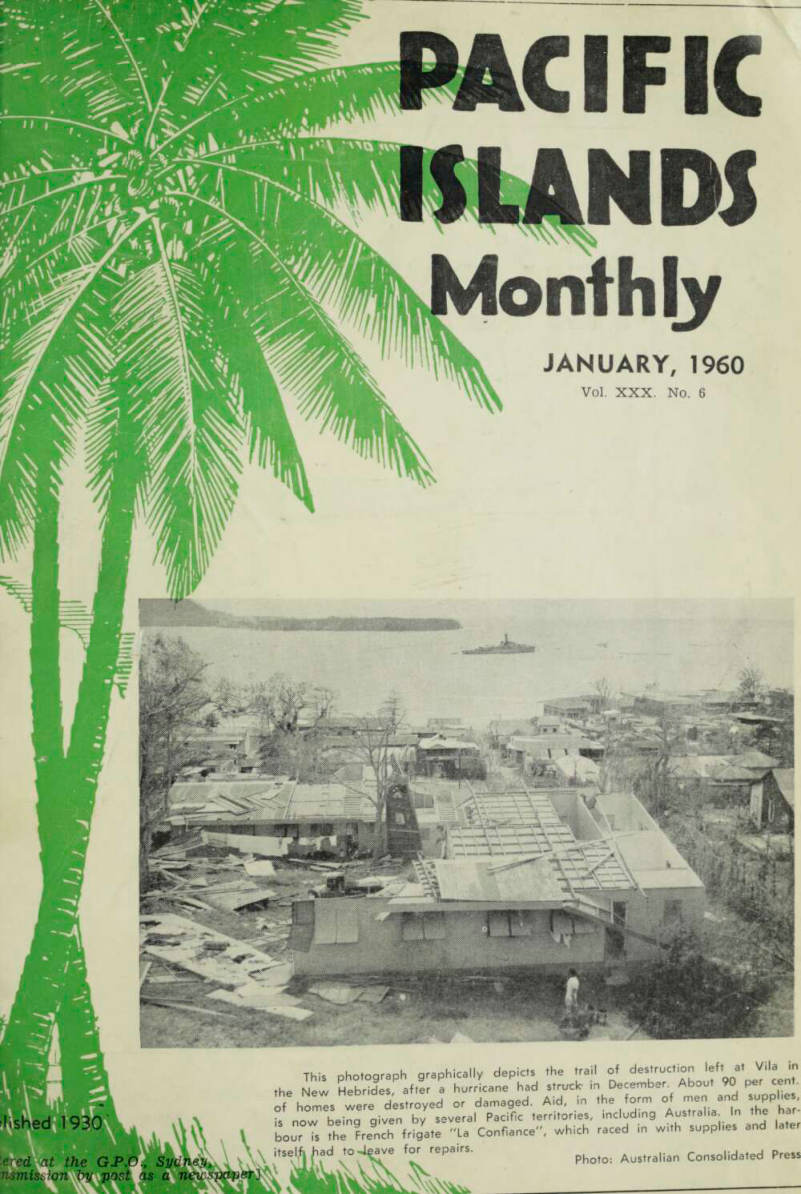 1
1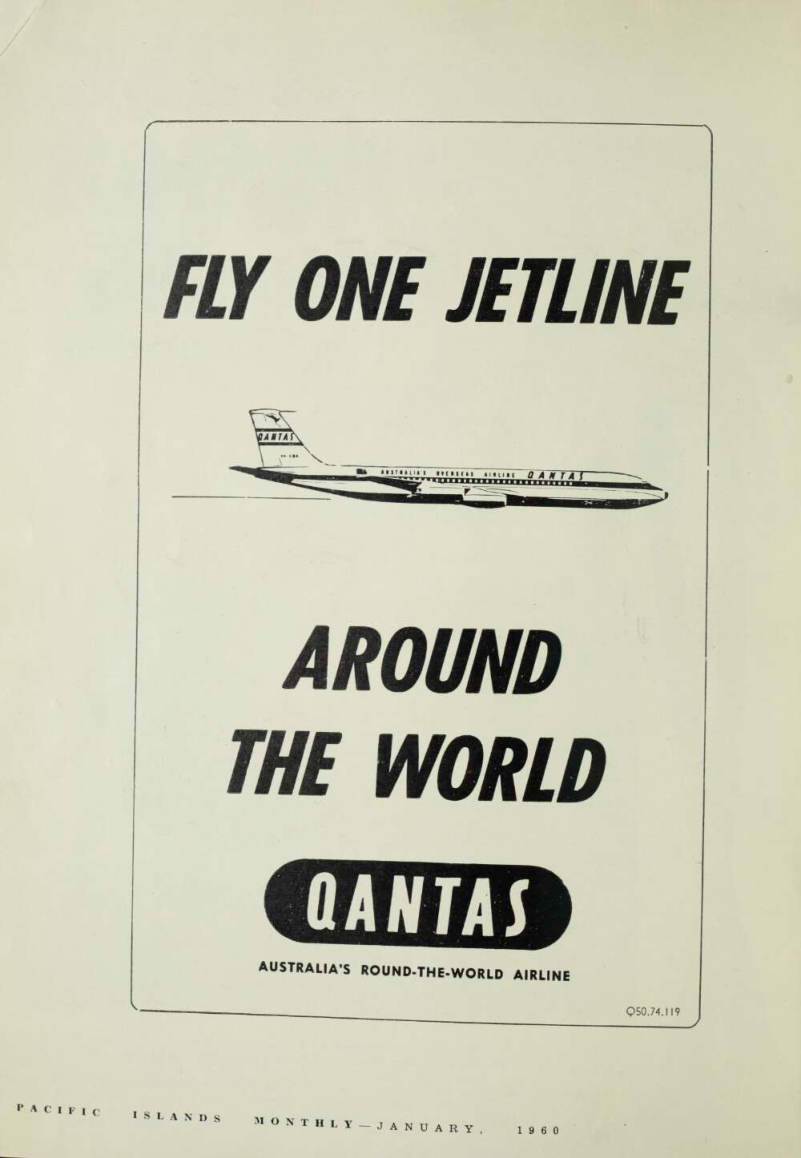 2
2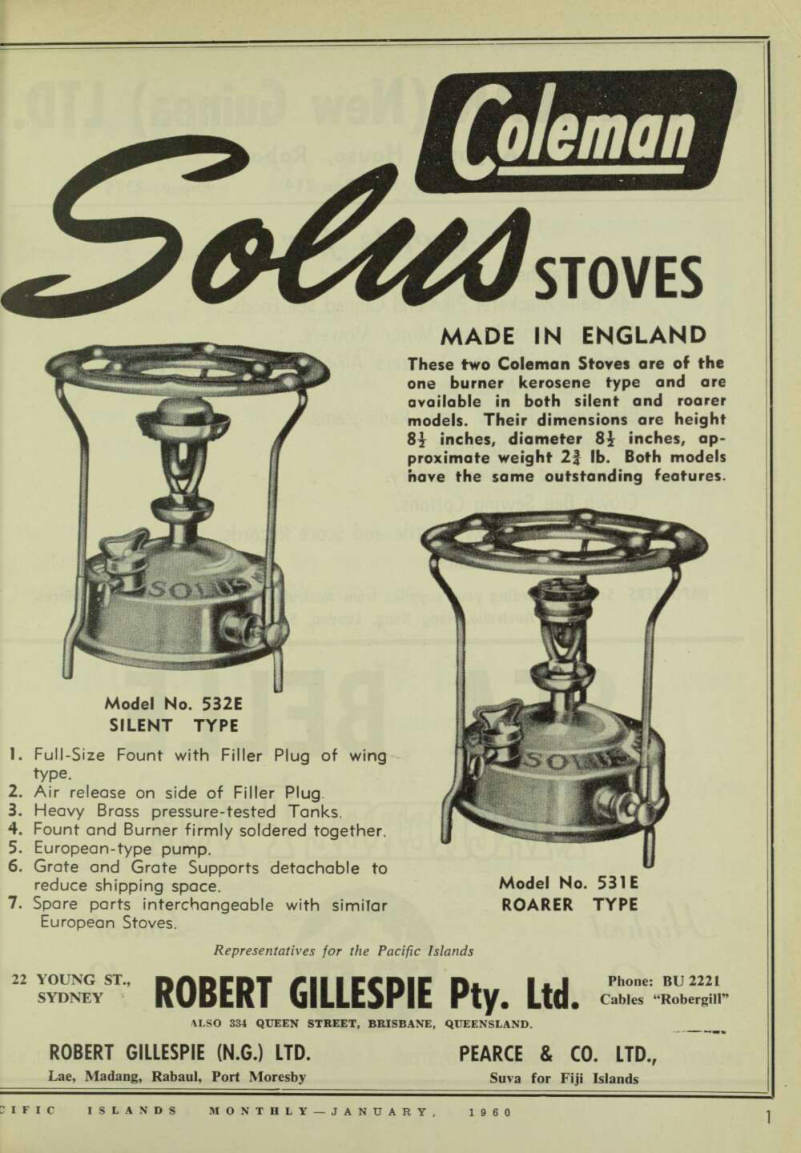 3
3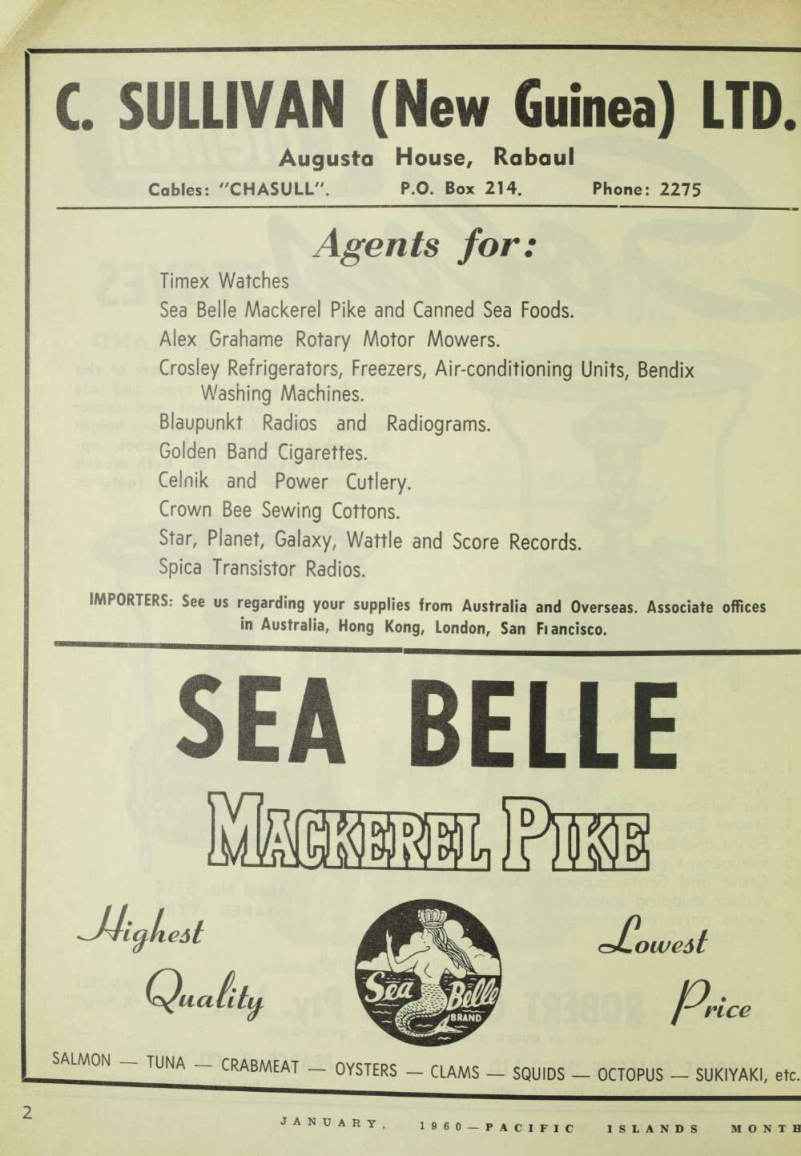 4
4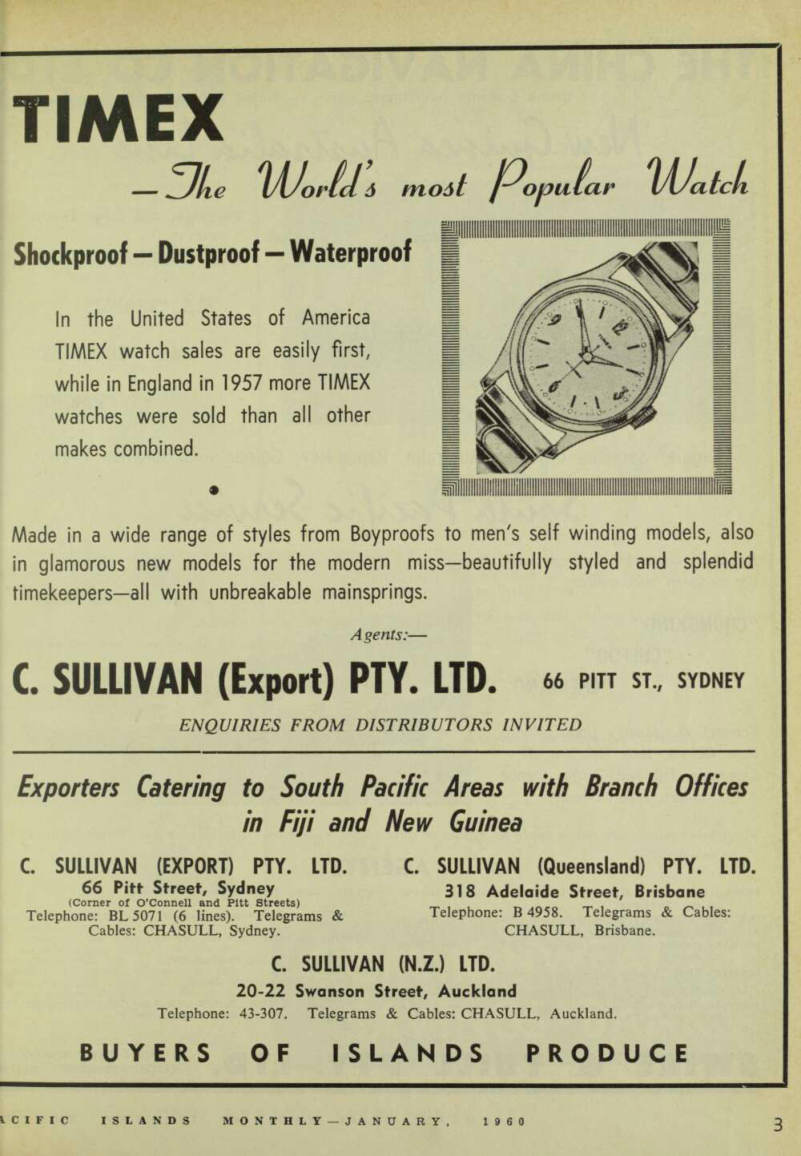 5
5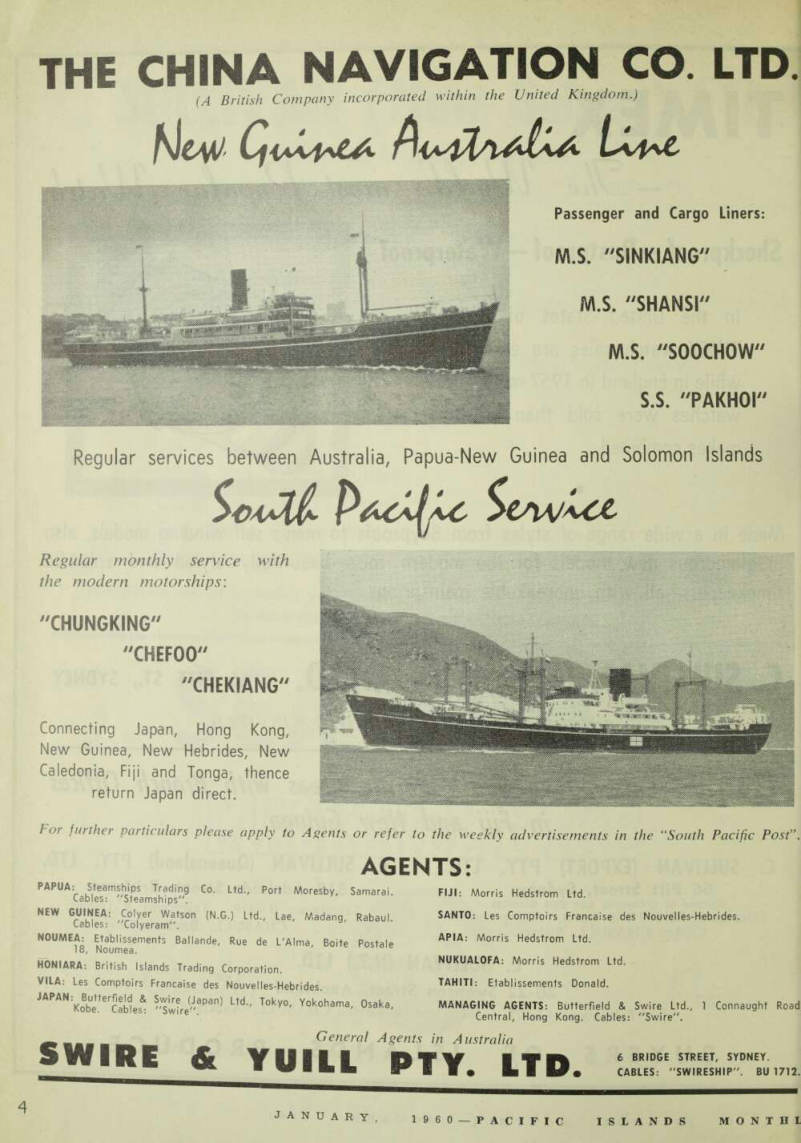 6
6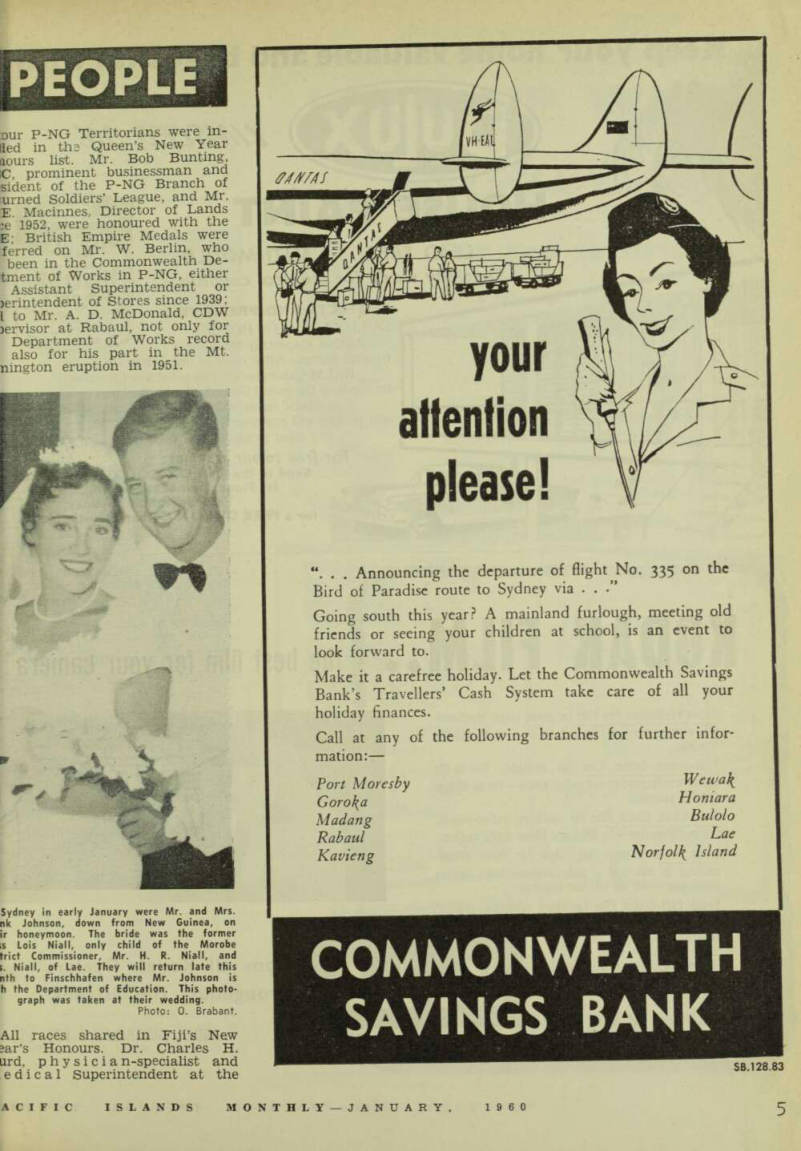 7
7 8
8 9
9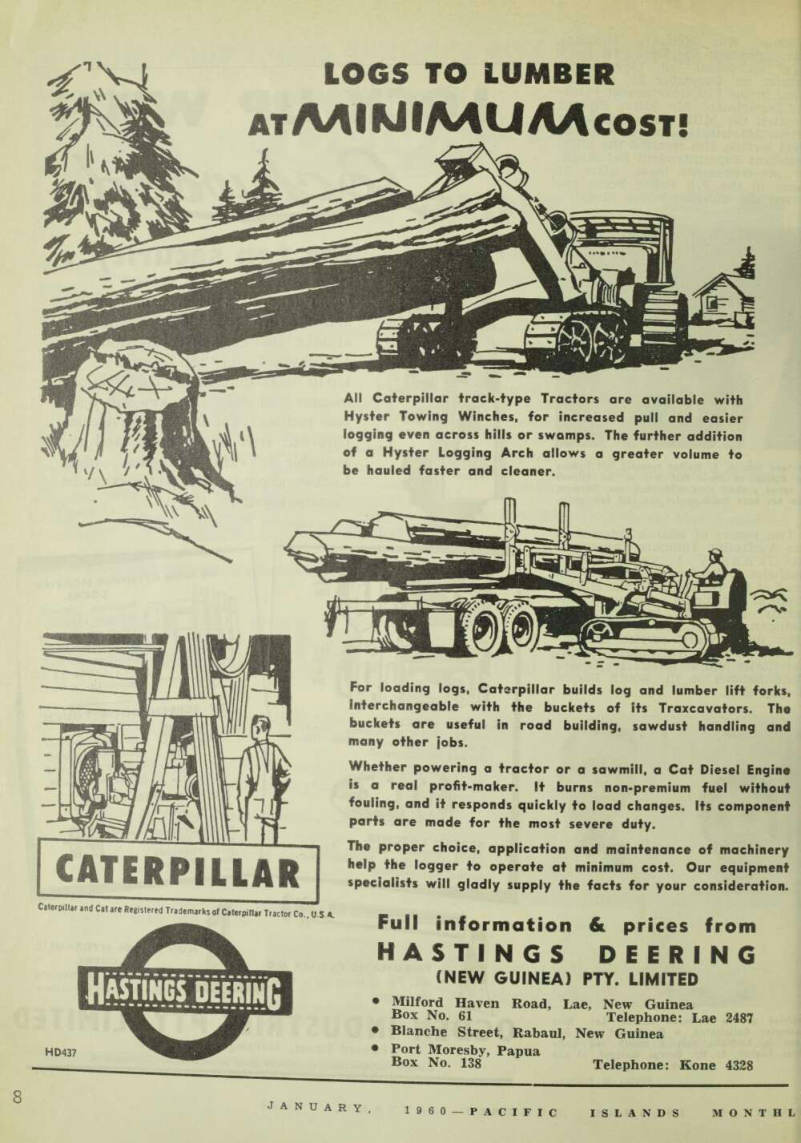 10
10 11
11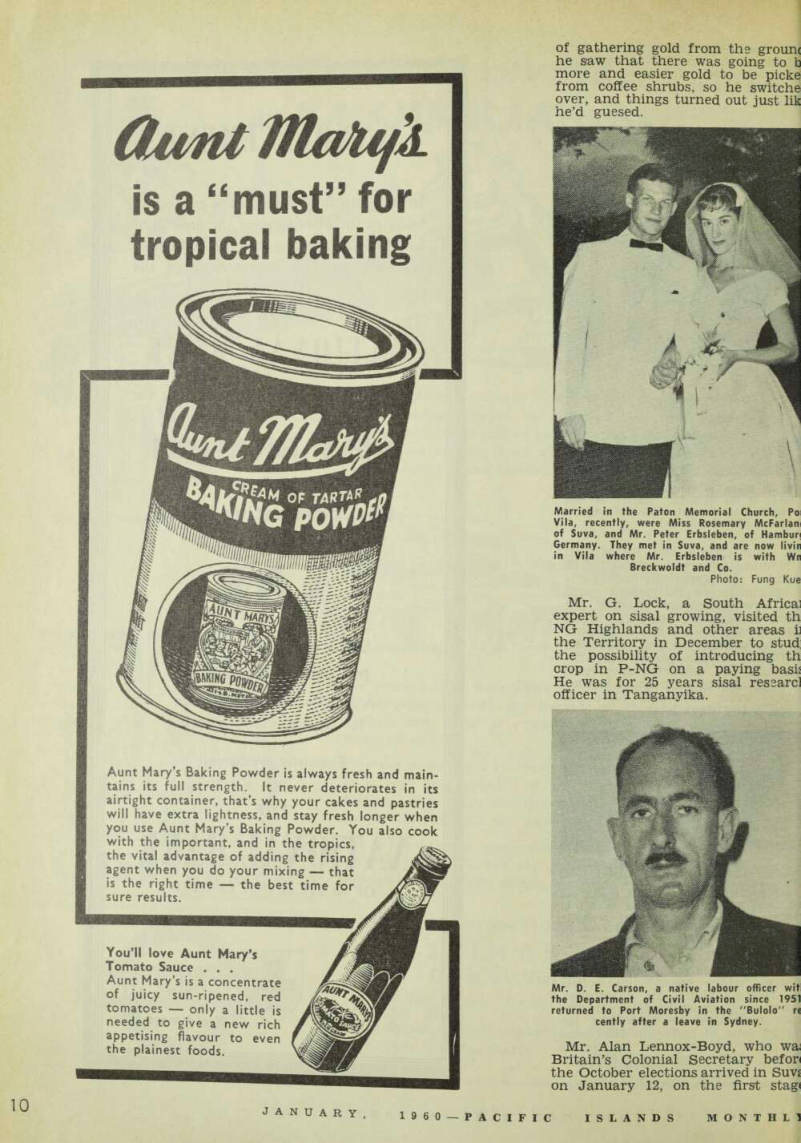 12
12 13
13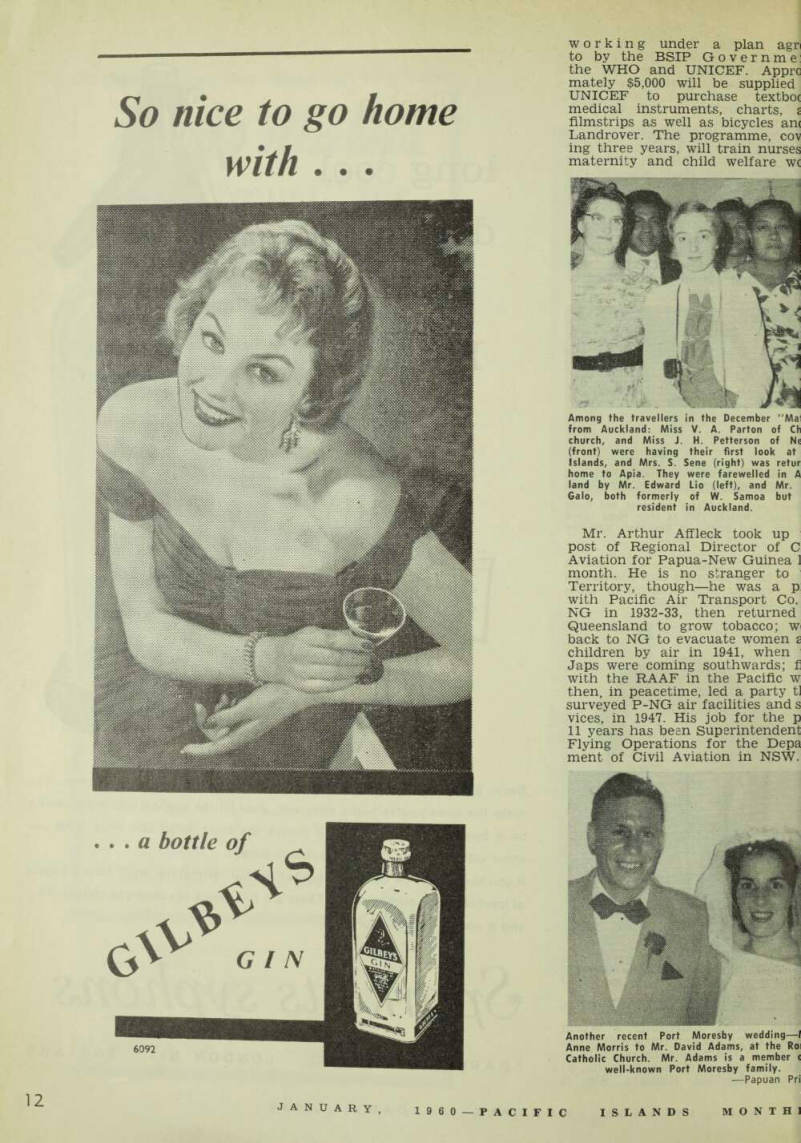 14
14 15
15 16
16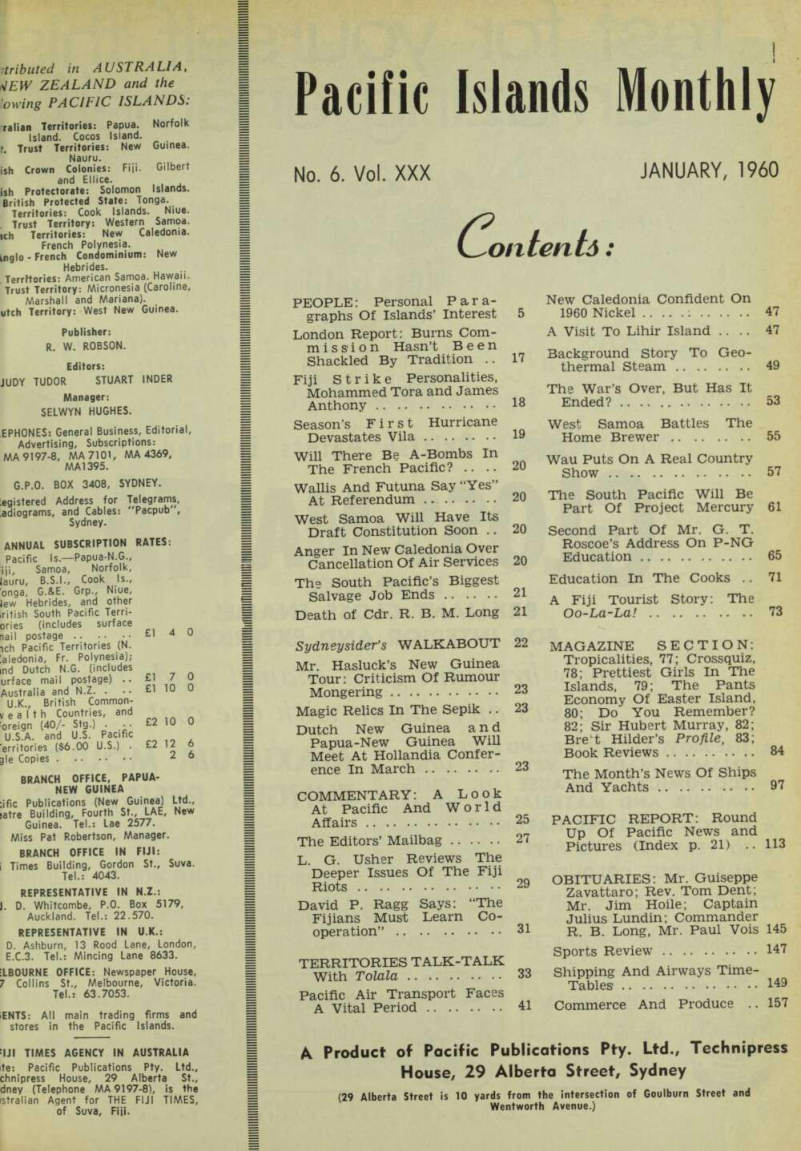 17
17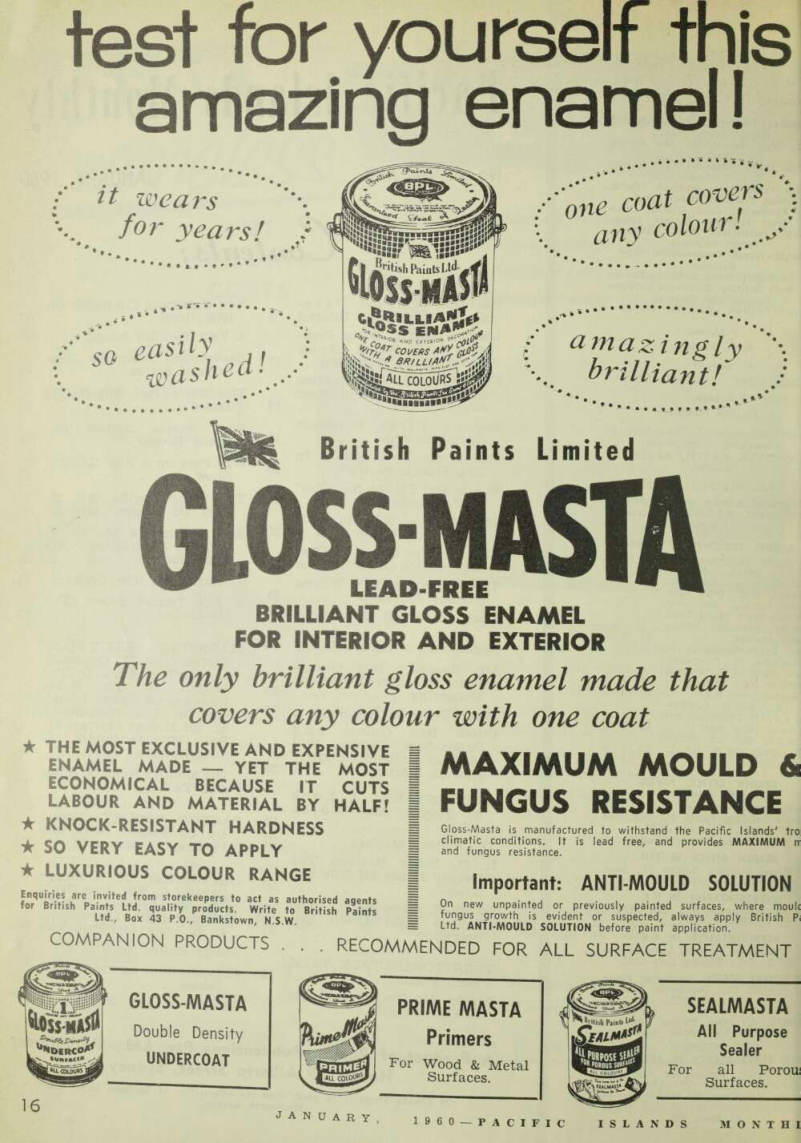 18
18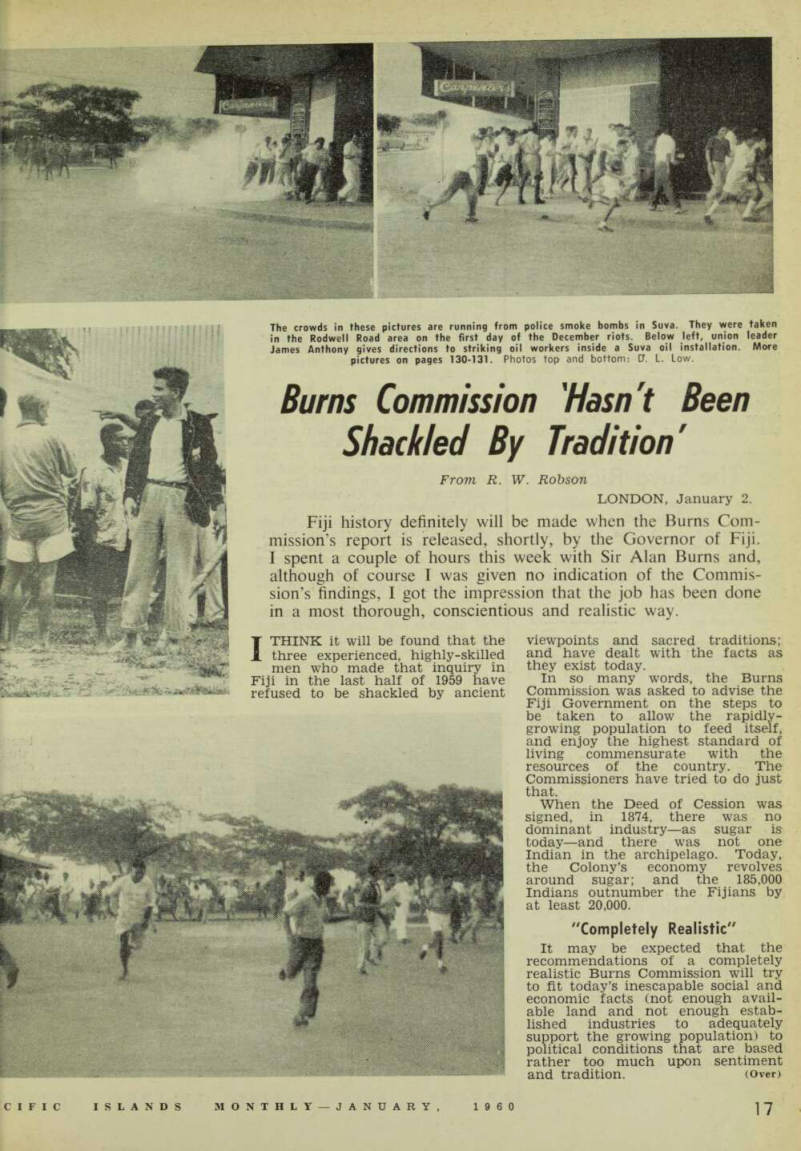 19
19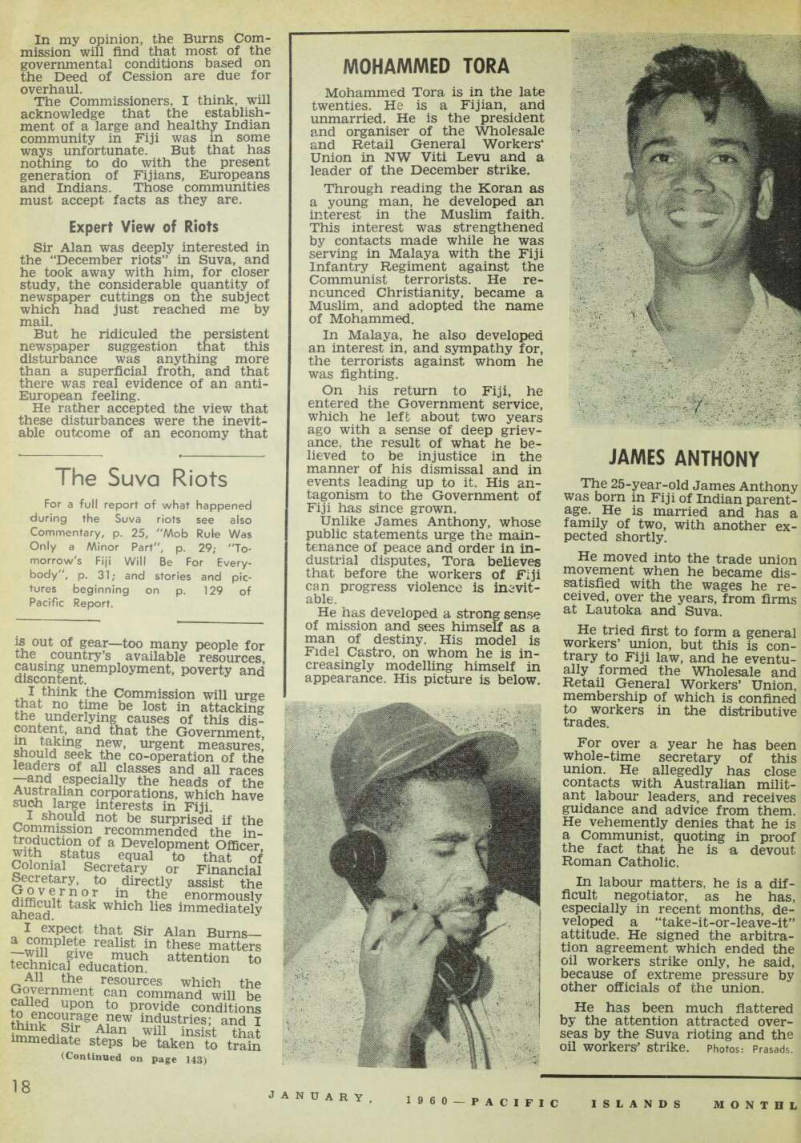 20
20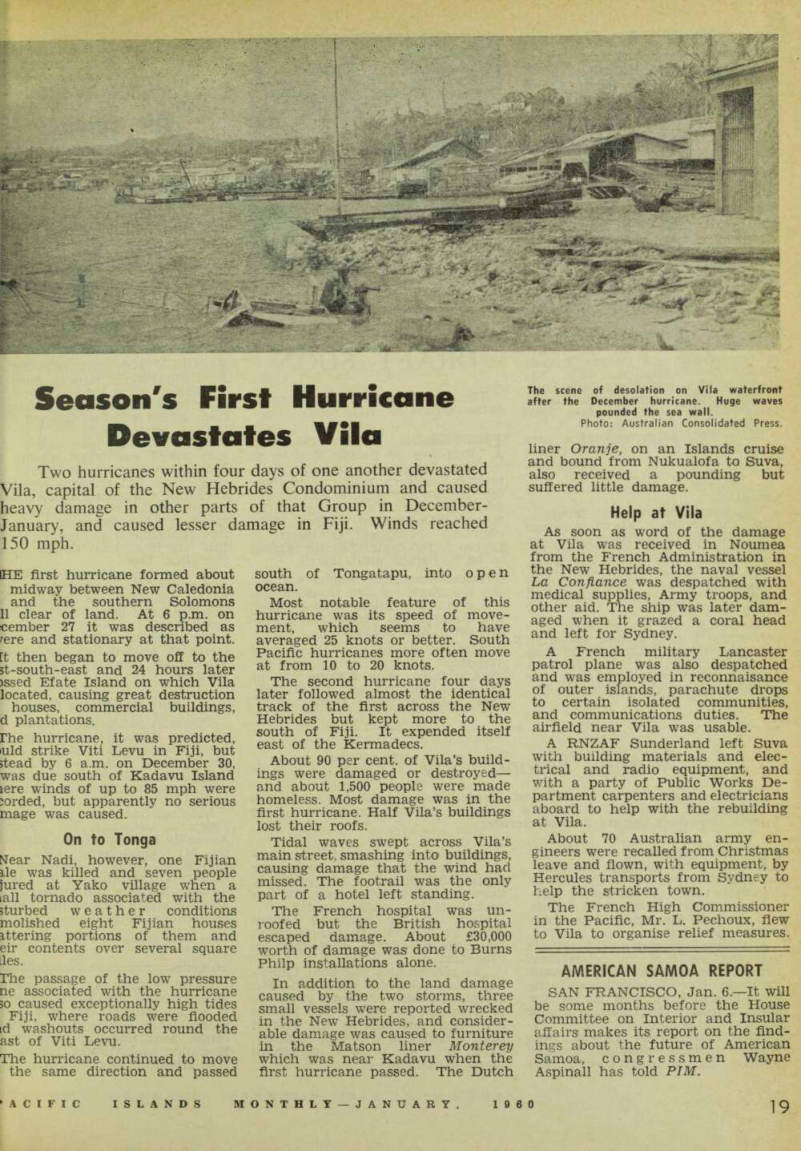 21
21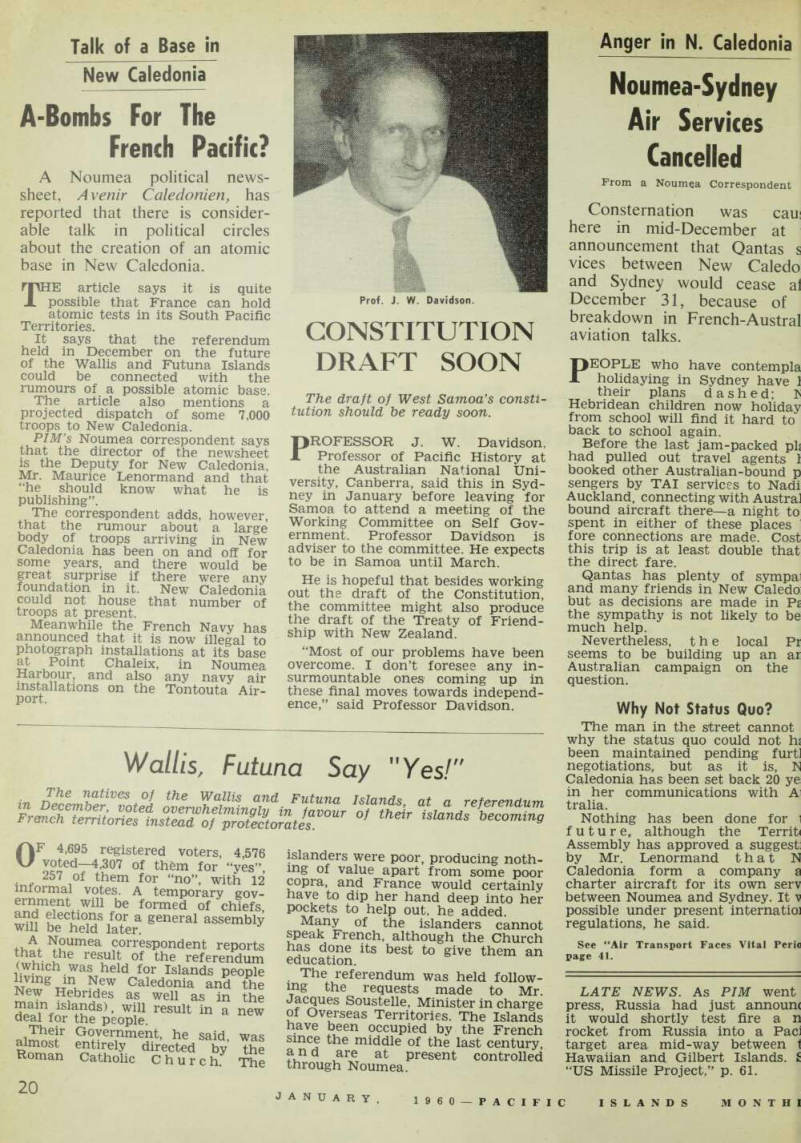 22
22 23
23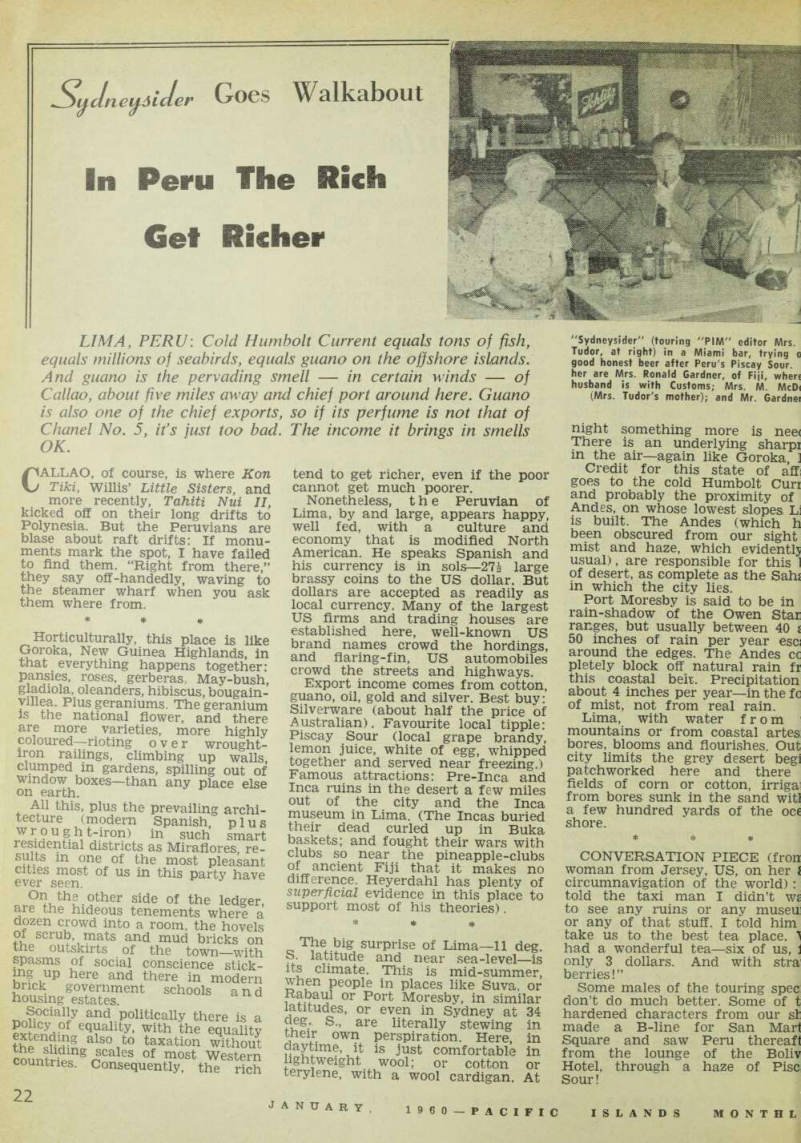 24
24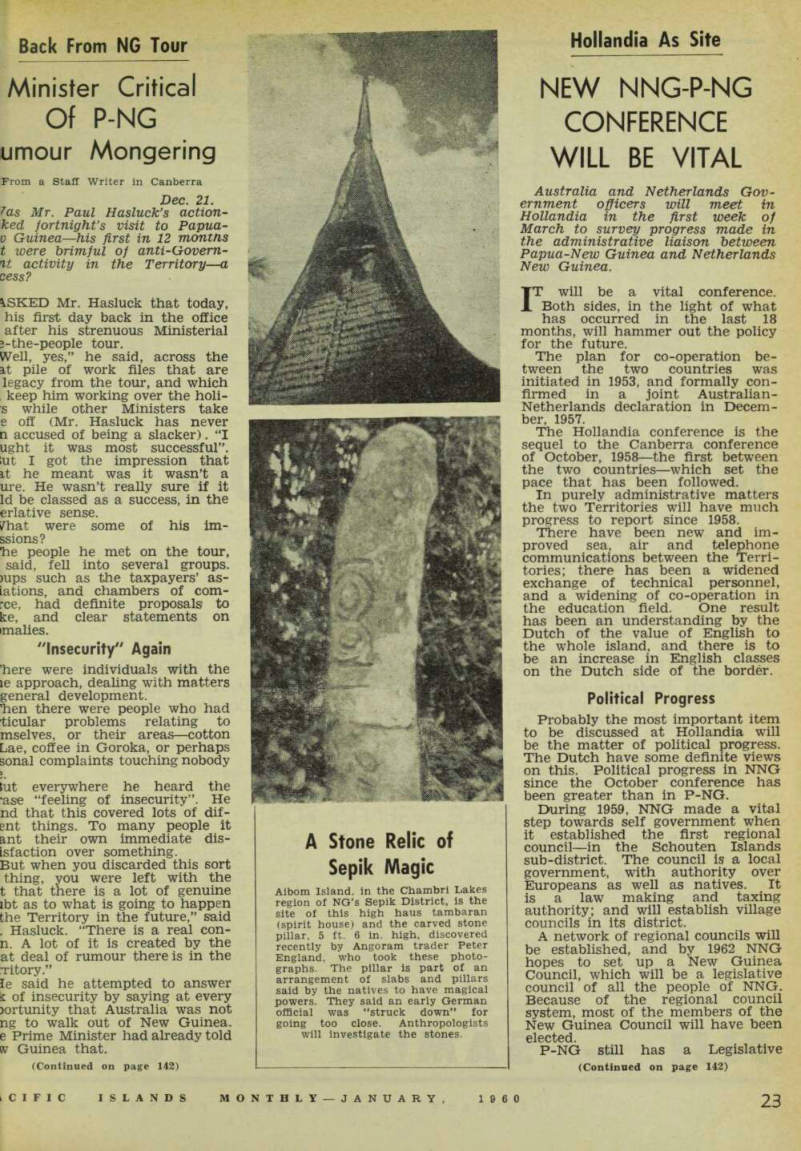 25
25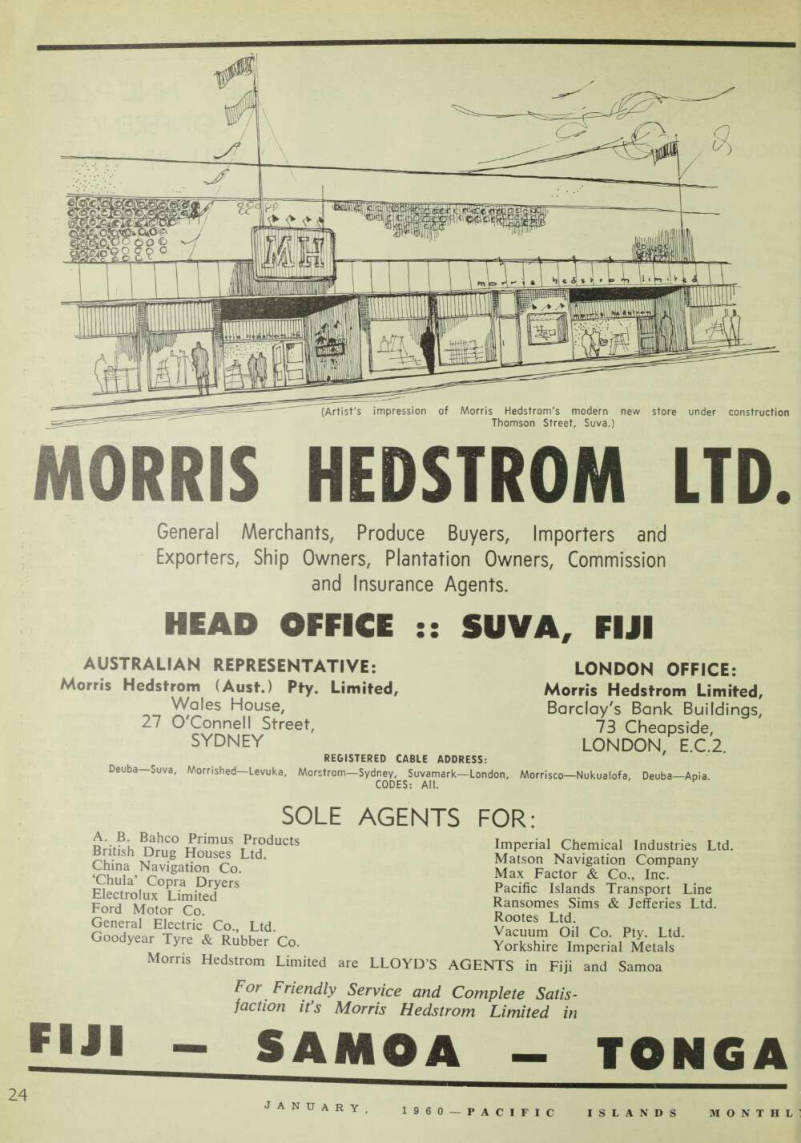 26
26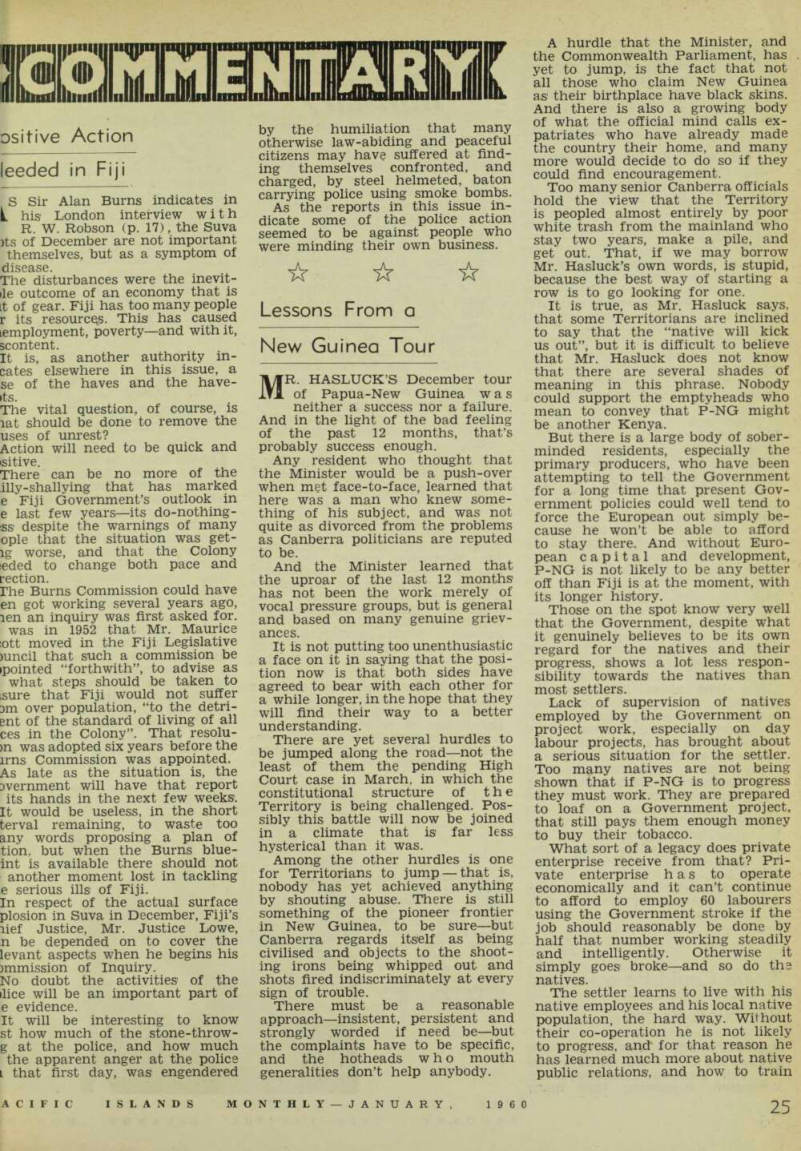 27
27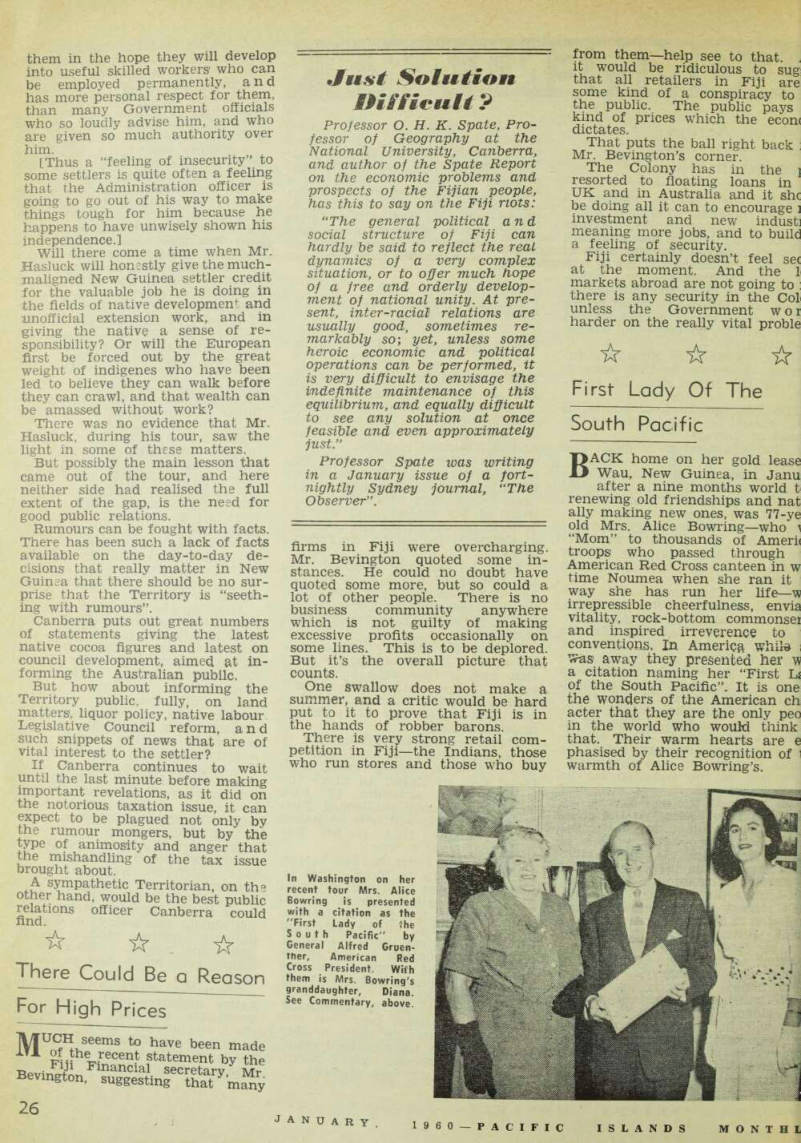 28
28 29
29 30
30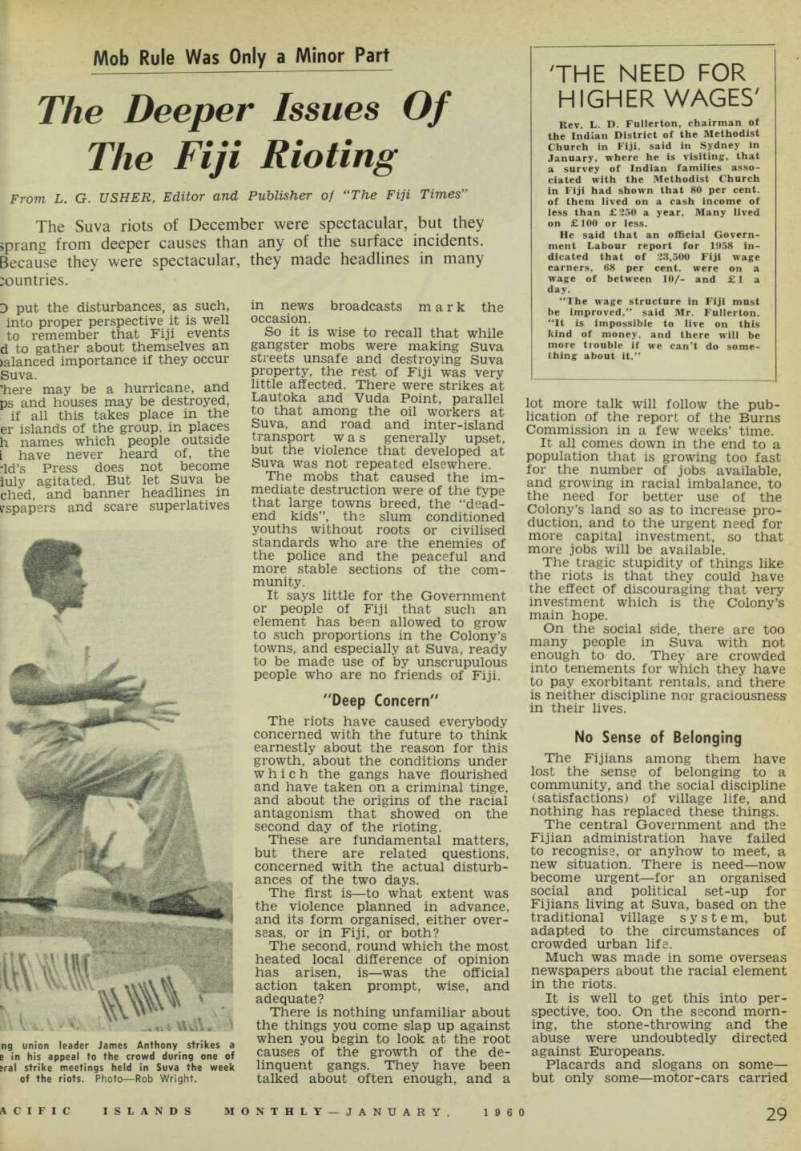 31
31 32
32 33
33 34
34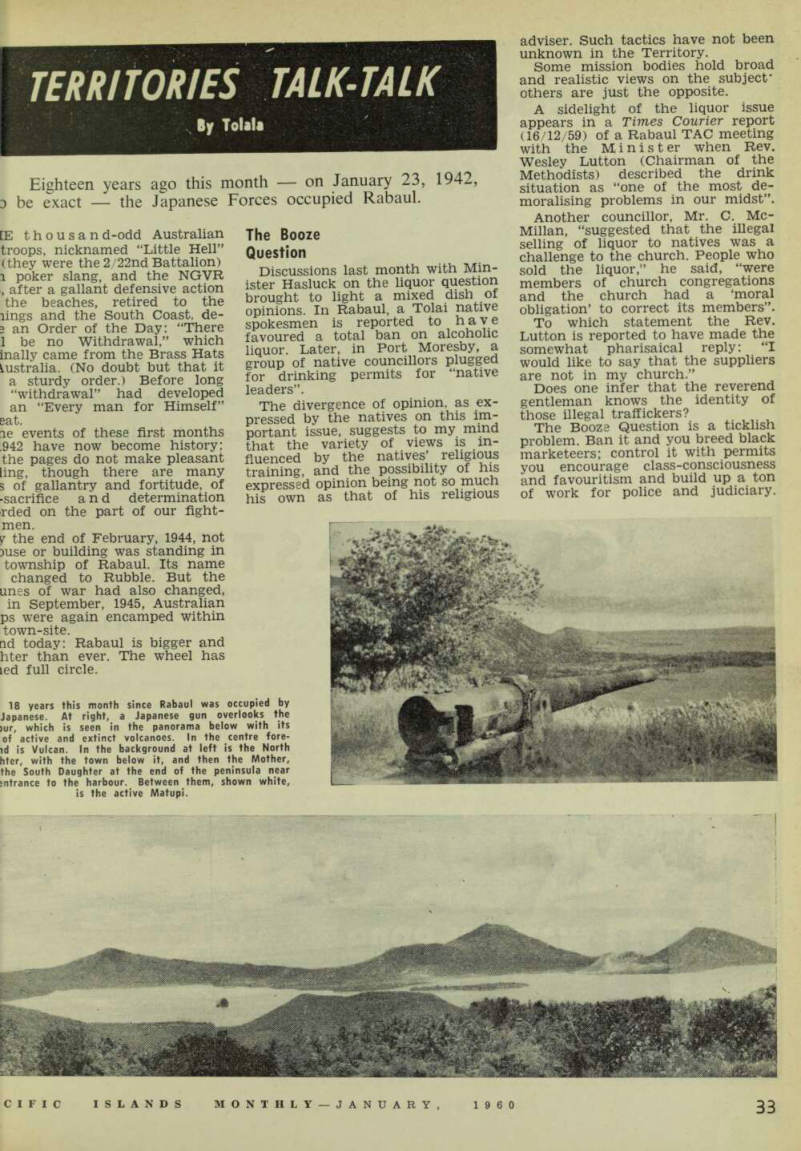 35
35 36
36 37
37 38
38 39
39 40
40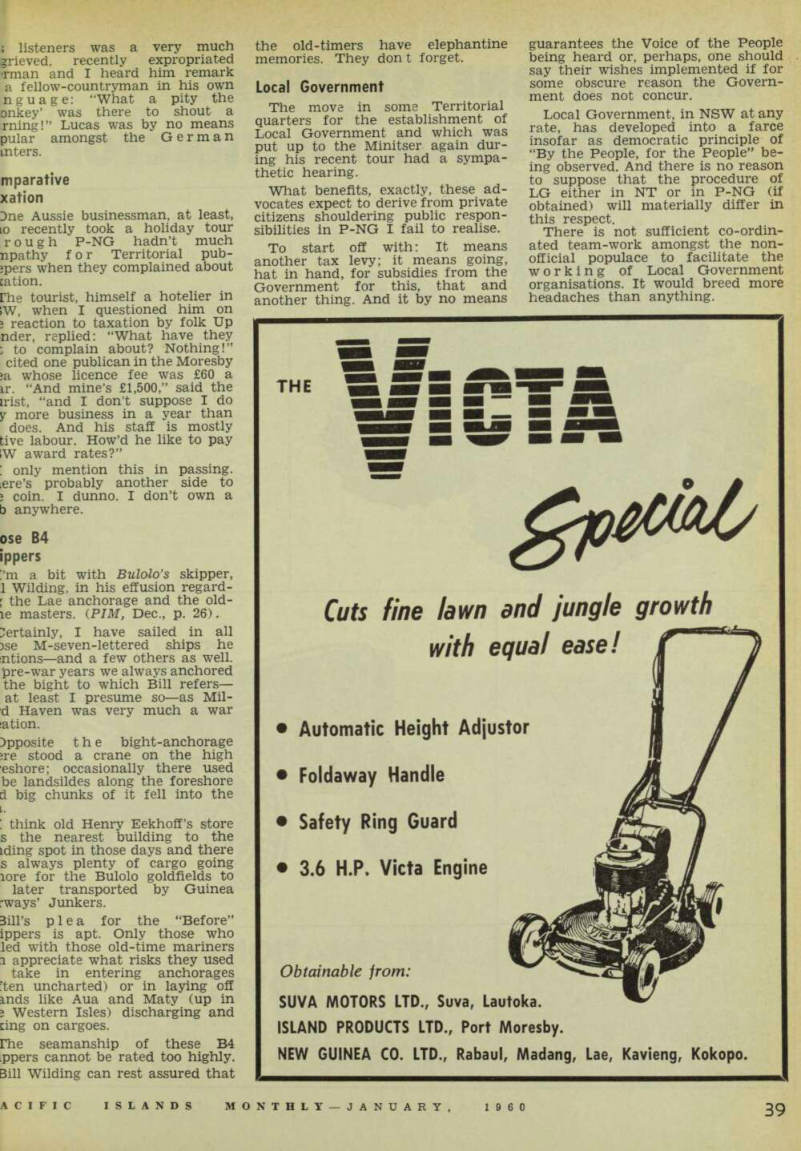 41
41 42
42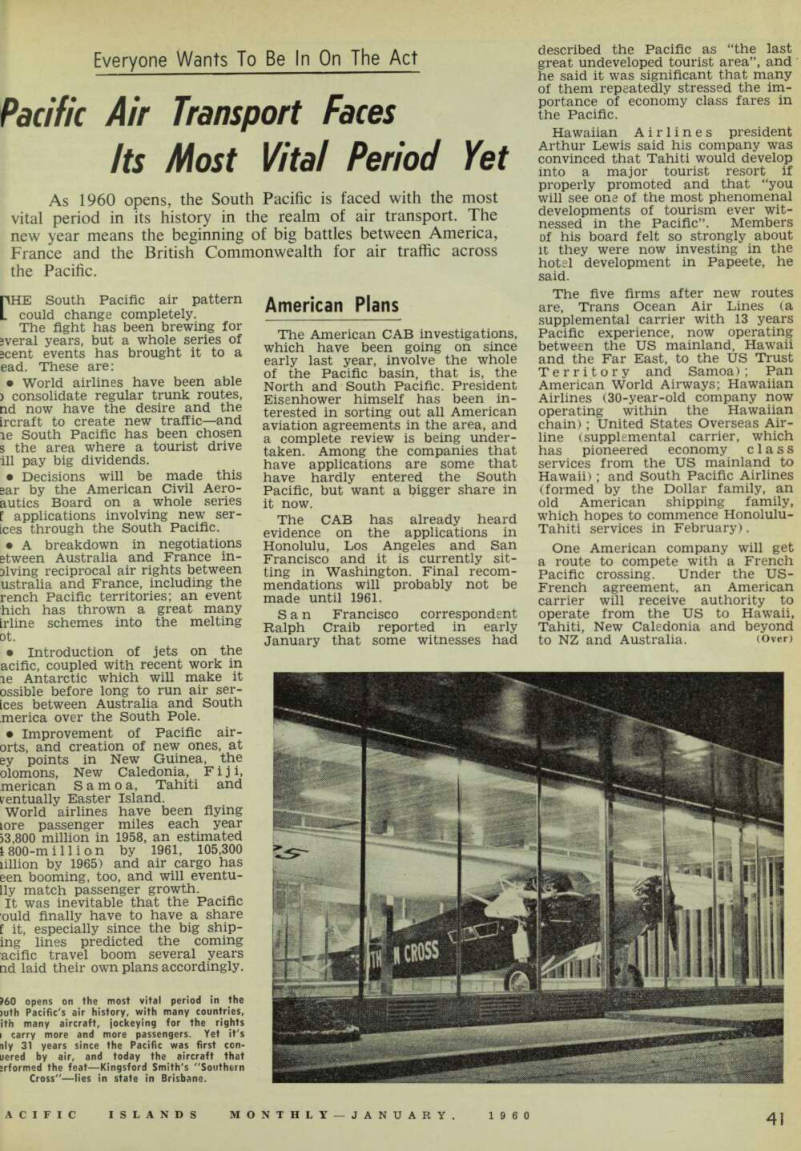 43
43 44
44 45
45 46
46 47
47 48
48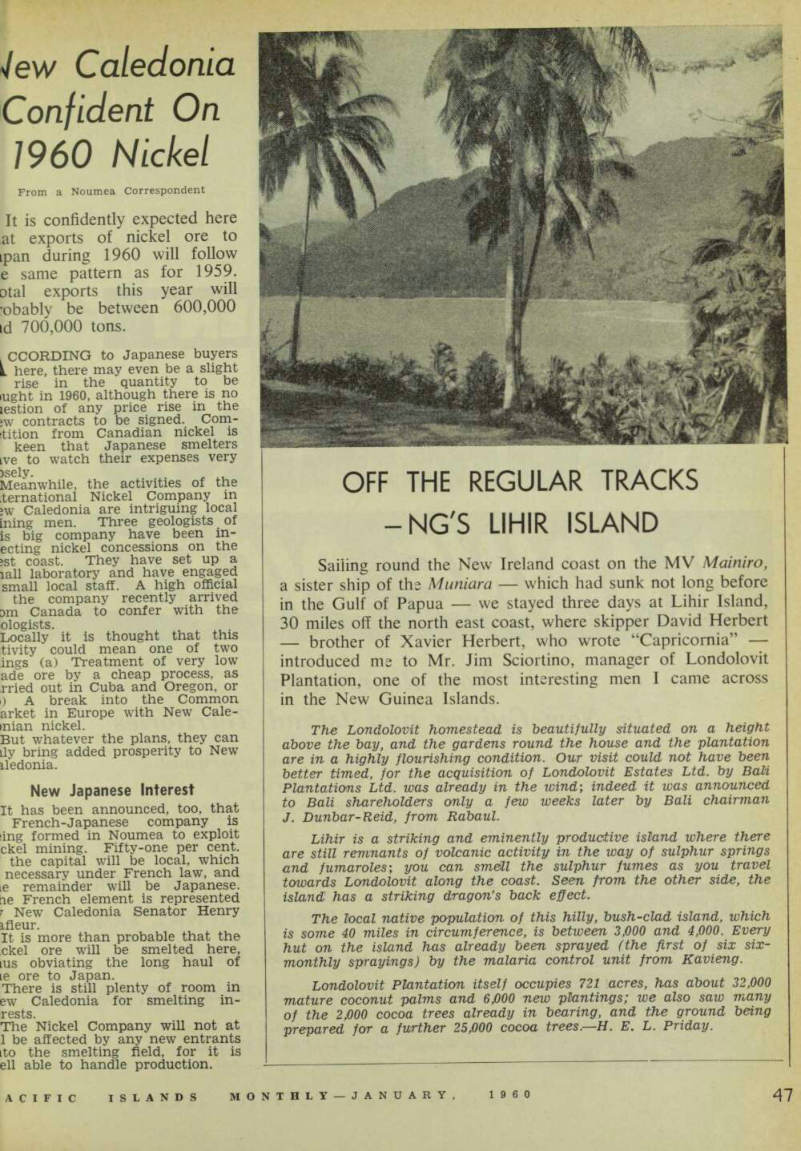 49
49 50
50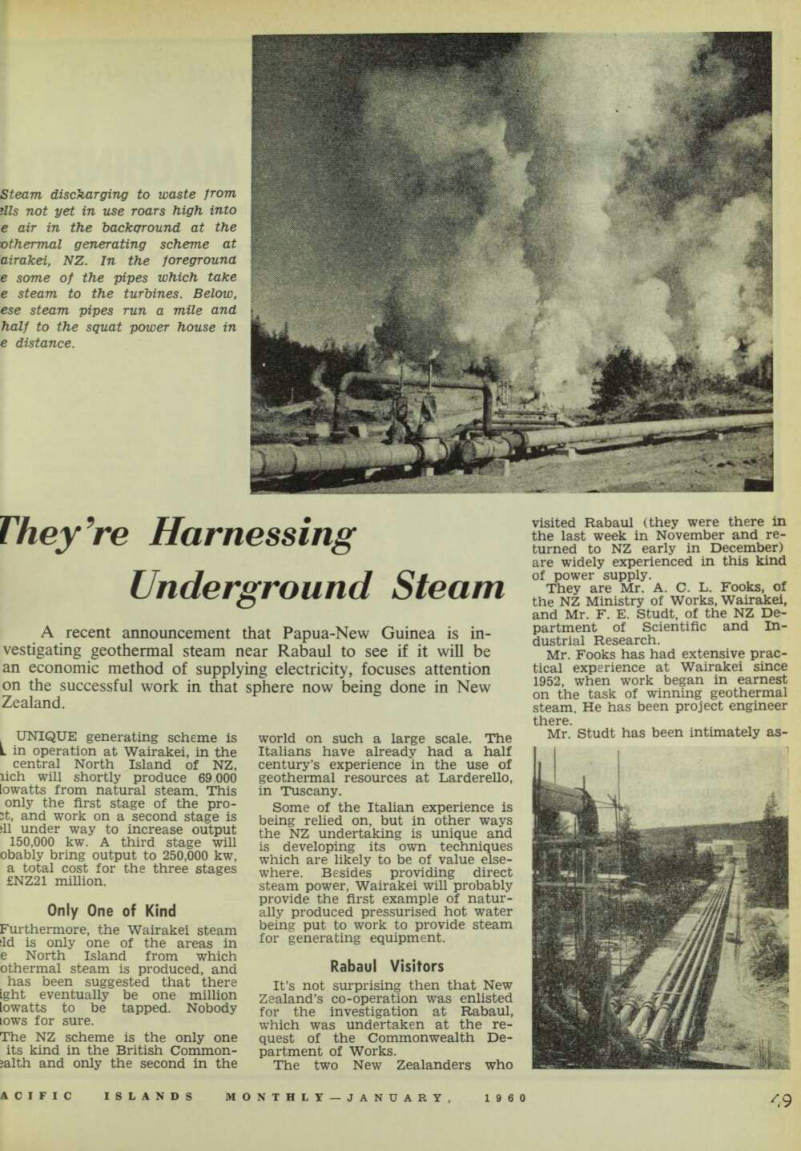 51
51 52
52 53
53 54
54 55
55 56
56 57
57 58
58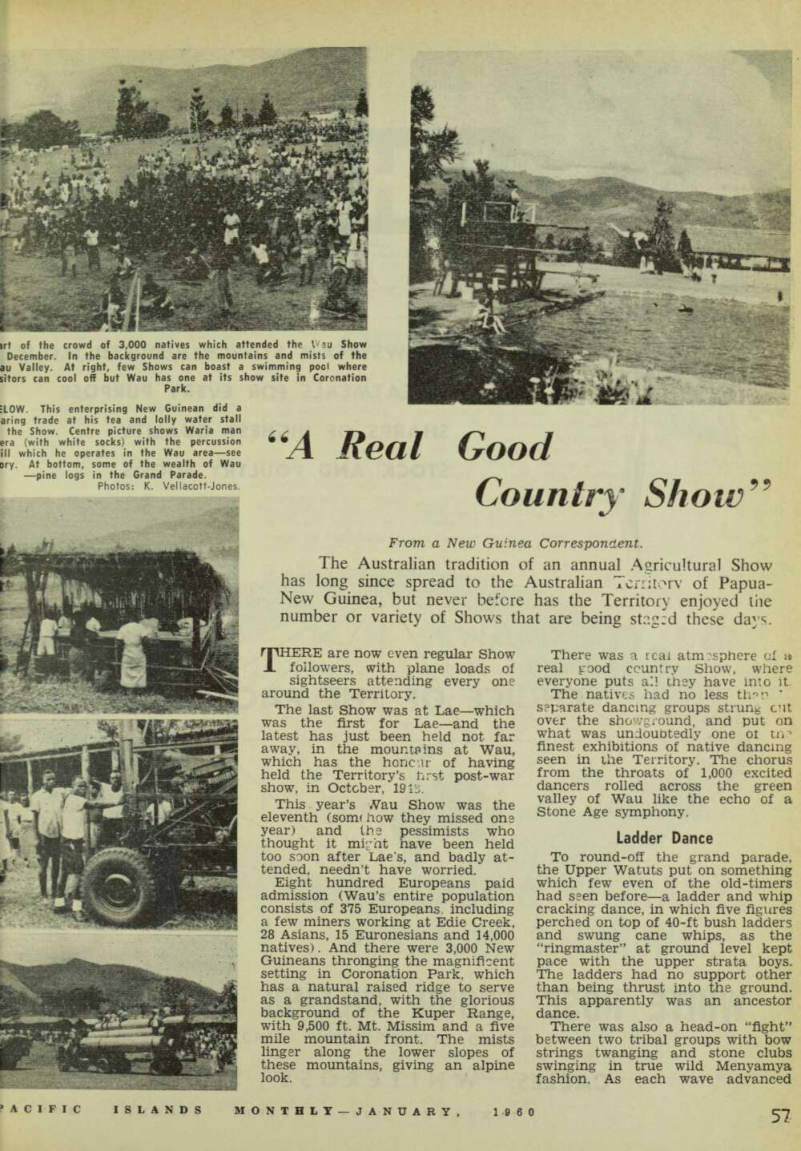 59
59 60
60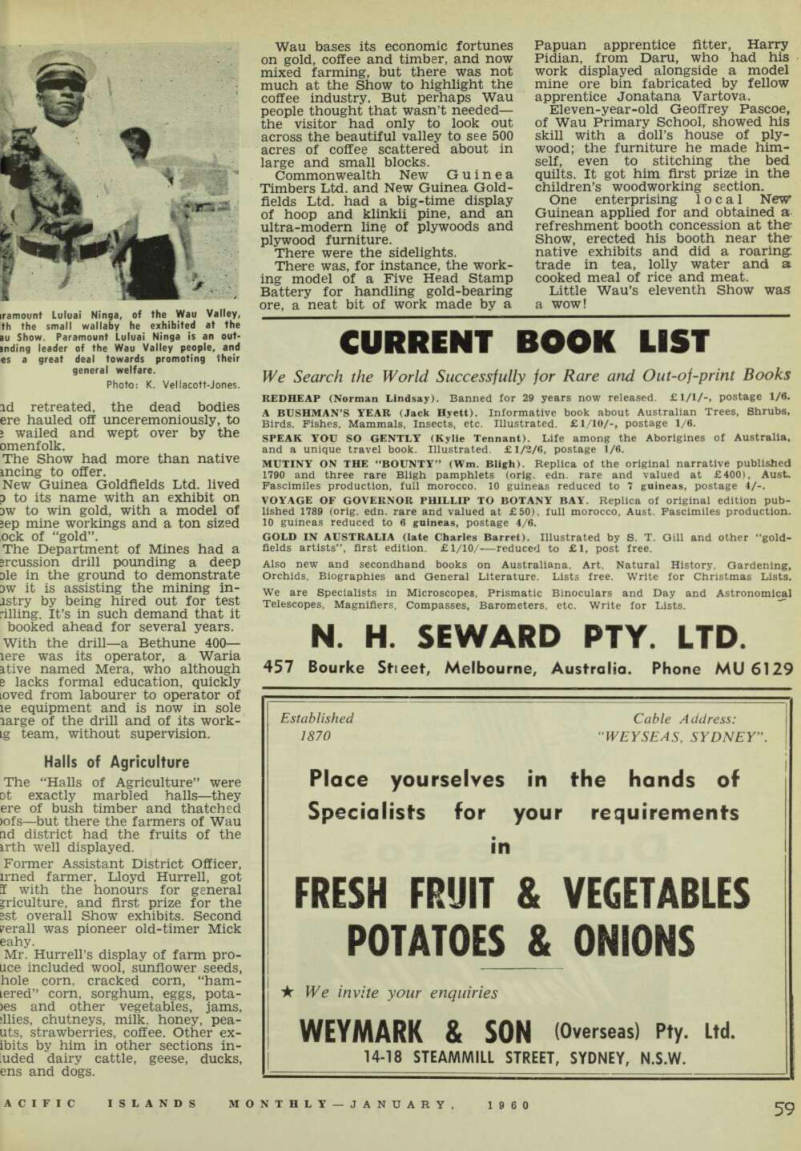 61
61 62
62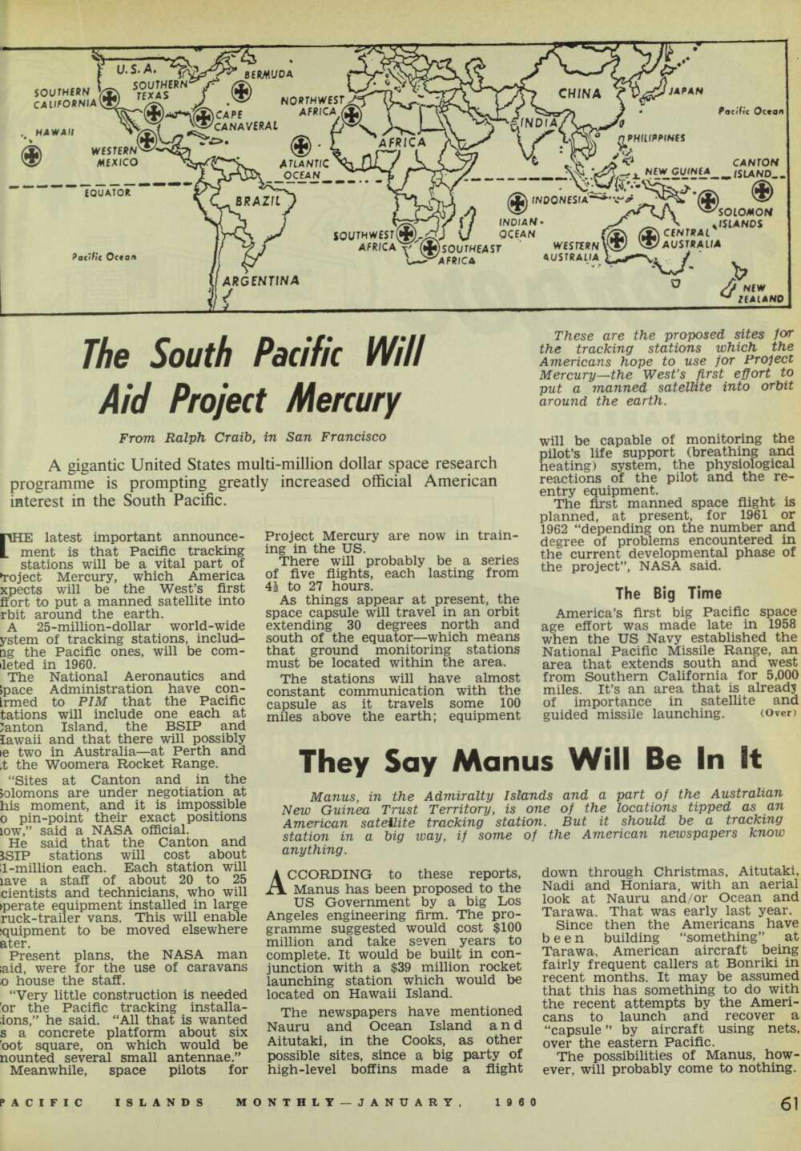 63
63 64
64 65
65 66
66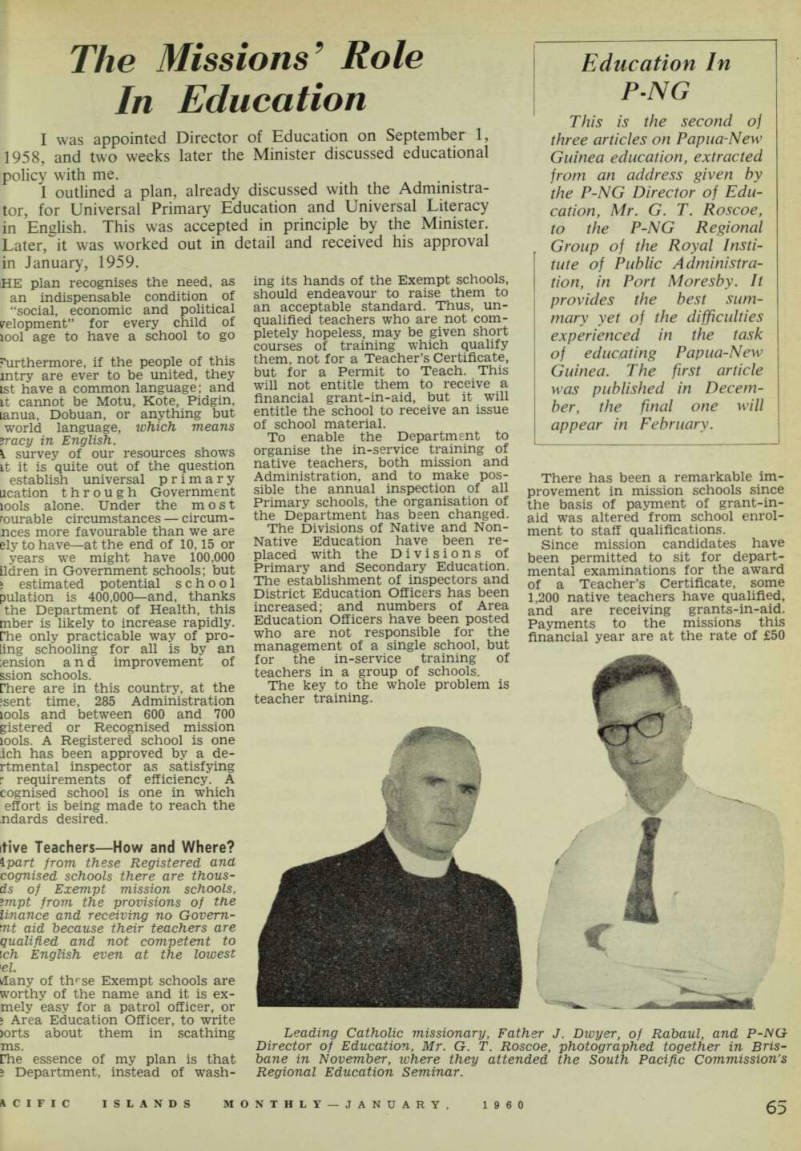 67
67 68
68 69
69 70
70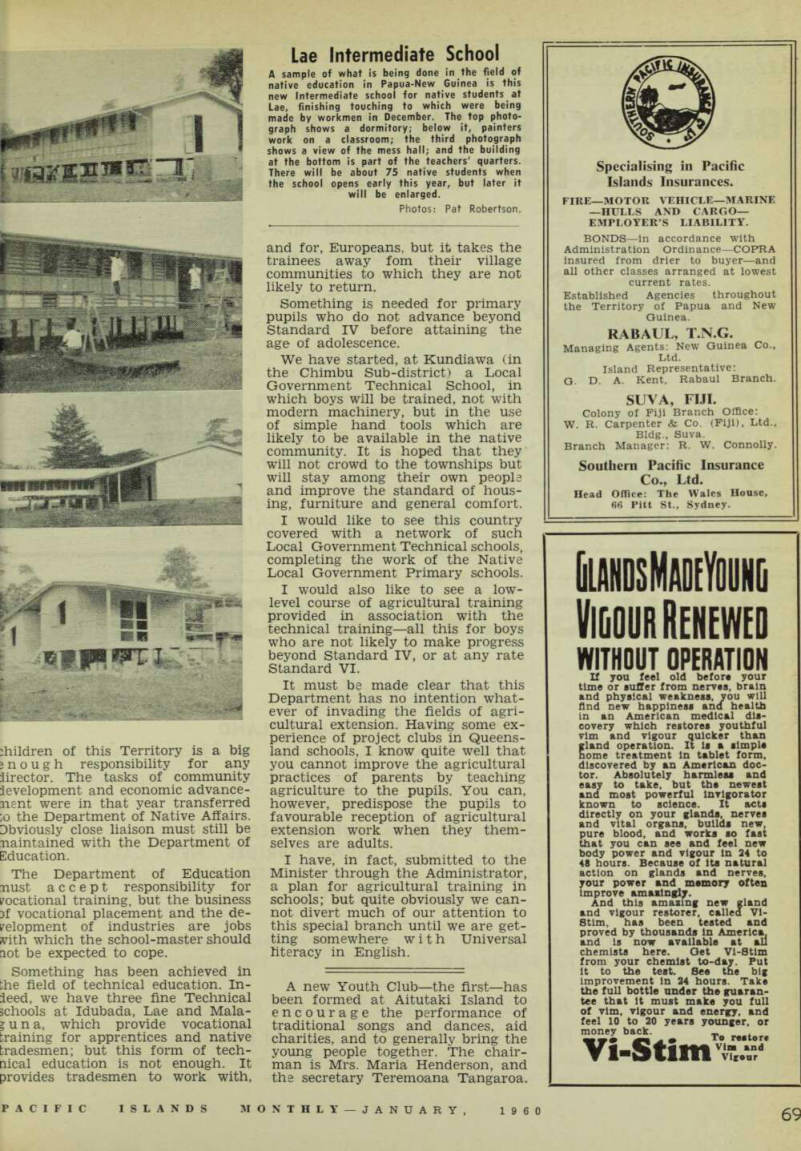 71
71 72
72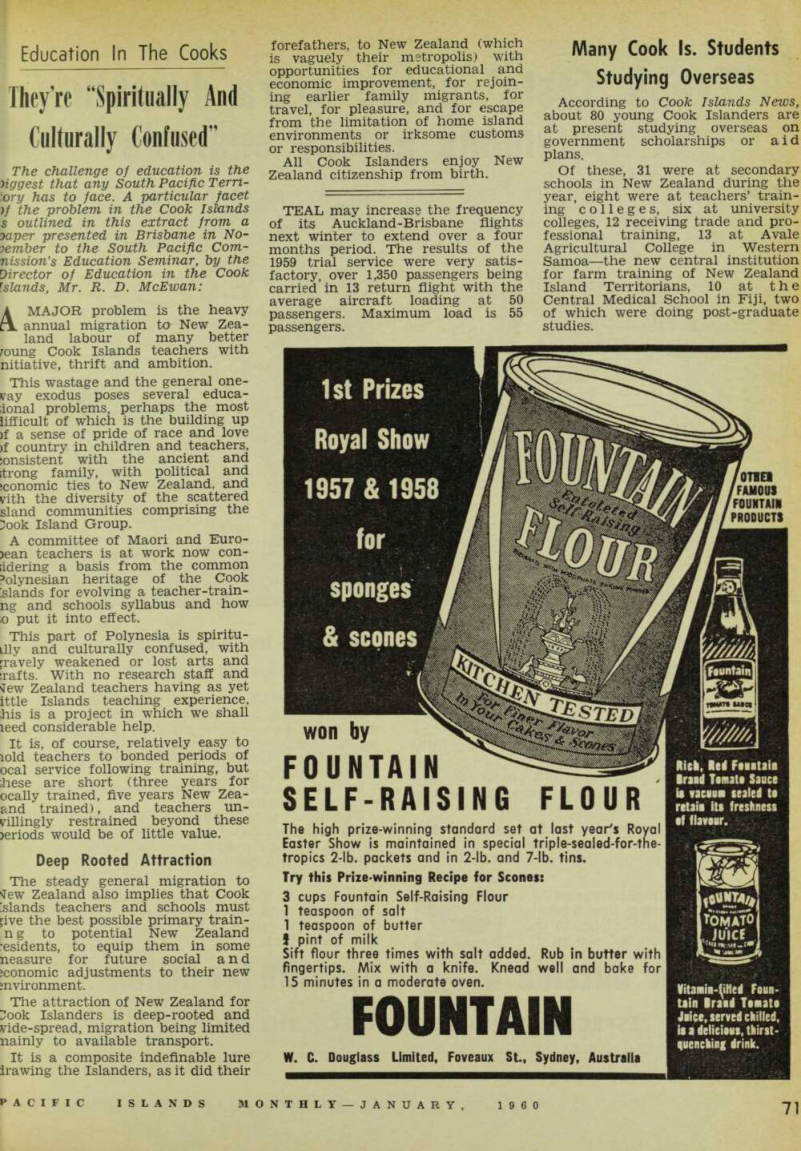 73
73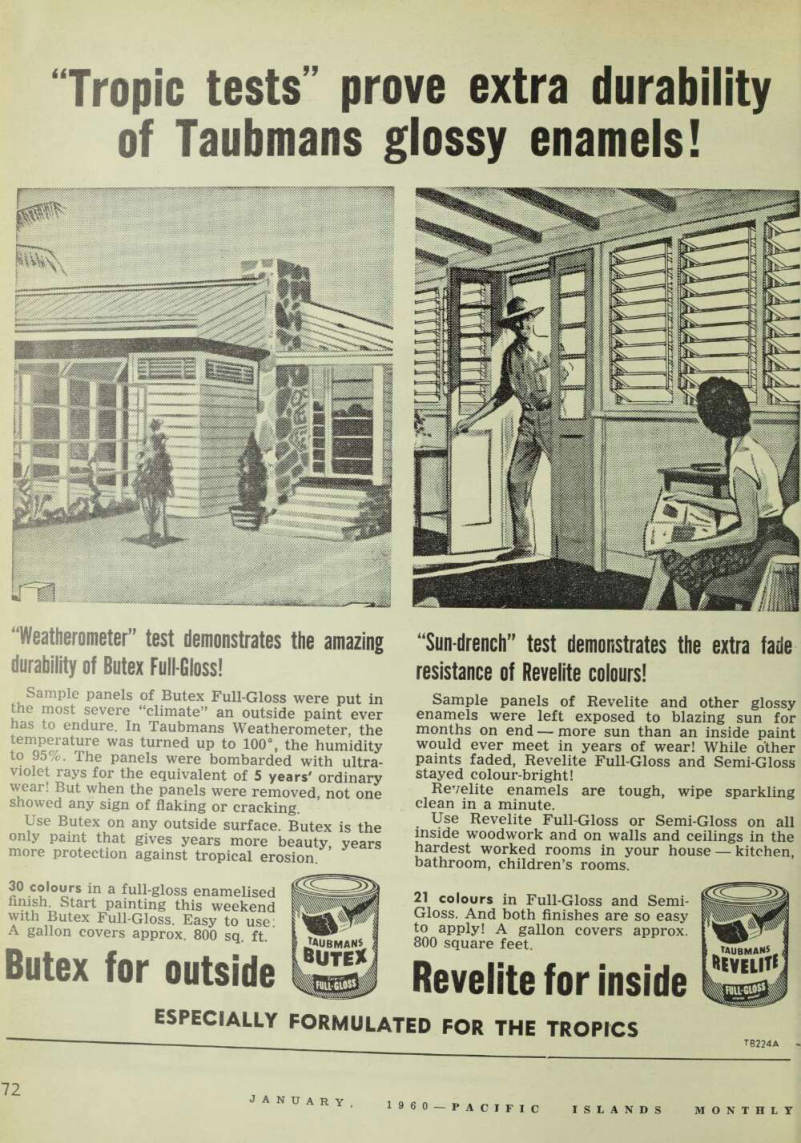 74
74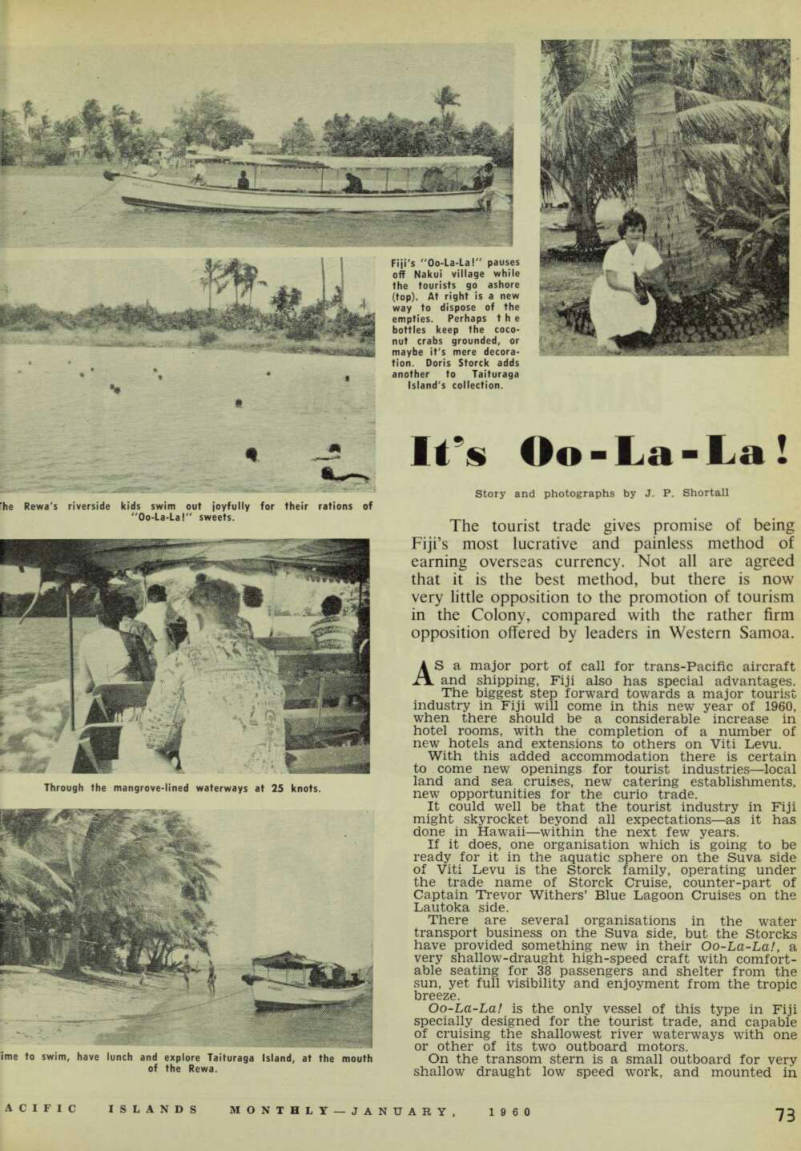 75
75 76
76 77
77 78
78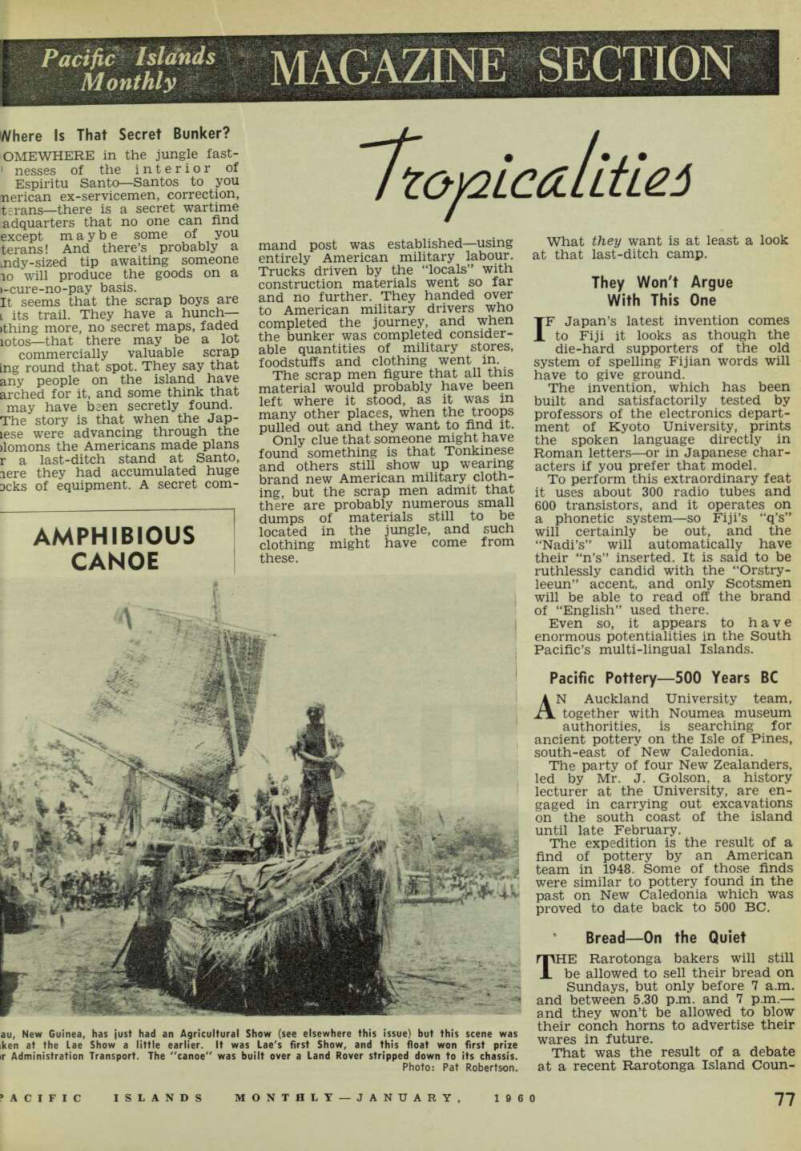 79
79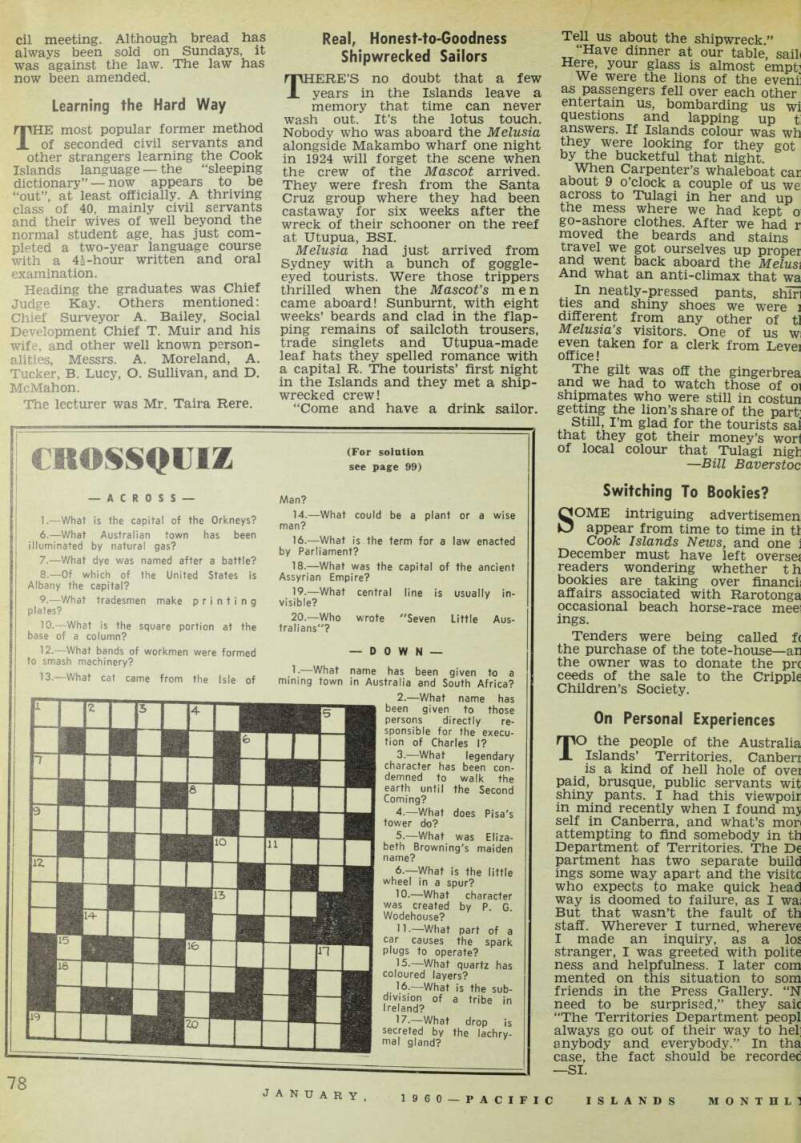 80
80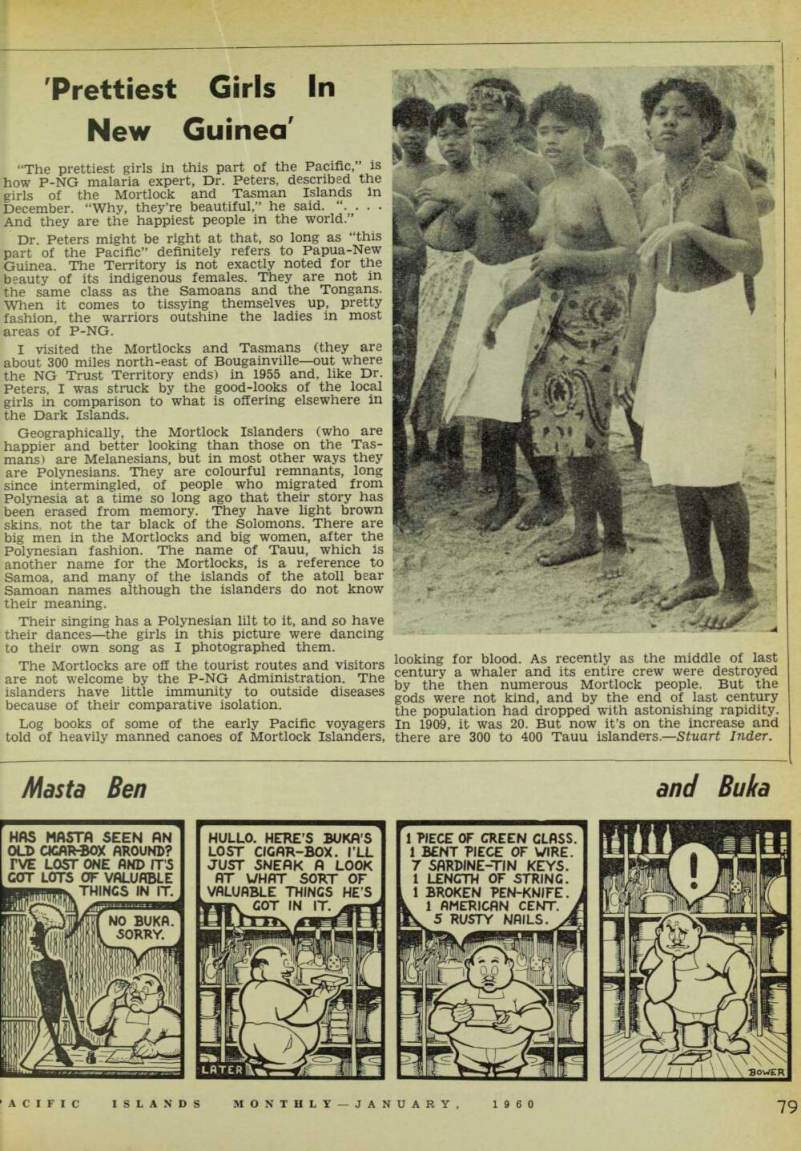 81
81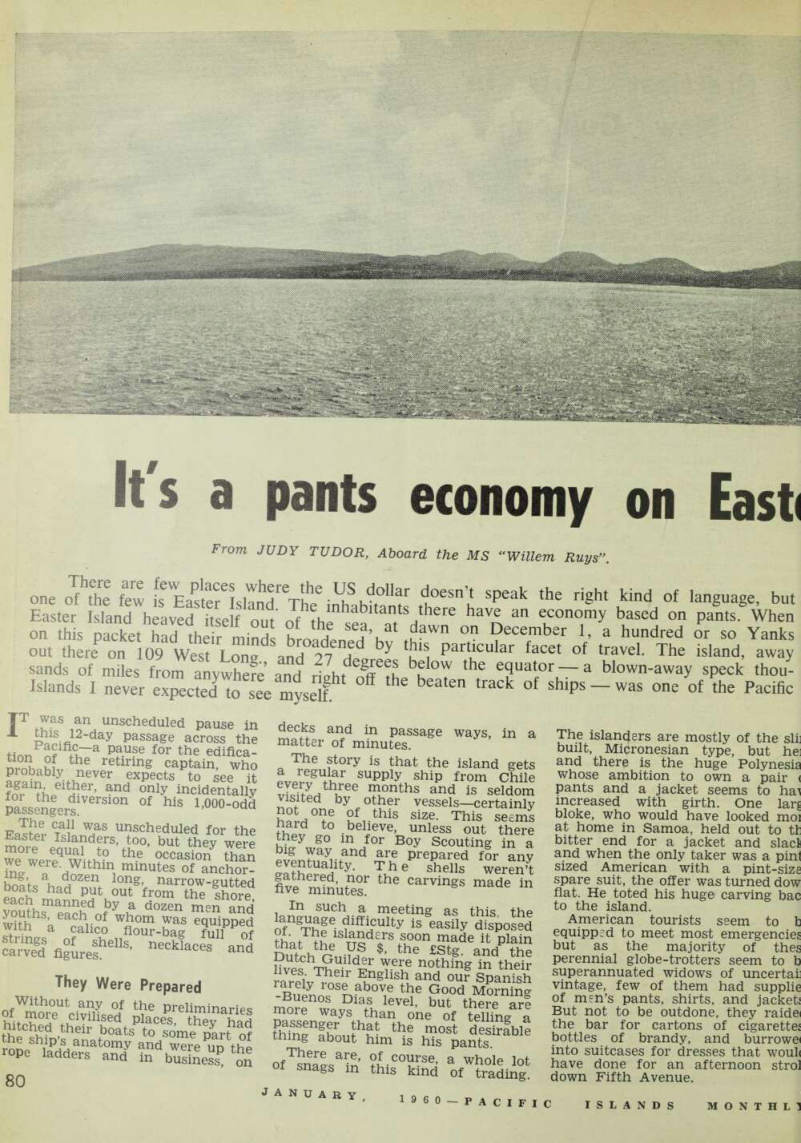 82
82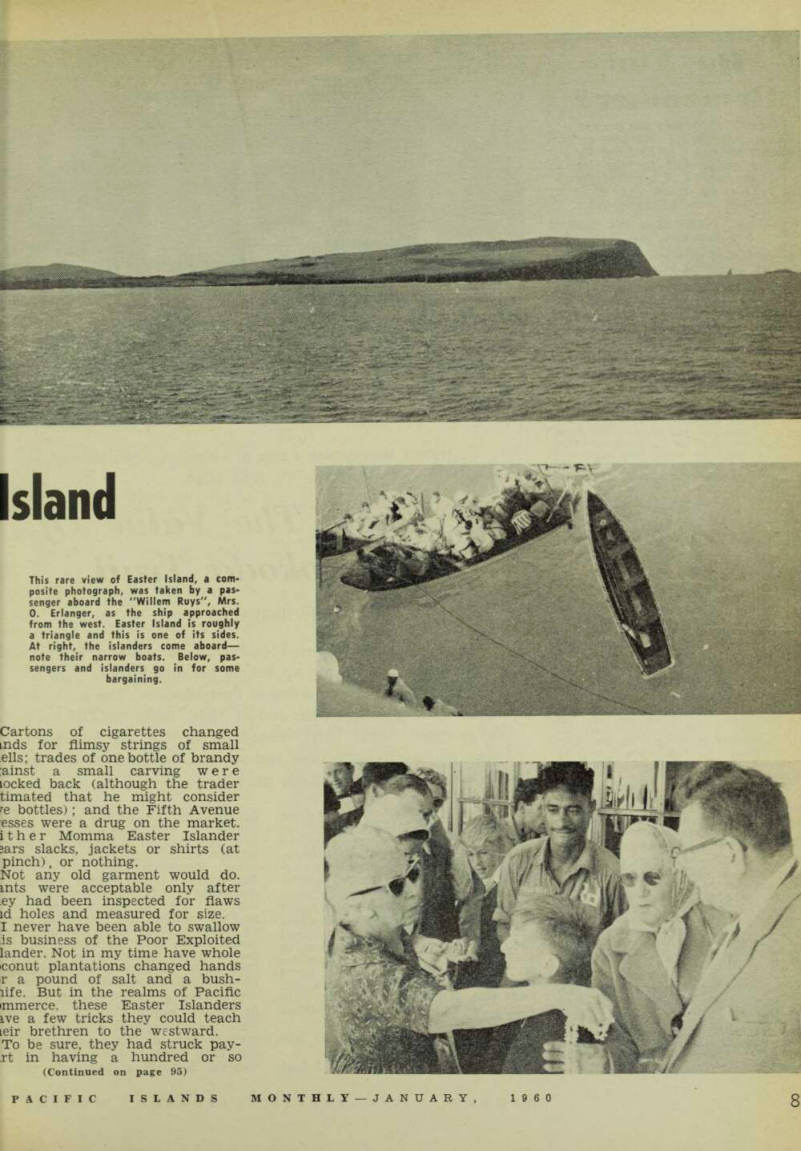 83
83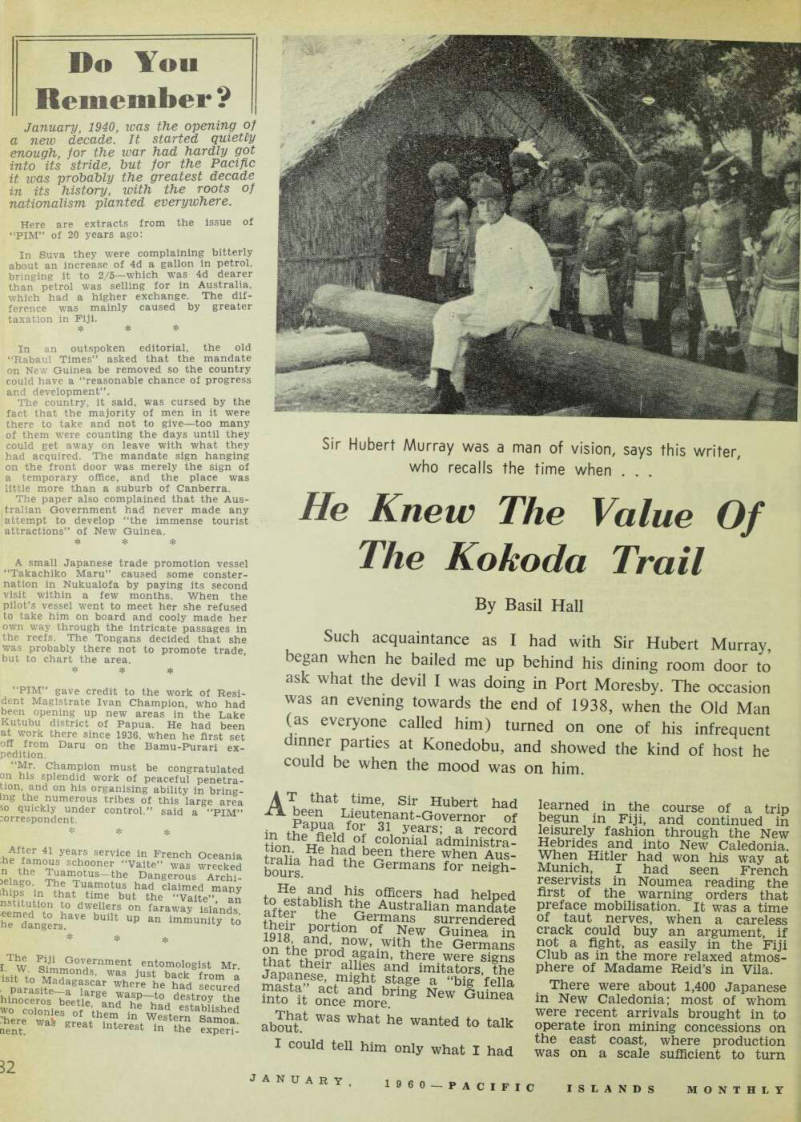 84
84 85
85 86
86 87
87 88
88 89
89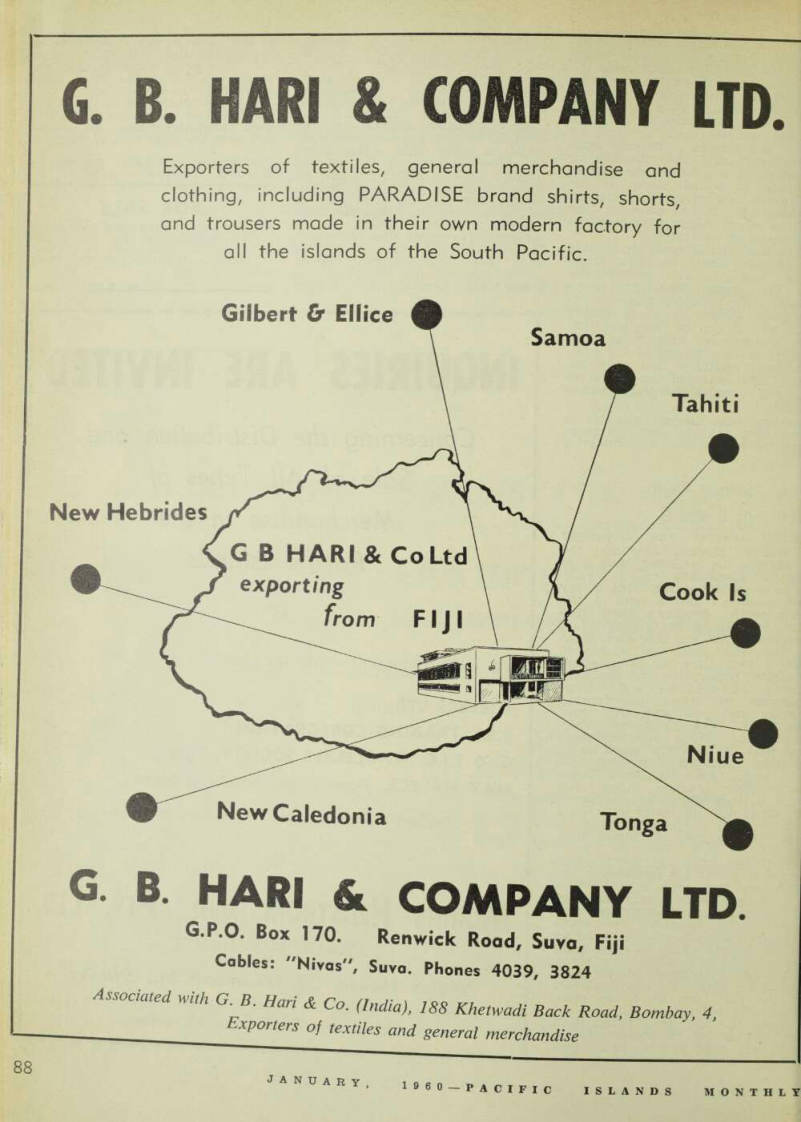 90
90 91
91 92
92 93
93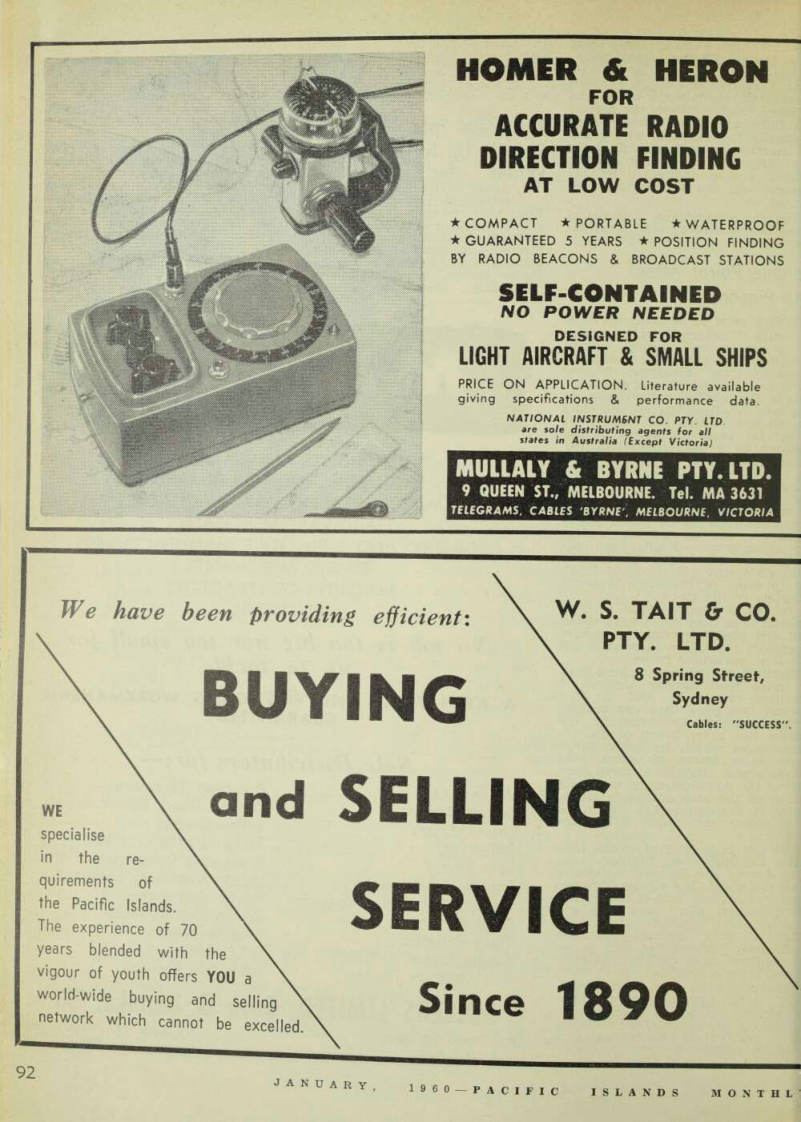 94
94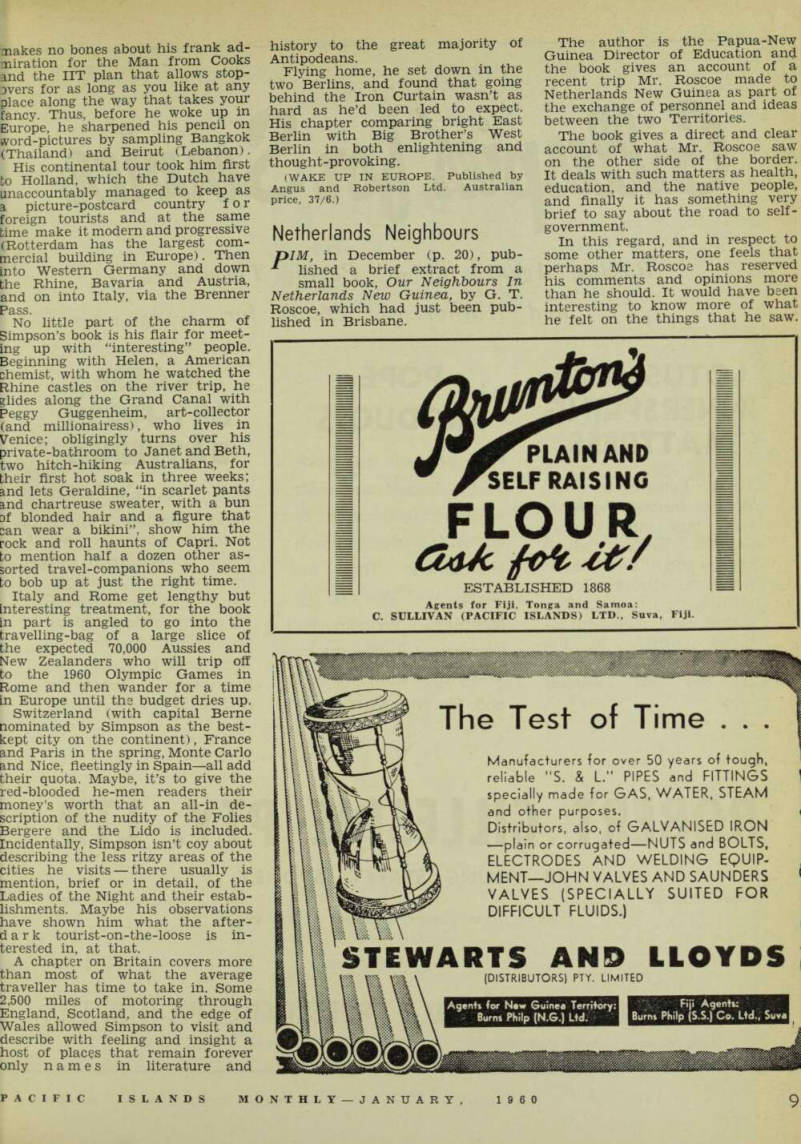 95
95 96
96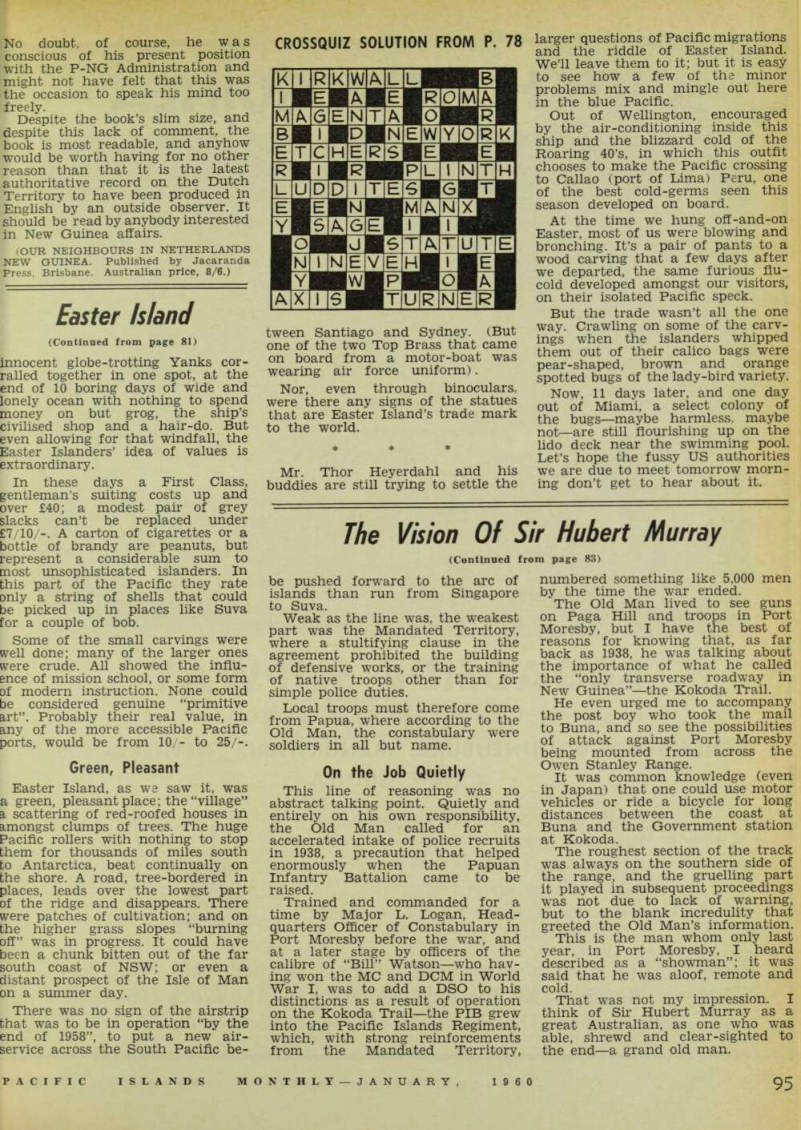 97
97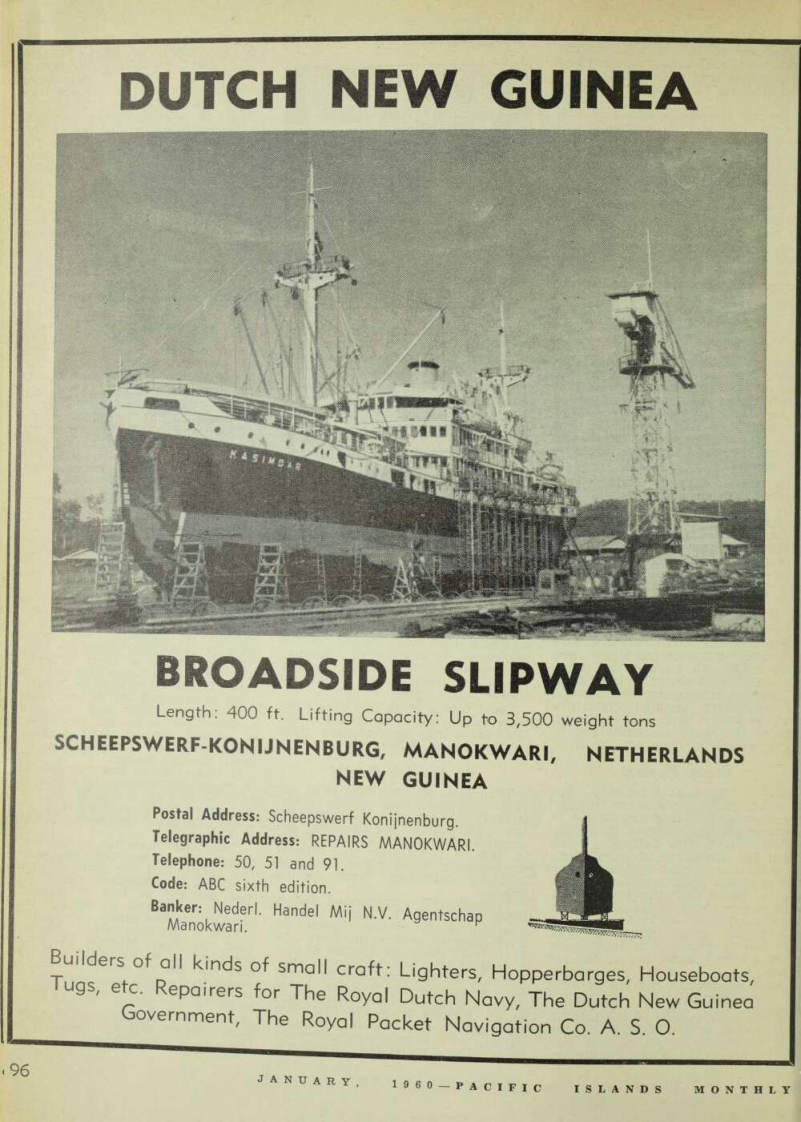 98
98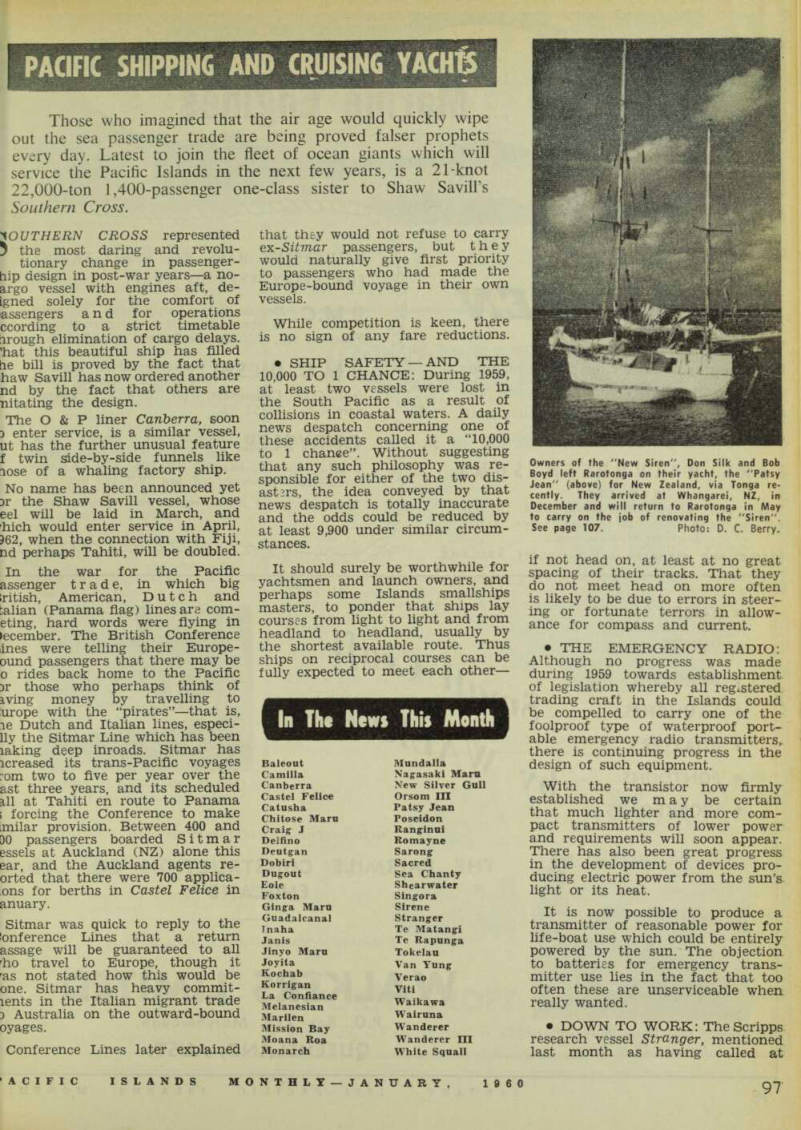 99
99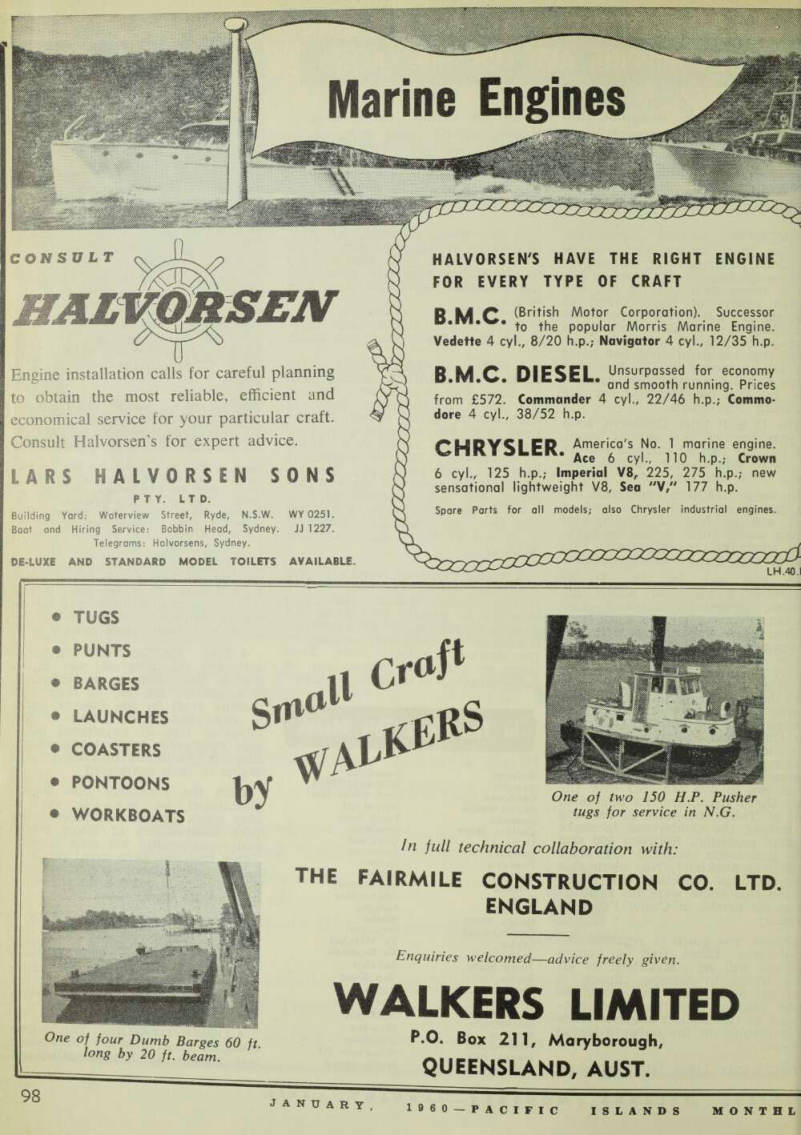 100
100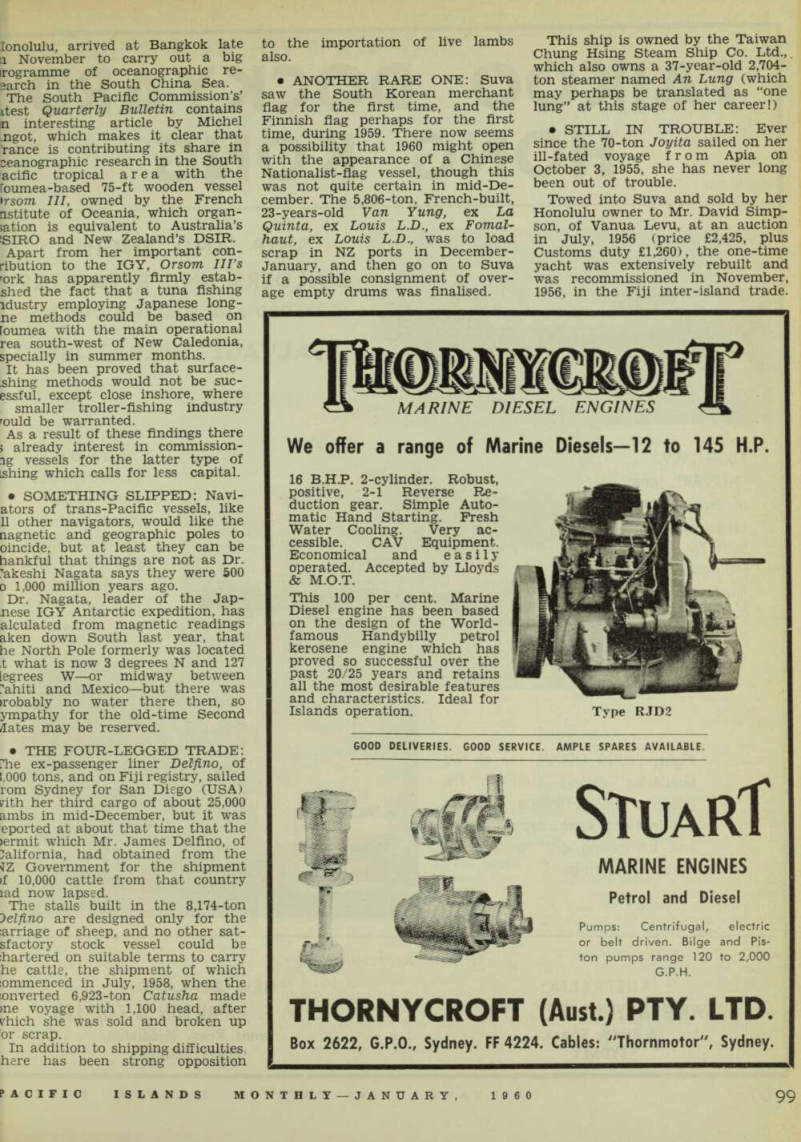 101
101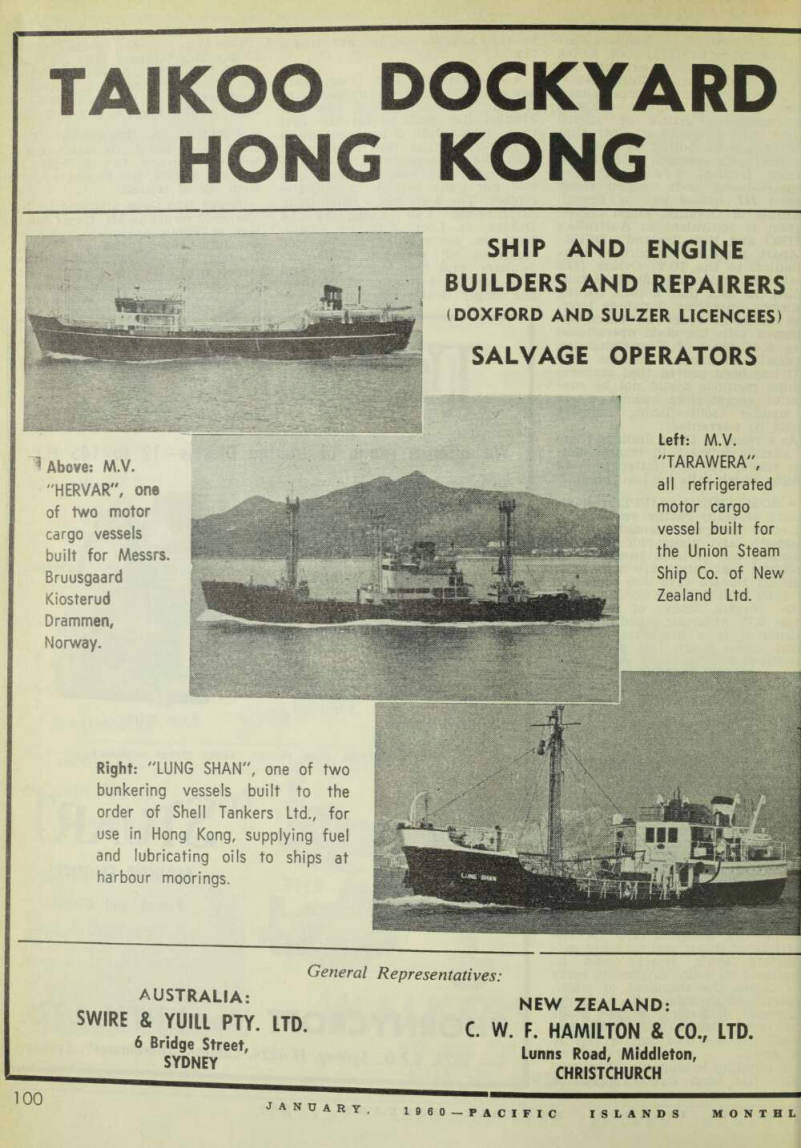 102
102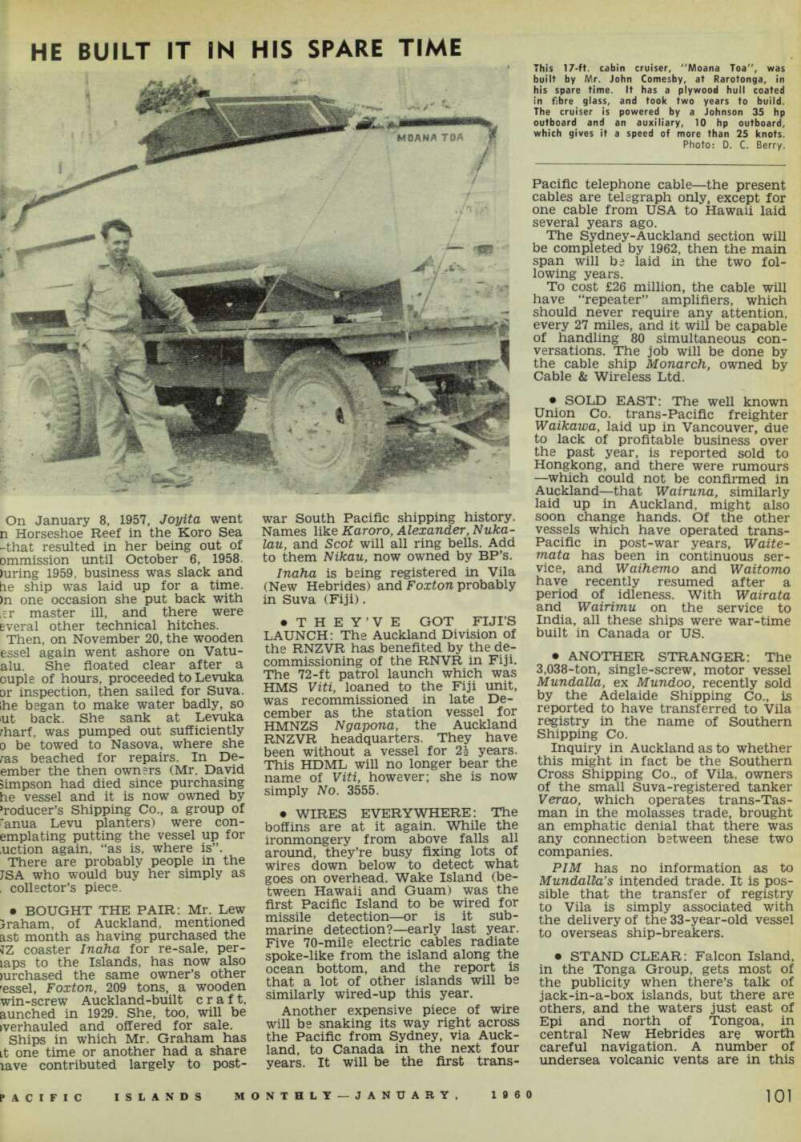 103
103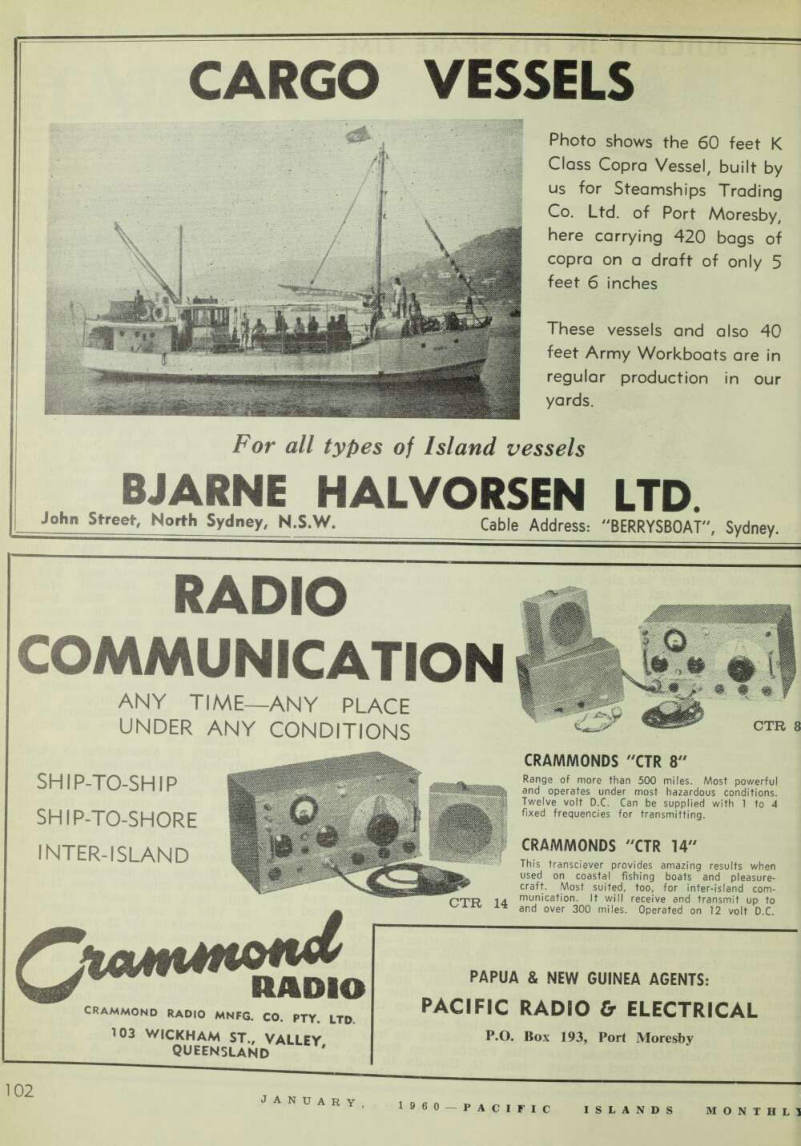 104
104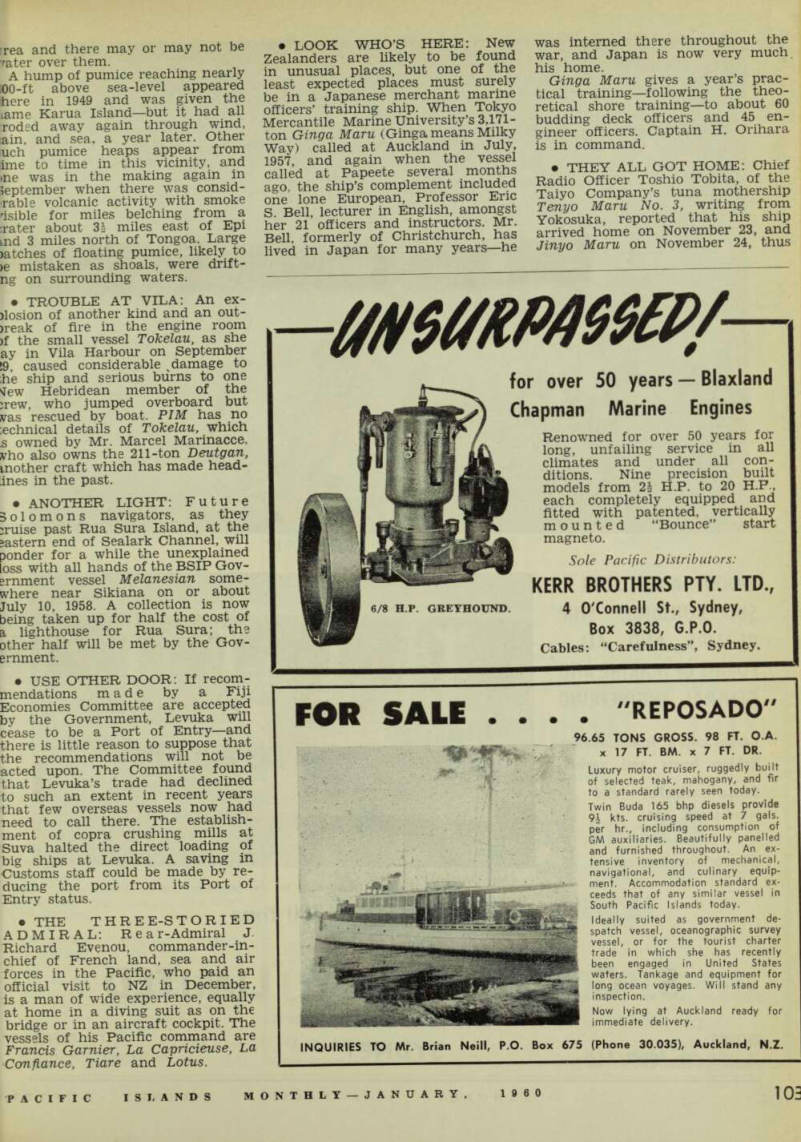 105
105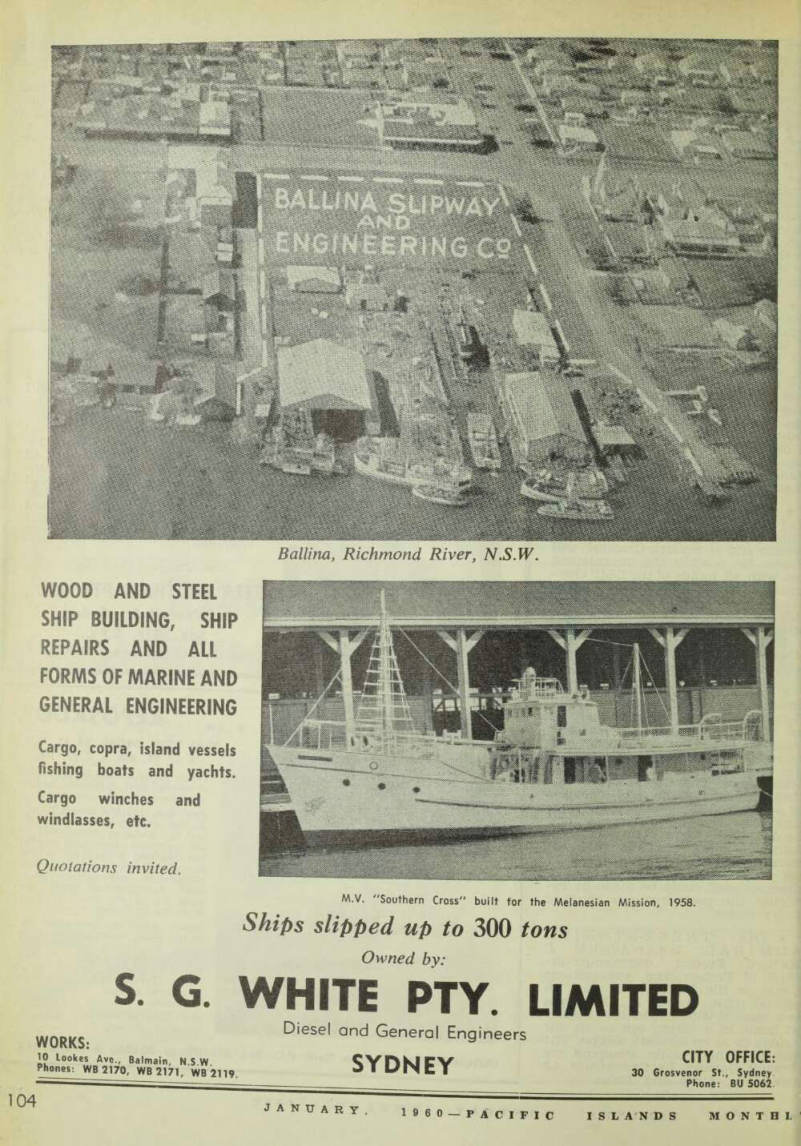 106
106 107
107 108
108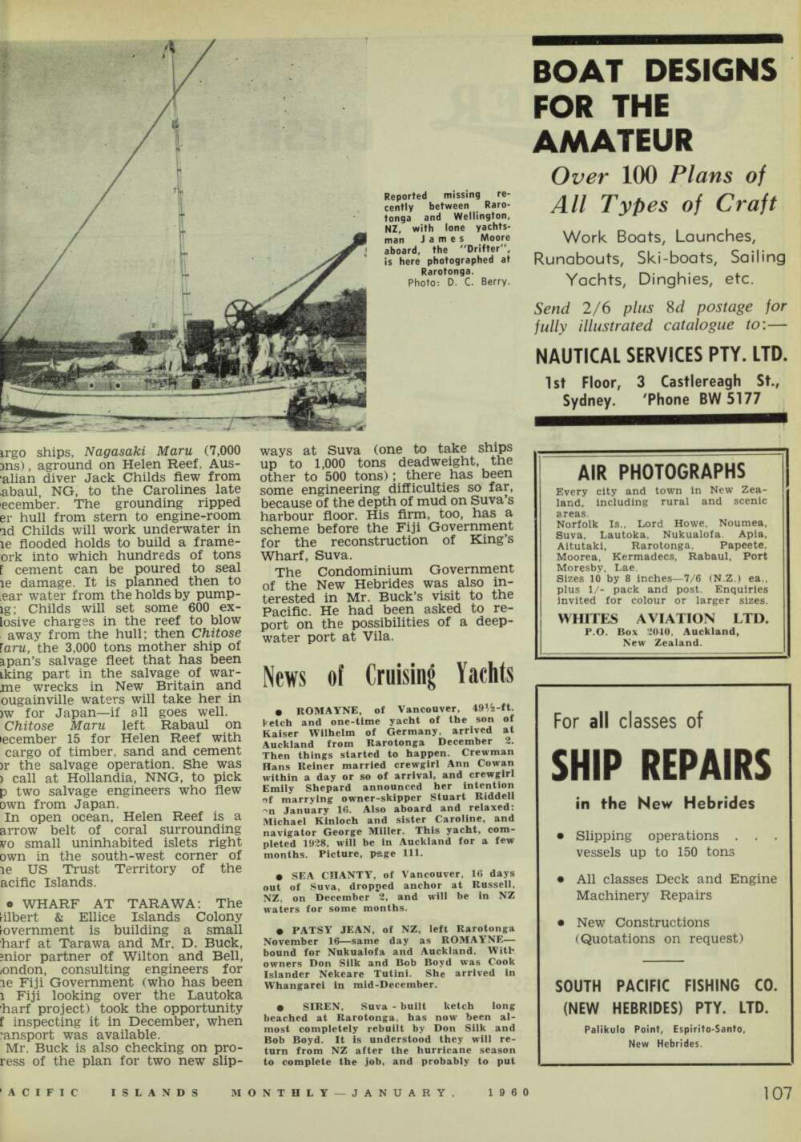 109
109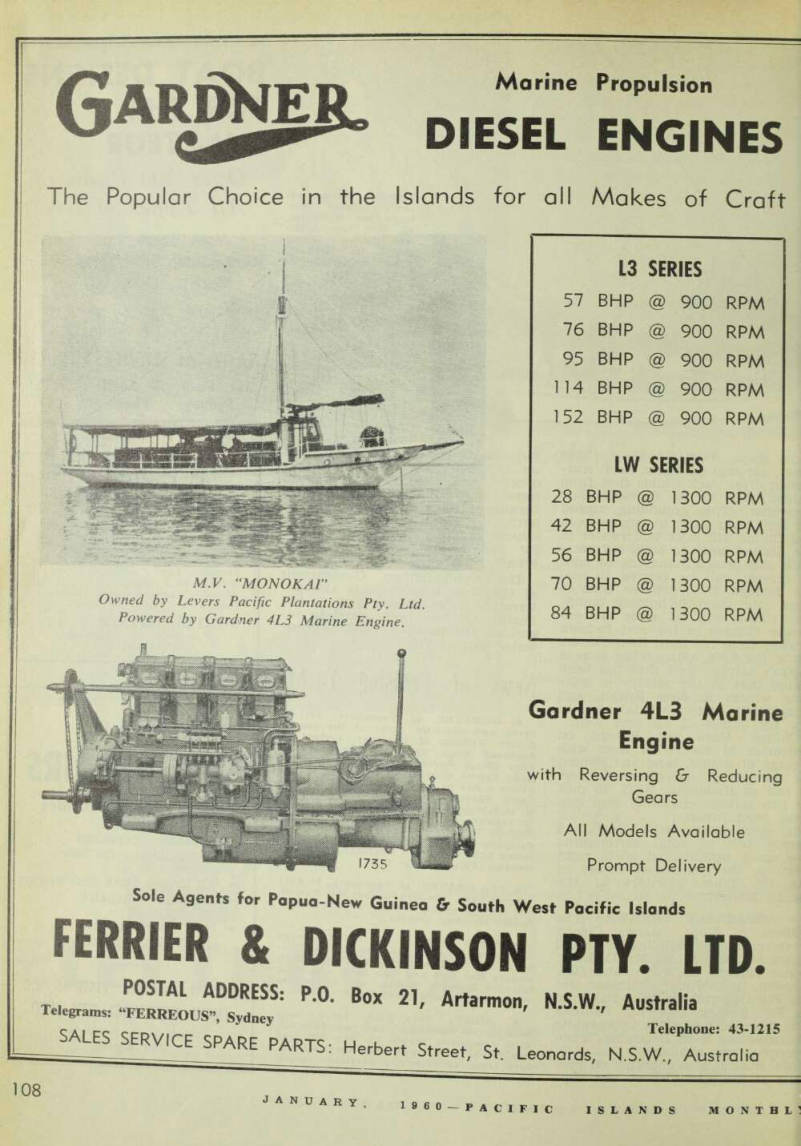 110
110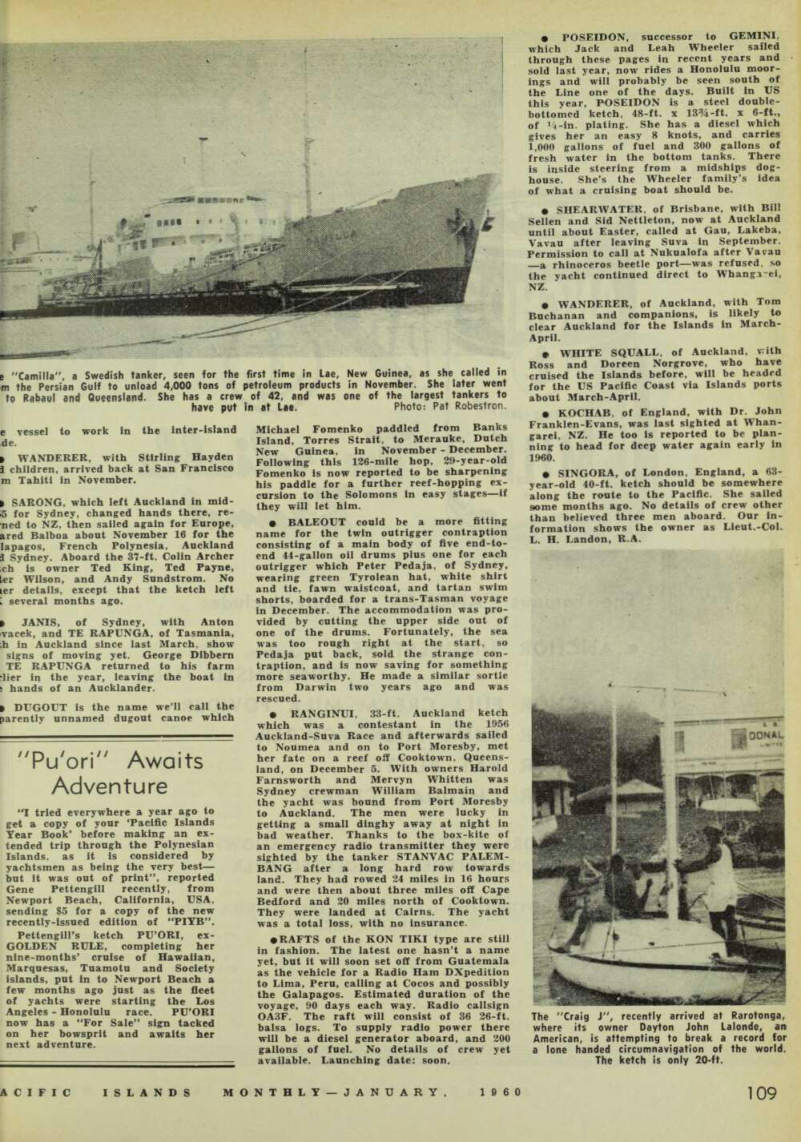 111
111 112
112 113
113 114
114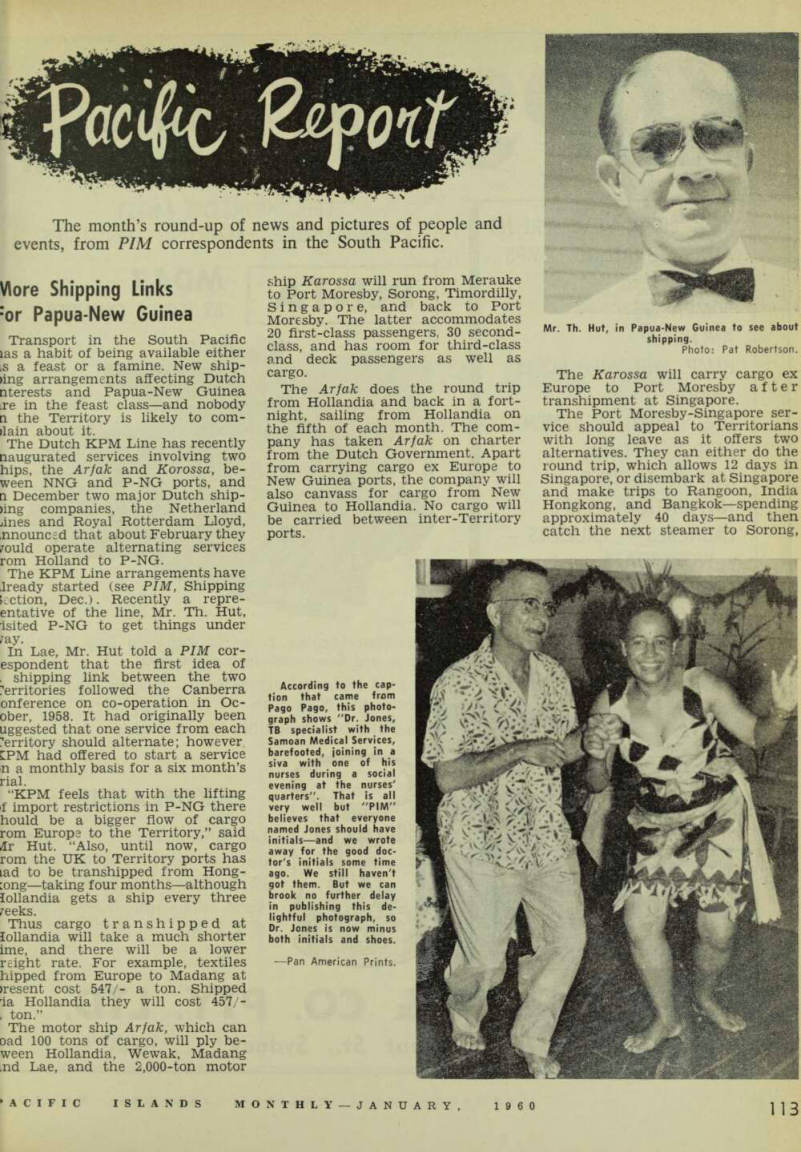 115
115 116
116 117
117 118
118 119
119 120
120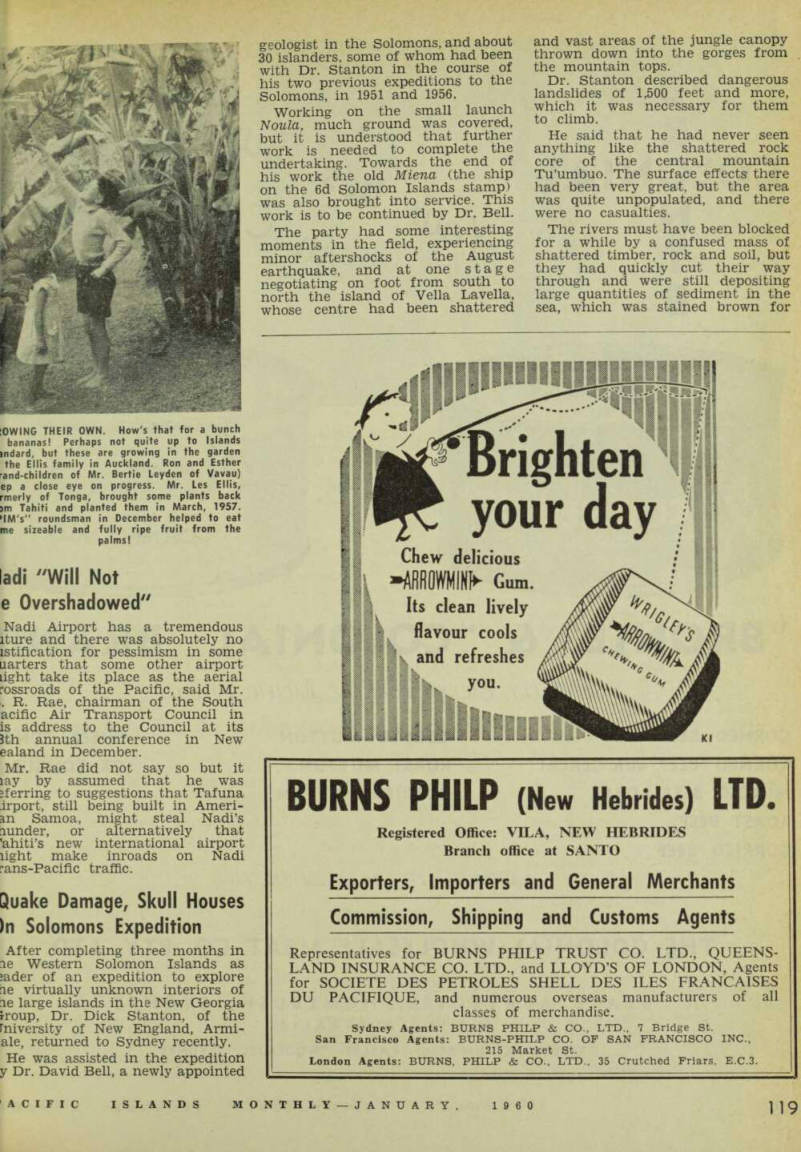 121
121 122
122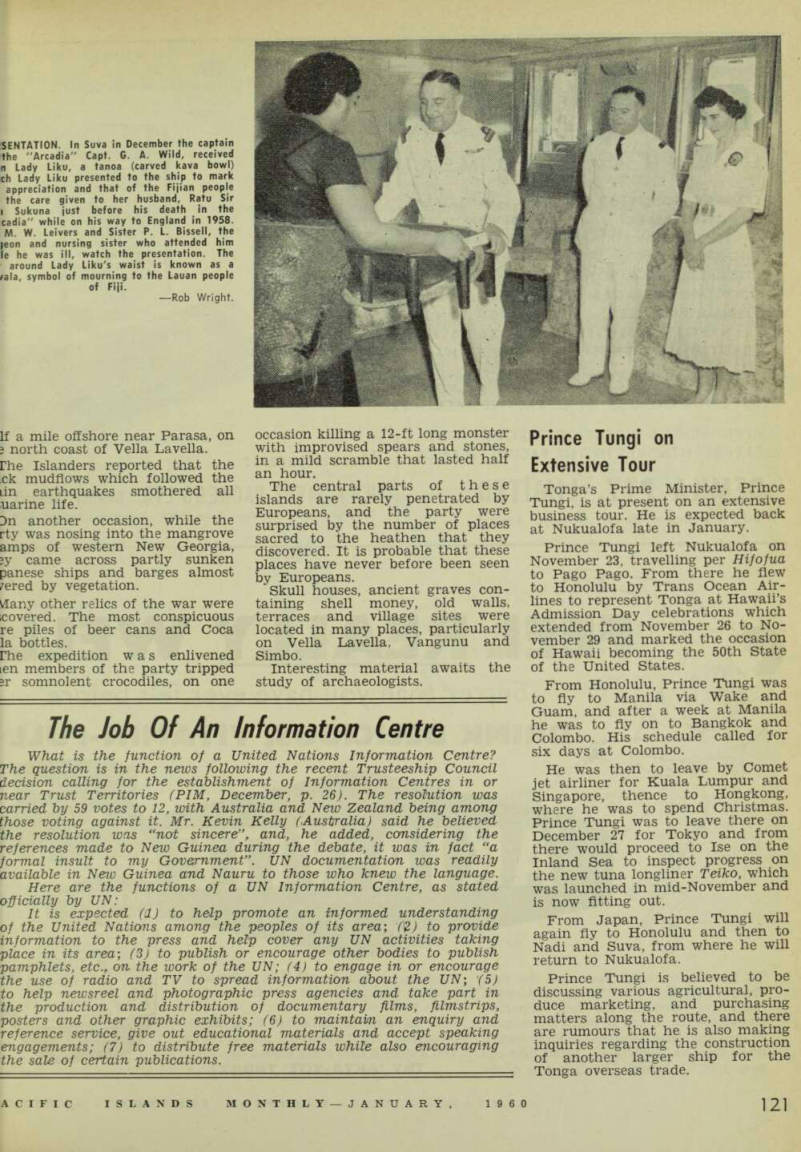 123
123 124
124 125
125 126
126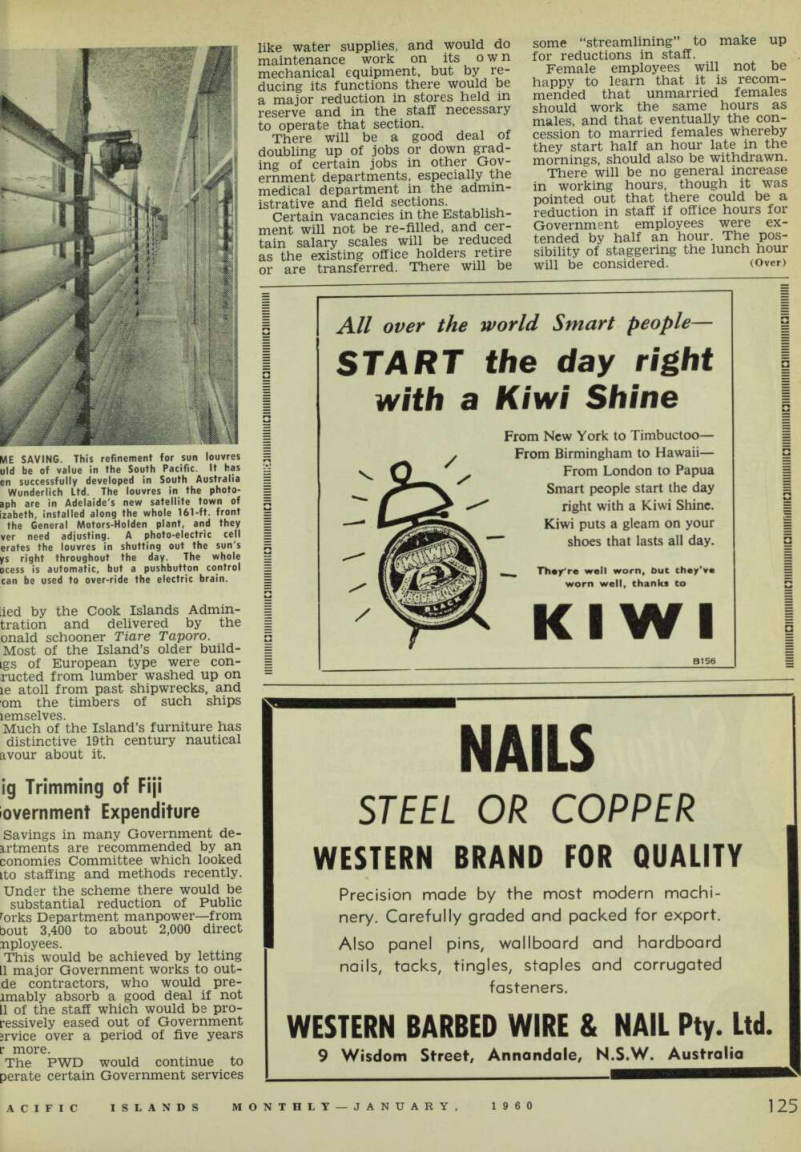 127
127 128
128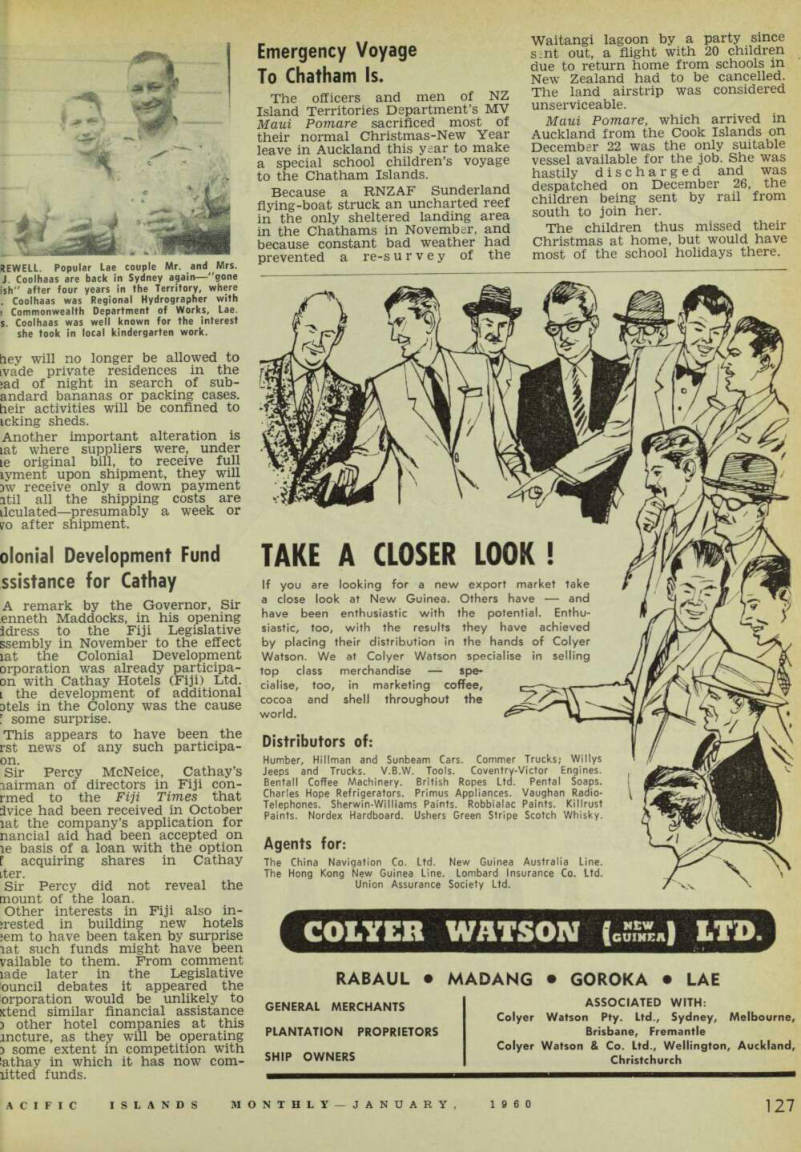 129
129 130
130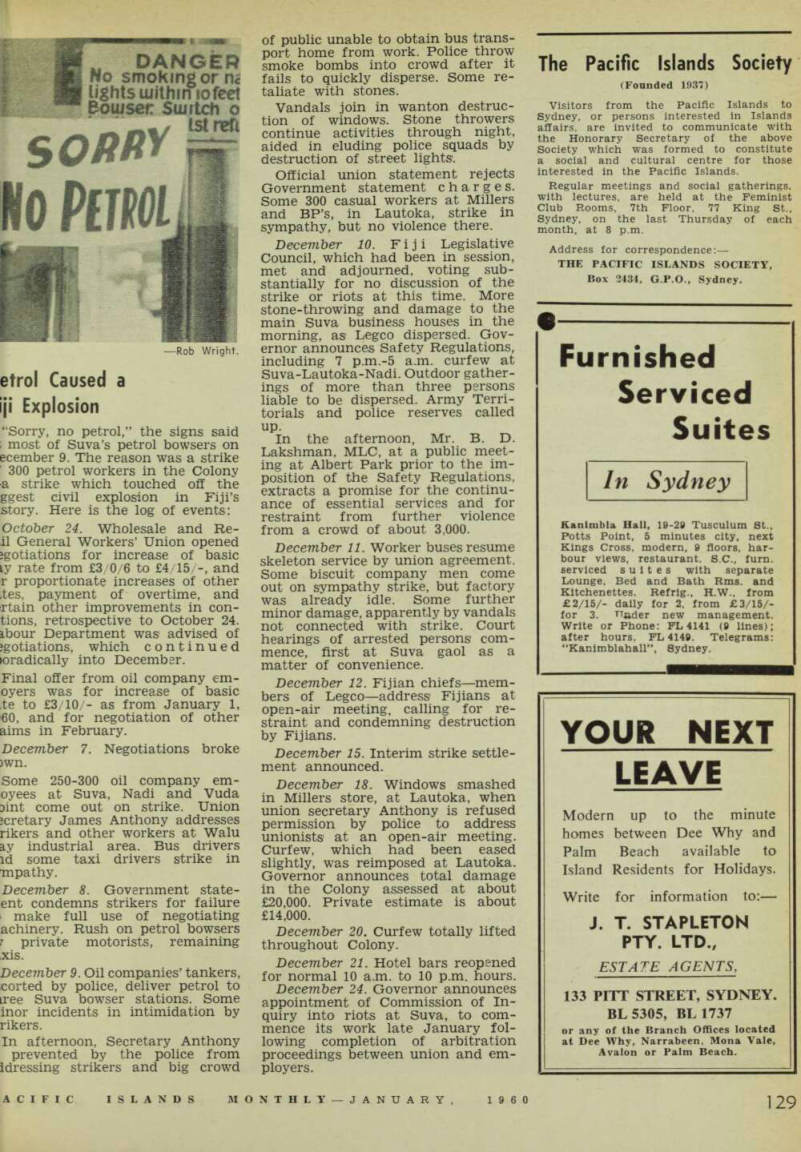 131
131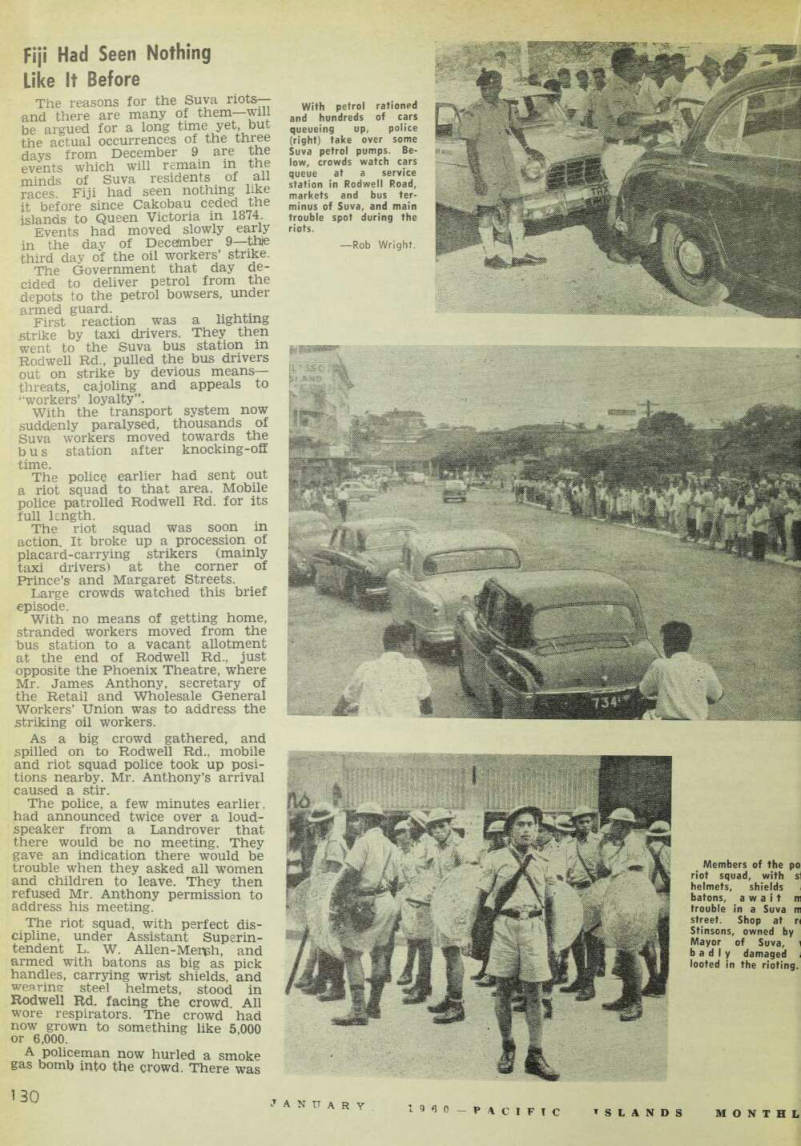 132
132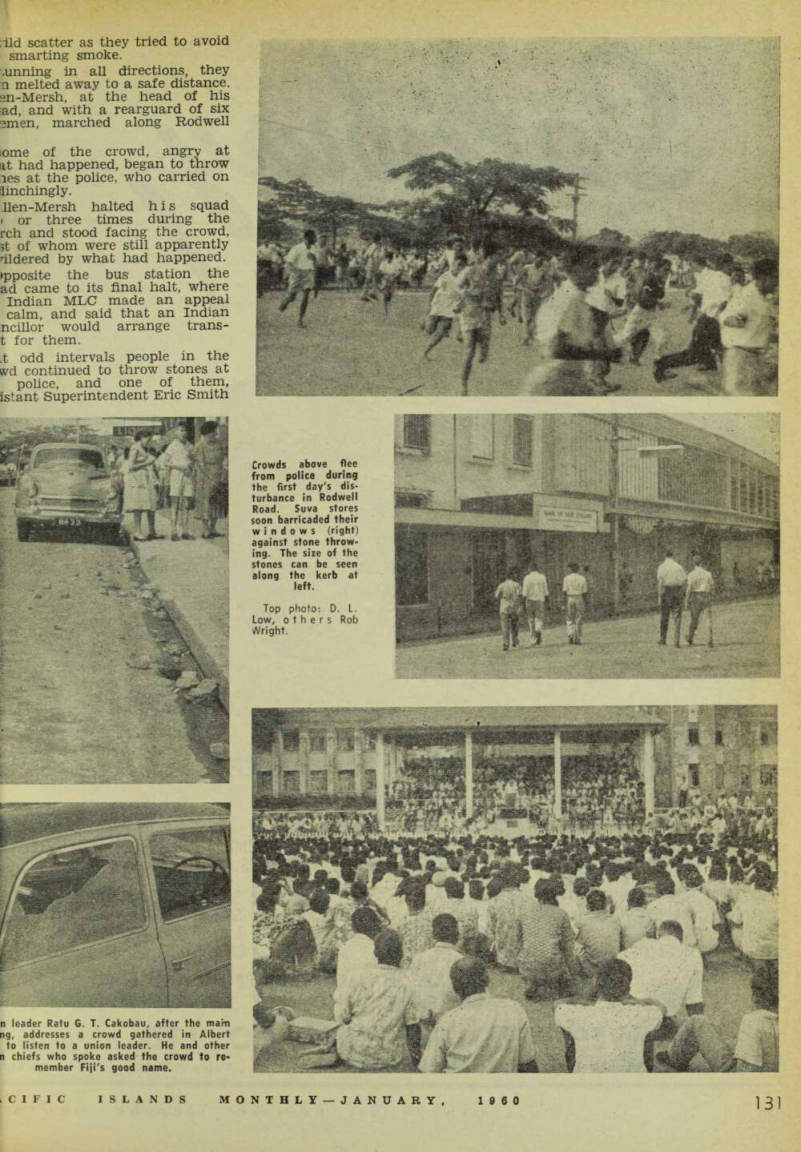 133
133 134
134 135
135 136
136 137
137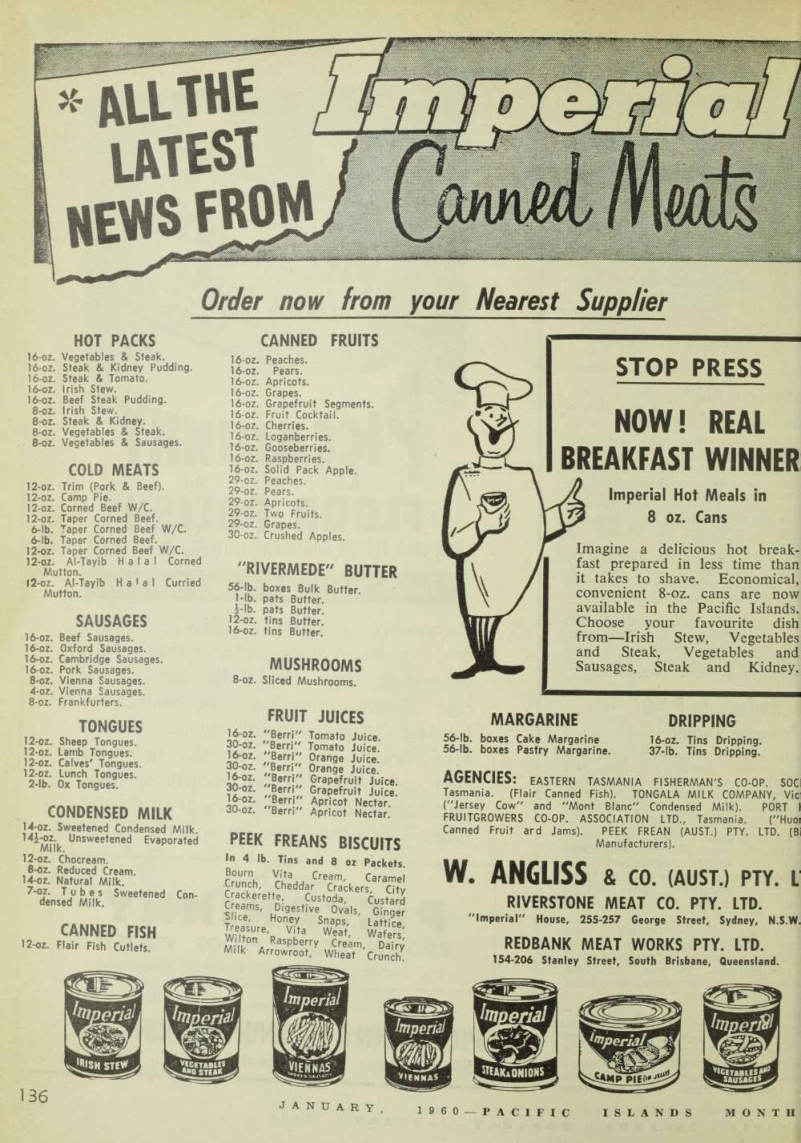 138
138 139
139 140
140 141
141 142
142 143
143 144
144 145
145 146
146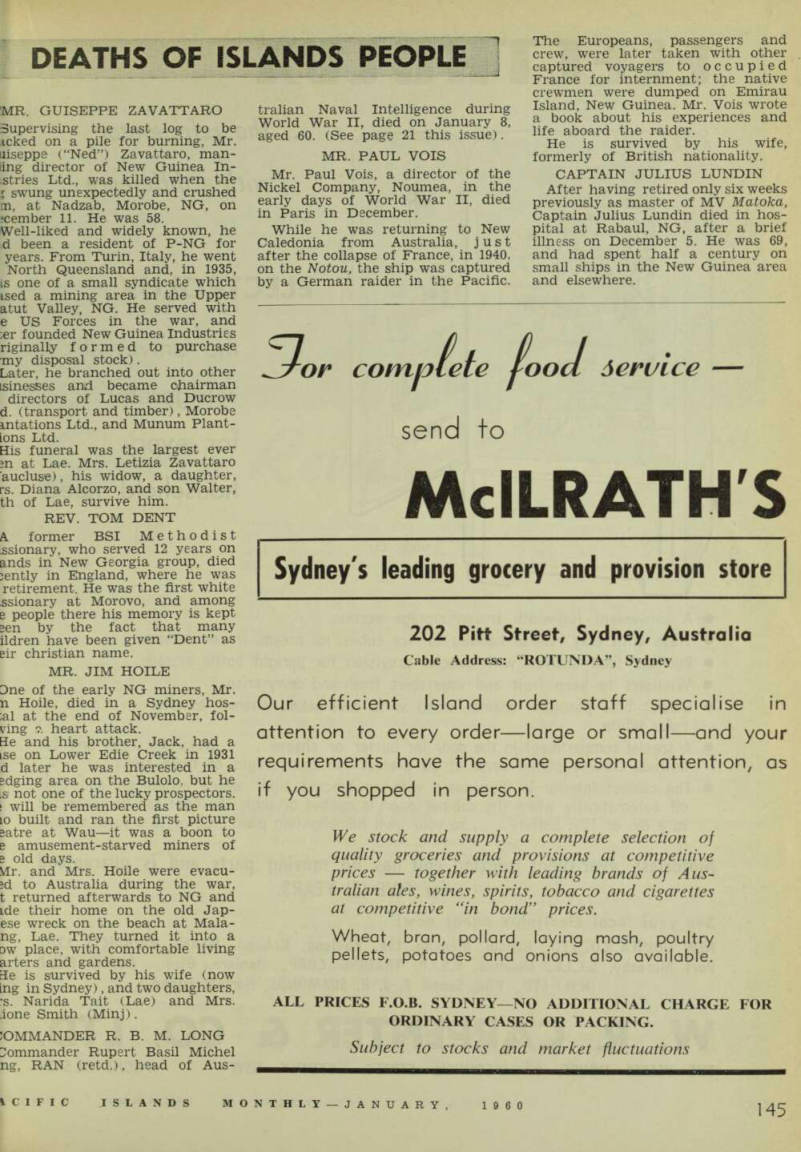 147
147 148
148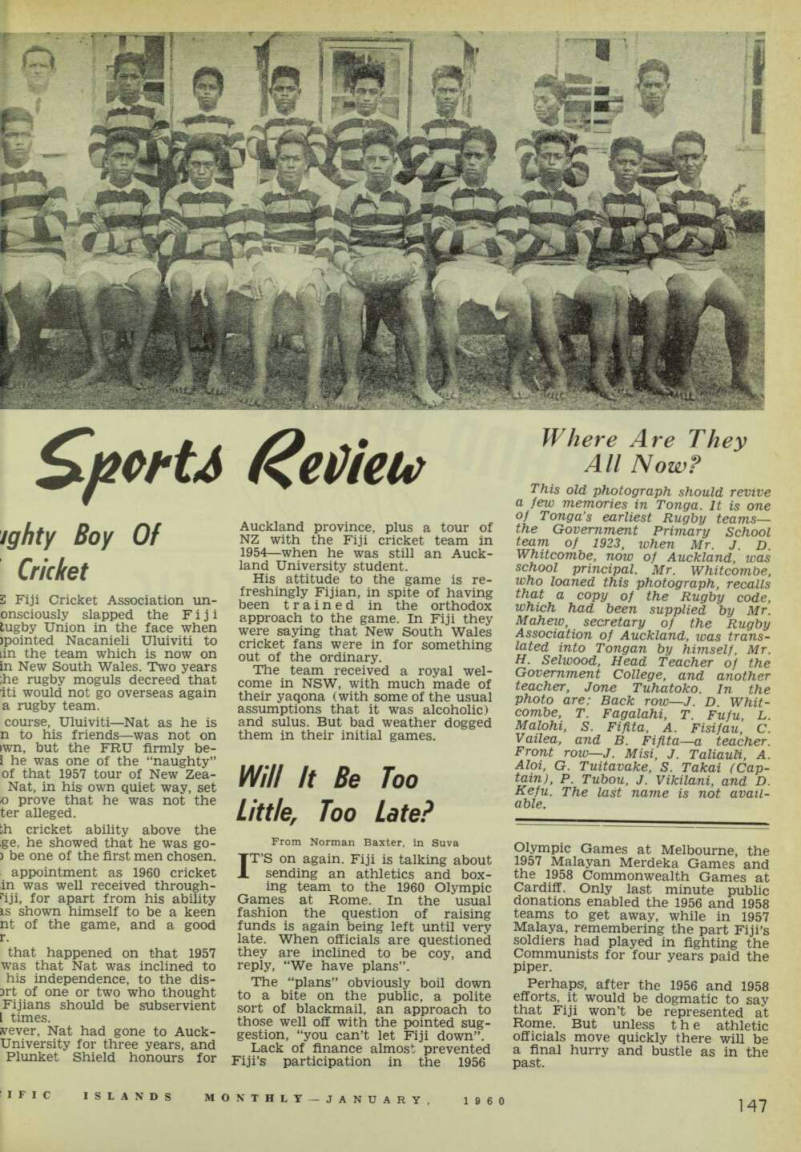 149
149 150
150 151
151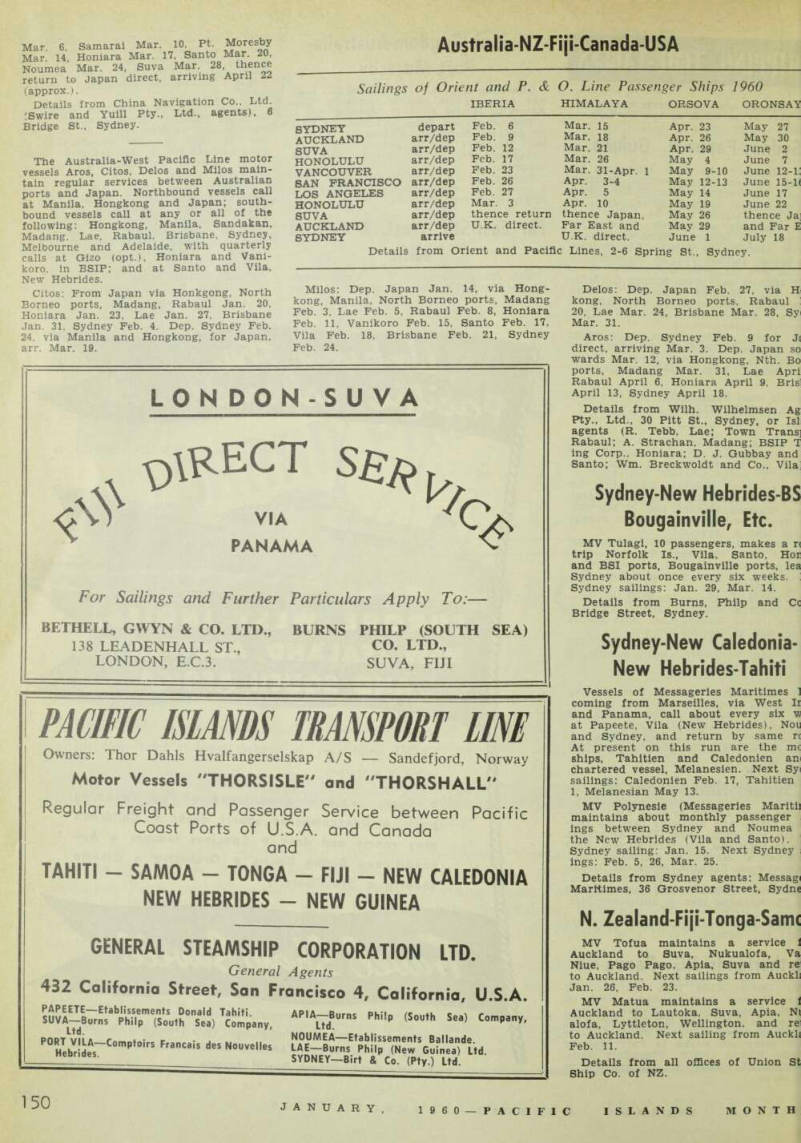 152
152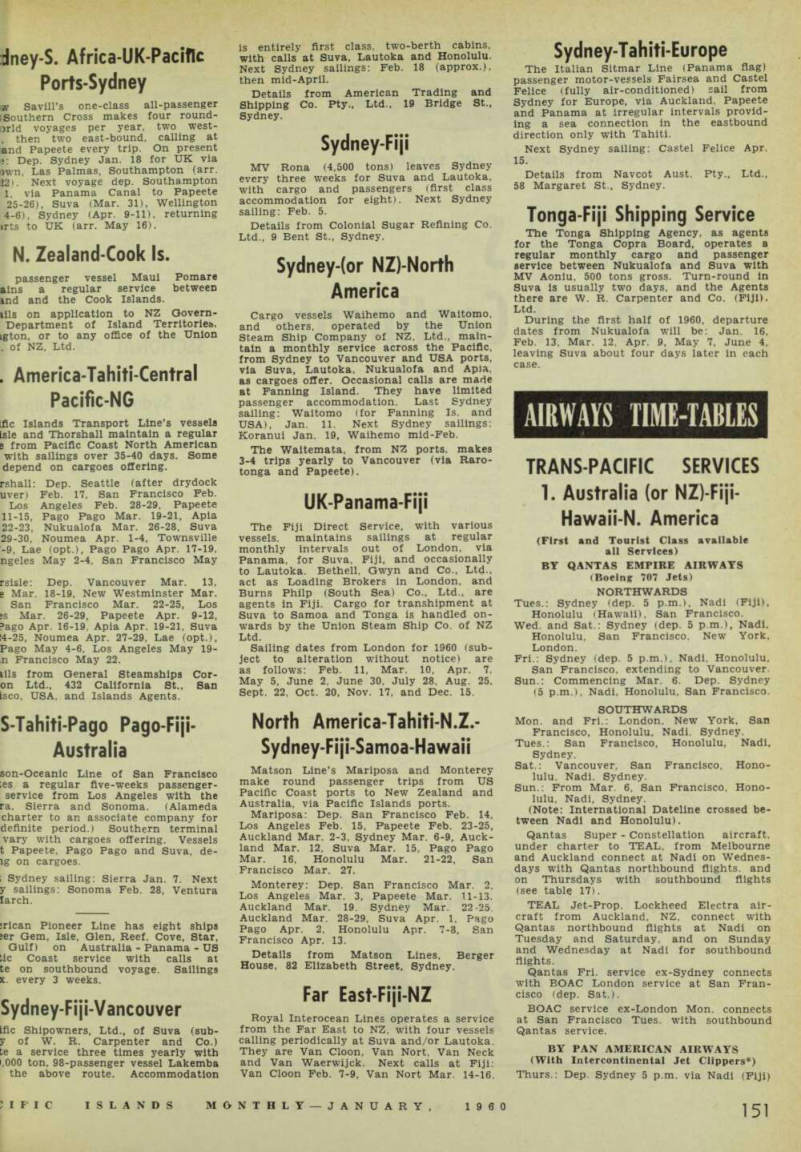 153
153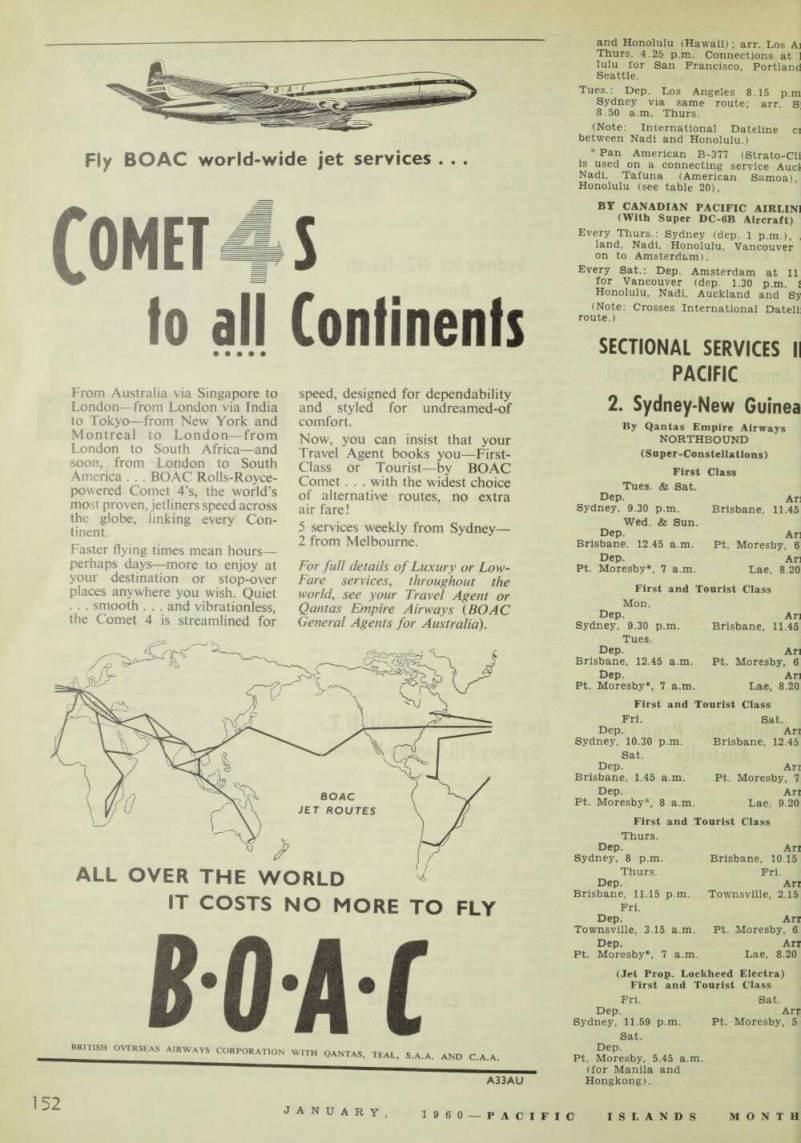 154
154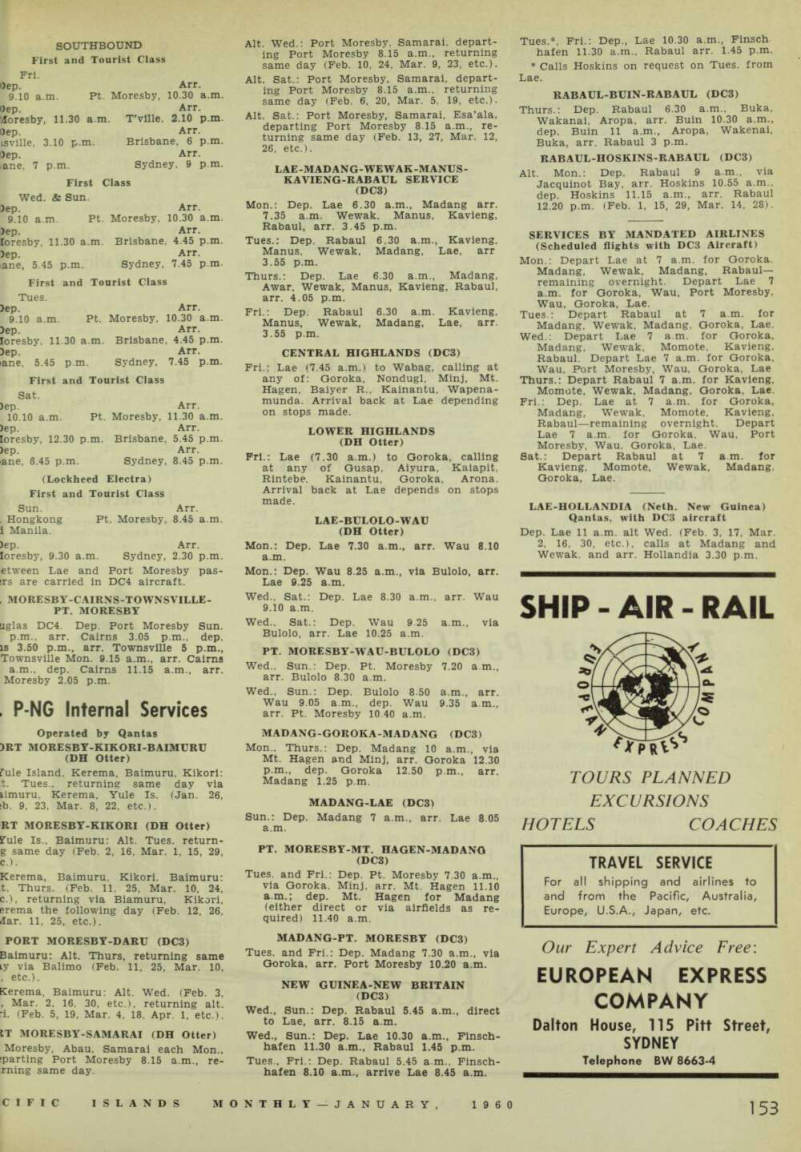 155
155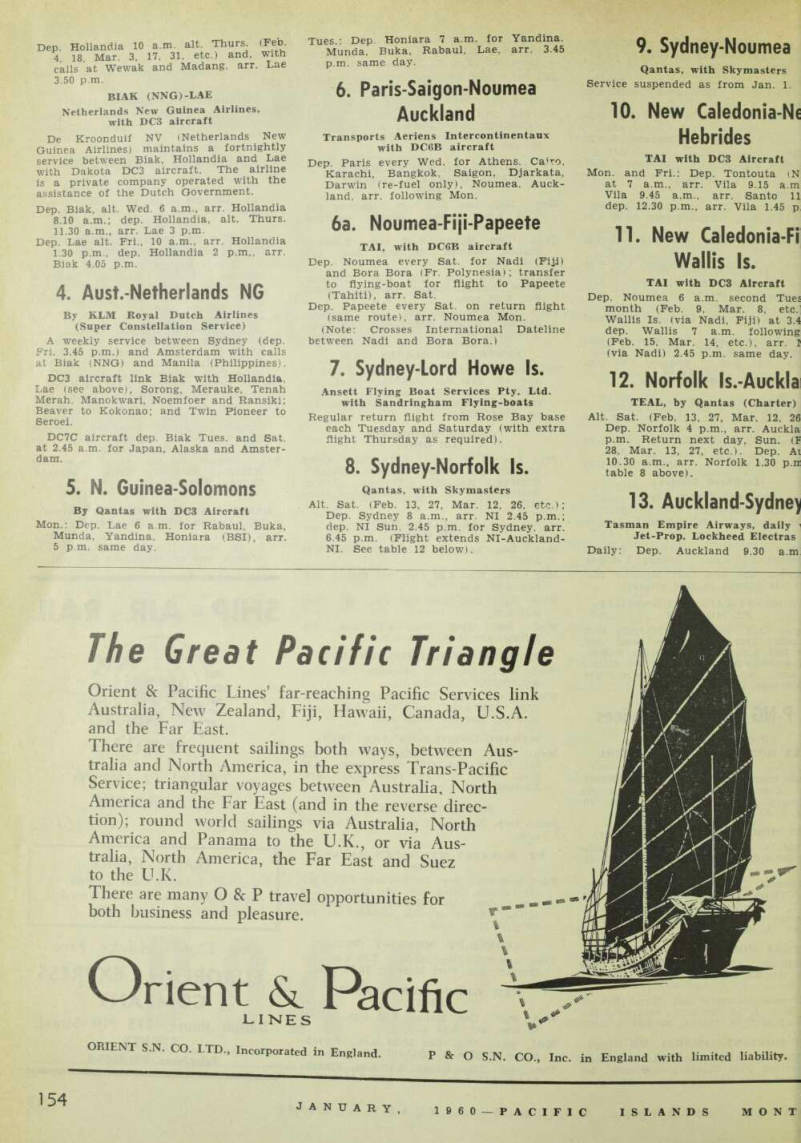 156
156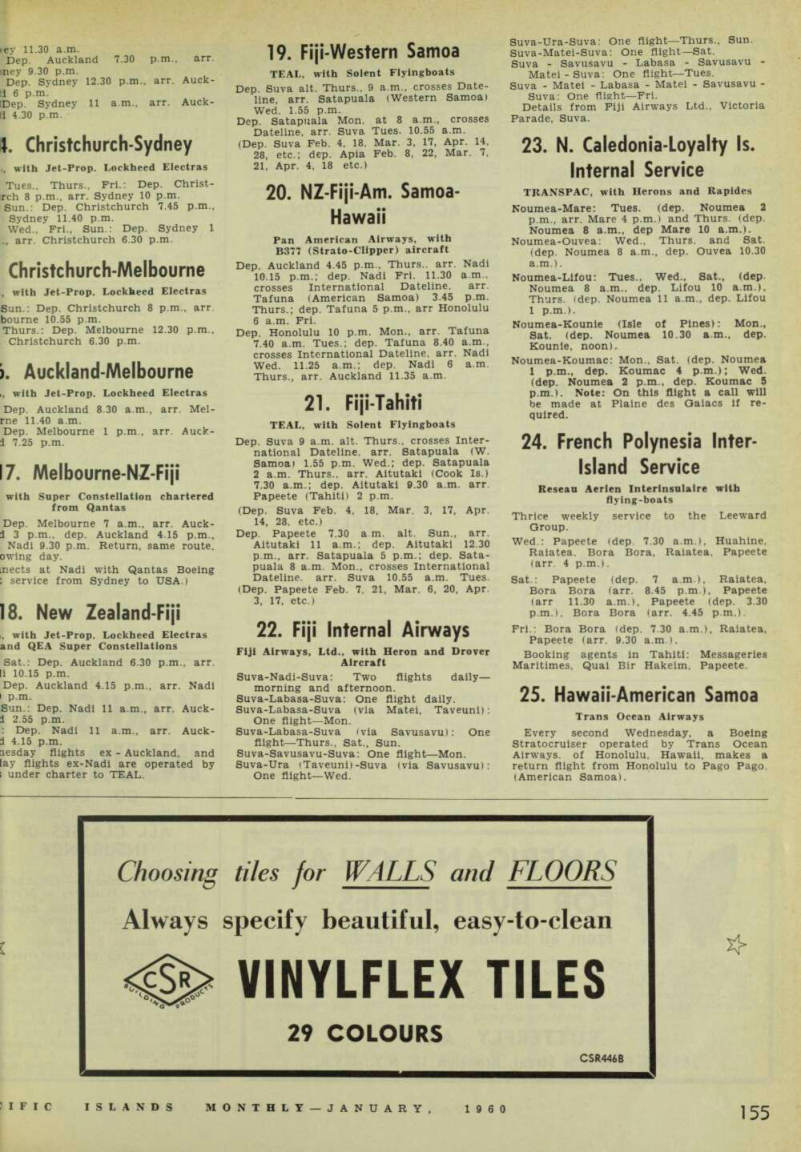 157
157 158
158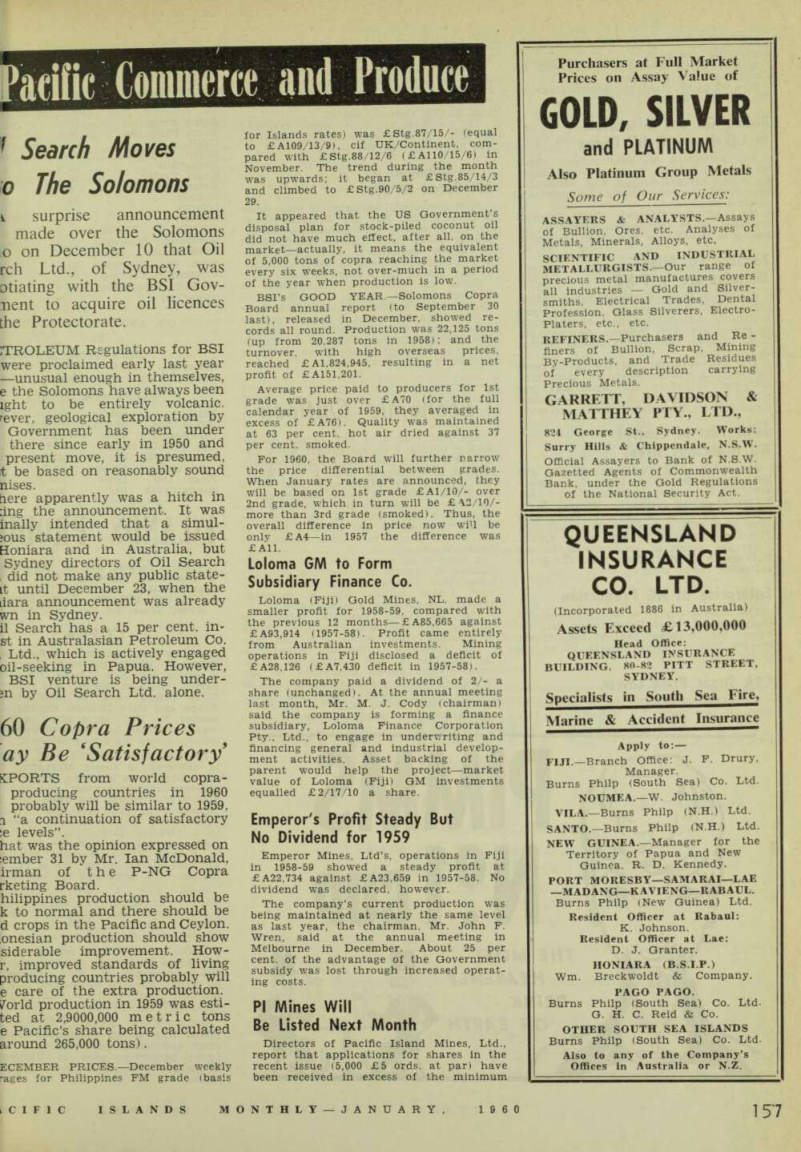 159
159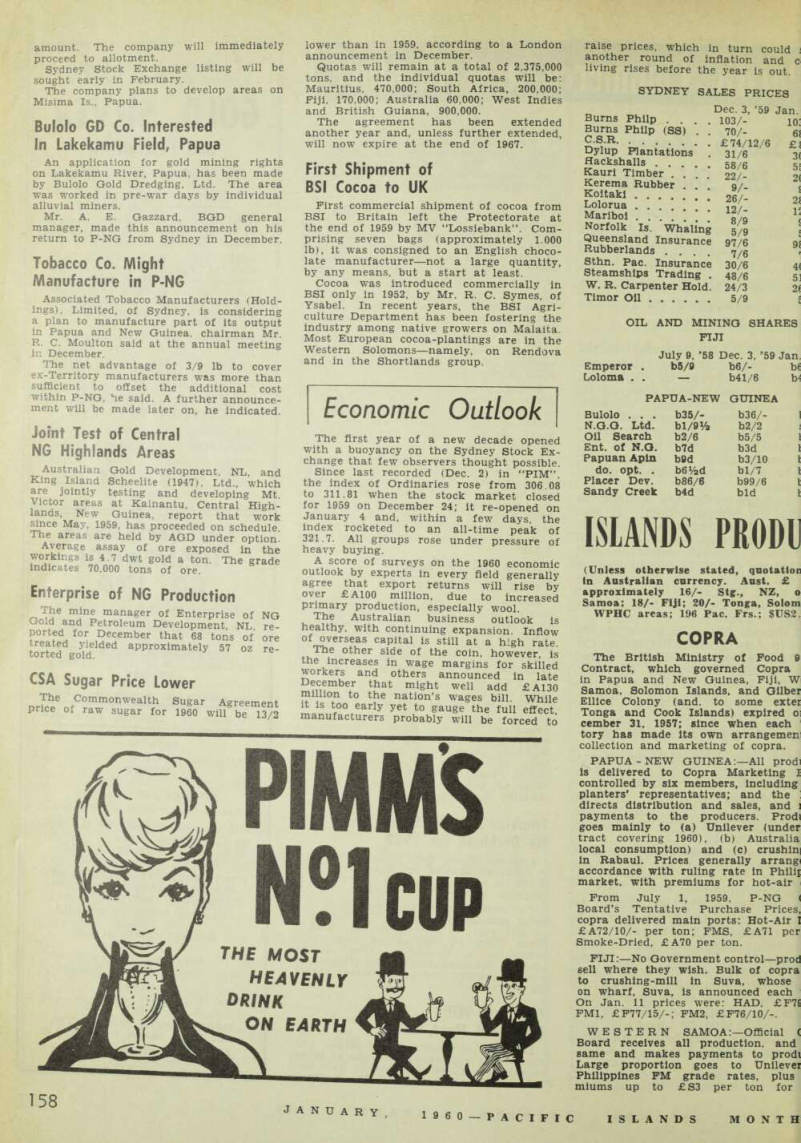 160
160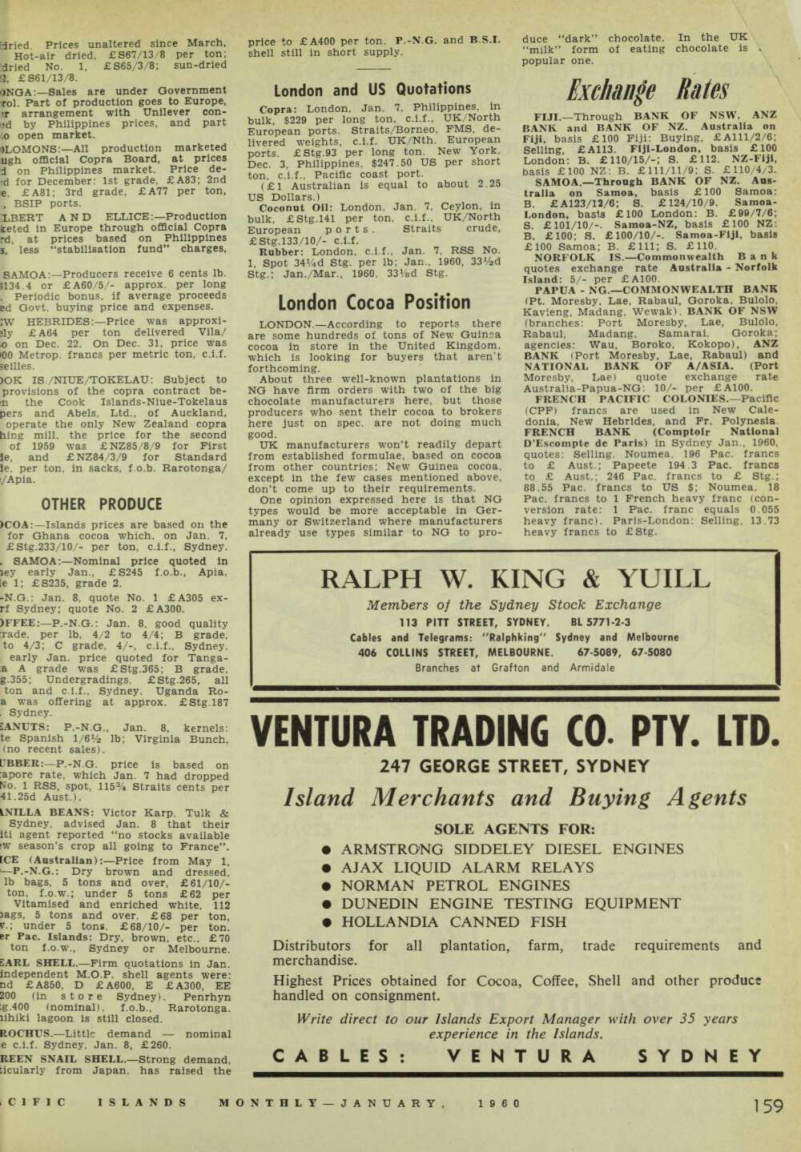 161
161 162
162 163
163 164
164